Drawer Microwaves
Elevate your kitchen experience with the sleek and innovative design of a drawer microwave. Perfect for modern kitchens, these space-saving appliances offer a seamless blend of style and functionality. With their convenient pull-out drawer design, accessing your culinary creations has never been easier or more ergonomic. Whether you're reheating leftovers or preparing gourmet meals, a drawer microwave provides the versatility and convenience you need to streamline your cooking routine. Explore our selection to find the perfect addition to your kitchen that combines efficiency with elegance.
Sort
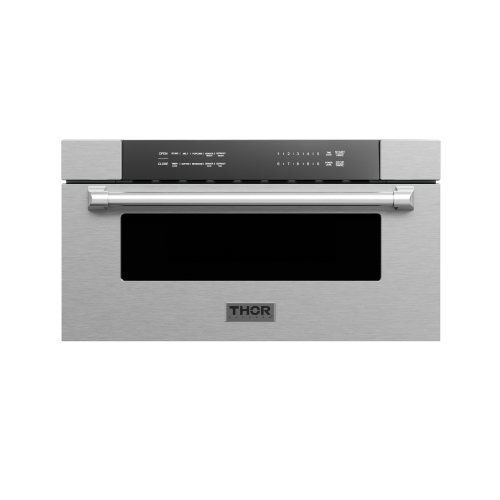

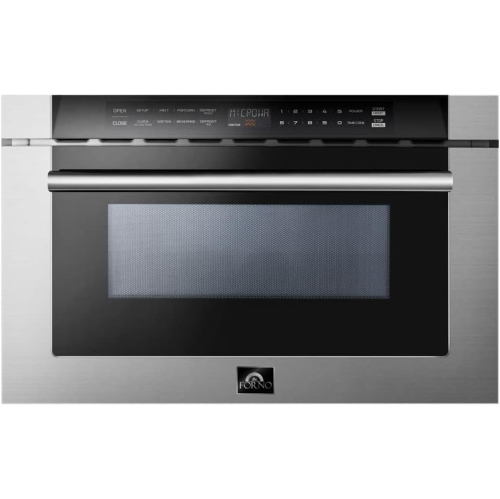
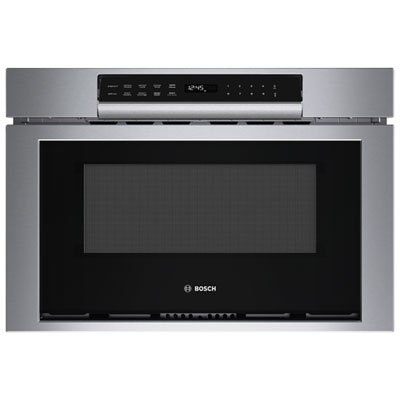

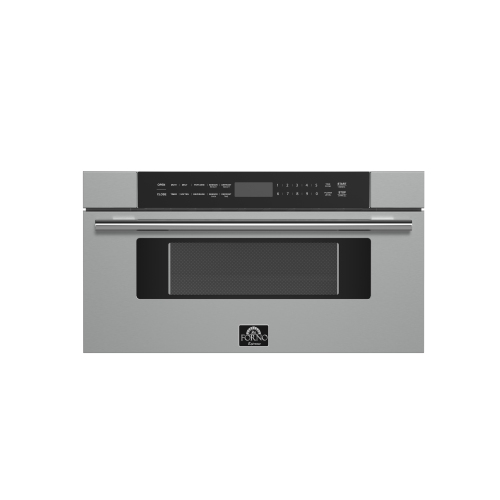
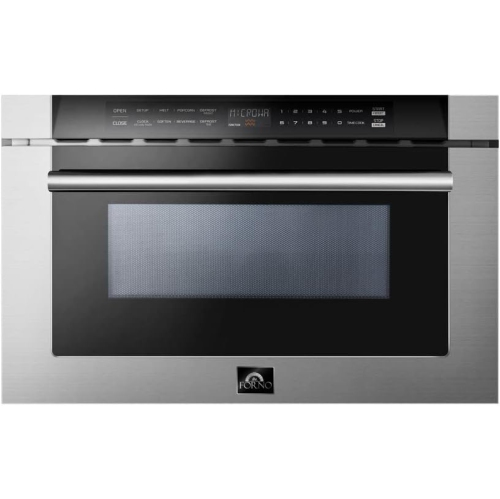
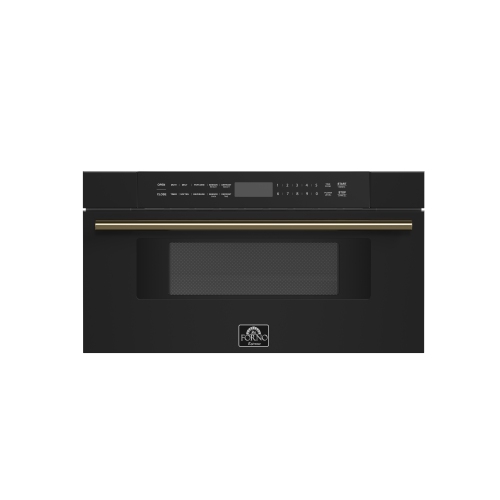
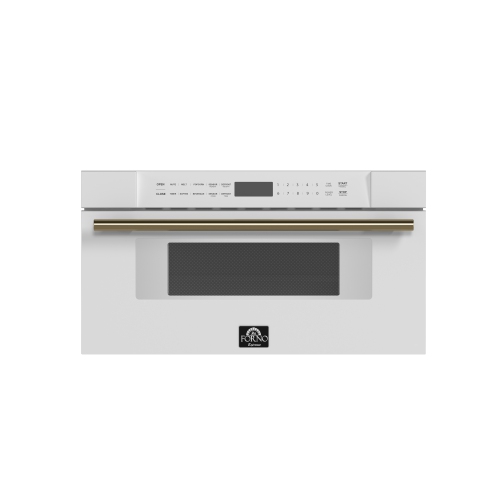
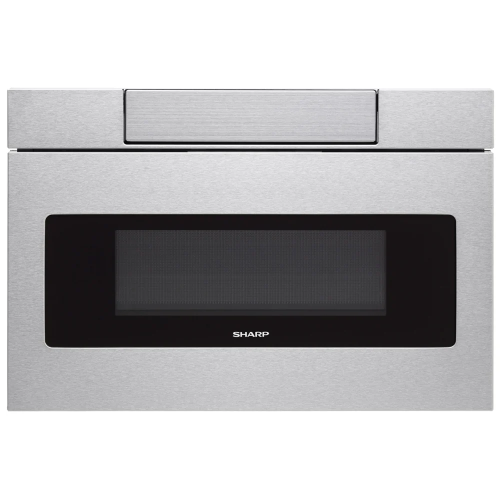
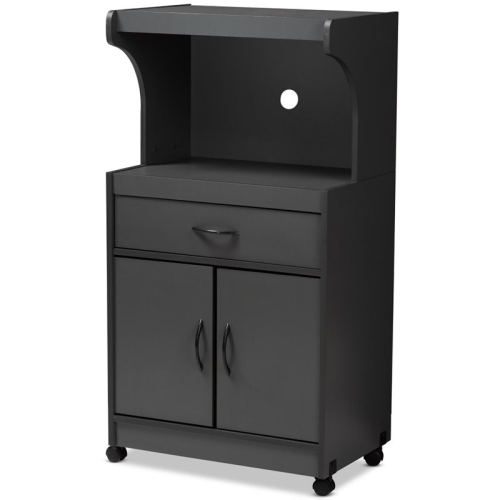
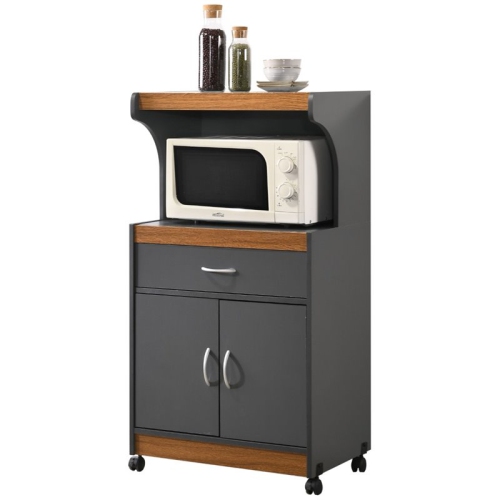
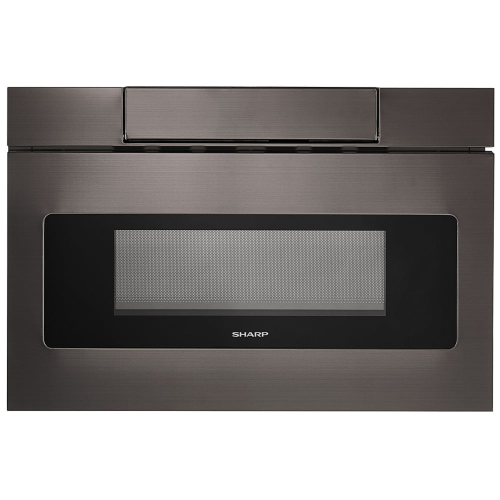
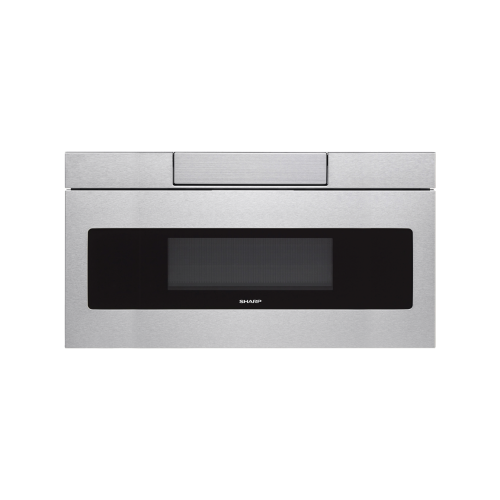





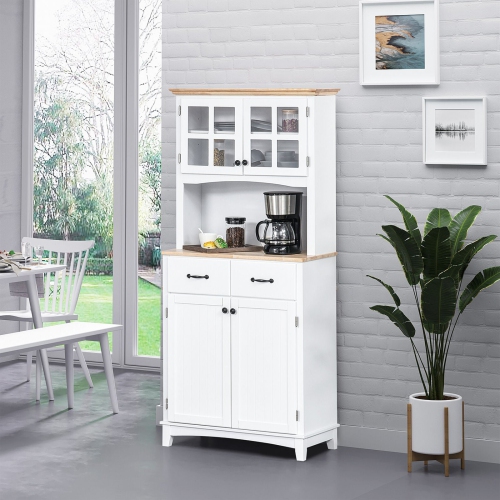
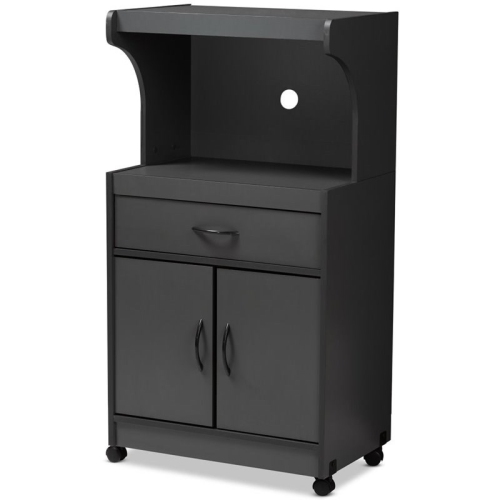

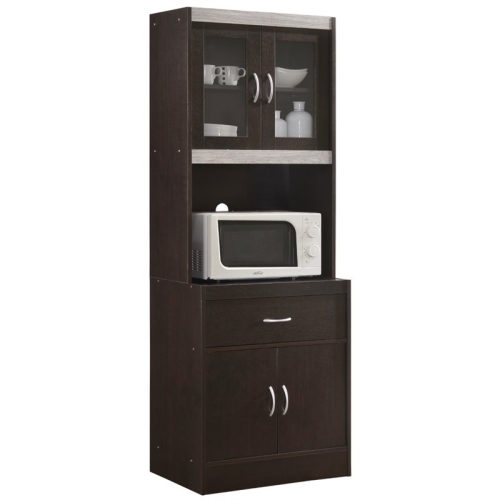
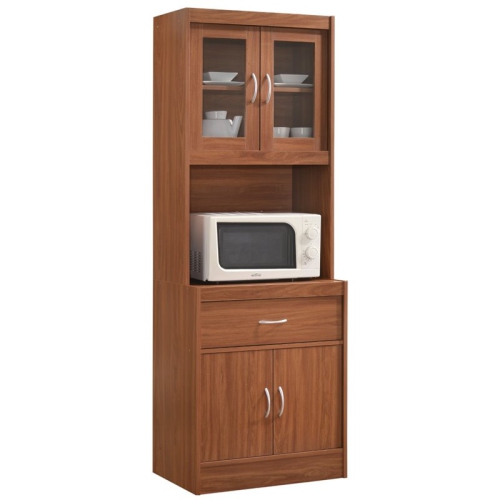


Below-counter reheating that leaves your work surface clear
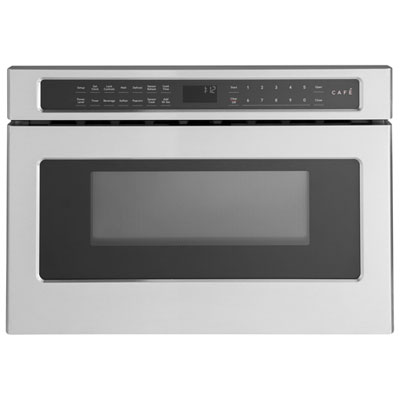
Drawer microwaves are built-in kitchen appliances that open horizontally, allowing food to be placed into the cooking compartment from above rather than through a side-hinged door. Usually installed beneath a countertop or within a kitchen island, they keep the work surface clear while placing everyday reheating close to the preparation area. That arrangement can be especially useful when a cutting board, mixing bowl, and ingredients already fill the counter, or when the space above the range is reserved for a separate ventilation hood. A microwave drawer also creates a different routine: slide the drawer open, lower a bowl onto its base, and lift it out from above when heating is finished. There is no need to reach across a hinged door, although the installation height and depth still affect how comfortably someone can lift a full dish. For households that frequently warm leftovers, soften butter, defrost ingredients, or heat individual portions, this format brings familiar microwave tasks into a more integrated kitchen layout. It suits renovations and planned cabinetry particularly well because the appliance needs a properly sized opening, adequate support, and the electrical connection specified by its manufacturer. Stainless steel fronts and other finishes can coordinate with surrounding appliances, while a horizontal handle or streamlined control panel helps the drawer sit visually alongside lower cabinets. A flush appearance depends on the appliance and installation method; not every microwave drawer can be fitted flush with the cabinet face. Unlike a countertop microwave placed on a shelf, a drawer microwave is designed around its sliding compartment and built-in requirements. Households comparing different placement options may also consider Shelf Microwaves, with attention to whether an appliance is approved for its intended location. The distinction matters because an attractive fit alone does not establish that a microwave has the ventilation or clearances it needs.
Fit involves more than matching the width of the appliance to a cabinet opening. Drawer microwaves are often described using nominal widths such as 24-inch or 30-inch, but those measurements do not replace the detailed cutout dimensions in the installation instructions. Cabinet depth, opening height, support requirements, and the position of the electrical connection all influence whether an installation will work. The front trim may be wider than the body, and the drawer needs room to extend into the kitchen without striking an island, nearby handle, or another open appliance. In a narrow aisle, picture someone standing at the open drawer and lifting out a casserole while another person passes behind them. That small detail can matter as much as the appearance of the finished cabinetry. Interior capacity also deserves a closer look than the stated volume alone. The usable height determines whether a tall mug or covered bowl will fit, while the cooking compartment’s width and depth affect which dinner plates and rectangular dishes it can hold. Many drawer microwaves operate without a rotating glass turntable, leaving a stationary base for cookware, but heating performance and dish suitability still depend on the appliance’s design and instructions. Microwave-safe glass and ceramic dishes are useful everyday choices, provided their dimensions, handles, and lids fit comfortably inside. Output wattage, adjustable power levels, timed cooking, and defrost settings shape how the appliance handles different foods. Sensor cooking or reheating, where included, can adjust operation using feedback from the food, though it does not remove the need to check that a meal has heated thoroughly. Automatic opening, easy-to-read displays, and controls positioned along the upper edge may improve convenience, depending on the layout and the person using them. A standard microwave drawer is primarily for microwave cooking and reheating; baking, browning, or crisping should only be expected when those functions are expressly supported. For a busy family or a household preparing smaller meals throughout the day, controls that make familiar tasks straightforward can be more useful than a lengthy menu of rarely used settings.
Daily comfort and care help determine how well a drawer microwave fits into the kitchen over time. Someone who finds an overhead microwave difficult to reach may appreciate access from above, but below-counter placement is not automatically easier for everyone. Bending to read controls, reaching into a deep compartment, and lifting a hot bowl all deserve consideration, especially for people with limited mobility or grip strength. An installation planned around the primary users can make a meaningful difference, while keeping hot food within safe, manageable reach. Where children are present, check exactly what the control lock does rather than assuming it prevents the drawer from opening; lock functions vary. During use, leave enough space above food for an appropriate microwave-safe cover and open lids carefully so steam escapes away from hands and face. Stirring partway through heating, allowing the stated standing time, and checking food temperature help address uneven heating, particularly in dense leftovers or a large serving of soup. Covers also reduce splashes on the interior walls, making routine cleaning simpler. Once the compartment has cooled, a soft cloth and a mild cleaner approved in the appliance instructions are generally preferable to abrasive pads or harsh chemicals. Wipe spills promptly, keep food debris away from the drawer edges and sealing surfaces, and avoid letting liquid enter controls or ventilation openings. Stainless steel surfaces can show fingerprints, so cleaning with the grain and using a suitable cloth helps maintain their finish. The sliding mechanism should move without being forced, and an open drawer should never serve as a shelf for groceries or support for someone leaning against it. Durability depends on sound installation, appropriate use, and care of both the cooking compartment and moving parts. Accessible service information and warranty terms are also practical considerations for an appliance fitted into cabinetry. With the dimensions, controls, and placement matched to the household’s habits, a drawer microwave can provide a dedicated place for everyday heating while leaving the countertop ready for chopping vegetables, assembling lunches, or setting down a serving platter.
Fit involves more than matching the width of the appliance to a cabinet opening. Drawer microwaves are often described using nominal widths such as 24-inch or 30-inch, but those measurements do not replace the detailed cutout dimensions in the installation instructions. Cabinet depth, opening height, support requirements, and the position of the electrical connection all influence whether an installation will work. The front trim may be wider than the body, and the drawer needs room to extend into the kitchen without striking an island, nearby handle, or another open appliance. In a narrow aisle, picture someone standing at the open drawer and lifting out a casserole while another person passes behind them. That small detail can matter as much as the appearance of the finished cabinetry. Interior capacity also deserves a closer look than the stated volume alone. The usable height determines whether a tall mug or covered bowl will fit, while the cooking compartment’s width and depth affect which dinner plates and rectangular dishes it can hold. Many drawer microwaves operate without a rotating glass turntable, leaving a stationary base for cookware, but heating performance and dish suitability still depend on the appliance’s design and instructions. Microwave-safe glass and ceramic dishes are useful everyday choices, provided their dimensions, handles, and lids fit comfortably inside. Output wattage, adjustable power levels, timed cooking, and defrost settings shape how the appliance handles different foods. Sensor cooking or reheating, where included, can adjust operation using feedback from the food, though it does not remove the need to check that a meal has heated thoroughly. Automatic opening, easy-to-read displays, and controls positioned along the upper edge may improve convenience, depending on the layout and the person using them. A standard microwave drawer is primarily for microwave cooking and reheating; baking, browning, or crisping should only be expected when those functions are expressly supported. For a busy family or a household preparing smaller meals throughout the day, controls that make familiar tasks straightforward can be more useful than a lengthy menu of rarely used settings.
Daily comfort and care help determine how well a drawer microwave fits into the kitchen over time. Someone who finds an overhead microwave difficult to reach may appreciate access from above, but below-counter placement is not automatically easier for everyone. Bending to read controls, reaching into a deep compartment, and lifting a hot bowl all deserve consideration, especially for people with limited mobility or grip strength. An installation planned around the primary users can make a meaningful difference, while keeping hot food within safe, manageable reach. Where children are present, check exactly what the control lock does rather than assuming it prevents the drawer from opening; lock functions vary. During use, leave enough space above food for an appropriate microwave-safe cover and open lids carefully so steam escapes away from hands and face. Stirring partway through heating, allowing the stated standing time, and checking food temperature help address uneven heating, particularly in dense leftovers or a large serving of soup. Covers also reduce splashes on the interior walls, making routine cleaning simpler. Once the compartment has cooled, a soft cloth and a mild cleaner approved in the appliance instructions are generally preferable to abrasive pads or harsh chemicals. Wipe spills promptly, keep food debris away from the drawer edges and sealing surfaces, and avoid letting liquid enter controls or ventilation openings. Stainless steel surfaces can show fingerprints, so cleaning with the grain and using a suitable cloth helps maintain their finish. The sliding mechanism should move without being forced, and an open drawer should never serve as a shelf for groceries or support for someone leaning against it. Durability depends on sound installation, appropriate use, and care of both the cooking compartment and moving parts. Accessible service information and warranty terms are also practical considerations for an appliance fitted into cabinetry. With the dimensions, controls, and placement matched to the household’s habits, a drawer microwave can provide a dedicated place for everyday heating while leaving the countertop ready for chopping vegetables, assembling lunches, or setting down a serving platter.
Top selling and popular products
-
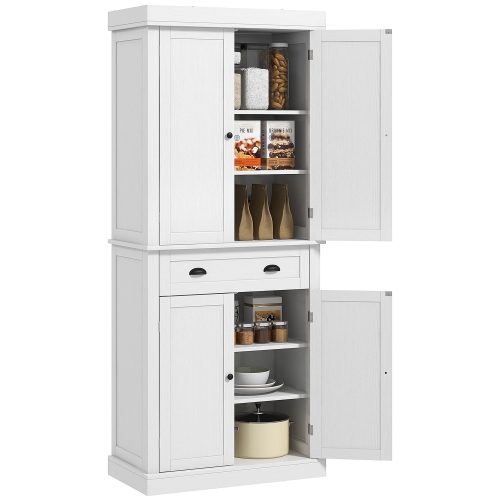 Your price for this item is $267.79
 -
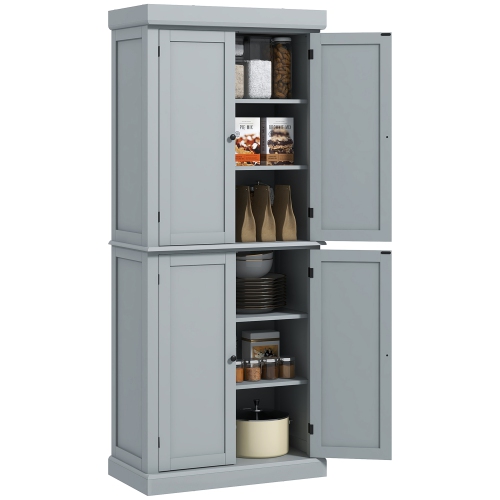 Your price for this item is $299.99
 -
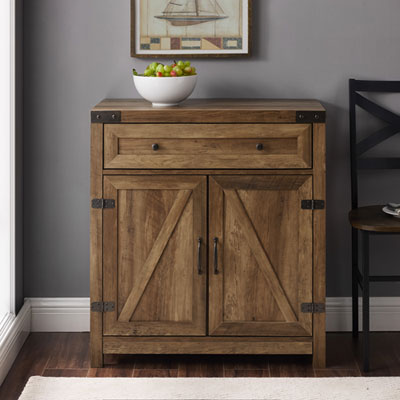 Your price for this item is $401.99
 -
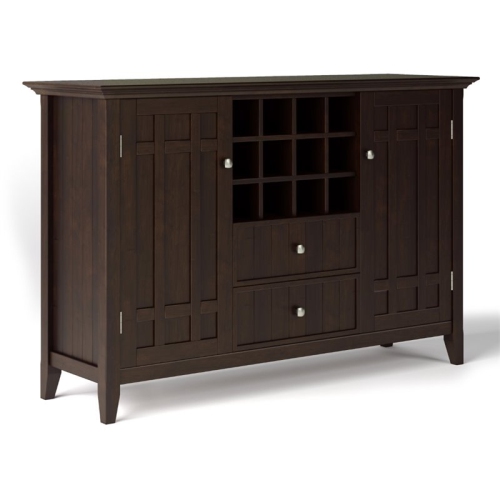 Your price for this item is $1449.04
 -
 Your price for this item is $1463.19
 -
 Your price for this item is $1454.75
 -
 Your price for this item is $593.99
 -
 Your price for this item is $382.68
Discover more categories related to Drawer Microwaves
Top Collections:
Pokemon Centers, Kindle Devices, Best Budget Office Chairs, Apple iPhones 16, Best Laptops for Writers, iPhone 15 Apple, Canon G7X Cameras, Refurbished Apple Laptops, Alarm Clock, Motorola Razr Phones
Some products may be subject to Environmental Handling Fees
(EHF) depending on your province.
Learn more about EHFs.