Drinking Water Filters
Looking to enjoy clean and refreshing drinking water right at home? Our selection of drinking water filters offers a convenient solution to help you achieve just that. Whether you're concerned about impurities in your tap water or simply looking to enhance the taste, these filters are designed to effectively remove contaminants and improve the overall quality of your drinking water. From countertop systems to under-sink options, find the perfect filtration solution to meet your needs and enjoy pure, great-tasting water with every sip.
Sort





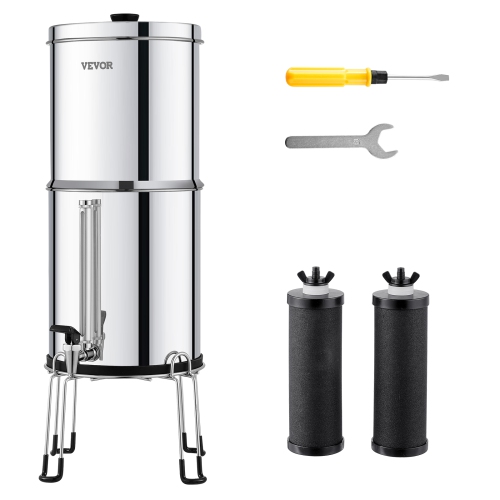
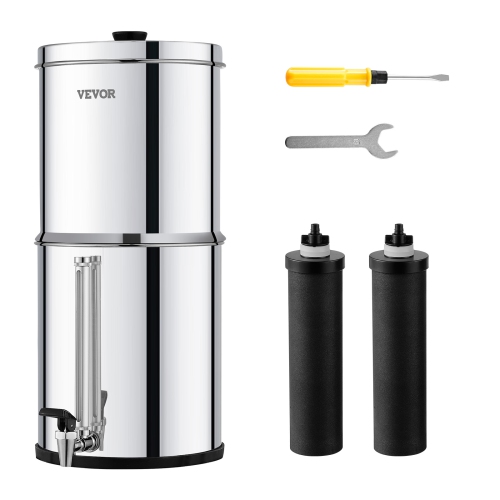
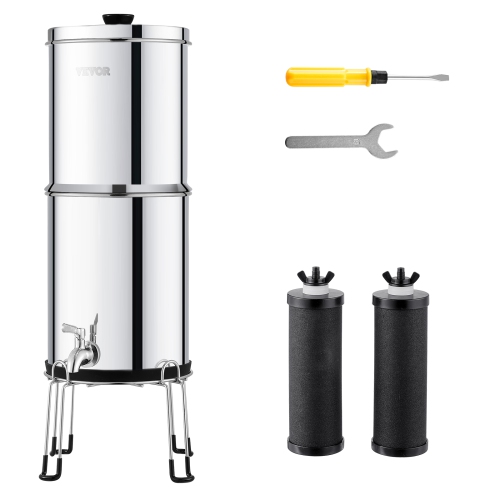
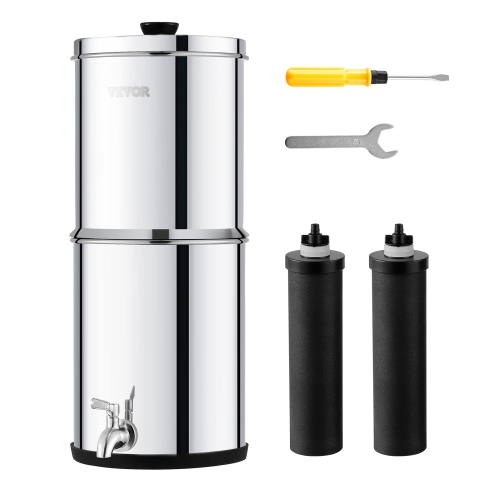



How filtration fits your water source and routine
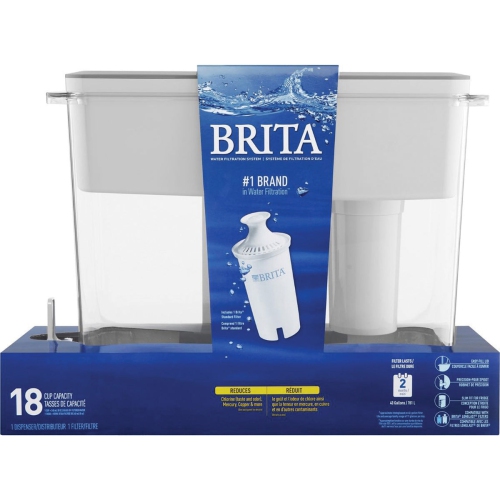
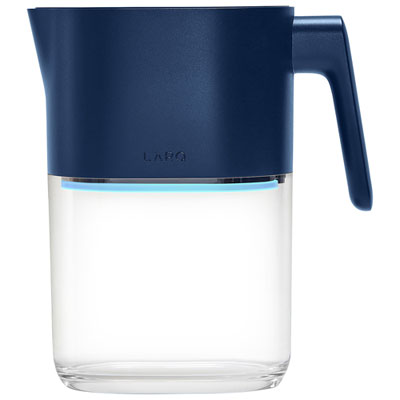
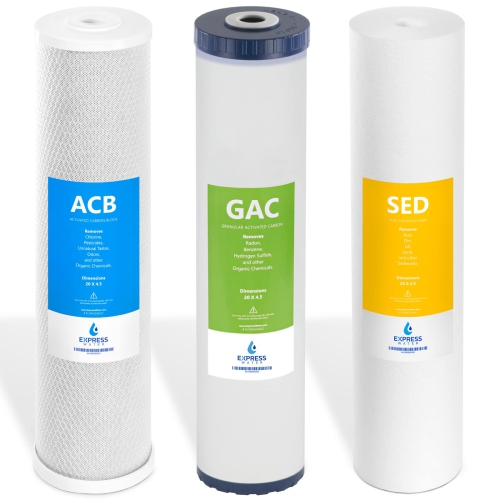
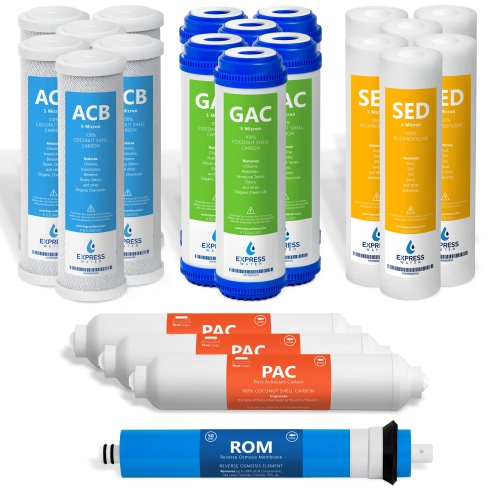
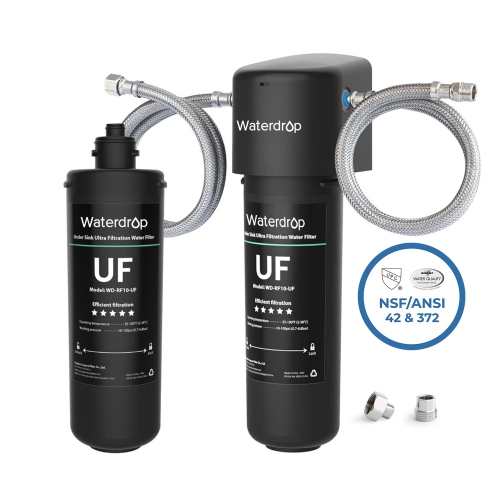
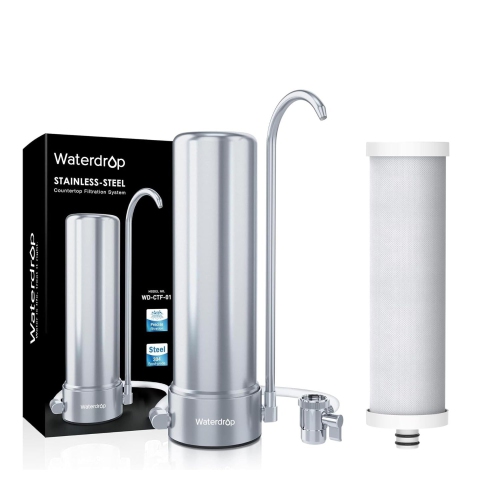
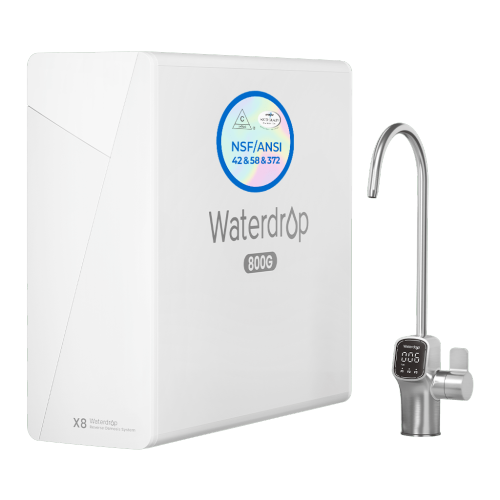
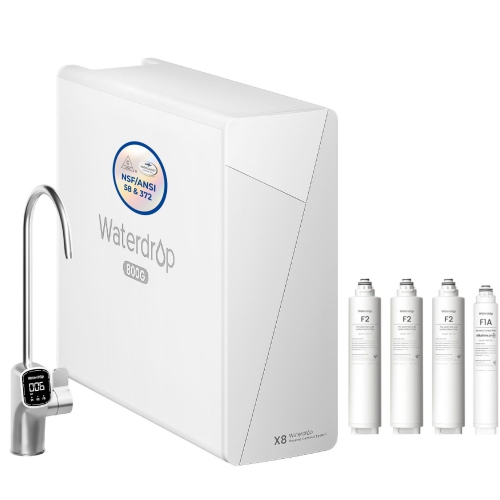
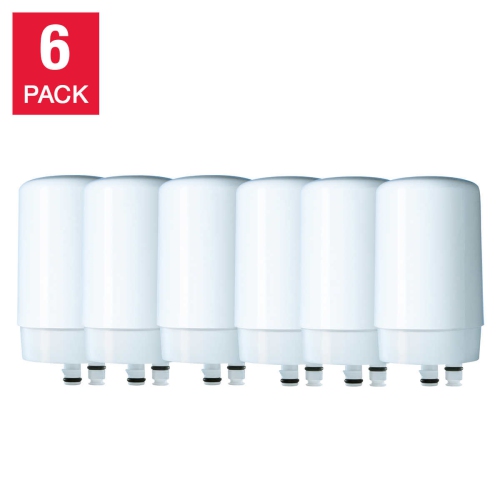
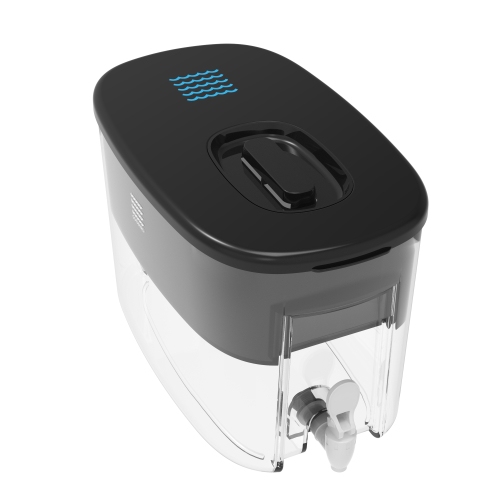
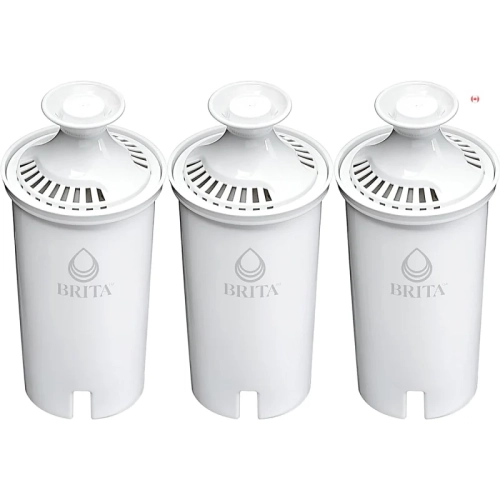
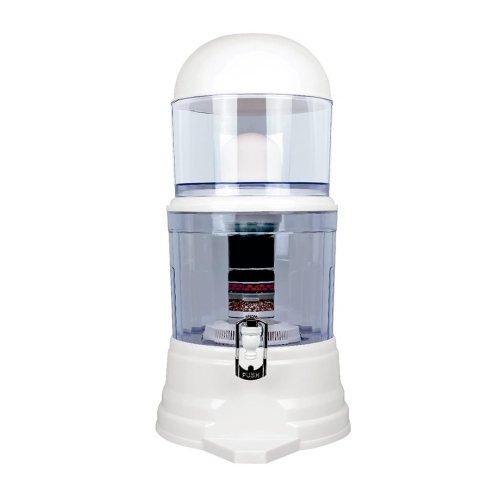
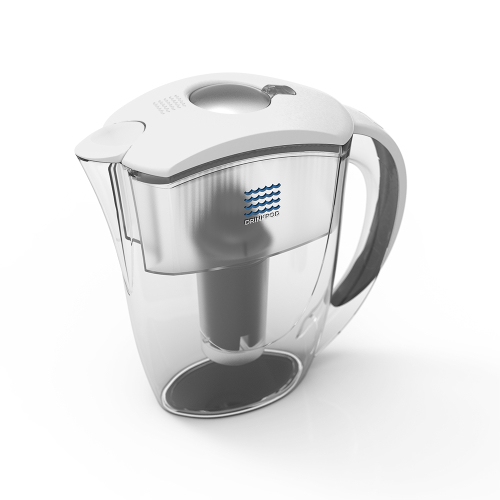
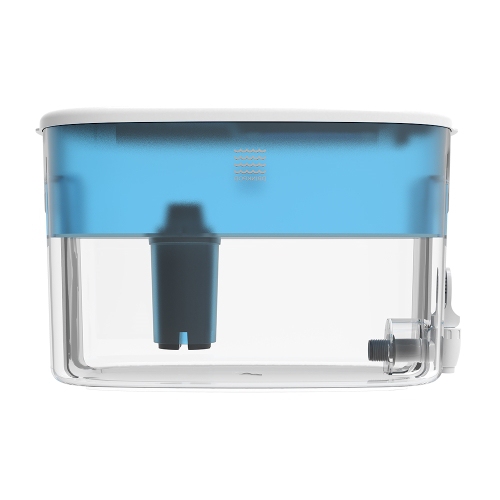
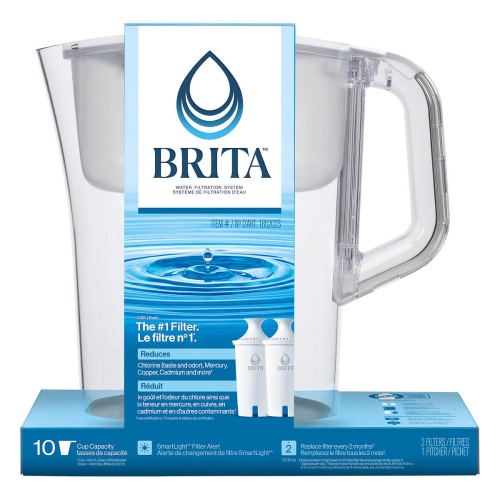
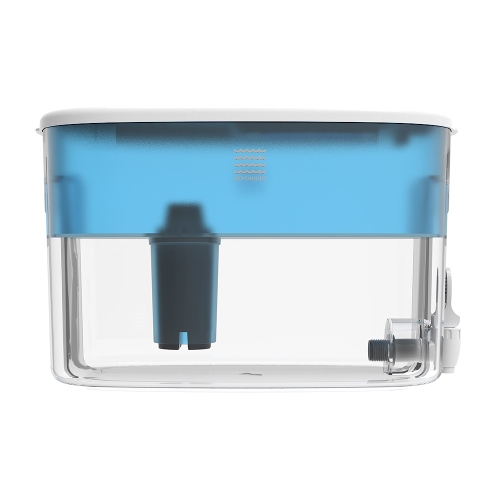
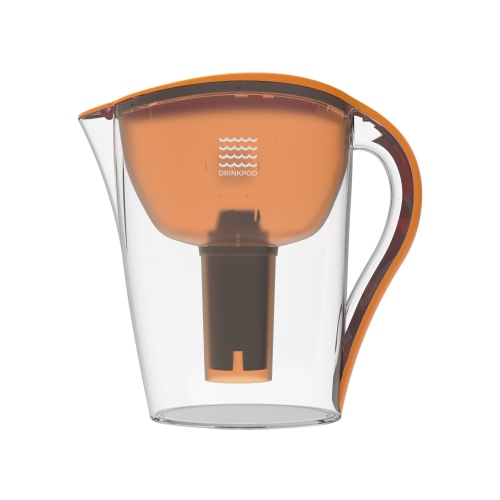
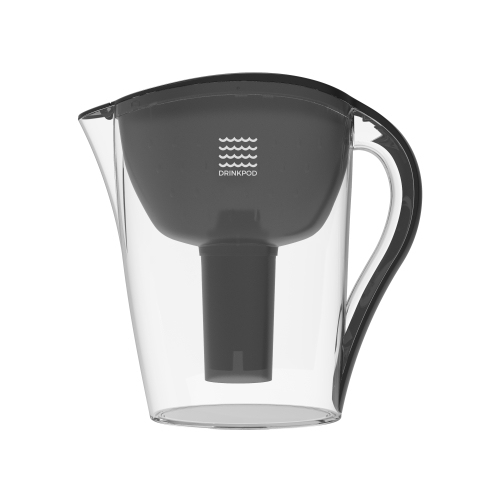
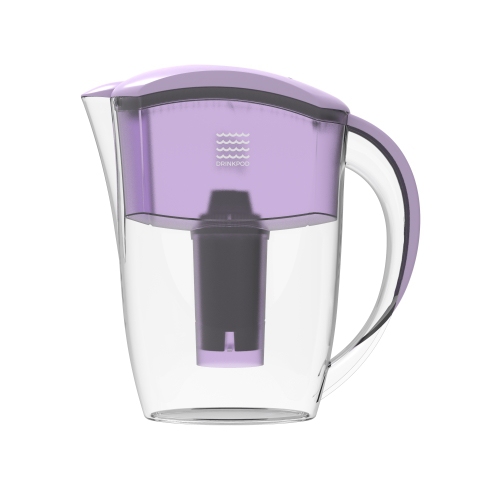
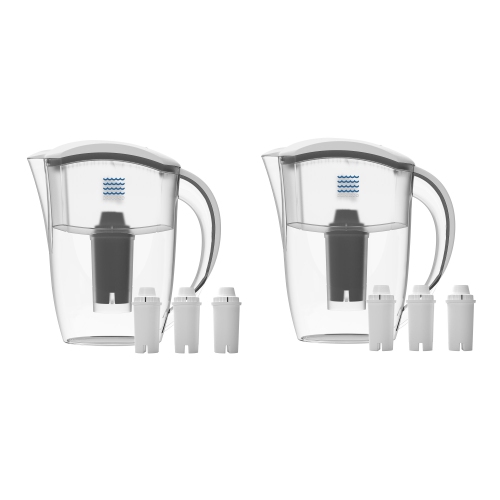
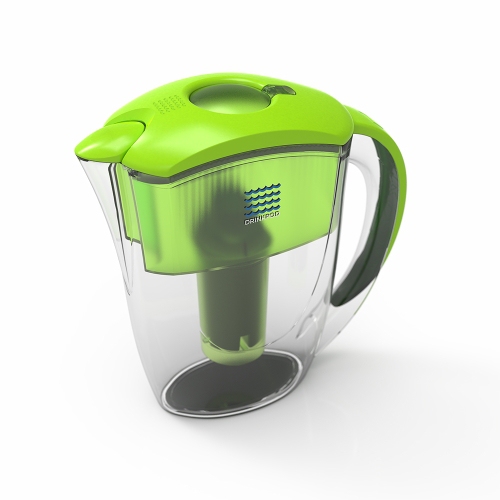
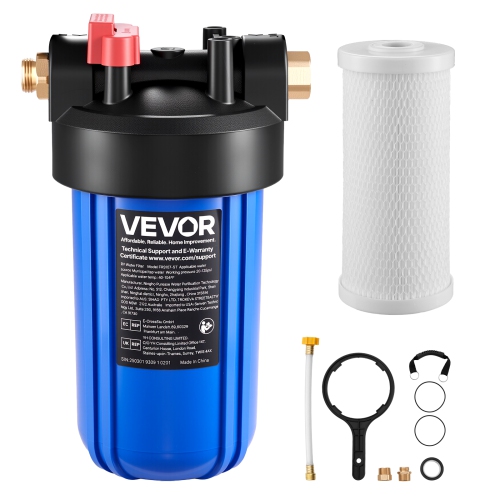
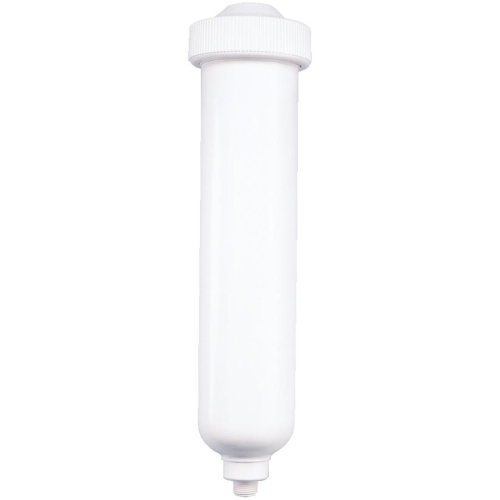
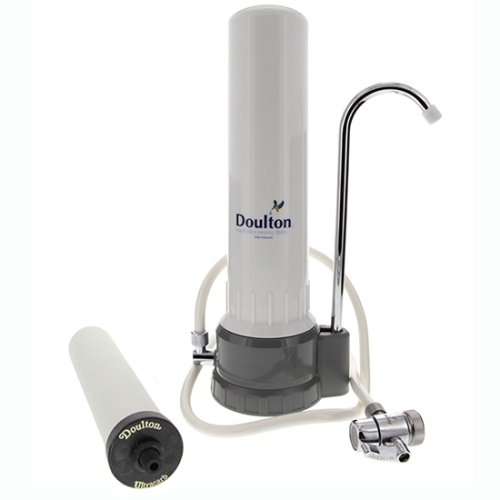
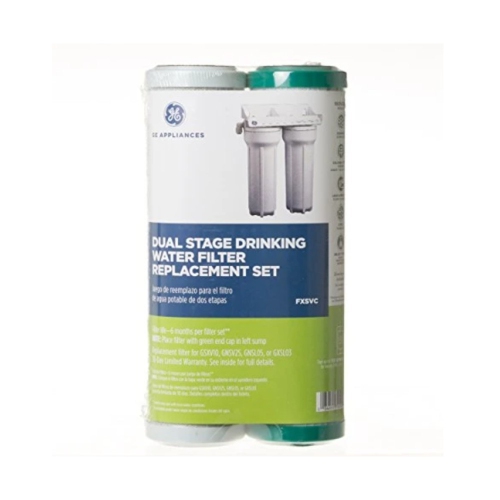
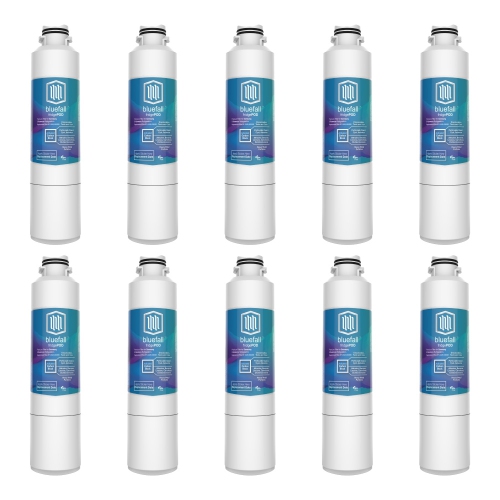
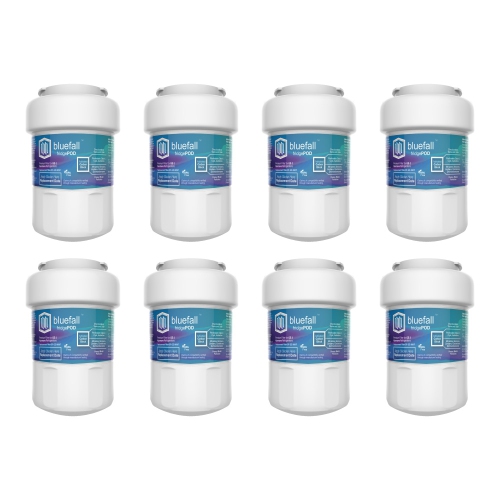
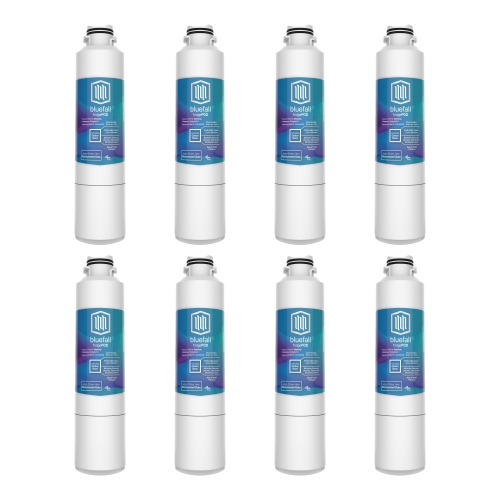
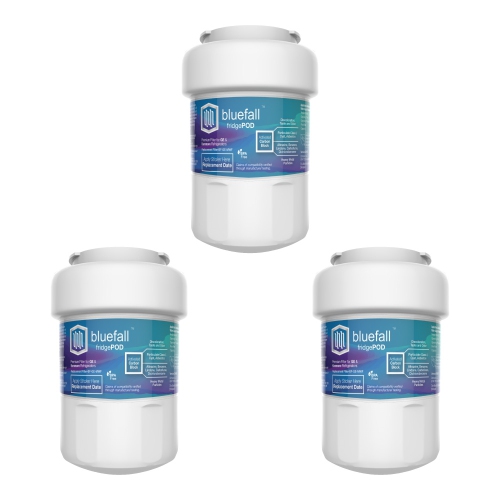
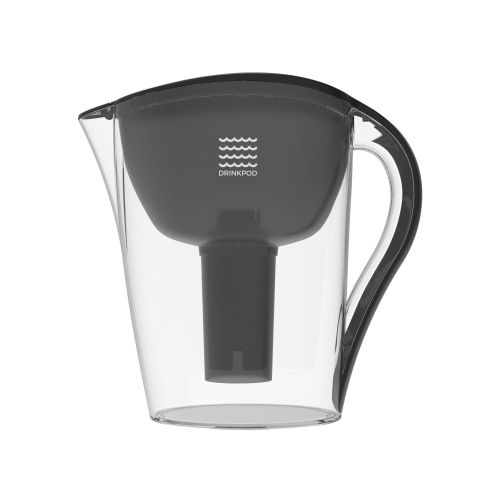
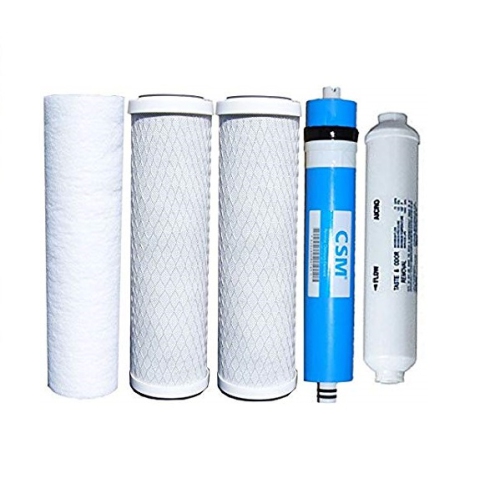
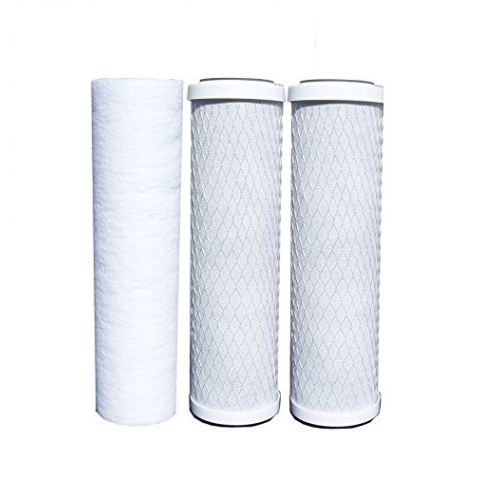
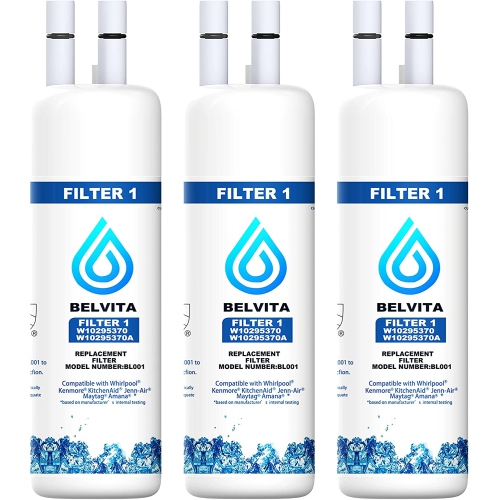
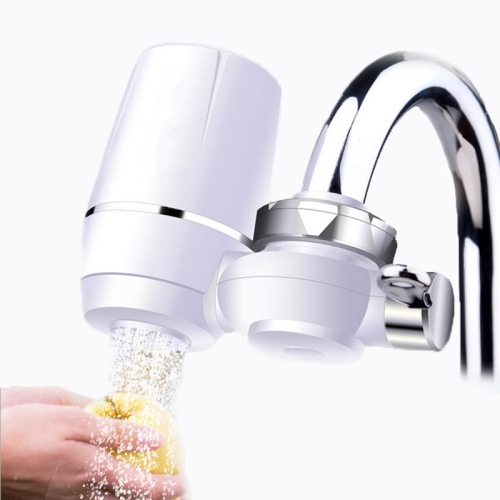
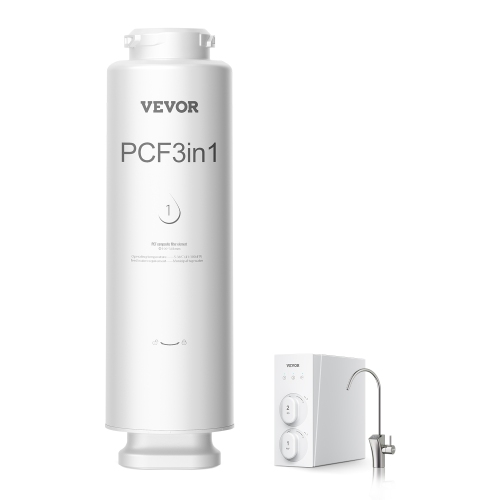
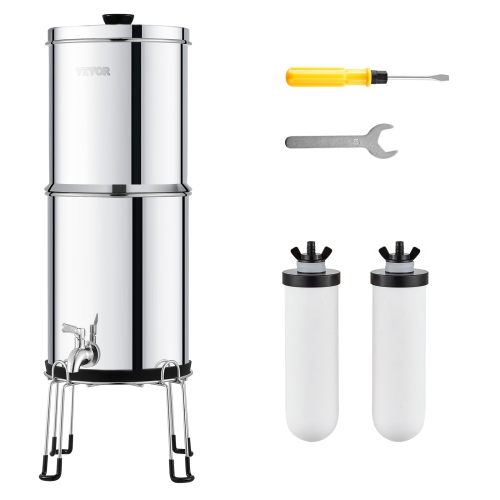
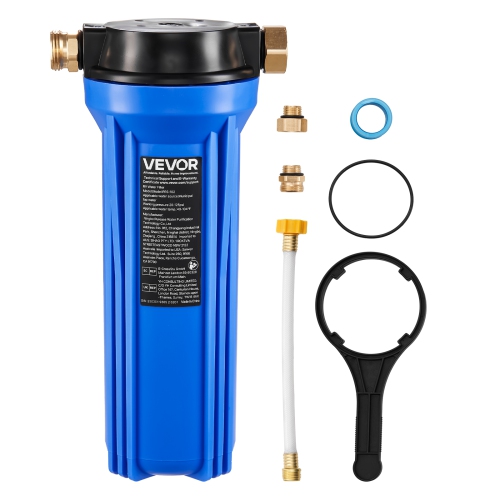
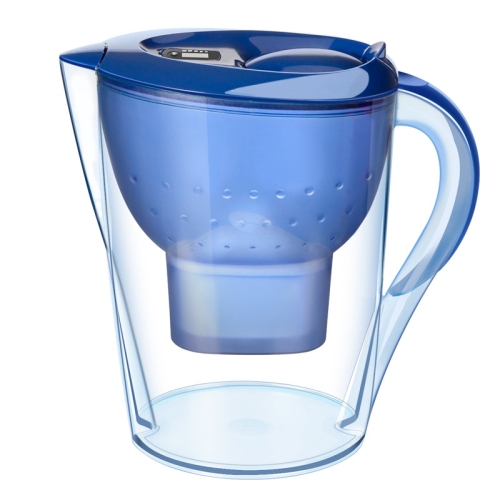
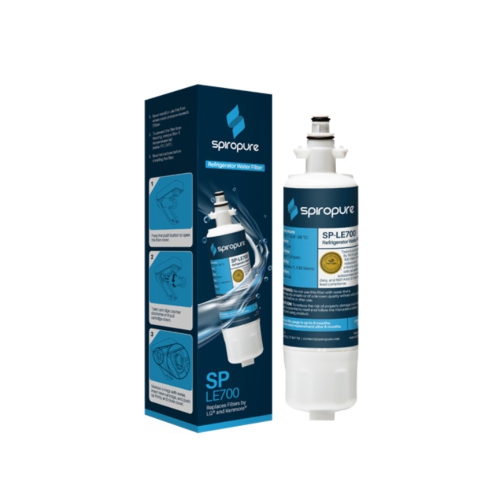
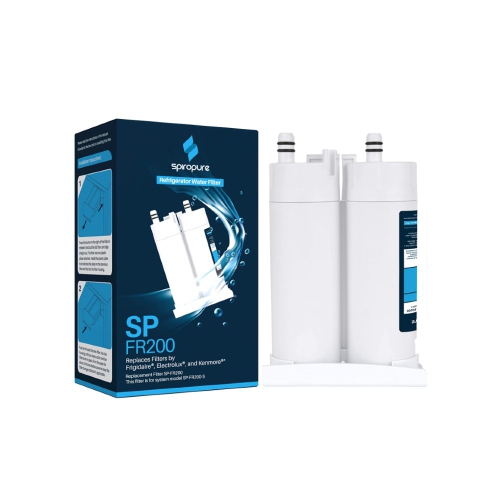
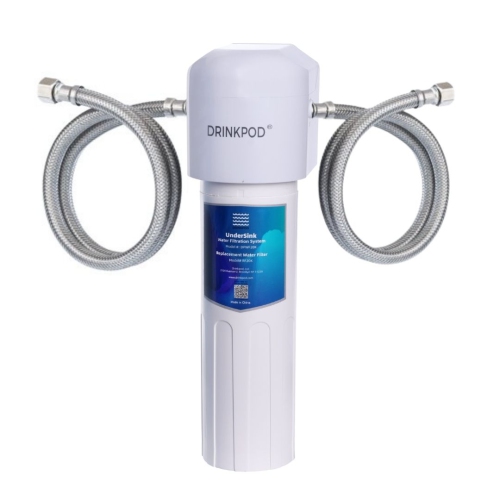
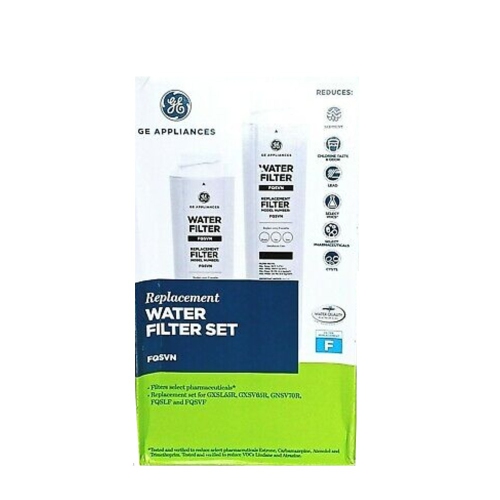
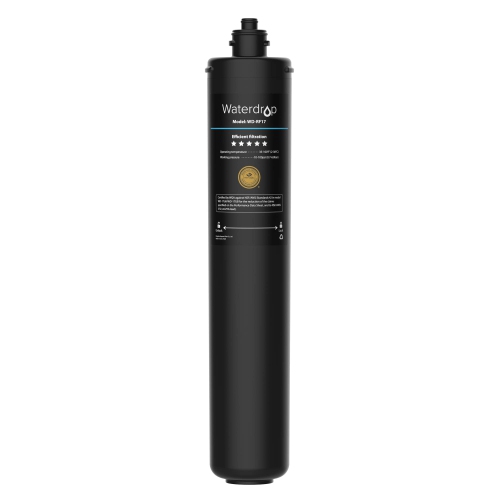
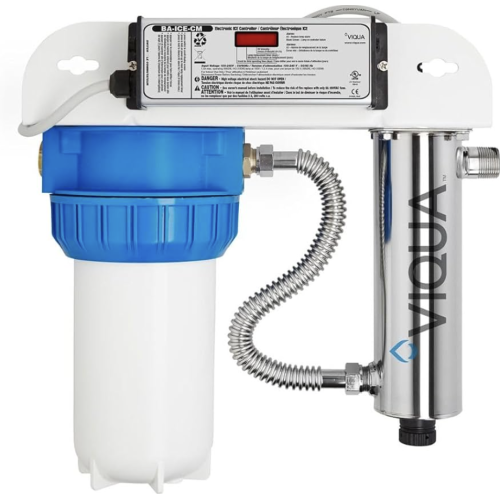
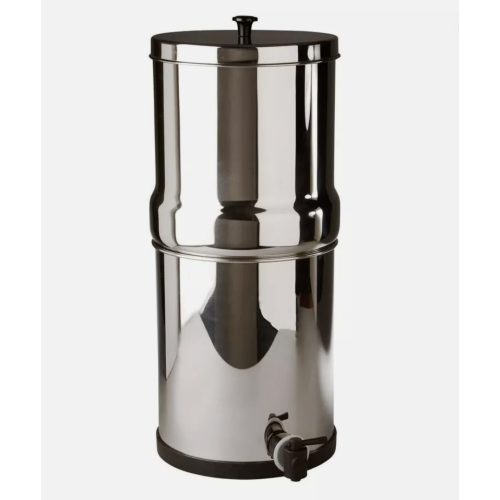
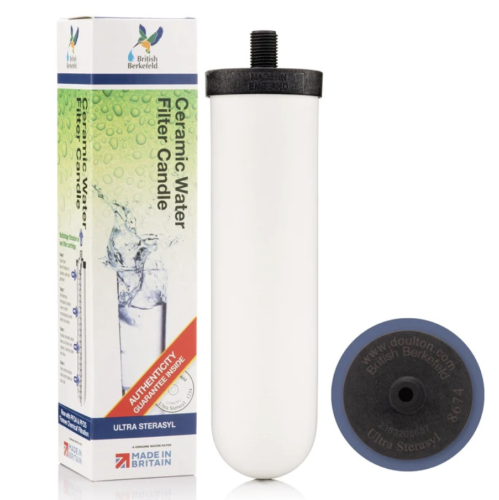
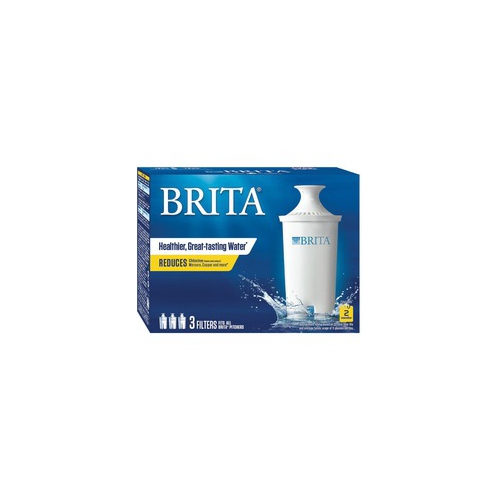
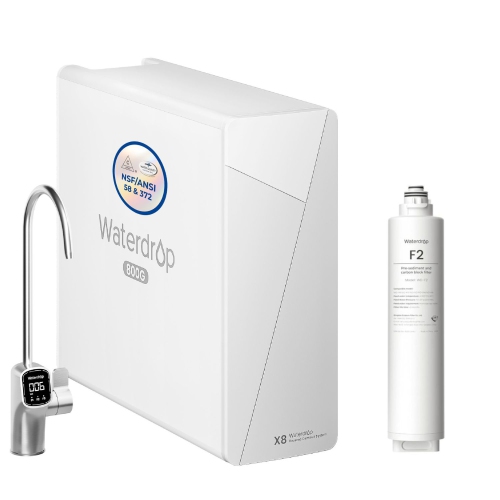
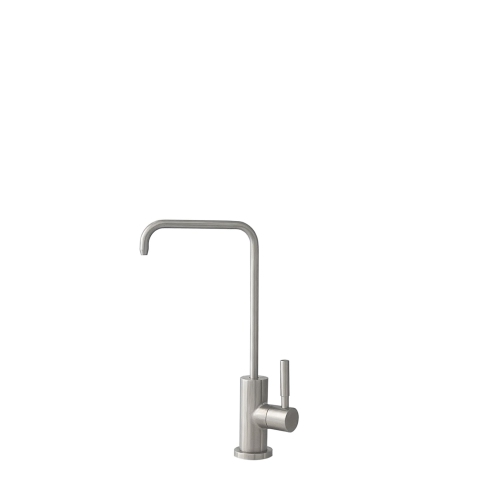
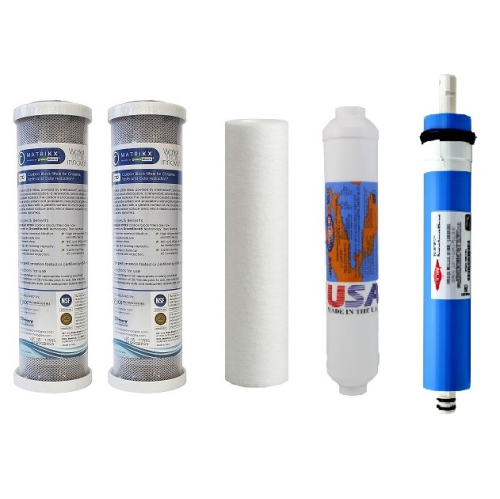
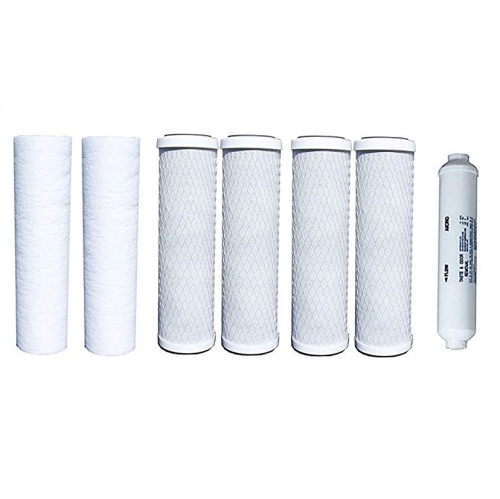
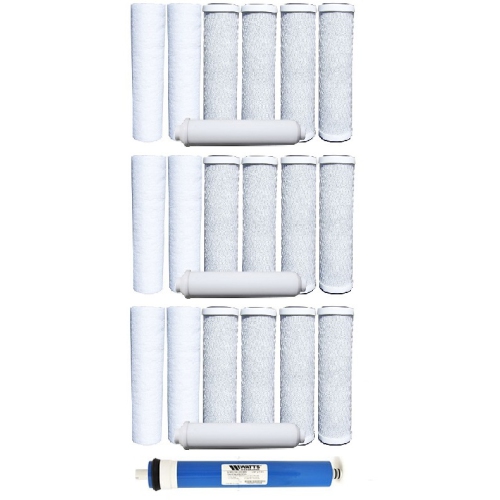
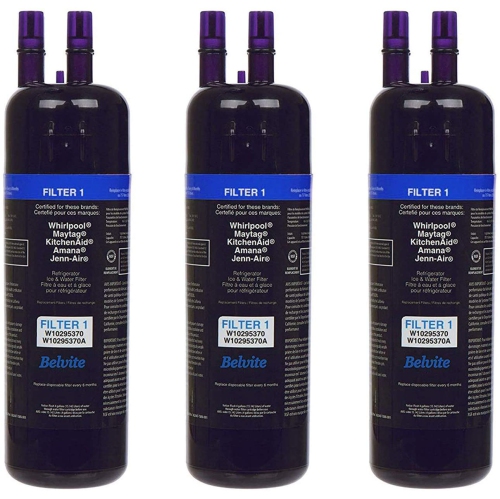
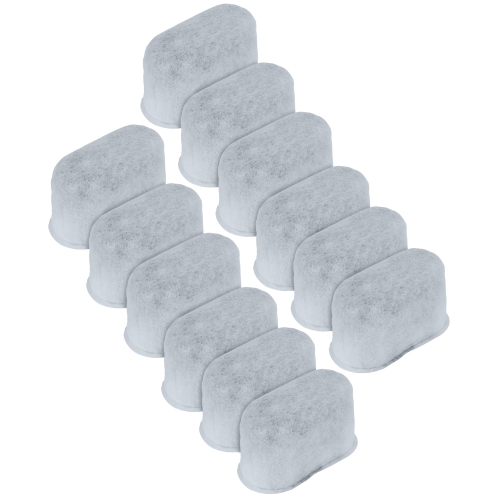
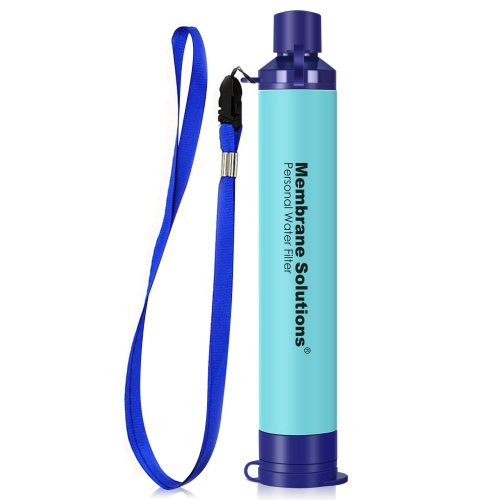
Drinking water filters offer a practical way to improve the taste, smell, and overall enjoyment of tap water at home, while giving households more choice in how they prepare water for drinking and cooking. The right setup depends on your water source, available space, daily water use, and the type of filtration you want. A water filter pitcher is often a convenient starting point for renters, students, small households, or anyone who wants filtered water without modifying a kitchen. Fill the upper reservoir, let the water pass through the cartridge, and keep the chilled pitcher in the refrigerator for easy access. Pitchers are commonly used to reduce chlorine taste and odour, sediment, and certain other substances depending on the filter media and certification. They can be especially handy beside a desk, in a shared kitchen, or during the warmer part of the year when everyone reaches for cold water more often. Faucet-mounted filters attach directly to a kitchen tap and may allow you to switch between filtered and unfiltered water, making them useful when you want filtered water on demand without waiting for a pitcher to finish. They suit renters and busy households, although compatibility with the tap is important; pull-out, pull-down, spray, and designer faucets may not accept every attachment. For a more integrated option, under-sink drinking water filters connect below the counter and use a dedicated dispenser or existing tap, keeping the main work area clear while providing a larger supply. A reverse osmosis system is an under-sink option that passes water through several stages, including a fine membrane, and can reduce a broad range of dissolved substances. Performance varies by model, installation, water pressure, and filter condition, so review the manufacturer’s specifications and look for recognized certification when a particular contaminant is a concern. Browse related options in Kitchen Water Filters to compare formats that fit your kitchen and routine.
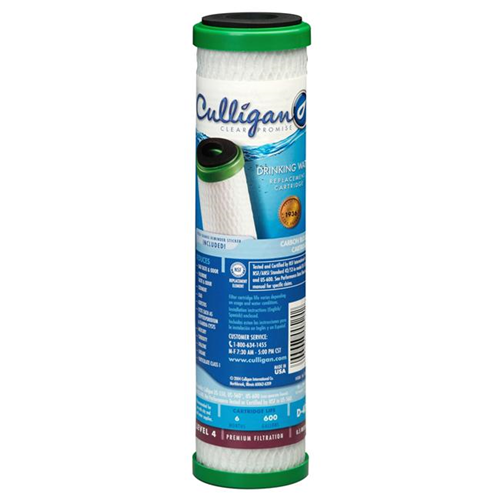
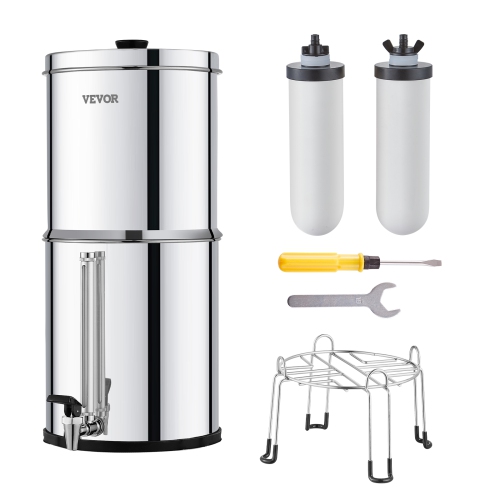
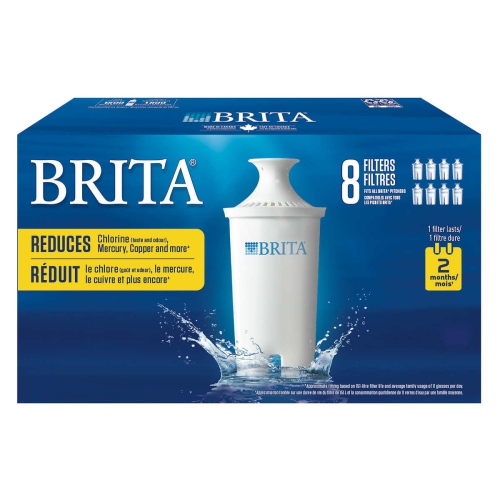
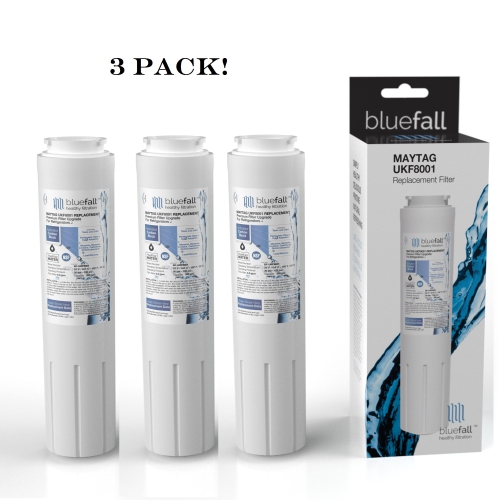
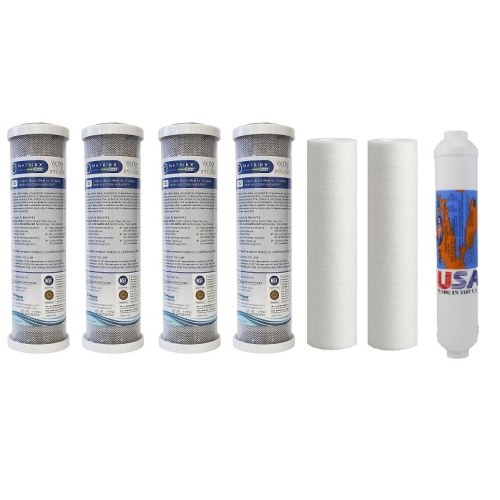
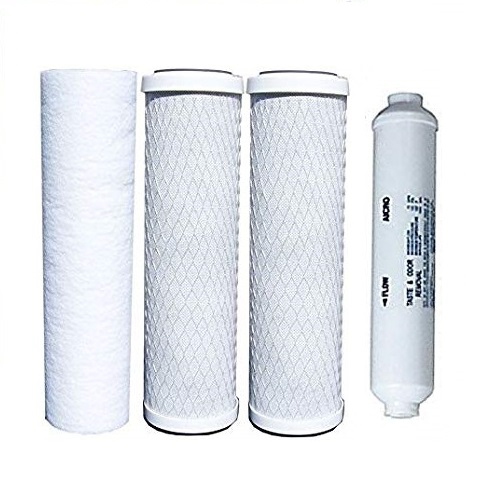
When choosing a drinking water filter, begin by identifying whether your home receives treated municipal water or draws from a private well. Municipal water reports can provide useful information about the local supply, while well owners may want to arrange water testing before selecting a system. Testing can help identify whether the priority is taste and odour, sediment, hardness, metals, bacteria, or another concern that calls for a particular filtration method. No single filter removes every possible substance, and a system marketed for chlorine reduction may not be designed for dissolved minerals or microorganisms. Read the performance data carefully and confirm that the filter is certified for the reduction claims that matter to your household. Capacity is another important consideration. A compact pitcher may work well for one or two people, but a larger household may prefer a faucet-mounted or under-sink system that can provide water without repeated refilling. Pay attention to flow rate, reservoir size, installation requirements, replacement cartridge costs, and the expected filter life. Reverse osmosis systems may require more space beneath the sink and can include a storage tank, multiple cartridges, tubing, and a separate faucet; tankless designs may have a smaller footprint but still require suitable plumbing and electrical access where applicable. Some systems also need a drain connection or minimum water pressure. Measure the cabinet carefully, including the room occupied by cleaning supplies and other plumbing, before making a purchase. For any filtration type, timely cartridge replacement is essential. A filter that has reached its rated capacity may provide reduced flow and less effective filtration, even when the water still looks clear. Keeping a spare cartridge on hand can make maintenance easier, particularly before guests arrive or during a busy stretch of the year. Installation may be straightforward for a compatible faucet or pitcher, while under-sink systems may be better suited to someone comfortable with plumbing connections or a professional installer.
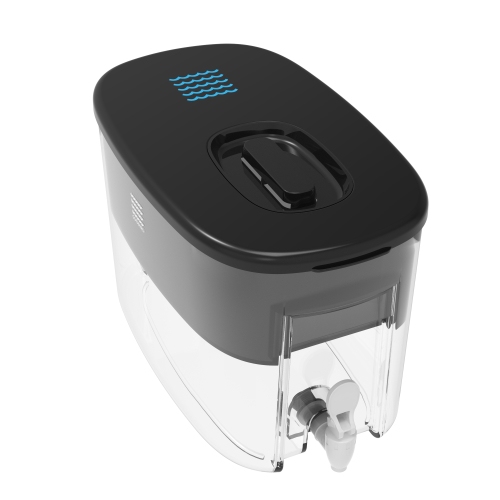
Drinking water filters can also make a considerate and useful gift for a new homeowner, renter, student moving into a first apartment, or family setting up a kitchen in a new space. A pitcher is easy to give without knowing the recipient’s plumbing configuration, while a faucet-mounted filter can be a practical choice when the tap style is standard and the person prefers immediate access to filtered water. An under-sink or reverse osmosis system is a more substantial option for someone who owns their home and has a specific interest in improving the water available at a kitchen station, but it is wise to confirm cabinet dimensions, faucet compatibility, and installation preferences before gifting one. In everyday use, filtered water can be kept cold for packed lunches, poured into a kettle or coffee maker where the manufacturer permits filtered water, and used for recipes in which water quality affects flavour, such as soups, rice, tea, and homemade beverages. Families may appreciate having a dedicated source for filling bottles before school, work, errands, or weekend travel, while people who spend long hours at home may value a dispenser that reduces trips to the refrigerator. During cooler months, a reliable filter can be just as useful for preparing hot drinks and cooking as it is for chilled water. Consider the recipient’s habits, the number of people sharing the kitchen, and the level of maintenance they are comfortable with. A simple system that is easy to refill and maintain is often a better fit than a more advanced option that cannot be installed or serviced conveniently. Comparing filtration stages, certified claims, capacity, dimensions, water pressure needs, and replacement requirements will help you choose a drinking water filter that feels natural to use every day.
When choosing a drinking water filter, begin by identifying whether your home receives treated municipal water or draws from a private well. Municipal water reports can provide useful information about the local supply, while well owners may want to arrange water testing before selecting a system. Testing can help identify whether the priority is taste and odour, sediment, hardness, metals, bacteria, or another concern that calls for a particular filtration method. No single filter removes every possible substance, and a system marketed for chlorine reduction may not be designed for dissolved minerals or microorganisms. Read the performance data carefully and confirm that the filter is certified for the reduction claims that matter to your household. Capacity is another important consideration. A compact pitcher may work well for one or two people, but a larger household may prefer a faucet-mounted or under-sink system that can provide water without repeated refilling. Pay attention to flow rate, reservoir size, installation requirements, replacement cartridge costs, and the expected filter life. Reverse osmosis systems may require more space beneath the sink and can include a storage tank, multiple cartridges, tubing, and a separate faucet; tankless designs may have a smaller footprint but still require suitable plumbing and electrical access where applicable. Some systems also need a drain connection or minimum water pressure. Measure the cabinet carefully, including the room occupied by cleaning supplies and other plumbing, before making a purchase. For any filtration type, timely cartridge replacement is essential. A filter that has reached its rated capacity may provide reduced flow and less effective filtration, even when the water still looks clear. Keeping a spare cartridge on hand can make maintenance easier, particularly before guests arrive or during a busy stretch of the year. Installation may be straightforward for a compatible faucet or pitcher, while under-sink systems may be better suited to someone comfortable with plumbing connections or a professional installer.
Drinking water filters can also make a considerate and useful gift for a new homeowner, renter, student moving into a first apartment, or family setting up a kitchen in a new space. A pitcher is easy to give without knowing the recipient’s plumbing configuration, while a faucet-mounted filter can be a practical choice when the tap style is standard and the person prefers immediate access to filtered water. An under-sink or reverse osmosis system is a more substantial option for someone who owns their home and has a specific interest in improving the water available at a kitchen station, but it is wise to confirm cabinet dimensions, faucet compatibility, and installation preferences before gifting one. In everyday use, filtered water can be kept cold for packed lunches, poured into a kettle or coffee maker where the manufacturer permits filtered water, and used for recipes in which water quality affects flavour, such as soups, rice, tea, and homemade beverages. Families may appreciate having a dedicated source for filling bottles before school, work, errands, or weekend travel, while people who spend long hours at home may value a dispenser that reduces trips to the refrigerator. During cooler months, a reliable filter can be just as useful for preparing hot drinks and cooking as it is for chilled water. Consider the recipient’s habits, the number of people sharing the kitchen, and the level of maintenance they are comfortable with. A simple system that is easy to refill and maintain is often a better fit than a more advanced option that cannot be installed or serviced conveniently. Comparing filtration stages, certified claims, capacity, dimensions, water pressure needs, and replacement requirements will help you choose a drinking water filter that feels natural to use every day.
Top selling and popular products
-
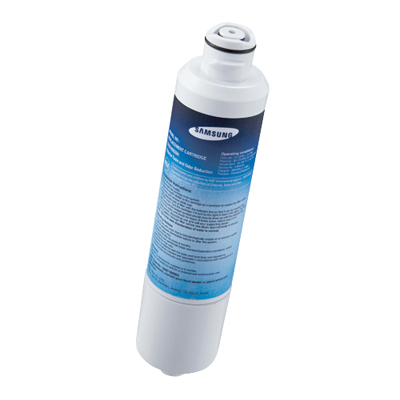 Your price for this item is $49.99
 -
 Your price for this item is $75
 -
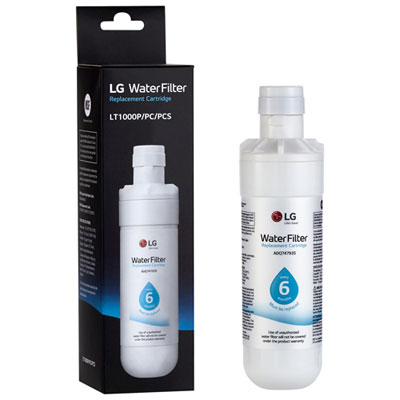 Your price for this item is $49.99
 -
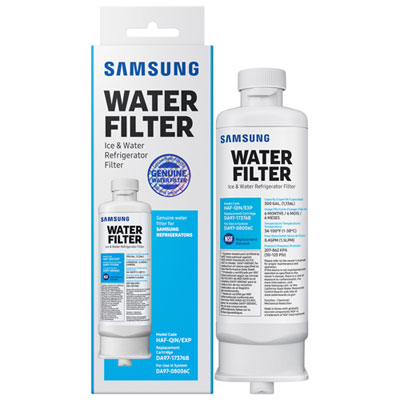 Your price for this item is $49.99
 -
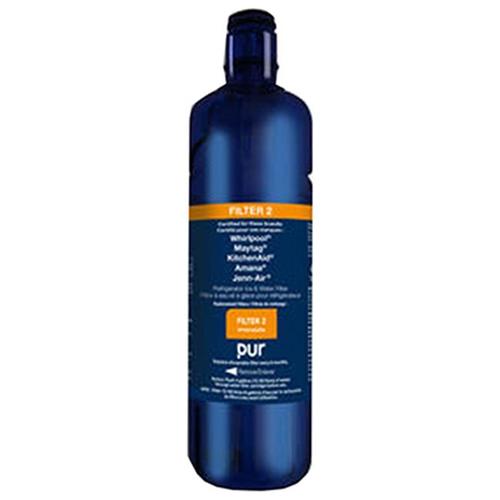 Your price for this item is $60.95
 -
 Your price for this item is $120
 -
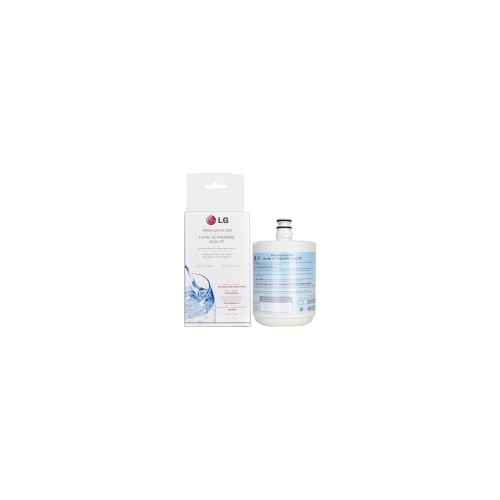 Your price for this item is $53.95
 -
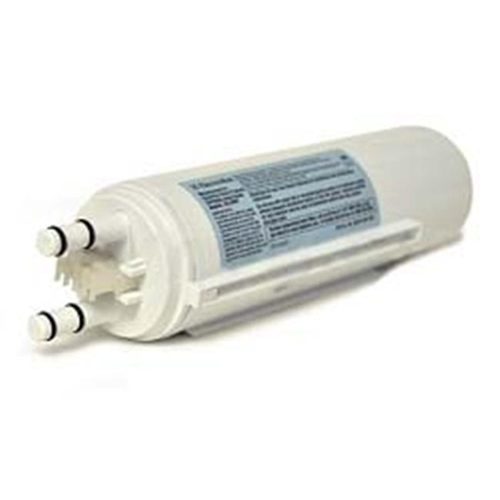 Your price for this item is $50.95
Discover more categories related to Drinking Water Filters
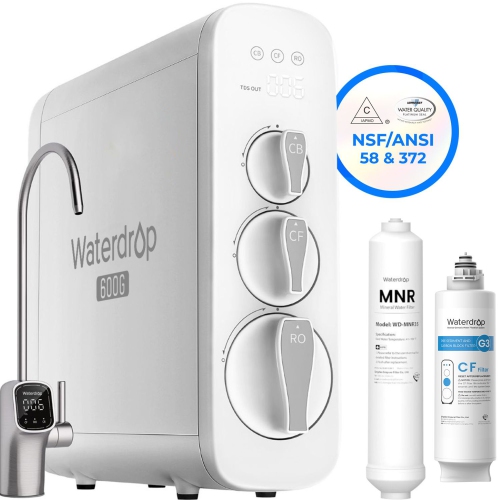
Top Collections:
Pokemon Centers, Kindle Devices, Best Budget Office Chairs, Apple iPhones 16, Best Laptops for Writers, iPhone 15 Apple, Canon G7X Cameras, Refurbished Apple Laptops, Alarm Clock, Motorola Razr Phones
Some products may be subject to Environmental Handling Fees
(EHF) depending on your province.
Learn more about EHFs.