Under Sink Drinking Water Filters

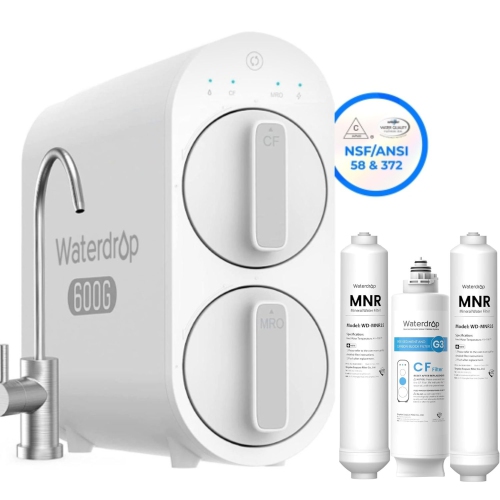
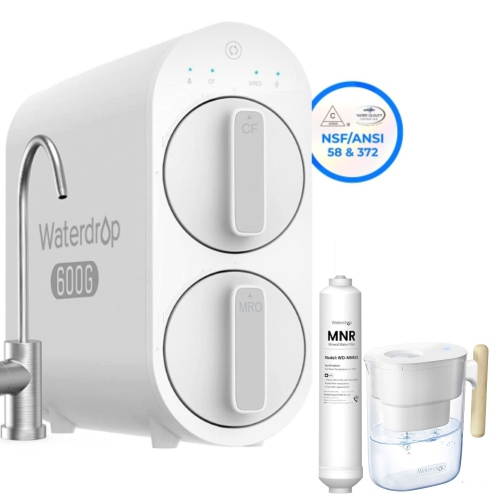
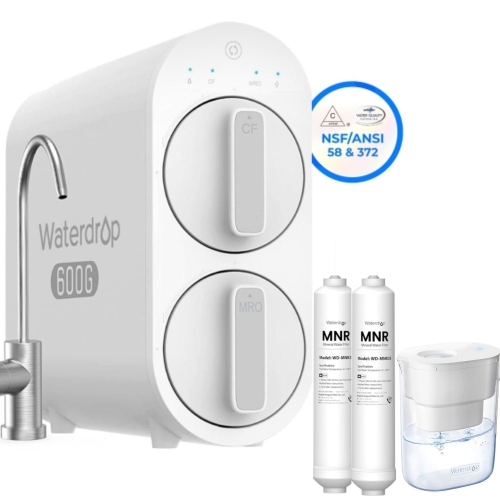
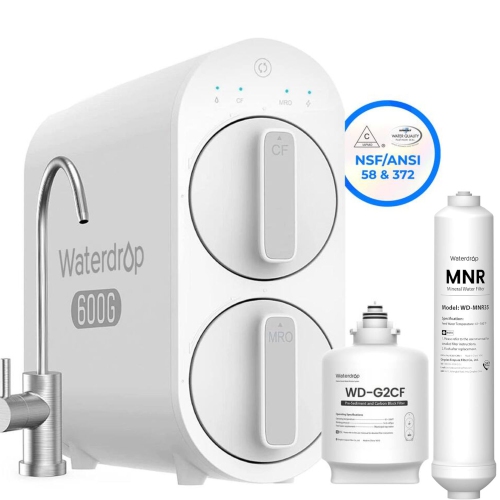
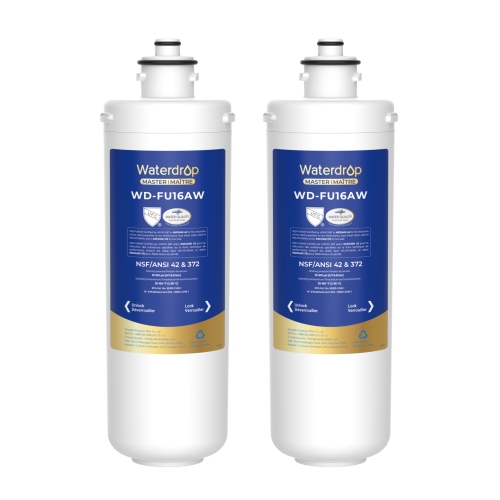
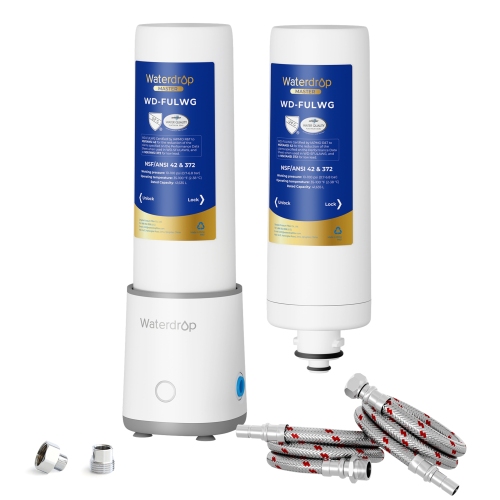
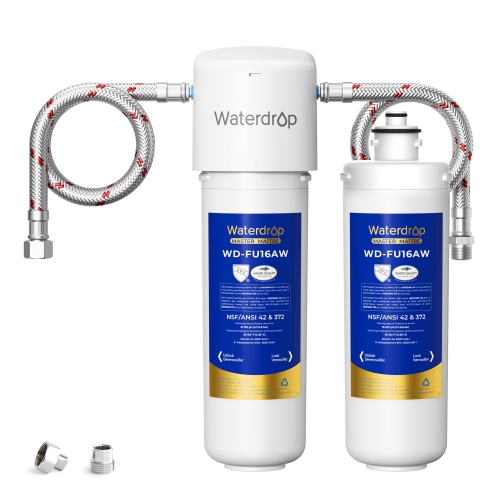
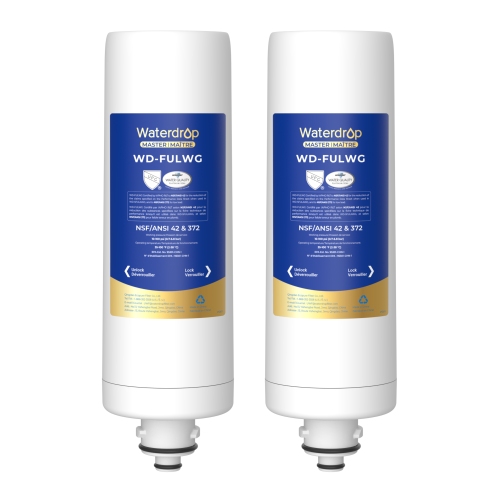
Under sink drinking water filters offer a way to filter water at the kitchen tap while keeping the system out of sight. Browse options for your kitchen setup, and compare filtration needs, available cabinet space, installation requirements, and replacement filter costs before choosing a system.
Read More

Sort

Filtered water on tap without the countertop clutter

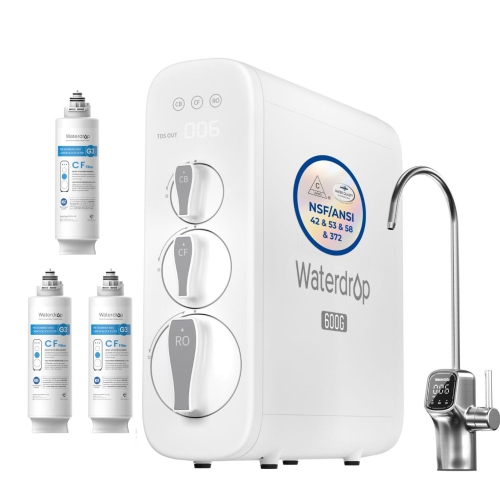
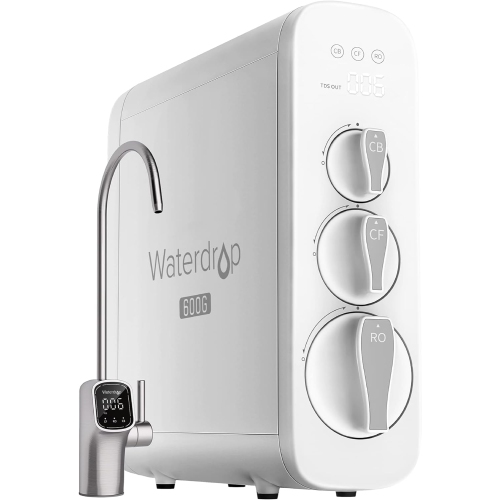
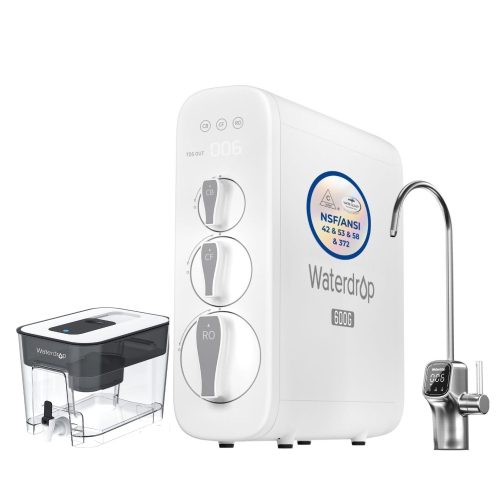
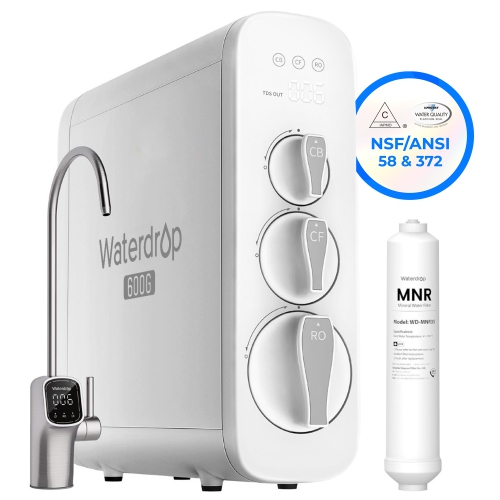
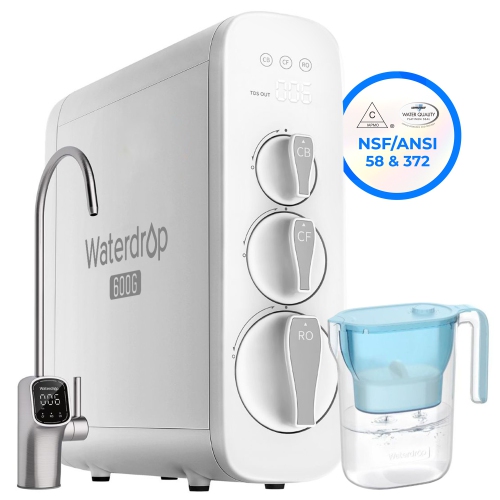
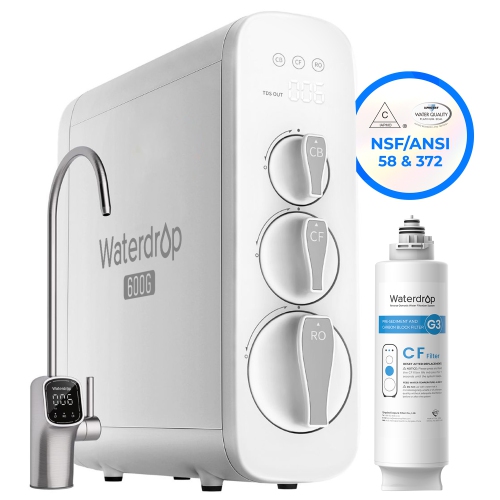
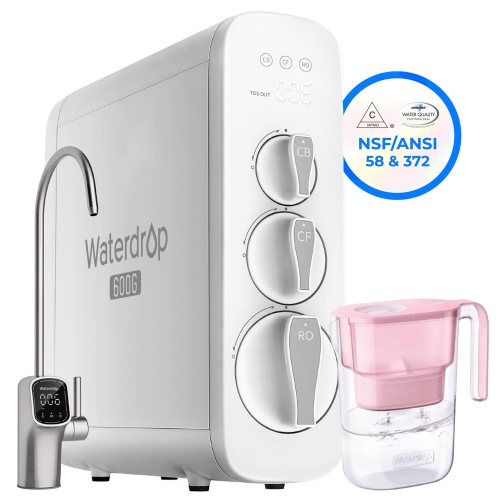
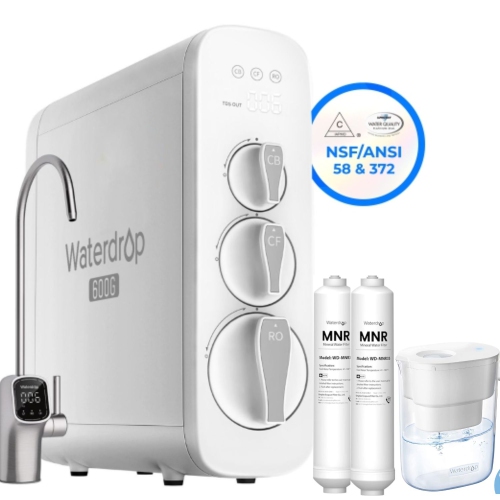
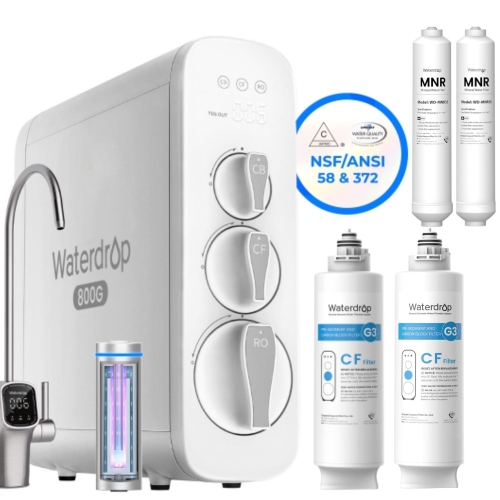
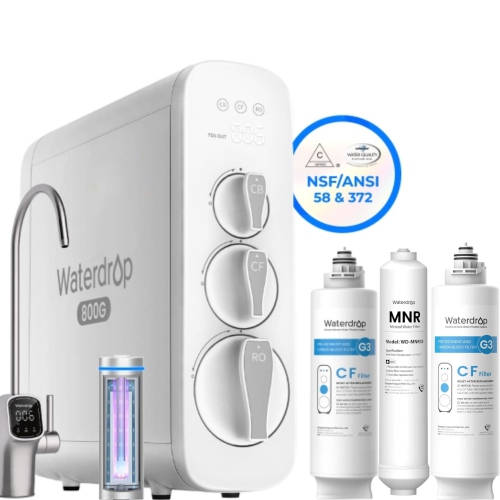
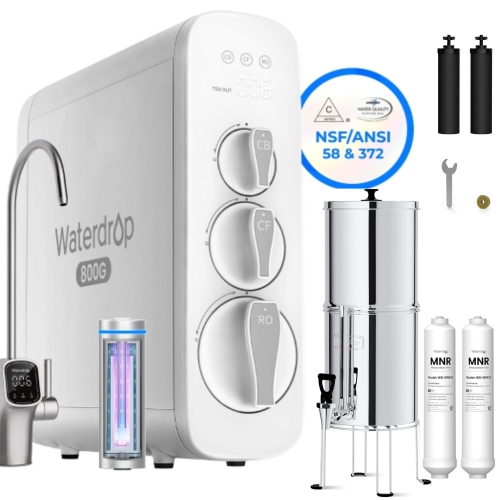
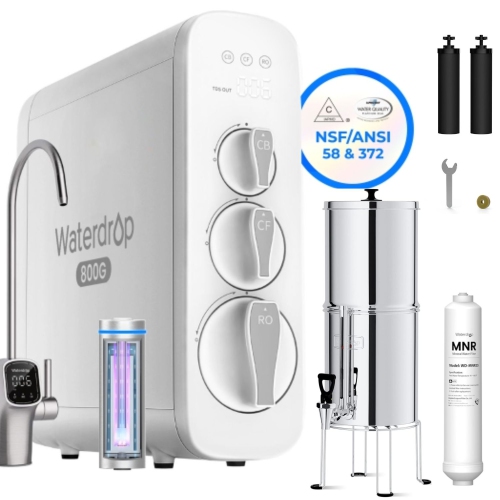
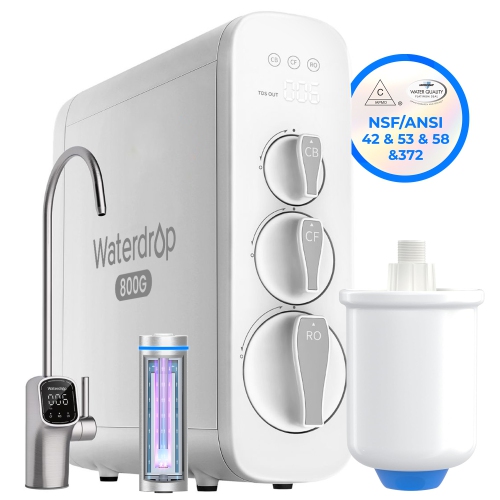
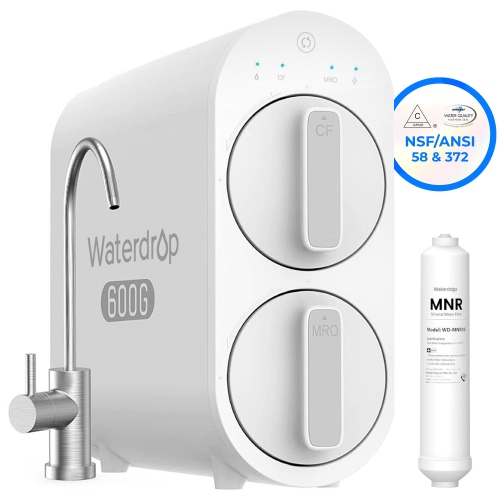
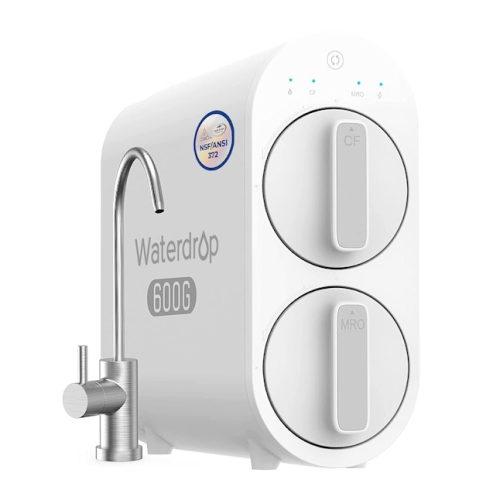
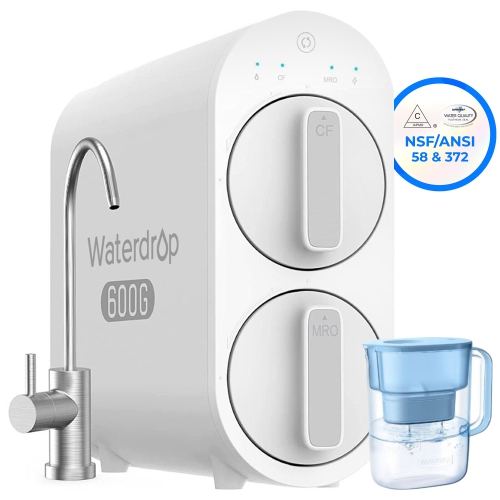
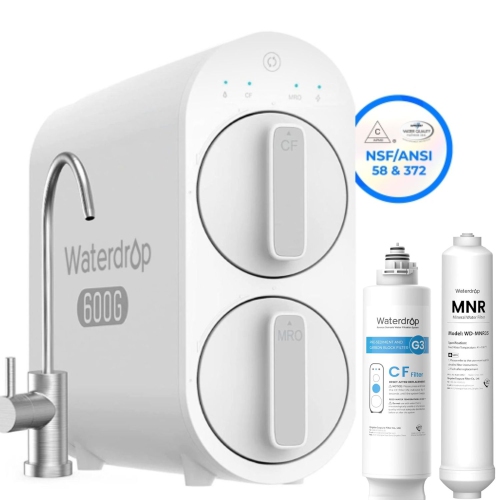
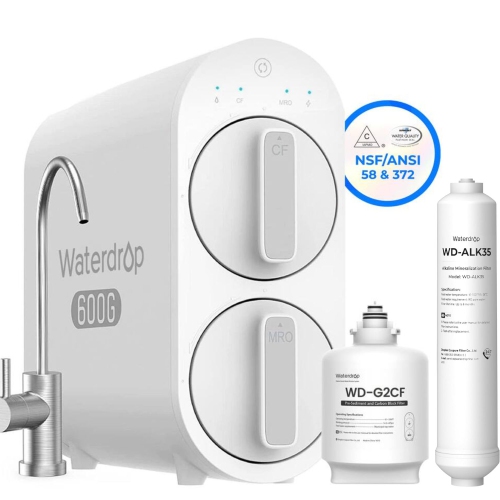
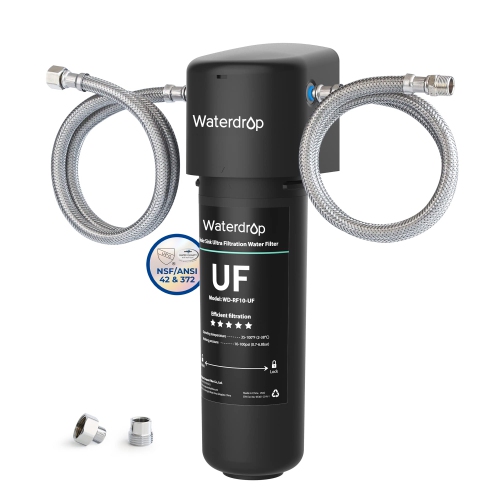
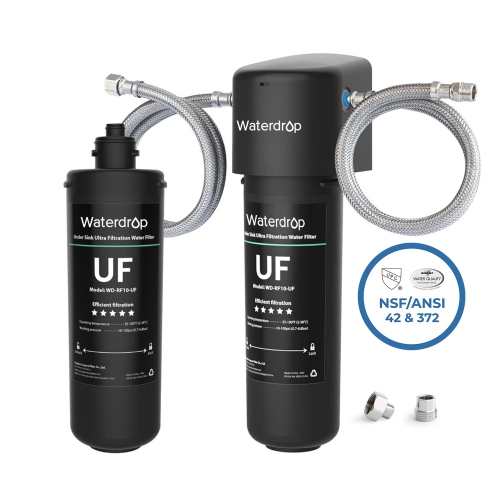
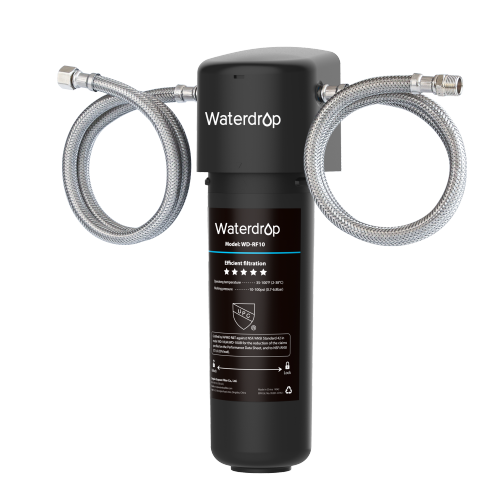
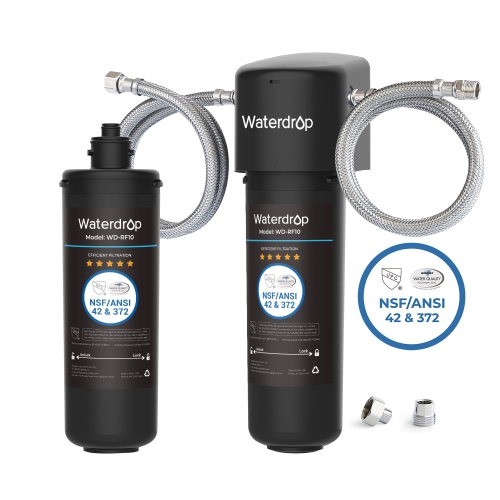
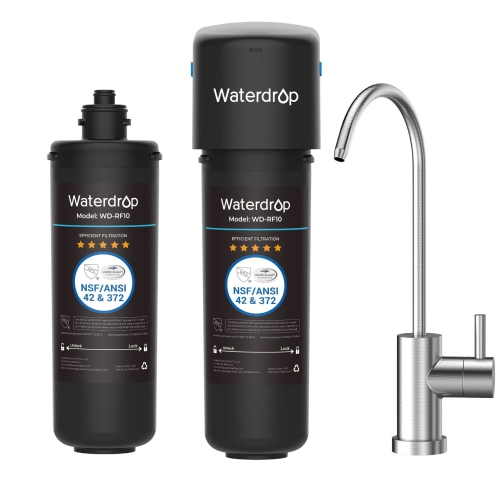
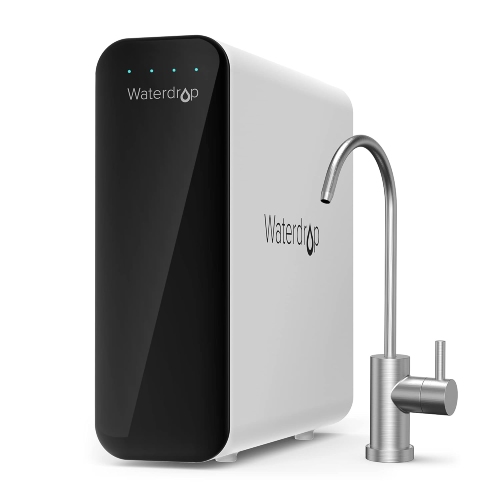
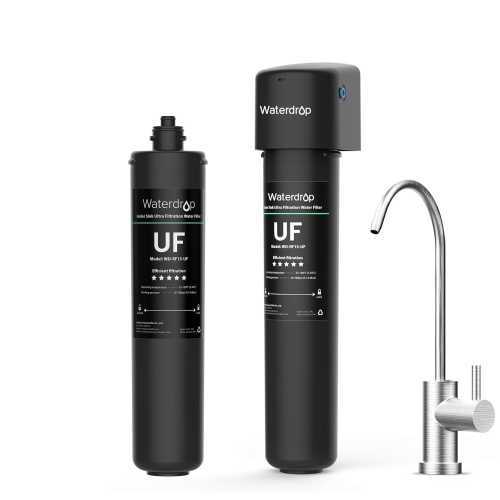
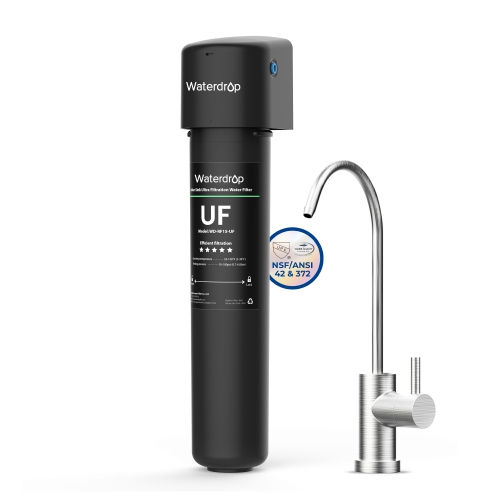
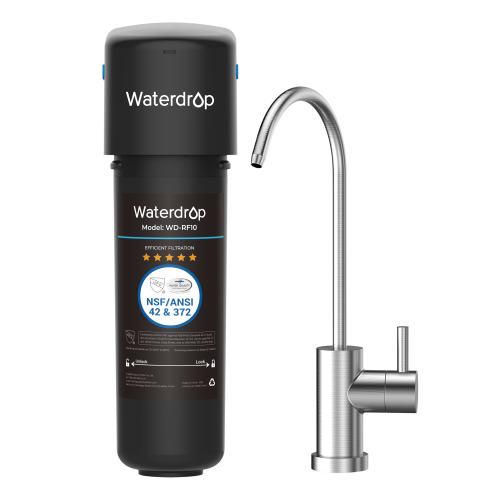
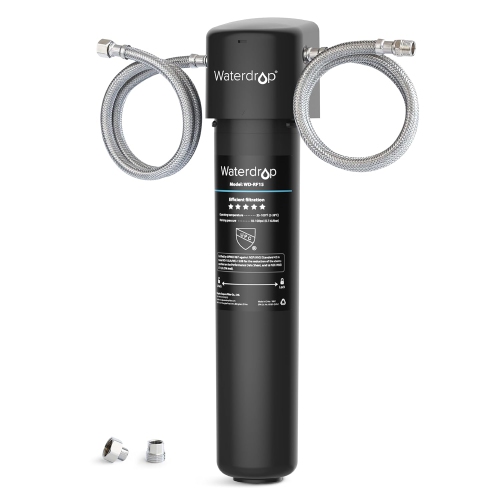
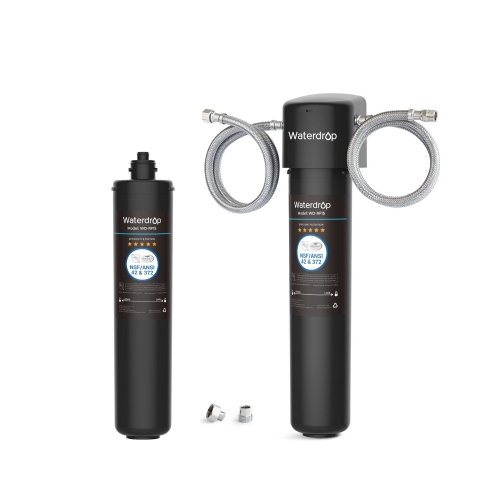
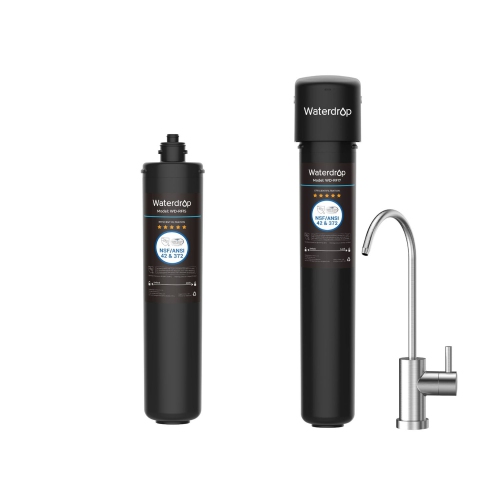
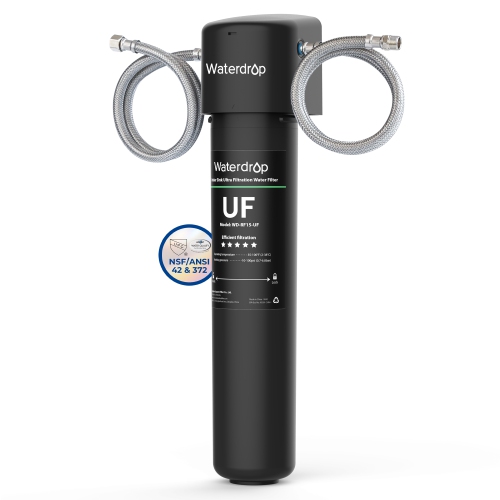
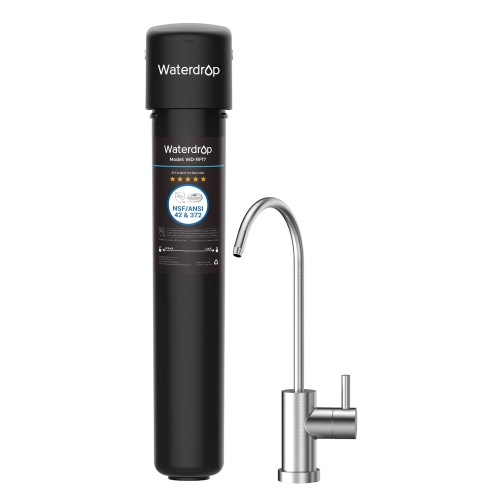
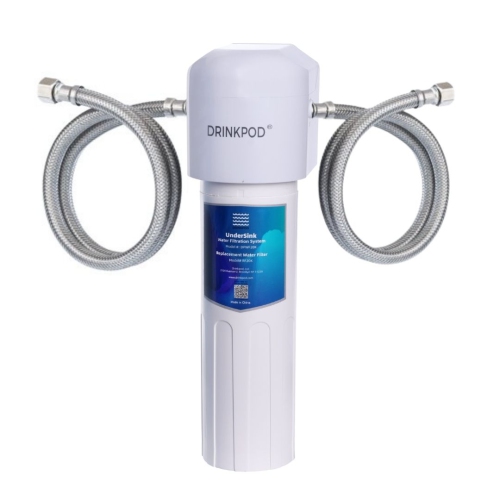
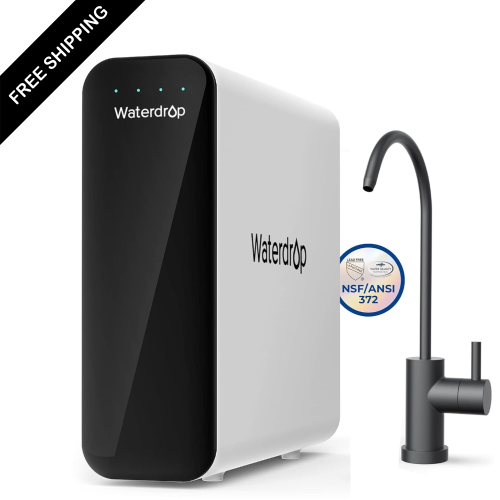
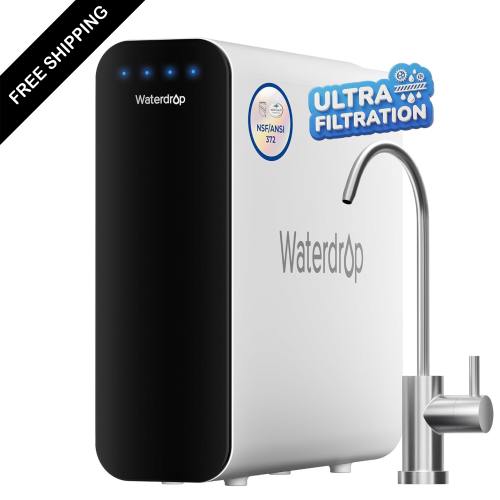
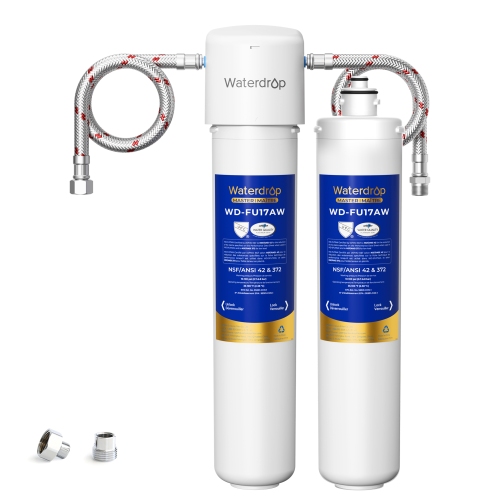
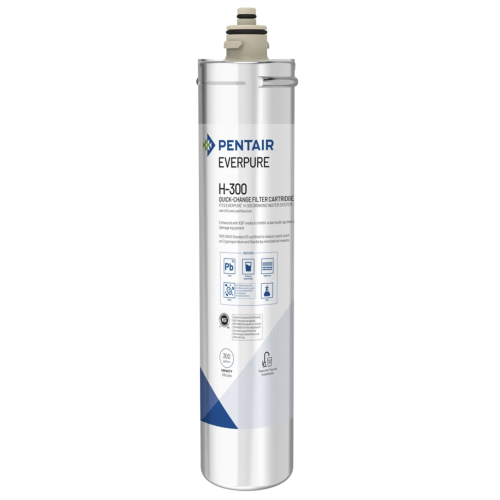
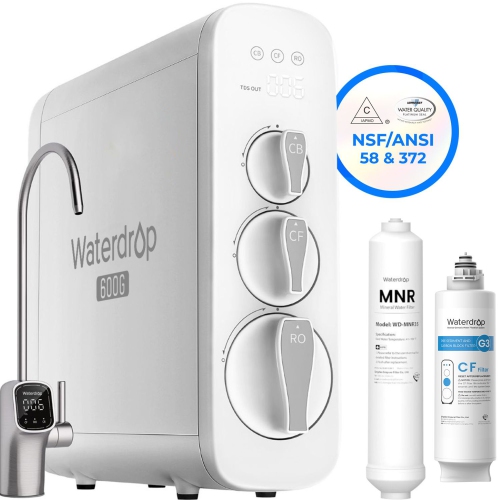
Under sink drinking water filters offer a way to filter water at the kitchen sink while keeping the filtration equipment out of sight. Installed inside the cabinet beneath the sink, these systems can suit households that want filtered water for drinking, cooking, and preparing beverages without keeping a pitcher in the fridge or a filtration unit on the countertop. Depending on the design, an under-sink system may connect to the existing cold-water faucet or supply a separate drinking-water faucet mounted beside it. That distinction affects both everyday use and installation: a connection to the existing faucet keeps the sink layout familiar, while a dedicated faucet separates filtered drinking water from water used for other kitchen tasks. Cabinet space is another important consideration, particularly where plumbing, a waste disposer, or pull-down faucet hardware already occupies much of the area.
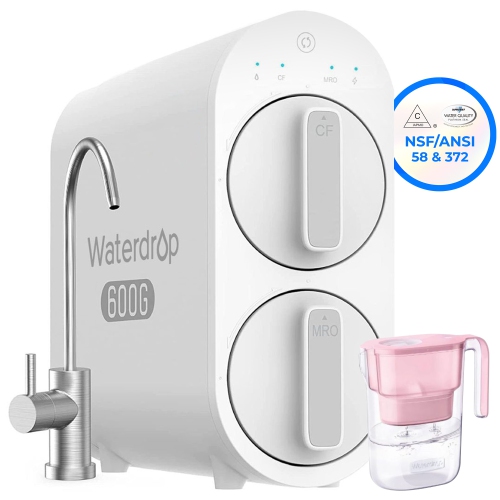
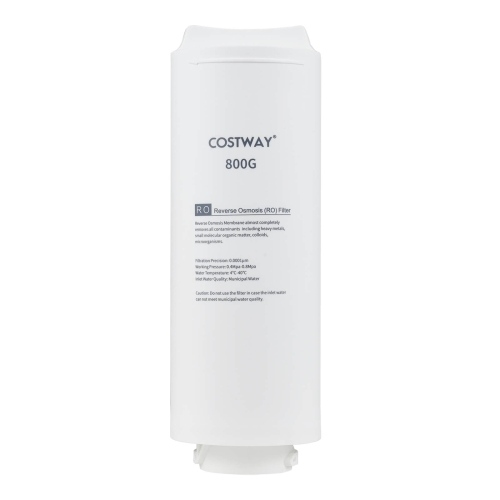
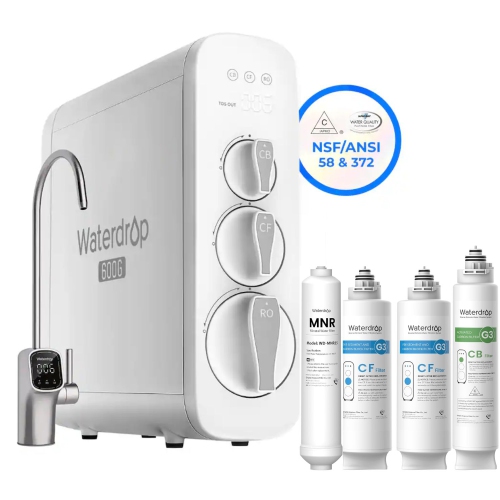
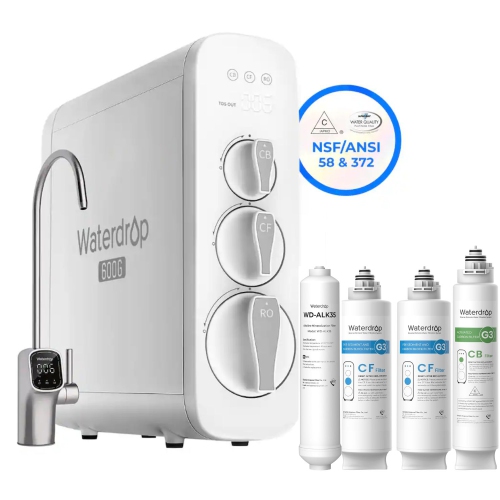
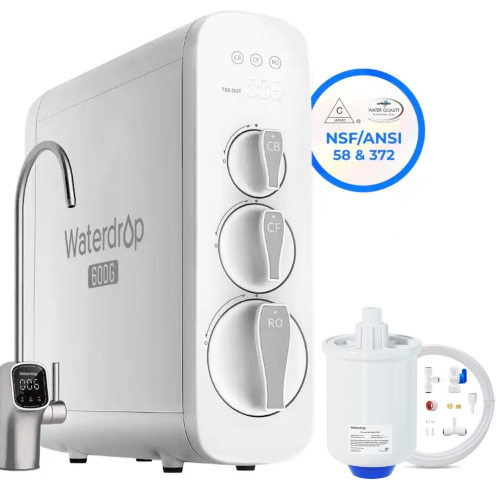
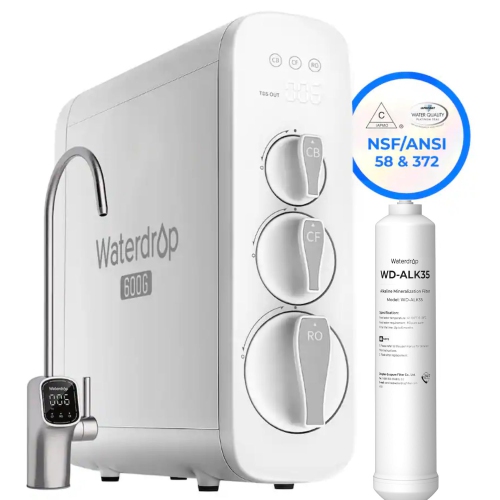
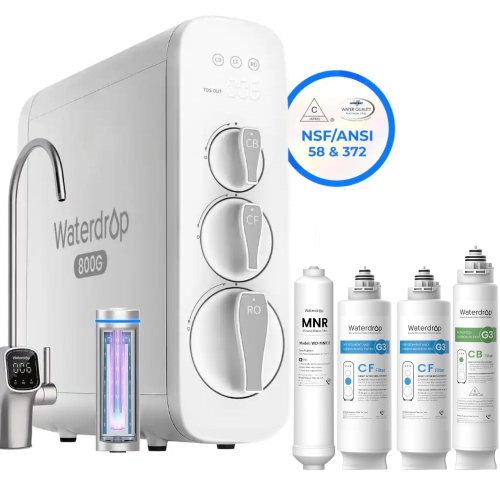
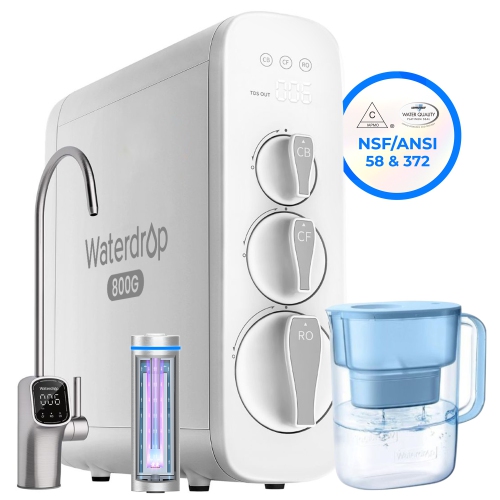
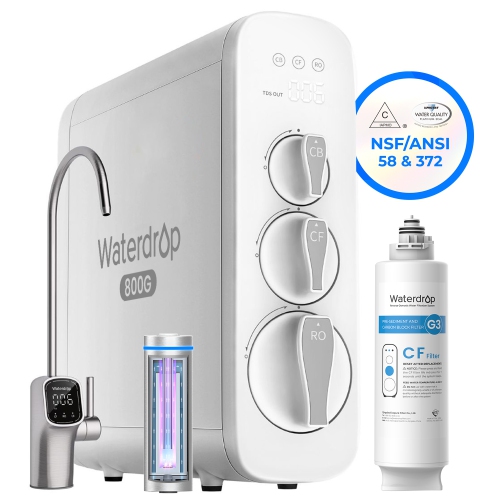
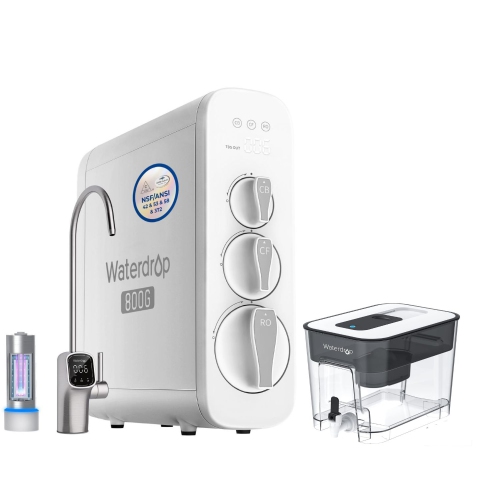
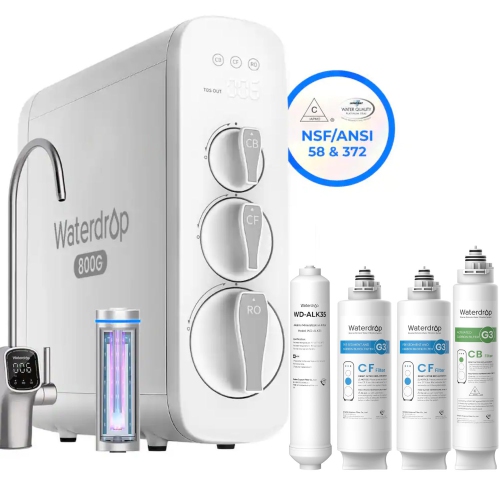
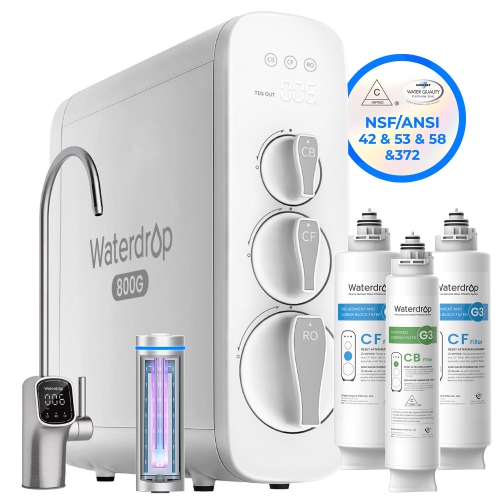
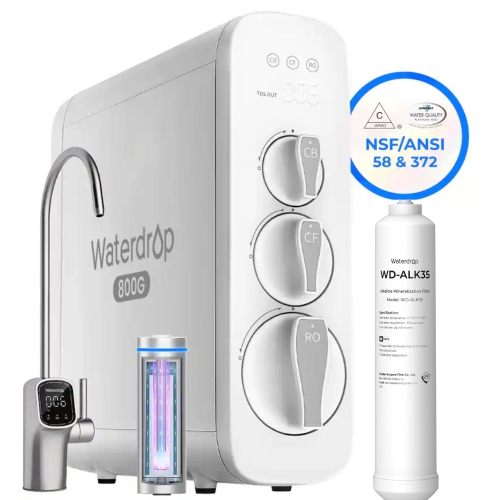
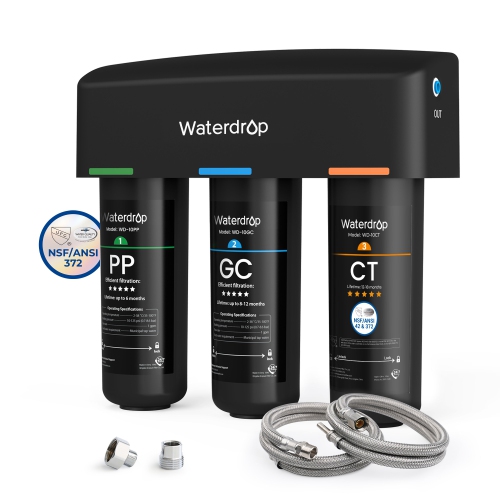
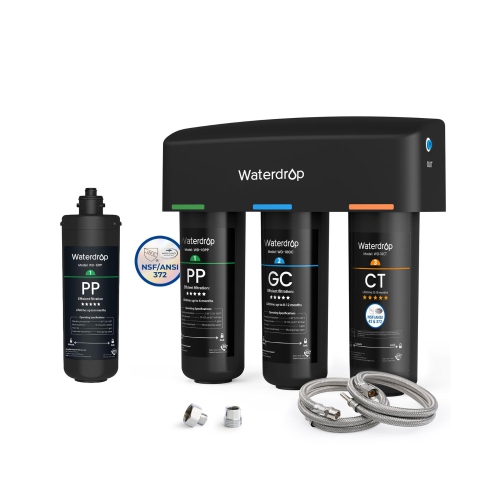
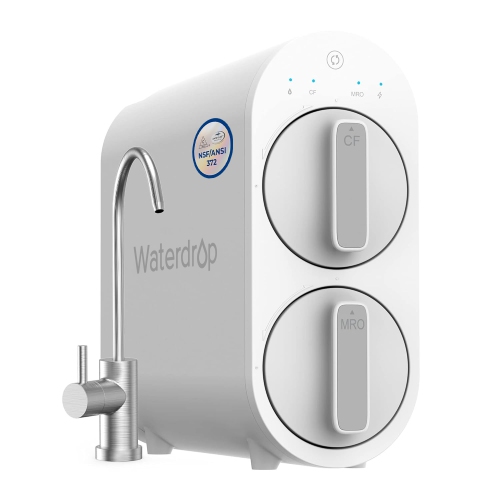
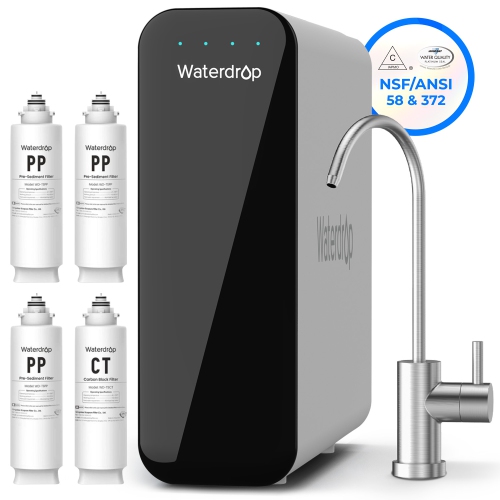
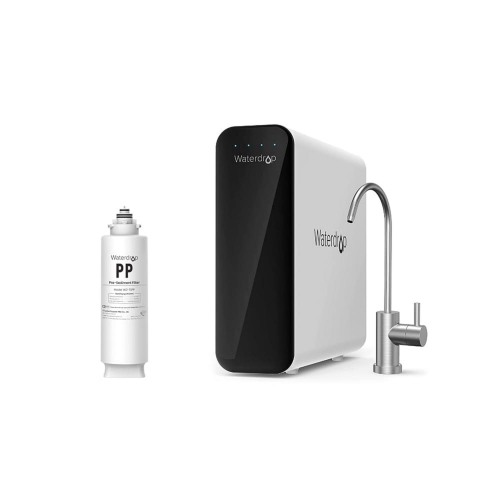
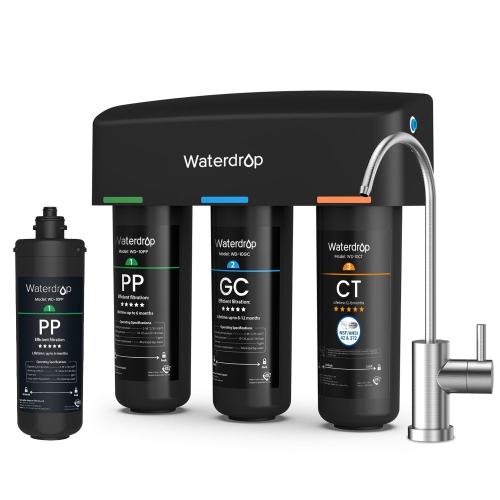
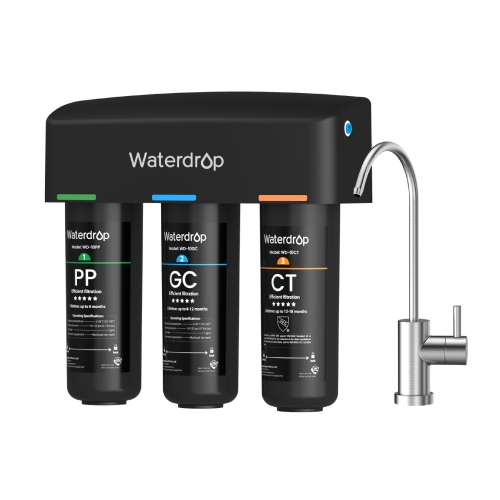
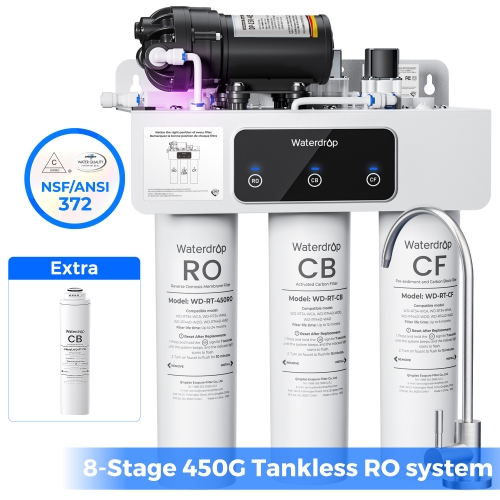
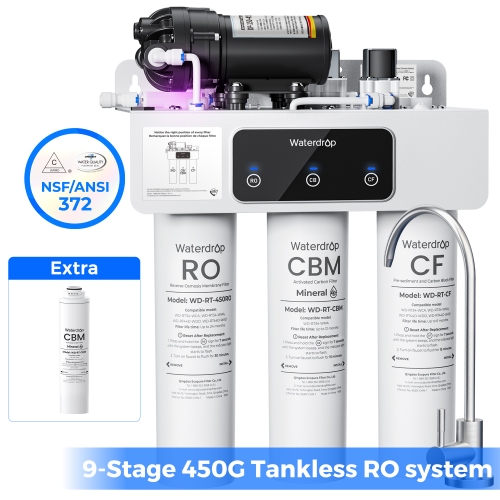
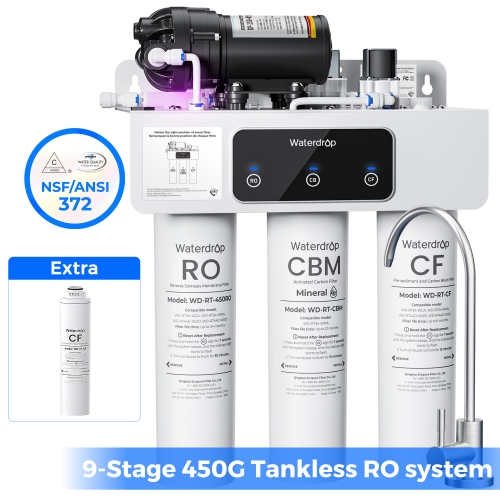
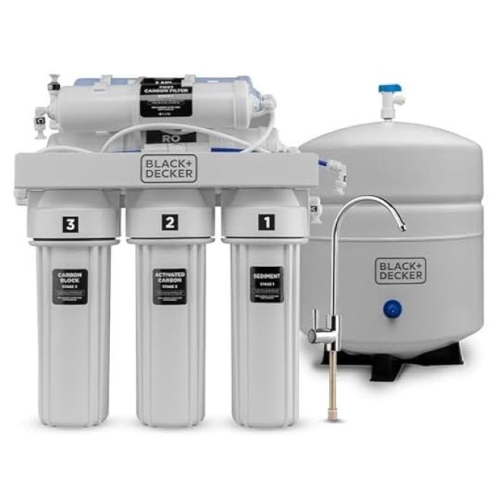
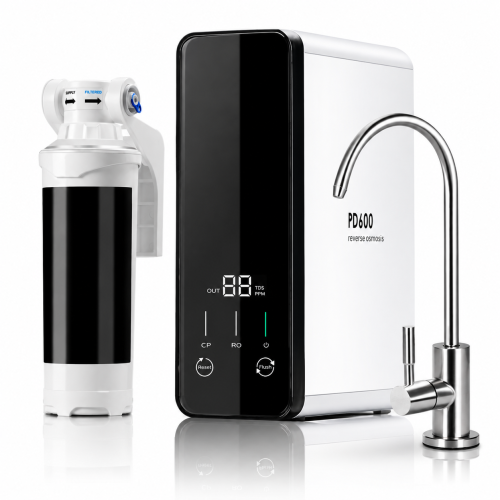
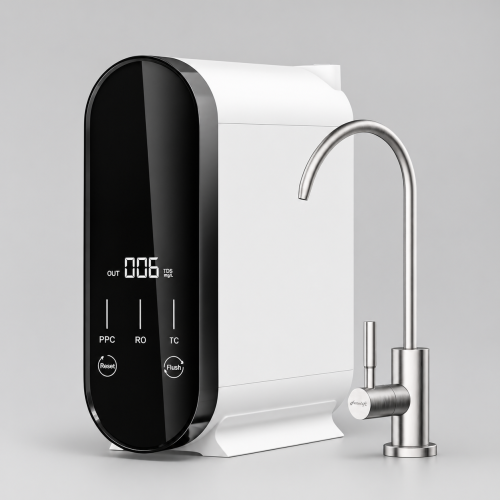
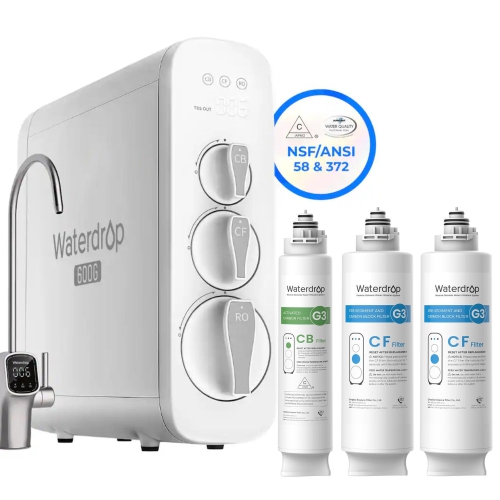
Choosing among under sink drinking water filters starts with matching the system’s stated filtration capabilities to your water supply and preferences. Activated carbon filtration is commonly used to reduce chlorine taste and odour, while reduction of substances such as lead depends on the particular filter’s design and verified performance claims. Reverse osmosis systems use a membrane and typically include additional filtration stages; they may also require a drain connection and a storage tank, although tankless designs exist. These approaches are not interchangeable, and the number of stages alone does not establish what a system can remove. Look for certification to relevant NSF/ANSI standards and check the specific reduction claims covered by that certification rather than relying on broad descriptions such as “multi-stage filtration.” For homes supplied by a private well, water testing helps identify treatment needs, since a drinking-water filter should not be assumed to disinfect water or make an unsafe supply suitable for consumption.

Fit and output matter alongside filtration performance. System dimensions, clearance for replacing cartridges, compatible supply-line fittings, and the location of any separate faucet all influence whether a unit is suitable for a particular kitchen. Some configurations need an additional mounting hole, and certain systems require an electrical outlet, so it is worth checking the installation requirements before purchasing. Renters and condo residents may also need to confirm whether plumbing changes are permitted. Rated flow describes how quickly filtered water can be dispensed, while storage capacity or production rate can affect how a reverse osmosis system handles repeated use. A household filling several reusable bottles each morning may have different needs from someone drawing an occasional glass of water. Comparing these specifications helps balance the space available beneath the sink with the volume of filtered water needed throughout the day.

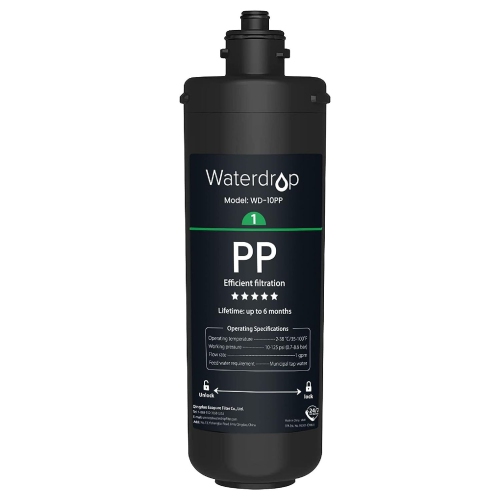
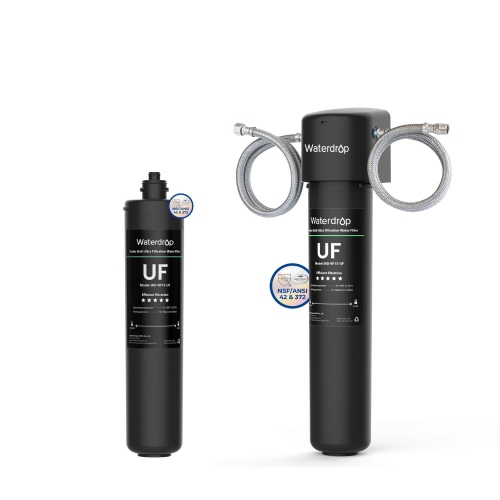
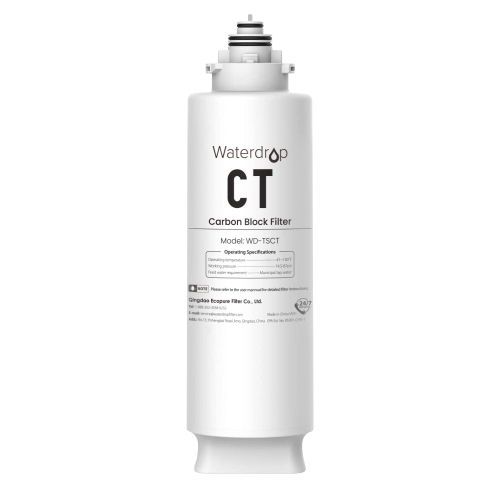
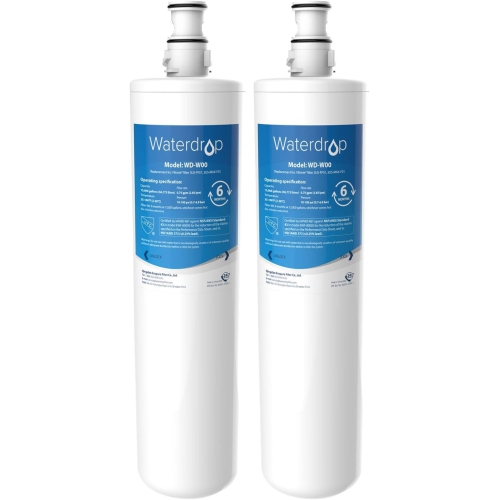
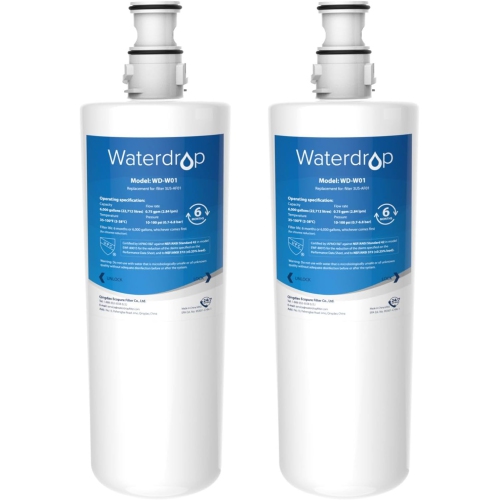
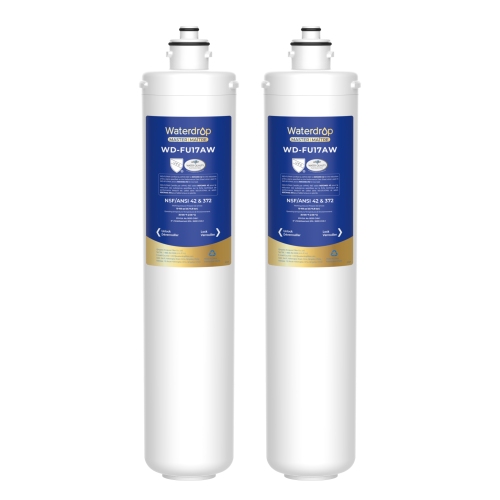
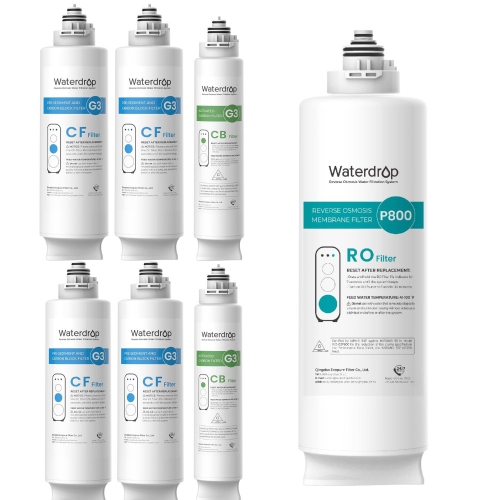
Ongoing cartridge replacement is part of owning an under-sink filtration system, making replacement-filter compatibility and maintenance access useful purchase considerations. Filter life is generally expressed as a time interval, a rated volume, or both, and actual replacement needs can vary with water quality and usage. Multi-stage systems may have different replacement schedules for each cartridge or membrane, so checking those requirements gives a clearer picture of upkeep than the initial purchase alone. Cartridge size, housing design, and shut-off arrangements can also affect how straightforward servicing will be in a crowded cabinet. For households that regularly use filtered water for coffee, tea, ice trays, or meal preparation, a system with suitable filtration claims, adequate output, and manageable maintenance can be a practical addition to the kitchen.

Read More

FAQ

Some products may be subject to Environmental Handling Fees (EHF) depending on your province. Learn more about EHFs.