Durable Stainless Steel Trash Cans
Durable Stainless Steel Trash Cans offer a sleek and modern solution for managing waste in any space. With their polished appearance, these trash cans complement kitchens, offices, bathrooms, and more while maintaining a tidy environment. Explore a variety of sizes and styles to find the perfect fit for your needs. Durable Stainless Steel Trash Cans are designed to blend seamlessly with your décor and provide dependable performance day after day.
Sort

Why everyday durability goes beyond a steel shell
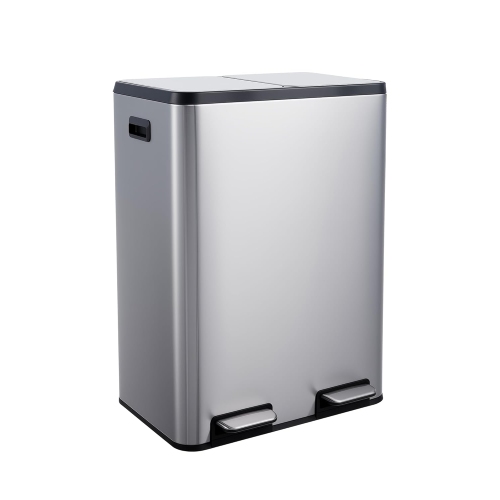
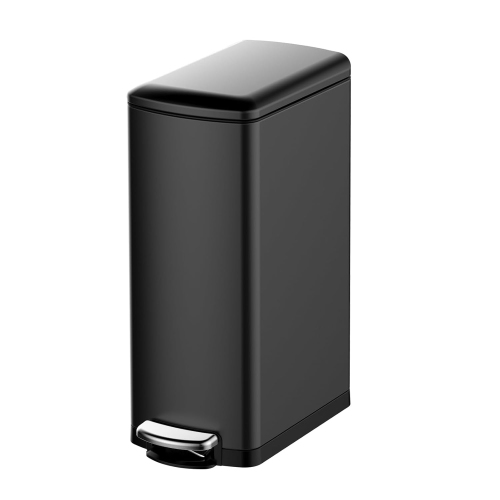
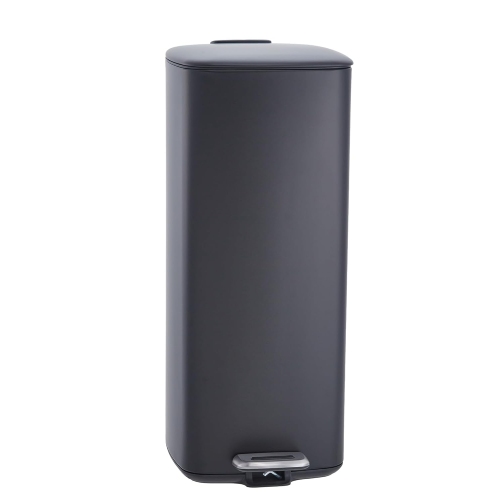
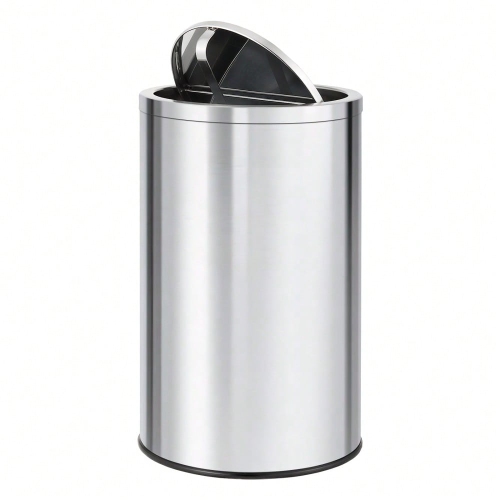
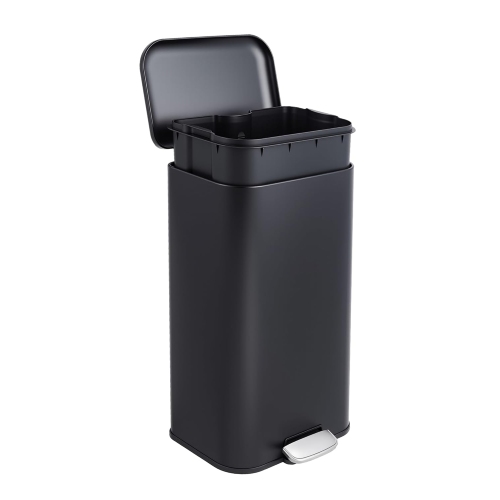
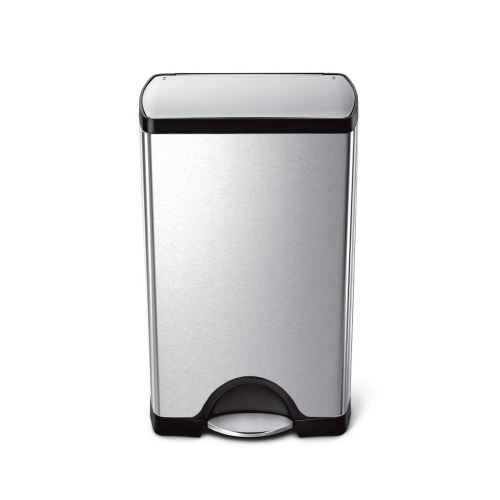
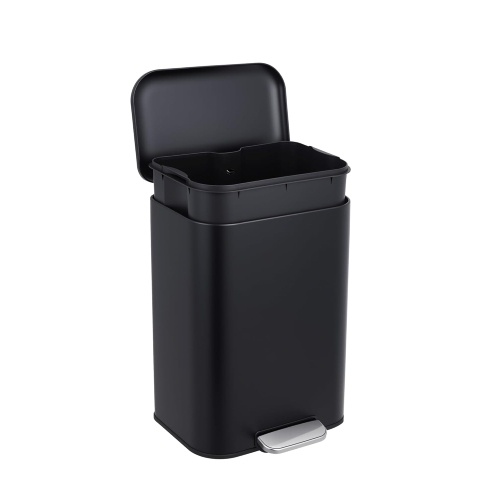
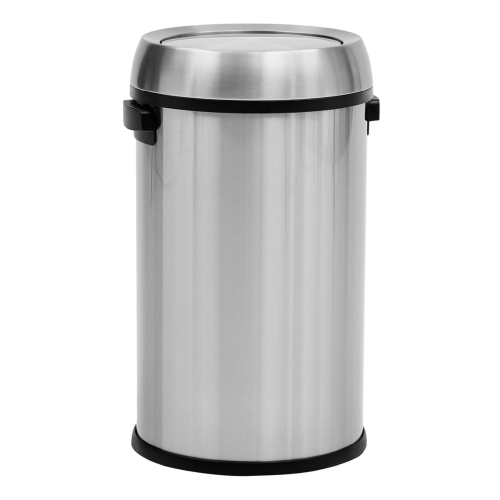
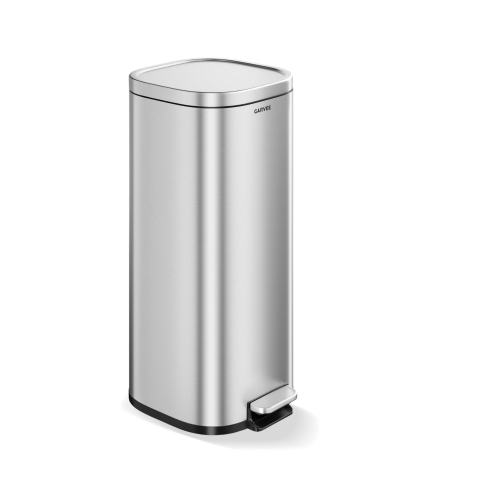
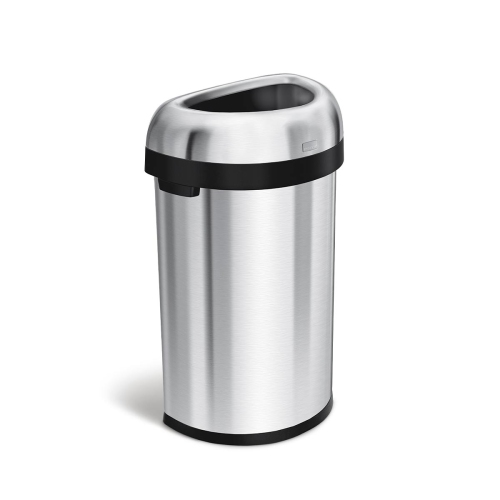
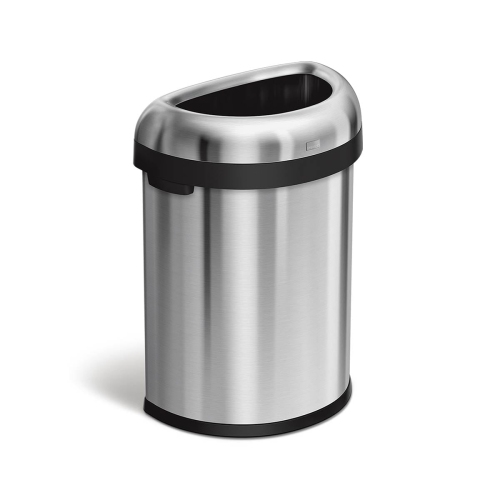
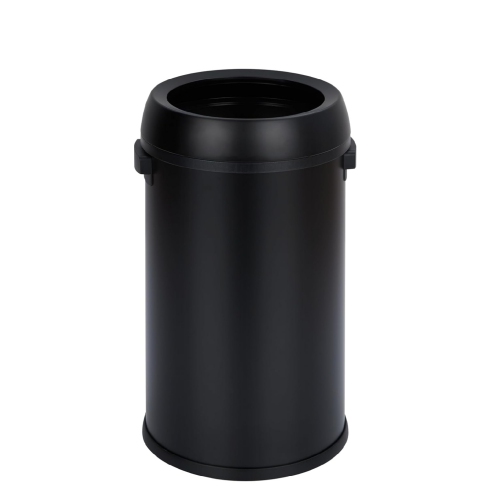
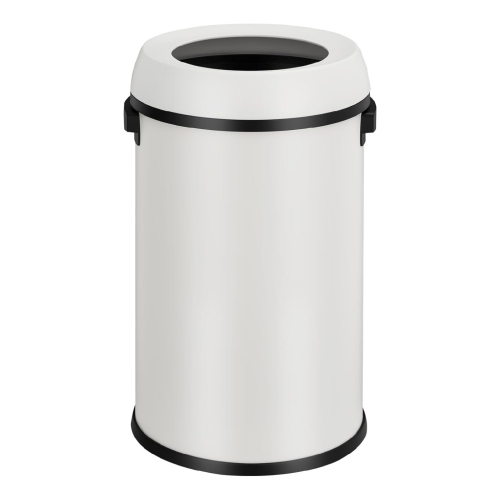
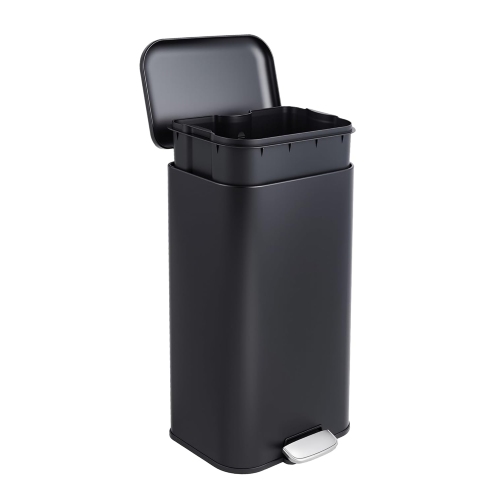
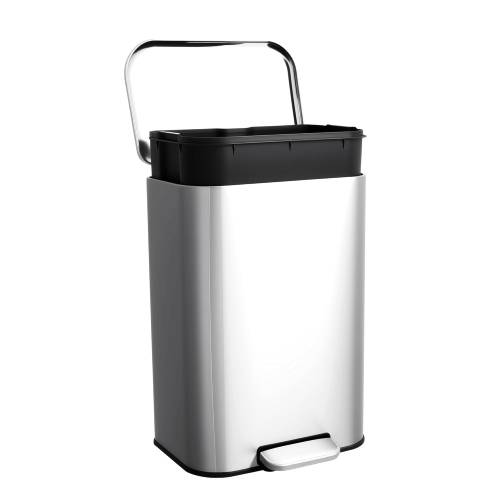
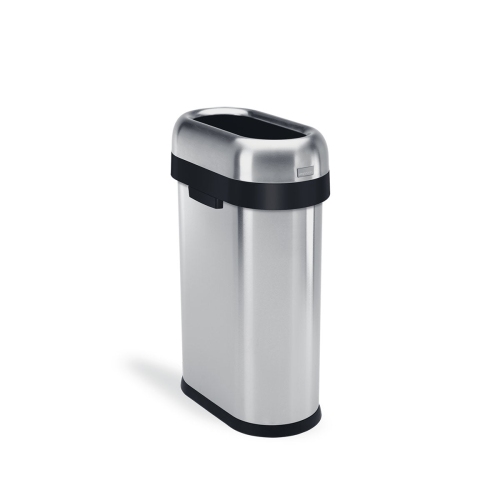
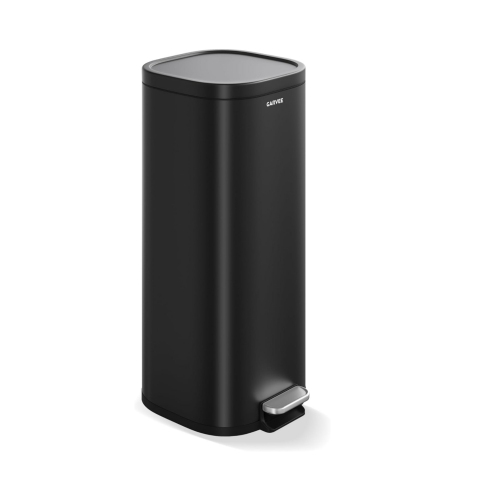
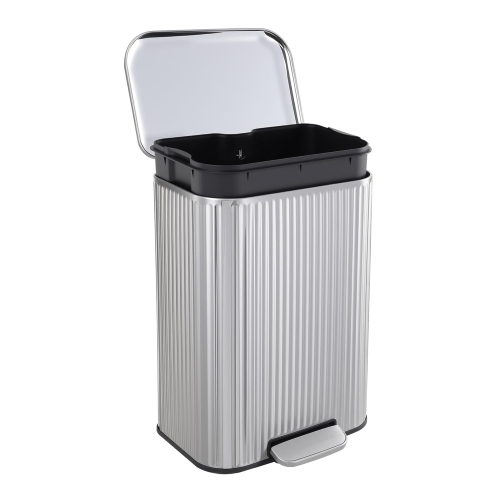
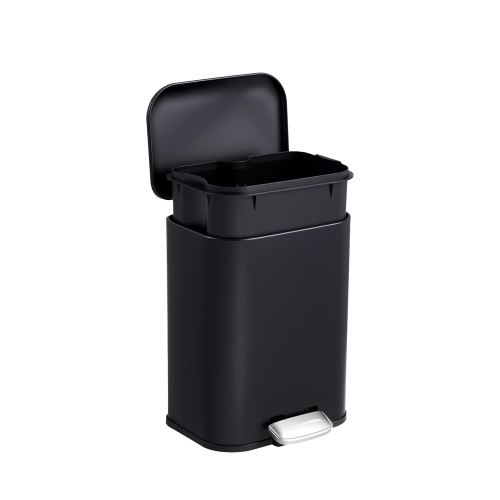
Durable stainless steel trash cans combine a sturdy metal body with practical features that support repeated daily use, such as reinforced foot pedals, secure hinges, soft-close lids, and removable inner buckets. Stainless steel resists corrosion with appropriate care, making it a useful material for kitchens, bathrooms, home offices, and shared workspaces where a bin needs to handle frequent opening, emptying, and cleaning. The body material is only part of the durability story: a stable base, neatly finished edges, and a lid that stays aligned all contribute to how well a trash can holds up over time. A solid pedal mechanism is especially useful beside a busy food preparation area, where the lid may open many times while someone trims vegetables, unwraps ingredients, or clears a counter. Soft-close mechanisms control the lid’s descent, reducing the abrupt bang that can carry through an open-plan room. Motion-sensor designs offer another hands-free option, although their long-term convenience also depends on the power source, sensor placement, and access to the battery compartment. Fingerprint-resistant finishes can help reduce visible marks, but they do not eliminate the need for cleaning, particularly around the lid and other frequently touched areas. Brushed stainless steel has a subtle grain that can make light handling marks less noticeable, while polished surfaces create a brighter, more reflective appearance. Where a coloured coating is used, its care requirements may differ from those of exposed steel. For a household with children, a dependable pedal and a broad, steady base may matter more than a highly reflective finish. In a home office, quieter lid movement and a compact footprint may take priority. The most useful design balances the strength of its shell with the quality of the parts that move every day, rather than relying on a metal exterior alone.
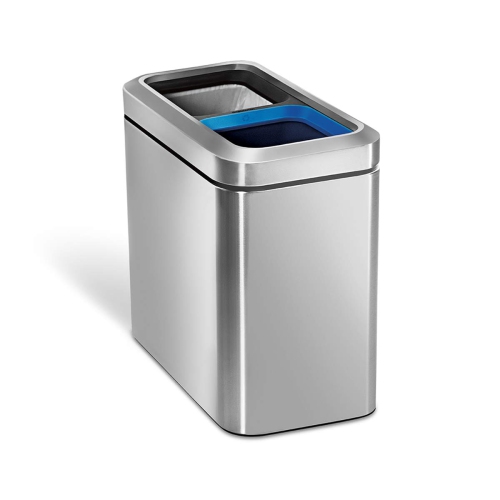
Size and placement determine whether a stainless steel trash can feels convenient or constantly gets in the way. Capacity, usually expressed in litres, describes how much the bin can hold, but exterior dimensions reveal how it will actually fit beside an island, under a desk, or between a vanity and a wall. A tall, narrow design can preserve floor space, while a wider opening makes it easier to dispose of bulky packaging without brushing against the rim. Rectangular and flat-back shapes often sit neatly against cabinetry; round designs can work well in open corners where access is not restricted to one direction. Allow room for the lid to open fully, including any rearward movement near the hinge, and consider whether an overhanging counter will interfere with the opening. A pedal also needs clear space in front, so a bin that fits tightly into a recess may still be awkward to operate. For sensor-operated lids, nearby cabinet doors, passing movement, or objects above the sensor may affect operation, depending on the design. Capacity should match both the amount and the type of waste produced. A large household kitchen may benefit from a roomier bin, whereas a bathroom or study generally needs less space. Bigger is not automatically better if food scraps remain inside longer between emptying. Liner fit deserves equal attention: an undersized bag can slip from the rim, while an oversized one may bunch beneath the lid. A retaining ring or concealed liner system can keep the opening tidy when included. Removable buckets are useful for catching small spills and carrying the contents to a disposal area, but they should lift out without catching on surrounding cabinetry. The weight of the empty bin also matters for anyone who moves it regularly to clean the floor. Handles, a manageable shape, and a base that resists sliding can make daily use easier without requiring a larger footprint. In a shared kitchen or office, an obvious opening mechanism helps different users dispose of waste without repeatedly touching or lifting the entire lid.
Regular care helps preserve both the appearance and the working parts of a durable stainless steel trash can. For routine cleaning, a soft cloth with mild dish soap and water is often sufficient, followed by a clean damp wipe and thorough drying. Following the direction of a brushed finish helps avoid making light scratches more noticeable. Abrasive pads, steel wool, and harsh cleaners can damage the surface; chlorine bleach and prolonged contact with salty or acidic residue can also contribute to discolouration or corrosion. Manufacturer care directions remain important, especially for coated finishes, sensor housings, and removable components that may have different cleaning requirements. A fingerprint-resistant surface still benefits from prompt attention to greasy splashes and dried-on food. Inside the bin, a correctly fitted liner helps keep waste away from seams and moving parts, while regular emptying limits residue and lingering odours. Liquid waste should not be left pooling in the bottom, and a washed inner bucket should be completely dry before a fresh liner is fitted. Lid seals and deodorizing features, where included, can help manage smells, but they do not replace cleaning or make a bin airtight unless it is specifically designed that way. Keeping scraps below the rim also allows the lid to close properly rather than resting on an overfilled bag. Around a meal preparation area, it helps to keep food storage clearly separate from waste disposal: Durable Stainless Steel Food Containers can hold prepared ingredients and leftovers, while a nearby trash can handles discarded packaging and scraps. For hands-free bins, keeping the pedal area unobstructed or the sensor window clean supports reliable operation. These small habits protect the finish, reduce unnecessary strain on the lid mechanism, and make a well-chosen stainless steel trash can easier to live with through everyday cooking, working, and tidying.
Top selling and popular products
-
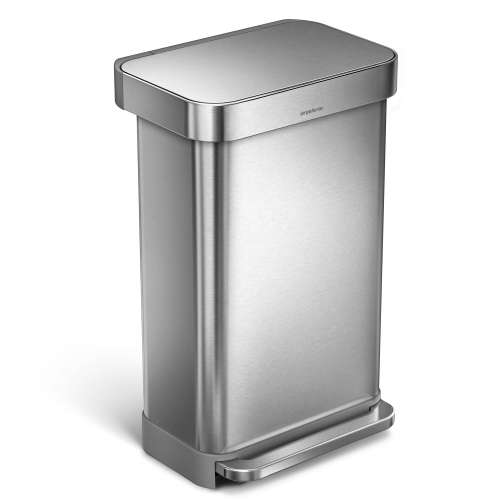 Your price for this item is $200
-
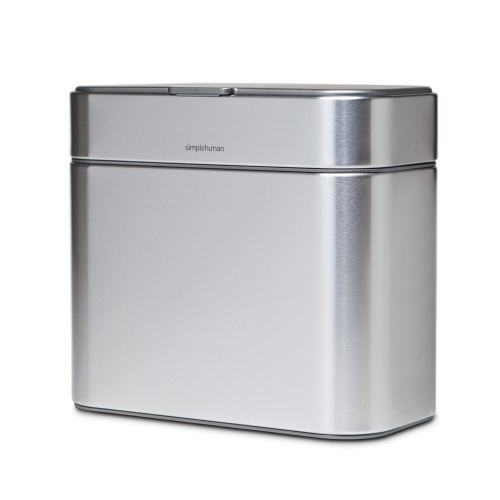 Your price for this item is $70
-
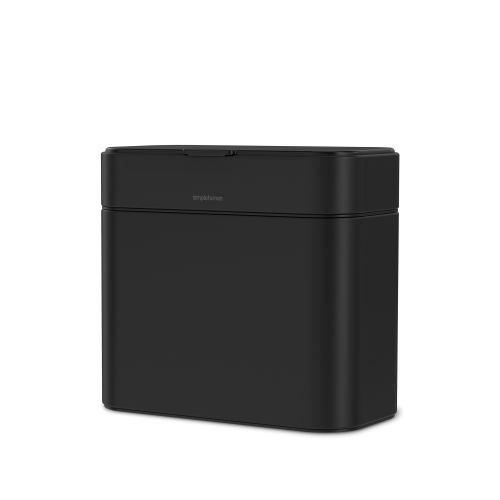 Your price for this item is $80
-
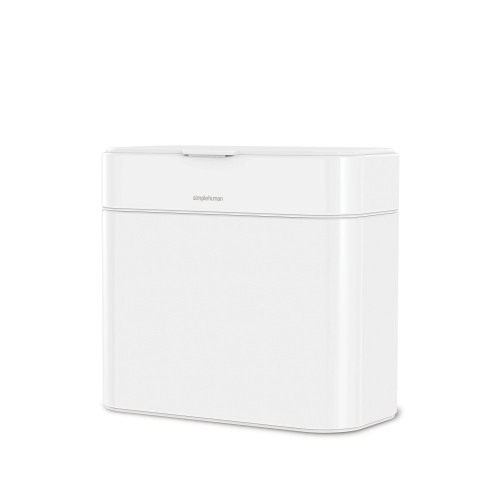 Your price for this item is $80
-
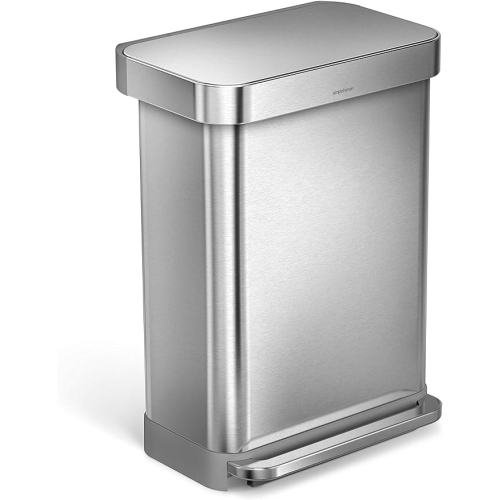 Your price for this item is $250
-
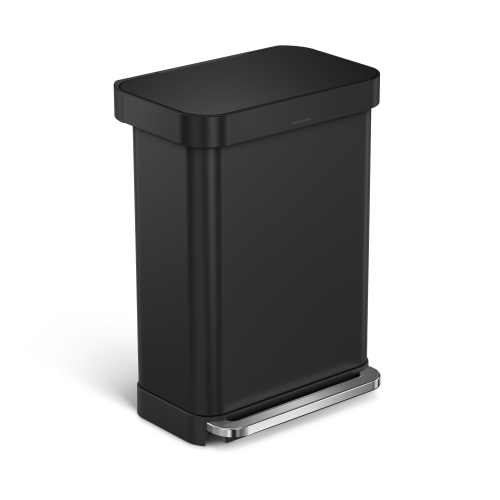 Your price for this item is $270
-
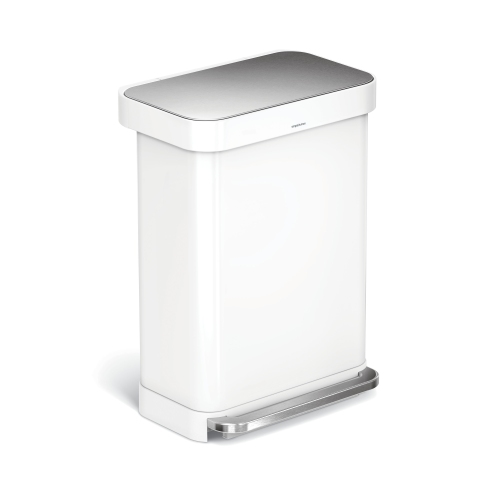 Your price for this item is $270
-
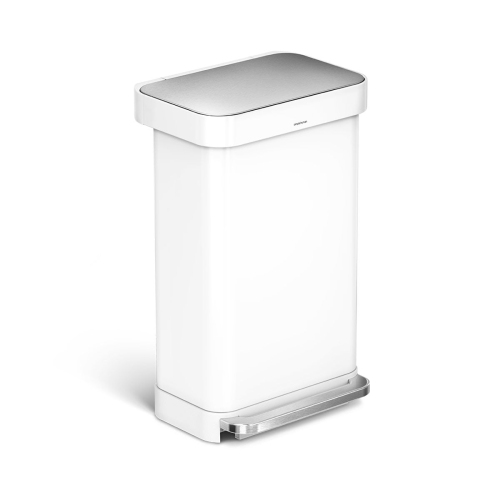 Your price for this item is $220
Discover more categories related to Durable Stainless Steel Trash Cans

Top Collections:
Best Black Friday Deals This Year, Best Black Friday Deals On Electronics, Kindle Devices, Pokemon Centers, Best Black Friday Deals On Apple Products, Best Cameras for Sports Photography, Dyson Airwrap, Pokémon 30th Celebration Cards, Apple iPhone 17 Pro, Canon G7X Cameras
Some products may be subject to Environmental Handling Fees
(EHF) depending on your province.
Learn more about EHFs.