Dyson Hot Cold Air Purifiers
Transform your living space into a haven of comfort and cleanliness with a versatile air purifier that seamlessly blends functionality and style. Designed to deliver year-round performance, these innovative devices purify the air while offering the convenience of both heating and cooling options. Perfect for any season, they provide a tailored environment that suits your needs, whether you're seeking warmth during chilly months or a refreshing breeze on hot days. With advanced technology at your fingertips, enjoy cleaner air and enhanced comfort all in one sleek package. Discover how this multi-functional solution can elevate your home experience today.
Sort
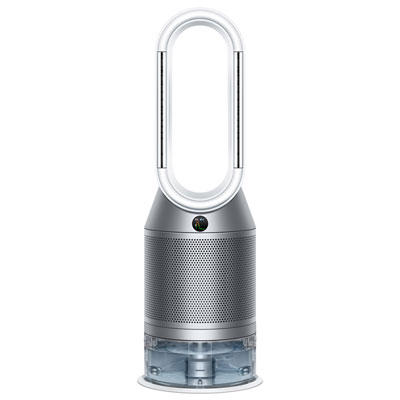
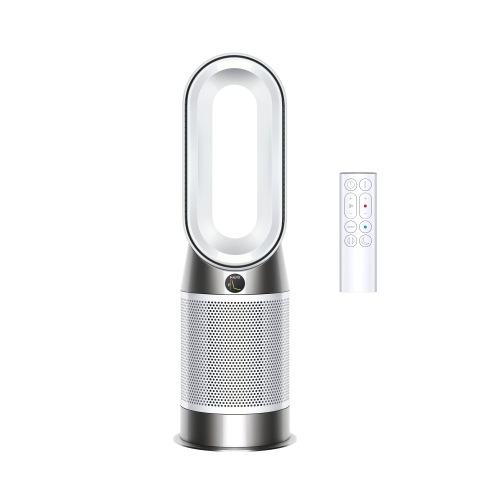
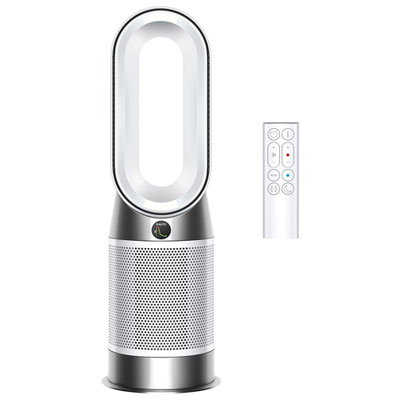
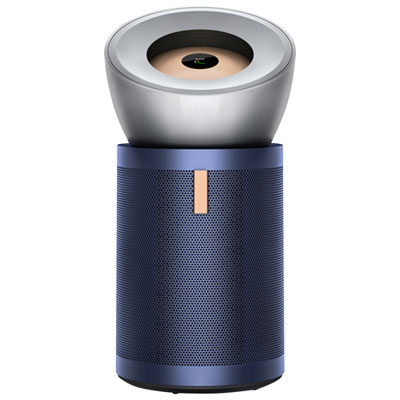
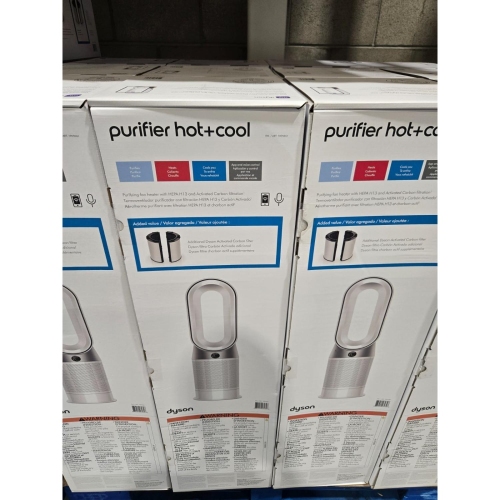
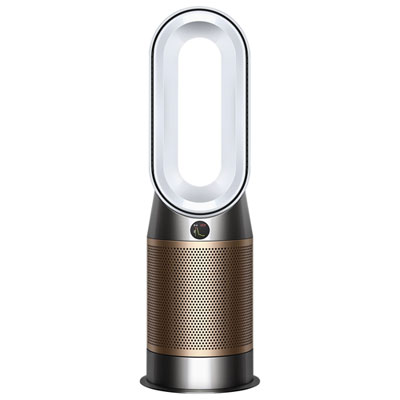
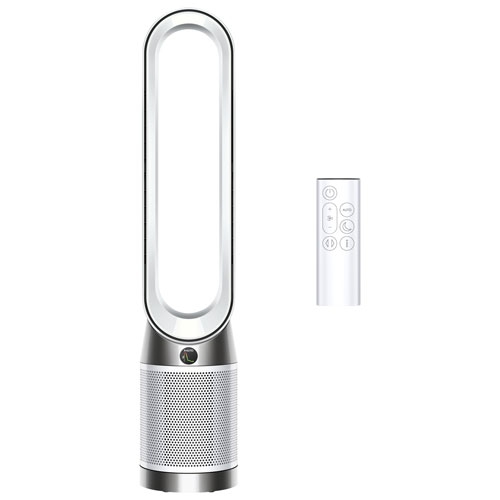
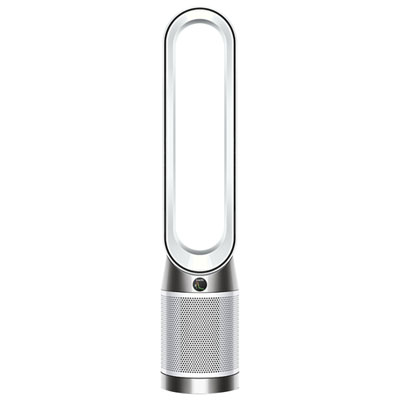
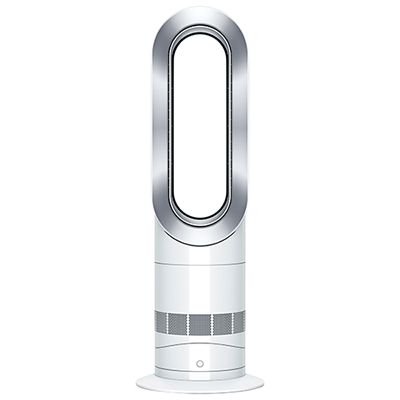
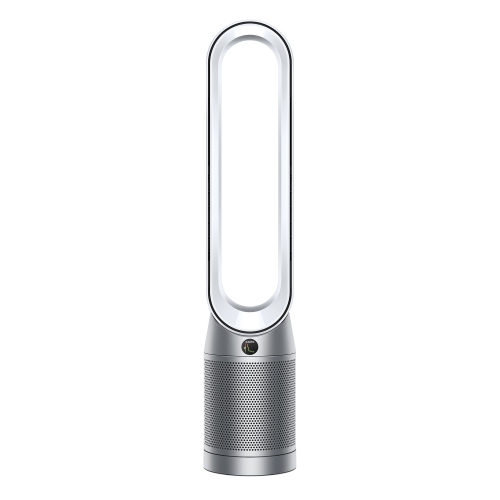
Filtered air and year-round comfort in one footprint
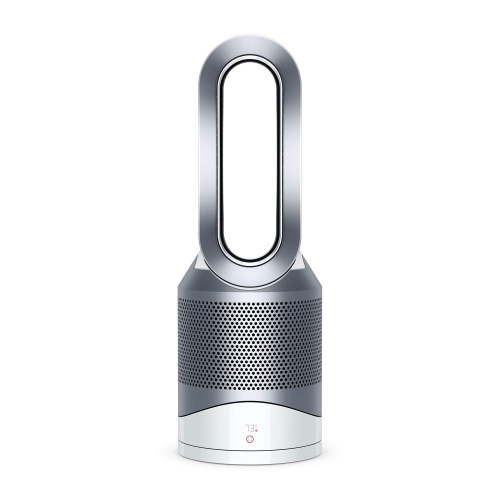
Hot and cold air purifiers combine air filtration, fan airflow, and room heating in one appliance, bringing several everyday comfort functions into a single footprint. Their cooling function creates a breeze that helps people feel cooler; it does not refrigerate the air or lower a room’s temperature like an air conditioner. Heating mode adds warmth, while filtration captures airborne particles as air passes through the unit. This combination suits living rooms, bedrooms, and home offices where a separate heater, fan, and purifier would compete for floor space. A tall, slim body can sit alongside a seating area or desk without taking over the room, provided the intake and outlet have the clearance specified in the manual. Oscillation distributes airflow across a wider area rather than keeping it aimed at one chair, and adjustable fan speeds let users choose between a gentle flow and stronger circulation. Heating controls typically allow a target temperature to be set, with a thermostat managing heat output to help maintain it. Some designs also offer a way to purify without directing a strong breeze towards the person nearby. These functions make the category useful for someone working at a desk, sharing a lounge with family, or wanting filtered air beside a reading chair. Room size, ceiling height, insulation, and open doorways all affect how heating and circulation feel in practice. A unit suited to an enclosed bedroom may produce a different result in a large, open-plan living space, so published room coverage and testing conditions matter more than the appliance’s height alone. Air projection describes how air moves through a space, but it is not, by itself, a measure of how quickly particles are removed. Where a clean air delivery rate is provided, it offers another useful reference for assessing purification performance. The most relevant combination of features depends on the room and its occupants: gentle airflow and dimmed controls can matter beside a bed, while broader oscillation may be more useful around a shared seating area.
Filtration is central to these appliances, but particle capture and gas removal are different jobs. HEPA filtration is designed to capture fine airborne particles, including dust, pollen, and pet dander. Where a specification states that a filter captures 99.97% of particles measuring 0.3 microns, that figure describes performance under stated test conditions, not a promise that the same proportion of all pollutants will disappear from a room. Activated carbon serves a separate purpose by adsorbing certain gases and odours, with results depending on the substances present, the amount of carbon, airflow, and filter condition. Not every filtration system targets the same gases, so any claim about removing a particular substance should be supported by the appliance’s specifications. A sealed filtration system helps limit air bypassing the filter, making the construction of the full air path important alongside the filter material itself. For households with pets, filtration can help capture airborne dander, but it does not replace vacuuming hair from upholstery or washing pet bedding. Similarly, a purifier may help reduce some cooking odours without replacing a range hood or addressing the source of smoke. Air purification supports routine household cleaning and appropriate ventilation; it does not guarantee symptom relief or replace a carbon monoxide alarm. Built-in sensors, where included, can detect certain particles or gases and display readings that help explain changes in indoor air quality. Automatic mode may adjust fan speed in response, although the pollutants measured and the way results appear vary by design. A rise on the display after cooking or dusting can be useful context rather than a complete assessment of everything in the air. The Dyson Air Purifier Air Quality page offers a related focus for shoppers interested in air quality features. For everyday use, clear readings, understandable filter alerts, and controls that are easy to reach can be just as valuable as a long list of settings. People sensitive to airborne particles may particularly appreciate having filtration integrated with the fan and heating functions they already use.
Physical fit, operating sound, and regular care shape how comfortably a purifier becomes part of a room. Smooth outer housings and loop-shaped air outlets can be straightforward to wipe down, while intake grilles need attention so accumulated dust does not restrict airflow. Housing materials, finish, and base construction vary, and a stable position on a level surface matters more than matching the appliance to the décor. Keep the unit clear of curtains, bedding, furniture, and other obstructions, following the manufacturer’s placement and heating precautions. A bladeless-looking outlet does not mean the appliance has no moving parts internally, and a heating function still calls for care around children and pets. Built-in safety features, where specified, are additional safeguards rather than substitutes for correct use. For power, follow the manual’s connection requirements; heater-equipped appliances commonly require a direct connection to a suitable wall outlet rather than an extension cord or power bar. Controls also deserve attention in shared spaces. A remote can make adjustments convenient from a sofa, while compatible connected features may allow air quality monitoring, schedules, or selected settings through an app. Wi-Fi requirements and permitted remote heating functions vary, so connectivity should not be taken to mean every control is accessible from a phone. In bedrooms and study areas, compare sound information across operating speeds rather than assuming a quiet low setting represents maximum output. Night modes may reduce fan speed and display brightness, with a corresponding change in airflow. Long-term care generally includes unplugging the appliance before cleaning, wiping the exterior as directed, and replacing filters when instructed. Unless the manual explicitly permits washing, HEPA and carbon filters should not be rinsed, since moisture can damage their materials or impair performance. Keeping liquid away from electrical components and avoiding abrasive cleaners helps protect the finish and operation. Filter life depends on usage and the amount of material captured, so replacement reminders are part of ownership rather than an optional extra. With suitable placement and consistent maintenance, a combined purifier, fan, and heater can serve as a practical everyday appliance for homes where flexible comfort and air filtration need to share the same space.
Filtration is central to these appliances, but particle capture and gas removal are different jobs. HEPA filtration is designed to capture fine airborne particles, including dust, pollen, and pet dander. Where a specification states that a filter captures 99.97% of particles measuring 0.3 microns, that figure describes performance under stated test conditions, not a promise that the same proportion of all pollutants will disappear from a room. Activated carbon serves a separate purpose by adsorbing certain gases and odours, with results depending on the substances present, the amount of carbon, airflow, and filter condition. Not every filtration system targets the same gases, so any claim about removing a particular substance should be supported by the appliance’s specifications. A sealed filtration system helps limit air bypassing the filter, making the construction of the full air path important alongside the filter material itself. For households with pets, filtration can help capture airborne dander, but it does not replace vacuuming hair from upholstery or washing pet bedding. Similarly, a purifier may help reduce some cooking odours without replacing a range hood or addressing the source of smoke. Air purification supports routine household cleaning and appropriate ventilation; it does not guarantee symptom relief or replace a carbon monoxide alarm. Built-in sensors, where included, can detect certain particles or gases and display readings that help explain changes in indoor air quality. Automatic mode may adjust fan speed in response, although the pollutants measured and the way results appear vary by design. A rise on the display after cooking or dusting can be useful context rather than a complete assessment of everything in the air. The Dyson Air Purifier Air Quality page offers a related focus for shoppers interested in air quality features. For everyday use, clear readings, understandable filter alerts, and controls that are easy to reach can be just as valuable as a long list of settings. People sensitive to airborne particles may particularly appreciate having filtration integrated with the fan and heating functions they already use.
Physical fit, operating sound, and regular care shape how comfortably a purifier becomes part of a room. Smooth outer housings and loop-shaped air outlets can be straightforward to wipe down, while intake grilles need attention so accumulated dust does not restrict airflow. Housing materials, finish, and base construction vary, and a stable position on a level surface matters more than matching the appliance to the décor. Keep the unit clear of curtains, bedding, furniture, and other obstructions, following the manufacturer’s placement and heating precautions. A bladeless-looking outlet does not mean the appliance has no moving parts internally, and a heating function still calls for care around children and pets. Built-in safety features, where specified, are additional safeguards rather than substitutes for correct use. For power, follow the manual’s connection requirements; heater-equipped appliances commonly require a direct connection to a suitable wall outlet rather than an extension cord or power bar. Controls also deserve attention in shared spaces. A remote can make adjustments convenient from a sofa, while compatible connected features may allow air quality monitoring, schedules, or selected settings through an app. Wi-Fi requirements and permitted remote heating functions vary, so connectivity should not be taken to mean every control is accessible from a phone. In bedrooms and study areas, compare sound information across operating speeds rather than assuming a quiet low setting represents maximum output. Night modes may reduce fan speed and display brightness, with a corresponding change in airflow. Long-term care generally includes unplugging the appliance before cleaning, wiping the exterior as directed, and replacing filters when instructed. Unless the manual explicitly permits washing, HEPA and carbon filters should not be rinsed, since moisture can damage their materials or impair performance. Keeping liquid away from electrical components and avoiding abrasive cleaners helps protect the finish and operation. Filter life depends on usage and the amount of material captured, so replacement reminders are part of ownership rather than an optional extra. With suitable placement and consistent maintenance, a combined purifier, fan, and heater can serve as a practical everyday appliance for homes where flexible comfort and air filtration need to share the same space.
Top selling and popular products
-
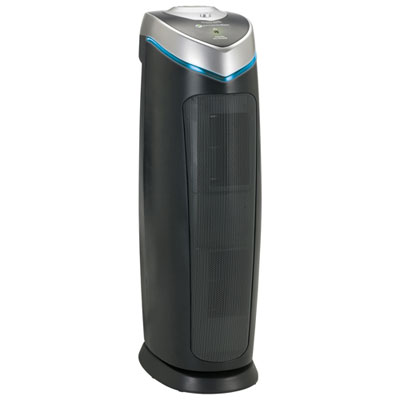 Your price for this item is $139.99
 -
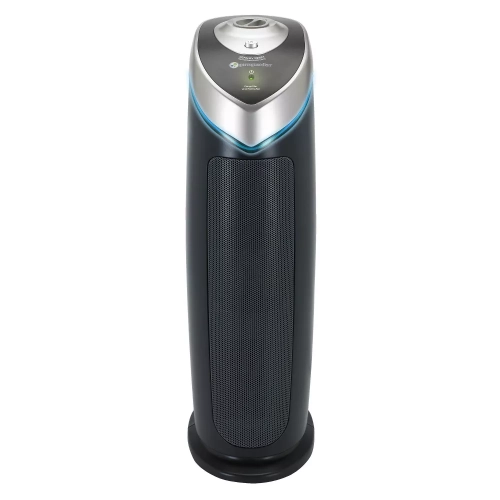 Your price for this item is $323.72
 -
 Your price for this item is $999.99
 -
 Your price for this item is $729.99
 -
 Your price for this item is $583.14
 -
 Your price for this item is $719.39
 -
 Your price for this item is $699.99
 -
 Your price for this item is $229.95
Discover more categories related to Dyson Hot Cold Air Purifiers
Top Collections:
Pokemon Centers, Kindle Devices, Apple iPhones 16, Samsung Galaxy Phones, Canon G7X Cameras, iPhone 15 Apple, Flip Phones, Apple Wired Earphones, Best Budget Office Chairs, Refurbished Apple Laptops
Some products may be subject to Environmental Handling Fees
(EHF) depending on your province.
Learn more about EHFs.