Easy Washing Machines
Easy Washing Machine options make laundry day simpler and more convenient for any home. With a variety of styles and capacities to choose from, finding the perfect fit for your space and needs is effortless. Whether you're outfitting a new apartment or upgrading your current setup, Easy Washing Machine selections are designed to streamline the cleaning process. Browse a range of user-friendly models that help take the hassle out of everyday chores and keep your clothes looking their best.
Sort

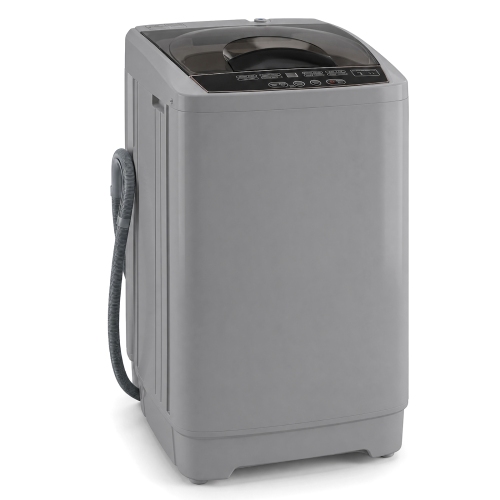
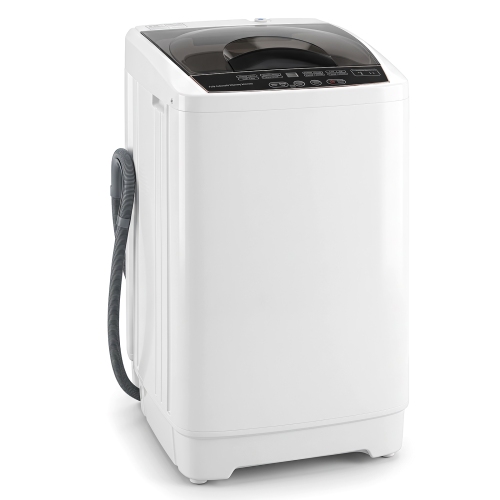
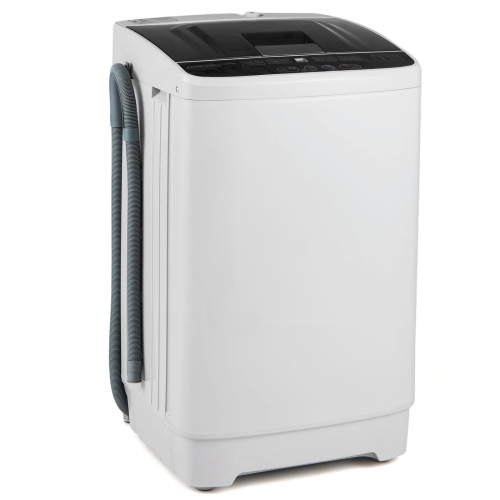
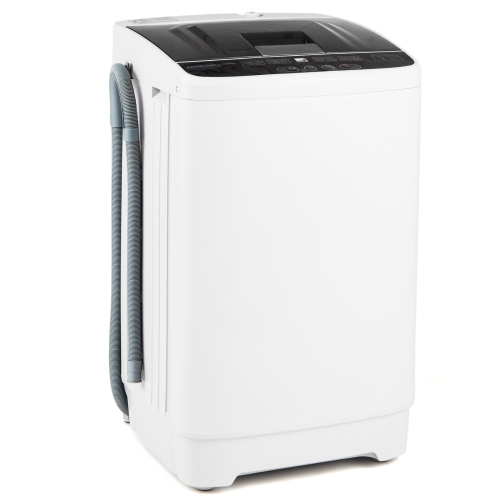
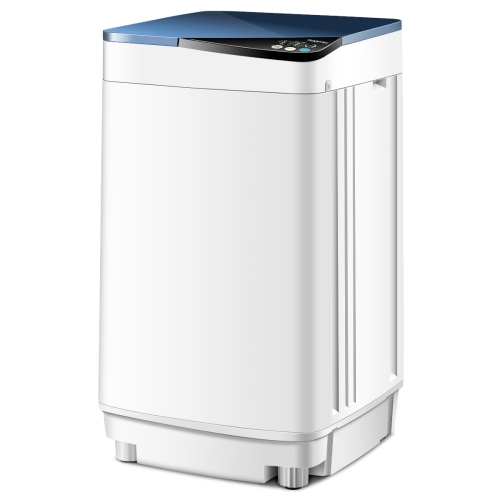
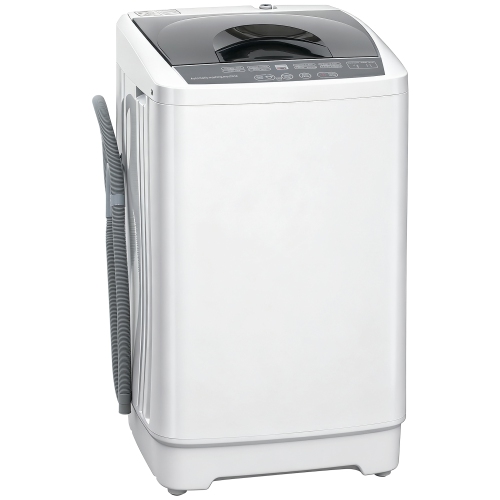
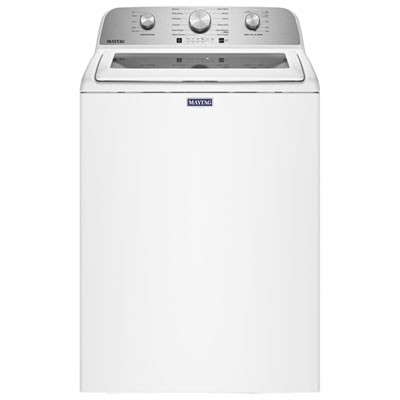
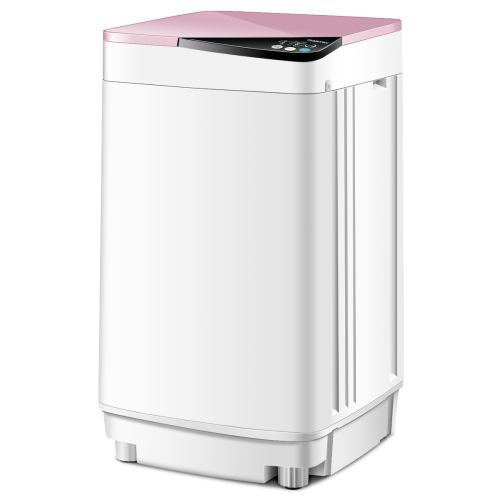
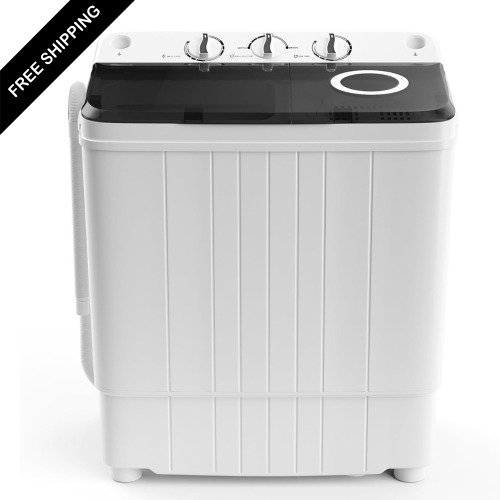
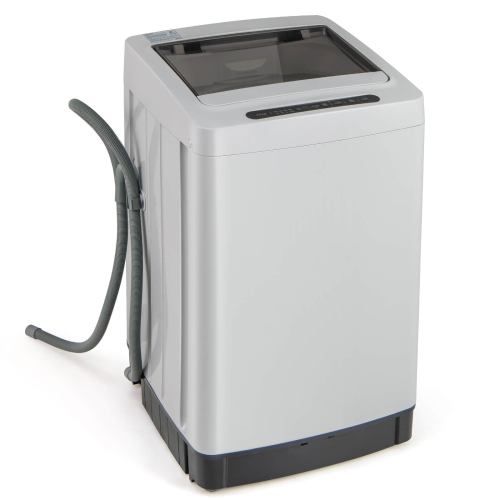
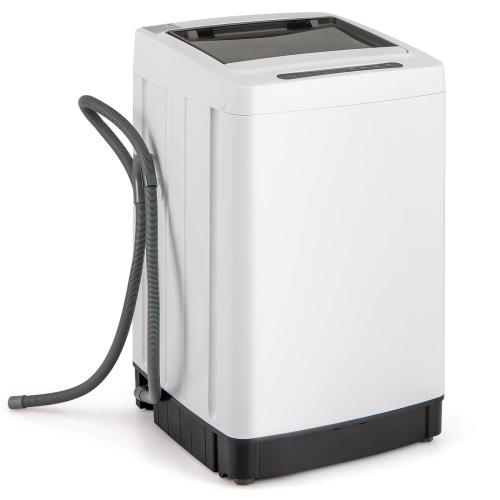
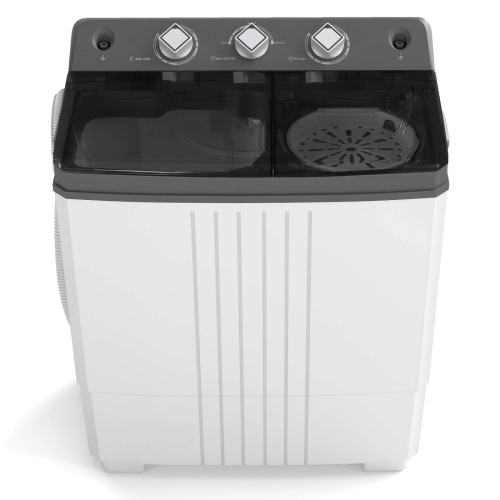
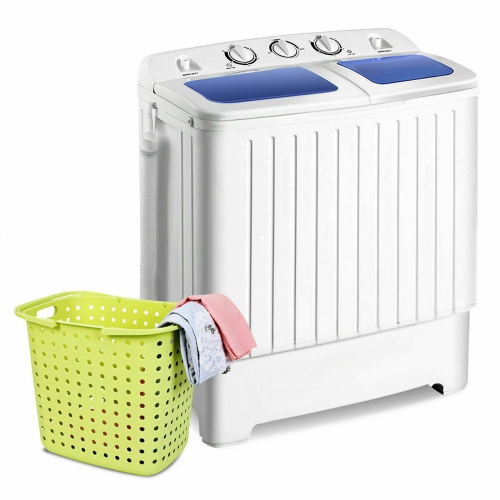
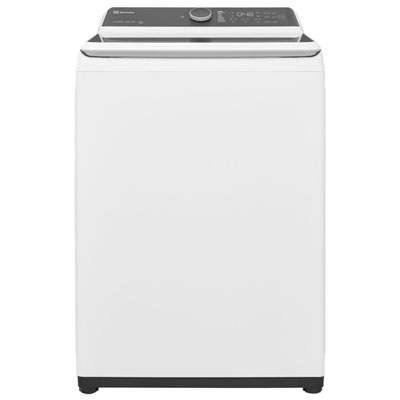
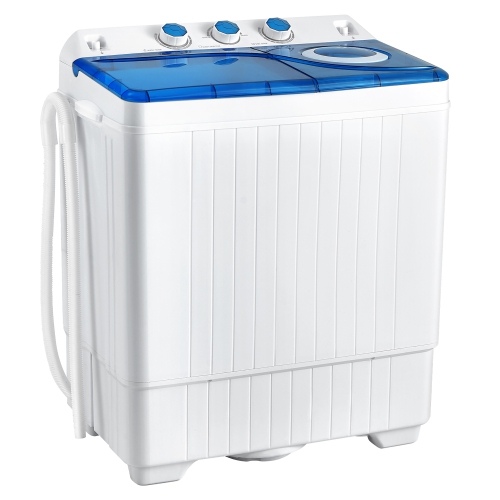
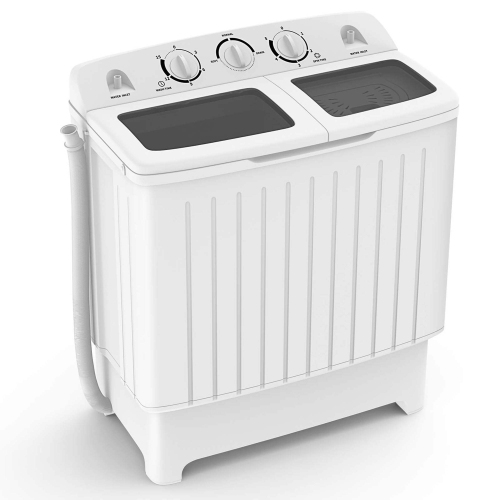

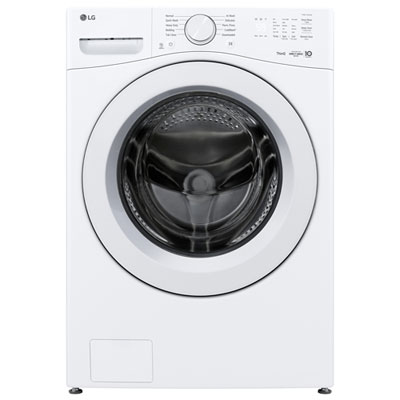
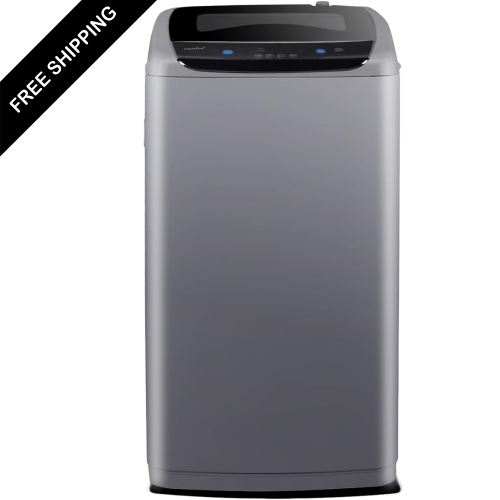
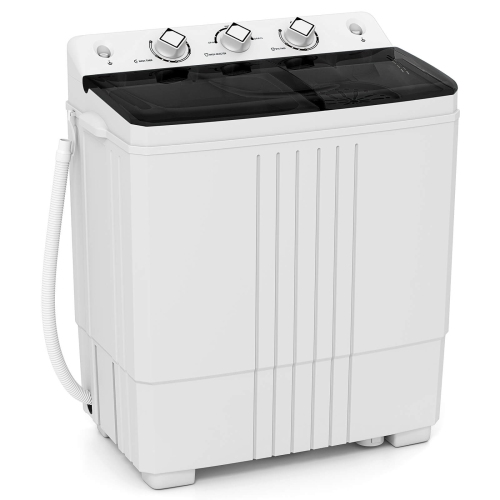
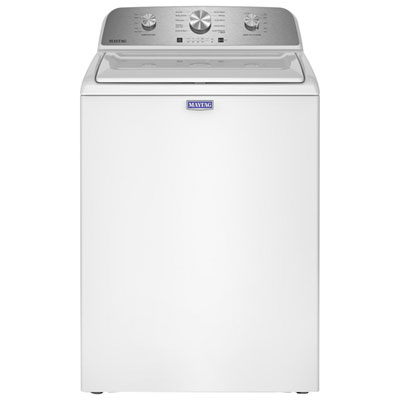
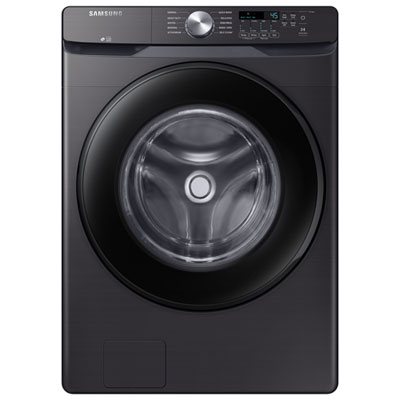

Easier laundry takes more than a compact washer
Easy washing machines take some of the effort out of everyday laundry through straightforward controls, manageable loading and features that suit the space where they will be used. Compact and portable washers can be practical for apartments, smaller homes, dorm rooms and recreational vehicles where installation is permitted and suitable connections are available. A fully automatic washer typically fills, washes, rinses and drains as part of a selected program once it is properly connected, reducing the need to return between stages. A twin-tub semi-automatic washer separates washing and spin extraction into two compartments, so wet clothing must be moved from the wash tub to the spin tub by hand. Depending on the design, filling and draining may also require more attention. That distinction matters for anyone who wants to start a load and let the machine handle the sequence, as well as anyone comfortable taking a more hands-on approach. Spin extraction removes water, but it does not replace heated drying; clothes will generally still need a drying rack, clothesline or compatible dryer. Capacity is another important part of everyday ease. A washer that handles a few shirts and undergarments comfortably may not have enough room for a thick bath towel or a bulky sweatshirt to move freely. Wash capacity and spin capacity can also differ on twin-tub machines, meaning one wash load may need to be divided into smaller batches for spinning. The most useful capacity is one that matches the household’s usual laundry rather than an occasional oversized load. Someone washing work shirts between shifts has different needs from a family handling frequent loads of children’s clothing. Compact dimensions are helpful where space is tight, but easy operation is not limited to small appliances: a full-size washer with clearly labelled settings and comfortable access can be equally suitable when the room and connections allow it.
The fit of a washing machine involves more than the width of its cabinet. Depth, hose clearance, lid or door movement and the route into the room all affect whether it will work comfortably in a particular space. A top-loading design needs open space above it, while a front-loading door needs enough room to swing outward without blocking a walkway. If a portable washer will be moved between a storage spot and a sink, its weight, handles and any built-in castors deserve attention; portable does not necessarily mean light enough to lift easily. A firm, level surface helps the machine remain steady during spinning, and hoses should reach their connections without stretching, kinking or crossing a busy passage. Water supply and drainage arrangements vary considerably. Some machines connect to compatible taps with an adapter, some accept manual filling, and others require dedicated laundry hookups. A pull-down kitchen tap or an unusual aerator fitting may not accept a standard adapter. Drainage is just as important: a gravity-drain design needs an appropriate lower outlet, while a built-in pump can move water only within the height and distance limits specified by the manufacturer. Sink access, a secure drain hose and a suitable grounded electrical outlet all contribute to a more workable setup. Building rules and rental agreements may also determine whether a portable washer can be used. Convenience means more than a long feature list, whether comparing compact washers or exploring Modern Washing Machines for a dedicated laundry area. Readable buttons, clear cycle indicators and a visible time display can make operation easier to follow. For someone with limited reach or difficulty lifting wet laundry, the height of the opening and the need for manual transfers may matter more than extra programs. Audible alerts, lid locks and child control locks can be useful where included, although their functions differ and should not be assumed to provide the same protection.
Daily care and construction also shape how easy a washer remains to use. Stainless steel wash baskets are common and resist rust, while some compact machines use moulded plastic tubs that are lightweight and do not rust. Neither material alone determines durability; a stable installation, suitable load sizes and routine cleaning all play a part. Smooth interior surfaces help protect clothing, but zips, loose coins and objects left in pockets can still damage fabrics or components. Loading loosely enough for garments to circulate supports washing and rinsing, while an overloaded tub can leave clothing tangled or unevenly cleaned. The detergent type and amount should follow the appliance instructions, especially where a high-efficiency formula is required. Too much detergent can leave residue and create excess suds rather than improve cleaning. For small loads, accurate measuring is particularly helpful because a compact tub may need much less detergent than a larger machine. Gentle programs can suit certain washable fabrics, but garment care labels remain the starting point for deciding what belongs in the washer. Bulky bedding, waterproof articles and heavily soiled workwear may require a different capacity or a specifically approved cycle. Accessible lint filters, removable dispensers and clearly explained cleaning routines make upkeep less awkward. Depending on the design, regular care may include rinsing a filter, wiping the lid or door seal, cleaning the detergent compartment and running a designated tub-cleaning program. Allowing the interior to dry as directed can help limit stale odours between loads. Portable machines also need hoses drained and stored according to their instructions, with tap connections disconnected when required rather than left attached unattended. For shared households, a simple routine for emptying pockets, sorting laundry and leaving the machine clean can prevent confusion for the next person. The strongest match is a washer whose capacity, connections, controls and maintenance needs fit naturally into the household’s routine, making ordinary laundry easier from the first load through regular use.
Top selling and popular products
-
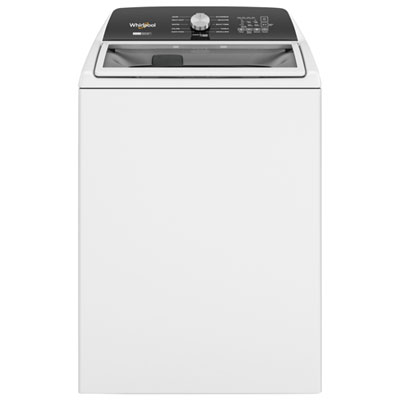 Your price for this item is $949.99
-
 Your price for this item is $474.99
-
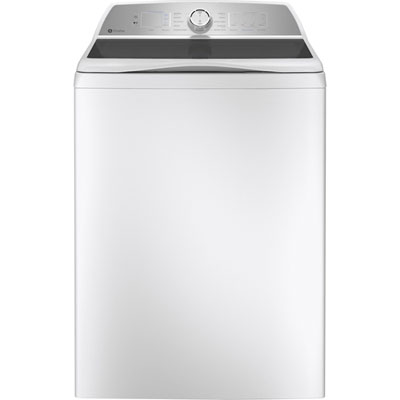 Your price for this item is $1149.99
-
 Your price for this item is $699.99
-
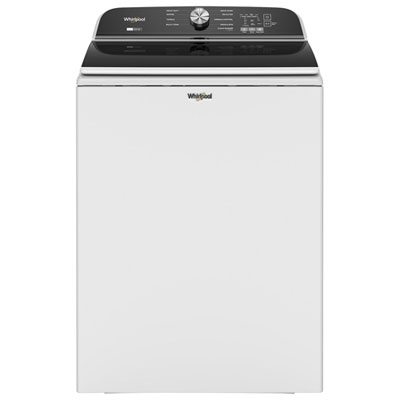 Your price for this item is $1099.99
-
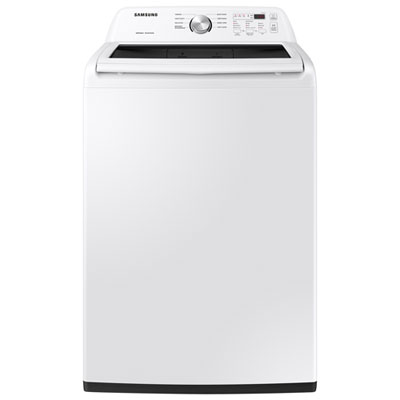 Your price for this item is $749.99
-
 Your price for this item is $849.99
-
 Your price for this item is $499.99
Discover more categories related to Easy Washing Machines


Top Collections:
Best Black Friday Deals This Year, Best Black Friday Deals On Electronics, Kindle Devices, Pokemon Centers, Best Black Friday Deals On Apple Products, Best Cameras for Sports Photography, Dyson Airwrap, Pokémon 30th Celebration Cards, Apple iPhone 17 Pro, Canon G7X Cameras
Some products may be subject to Environmental Handling Fees
(EHF) depending on your province.
Learn more about EHFs.