Energy Efficient Air Conditioners
Air conditioning is one of the most important appliances in your home. It keeps your home cool and comfortable during the hot summer months. It's also one of the most important appliances in terms of energy use. If you're looking for a more energy-efficient air conditioner, here are some options.
Sort


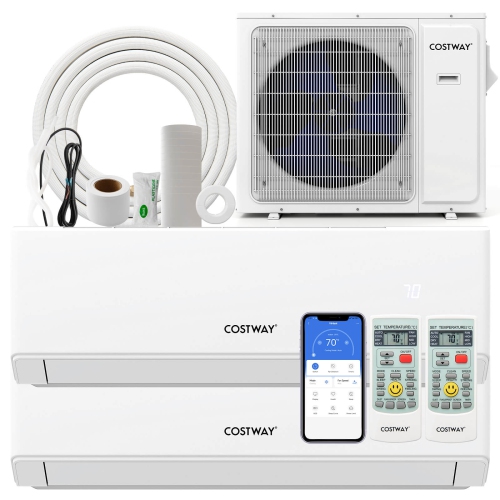

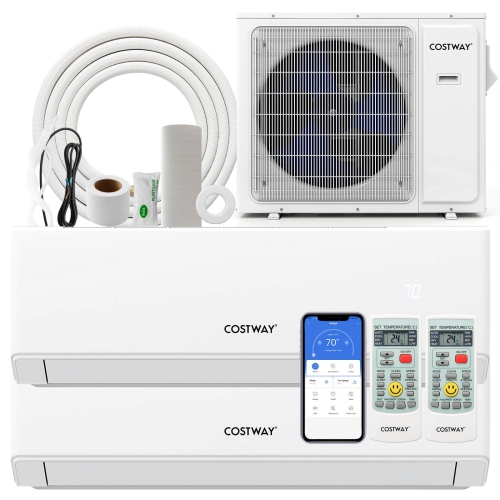
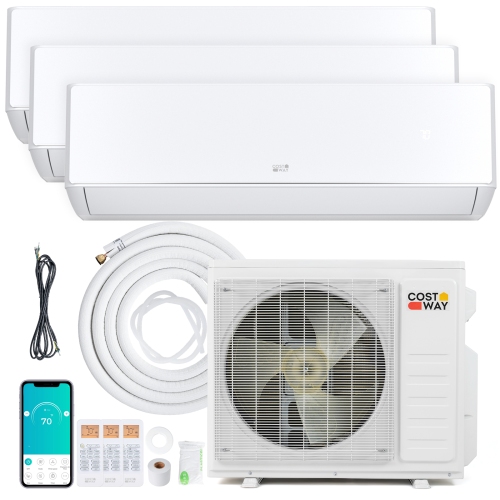
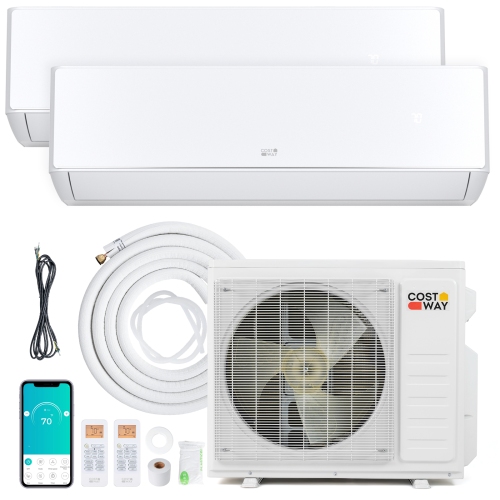
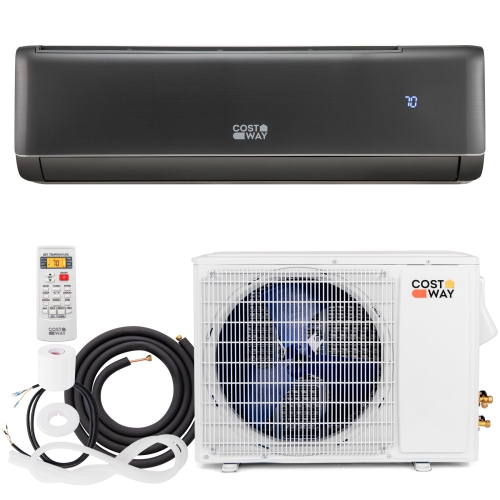
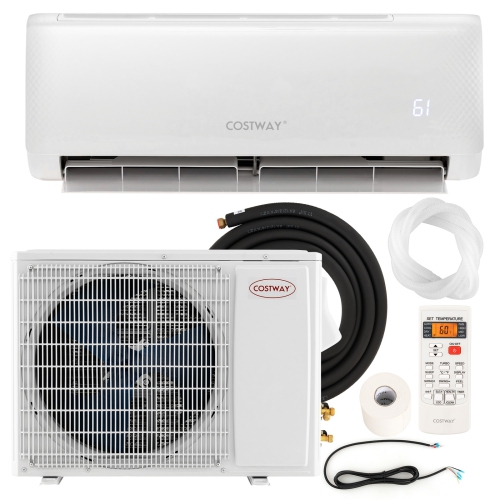

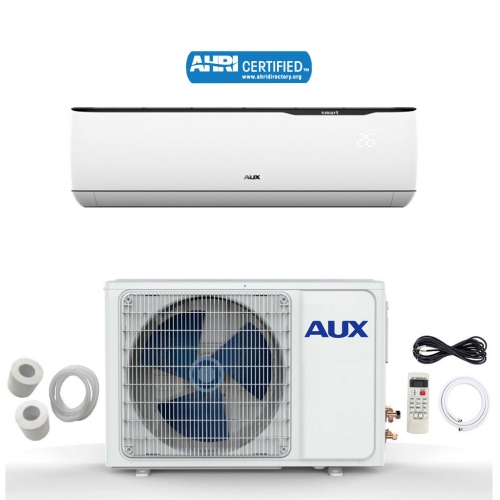
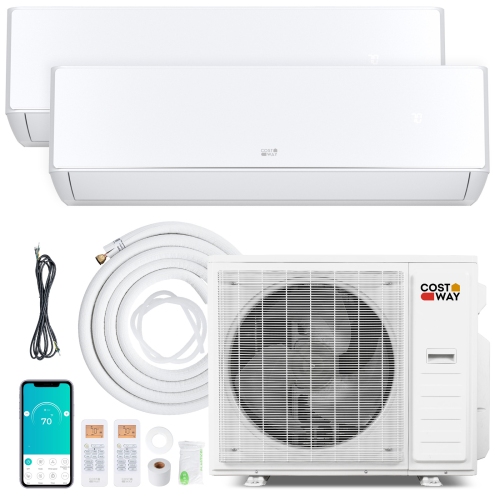




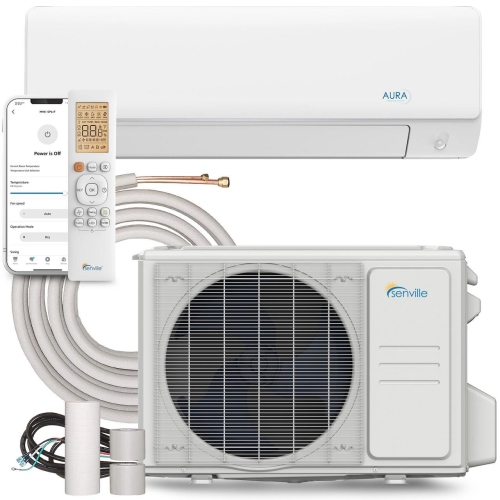
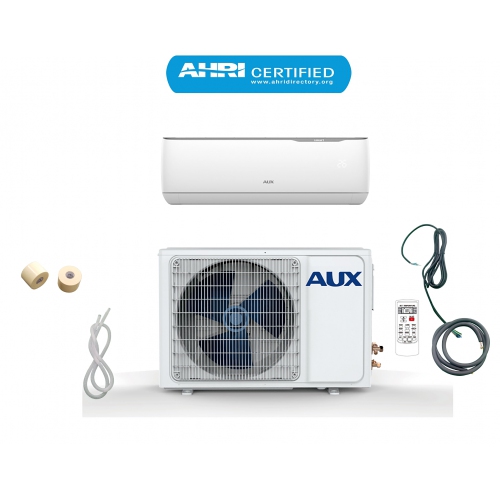
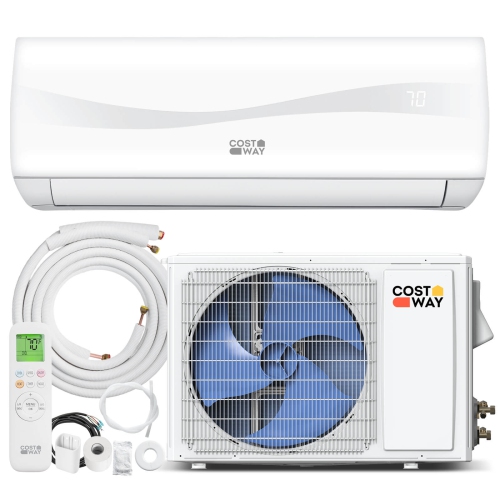
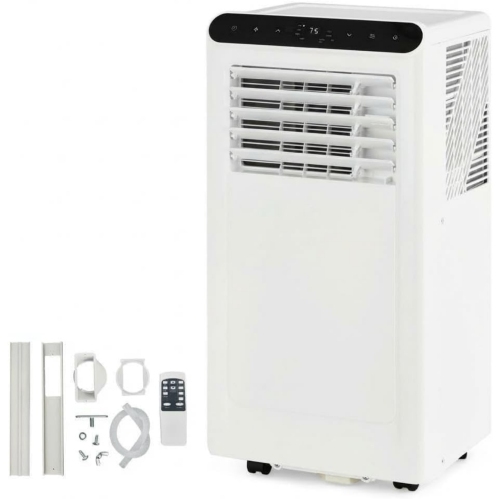

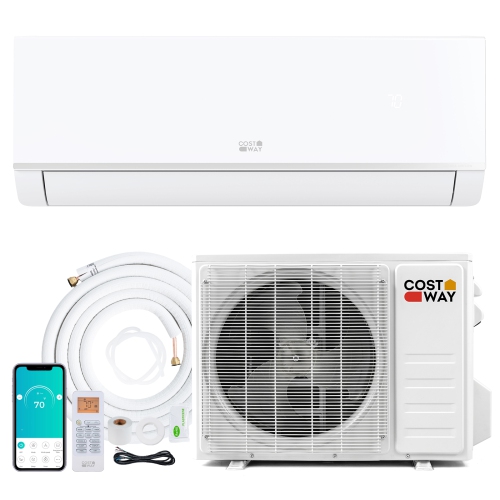
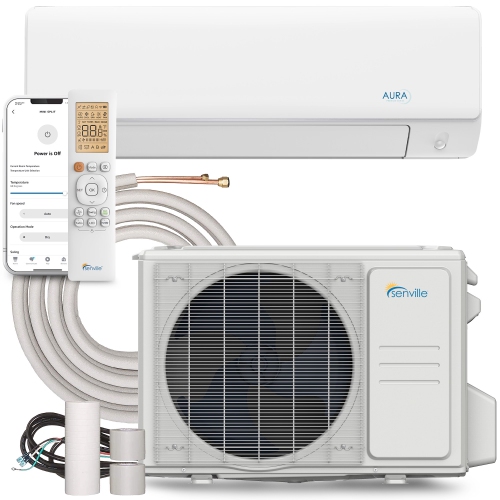
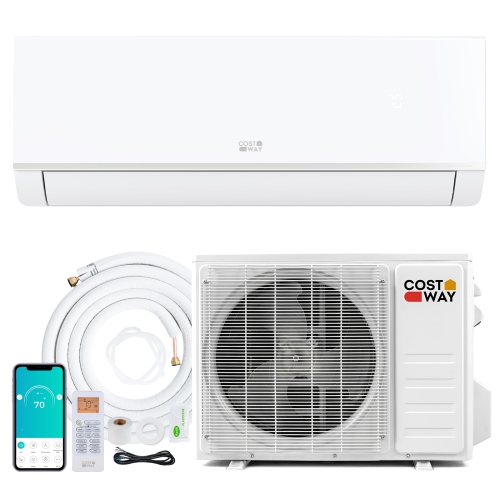
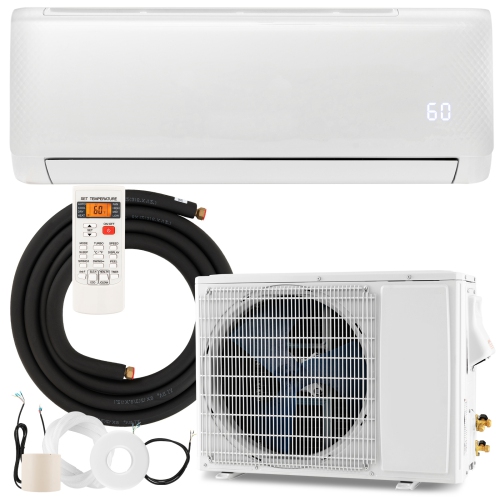
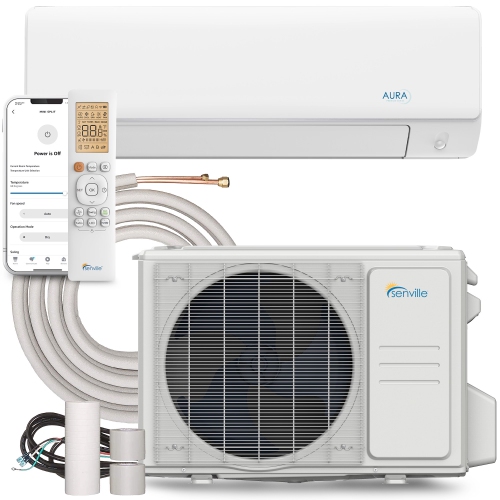
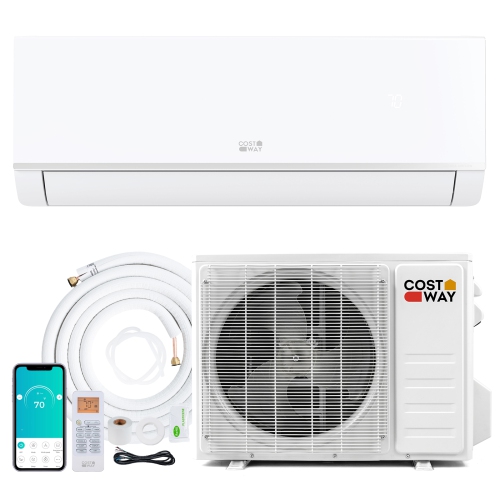
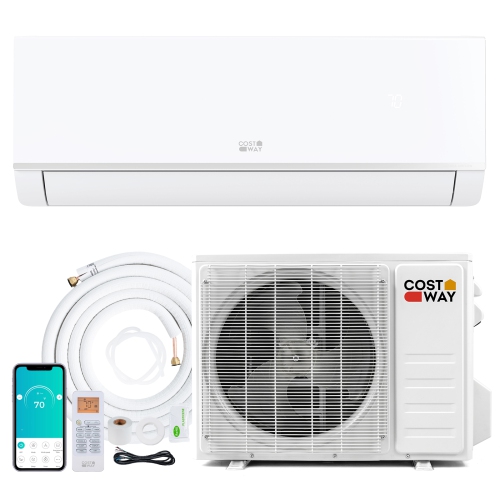
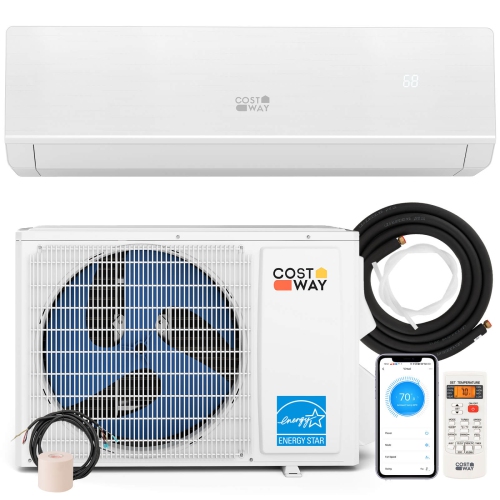
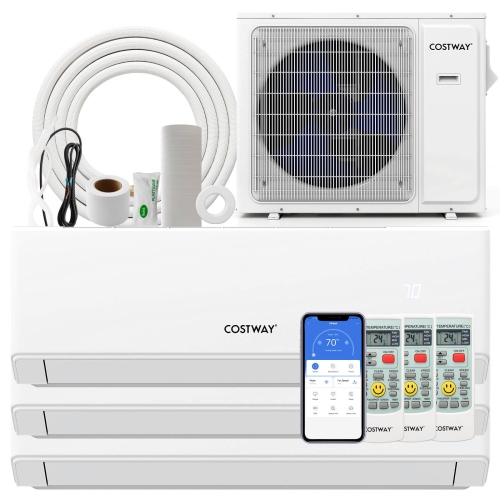
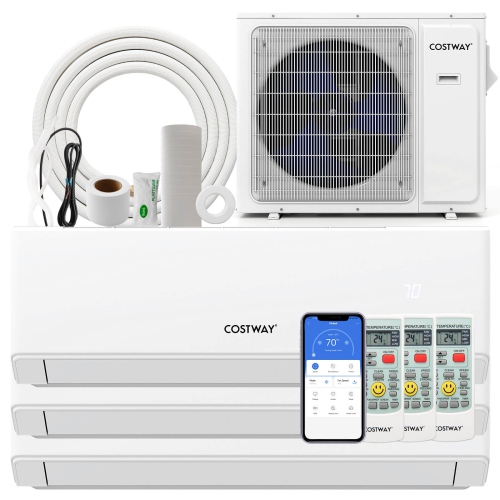
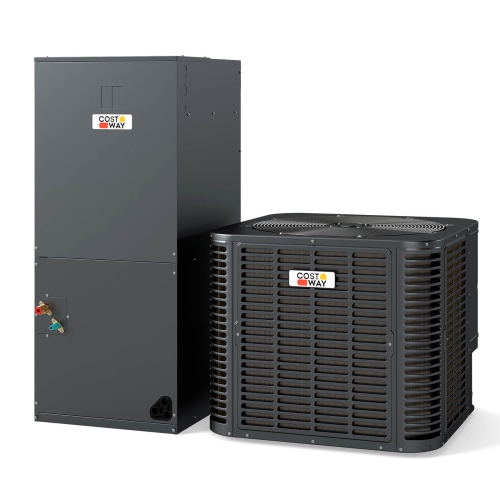
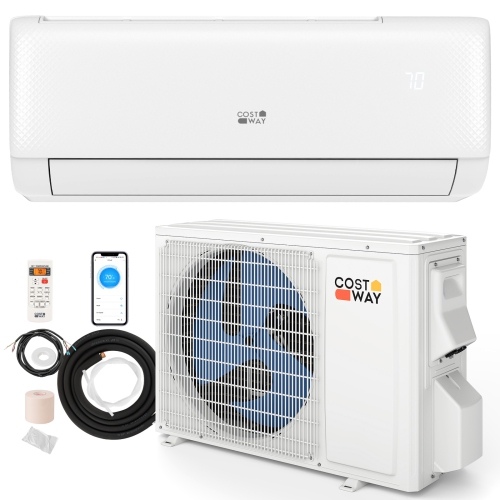
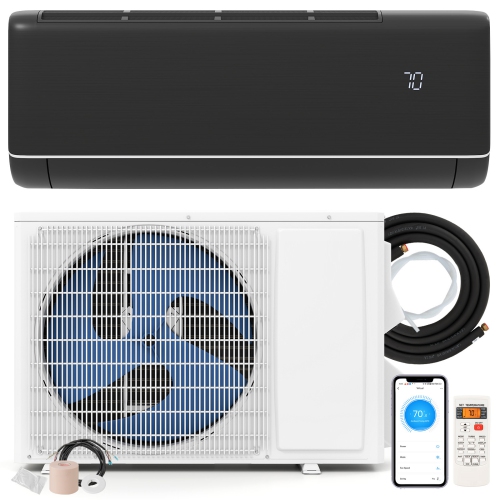
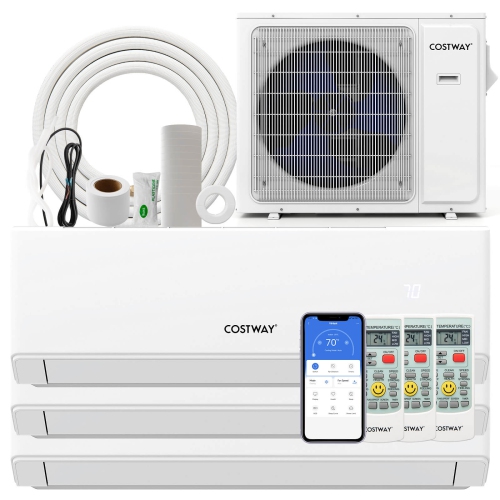
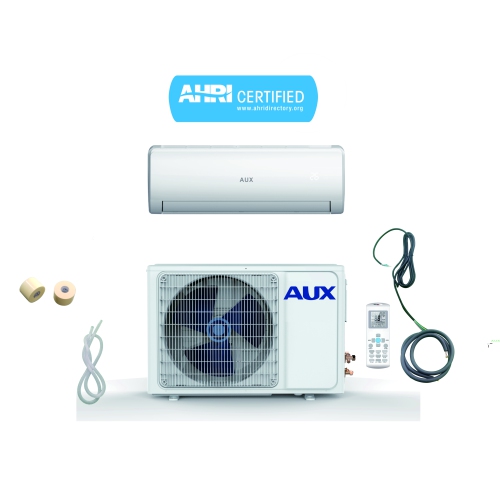
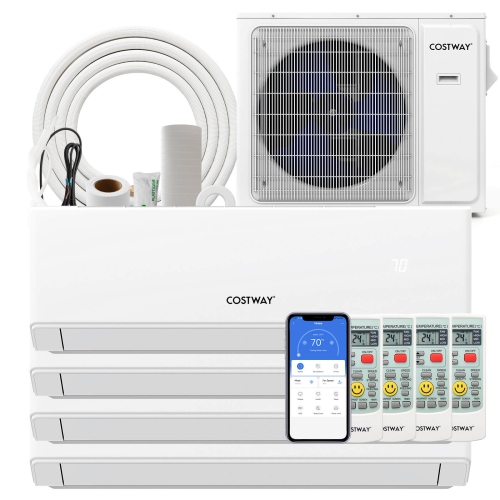
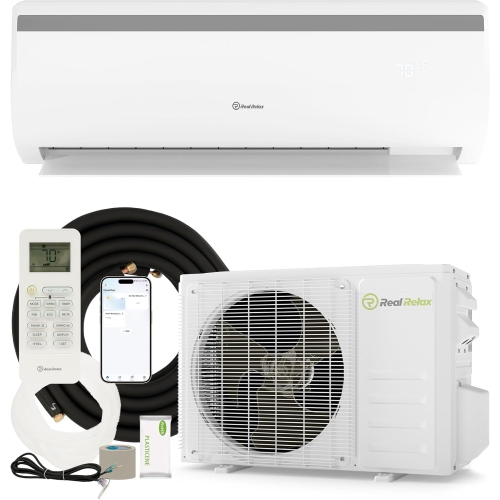
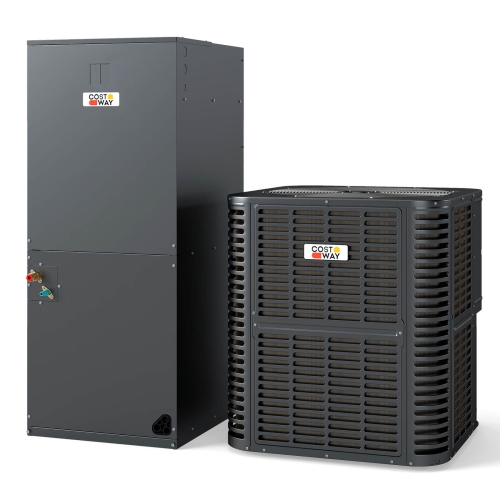
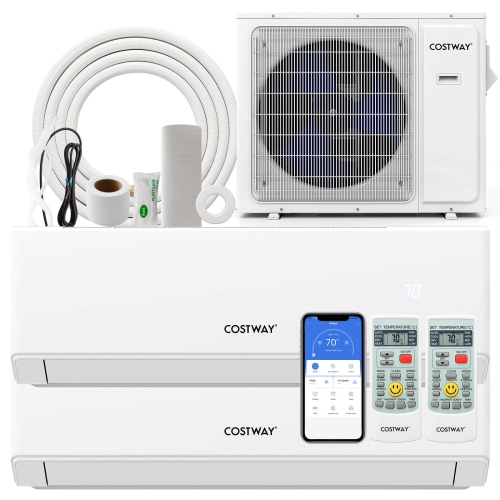
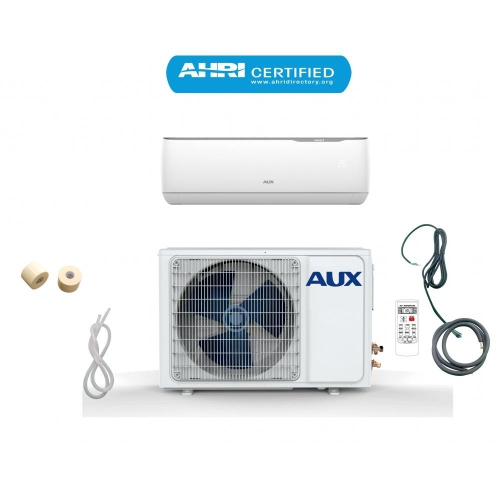
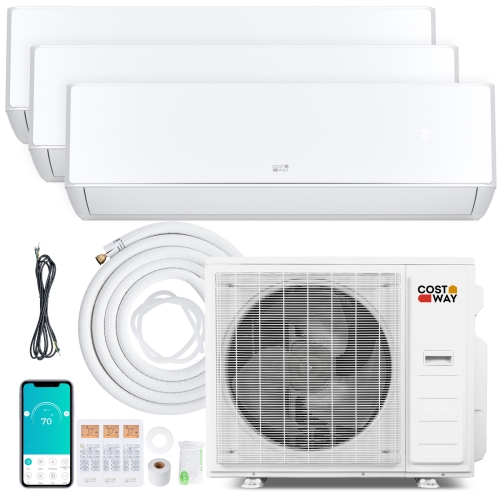
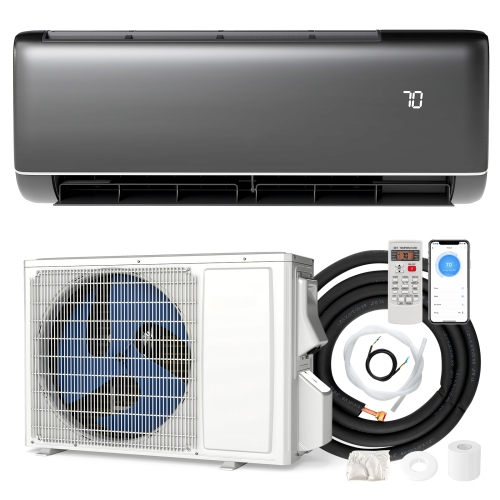
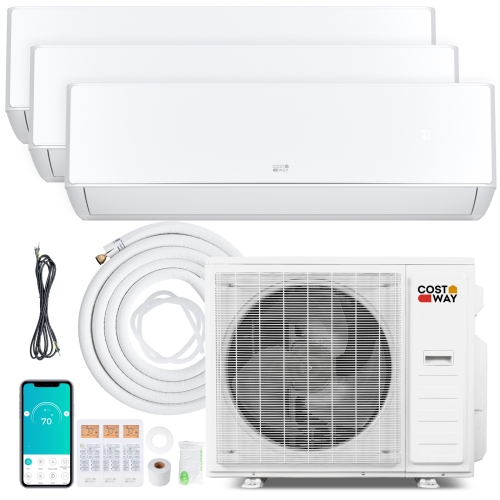
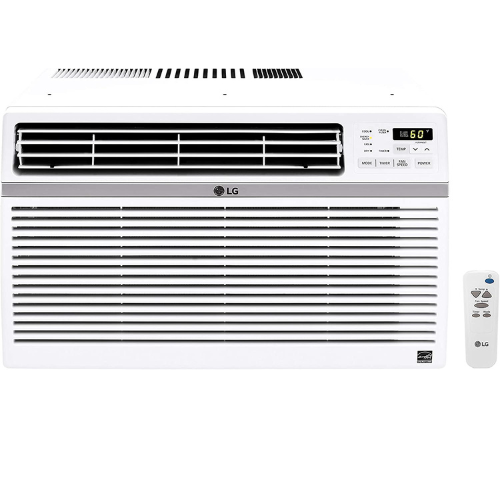
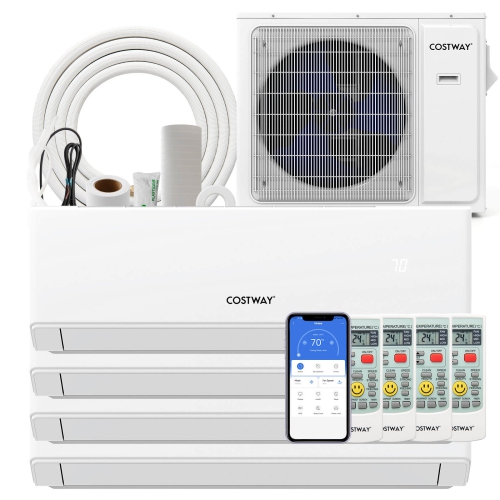
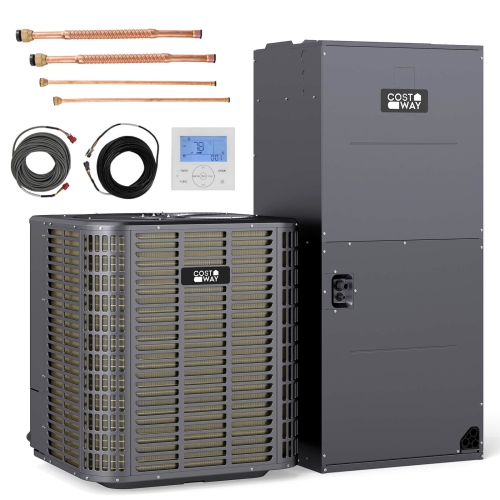

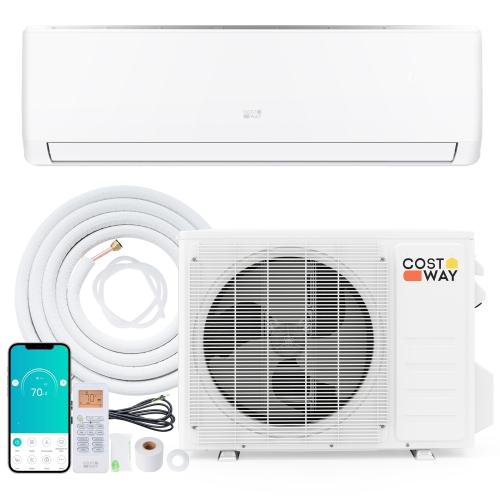
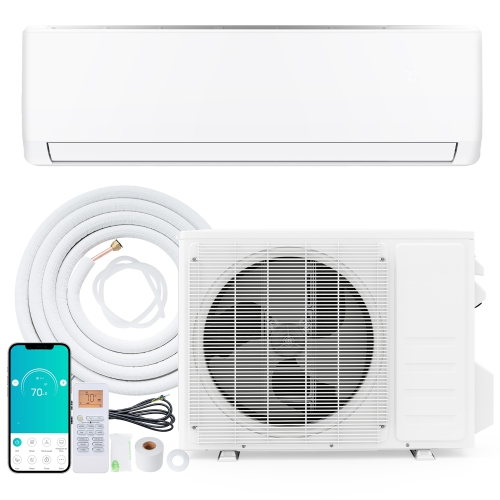
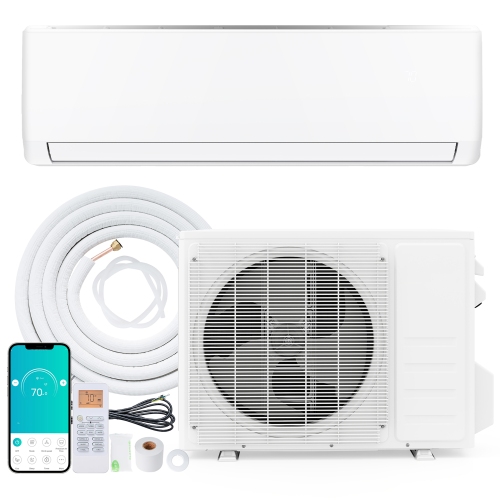
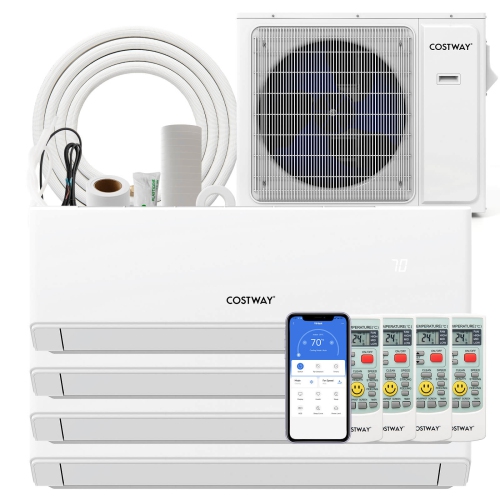
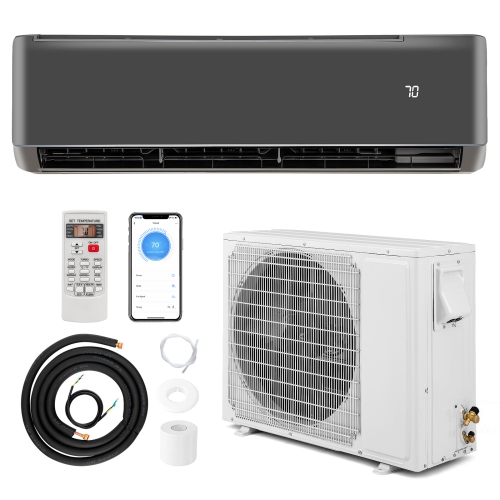
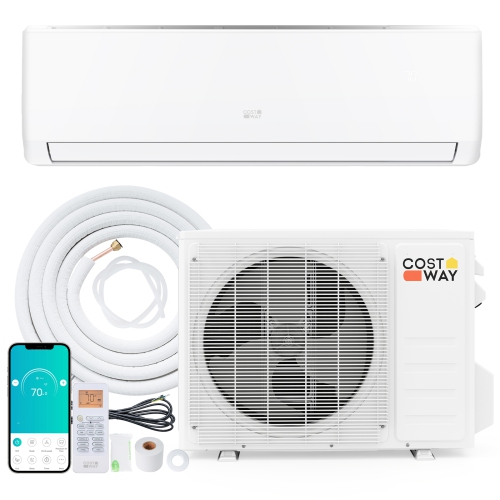

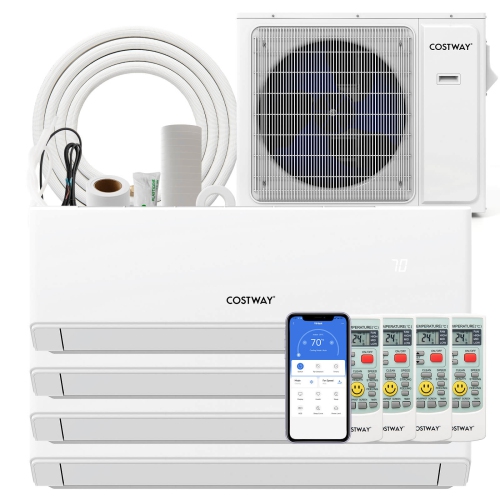
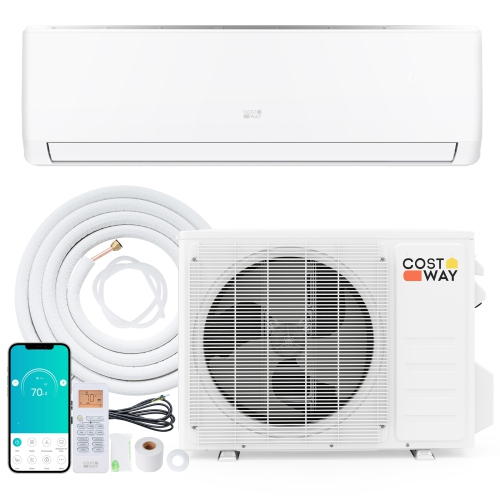
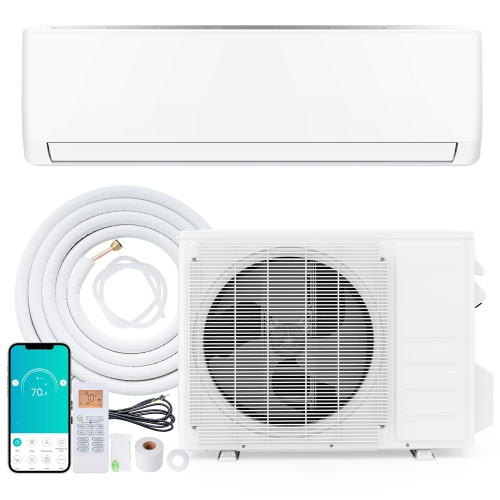

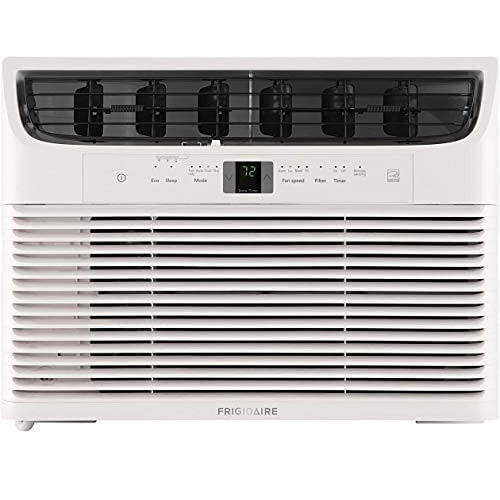
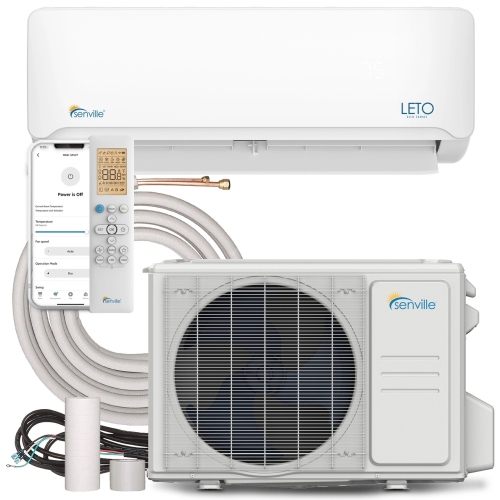
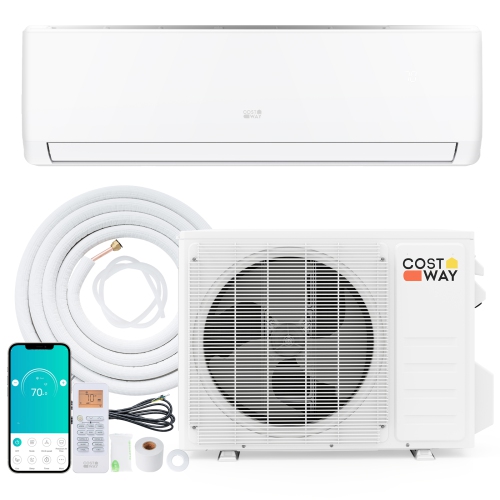
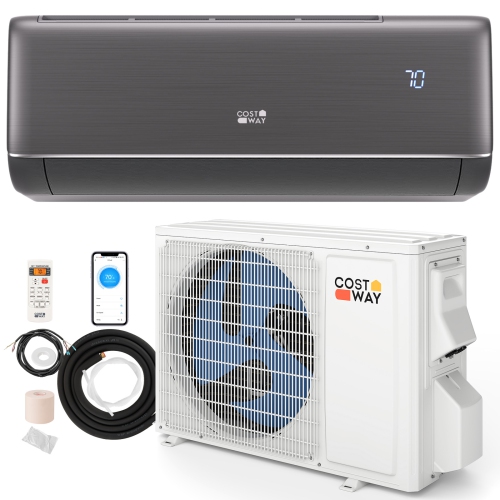
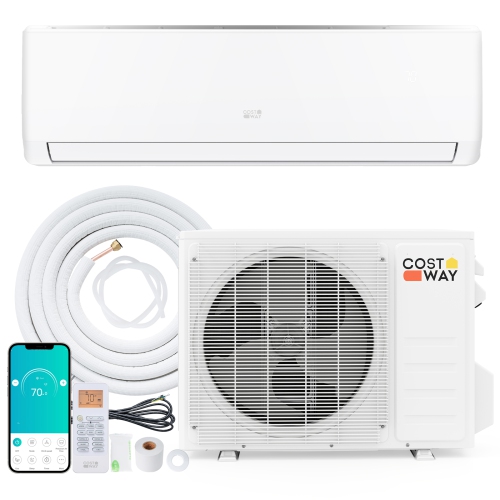


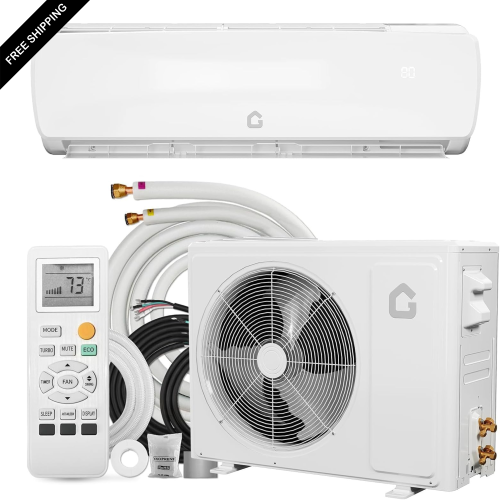


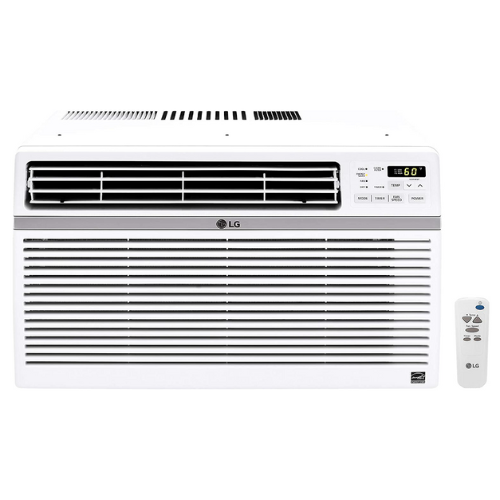

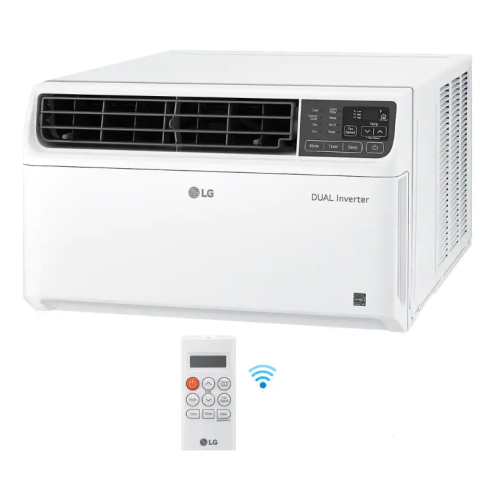
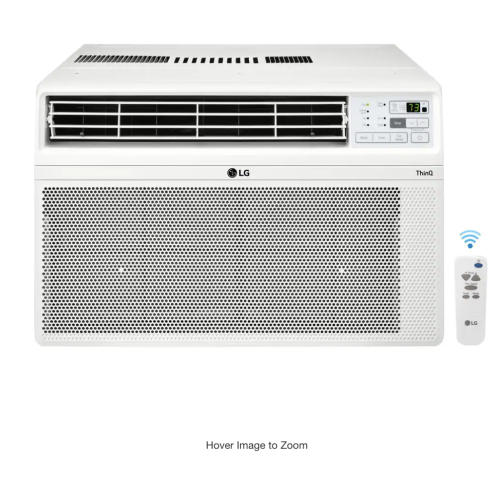
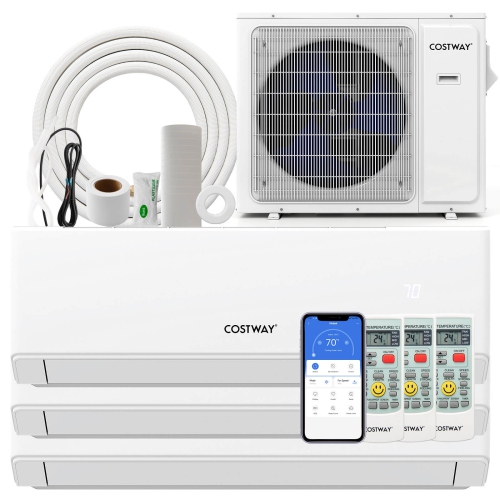
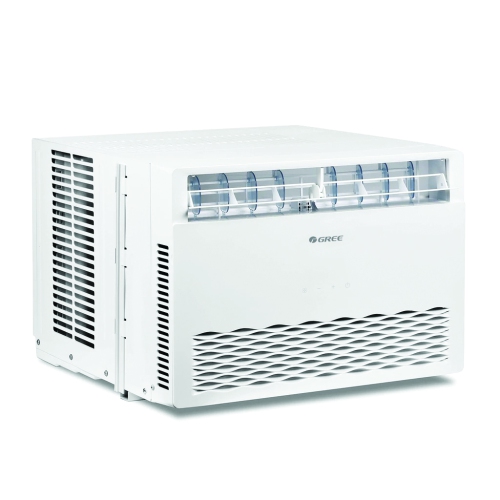
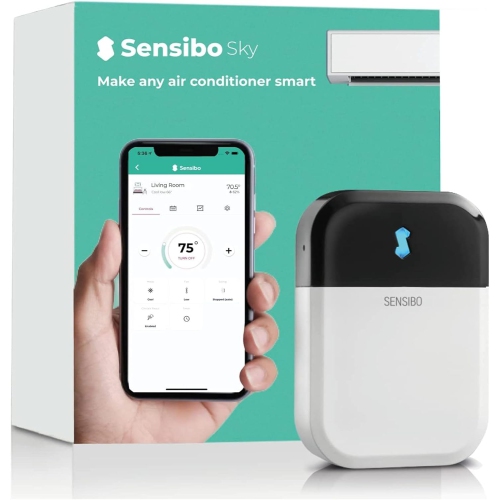
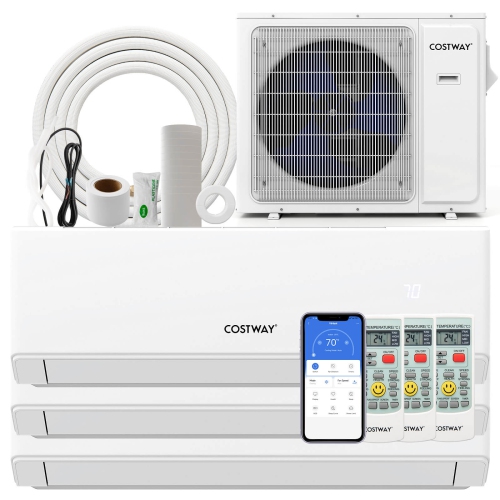
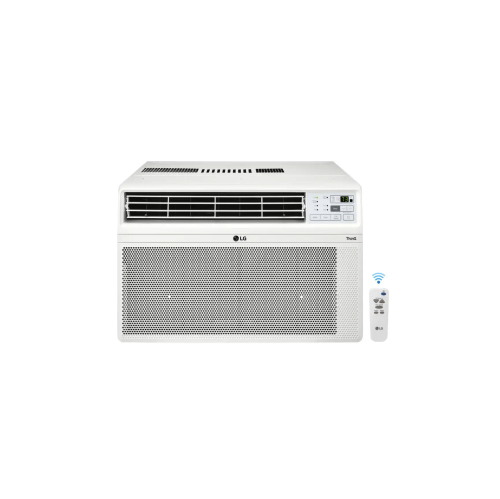
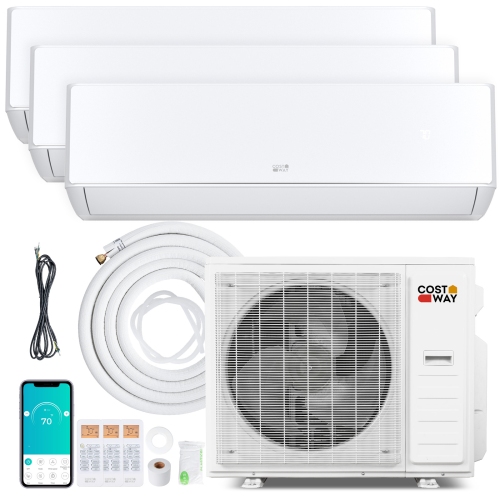
Why cooling capacity and efficiency aren’t the same
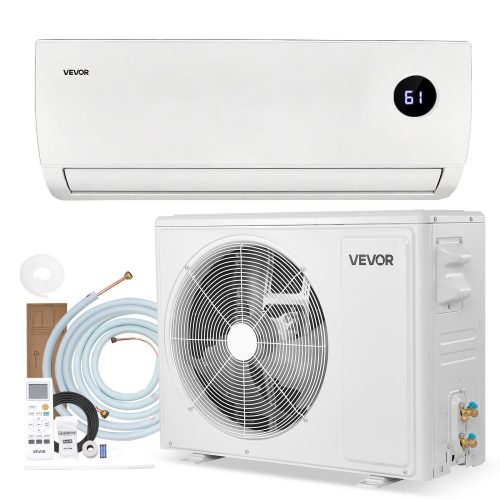
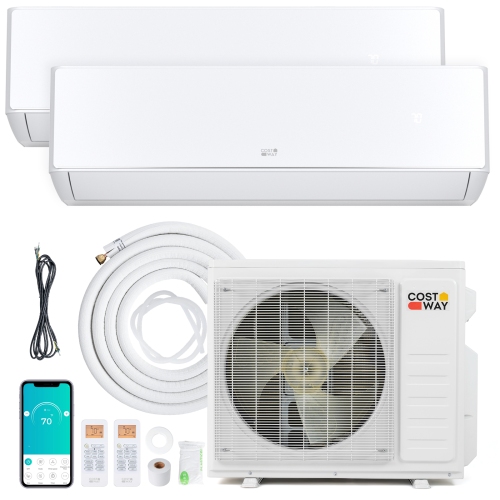
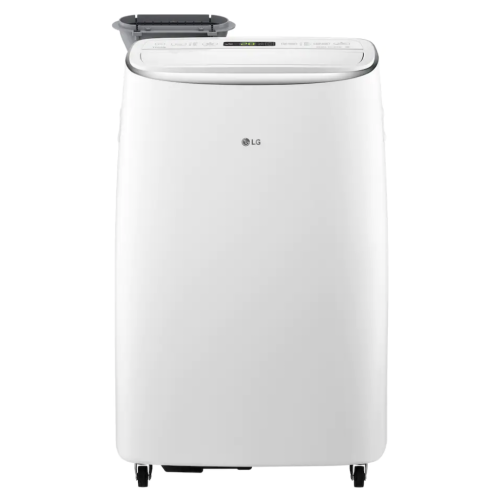
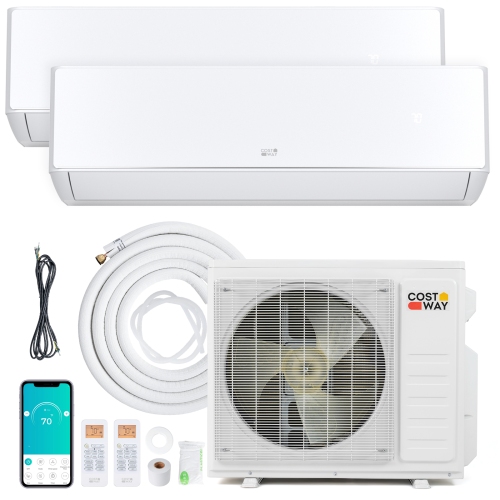
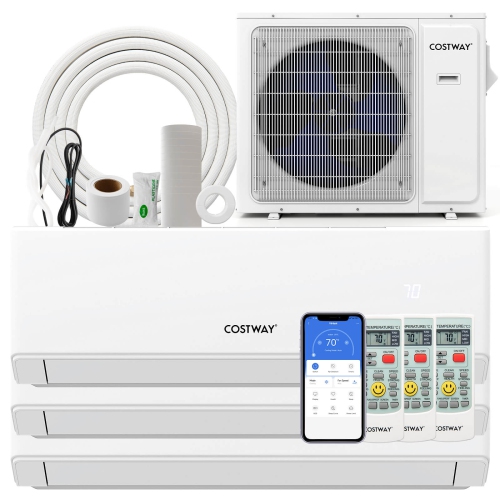
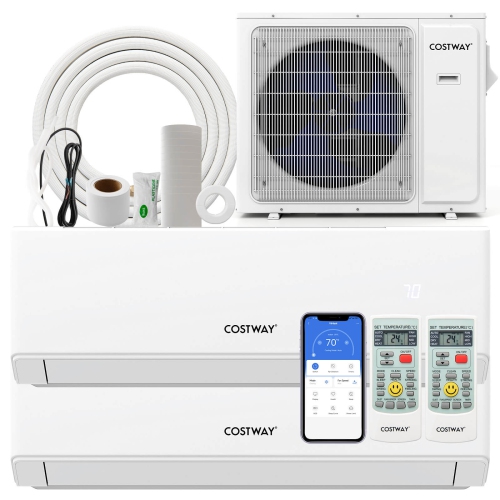
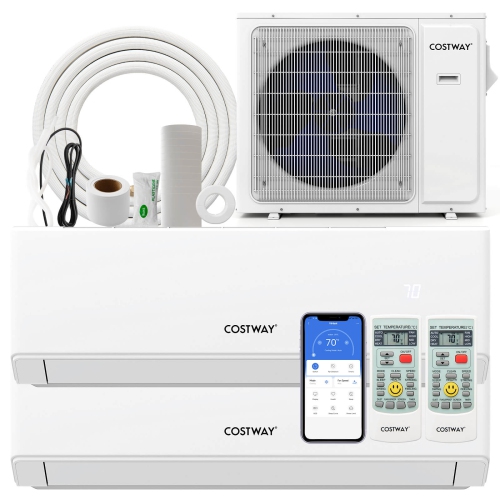
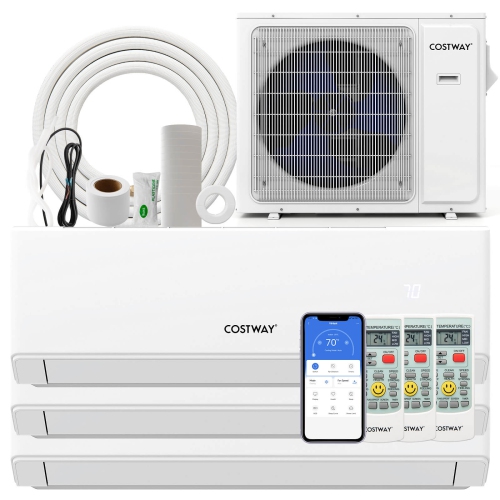
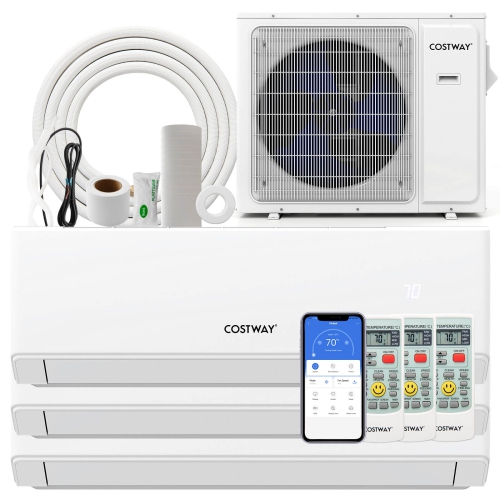
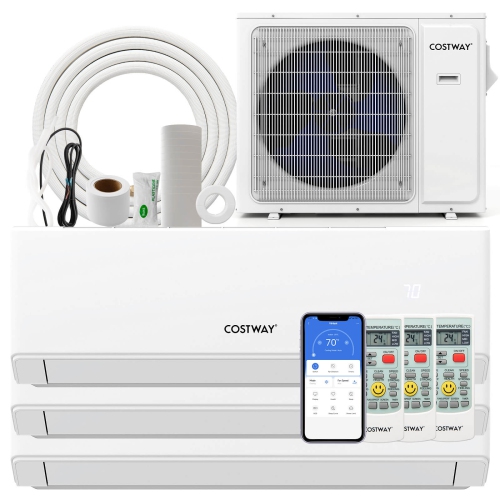
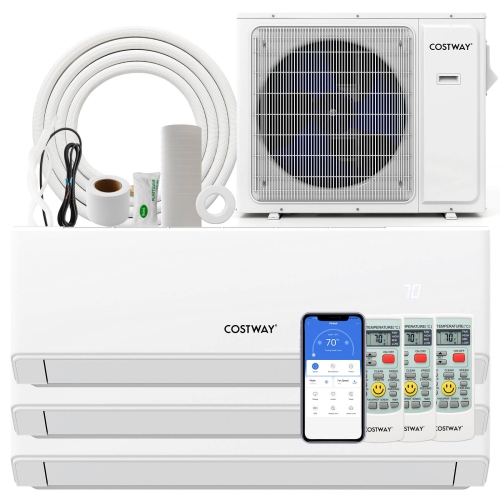
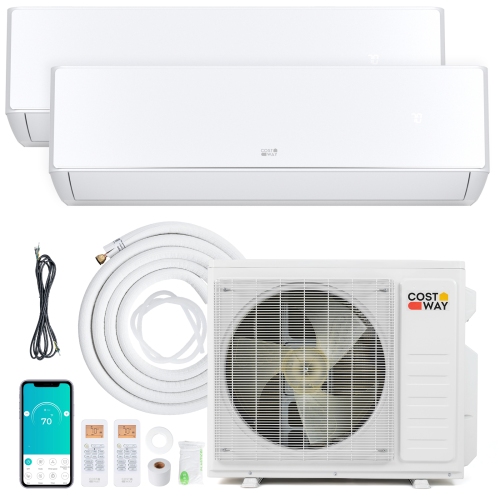
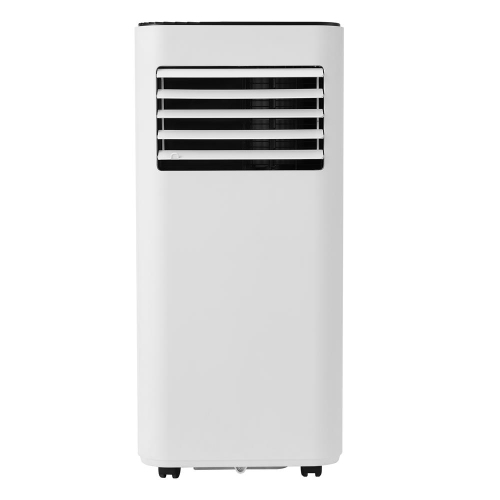
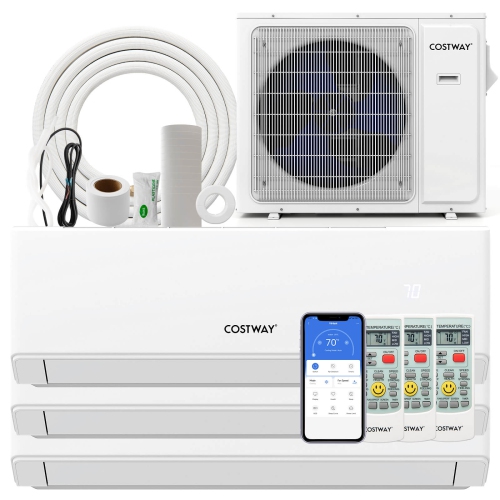
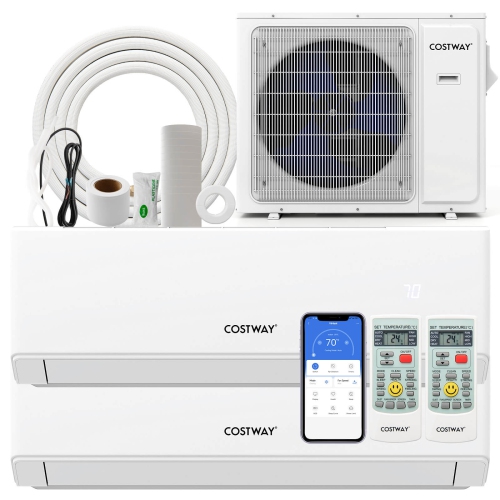
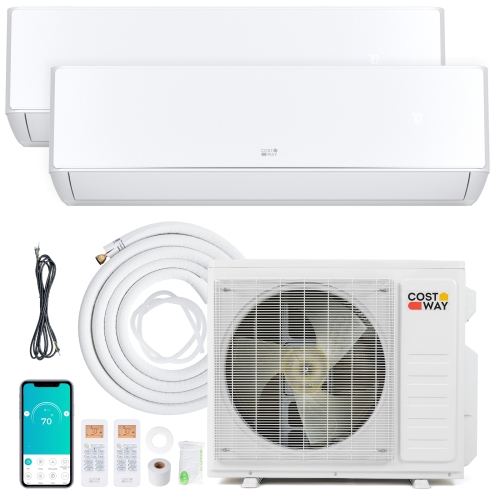
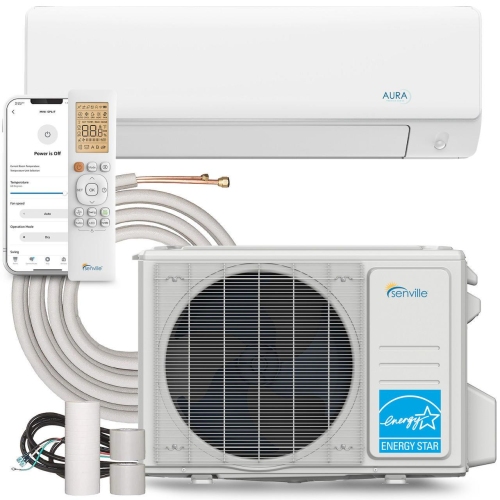
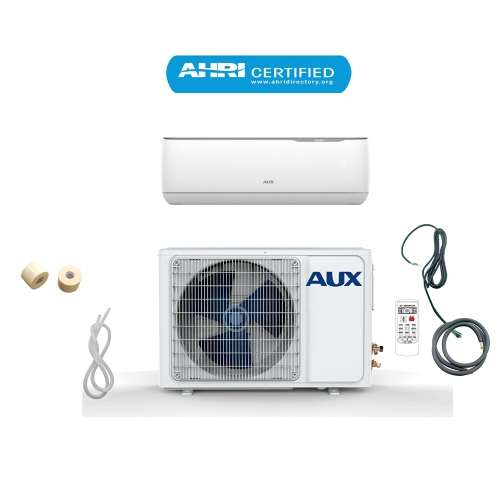
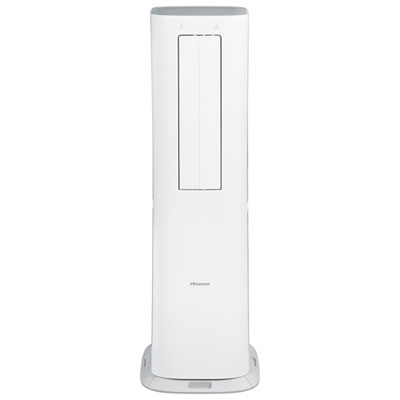
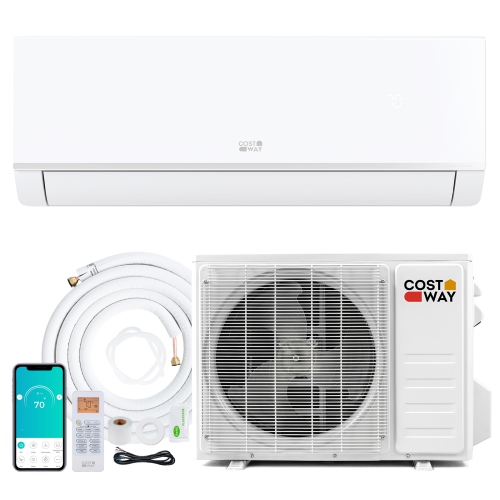
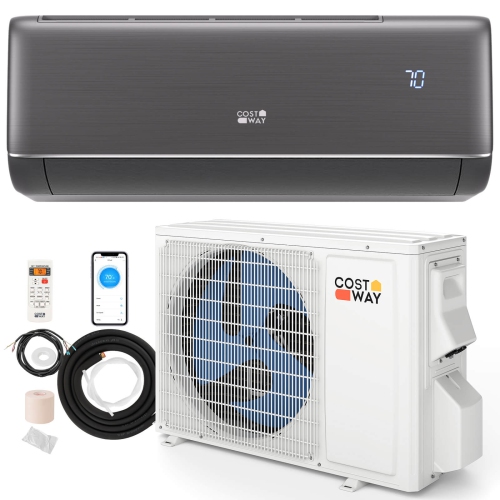
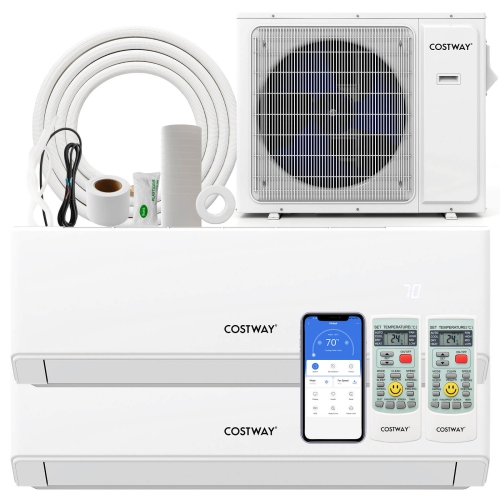
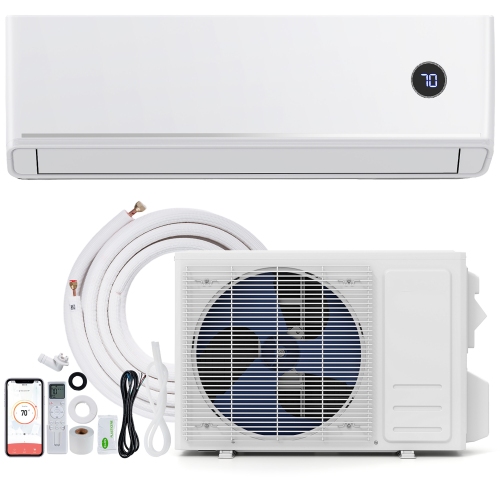
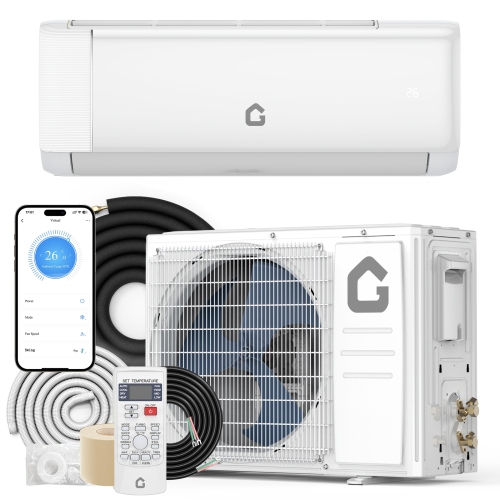
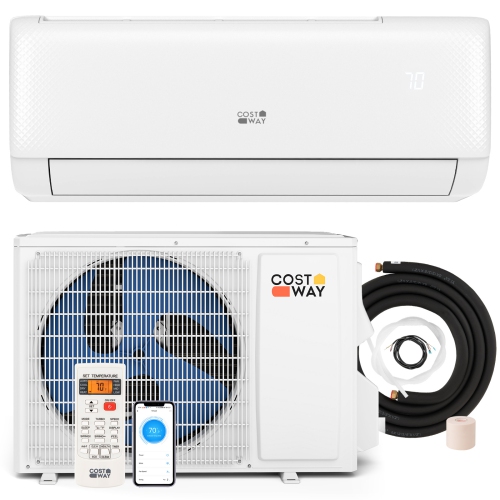
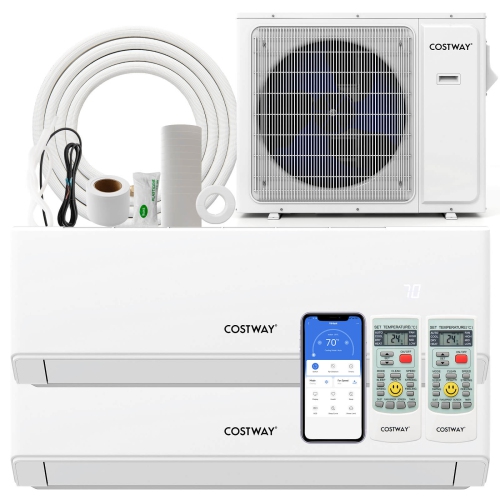
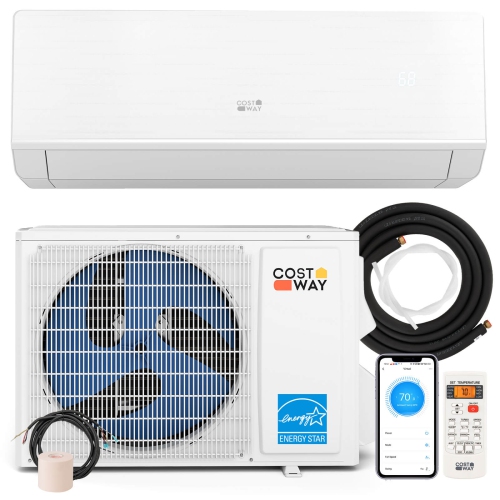
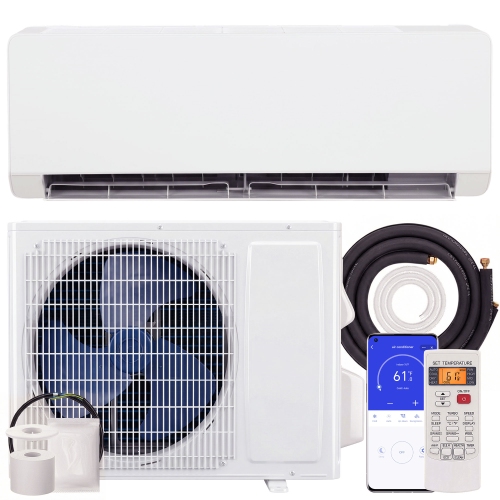
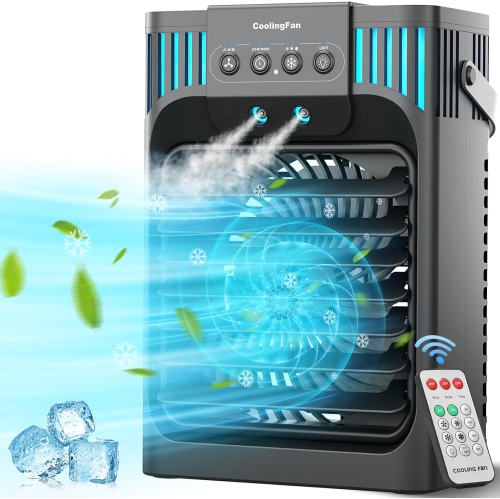
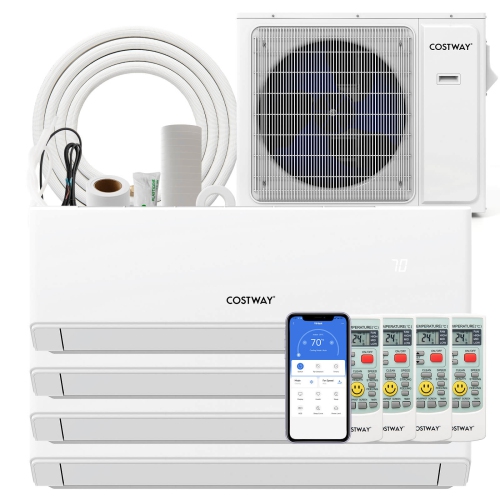
Energy-efficient air conditioners provide indoor cooling while using less electricity than less efficient models with comparable cooling capacity under the same test conditions. The best fit depends on the size and layout of the space, the installation options, and the unit’s rated efficiency. A bedroom with a door that stays closed has different cooling needs from an open living area connected to a kitchen, even when their floor areas are similar. Cooling capacity is expressed in British thermal units per hour, commonly shown as BTU/h or simply BTU. This describes how much heat an air conditioner can remove, not how efficiently it uses electricity. Matching capacity to the room matters: an undersized unit may run continuously without reaching the set temperature, while an oversized fixed-speed unit can cool too quickly and shut off before removing enough moisture. Manufacturer sizing information provides a starting point, with ceiling height, direct sunlight, insulation, occupancy, and heat from cooking or electronics influencing the final choice. Efficiency ratings help distinguish units with similar cooling capacity. For window air conditioners, a higher combined energy efficiency ratio, or CEER, indicates greater efficiency under the applicable test procedure. Portable units may also display seasonally adjusted cooling capacity, or SACC, which accounts for factors such as heat entering through the exhaust arrangement; this is a capacity measurement rather than an efficiency score. Comparisons are most useful between air conditioners of the same type using the same rating method. Central and ductless systems use seasonal efficiency ratings that reflect performance across a range of operating conditions. Inverter-driven compressors can adjust their output as cooling demand changes, rather than relying only on repeated full-power starts and stops. That flexibility can help maintain a steadier room temperature, particularly in spaces occupied for several hours at a time, such as a home office or a bedroom.
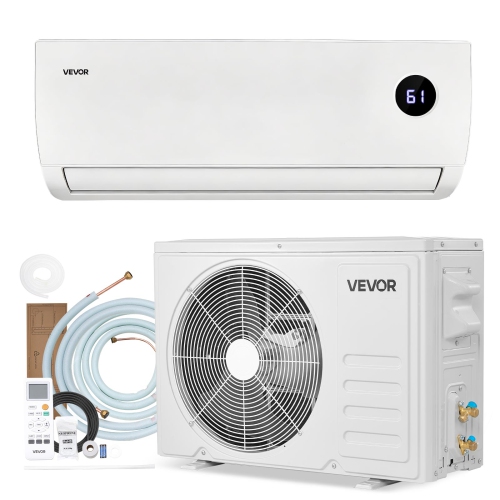
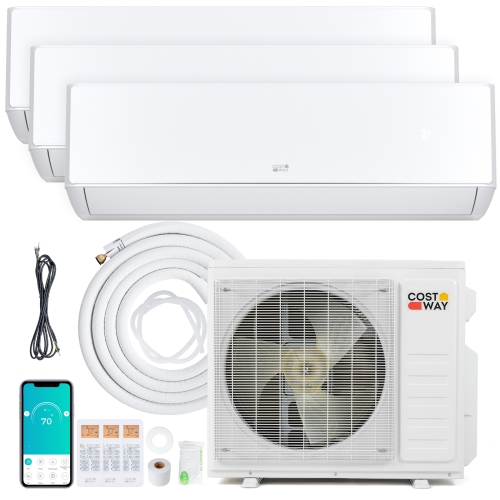
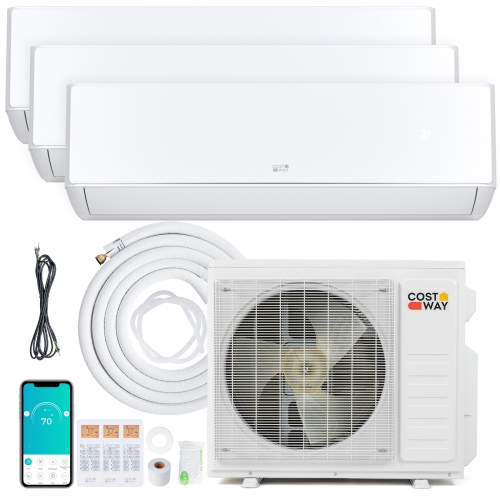
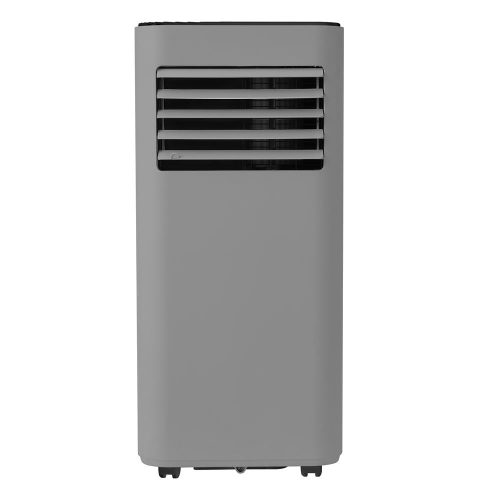
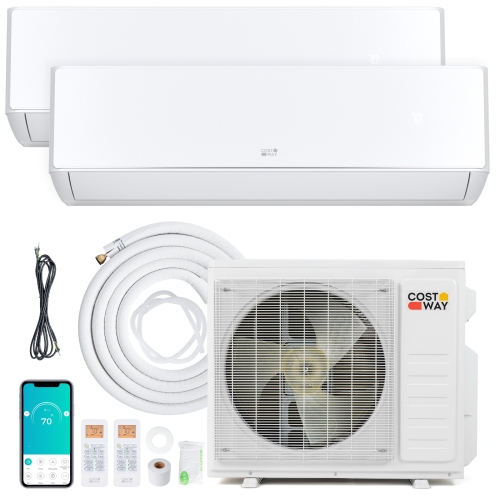
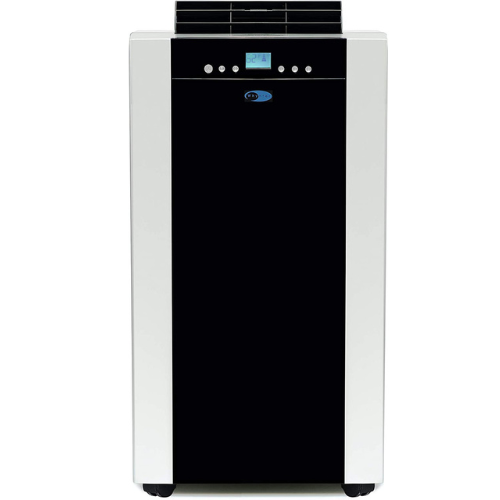
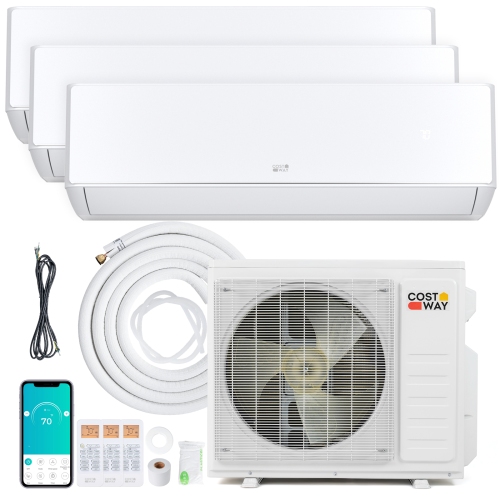
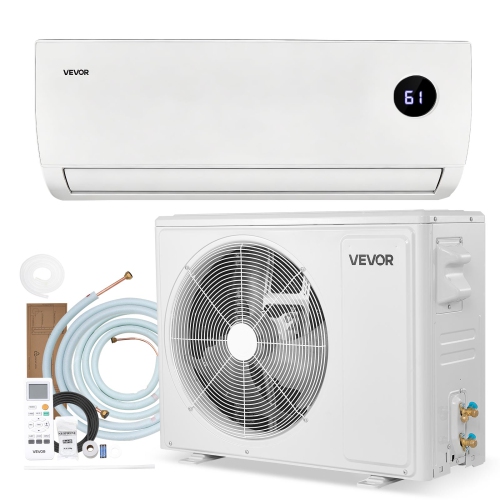
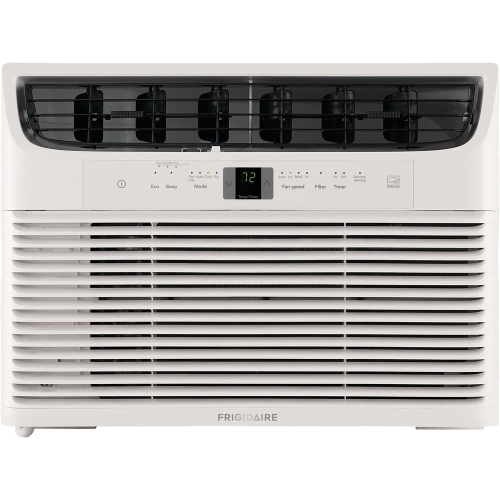
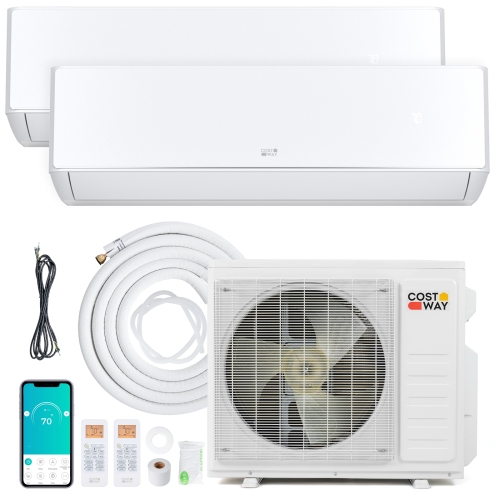
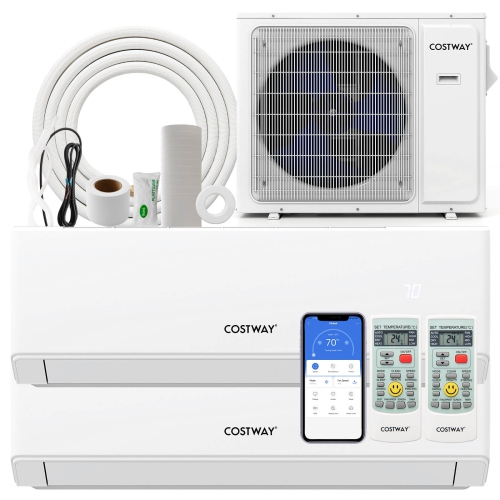
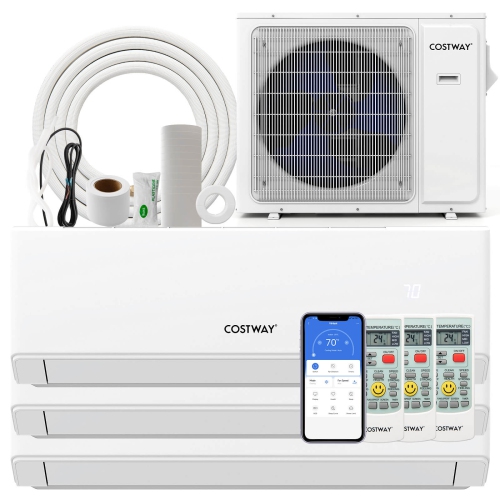
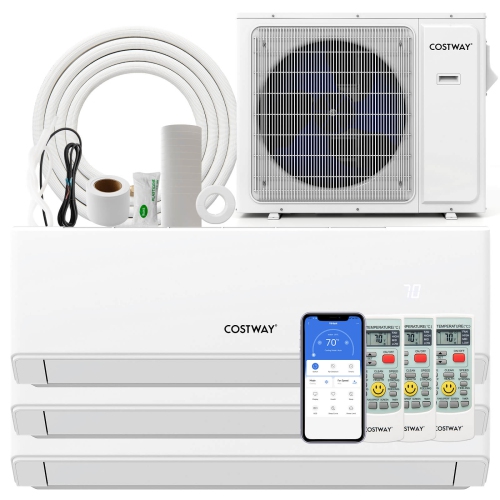
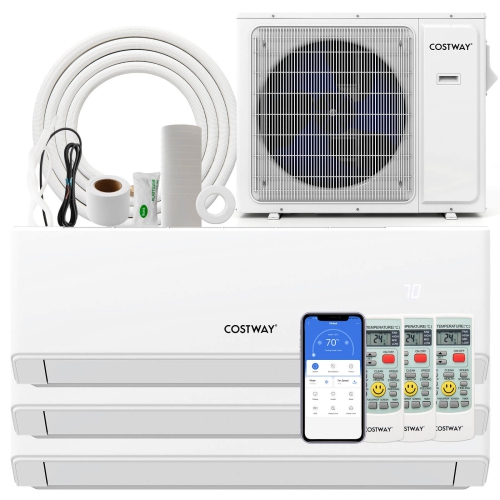
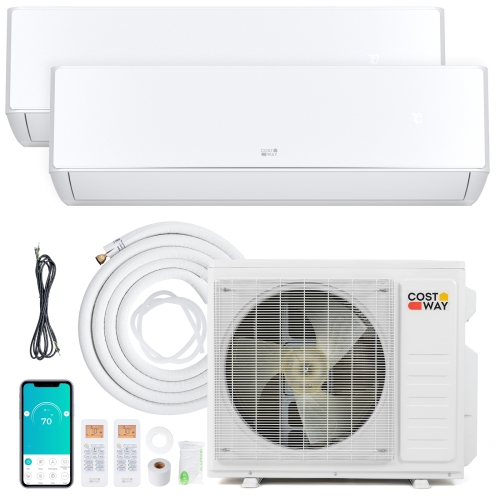
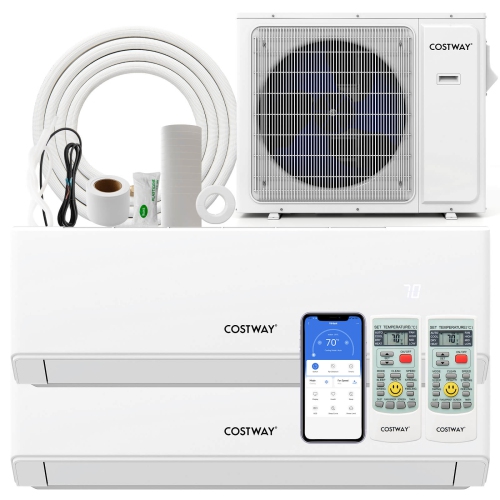
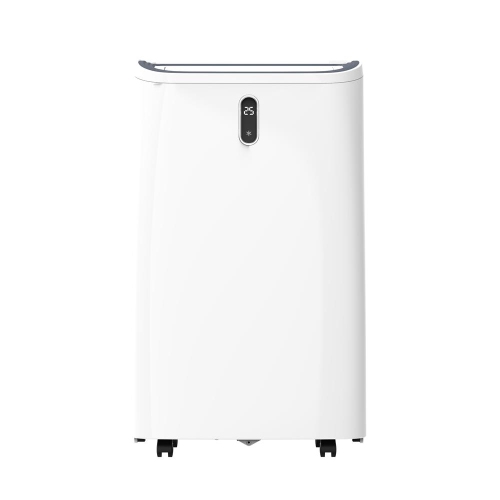
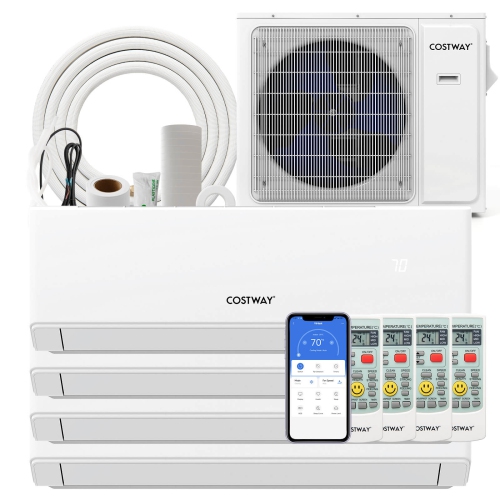
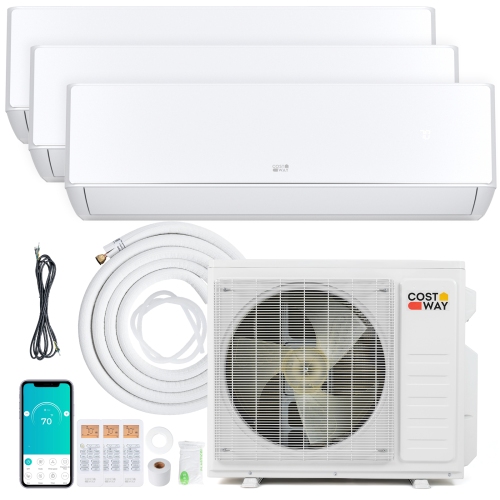
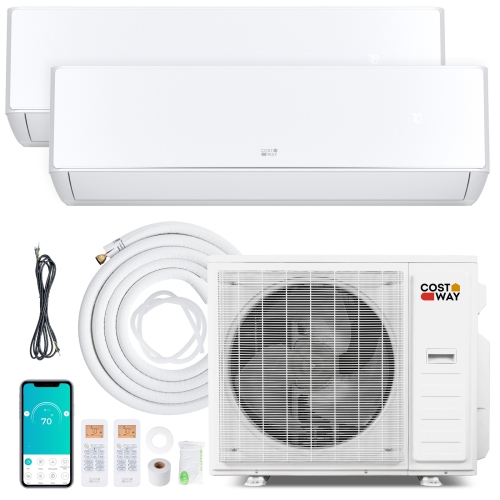
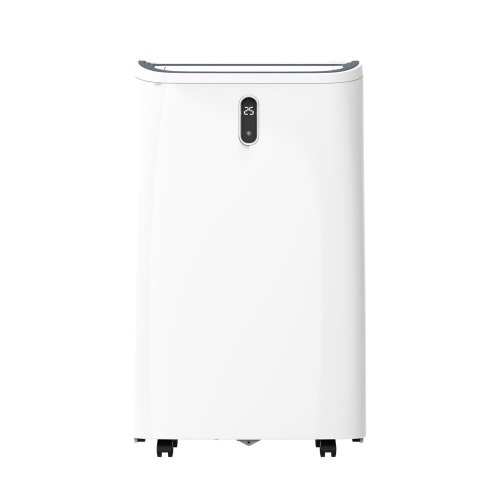
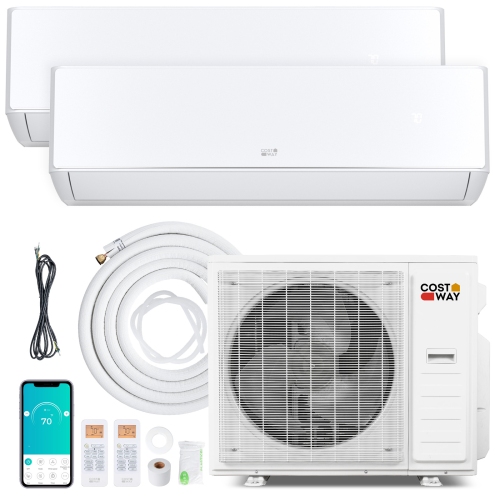
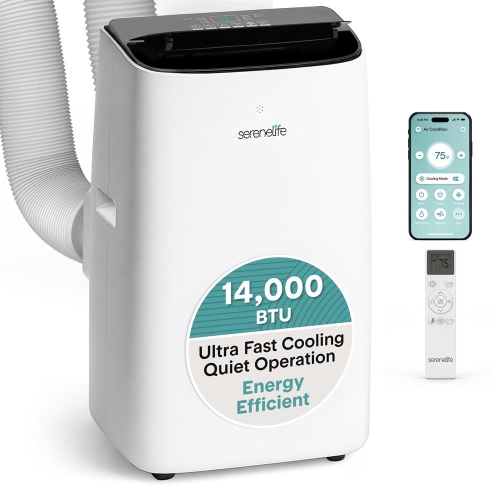
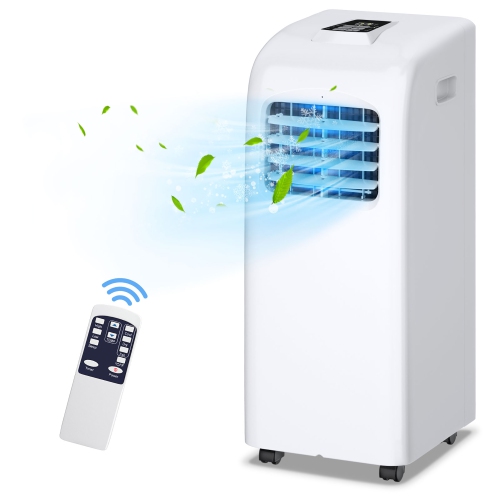
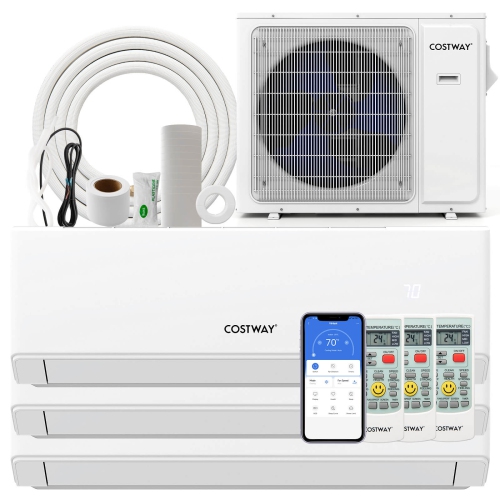
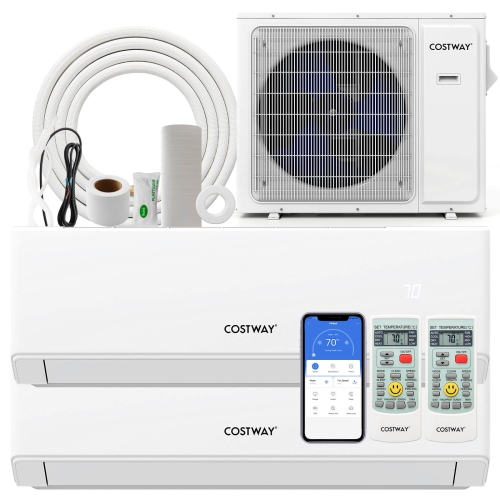
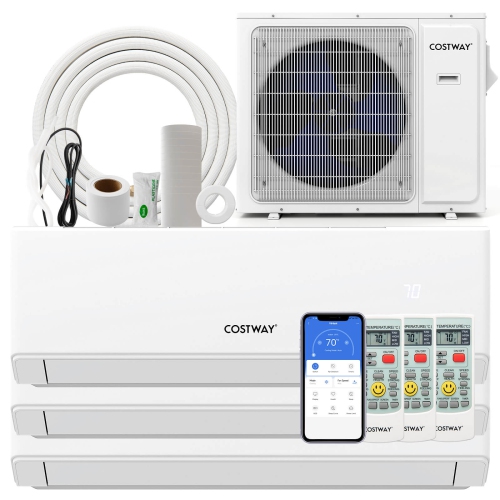
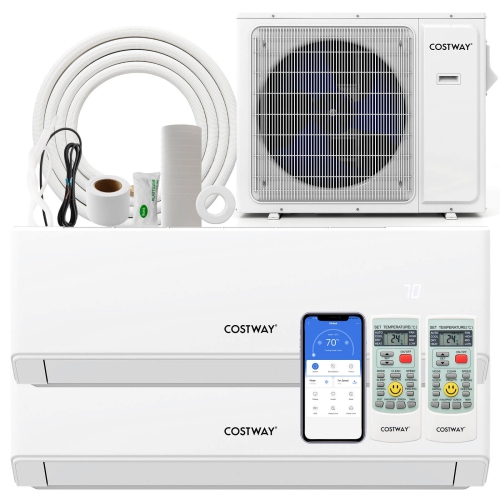
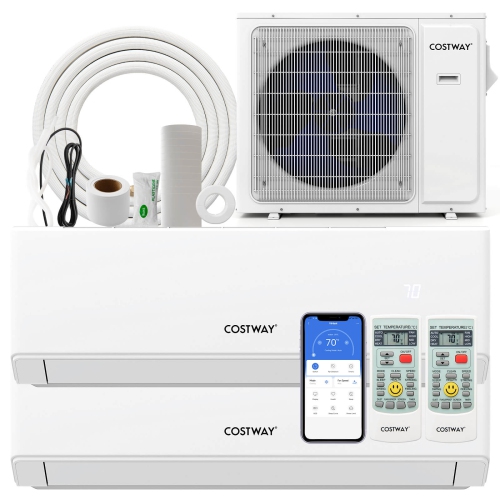
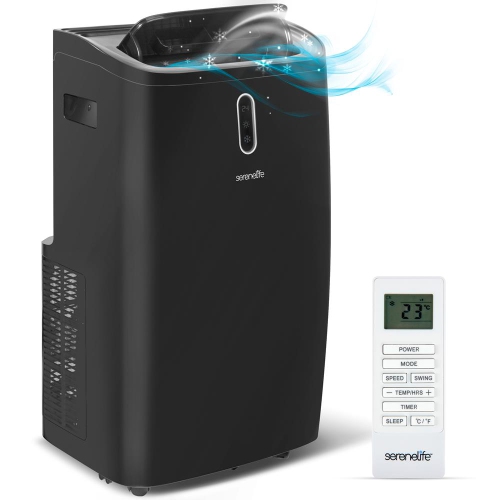
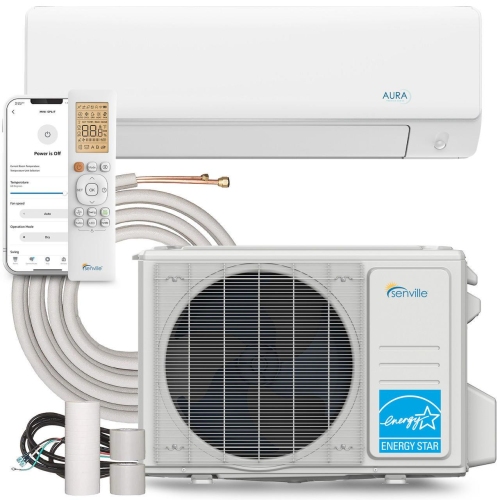
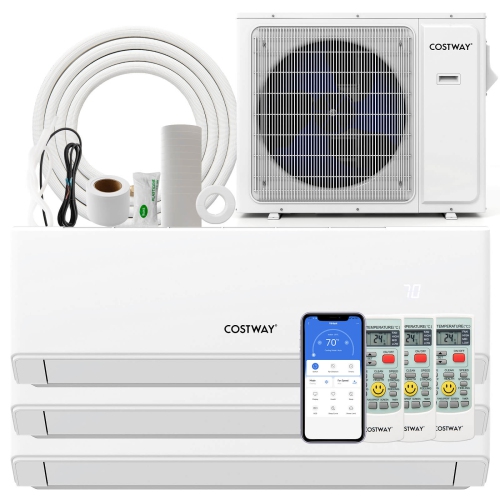
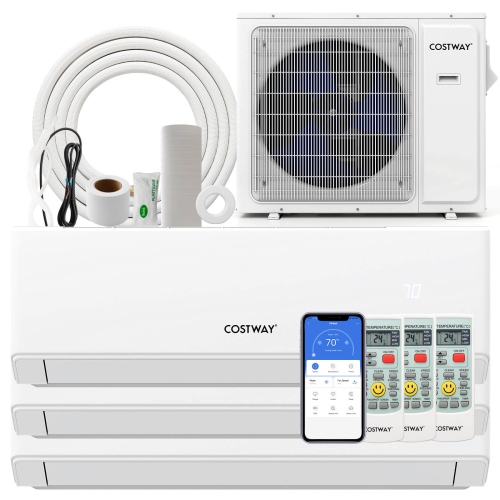
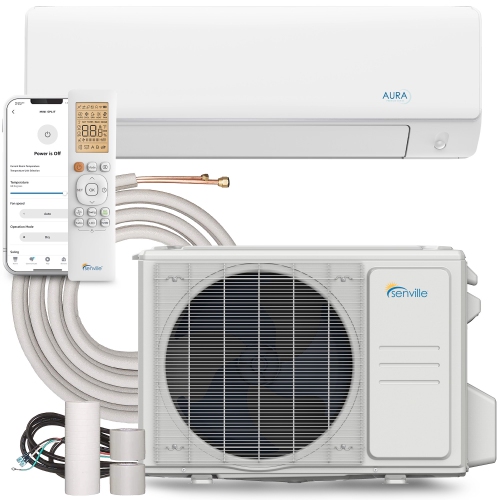
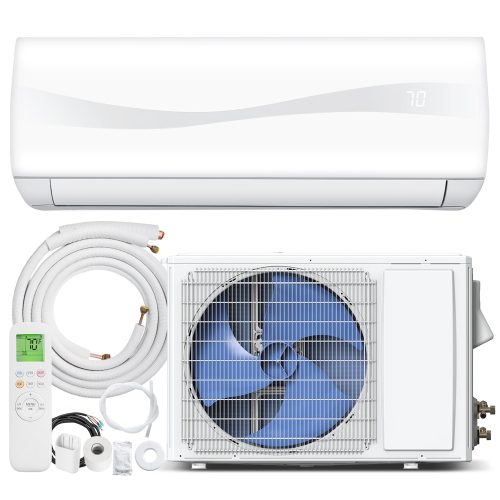
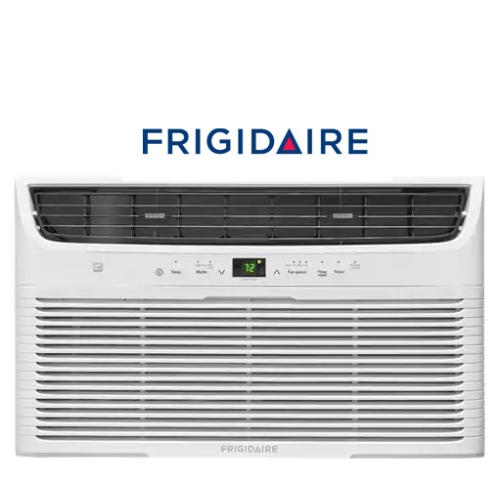
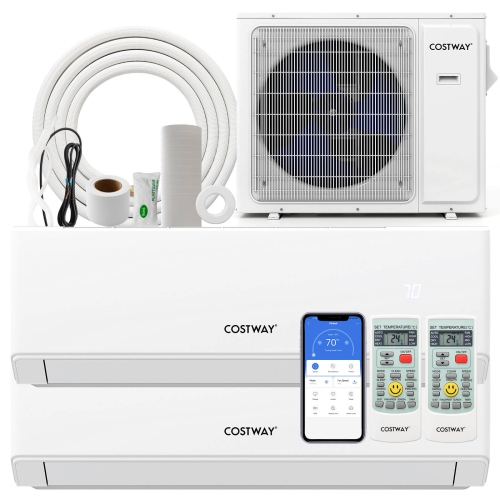
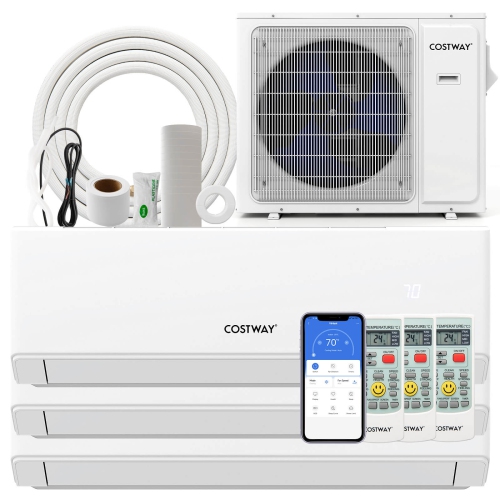
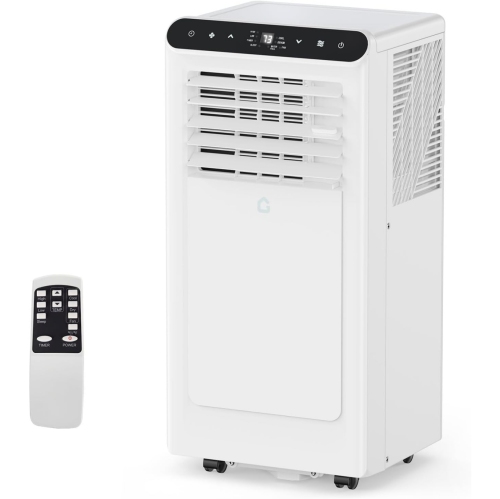
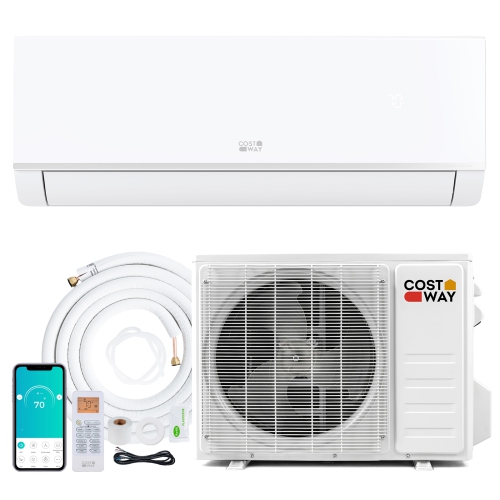
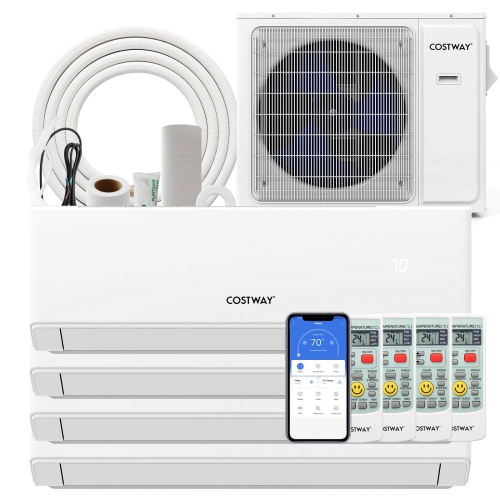
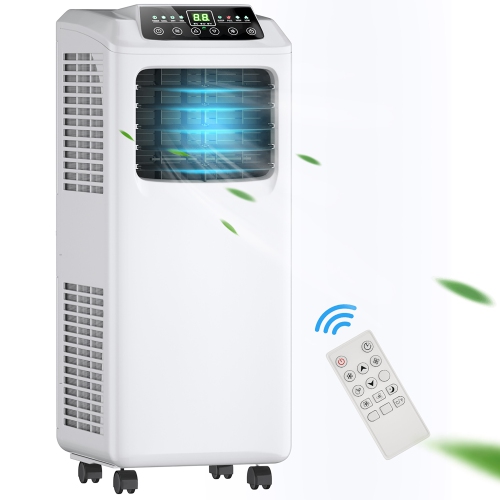
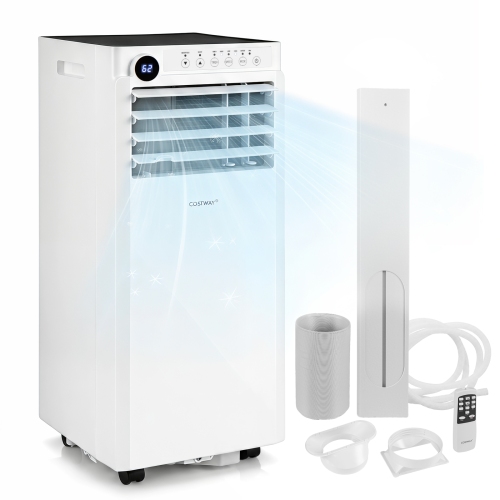
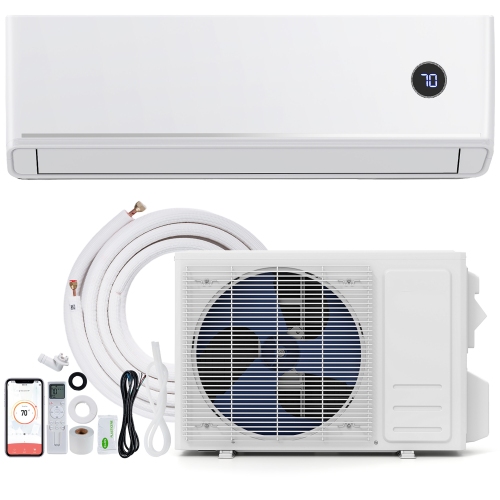
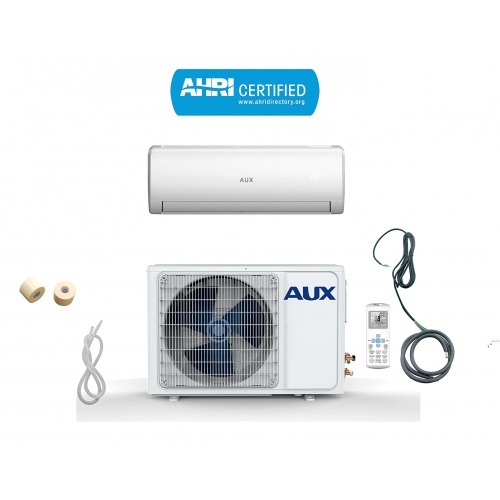
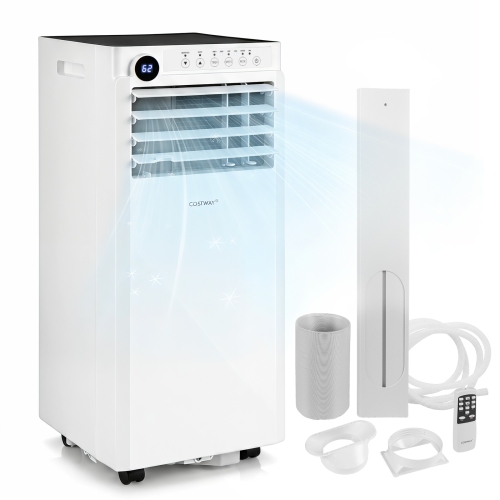
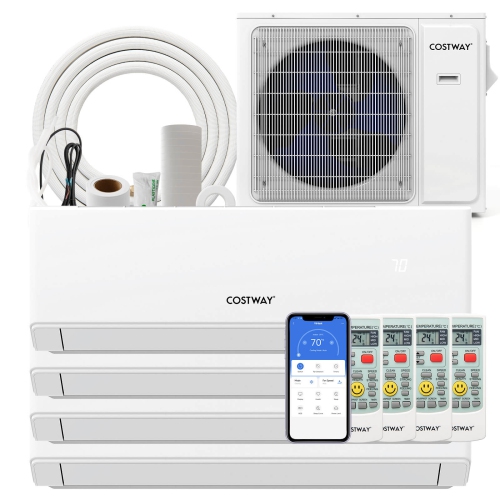
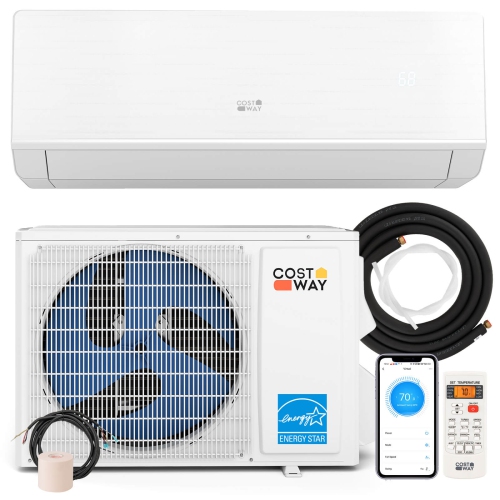
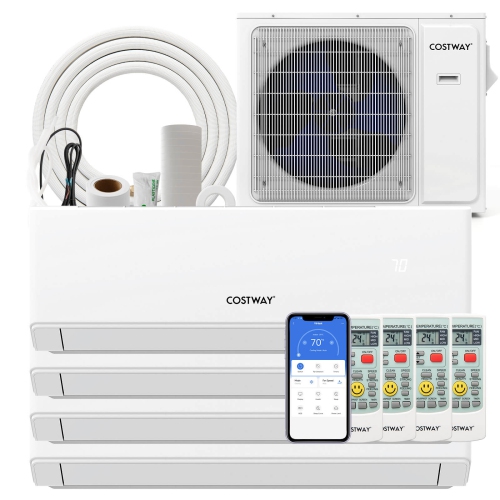
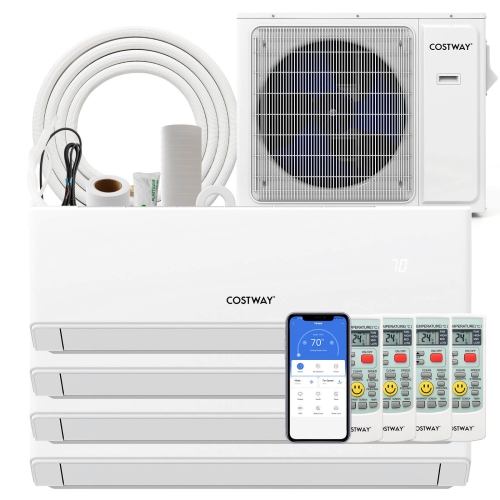
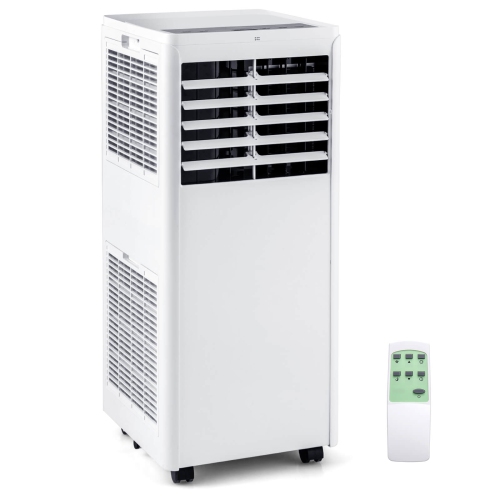
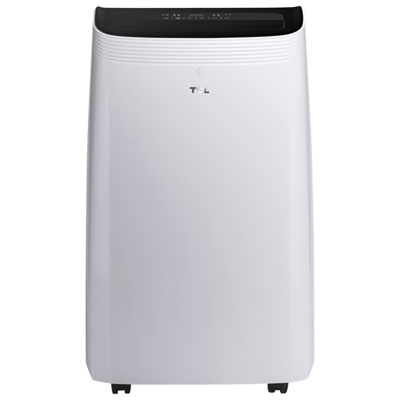
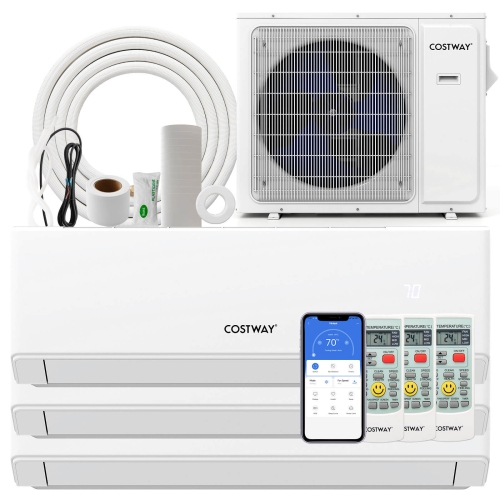
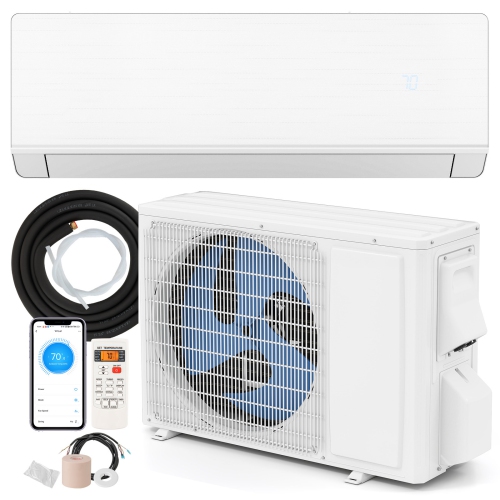
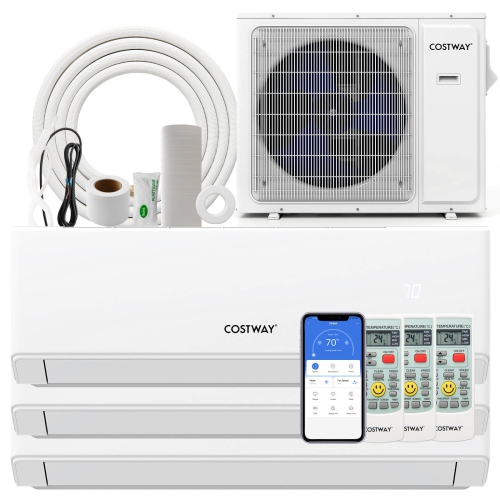
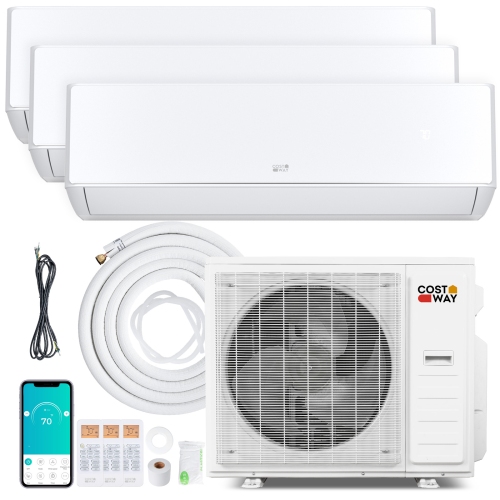
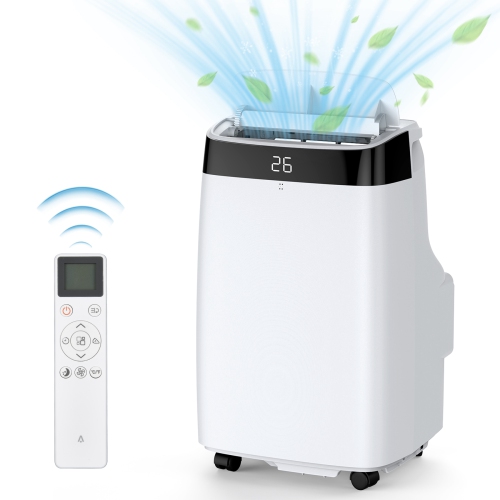
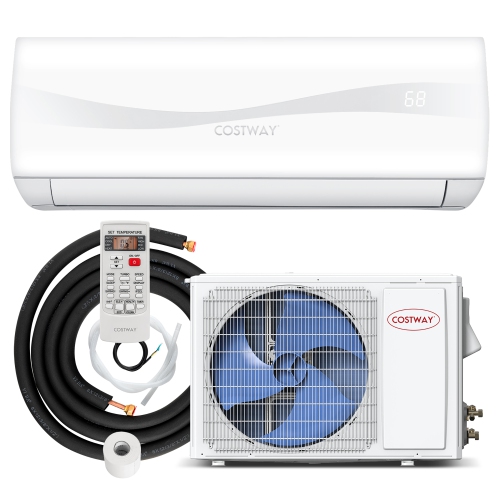
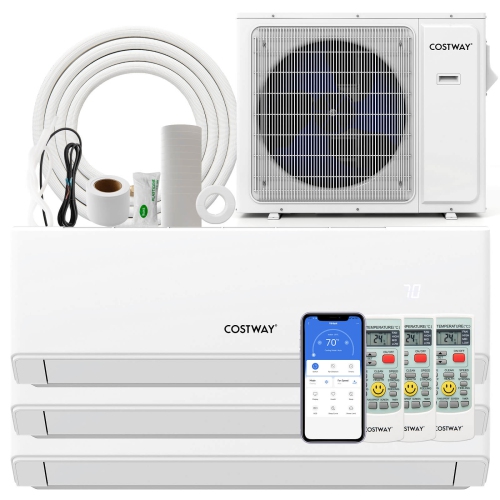
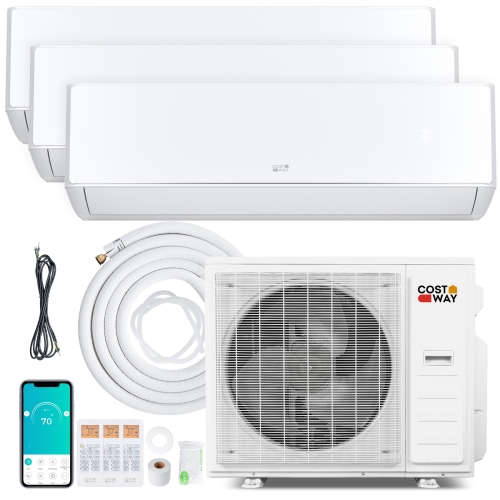
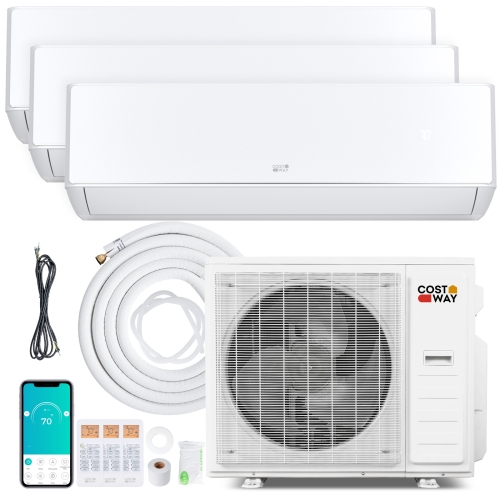
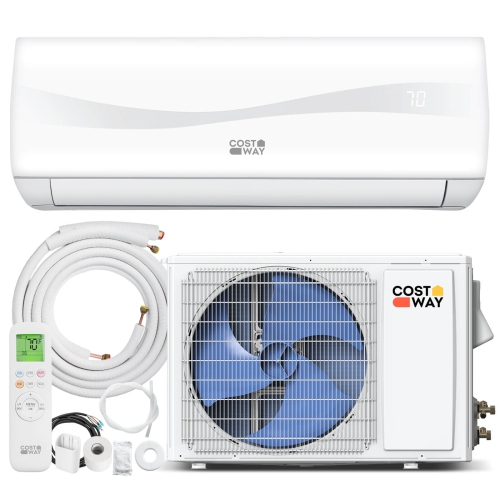
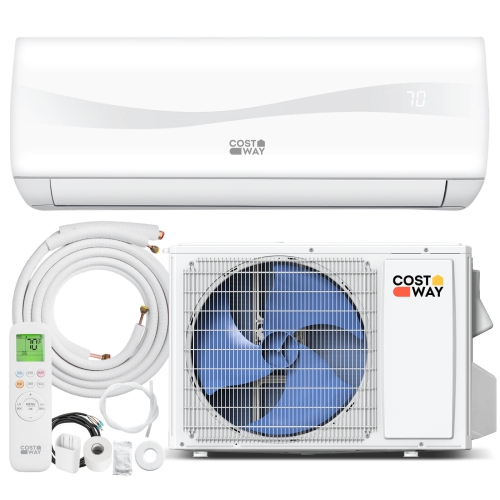
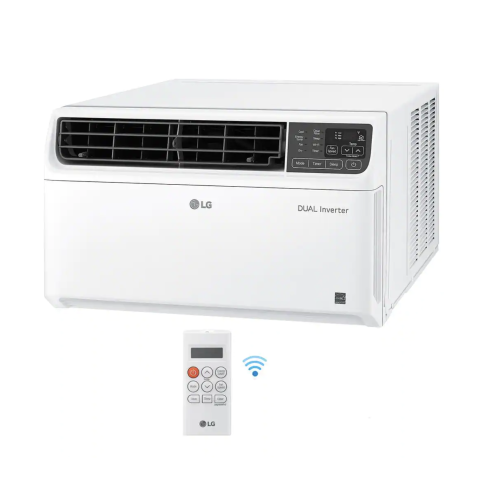
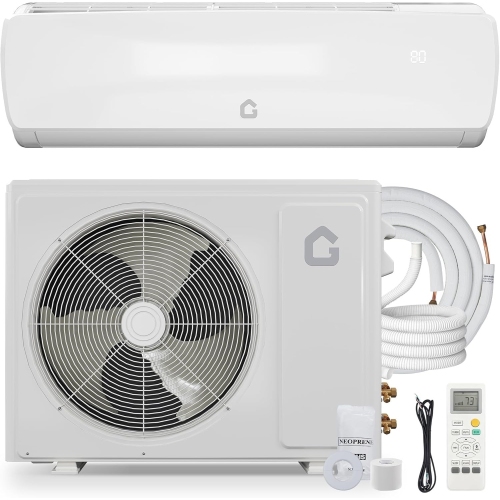
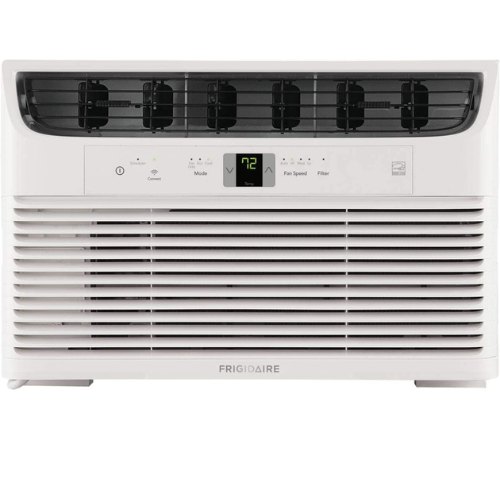
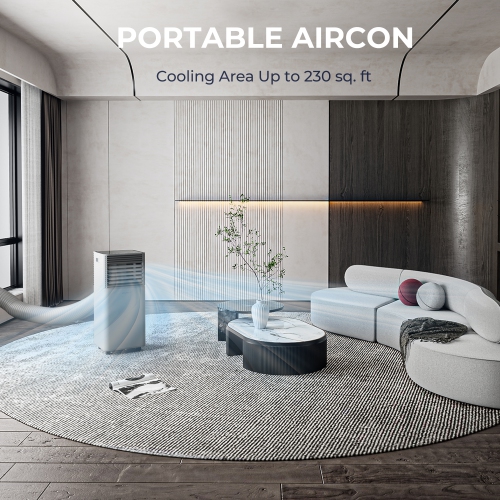
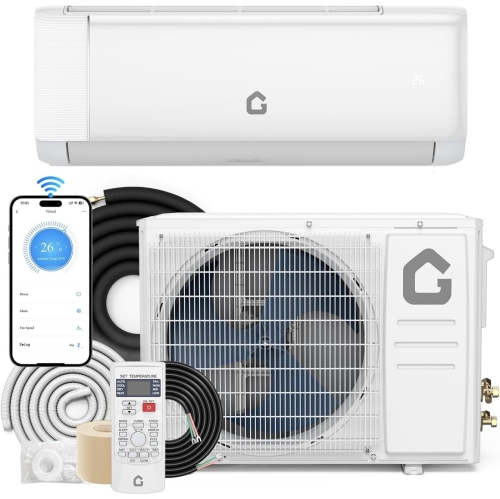
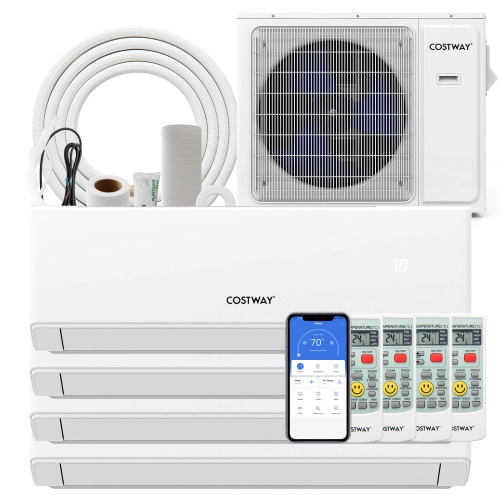
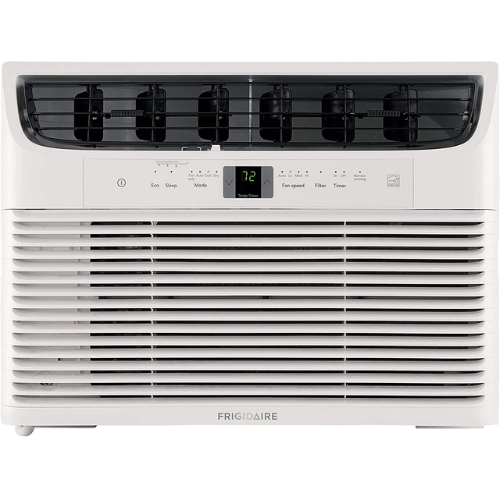
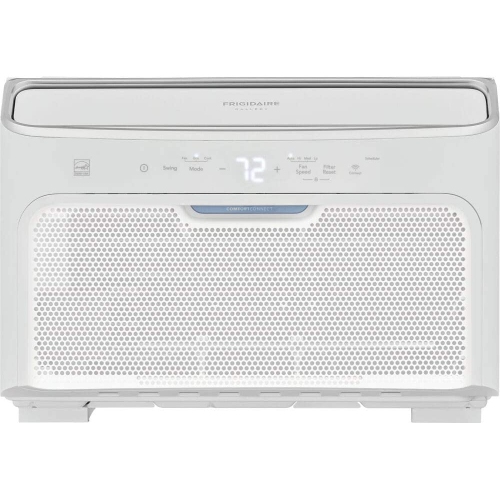
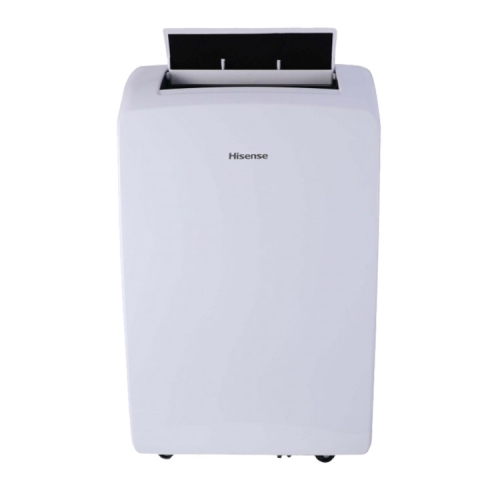
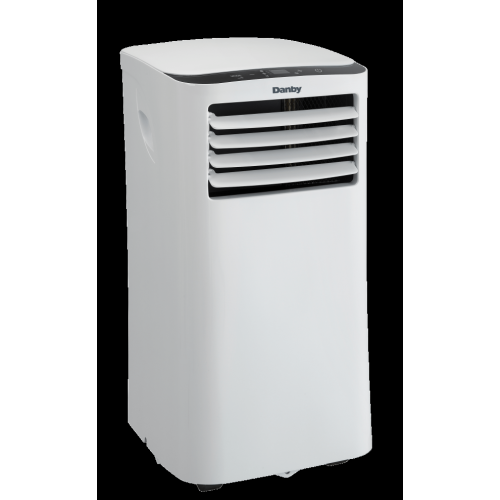
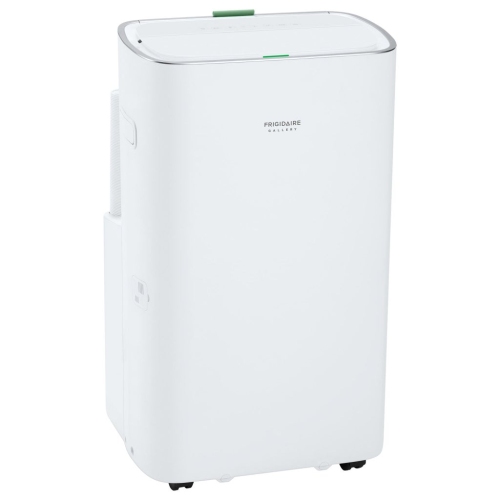
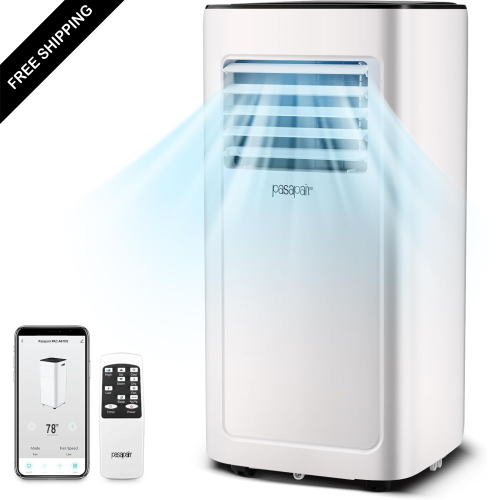
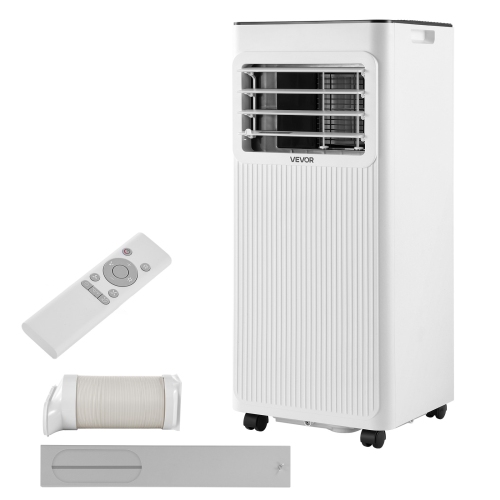
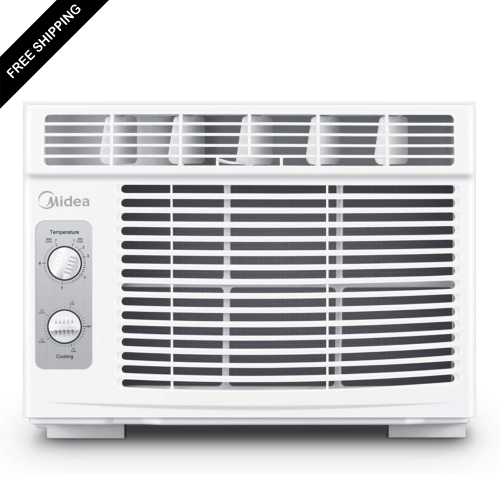
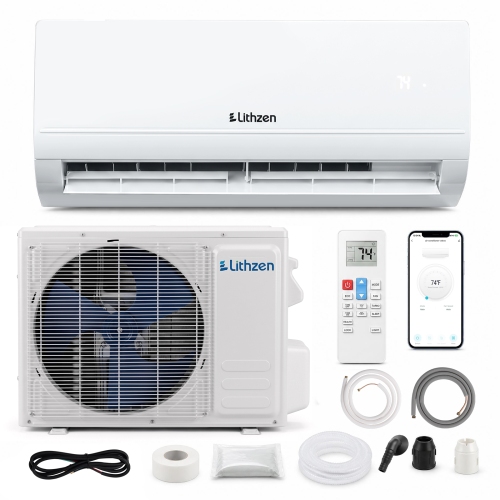
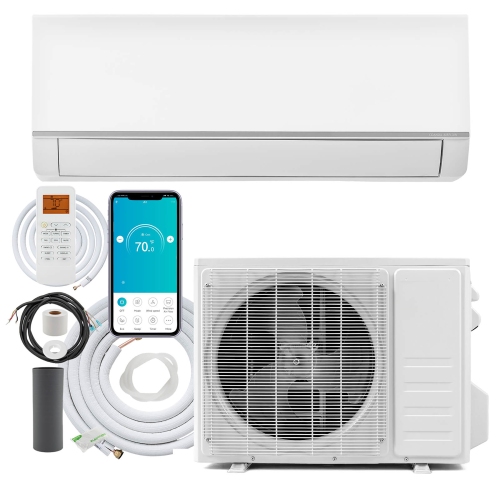
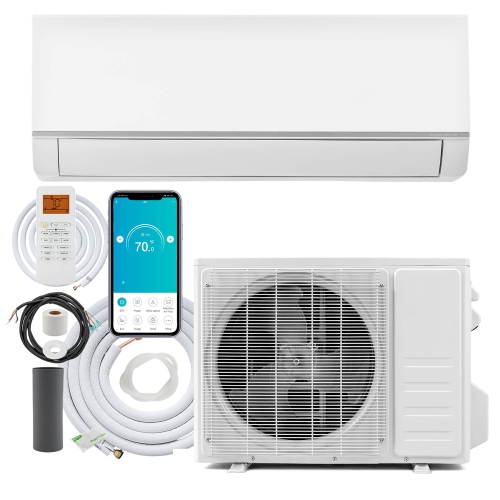
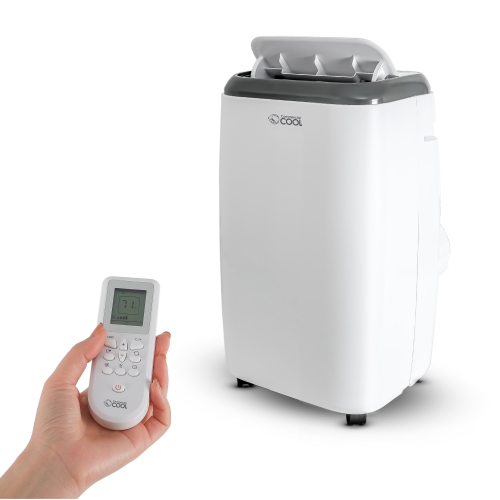
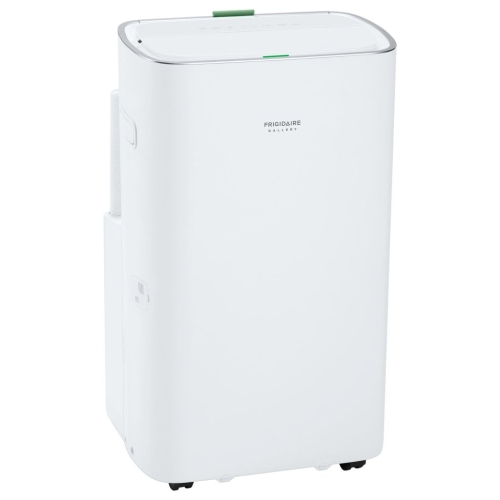
Installation style shapes both everyday convenience and cooling performance. Window air conditioners sit within a compatible window opening and release heat directly outdoors, leaving most of the floor clear. Energy-Efficient Window Air Conditioners suit rooms where the window dimensions, opening direction, and support requirements match the unit’s specifications. A side-sliding or casement window may require a different design from a vertically opening window, so width alone does not establish compatibility. The chassis depth, sash clearance, exterior obstructions, and any required support bracket also matter. Portable air conditioners stand on the floor and vent outdoors through an exhaust hose connected to a window kit. They offer flexibility in rooms without a suitable opening for a conventional window unit, although they still need a compatible exhaust route and enough clearance around the cabinet. Wheels make repositioning easier across a level floor, but stairs, thresholds, and the unit’s weight can limit frequent moves. Where offered, a dual-hose arrangement can reduce the amount of indoor air drawn outside compared with a single-hose design. Keeping exhaust hoses configured as specified helps avoid unnecessary heat gain and airflow restrictions. For multiple rooms or spaces without existing ductwork, a professionally installed ductless system offers a different approach; a central system distributes cooling through suitable ducts. These installations involve considerations beyond room-unit sizing, including outdoor equipment placement and the condition of the home’s electrical system. Across all types, sturdy housings, secure mounting hardware, and well-fitting seals contribute to a dependable installation. Gaps around a window panel allow warm air to enter and can make the unit work harder. Foam seals and adjustable panels should fit the opening without blocking drainage or ventilation. Electrical requirements deserve equal attention: the outlet type, voltage, and circuit capacity must match the appliance instructions, and extension cords or power bars should not be assumed suitable. Renters and condominium residents may also need approval before installing equipment that changes a window opening or places components outside the building.
Everyday comfort depends on more than the lowest temperature setting. In a bedroom, a steady fan sound and adjustable airflow may matter as much as cooling speed; in a work area, directing air away from a chair can prevent an uncomfortable draught during a long afternoon. Published sound levels are useful when compared at similar operating settings, since the quietest fan mode may not represent the sound at maximum cooling output. Multiple fan speeds, movable louvres, and automatic temperature control help tailor airflow to the room. Timers and scheduling can align operation with daily routines, while Wi-Fi controls, where included, allow settings to be managed through a compatible app. App requirements and network compatibility vary, and straightforward controls on the appliance remain useful when a phone is not nearby. A remote temperature sensor can help certain units respond to conditions closer to the seating or sleeping area rather than only at the air intake. Moisture handling is another practical distinction: air conditioners remove some humidity while cooling, but portable models may require drainage under particular operating conditions. Drain access, hose routing, and the space needed to empty a collection tank can affect where a unit fits comfortably. Regular care supports consistent performance and a longer useful life. Accessible filters are easier to inspect, and washable filters must dry fully before being reinstalled according to the manufacturer’s directions. Dust on intake grilles, blocked outlets, and obstructed outdoor coils can restrict airflow. The cabinet can generally be wiped with a soft cloth as directed, while delicate fins and electrical components need more careful handling. When a room air conditioner is stored between periods of use, draining it, cleaning it, and allowing it to dry helps prevent moisture from remaining inside. Keeping curtains and furniture clear of vents, closing doors to unused adjoining spaces, and shading strongly sunlit windows can also reduce the cooling load. Together, appropriate capacity, a sound installation, useful controls, and manageable maintenance make energy-efficient air conditioners a practical match for bedrooms, apartments, shared living spaces, and other rooms that need dependable cooling.
Top selling and popular products
-
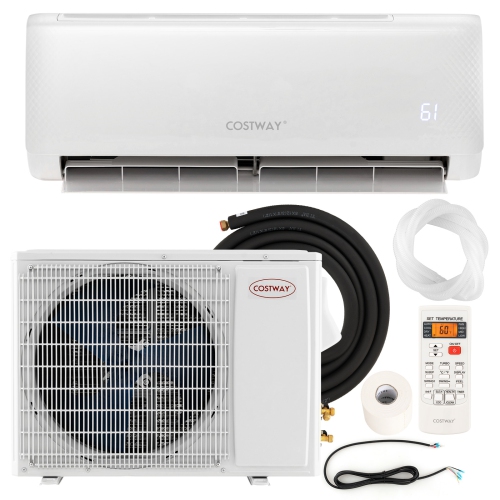 Your price for this item is $766.99
-
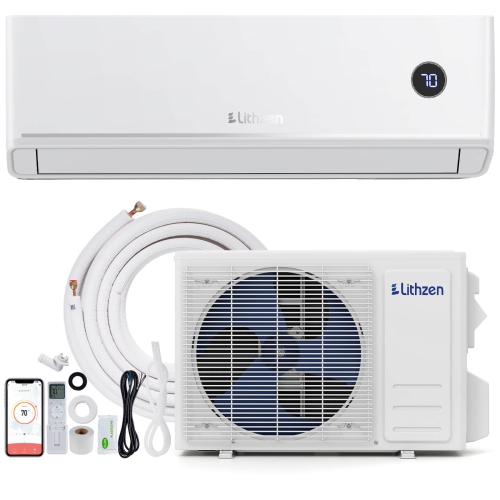 Your price for this item is $659.99
-
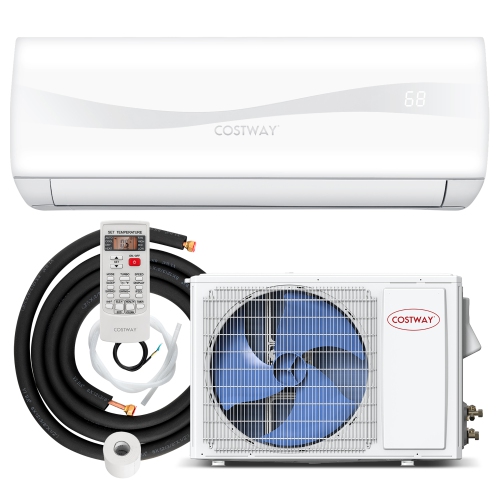 Your price for this item is $729.99
-
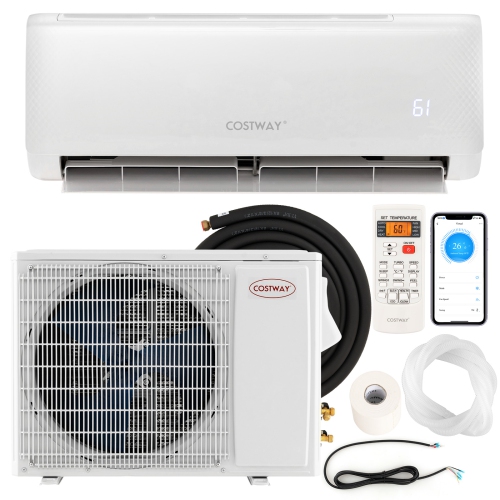 Your price for this item is $1495.99
-
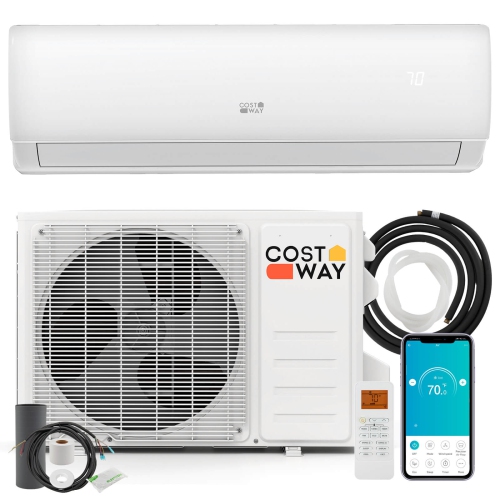 Your price for this item is $709.99
-
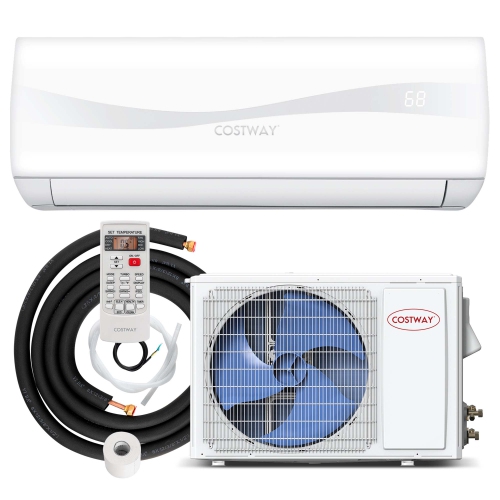 Your price for this item is $719.99
-
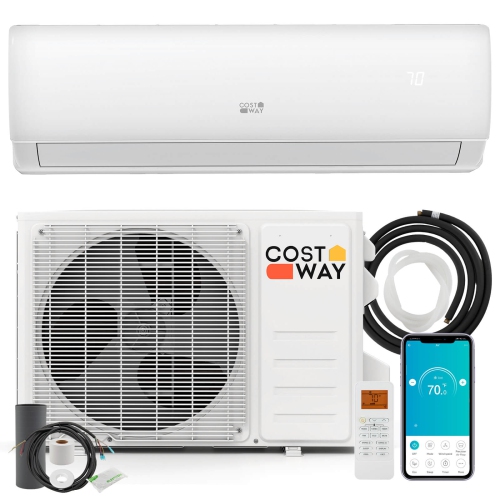 Your price for this item is $1029.99
-
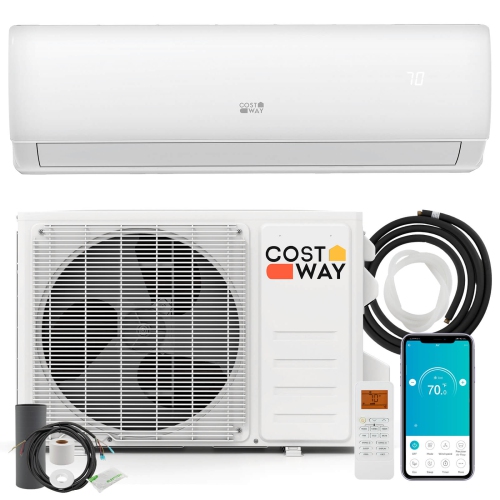 Your price for this item is $1369.99
Discover more categories related to Energy Efficient Air Conditioners

Top Collections:
Best Black Friday Deals This Year, Best Black Friday Deals On Electronics, Kindle Devices, Pokemon Centers, Best Black Friday Deals On Apple Products, Best Cameras for Sports Photography, Dyson Airwrap, Pokémon 30th Celebration Cards, Apple iPhone 17 Pro, Canon G7X Cameras
Some products may be subject to Environmental Handling Fees
(EHF) depending on your province.
Learn more about EHFs.