Energy Efficient Kitchen Appliances
Upgrade your kitchen with the latest in energy-efficient technology. This selection of energy-efficient kitchen appliances combines innovative design with eco-friendly features to help you save on energy costs without compromising on performance. From refrigerators and dishwashers to stoves and microwaves, these appliances are designed to not only reduce your carbon footprint but also enhance the functionality and style of your kitchen.
Sort










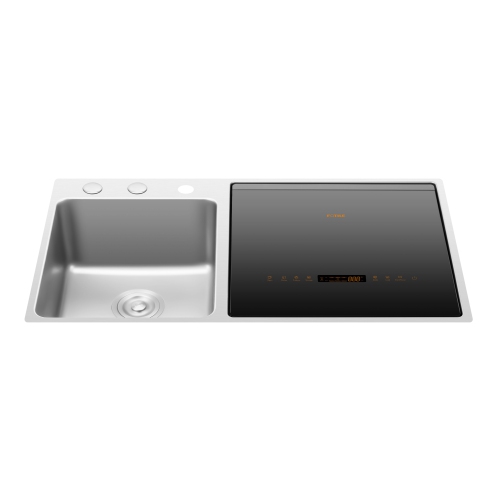
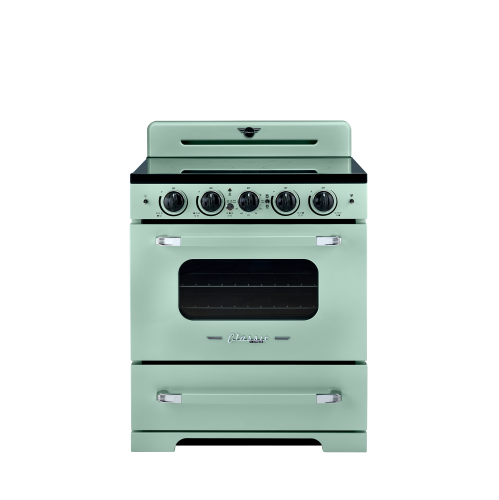


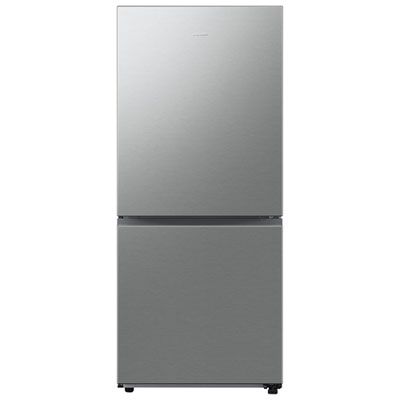
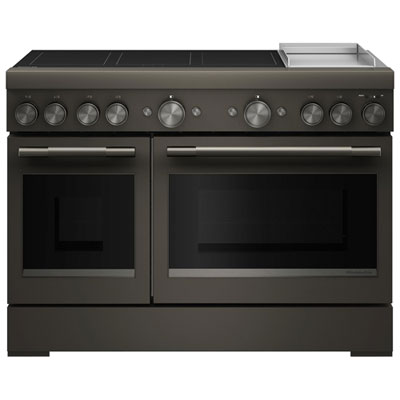








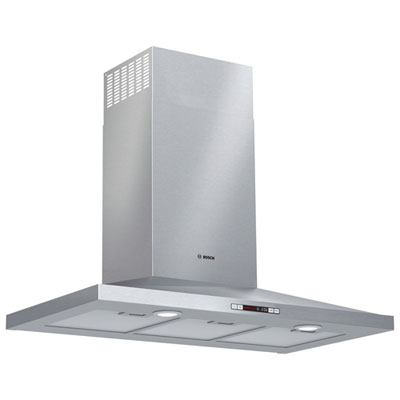
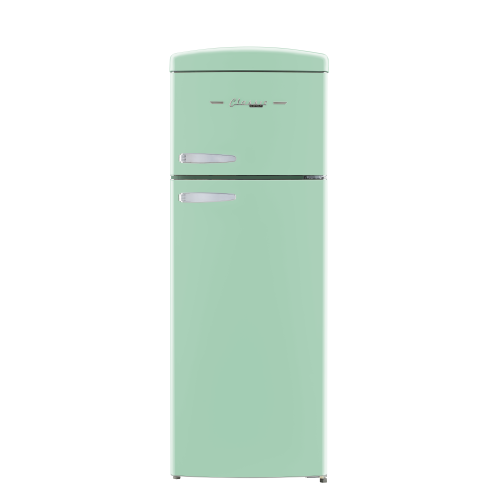
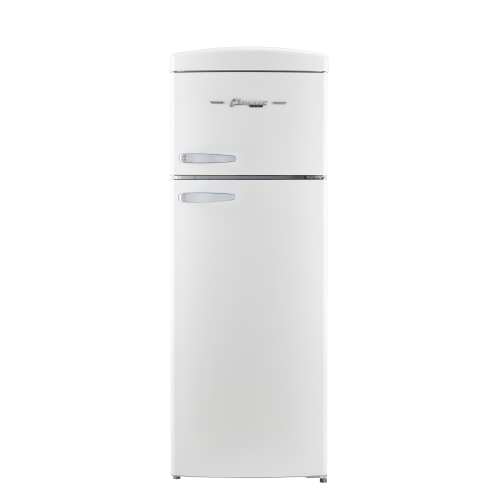
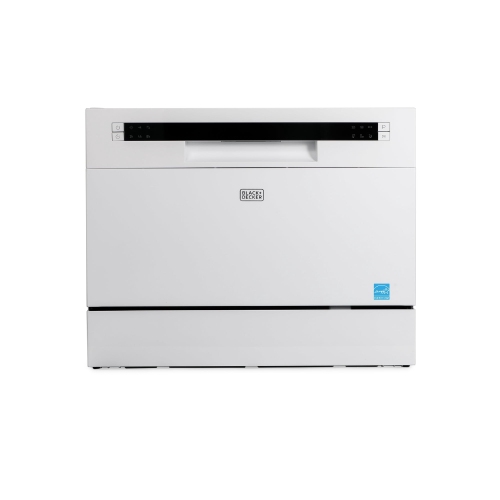




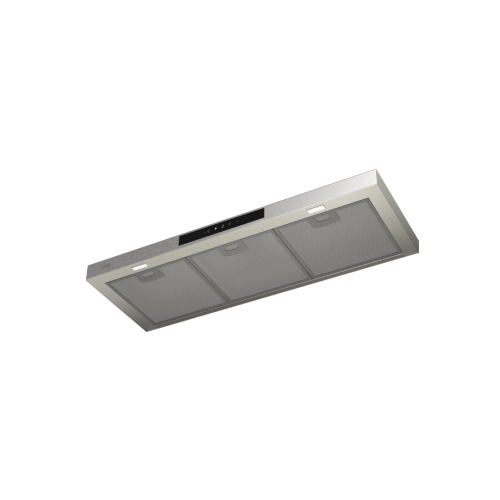
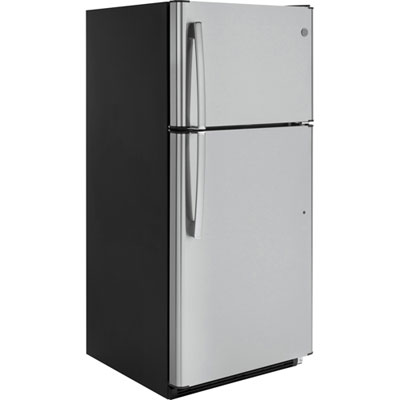
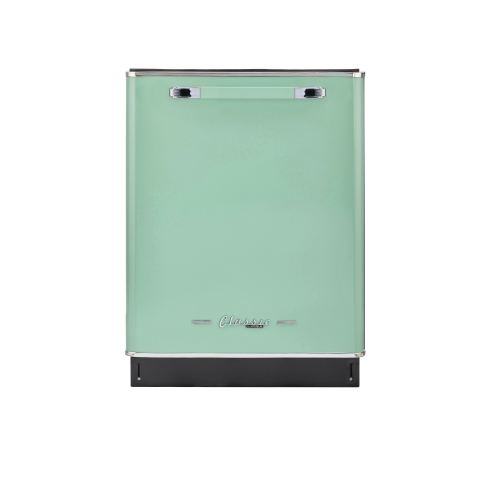
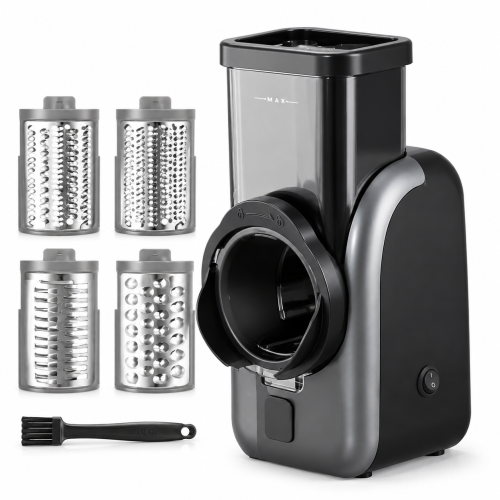

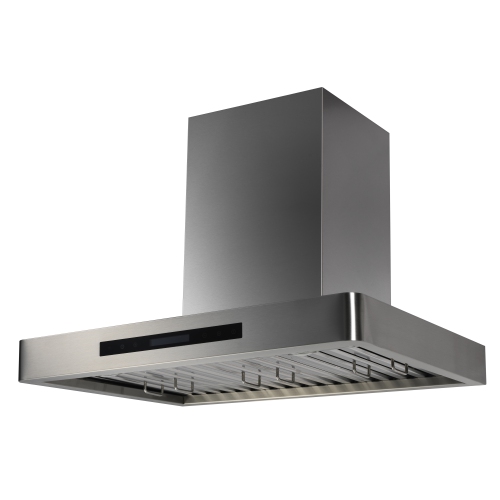
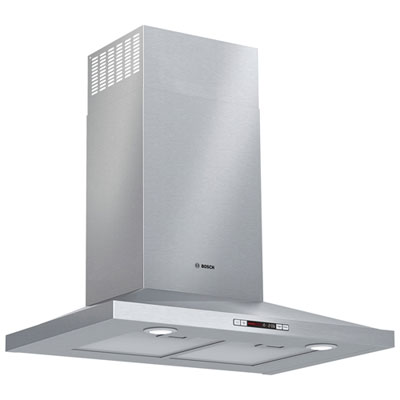


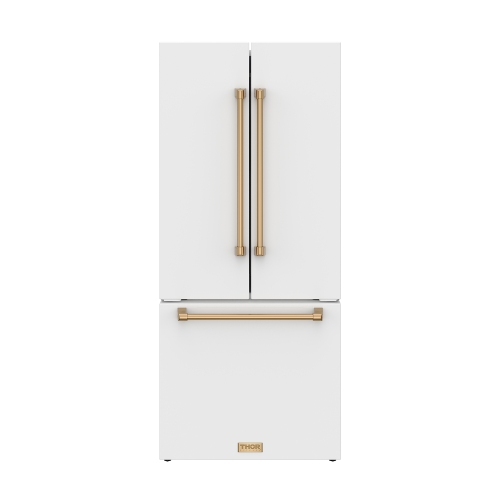
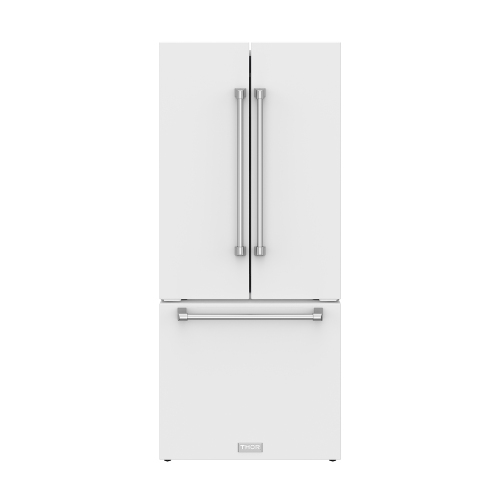
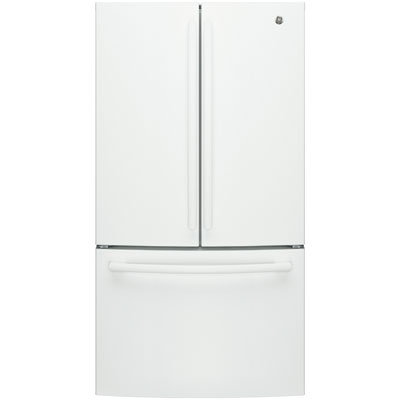
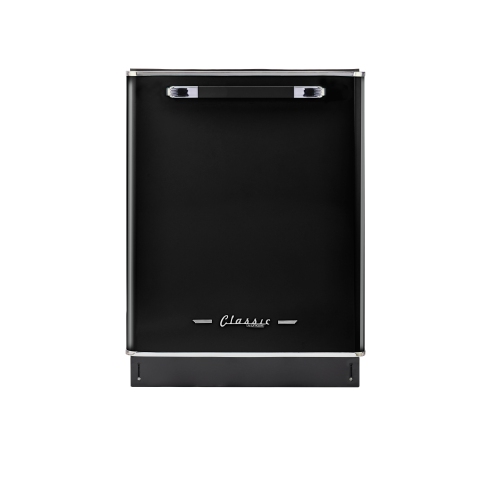
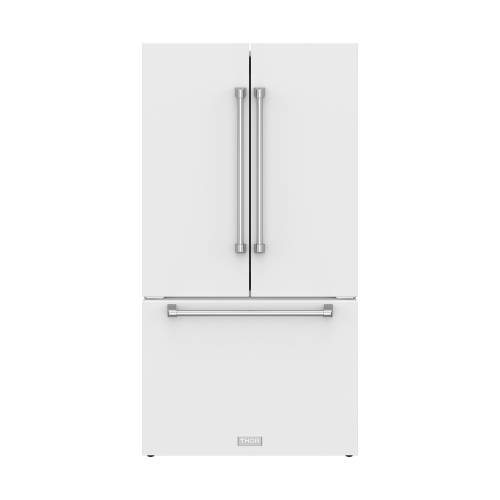

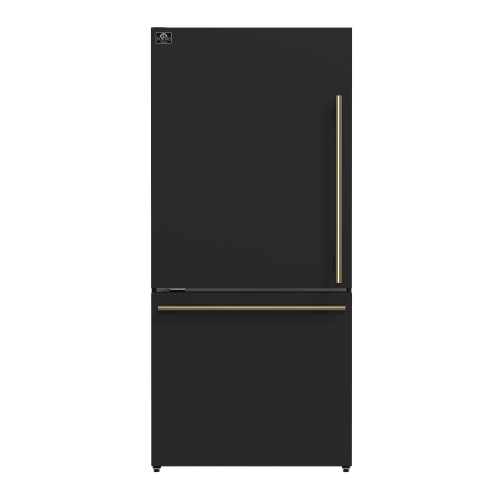







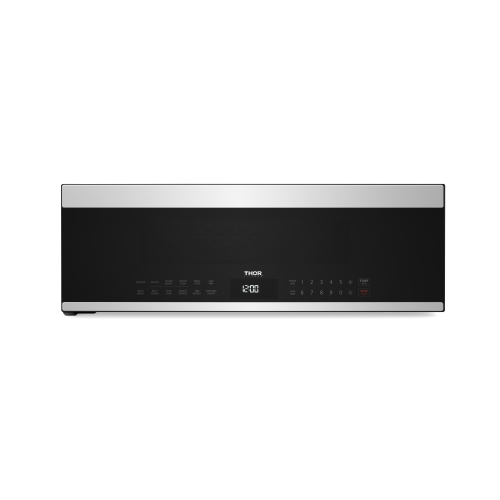
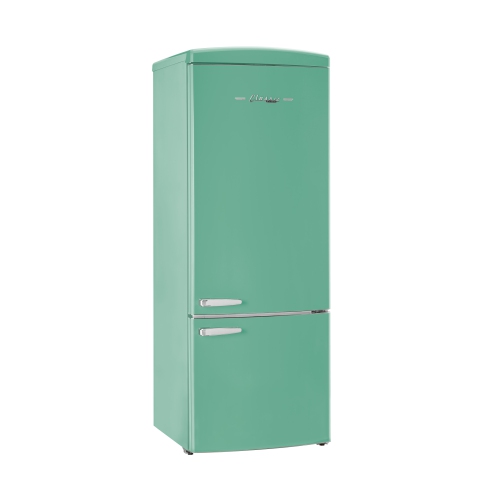
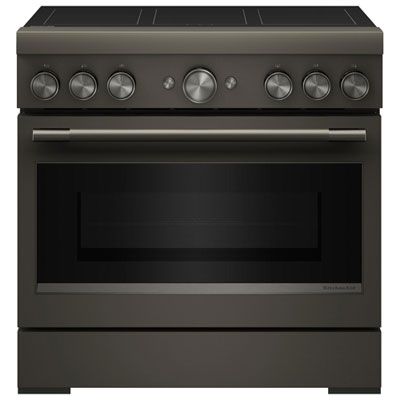
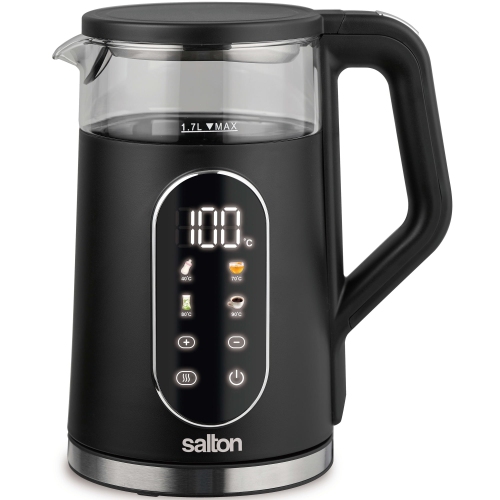




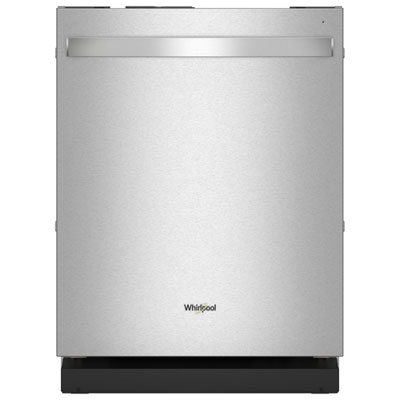
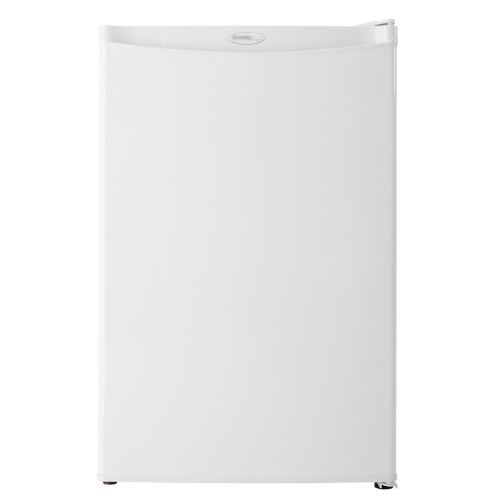


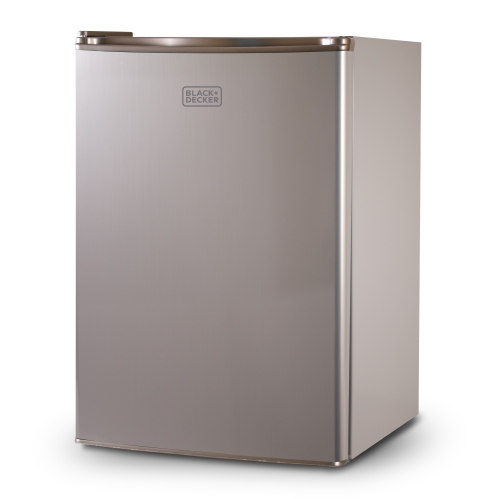


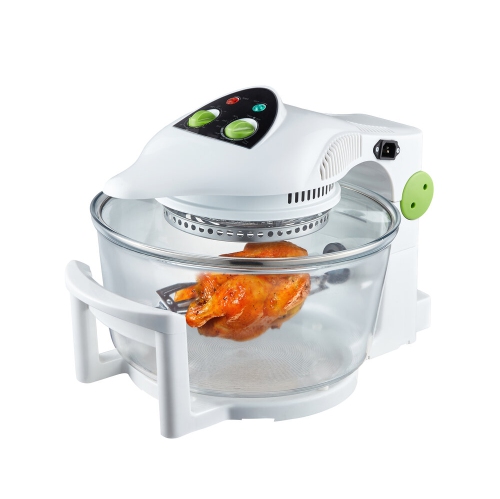








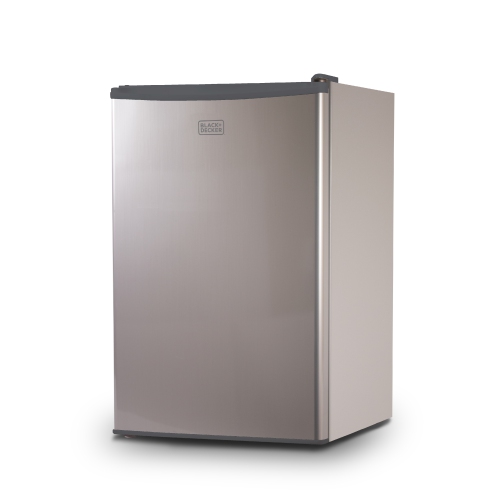
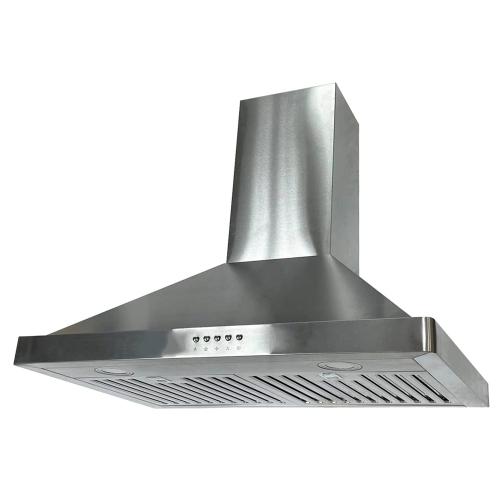




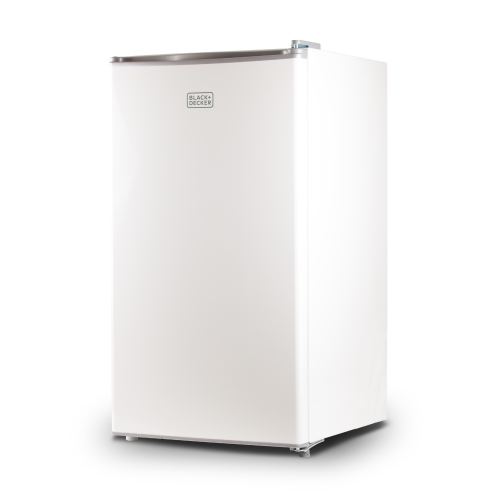

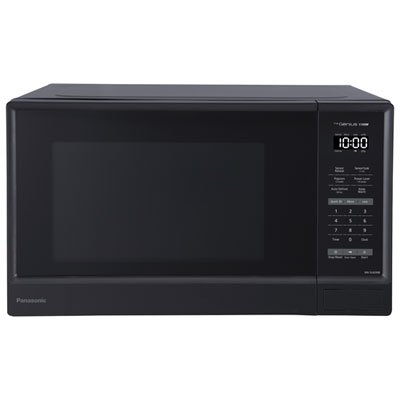
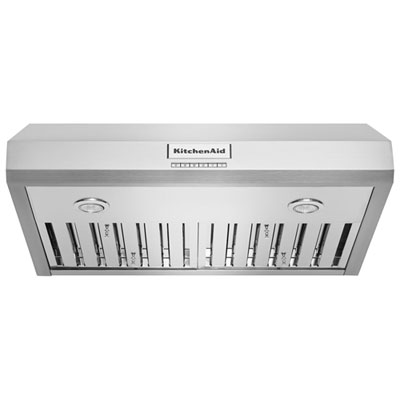


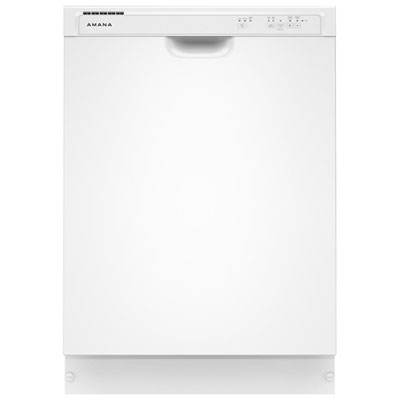


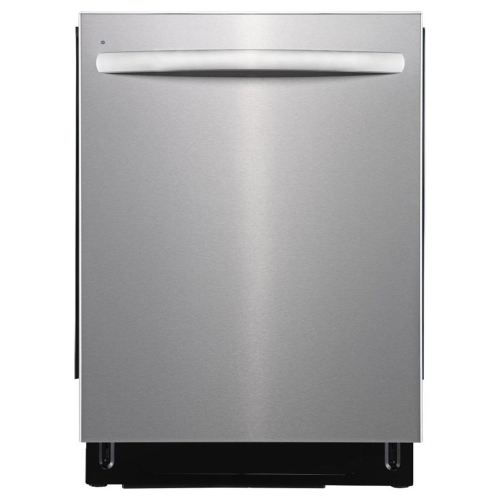
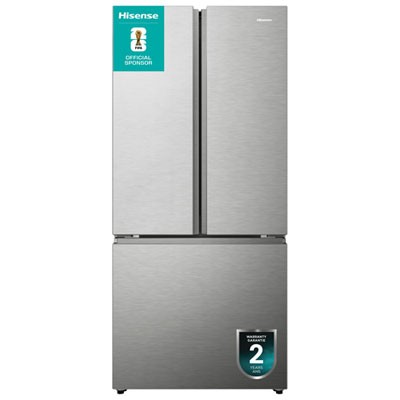
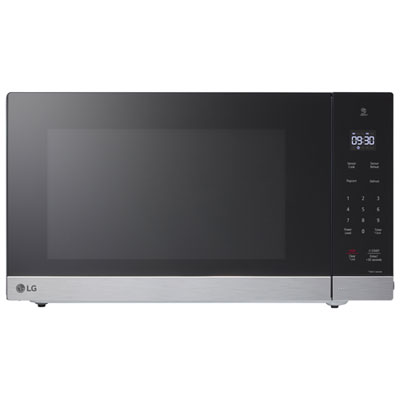


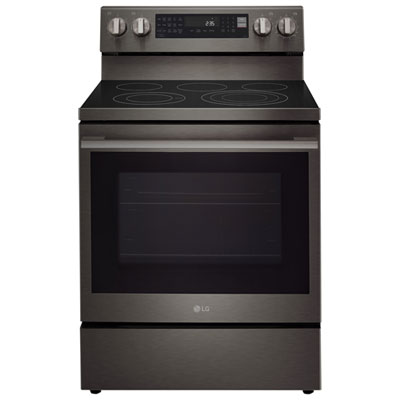

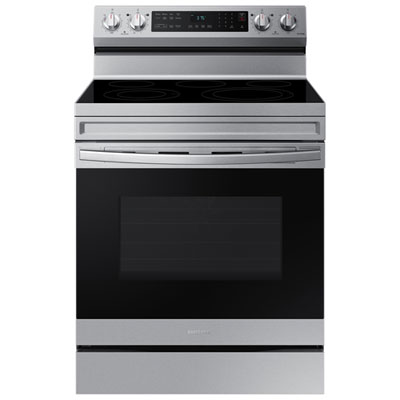

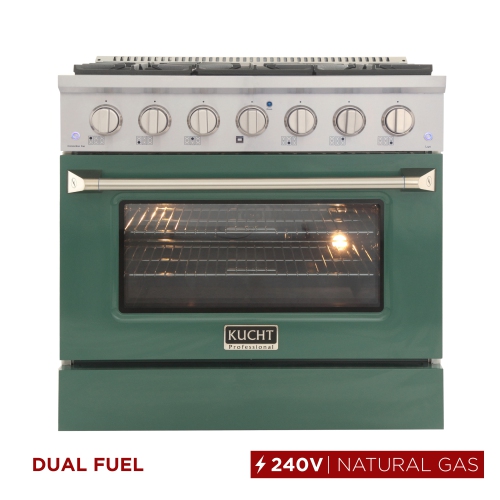



How capacity, fit, and settings shape daily convenience
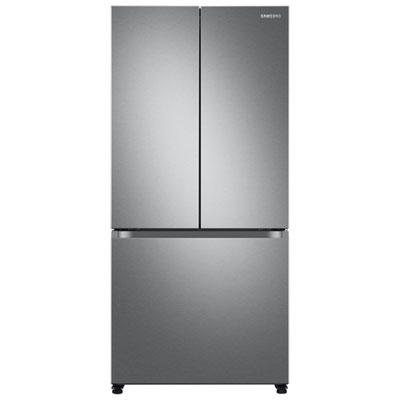
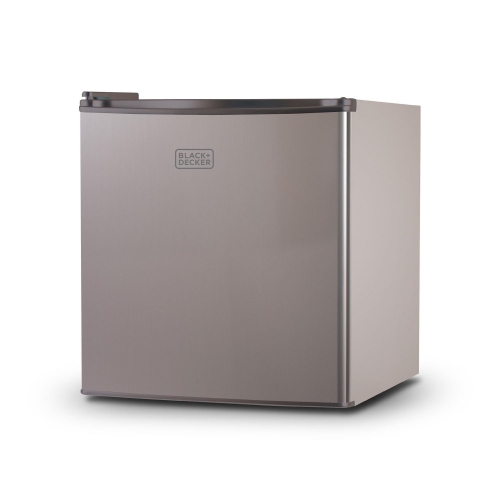
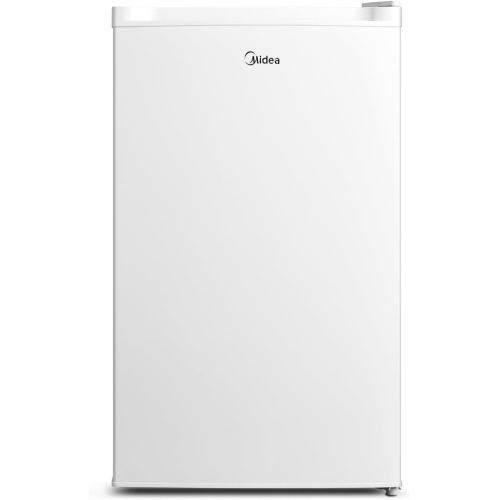
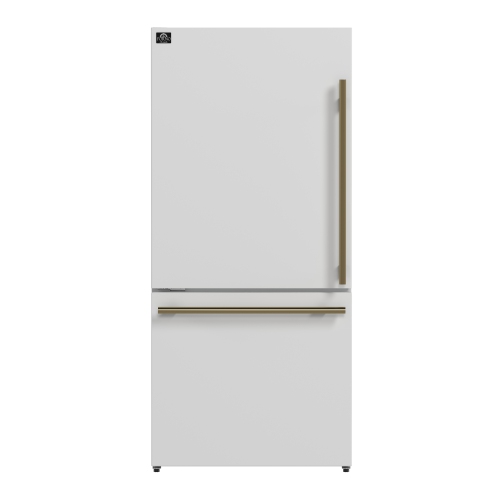
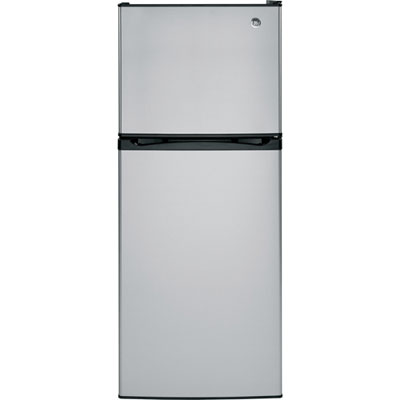
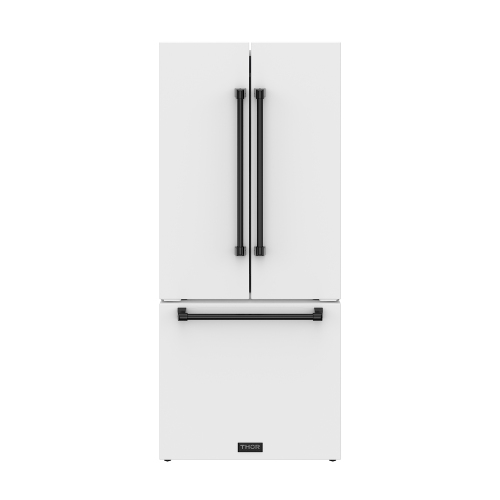
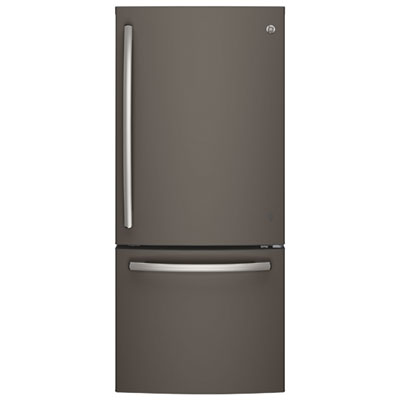
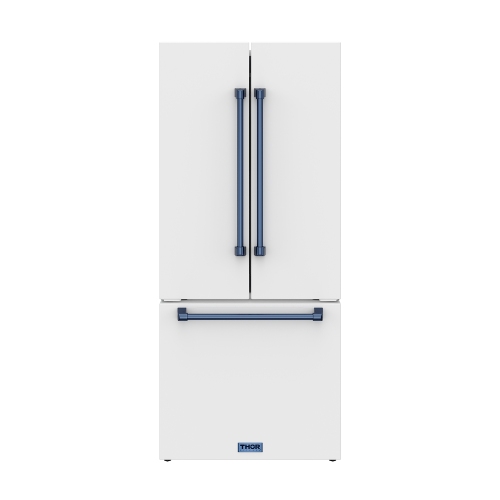
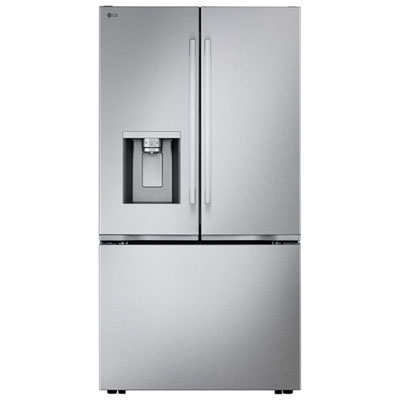
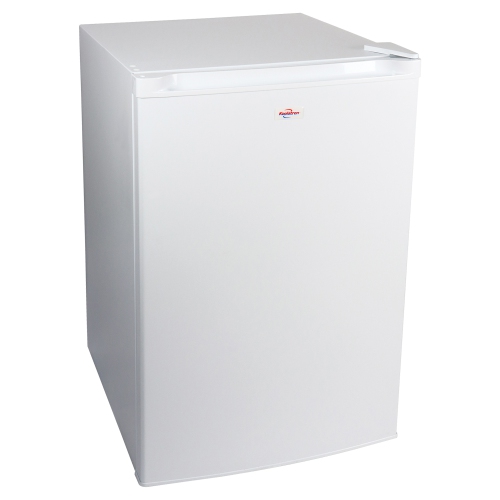
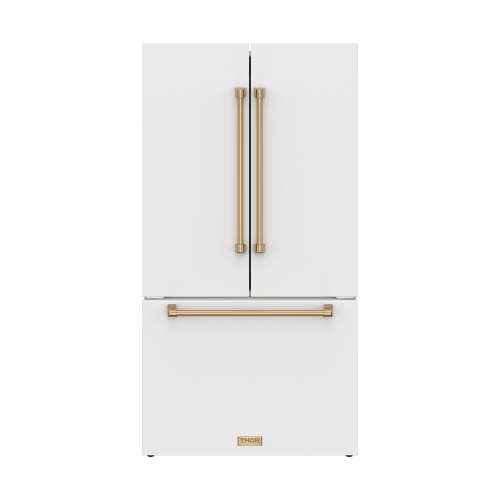
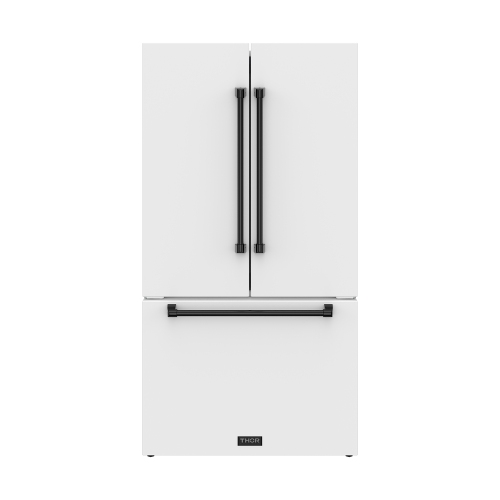
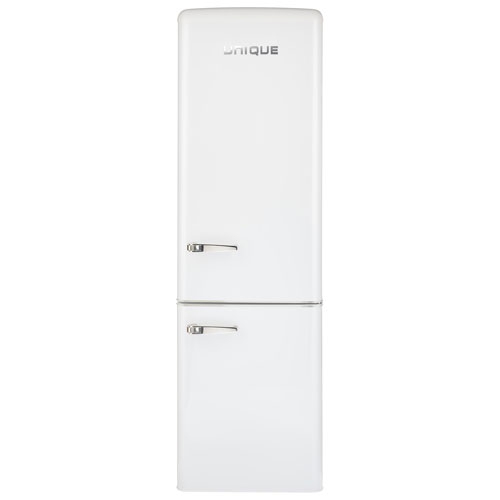
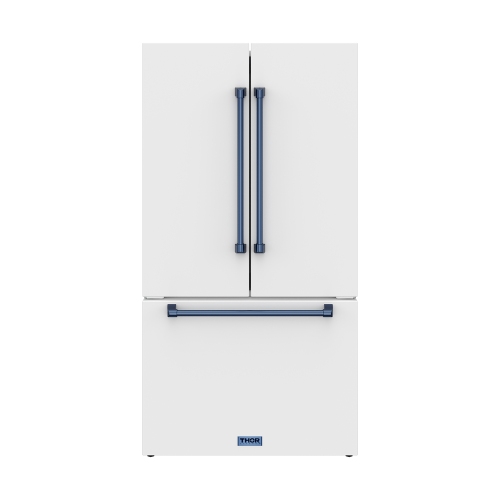
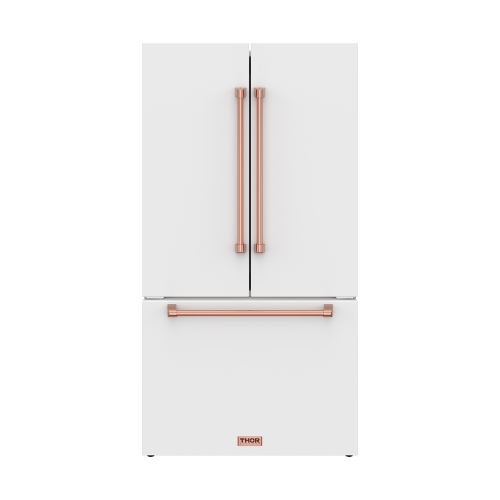
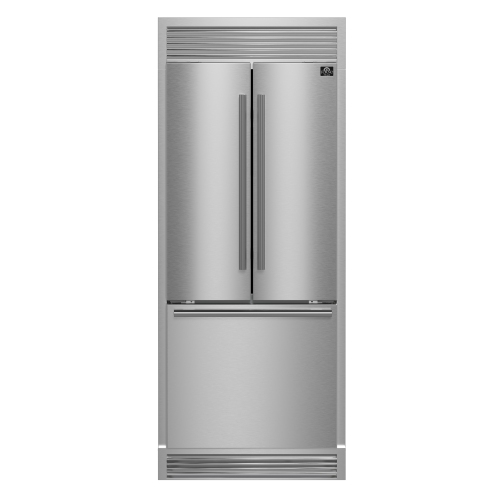
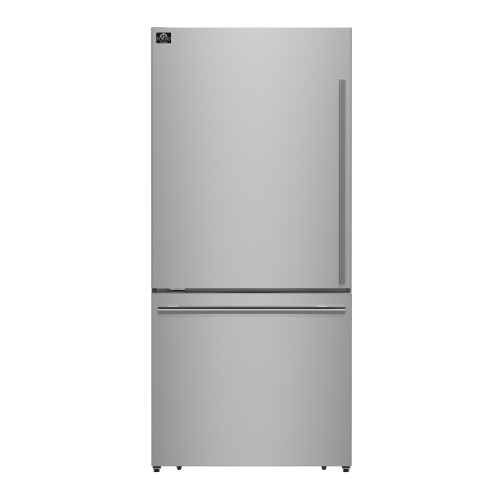
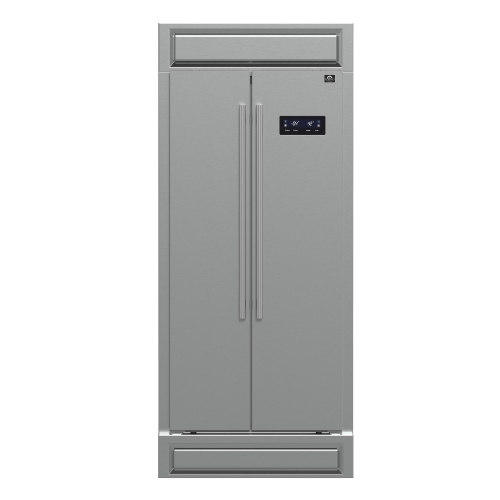
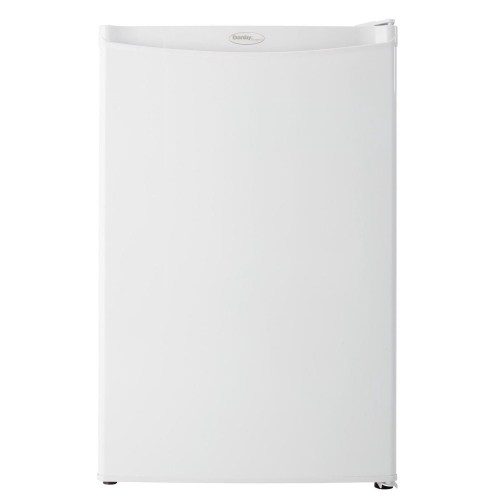
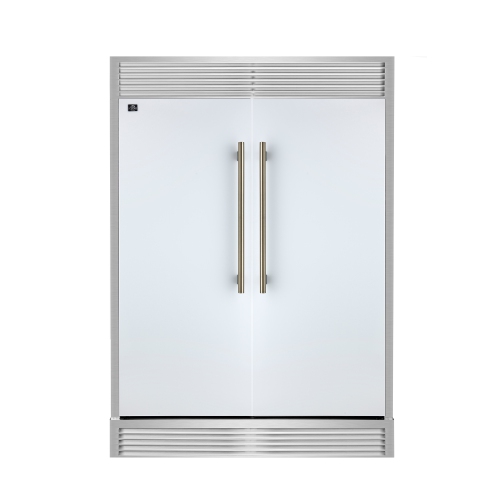
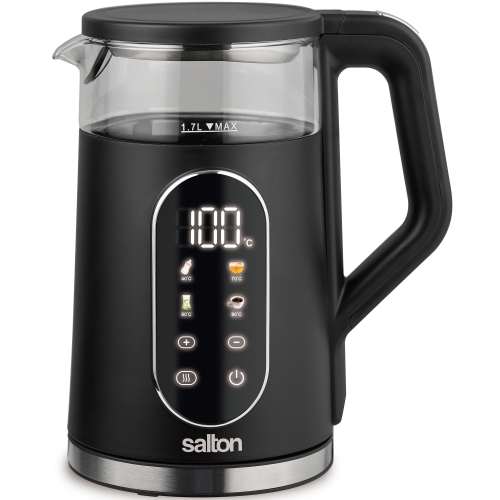
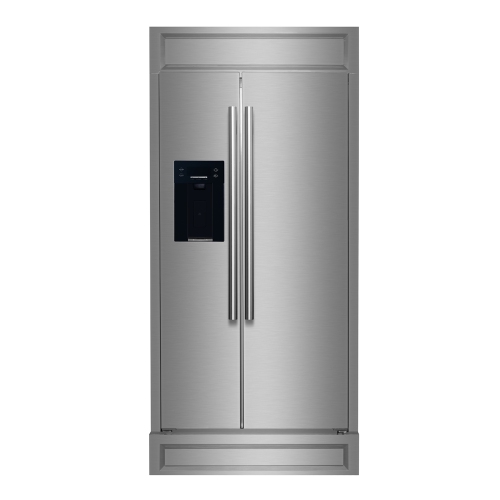
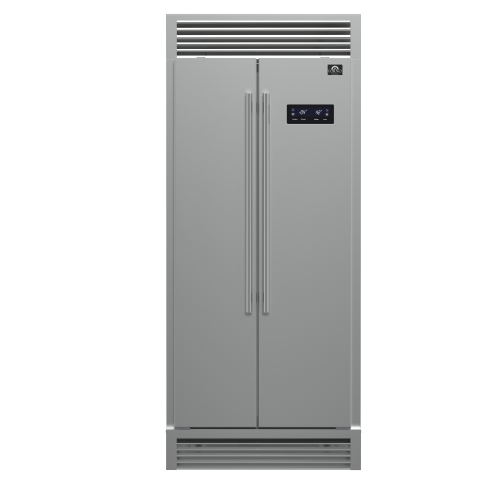
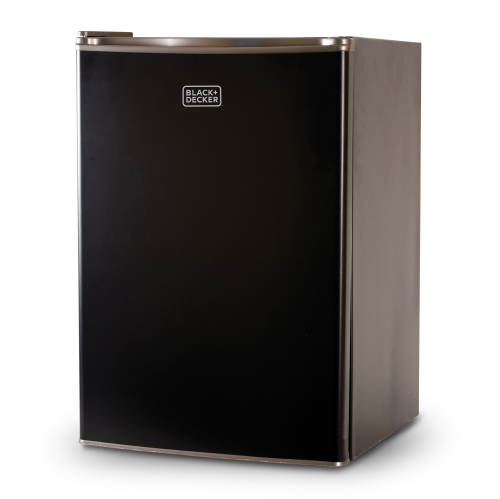
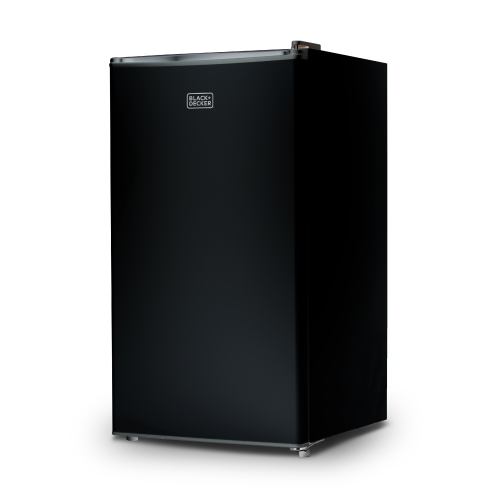
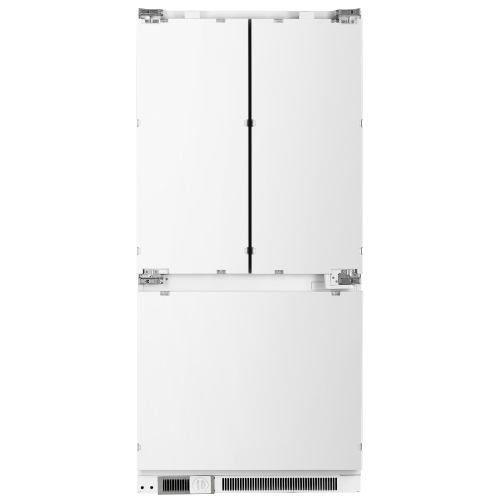
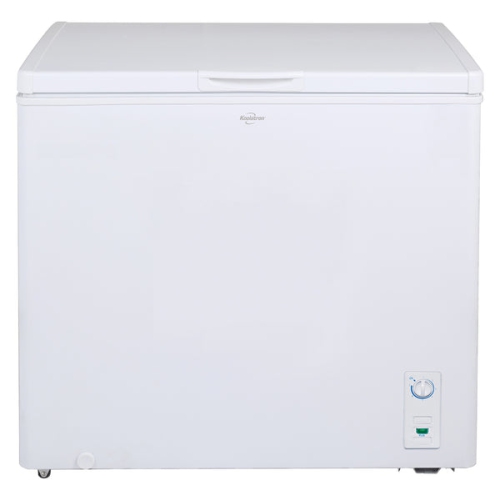
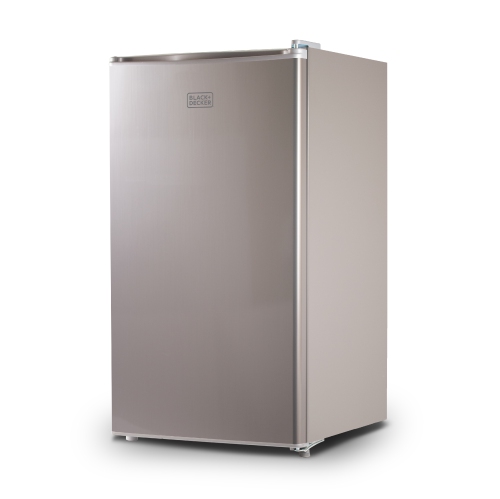
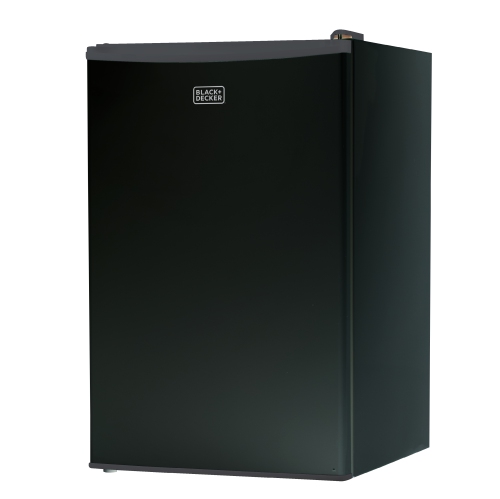
Energy-efficient kitchen appliances can make everyday cooking, cleaning, and food storage feel more convenient while helping manage household electricity and water costs. This collection is designed for shoppers comparing practical upgrades for busy kitchens, renovations, rental homes, and replacement projects. The right choice depends on more than the lowest purchase price: consider the appliance’s capacity, dimensions, features, installation requirements, operating settings, and estimated energy consumption over time. A properly sized appliance usually performs more efficiently than one that is significantly larger than your needs. Measure the available opening carefully, including width, height, depth, door clearance, ventilation space, and the path into your home. For open-concept kitchens, counter-depth designs can create a more streamlined fit, while standard-depth models may offer additional interior storage. Look for ENERGY STAR certification where available, and compare the yellow EnergyGuide label or manufacturer specifications to understand estimated annual energy use. Households that cook frequently, entertain often, or rely on several major appliances throughout the day may notice the greatest value from efficient cooking and cleaning features. These appliances can also be thoughtful housewarming gifts for someone setting up a first home, moving into a larger kitchen, or replacing an older appliance after a renovation. For food storage, adjustable shelves, humidity-controlled drawers, full-width bins, and easily accessible freezer compartments can help make daily routines simpler. Shoppers looking for storage that suits regular meal planning can explore Energy-Efficient Refrigerators for Everyday Use and compare formats that fit their household habits.
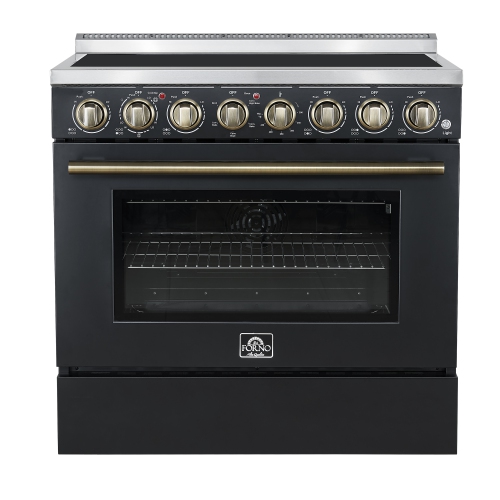
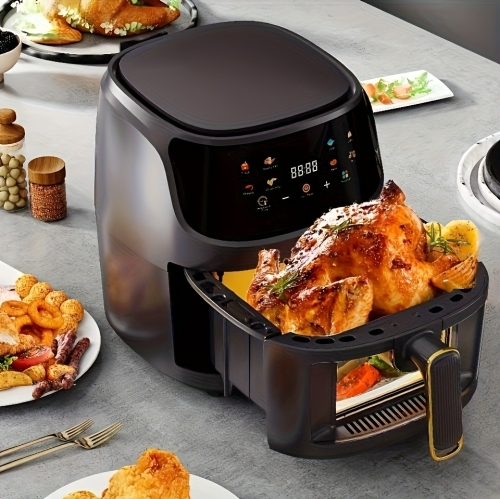
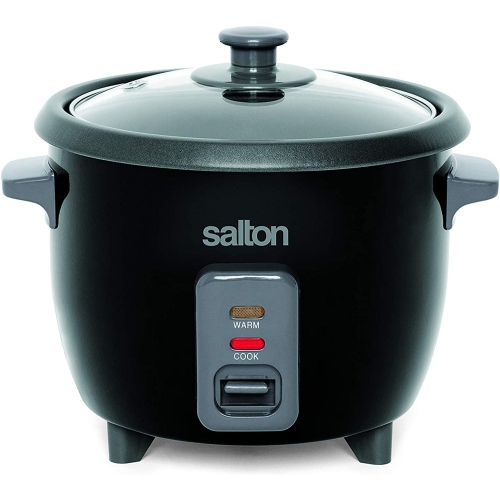
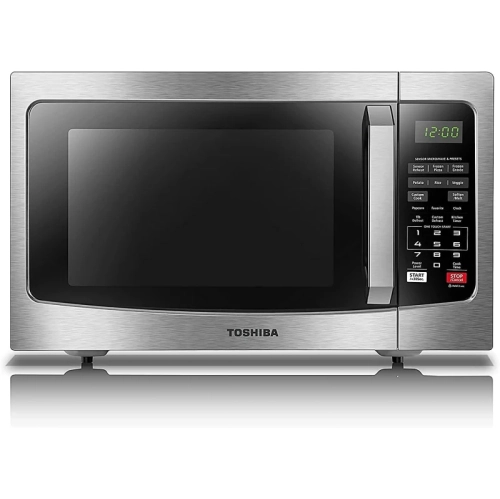
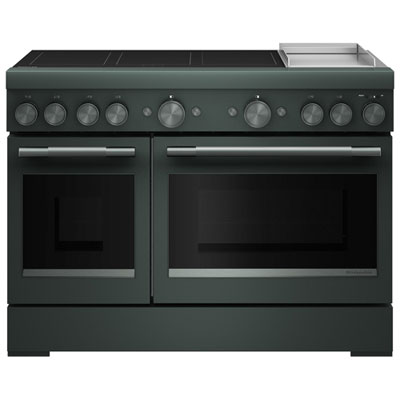
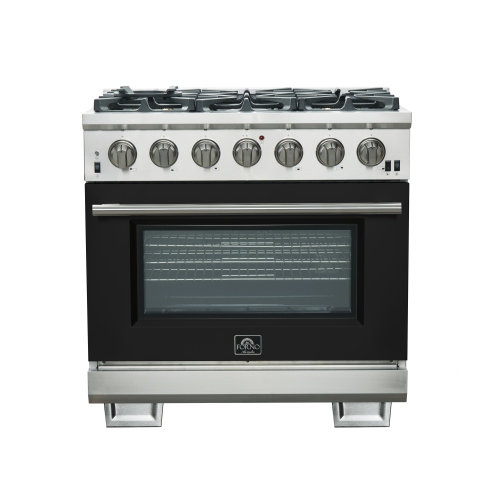
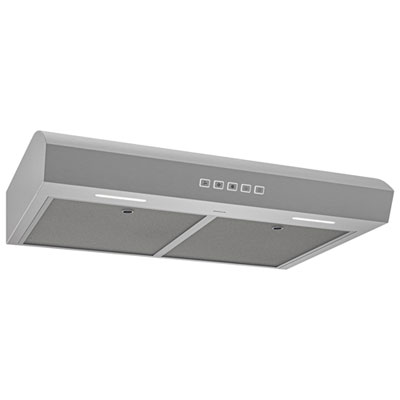
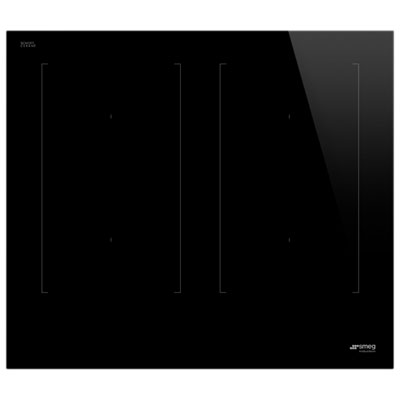
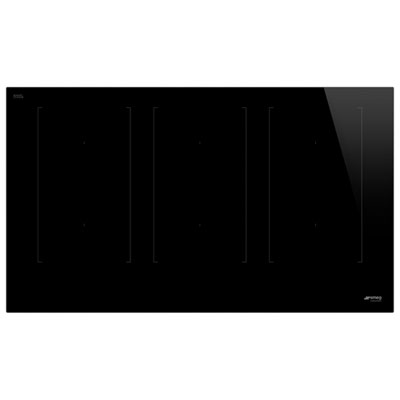
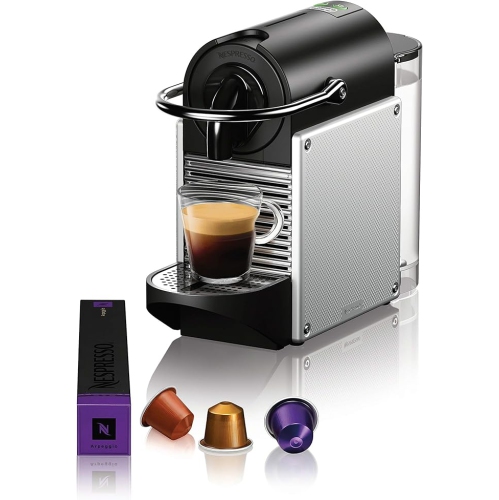
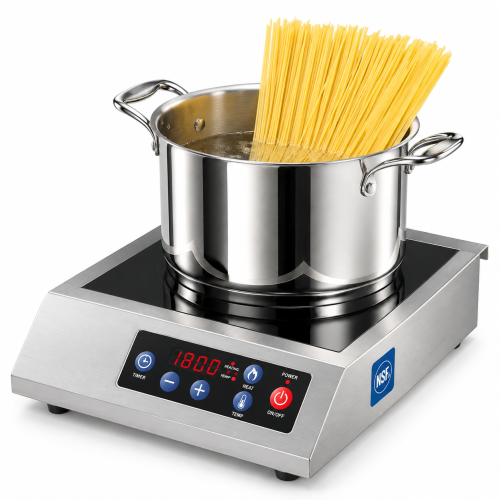
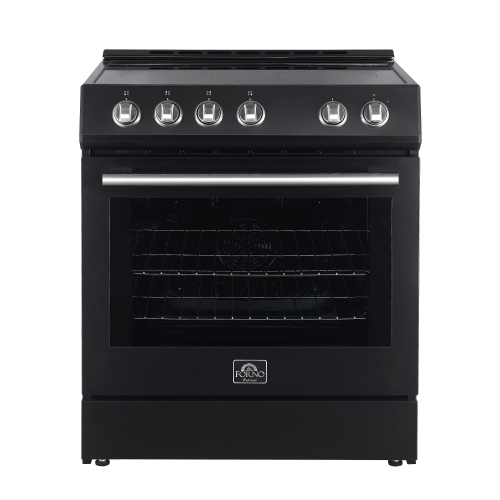
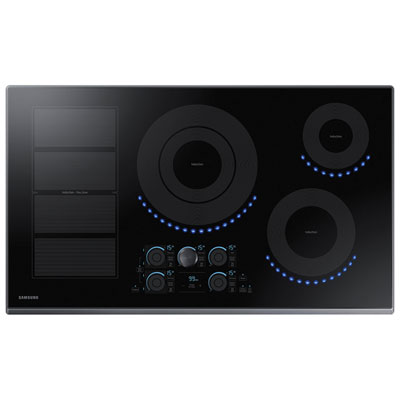
Cooking appliances use energy differently, so the best option depends on how meals are prepared. Induction cooktops and ranges use electromagnetic energy to heat compatible cookware directly, which can provide fast response, precise temperature control, and less residual heat around the cooking surface. They can be useful for anyone who prepares several dishes at once, cooks in a compact kitchen, or appreciates quick changes from a vigorous boil to a gentle simmer. Confirm that existing pots and pans are induction-compatible, or plan to replace them as part of the upgrade. Electric smooth-top models offer a flat surface that is straightforward to wipe clean, while convection ovens circulate heated air to promote more even cooking and may help reduce cooking times for certain dishes. Features such as dual-element burners, bridge elements, warming zones, self-cleaning cycles, delayed starts, and programmable controls can add convenience, but select functions that suit your routine rather than paying for features that will rarely be used. A compact countertop cooking appliance may work well for students, apartment residents, home offices, or anyone preparing small portions without heating a full-size oven. For families, look at usable oven capacity, rack positions, control lock settings, and the size of common cookware. During the cooler months, baking, roasting, and slow cooking often become part of a more regular routine, making reliable temperature control and practical capacity especially valuable. Keep the appliance’s installation type in mind as well: freestanding models can be easier to replace, while slide-in or built-in styles may offer a more integrated appearance but require closer attention to measurements and electrical connections.
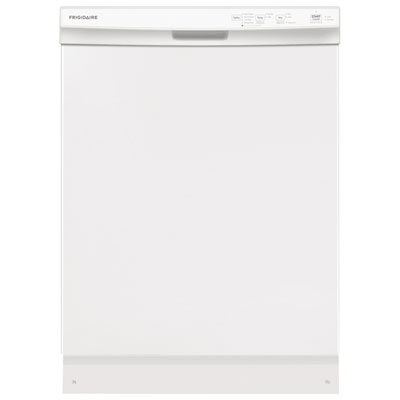
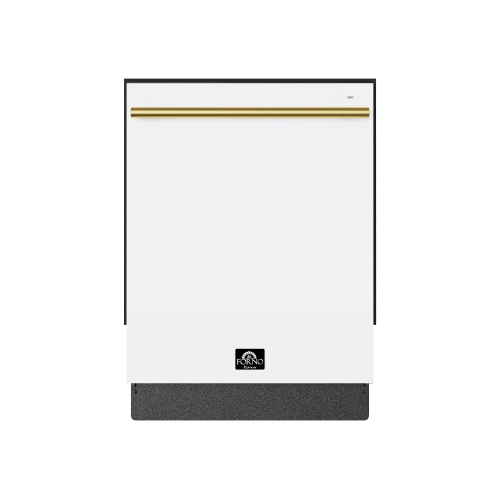
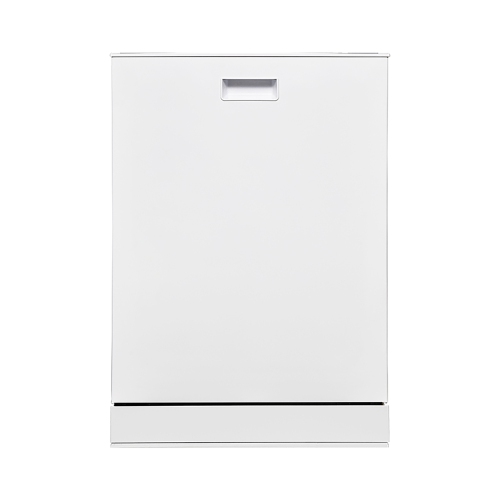
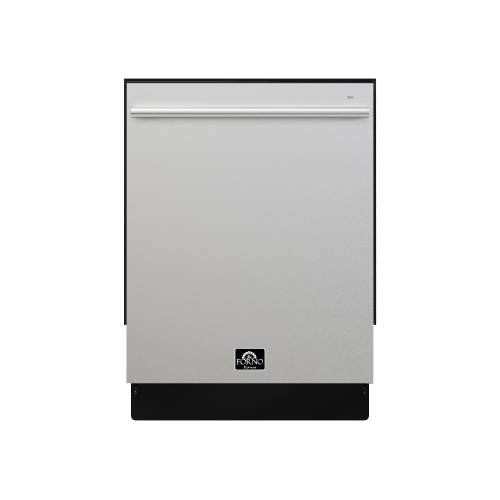
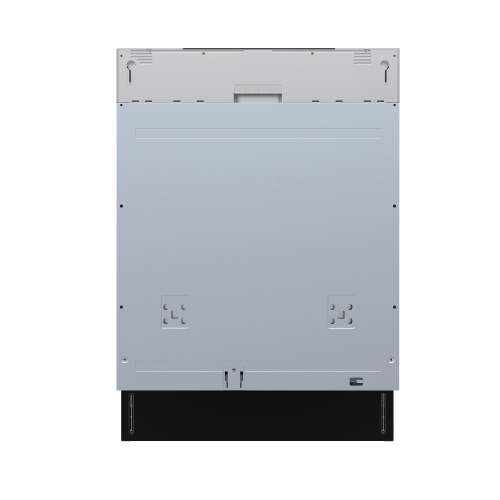
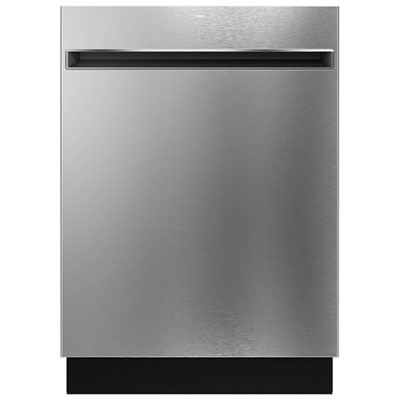
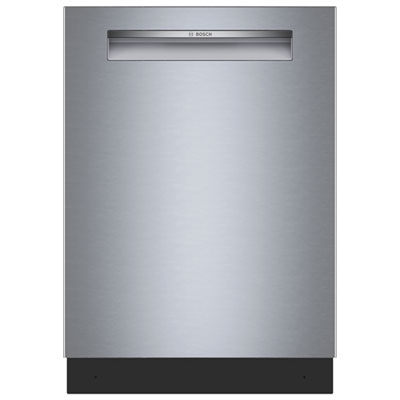
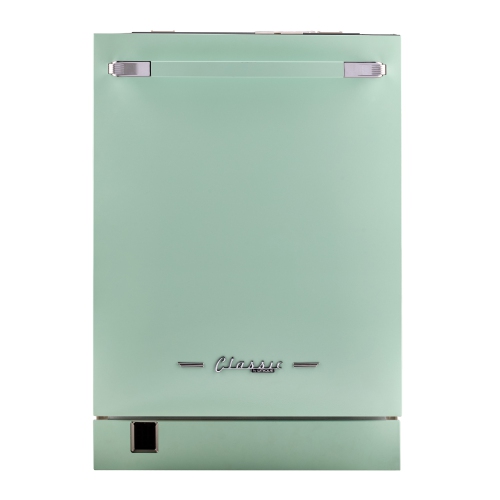
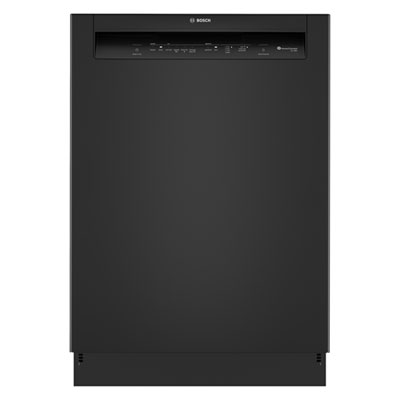
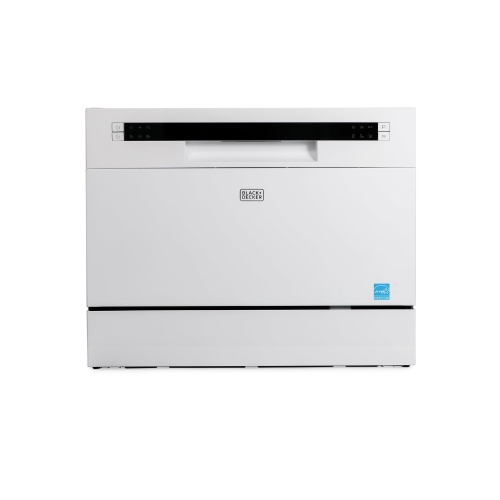
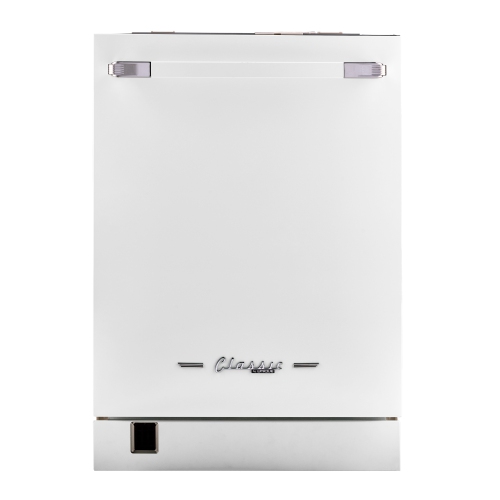
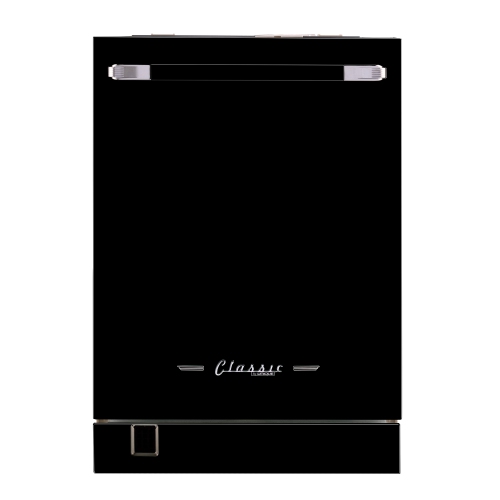
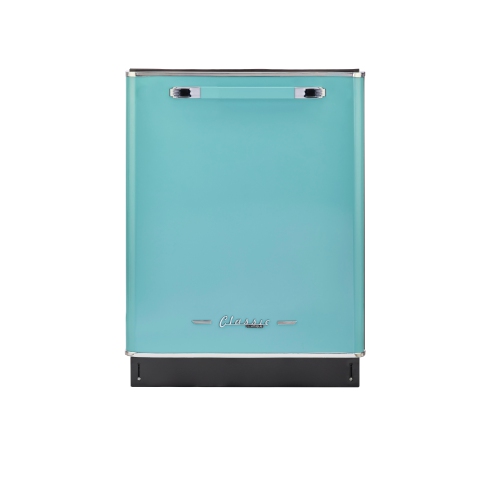
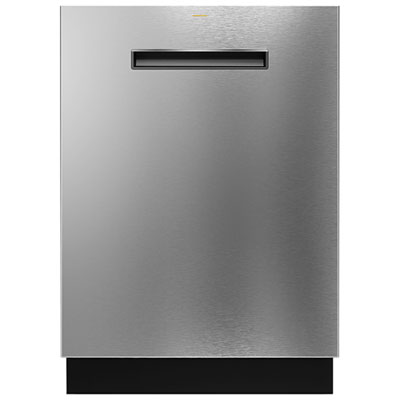
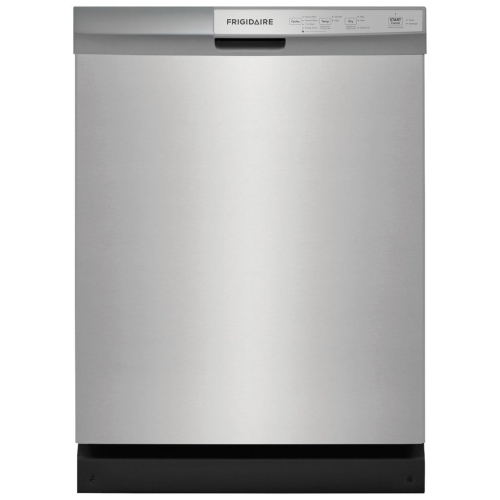
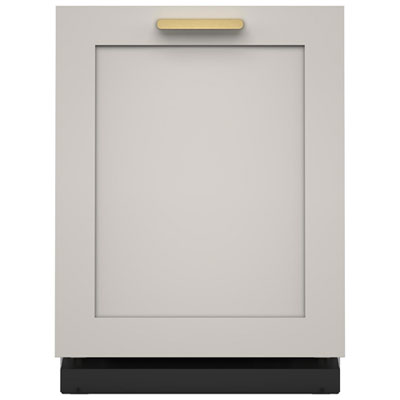
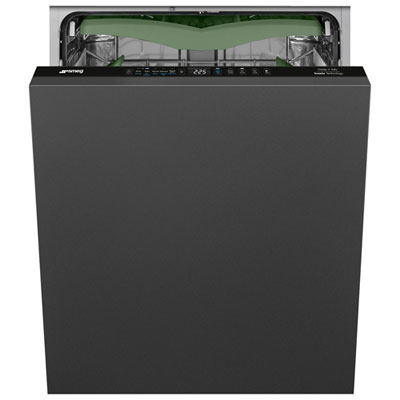
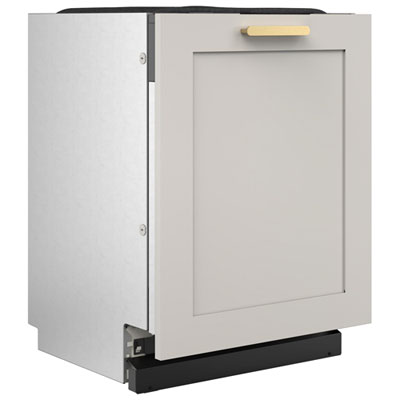
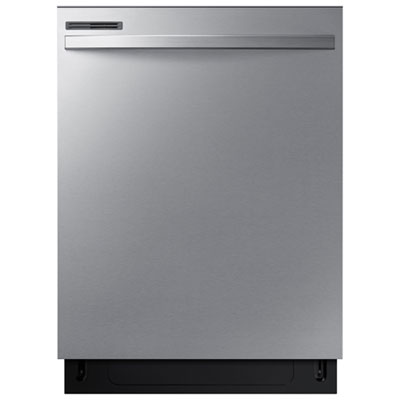
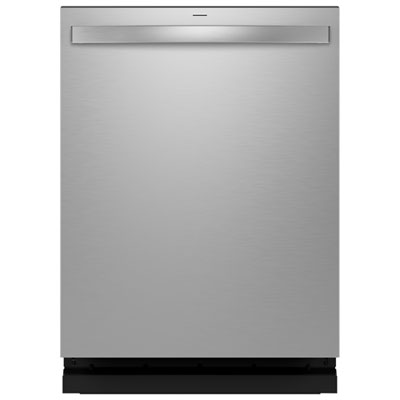
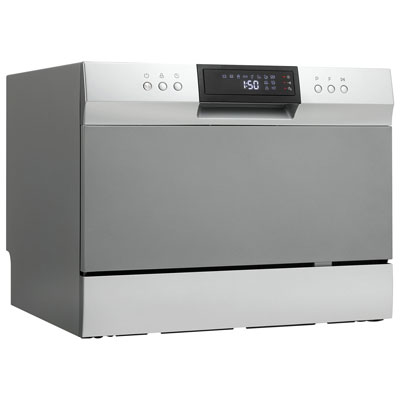
Dishwashers and other kitchen appliances can also support a more efficient daily routine when their settings match the load. Modern dishwashers may use soil sensors, adjustable racks, low-flow spray systems, and heated or fan-assisted drying options to tailor performance to the dishes inside. Running full loads rather than several small cycles can help avoid unnecessary water and energy use, provided items are loaded according to the manufacturer’s recommendations. Scrape food from plates instead of heavily pre-rinsing them, arrange larger items so they do not block the spray arms, and select an automatic, eco, or shorter cycle when the load does not require intensive cleaning. A third rack can create space for cutlery and cooking utensils, while height-adjustable racks may accommodate tall glasses, mixing bowls, or casserole dishes. Noise ratings matter in kitchens connected to dining or living areas, particularly when the dishwasher runs while people are relaxing or sleeping. For refrigerators and freezers, leave room for air circulation, avoid placing the appliance beside a heat source when possible, and check door gaskets periodically for gaps or looseness. Keeping the refrigerator reasonably well organized helps cold air circulate and makes it easier to avoid leaving the door open while searching for ingredients. Clean accessible coils and vents according to the care instructions, and allow hot food to cool appropriately before storage. These small habits complement the appliance’s built-in design and can help it maintain stable temperatures. Whether upgrading one appliance or coordinating a complete kitchen refresh, compare dimensions, controls, capacity, sound levels, installation needs, warranty coverage, and long-term operating information to find options that fit the way your household cooks, cleans, stores food, and gathers throughout the seasons.
Top selling and popular products
-
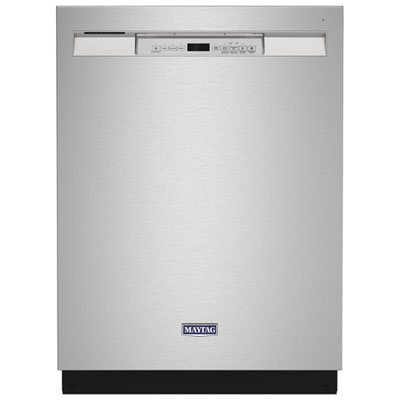 Your price for this item is $799.99
-
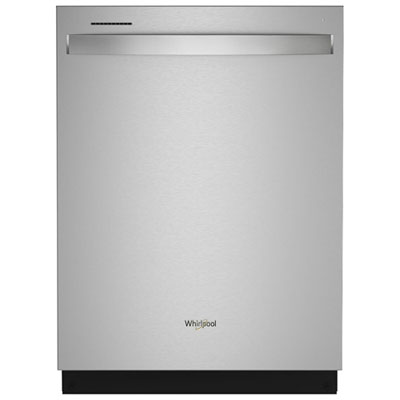 Your price for this item is $799.99
-
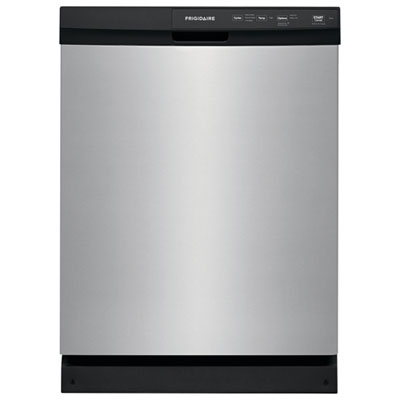 Your price for this item is $479.99
-
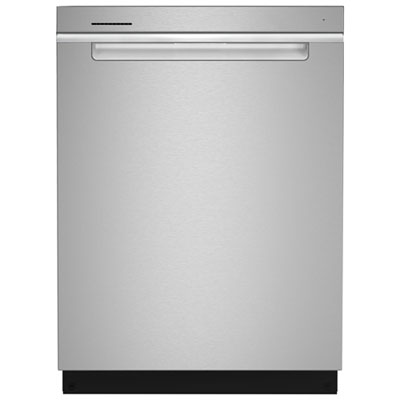 Your price for this item is $799.99
-
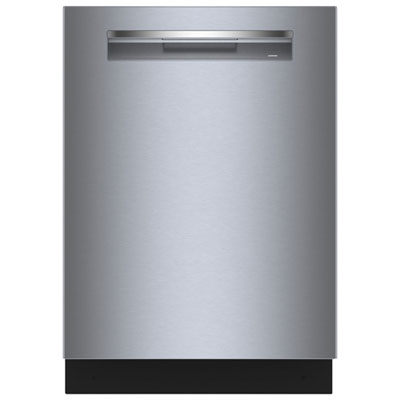 Your price for this item is $2599.99
-
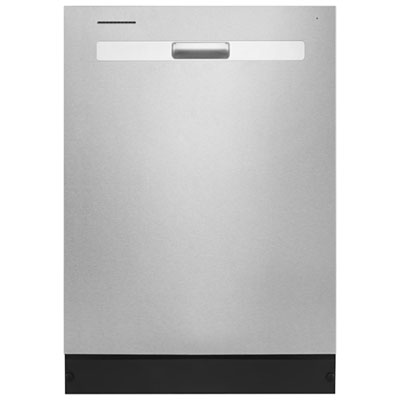 Your price for this item is $649.99
-
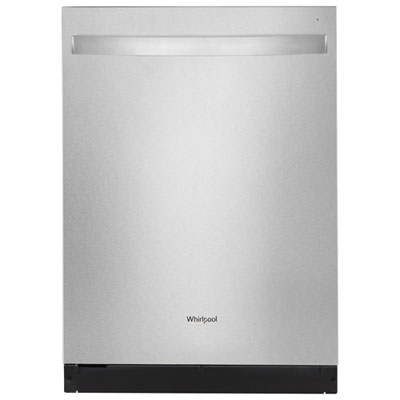 Your price for this item is $699.99
-
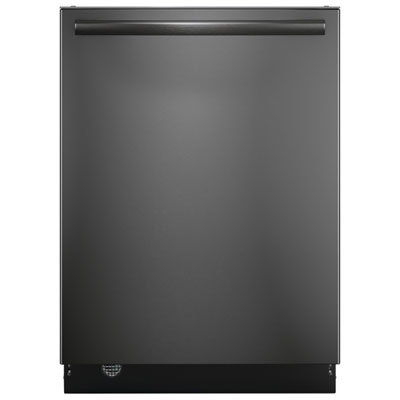 Your price for this item is $949.99
Discover more categories related to Energy Efficient Kitchen Appliances


Top Collections:
Pokemon Centers, Best Cameras for Sports Photography, Kindle Devices, Samsung Galaxy Phones, Canon G7X Cameras, Pokémon 30th Celebration Cards, Refurbished Apple Laptops, iPhone 15 Apple, Laptops for Students, Budget Smartphones
Some products may be subject to Environmental Handling Fees
(EHF) depending on your province.
Learn more about EHFs.