Equipment for Cafes
Outfit your café with top-of-the-line equipment designed to elevate your coffee-making experience and streamline your operations. From high-performance espresso machines and grinders to sleek coffee brewers and frothers, our collection of café equipment is curated to meet the demands of busy coffee shops and cozy bistros alike. Whether you're a seasoned barista or a café owner looking to upgrade your setup, our range of professional-grade equipment offers the perfect blend of quality, functionality, and style to help you create the perfect cup of coffee every time.
Sort


Why café equipment needs to match your busiest hours
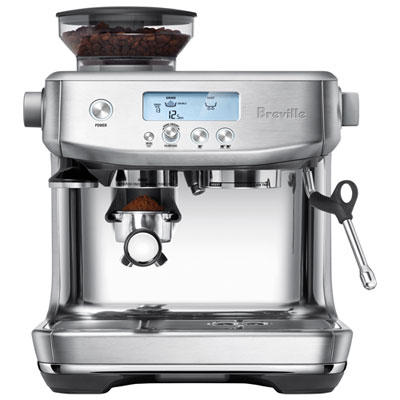
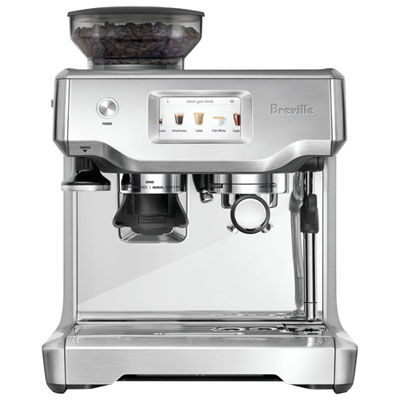
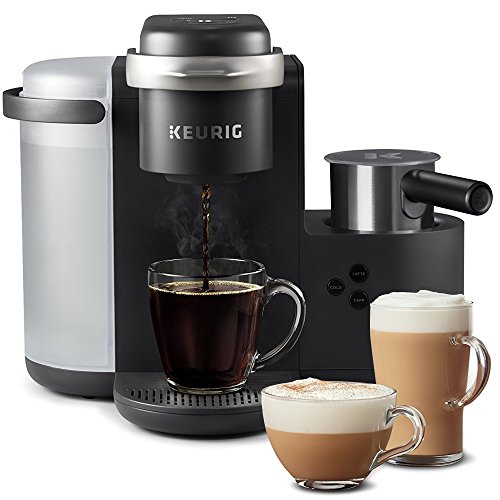
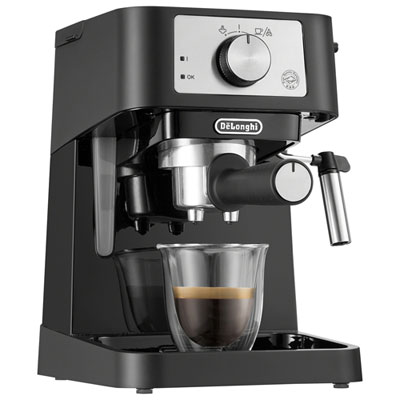
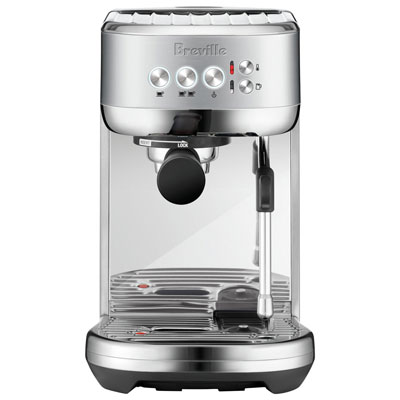
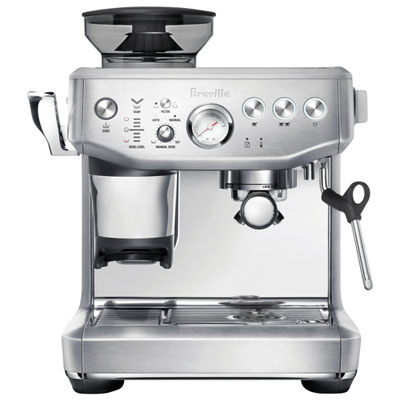
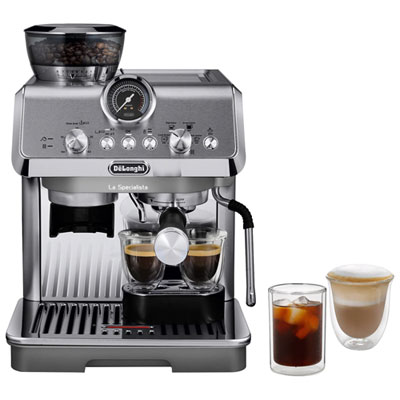
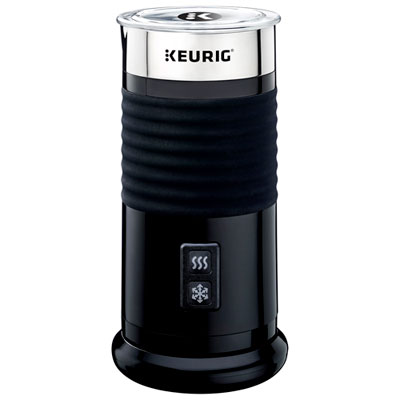
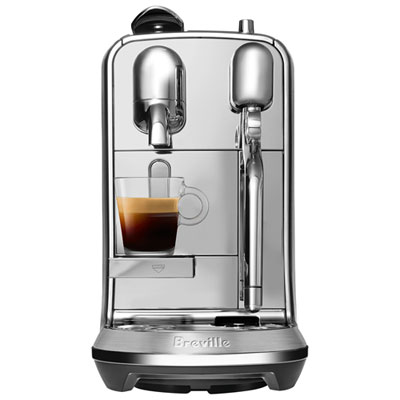
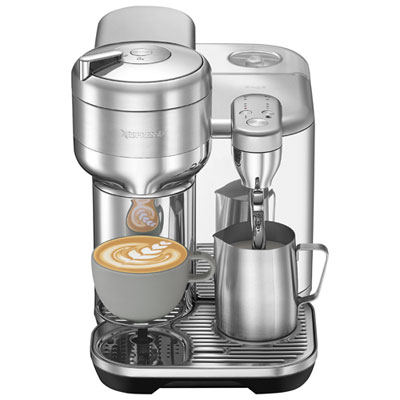
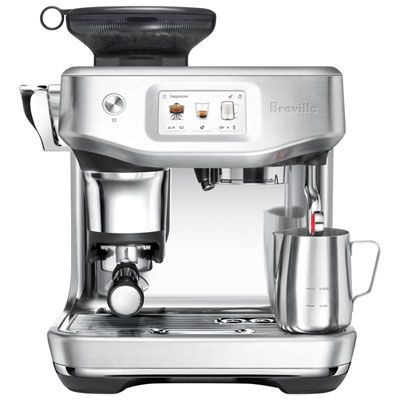
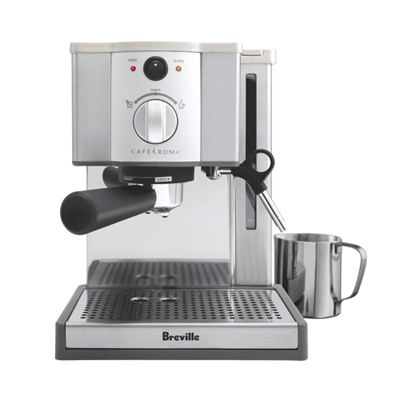
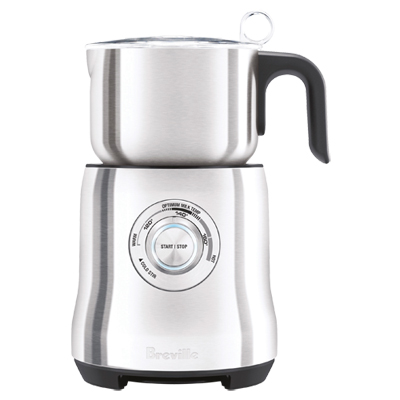
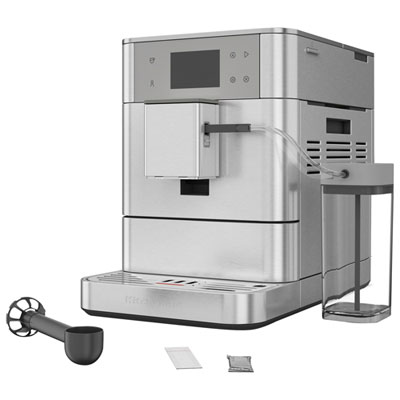
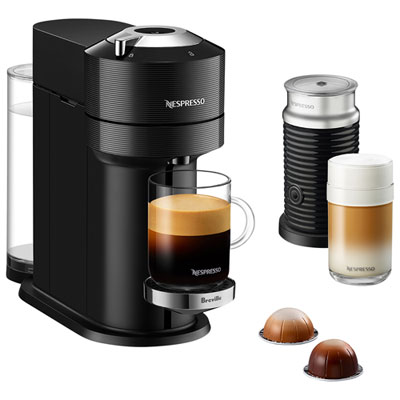
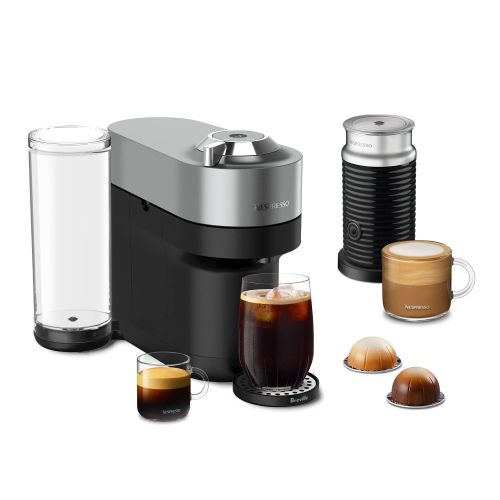
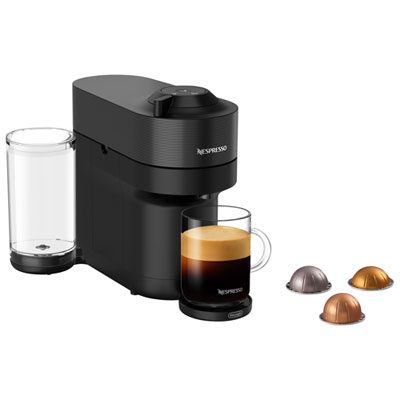
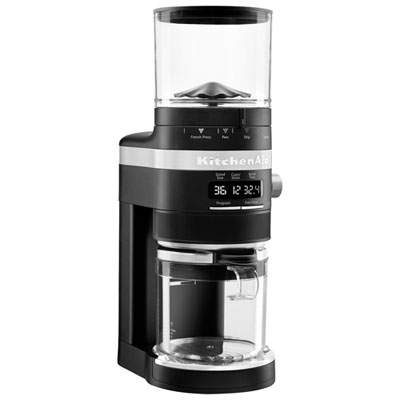
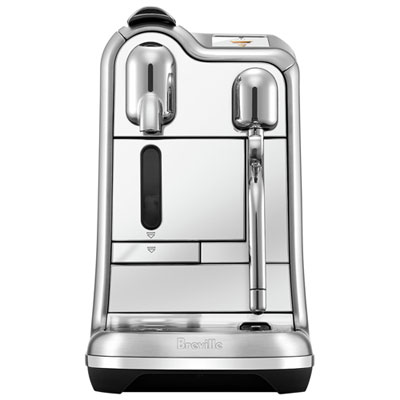
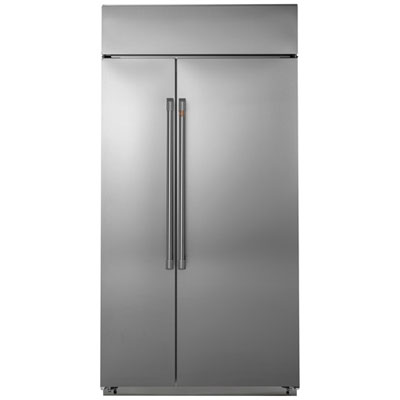
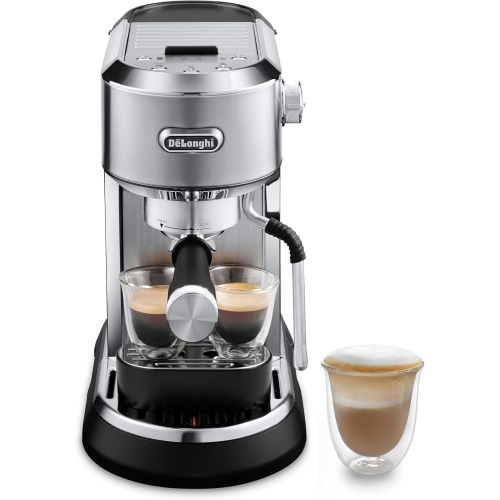
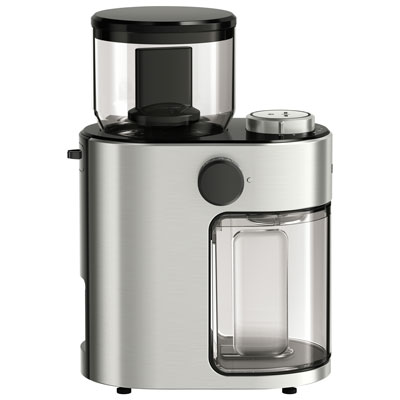
Equipment for cafes supports the everyday work of brewing coffee, preparing food, keeping ingredients at safe temperatures, serving customers, and cleaning between orders. The right mix depends on the menu, the size of the space, and how many drinks or meals need to move across the counter during busy periods. A small espresso bar has different requirements from a neighbourhood café serving breakfast, blended drinks, and warm lunches throughout the day. Coffee preparation usually centres on espresso machines, coffee grinders, and batch brewers, with each category serving a distinct purpose. Espresso equipment delivers concentrated coffee for drinks such as lattes and cappuccinos, while batch brewing suits a steady flow of customers ordering filter coffee. Grinders with suitable adjustment ranges help staff match the grind to the brewing method, and consistent dosing makes it easier to maintain flavour from one cup to the next. For milk-based drinks, steam capacity matters as much as brewing capacity: a queue of latte orders can place very different demands on a machine than a run of straight espresso shots. Water treatment is another practical consideration, since water composition affects both flavour and mineral buildup inside equipment. Filtration needs should match local water conditions and the appliance manufacturer’s requirements rather than follow a single approach for every café. Across these categories, intended use is essential. Equipment designed for occasional household use may not be suitable for repeated service throughout a working day, and commercial use can affect warranty coverage. Café owners, managers, and baristas benefit from matching rated capacity, operating limits, and cleaning requirements to their actual service pattern. A compact counter may need equipment with a smaller footprint, but enough clearance must remain for loading beans, filling reservoirs where applicable, moving milk pitchers, and removing parts for cleaning. Comfortable access helps keep a busy coffee station orderly when several people are working within the same narrow stretch of counter.
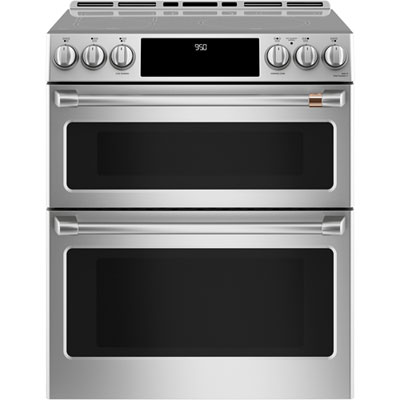
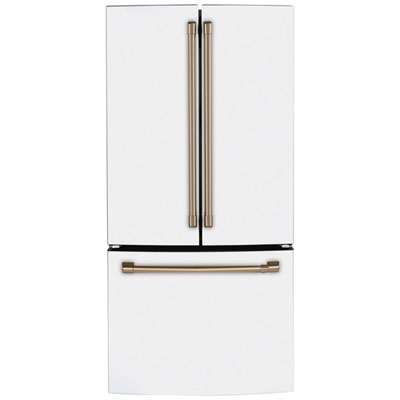
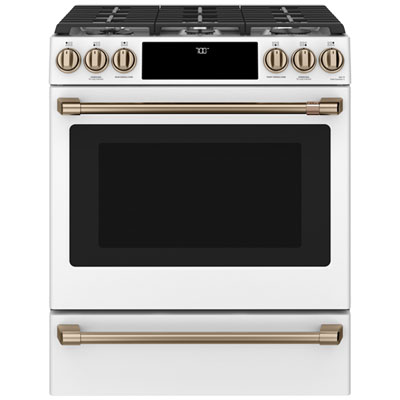
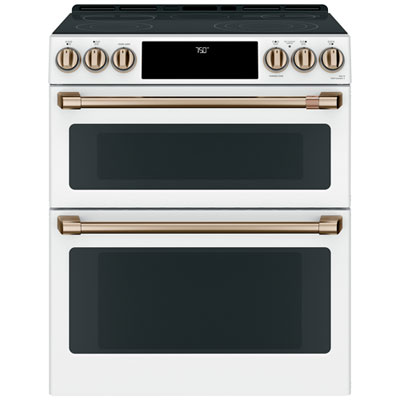
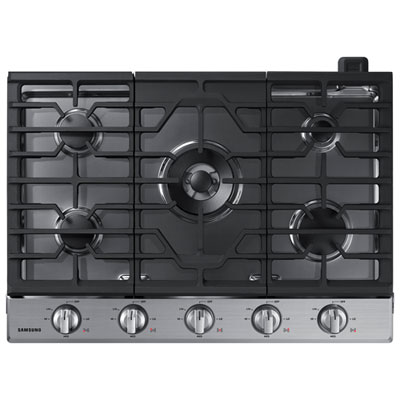
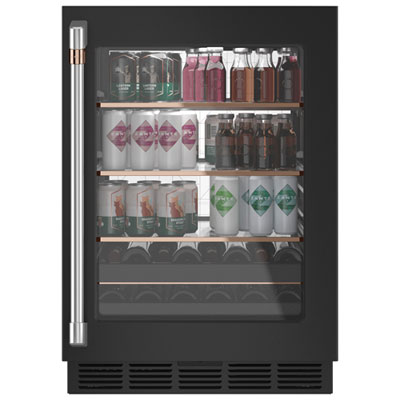
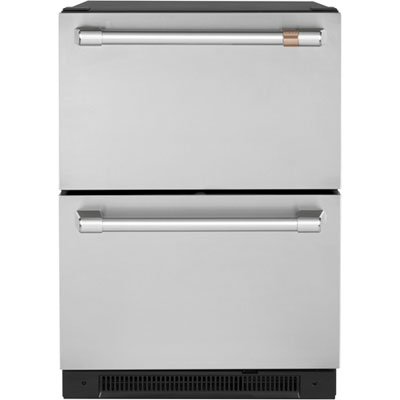
Refrigeration, ice production, and food preparation equipment extend the café menu beyond hot coffee while shaping how efficiently the workspace functions. Under-counter refrigeration can keep frequently used ingredients close to the preparation area, whereas larger refrigerated storage supports kitchens handling a broader food menu. Usable interior space is more informative than exterior size alone: shelf spacing, container dimensions, door clearance, and ventilation requirements all affect how a unit fits into daily routines. A refrigerator tucked beneath a counter still needs the airflow specified by its manufacturer, and doors or drawers should open without blocking a walkway. Where chilled food is displayed for customers, equipment must be suited to the food being held and capable of maintaining the temperatures required by applicable local food safety rules. Ice equipment also needs to match the intended workload. A café serving iced coffee alongside blended drinks may use ice quickly even during the cooler months, and both production capacity and storage capacity influence how well the setup handles concentrated demand. Plumbing, drainage, water treatment, and access for cleaning deserve attention before installation. Food preparation brings another set of requirements, from blending and mixing to toasting, reheating, and baking. Heating equipment should suit the menu and service style, whether staff are warming pastries individually or preparing several lunch orders at once. Electrical supply, ventilation, required clearances, and any local installation requirements can limit what works in a particular space. Stainless steel is common on work surfaces because it stands up well to frequent wiping and, with appropriate care, resists corrosion. Food-contact surfaces should be smooth, easy to clean, and suitable for their intended task. Removable components can make washing simpler, but dishwasher suitability and cleaning methods vary by material and manufacturer. Rounded edges, sturdy handles, and stable bases are useful details in a setting where equipment is handled repeatedly with wet hands. A well-planned preparation area leaves room for clean utensils, used equipment, and ingredients without forcing staff to cross paths unnecessarily.
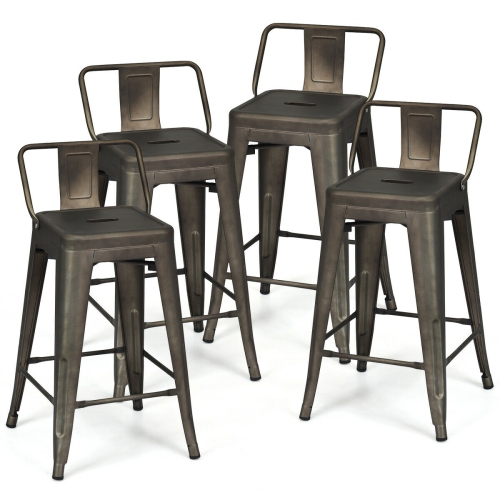
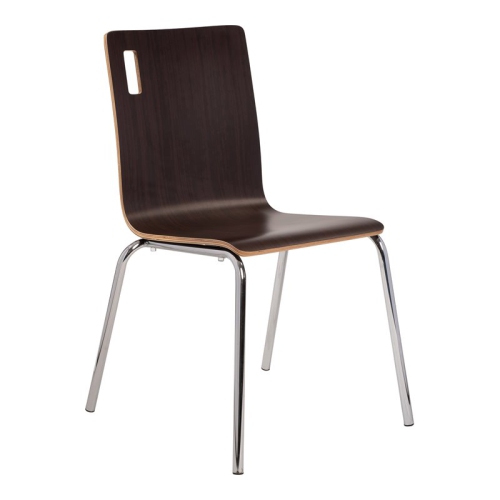
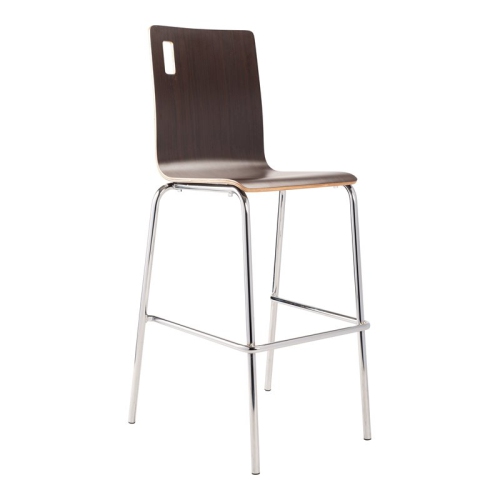
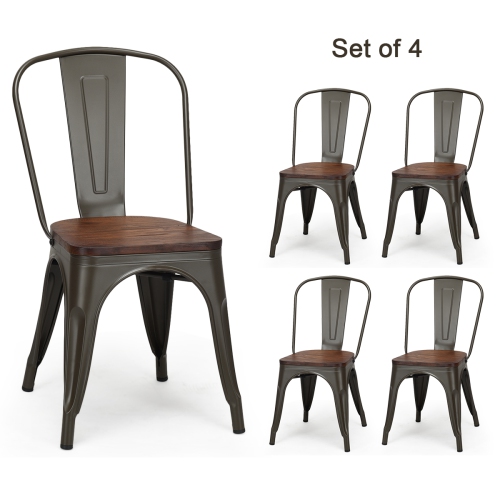
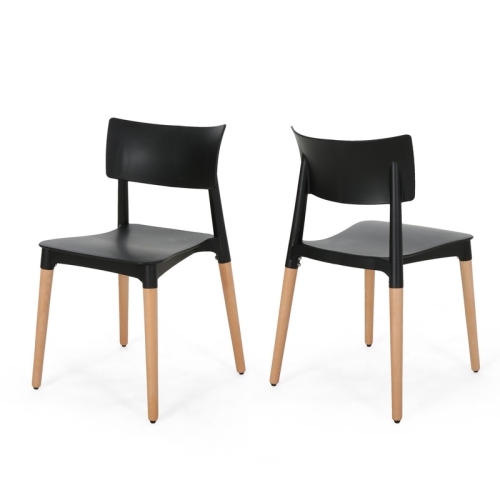
Service and cleaning equipment help connect the preparation area with the customer experience. In a café, durability is tested through repetition: drawers open throughout the day, seating moves across the floor, and counters receive frequent wiping between spills and orders. Furniture needs to suit its intended setting, with stable construction, cleanable finishes, and dimensions that allow customers to sit comfortably without narrowing circulation routes. Upholstered seating can add warmth to a room, while smooth, wipeable surfaces may be more practical near a busy drinks counter. Table bases should leave useful legroom, and furniture intended for outdoor use needs materials and finishes suited to the conditions it will face. Behind the counter, shelving and storage help give everyday tools a defined place, provided load limits, secure installation, and safe access are considered. Frequently handled accessories belong within comfortable reach, while cleaning materials need appropriate storage away from food and food-contact equipment. The smaller essentials that accompany larger appliances are covered by Cafe Supplies, with their suitability depending on the drinks, food, and service format involved. Payment and order-management equipment also occupies valuable counter space, so screen placement, cable routing, connection requirements, and compatibility with existing systems matter. A clear handoff area gives staff somewhere to place finished orders without crowding the brewing station or the payment terminal. Noise is worth considering across the setup, particularly in smaller cafés where grinding, blending, and conversation share the same room. Easy access for routine care is equally important: refrigeration needs accessible seals and vents, brewing equipment needs its specified cleaning routine, and washable parts need a practical route to the cleaning area. Harsh chemicals, abrasive pads, or unsuitable detergents can damage finishes and components, making the manufacturer’s care directions especially useful in shared workspaces. For independent café owners, bakery teams, and managers updating an established coffee counter, equipment that fits the menu, premises, and pace of service can make daily tasks more predictable. The strongest setup is not necessarily the largest; it is one whose capacity, materials, layout, and maintenance needs suit the people using it every day.
Refrigeration, ice production, and food preparation equipment extend the café menu beyond hot coffee while shaping how efficiently the workspace functions. Under-counter refrigeration can keep frequently used ingredients close to the preparation area, whereas larger refrigerated storage supports kitchens handling a broader food menu. Usable interior space is more informative than exterior size alone: shelf spacing, container dimensions, door clearance, and ventilation requirements all affect how a unit fits into daily routines. A refrigerator tucked beneath a counter still needs the airflow specified by its manufacturer, and doors or drawers should open without blocking a walkway. Where chilled food is displayed for customers, equipment must be suited to the food being held and capable of maintaining the temperatures required by applicable local food safety rules. Ice equipment also needs to match the intended workload. A café serving iced coffee alongside blended drinks may use ice quickly even during the cooler months, and both production capacity and storage capacity influence how well the setup handles concentrated demand. Plumbing, drainage, water treatment, and access for cleaning deserve attention before installation. Food preparation brings another set of requirements, from blending and mixing to toasting, reheating, and baking. Heating equipment should suit the menu and service style, whether staff are warming pastries individually or preparing several lunch orders at once. Electrical supply, ventilation, required clearances, and any local installation requirements can limit what works in a particular space. Stainless steel is common on work surfaces because it stands up well to frequent wiping and, with appropriate care, resists corrosion. Food-contact surfaces should be smooth, easy to clean, and suitable for their intended task. Removable components can make washing simpler, but dishwasher suitability and cleaning methods vary by material and manufacturer. Rounded edges, sturdy handles, and stable bases are useful details in a setting where equipment is handled repeatedly with wet hands. A well-planned preparation area leaves room for clean utensils, used equipment, and ingredients without forcing staff to cross paths unnecessarily.
Service and cleaning equipment help connect the preparation area with the customer experience. In a café, durability is tested through repetition: drawers open throughout the day, seating moves across the floor, and counters receive frequent wiping between spills and orders. Furniture needs to suit its intended setting, with stable construction, cleanable finishes, and dimensions that allow customers to sit comfortably without narrowing circulation routes. Upholstered seating can add warmth to a room, while smooth, wipeable surfaces may be more practical near a busy drinks counter. Table bases should leave useful legroom, and furniture intended for outdoor use needs materials and finishes suited to the conditions it will face. Behind the counter, shelving and storage help give everyday tools a defined place, provided load limits, secure installation, and safe access are considered. Frequently handled accessories belong within comfortable reach, while cleaning materials need appropriate storage away from food and food-contact equipment. The smaller essentials that accompany larger appliances are covered by Cafe Supplies, with their suitability depending on the drinks, food, and service format involved. Payment and order-management equipment also occupies valuable counter space, so screen placement, cable routing, connection requirements, and compatibility with existing systems matter. A clear handoff area gives staff somewhere to place finished orders without crowding the brewing station or the payment terminal. Noise is worth considering across the setup, particularly in smaller cafés where grinding, blending, and conversation share the same room. Easy access for routine care is equally important: refrigeration needs accessible seals and vents, brewing equipment needs its specified cleaning routine, and washable parts need a practical route to the cleaning area. Harsh chemicals, abrasive pads, or unsuitable detergents can damage finishes and components, making the manufacturer’s care directions especially useful in shared workspaces. For independent café owners, bakery teams, and managers updating an established coffee counter, equipment that fits the menu, premises, and pace of service can make daily tasks more predictable. The strongest setup is not necessarily the largest; it is one whose capacity, materials, layout, and maintenance needs suit the people using it every day.
Top selling and popular products
-
 Your price for this item is $279
 -
 Your price for this item is $249.99
 -
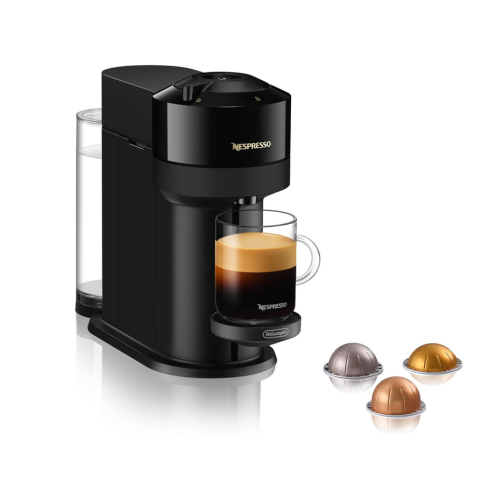 Your price for this item is $196
 -
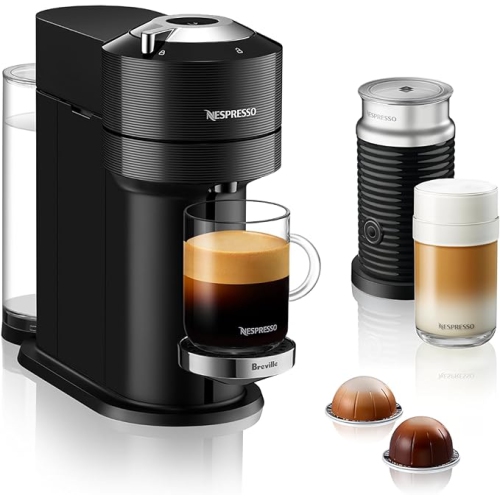 Your price for this item is $279.89
 -
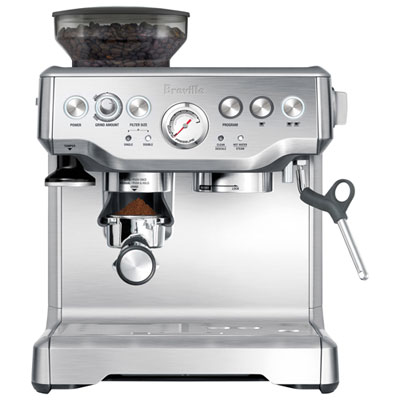 Your price for this item is $749.99
 -
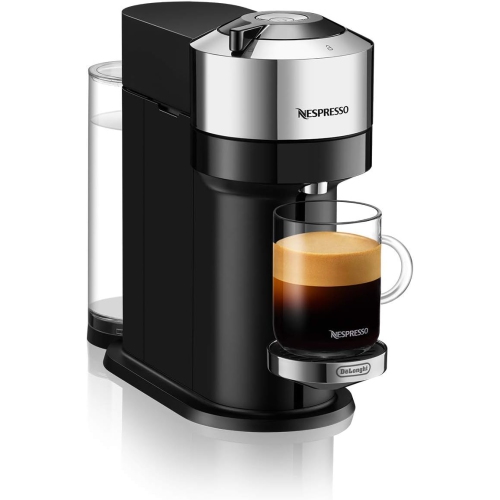 Your price for this item is $109.99
 -
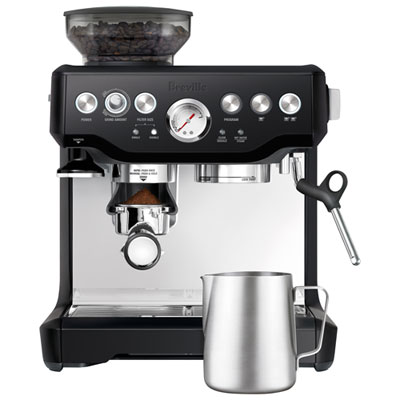 Your price for this item is $749.99
 -
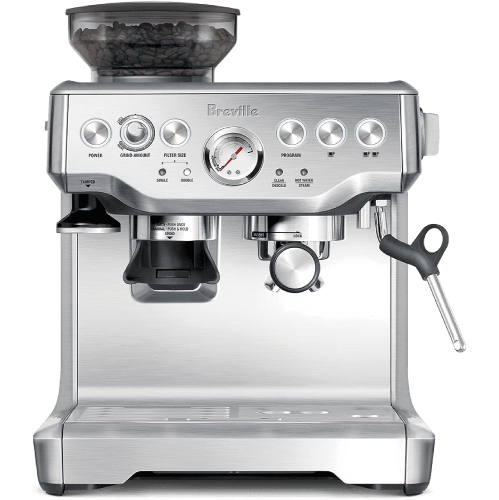 Your price for this item is $849
Discover more categories related to Equipment for Cafes
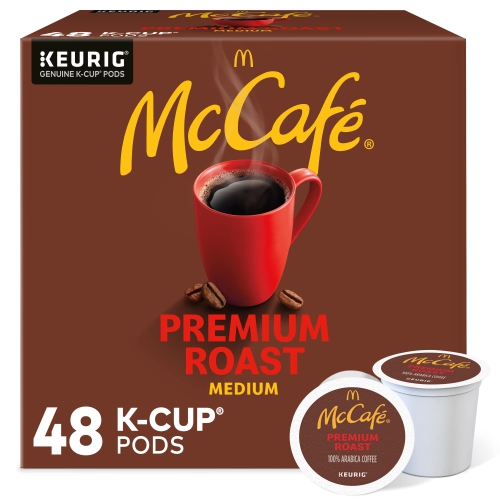
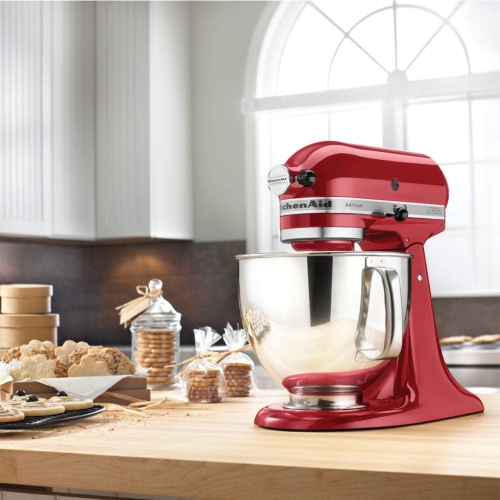
Top Collections:
Pokemon Centers, Kindle Devices, Best Budget Office Chairs, Apple iPhones 16, Best Laptops for Writers, iPhone 15 Apple, Canon G7X Cameras, Refurbished Apple Laptops, Alarm Clock, Motorola Razr Phones
Some products may be subject to Environmental Handling Fees
(EHF) depending on your province.
Learn more about EHFs.