Espresso Capsule Machines
If you're looking to elevate your morning coffee routine, espresso capsule machines are a game-changer. These sleek and efficient appliances are designed to deliver barista-quality espresso with just the touch of a button. Whether you prefer a classic shot of espresso or a frothy cappuccino, these machines offer versatility and convenience for coffee lovers of all preferences. Explore our selection of espresso capsule machines to find the perfect addition to your kitchen and start your day with a delicious brew every time.
Sort
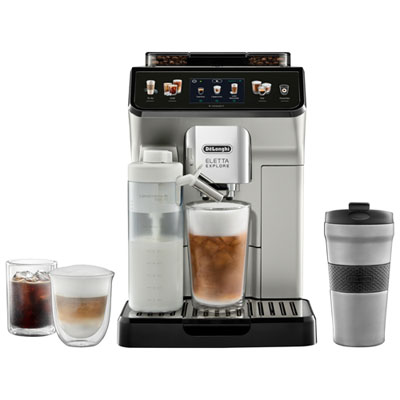
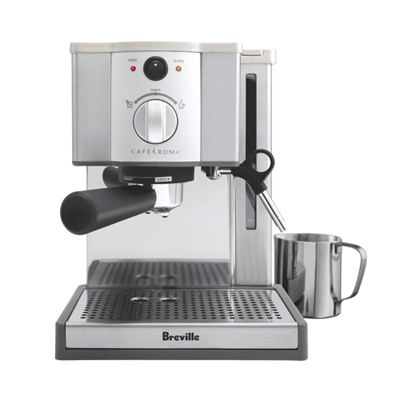
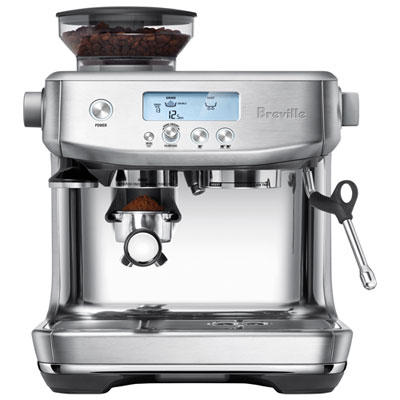
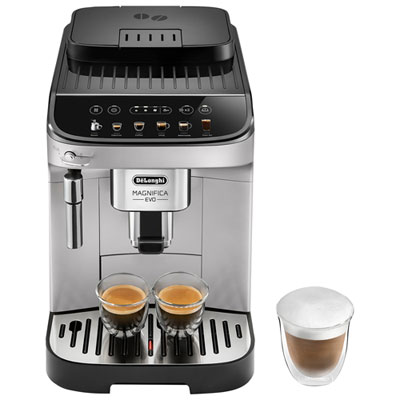
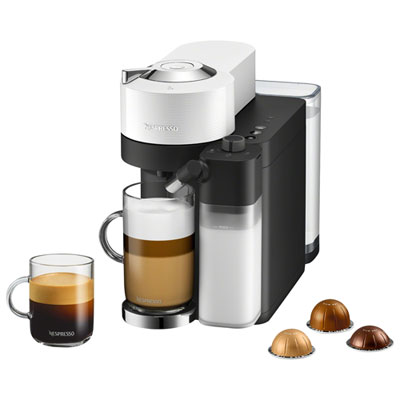
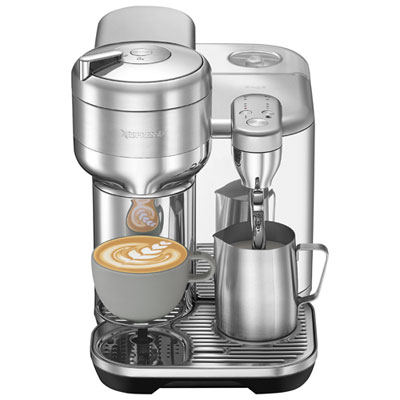

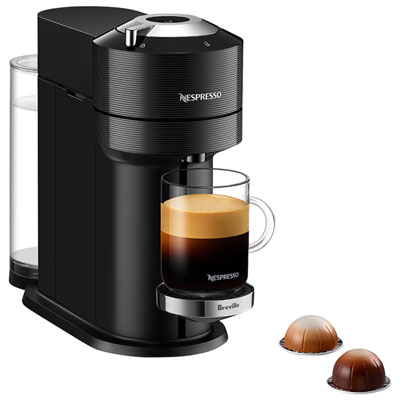
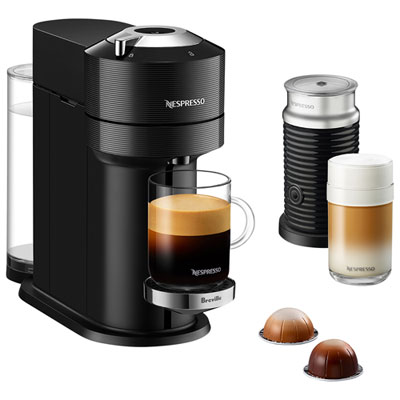
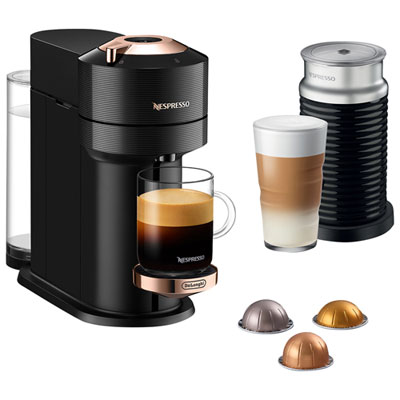
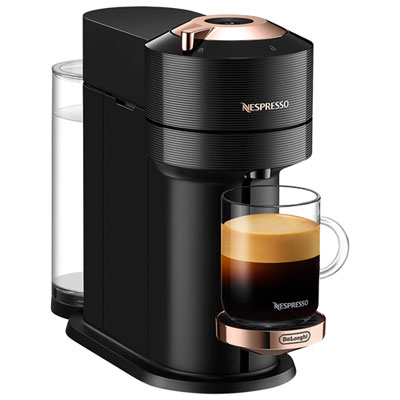
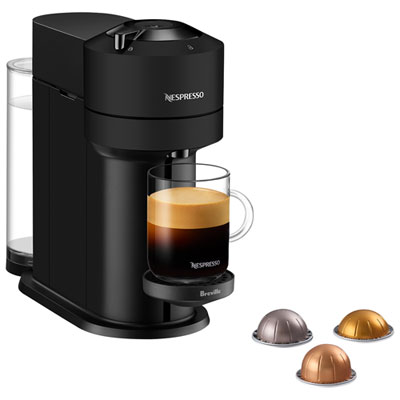
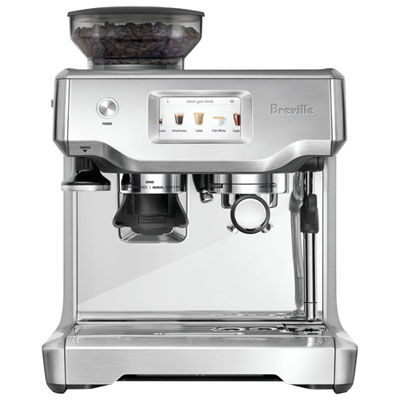
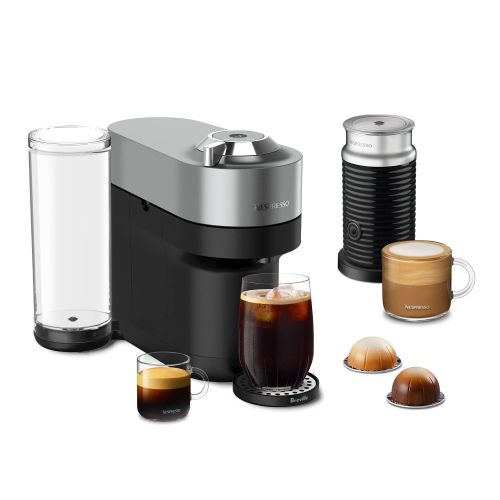
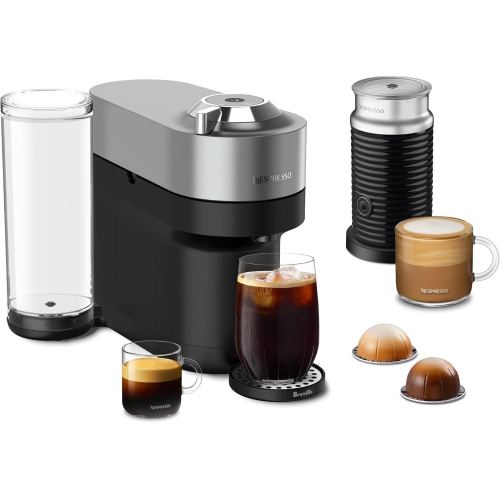
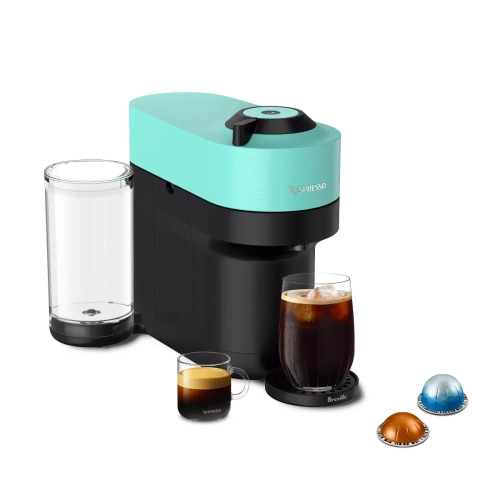
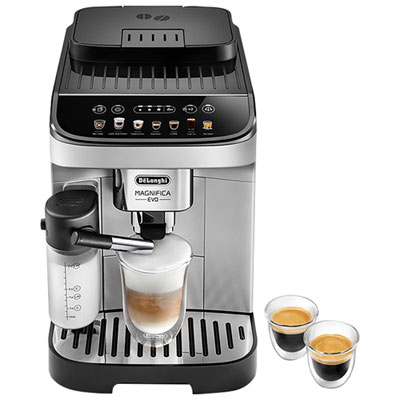
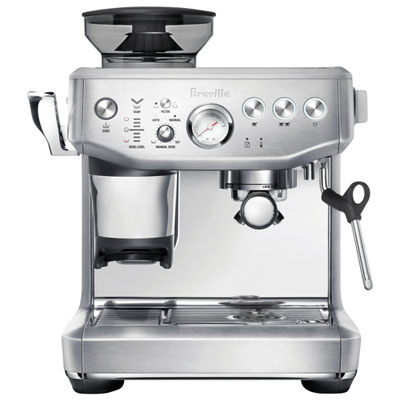
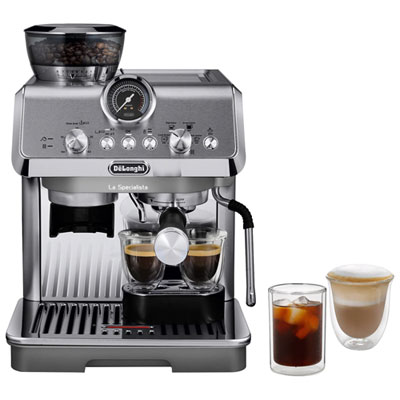
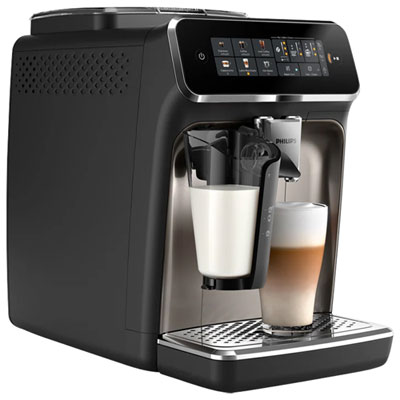
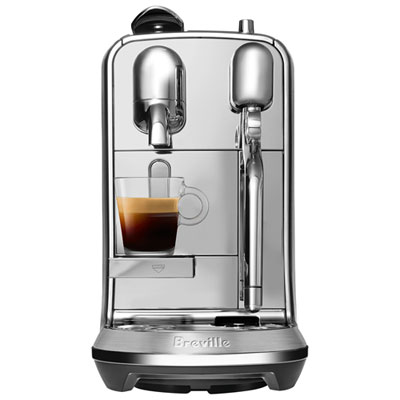
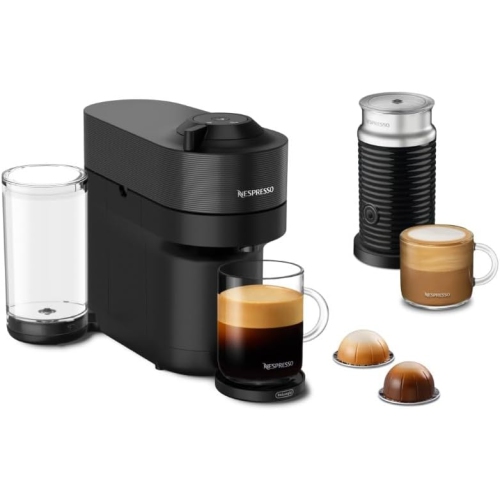
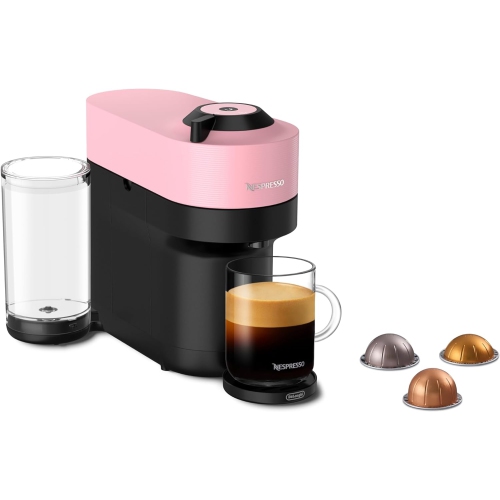
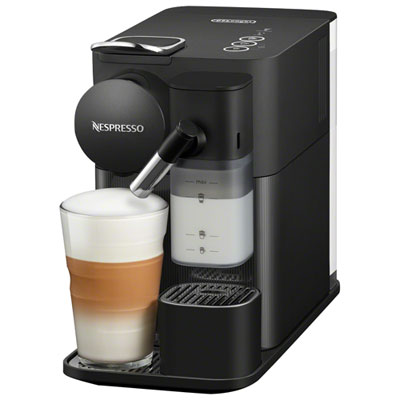
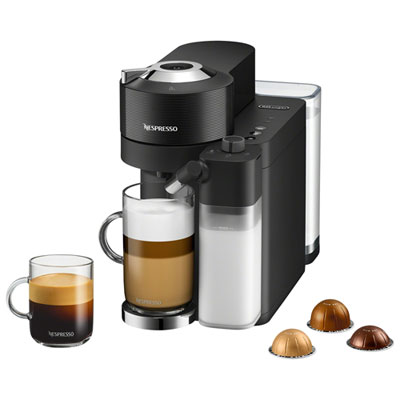
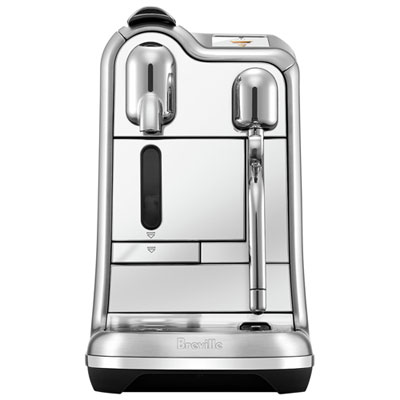
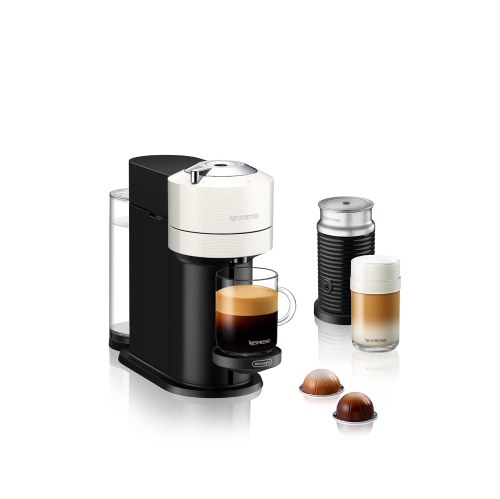
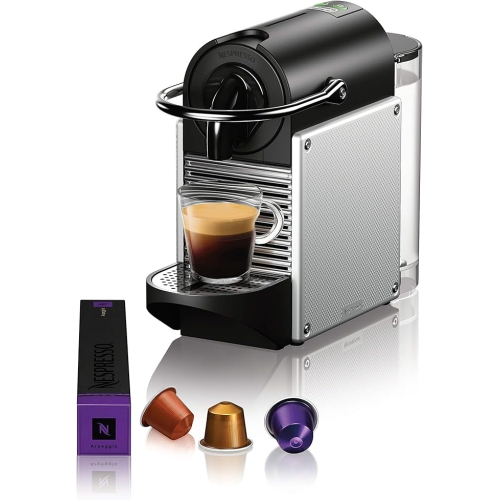
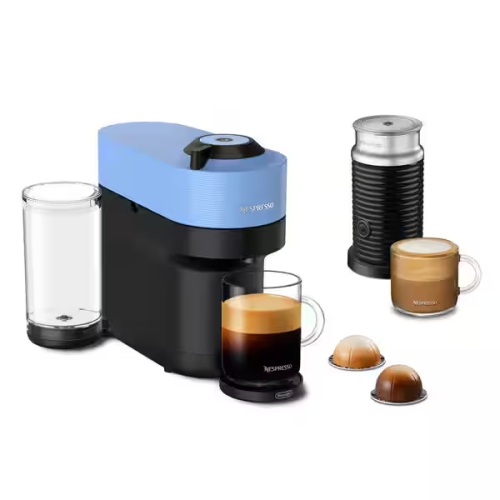
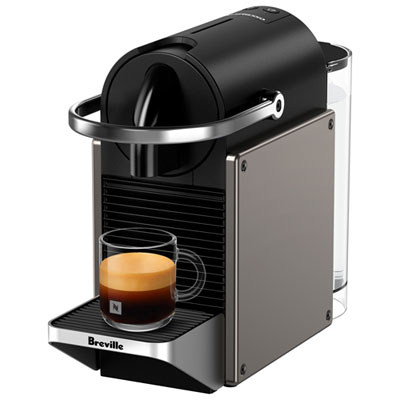
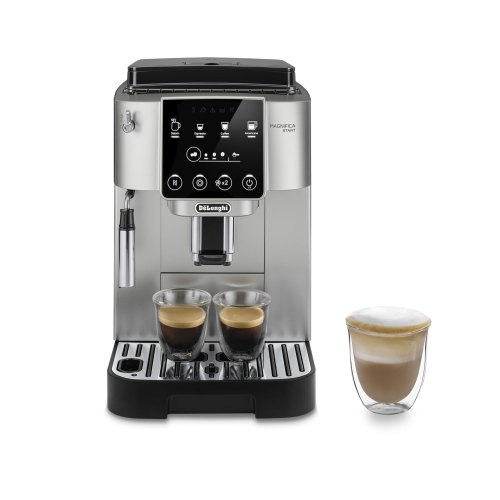
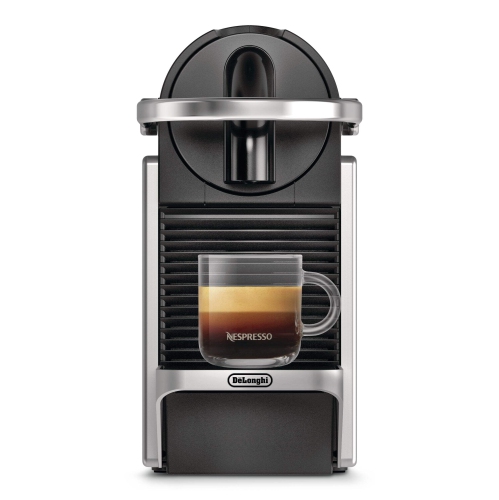
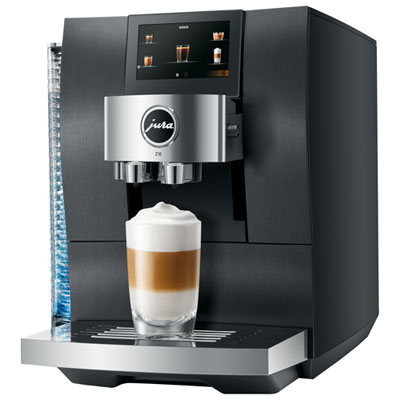
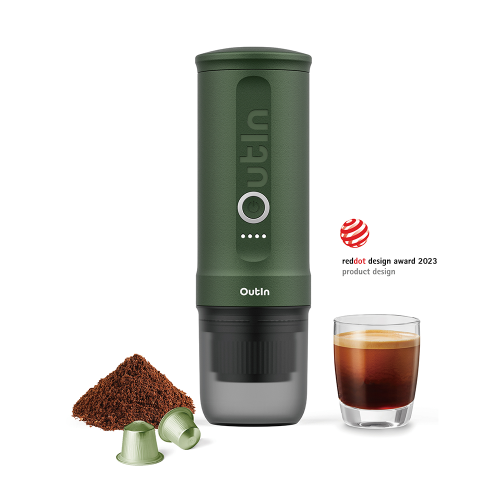
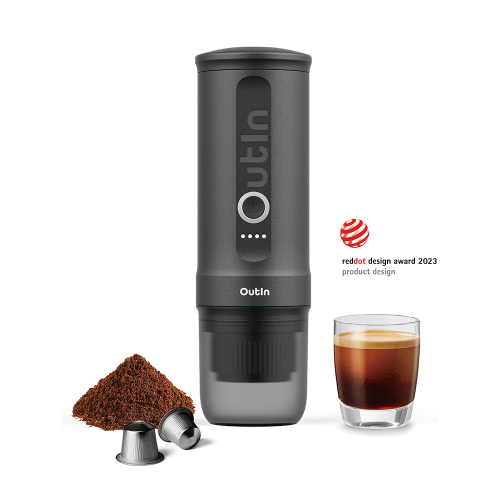
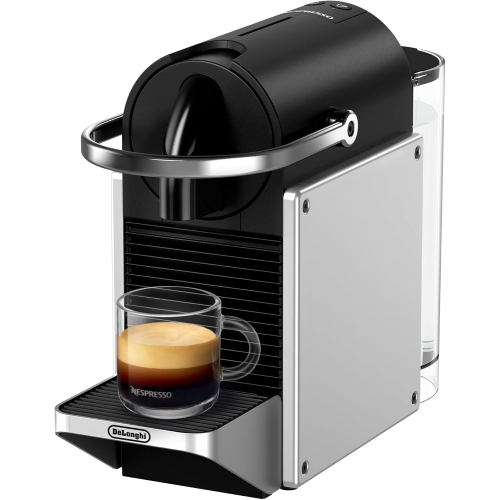
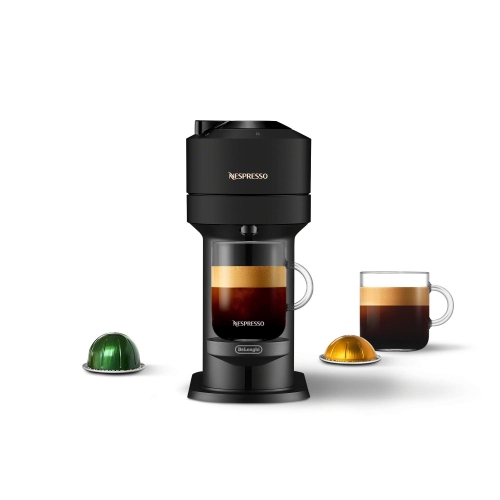
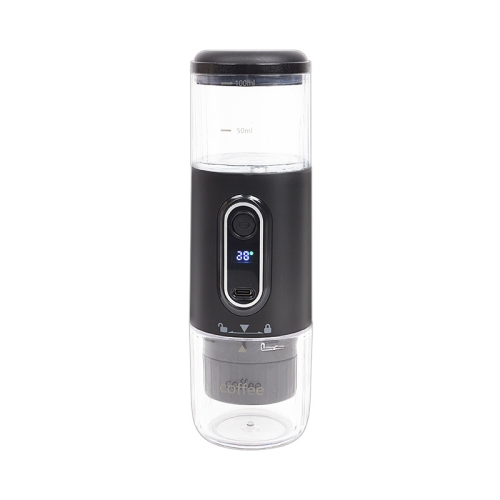
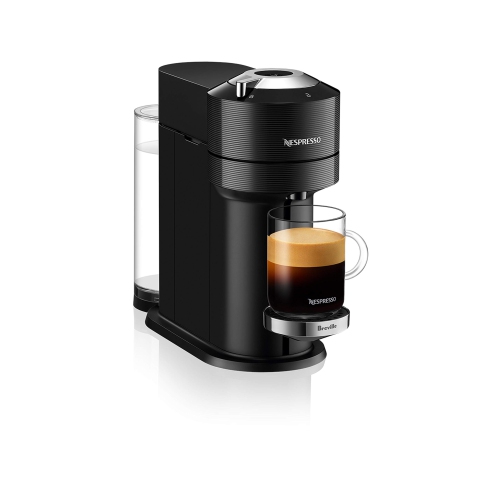
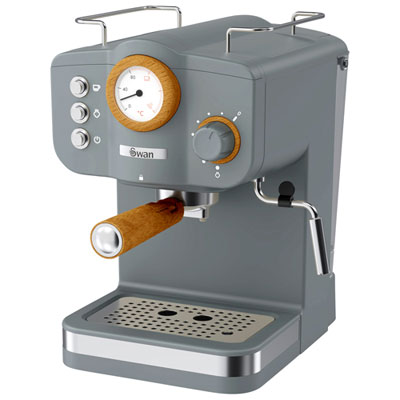
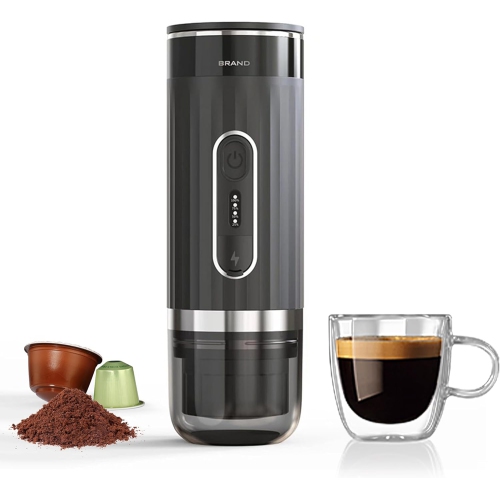
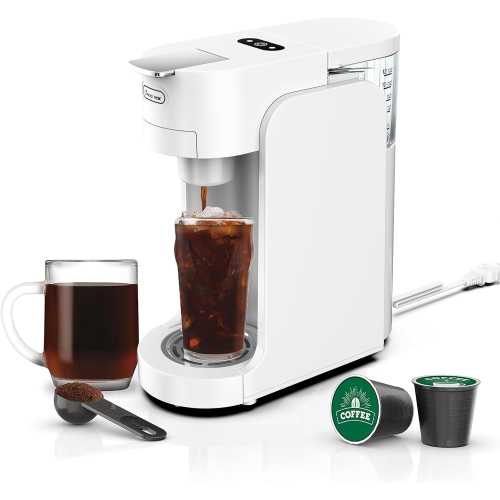
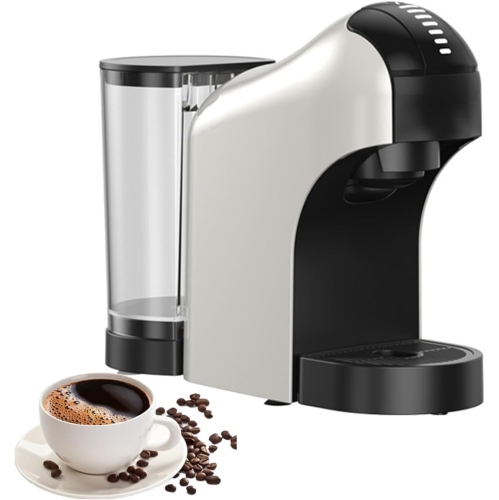
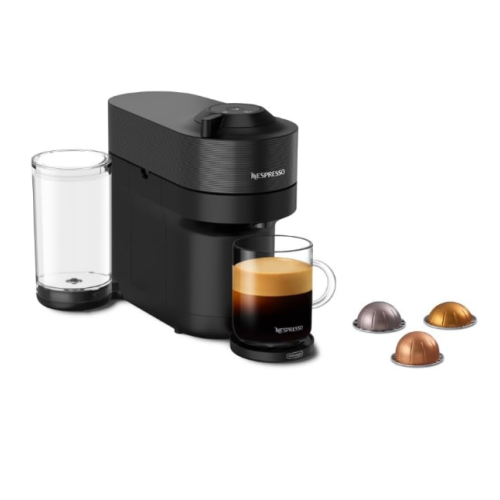
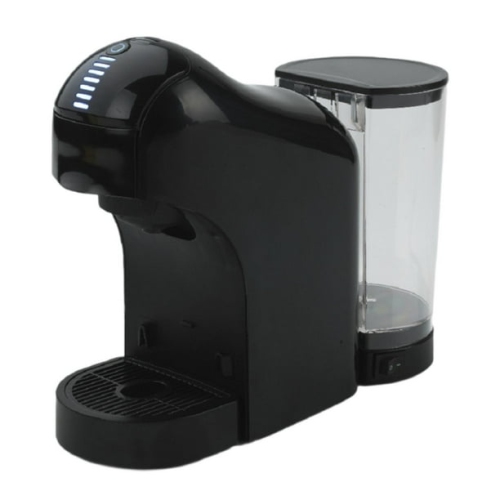
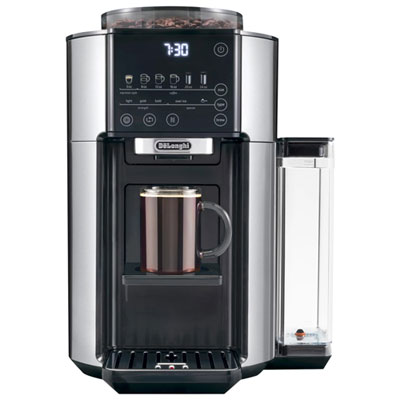
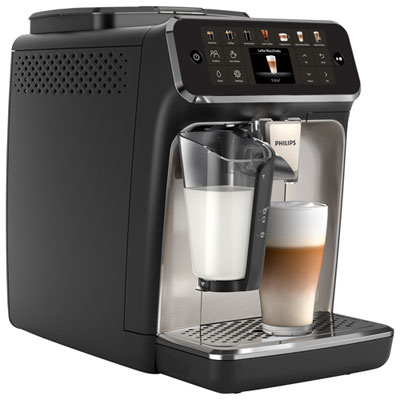
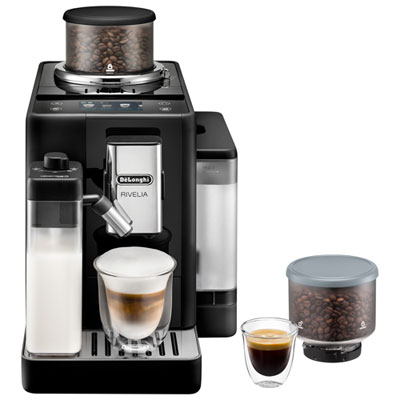
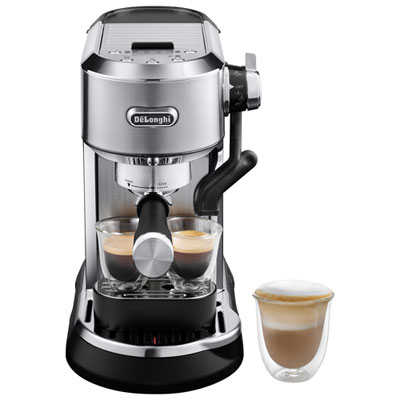
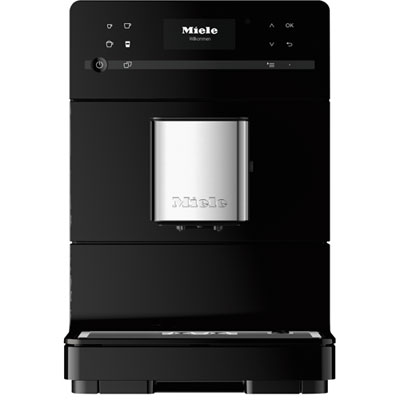
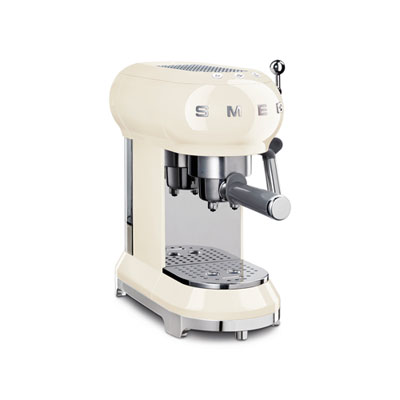
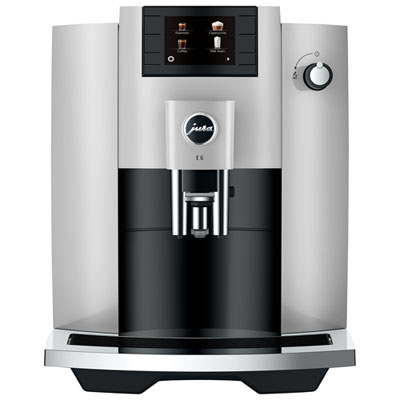
How capsule compatibility shapes your daily coffee routine
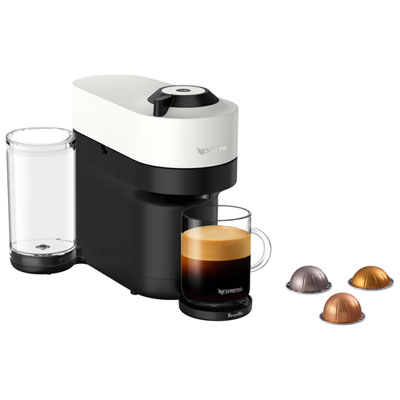
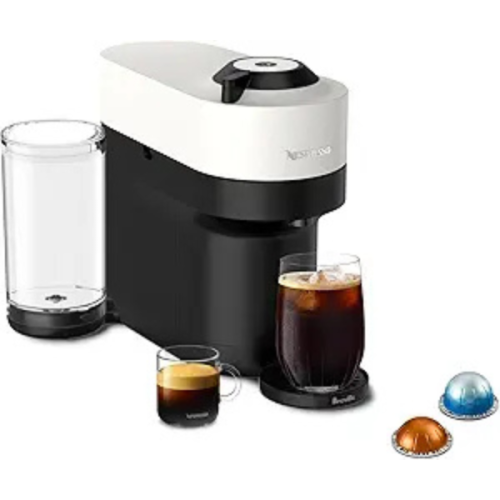
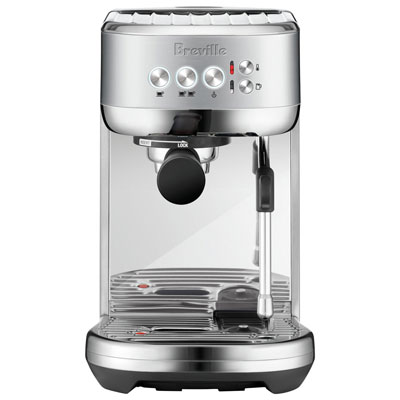
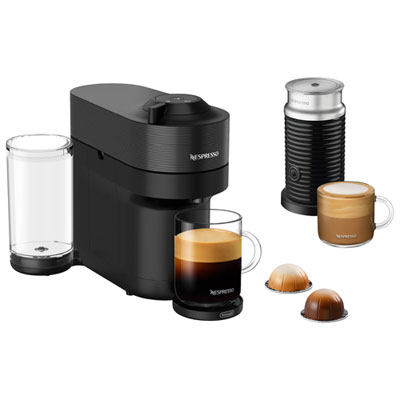
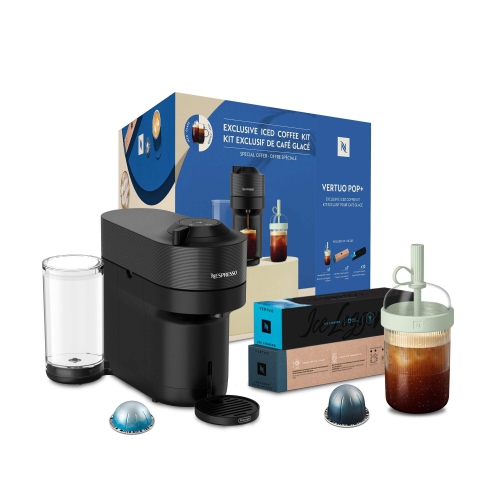
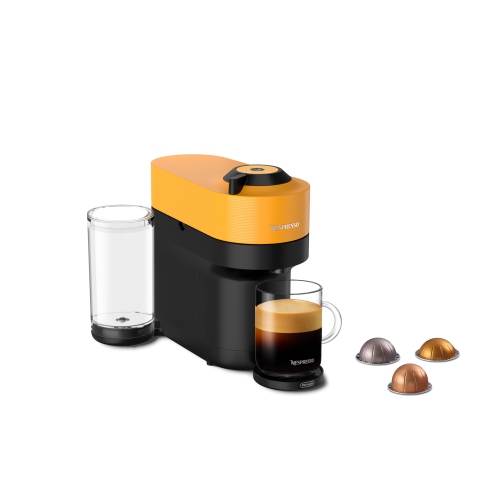
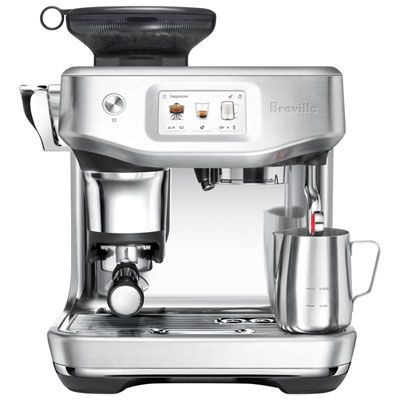
Espresso capsule machines prepare individual servings of coffee using sealed capsules filled with pre-measured ground coffee. The machine opens or pierces the capsule and passes heated water through it, keeping most of the grounds contained rather than leaving them loose in a filter basket. This format brings the measuring and preparation into the capsule itself, making it appealing for anyone who wants a concentrated coffee without weighing beans, adjusting a grinder, or tamping a puck. Sealing helps protect the ground coffee from air and moisture before brewing, while the machine’s programmed settings help deliver consistent results from one cup to the next. Brewing methods vary by capsule system: some use pump pressure, while others use a different extraction process or read information on the capsule to select brewing settings. Not every capsule machine makes the same style of espresso, and not every system supports a full mug of coffee. A machine designed around short espresso servings suits someone who enjoys a small, concentrated drink or uses espresso as the base for a latte. A system with several supported serving sizes may better suit a household where one person drinks espresso and another prefers a longer coffee. Capsule compatibility is one of the most important distinctions, because capsules that look similar are not necessarily interchangeable. The capsule format must match the machine, including any restrictions on compatible third-party options. Within a supported format, roast level, coffee origin, blend, and serving size all influence the result, from a bright, lively shot to a fuller-bodied cup with toasted or chocolate-like notes. A lungo uses more water through the coffee than a short espresso, whereas an Americano combines espresso with added hot water; the two can taste noticeably different. For shoppers comparing capsule convenience with preparing loose grounds in a portafilter, Classic Espresso Machines offer another approach, with more hands-on control over preparation depending on the machine.
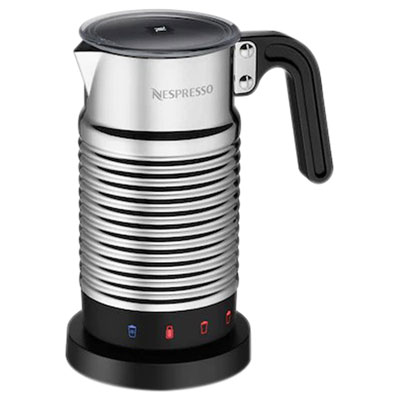
Everyday suitability depends as much on the space around an espresso capsule machine as on the drinks it prepares. A narrow body can fit neatly beside a toaster, but its listed width alone does not tell the whole story. There also needs to be room to open the capsule compartment, lift out or slide away the water reservoir, empty the used-capsule container, and remove the drip tray without rearranging the counter. Under a low cupboard, a top-opening lid or tall reservoir can be awkward even when the machine itself fits. Cup clearance matters just as much: a small espresso cup benefits from sitting close to the outlet to reduce splashing, while a latte glass or travel mug needs more vertical space. Adjustable or removable cup supports help accommodate different vessels, though maximum clearance still varies. Reservoir capacity affects how often water needs topping up, particularly when several people make drinks in succession. A larger tank can be convenient for shared use, while a smaller one may suit a compact kitchen and a single daily coffee. Heat-up time, the pause between drinks, and the steps needed to discard a capsule also shape the routine. Automatic capsule ejection and a built-in collection container can simplify repeated use, but these features are not universal. For milk drinks, the distinction between an integrated milk system, a steam wand, and a separate frother is worth understanding. An integrated system can dispense milk as part of a programmed drink, while a separate frother prepares it in its own vessel. A steam wand calls for more technique and gives the user direct control over texture. Fine, pourable foam works well in a latte, whereas a cappuccino usually has a more pronounced layer of foam. Results with plant-based beverages vary according to their formulation and the frothing method. Someone who drinks espresso alone may prefer a simpler machine without milk equipment to clean, while a regular latte drinker may value having brewing and milk preparation close together.
Materials, construction, and care all contribute to how an espresso capsule machine holds up to daily use. Housings may combine moulded plastic with metal panels or trim, and appearance alone is not a reliable measure of durability. A securely seated water tank, a stable cup platform, accessible removable parts, and a capsule lever that operates smoothly can make a greater practical difference than a metallic finish. Glossy surfaces tend to show fingerprints and splashes, while textured or brushed finishes can make everyday marks less noticeable. Removable trays and capsule containers are useful because coffee residue and standing water need regular attention. Used capsules should be emptied frequently, the drip tray washed as directed, and the exterior wiped with a soft cloth rather than an abrasive pad. Some removable components may be dishwasher-safe, but that should be confirmed in the care instructions rather than assumed. Milk-contact parts require especially prompt cleaning, since residue can collect in tubes, outlets, lids, and seals. Descaling is a separate task from washing: it addresses mineral deposits inside the water circuit that can affect flow, heating, and performance over time. The appropriate schedule depends on water hardness, usage, and the manufacturer’s directions, and a cleaning alert does not replace those instructions. Fresh drinking water and a regularly cleaned reservoir also support a better-tasting cup. Capsule storage deserves similar attention; keeping sealed capsules in a dry place away from direct sunlight and strong heat helps protect their contents before use. These machines are well suited to smaller households, shared kitchens, and home workspaces where individual drinks are prepared at different times. They can also make a thoughtful housewarming or wedding gift for someone who enjoys espresso but prefers a straightforward routine. For a recipient already using capsules, matching their preferred format avoids introducing an incompatible system. The most useful fit is a machine whose supported drinks, footprint, controls, and cleaning needs suit the person using it, whether that means a quick straight espresso before leaving home or a carefully frothed cappuccino enjoyed at the kitchen table.
Everyday suitability depends as much on the space around an espresso capsule machine as on the drinks it prepares. A narrow body can fit neatly beside a toaster, but its listed width alone does not tell the whole story. There also needs to be room to open the capsule compartment, lift out or slide away the water reservoir, empty the used-capsule container, and remove the drip tray without rearranging the counter. Under a low cupboard, a top-opening lid or tall reservoir can be awkward even when the machine itself fits. Cup clearance matters just as much: a small espresso cup benefits from sitting close to the outlet to reduce splashing, while a latte glass or travel mug needs more vertical space. Adjustable or removable cup supports help accommodate different vessels, though maximum clearance still varies. Reservoir capacity affects how often water needs topping up, particularly when several people make drinks in succession. A larger tank can be convenient for shared use, while a smaller one may suit a compact kitchen and a single daily coffee. Heat-up time, the pause between drinks, and the steps needed to discard a capsule also shape the routine. Automatic capsule ejection and a built-in collection container can simplify repeated use, but these features are not universal. For milk drinks, the distinction between an integrated milk system, a steam wand, and a separate frother is worth understanding. An integrated system can dispense milk as part of a programmed drink, while a separate frother prepares it in its own vessel. A steam wand calls for more technique and gives the user direct control over texture. Fine, pourable foam works well in a latte, whereas a cappuccino usually has a more pronounced layer of foam. Results with plant-based beverages vary according to their formulation and the frothing method. Someone who drinks espresso alone may prefer a simpler machine without milk equipment to clean, while a regular latte drinker may value having brewing and milk preparation close together.
Materials, construction, and care all contribute to how an espresso capsule machine holds up to daily use. Housings may combine moulded plastic with metal panels or trim, and appearance alone is not a reliable measure of durability. A securely seated water tank, a stable cup platform, accessible removable parts, and a capsule lever that operates smoothly can make a greater practical difference than a metallic finish. Glossy surfaces tend to show fingerprints and splashes, while textured or brushed finishes can make everyday marks less noticeable. Removable trays and capsule containers are useful because coffee residue and standing water need regular attention. Used capsules should be emptied frequently, the drip tray washed as directed, and the exterior wiped with a soft cloth rather than an abrasive pad. Some removable components may be dishwasher-safe, but that should be confirmed in the care instructions rather than assumed. Milk-contact parts require especially prompt cleaning, since residue can collect in tubes, outlets, lids, and seals. Descaling is a separate task from washing: it addresses mineral deposits inside the water circuit that can affect flow, heating, and performance over time. The appropriate schedule depends on water hardness, usage, and the manufacturer’s directions, and a cleaning alert does not replace those instructions. Fresh drinking water and a regularly cleaned reservoir also support a better-tasting cup. Capsule storage deserves similar attention; keeping sealed capsules in a dry place away from direct sunlight and strong heat helps protect their contents before use. These machines are well suited to smaller households, shared kitchens, and home workspaces where individual drinks are prepared at different times. They can also make a thoughtful housewarming or wedding gift for someone who enjoys espresso but prefers a straightforward routine. For a recipient already using capsules, matching their preferred format avoids introducing an incompatible system. The most useful fit is a machine whose supported drinks, footprint, controls, and cleaning needs suit the person using it, whether that means a quick straight espresso before leaving home or a carefully frothed cappuccino enjoyed at the kitchen table.
Top selling and popular products
-
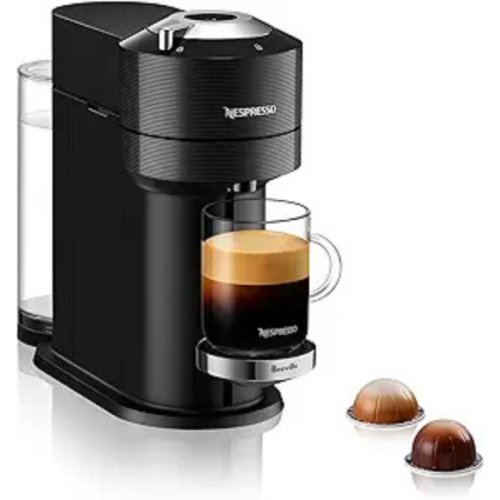 Your price for this item is $279
 -
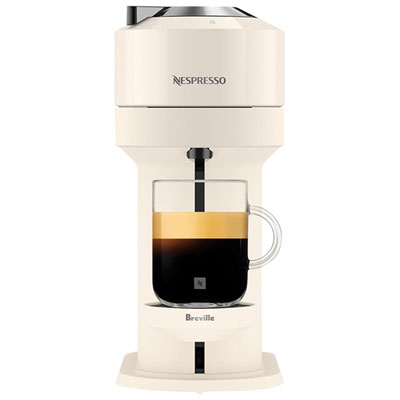 Your price for this item is $249.99
 -
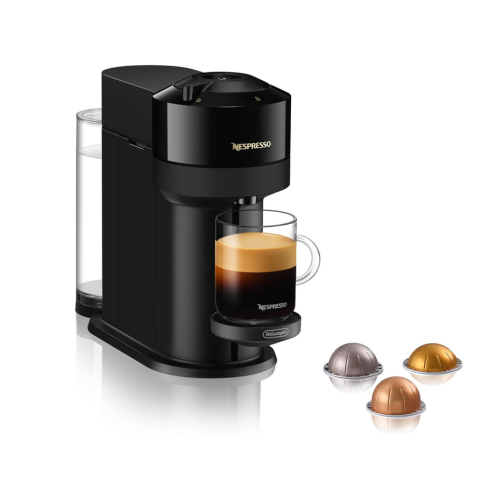 Your price for this item is $196
 -
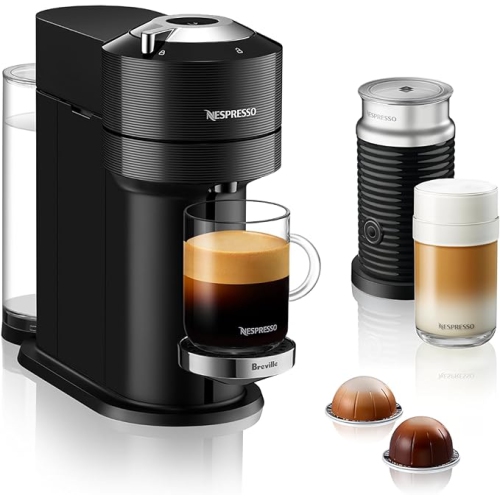 Your price for this item is $279.89
 -
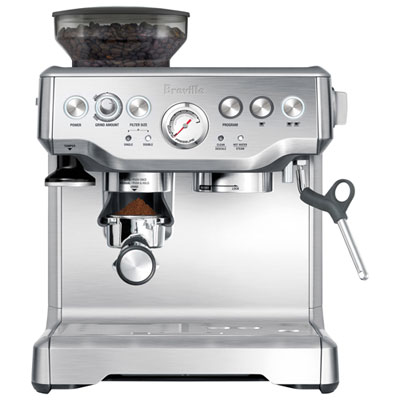 Your price for this item is $749.99
 -
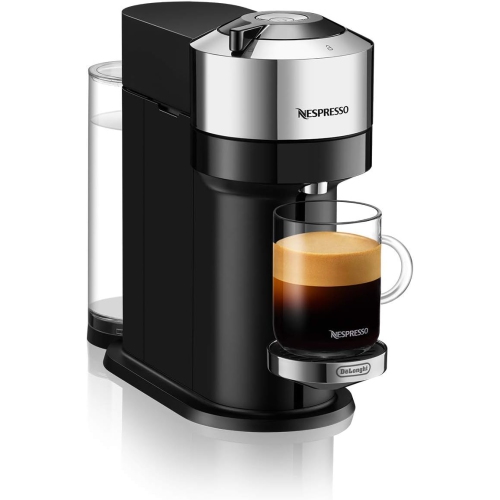 Your price for this item is $109.99
 -
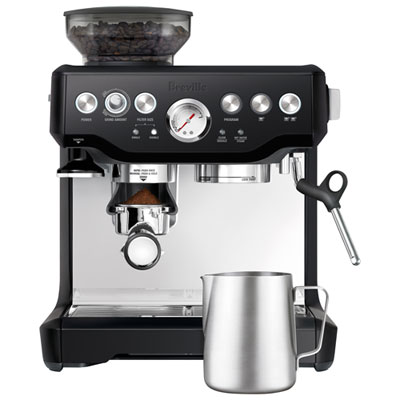 Your price for this item is $749.99
 -
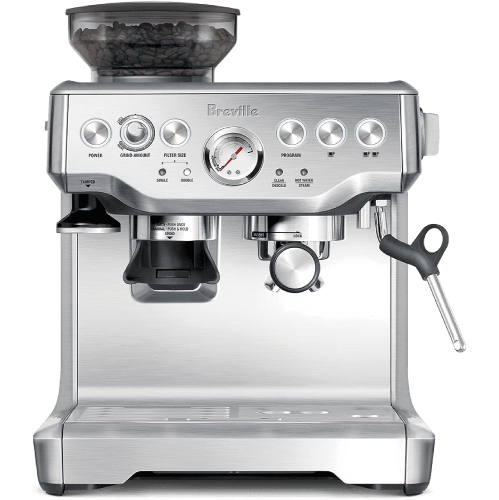 Your price for this item is $849
Discover more categories related to Espresso Capsule Machines
Top Collections:
Pokemon Centers, Kindle Devices, Best Budget Office Chairs, Apple iPhones 16, Best Laptops for Writers, iPhone 15 Apple, Canon G7X Cameras, Refurbished Apple Laptops, Alarm Clock, Motorola Razr Phones
Some products may be subject to Environmental Handling Fees
(EHF) depending on your province.
Learn more about EHFs.