Espresso Machines Under $1000
An espresso machine under $1000 can provide high-quality espresso shots with consistent flavor and texture. It can also save money in the long run by eliminating the need to purchase expensive coffee drinks at cafes or restaurants. Here are some of the espresso machines under $1000 that we offer.
Sort
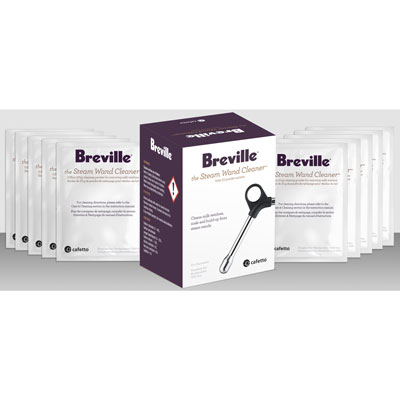
How much of your espresso routine stays hands-on
Espresso machines bring concentrated coffee, fragrant crema, and café-style milk drinks into an everyday kitchen routine. Their appeal extends from a short espresso before breakfast to an Americano at a desk or a pair of cappuccinos shared after dinner. The main differences between home espresso machines are how much preparation they handle, how they heat water, and how they texture milk. Semi-automatic espresso machines suit people who enjoy preparing the coffee themselves: grinding beans, filling a portafilter, tamping the grounds, and adjusting the shot. Some stop brewing at a programmed volume, while others leave that timing to the user. Fully automatic machines typically grind, dose, and brew internally, making them a practical fit for households that value repeatable drinks with fewer manual steps. Milk preparation varies within both types, from a separate steam wand to an attached milk system with programmed settings. An integrated burr grinder keeps bean preparation and brewing together, while a standalone espresso-capable grinder offers more flexibility over placement and future changes to the setup. Neither arrangement guarantees better coffee on its own; an even grind, suitable beans, and consistent preparation all matter. Capsule espresso machines offer another approach, using compatible pre-portioned coffee to reduce measuring and handling, though they limit the choice of coffee format. For straight espresso, stable brewing temperature and control over extraction tend to matter more than a long menu of drink presets. For lattes, cappuccinos, and flat whites, milk texture and the ease of switching between brewing and steaming become a larger part of daily use. A tall advertised pump-pressure figure is not, by itself, a reliable measure of espresso quality. Balanced flavour depends on how the machine manages water flow, heat, and pressure through the coffee. The most suitable espresso machine is one whose level of involvement matches the person using it, whether that means enjoying a hands-on morning ritual or pressing a familiar drink button before heading out.
Counter space and household habits shape how comfortably an espresso machine fits into a kitchen. The listed width and depth tell only part of the story: bean hoppers may need clearance above, rear water tanks need room for removal, and steam wands need space at the side for a milk pitcher. A machine that fits beneath a cupboard can still be awkward to refill if its lid cannot open fully. Front-access tanks and removable drip trays can make a compact coffee station easier to live with, especially when the machine stays tucked against a backsplash. Cup clearance matters, too. A small espresso cup may fit comfortably beneath the spouts, while a favourite mug might require removing the tray or brewing into a smaller vessel first. Stainless steel panels offer a sturdy feel and a familiar appliance finish, but exterior material alone does not determine durability; internal construction, replaceable seals, and access to servicing also matter. Plastic housings can be lighter and easy to wipe down, while either finish benefits from gentle cleaning that avoids scratches. Handles, buttons, and tank fittings should feel comfortable through repeated use, particularly when several people share the machine. Heating design affects the pace of drink preparation. Many compact machines use a thermoblock or thermocoil to heat water as it moves through the system, while boiler-based designs heat a stored volume of water. Some machines require a pause between brewing espresso and steaming milk, which becomes more noticeable when making several drinks in succession. A short initial heat-up time does not necessarily mean that the portafilter and cup are fully warm, so the complete preparation routine matters more than one specification. Programmable shot volumes, adjustable coffee strength, and clear controls can help different household members prepare drinks consistently. For someone learning espresso, compatible pressurized baskets can make preparation more forgiving, while non-pressurized baskets generally reward a more precise grind and careful puck preparation. These distinctions are especially relevant when deciding how much practice and adjustment belong in an everyday coffee routine.
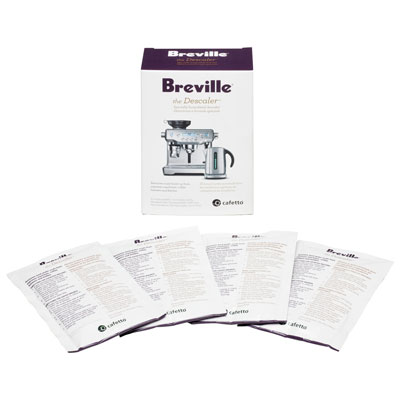
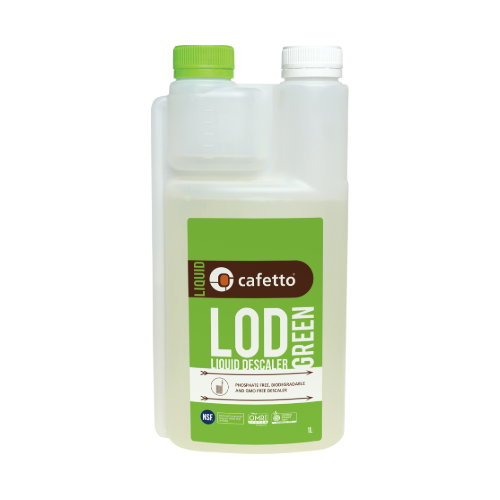
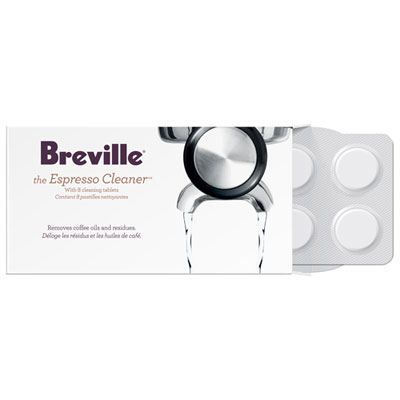
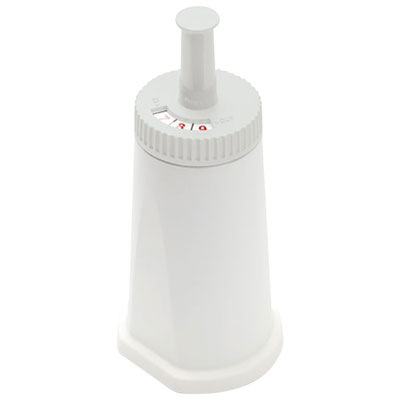
Milk performance and routine care have a noticeable effect on long-term satisfaction. A manual steam wand gives the user control over aeration and pitcher movement, making it possible to work towards the fine, glossy foam associated with a well-made latte. It also takes practice: introducing air early and then keeping the milk circulating helps create a smooth texture rather than a layer of large bubbles. Automatic milk systems reduce that hands-on work, although their tubes, outlets, and containers still need regular attention. Dairy milk and plant-based beverages behave differently when steamed, and formulations intended for coffee often produce more consistent foam than other alternatives. For a household making mostly espresso or Americanos, a simpler milk setup may be entirely sufficient; frequent cappuccino drinkers are more likely to appreciate convenient frothing and easy access for cleaning. Steam wands need wiping and purging after use according to the manufacturer’s directions, while removable milk components should be cleaned as specified to prevent residue from accumulating. Drip trays, used-coffee containers, and accessible brew components also need regular emptying or rinsing. Water quality influences both flavour and upkeep, since mineral deposits can build up inside heating components. Manufacturer-approved filtration and descaling procedures help manage that buildup, but filtered water does not automatically eliminate the need to descale. Backflushing applies only to machines designed for it, and cleaning products should be compatible with the machine rather than chosen interchangeably. Beyond the appliance, a properly fitting tamper, a small coffee scale, and a milk pitcher can make preparation more consistent without crowding the counter with unnecessary accessories. Espresso machines can be thoughtful housewarming or milestone gifts when the recipient’s coffee preferences, kitchen space, and willingness to maintain the equipment are understood. A keen home barista may enjoy hands-on controls, while someone who wants a familiar drink with minimal preparation may prefer more automation. For a related collection, explore Espresso Machines Under $500. Across home espresso setups, practical fit comes down to satisfying coffee, comfortable daily handling, and a cleaning routine that remains manageable long after the first cup.
Counter space and household habits shape how comfortably an espresso machine fits into a kitchen. The listed width and depth tell only part of the story: bean hoppers may need clearance above, rear water tanks need room for removal, and steam wands need space at the side for a milk pitcher. A machine that fits beneath a cupboard can still be awkward to refill if its lid cannot open fully. Front-access tanks and removable drip trays can make a compact coffee station easier to live with, especially when the machine stays tucked against a backsplash. Cup clearance matters, too. A small espresso cup may fit comfortably beneath the spouts, while a favourite mug might require removing the tray or brewing into a smaller vessel first. Stainless steel panels offer a sturdy feel and a familiar appliance finish, but exterior material alone does not determine durability; internal construction, replaceable seals, and access to servicing also matter. Plastic housings can be lighter and easy to wipe down, while either finish benefits from gentle cleaning that avoids scratches. Handles, buttons, and tank fittings should feel comfortable through repeated use, particularly when several people share the machine. Heating design affects the pace of drink preparation. Many compact machines use a thermoblock or thermocoil to heat water as it moves through the system, while boiler-based designs heat a stored volume of water. Some machines require a pause between brewing espresso and steaming milk, which becomes more noticeable when making several drinks in succession. A short initial heat-up time does not necessarily mean that the portafilter and cup are fully warm, so the complete preparation routine matters more than one specification. Programmable shot volumes, adjustable coffee strength, and clear controls can help different household members prepare drinks consistently. For someone learning espresso, compatible pressurized baskets can make preparation more forgiving, while non-pressurized baskets generally reward a more precise grind and careful puck preparation. These distinctions are especially relevant when deciding how much practice and adjustment belong in an everyday coffee routine.
Milk performance and routine care have a noticeable effect on long-term satisfaction. A manual steam wand gives the user control over aeration and pitcher movement, making it possible to work towards the fine, glossy foam associated with a well-made latte. It also takes practice: introducing air early and then keeping the milk circulating helps create a smooth texture rather than a layer of large bubbles. Automatic milk systems reduce that hands-on work, although their tubes, outlets, and containers still need regular attention. Dairy milk and plant-based beverages behave differently when steamed, and formulations intended for coffee often produce more consistent foam than other alternatives. For a household making mostly espresso or Americanos, a simpler milk setup may be entirely sufficient; frequent cappuccino drinkers are more likely to appreciate convenient frothing and easy access for cleaning. Steam wands need wiping and purging after use according to the manufacturer’s directions, while removable milk components should be cleaned as specified to prevent residue from accumulating. Drip trays, used-coffee containers, and accessible brew components also need regular emptying or rinsing. Water quality influences both flavour and upkeep, since mineral deposits can build up inside heating components. Manufacturer-approved filtration and descaling procedures help manage that buildup, but filtered water does not automatically eliminate the need to descale. Backflushing applies only to machines designed for it, and cleaning products should be compatible with the machine rather than chosen interchangeably. Beyond the appliance, a properly fitting tamper, a small coffee scale, and a milk pitcher can make preparation more consistent without crowding the counter with unnecessary accessories. Espresso machines can be thoughtful housewarming or milestone gifts when the recipient’s coffee preferences, kitchen space, and willingness to maintain the equipment are understood. A keen home barista may enjoy hands-on controls, while someone who wants a familiar drink with minimal preparation may prefer more automation. For a related collection, explore Espresso Machines Under $500. Across home espresso setups, practical fit comes down to satisfying coffee, comfortable daily handling, and a cleaning routine that remains manageable long after the first cup.
Top selling and popular products
-
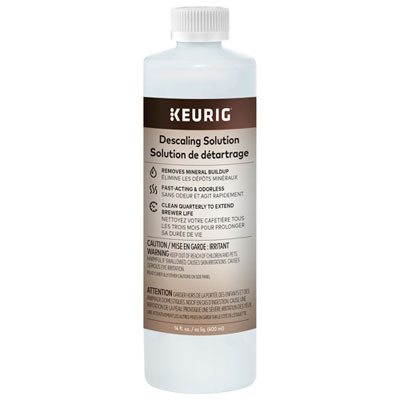 Your price for this item is $15.99
 -
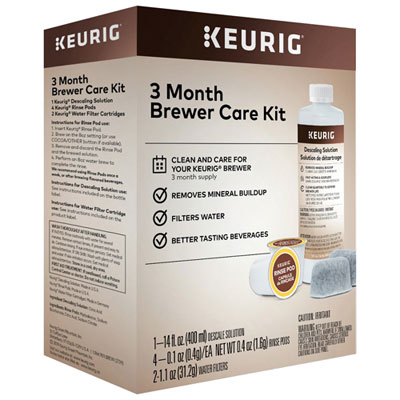 Your price for this item is $20.98
 -
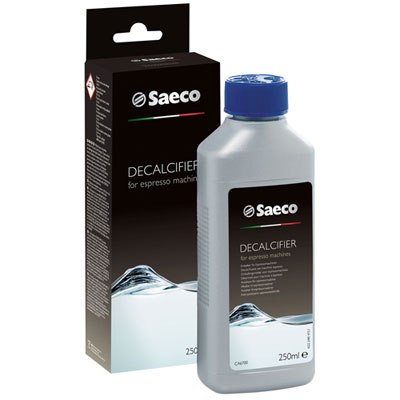 Your price for this item is $10.99
 -
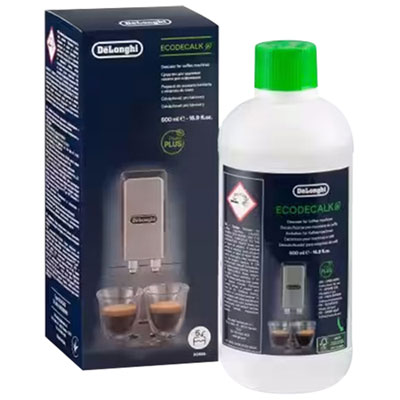 Your price for this item is $19.99
 -
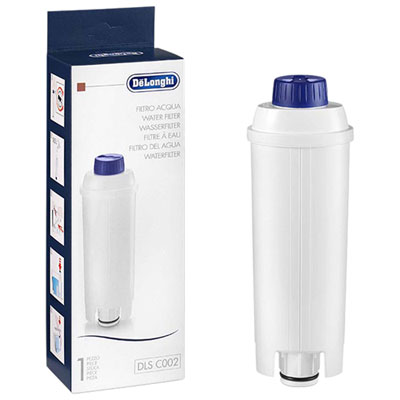 Your price for this item is $19.99
 -
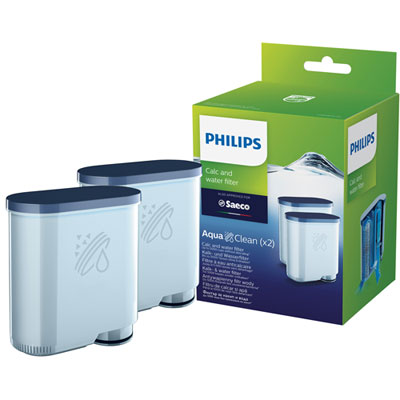 Your price for this item is $44.99
 -
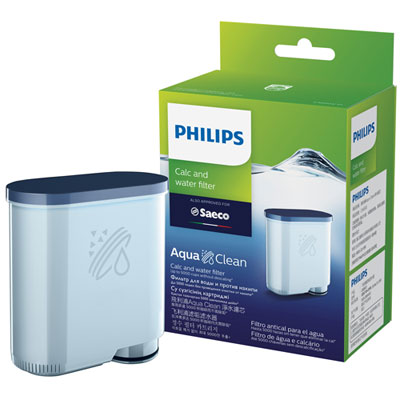 Your price for this item is $24.99
 -
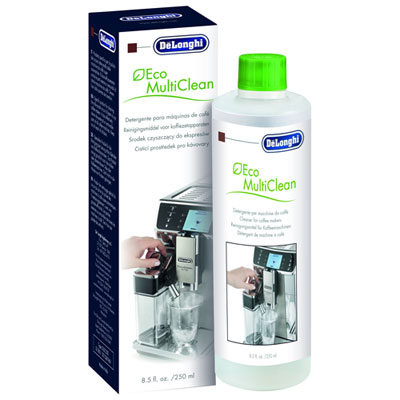 Your price for this item is $12.99
Discover more categories related to Espresso Machines Under $1000
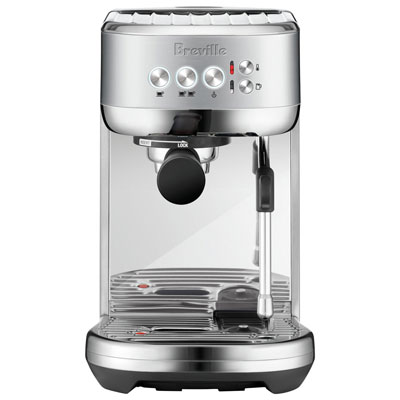
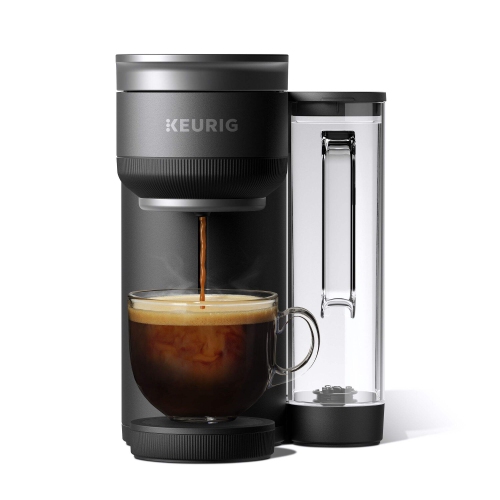
Top Collections:
Pokemon Centers, Kindle Devices, Best Budget Office Chairs, Apple iPhones 16, Best Laptops for Writers, iPhone 15 Apple, Canon G7X Cameras, Refurbished Apple Laptops, Alarm Clock, Motorola Razr Phones
Some products may be subject to Environmental Handling Fees
(EHF) depending on your province.
Learn more about EHFs.