Floor Cleaner Solution
Keep your floors looking their best with the right floor cleaner solution. Whether you have hardwood, tile, laminate, or vinyl, choosing the appropriate cleaning formula can make all the difference in maintaining a spotless and inviting home. Explore a wide selection of floor cleaner solutions designed to help you achieve a fresh, polished finish with every use. Find options that fit your cleaning routine and enjoy a sparkling clean floor every time.
Sort
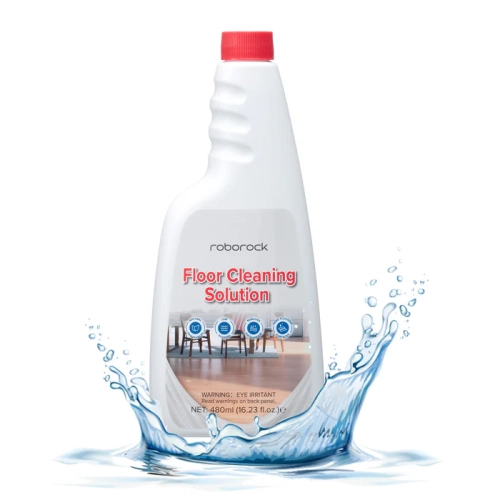
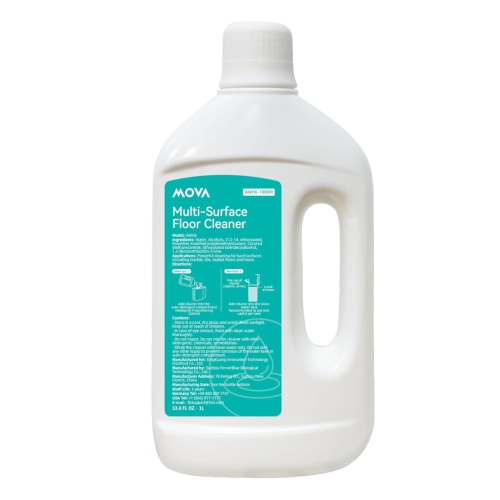
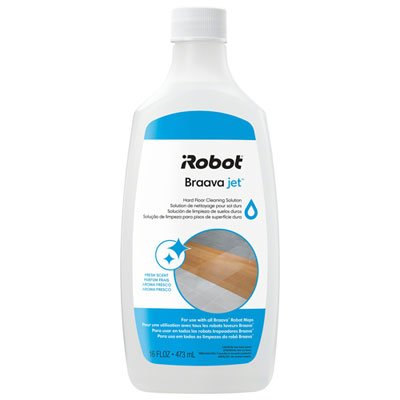
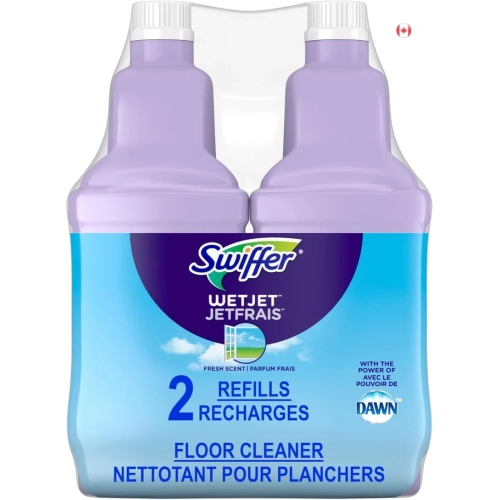

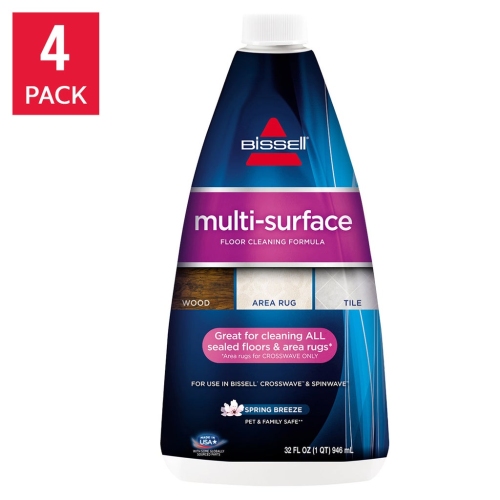
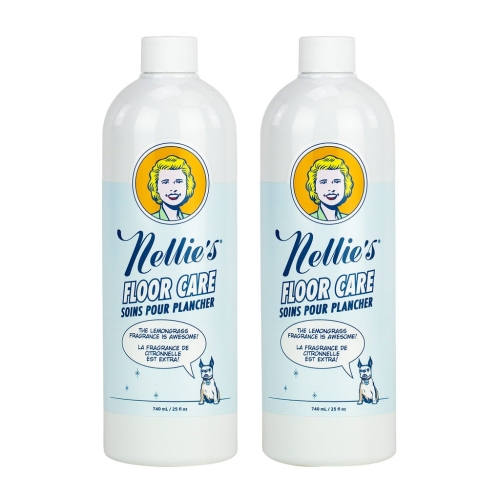
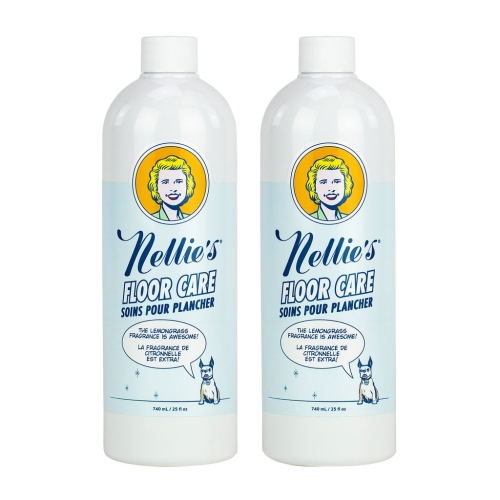
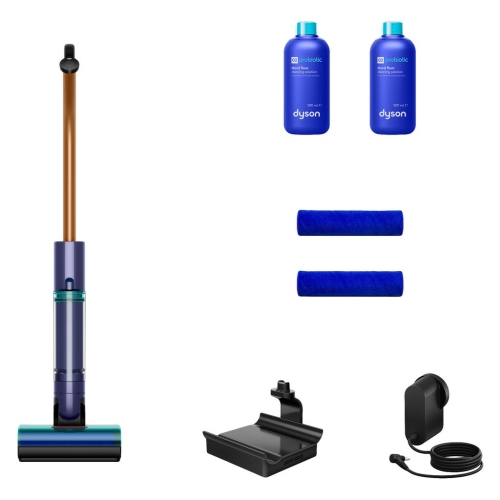

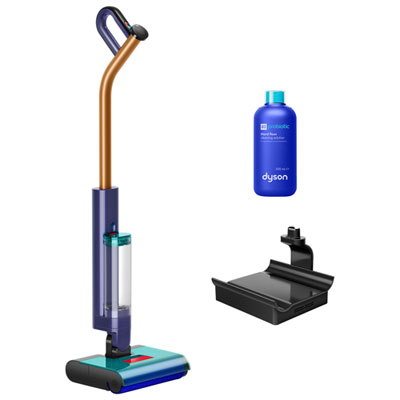
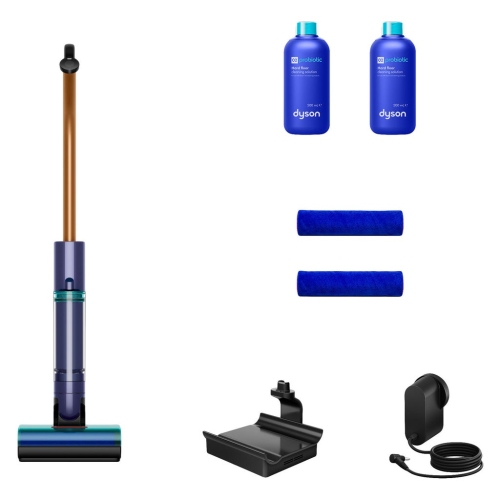

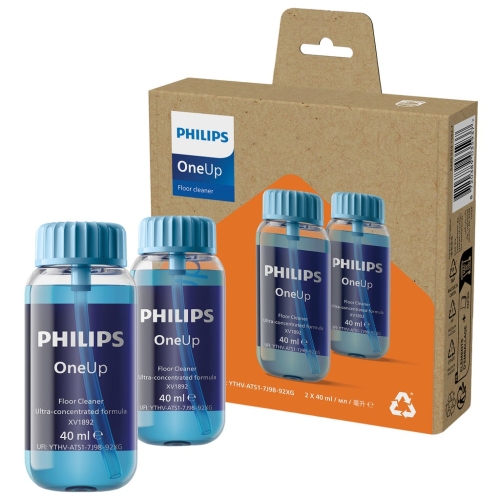
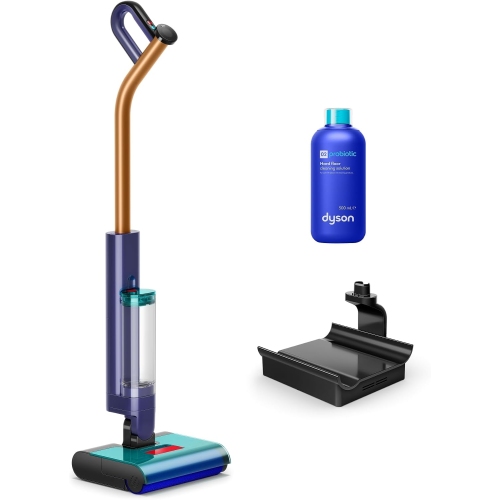


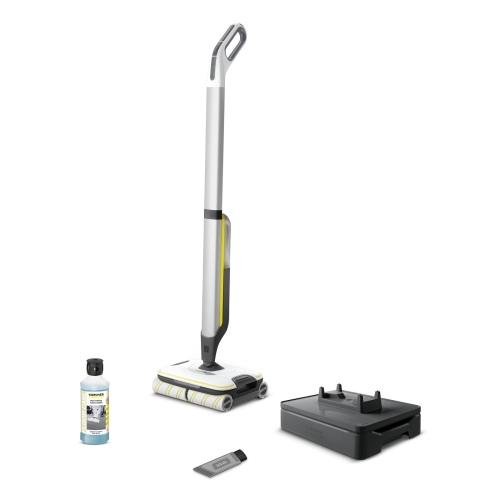
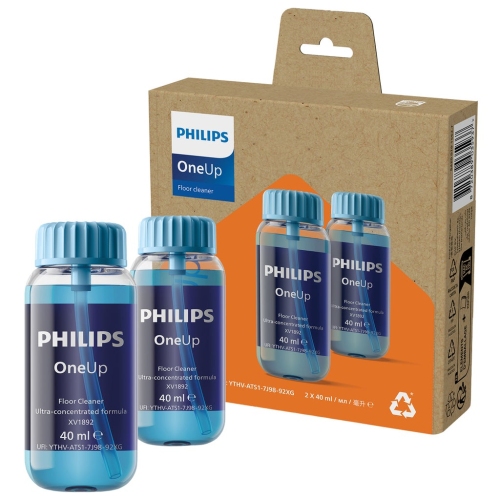
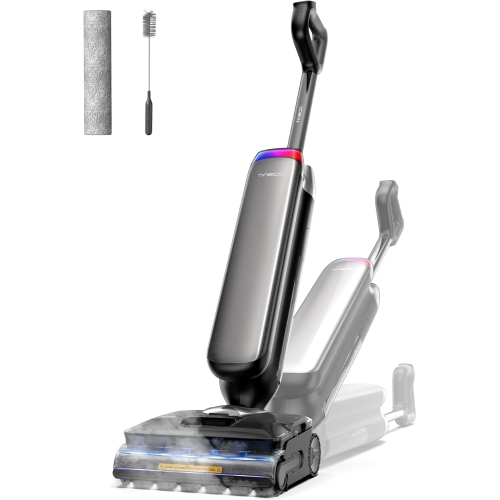
Cleaner floors start with a surface-compatible formula
Floor cleaner solutions help lift everyday dirt, spills, and tracked-in grime from flooring while supporting the care needs of its surface and finish. The best fit depends on the floor material, the type of mess, and whether the solution will be used with a mop or a compatible floor-cleaning machine. A formula suited to sealed hardwood may have different requirements from one intended for ceramic tile, vinyl, or laminate, so a broad hard-floor description does not replace the surface compatibility details on the label. In a busy kitchen, the main concern might be greasy footprints and splashes near the stove; in an entryway, it could be muddy boot marks and the cloudy residue left by tracked-in slush. Living spaces often need lighter cleaning that removes dust and everyday marks without leaving a sticky film. Floor cleaning liquids typically contain cleaning agents that loosen soil so it can be collected by a mop pad or removed through a machine’s dirty-water system. Some formulas are ready to use, while others are concentrates that require a measured amount of water. Ready-to-use floor cleaners suit quick touch-ups and smaller spaces, where preparing a full bucket would be unnecessary. Concentrated floor cleaning solutions can suit larger areas and regular whole-home routines, provided the dilution matches the label. More concentrate does not necessarily mean a cleaner floor: excess solution can leave streaks, create unwanted suds, or make the surface feel tacky underfoot. Bottle size, dispensing style, and storage space also influence everyday convenience. An easy-to-control opening can make measuring less messy, while a refill format can suit households that already use a compatible spray bottle or cleaning system. Across these formats, the aim is the same: effective soil removal with a finish that feels clean rather than coated. A suitable floor cleaner should work with the flooring’s care requirements, not simply offer the strongest scent or the most foam.
Flooring materials and protective finishes are central to choosing a suitable floor cleaner solution. Sealed hardwood generally needs a cleaner approved for its finish and a cleaning method that limits moisture, since standing liquid can reach seams and affect the wood beneath. Laminate also benefits from careful moisture control, particularly around plank edges, and a compatible formula should clean without requiring the floor to be saturated. Vinyl flooring can be practical in busy households, but its wear layer still needs appropriate care; harsh solvents, abrasive cleaners, or products that leave a heavy coating may be unsuitable. Ceramic and porcelain tile can tolerate many routine cleaning methods, although grout, sealants, and decorative finishes may have their own restrictions. Natural stone deserves particular attention. Acidic cleaners, including vinegar-based mixtures, can etch acid-sensitive surfaces such as marble and limestone, making a stone-approved formula important. A pH-neutral floor cleaner is often suitable for routine cleaning on compatible sealed surfaces, but that description alone does not establish that it is safe for every material. Unsealed wood, waxed floors, and certain specialty finishes may need a different approach altogether. Compatibility with the flooring manufacturer’s care instructions matters more than a general multi-surface claim, and a small, discreet test area can help reveal changes in sheen or colour before broader use. The amount of liquid applied also affects the result. On moisture-sensitive flooring, a lightly damp mop used as directed is very different from a soaking-wet pass that leaves puddles near skirting boards. Loose grit is another factor: removing it before wet cleaning helps prevent particles from being dragged across the finish. A floor cleaner can remove dirt that dulls the appearance of a surface, but it cannot repair scratches, worn coatings, or water damage. Consistent, material-appropriate care helps preserve the floor’s existing finish without confusing cleaning with polishing, sealing, or restoration.
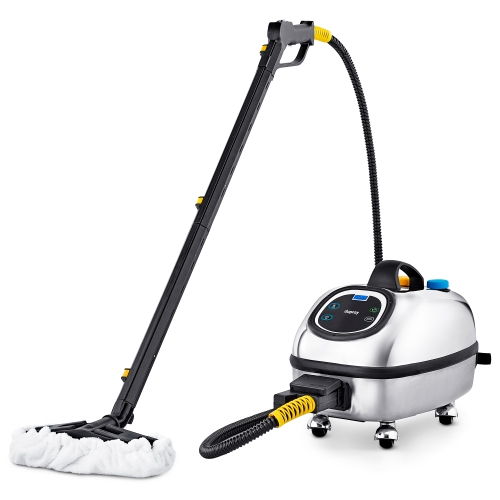
The cleaning tool is another important part of the match. Floor cleaner for a mop and bucket is not automatically suitable for a wet-dry floor cleaner, robot mop, or other powered cleaning system. Machines may require a specific low-foaming formula, a particular dilution, or water alone, and an unsuitable liquid can interfere with operation or damage components. Steam cleaners also commonly have restrictions on adding cleaning agents to their tanks. For households using several tools, clearly labelled containers help distinguish a manual-mopping solution from a machine-compatible formula. Cleaning habits matter just as much as equipment: a quick pass around a dining table after supper calls for different preparation from washing a large tiled entryway after a stretch of wet weather. During the cooler months, frequent light cleaning can help manage tracked-in dirt before it spreads from the front door into adjoining rooms. Homes with children or pets may place extra importance on label directions for contact, rinsing, drying time, and storage. People and animals should remain off a treated area for the period specified on the label, and floors should be dry before normal foot traffic resumes. Fragrance is a separate consideration from cleaning performance. A scented formula can leave a noticeable aroma, while a fragrance-free option may better suit people who prefer less added scent; neither description by itself guarantees that a product will be non-irritating. Routine floor cleaning also differs from disinfecting, which requires an appropriately labelled product and the stated contact time. Cleaning liquids should not be mixed with bleach, ammonia, or other household chemicals, and their original labelled containers provide essential use and safety information. For homes where hard flooring meets rugs or fitted carpet, Carpet Cleaning Solutions address different fibres and cleaning systems rather than serving as substitutes for hard-floor formulas. Matching each solution to its surface, tool, and intended use makes regular floor care more straightforward, whether the space is a compact condo, a busy family home, or a shared household with plenty of daily foot traffic.
Top selling and popular products
-
 Your price for this item is $10.99
-
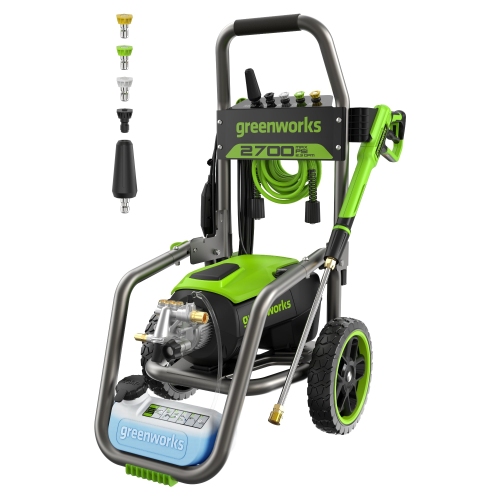 Your price for this item is $649.99
-
 Your price for this item is $70
-
 Your price for this item is $65
-
 Your price for this item is $70
-
 Your price for this item is $90
-
 Your price for this item is $75
-
 Your price for this item is $47.95
Discover more categories related to Floor Cleaner Solution

Top Collections:
Pokemon Centers, Kindle Devices, Best Cameras for Sports Photography, Best Budget Office Chairs, Pokémon 30th Celebration Cards, Apple iPhones 16, Canon G7X Cameras, iPhone 15 Apple, Flip Phones, Samsung Galaxy Phones
Some products may be subject to Environmental Handling Fees
(EHF) depending on your province.
Learn more about EHFs.