Floor Steamers
When it comes to keeping your floors clean and sanitized, a floor steamer can be a game-changer. These versatile cleaning tools use the power of steam to effectively remove dirt, grime, and bacteria from a variety of hard floor surfaces. Whether you have hardwood, tile, or laminate floors, a floor steamer can help you achieve a sparkling clean finish without the need for harsh chemicals. Explore our selection of floor steamers to find the perfect solution for maintaining a pristine home environment effortlessly.
Sort
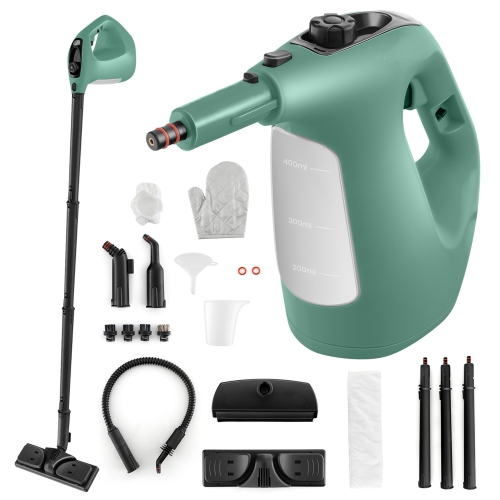
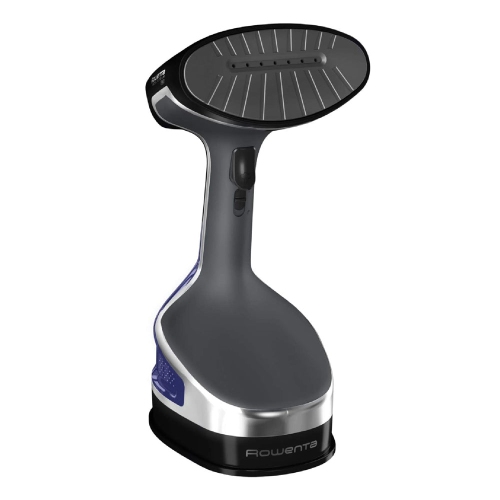
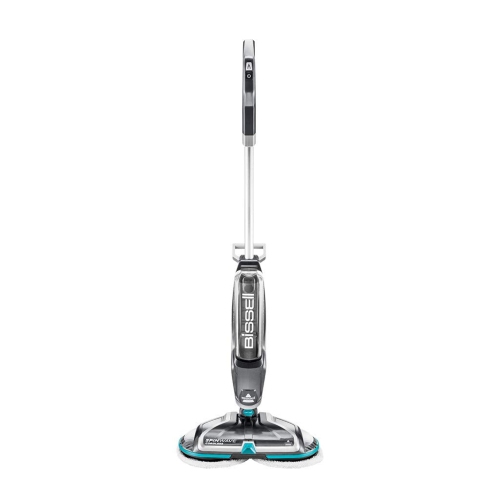
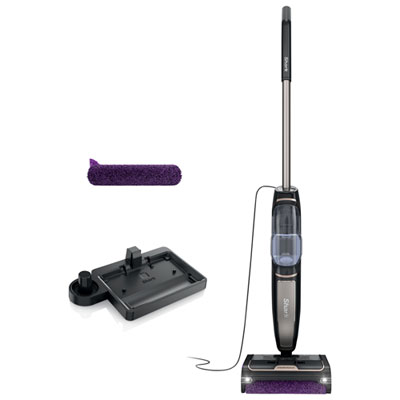
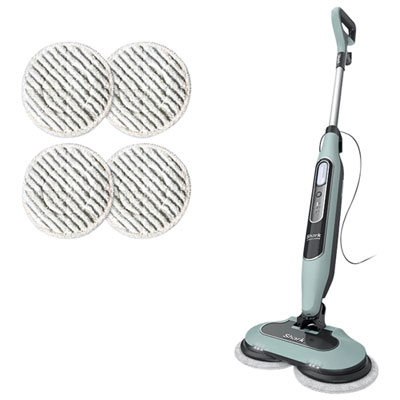
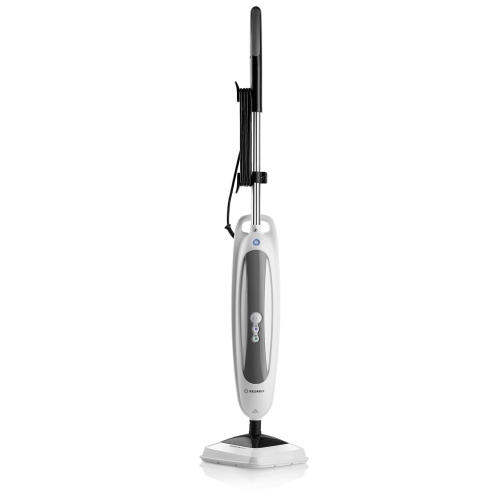
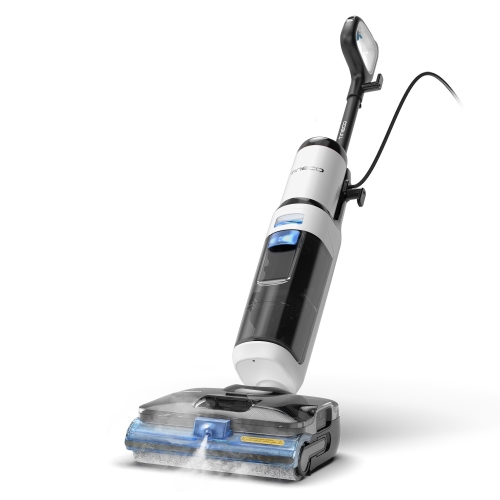


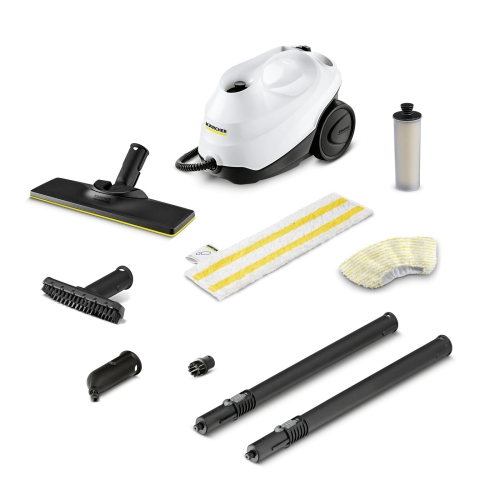
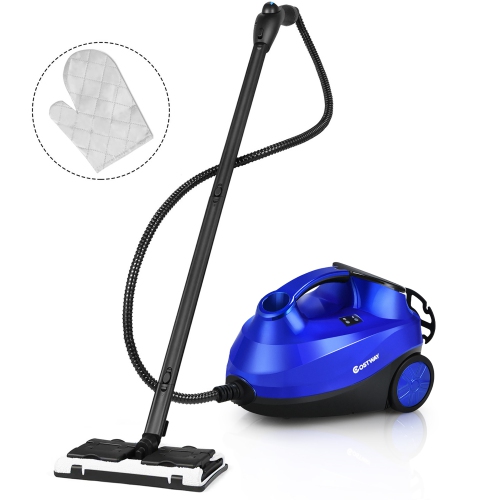
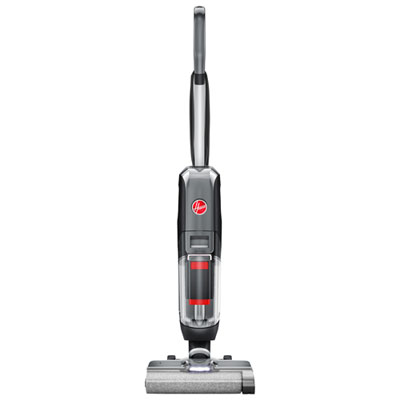
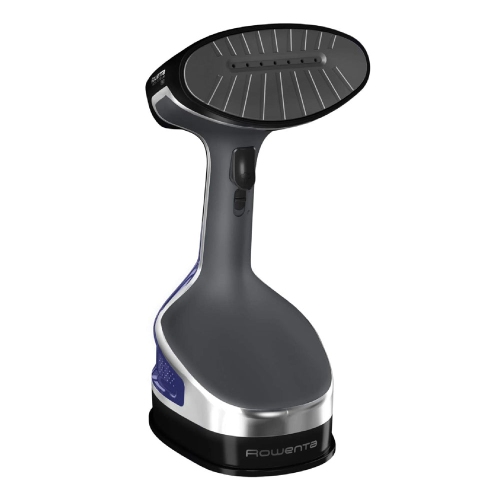
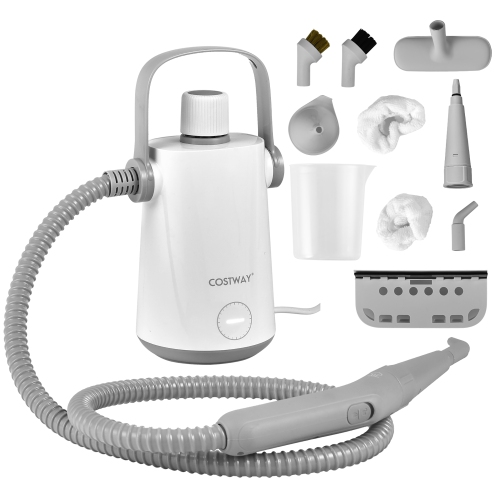
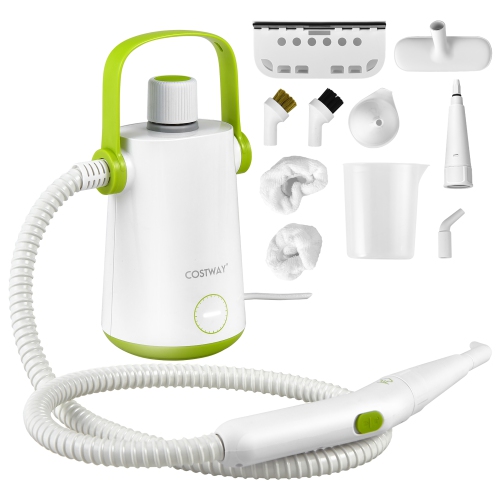
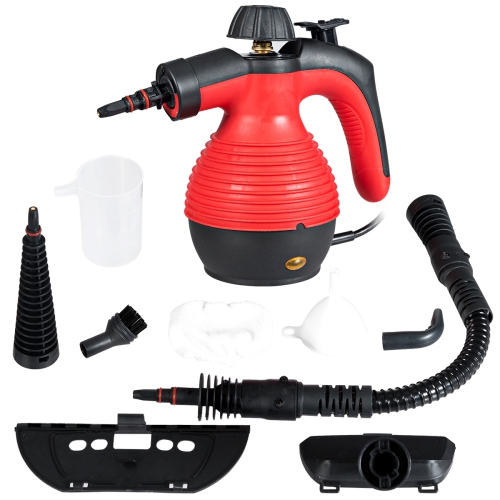
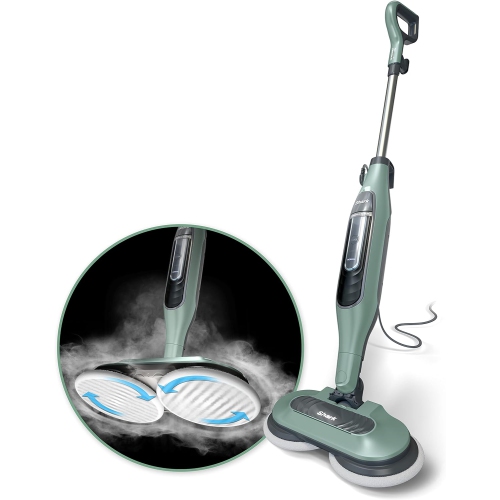
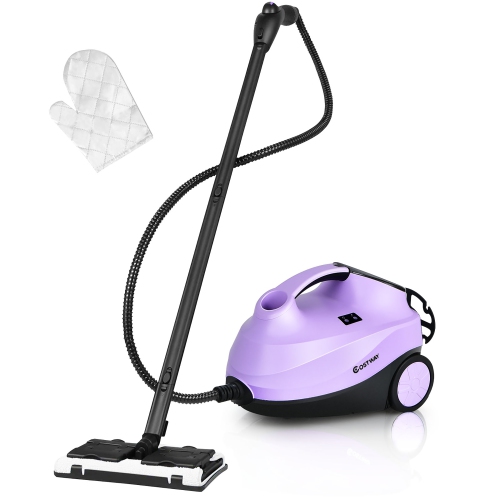
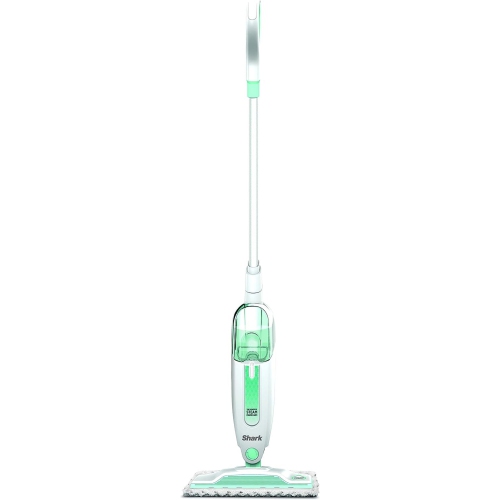
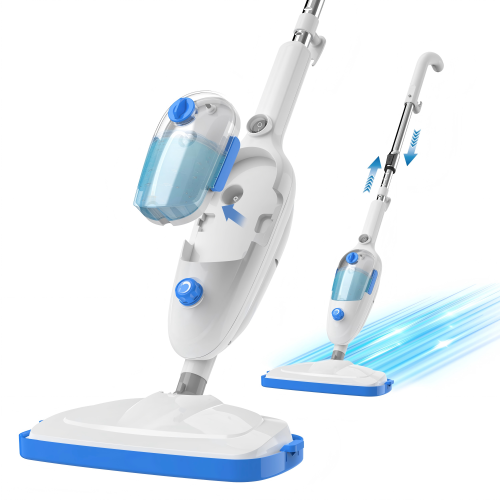
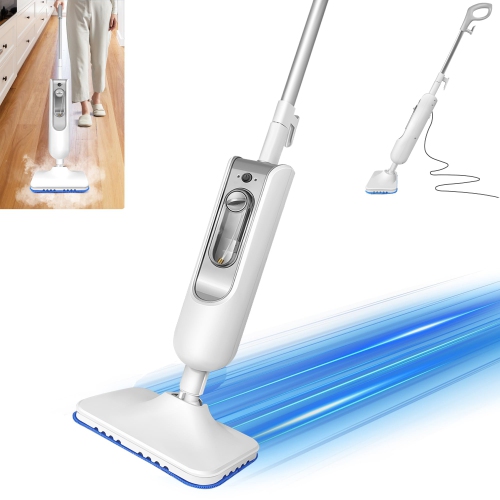
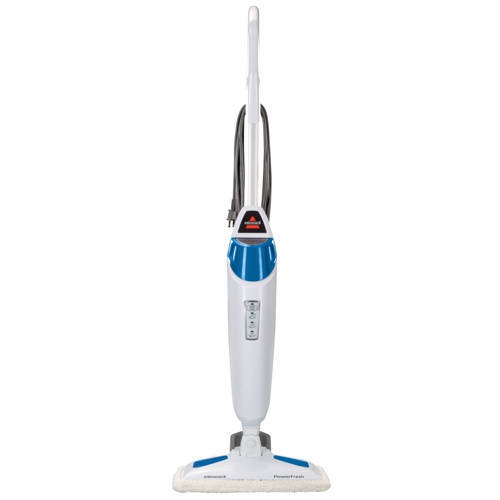
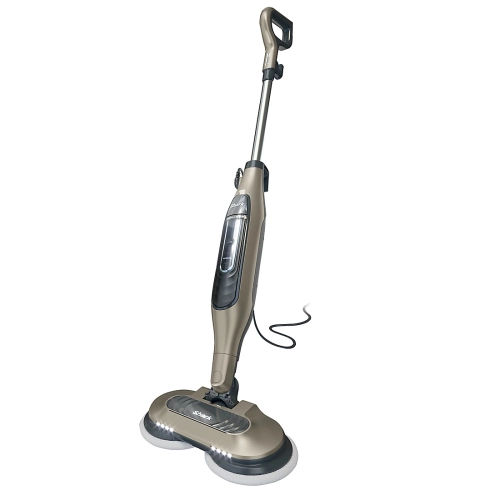
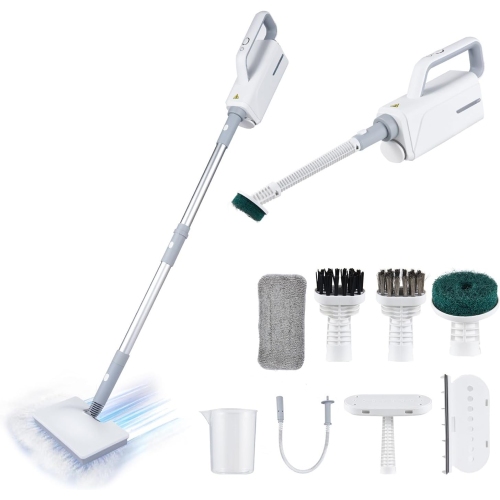
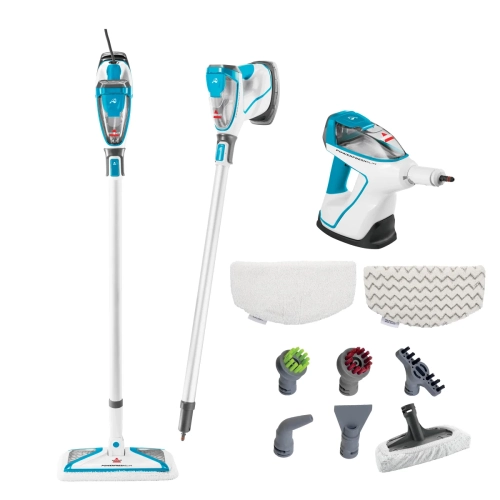
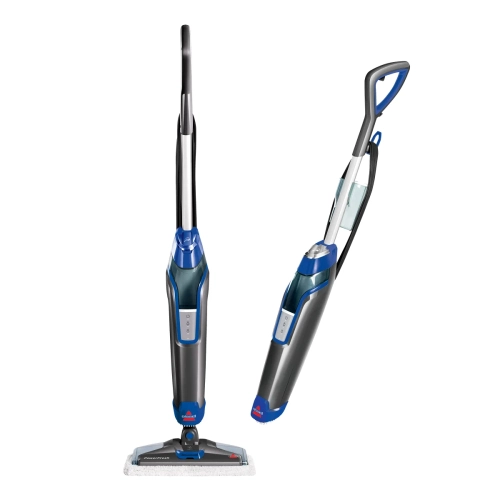
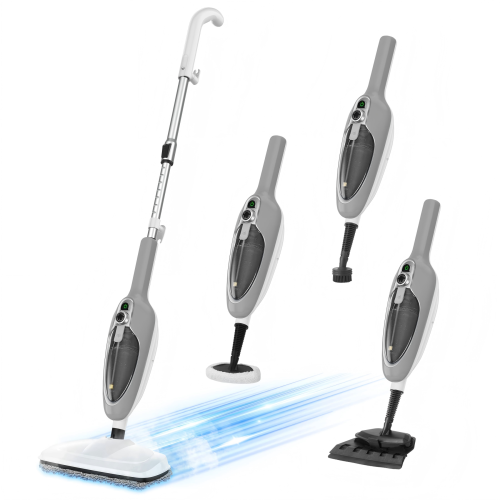
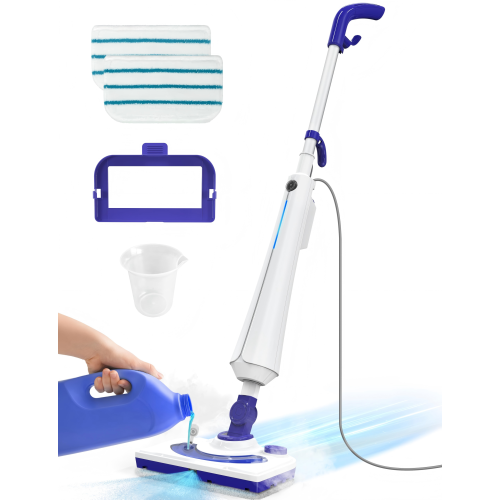
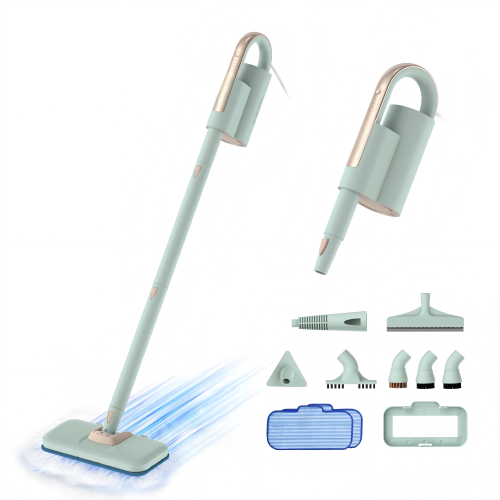
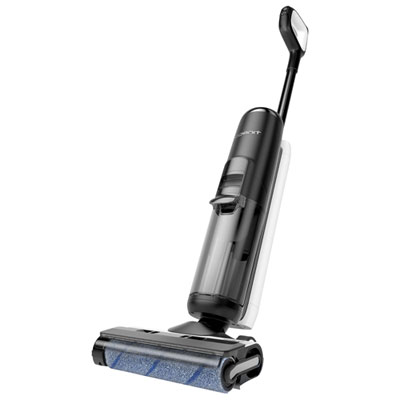
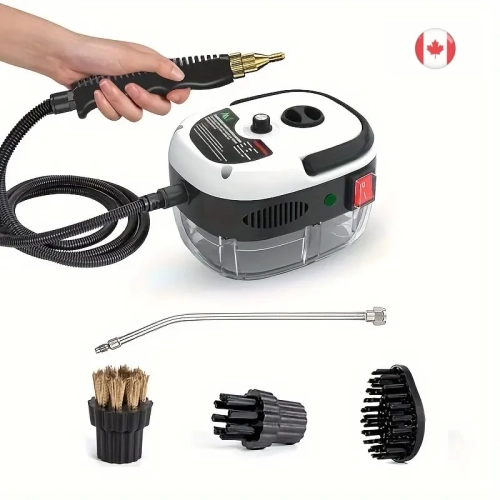
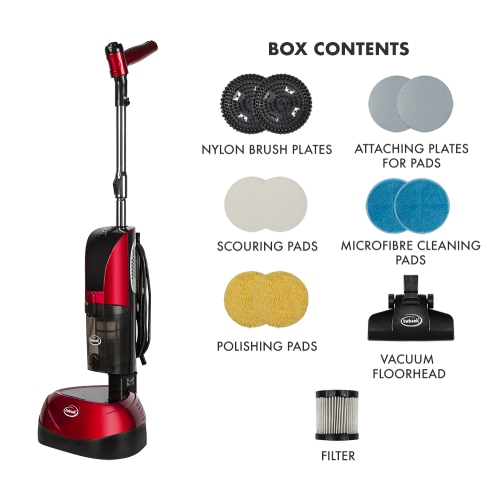
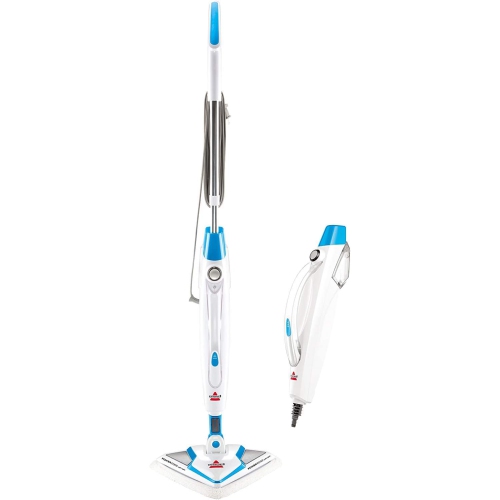
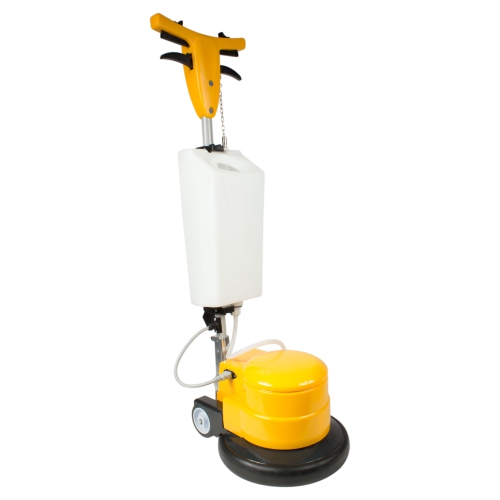
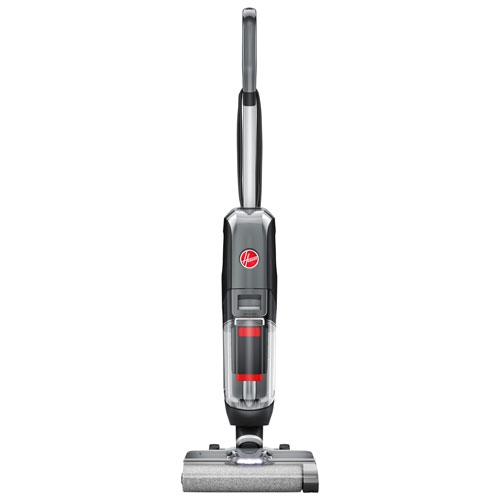
How steam helps tackle messes on sealed hard floors
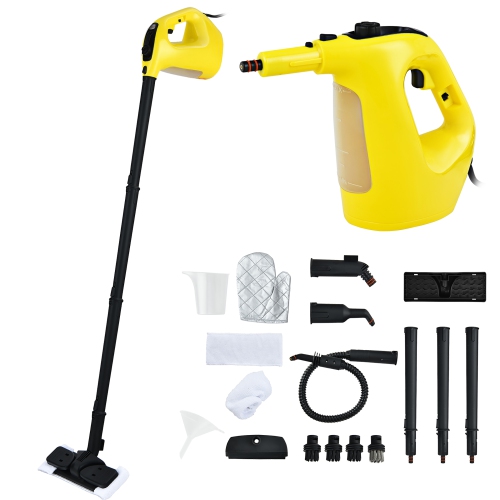
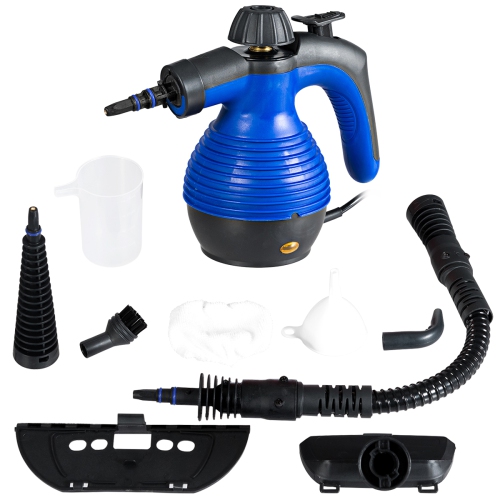
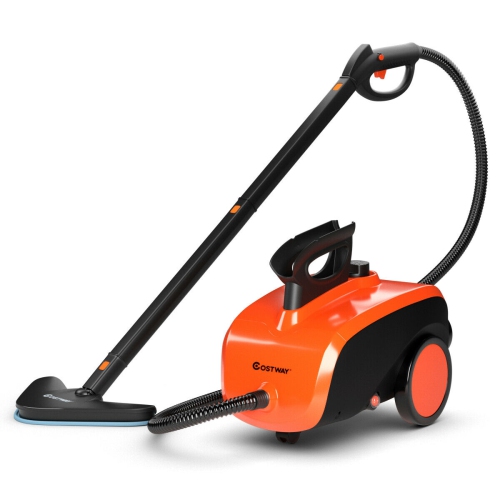
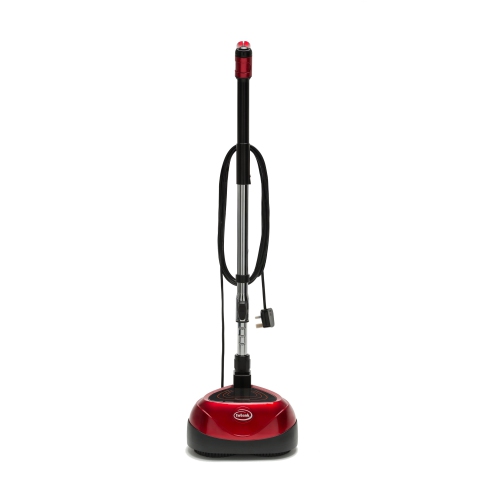
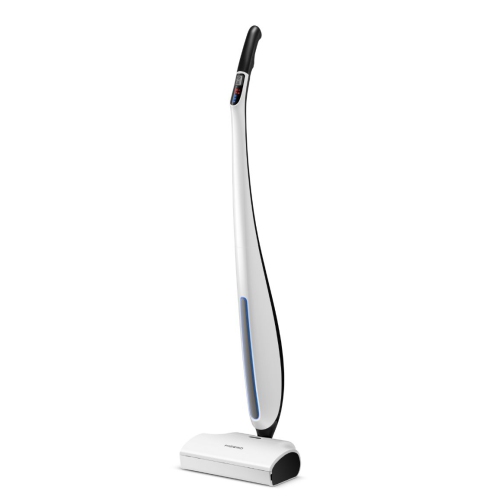
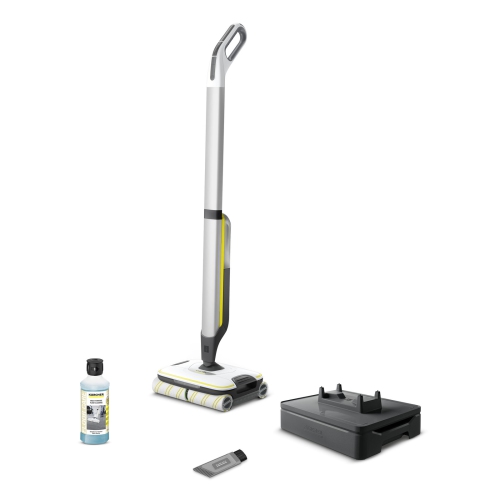
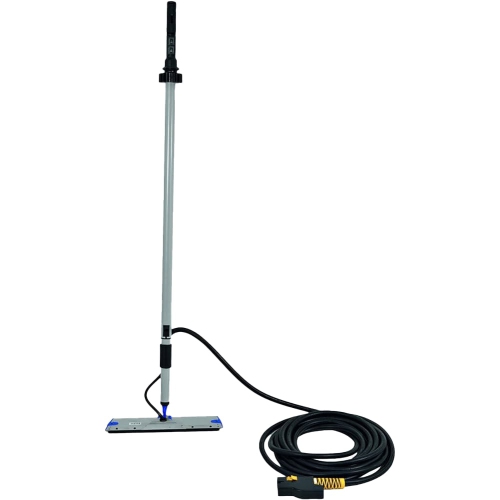
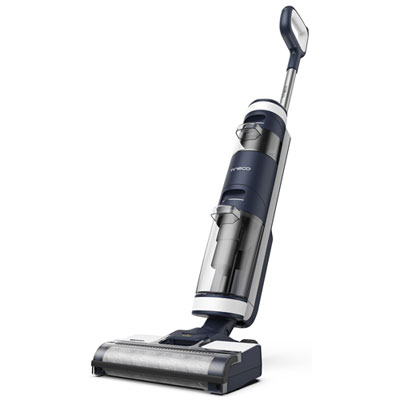
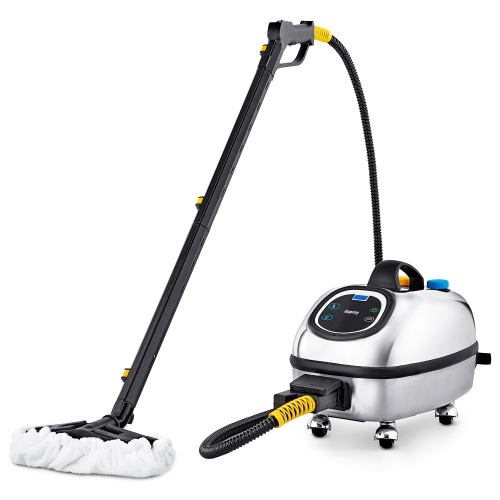
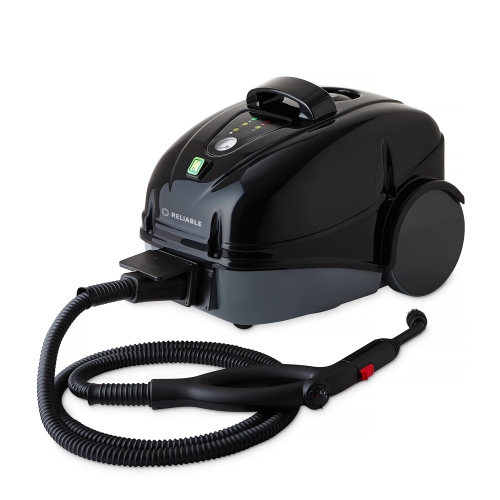
Floor steamers use heated water vapour to loosen everyday dirt, tracked-in grit, dried spills, and other messes from sealed hard floors. Unlike a traditional mop and bucket, a floor steamer delivers steam through a cleaning pad or floor head, helping lift residue without leaving a large amount of water behind. Many models heat up in roughly 30 seconds, making them practical for a quick kitchen refresh, a hallway clean-up, or a more thorough pass through the home. Because they generally use water rather than added cleaning solutions, they can be a useful choice for households that prefer a simpler floor-care routine. Steam and heat may also help reduce certain germs and bacteria on appropriate sealed surfaces when the floor steamer is used according to its instructions, although performance varies by model, contact time, floor condition, and cleaning technique. Floor steamers are commonly designed for sealed tile, ceramic, porcelain, linoleum, vinyl, and stone flooring. Some may also be suitable for sealed hardwood, but wood floors require particular care: always check the flooring manufacturer’s recommendations and the appliance instructions before using steam. Unsealed wood, waxed floors, damaged surfaces, and some laminate products may be vulnerable to moisture or heat, so they may not be appropriate for steam cleaning. A floor steamer should never be treated as a universal solution for every flooring material. Before the first use, sweep or vacuum loose dust and grit so it does not get dragged across the surface, and test the appliance in a discreet area when you are uncertain about compatibility. This small preparation step can make a noticeable difference, especially in homes with textured tile, pale grout, or floors that show footprints easily.
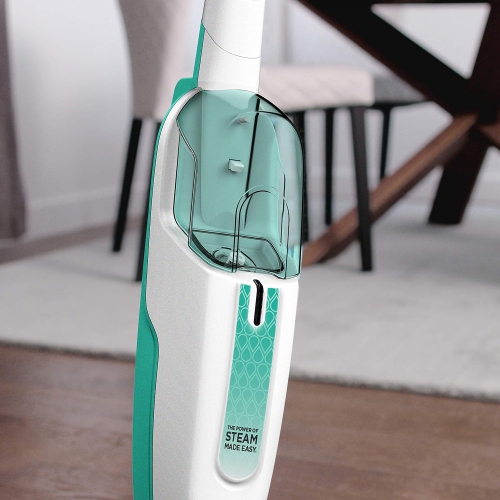
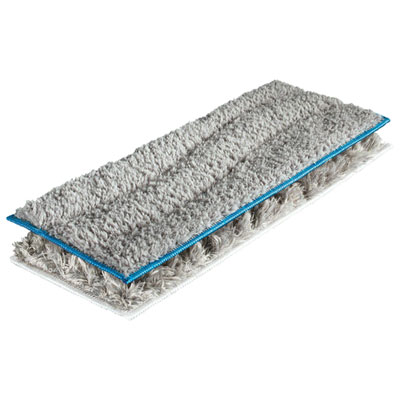
When comparing floor steamers, consider the shape of your rooms, the types of messes you encounter, and how much cleaning you typically do in one session. A lightweight design can be easier to guide around chair legs, narrow hallways, and furniture, while a larger water tank may reduce the need for refilling during a multi-room clean. Removable tanks are convenient for filling at the sink and emptying after use, and a clear tank can make it easier to see how much water remains. Look for controls that are easy to reach, a comfortable handle, smooth-gliding wheels, and a cord length that suits the layout of your home. Some floor steamers offer adjustable steam settings, which can be helpful when moving between durable tile and more delicate sealed surfaces. Others include washable or replaceable microfiber pads, carpet gliders, scrubbing attachments, or targeted brushes for sticky spots along baseboards and around appliance edges. A spot-cleaning brush can be particularly useful for dried cereal near the breakfast table, muddy paw prints by the back door, or the faint ring left behind by a plant pot. Pay attention to storage as well; a compact profile, upright parking position, or cord-wrapping feature can make the appliance easier to keep in a laundry room, pantry, or utility cupboard. If you already use a conventional vacuum, a floor steamer can complement it rather than replace it. Vacuuming removes loose debris, while steaming focuses on stuck-on residue and the film that can remain after ordinary damp mopping. For homes with children or pets, this two-step routine can be especially useful in busy areas where crumbs, splashes, and footprints appear throughout the day. Steam can also be helpful during the cooler months, when wet outdoor footwear brings more moisture and dirt indoors, although spills should still be addressed promptly and floors should not be saturated.
Floor steamers can suit apartment dwellers, families, pet owners, and anyone who wants a convenient way to maintain sealed hard flooring between deeper cleaning sessions. They may be a thoughtful housewarming gift for someone moving into a home with tile or vinyl throughout the kitchen and entryway, or a practical choice for a student or first-time renter who is building a basic cleaning collection. They can also be useful for older adults or anyone who finds carrying a bucket and wringing a mop uncomfortable, provided the controls, weight, and movement feel manageable. Before buying, consider whether the recipient has mostly hard flooring, since a floor steamer is less useful in a home covered primarily by carpet. It is also worth checking whether replacement pads and compatible accessories are readily available, particularly if the appliance will be used often. To get the best results, fill the tank with the type of water recommended in the instructions, attach a clean pad, and allow the steamer to reach operating temperature before starting. Move steadily rather than holding the head in one place, and avoid directing steam at electrical outlets, damaged grout, gaps in flooring, or areas where moisture could collect. After cleaning, let the floor dry fully, wash or replace the pad, and empty any remaining water if the instructions call for it. For additional options in a similar category, browse Steam Mops. Choosing a floor steamer with the right tank size, floor compatibility, steam control, accessories, and storage design can turn a chore that once felt cumbersome into a straightforward part of the regular home-care routine.
When comparing floor steamers, consider the shape of your rooms, the types of messes you encounter, and how much cleaning you typically do in one session. A lightweight design can be easier to guide around chair legs, narrow hallways, and furniture, while a larger water tank may reduce the need for refilling during a multi-room clean. Removable tanks are convenient for filling at the sink and emptying after use, and a clear tank can make it easier to see how much water remains. Look for controls that are easy to reach, a comfortable handle, smooth-gliding wheels, and a cord length that suits the layout of your home. Some floor steamers offer adjustable steam settings, which can be helpful when moving between durable tile and more delicate sealed surfaces. Others include washable or replaceable microfiber pads, carpet gliders, scrubbing attachments, or targeted brushes for sticky spots along baseboards and around appliance edges. A spot-cleaning brush can be particularly useful for dried cereal near the breakfast table, muddy paw prints by the back door, or the faint ring left behind by a plant pot. Pay attention to storage as well; a compact profile, upright parking position, or cord-wrapping feature can make the appliance easier to keep in a laundry room, pantry, or utility cupboard. If you already use a conventional vacuum, a floor steamer can complement it rather than replace it. Vacuuming removes loose debris, while steaming focuses on stuck-on residue and the film that can remain after ordinary damp mopping. For homes with children or pets, this two-step routine can be especially useful in busy areas where crumbs, splashes, and footprints appear throughout the day. Steam can also be helpful during the cooler months, when wet outdoor footwear brings more moisture and dirt indoors, although spills should still be addressed promptly and floors should not be saturated.
Floor steamers can suit apartment dwellers, families, pet owners, and anyone who wants a convenient way to maintain sealed hard flooring between deeper cleaning sessions. They may be a thoughtful housewarming gift for someone moving into a home with tile or vinyl throughout the kitchen and entryway, or a practical choice for a student or first-time renter who is building a basic cleaning collection. They can also be useful for older adults or anyone who finds carrying a bucket and wringing a mop uncomfortable, provided the controls, weight, and movement feel manageable. Before buying, consider whether the recipient has mostly hard flooring, since a floor steamer is less useful in a home covered primarily by carpet. It is also worth checking whether replacement pads and compatible accessories are readily available, particularly if the appliance will be used often. To get the best results, fill the tank with the type of water recommended in the instructions, attach a clean pad, and allow the steamer to reach operating temperature before starting. Move steadily rather than holding the head in one place, and avoid directing steam at electrical outlets, damaged grout, gaps in flooring, or areas where moisture could collect. After cleaning, let the floor dry fully, wash or replace the pad, and empty any remaining water if the instructions call for it. For additional options in a similar category, browse Steam Mops. Choosing a floor steamer with the right tank size, floor compatibility, steam control, accessories, and storage design can turn a chore that once felt cumbersome into a straightforward part of the regular home-care routine.
Top selling and popular products
-
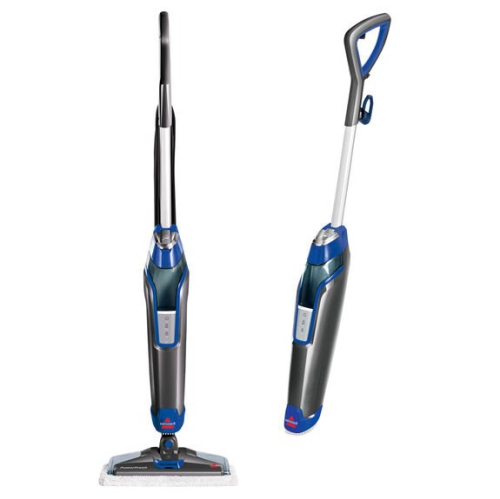 Your price for this item is $199.39
 -
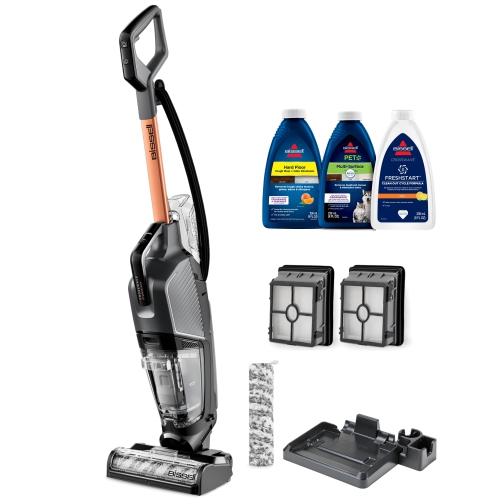 Your price for this item is $398.79
 -
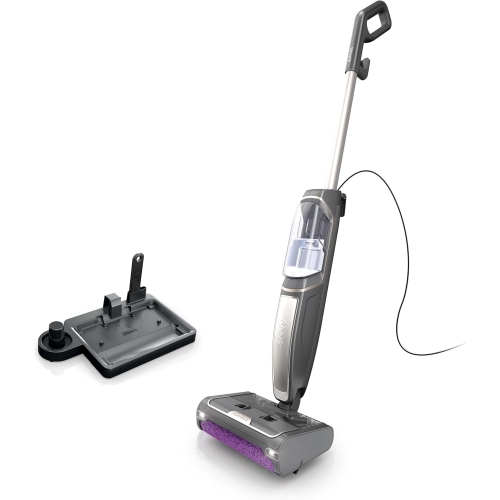 Your price for this item is $456
 -
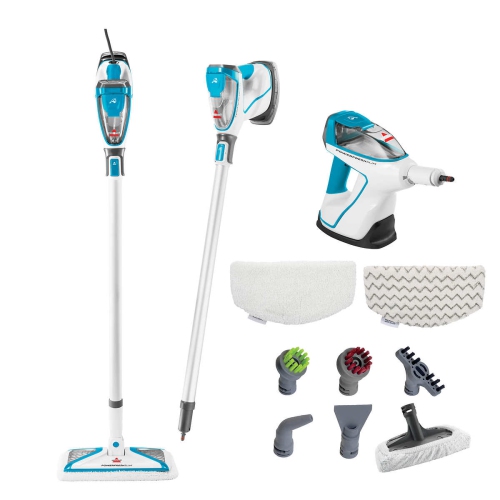 Your price for this item is $230.58
 -
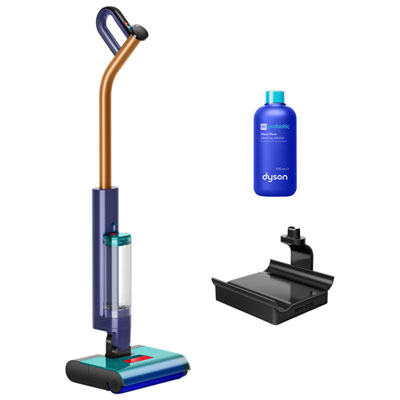 Your price for this item is $699.99
 -
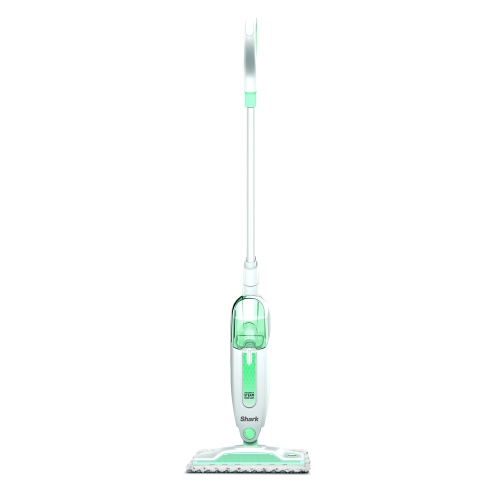 Your price for this item is $136.47
 -
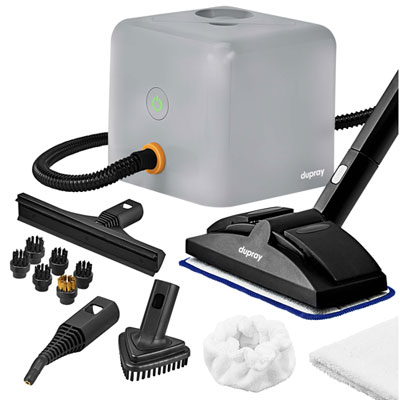 Your price for this item is $349.99
 -
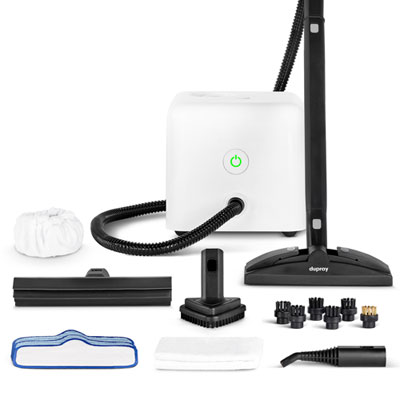 Your price for this item is $249.99
Discover more categories related to Floor Steamers
Top Collections:
Pokemon Centers, Kindle Devices, Best Budget Office Chairs, Apple iPhones 16, Best Laptops for Writers, iPhone 15 Apple, Canon G7X Cameras, Refurbished Apple Laptops, Alarm Clock, Motorola Razr Phones
Some products may be subject to Environmental Handling Fees
(EHF) depending on your province.
Learn more about EHFs.