Food Waste Composters
Reduce food waste and contribute to a greener future with our collection of food waste composters. These innovative and user-friendly composting solutions are designed to effortlessly transform your kitchen scraps into nutrient-rich compost, reducing the amount of waste that ends up in landfills. Whether you have a small apartment or a spacious backyard, we have a range of options to suit your needs. Embrace sustainable living and make a positive impact on the environment by incorporating one of these food waste composters into your daily routine.
Sort
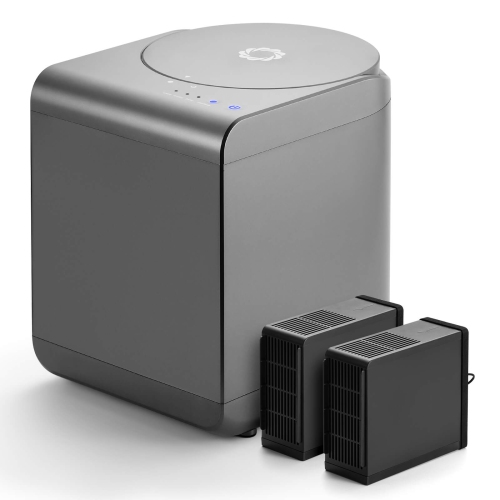
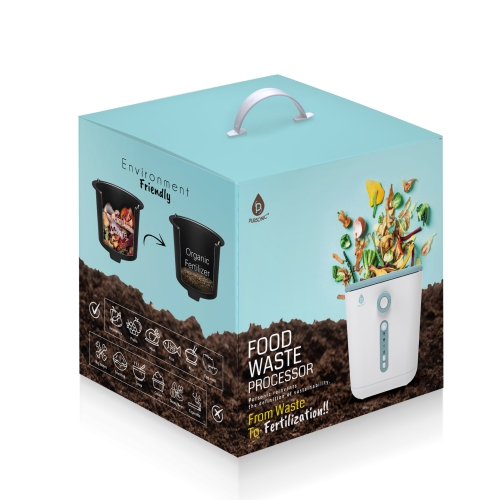
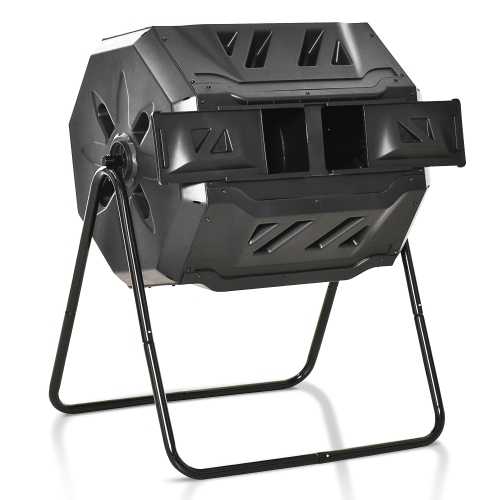
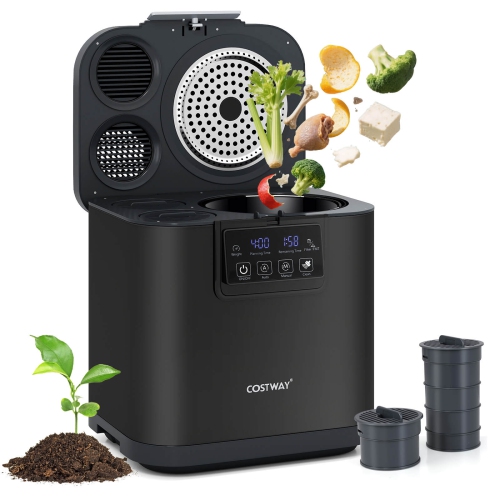
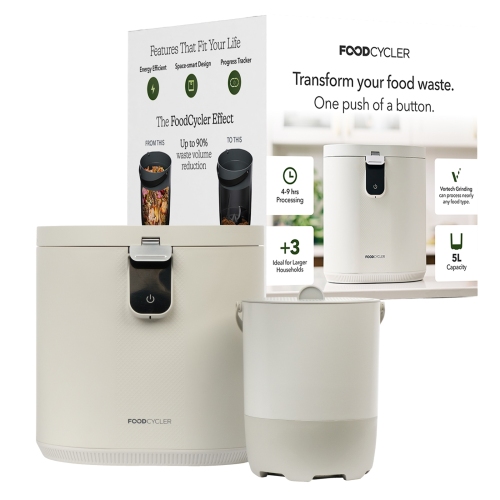
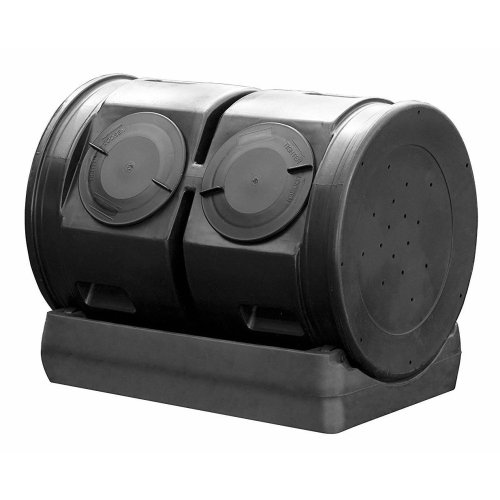
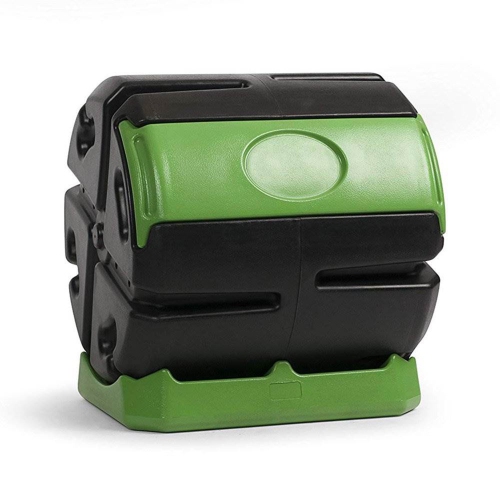
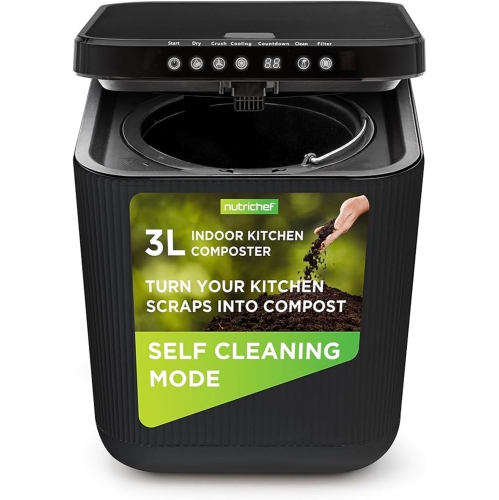
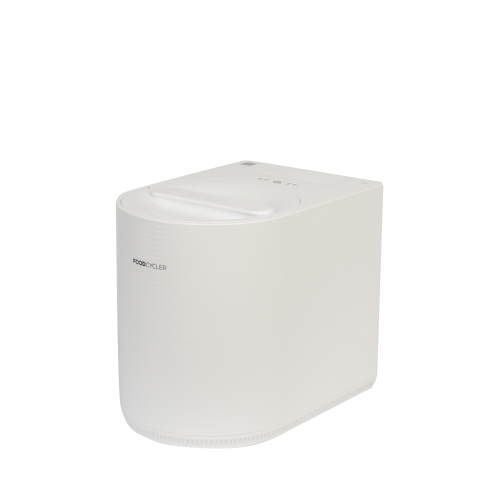
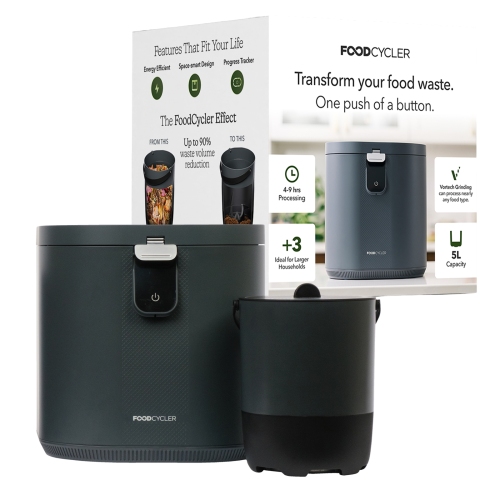
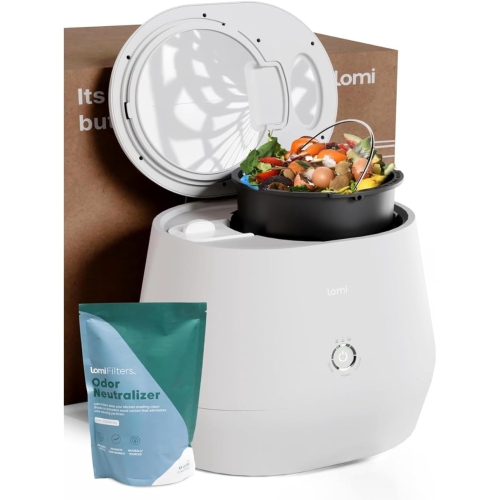
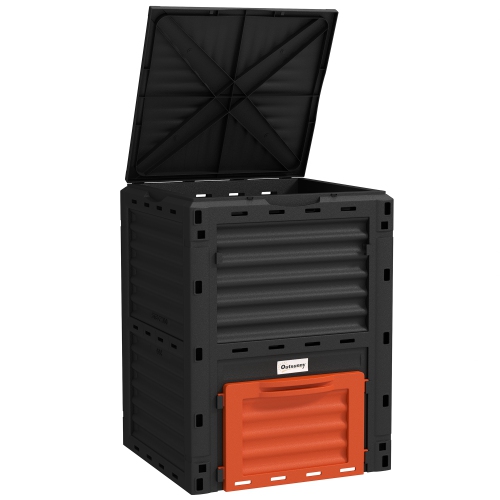
Indoor and outdoor approaches for managing everyday food scraps
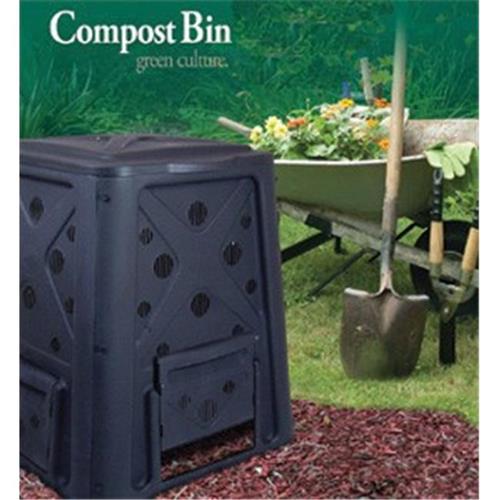
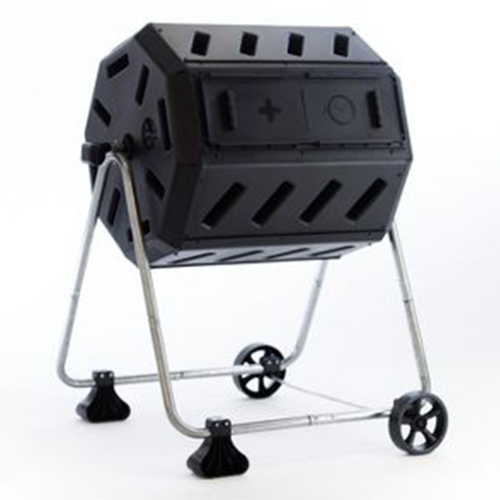
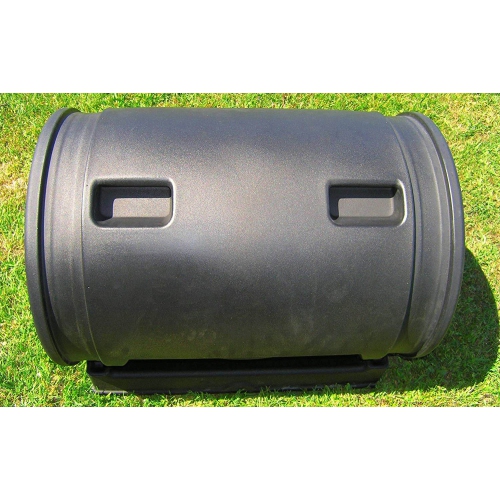
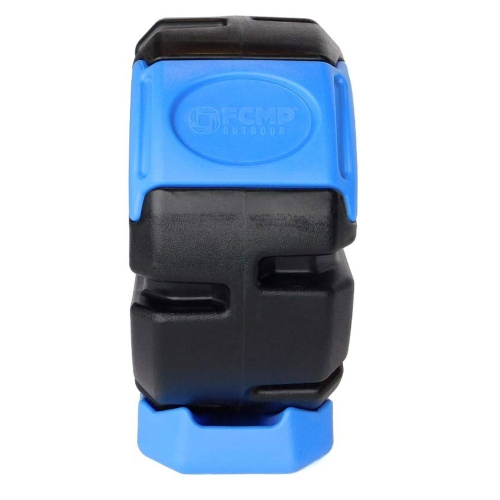
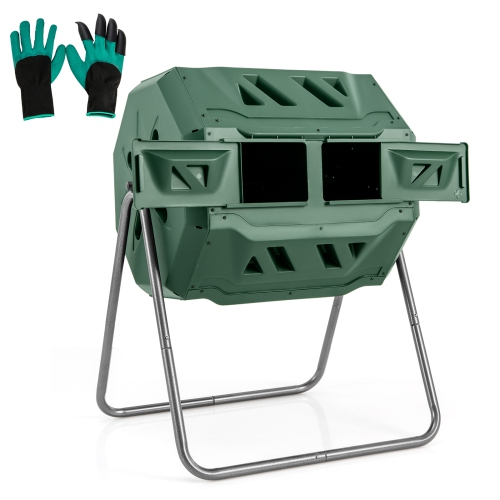
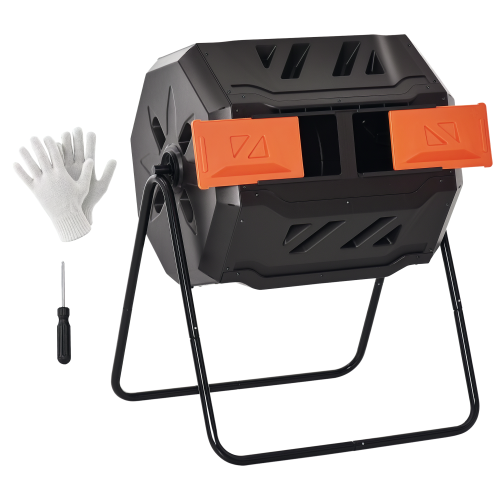
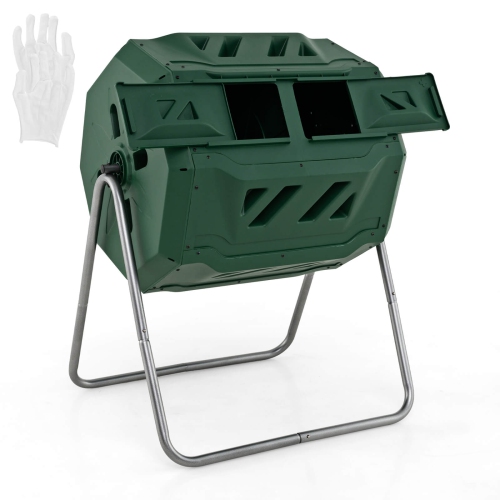
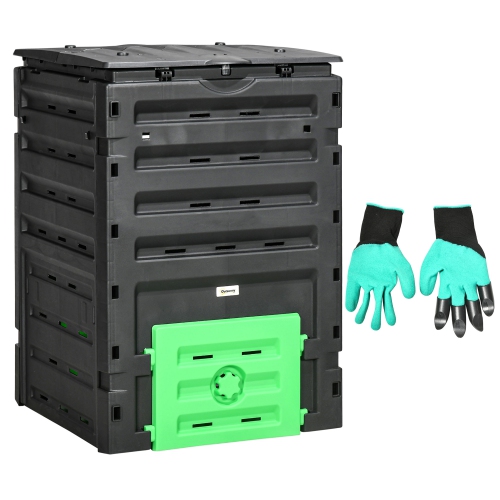
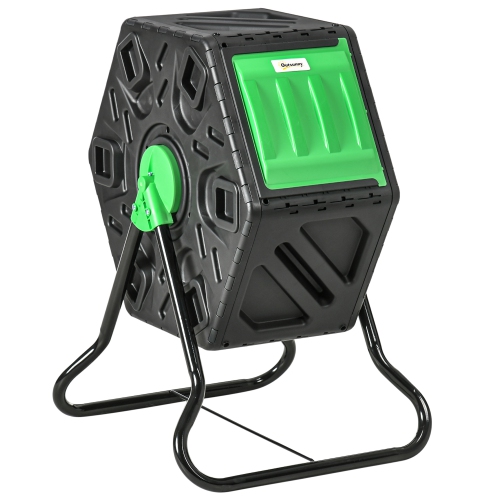
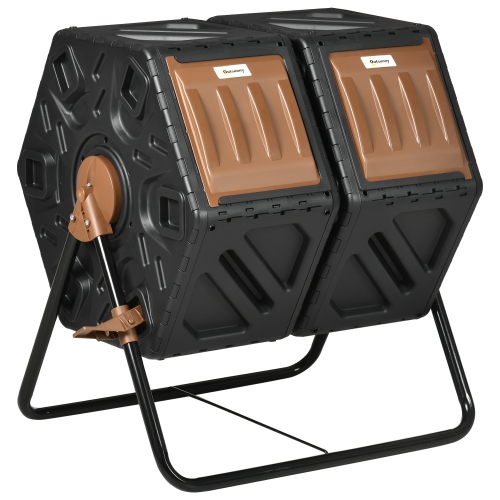
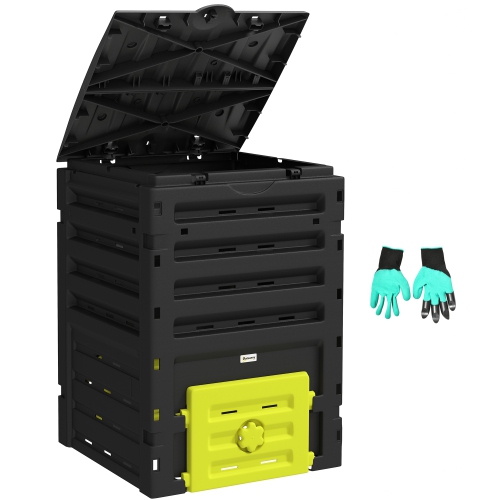
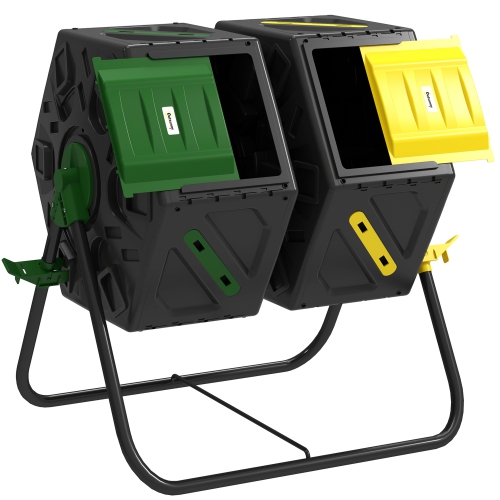
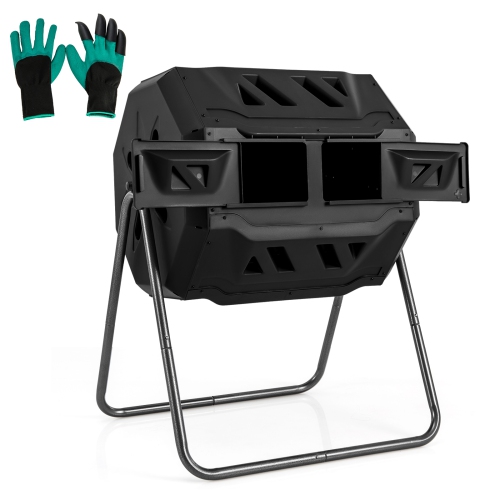
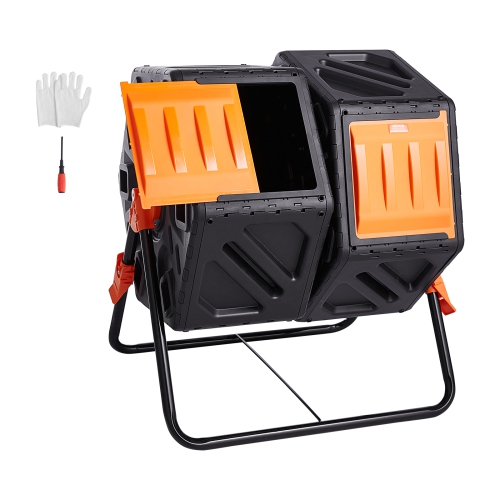
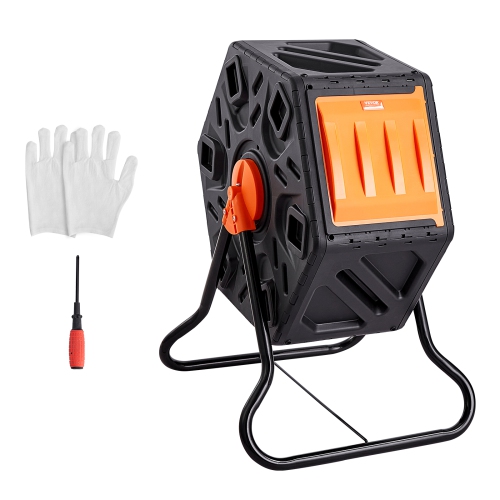
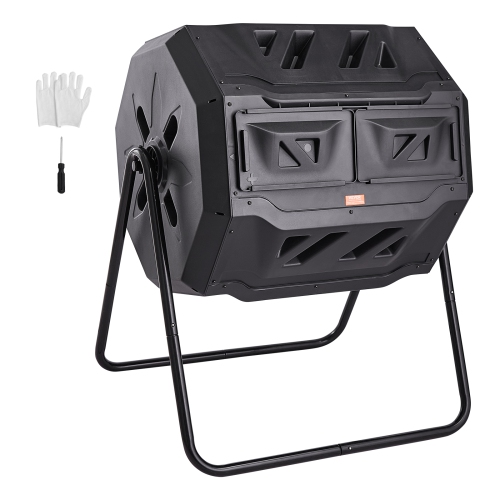
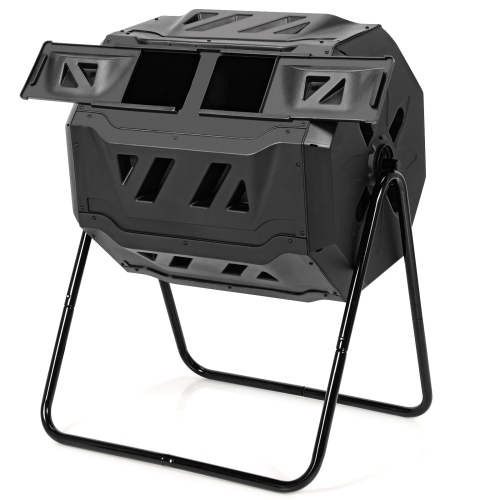
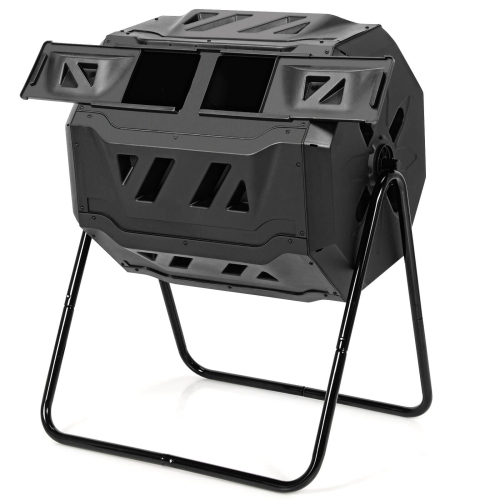
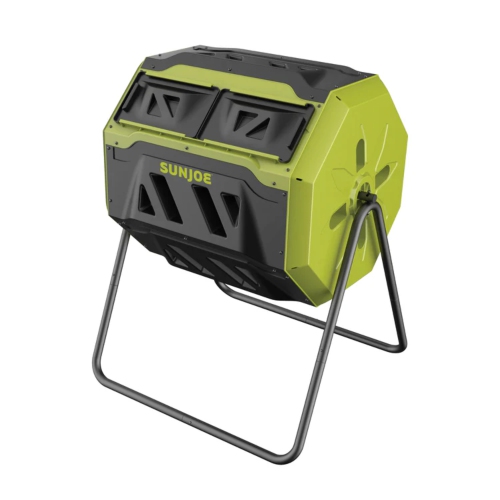
Food waste composters offer a practical way to manage kitchen scraps, whether you want to process peels and coffee grounds outdoors or keep a compact appliance on the counter. The best choice depends first on where you plan to use it and what you expect the finished material to be. Outdoor compost bins and tumbling composters use natural aerobic decomposition: food scraps, dry leaves, shredded paper and other suitable materials break down gradually with air, moisture and regular mixing. A traditional bin can hold a larger volume and suit households with a yard, garden or dedicated outdoor area, while a tumbler keeps the contents raised off the ground and can be easier to turn. Some tumbling models have separate chambers, allowing one side to rest and mature while the other receives fresh scraps. This can be useful during the cooler months, when decomposition may take longer. Look for a sturdy construction, a secure lid and ventilation openings that support airflow without making it easy for pests to get inside. Capacity is also important: a small household that mainly produces fruit and vegetable trimmings may need only a compact unit, while a busy family, keen gardener or frequent home cook may appreciate a larger model with room for several days of scraps and balancing materials. Explore Large Composters when generous capacity is a priority. Outdoor systems generally require more space and patience than countertop appliances, but they can handle a broader routine over time and produce material suitable for mixing into garden soil once it has fully broken down. Positioning matters as well. A level location with convenient access from the kitchen and enough room to open, turn or empty the unit will make regular use feel much less like a chore. A small covered pail or kitchen caddy nearby can make the trip outside easier, particularly when the weather is cold or rainy.
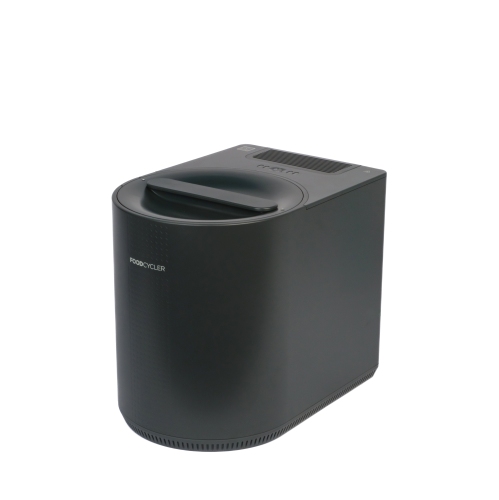
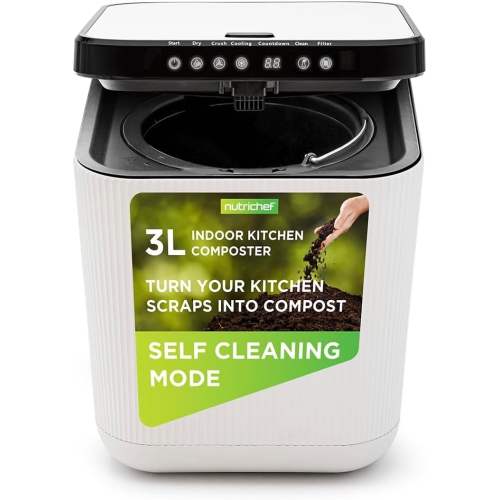
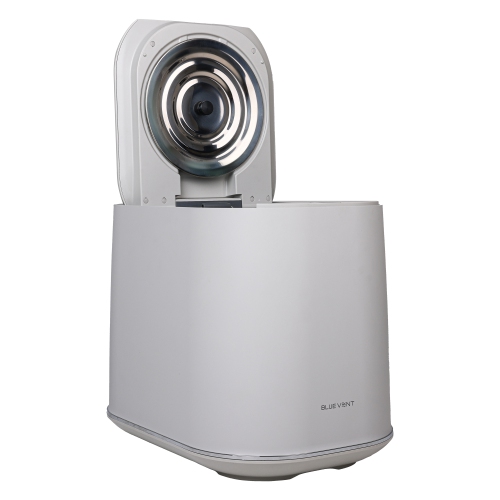
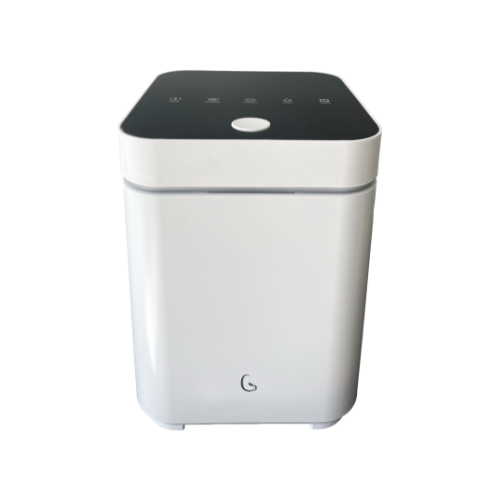
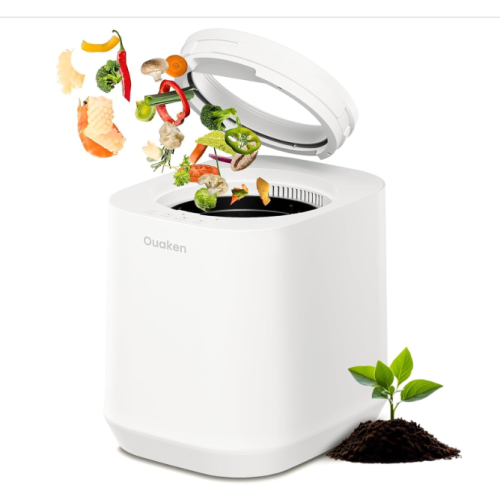
Indoor food waste composters are designed for kitchens, condos, apartments and homes without a convenient outdoor area. Electric countertop units usually dry, grind and reduce food scraps over the course of a few hours, leaving behind a smaller, lighter material that may be easier to store or add to an outdoor compost system. This process significantly reduces the original volume, but it is important to understand that these appliances do not all create finished compost. Many are best described as food waste dehydrators or processors: they remove moisture and break scraps into smaller particles, while the resulting material may require further curing, mixing or use according to the manufacturer’s instructions. Microbial digesters work differently by using active microorganisms to break down food waste indoors. These systems can produce a soil amendment within the unit and are often designed with odour control, filtration and automatic operation in mind. Before choosing an appliance, check its cycle time, interior capacity, noise level, filter requirements and cleaning routine. A model that handles a household’s typical daily scraps in one cycle may be more convenient than one with a larger chamber that needs to run less often. Consider where it will sit, too: a countertop composter should have a stable surface, nearby power and enough clearance for the lid to open fully. Some households keep an indoor unit near the food preparation area for vegetable ends, eggshells and coffee grounds, then empty the processed material into a container for later use. Others prefer an outdoor bin for larger amounts and use a countertop appliance for winter days or for scraps that would otherwise sit in an indoor pail. Always follow the accepted-food list, as items such as large bones, liquids, excess oil, plastic packaging and heavily treated materials may not be suitable. Regularly emptying the collection area, wiping the lid and replacing filters when required can help keep the appliance fresh and ready for the next cycle.
Food waste composters can suit a wide range of households and make thoughtful gifts for people who enjoy cooking, gardening, growing herbs or keeping an organised kitchen. They are especially useful for someone moving into a home with a yard, setting up a balcony garden or looking for a more convenient way to handle everyday food preparation scraps. A countertop model can be a practical housewarming gift for an apartment dweller, while an outdoor bin or tumbler may be better suited to a homeowner with garden space and an interest in producing compost over time. For families, capacity and ease of loading are often more important than advanced settings; a wide opening, secure closure and simple controls can encourage everyone to use the system properly. For a dedicated gardener, airflow, chamber design and the ability to separate finished material from fresh scraps may matter more. Think about the household’s cooking habits as well. Someone who prepares fresh meals most evenings may generate a steady stream of onion skins, herb stems, vegetable peelings and coffee grounds, while a smaller household may prefer a compact system with a short cycle and low storage needs. In early fall, outdoor composting can make good use of garden clippings and end-of-season plant material, provided the unit’s instructions allow it. As the weather becomes colder, an indoor system can keep food scraps manageable when outdoor access is inconvenient, although outdoor decomposition may continue at a slower pace. No matter which style you choose, successful use comes from matching the unit to the available space, expected volume and preferred level of maintenance. A composter should fit naturally into the rhythm of cooking, cleaning and gardening, with clear instructions for what goes in, how often it needs attention and how the finished material should be handled.
Indoor food waste composters are designed for kitchens, condos, apartments and homes without a convenient outdoor area. Electric countertop units usually dry, grind and reduce food scraps over the course of a few hours, leaving behind a smaller, lighter material that may be easier to store or add to an outdoor compost system. This process significantly reduces the original volume, but it is important to understand that these appliances do not all create finished compost. Many are best described as food waste dehydrators or processors: they remove moisture and break scraps into smaller particles, while the resulting material may require further curing, mixing or use according to the manufacturer’s instructions. Microbial digesters work differently by using active microorganisms to break down food waste indoors. These systems can produce a soil amendment within the unit and are often designed with odour control, filtration and automatic operation in mind. Before choosing an appliance, check its cycle time, interior capacity, noise level, filter requirements and cleaning routine. A model that handles a household’s typical daily scraps in one cycle may be more convenient than one with a larger chamber that needs to run less often. Consider where it will sit, too: a countertop composter should have a stable surface, nearby power and enough clearance for the lid to open fully. Some households keep an indoor unit near the food preparation area for vegetable ends, eggshells and coffee grounds, then empty the processed material into a container for later use. Others prefer an outdoor bin for larger amounts and use a countertop appliance for winter days or for scraps that would otherwise sit in an indoor pail. Always follow the accepted-food list, as items such as large bones, liquids, excess oil, plastic packaging and heavily treated materials may not be suitable. Regularly emptying the collection area, wiping the lid and replacing filters when required can help keep the appliance fresh and ready for the next cycle.
Food waste composters can suit a wide range of households and make thoughtful gifts for people who enjoy cooking, gardening, growing herbs or keeping an organised kitchen. They are especially useful for someone moving into a home with a yard, setting up a balcony garden or looking for a more convenient way to handle everyday food preparation scraps. A countertop model can be a practical housewarming gift for an apartment dweller, while an outdoor bin or tumbler may be better suited to a homeowner with garden space and an interest in producing compost over time. For families, capacity and ease of loading are often more important than advanced settings; a wide opening, secure closure and simple controls can encourage everyone to use the system properly. For a dedicated gardener, airflow, chamber design and the ability to separate finished material from fresh scraps may matter more. Think about the household’s cooking habits as well. Someone who prepares fresh meals most evenings may generate a steady stream of onion skins, herb stems, vegetable peelings and coffee grounds, while a smaller household may prefer a compact system with a short cycle and low storage needs. In early fall, outdoor composting can make good use of garden clippings and end-of-season plant material, provided the unit’s instructions allow it. As the weather becomes colder, an indoor system can keep food scraps manageable when outdoor access is inconvenient, although outdoor decomposition may continue at a slower pace. No matter which style you choose, successful use comes from matching the unit to the available space, expected volume and preferred level of maintenance. A composter should fit naturally into the rhythm of cooking, cleaning and gardening, with clear instructions for what goes in, how often it needs attention and how the finished material should be handled.
Top selling and popular products
-
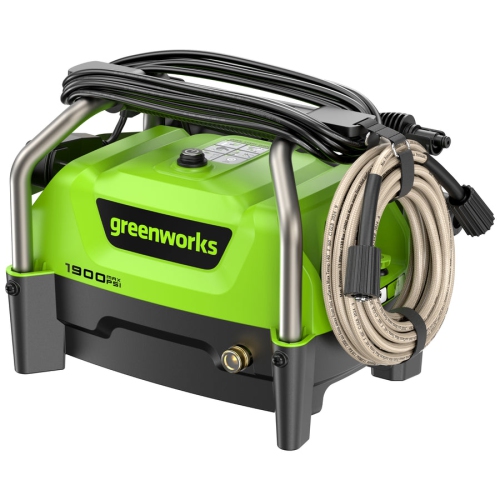 Your price for this item is $169.99
 -
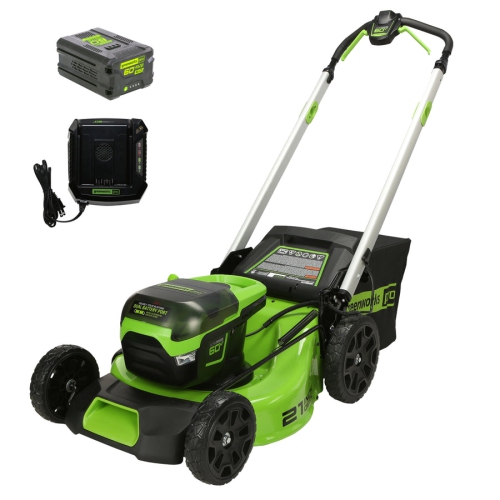 Your price for this item is $554.39
 -
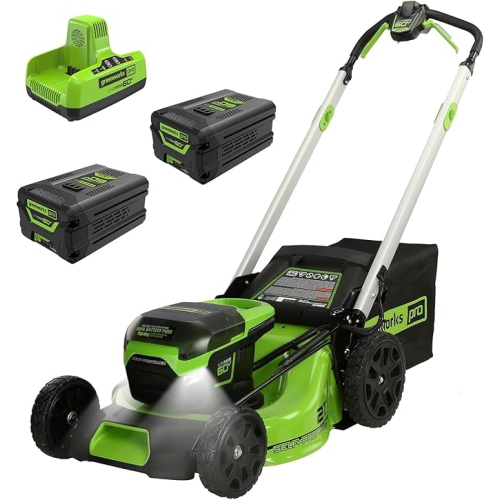 Your price for this item is $879.99
 -
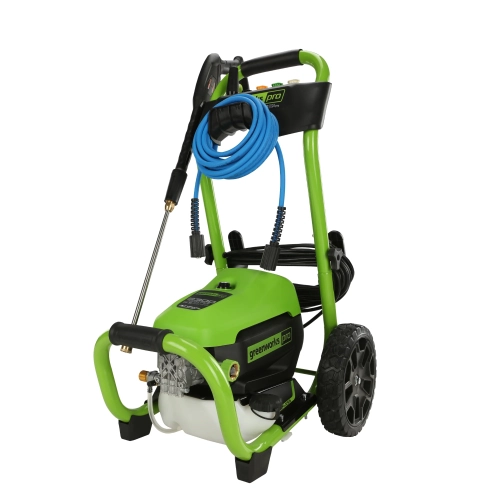 Your price for this item is $439.99
 -
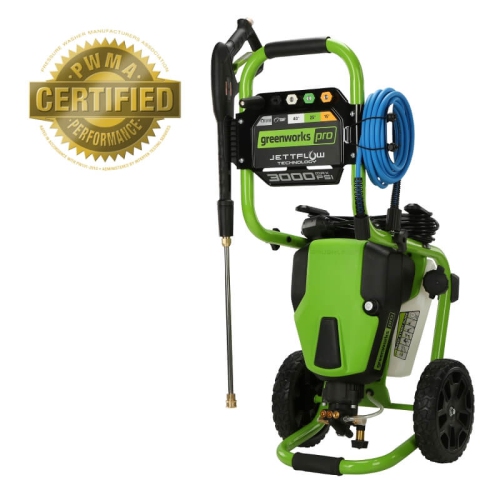 Your price for this item is $499
 -
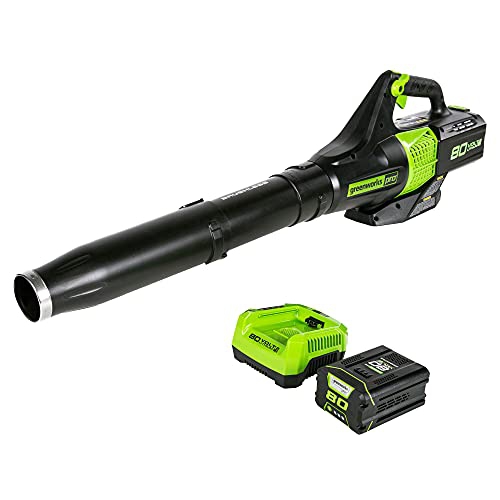 Your price for this item is $255
 -
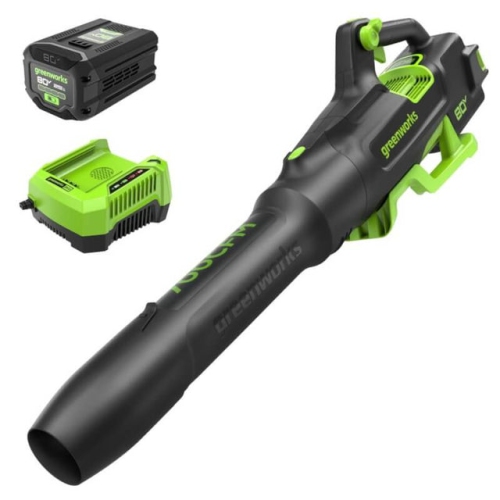 Your price for this item is $272
 -
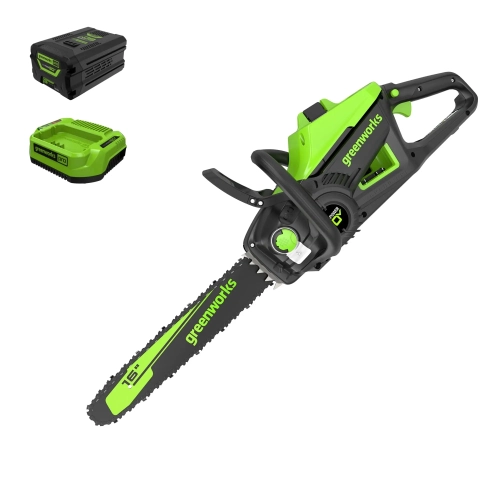 Your price for this item is $329.99
Discover more categories related to Food Waste Composters
Top Collections:
Pokemon Centers, Kindle Devices, Best Budget Office Chairs, Apple iPhones 16, Best Laptops for Writers, iPhone 15 Apple, Canon G7X Cameras, Refurbished Apple Laptops, Alarm Clock, Motorola Razr Phones
Some products may be subject to Environmental Handling Fees
(EHF) depending on your province.
Learn more about EHFs.