Composting Machines
Looking to reduce your carbon footprint and create nutrient-rich soil for your garden? Look no further than our selection of composting machines. These innovative devices are designed to effortlessly transform your kitchen scraps, yard waste, and more into organic compost that will nourish your plants and help you contribute to a more sustainable future. Whether you have a small balcony or a sprawling backyard, we have the perfect composting machine to suit your needs. Say goodbye to waste and hello to greener living with our range of composting machines.
Sort
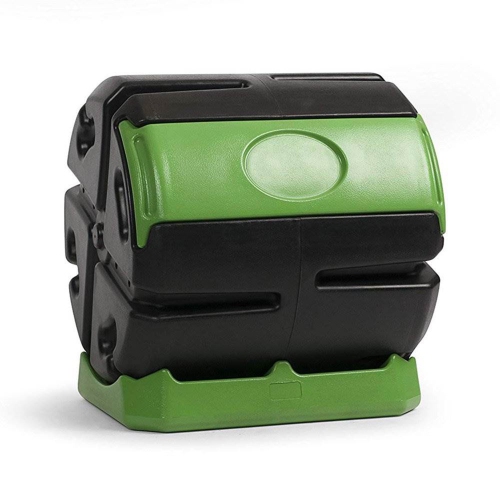
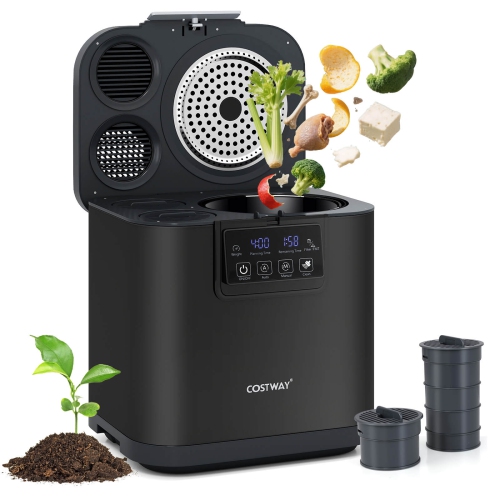
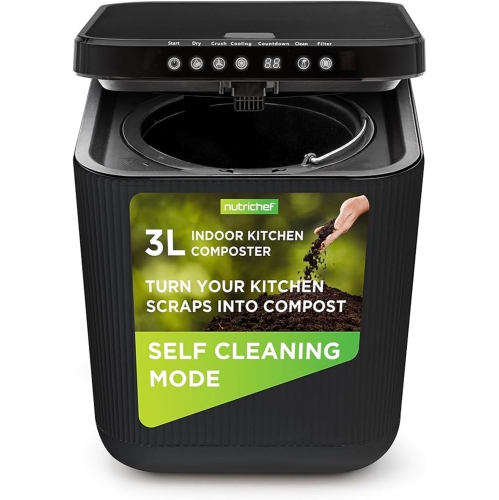
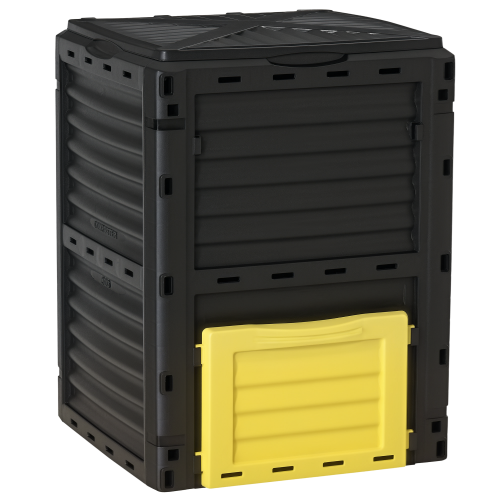
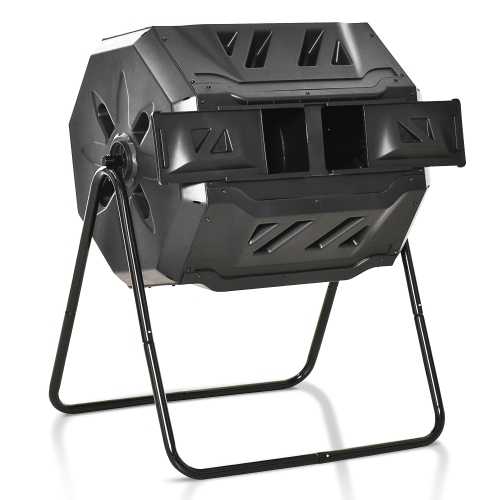
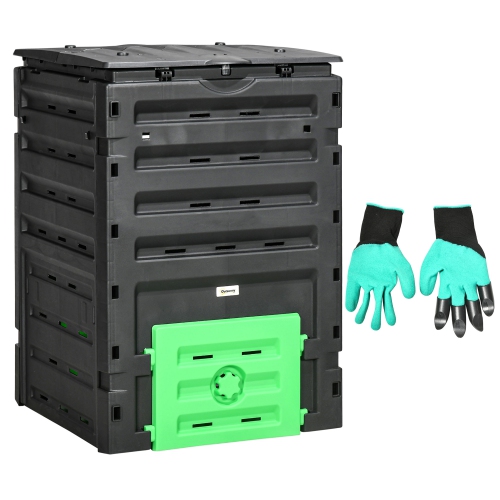
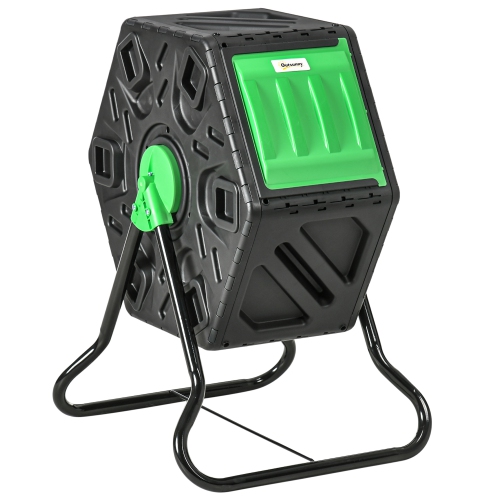
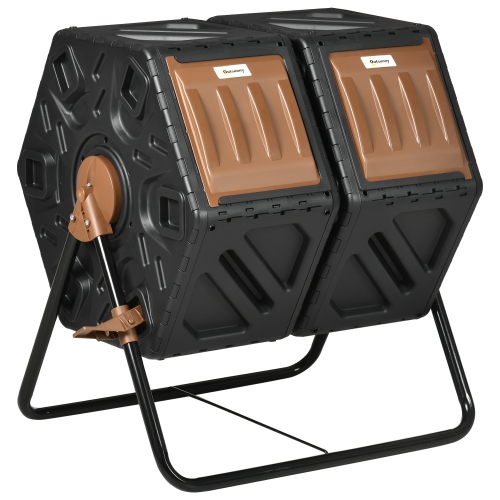
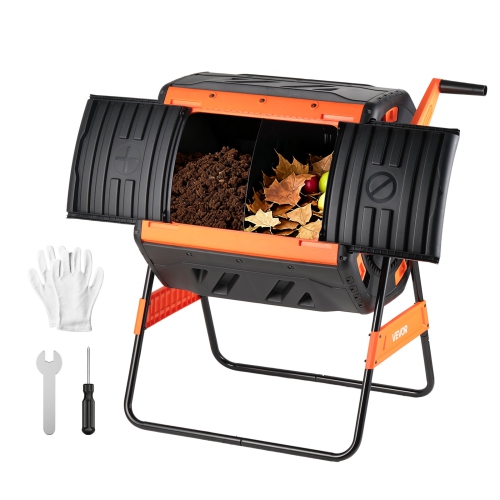
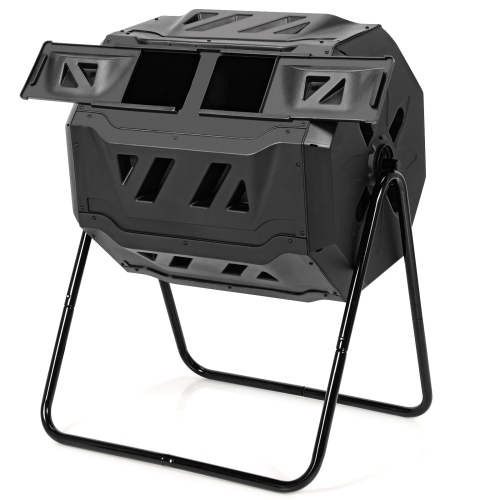
What separates fast-drying units from microbial systems
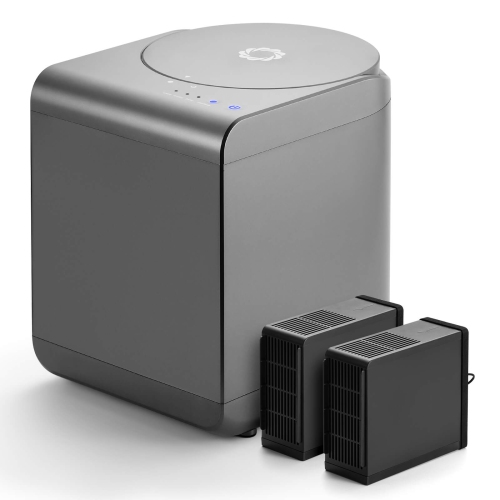
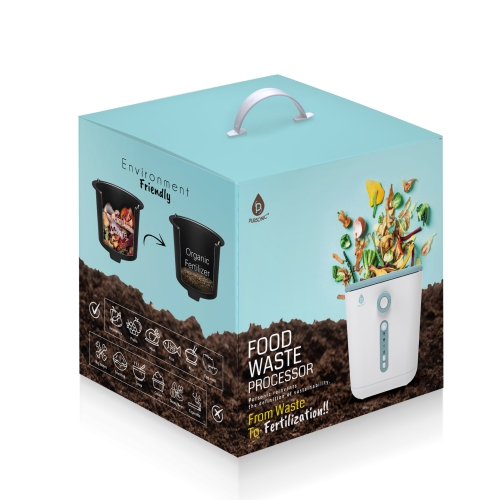
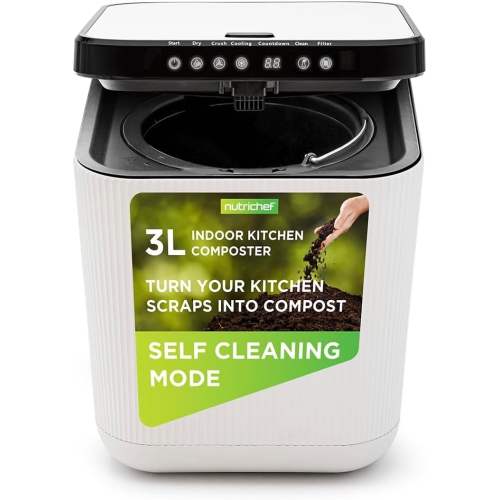
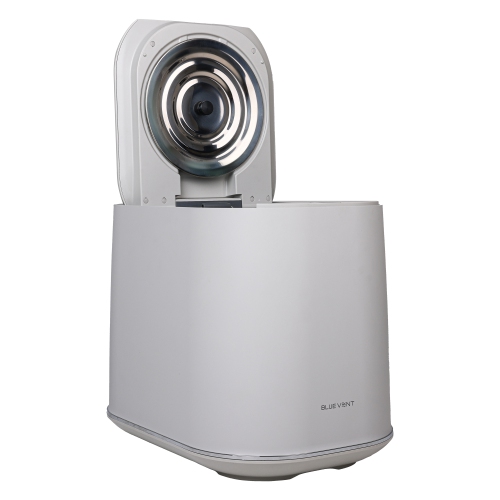
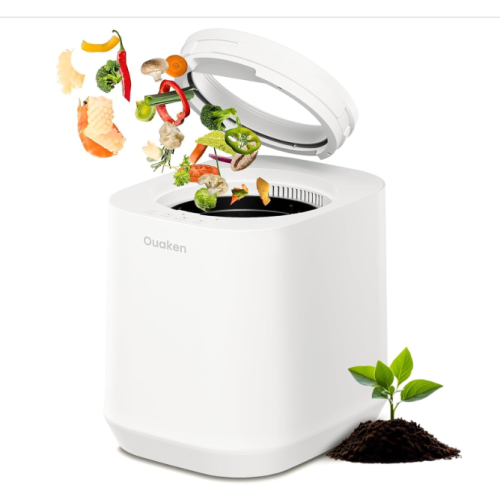
Composting machines offer a convenient way to process kitchen scraps at home, whether you live in an apartment with limited storage or have a backyard garden that benefits from homemade soil amendments. Unlike traditional outdoor compost bins, these countertop or freestanding appliances are designed to fit into everyday routines, handling items such as fruit and vegetable peels, coffee grounds, eggshells, grains and some cooked foods. A typical grind-and-dry unit uses heat, airflow and a built-in grinder to process scraps in roughly 3 to 6 hours. The result is a dry, lightweight material that takes up considerably less space than the original food scraps and is easier to store before adding it to soil or an outdoor composting setup. Other machines use active microorganisms, gentle heat and mixing paddles to break food scraps down over a longer cycle, often around 24 hours, producing a moist, soil-like output that is closer to finished compost. Understanding this difference is one of the most important considerations when comparing composting machines: dehydrating appliances are generally chosen for speed, odour control and simple indoor handling, while microbial systems are better suited to shoppers who want an ongoing compost-like material for garden beds, planters or outdoor bins. Prices commonly range from about $250 to $750, depending on the processing method, capacity, controls, filtration system and included accessories. A smaller unit can be a practical fit for one or two people who prepare modest meals, while households that cook frequently may prefer a larger chamber that can accommodate several days of scraps without constant emptying. Capacity should be considered alongside counter space, since a machine that fits comfortably beneath upper cabinets may be easier to use than one that needs to be moved each time the lid is opened. Measuring the available area, including room for ventilation and access to the power cord, can help prevent surprises after delivery.
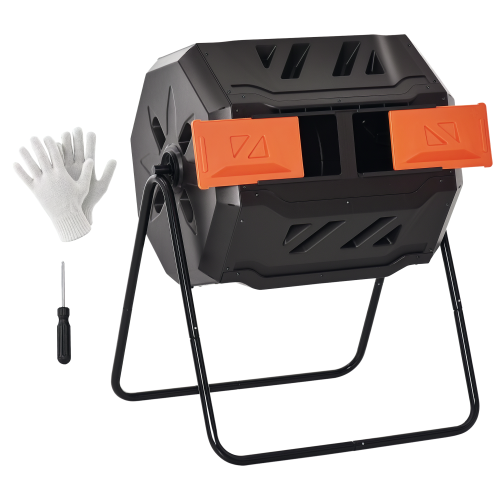
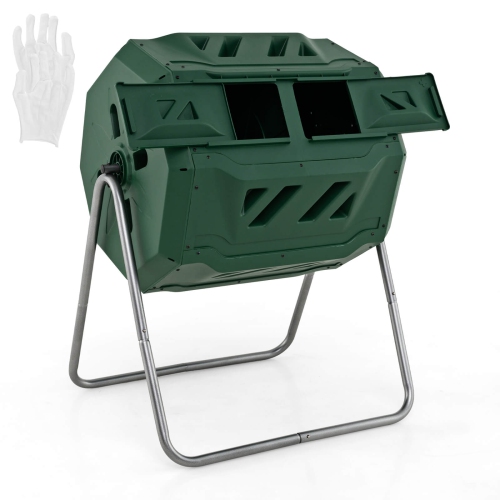
The types of scraps you produce should guide your selection as much as the machine’s exterior size. Families that regularly prepare salads, roasted vegetables, fresh fruit or coffee may appreciate a unit with a generous opening and a straightforward one-touch cycle. Homes that produce more cooked food, pasta, grains or meat scraps should check the manufacturer’s accepted-material list carefully, as processing limits vary from one machine to another. Some appliances are intended primarily for plant-based scraps, while others can handle a broader mix. Bones, large pits, excessive liquid, greasy foods and fibrous materials may be restricted or may require preparation before they are added. A well-designed filter can help manage odours, particularly during the cooler months when windows may stay closed and the kitchen is used as a gathering place. Look for replaceable charcoal or activated-carbon filters, easy-to-clean removable components and a lid that seals securely. Noise is another detail worth considering. Grinding and drying units may produce a noticeable hum during operation, so a quieter model can be more comfortable in an open-concept kitchen, condo or home where the appliance runs near a living area. Cycle length, energy use, start controls and delay settings can also affect convenience. A delay function may allow scraps to be processed after dinner or overnight, while a removable bucket makes it simpler to transfer the output without disturbing the rest of the appliance. Some households keep a small sealed container beside the sink and load the machine once or twice a day; others add scraps throughout the day and start a cycle when the chamber is full. During the cooler months, the output can be stored in a lidded container until it is ready to mix into outdoor soil, raised beds, flower planters or a larger composting system. Those with ample outdoor space may also want to compare countertop appliances with Large Composters for a setup that accommodates greater volumes of yard and kitchen material.
Composting machines can be useful for a broad range of households and can make a thoughtful gift for a new homeowner, apartment dweller, keen gardener or anyone who enjoys practical kitchen technology. They are especially helpful for people who want to keep food scraps contained between collection days, avoid a full indoor bin sitting for several days, or maintain a tidier food-preparation area. A family with young children may find that a compact appliance turns kitchen scraps into an easy, visible routine, while a home cook may value the ability to process peels and trimmings soon after preparing a meal. Gardeners should consider the finished material carefully and follow the machine’s instructions for dilution, curing and application; dehydrated output is not always the same as mature compost and may need to be mixed with soil or allowed to break down further before it is used around plants. Microbial output may also benefit from additional curing, depending on its texture and the materials processed. It is wise to leave some clearance around vents, keep the machine on a stable, dry surface and clean the chamber regularly to prevent residue from building up around the lid, grinding area or seals. Filter replacement schedules, warranty coverage and the availability of replacement buckets or accessories are practical details that can shape long-term satisfaction. When choosing between models, balance the amount and type of food scraps your household creates with the space available, the acceptable processing time and the kind of output you want to use. The best fit is a machine that feels simple enough to run after an ordinary meal, quiet enough for your living space and capable of producing an output that suits your garden, planters or existing composting routine.
The types of scraps you produce should guide your selection as much as the machine’s exterior size. Families that regularly prepare salads, roasted vegetables, fresh fruit or coffee may appreciate a unit with a generous opening and a straightforward one-touch cycle. Homes that produce more cooked food, pasta, grains or meat scraps should check the manufacturer’s accepted-material list carefully, as processing limits vary from one machine to another. Some appliances are intended primarily for plant-based scraps, while others can handle a broader mix. Bones, large pits, excessive liquid, greasy foods and fibrous materials may be restricted or may require preparation before they are added. A well-designed filter can help manage odours, particularly during the cooler months when windows may stay closed and the kitchen is used as a gathering place. Look for replaceable charcoal or activated-carbon filters, easy-to-clean removable components and a lid that seals securely. Noise is another detail worth considering. Grinding and drying units may produce a noticeable hum during operation, so a quieter model can be more comfortable in an open-concept kitchen, condo or home where the appliance runs near a living area. Cycle length, energy use, start controls and delay settings can also affect convenience. A delay function may allow scraps to be processed after dinner or overnight, while a removable bucket makes it simpler to transfer the output without disturbing the rest of the appliance. Some households keep a small sealed container beside the sink and load the machine once or twice a day; others add scraps throughout the day and start a cycle when the chamber is full. During the cooler months, the output can be stored in a lidded container until it is ready to mix into outdoor soil, raised beds, flower planters or a larger composting system. Those with ample outdoor space may also want to compare countertop appliances with Large Composters for a setup that accommodates greater volumes of yard and kitchen material.
Composting machines can be useful for a broad range of households and can make a thoughtful gift for a new homeowner, apartment dweller, keen gardener or anyone who enjoys practical kitchen technology. They are especially helpful for people who want to keep food scraps contained between collection days, avoid a full indoor bin sitting for several days, or maintain a tidier food-preparation area. A family with young children may find that a compact appliance turns kitchen scraps into an easy, visible routine, while a home cook may value the ability to process peels and trimmings soon after preparing a meal. Gardeners should consider the finished material carefully and follow the machine’s instructions for dilution, curing and application; dehydrated output is not always the same as mature compost and may need to be mixed with soil or allowed to break down further before it is used around plants. Microbial output may also benefit from additional curing, depending on its texture and the materials processed. It is wise to leave some clearance around vents, keep the machine on a stable, dry surface and clean the chamber regularly to prevent residue from building up around the lid, grinding area or seals. Filter replacement schedules, warranty coverage and the availability of replacement buckets or accessories are practical details that can shape long-term satisfaction. When choosing between models, balance the amount and type of food scraps your household creates with the space available, the acceptable processing time and the kind of output you want to use. The best fit is a machine that feels simple enough to run after an ordinary meal, quiet enough for your living space and capable of producing an output that suits your garden, planters or existing composting routine.
Top selling and popular products
-
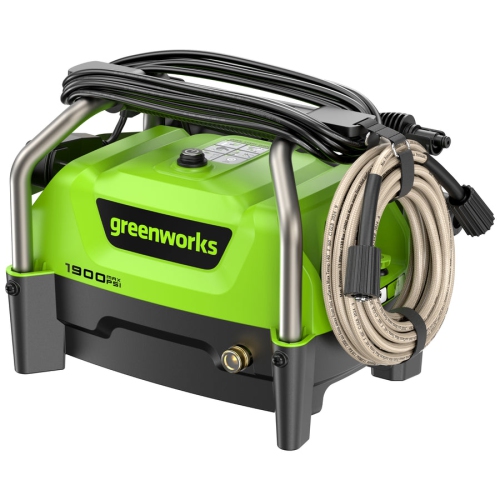 Your price for this item is $169.99
 -
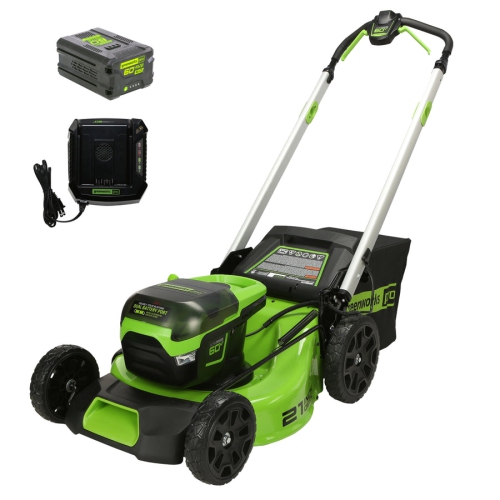 Your price for this item is $554.39
 -
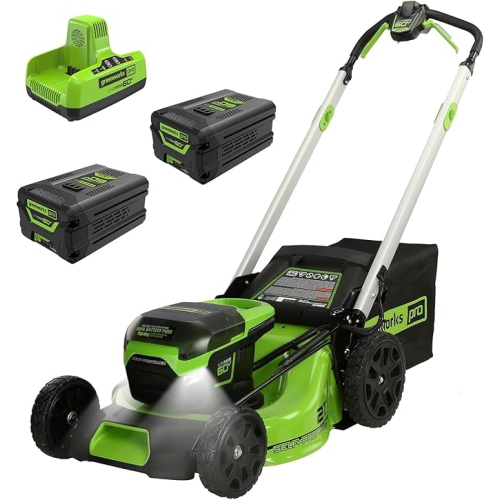 Your price for this item is $879.99
 -
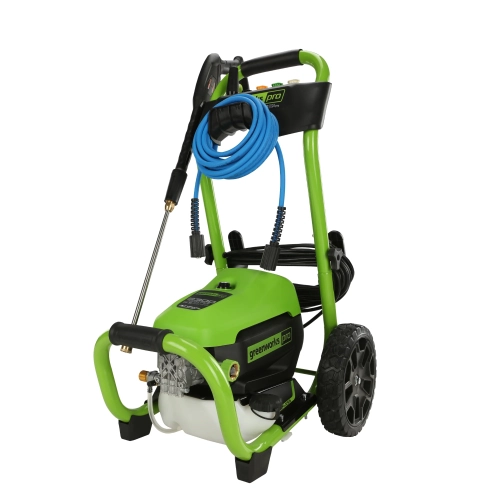 Your price for this item is $439.99
 -
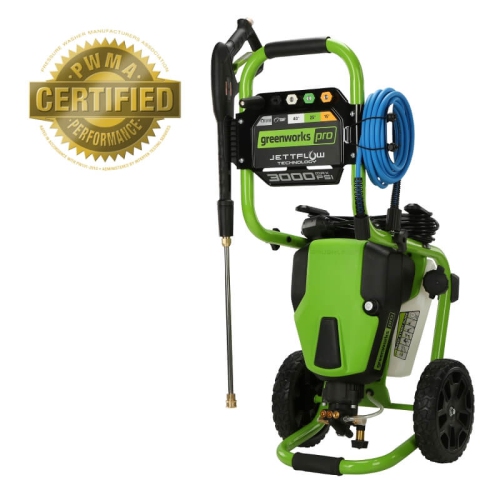 Your price for this item is $499
 -
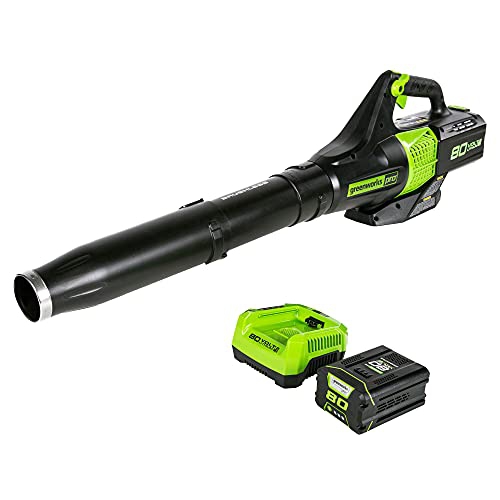 Your price for this item is $255
 -
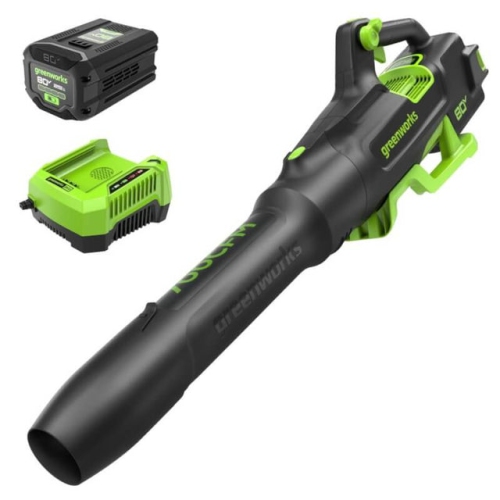 Your price for this item is $272
 -
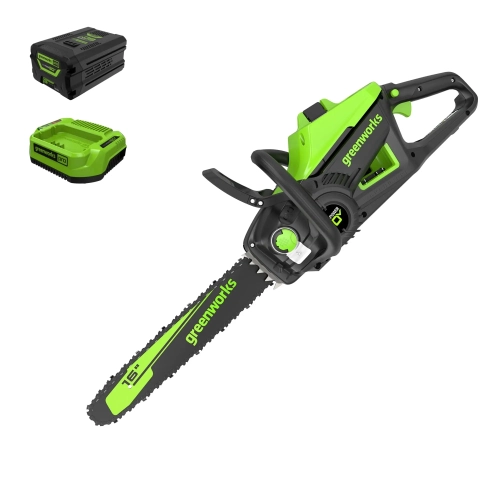 Your price for this item is $329.99
Discover more categories related to Composting Machines
Top Collections:
Pokemon Centers, Kindle Devices, Best Budget Office Chairs, Apple iPhones 16, Best Laptops for Writers, iPhone 15 Apple, Canon G7X Cameras, Refurbished Apple Laptops, Alarm Clock, Motorola Razr Phones
Some products may be subject to Environmental Handling Fees
(EHF) depending on your province.
Learn more about EHFs.