Front Load Washer Large Capacity
A front-loading washer with a large load capacity is a great way to save time and energy. With a large capacity washer, you can easily wash bulky items like comforters, bedding, and towels. Here are some of the best large capacity front load washers on the market today.
Sort
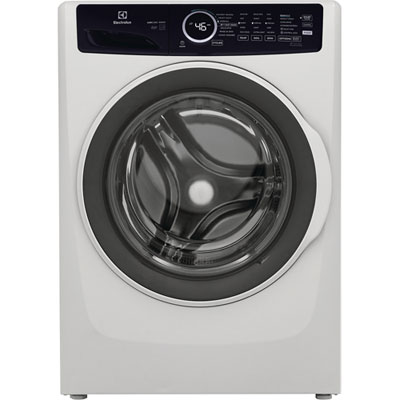
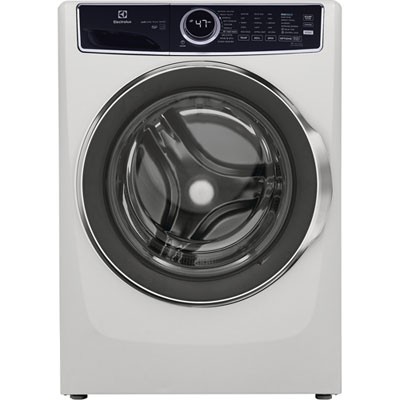
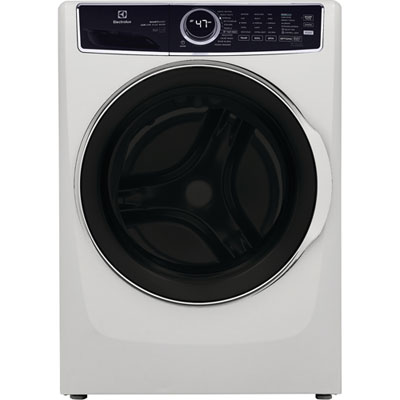
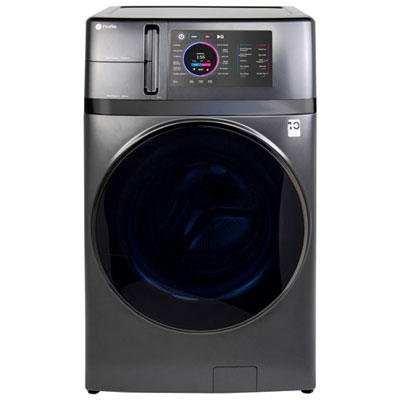
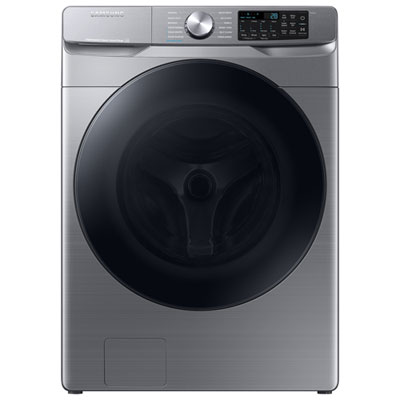
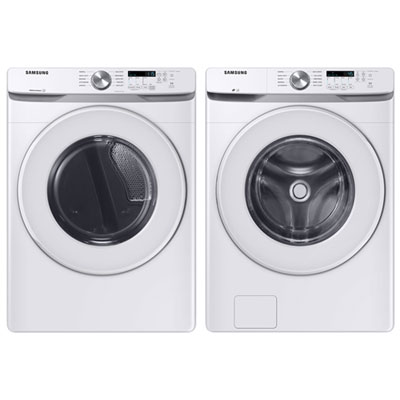
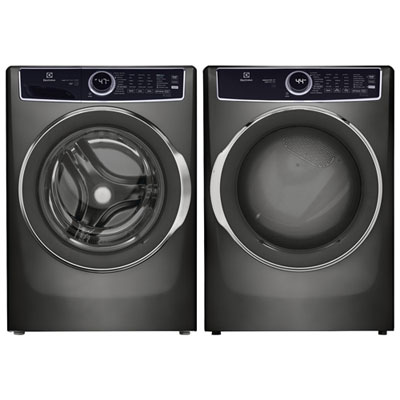
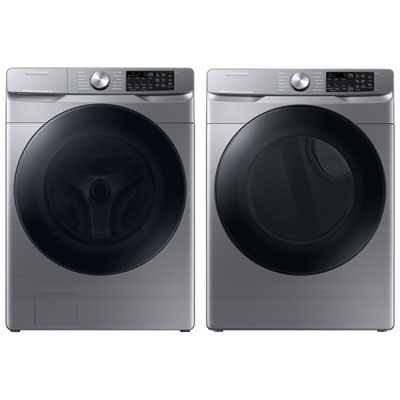
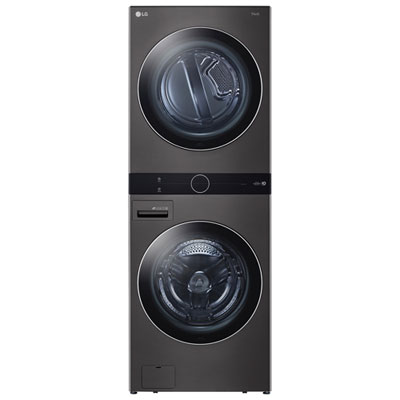
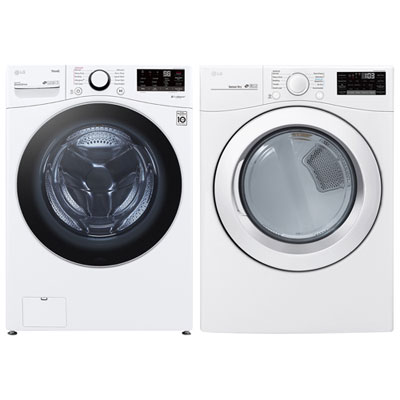
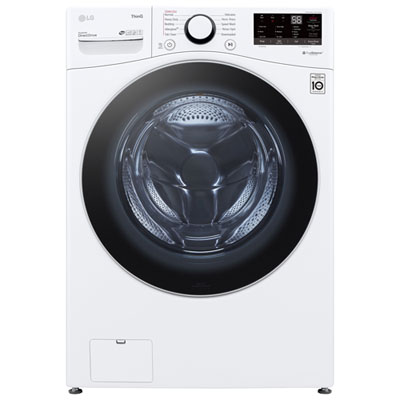
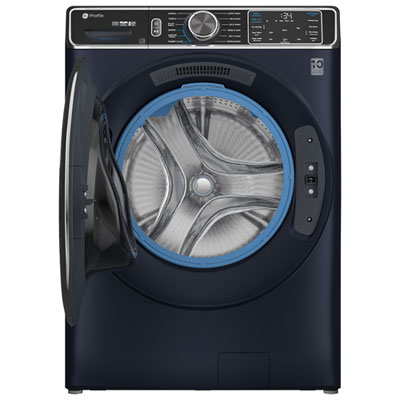
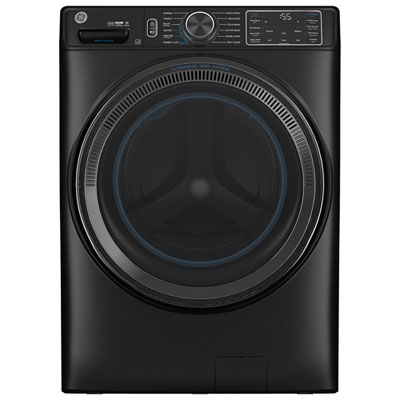
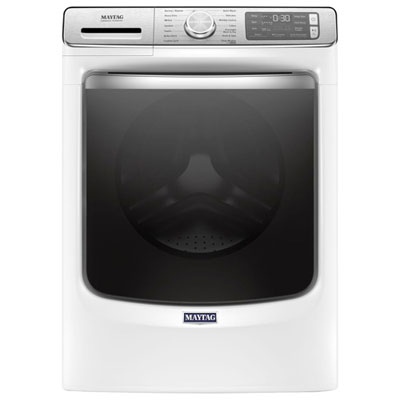

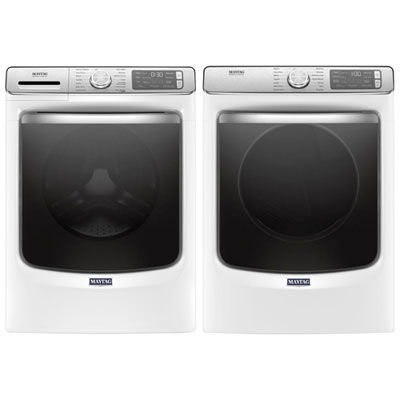
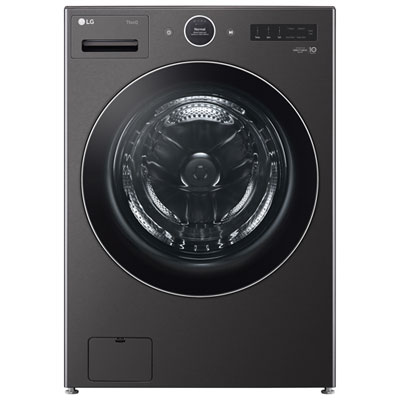
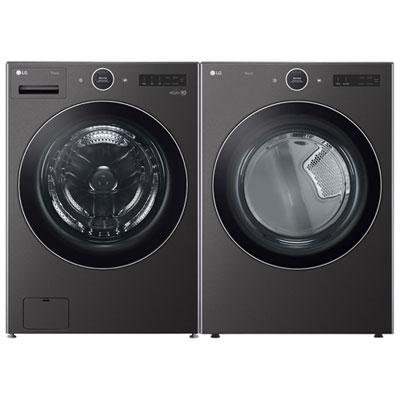
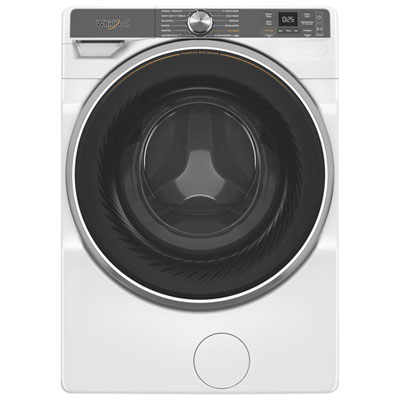
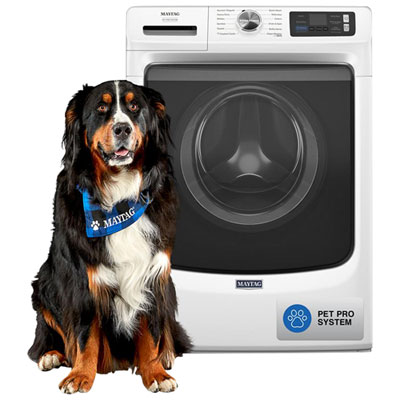
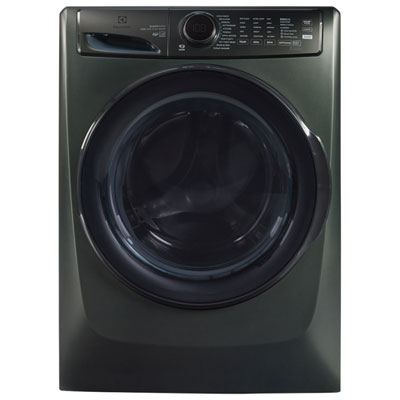
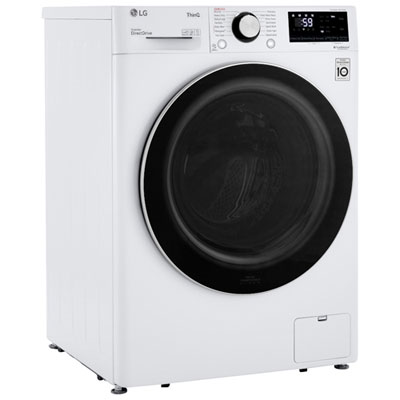
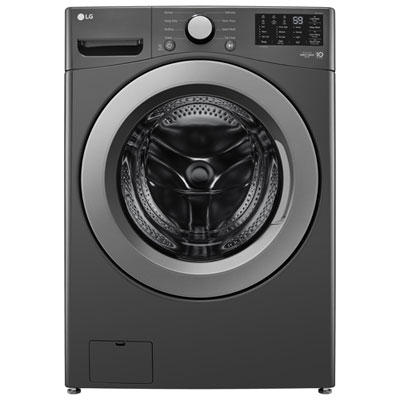
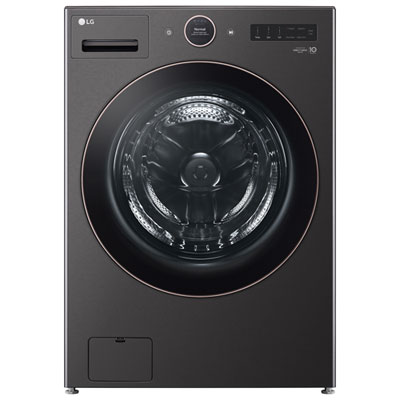
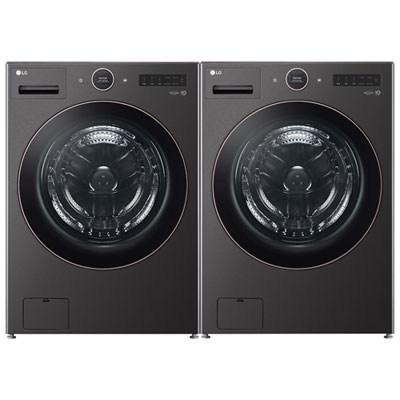
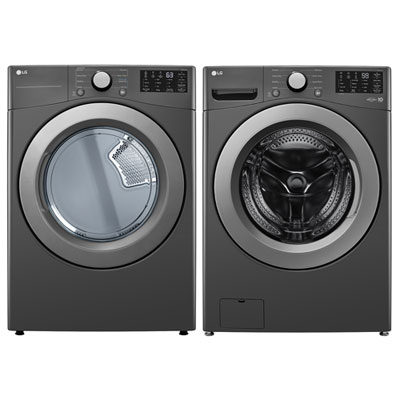
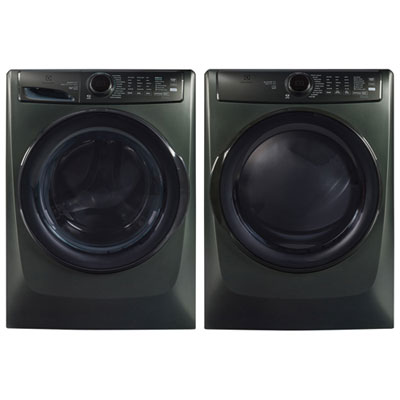
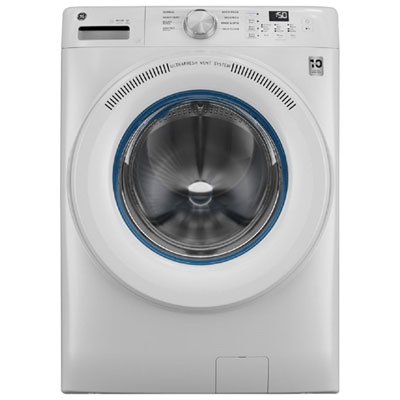
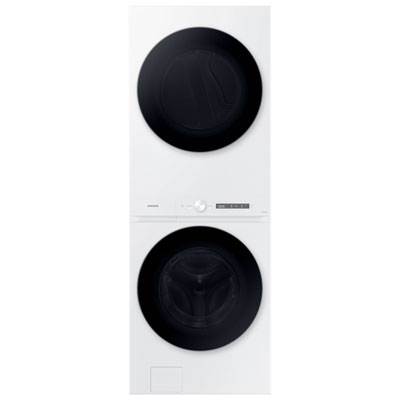
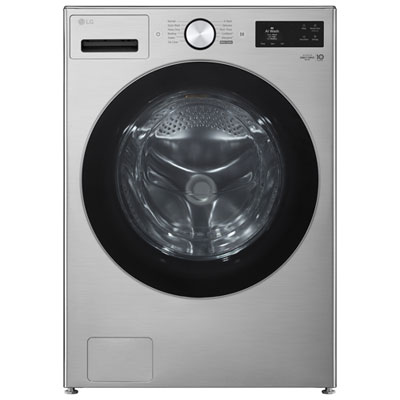
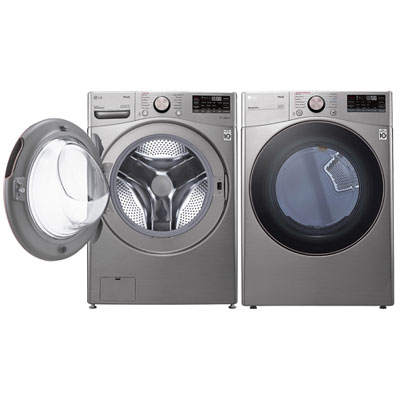
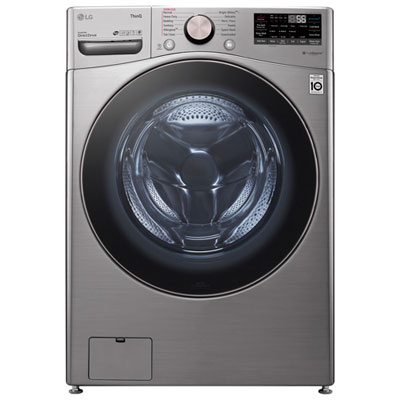
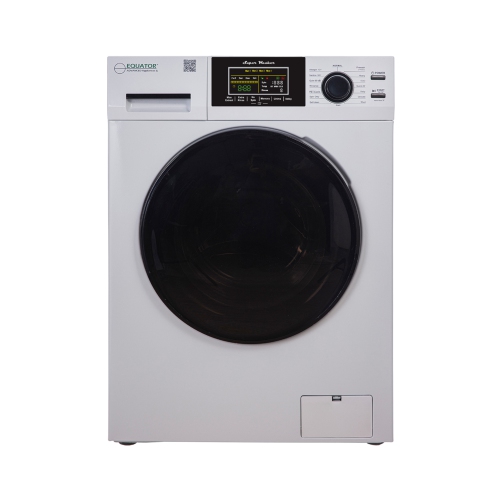
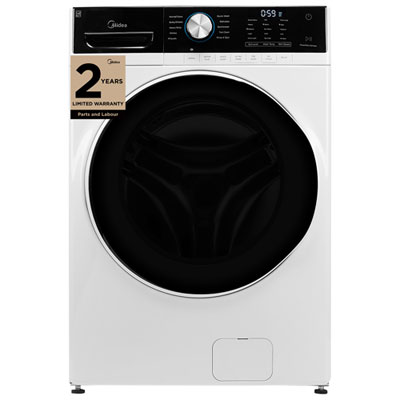
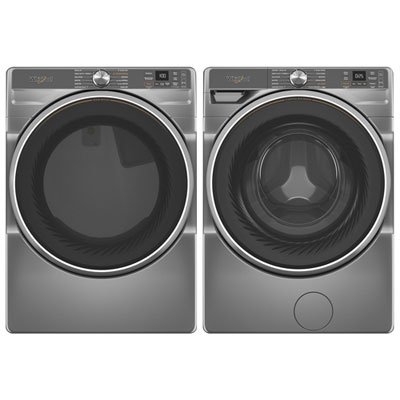
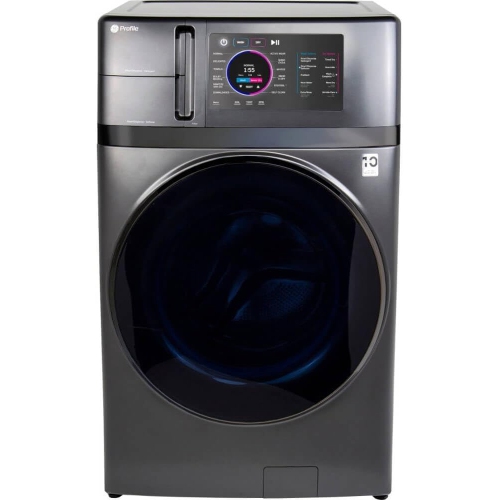
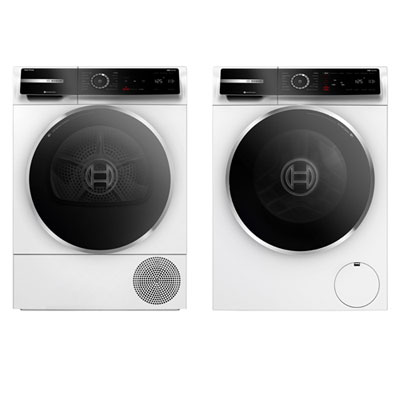

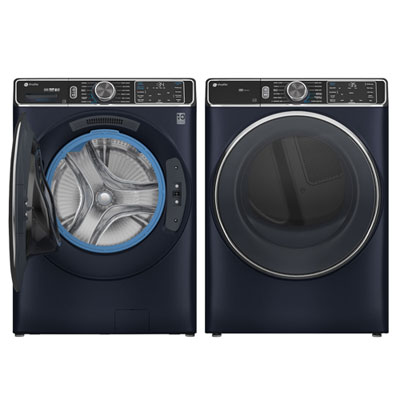
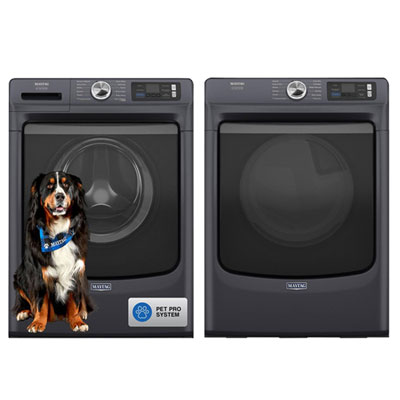
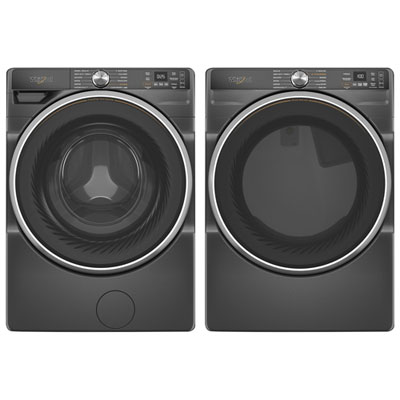
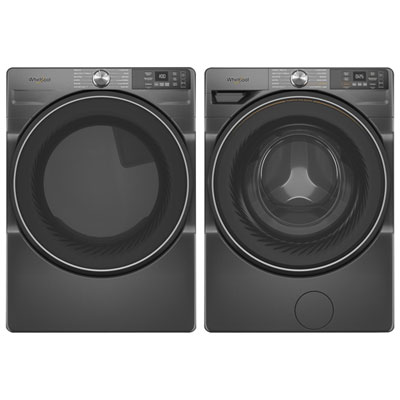
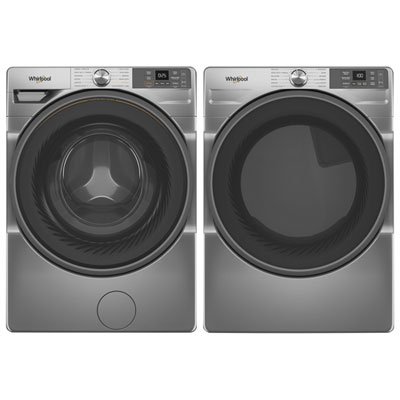
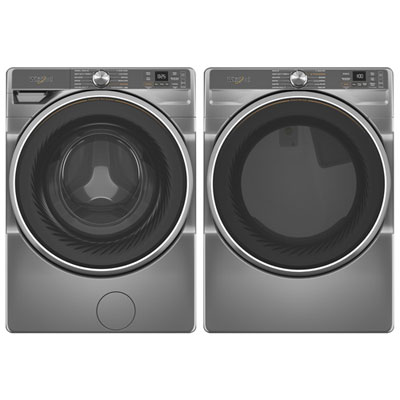
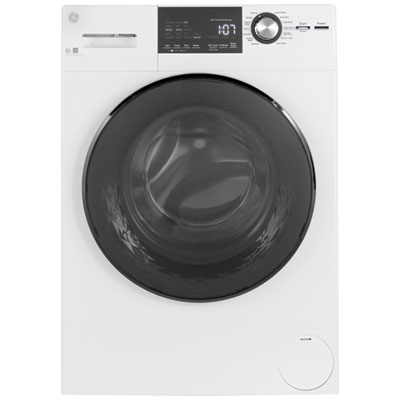
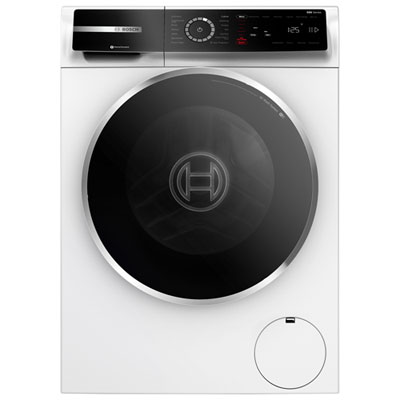
Bigger laundry loads need more than a spacious drum
Large-capacity front-load washers make room for the laundry that can quickly fill a household hamper: bath towels, bedding, school clothes, workwear, and the everyday pieces that need to be ready again tomorrow. Their horizontal drums lift and tumble fabrics through the wash, with no central agitator taking up space inside the basket. That open interior can be particularly useful for bulky loads, although a larger drum still needs enough free space for fabrics to move and rinse properly. Capacity is usually listed in cubic feet, and many washers marketed as large capacity have ratings around 5.0 cu. ft. or higher. There is no single capacity threshold that guarantees a particular load will fit, so comparisons are most useful when the measurements use the same rating method. Canadian listings may include IEC capacity figures, which should not be treated as directly interchangeable with figures measured under another standard. For bedding, the size on the label is only part of the picture: a thick, heavily filled comforter takes up more room than a lightweight quilt made for the same bed. The washer’s loading guidance and the bedding’s care label are better checks than drum volume alone. A spacious front loader can suit families handling several clothing changes a day, shared households with busy laundry schedules, or smaller households that prefer to wash fewer, fuller loads. It can also accommodate the mix of sheets and towels that comes with frequent overnight guests. Large capacity does not mean every cycle accepts the same amount of laundry, however. Quick-wash, delicate, and specialty programmes often have lower load limits than the regular cotton cycle. For shoppers comparing different loading styles as well as drum sizes, the High Capacity Washers collection offers another way to explore roomy laundry appliances. The most practical capacity is one that suits both the household’s usual wash pile and the occasional bulky load, without making installation or daily access awkward.
Fit involves more than finding a space wide enough for the cabinet. A large-capacity front-load washer needs clearance for its hoses and connections, room for the door to swing open, and a comfortable place to stand or crouch while transferring wet laundry. Cabinet depth can vary noticeably, even between washers with similar widths, and the door or controls may project beyond the main body. In a laundry closet, those extra centimetres can determine whether the closet doors close properly. The delivery route matters too, including doorways, stair turns, and narrow hallways between the entrance and the laundry area. Manufacturer dimensions and installation clearances provide the details needed to assess the full footprint rather than just the drum size. Front loaders can work well beneath a suitable counter, side by side with a dryer, or in a stacked arrangement where both appliances are approved for that setup. Stacking requires a compatible dryer and the specified stacking kit; matching widths alone do not establish compatibility. A compatible pedestal raises the loading opening and may add storage, but it also changes the overall height and usually rules out placing the washer beneath a standard-height counter. Door direction deserves attention because many front-load washer doors cannot be reversed. An opening that faces away from the dryer can make a repeated task unnecessarily cumbersome, especially when moving a wet duvet or an armful of towels. Controls, detergent drawers, and door handles should also be within comfortable reach for the people using them. A firm, level floor and correctly adjusted feet help the washer manage high-speed spinning, while shipping bolts must be removed during installation as directed by the manufacturer. Vibration-management features can help, but they cannot compensate for an unsuitable floor or incorrect setup. For a laundry area beside a bedroom or living space, sound levels and cycle-end alerts may be just as relevant as capacity. White, dark, and metallic-look finishes offer different visual fits, while accessible connections and service clearance remain important regardless of colour.
The everyday value of a large-capacity front-load washer comes from how well its programmes, construction, and care requirements match the fabrics being washed. A stainless steel drum is common and provides a durable, corrosion-resistant surface, though zippers, loose coins, and other hard objects can still cause damage or catch on clothing. Empty pockets, fastened closures, and mesh bags for small or delicate pieces help protect both the load and the appliance. Adjustable spin speeds are useful when laundry ranges from sturdy towels to garments that need gentler handling. A faster final spin can remove more moisture before drying, but the highest setting is not appropriate for every fabric. The dryer also needs enough usable space for washed items to tumble freely; a washer that handles a bulky load does not guarantee that an existing dryer can dry it comfortably in one batch. Features such as steam, extra rinses, automatic detergent dispensing, and Wi-Fi connectivity vary by washer. Their usefulness depends on the routine: an extra rinse may help address detergent residue, automatic dispensing can simplify repeated loads when correctly configured, and connected notifications can be handy when the laundry room is out of earshot. Steam is not a substitute for stain treatment, and any sanitizing or allergen-related claims should be checked against the specific cycle requirements and testing information. Durable performance also depends on regular care. Front loaders generally require high-efficiency detergent, measured according to the detergent directions, load size, soil level, and water conditions. Excess detergent can leave residue rather than improve cleaning. Wiping moisture and debris from the door gasket, cleaning the dispenser, and running the specified drum-cleaning cycle help keep the interior fresh. After unloading, allowing the drum to dry with the door ajar can help when it is safe to do so and children or pets cannot access it. Following the manual’s filter-cleaning instructions, where applicable, adds another straightforward maintenance habit. These practical details help a roomy washer remain a dependable part of the household routine, from a small clothing load to a full bedding change.
Fit involves more than finding a space wide enough for the cabinet. A large-capacity front-load washer needs clearance for its hoses and connections, room for the door to swing open, and a comfortable place to stand or crouch while transferring wet laundry. Cabinet depth can vary noticeably, even between washers with similar widths, and the door or controls may project beyond the main body. In a laundry closet, those extra centimetres can determine whether the closet doors close properly. The delivery route matters too, including doorways, stair turns, and narrow hallways between the entrance and the laundry area. Manufacturer dimensions and installation clearances provide the details needed to assess the full footprint rather than just the drum size. Front loaders can work well beneath a suitable counter, side by side with a dryer, or in a stacked arrangement where both appliances are approved for that setup. Stacking requires a compatible dryer and the specified stacking kit; matching widths alone do not establish compatibility. A compatible pedestal raises the loading opening and may add storage, but it also changes the overall height and usually rules out placing the washer beneath a standard-height counter. Door direction deserves attention because many front-load washer doors cannot be reversed. An opening that faces away from the dryer can make a repeated task unnecessarily cumbersome, especially when moving a wet duvet or an armful of towels. Controls, detergent drawers, and door handles should also be within comfortable reach for the people using them. A firm, level floor and correctly adjusted feet help the washer manage high-speed spinning, while shipping bolts must be removed during installation as directed by the manufacturer. Vibration-management features can help, but they cannot compensate for an unsuitable floor or incorrect setup. For a laundry area beside a bedroom or living space, sound levels and cycle-end alerts may be just as relevant as capacity. White, dark, and metallic-look finishes offer different visual fits, while accessible connections and service clearance remain important regardless of colour.
The everyday value of a large-capacity front-load washer comes from how well its programmes, construction, and care requirements match the fabrics being washed. A stainless steel drum is common and provides a durable, corrosion-resistant surface, though zippers, loose coins, and other hard objects can still cause damage or catch on clothing. Empty pockets, fastened closures, and mesh bags for small or delicate pieces help protect both the load and the appliance. Adjustable spin speeds are useful when laundry ranges from sturdy towels to garments that need gentler handling. A faster final spin can remove more moisture before drying, but the highest setting is not appropriate for every fabric. The dryer also needs enough usable space for washed items to tumble freely; a washer that handles a bulky load does not guarantee that an existing dryer can dry it comfortably in one batch. Features such as steam, extra rinses, automatic detergent dispensing, and Wi-Fi connectivity vary by washer. Their usefulness depends on the routine: an extra rinse may help address detergent residue, automatic dispensing can simplify repeated loads when correctly configured, and connected notifications can be handy when the laundry room is out of earshot. Steam is not a substitute for stain treatment, and any sanitizing or allergen-related claims should be checked against the specific cycle requirements and testing information. Durable performance also depends on regular care. Front loaders generally require high-efficiency detergent, measured according to the detergent directions, load size, soil level, and water conditions. Excess detergent can leave residue rather than improve cleaning. Wiping moisture and debris from the door gasket, cleaning the dispenser, and running the specified drum-cleaning cycle help keep the interior fresh. After unloading, allowing the drum to dry with the door ajar can help when it is safe to do so and children or pets cannot access it. Following the manual’s filter-cleaning instructions, where applicable, adds another straightforward maintenance habit. These practical details help a roomy washer remain a dependable part of the household routine, from a small clothing load to a full bedding change.
Top selling and popular products
-
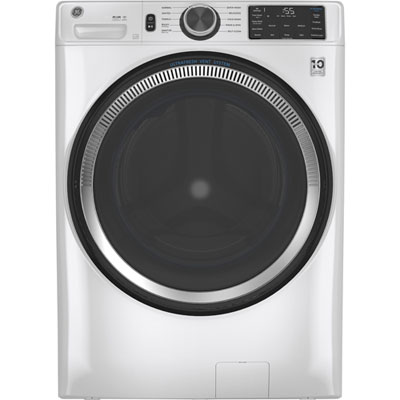 Your price for this item is $1899.99
 -
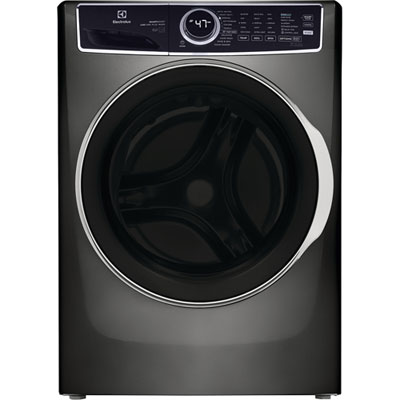 Your price for this item is $1189.99
 -
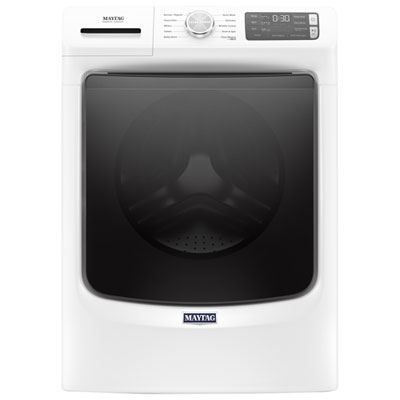 Your price for this item is $1099.99
 -
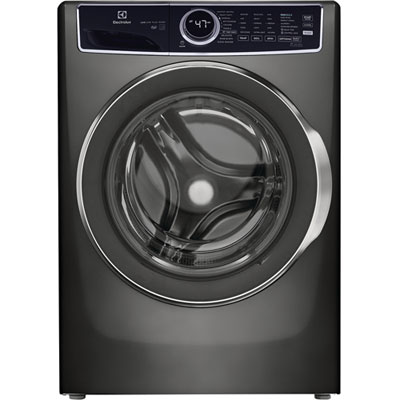 Your price for this item is $1249.99
 -
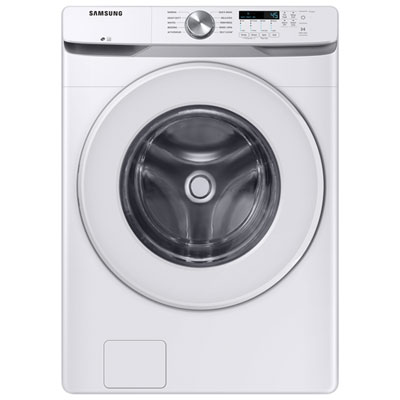 Your price for this item is $945.99
 -
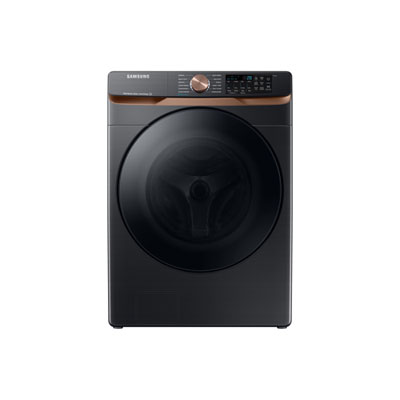 Your price for this item is $1295.99
 -
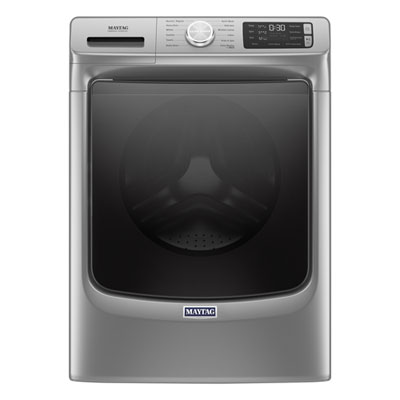 Your price for this item is $1549.99
 -
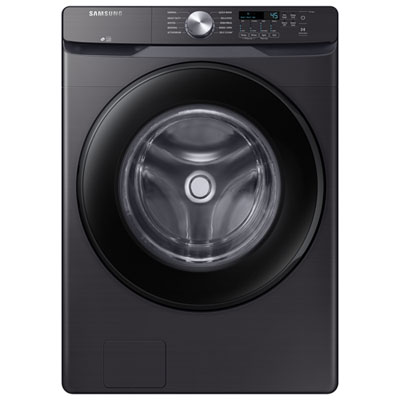 Your price for this item is $995.99
Discover more categories related to Front Load Washer Large Capacity
Top Collections:
Pokemon Centers, Kindle Devices, Best Budget Office Chairs, Apple iPhones 16, Best Laptops for Writers, iPhone 15 Apple, Canon G7X Cameras, Refurbished Apple Laptops, Alarm Clock, Motorola Razr Phones
Some products may be subject to Environmental Handling Fees
(EHF) depending on your province.
Learn more about EHFs.