High Capacity Washers
A high-capacity washer is a must-have for anyone who has a lot of clothes to wash. These will help you save time and energy while keeping your clothes clean and fresh. Here are some of the best options available on the market today.
Sort
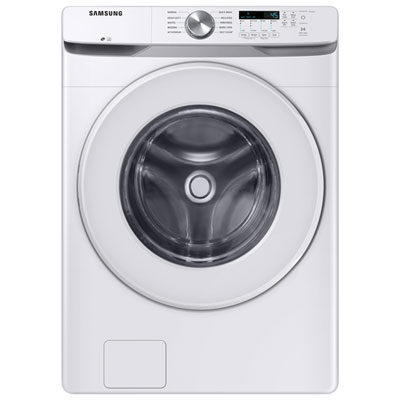
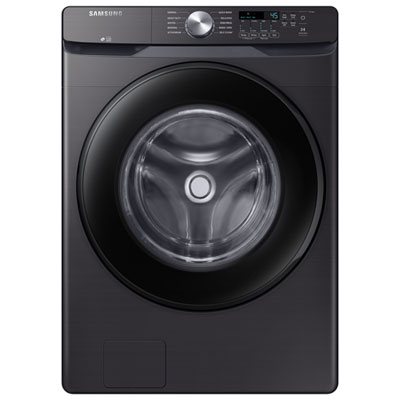
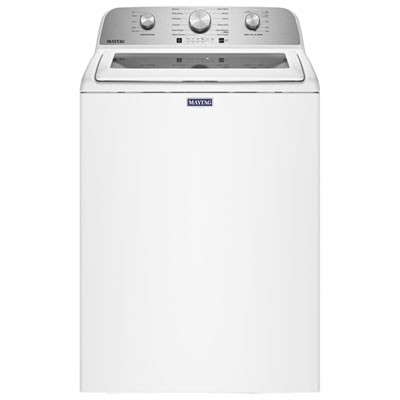
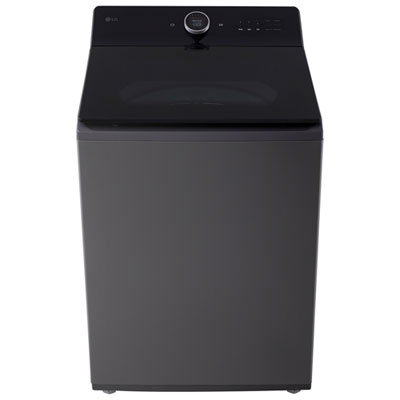
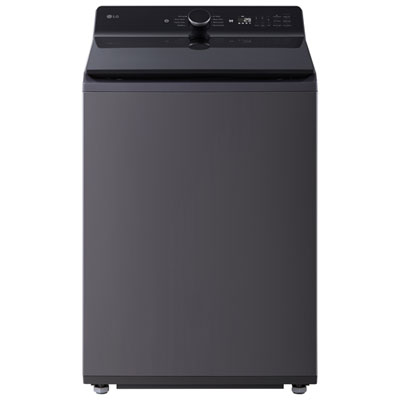
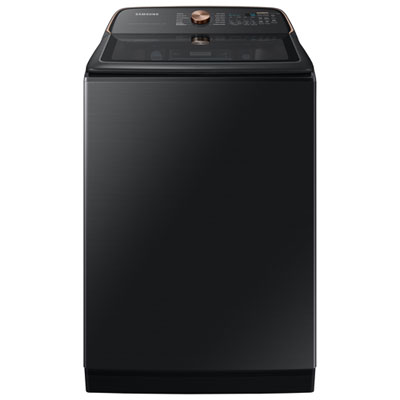
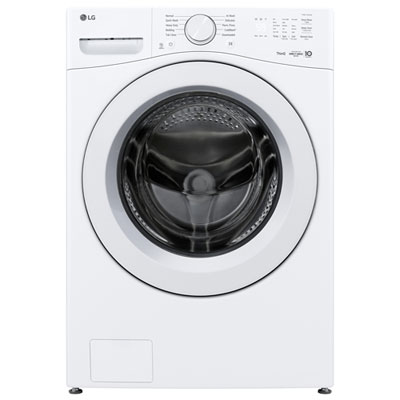
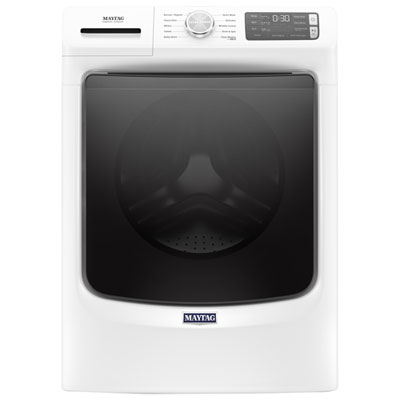
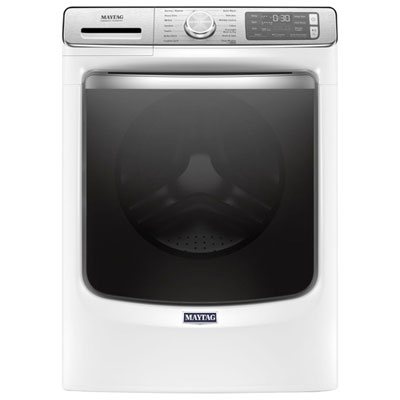
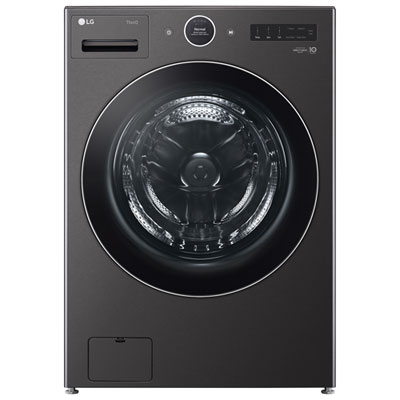

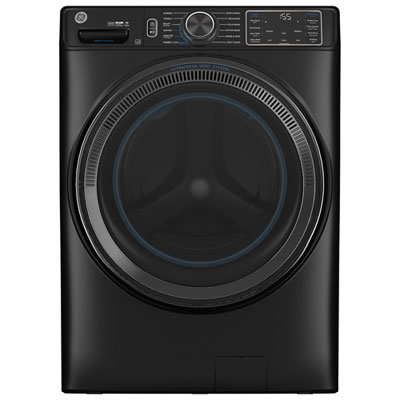
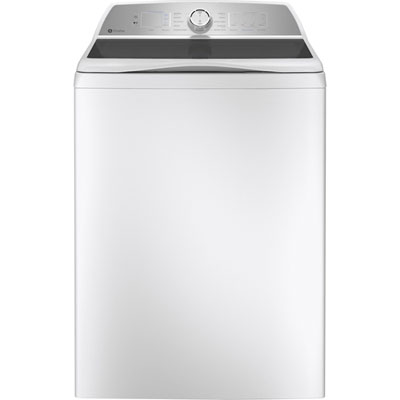
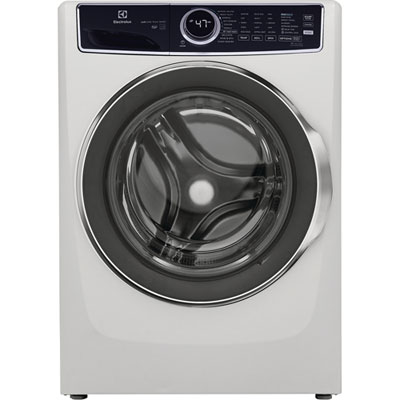
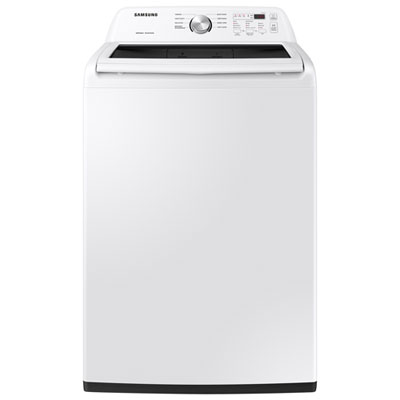

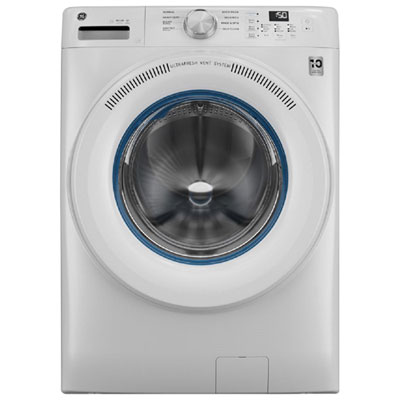
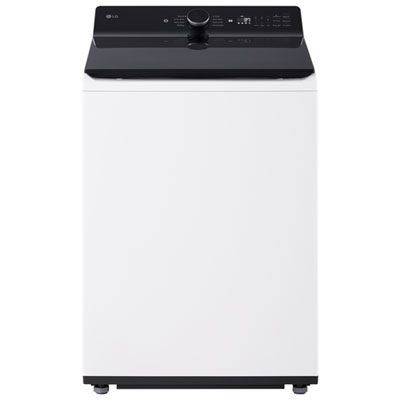
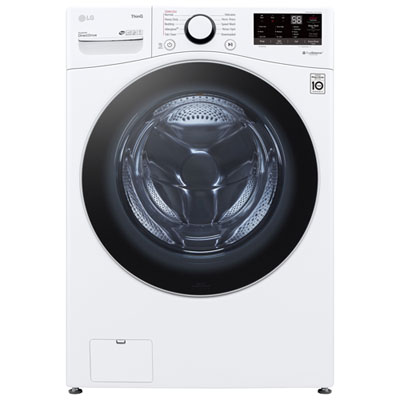


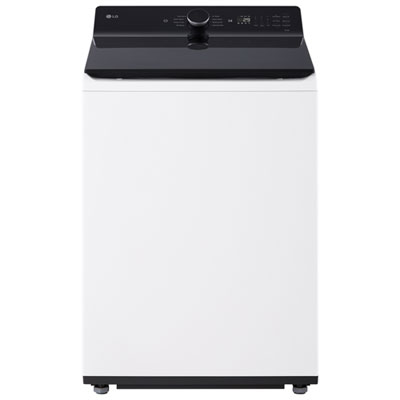

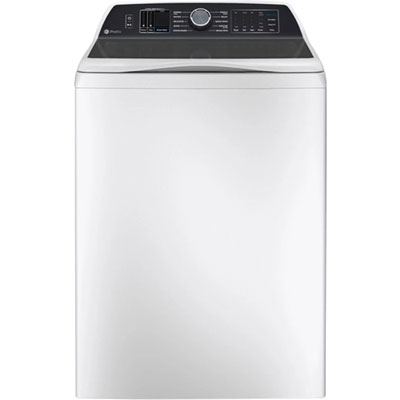
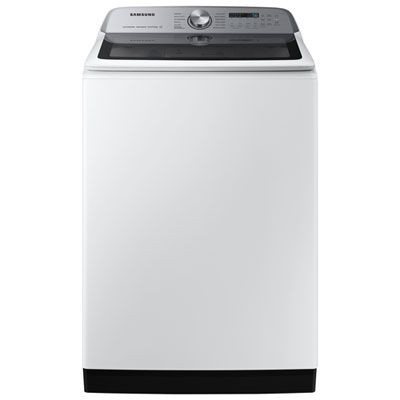
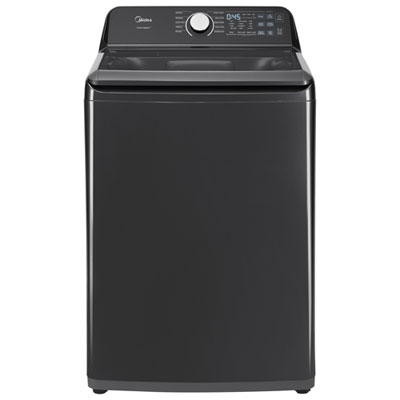

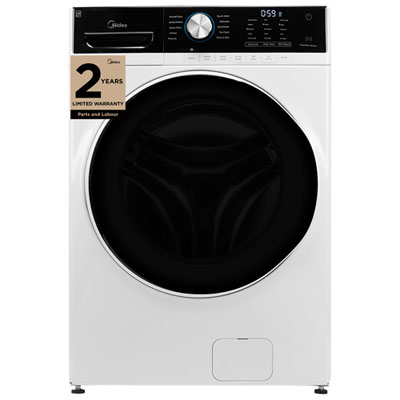
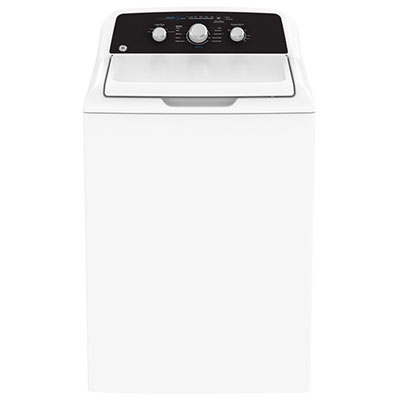

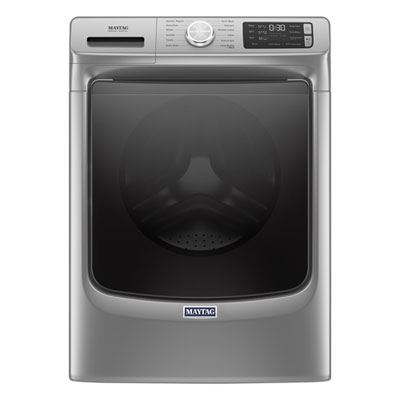
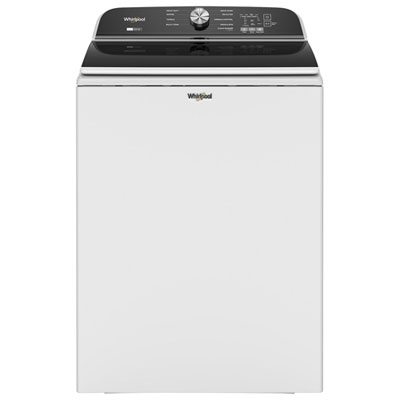

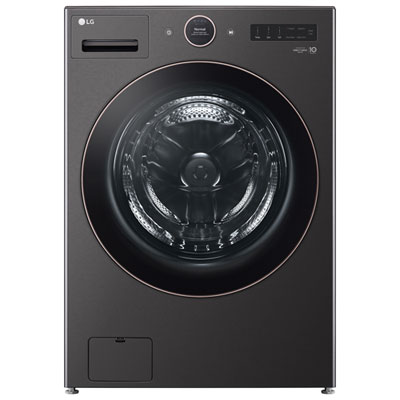
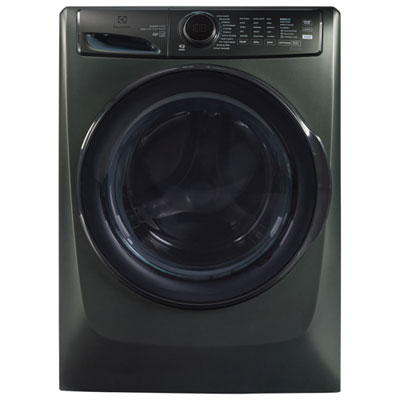
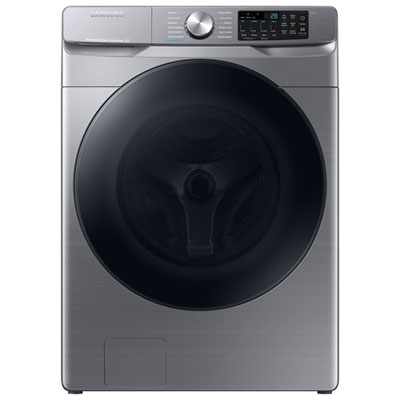

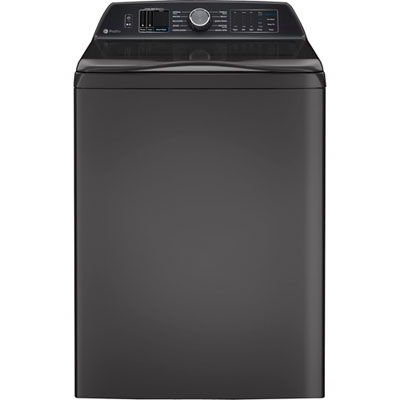

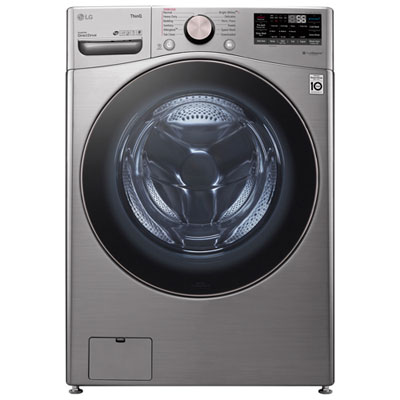
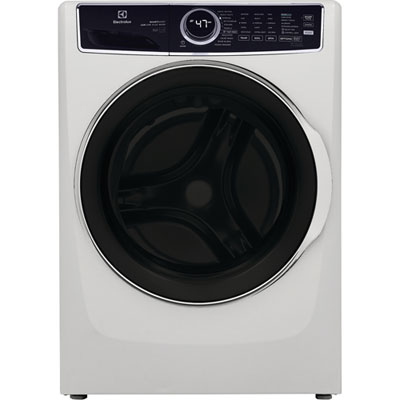

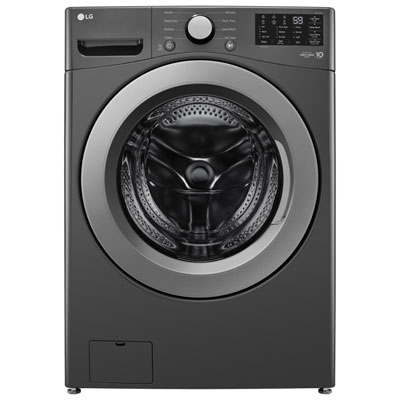
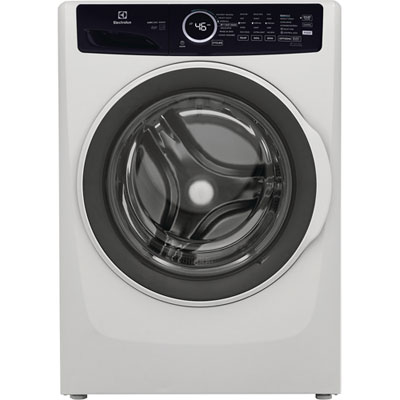
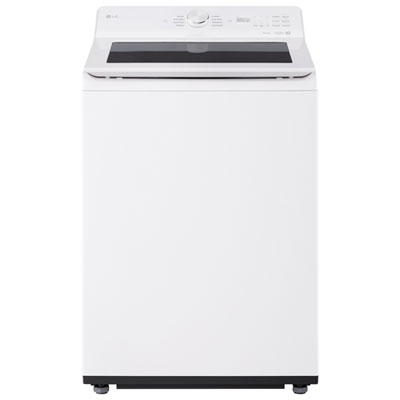
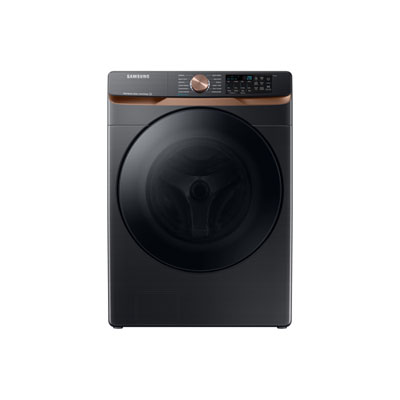

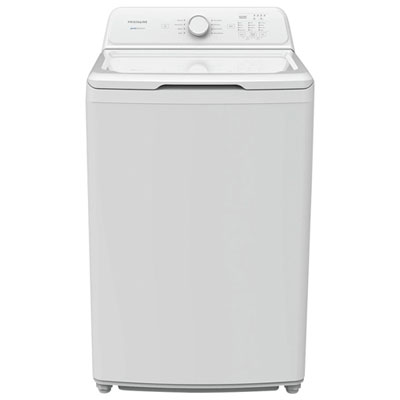
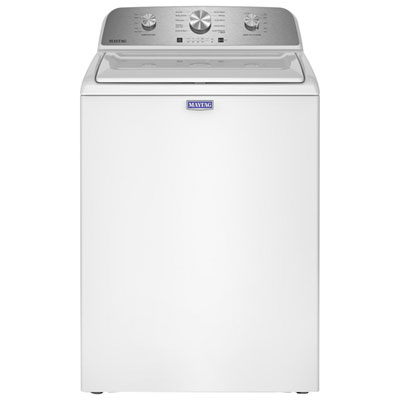
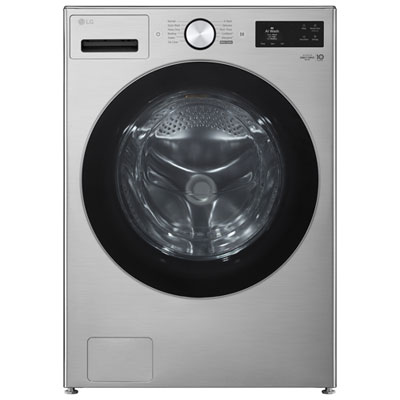


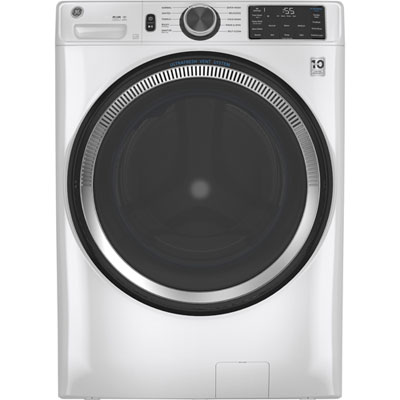
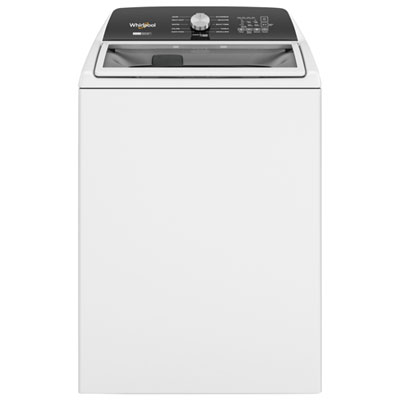
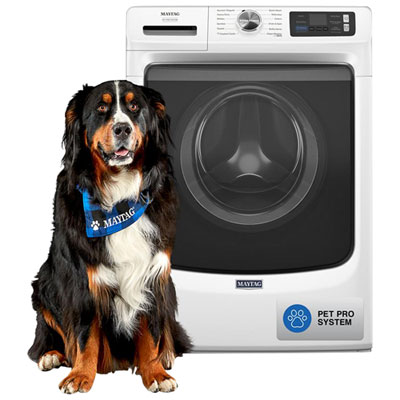

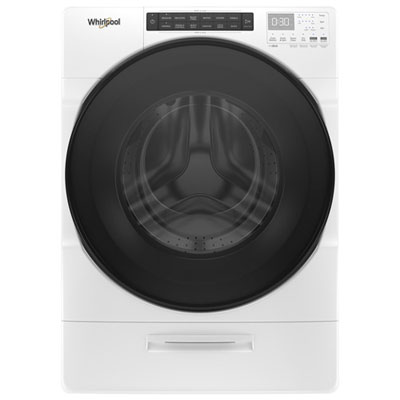
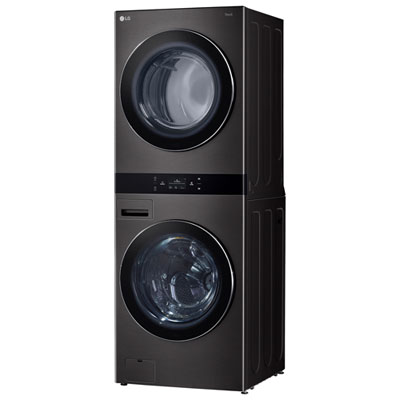
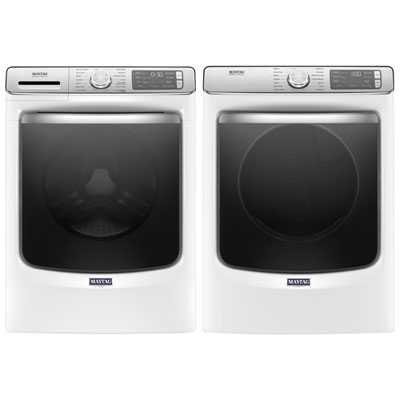
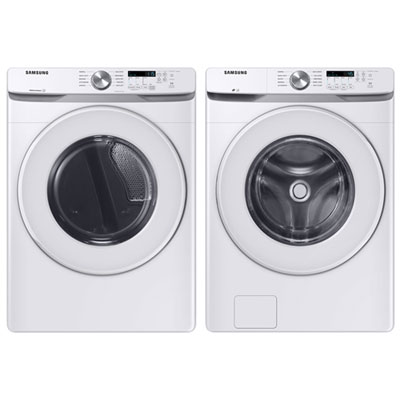

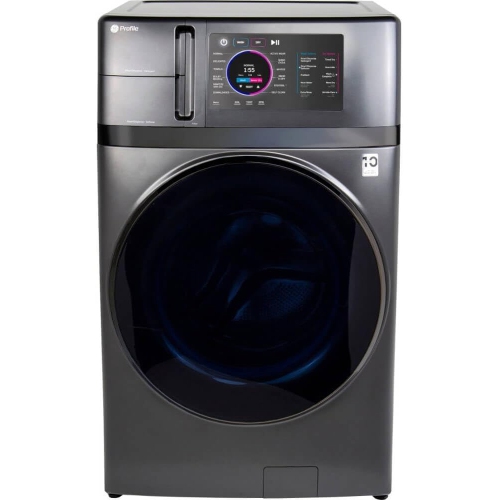

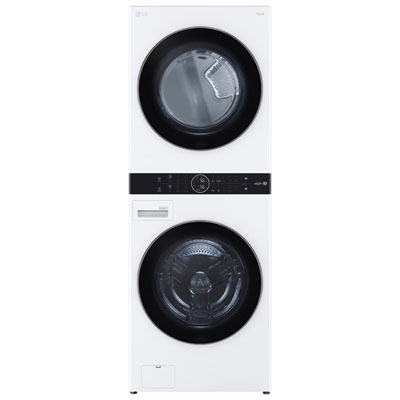


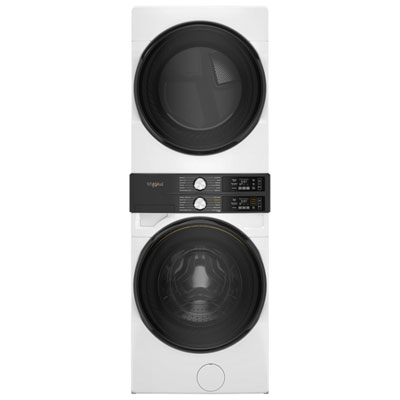
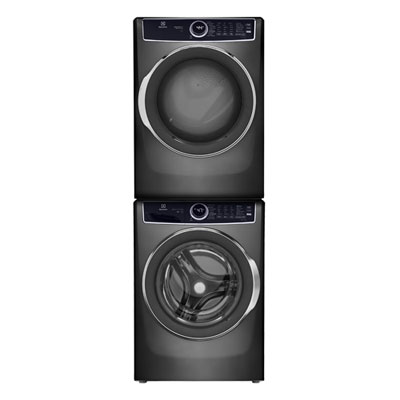
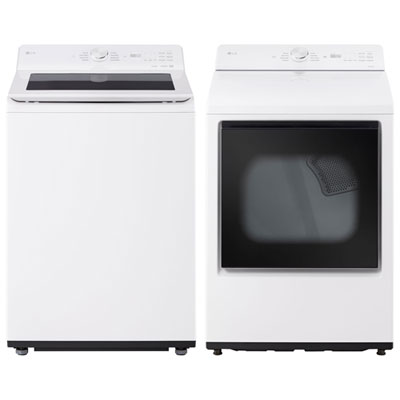


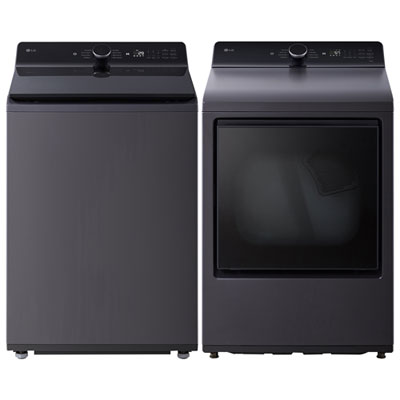
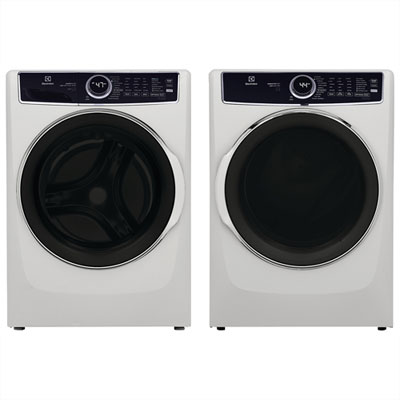
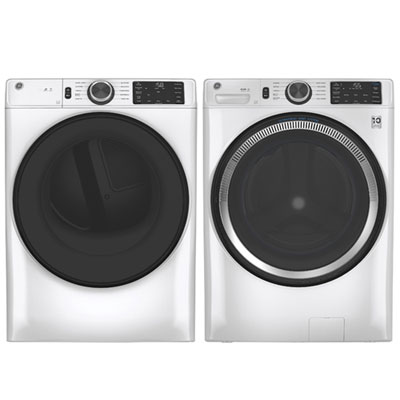
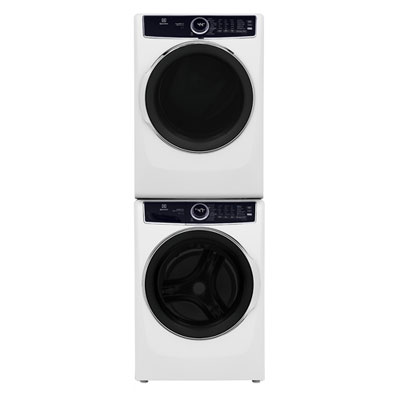
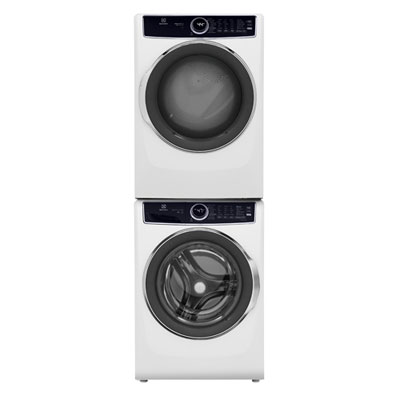
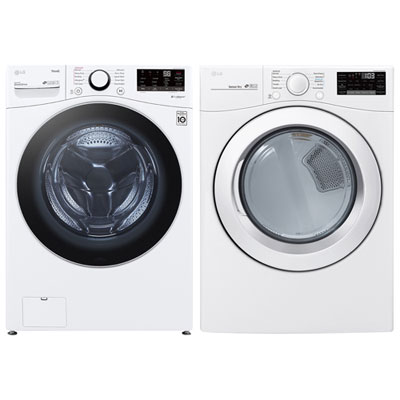
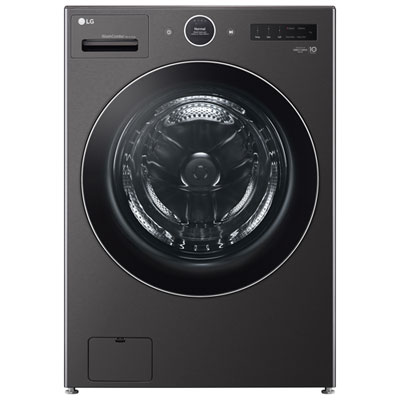
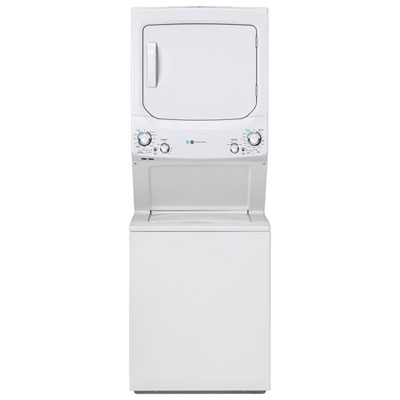
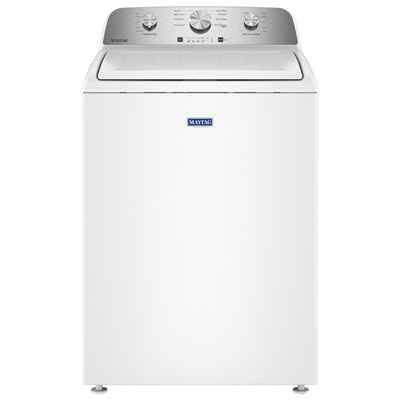
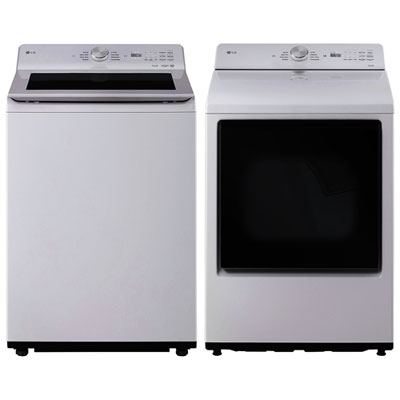
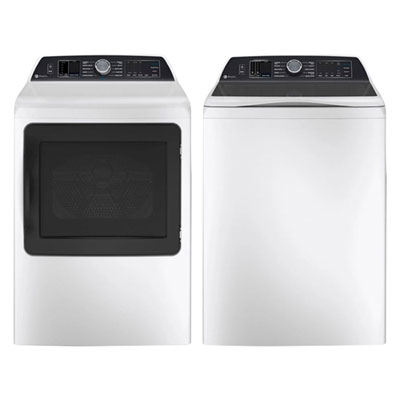

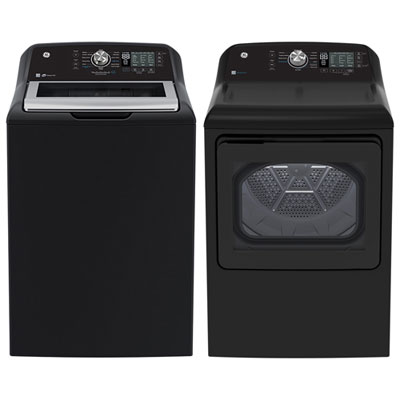
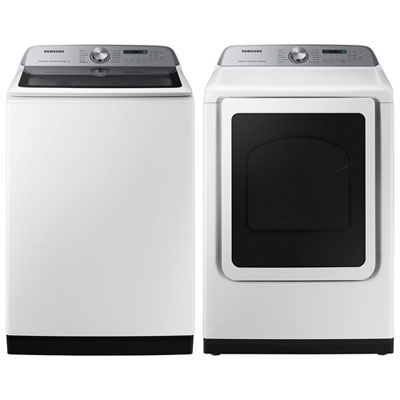
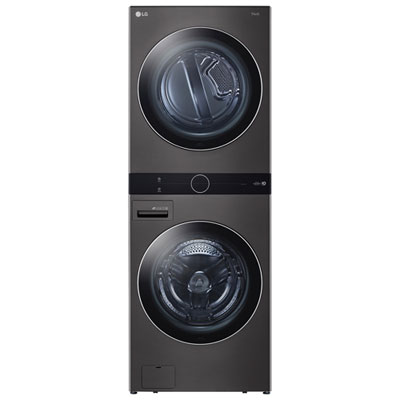
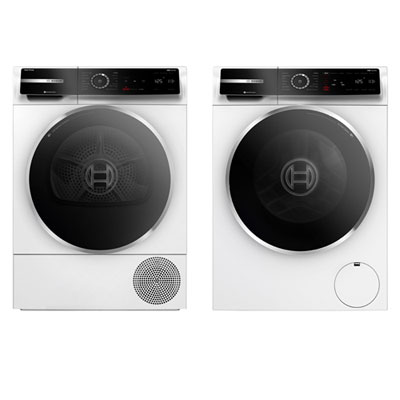
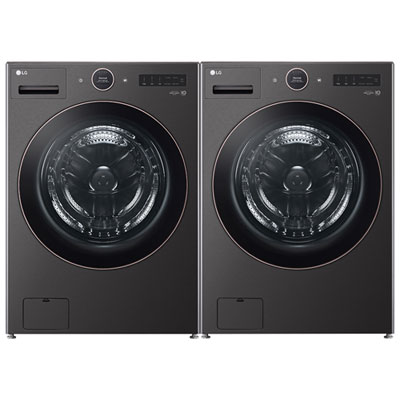
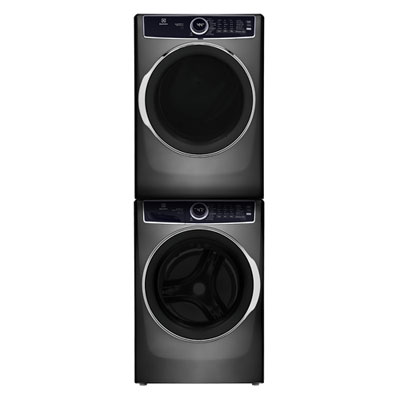
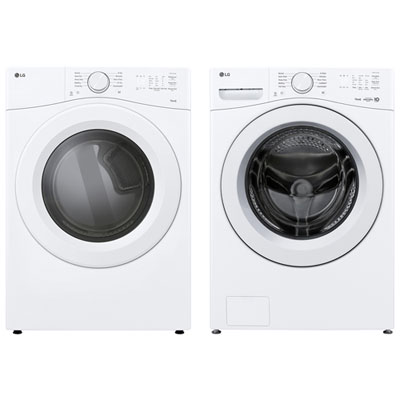

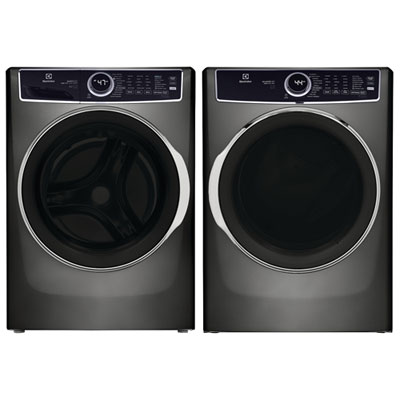

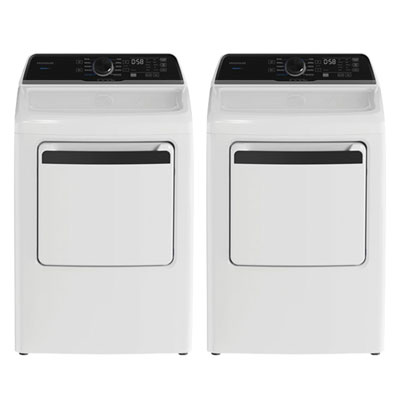
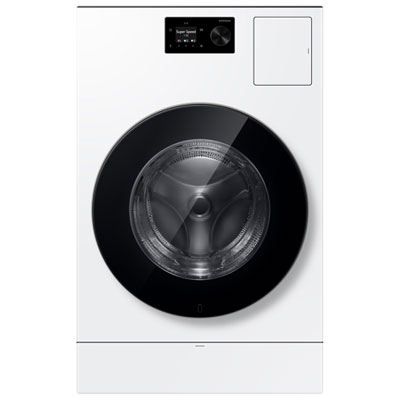

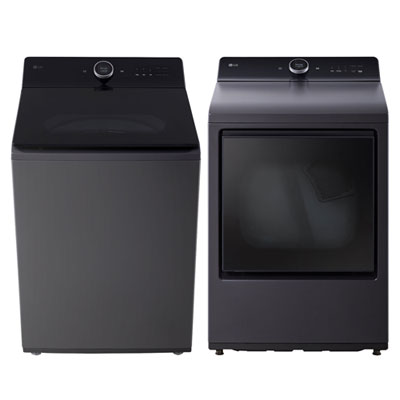
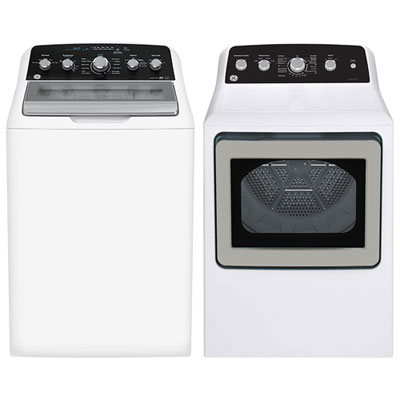

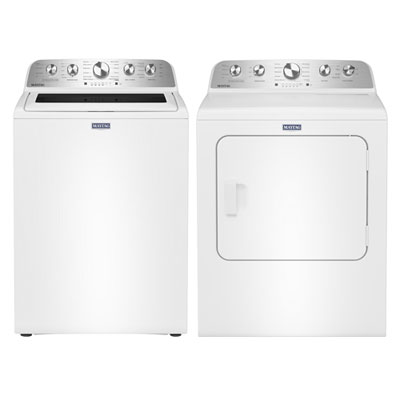
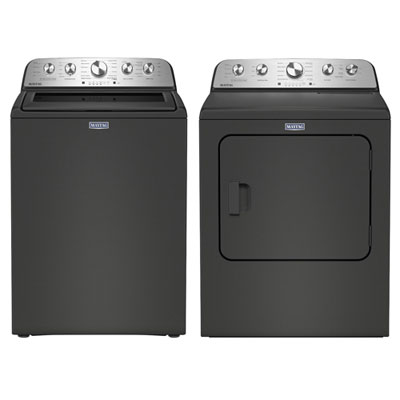

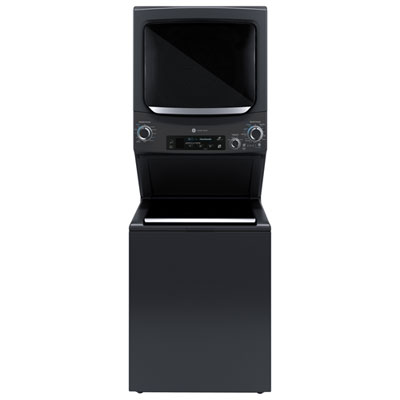
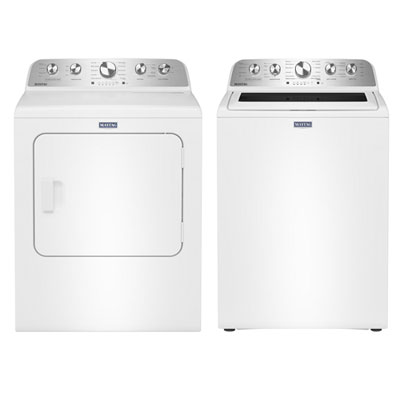
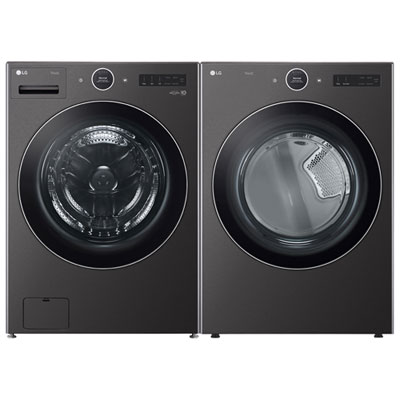

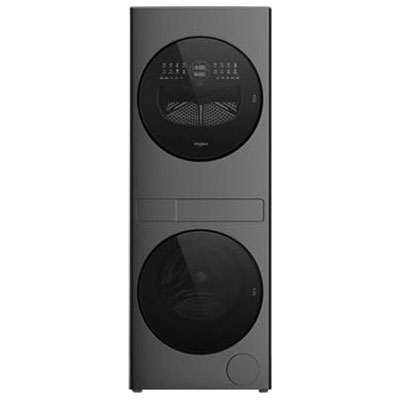
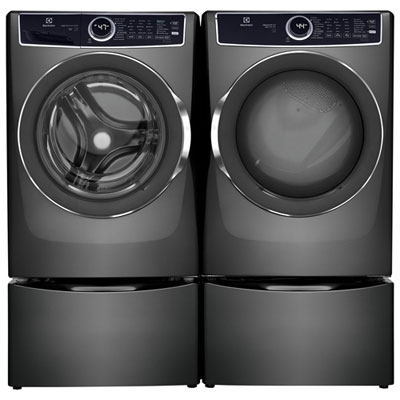
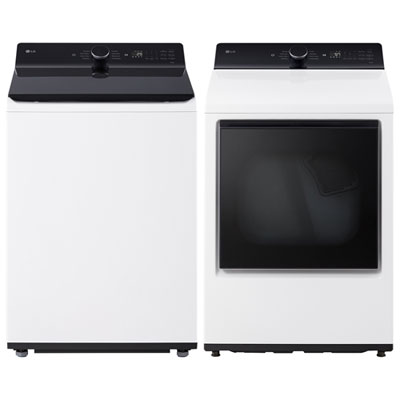

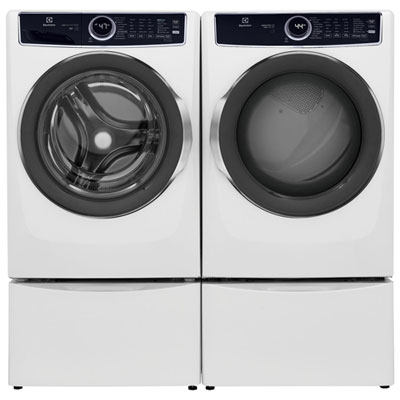
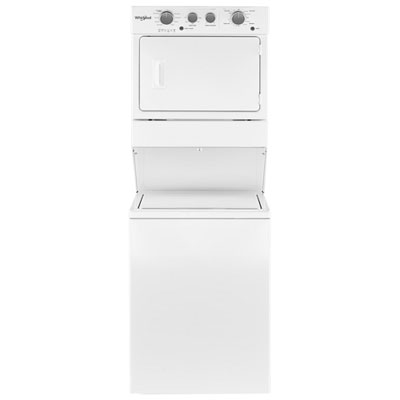


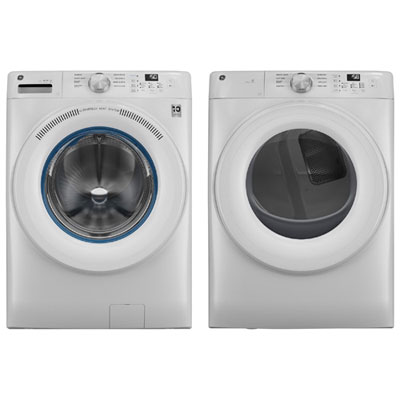
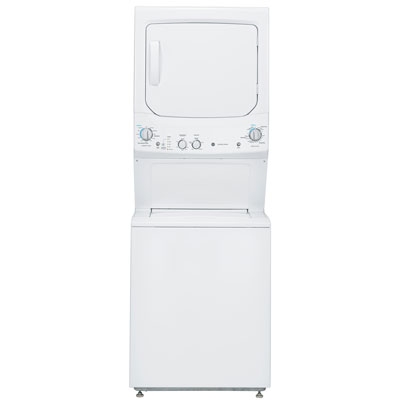
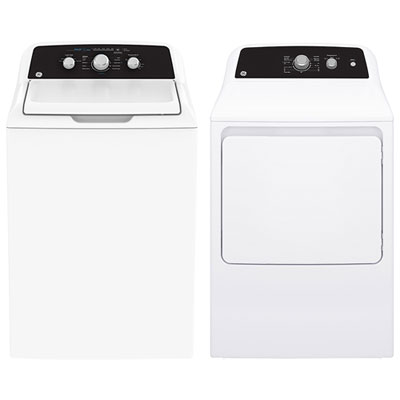
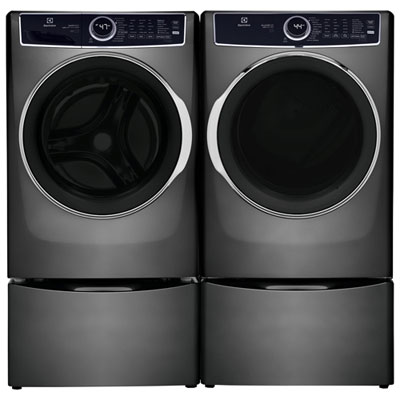
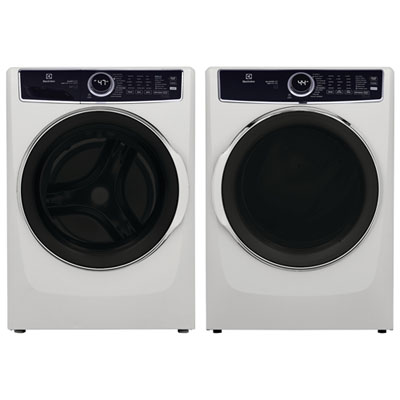
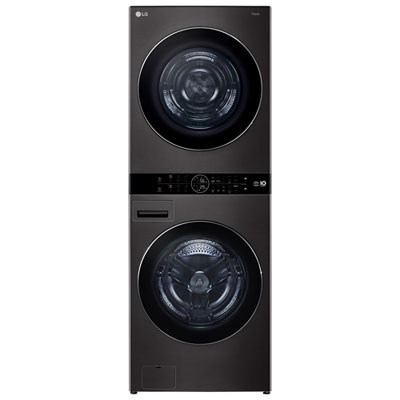
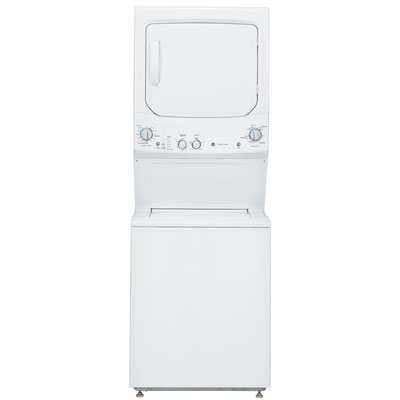
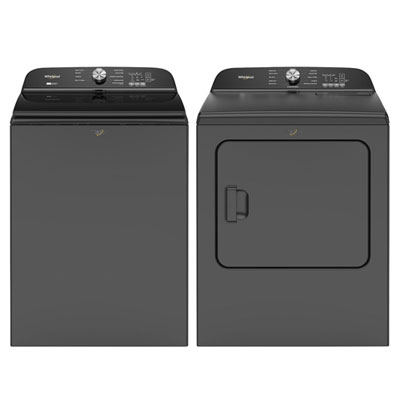
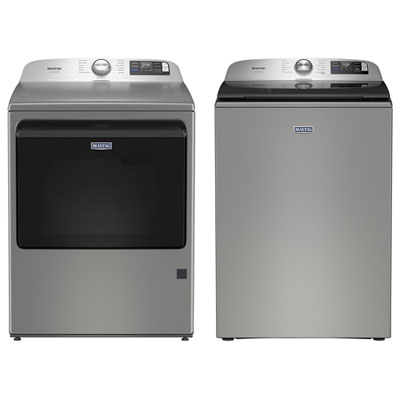
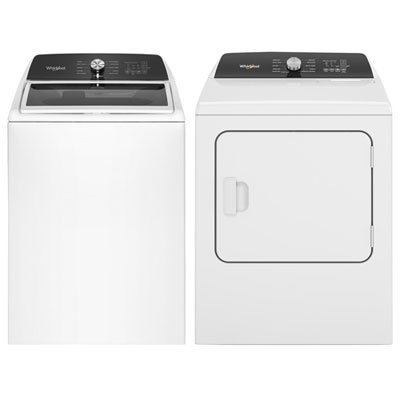
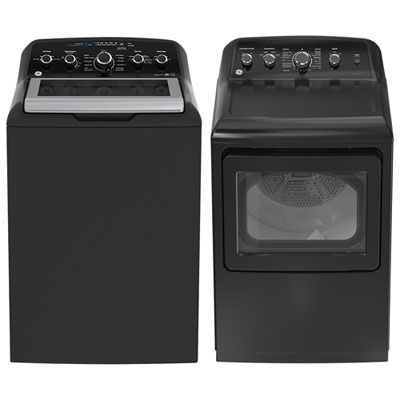


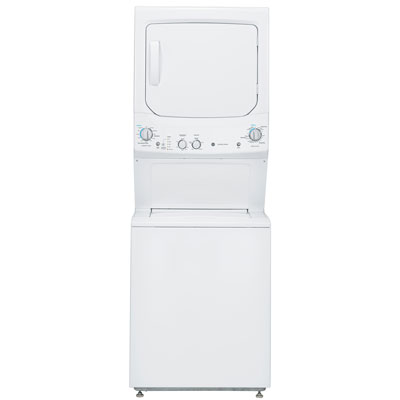
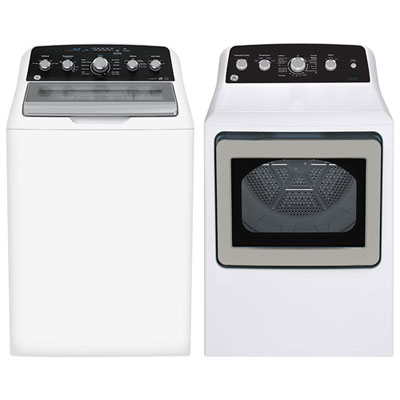
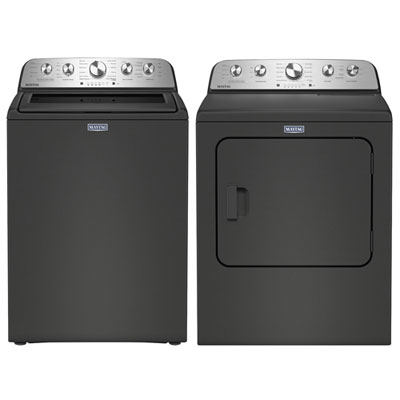
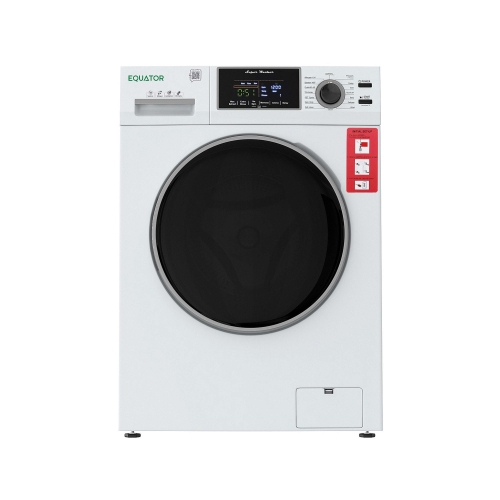
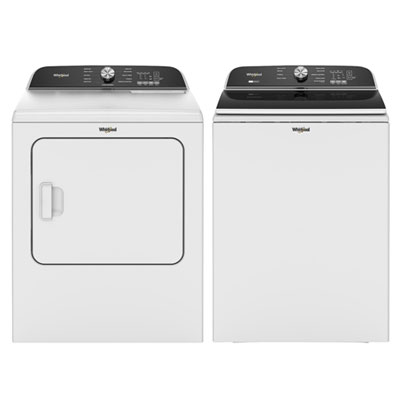
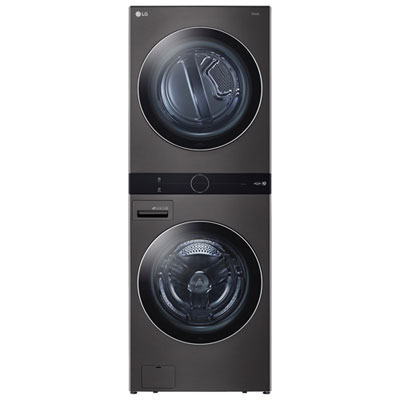
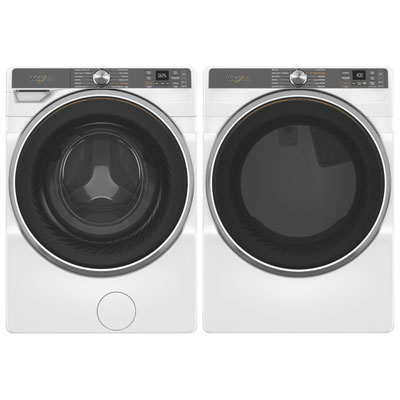
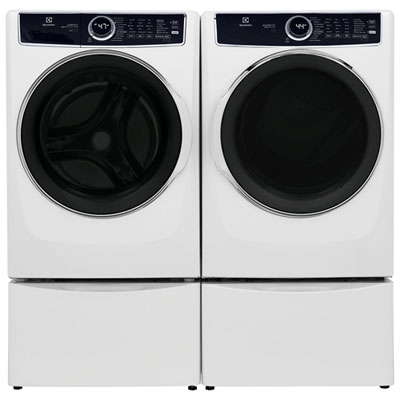
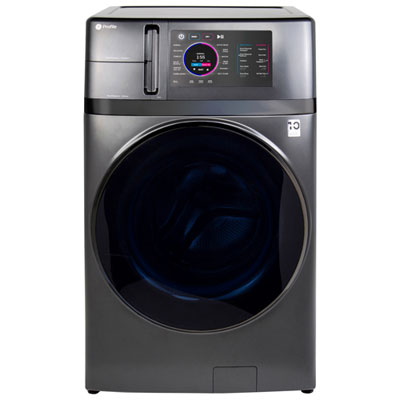
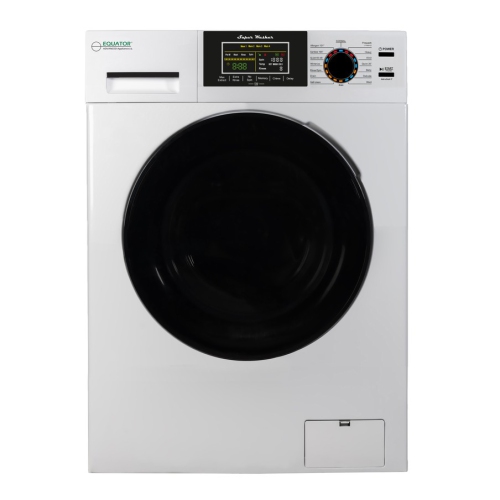
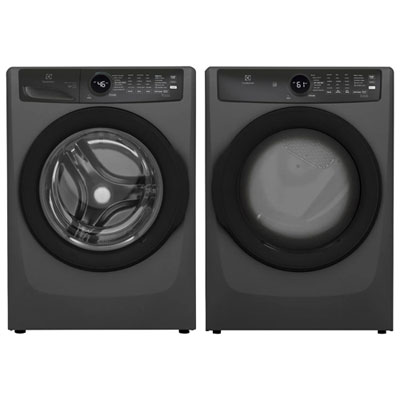


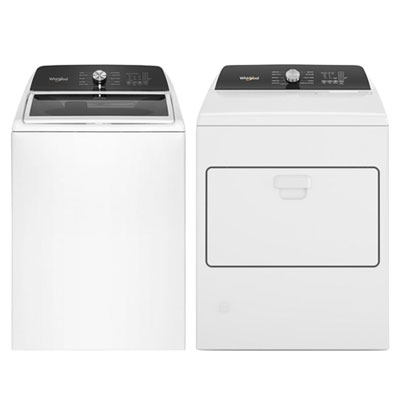
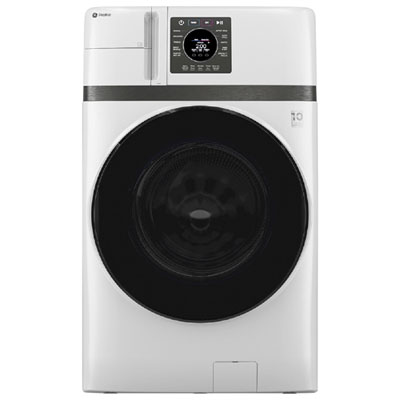
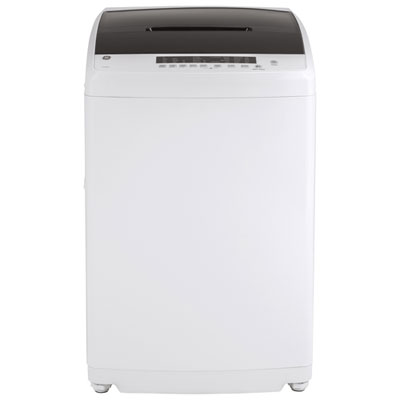
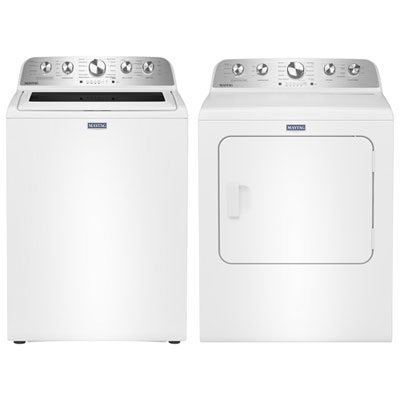
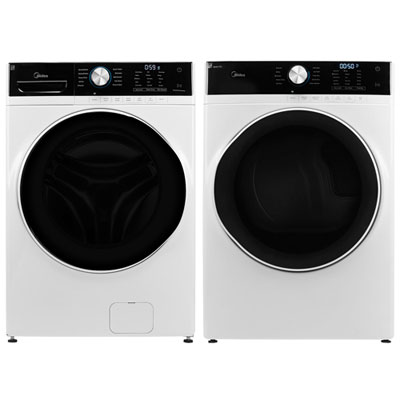

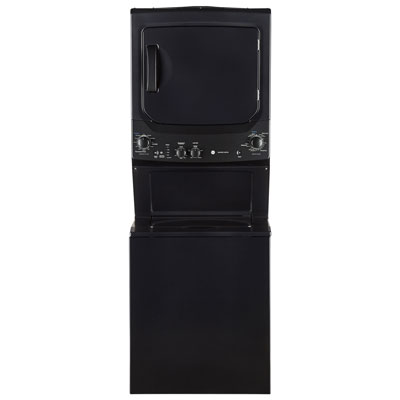

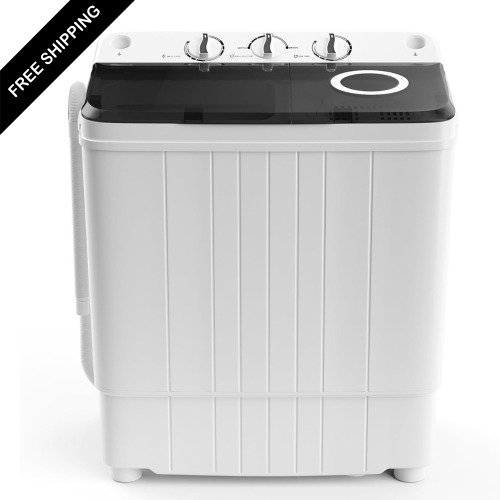
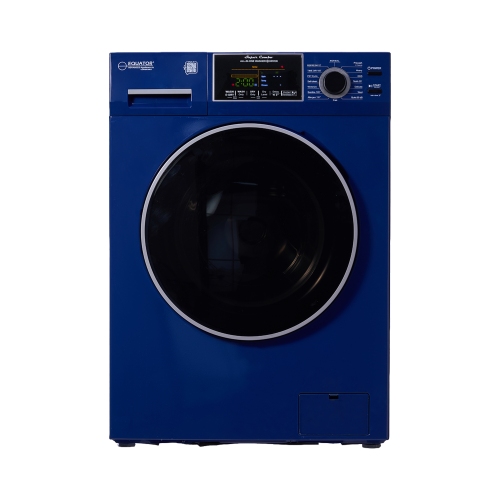
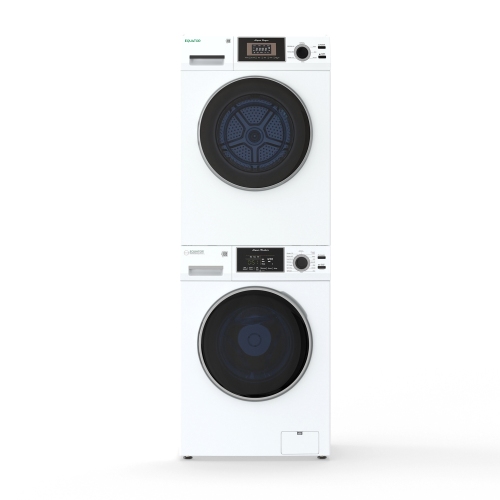
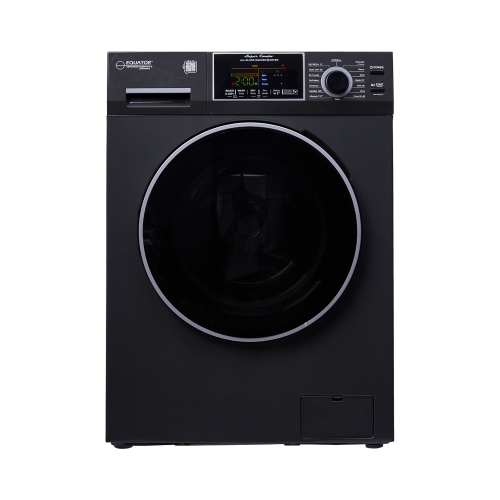
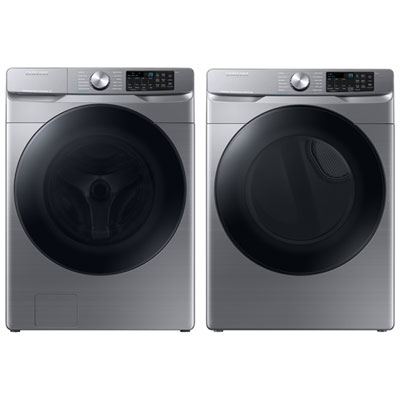
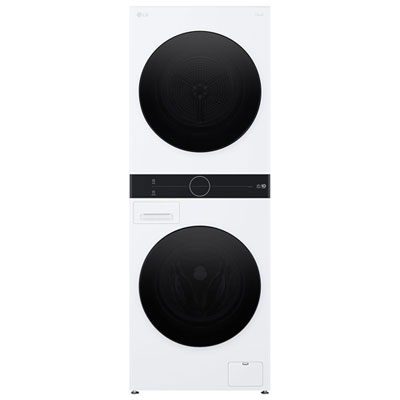
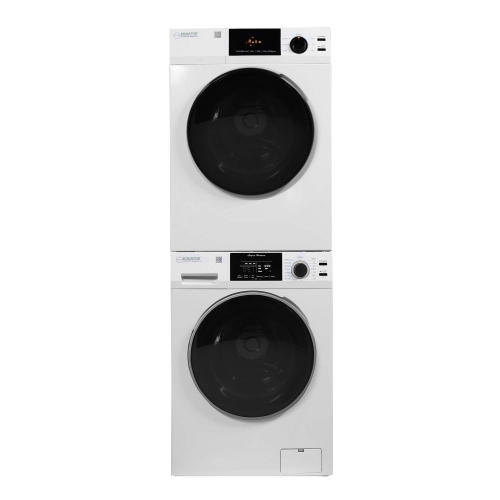
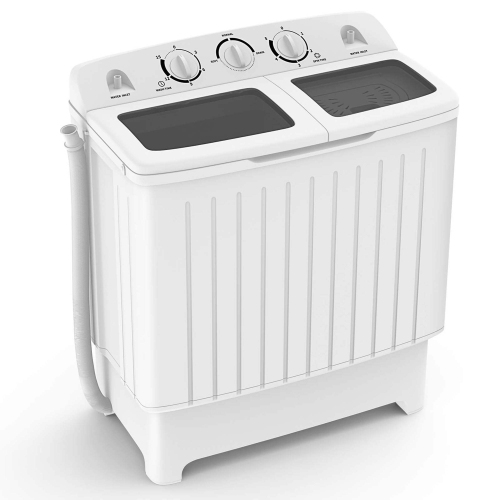
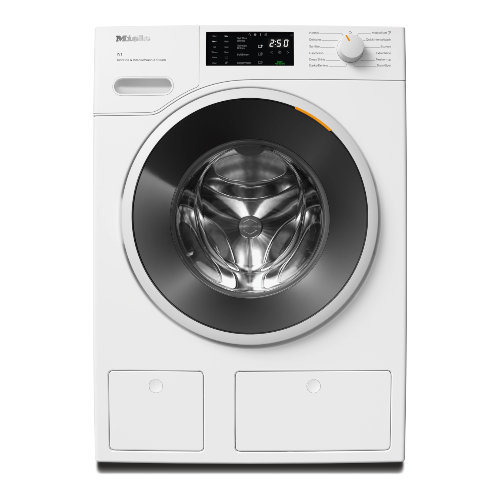

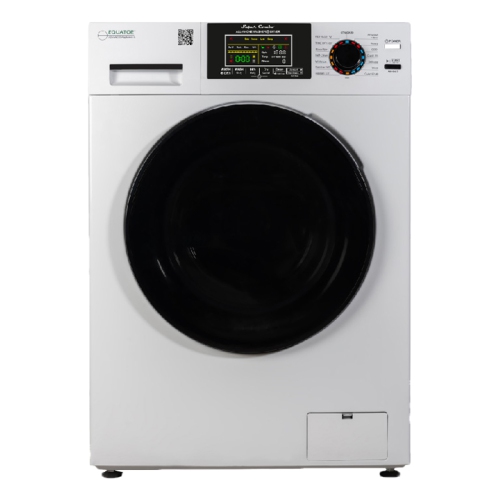
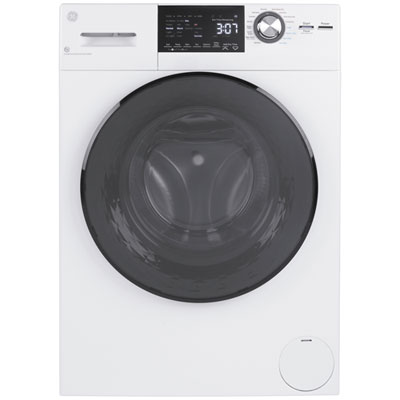
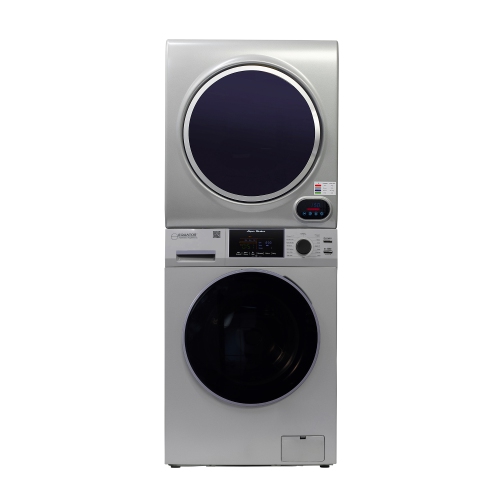

More room for bulky bedding and weekly laundry
High-capacity washers are washing machines with larger drums, typically around 4.5 to 6.2 cubic feet or more, designed to accommodate substantial laundry loads and bulky fabrics. That extra room can be useful for households working through school clothes, bath towels, sports uniforms, and bedding throughout the week. Many large-capacity washing machines can handle king-size bedding, although the right fit depends on the washer’s stated capacity, the bedding’s thickness, and the care instructions for both. A lightweight duvet and a densely filled comforter can take up very different amounts of drum space, even when they fit the same bed. Laundry needs enough room to move through the wash action; a tightly packed drum can limit cleaning and rinsing. For families, shared households, and people caring for several generations under one roof, a larger washer can make it easier to group compatible fabrics into fewer loads. It also suits homes where laundry tends to accumulate between wash days, provided clothes are still sorted by colour, fabric, and care requirements. Capacity alone does not determine cleaning performance, however. Drum movement, cycle selection, detergent dosing, and load balance all affect the result. Published capacity figures may use different measurement standards, making like-for-like specifications more useful than a number viewed on its own. A larger drum is especially practical when the regular laundry basket includes sheets, towels, and everyday clothing, rather than mostly small loads of delicate garments. Bulky bedding may need a dedicated cycle, while stretch fabrics and loosely knitted clothing often need gentler treatment. The most suitable high-capacity washing machine brings together enough usable space for the household’s usual laundry and the settings those fabrics require. Thinking about an ordinary week’s washing, from a stack of hand towels to several sets of bed linen, gives that capacity figure a more practical meaning than drum size alone.
High-capacity washers come in front-load and top-load designs, with differences in access, wash action, and installation needs. Front-load washers use a horizontal drum that lifts and tumbles clothing, and some can be paired with a compatible dryer in a stacked arrangement using the specified stacking kit. Their doors need clear space in front, while optional compatible pedestals can raise the loading height and reduce bending. The Front Load Washer Large Capacity collection focuses on this combination of drum space and front access. Top-load washers open from above and may use an agitator or an impeller to move laundry through the wash. An agitator has a raised central post, while an impeller generally has a lower profile that leaves more open space in the basket. Neither layout makes every fabric or load suitable automatically; the manufacturer’s loading directions remain important, particularly for large blankets and items that can bunch together. A deep top-load basket can also require a longer reach to retrieve small garments from the bottom. Beyond the drum, physical fit matters just as much as capacity. The washer’s width, depth, and height need to work with the laundry area, including required clearances for hoses, ventilation where specified, and full door or lid movement. The route into the home matters too, especially where doorways, stair turns, or narrow hallways restrict access. In a laundry closet, an open washer door should not prevent access to storage or block the walkway. A firm, level floor supports stable operation, while levelling feet help the machine sit correctly. Stainless steel drums are common and provide a smooth, corrosion-resistant surface for repeated contact with water and laundry. The drum finish, door seal, hinges, and dispenser design all contribute to everyday usability. Controls that are easy to read and reach can be particularly helpful in a busy household or a laundry space shared by people with different access needs.
The value of extra capacity is clearest when the washer’s features suit the fabrics being washed. Load-sensing functions can adjust aspects of a cycle to the laundry inside, while selectable soil levels, rinse options, and spin speeds provide flexibility for different loads. Exact operation varies by model, so a large drum does not necessarily mean every cycle accepts a full load. Delicate, quick-wash, and speciality programmes often have lower recommended load limits than a regular cotton cycle. Towels may benefit from a higher spin speed when their care labels allow it, helping remove more water before drying, while garments prone to creasing or stretching may need a gentler setting. Steam and sanitizing functions are available on some washers, but their intended uses, fabric restrictions, and performance claims depend on the particular machine. Cycle names alone are not a substitute for those details. Day-to-day care also has a direct effect on how well a large-capacity washer performs over time. Using the specified detergent type and the correct dose helps limit excess suds and residue; more clothing does not automatically call for a full dispenser of detergent. Pockets should be emptied, zippers secured where appropriate, and small or delicate pieces placed in suitable mesh bags when their care instructions permit. Regular drum-cleaning cycles, clean dispensers, and attention to accessible seals help keep the interior fresh. Any pump filter should be maintained only as directed by the manufacturer. After washing, allowing the interior to dry according to the appliance’s instructions can help reduce trapped moisture, with doors kept safely away from children and pets. Noise and vibration are worth considering when the laundry area sits beside a bedroom or living space, although installation and load distribution also influence sound. A compatible dryer with enough usable capacity completes the setup, so a comfortably sized wash load does not become an overcrowded drying load. Together, appropriate capacity, practical access, fabric-friendly settings, and straightforward upkeep make a high-capacity washer a useful fit for a busy home.
Top selling and popular products
-
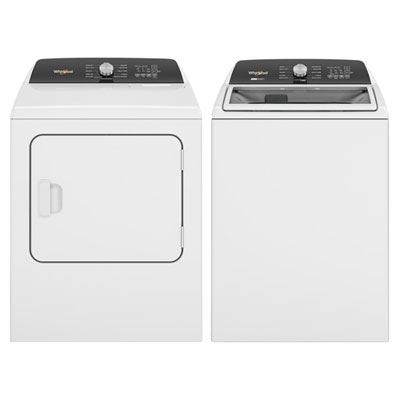 Your price for this item is $1799.98
-
 Your price for this item is $1999.98
-
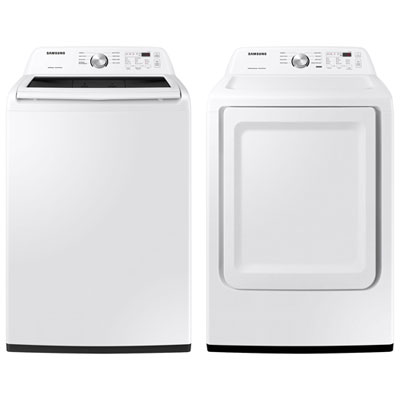 Your price for this item is $1499.98
-
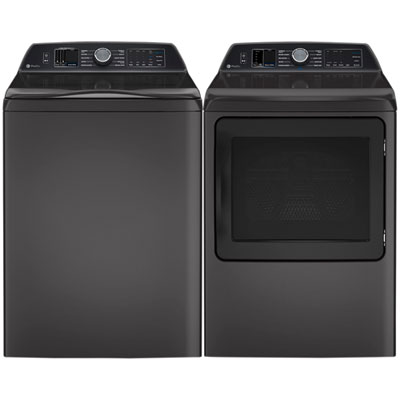 Your price for this item is $2249.98
-
 Your price for this item is $1599.98
-
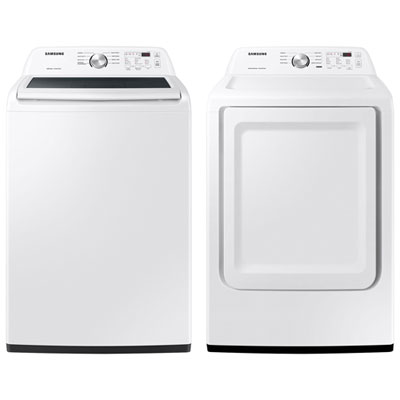 Your price for this item is $1495.98
-
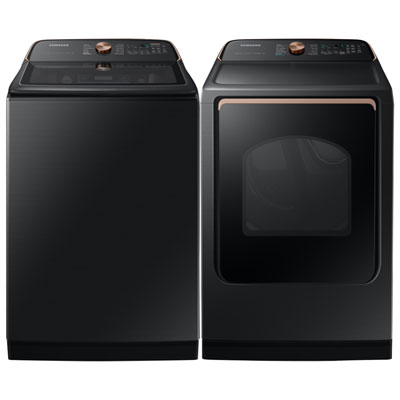 Your price for this item is $2595.98
-
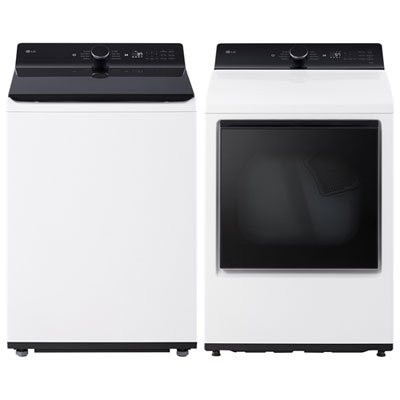 Your price for this item is $1999.98
Discover more categories related to High Capacity Washers
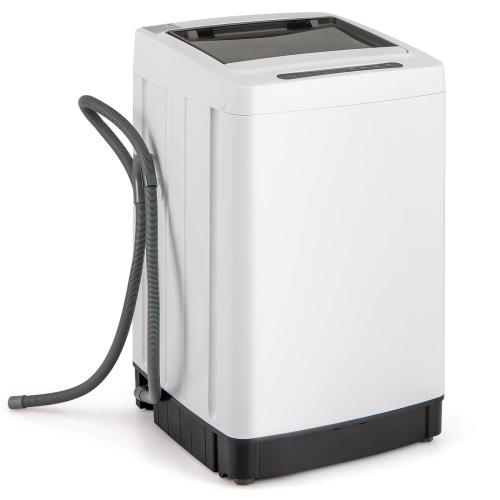
Top Collections:
Best Black Friday Deals This Year, Best Black Friday Deals On Electronics, Kindle Devices, Pokemon Centers, Best Black Friday Deals On Apple Products, Best Cameras for Sports Photography, Dyson Airwrap, Pokémon 30th Celebration Cards, Apple iPhone 17 Pro, Canon G7X Cameras
Some products may be subject to Environmental Handling Fees
(EHF) depending on your province.
Learn more about EHFs.