Gadgets for Small Spaces
Maximize every inch of your home with gadgets for small spaces designed to help you stay organized, connected, and efficient. Whether you’re outfitting a cozy apartment, a compact office, or a dorm room, discover smart solutions that fit seamlessly into tight spots without sacrificing style or functionality. Explore options that make the most of limited areas and transform the way you live, work, and play in smaller settings.
Sort
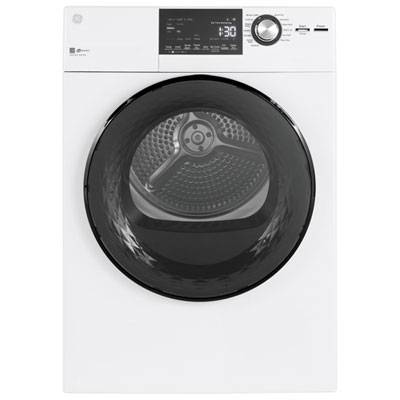
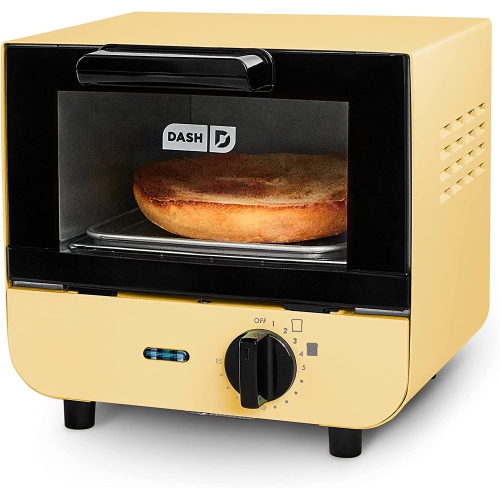


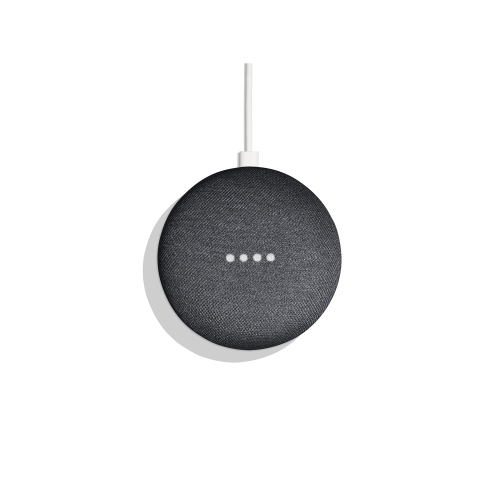
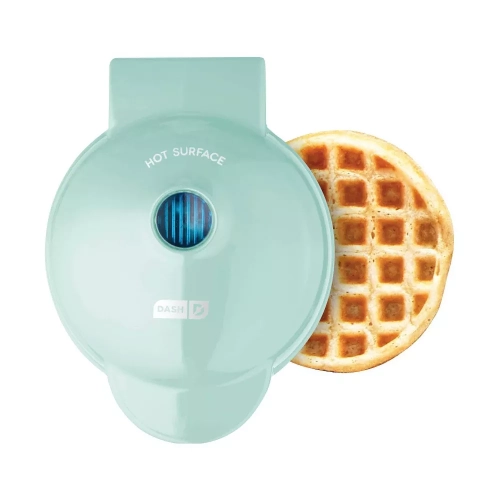



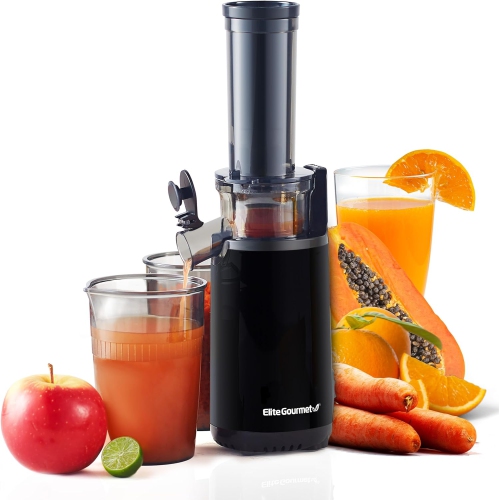

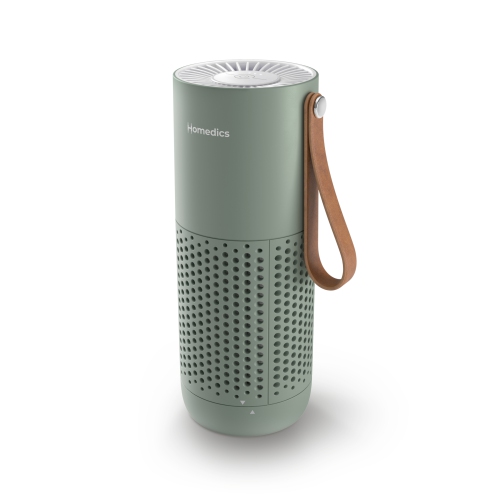
Compact tools that work hard and store easily
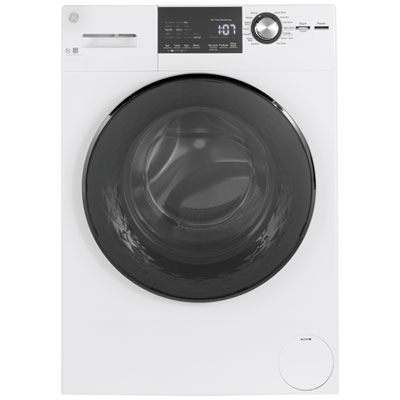
Gadgets for small spaces are compact, foldable, stackable or multifunctional tools that make everyday tasks easier without taking over a room. Their value comes from the space they need while being used, the space they occupy when stored, and how comfortably they fit into an established routine. In a studio apartment, a dining table may also serve as a desk; in a shared home, one shelf might hold everything needed for a morning routine. A useful gadget earns its place by handling a frequent task, replacing several separate tools or fitting into an otherwise awkward corner. Slim profiles, nesting components, retractable parts and integrated storage help keep counters and drawers accessible. Vertical storage can also make use of a door or wall while leaving the floor clear, although mounting requirements and weight limits matter as much as dimensions. Over-the-door accessories need enough clearance for the door to close, and wall-mounted equipment needs hardware suited to the wall surface and the load. For renters, freestanding or removable designs may be more practical than fixtures that require drilling, provided the mounting method is appropriate for the surface. Measurements should account for more than width: an appliance may need room above it to open, a charging cable may project behind a stand, and a folded accessory still needs somewhere to go. The most useful footprint is the one that leaves enough room to work around it. Rounded edges, stable bases and accessible controls are especially helpful on narrow shelves and shallow counters. A compact design should not make routine tasks awkward, so handle size, button spacing and readable displays remain important. Small-space living often involves moving things between rooms, making manageable weight and secure carrying points useful details. A gadget that travels easily from a bedside table to a desk can suit a flexible layout better than one that requires a permanent setup. Even a short cord needs a clear route that does not cross a doorway or catch on a chair.
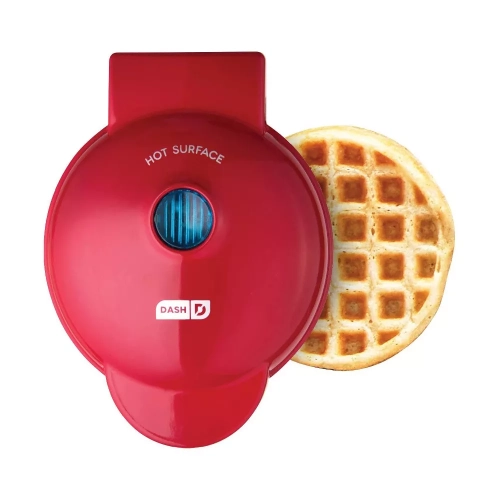
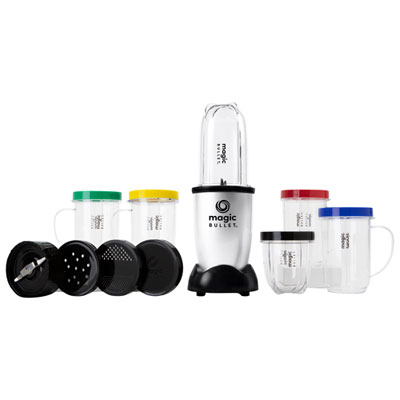
In a compact kitchen, space-saving gadgets are most useful when their storage arrangements are as thoughtful as their working parts. Nesting tools and stackable sets can keep frequently used utensils together without filling an entire drawer, while folding handles and detachable components can make awkward shapes easier to put away. These designs still need to feel secure in use: joints should lock as intended, grips should remain comfortable, and each component should be easy to identify without unpacking the whole set. Compact food-preparation appliances can suit smaller portions and limited counters, but capacity needs to match the household’s habits. A small footprint is less helpful if preparing a usual meal requires repeated batches or transferring ingredients between several containers. Working clearance also matters, including space for lids, handles, ventilation and safe access to an electrical outlet. Materials influence both everyday handling and care. Stainless steel is often used for durable working surfaces and blades, moulded plastic can reduce weight, and silicone can provide flexible edges or a comfortable grip. Care requirements vary by component, so removable parts should only go in the dishwasher when the manufacturer allows it, and powered bases should be cleaned according to their instructions rather than immersed. Seams, hinges and narrow openings deserve attention because trapped crumbs or residue can make a small tool harder to maintain. The same practical thinking applies beyond food preparation. A mini desk vacuum can handle loose crumbs on a work surface, while a compact handheld vacuum may be better suited to upholstery or corners, depending on its attachments and intended use. Neither size nor appearance alone indicates what debris a device can collect safely. Accessible dust containers, washable filters where specified, and simple attachment storage make routine care less cumbersome. Rechargeable designs also need a convenient charging location; a device that lives behind several other belongings may be less useful than one that is easy to reach, empty and put back.
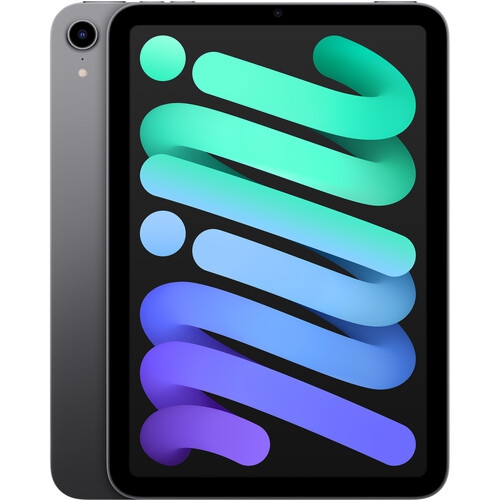
On a small desk or bedside table, gadgets that combine everyday functions can reduce the number of separate devices competing for space. A charging station can keep compatible devices together, while an adjustable stand can raise a screen or hold a phone upright without requiring a large base. Compatibility deserves attention before dimensions alone: charging standards, connector types, device thickness and protective cases can all affect fit. Wireless charging still requires a powered connection to the charger, and a multi-device setup needs enough output for its intended use. Cable clips and compact organizers can help keep leads within reach, particularly when the same table changes from workspace to dining space at the end of the day. Foldable accessories are useful for that transition when their hinges feel stable and their folded shape fits the available drawer or shelf. Compact speakers and task lights can also suit multipurpose rooms, provided their controls, placement and sound or light output work for the people sharing the space. For connected convenience, the Smart Gadgets for Small Apartments collection brings a related focus to compact living. Connected features depend on compatible devices, network requirements and setup, so app access and Wi-Fi coverage are practical considerations rather than afterthoughts. Shared households may also benefit from controls that remain straightforward for someone who does not use the associated app. These details matter when gadgets are given as gifts, too. Students, people moving into a first apartment, remote workers and anyone furnishing a smaller home may appreciate a compact tool that fits a familiar routine. The strongest fit comes from knowing how the recipient lives: whether they cook regularly, work at a shared table, move between rooms or prefer to keep surfaces clear. Easy-to-clean finishes, replaceable accessories where supported, dependable hinges and clearly explained care requirements can contribute more to lasting usefulness than a long feature list. A well-matched gadget leaves room for daily life while making a task simpler to manage.
Top selling and popular products
-
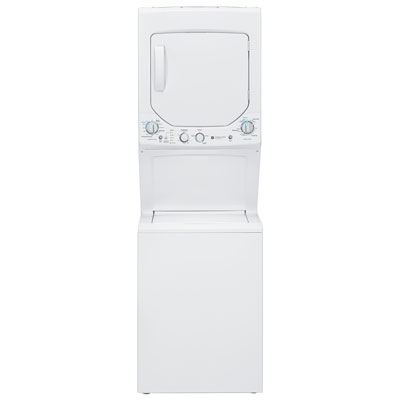 Your price for this item is $1499.99
-
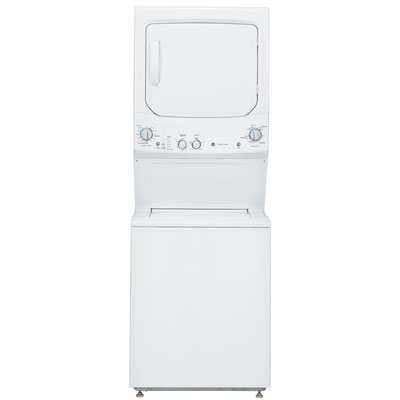 Your price for this item is $1799.99
-
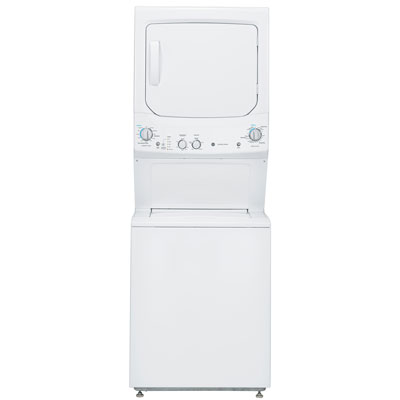 Your price for this item is $1499.99
-
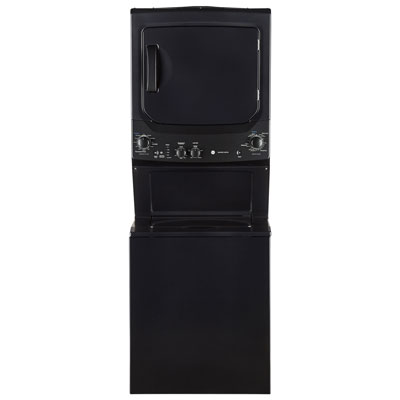 Your price for this item is $1699.99
-
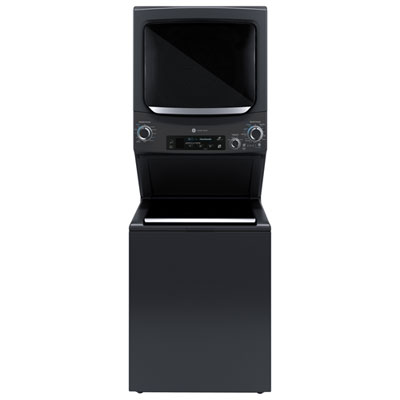 Your price for this item is $1749.99
-
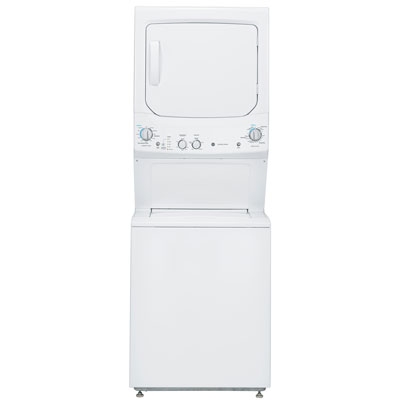 Your price for this item is $1599.99
-
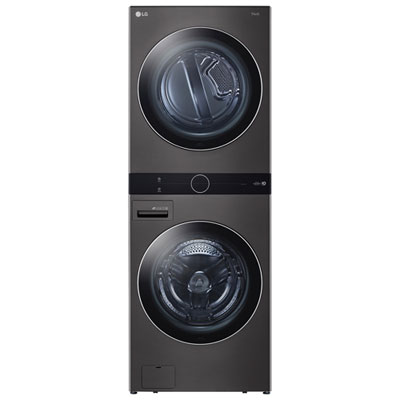 Your price for this item is $2599.99
-
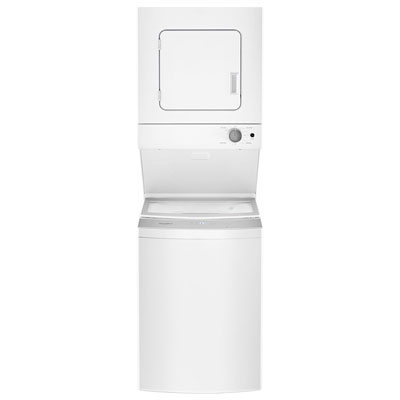 Your price for this item is $1699.99
Discover more categories related to Gadgets for Small Spaces

Top Collections:
Best Black Friday Deals This Year, Best Black Friday Deals On Electronics, Kindle Devices, Dyson Airwrap, Best Cameras for Sports Photography, Best Budget Office Chairs, Canon G7X Cameras, PS5 Pro Consoles, Best Black Friday Deals On Apple Products, XBOX One S Consoles
Some products may be subject to Environmental Handling Fees
(EHF) depending on your province.
Learn more about EHFs.