GE Wall Mount Range Hoods
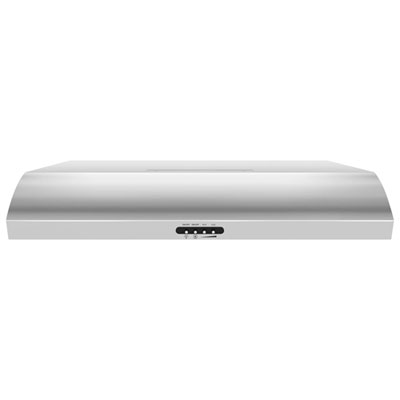
Wall-mount range hoods from GE are the epitome of style and functionality in almost any kitchen. With their sleek design and powerful ventilation system, these range hoods not only enhance the aesthetics of your cooking space but also ensure a clean and odor-free environment. Invest in these GE wall-mount range hoods today to elevate your culinary experience to new heights!
Sort
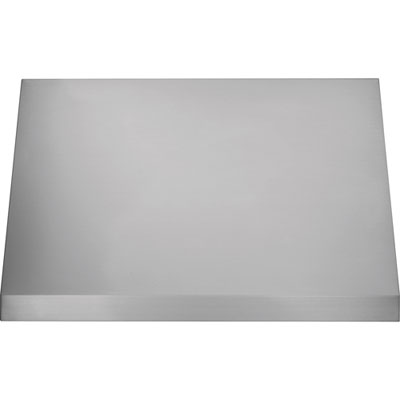
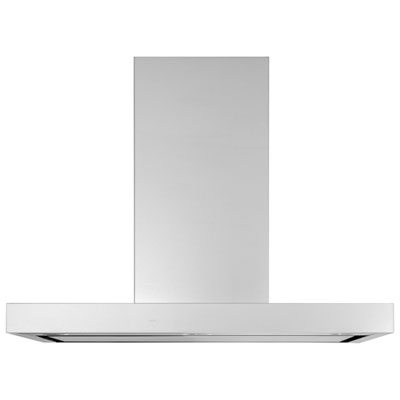
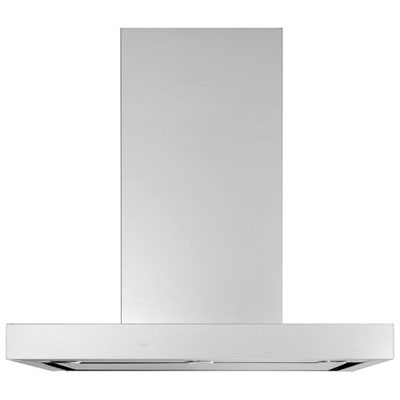

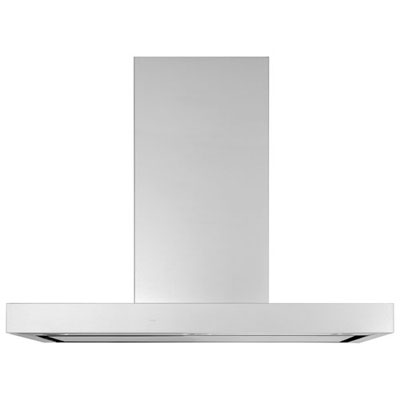
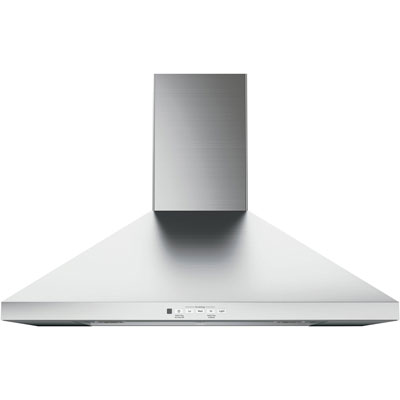
Kitchen ventilation that fits your space and cooking habits
Wall-mount range hoods combine kitchen ventilation with a visible architectural feature above the cooking surface. Mounted against the wall rather than suspended over an island, they typically have a canopy that captures rising cooking vapour and a chimney-style cover that conceals the ventilation connection. Their defined shape works particularly well above a range or cooktop framed by a tiled backsplash, open shelving, or a clear stretch of wall. For households that regularly sauté vegetables, sear meat, or prepare several dishes at once, a properly matched hood helps manage airborne grease and cooking odours while illuminating the burners below. Fit involves more than choosing a finish that complements the other appliances. Common widths include 30-inch and 36-inch formats, and the hood’s width and capture area should suit the cooking surface beneath it. Canopy depth also matters: steam rising from a large pot on a front burner needs to reach the hood rather than drift past its leading edge. Ceiling height, chimney-cover dimensions, nearby cabinets, and the position of the electrical connection all affect how neatly the appliance fits into the room. A tall ceiling may require a compatible chimney extension, while a lower ceiling can limit the space available for the chimney cover. Installation height must follow the requirements for both the hood and the cooking appliance, along with applicable local rules; raising a hood simply to create more headroom can reduce its ability to capture cooking vapour. The wall must also provide suitable support for the appliance and its mounting hardware. Kitchens with cabinetry directly above the cooking area have a different layout consideration: Undermount Range Hoods fit beneath overhead cabinets, whereas wall-mounted chimney designs generally need that wall space left open. These proportions influence both the finished appearance and how comfortably the cooking area functions each day.
Ventilation type is another important distinction among wall-mount range hoods. A ducted installation carries captured air outdoors through a dedicated duct, helping remove cooking odours, moisture, and heat from the kitchen. A recirculating installation draws air through grease filters and odour-reducing filters before returning it to the room. Convertible designs can accommodate either arrangement when installed with the appropriate components, but conversion capability and required accessories differ between appliances. Recirculation can be useful where an outdoor duct route is not practical, although it does not remove moisture or heat in the same way as exterior venting and is not a substitute for any ventilation required for the cooking appliance. An interior wall does not automatically rule out a ducted hood; the deciding factor is whether a suitable route outdoors can be provided. Duct diameter, length, bends, and the exterior termination all influence performance, so a powerful fan alone cannot compensate for restrictive ductwork. Airflow is commonly expressed in cubic feet per minute, or CFM, which describes the volume of air the fan can move under specified test conditions. Higher airflow may suit frequent frying or cooking that produces substantial smoke and vapour, but the right capacity also depends on the cooking appliance, capture area, installation, and ventilation requirements. Local requirements may call for make-up air with higher-capacity exhaust systems, making professional assessment especially valuable during a renovation. Multiple fan speeds provide flexibility for different tasks: a gentle simmer creates a different ventilation demand from browning several portions in a wide skillet. Sound matters alongside airflow, particularly in an open-concept home where conversation or television continues nearby. Noise ratings are most useful when compared at equivalent operating speeds, since a quiet low setting does not describe the sound at maximum power. Perimeter-extraction designs draw air through openings around a panel rather than across a fully exposed filter face; their capture performance still depends on the complete hood design and correct installation. Together, these details give a more useful picture of ventilation than a maximum airflow figure alone.
Materials, lighting, controls, and filter access shape the everyday experience of using a wall-mount range hood. Stainless steel is a familiar choice for its durability and its ability to coordinate with many kitchen appliances, although fingerprints and cooking splashes can remain visible on exposed surfaces. Painted metal finishes offer a different look, while glass accents can make a canopy appear lighter against a backsplash. Finish colour and sheen are worth considering alongside cabinet hardware and surrounding surfaces, especially when the hood sits at the centre of the kitchen’s sightline. Useful task lighting makes it easier to see whether onions are softening evenly or a sauce is beginning to catch at the edge of the pan. LED lighting is common, but brightness, light colour, coverage, and replacement arrangements vary. Controls should also feel practical during cooking: clearly marked buttons, responsive touch panels, and accessible speed settings are more useful than a complicated interface when several pans need attention. Some connected designs offer Wi-Fi features for supported app functions or appliance coordination, with capabilities depending on compatibility and setup. Delayed shutoff, where included, allows ventilation to continue for a set period after cooking finishes. Routine care helps preserve both appearance and airflow. Grease filters collect residue that would otherwise travel farther into the hood, and regular cleaning keeps that buildup from becoming excessive. Removable metal mesh or baffle filters may be washable, but dishwasher suitability depends on the manufacturer’s directions. Odour-reducing charcoal filters used for recirculation usually require replacement rather than washing. Accessible filters and smooth exterior panels can make these tasks less awkward, particularly above a deep cooking surface. Gentle cleaning products and non-abrasive cloths help protect finishes; stainless steel surfaces generally benefit from wiping with the grain. For busy family kitchens, compact cooking spaces, and homes where preparing meals is a daily pleasure, the strongest match brings together appropriate ventilation, comfortable sound levels, useful lighting, and straightforward upkeep. A hood that fits the room and the cooking routine becomes a practical part of meal preparation rather than simply a feature on the wall.
Top selling and popular products
-
 Your price for this item is $566.99
-
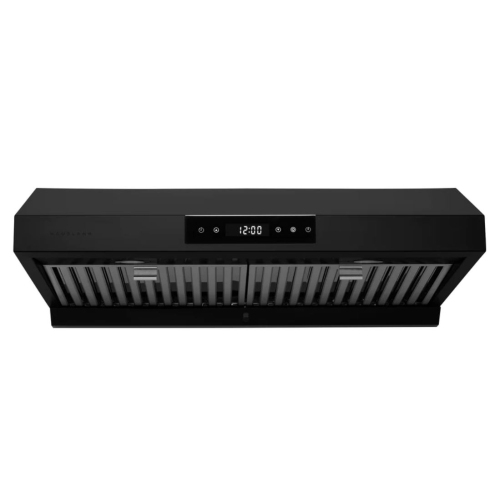 Your price for this item is $611.99
-
 Your price for this item is $566.99
-
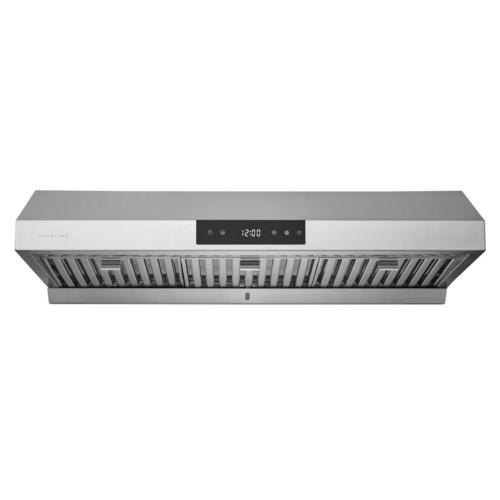 Your price for this item is $611.99
-
 Your price for this item is $611.99
-
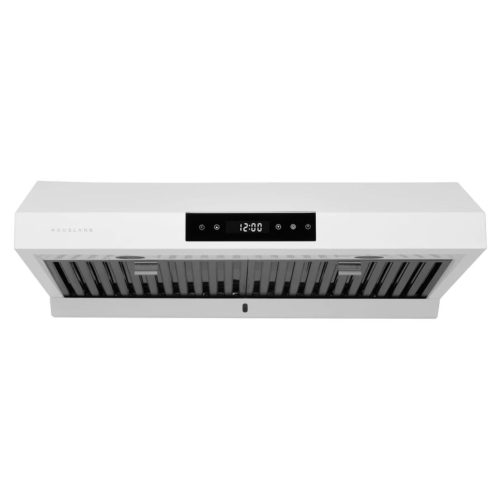 Your price for this item is $566.99
-
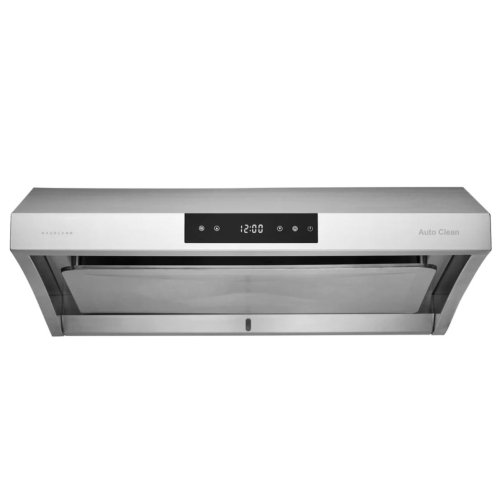 Your price for this item is $701.99
-
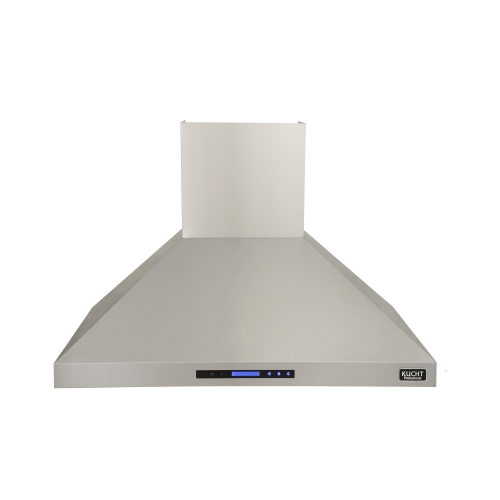 Your price for this item is $2455
Discover more categories related to GE Wall Mount Range Hoods
Top Collections:
Best Black Friday Deals This Year, Best Black Friday Deals On Electronics, Kindle Devices, Pokemon Centers, Best Black Friday Deals On Apple Products, Best Cameras for Sports Photography, Dyson Airwrap, Pokémon 30th Celebration Cards, Apple iPhone 17 Pro, Canon G7X Cameras
Some products may be subject to Environmental Handling Fees
(EHF) depending on your province.
Learn more about EHFs.