Green Cooking Ranges
Upgrade your kitchen with these cooking ranges that can elevate your culinary skills. Whether you're a passionate home cook or a professional chef, these ranges will help you create delicious meals. Check out these great selections of green cooking ranges to find the perfect one for your kitchen.
Sort


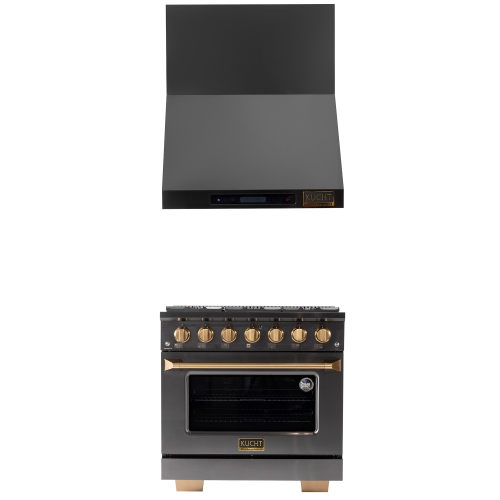
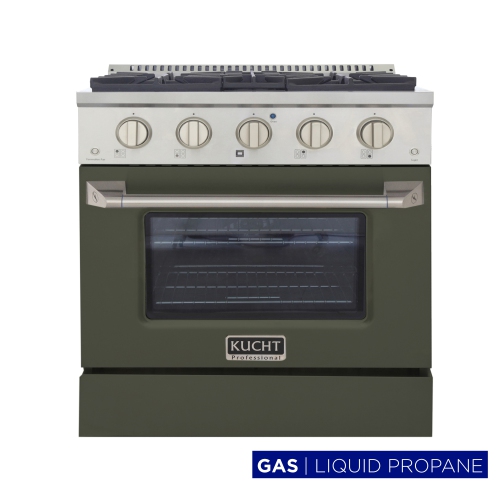
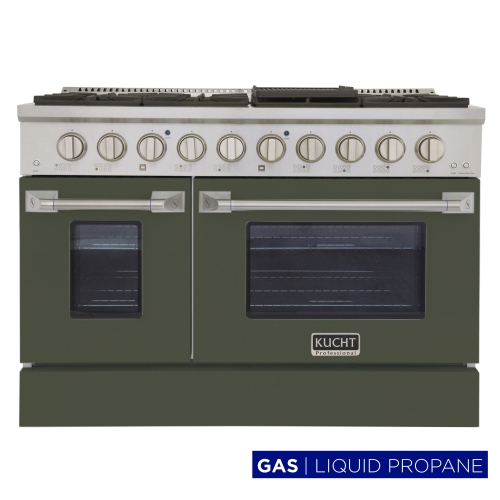
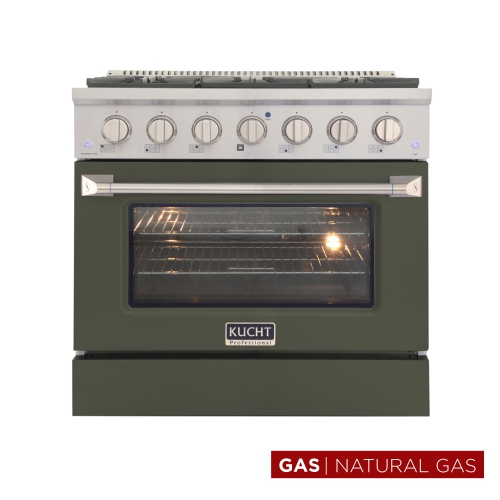
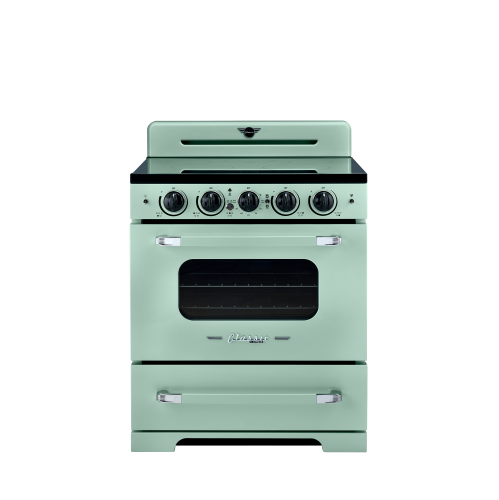
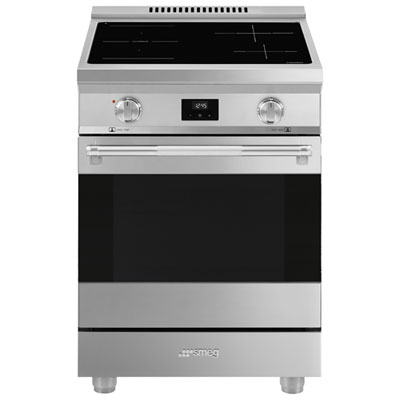
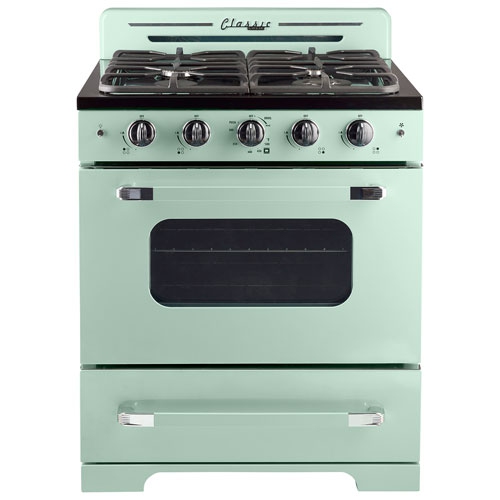
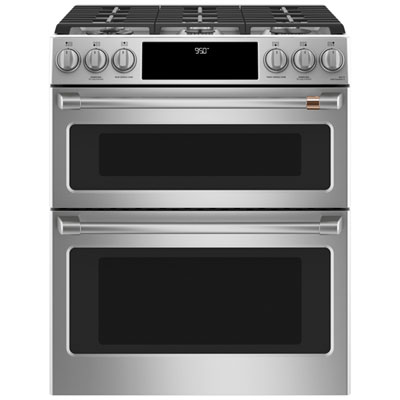

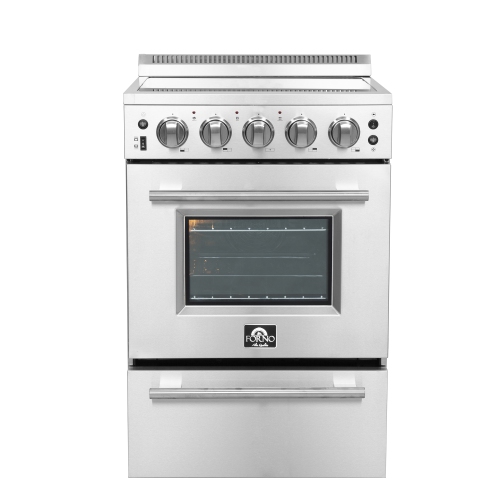
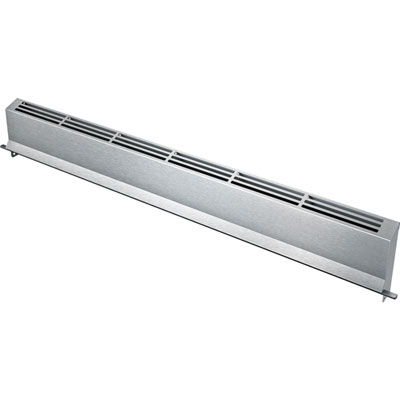
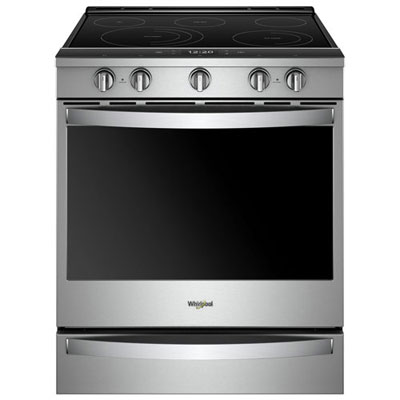
How green finishes shape your kitchen’s character
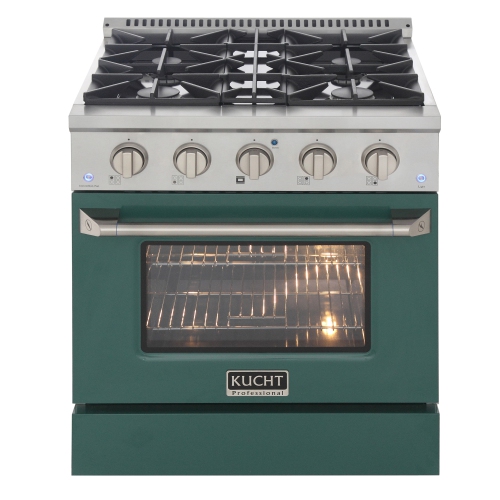
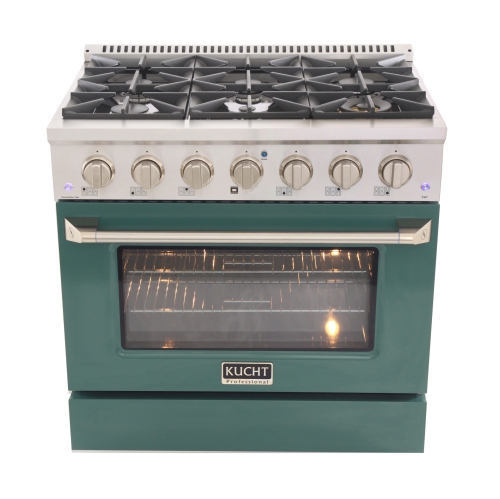
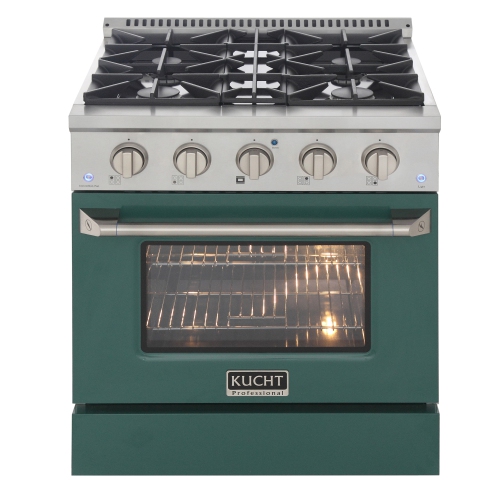
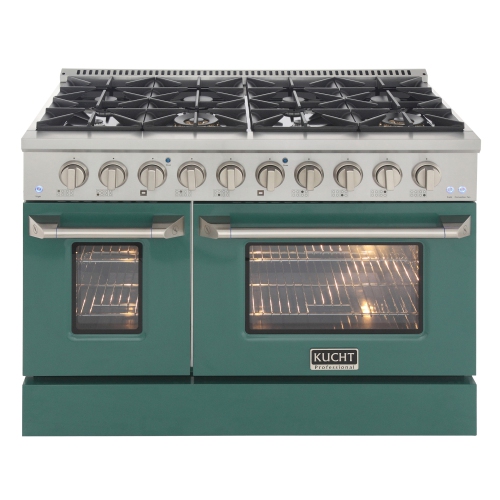
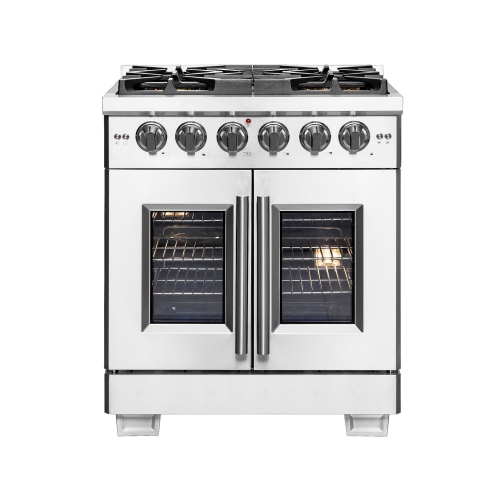
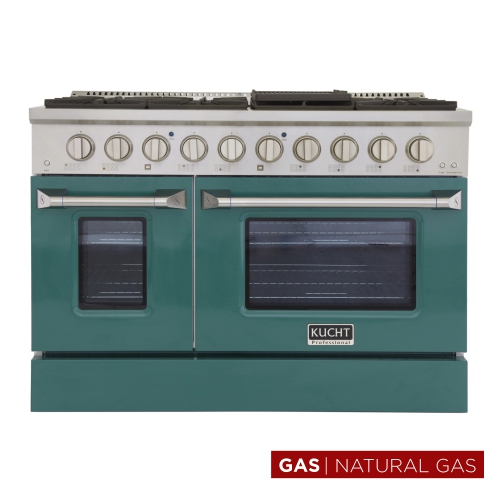
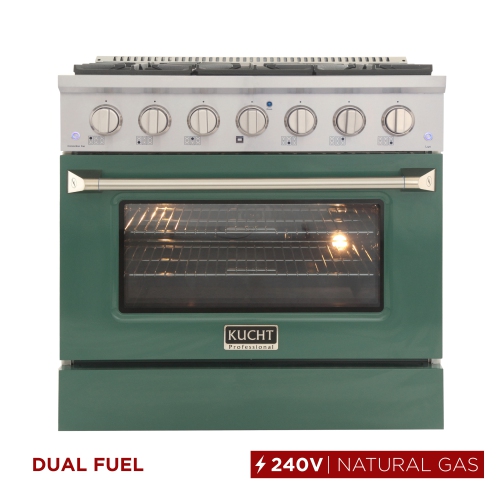
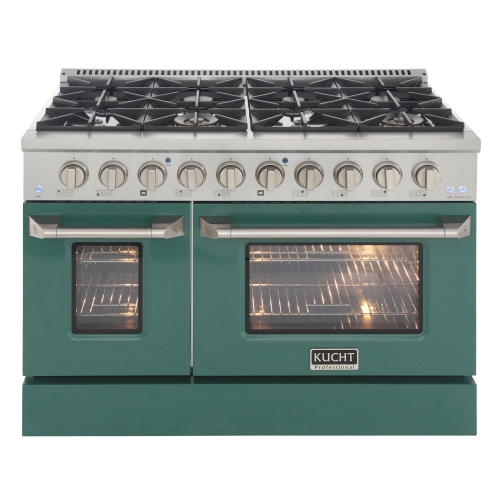
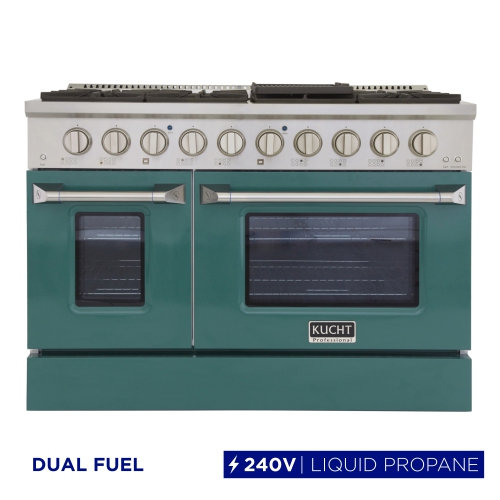
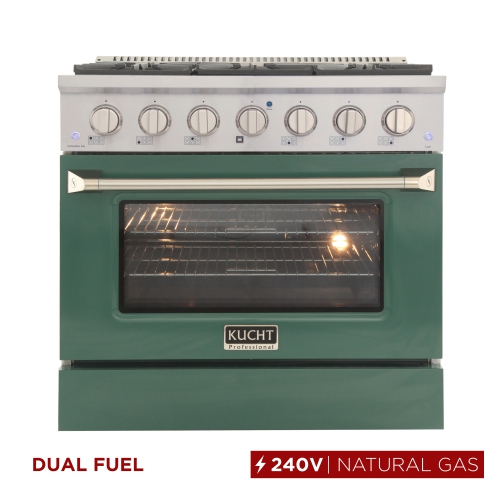
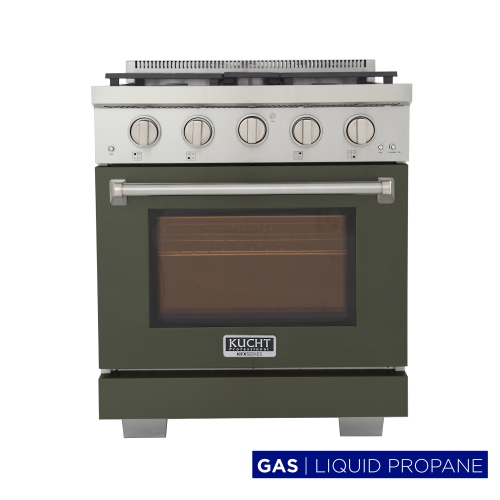
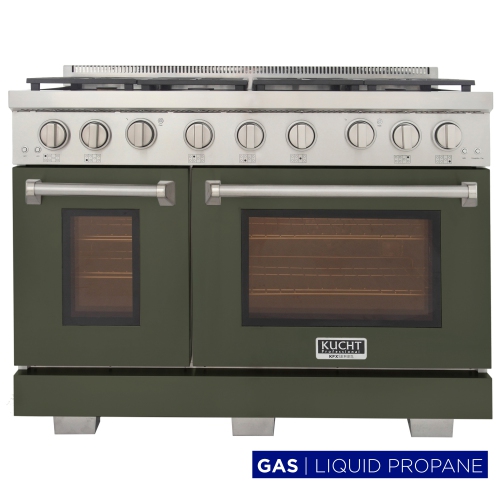
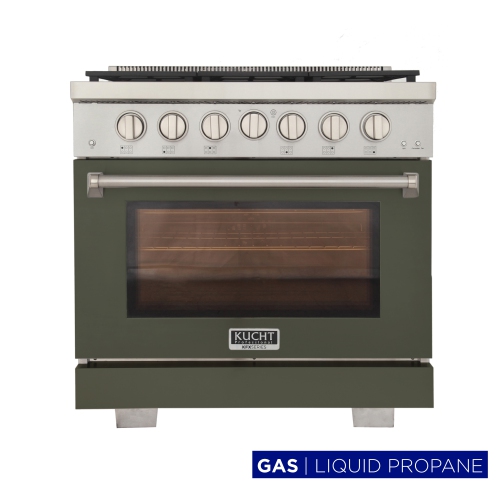
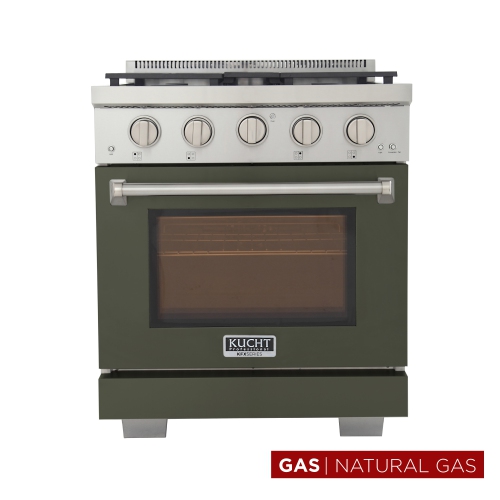
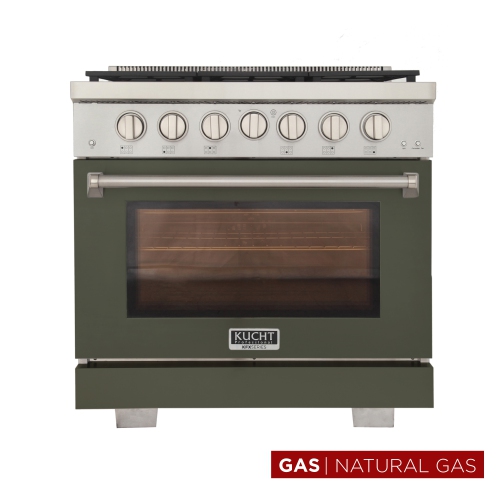
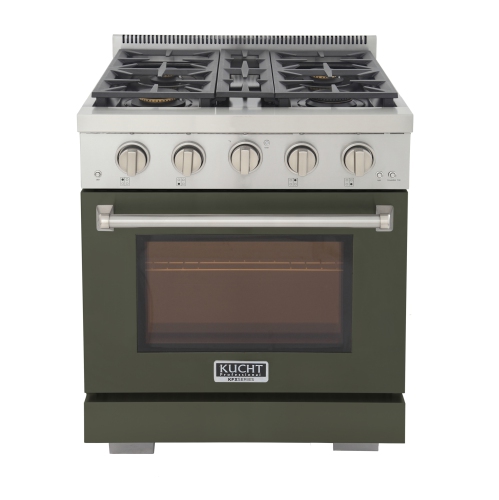
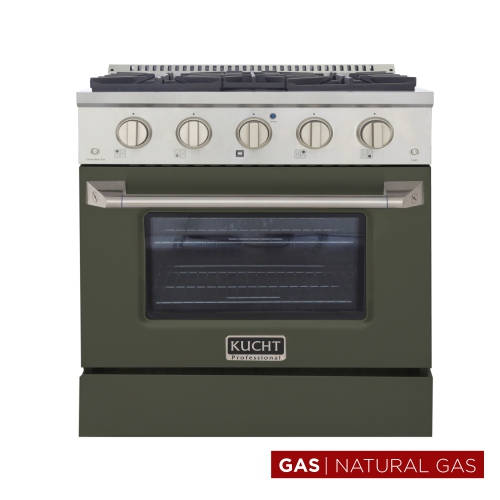
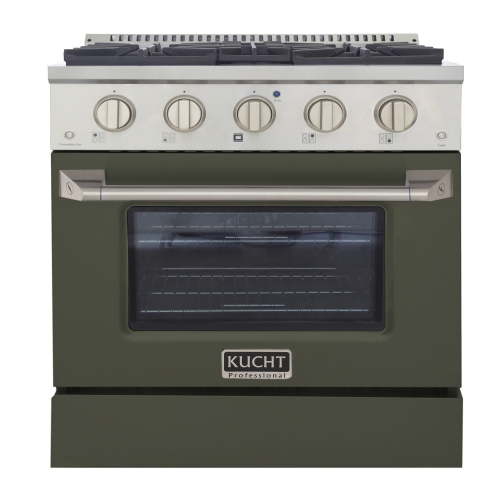
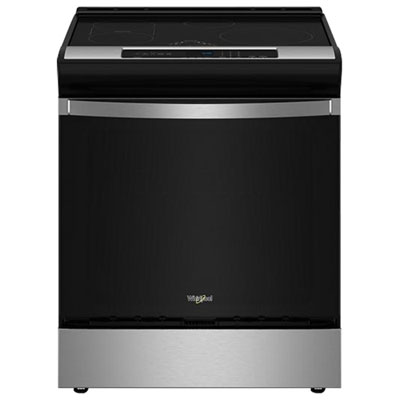
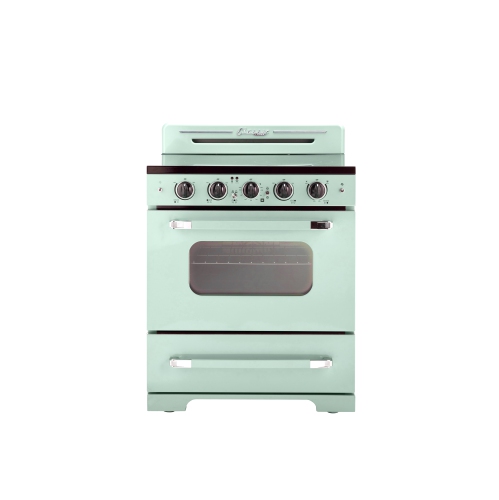
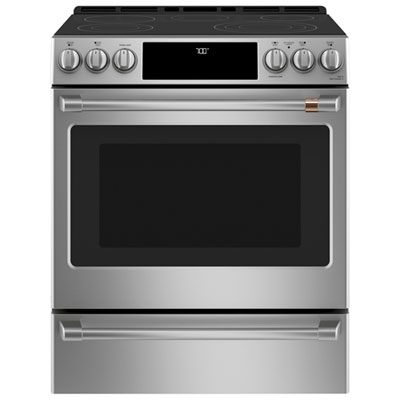
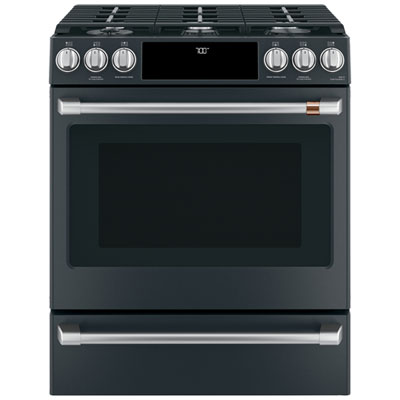
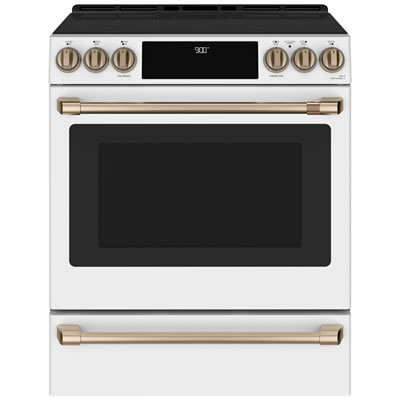
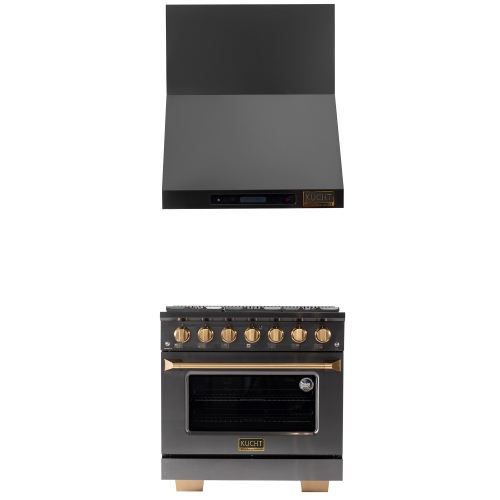
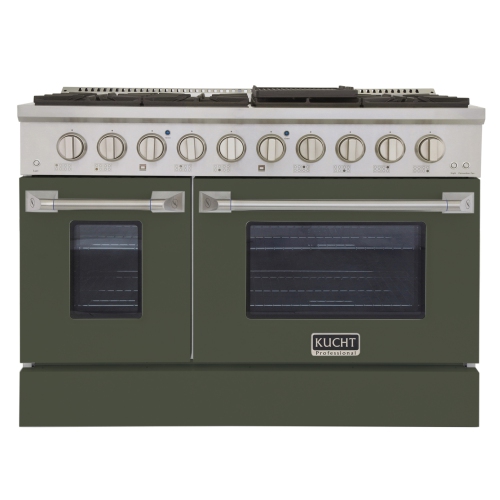
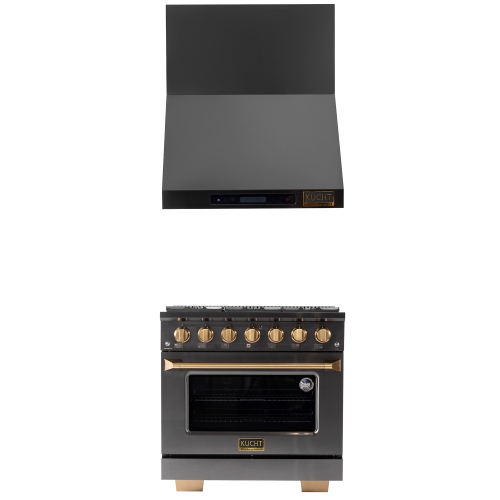
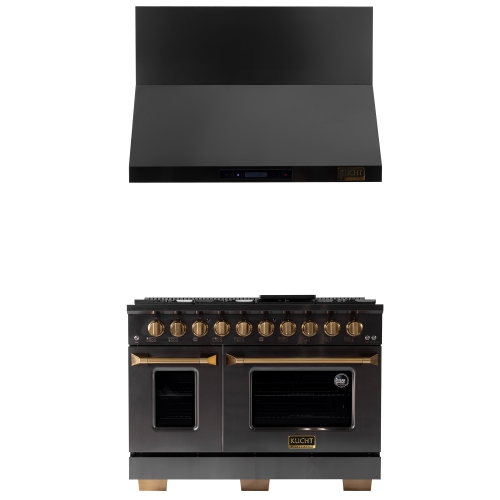
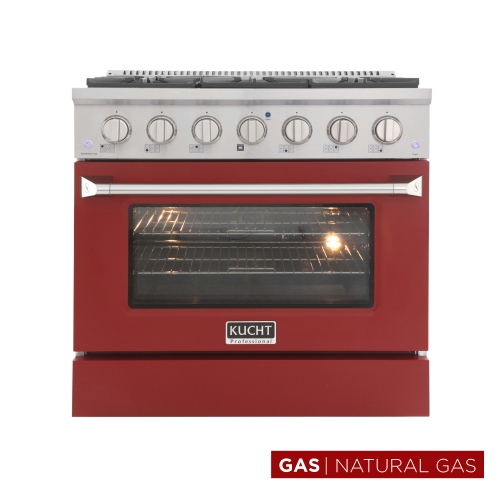
Green cooking ranges combine an oven and a cooktop in a single appliance, with a coloured finish that makes everyday cooking equipment part of the kitchen’s design. The colour describes the appliance’s appearance rather than its fuel type: green ranges can use gas, conventional electric heat, induction, or a dual-fuel arrangement, depending on the model. Finishes can range from soft mint and muted sage to deeper olive and forest tones, each bringing a different character to cabinetry, counters, and tiled backsplashes. A pale green range beside cream cupboards and warm wood creates a softer look, while a dark green front against white cabinetry makes a more pronounced focal point. Retro styling often includes rounded edges, substantial handles, and prominent control knobs; professional-inspired designs tend towards straight lines, broad oven windows, and sturdy cooking surfaces. The placement of colour matters as much as the shade. Some designs feature green across much of the exterior, while others pair a coloured oven door with stainless steel panels, black glass, or contrasting trim. Handles and knobs can also change the overall impression, particularly when their finish coordinates with cabinet hardware or a nearby tap. Painted or enamelled metal surfaces provide the visual character, while materials such as stainless steel, glass, and cast iron serve different purposes around the cooking area. Colour alone does not indicate how well a range cooks or how durable its finish will be; construction, controls, and care requirements remain important distinctions. Lighting also affects how a green finish appears, so a colour sample, where offered, can be useful alongside existing cabinet and countertop materials. For a kitchen renovation built around a statement appliance, red cooking ranges offer another colour direction with a warmer, bolder presence. Green can feel equally distinctive without demanding that every other appliance match, especially when shared metal accents tie the room together.
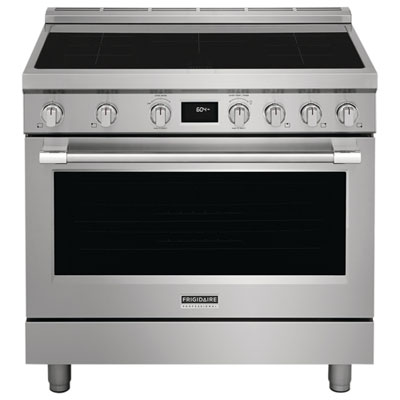
Beyond the finish, green cooking ranges serve the same varied routines as other kitchen ranges, from a quick saucepan meal to several dishes prepared for a family gathering. Gas cooktops provide a visible flame and respond promptly to burner adjustments, although their performance also depends on burner design and cookware. Continuous grates, where included, make it easier to move a heavy pot between cooking positions without lifting it clear of the surface. Conventional electric ranges may use exposed coils or a smooth glass-ceramic top; on smooth-top radiant designs, the surface retains heat after an element is switched off. Induction works differently, using compatible magnetic cookware to generate heat in the pan. This can provide responsive control and a smooth cooking surface, but cookware compatibility matters: a magnet adhering firmly to the base is a useful initial check, alongside the cookware manufacturer’s guidance. An induction surface can still become hot from contact with the pan. Dual-fuel ranges typically combine a gas cooktop with an electric oven, making both the gas connection and the required electrical supply part of the installation plan. Within any fuel type, the cooking layout should suit the pans and methods used most often. A large stockpot, a wide frying pan, and a small saucepan need enough usable space to sit securely without crowded handles. Burner or element count is only part of that equation; their spacing and supported pan sizes also matter. Oven capacity is similarly more useful when considered alongside interior dimensions and rack positions. A household that regularly uses a large roasting pan has different needs from someone mainly baking small casseroles or reheating prepared meals. Convection ovens use a fan to circulate heated air, which can support more even cooking, though timing and temperature adjustments depend on the recipe and oven instructions. Features such as an oven light, a clear viewing window, accessible controls, and easy-to-read settings can make a noticeable difference during daily use. These practical details help distinguish an appliance chosen mainly for its appearance from one that also fits the household’s cooking habits.
A green cooking range also needs to fit the room physically, not just visually. Common nominal widths include 24-inch, 30-inch, and 36-inch formats, but the exact appliance dimensions and required clearances determine whether a particular installation will work. A compact range may suit a smaller kitchen, while a wider format can provide additional cooking space for households that often prepare several dishes at once. Neither size guarantees a particular oven capacity or burner arrangement. The opening between cabinets, countertop height, appliance depth, and clearance for the oven door all affect fit. A projecting handle can matter in a narrow aisle, and an open oven door needs room without blocking essential access. Freestanding and slide-in designs also differ in how they meet nearby cabinetry, so one should not be assumed to replace the other without checking measurements. Delivery access through doorways and around tight corners deserves the same attention as the final kitchen opening. Gas, electrical, ventilation, and anti-tip requirements must follow the appliance’s installation instructions and applicable local requirements, with qualified professionals handling the connections as needed. Once installed, everyday care helps preserve both the green finish and the working surfaces. Manufacturer-approved cleaning methods are especially important for coloured panels, where abrasive pads or harsh chemicals may damage the appearance. Spills are generally easier to manage before they become heavily baked on, once the relevant surfaces are safe to clean. Glass-ceramic cooktops require suitable tools and cleaners, while removable grates and burner components have their own washing and drying instructions. Heavy cookware should be handled carefully to avoid striking enamelled edges or scratching glass. Oven cleaning options vary, and a self-cleaning function does not remove the need to follow instructions for racks, accessories, and surrounding surfaces. Sturdy hinges, secure knobs, well-supported racks, and access to replacement parts are useful considerations for long-term ownership. For a first home, a remodelled kitchen, or a household replacing an older appliance, the strongest match brings together a pleasing green finish, a suitable cooking system, comfortable day-to-day operation, and dimensions that work with the space.
Beyond the finish, green cooking ranges serve the same varied routines as other kitchen ranges, from a quick saucepan meal to several dishes prepared for a family gathering. Gas cooktops provide a visible flame and respond promptly to burner adjustments, although their performance also depends on burner design and cookware. Continuous grates, where included, make it easier to move a heavy pot between cooking positions without lifting it clear of the surface. Conventional electric ranges may use exposed coils or a smooth glass-ceramic top; on smooth-top radiant designs, the surface retains heat after an element is switched off. Induction works differently, using compatible magnetic cookware to generate heat in the pan. This can provide responsive control and a smooth cooking surface, but cookware compatibility matters: a magnet adhering firmly to the base is a useful initial check, alongside the cookware manufacturer’s guidance. An induction surface can still become hot from contact with the pan. Dual-fuel ranges typically combine a gas cooktop with an electric oven, making both the gas connection and the required electrical supply part of the installation plan. Within any fuel type, the cooking layout should suit the pans and methods used most often. A large stockpot, a wide frying pan, and a small saucepan need enough usable space to sit securely without crowded handles. Burner or element count is only part of that equation; their spacing and supported pan sizes also matter. Oven capacity is similarly more useful when considered alongside interior dimensions and rack positions. A household that regularly uses a large roasting pan has different needs from someone mainly baking small casseroles or reheating prepared meals. Convection ovens use a fan to circulate heated air, which can support more even cooking, though timing and temperature adjustments depend on the recipe and oven instructions. Features such as an oven light, a clear viewing window, accessible controls, and easy-to-read settings can make a noticeable difference during daily use. These practical details help distinguish an appliance chosen mainly for its appearance from one that also fits the household’s cooking habits.
A green cooking range also needs to fit the room physically, not just visually. Common nominal widths include 24-inch, 30-inch, and 36-inch formats, but the exact appliance dimensions and required clearances determine whether a particular installation will work. A compact range may suit a smaller kitchen, while a wider format can provide additional cooking space for households that often prepare several dishes at once. Neither size guarantees a particular oven capacity or burner arrangement. The opening between cabinets, countertop height, appliance depth, and clearance for the oven door all affect fit. A projecting handle can matter in a narrow aisle, and an open oven door needs room without blocking essential access. Freestanding and slide-in designs also differ in how they meet nearby cabinetry, so one should not be assumed to replace the other without checking measurements. Delivery access through doorways and around tight corners deserves the same attention as the final kitchen opening. Gas, electrical, ventilation, and anti-tip requirements must follow the appliance’s installation instructions and applicable local requirements, with qualified professionals handling the connections as needed. Once installed, everyday care helps preserve both the green finish and the working surfaces. Manufacturer-approved cleaning methods are especially important for coloured panels, where abrasive pads or harsh chemicals may damage the appearance. Spills are generally easier to manage before they become heavily baked on, once the relevant surfaces are safe to clean. Glass-ceramic cooktops require suitable tools and cleaners, while removable grates and burner components have their own washing and drying instructions. Heavy cookware should be handled carefully to avoid striking enamelled edges or scratching glass. Oven cleaning options vary, and a self-cleaning function does not remove the need to follow instructions for racks, accessories, and surrounding surfaces. Sturdy hinges, secure knobs, well-supported racks, and access to replacement parts are useful considerations for long-term ownership. For a first home, a remodelled kitchen, or a household replacing an older appliance, the strongest match brings together a pleasing green finish, a suitable cooking system, comfortable day-to-day operation, and dimensions that work with the space.
Top selling and popular products
-
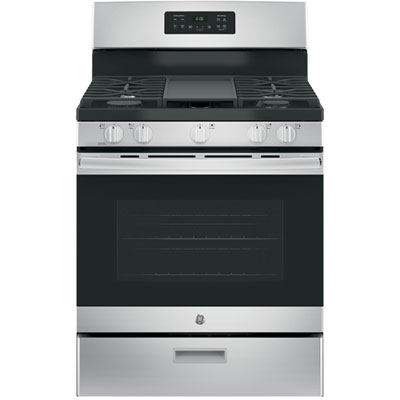 Your price for this item is $949.99
 -
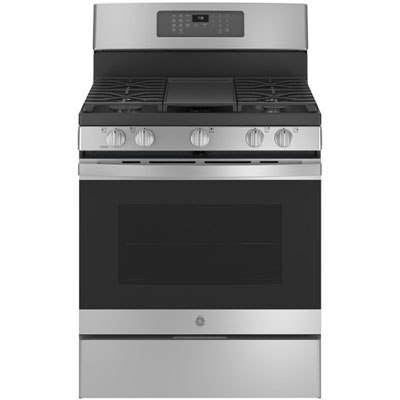 Your price for this item is $2049.99
 -
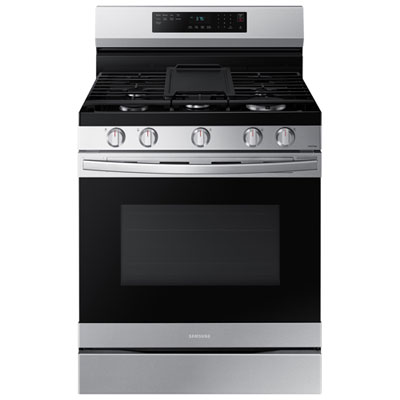 Your price for this item is $1395.99
 -
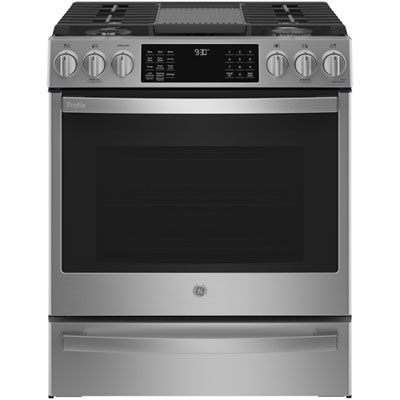 Your price for this item is $3999.99
 -
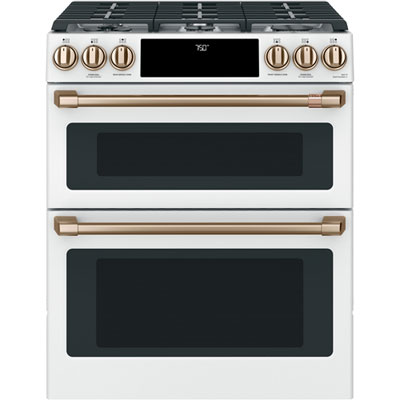 Your price for this item is $5199.99
 -
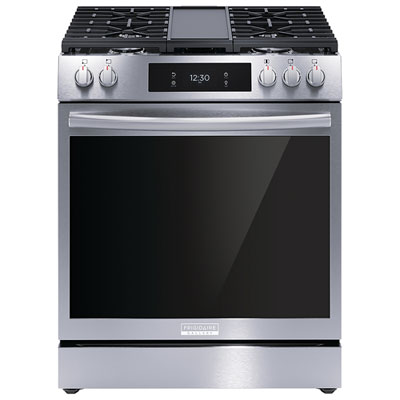 Your price for this item is $1799.99
 -
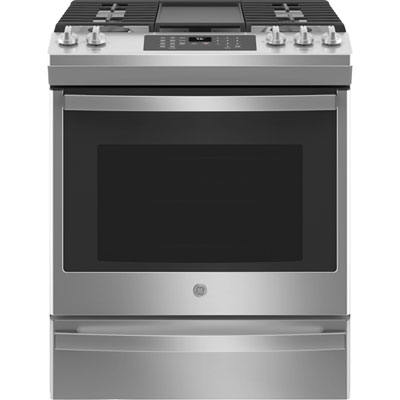 Your price for this item is $1699.99
 -
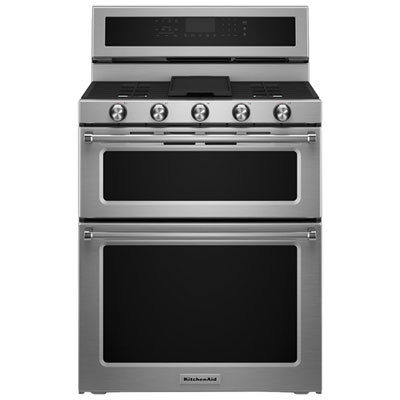 Your price for this item is $3099.99
Discover more categories related to Green Cooking Ranges
Top Collections:
Pokemon Centers, Kindle Devices, Best Budget Office Chairs, Apple iPhones 16, Best Laptops for Writers, iPhone 15 Apple, Canon G7X Cameras, Refurbished Apple Laptops, Alarm Clock, Motorola Razr Phones
Some products may be subject to Environmental Handling Fees
(EHF) depending on your province.
Learn more about EHFs.