Grinders for Kitchen
Grinder for Kitchen options make meal preparation easier and more efficient, whether you’re grinding spices, coffee beans, or fresh ingredients for your favorite recipes. With a variety of designs and sizes available, it’s simple to find the right fit for any kitchen style or cooking need. Explore a selection of reliable grinders that help streamline your culinary tasks and enhance your home cooking experience. Find the perfect Grinder for Kitchen to suit your everyday needs and elevate your food preparation routine.
Sort
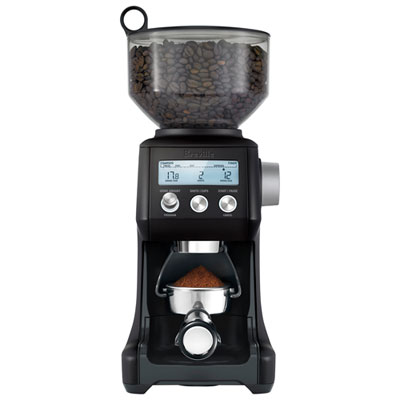
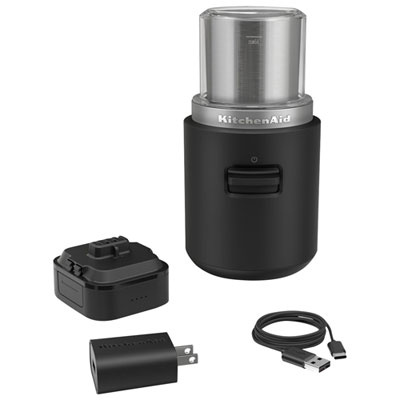

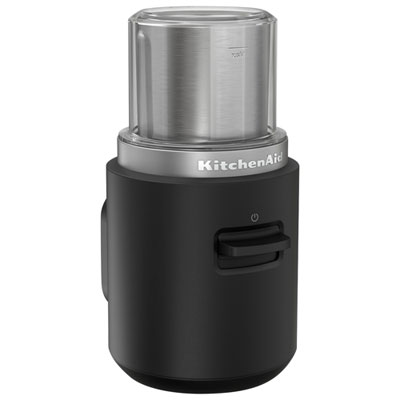
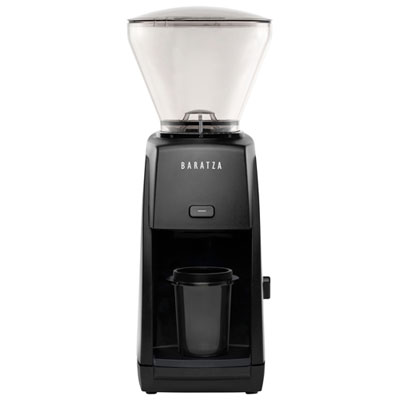

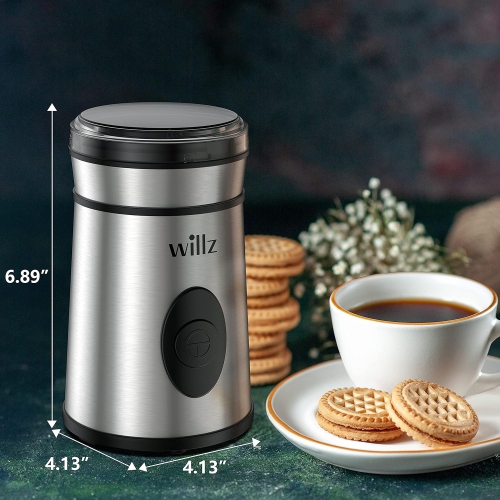
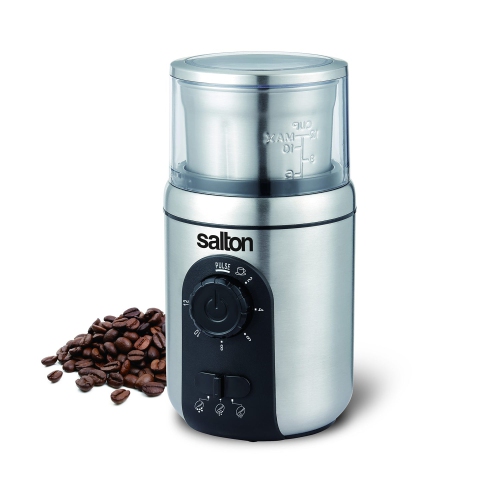
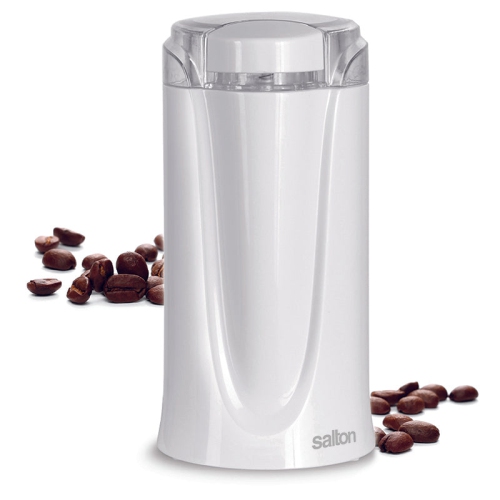

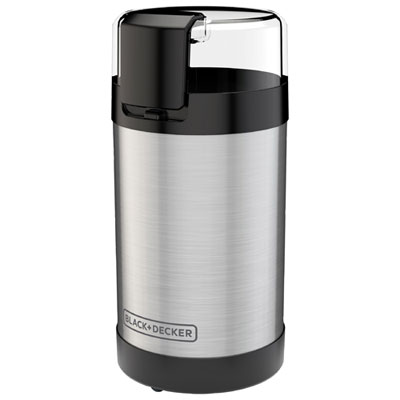
Why different ingredients need different kinds of grinders
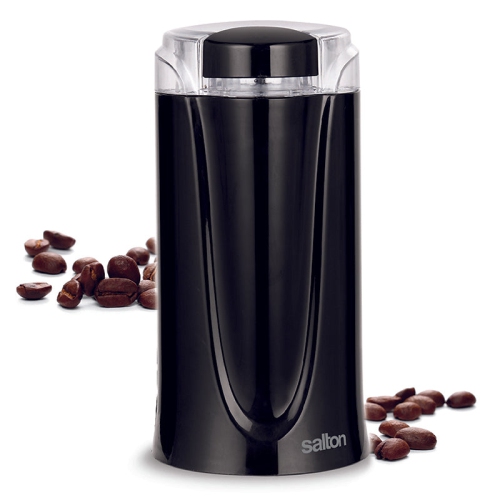
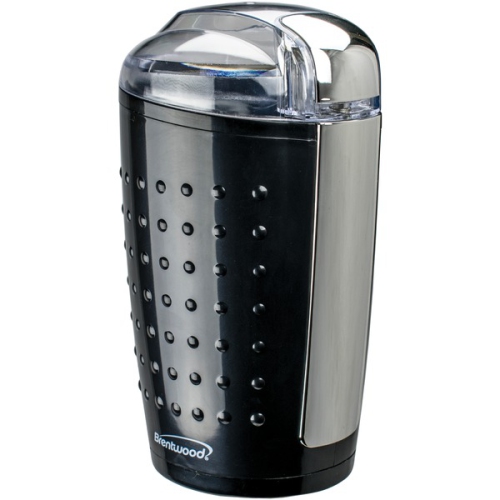
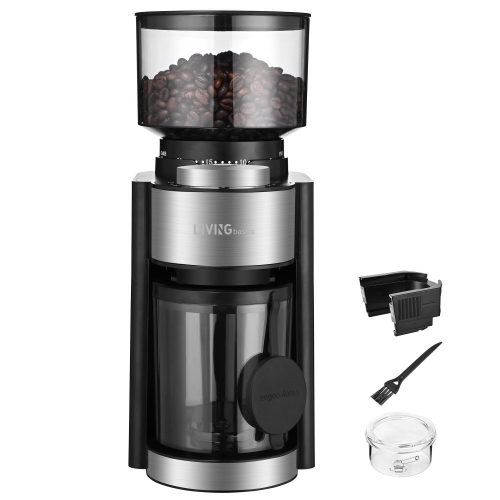
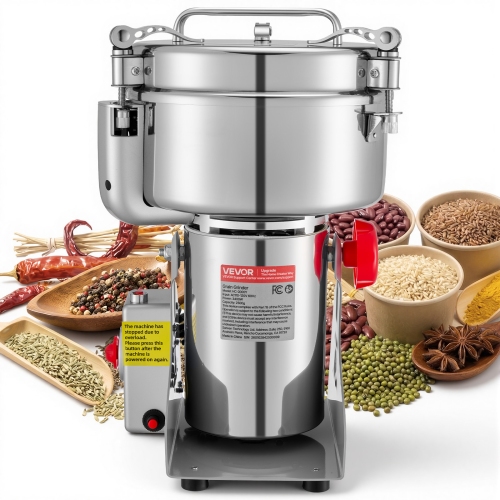
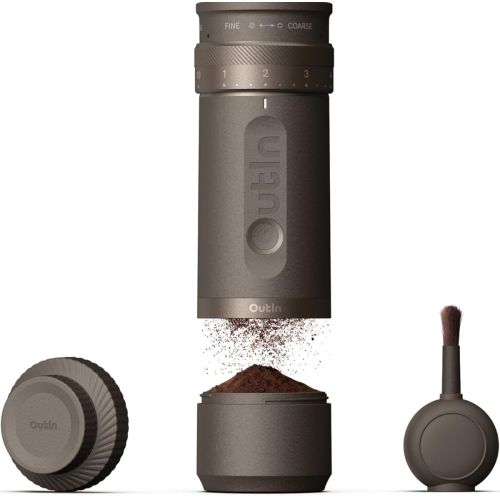
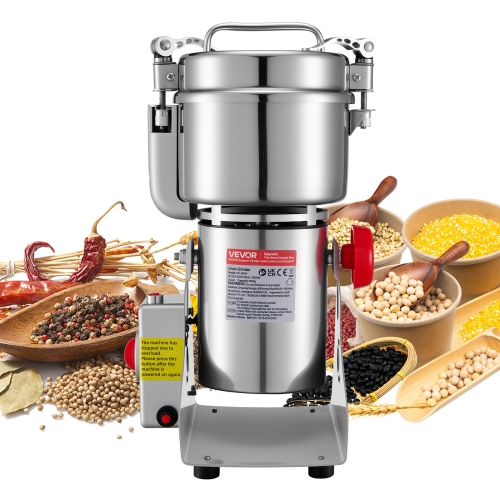
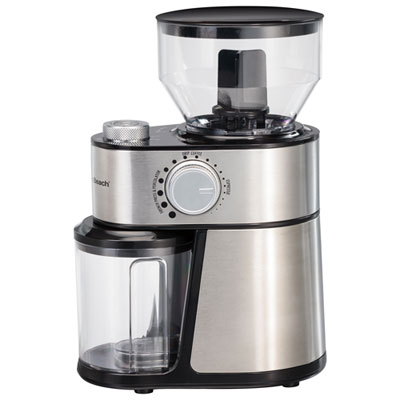
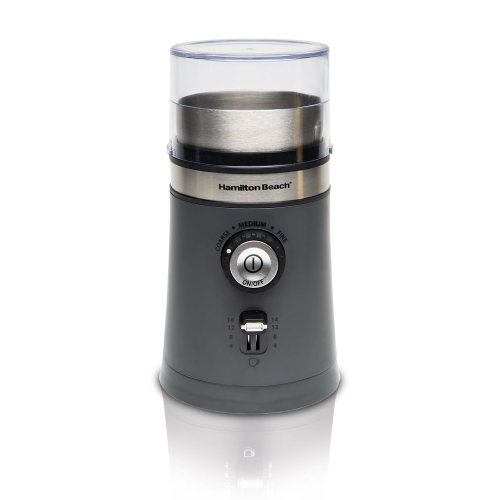
Kitchen grinders turn whole ingredients into textures that shape the flavour and character of everyday meals. Freshly cracked pepper adds a sharp finish to scrambled eggs, ground cumin gives a pot of beans a fragrant base, and freshly ground coffee brings its familiar aroma to the morning routine. Other grinders take on more substantial preparation, such as mincing meat for burgers or turning suitable grains into flour. The Kitchen Food Grinders category covers distinct preparation needs, and the ingredient being processed is the most useful starting point for understanding those differences. A pepper mill, coffee grinder, and meat grinder may share a name, but their mechanisms, capacities, and cleaning requirements are quite different. Spice grinders generally work with small quantities of dry ingredients, while meat grinders use an auger to move food towards a cutting blade and perforated plate. Coffee grinders typically use blades or burrs, with the resulting texture affecting how coffee extracts during brewing. Burr mechanisms offer control over particle size, which matters when moving between brewing methods with different requirements. For spices, a coarse crack can add texture to a rub, while a finer grind blends more readily into sauces and marinades. Meat-grinding plates create different textures, from a more pronounced bite in a burger to a finer mixture for certain fillings. These distinctions make grinders useful to a wide range of home cooks, from someone finishing a plate at the table to someone preparing ingredients for several meals. They also explain why a single appliance is not automatically suited to every grinding task. Oily seeds, hard spices, nuts, and fibrous foods can place different demands on a mechanism. Compatibility depends on the design and the manufacturer's stated uses, rather than simply the size of the chamber or the strength suggested by its appearance. A grinder that matches the ingredients and quantities used regularly can become a practical part of meal preparation rather than an appliance that rarely leaves the cupboard.
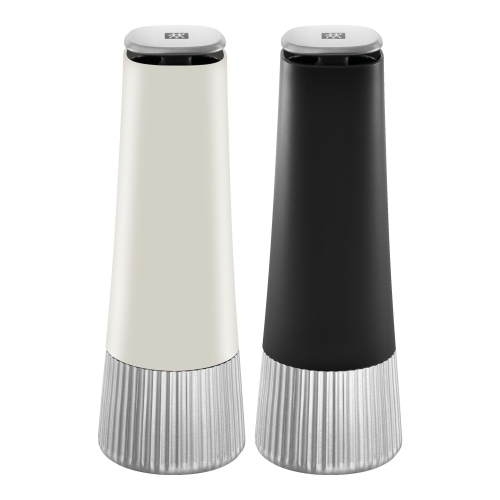
The way a grinder fits into a kitchen matters as much as what it can process. A compact manual mill can sit beside the stove or move easily to the dining table, while a larger electric grinder needs a stable work surface and room for its cord, hopper, and collection container. Height deserves attention where upper cupboards limit clearance, especially if a lid or food tray must be lifted during use. For a small kitchen, removable components that nest neatly together can make storage less awkward. Manual operation offers direct control without requiring an outlet, although repeated grinding may be tiring for someone with limited hand strength or wrist mobility. Handle shape, grip texture, and the effort needed to turn a crank or twist a mill all influence comfort. Electric operation can be more convenient for repeated batches, but noise, controls, and the ease of stopping and starting also affect the experience. Capacity is best understood in relation to actual preparation habits: grinding a pinch of spice for dinner is different from processing ingredients for a large family meal. A larger chamber is not always an advantage when only a small amount is needed. Materials contribute to both handling and durability. Stainless steel is common in food-contact components because it is sturdy and generally straightforward to clean, although care requirements still vary. Ceramic grinding mechanisms are often used in mills, but suitability for salt, pepper, or other ingredients depends on the individual design. Salt requires a mechanism intended to handle its corrosive properties, and a pepper-only mill should not be treated as interchangeable. Glass containers make contents visible and resist lingering odours, while lighter containers can be easier to lift and store. A secure lid, well-fitted collection cup, and stable base help keep fine particles contained. For meat grinders, the fit and condition of the auger, blade, and plate influence performance, while accessible assembly points make routine cleaning less cumbersome. Clear adjustment markings and controls that are easy to operate with dry hands are practical details that become more noticeable with regular use.
Care requirements have a direct effect on how comfortably a grinder fits into everyday cooking. Coffee oils and fragrant spices can leave residues, so a chamber used for coffee may carry unwanted flavour into a batch of ground coriander. Keeping strongly aromatic ingredients separate is often more convenient than trying to remove every trace between uses. Removable bowls and accessible grinding areas make cleaning easier, but dishwasher suitability should always be checked for each component. Some metal parts need handwashing and prompt drying, and certain mechanisms are intended to be brushed clean rather than rinsed. An electric motor housing should never be immersed in water. Food-contact parts need to be fully dry before reassembly or storage, particularly when a grinder will next be used for dry spices or coffee. Meat grinders involve more detailed cleaning because food can remain around the blade, plate, and feed assembly; parts that can be removed without an awkward struggle make that task more manageable. Safe preparation also depends on following the appliance instructions, using the supplied food pusher rather than fingers, and keeping raw meat separate from ready-to-eat ingredients. Beyond care, useful features are those that suit the food being made. An adjustable mill lets a cook move from a fine seasoning to a more noticeable crunch, while a securely positioned collection container reduces scattering during repeated batches. Someone who prepares spice blends may value easy access to the grinding chamber more than a large capacity. A coffee enthusiast may place greater importance on repeatable settings, and a home cook making burgers may focus on manageable assembly and suitable grinding plates. These same habits offer useful context when choosing a grinder as a gift. A keen baker, frequent host, or cook who enjoys experimenting with whole spices may appreciate a tool matched to an established interest. The strongest fit comes from its usefulness in a familiar routine: comfortable to handle, appropriate for the ingredients, straightforward to maintain, and ready for the next meal.
Top selling and popular products
-
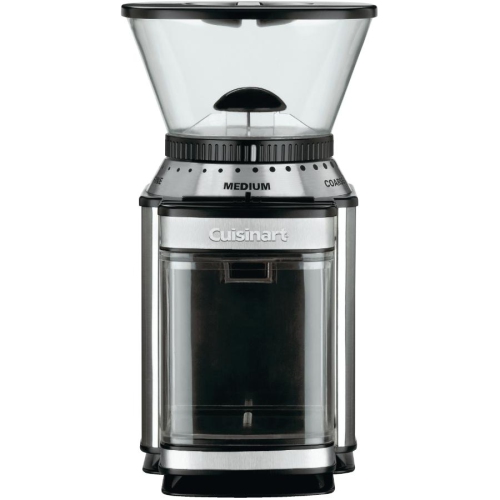 Your price for this item is $70.21
-
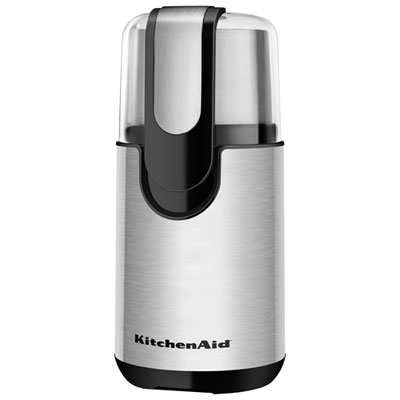 Your price for this item is $74.99
-
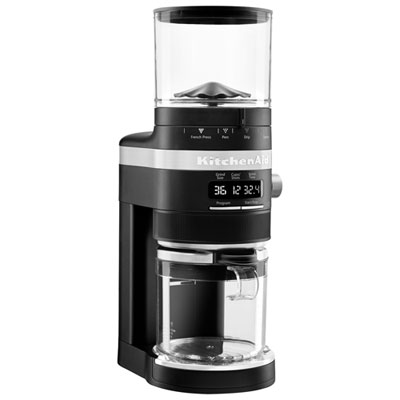 Your price for this item is $189.98
-
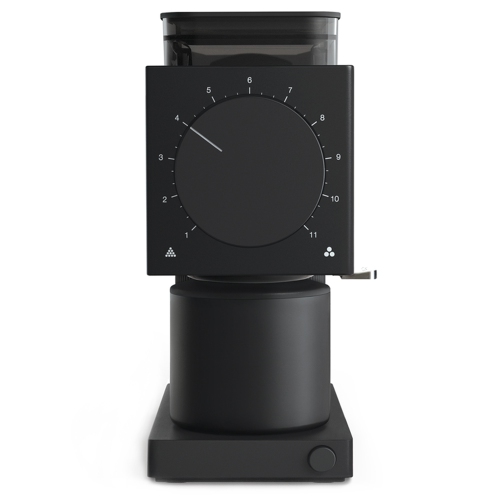 Your price for this item is $499
-
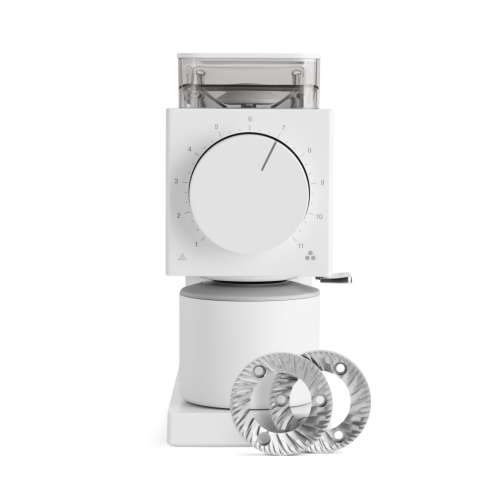 Your price for this item is $499
-
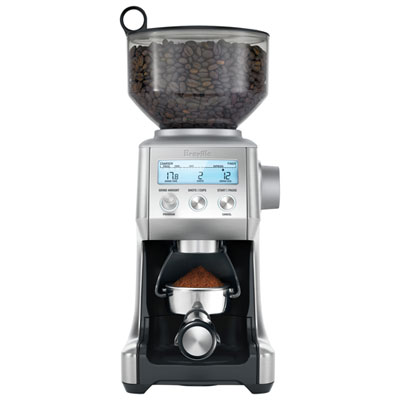 Your price for this item is $219.99
-
 Your price for this item is $77.99
-
 Your price for this item is $44.99
Discover more categories related to Grinders for Kitchen

Top Collections:
Best Black Friday Deals This Year, Best Black Friday Deals On Electronics, Kindle Devices, Pokemon Centers, Best Black Friday Deals On Apple Products, Best Cameras for Sports Photography, Dyson Airwrap, Pokémon 30th Celebration Cards, Apple iPhone 17 Pro, Canon G7X Cameras
Some products may be subject to Environmental Handling Fees
(EHF) depending on your province.
Learn more about EHFs.