Hard Floor Cleaner Machines
Maintaining the cleanliness and shine of your hard floors has never been easier with the help of reliable hard floor cleaner machines. Designed to effortlessly tackle dirt, grime, and stubborn stains, these powerful machines offer a convenient and efficient way to keep your floors looking their best. Whether you have hardwood, tile, laminate, or vinyl floors, hard floor cleaner machines are an essential tool that can save you time and effort in your cleaning routine.
Sort
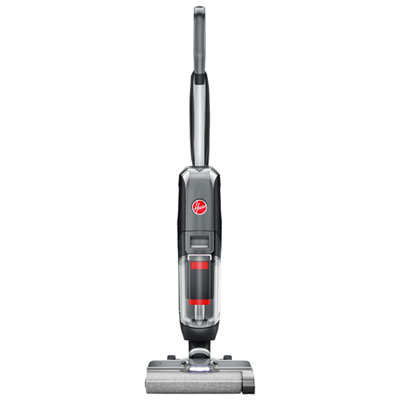
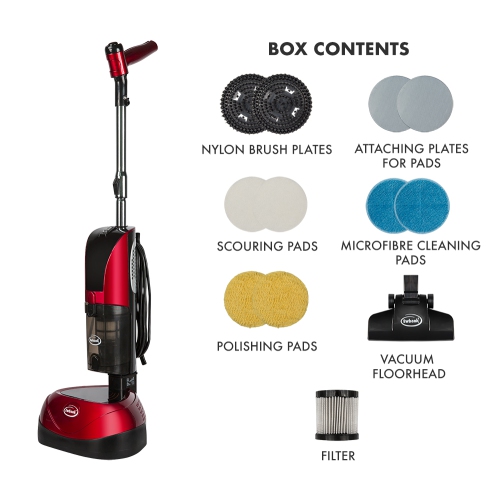
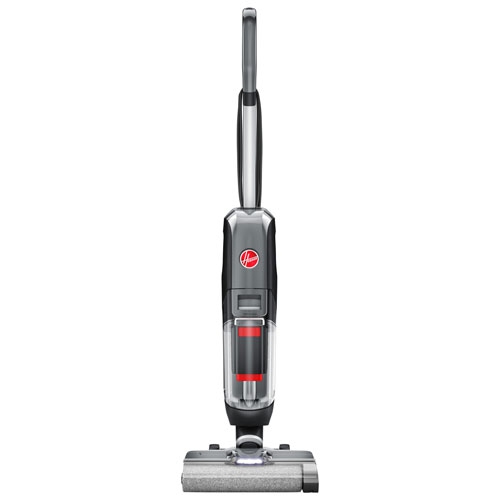

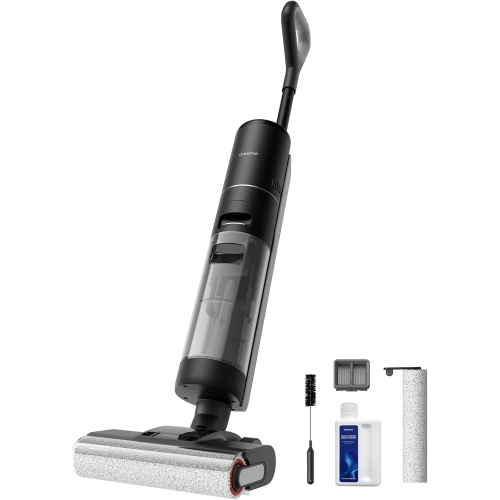
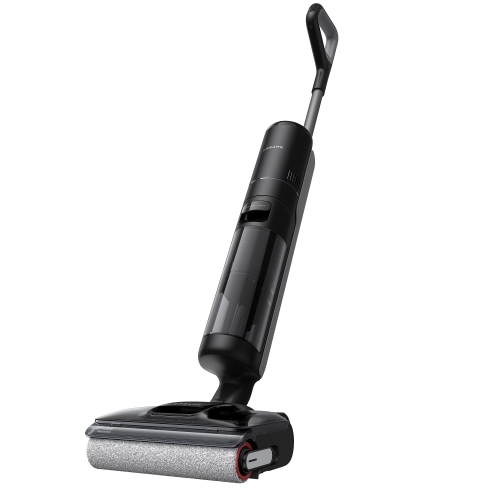
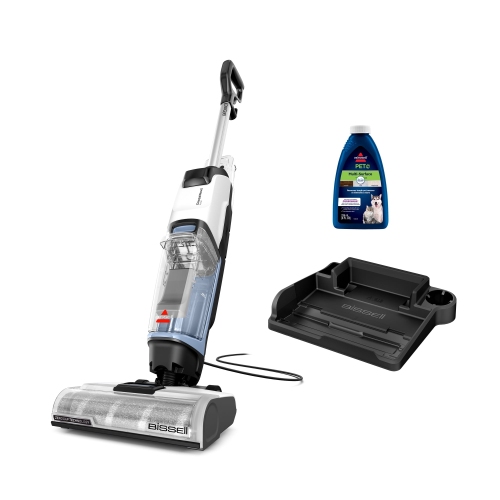
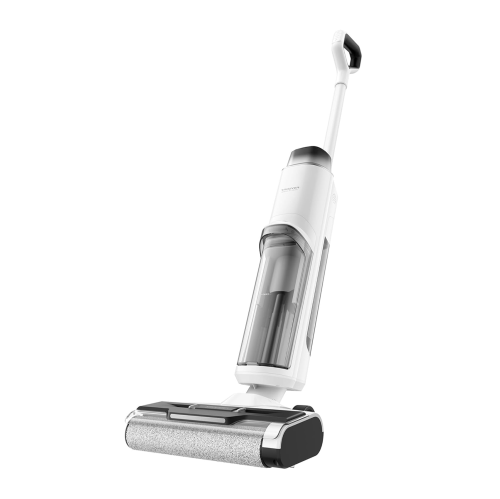


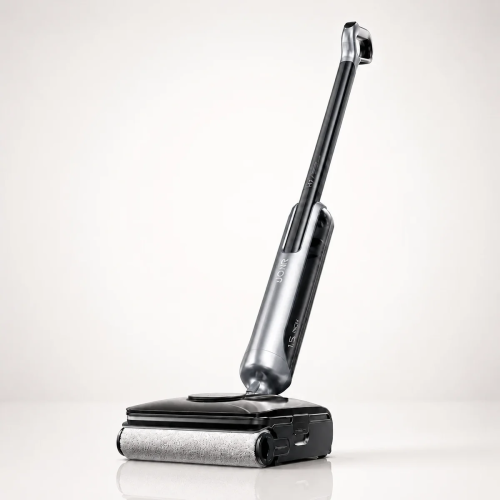
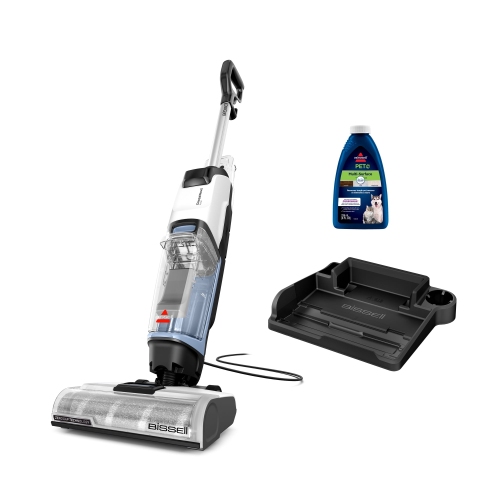
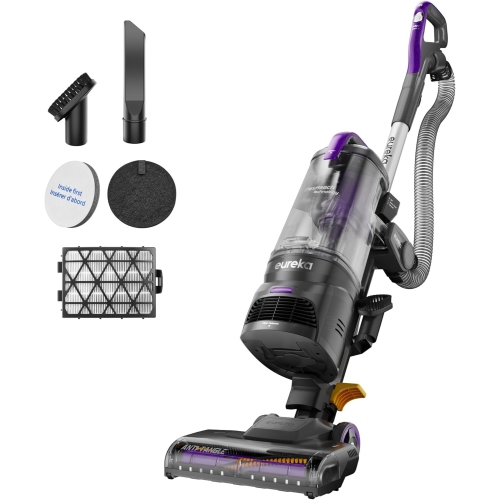


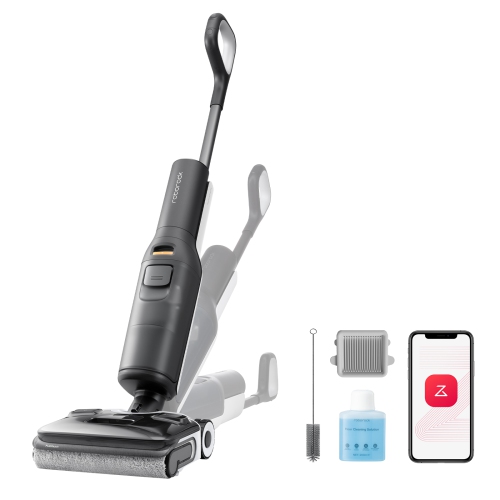


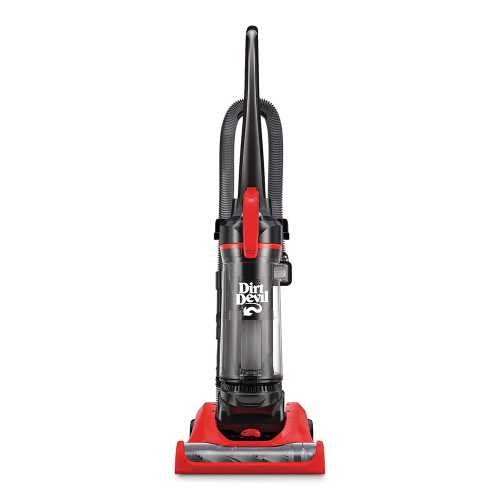


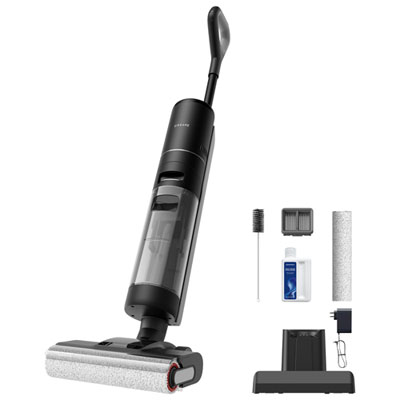
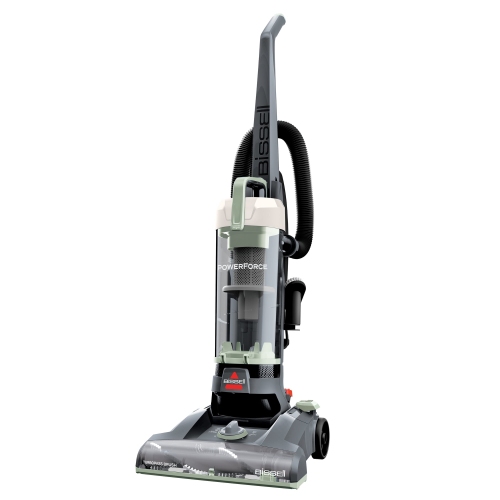

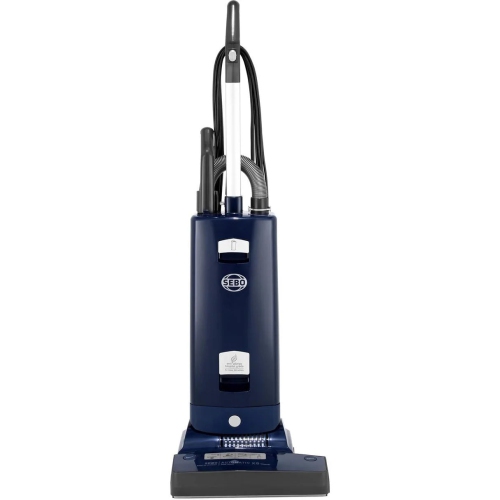


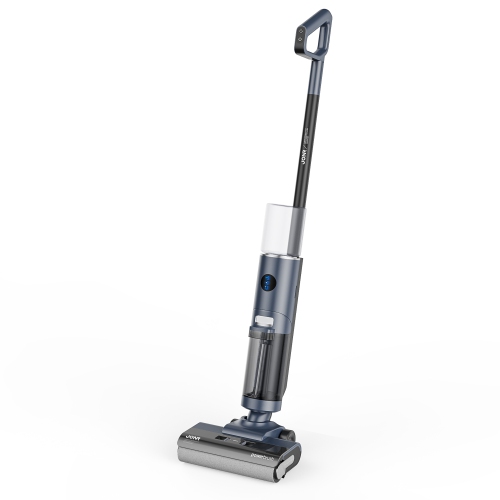
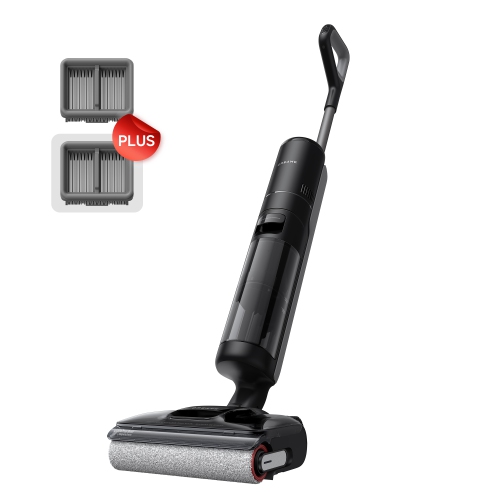


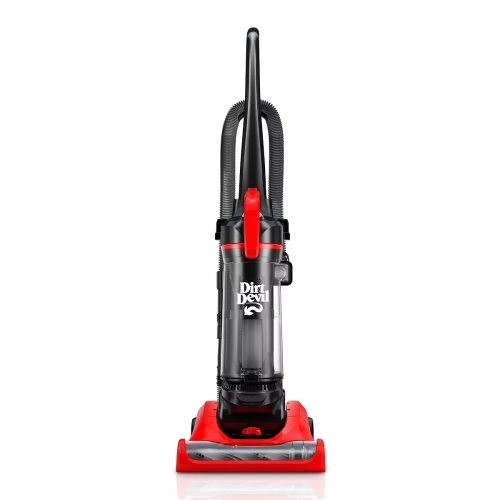
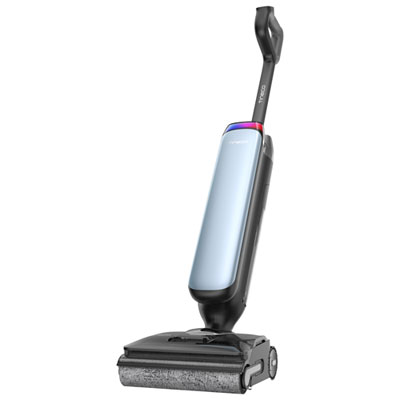
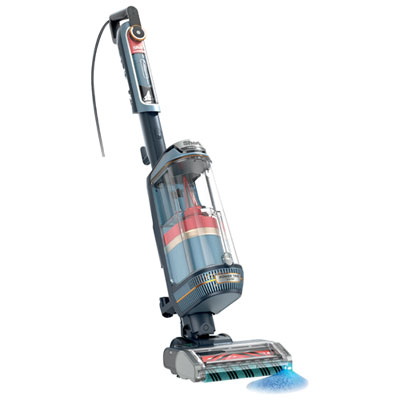


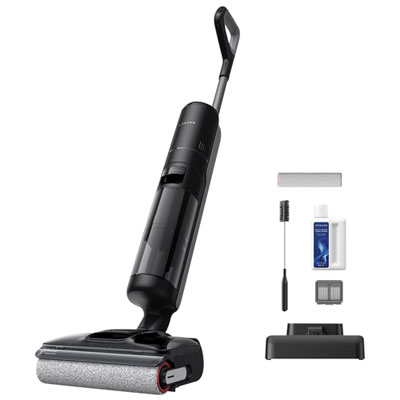


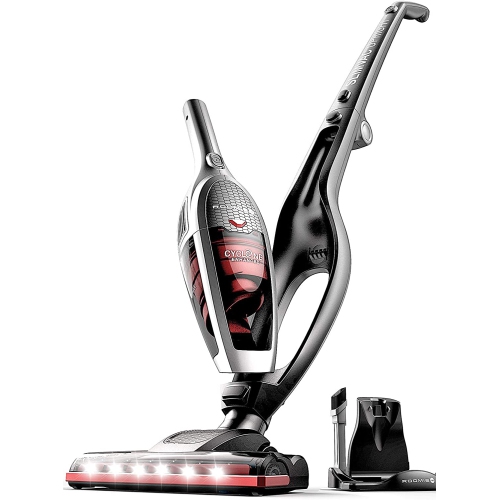
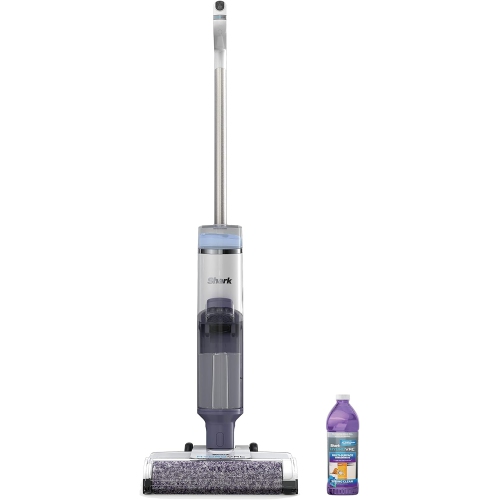


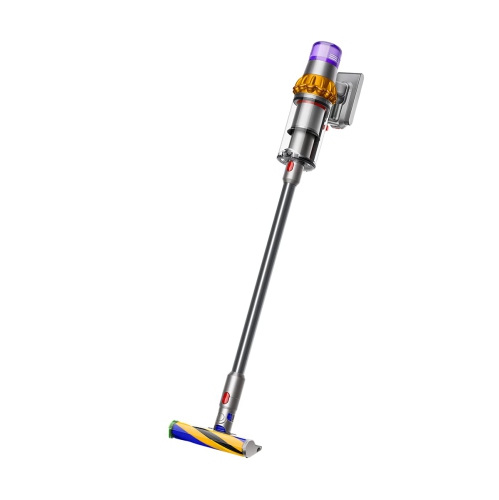


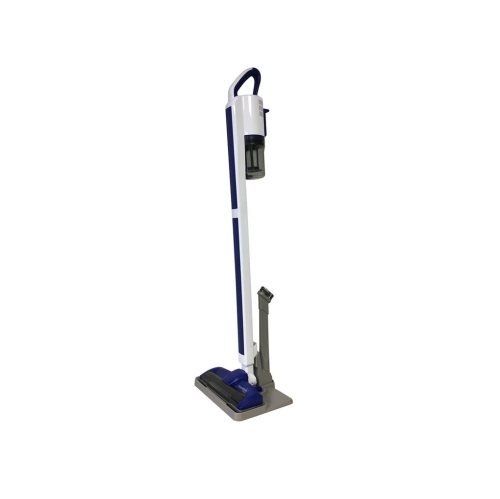
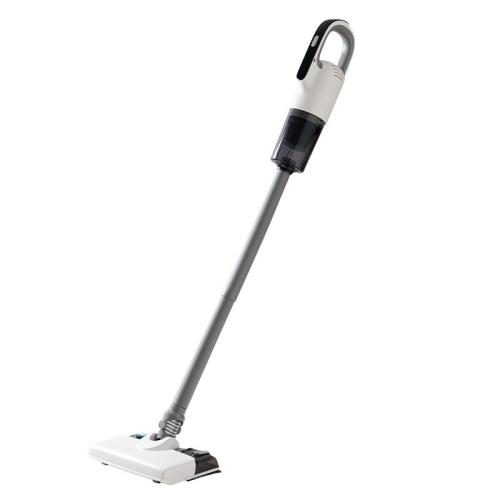
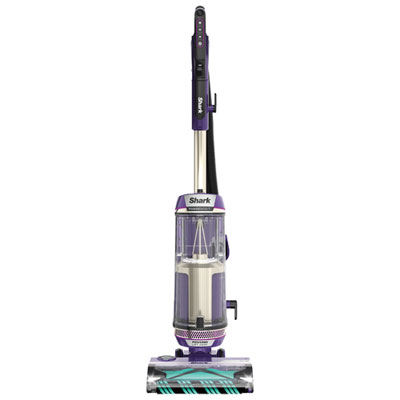
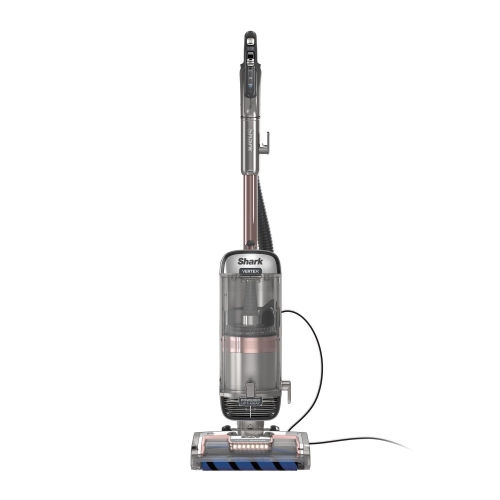






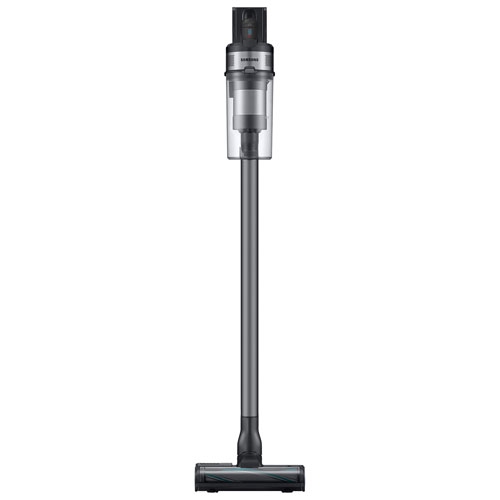
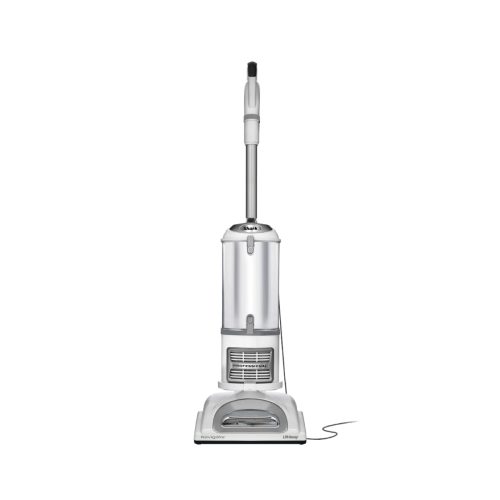

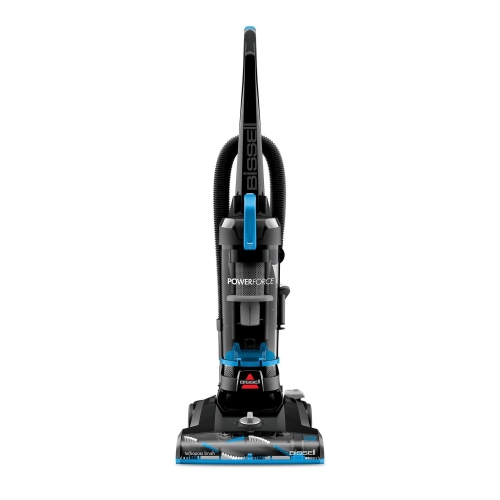


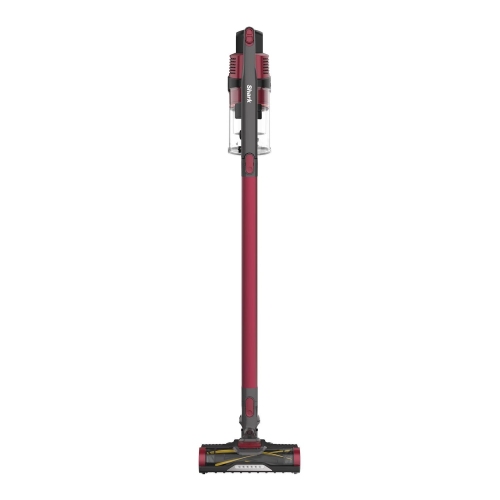


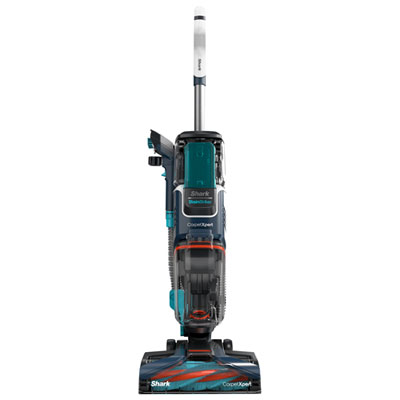
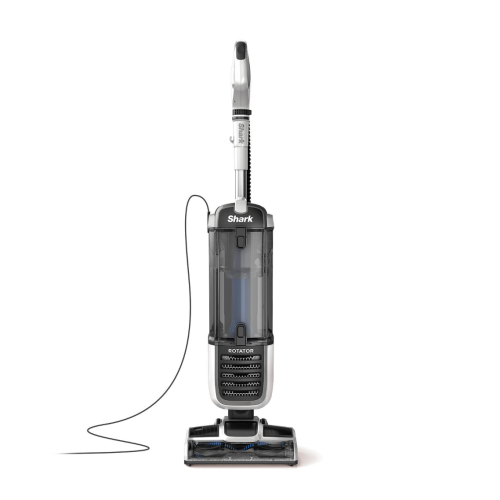
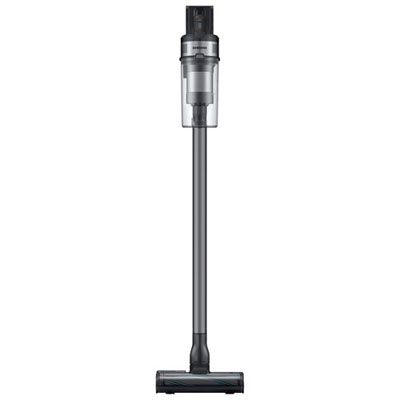
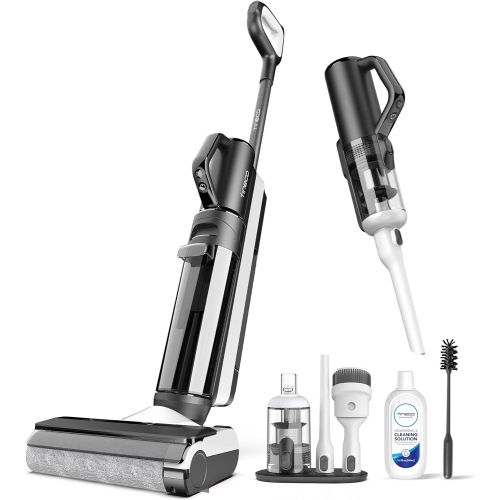

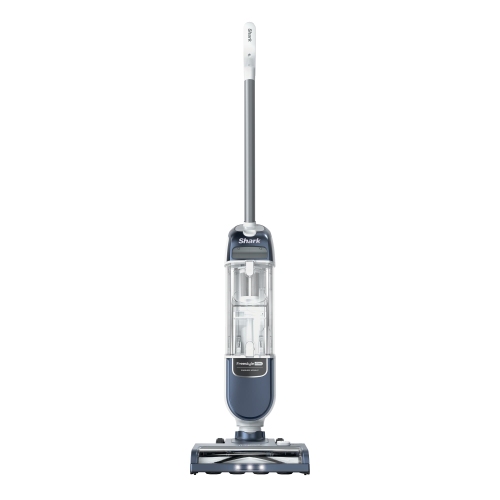


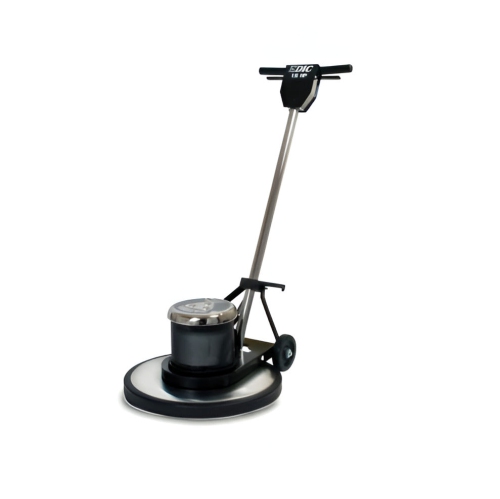


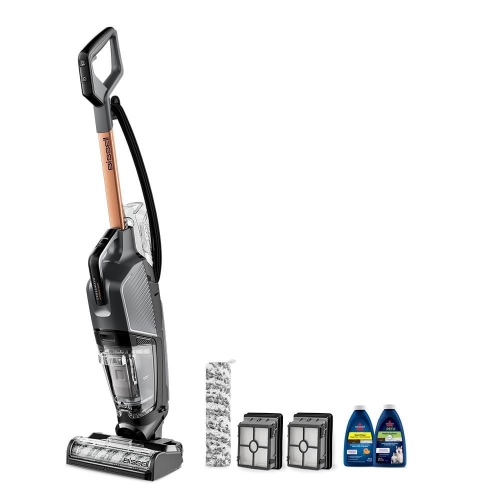
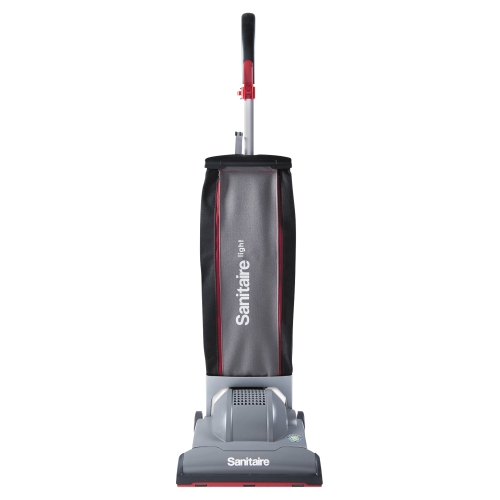












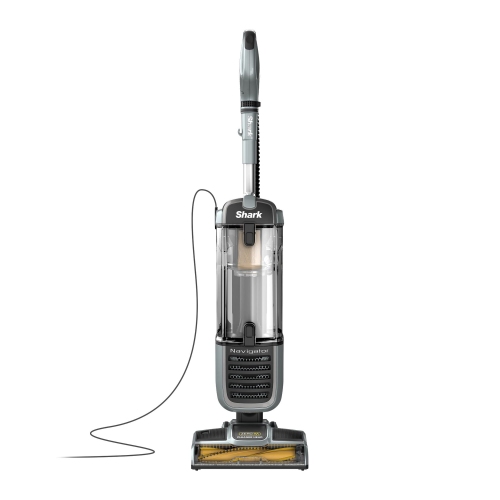
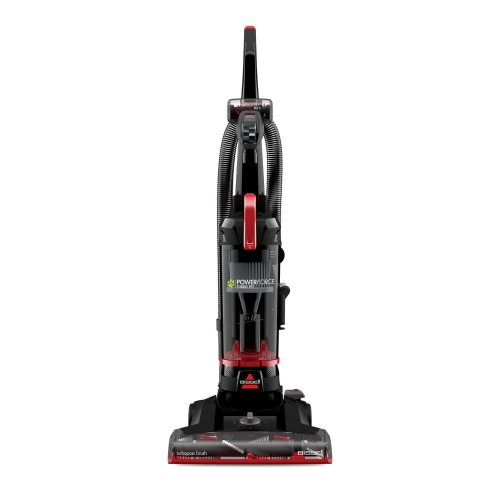
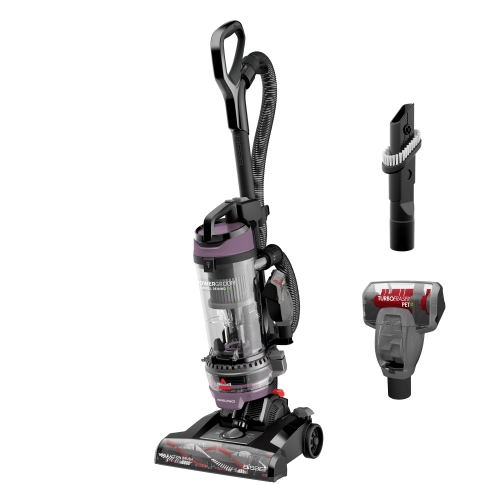
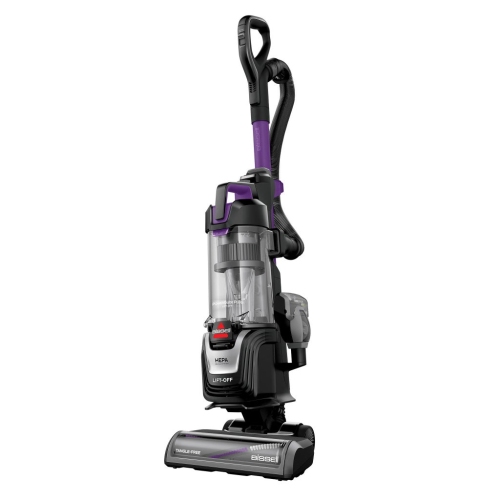
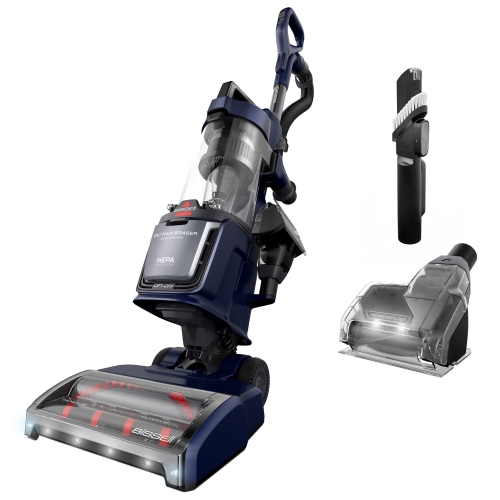
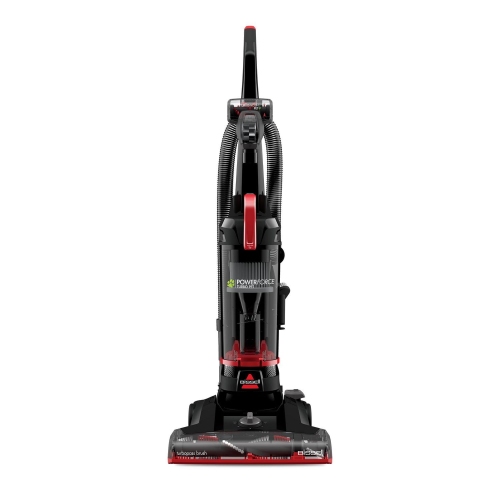
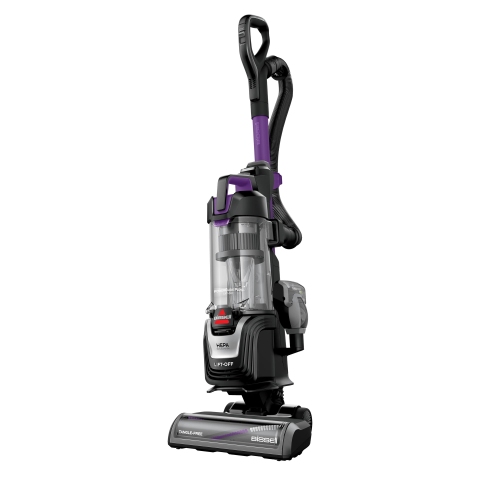
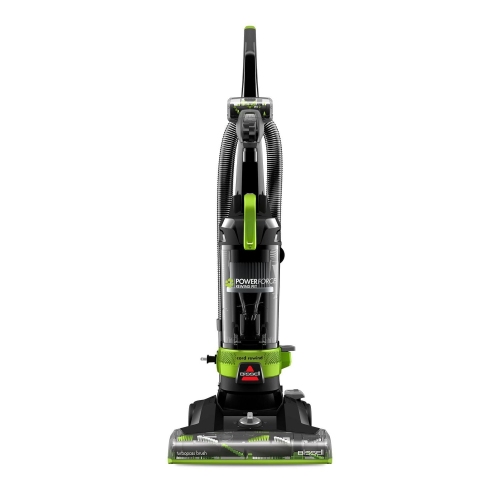

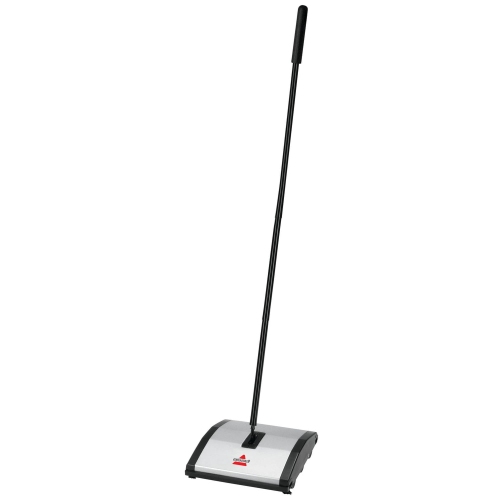
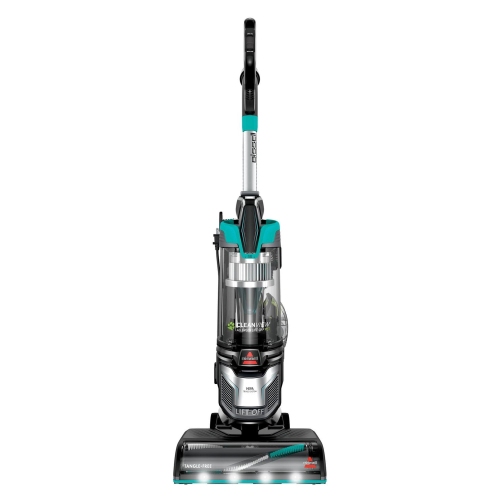
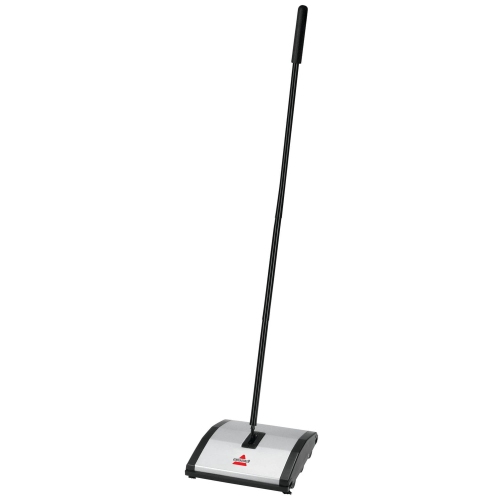
Why floor type matters as much as the mess
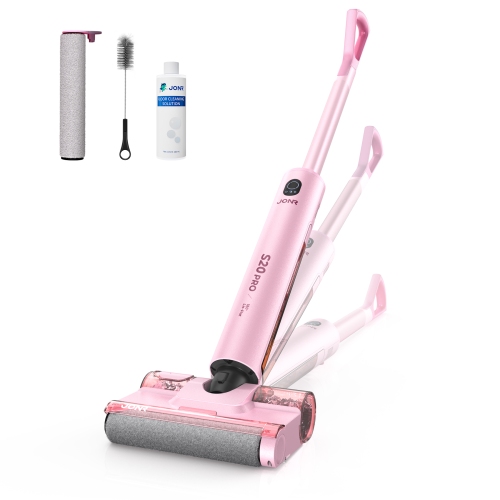
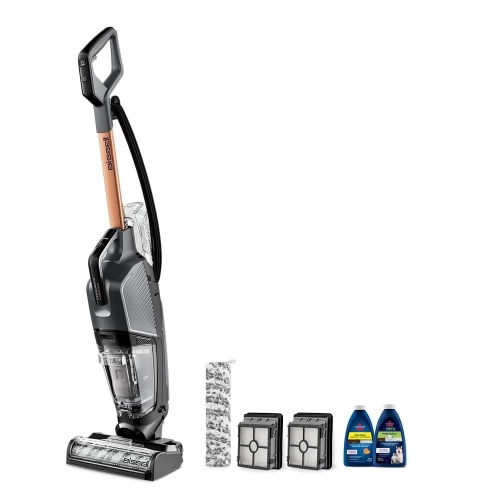
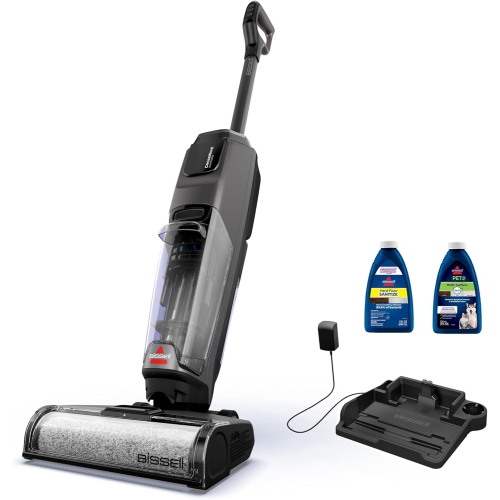
Hard floor cleaner machines use water, cleaning solution, powered brushes, suction, or steam to loosen and remove dirt from compatible hard flooring. The category includes wet-dry vacuum mops, powered floor washers, spin mops, steam cleaners, and scrubbers, with different designs suited to different cleaning tasks. Some vacuum, wash, and collect dirty water in one pass, while others scrub or steam surfaces without picking up loose debris. That distinction matters in a kitchen where crumbs gather beneath stools, an entryway marked by dusty shoes, or a dining area with sticky patches around the table. A vacuum mop designed to collect both wet and dry messes can reduce the need for separate cleaning passes, provided the debris falls within its operating limits. A powered scrubber supplies agitation for dirt that needs more attention, while a steam cleaner uses heated water vapour on surfaces approved for that treatment. Floor compatibility depends on the machine, the flooring material, and the condition of its finish. Sealed hardwood, laminate, luxury vinyl, ceramic tile, and porcelain tile do not all tolerate the same moisture, heat, or brush action. Even flooring described as water-resistant may have seams or edges that need protection from standing water. The flooring manufacturer’s care requirements and the cleaner’s approved surface list should agree before the two are paired. Steam is not suitable for every sealed surface, and worn finishes, unsealed wood, waxed floors, and some adhesives require particular caution. Natural stone also needs attention to cleaning solution compatibility, since acidic formulas can damage certain materials. Soft brush rollers may suit smooth, approved surfaces, while textured tile may benefit from a different brush design. For homes with several flooring types, adjustable cleaning settings and clearly stated surface compatibility make it easier to match the machine to each room. A hard floor cleaner is intended for routine surface cleaning; it will not repair scratched finishes, damaged grout, or gaps between boards.
The way a floor cleaning machine fits into a home can be just as important as its cleaning action. A compact upright with a swivelling head can move around chair legs and narrow kitchen aisles, while a wider cleaning path can cover an open living and dining area with fewer passes. Head height and handle movement determine whether the cleaner reaches beneath a cabinet overhang or low furniture, and edge-cleaning performance affects the strip of floor beside skirting boards. Some machines clean close to an edge on one side only, so the head’s design deserves attention when rooms have plenty of corners and fixed cabinetry. Weight is worth considering with the water tank filled, particularly when the machine needs to travel upstairs or cross raised thresholds. Self-propelled assistance, balanced handles, and easy-to-release tanks can make regular use more comfortable, although a powered machine still requires steering, emptying, and maintenance. Corded hard floor cleaners draw power from an outlet without relying on a charged battery, but their reach depends on cord length and outlet placement. They still need pauses for tank refills, dirty-water disposal, and any duty limits specified by the manufacturer. Cordless floor cleaners offer freedom of movement around furniture and between rooms, with running time affected by the selected mode, brush load, and battery condition. Charging time and dock placement become part of the daily routine. Separate clean- and dirty-water tanks help prevent collected wash water from being applied again to the floor. Larger tanks can mean fewer trips to the sink, though they also add weight and take up more storage space. Smaller tanks may be a practical fit for a condo, apartment, or a few frequently cleaned rooms. Households with pets may value accessible roller ends and debris strainers that simplify hair removal, while families managing food spills may prefer controls that are easy to reach during a quick cleanup. Noise level, visible tank markings, and a dock that fits neatly into a utility area also influence how convenient the machine feels after the first few uses.
Ongoing care helps a hard floor cleaner remain useful beyond its first round of spotless tiles. Dirty-water tanks need emptying and rinsing after use, and rollers, filters, lids, and seals need cleaning at the intervals set out in the manual. Damp hair and food residue left inside a closed tank can create unpleasant odours, even when the outside of the machine looks clean. A self-cleaning cycle can flush parts of the roller and internal water path, but it does not necessarily clean every tank surface, remove wrapped hair, or replace hands-on maintenance. Removable components that are straightforward to rinse and dry can make this work less cumbersome. Roller-drying functions differ between designs, and parts should be allowed to dry as directed before storage. Cleaning solution also plays a role in care and performance: an approved, correctly diluted formula helps control foam and residue, whereas unsuitable detergents can interfere with suction or damage internal components. More solution does not necessarily produce a cleaner floor and may leave a film underfoot. For steam cleaners, water requirements and mineral buildup need attention according to the manufacturer’s instructions; any sanitizing claim depends on the specified surface, setting, and contact time. Durability involves more than the outer housing. Secure tank latches, sound seals, accessible brush chambers, and replaceable wear parts such as rollers and filters all contribute to long-term practicality. A residential machine is generally suited to household-sized areas and its stated cleaning schedule, rather than continuous operation across a large facility. For workshops, expansive commercial interiors, or spaces requiring equipment built for longer cleaning sessions, Industrial Floor Cleaning Machines serve a different scale of work. At home, the most useful match balances floor compatibility, manageable handling, cleaning performance, and upkeep. Whether the task is lifting everyday kitchen grime or washing a stretch of tiled hallway, those details determine how naturally a hard floor cleaner fits into an established cleaning routine.
Top selling and popular products
-
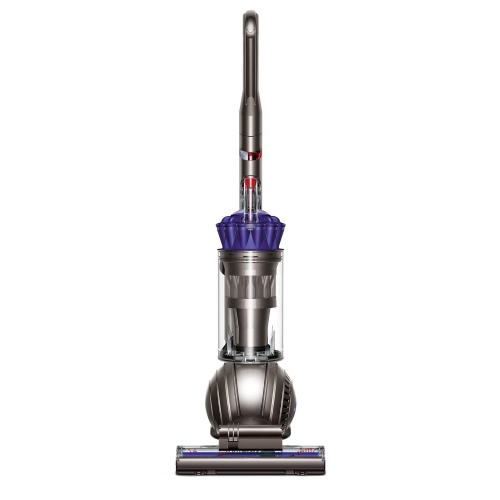 Your price for this item is $489
-
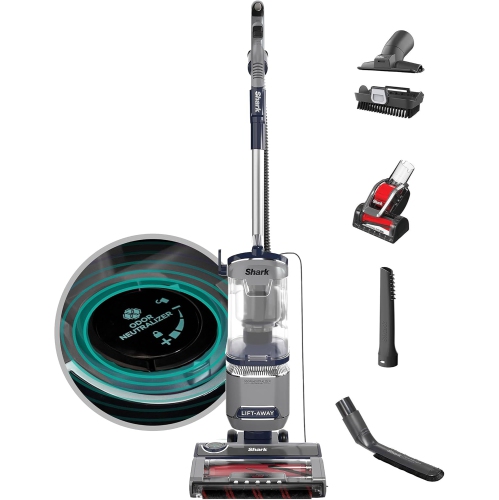 Your price for this item is $179.99
-
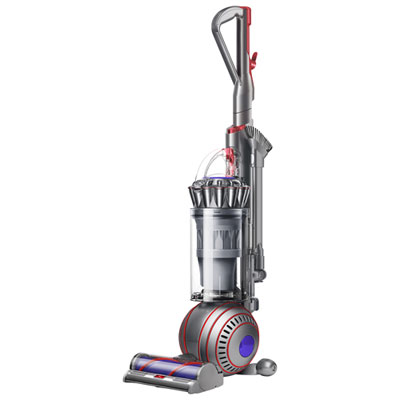 Your price for this item is $499.99
-
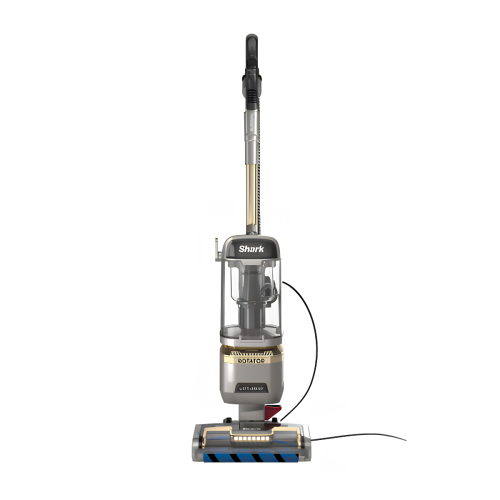 Your price for this item is $325
-
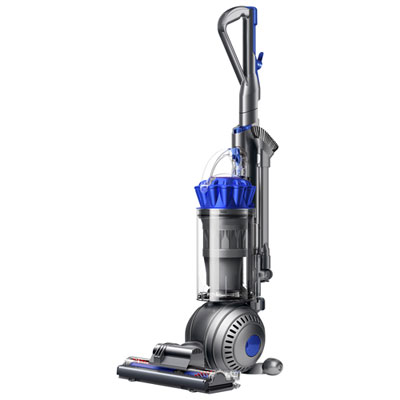 Your price for this item is $697.98
-
 Your price for this item is $378.85
-
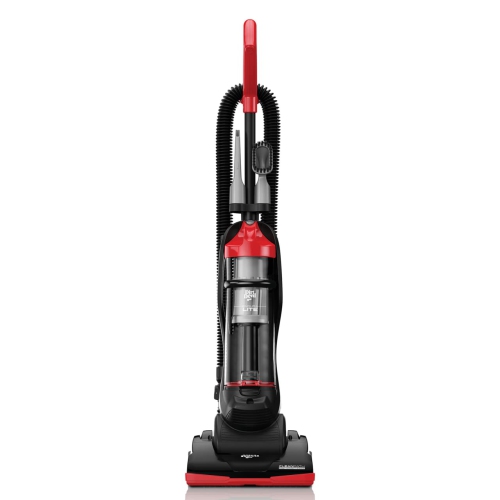 Your price for this item is $110.62
-
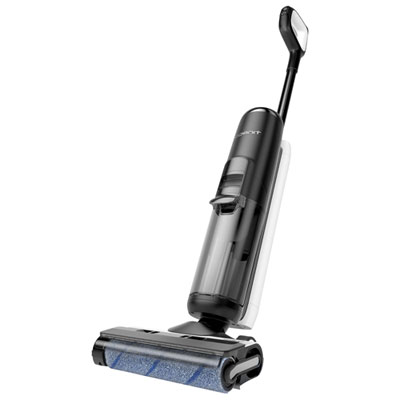 Your price for this item is $649.99
Discover more categories related to Hard Floor Cleaner Machines


Top Collections:
Pokemon Centers, Kindle Devices, Best Cameras for Sports Photography, Pokémon 30th Celebration Cards, Apple iPhones 16, Canon G7X Cameras, iPhone 15 Apple, Flip Phones, Samsung Galaxy Phones, Alarm Clock
Some products may be subject to Environmental Handling Fees
(EHF) depending on your province.
Learn more about EHFs.