Heat Press for T Shirts
Looking to create custom designs on your t-shirts? Look no further than our collection of heat press machines for t-shirts. Whether you're a professional designer or a DIY enthusiast, these versatile and efficient machines are perfect for transferring your unique designs onto fabric. With their precise temperature control and even heat distribution, you can achieve professional-quality results every time. Discover the endless possibilities of heat press machines and let your creativity shine through on your wardrobe.
Sort

Why consistent T-shirt transfers take more than heat
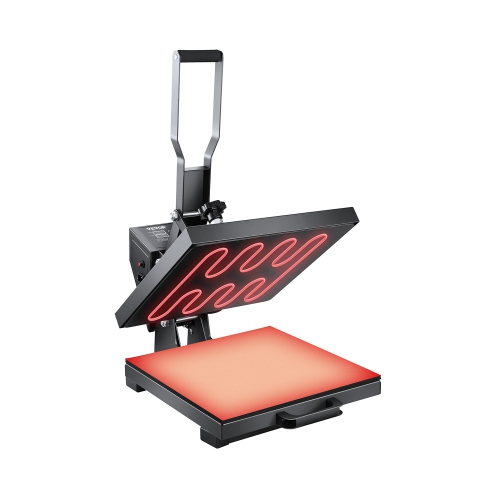
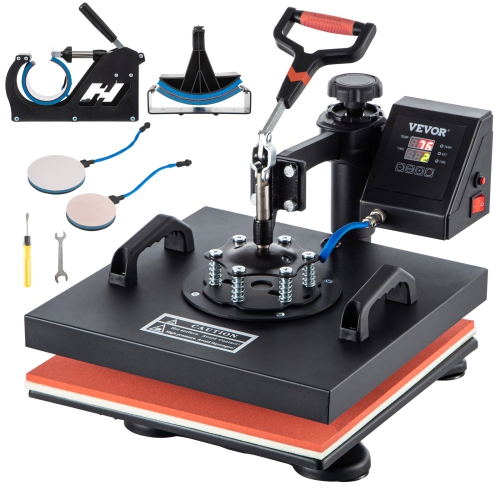
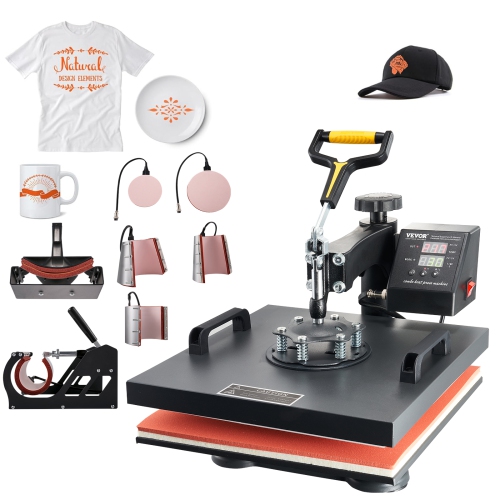
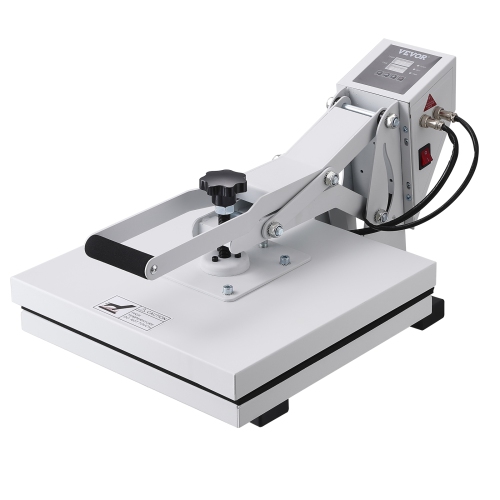
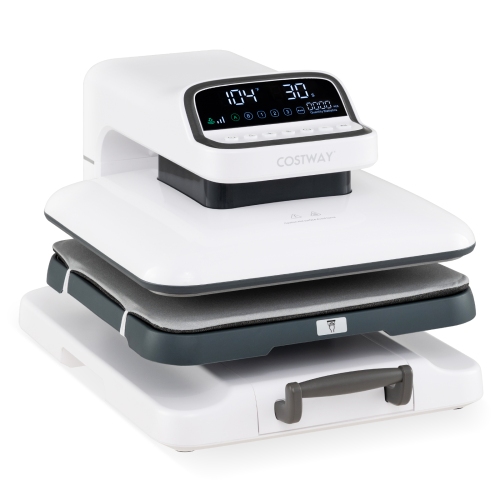
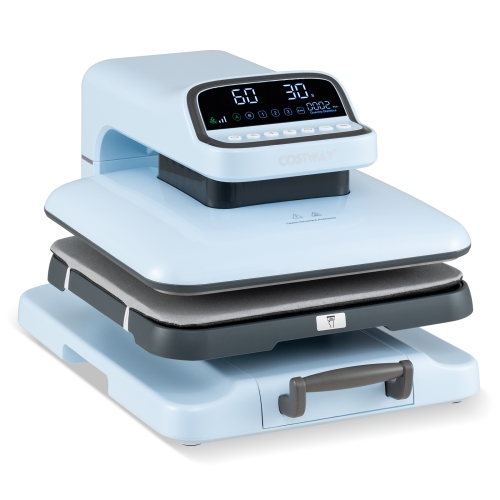
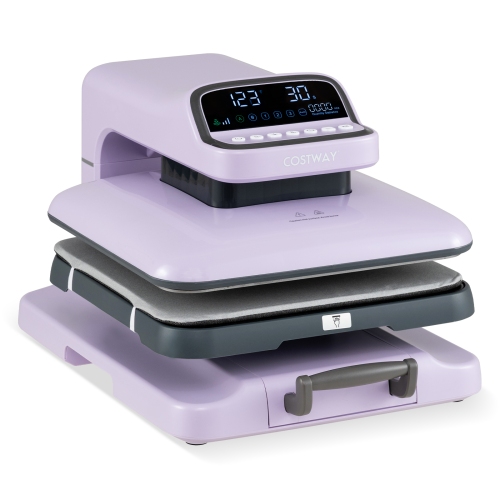
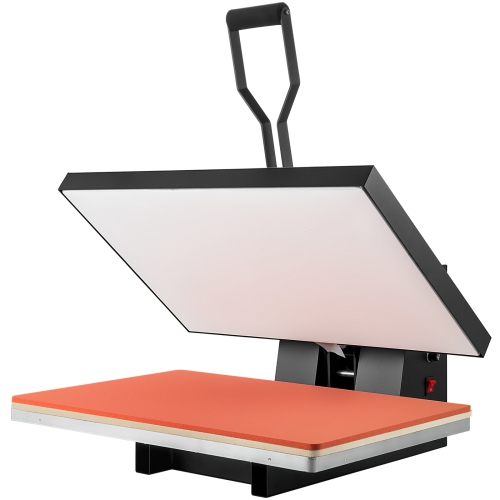
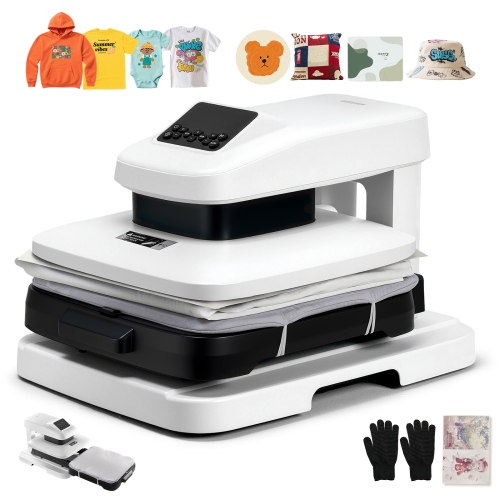
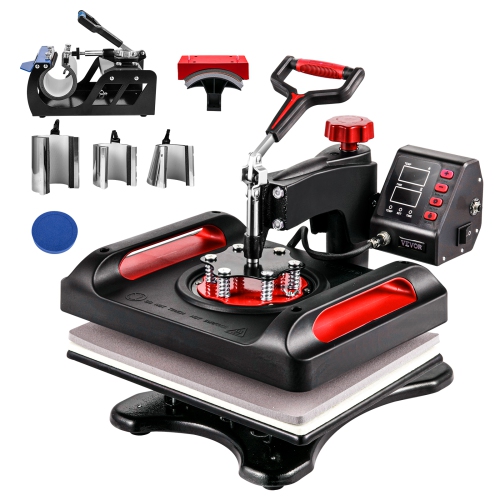
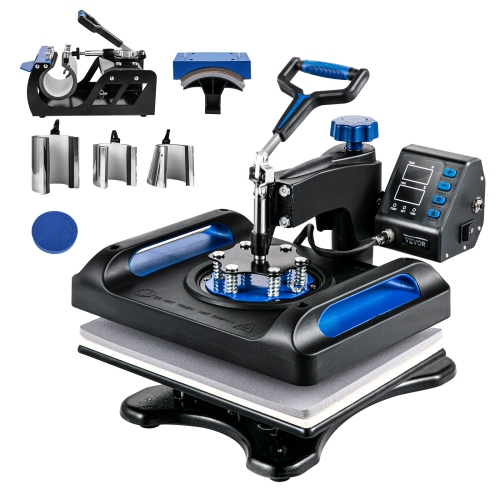
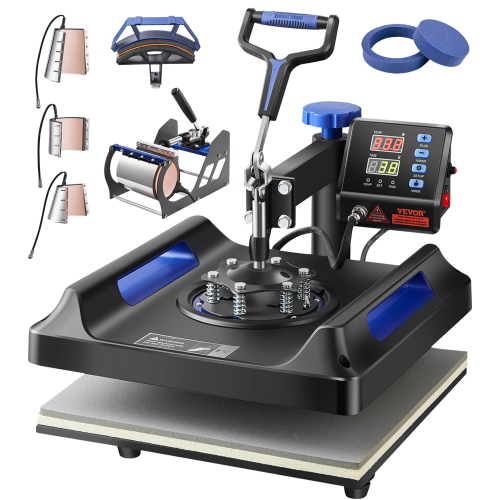
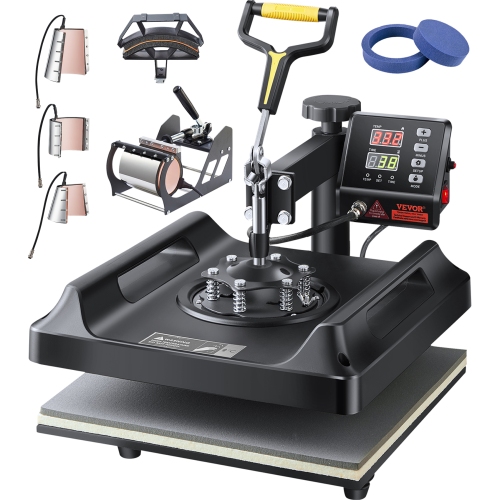
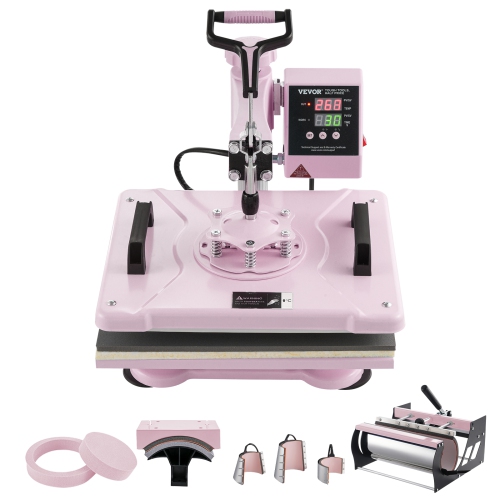
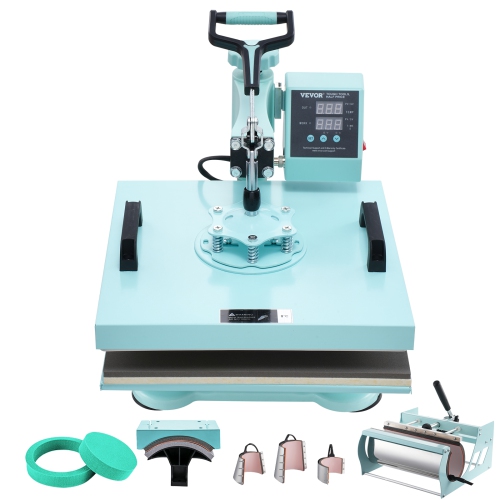
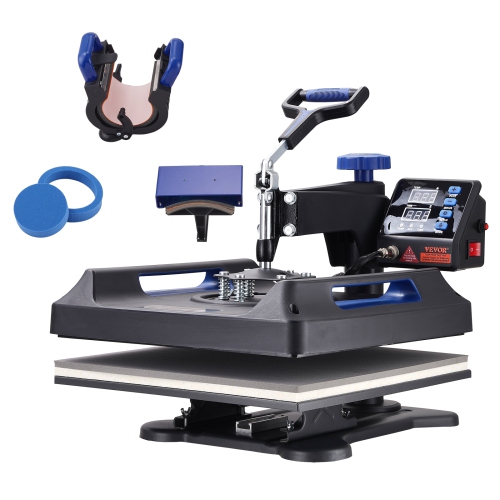
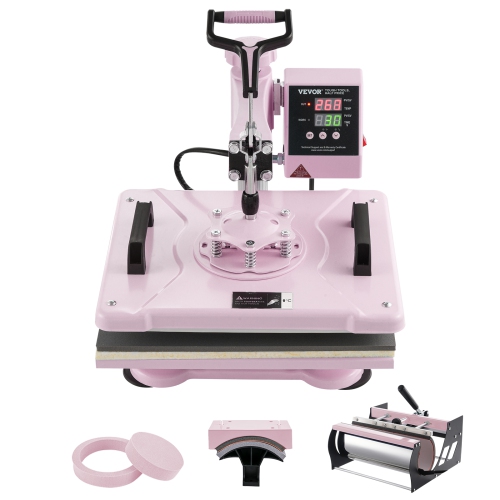
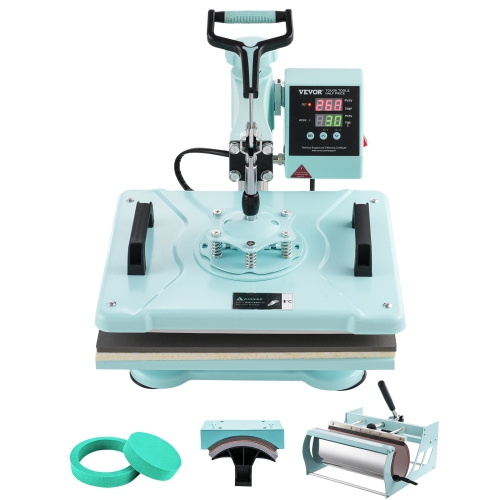
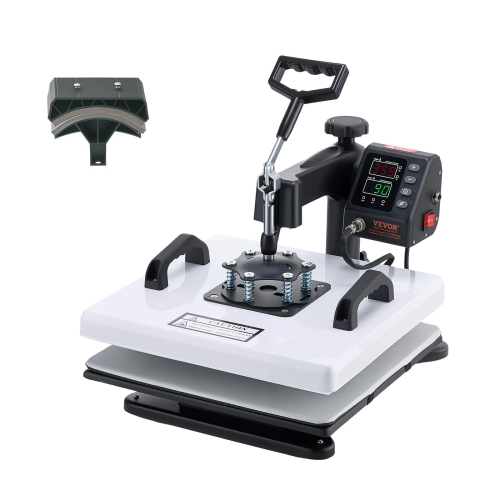
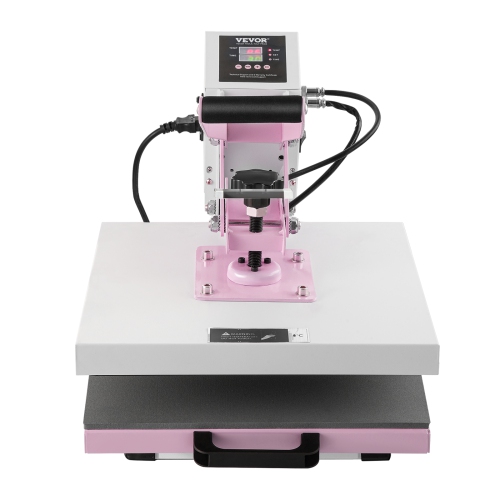
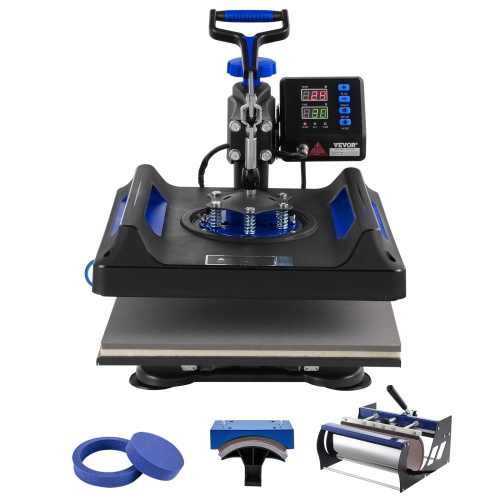
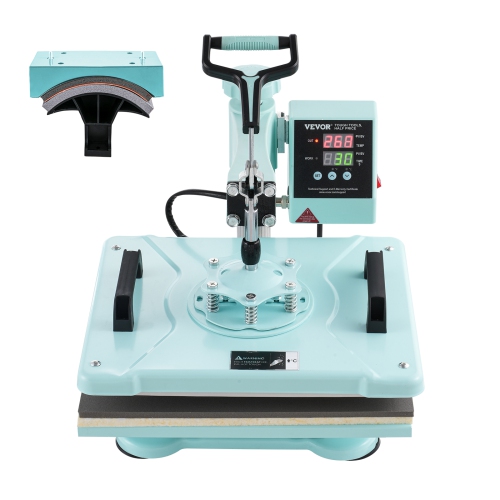
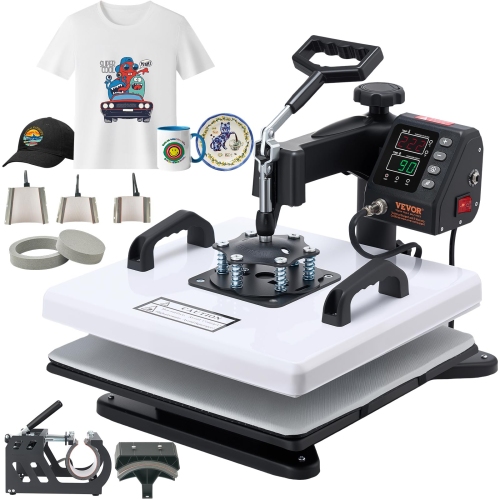
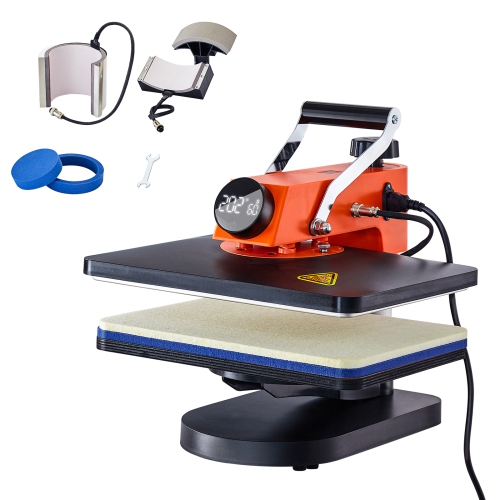
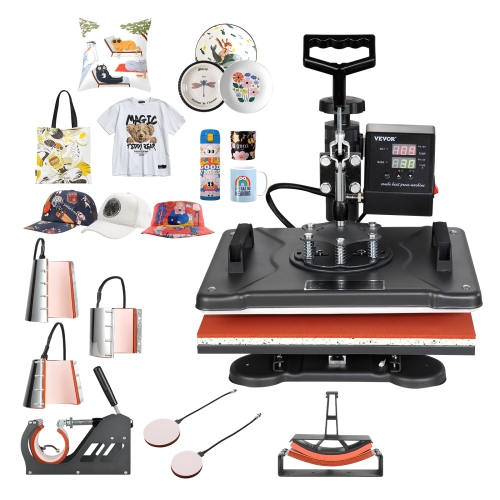
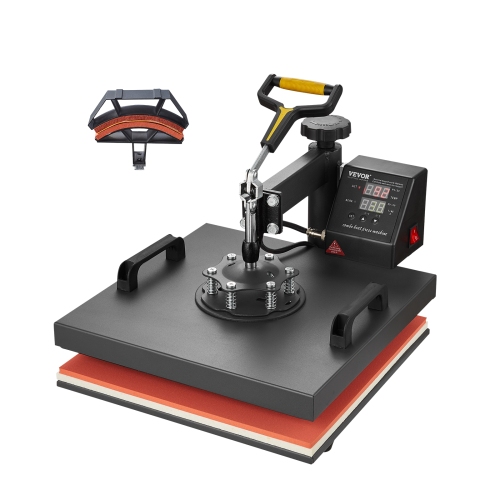
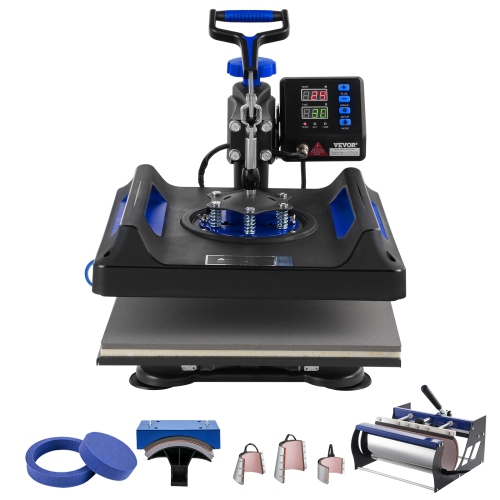
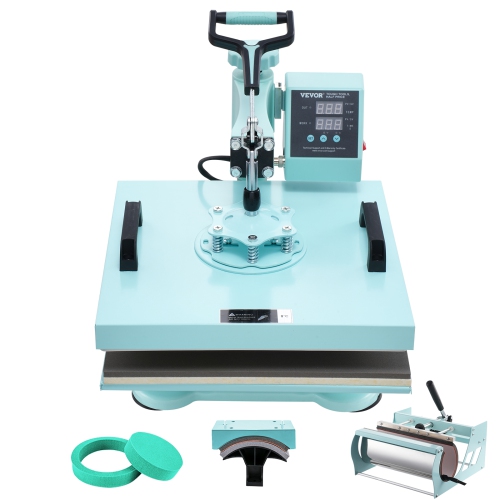
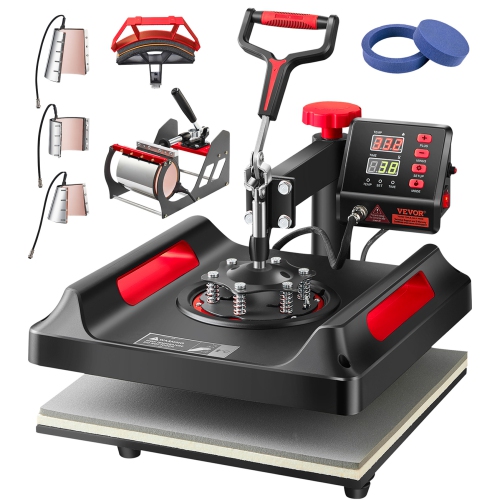
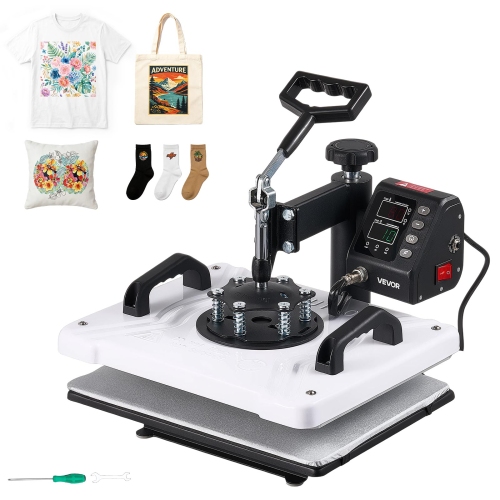
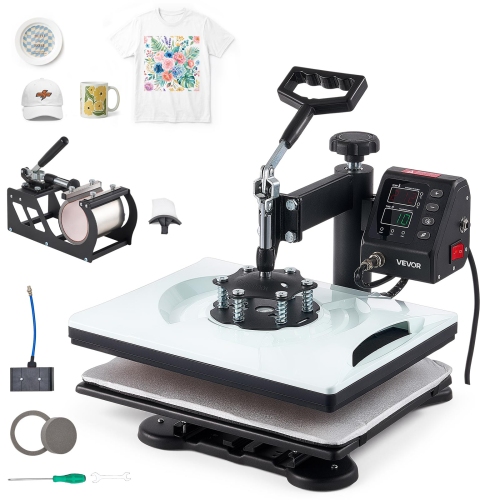
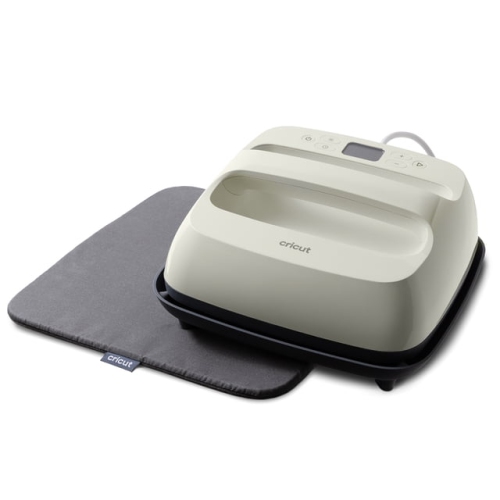
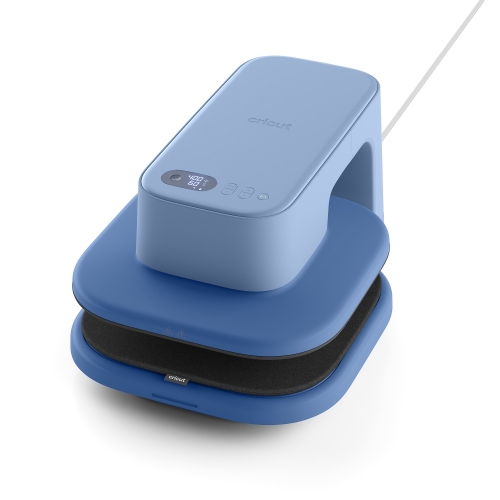
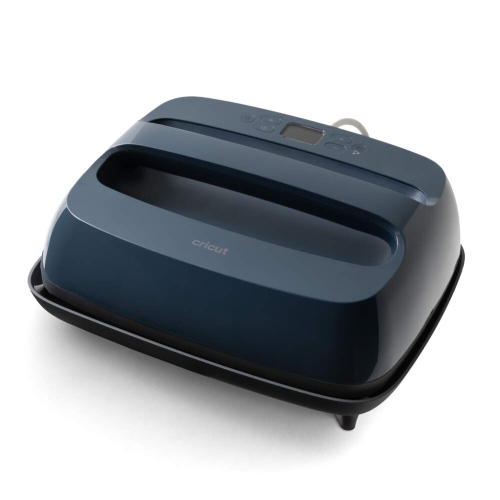
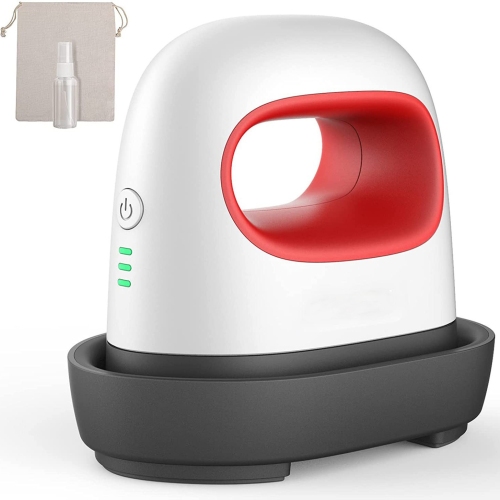
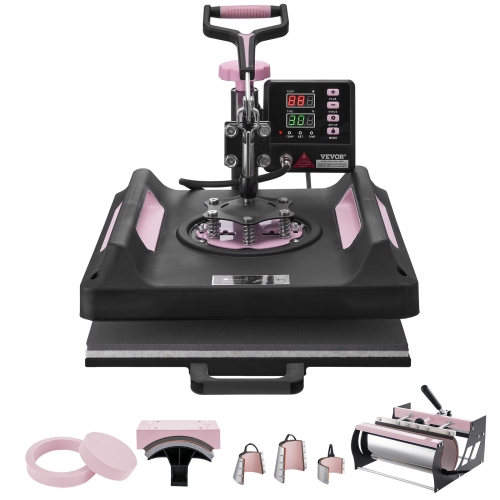
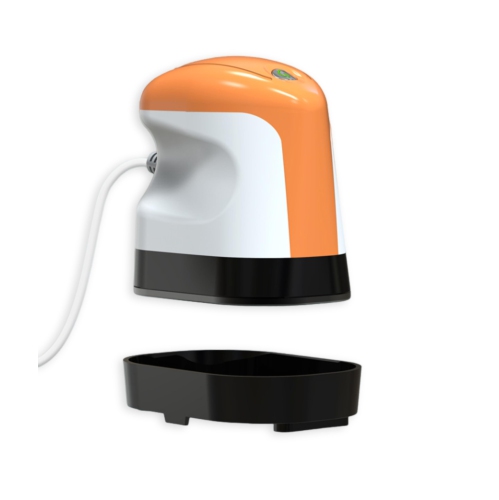
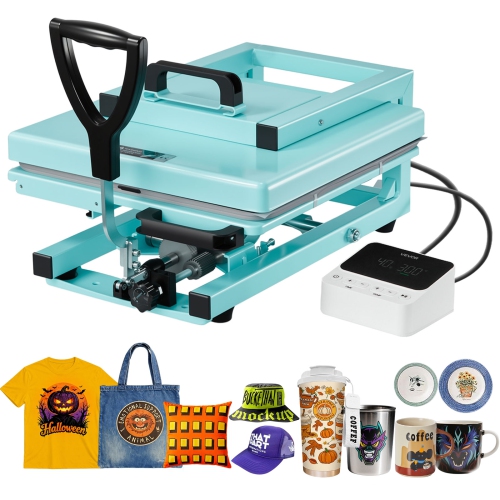
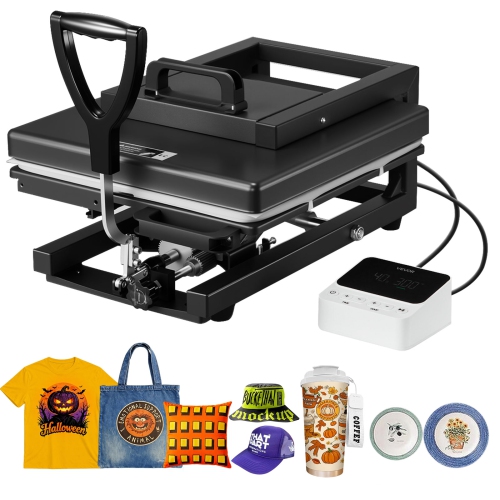
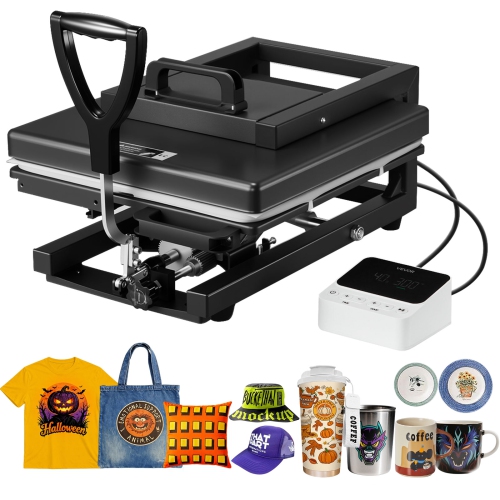
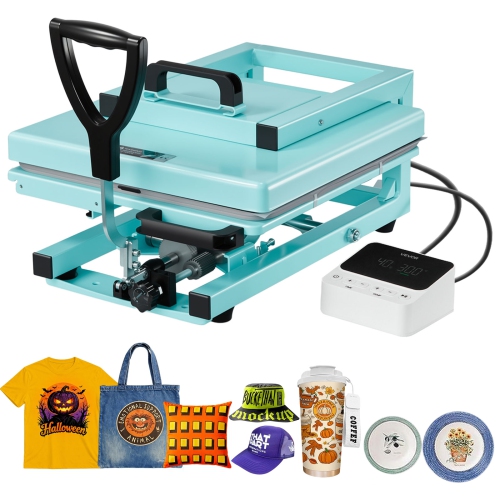
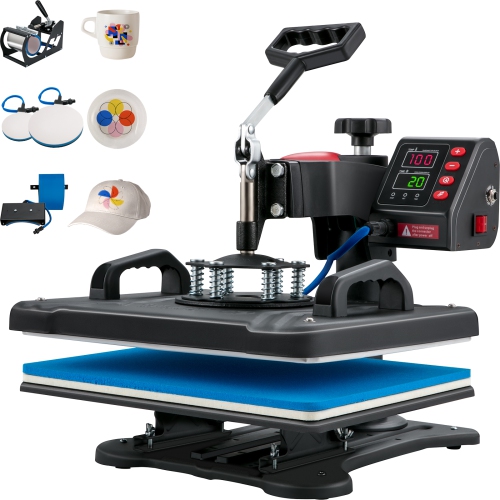
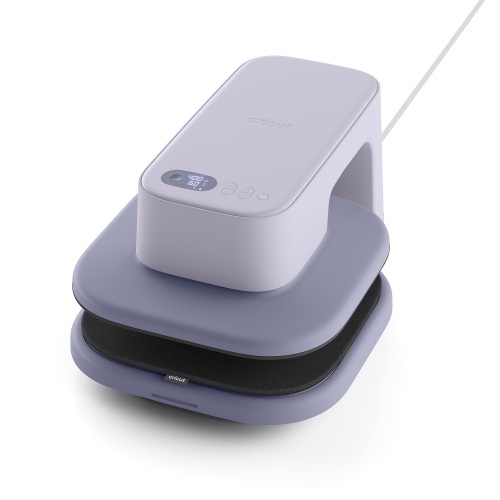
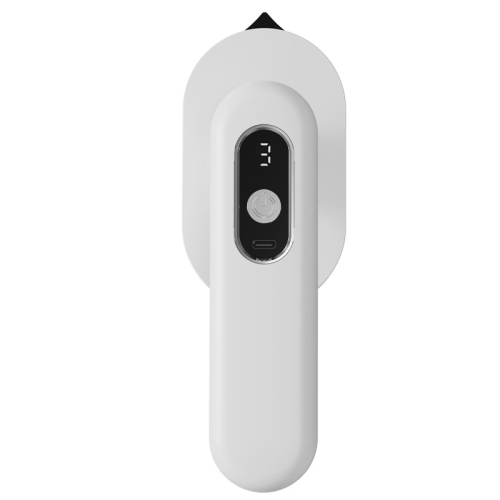
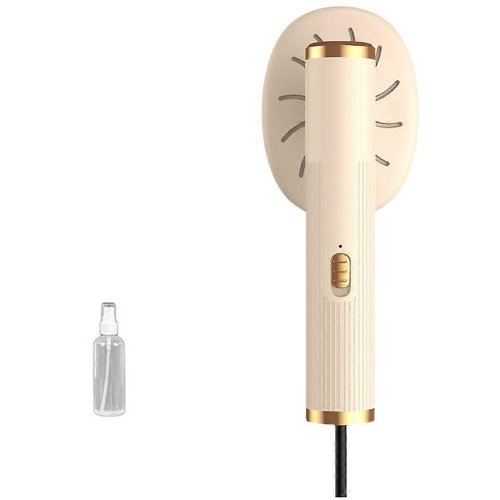
A heat press for T-shirts applies controlled heat and pressure to attach compatible graphics, lettering, and artwork to fabric. Unlike a household iron, a purpose-built press provides a defined pressing surface and adjustable settings that help make results more consistent across repeated designs. That consistency matters whether the project is a single birthday shirt, matching tops for a family reunion, or a run of branded clothing for a small business. Within the broader Heat Press category, machines intended for T-shirts typically use flat platens that hold the garment and transfer together during application. The most useful format depends on the size of the artwork, the space around the machine, and how frequently it will be used. A clamshell press opens upward on a hinge, making it a practical choice for work surfaces where side clearance is limited. A swing-away design moves the upper heated platen to the side, giving clearer access to the garment but requiring additional room. Drawer-style designs allow the lower platen to slide outward for easier placement, although the amount of exposed working space varies by model. Handheld presses are easier to move and store, but pressure generally comes from the person holding the unit rather than a closing mechanism. For occasional name graphics or small chest logos, a compact pressing area may be sufficient. Large front graphics and adult shirt designs benefit from a platen that can accommodate the entire transfer in one application. A larger platen does not automatically suit every garment, however; small shirts, sleeves, and awkward seams can be easier to position on a smaller compatible surface. Crafters, artists, school clubs, sports organizations, and clothing businesses may all use these machines, with different priorities for portability, repeatability, and daily output. As a gift for someone who already enjoys garment customization, a press is most useful when it matches their preferred transfer materials and the space they have for working safely.
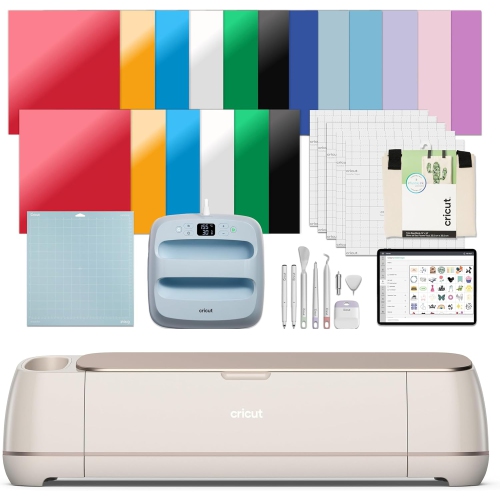
Fabric and transfer compatibility are central to choosing a T-shirt heat press. Heat-transfer vinyl, often called HTV, is a common option for names, numbers, and cut-out graphics, with different formulations suited to different fabrics and finishes. Direct-to-film transfers, or DTF transfers, can reproduce detailed, multicolour artwork and are applied using the settings supplied for that particular transfer. Sublimation works differently: its dyes bond with suitable polyester fibres, so it generally performs best on white or light-coloured garments with a high polyester content. It does not produce the same result on an untreated cotton shirt. A heat press supplies the application stage; it does not itself print artwork or cut vinyl. Depending on the method, the design may come from a separate printer, a cutting machine, or a prepared transfer. Cotton, polyester, and blended T-shirts each respond differently to heat, and the garment label matters as much as the transfer instructions. Cotton may tolerate applications that would mark a more heat-sensitive fabric, while some dyed polyester garments can experience dye migration, where fabric colour affects the applied design. Stretch fabrics may need transfers formulated to move with the garment rather than resist it. Fabric weight, surface texture, and coatings can also influence adhesion and appearance. Smooth jersey offers a different pressing surface from a heavily textured knit, and a thick seam beneath the artwork can interrupt pressure. For a large design across the chest, the way the shirt lies on the lower platen is particularly important: collars, sleeve seams, and folded fabric should not create raised areas under the transfer. Machines with threadable lower platens allow a shirt to be slipped over the pressing surface so that only one layer sits beneath the design. Suitable pressing pads or pillows may help with uneven areas when permitted by the equipment and transfer instructions. There is no single temperature, pressure, or pressing time that suits every T-shirt project. The correct combination, including whether a carrier sheet is removed hot, warm, or cold, comes from the transfer supplier’s directions and the garment’s heat tolerance.
For regular use, the details of a press can matter as much as its overall size. Even heating across the platen helps avoid a graphic that adheres firmly in the centre but lifts at the edges. Clearly readable temperature and timer controls make settings easier to check, while accessible pressure adjustment helps accommodate differences in fabric thickness and transfer requirements. A digital display is useful, but it does not by itself guarantee uniform heat or accurate pressure. A rigid frame, stable base, secure hinges, and a smoothly operating handle all contribute to dependable operation. An automatic opening mechanism can make repeated work less demanding, although it does not replace attention to the machine or safe handling. A home workspace needs a sturdy, heat-tolerant surface, adequate clearance for the full opening motion, and an electrical supply that meets the press manufacturer’s requirements. The machine’s weight and storage needs are worth considering before assigning it a place on a shared craft table. Heated surfaces remain a burn risk after use, so access by children and pets should be restricted, and any ventilation requirements for the equipment and transfer materials should be followed. Care of the press usually centres on keeping the platen free of adhesive and residue, using suitable protective sheets when specified, and allowing the unit to cool before cleaning according to its instructions. Care of the finished T-shirt is equally important to the life of the design. Washing, drying, ironing, and any waiting period before the first wash should follow both the garment label and transfer supplier’s guidance. Where those directions permit, washing inside out and avoiding direct ironing over artwork can help limit wear. For a business preparing matching staff shirts or a maker creating personalized gifts, a test application on a matching fabric sample can reveal marking, adhesion issues, or changes in colour before a full batch is pressed. The best match is a machine that handles the intended artwork and fabric comfortably, supports a manageable workflow, and delivers repeatable application without making everyday setup unnecessarily complicated.
Top selling and popular products
-
 Your price for this item is $744.71
-
 Your price for this item is $684.88
-
 Your price for this item is $325
-
 Your price for this item is $543.42
-
 Your price for this item is $550
-
 Your price for this item is $69.99
-
 Your price for this item is $449.99
-
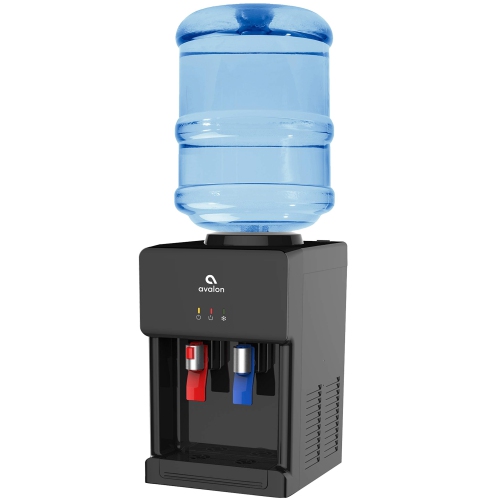 Your price for this item is $245.68
Discover more categories related to Heat Press for T Shirts
Top Collections:
Pokemon Centers, Best Cameras for Sports Photography, Kindle Devices, Samsung Galaxy Phones, Canon G7X Cameras, Pokémon 30th Celebration Cards, Refurbished Apple Laptops, iPhone 15 Apple, Laptops for Students, Budget Smartphones
Some products may be subject to Environmental Handling Fees
(EHF) depending on your province.
Learn more about EHFs.