Heating Pads
Whether you're looking to soothe sore muscles, alleviate menstrual cramps, or simply stay warm during chilly nights, heating pads are a versatile and effective solution for all your comfort needs. With various sizes, shapes, and heat settings available, finding the perfect heating pad to meet your specific requirements has never been easier. Discover a range of high-quality heating pads designed to provide you with the warmth and relaxation you deserve right here.
Sort
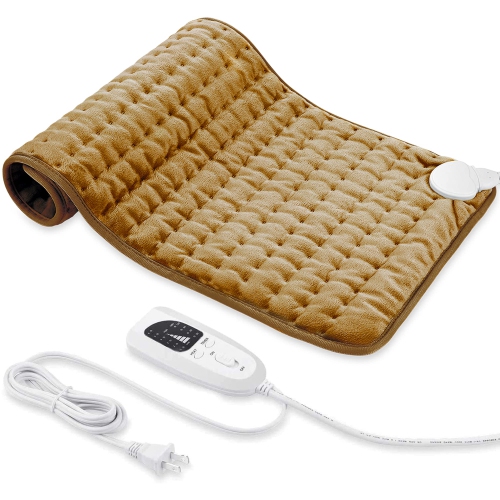
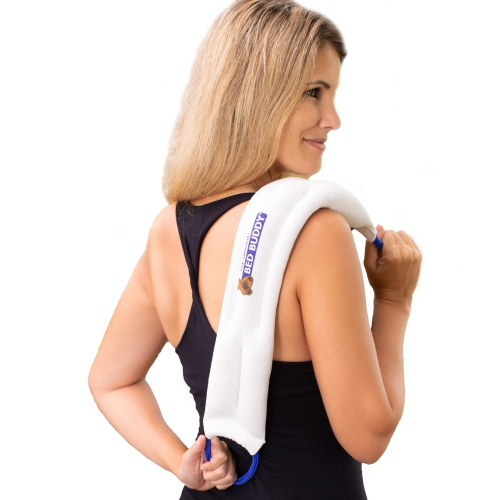
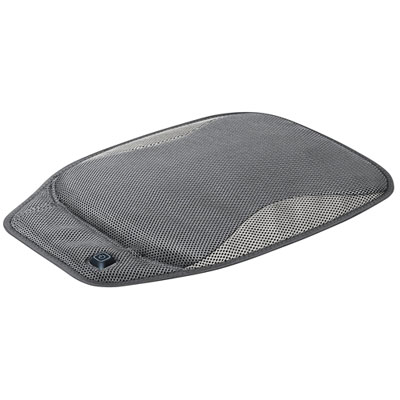
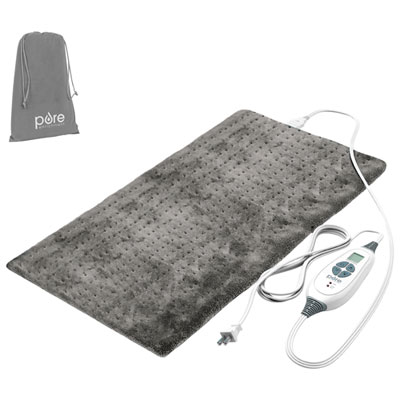

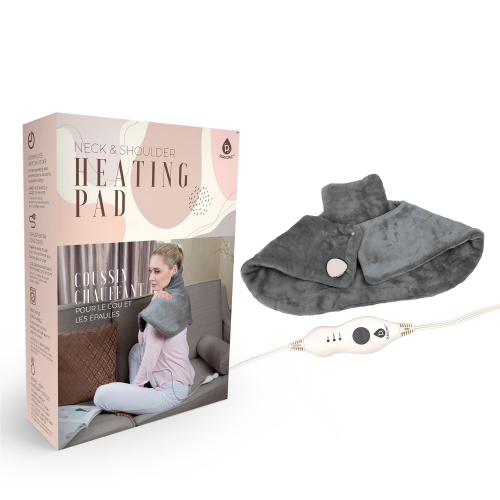
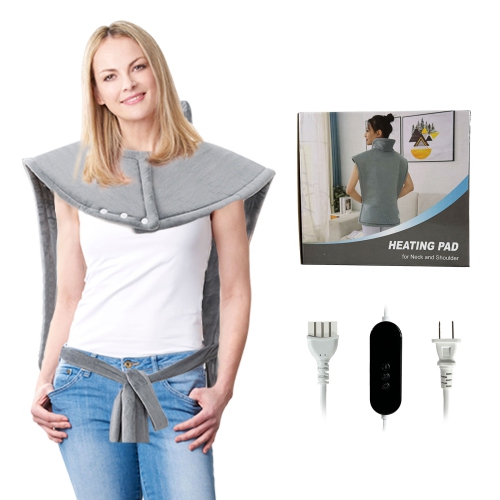
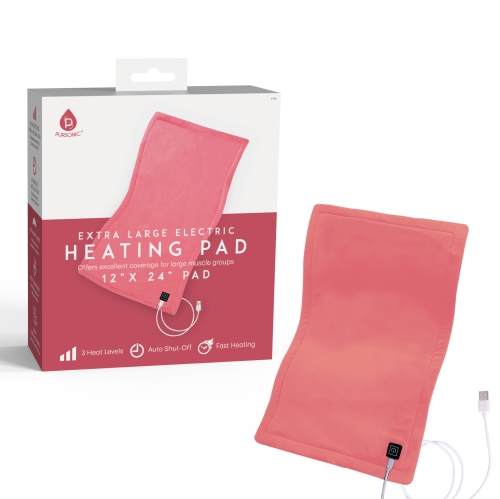
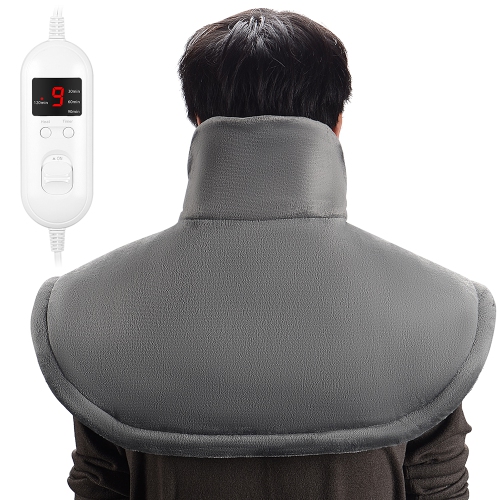
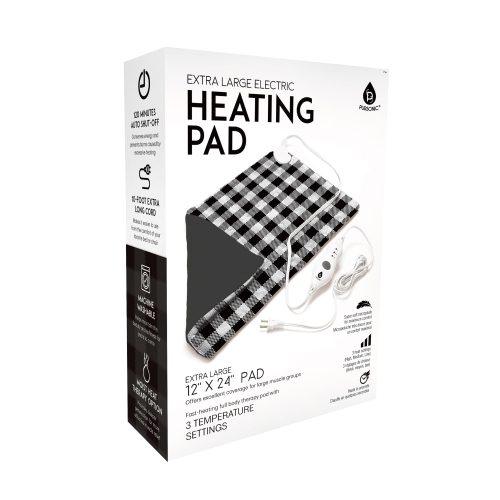
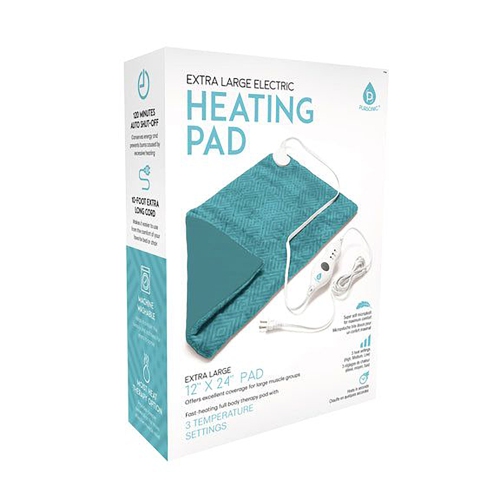
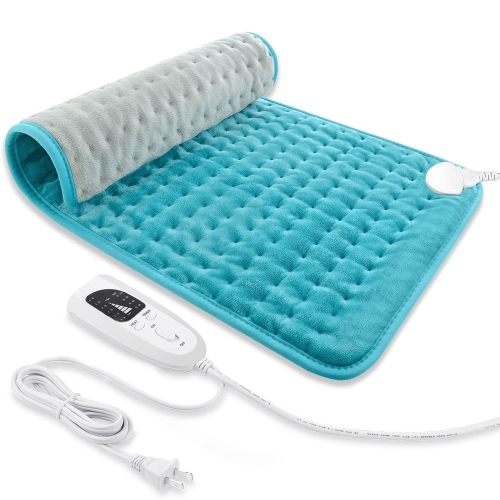
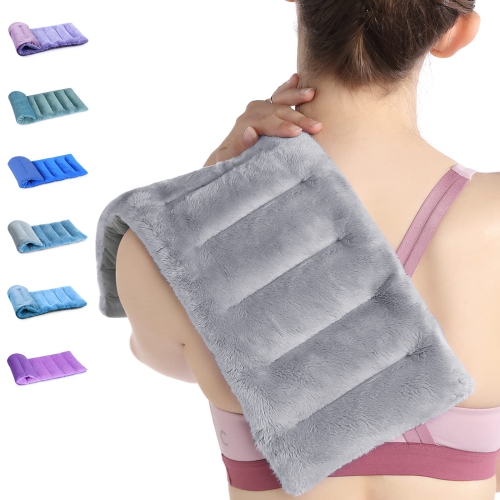
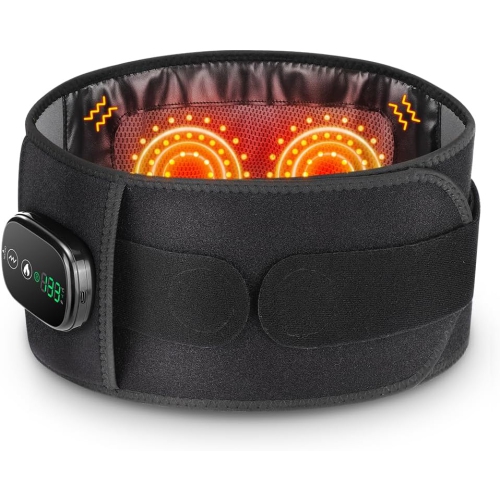
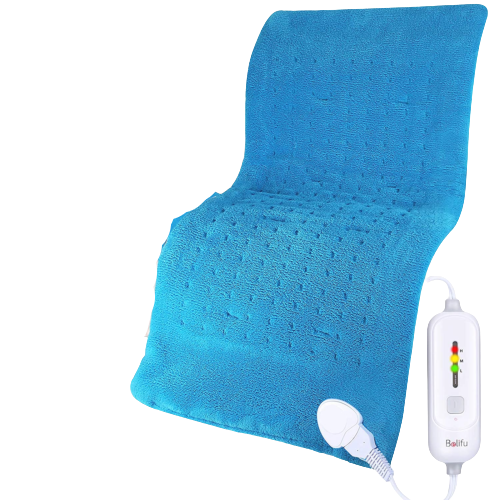
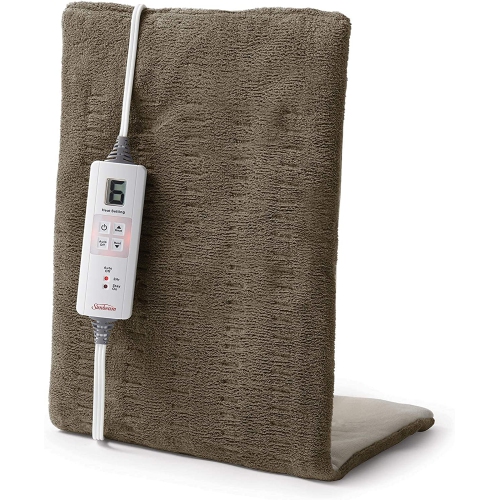
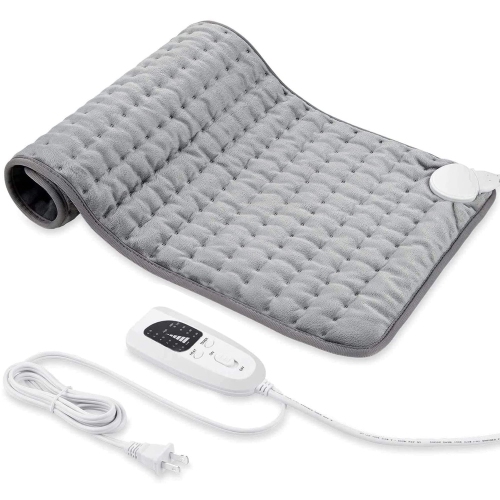
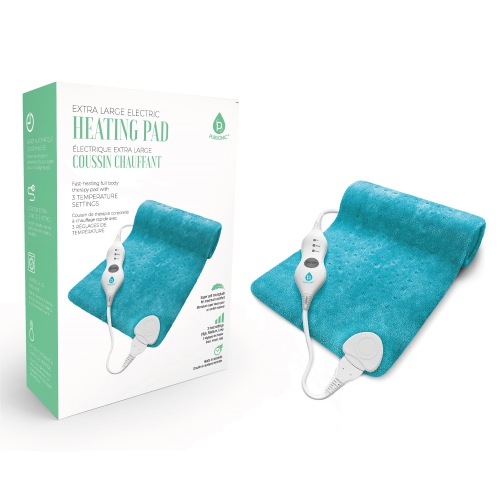
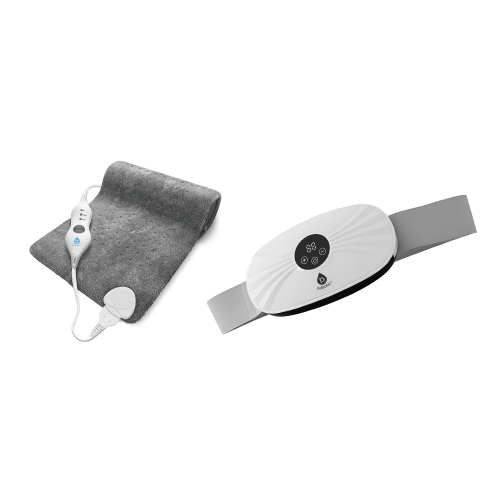
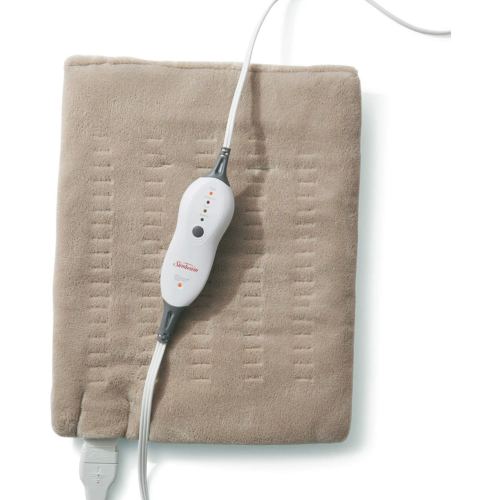
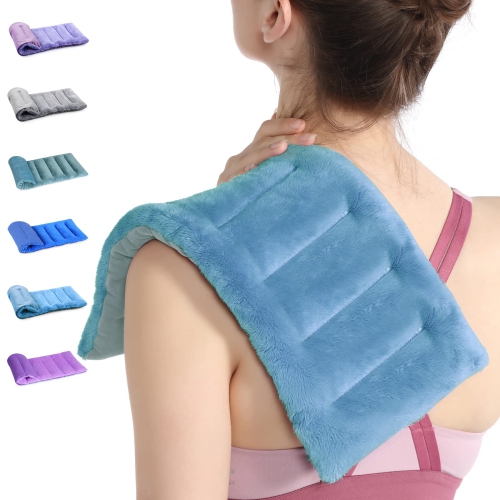
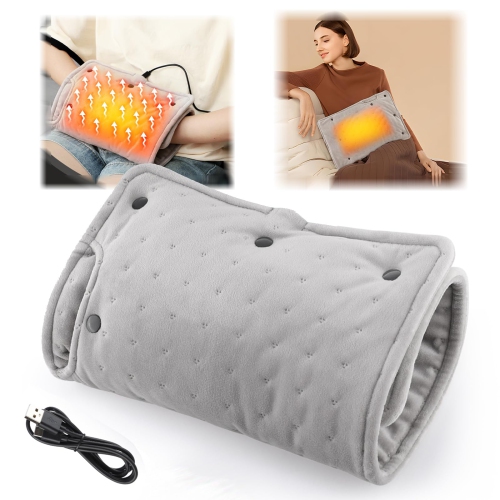
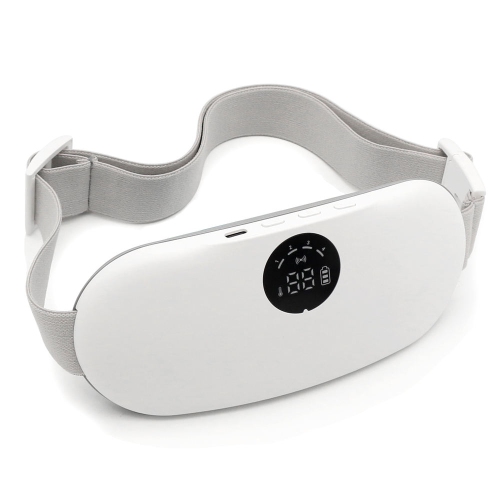
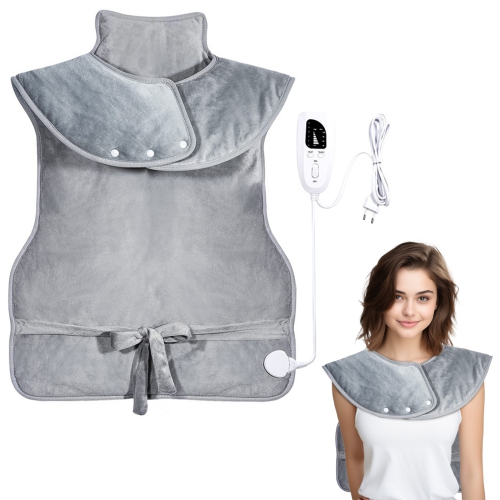
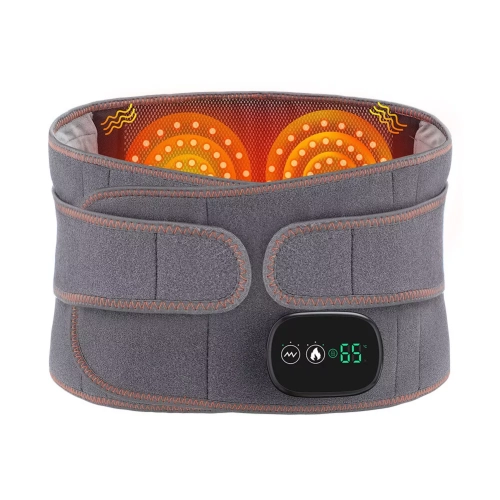
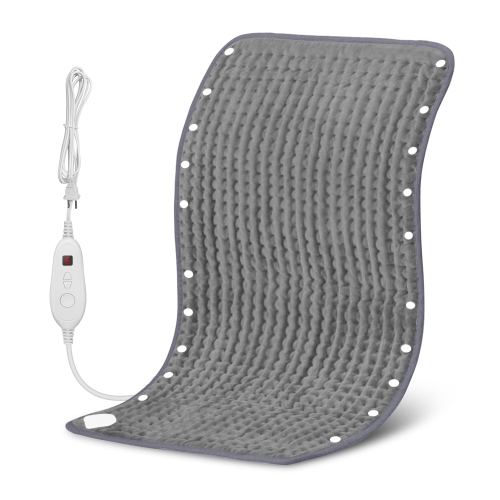
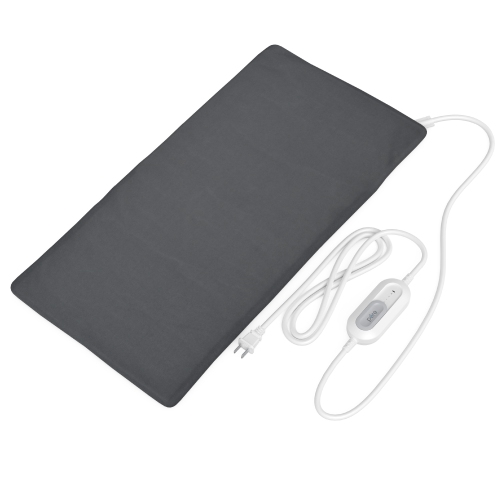

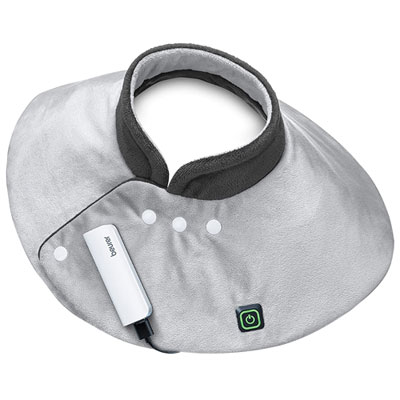
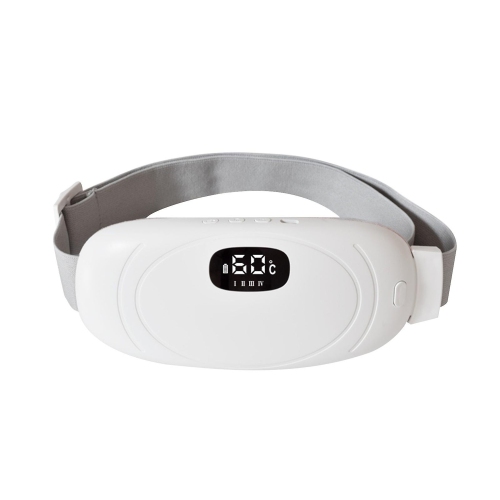
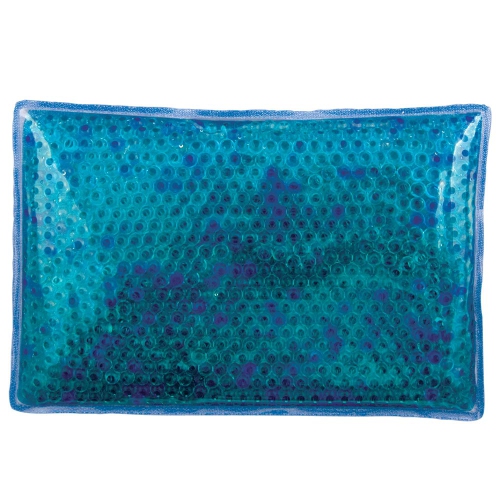
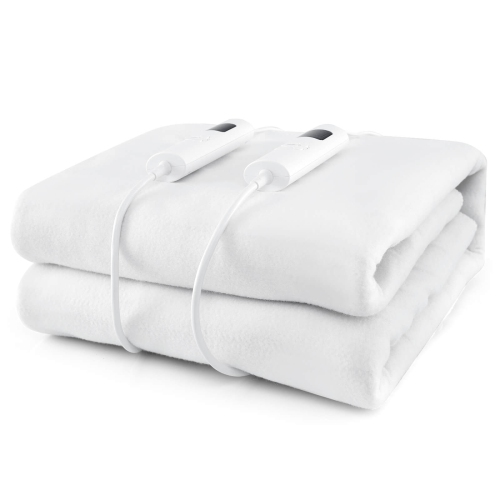

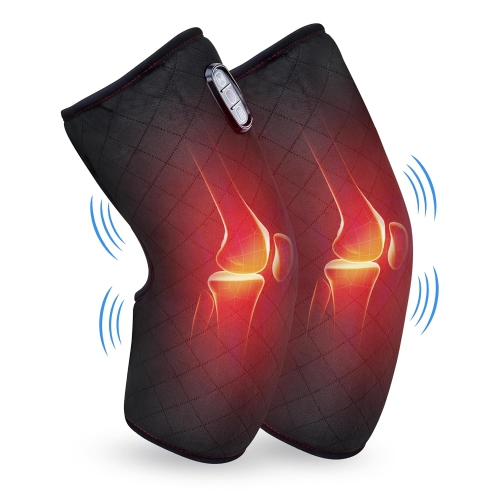
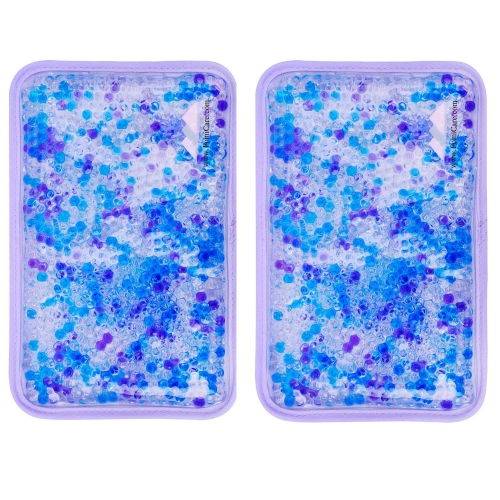
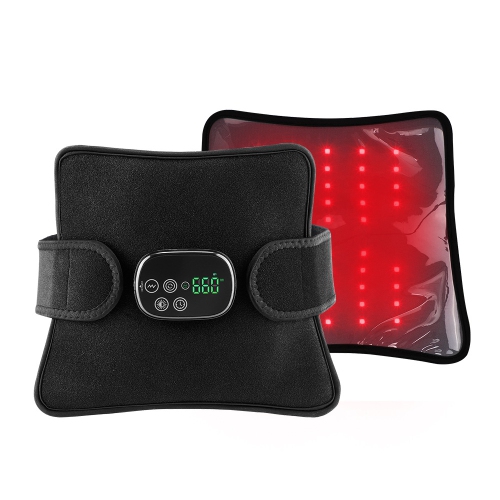
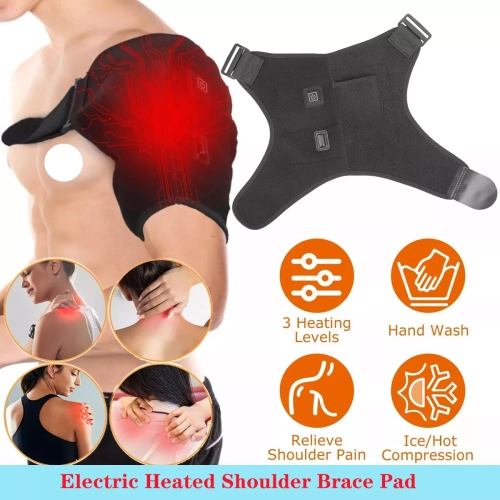
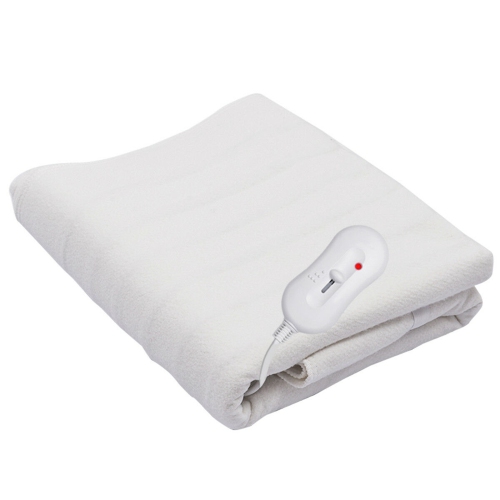
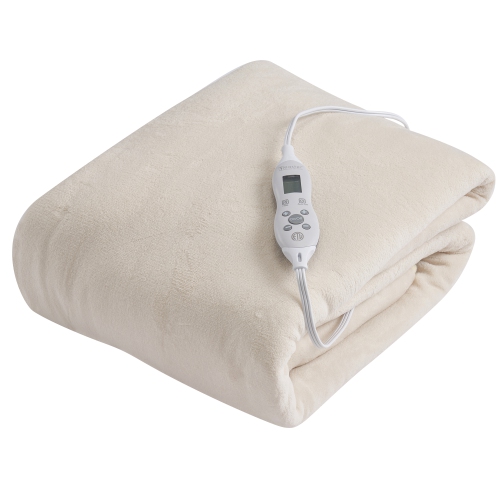
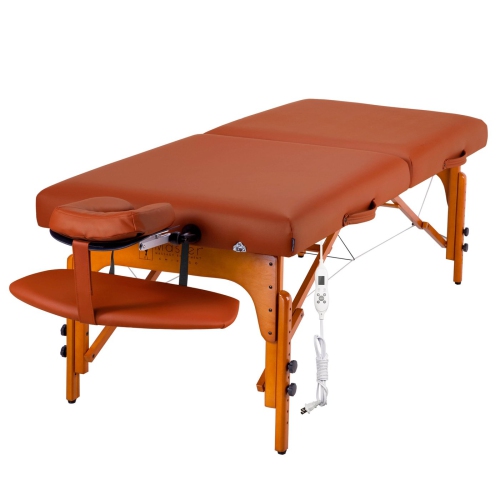
What to consider for warmth, coverage, controls, and safety
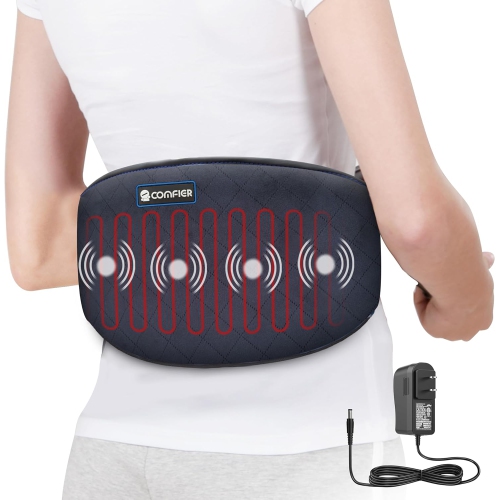
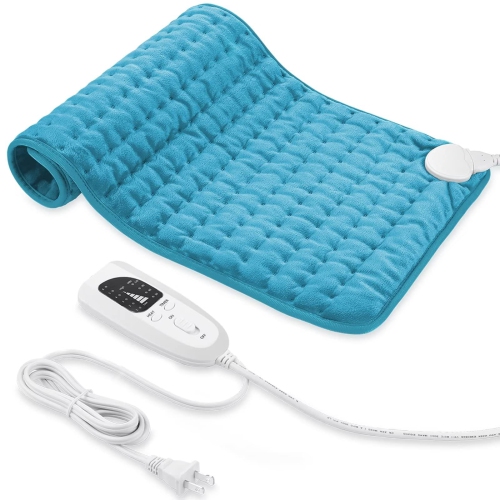
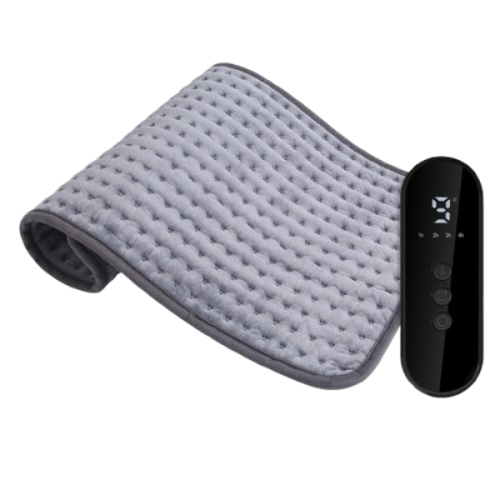
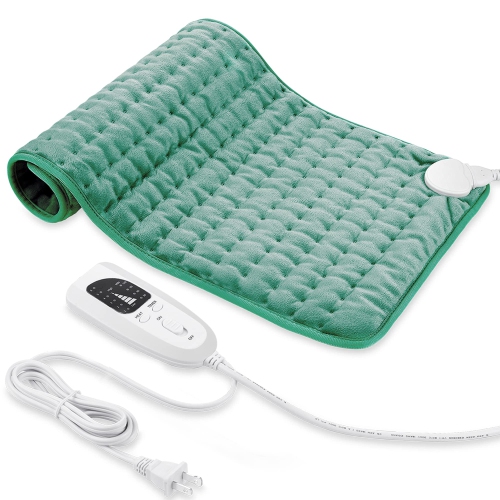
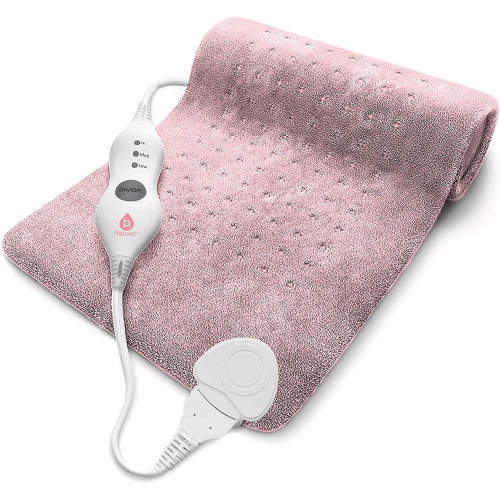
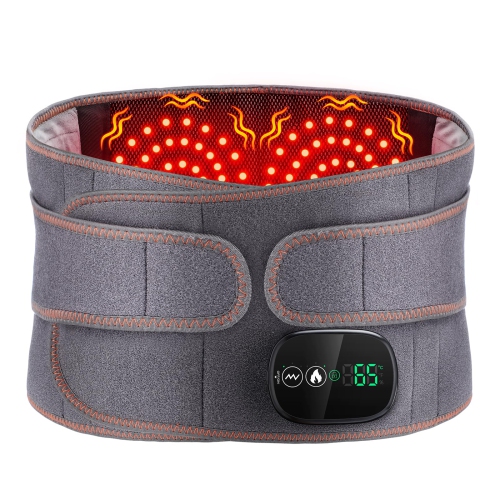
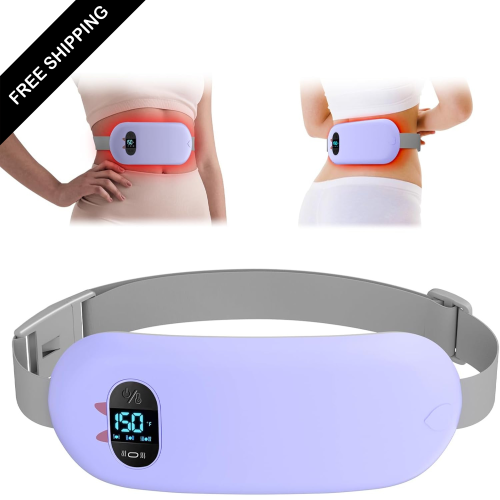
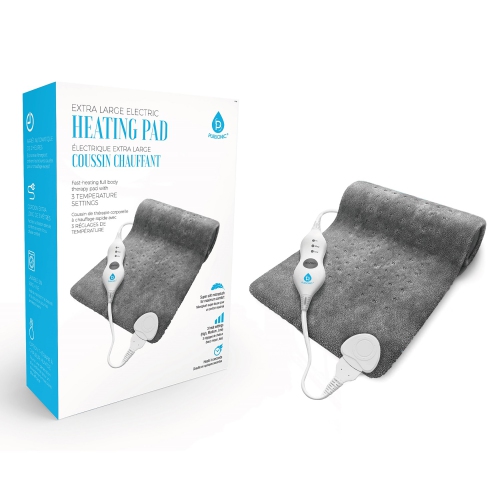
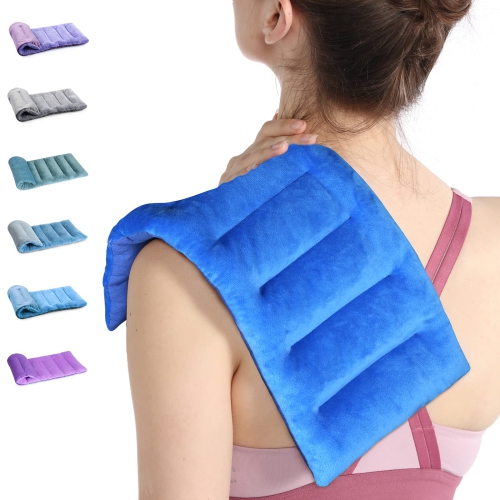
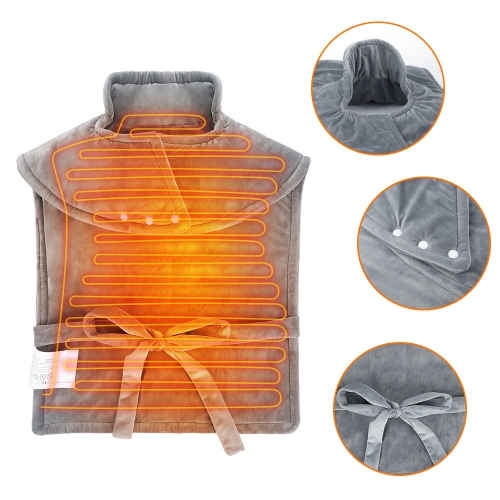
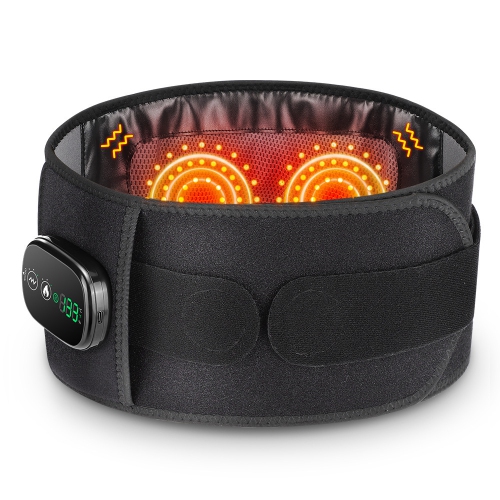
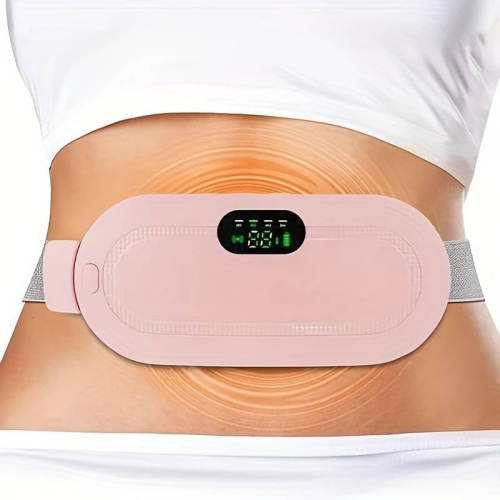
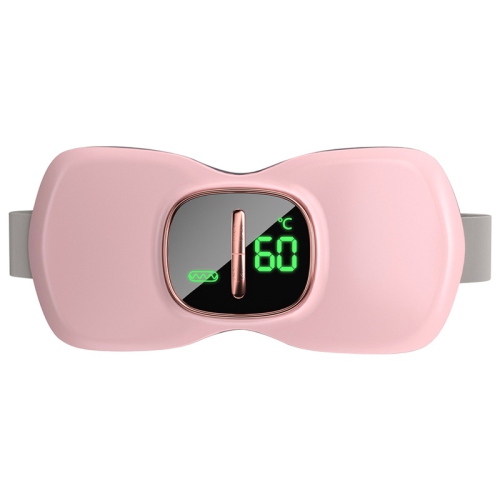
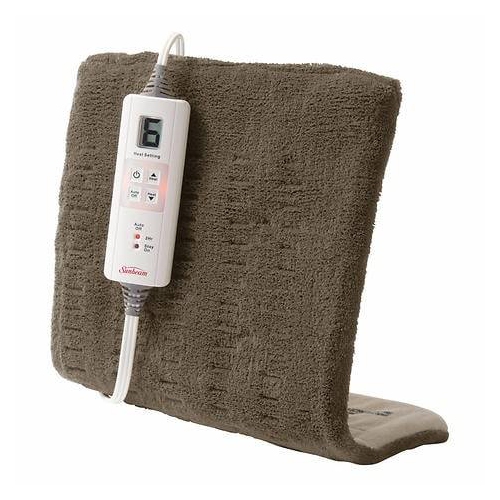
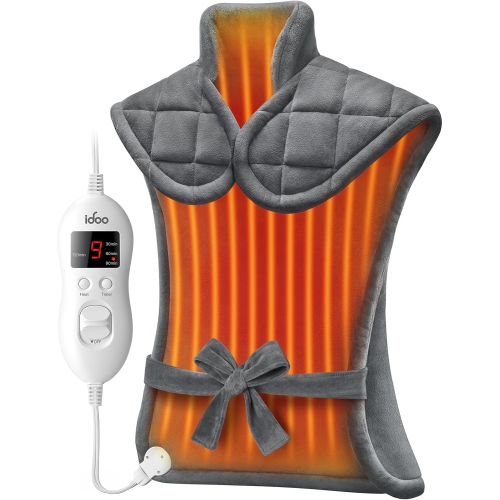
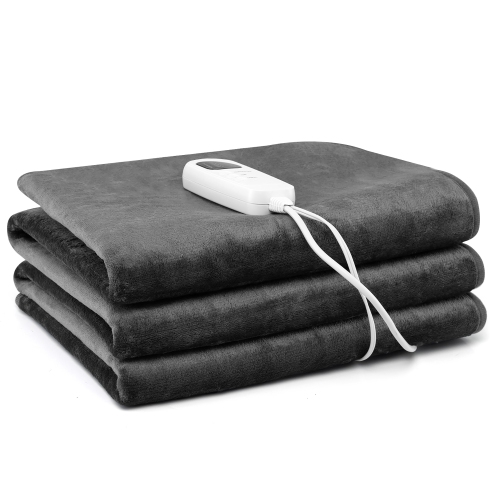
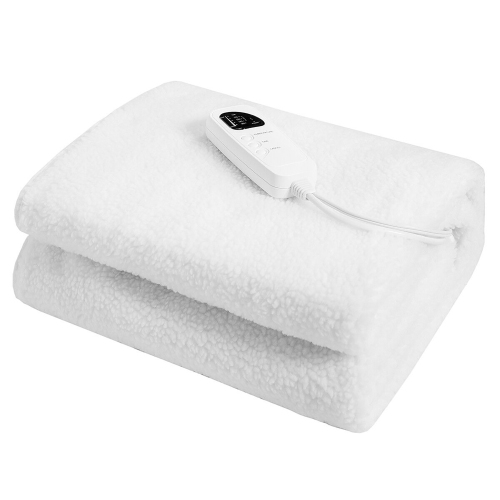
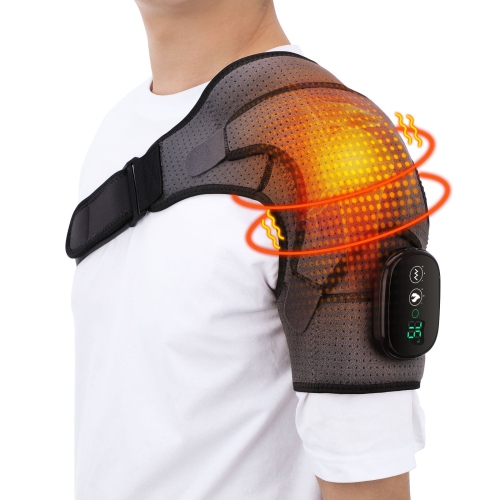
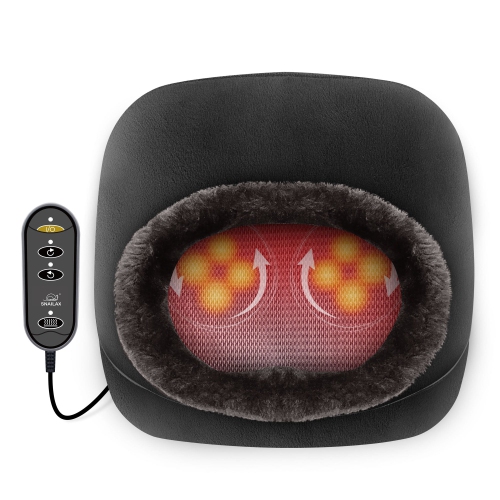
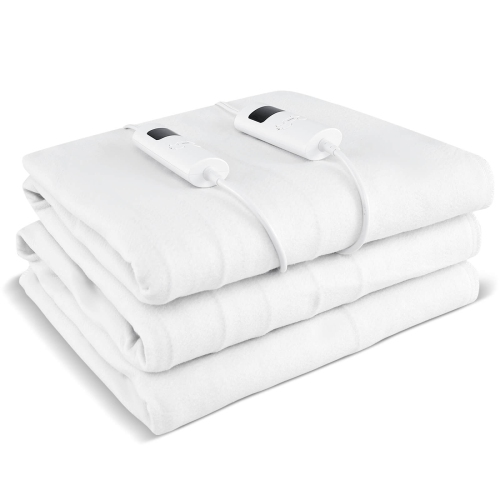
Heating pads offer a simple way to add soothing warmth to areas that feel tense, stiff, or uncomfortable. Gentle, localized heat can increase circulation near the skin and help relax tight muscles, making a heating pad useful after a long day at a desk, a demanding workout, a lengthy drive, or time spent outdoors during the cooler months. Many people use them on the lower back, shoulders, neck, abdomen, hips, legs, or joints, depending on the shape and coverage of the pad. A larger design may be more comfortable for general back soreness, while a smaller pad or wrap can be easier to position over one particular area. Some styles rest on a chair or bed, while wearable designs are made to stay in place as you move around the home. Browse the selection of Heat Pads to compare options suited to different routines, comfort preferences, and areas of use. For many households, a heating pad becomes part of a familiar evening routine: warming it while preparing dinner, settling it across tired shoulders while reading, or using it briefly before bed to loosen up after a busy day. It can also make a thoughtful practical gift for someone who spends long hours at a computer, enjoys recreational activities, manages occasional muscle tightness, or appreciates extra comfort during colder weather. When choosing one, consider the area you want to cover, whether you prefer a corded electric design or a cordless and microwavable option, how easy it is to clean, and whether the controls are simple to see and operate.
Temperature control is one of the most important features to compare. Multiple heat settings allow you to begin with gentle warmth and adjust gradually, rather than starting at the highest level. A quick-heating design can be convenient when you want comfort without a long wait, while an evenly heated surface helps prevent overly warm spots. Automatic shut-off is especially valuable because it helps limit the length of a session and reduces the chance of leaving the pad on unintentionally. Look for controls that are straightforward, a cord that gives you enough reach for your usual seating area, and a flexible construction that follows the contours of your body without feeling bulky. For back and shoulder use, broad coverage can help warm a wider area; for cramps or a smaller region, a compact format may be easier to position. Washable covers or wipeable surfaces can make regular care more convenient, particularly when the pad is shared by several people in the home. Microwavable styles can provide portable warmth without an outlet, but they require careful attention to heating instructions and handling. Electric models generally offer more consistent temperature adjustment, while cordless options can be useful when you want to move from the sofa to a desk or another room. Storage also matters: a flexible pad can be folded or rolled according to the manufacturer’s directions, but it should be fully cool and dry before being put away. Checking the product instructions for recommended use, cleaning, storage, and heat levels is a sensible part of selecting the right option.
Use heat pads for short, comfortable sessions rather than extended periods. A common starting point is 10 to 20 minutes at a time, using a lower setting first and checking your skin regularly. Keep a layer of clothing or fabric between the pad and your skin unless the instructions specifically state otherwise, and never place one over broken, irritated, numb, or damaged skin. Do not use a heating pad while sleeping, lying on top of it, or covering it with heavy bedding, since trapped heat can raise the risk of burns. Automatic shut-off adds an important layer of convenience, but it should not replace supervision. Heat is generally intended for ongoing stiffness or muscle tightness, not every new injury. During the first 48 to 72 hours after an acute injury, cold may be more appropriate than heat for swelling; when in doubt, follow advice from a qualified health professional. People with reduced sensation, circulation concerns, diabetes, or conditions that affect their ability to feel heat should ask a healthcare provider before use, and children should use heating products only with close adult supervision. Stop using the pad if the skin becomes very red, painful, or uncomfortable, or if symptoms worsen. With the right size, controls, safety features, and usage habits, a heating pad can be a convenient comfort item for everyday routines, post-activity relaxation, and cosy downtime as the weather shifts from early fall into winter.
Temperature control is one of the most important features to compare. Multiple heat settings allow you to begin with gentle warmth and adjust gradually, rather than starting at the highest level. A quick-heating design can be convenient when you want comfort without a long wait, while an evenly heated surface helps prevent overly warm spots. Automatic shut-off is especially valuable because it helps limit the length of a session and reduces the chance of leaving the pad on unintentionally. Look for controls that are straightforward, a cord that gives you enough reach for your usual seating area, and a flexible construction that follows the contours of your body without feeling bulky. For back and shoulder use, broad coverage can help warm a wider area; for cramps or a smaller region, a compact format may be easier to position. Washable covers or wipeable surfaces can make regular care more convenient, particularly when the pad is shared by several people in the home. Microwavable styles can provide portable warmth without an outlet, but they require careful attention to heating instructions and handling. Electric models generally offer more consistent temperature adjustment, while cordless options can be useful when you want to move from the sofa to a desk or another room. Storage also matters: a flexible pad can be folded or rolled according to the manufacturer’s directions, but it should be fully cool and dry before being put away. Checking the product instructions for recommended use, cleaning, storage, and heat levels is a sensible part of selecting the right option.
Use heat pads for short, comfortable sessions rather than extended periods. A common starting point is 10 to 20 minutes at a time, using a lower setting first and checking your skin regularly. Keep a layer of clothing or fabric between the pad and your skin unless the instructions specifically state otherwise, and never place one over broken, irritated, numb, or damaged skin. Do not use a heating pad while sleeping, lying on top of it, or covering it with heavy bedding, since trapped heat can raise the risk of burns. Automatic shut-off adds an important layer of convenience, but it should not replace supervision. Heat is generally intended for ongoing stiffness or muscle tightness, not every new injury. During the first 48 to 72 hours after an acute injury, cold may be more appropriate than heat for swelling; when in doubt, follow advice from a qualified health professional. People with reduced sensation, circulation concerns, diabetes, or conditions that affect their ability to feel heat should ask a healthcare provider before use, and children should use heating products only with close adult supervision. Stop using the pad if the skin becomes very red, painful, or uncomfortable, or if symptoms worsen. With the right size, controls, safety features, and usage habits, a heating pad can be a convenient comfort item for everyday routines, post-activity relaxation, and cosy downtime as the weather shifts from early fall into winter.
Top selling and popular products
-
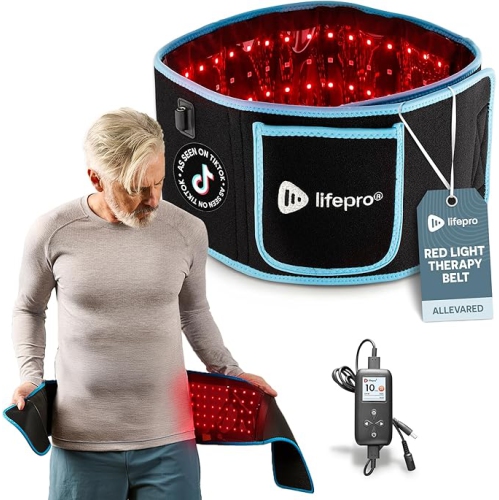 Your price for this item is $249.99
 -
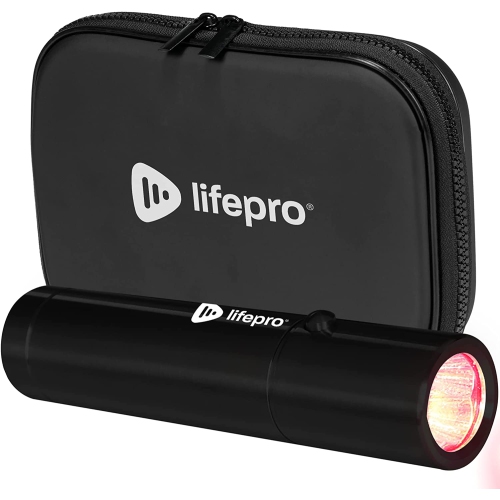 Your price for this item is $139.99
 -
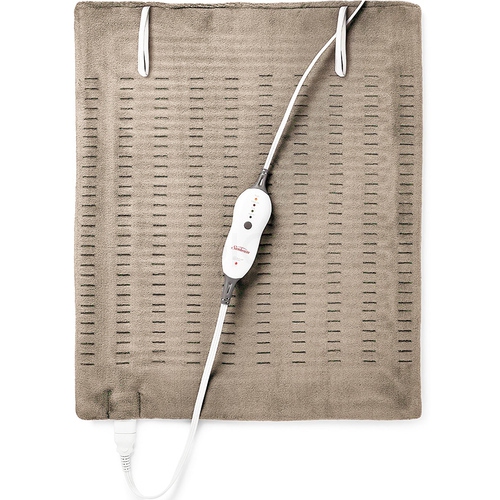 Your price for this item is $109.99
 -
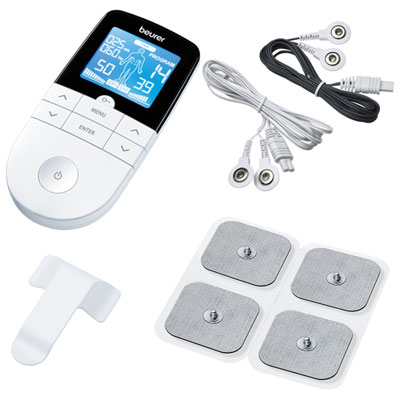 Your price for this item is $79.99
 -
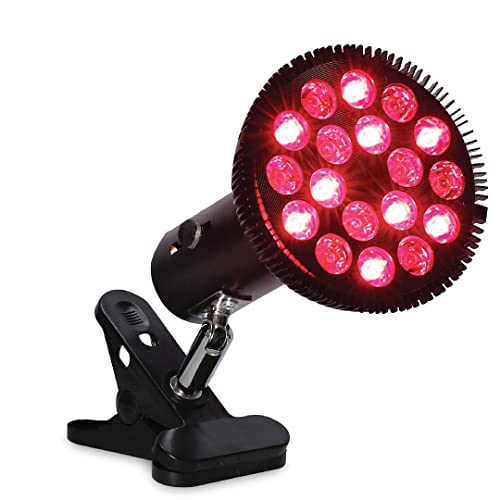 Your price for this item is $79.99
 -
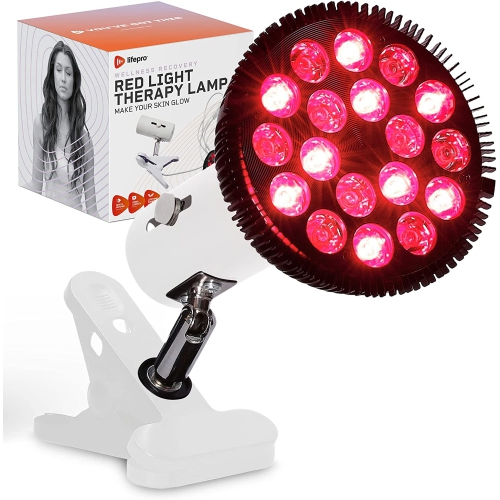 Your price for this item is $79.99
 -
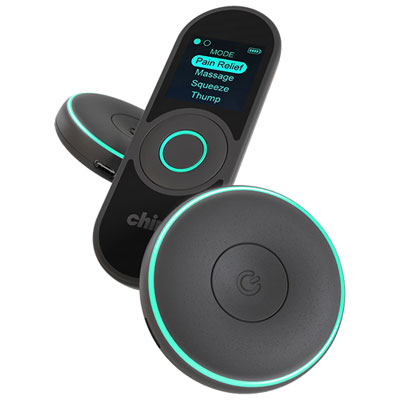 Your price for this item is $259.99
 -
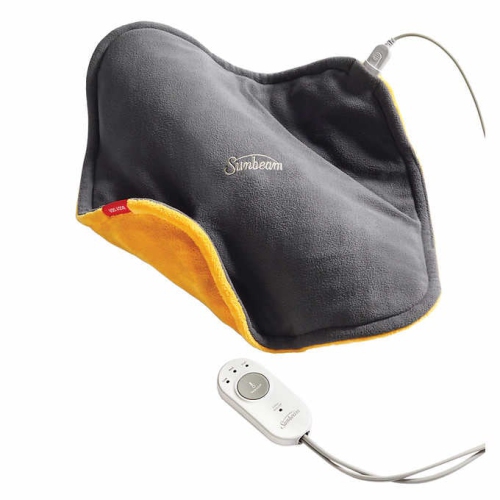 Your price for this item is $83.95
Discover more categories related to Heating Pads
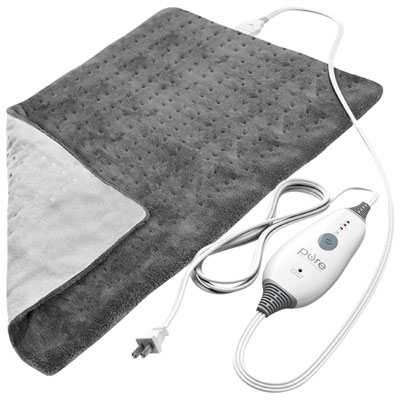
Top Collections:
Pokemon Centers, Kindle Devices, Best Budget Office Chairs, Apple iPhones 16, Canon G7X Cameras, iPhone 15 Apple, Alarm Clock, Refurbished Apple Laptops, Flip Phones, Best Laptops for Writers
Some products may be subject to Environmental Handling Fees
(EHF) depending on your province.
Learn more about EHFs.