Heat Pads
Our selection of heat pads provides a versatile solution for targeted heat therapy. Whether you're looking to ease muscle tension, alleviate discomfort, or simply cozy up, these heat pads offer customizable settings and comfortable designs to help you relax and unwind. Explore our range of heat pads to find the perfect option to meet your needs and enhance your comfort at home or on the go.
Sort
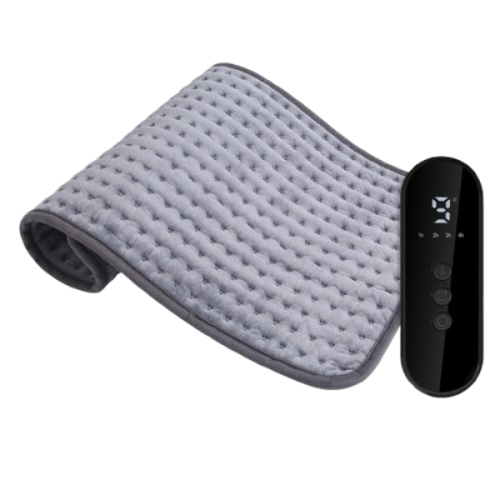
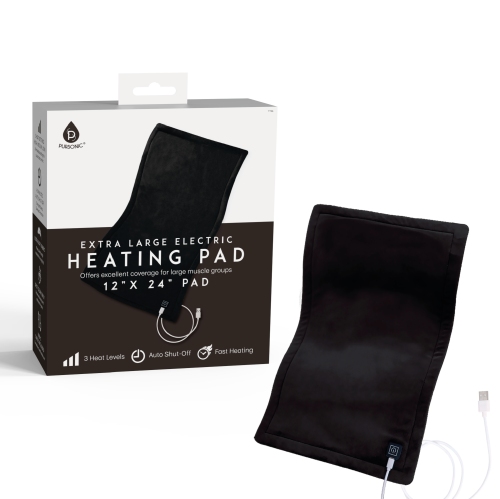
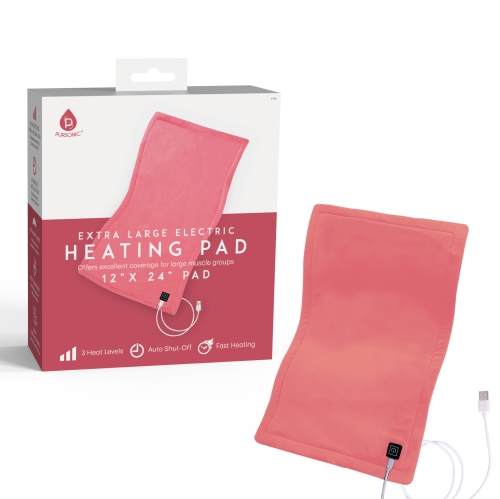
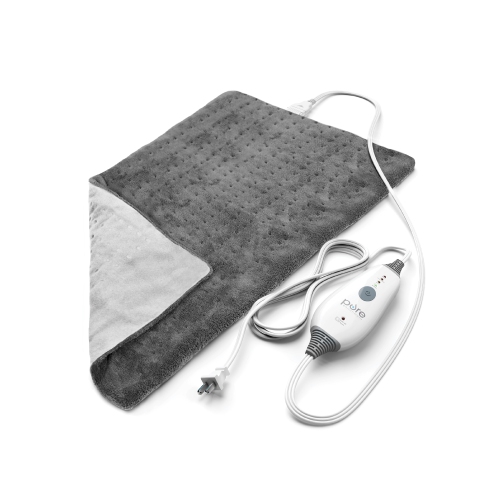
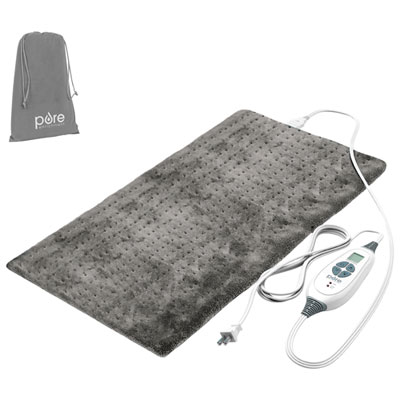
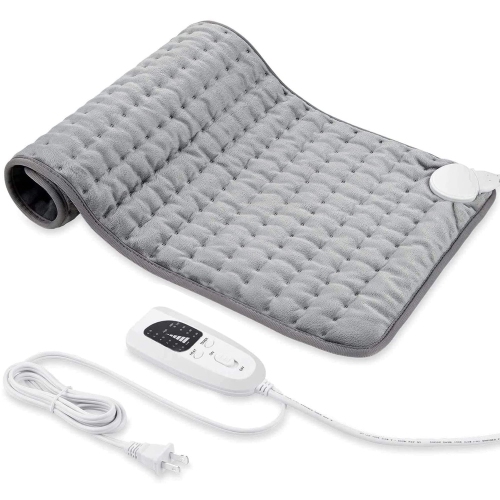

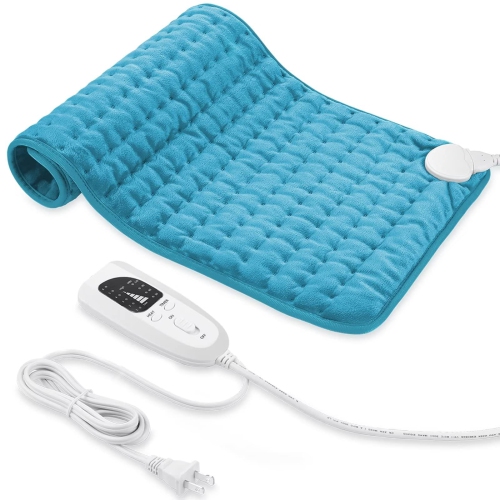
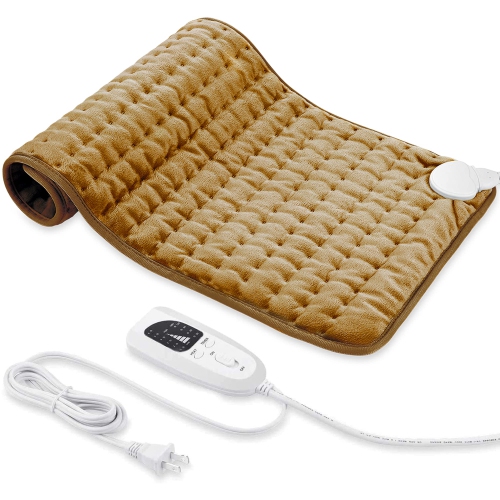
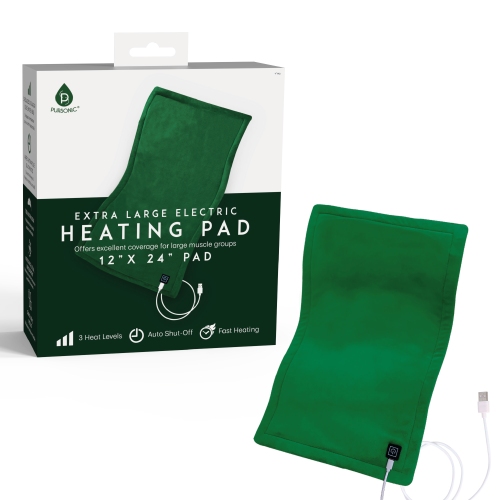
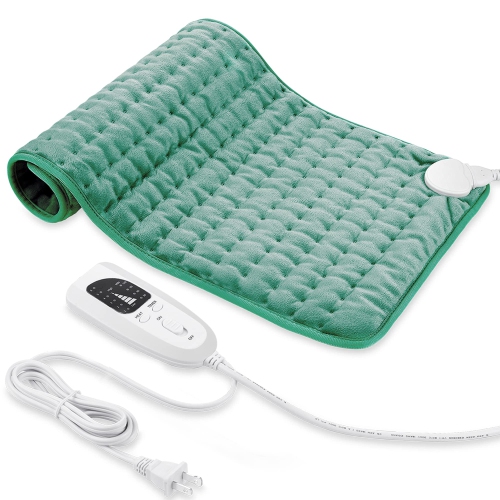
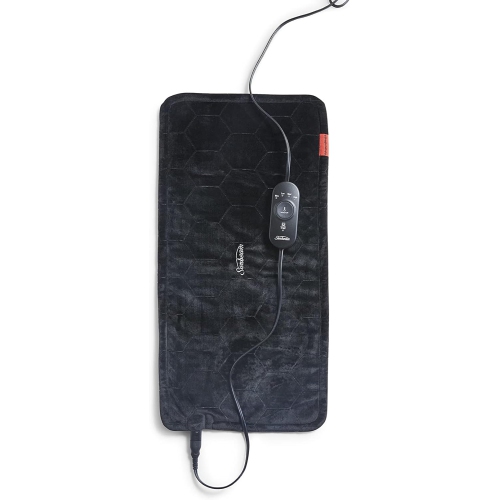
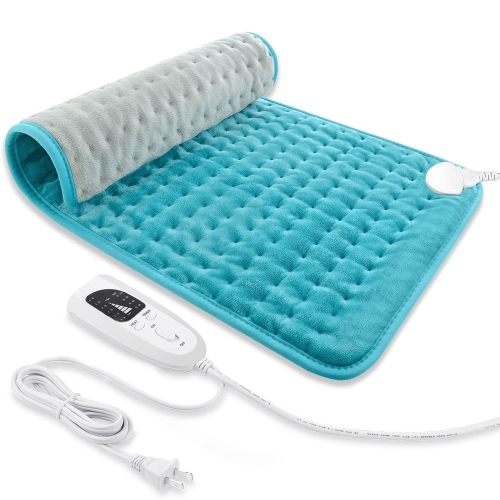
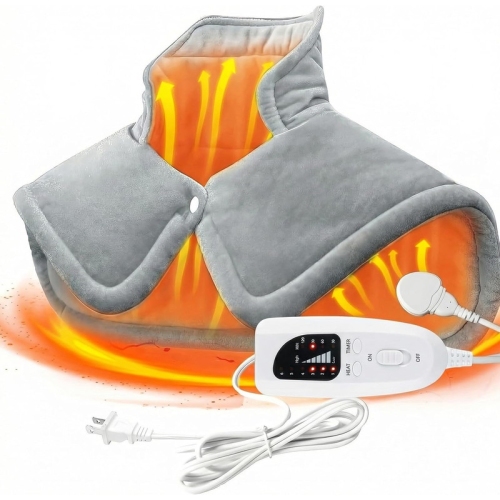
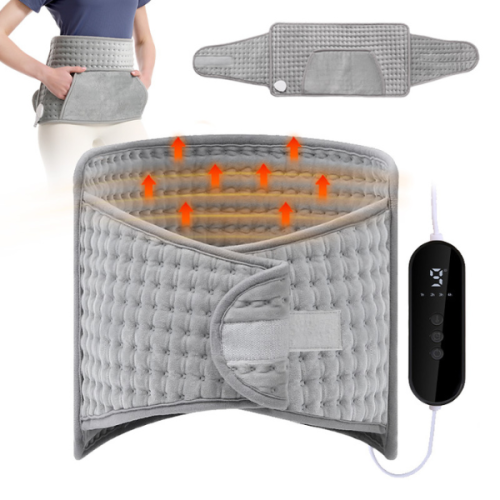
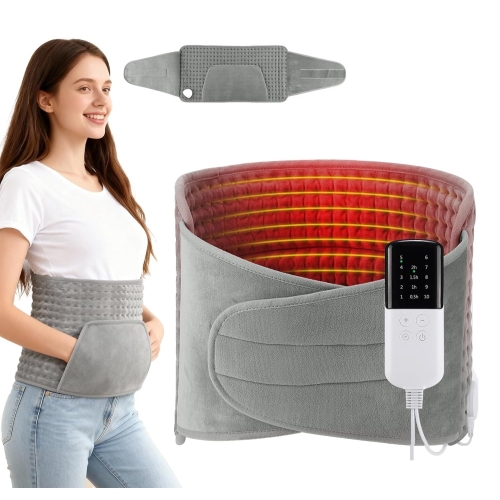
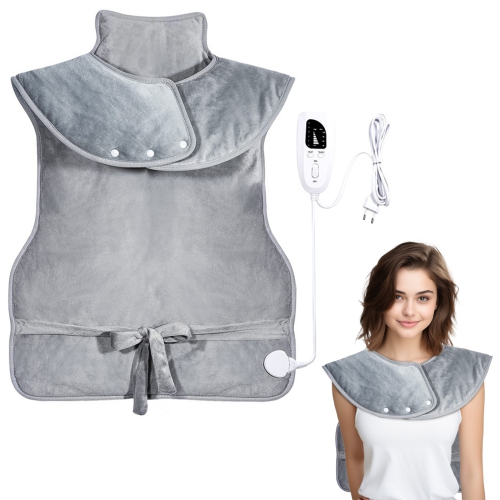
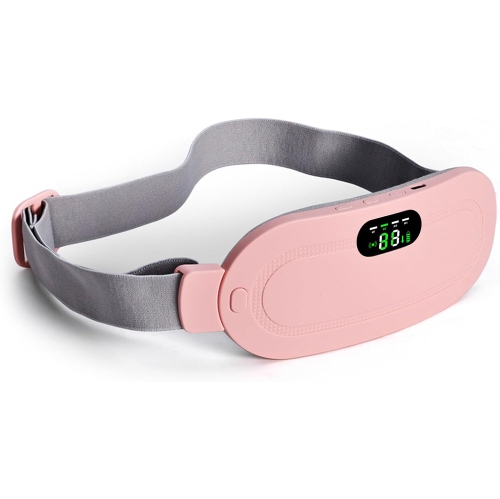
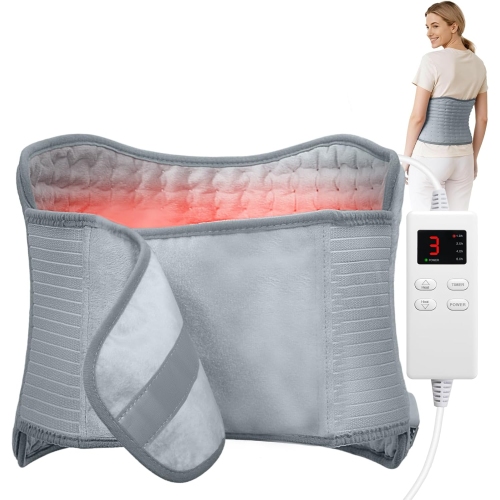
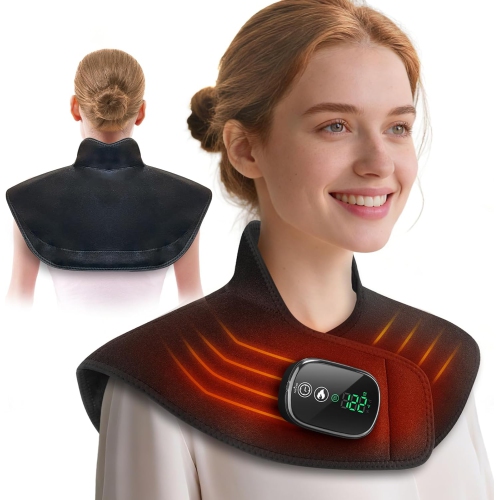
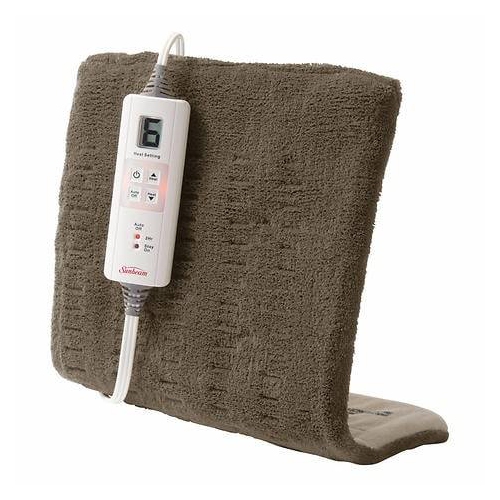
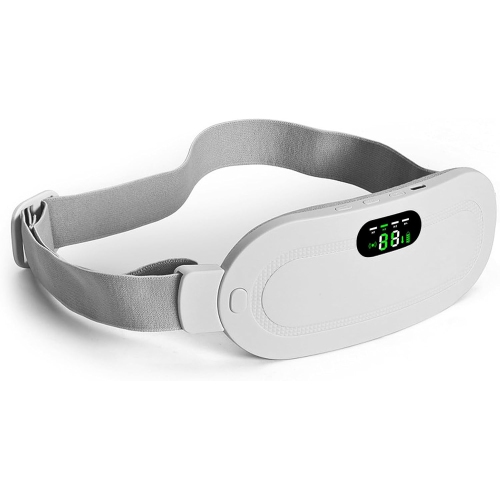
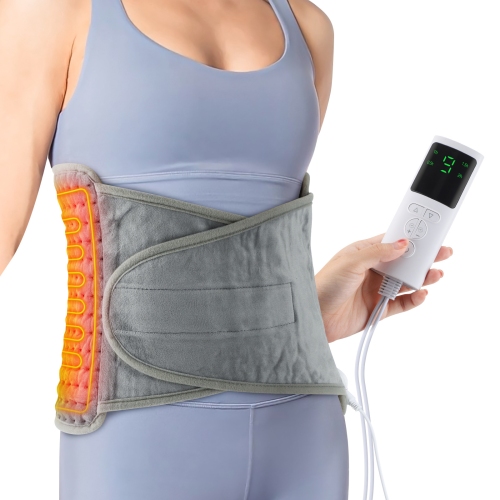
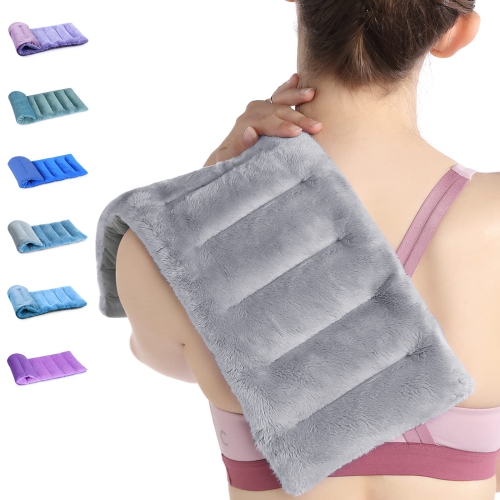
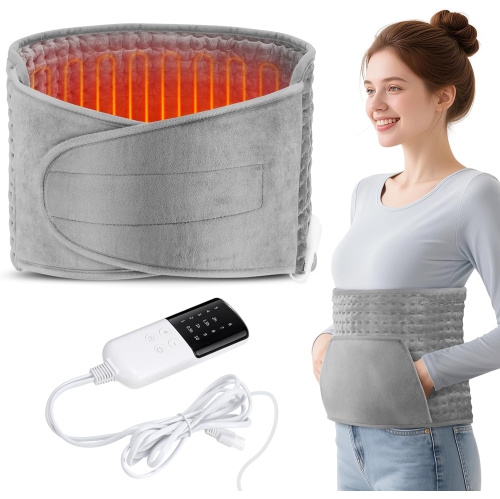
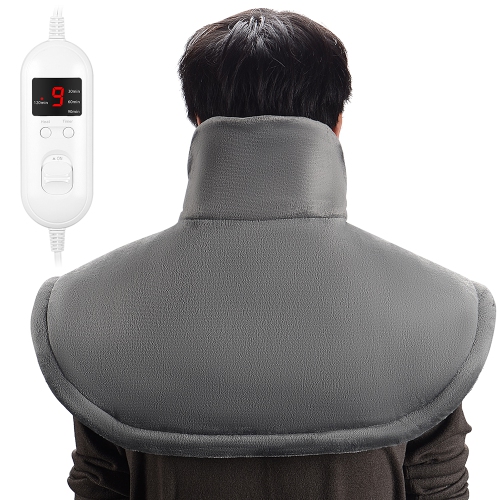
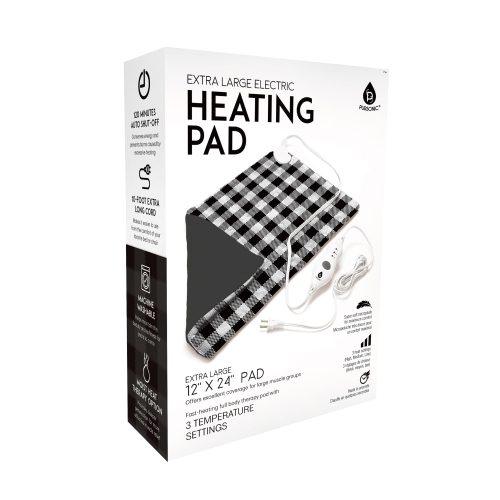
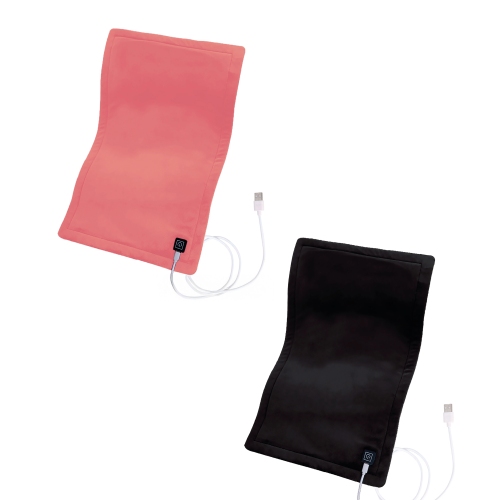
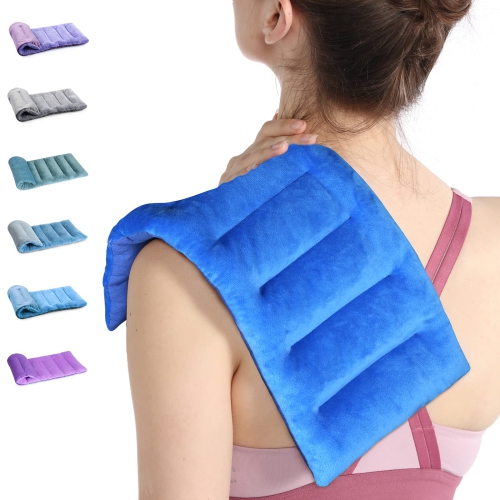

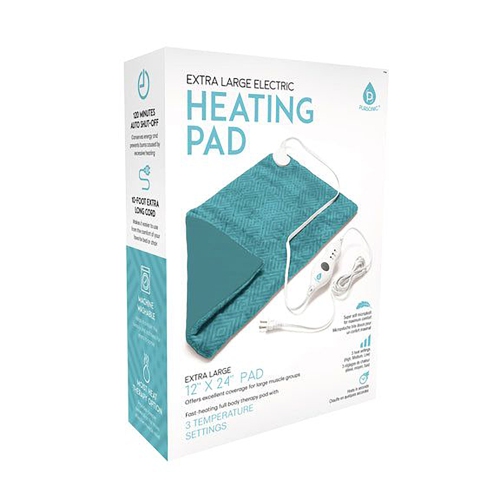
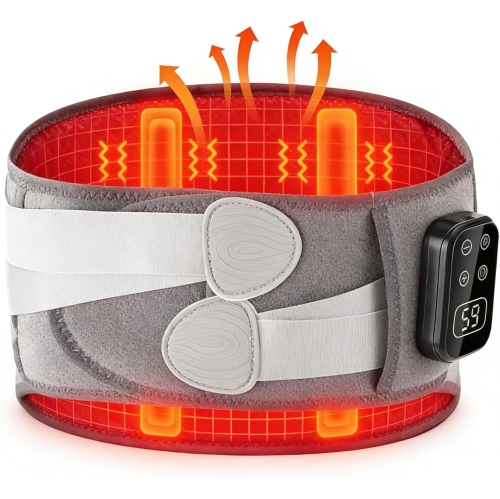
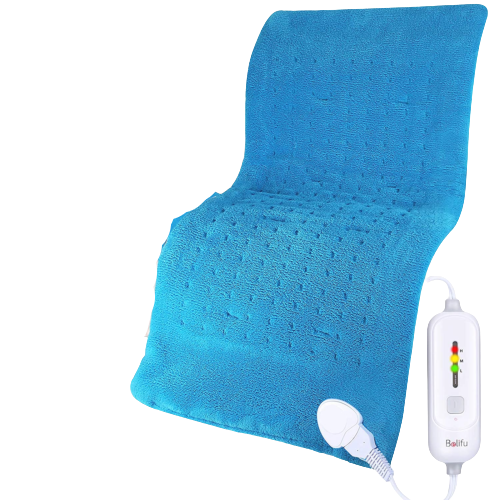
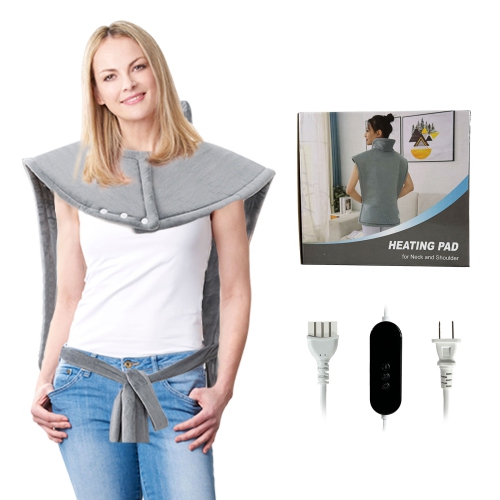
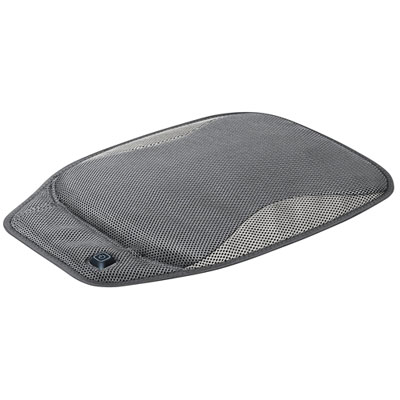
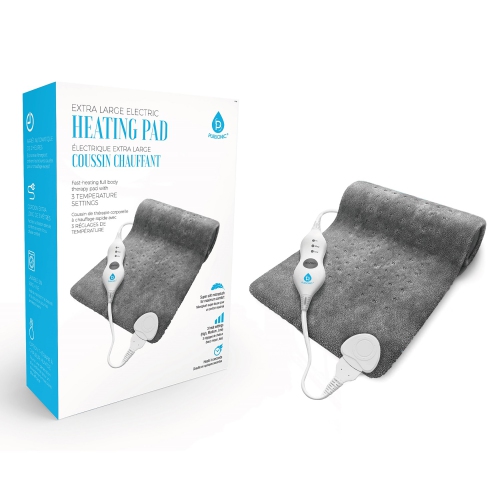
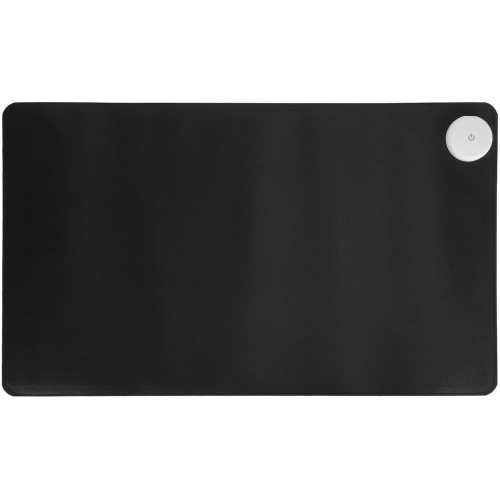
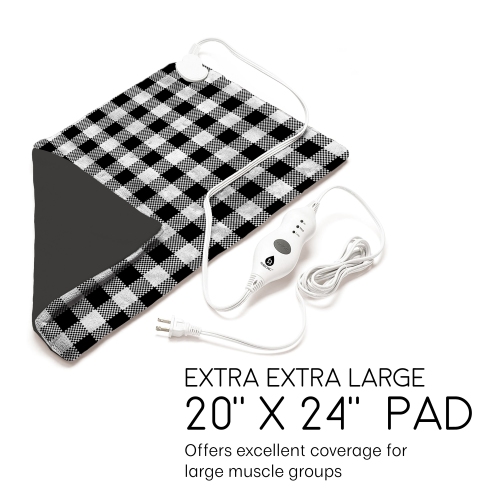
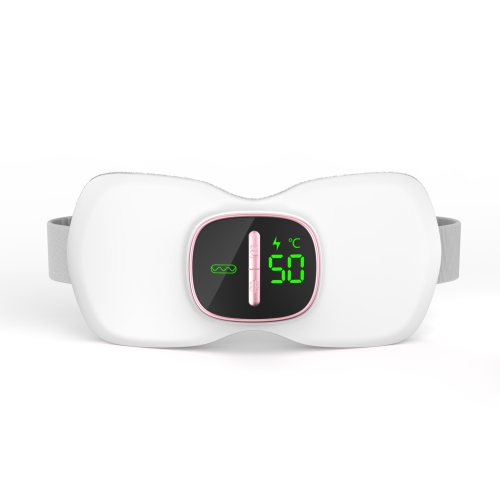
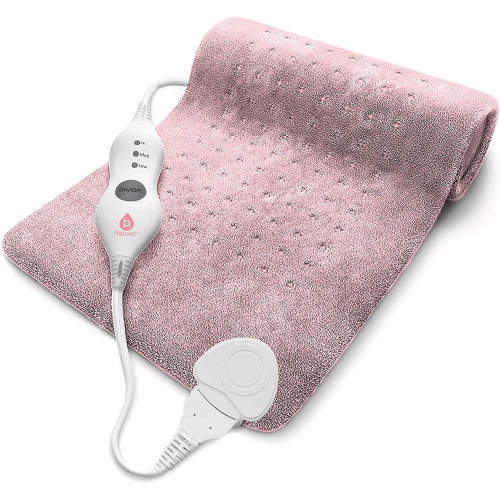
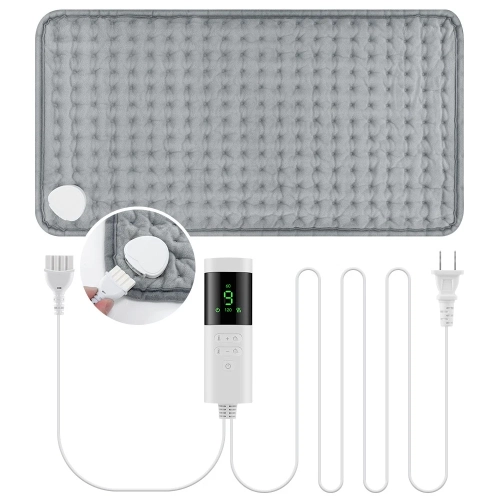
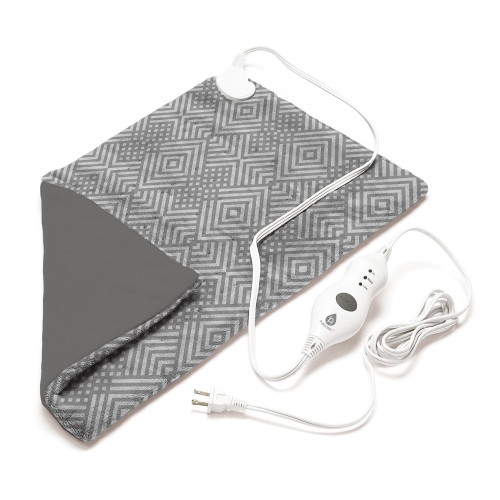
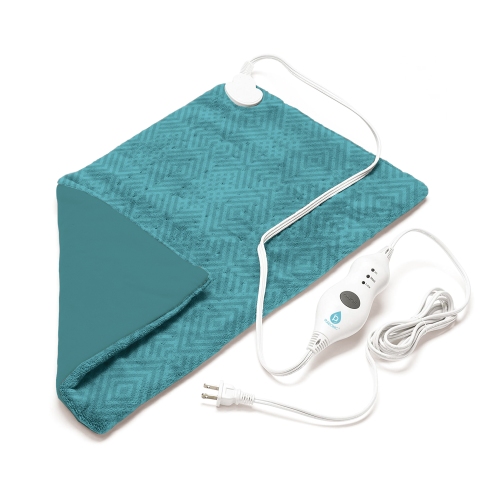
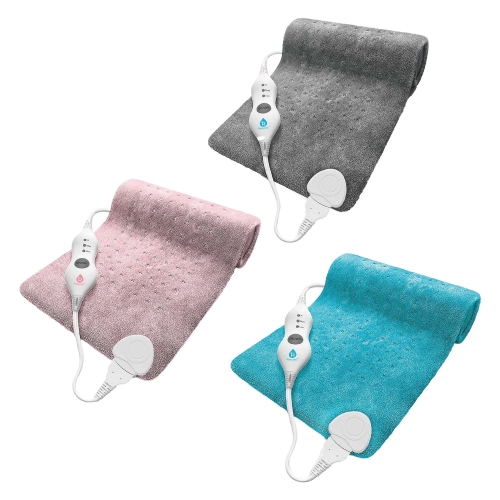
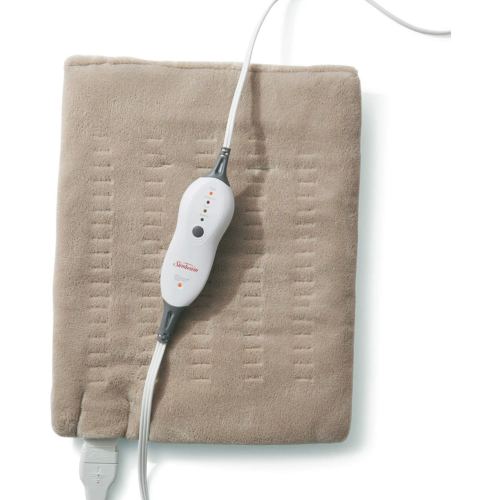
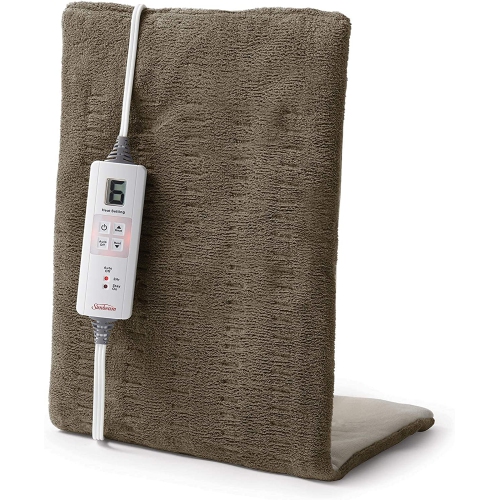

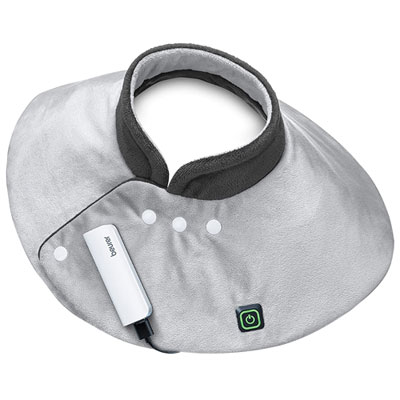
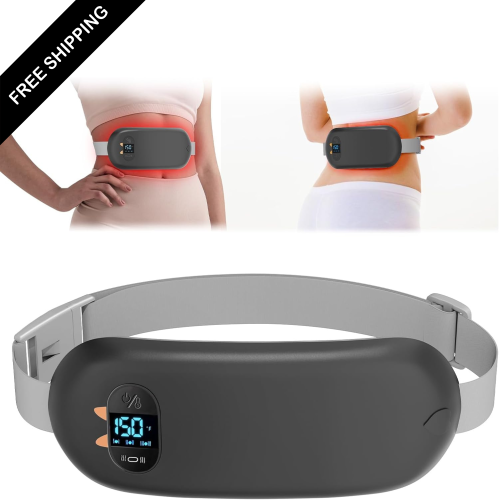
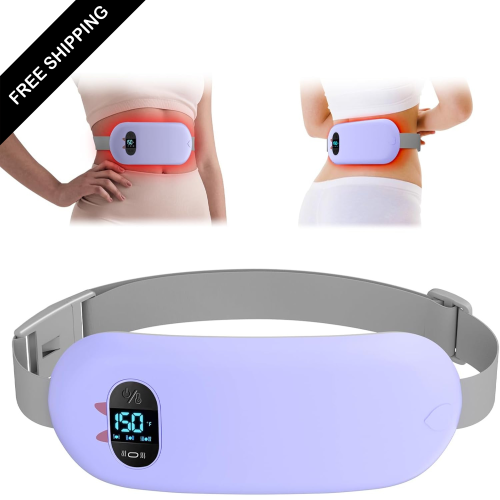
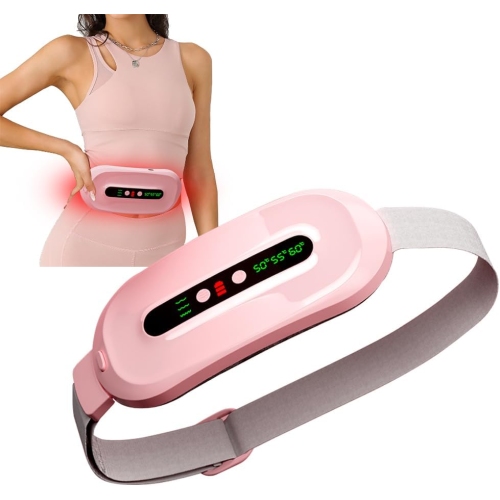
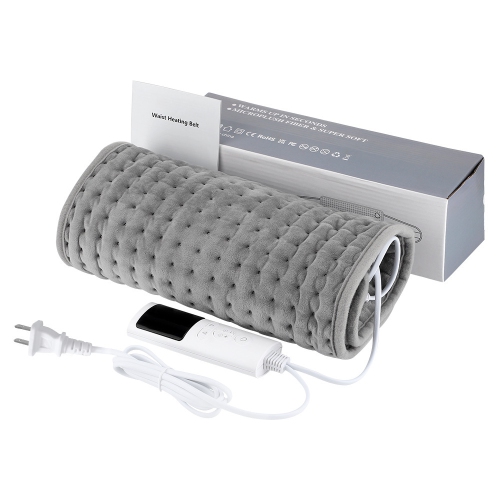
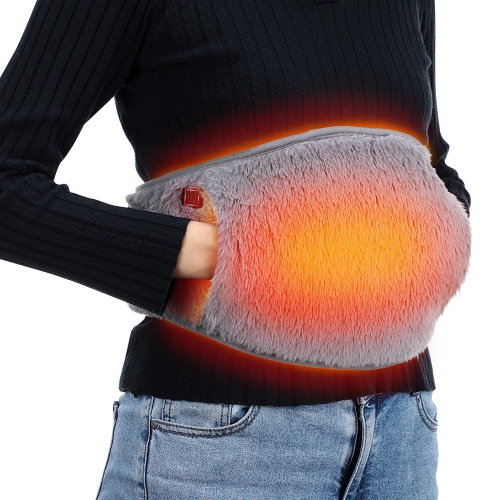
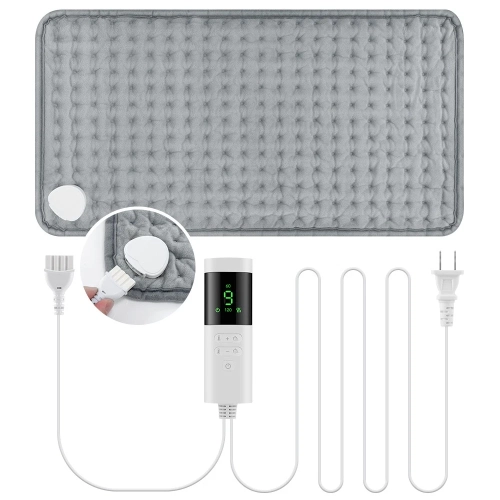
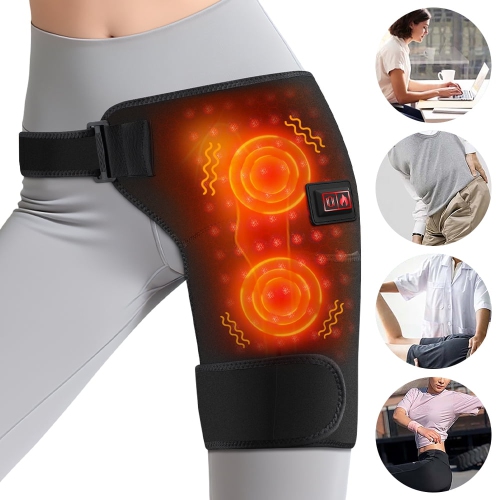
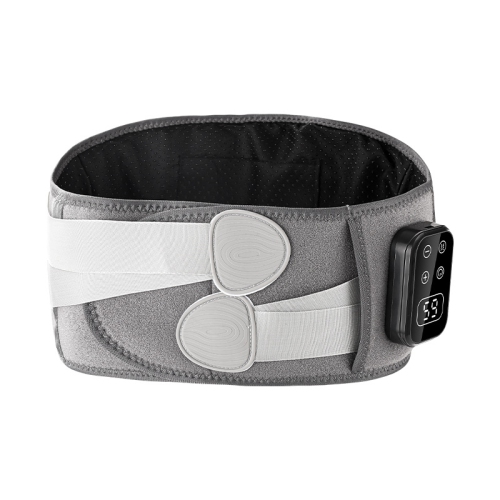
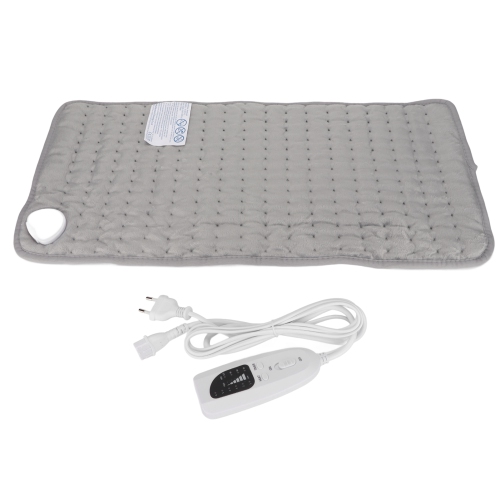
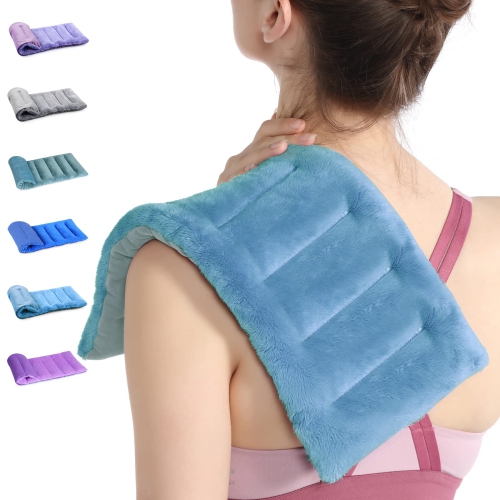
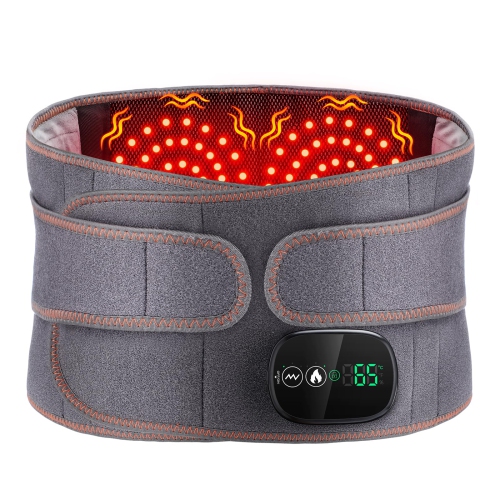
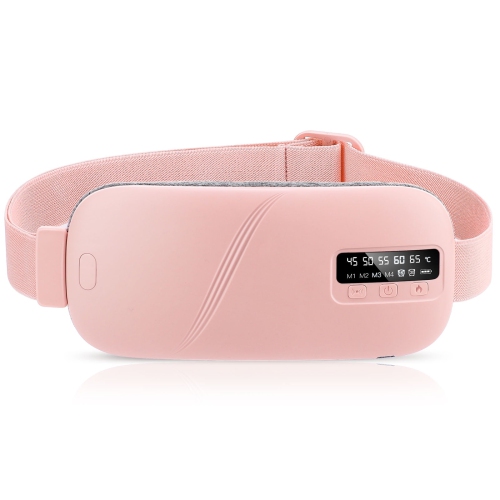
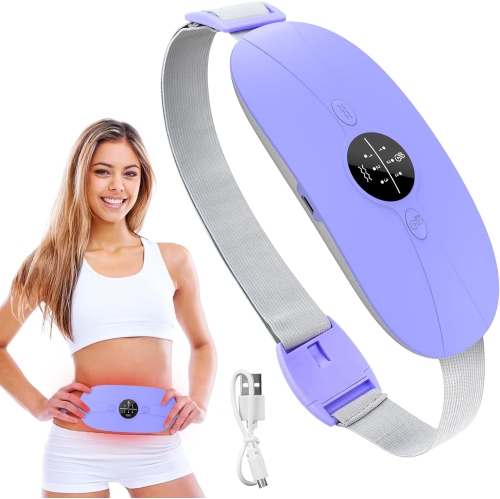
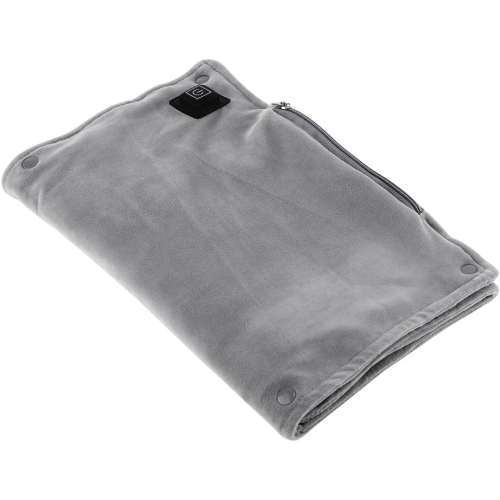
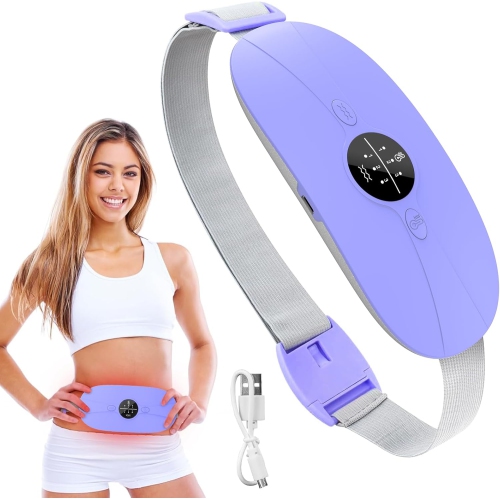
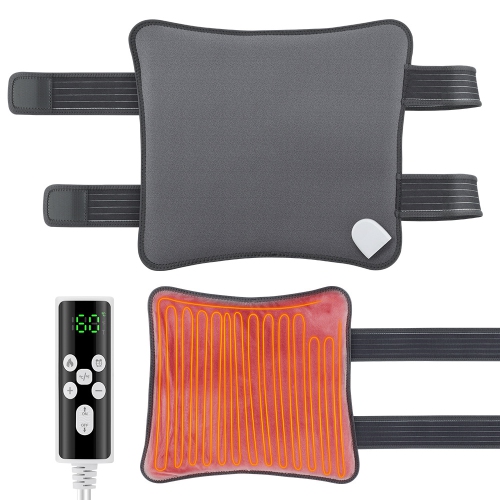
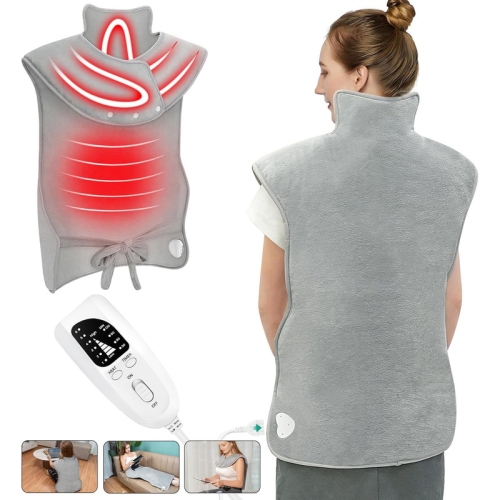
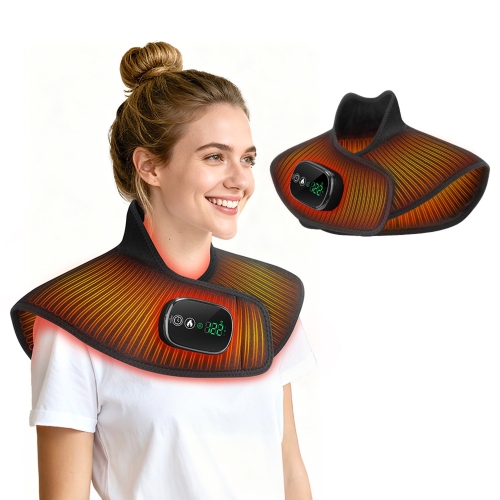
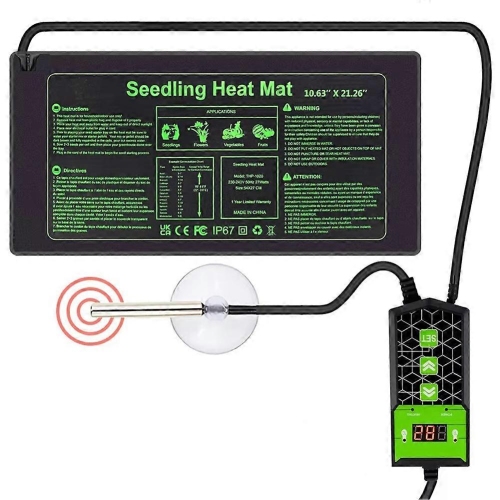
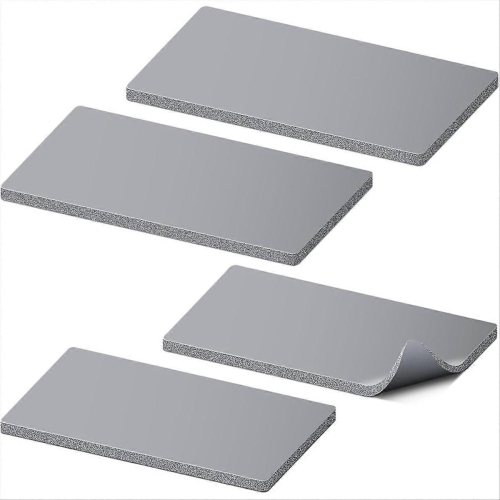
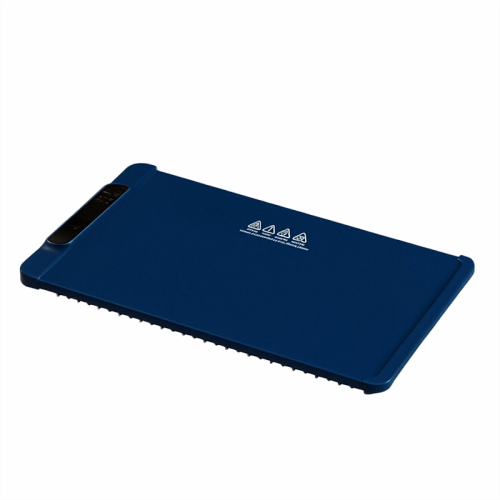
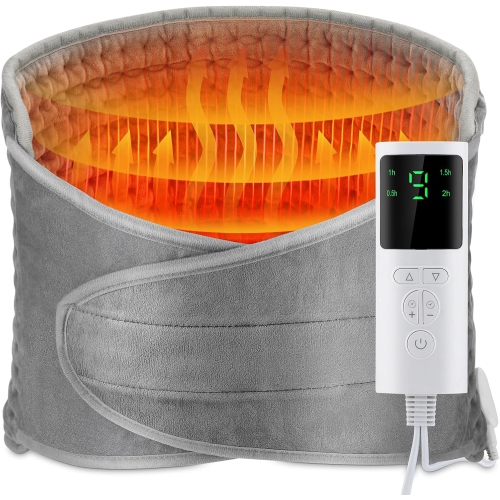
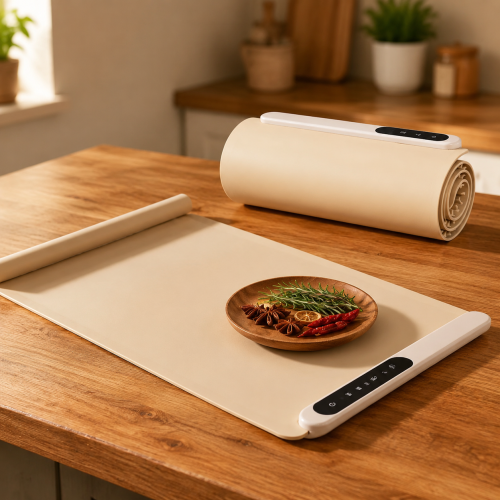
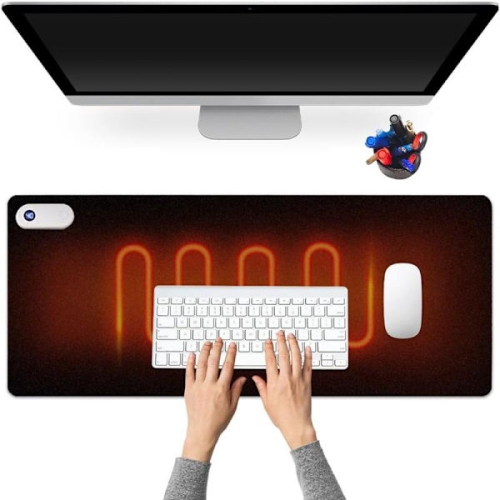
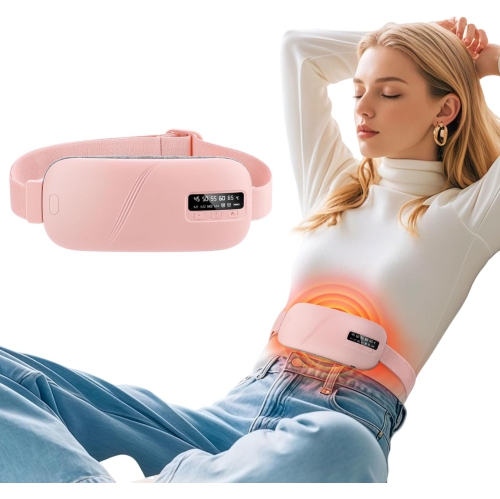
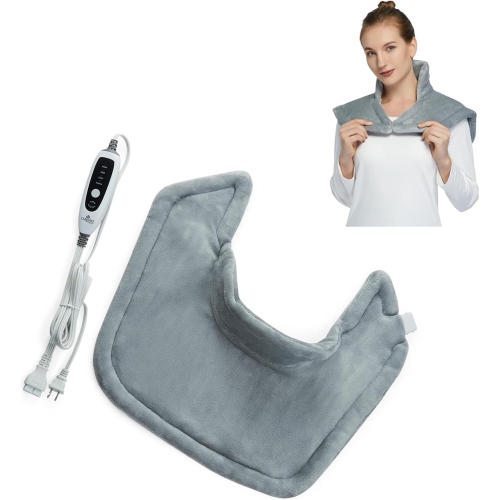
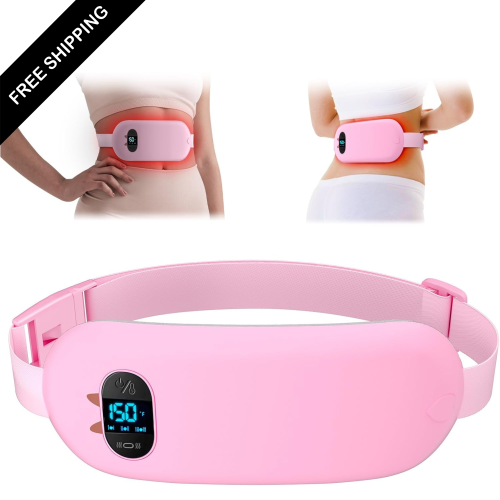
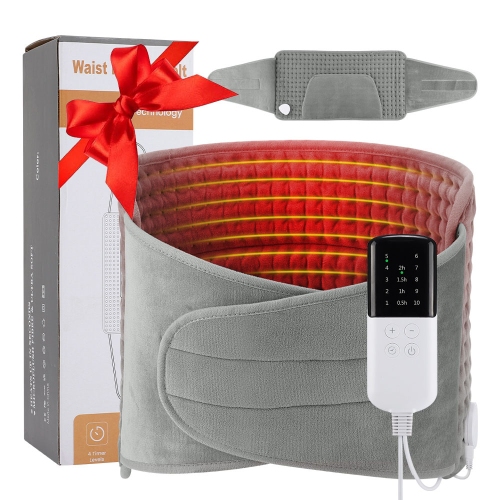
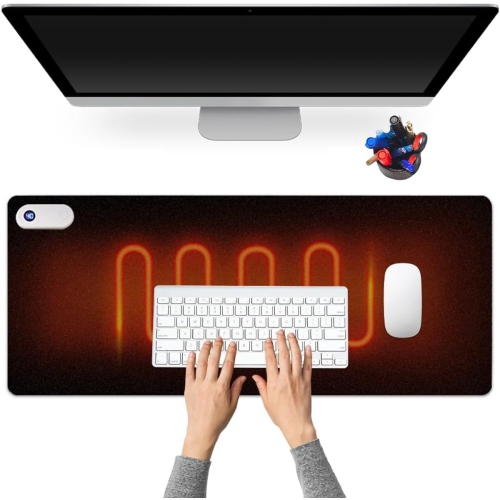
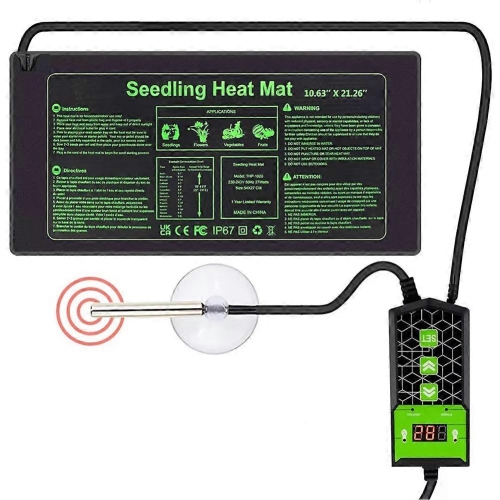
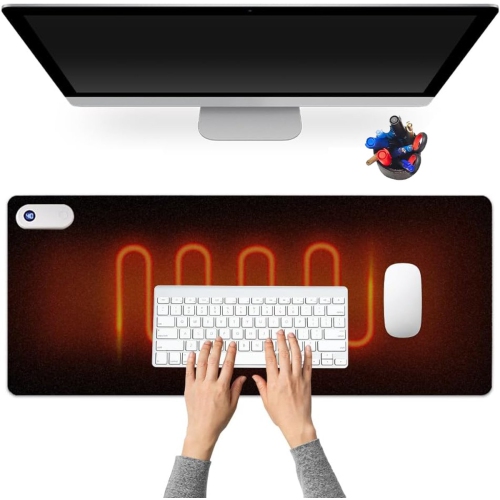
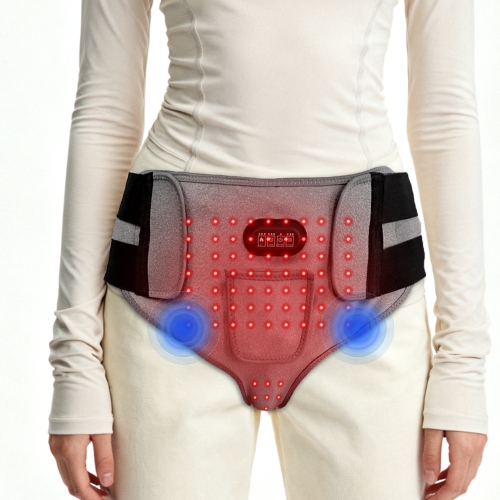

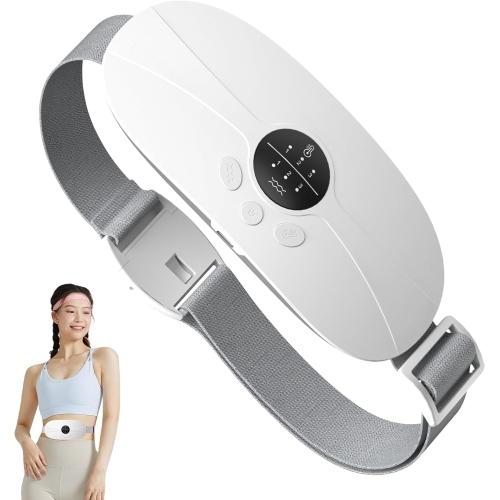
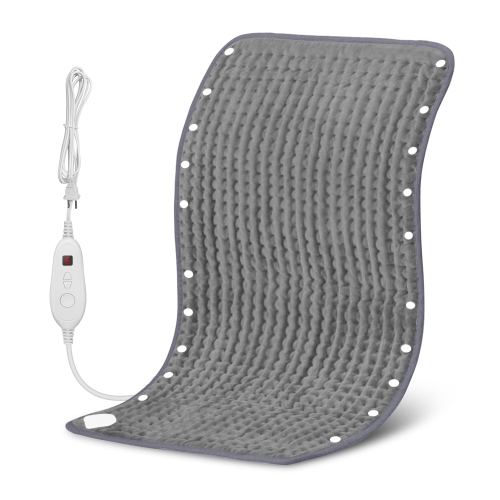
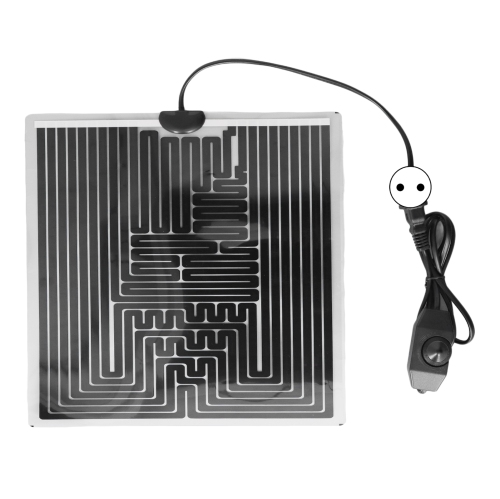
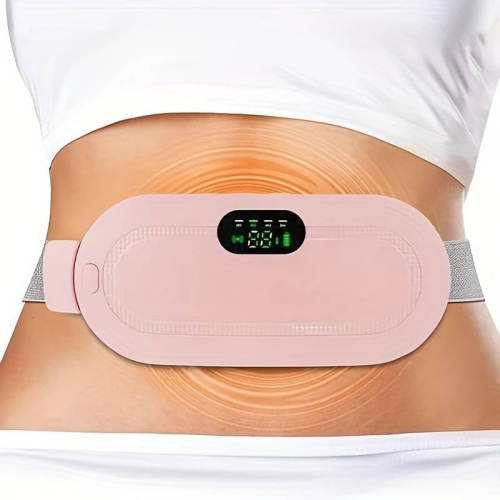
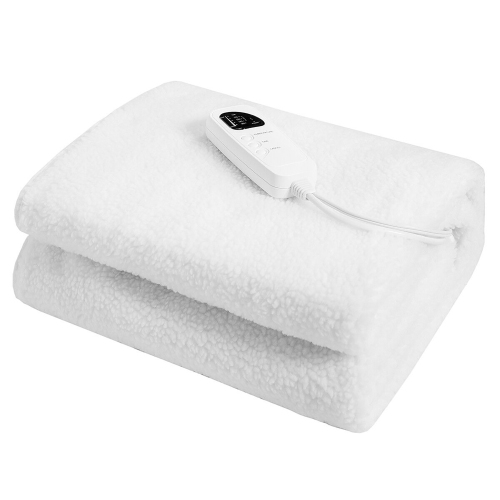
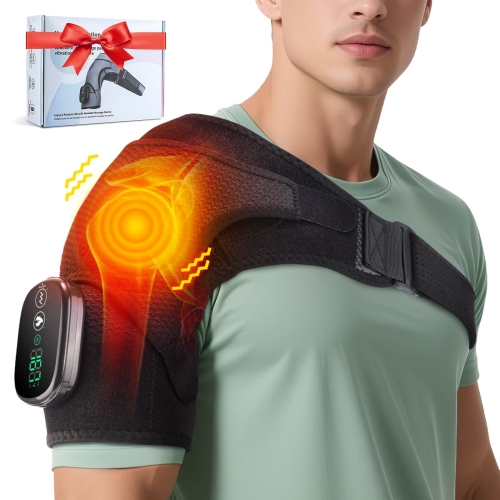
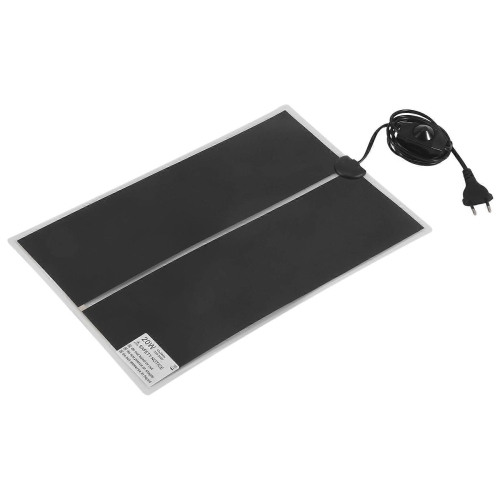
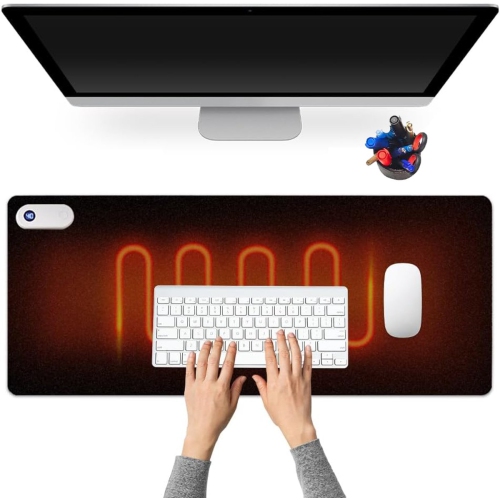
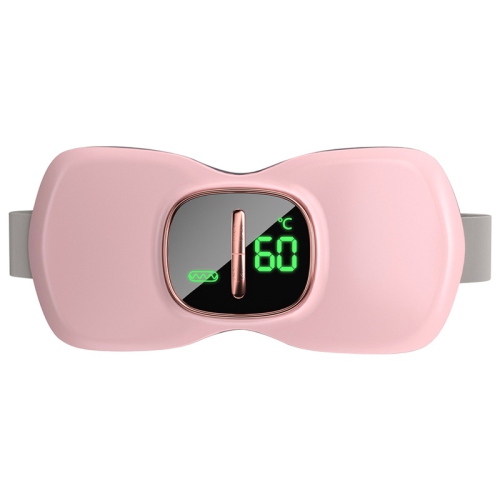
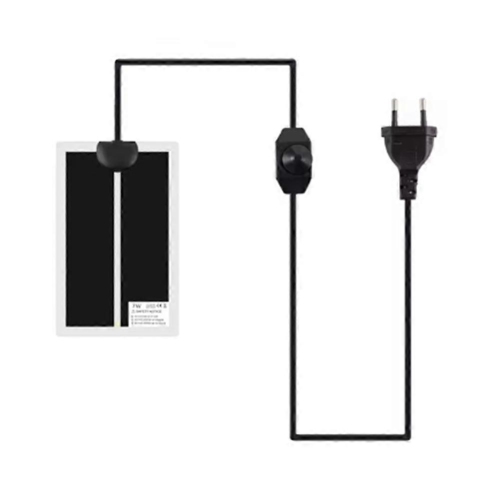
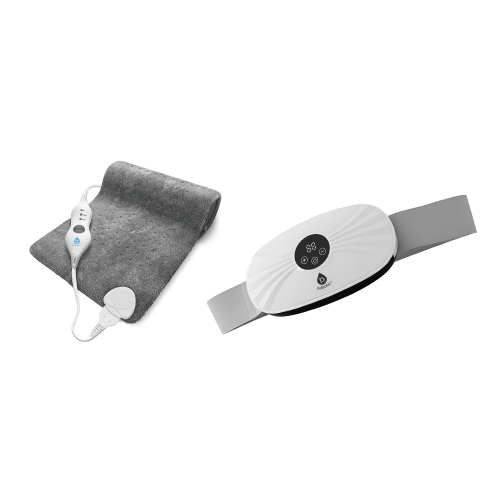
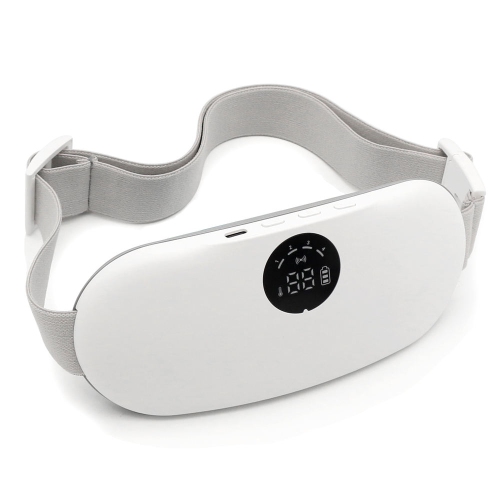
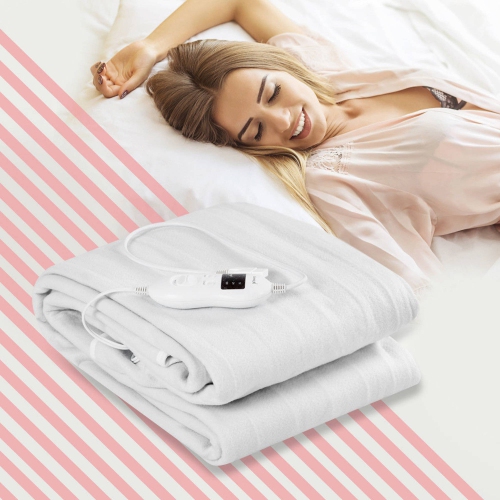
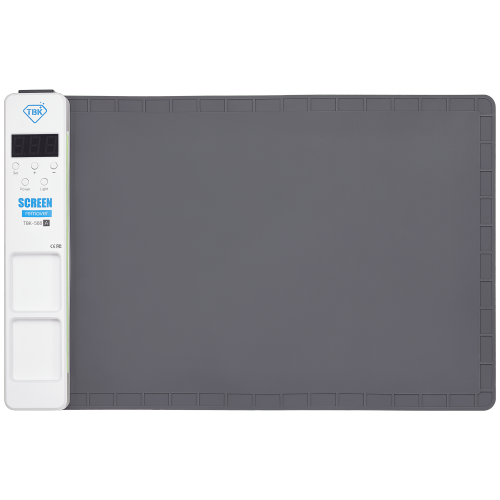
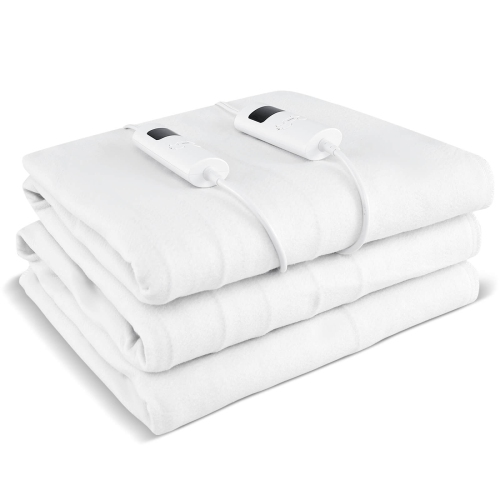
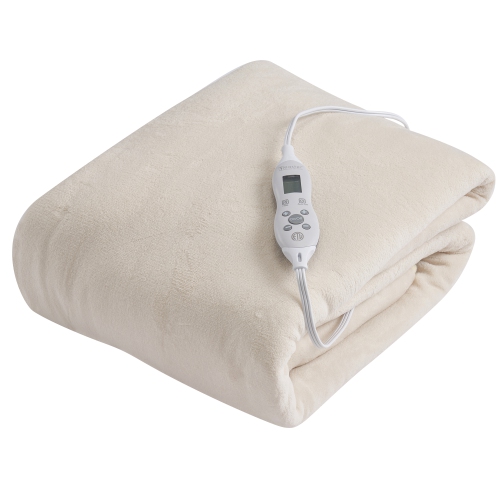
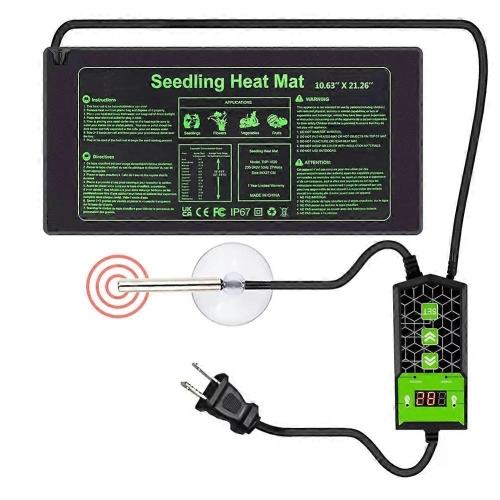
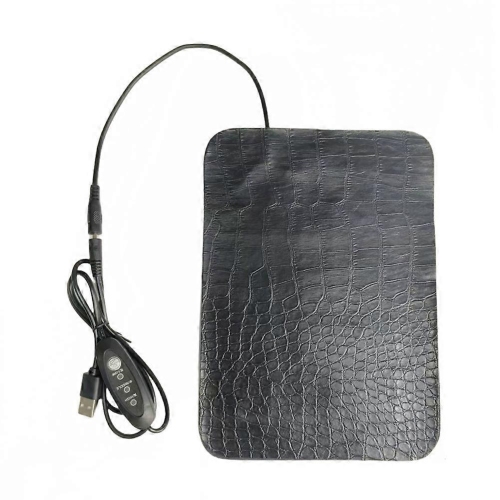
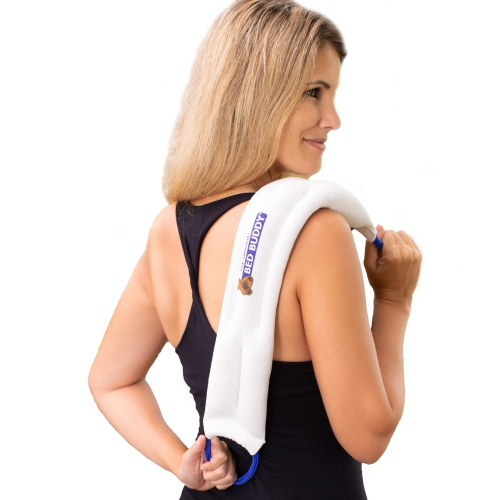
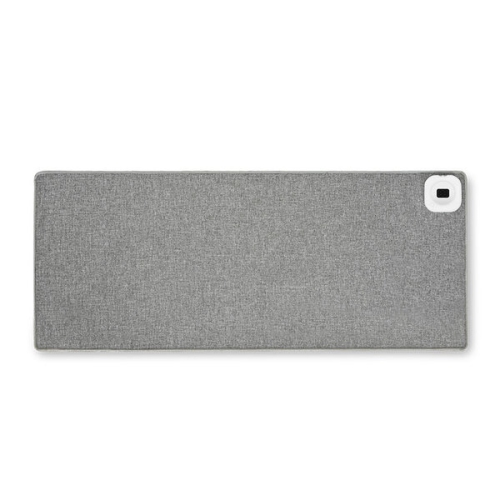
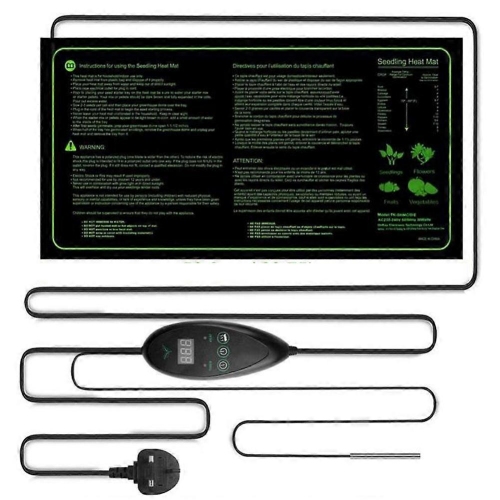
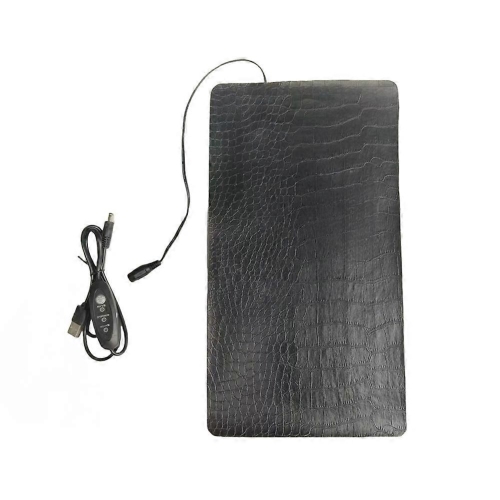
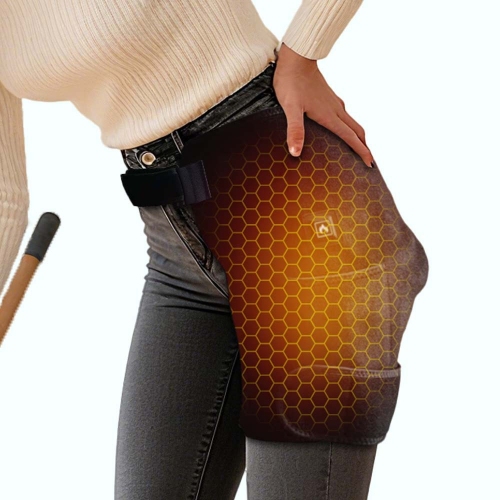
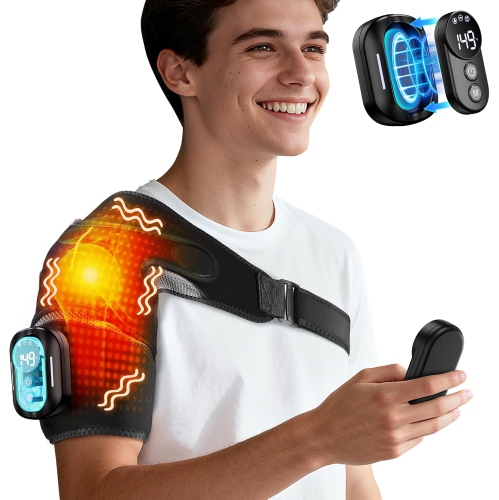
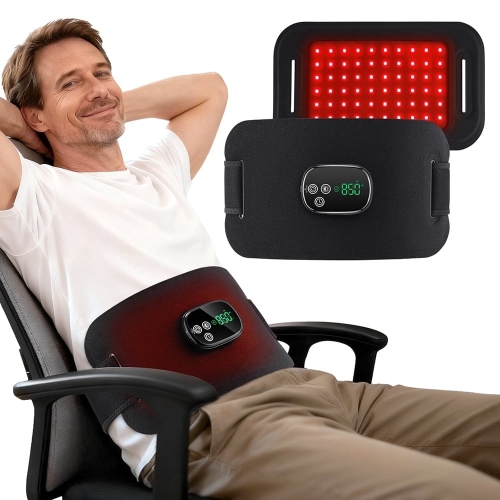
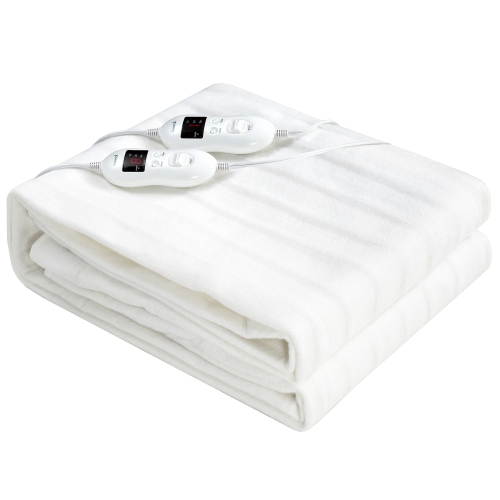
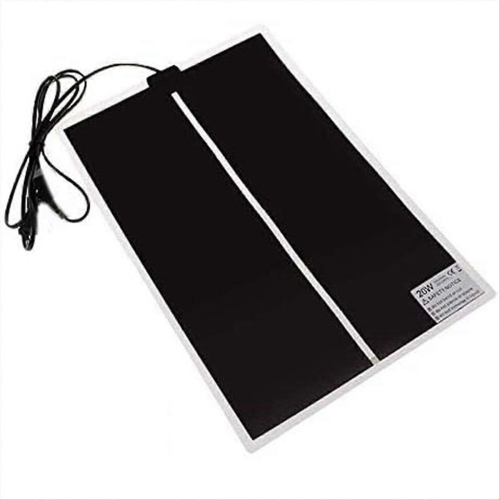
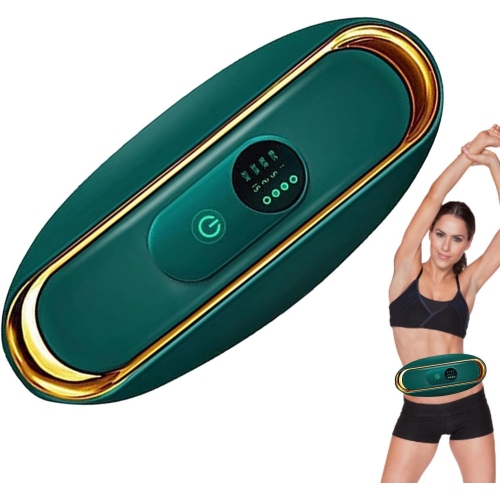
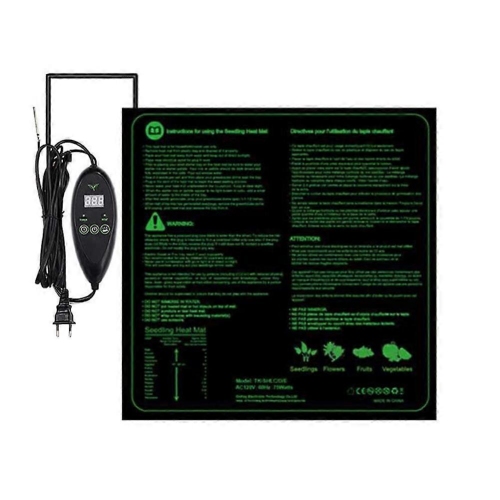
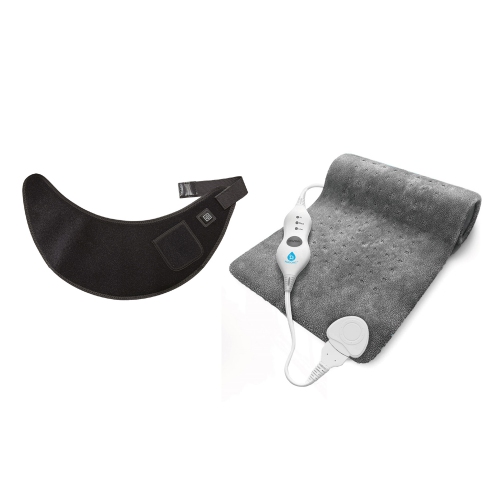
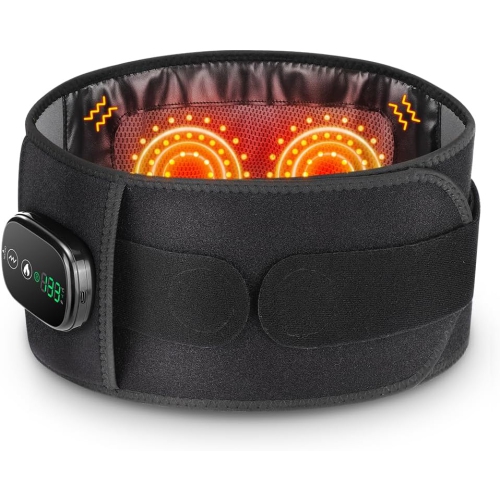
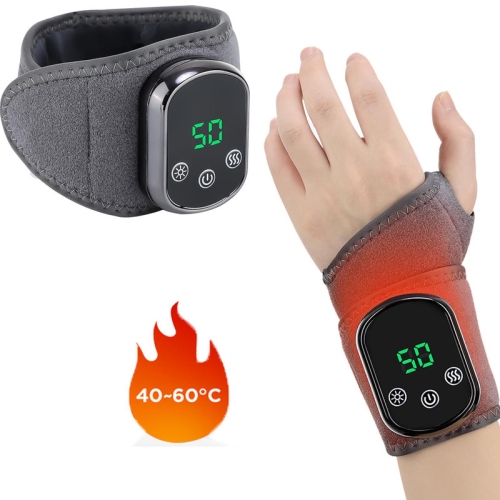
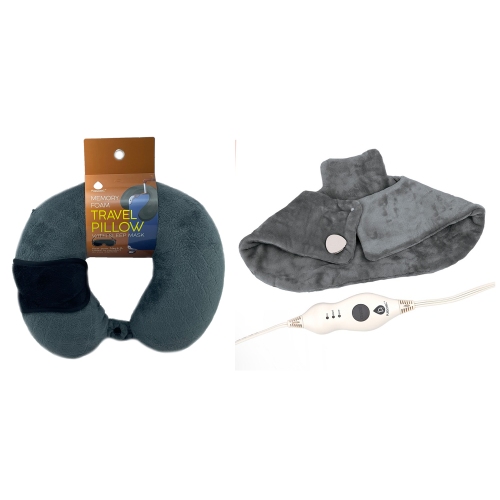
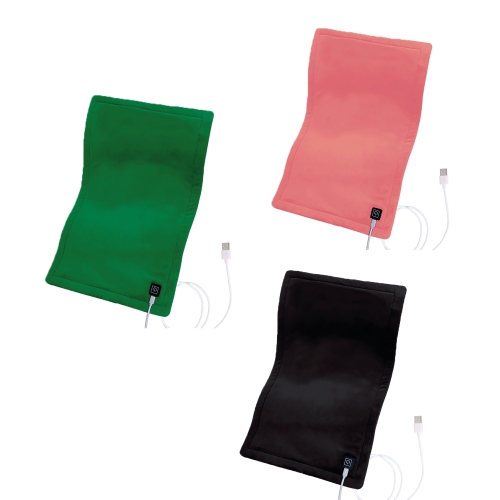
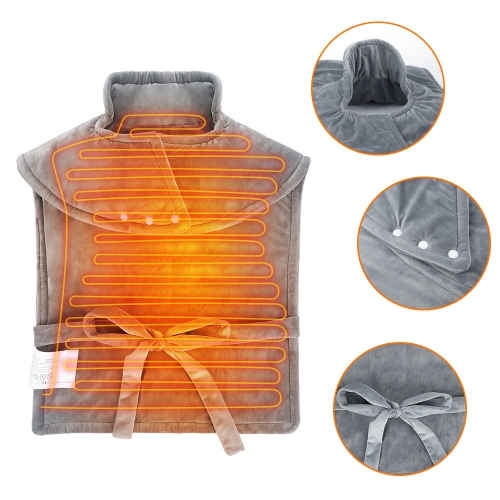
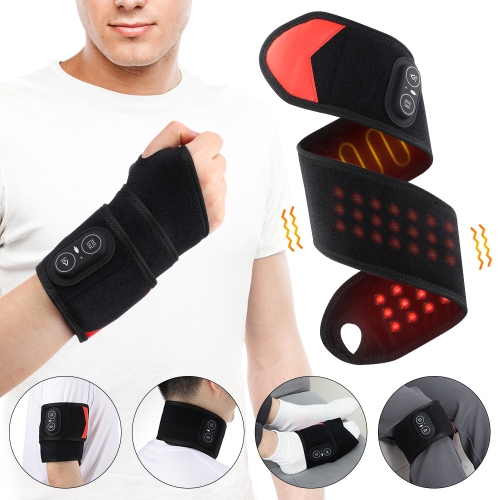
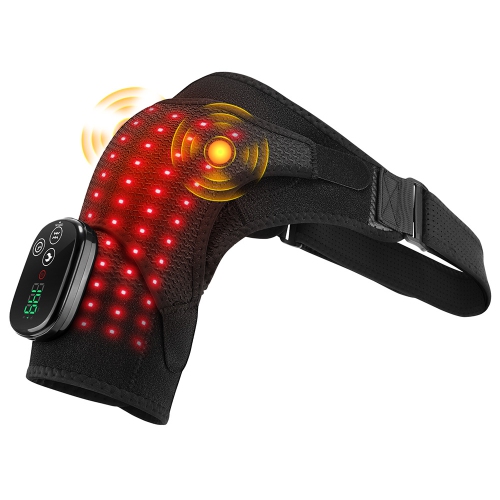
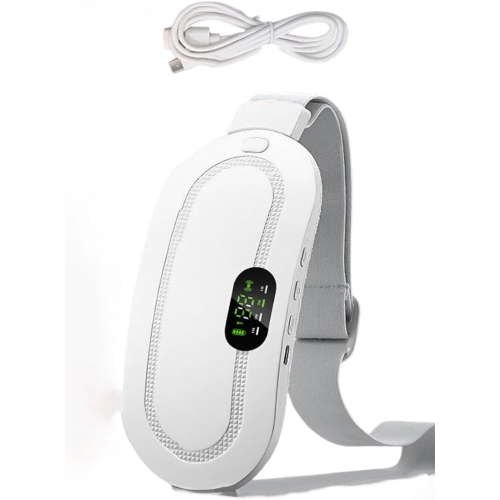
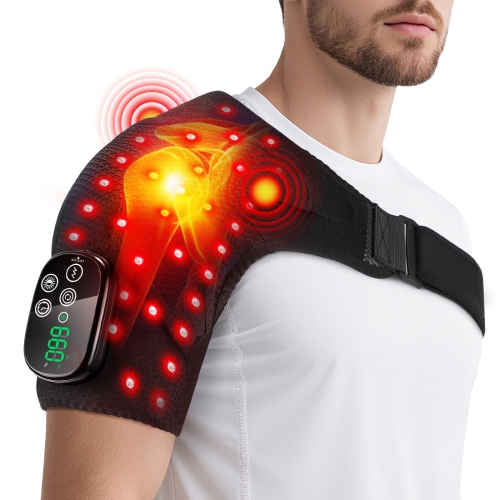
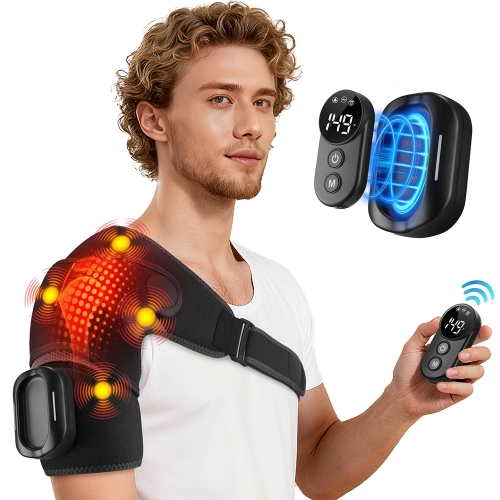
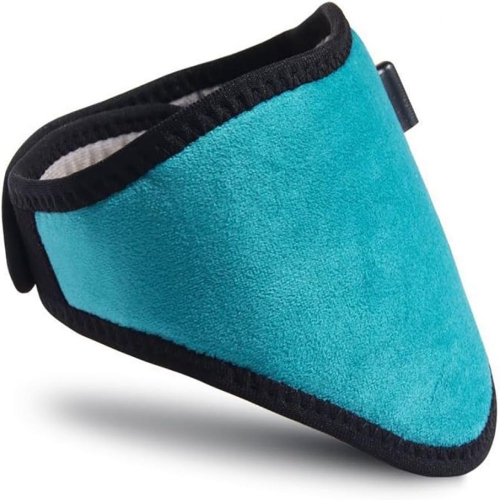
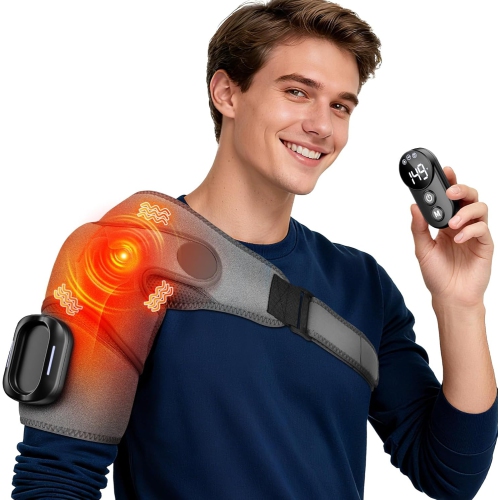
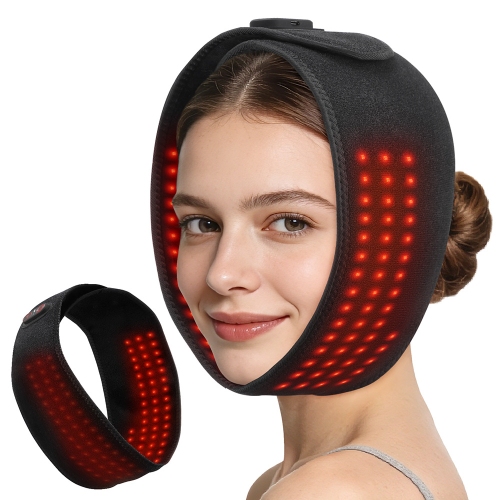
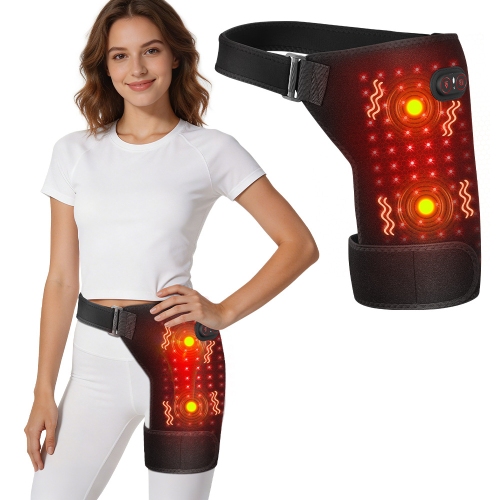
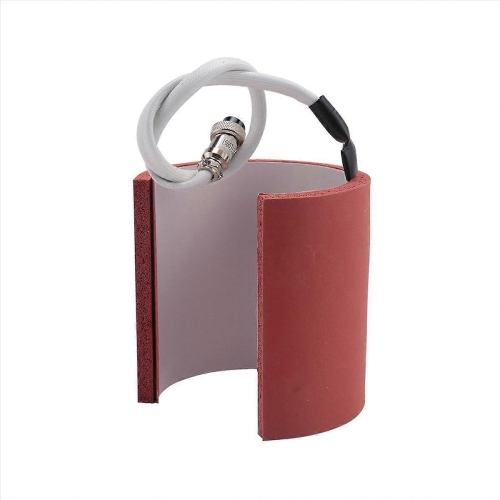
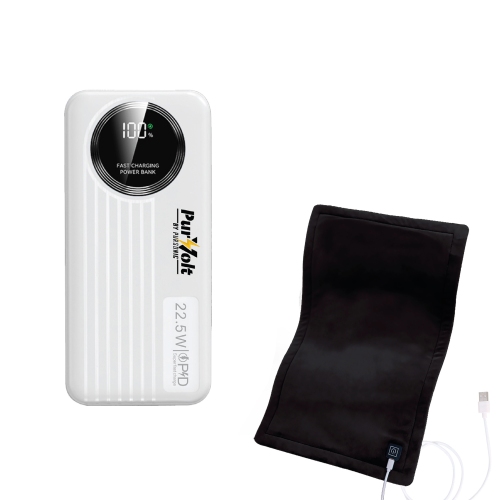
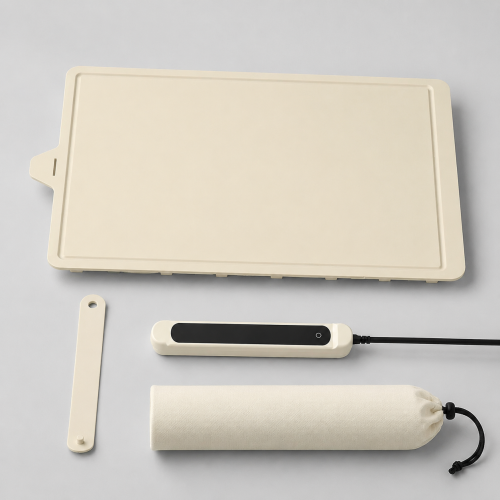
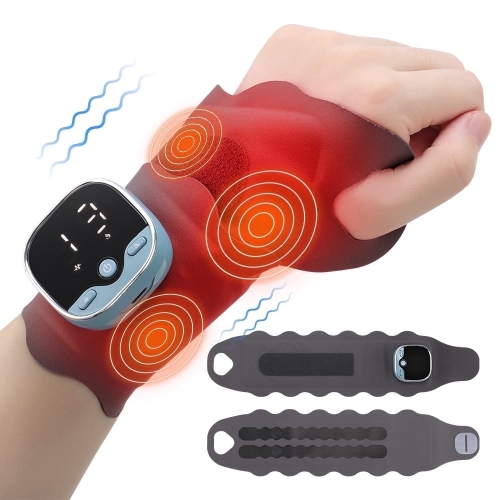
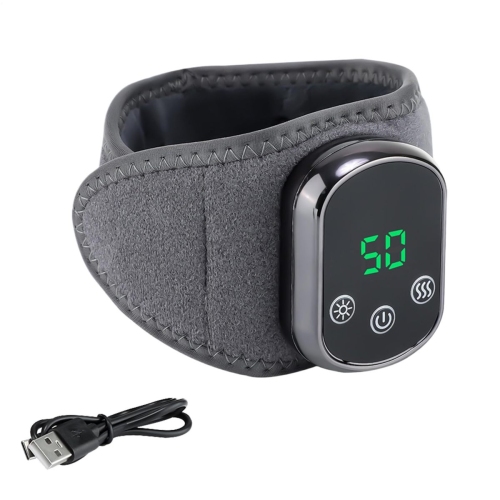

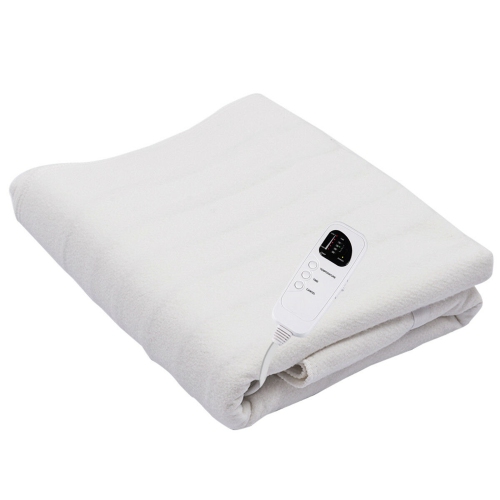
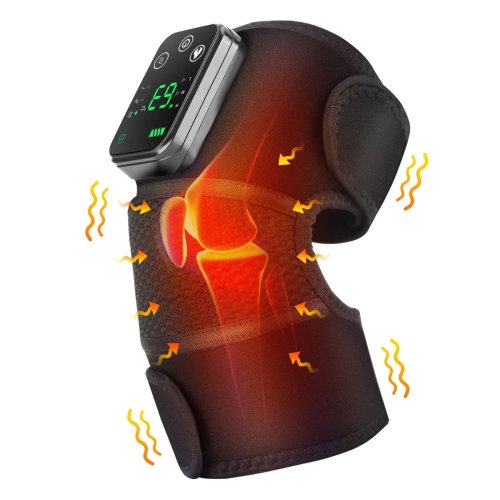
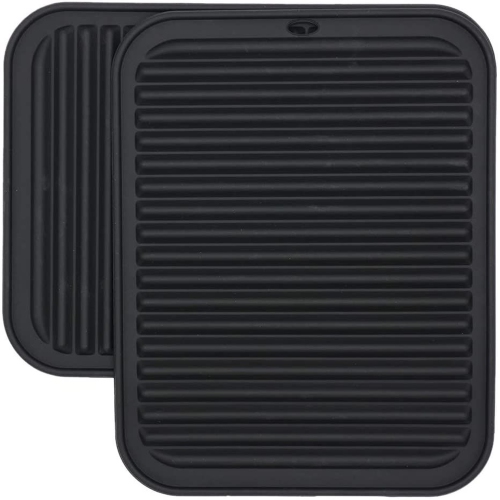
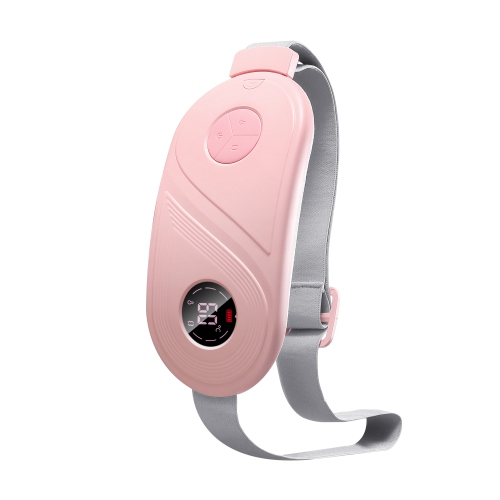
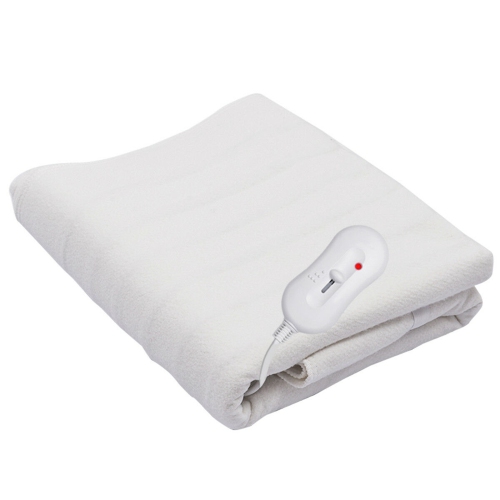
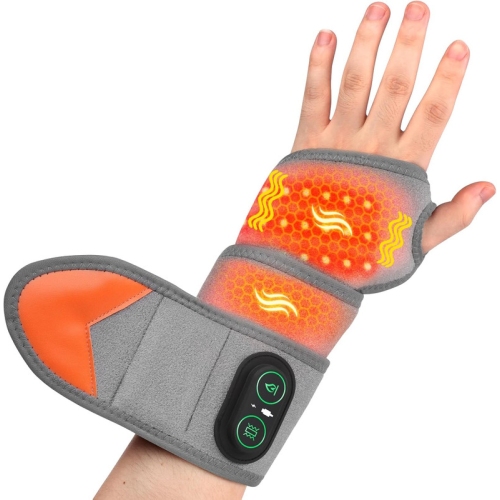
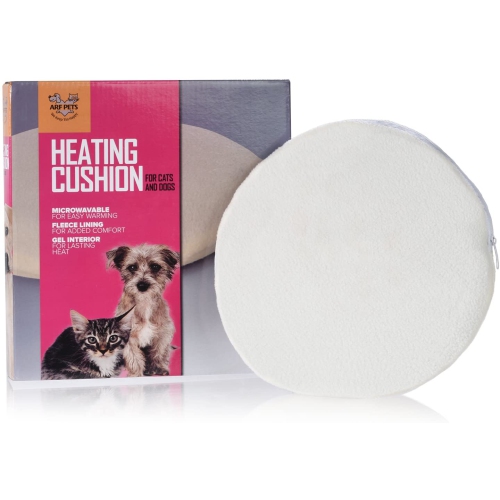
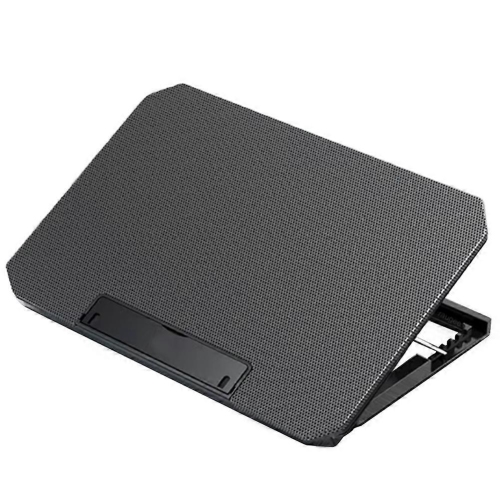
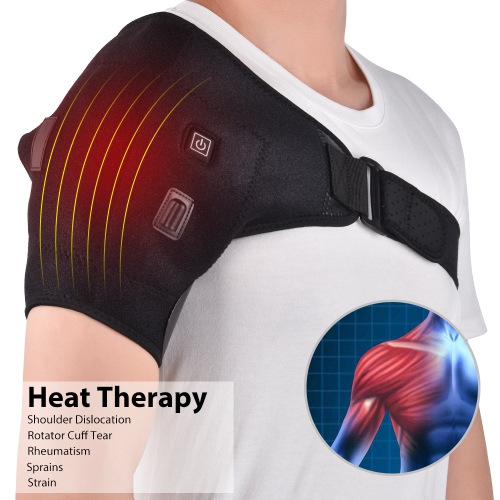
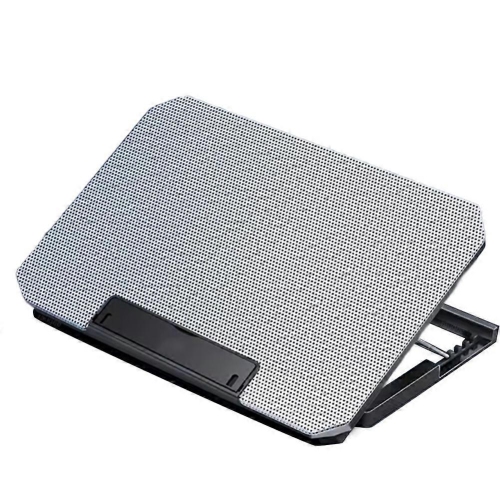
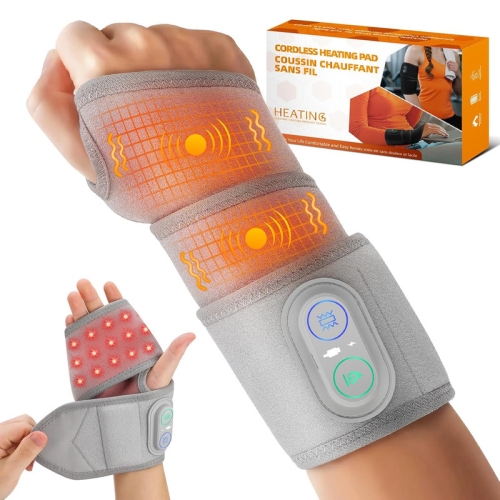
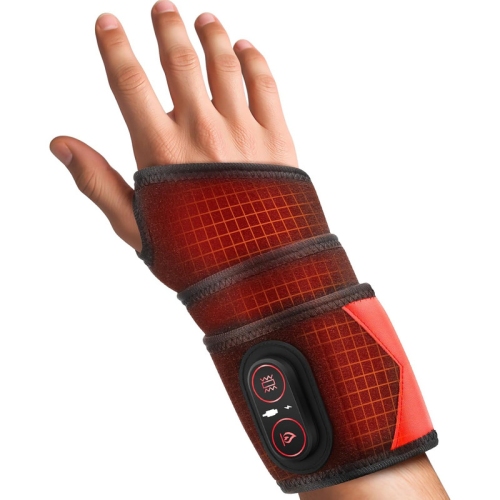
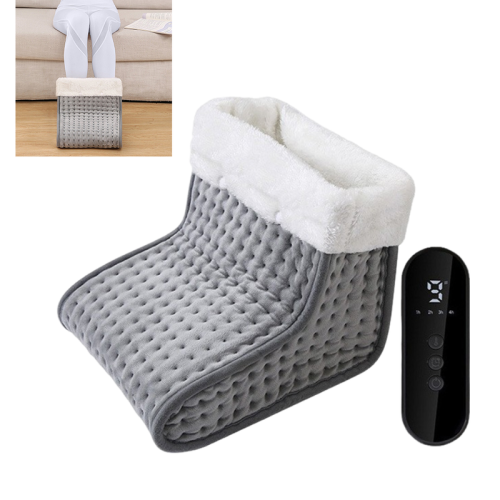
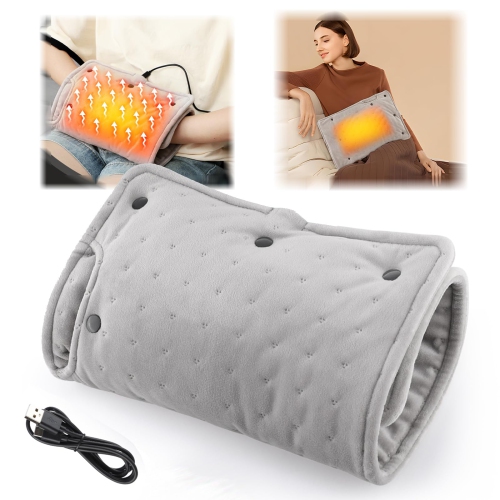
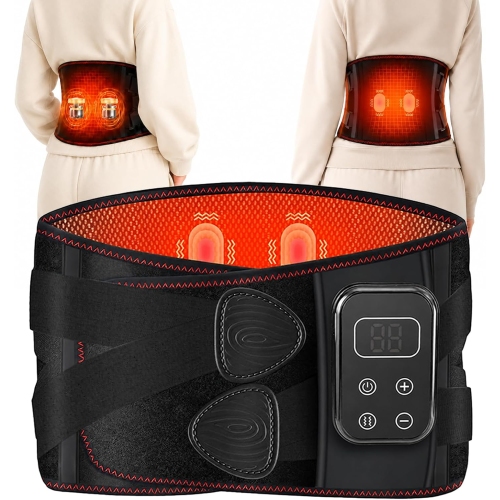
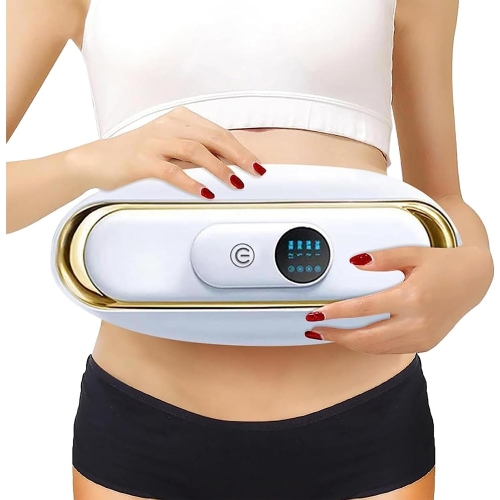
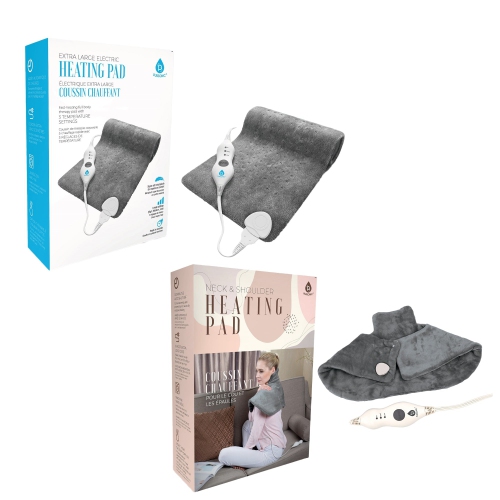
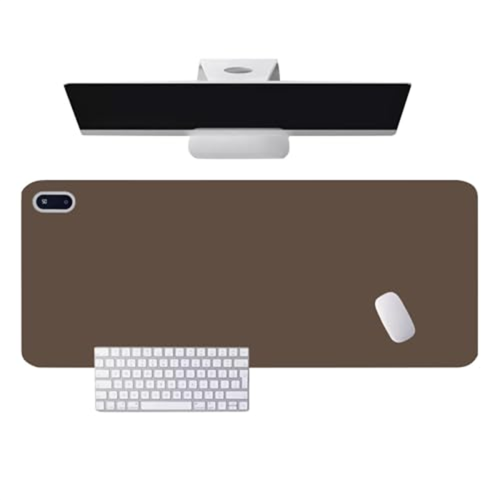
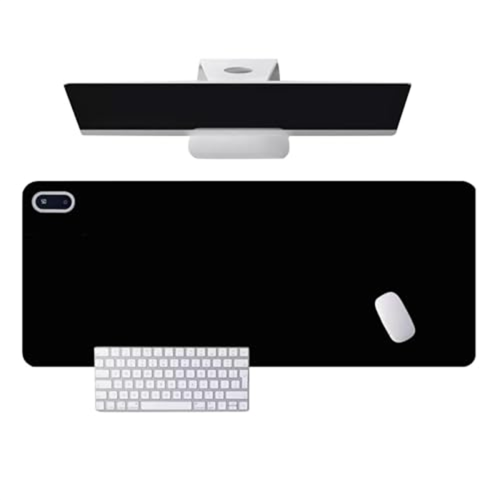
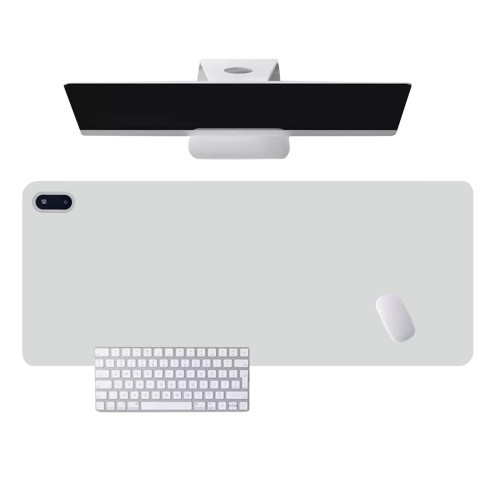
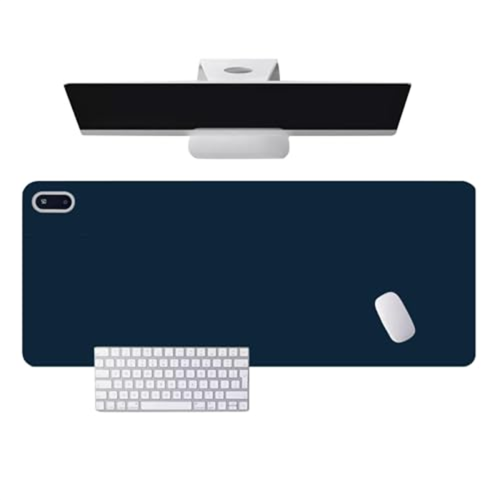
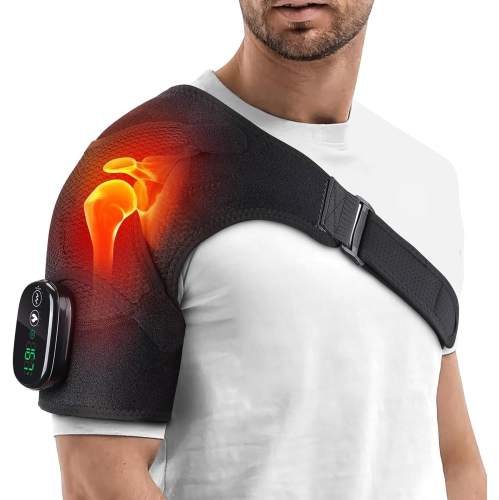
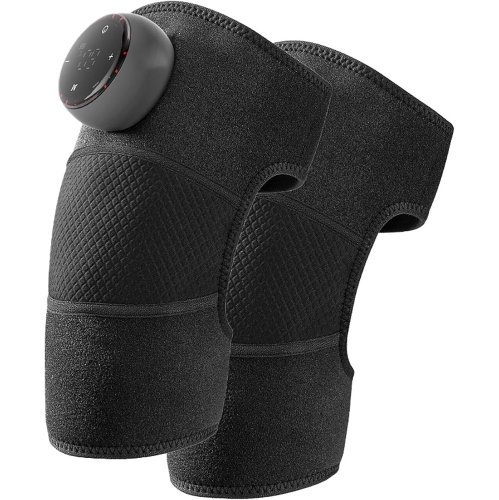
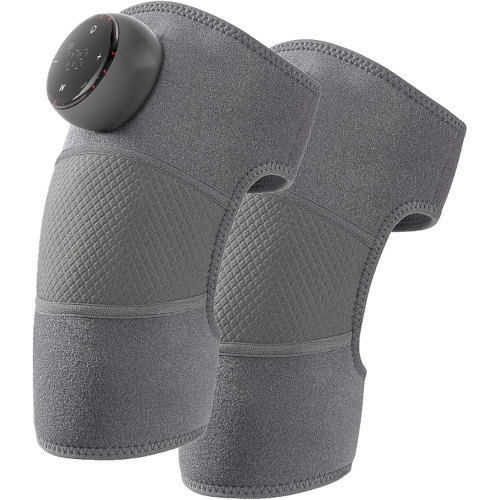

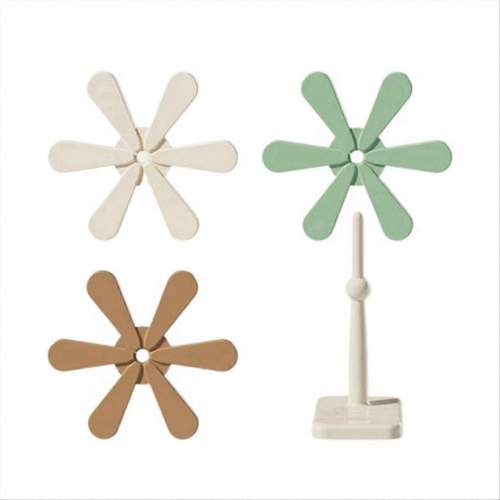
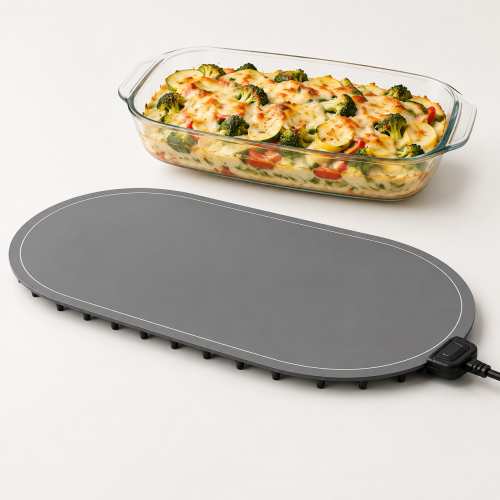
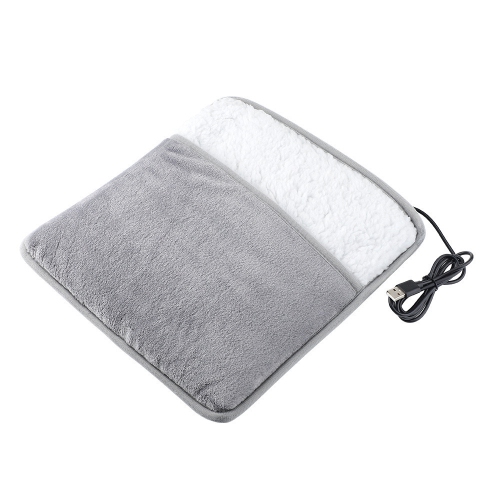
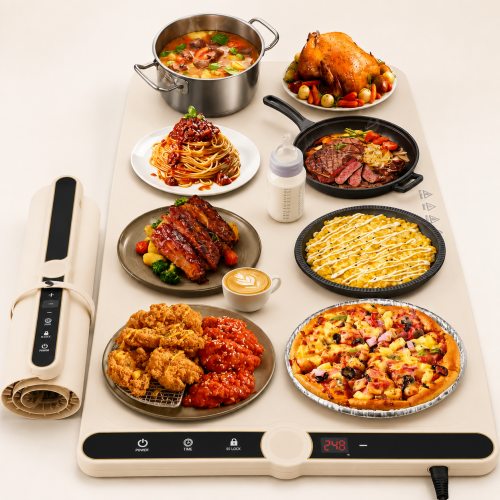
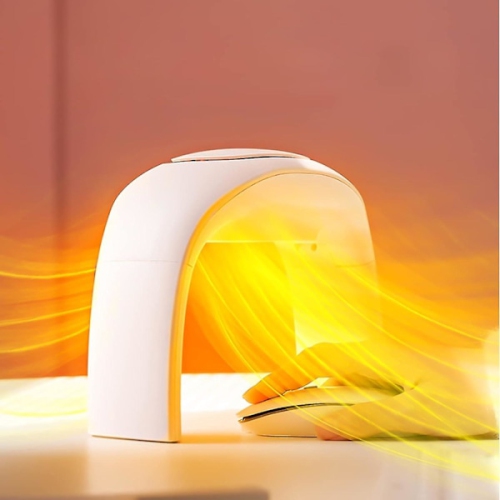
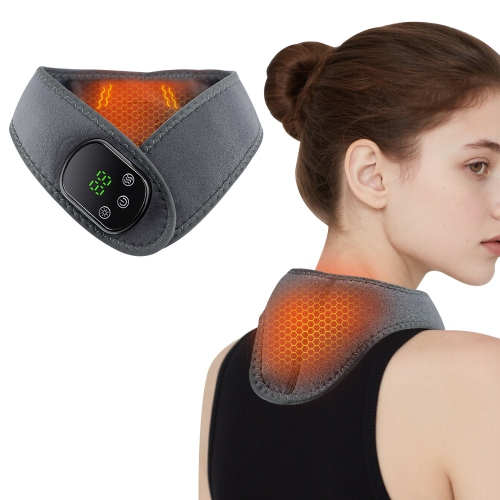
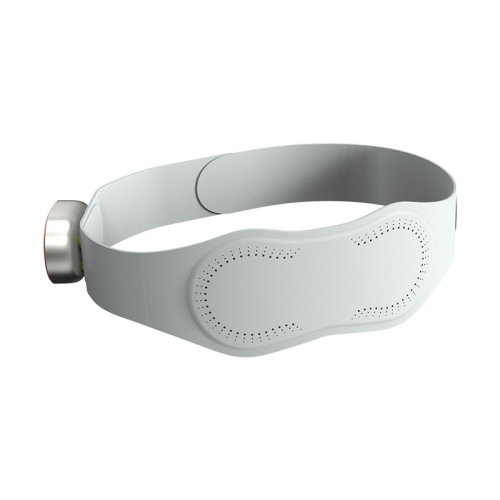
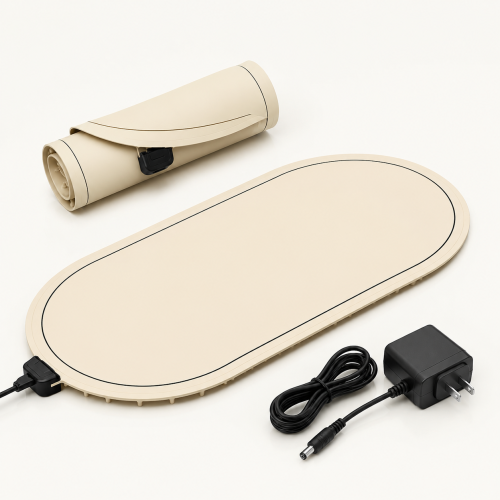
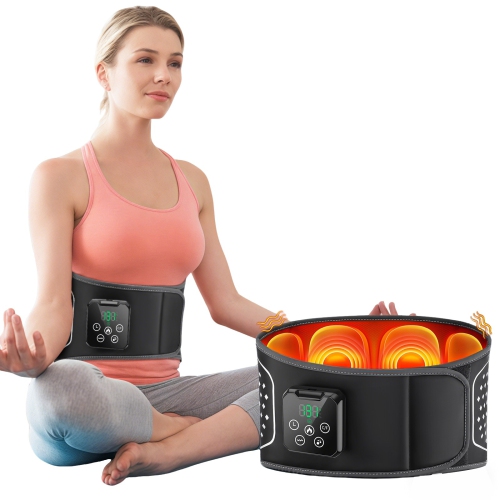
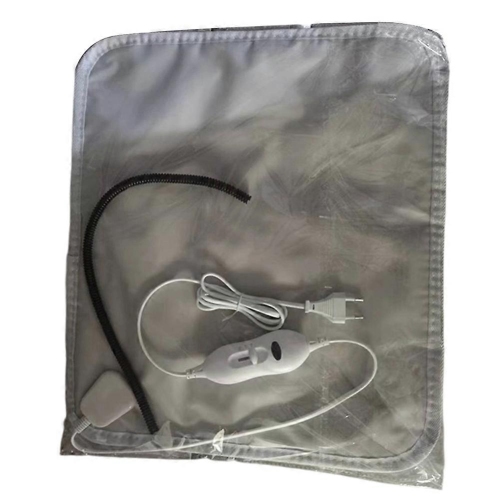
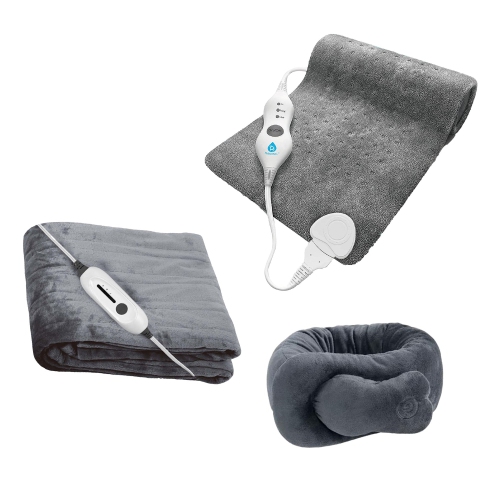
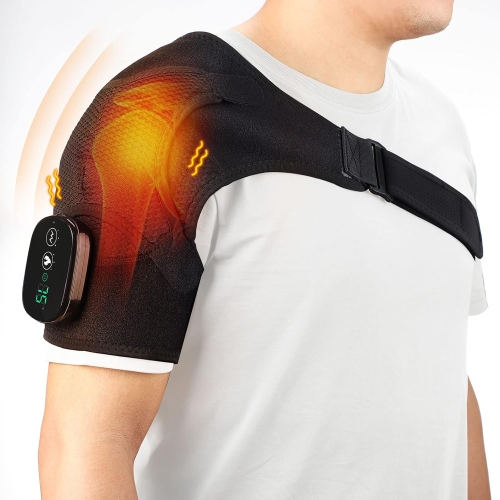
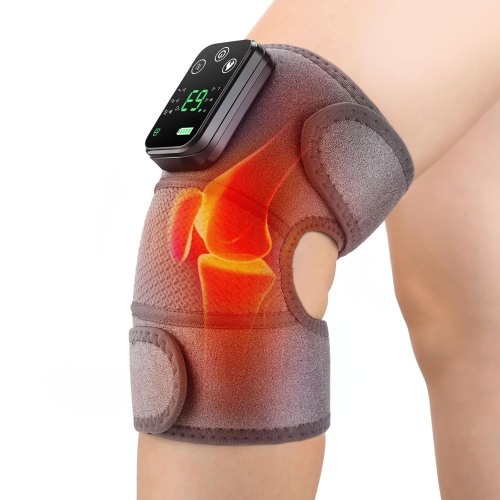
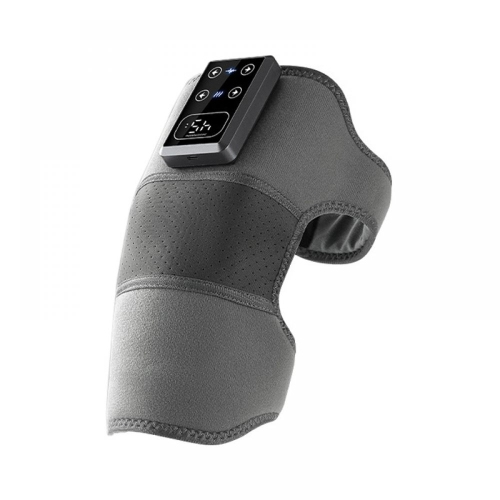
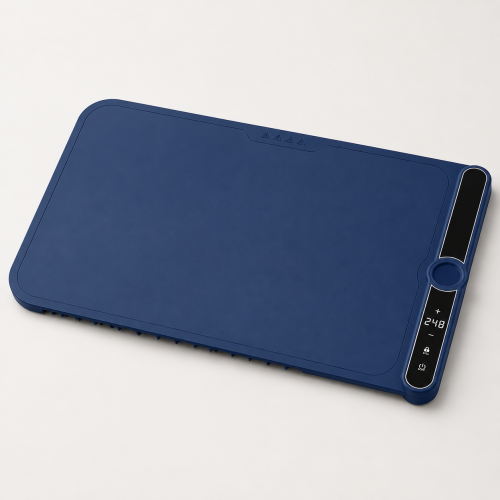
Soothing warmth for everyday comfort and muscle recovery
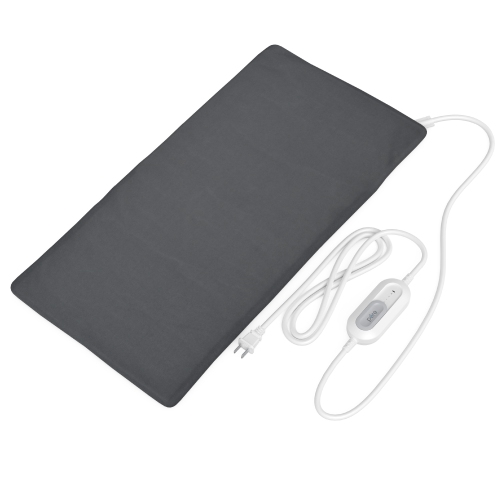
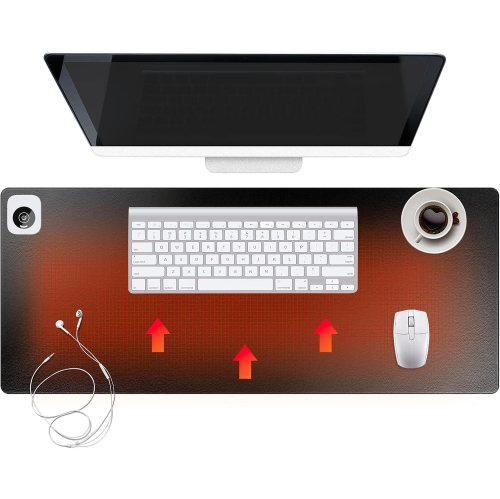
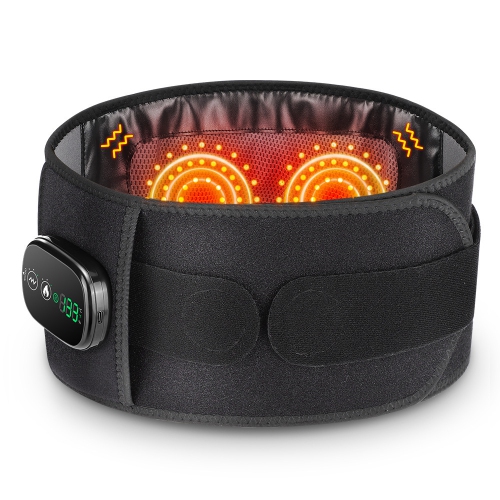
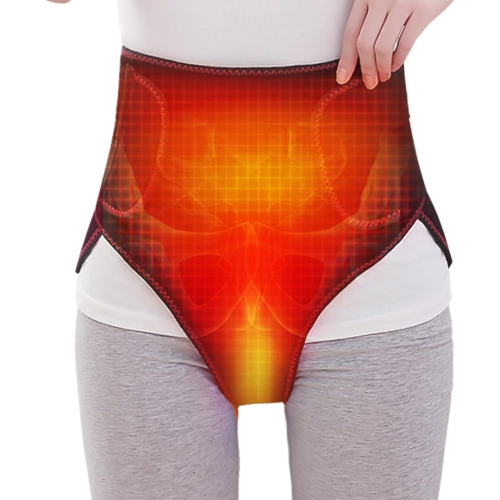
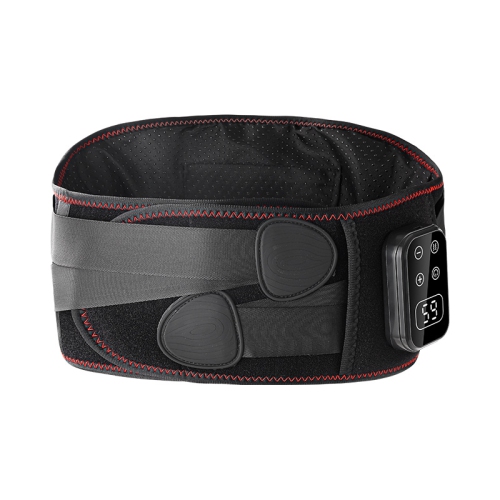
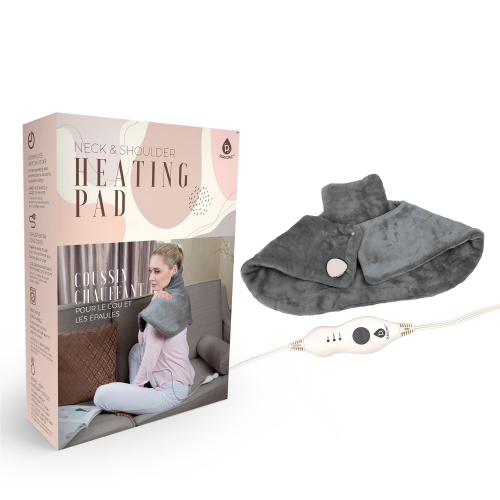
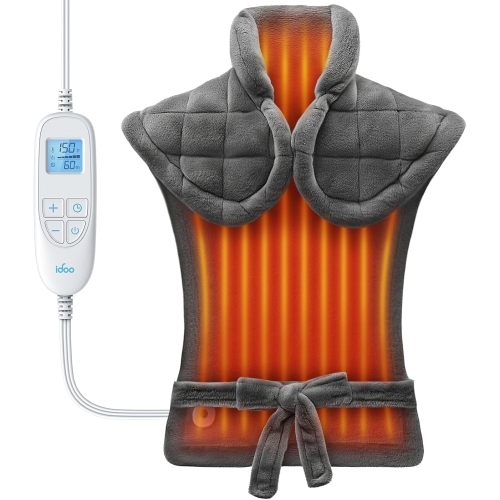
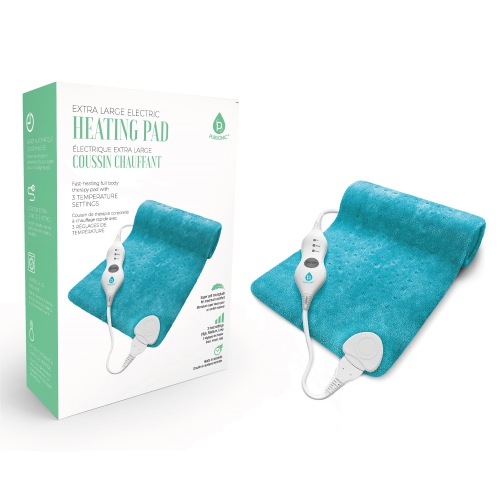
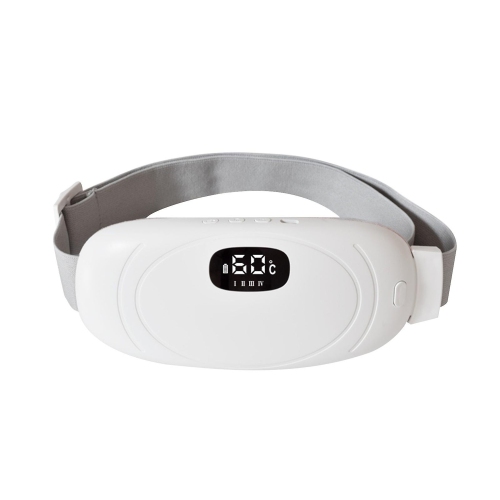
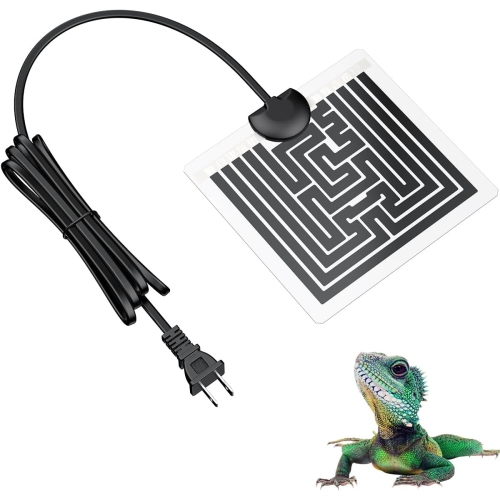
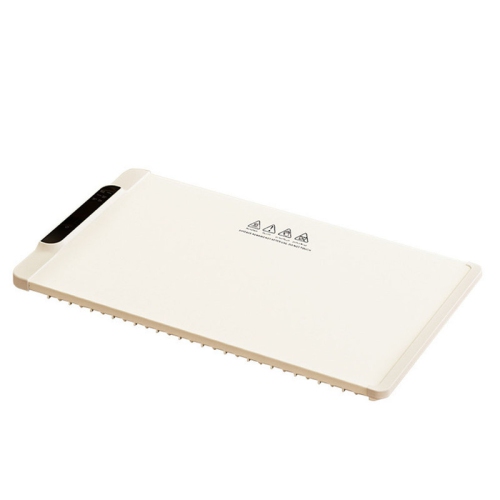
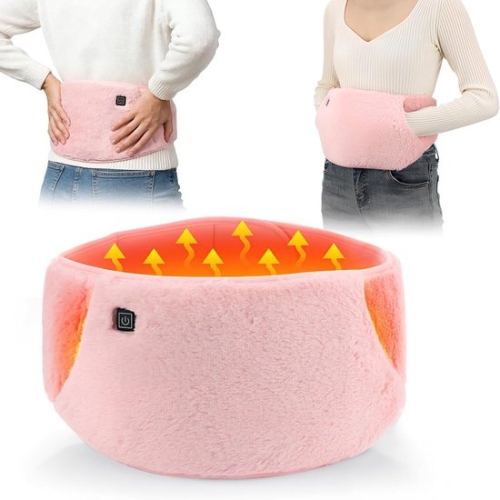
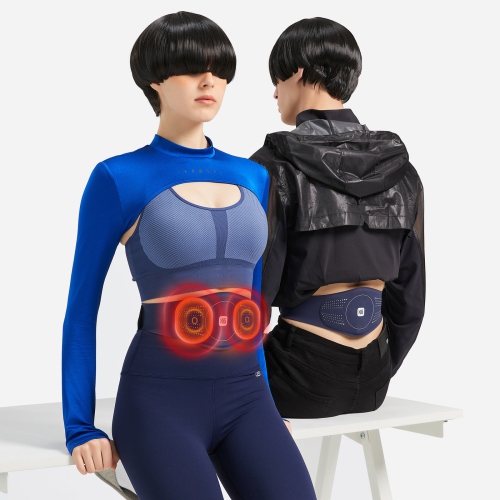
Heat pads offer a simple way to add soothing warmth to everyday comfort routines, whether you are easing tight muscles after activity, settling into a relaxing evening, or staying cosy during cooler months. Gentle heat can widen blood vessels near the skin and encourage circulation, which may help relieve the sensation of muscle stiffness, minor aches, and tension. Many people reach for a heat pad after a long day at a desk, a chilly commute, gardening, household projects, or exercise that leaves the back, shoulders, legs, or joints feeling tired. They can also be useful for period-related discomfort; shoppers looking for options designed with this purpose in mind can browse Heating Pads For Cramps. When choosing a heat pad, start with the area you want to warm and the way you expect to use it. A broad rectangular pad can cover much of the back or abdomen, while a contoured wrap may sit more naturally around the neck and shoulders. Smaller pads are convenient for focused warmth on a knee, elbow, or lower back, and some wraps are shaped to rest securely over the body without needing to be held in place. Heat pads can be helpful at home, in a home office, or beside the sofa, making them a thoughtful gift for someone who spends long hours sitting, enjoys post-workout recovery, or appreciates small comforts during colder weather. They may also suit students, drivers, travellers, and anyone building a relaxing bedtime routine, although heat pads should be used according to the manufacturer’s instructions and are not intended to replace medical care.
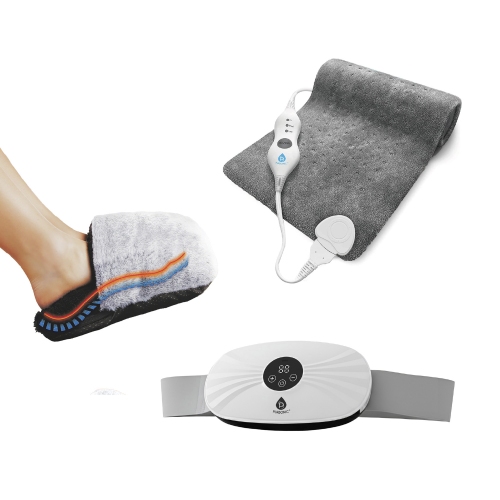
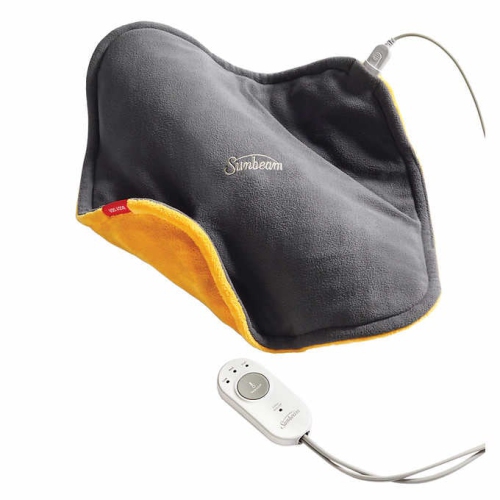
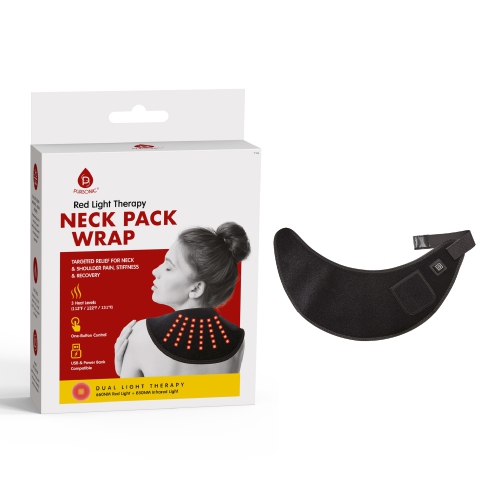
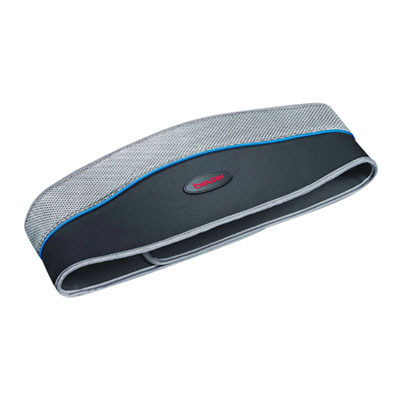
Electric heat pads are a popular choice when dependable, adjustable warmth is important. Many models include multiple temperature settings so you can begin with low heat and increase it gradually as needed. Some also feature an automatic shut-off timer, which can turn the pad off after a set period and add reassurance during quiet rest. Look for a controller with clear, easy-to-use buttons, especially if the pad will be used by someone with limited dexterity. A long power cord can make it easier to use from a bed or favourite chair, while a soft, flexible surface can help the pad conform to the body. Certain electric designs provide dry heat, while others offer a moist-heat option that adds humidity through a designated insert or cover; follow the care and operating instructions carefully, since not every pad can be dampened or placed in a microwave. Weighted heat wraps use materials such as glass beads or other fillers to provide a gentle, grounded feel and help the wrap remain in place across the shoulders, neck, or lower back. Microwavable packs filled with rice, grains, clay beads, or similar materials provide cord-free warmth and are easy to carry from room to room. Their heating time depends on the filling, microwave wattage, and instructions, so use the recommended intervals rather than guessing. Disposable adhesive heat patches are thin and portable, allowing warmth under clothing while commuting or completing daily activities; they are designed for one-time use and must be applied exactly as directed. Comparing these formats helps match the product to your routine: electric pads are convenient for longer sessions near an outlet, weighted wraps are comfortable when you want hands-free placement, microwavable packs are useful without a cord, and adhesive patches are practical when discreet portability matters.
Size, shape, fabric, controls, and maintenance can make a noticeable difference in everyday use. A washable cover helps keep a frequently used pad fresh, particularly if it rests against bare skin, and removable covers are convenient for laundering. Check whether the cover is machine washable or requires hand washing, and always remove electrical components before cleaning. Soft fleece or plush fabrics may feel especially inviting against the skin, while a smoother outer surface can be easier to wipe clean. Consider storage as well: a flexible pad can fold or roll neatly in a drawer, but it should be stored as recommended so the internal wiring or filling is not damaged. For safe use, inspect an electric pad before each session for frayed cords, exposed wiring, scorch marks, or other damage, and discontinue use if anything appears faulty. Place the pad over clothing or use a suitable cover when instructed, keep the heat at a comfortable level, and avoid lying directly on top of an electric pad unless the manufacturer specifically says that it is designed for that position. Do not use a heat pad while sleeping, and keep it away from water unless it is clearly rated for that environment. Automatic shut-off features can be useful, but they are an additional safeguard rather than a reason to leave a pad unattended. Children and people who may have reduced sensitivity to heat should use these products only with appropriate supervision. Anyone with a medical condition, reduced circulation, nerve sensitivity, a recent injury, or persistent or severe pain should consult a healthcare professional before using heat therapy. With the right size, heat source, controls, and care routine, a heat pad can become a practical part of a personal comfort kit, a considerate gift for someone who values relaxation, or a handy source of warmth when muscles feel tense and the days turn cooler.
Electric heat pads are a popular choice when dependable, adjustable warmth is important. Many models include multiple temperature settings so you can begin with low heat and increase it gradually as needed. Some also feature an automatic shut-off timer, which can turn the pad off after a set period and add reassurance during quiet rest. Look for a controller with clear, easy-to-use buttons, especially if the pad will be used by someone with limited dexterity. A long power cord can make it easier to use from a bed or favourite chair, while a soft, flexible surface can help the pad conform to the body. Certain electric designs provide dry heat, while others offer a moist-heat option that adds humidity through a designated insert or cover; follow the care and operating instructions carefully, since not every pad can be dampened or placed in a microwave. Weighted heat wraps use materials such as glass beads or other fillers to provide a gentle, grounded feel and help the wrap remain in place across the shoulders, neck, or lower back. Microwavable packs filled with rice, grains, clay beads, or similar materials provide cord-free warmth and are easy to carry from room to room. Their heating time depends on the filling, microwave wattage, and instructions, so use the recommended intervals rather than guessing. Disposable adhesive heat patches are thin and portable, allowing warmth under clothing while commuting or completing daily activities; they are designed for one-time use and must be applied exactly as directed. Comparing these formats helps match the product to your routine: electric pads are convenient for longer sessions near an outlet, weighted wraps are comfortable when you want hands-free placement, microwavable packs are useful without a cord, and adhesive patches are practical when discreet portability matters.
Size, shape, fabric, controls, and maintenance can make a noticeable difference in everyday use. A washable cover helps keep a frequently used pad fresh, particularly if it rests against bare skin, and removable covers are convenient for laundering. Check whether the cover is machine washable or requires hand washing, and always remove electrical components before cleaning. Soft fleece or plush fabrics may feel especially inviting against the skin, while a smoother outer surface can be easier to wipe clean. Consider storage as well: a flexible pad can fold or roll neatly in a drawer, but it should be stored as recommended so the internal wiring or filling is not damaged. For safe use, inspect an electric pad before each session for frayed cords, exposed wiring, scorch marks, or other damage, and discontinue use if anything appears faulty. Place the pad over clothing or use a suitable cover when instructed, keep the heat at a comfortable level, and avoid lying directly on top of an electric pad unless the manufacturer specifically says that it is designed for that position. Do not use a heat pad while sleeping, and keep it away from water unless it is clearly rated for that environment. Automatic shut-off features can be useful, but they are an additional safeguard rather than a reason to leave a pad unattended. Children and people who may have reduced sensitivity to heat should use these products only with appropriate supervision. Anyone with a medical condition, reduced circulation, nerve sensitivity, a recent injury, or persistent or severe pain should consult a healthcare professional before using heat therapy. With the right size, heat source, controls, and care routine, a heat pad can become a practical part of a personal comfort kit, a considerate gift for someone who values relaxation, or a handy source of warmth when muscles feel tense and the days turn cooler.
Top selling and popular products
-
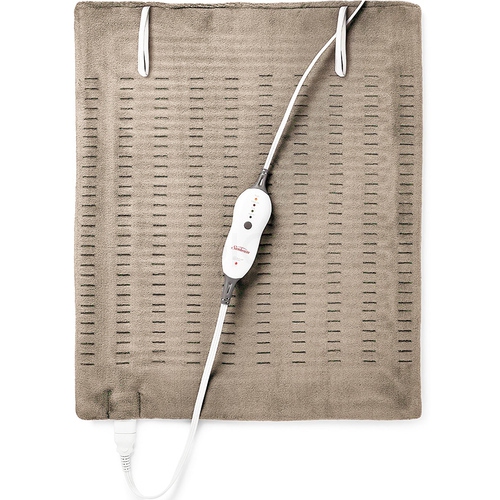 Your price for this item is $24.99
 -
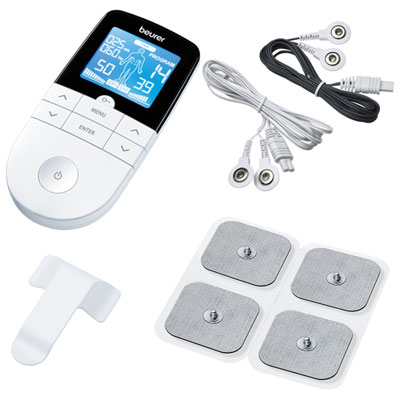 Your price for this item is $84.99
 -
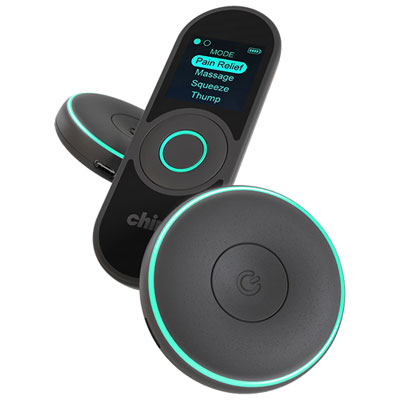 Your price for this item is $259.99
 -
 Your price for this item is $83.95
 -
 Your price for this item is $56.99
 -
 Your price for this item is $54.99
 -
 Your price for this item is $99.99
 -
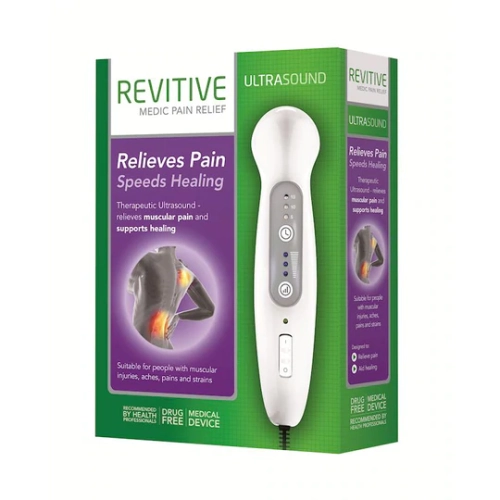 Your price for this item is $199
Discover more categories related to Heat Pads
Top Collections:
Pokemon Centers, Best Cameras for Sports Photography, Kindle Devices, Samsung Galaxy Phones, Canon G7X Cameras, Pokémon 30th Celebration Cards, Refurbished Apple Laptops, iPhone 15 Apple, Laptops for Students, Budget Smartphones
Some products may be subject to Environmental Handling Fees
(EHF) depending on your province.
Learn more about EHFs.