Heavy Duty Meat Grinders
Discover a wide selection of heavy duty meat grinders designed to handle even the toughest kitchen tasks with ease. Whether preparing large batches for family gatherings or processing ingredients for your favorite recipes, these powerful machines offer reliable performance for both home cooks and culinary enthusiasts. Explore options that bring efficiency and convenience to your food preparation, making it simple to achieve perfectly ground meats every time. Find the ideal heavy duty meat grinder to elevate your cooking experience and meet all your grinding needs.
Sort
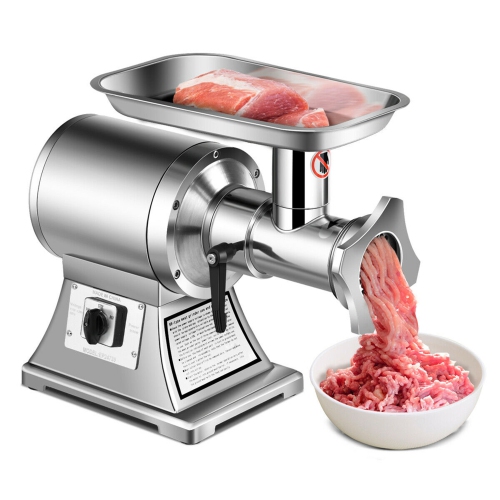
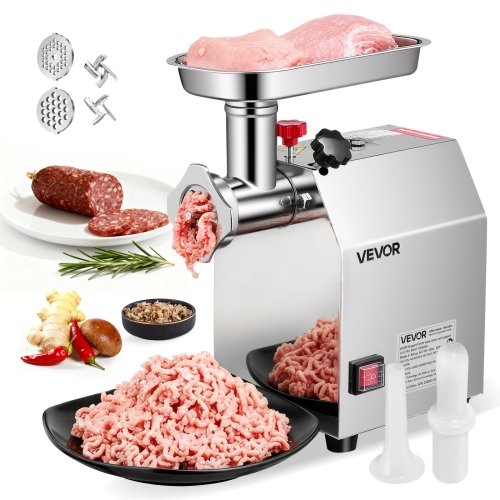
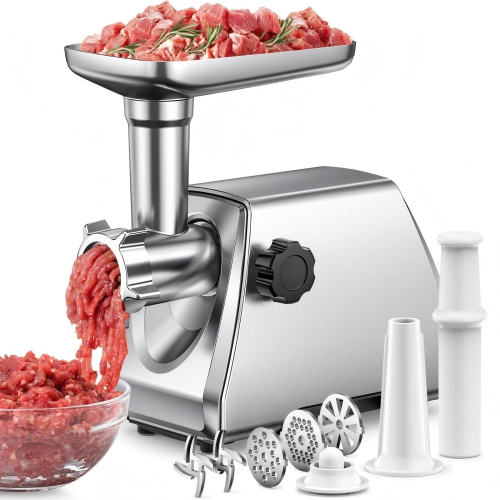

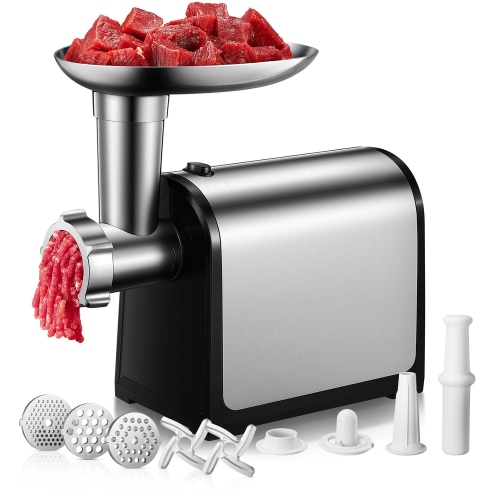
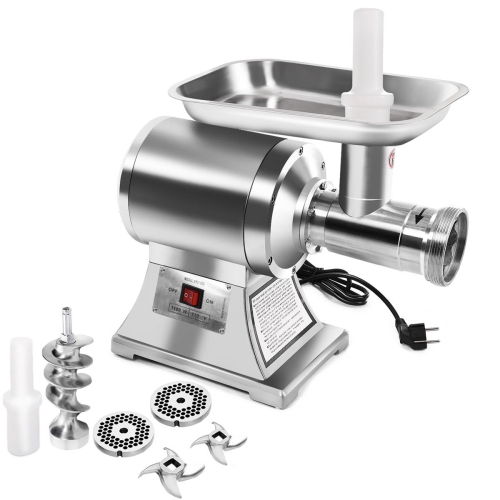
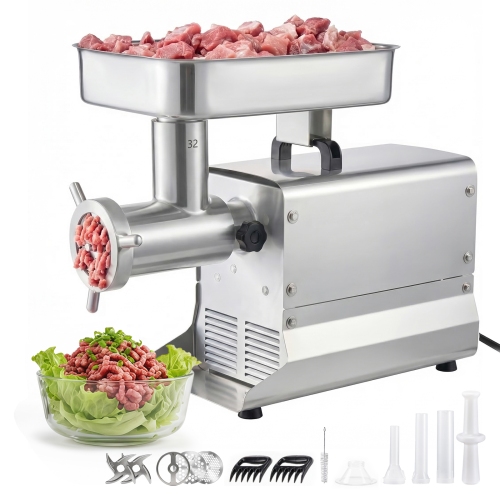
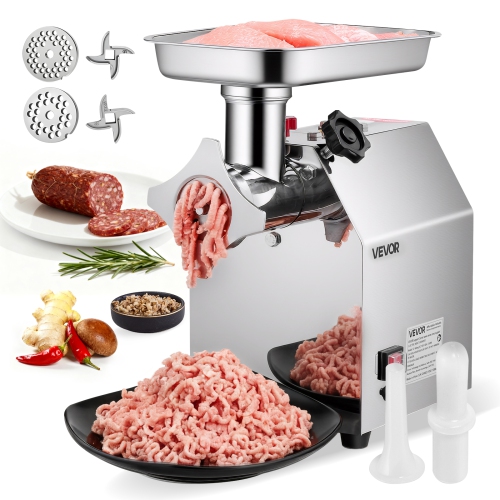
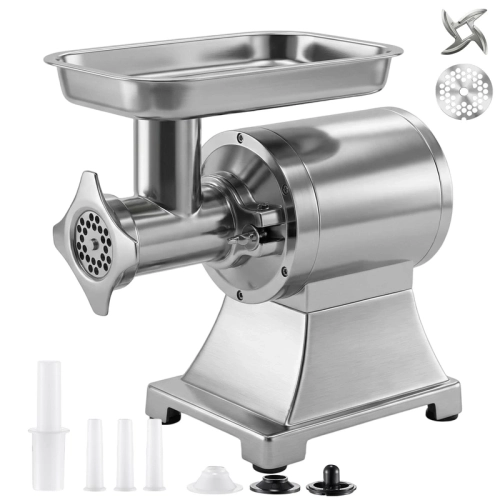

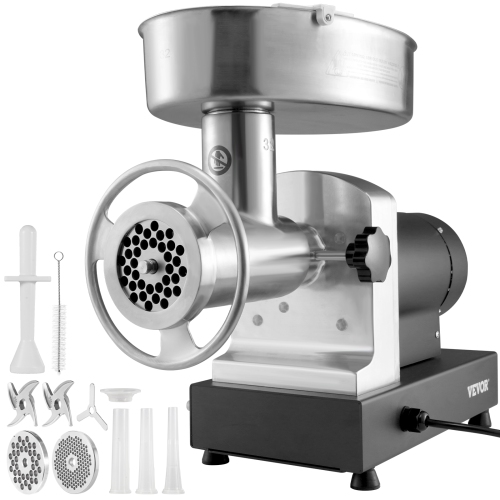
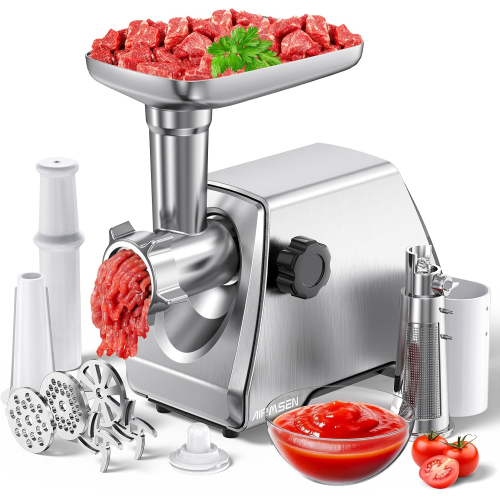
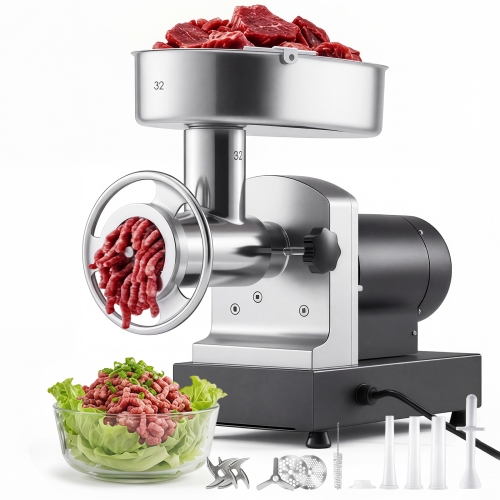

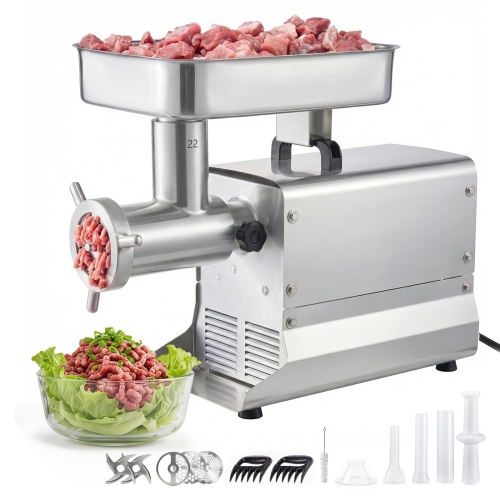
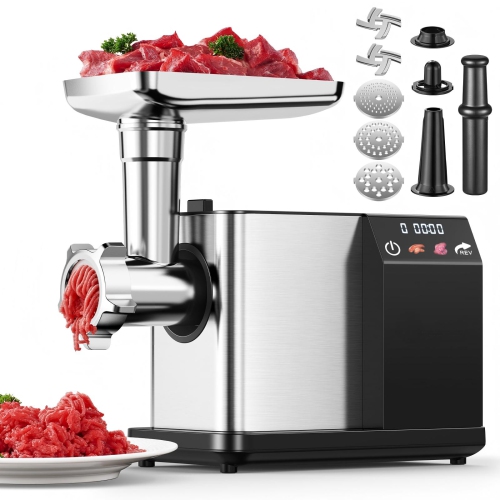
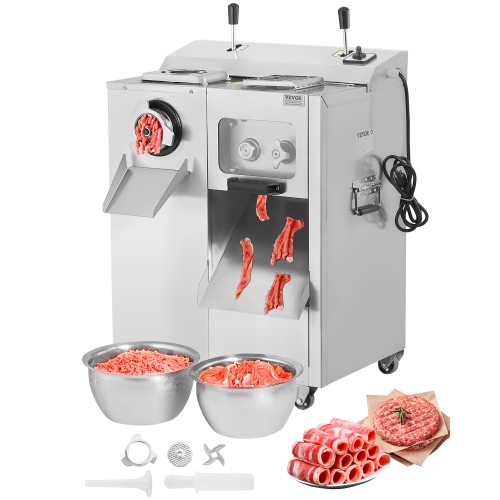
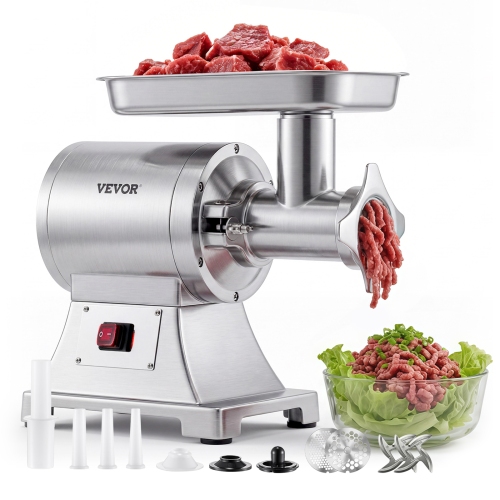
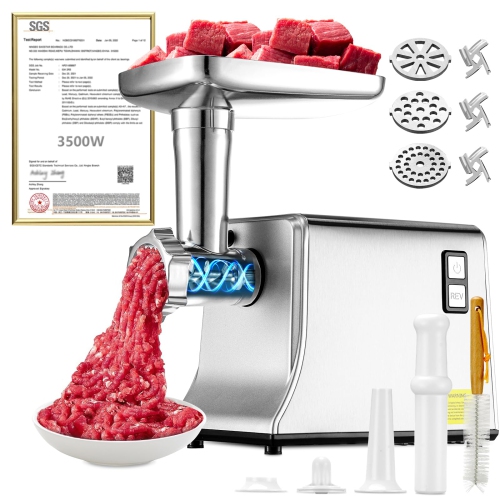
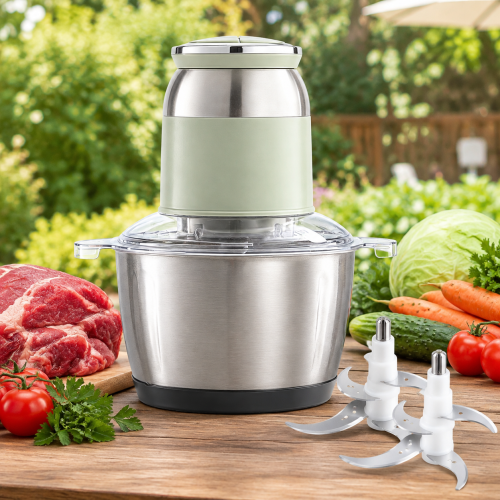
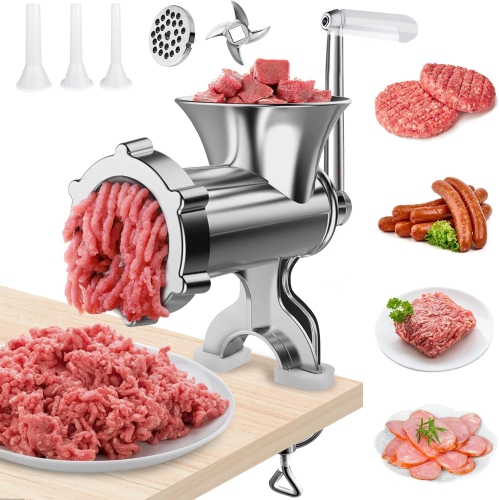

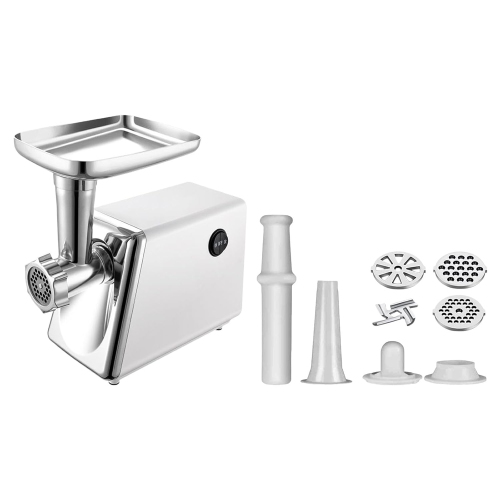

More control over each batch of ground meat
Heavy-duty meat grinders are designed for substantial meat preparation, with sturdy grinding components and, in electric models, motors built to handle the workload specified by the manufacturer. They suit cooks who regularly prepare ground beef, pork, poultry, or boneless game, as well as food businesses that need equipment rated for their production requirements. Grinding meat at home gives greater control over the cuts, fat content, and texture that go into a recipe. A blend for juicy burgers can be different from the leaner mixture used in a meat sauce, while a coarse grind can give a meat pie filling more bite than a fine grind. For households that prepare several meals at once, a capable grinder can turn trimmed meat into portions for meatballs, patties, and freezer-ready ingredients without relying on repeated small batches. The term “heavy-duty” alone does not establish how much meat a machine can process or how long it can run. Motor specifications, stated processing capacity, and operating limits together provide a clearer picture of its intended use. Wattage describes power input, but it is not a reliable measure of grinding speed on its own; the cutting assembly, feed opening, meat preparation, and overall design also affect performance. A machine suitable for occasional household batches may have different operating requirements from equipment intended for a butcher counter or restaurant kitchen. Commercial use calls for a model explicitly rated for that setting, with any certifications required by the applicable local authority. Durable construction matters throughout the machine, not just in the motor. Metal gears, a stable base, and a securely fitted grinding head can contribute to dependable operation where those features are included. Stainless steel food-contact components are valued for their resistance to corrosion and straightforward cleaning, while cast metal housings can provide a substantial feel. The overall weight also matters: a grinder that stays firmly planted during use should still be manageable when it needs to be moved, cleaned, or stored between batches.
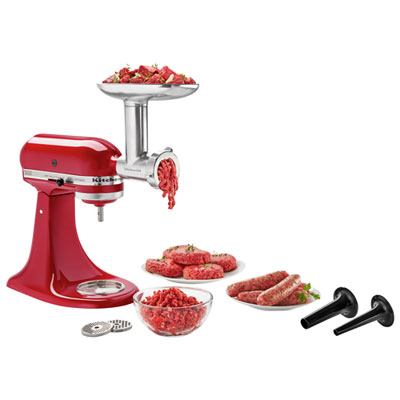
The working parts of a meat grinder determine much of what happens between the loading tray and the bowl. An auger moves prepared meat towards the cutting blade and perforated grinding plate, where the size of the openings helps determine the finished texture. Coarse plates are useful for mixtures that benefit from a more pronounced texture, while finer plates produce a smaller grind for smoother fillings and other preparations. Plate options vary, and replacement blades and plates need to match the grinder’s specified size and fitting rather than simply look similar. A well-matched cutting assembly is particularly important when processing meat with connective tissue, which can wrap around components or cause smearing if the meat is poorly trimmed or the cutting surfaces are worn. Keeping meat chilled and cutting it into pieces that fit the feed opening helps support a cleaner grind; partially frozen meat should only be used if the manufacturer permits it. Frozen-solid pieces, bones, and hard materials can damage equipment that is not expressly designed to process them. A roomy loading tray can make a batch easier to organize, but it does not replace controlled feeding through the supplied food pusher. Hands and utensils should never be used to push meat into an operating grinder. Where included, a reverse function can help release certain jams, while overload protection can stop the motor under excessive strain. Neither feature changes the machine’s operating limits. Controls that are easy to reach, a head that locks securely into place, and a discharge height that accommodates a practical collection bowl all make a difference during everyday use. For sausage preparation, compatible stuffing tubes may expand the grinder’s role, although grinding and stuffing are separate tasks and results depend on the attachment and mixture. A grinder can support everything from a family-sized meatloaf to carefully portioned sausage batches, but its accessories should match the foods and quantities it will actually be used to prepare.
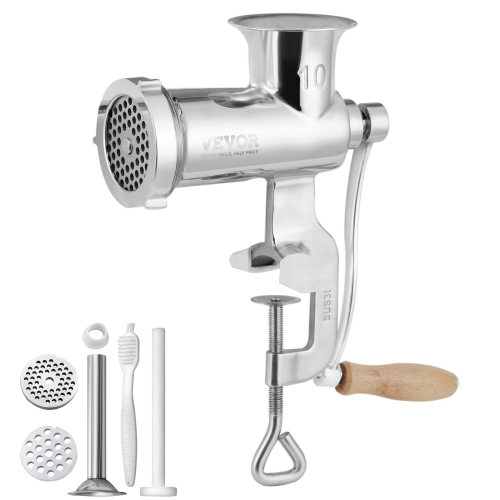
Fit and care are just as important as processing capacity when a heavy-duty meat grinder becomes part of a kitchen routine. Counter space needs to accommodate the machine, its loading tray, a bowl beneath the outlet, and enough clear room to handle raw meat without crowding other food preparation. The electrical requirements should suit the intended location, and the power cord should remain clear of wet surfaces and moving parts. Noise and weight are worth considering in shared kitchens, especially when a grinder will be brought out frequently rather than left in a dedicated workspace. Removable heads, augers, blades, and plates make thorough cleaning more practical, but dishwasher compatibility varies by component. Stainless steel parts are not automatically dishwasher-safe, and some cast metal components can discolour or deteriorate with harsh detergents. Following the supplied cleaning directions helps protect both the finish and the fit of the working parts. Raw meat residue needs to be removed promptly, with food-contact pieces washed and sanitized as directed, then dried thoroughly before storage. The motor housing should be cleaned without immersing it in water. Any protective treatment for metal parts should be food-safe and specifically recommended by the manufacturer. Sharp cutting components need careful handling, and disconnecting power before disassembly is essential. Over time, access to compatible replacement parts can help keep an otherwise sound machine useful when blades, plates, or seals wear. For a cook who enjoys making burgers from selected cuts, preparing boneless game, or experimenting with sausage recipes, a heavy-duty grinder can be a thoughtful gift when its size and capabilities suit the recipient’s kitchen. Smaller batches and occasional use may also make Hand Crank Meat Grinders relevant, particularly for someone who prefers manual operation. Across either style, the most useful fit is equipment that matches the preparation workload, feels secure in use, and can be cleaned thoroughly after every batch.
Top selling and popular products
-
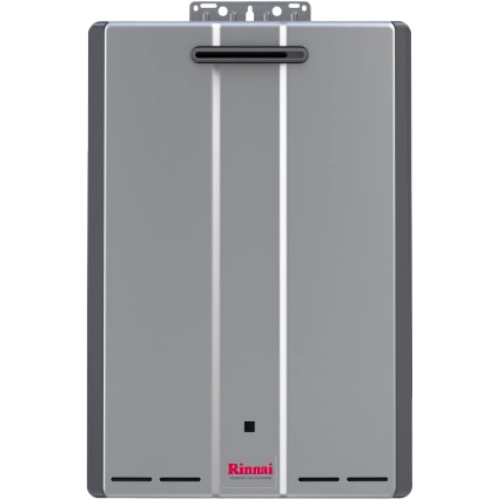 Your price for this item is $2545.05
-
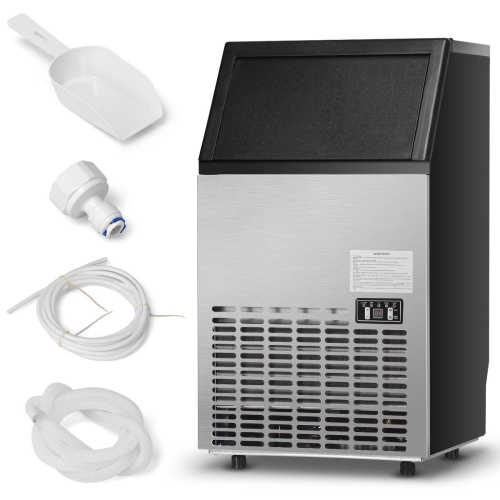 Your price for this item is $477.99
-
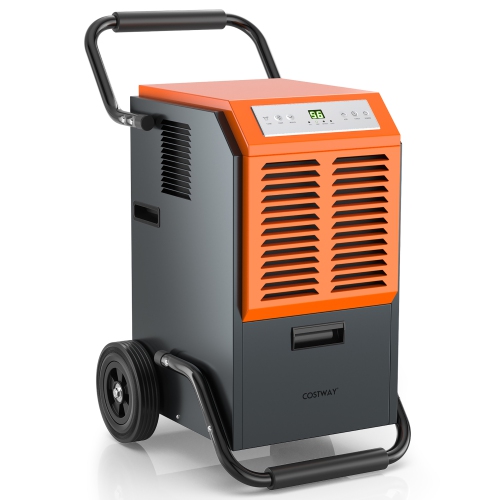 Your price for this item is $560.99
-
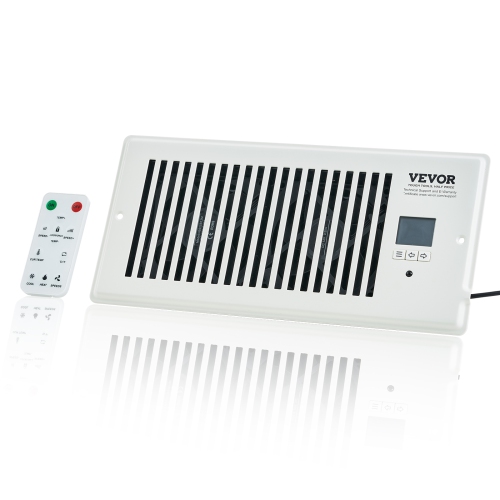 Your price for this item is $53.91
-
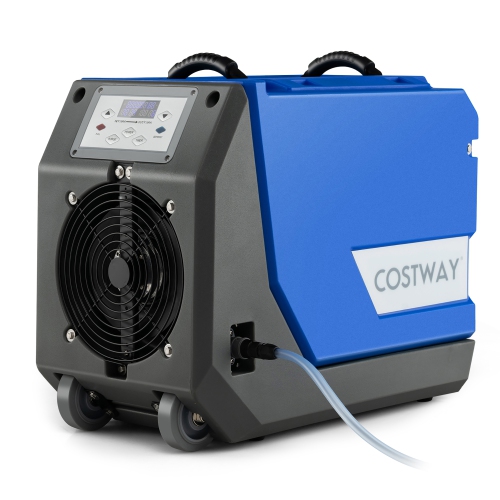 Your price for this item is $769.99
-
 Your price for this item is $104.9
-
 Your price for this item is $1549.99
-
 Your price for this item is $125.9
Discover more categories related to Heavy Duty Meat Grinders
Top Collections:
Best Black Friday Deals This Year, Best Black Friday Deals On Electronics, Kindle Devices, Pokemon Centers, Best Black Friday Deals On Apple Products, Best Cameras for Sports Photography, Dyson Airwrap, Pokémon 30th Celebration Cards, Apple iPhone 17 Pro, Canon G7X Cameras
Some products may be subject to Environmental Handling Fees
(EHF) depending on your province.
Learn more about EHFs.