Heavy Duty Stand Mixers
Heavy Duty Stand Mixers are essential for tackling demanding kitchen tasks with ease, whether you're preparing large batches of dough or mixing thick batters. Designed for both passionate home cooks and busy professionals, these mixers provide robust performance to help streamline meal prep and baking projects. Explore a wide selection of Heavy Duty Stand Mixers that deliver the power and capacity needed to handle your most ambitious culinary creations. Find the perfect addition to your kitchen and enjoy efficient, reliable mixing every time.
Sort





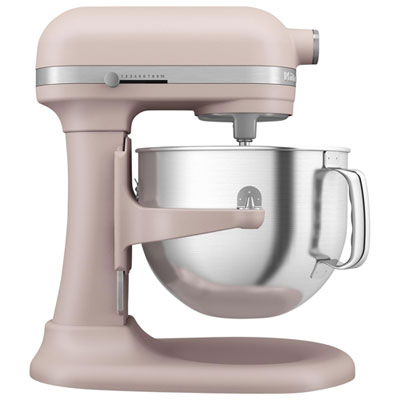
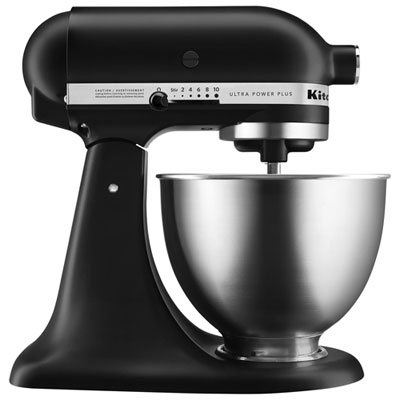
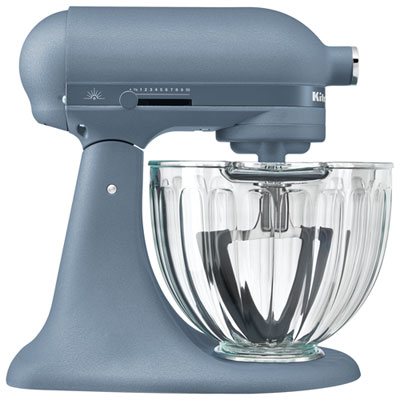

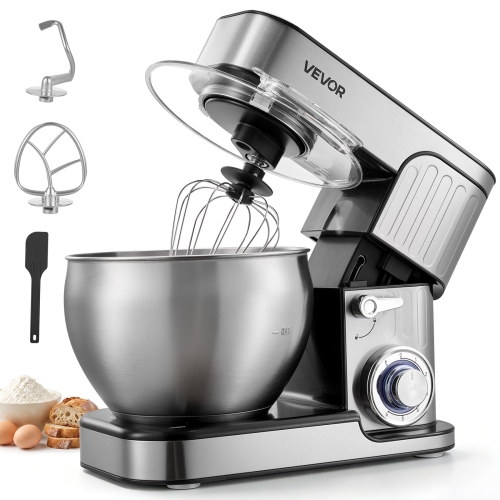
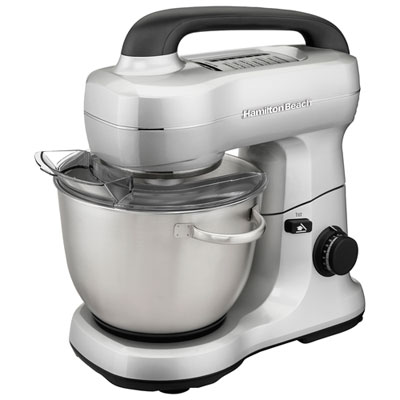
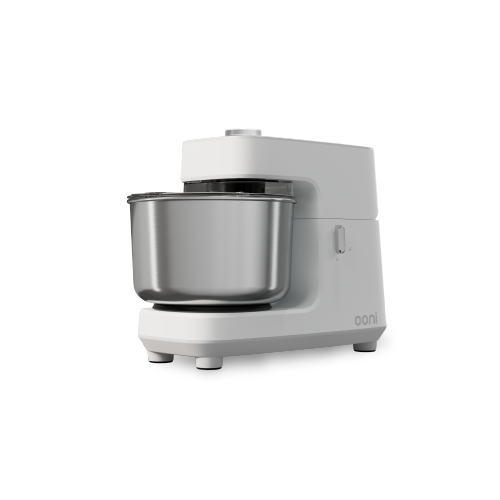
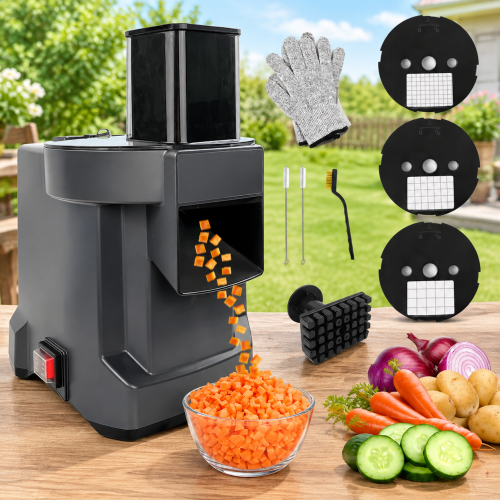
Mixing strength goes beyond bowl size and wattage
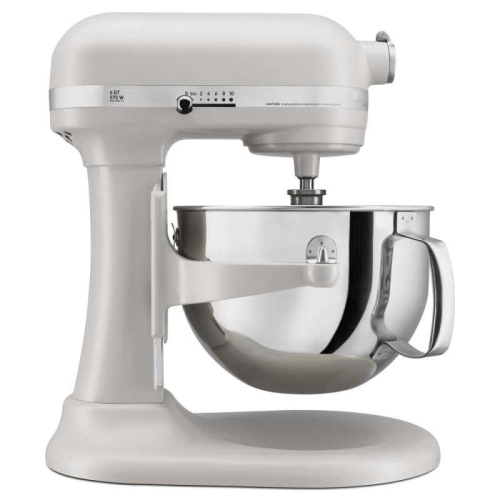
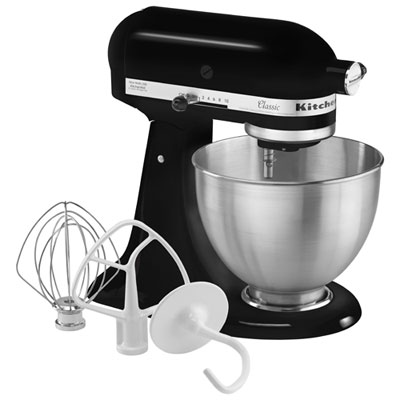
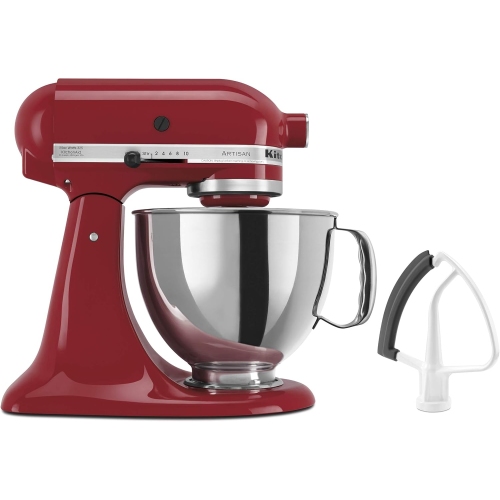
Heavy-duty stand mixers are built for the kind of kitchen work that puts real resistance against a mixing attachment: kneading bread dough, combining thick cookie mixtures, and bringing larger batches of batter together. For home bakers who make pizza dough regularly, prepare birthday cakes for a full table, or bake several batches of cookies at a time, a sturdy mixer can take much of the repetitive effort out of preparation. The appeal goes beyond hands-free mixing. Consistent movement helps distribute ingredients throughout a mixture, while variable speeds provide control when moving from gently incorporating flour to beating butter and sugar. Different recipes place different demands on a machine, though, and heavy-duty construction does not mean every mixer can handle the same quantity of dense dough. Bowl volume describes the space inside the bowl, not necessarily the amount of bread dough the motor and drive system can comfortably manage. Manufacturer guidance for flour weight, dough quantity, mixing speed, and operating time gives a more useful picture of suitability for frequent bread making. A large bowl may be convenient for generous cake batches but less effective for whipping a single egg white if the attachment cannot reach a small quantity well. Motor wattage is another part of the picture rather than a complete measure of mixing strength; gearing, torque, attachment design, and the way power reaches the bowl all influence performance under load. Some mixers use planetary action, with the attachment moving around the bowl as it rotates, to reach more of the mixture. Even with thorough bowl coverage, an occasional pause to scrape the sides can help incorporate pockets of flour or butter. The best fit depends on the recipes that come out of the kitchen most often, whether that means soft sandwich loaves, dense oatmeal cookies, or smooth cake batter. Regular small-batch baking and frequent large-batch preparation can call for quite different combinations of bowl size, attachment reach, and mixing capacity.
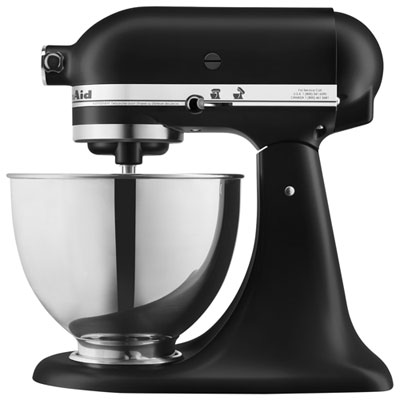
Durability also comes from the details that make a heavy-duty stand mixer comfortable to use day after day. A substantial base can help keep the machine steady as a dough hook pulls through a firm mixture, while well-fitted components and secure locking mechanisms support reliable handling. Metal housings and drive components may contribute to a solid feel, but overall construction matters more than any single material claim. Stainless steel bowls are popular for their resistance to staining and everyday knocks, and a sturdy handle makes it easier to lift a bowl filled with batter. Glass bowls offer a clear view of ingredients as they combine, although their weight and care requirements deserve consideration. Access to the bowl is equally important. A tilt-head design opens the space above the bowl for adding ingredients or changing attachments, provided there is enough clearance beneath overhead cabinetry. A bowl-lift design raises the bowl into its working position and can provide firm support for demanding mixtures, though removing the bowl and attachment may take a different sequence of movements. Either style needs enough room on the countertop for comfortable access, secure placement, and any ventilation clearance specified by the manufacturer. The mixer's height in its open position matters just as much as its closed dimensions when it will sit beneath cabinets. Weight can be reassuring during mixing but less convenient when the appliance must be moved from a cupboard for every use. A permanent spot on a dry, level countertop often suits a substantial machine better than repeated lifting. Easy-to-read speed markings, controls that respond predictably, and a gradual starting speed can make everyday preparation more manageable, especially when adding flour or icing sugar. Sound and vibration can vary with the recipe and selected speed, so a heavier body should not be taken as a promise of quiet operation. Colour and finish can complement the kitchen, while accessible controls and a comfortable bowl handle have a more direct effect on daily use.
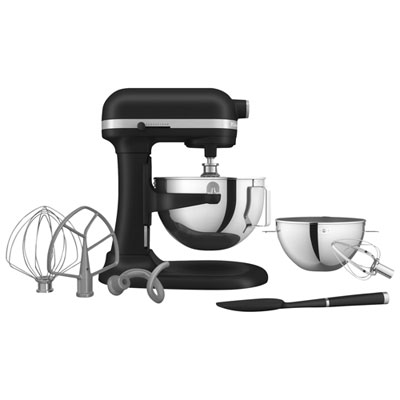
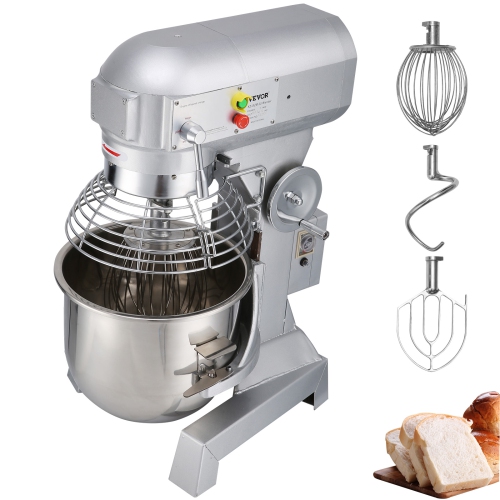
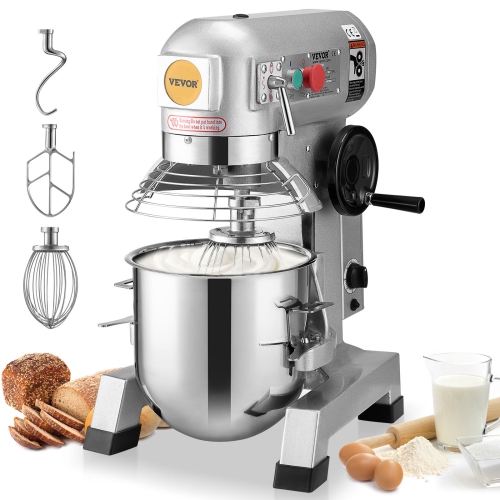
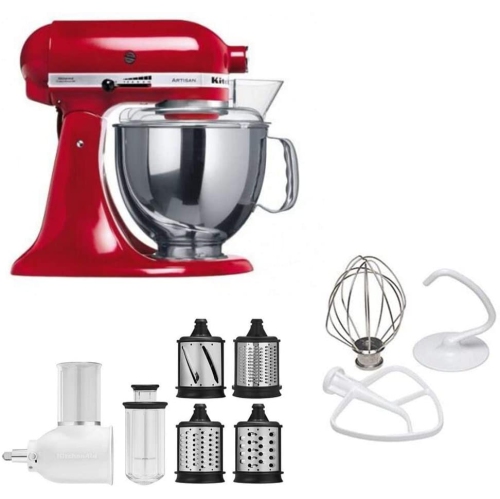
Attachments shape what a heavy-duty stand mixer can do, and their fit and care are central to getting dependable results. A flat beater typically handles cake batter, creaming, and many cookie mixtures; a wire whisk brings air into cream and egg whites; and a dough hook works with suitable yeast doughs within the machine's stated limits. These tools are not interchangeable across all mixers, even when they look similar. Compatibility with the exact machine and the manufacturer's guidance matter for replacement bowls, beaters, and any powered accessories. Some designs support additional food-preparation attachments, but those functions depend on the connection system and the accessories specified for it. For households exploring a broader range of everyday baking needs, Stand Mixers for Home Bakers offers another way to consider the role of a mixer in the kitchen. Straightforward maintenance helps protect both performance and appearance over time. Stainless steel, coated metal, aluminium, and wire components can have different washing requirements, so dishwasher suitability should be checked separately for each part. A coating that tolerates gentle handwashing may be damaged by abrasive scrubbers, and some metal attachments can discolour in a dishwasher. The motor housing generally needs wiping rather than immersion, with the appliance unplugged before cleaning or changing attachments. Dried batter is easier to prevent than remove, making prompt cleaning around the bowl rim, attachment shaft, and splash guard worthwhile. Following recommended speeds and rest periods is particularly important with stiff dough; extra capacity is not a substitute for operating within the stated limits. As a gift, a heavy-duty stand mixer is especially thoughtful for an enthusiastic bread maker, a keen cake baker, or someone setting up a kitchen for regular baking. Matching its size and handling to the recipient's space and favourite recipes helps ensure that a substantial appliance becomes a useful part of the routine rather than something left in storage.
Top selling and popular products
-
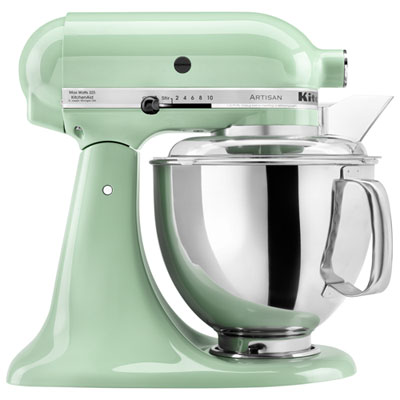 Your price for this item is $379.98
-
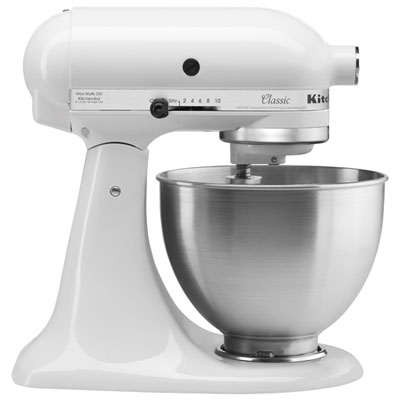 Your price for this item is $299.99
-
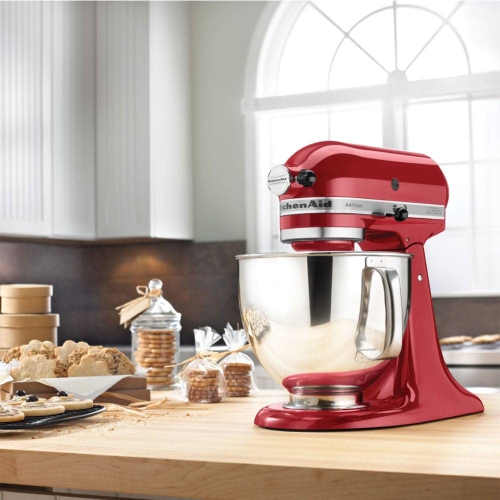 Your price for this item is $949.05
-
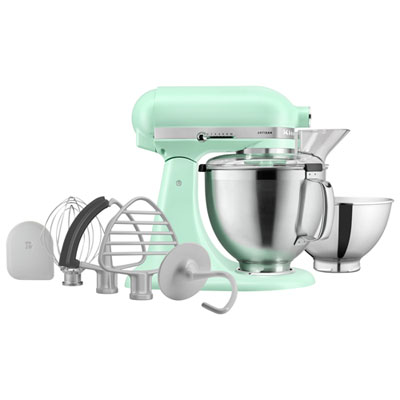 Your price for this item is $544.99
-
 Your price for this item is $399.99
-
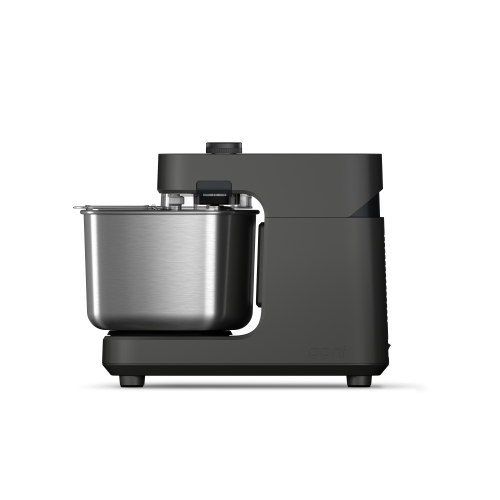 Your price for this item is $1099
-
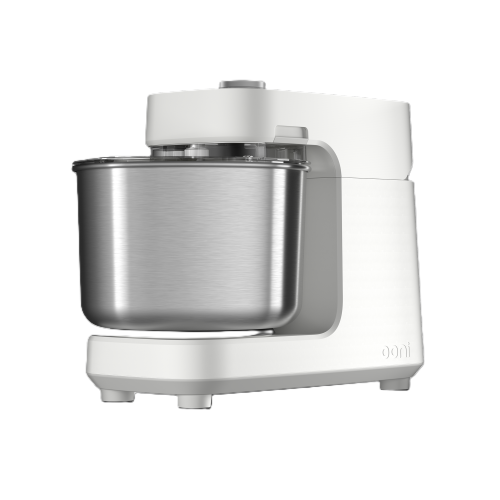 Your price for this item is $1099
-
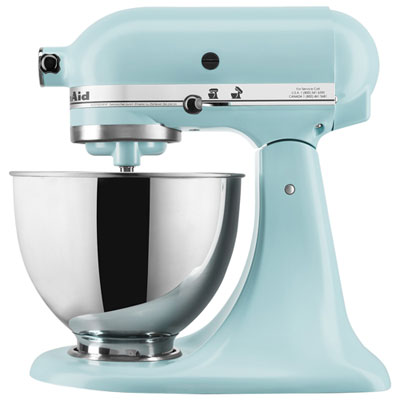 Your price for this item is $499.99
Discover more categories related to Heavy Duty Stand Mixers
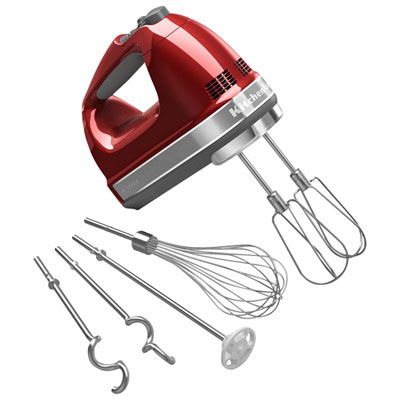
Top Collections:
Best Black Friday Deals This Year, Best Black Friday Deals On Electronics, Kindle Devices, Pokemon Centers, Best Black Friday Deals On Apple Products, Best Cameras for Sports Photography, Dyson Airwrap, Pokémon 30th Celebration Cards, Apple iPhone 17 Pro, Canon G7X Cameras
Some products may be subject to Environmental Handling Fees
(EHF) depending on your province.
Learn more about EHFs.