Heavy Duty Vacuum Sealer Bags
Heavy Duty Vacuum Sealer Bags offer a reliable solution for preserving food, organizing household items, and protecting valuables from moisture and air exposure. Designed to work seamlessly with most vacuum sealing systems, these bags help keep your goods fresh and secure for longer periods. Whether you're storing bulk groceries, preparing meals in advance, or safeguarding important items during travel, Heavy Duty Vacuum Sealer Bags provide the durability and strength needed for a variety of storage needs. Explore options that make everyday organization and food preservation simple and efficient.
Sort

Why freezer protection takes more than thicker bags
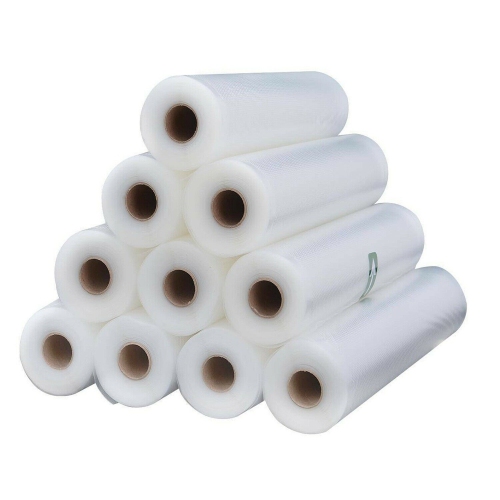
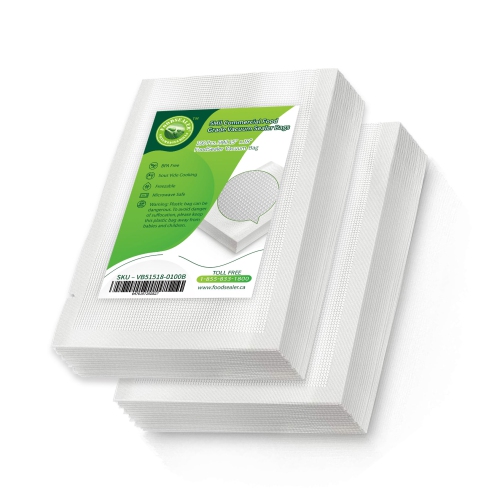
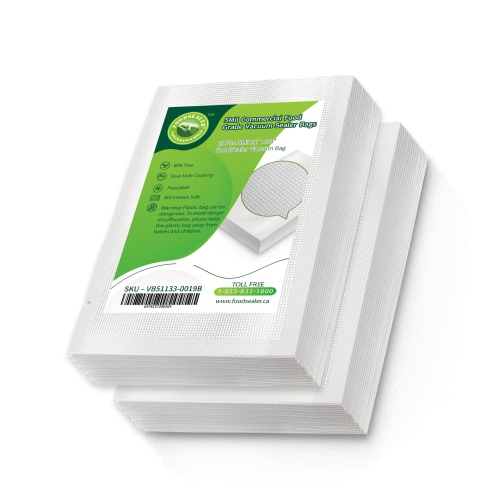
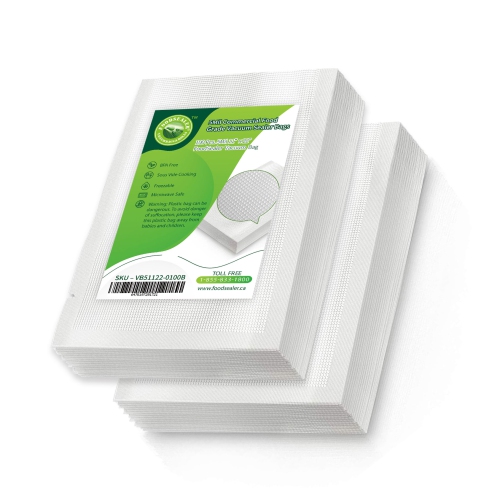
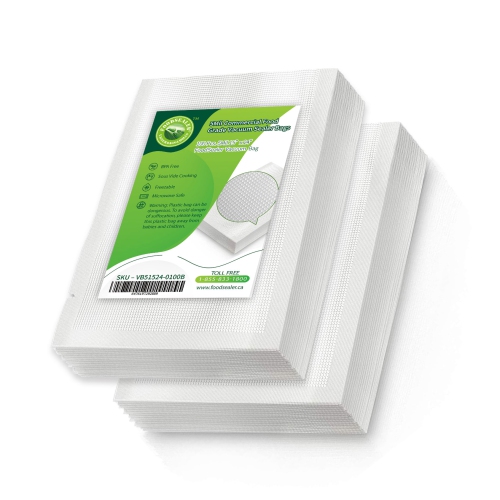
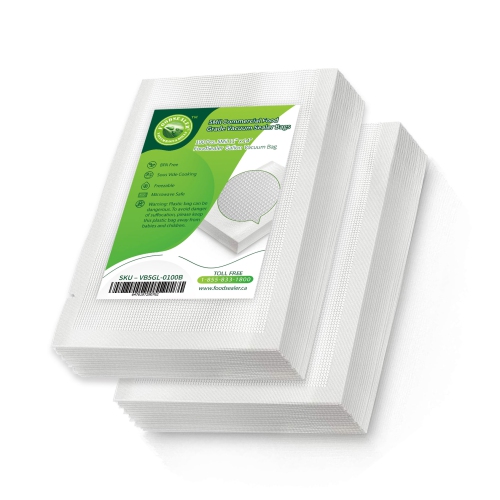
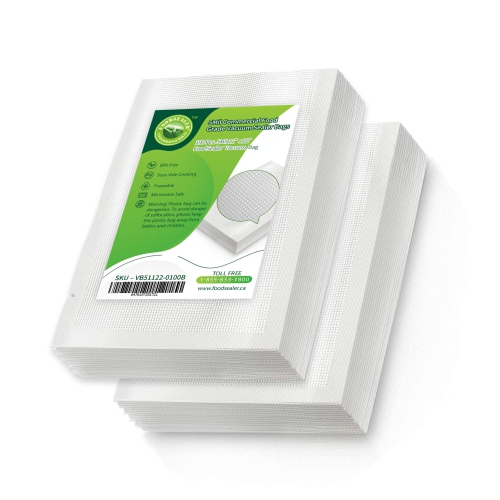
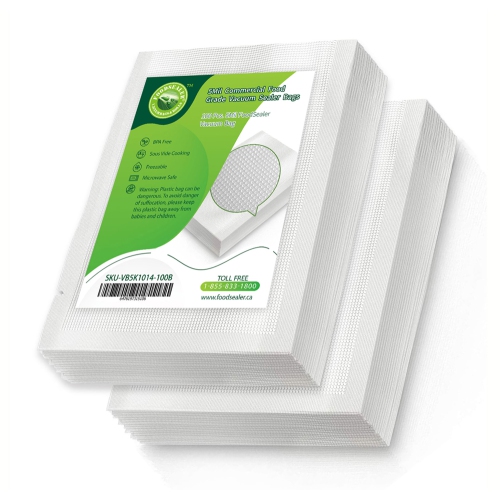
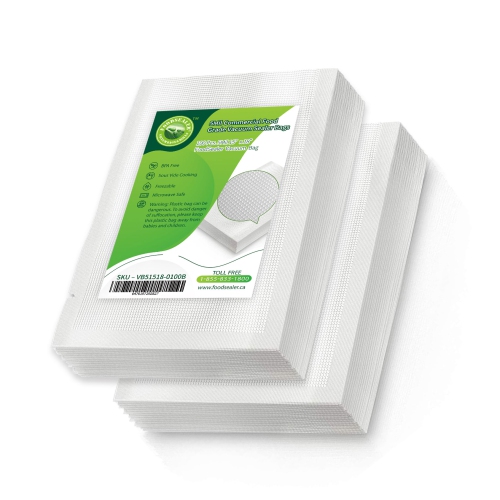
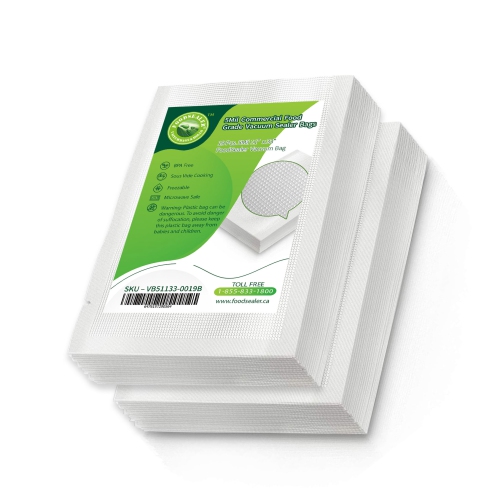
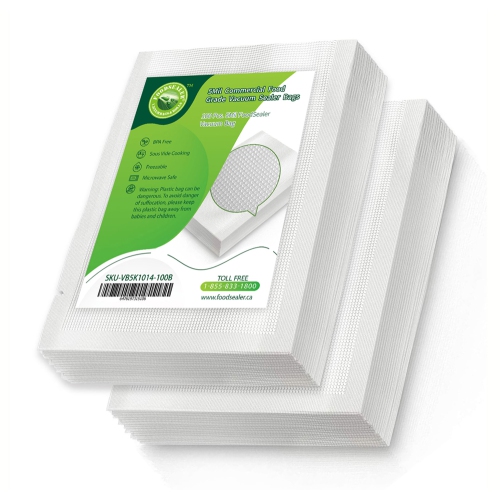
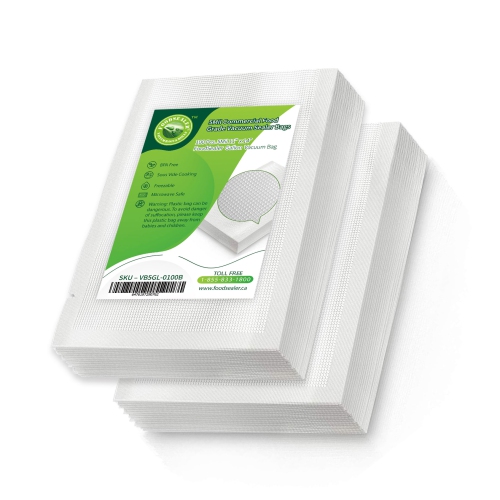
Heavy-duty vacuum sealer bags are typically made with thicker, multilayer film to provide greater puncture resistance for bone-in cuts, bulk meats, and extended freezer storage. When paired with a compatible vacuum sealer, they help remove air from around food and create a sealed package that limits contact with air and moisture. That barrier helps reduce freezer burn, surface drying, and the transfer of odours between foods stored together. For a household dividing large cuts into meal-sized portions, the benefit is practical: neatly packed servings are easier to stack, identify, and retrieve than loosely wrapped packages. Many food-storage vacuum bags combine nylon and polyethylene layers, with each material contributing different properties. Nylon commonly adds strength and helps limit oxygen transmission, while polyethylene supports moisture resistance and heat sealing. The exact construction matters as much as the heavy-duty label, which does not represent one universal thickness or performance standard. Thickness may be expressed in mils, with one mil equal to one thousandth of an inch, but measurements can refer to an individual wall or another stated configuration. Comparing specifications on the same basis gives a clearer picture than relying on the largest number alone. Thicker film can be useful around firm edges and irregular shapes, although no flexible bag is completely puncture-proof. An exposed bone tip can still damage a package, particularly when frozen portions are moved or pressed against other food. Food-safe bone guards approved for vacuum packaging can add protection where the bag manufacturer permits their use. For boneless portions, dense blocks of cheese, or dry pantry ingredients, the balance may be less about sharp edges and more about a dependable seal and a suitable moisture barrier. Long-term storage performance also depends on the food’s original condition, handling, storage conditions, and the quality of the finished seal. A sturdy bag supports that process; it does not establish a storage life on its own.
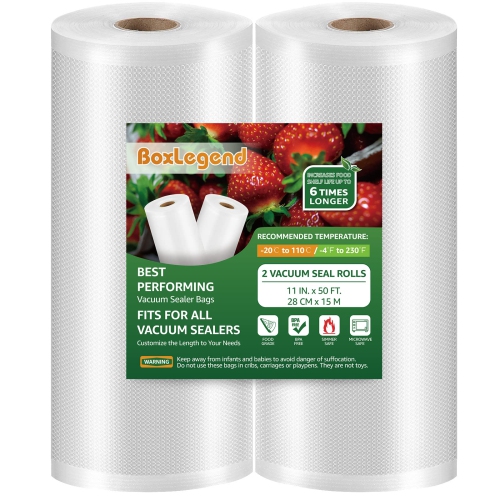
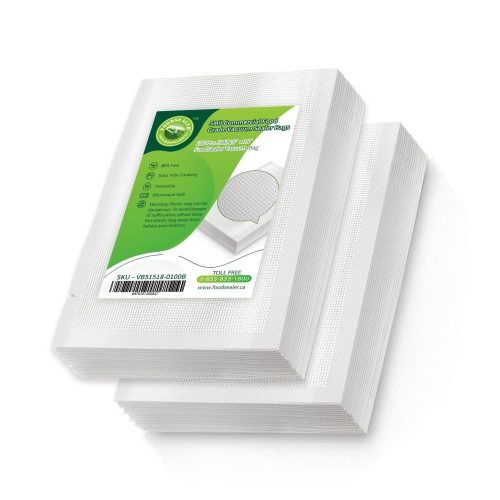
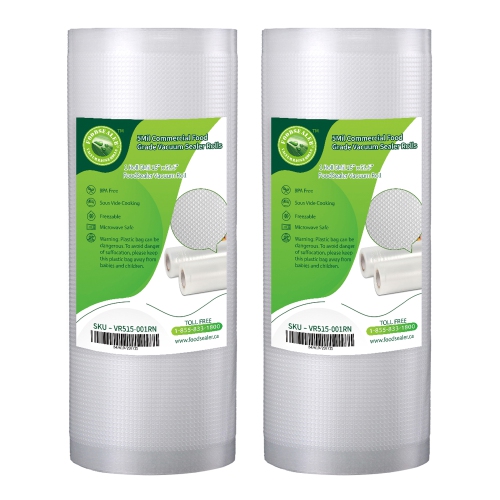
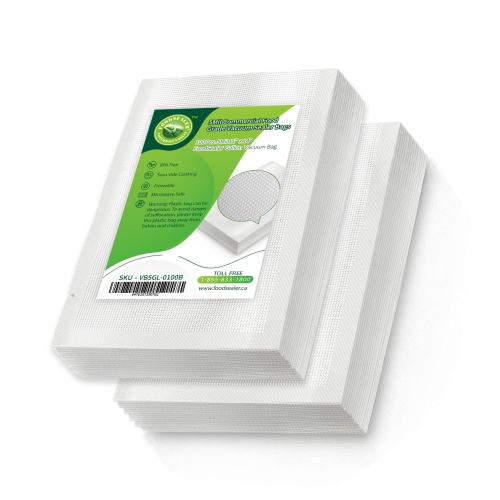
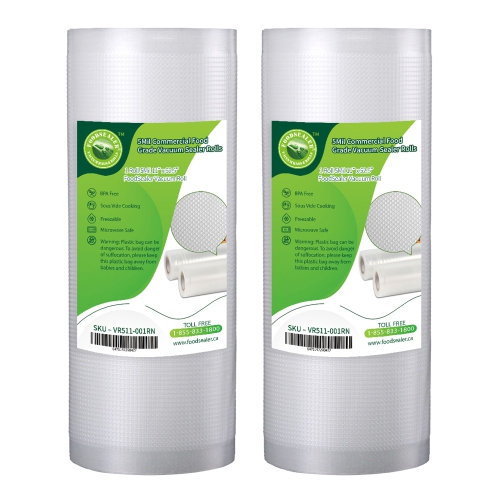
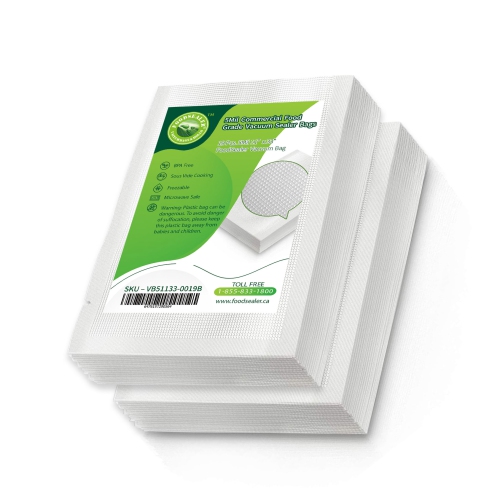
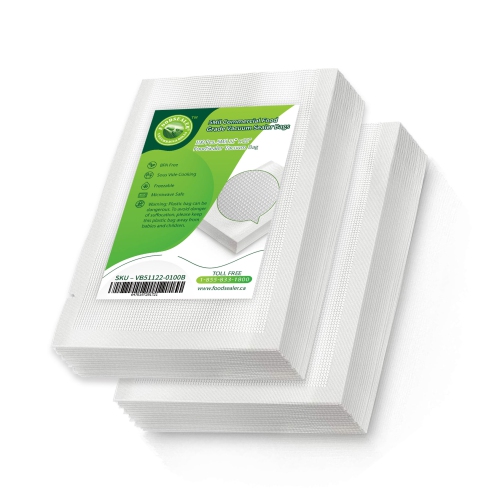
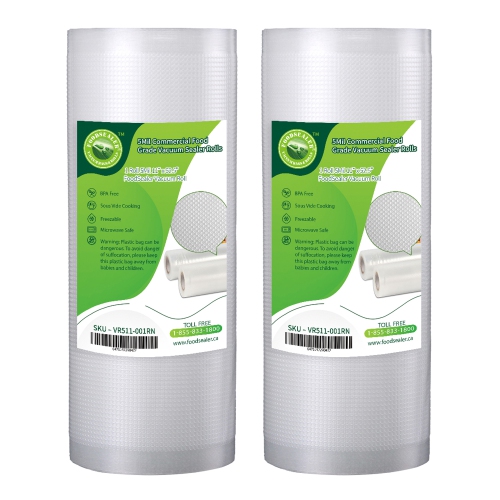
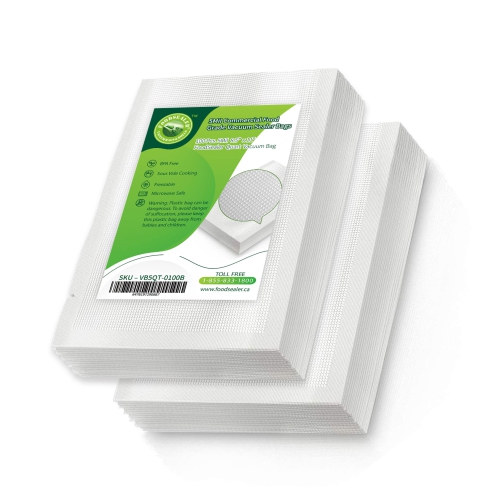
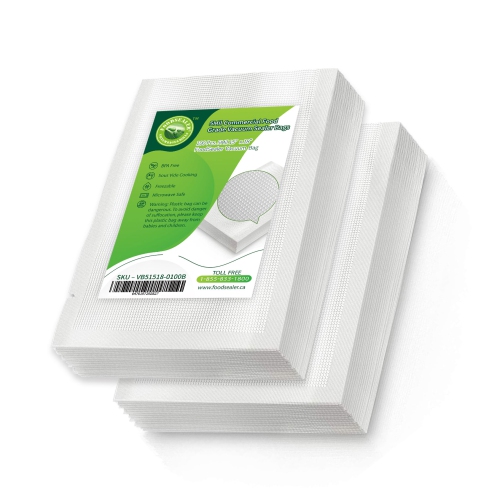
Compatibility is central to how heavy-duty vacuum sealer bags perform. Many external suction sealers require embossed or textured bags, whose channels allow air to move towards the machine while the open end rests in the sealing area. Chamber sealers often work with smooth pouches because air is removed from the chamber rather than drawn solely through the bag opening. These formats are not automatically interchangeable, and a machine’s stated bag requirements remain the best reference for film type, thickness, and usable width. A bag that is wider than the sealing bar cannot receive a complete seal across its opening, while one that is too narrow may force food against the edges. Adequate space above the contents allows the open end to sit flat, without stretching or bunching. Pre-cut bags offer a consistent size for repeated tasks, such as packing individual portions or preparing several similar meals. Rolls allow the length to be customized for longer cuts or differently sized portions, although each custom bag needs a sealed bottom as well as a final closure. With either format, a little extra space around bulky contents can make positioning easier and reduce strain on the seams. More material is not always better, however: an oversized bag can create awkward folds and take up unnecessary room in a freezer drawer. Moisture, grease, and food particles near the opening can interfere with the seal even when the film itself is thick. A clean, dry sealing area and a flat opening are therefore important to package reliability. Wet foods may also need a machine setting or preparation method specifically supported by the sealer manufacturer. Within the broader category of Vacuum Seal Bags, heavy-duty construction is one consideration alongside bag shape, sealing requirements, and the amount of food being packed. The most useful format is one that suits both the machine and the portions a household actually stores.
Intended use deserves the same attention as strength. A bag described as heavy-duty or freezer-safe is not automatically suitable for sous vide cooking, boiling, microwaving, or reheating. Those uses require explicit manufacturer approval for the relevant method and conditions, including any limits on time, heat, or contact with particular foods. For cooks who prepare meals in advance, bags rated for the planned cooking method can simplify the move from portioning to preparation, but the rating should be confirmed rather than assumed from thickness. Food safety remains separate from the bag’s physical durability. Vacuum sealing does not sterilize food, and removing air does not make perishable ingredients safe to keep at room temperature. Meat, fish, cooked meals, and other perishable foods still need appropriate refrigeration or freezing, with safe cooling and thawing practices. Labelling each package with its contents and packing date makes similar-looking portions easier to distinguish and supports sensible rotation. Flat, evenly filled packages can also be easier to arrange than tightly rounded bundles, provided the contents are not compressed in a way that damages them. Care and reuse depend on the bag’s stated design: some are intended for a single use, while others permit cleaning and reuse under specified conditions. Bags that have held raw meat, poultry, or fish are generally poor candidates for reuse because thorough cleaning is difficult. A weakened seam, pinhole, cloudy residue, or damaged opening is also a reason to discard a bag rather than trust it with another portion. These practical details matter to batch cooks, households that divide bulk purchases, and people who regularly package fish or meat for the freezer. Compatible bags can also be a useful gift for someone who already owns and uses a vacuum sealer, especially when the machine’s requirements are known. The appeal is straightforward: durable packaging, manageable portions, and a freezer where the next meal is easier to find.
Top selling and popular products
-
 Your price for this item is $159.99
-
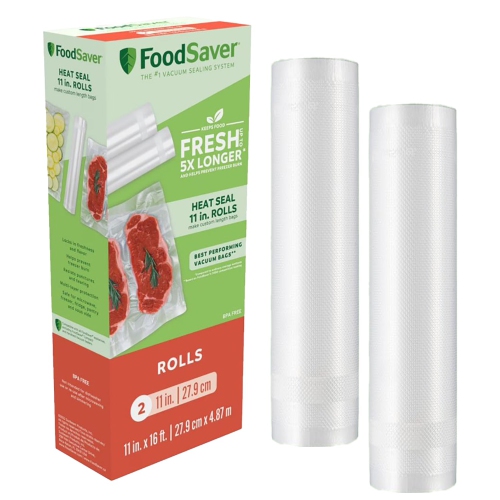 Your price for this item is $36.97
-
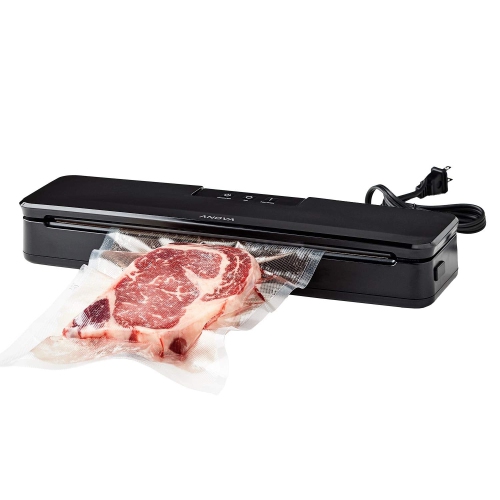 Your price for this item is $158.67
-
 Your price for this item is $99.99
-
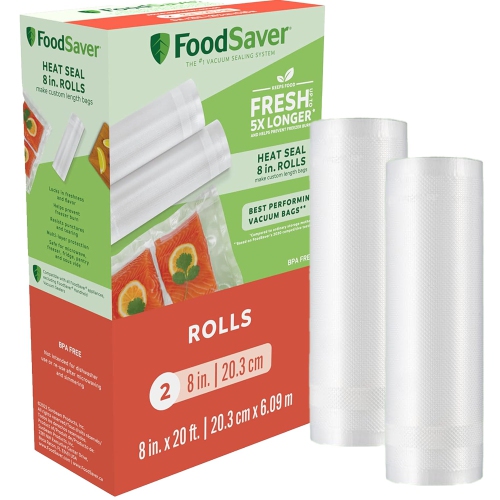 Your price for this item is $36.97
-
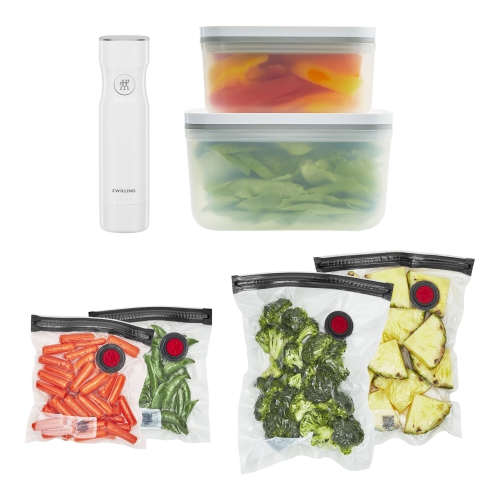 Your price for this item is $159.99
-
 Your price for this item is $49.42
-
 Your price for this item is $148.97
Discover more categories related to Heavy Duty Vacuum Sealer Bags
Top Collections:
Best Black Friday Deals This Year, Best Black Friday Deals On Electronics, Kindle Devices, Pokemon Centers, Best Black Friday Deals On Apple Products, Best Cameras for Sports Photography, Dyson Airwrap, Pokémon 30th Celebration Cards, Apple iPhone 17 Pro, Canon G7X Cameras
Some products may be subject to Environmental Handling Fees
(EHF) depending on your province.
Learn more about EHFs.