Home Appliance Parts
Looking to repair or upgrade your home appliances? Look no further than our comprehensive selection of high-quality home appliance parts. Whether you're in need of a replacement part for your refrigerator, dishwasher, washing machine, or almost any other appliance, we've got you covered. They're all designed to fit perfectly with your appliance and come with detailed instructions to help you install them yourself.
Sort


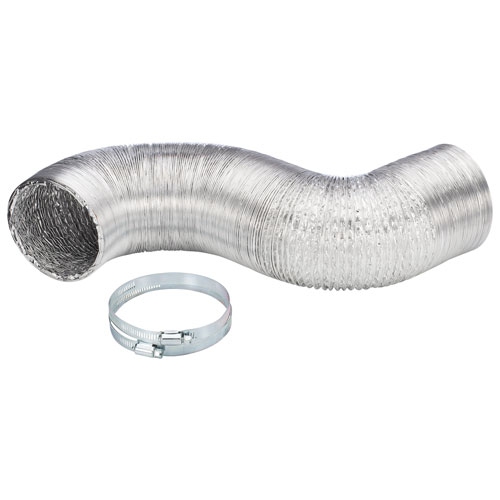
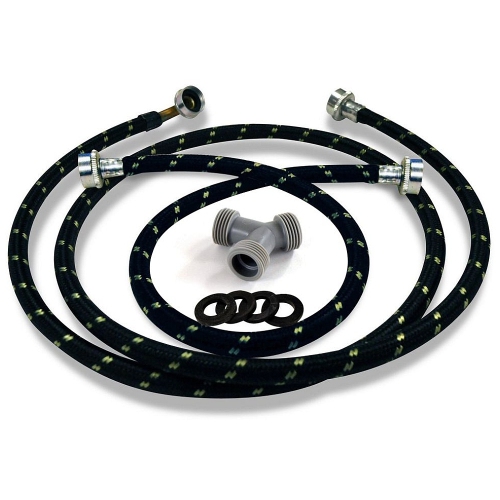
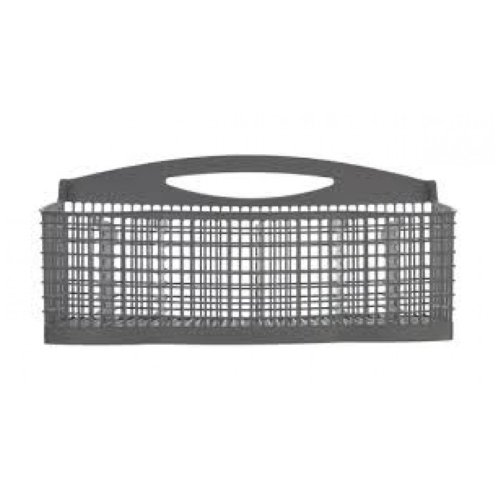

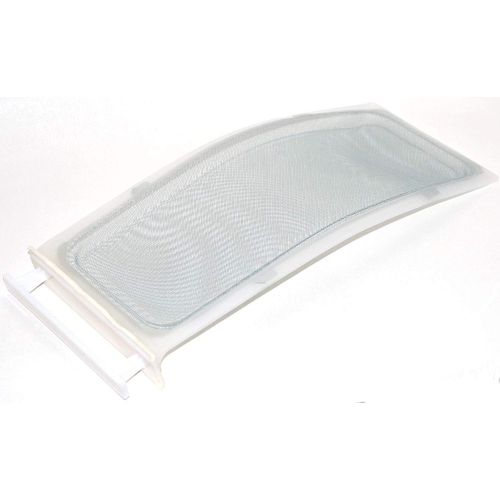
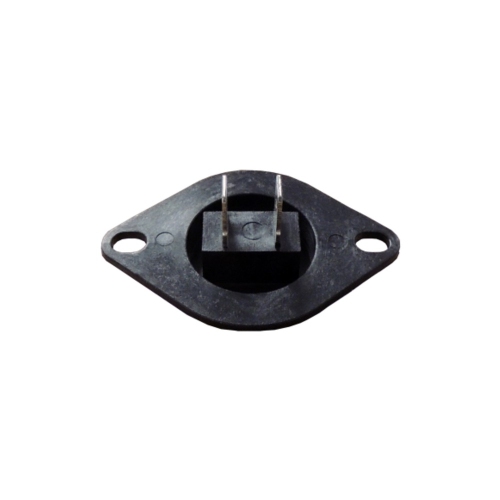
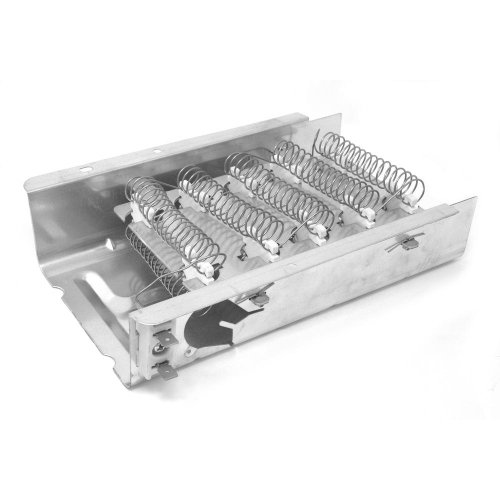

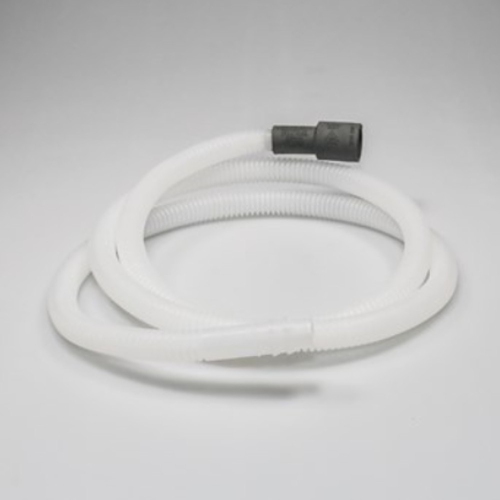
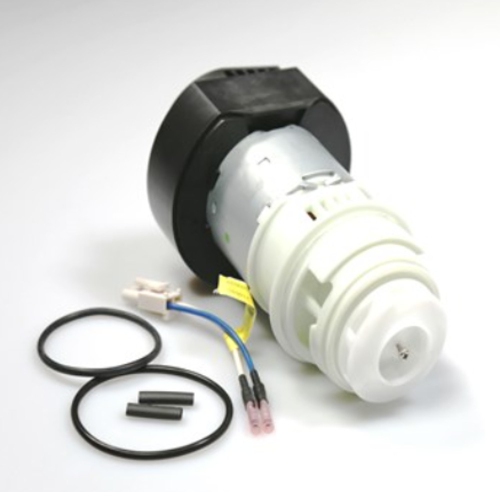
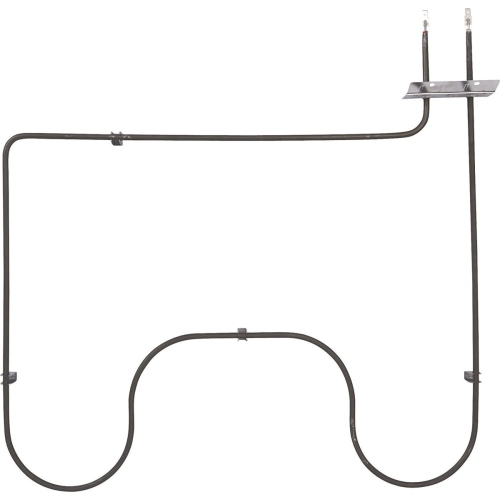
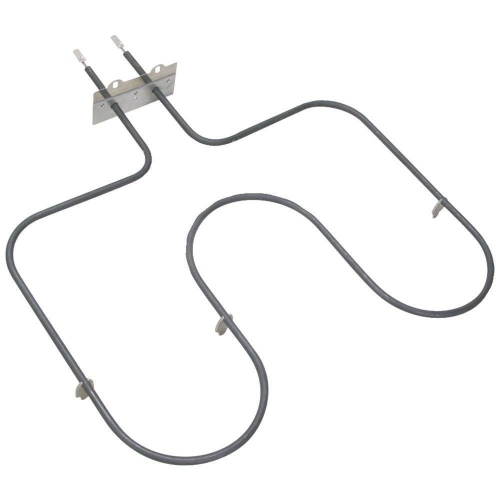

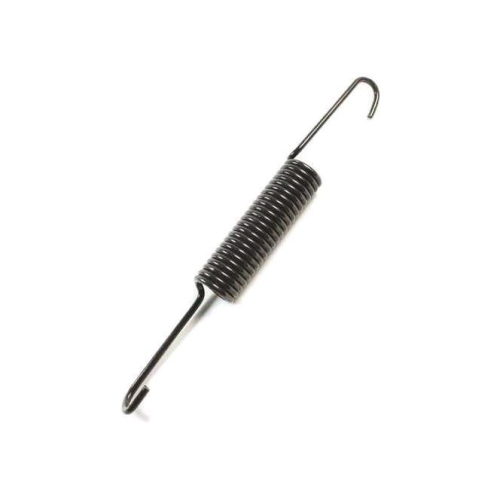
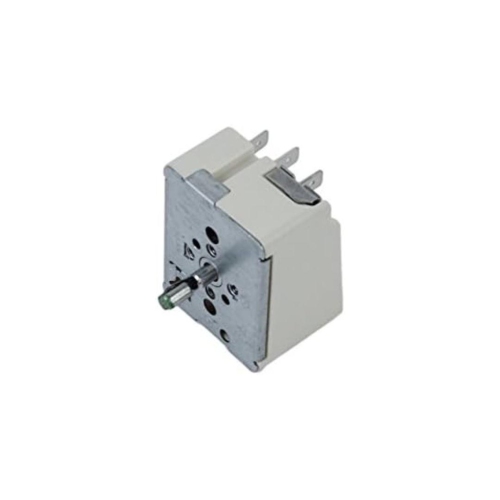
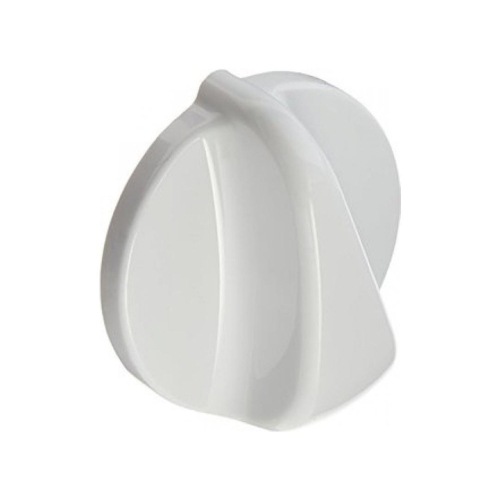
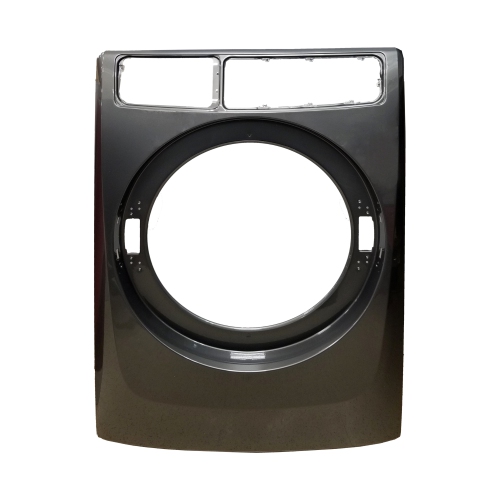
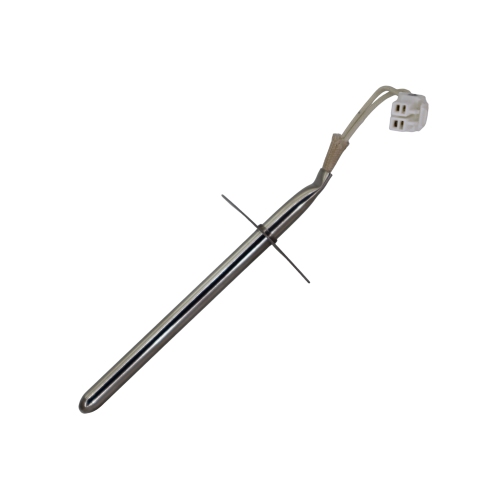
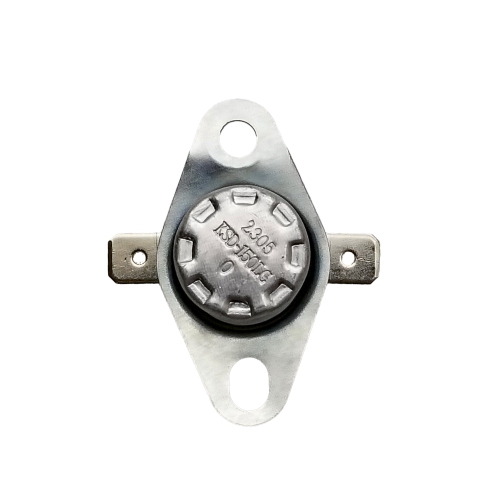
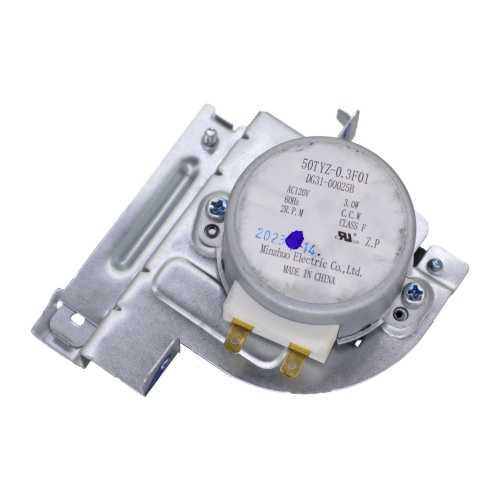
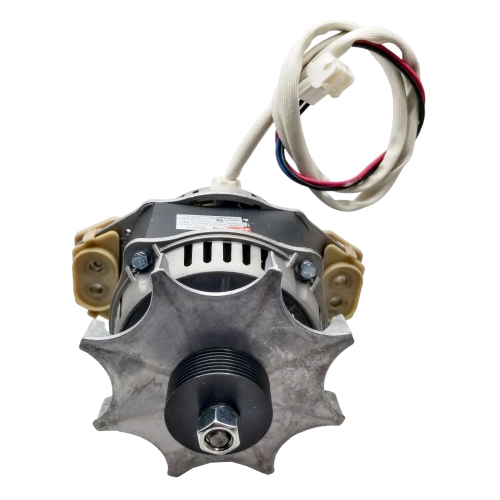

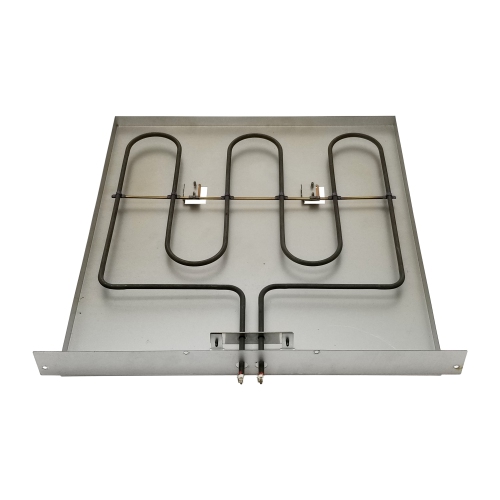
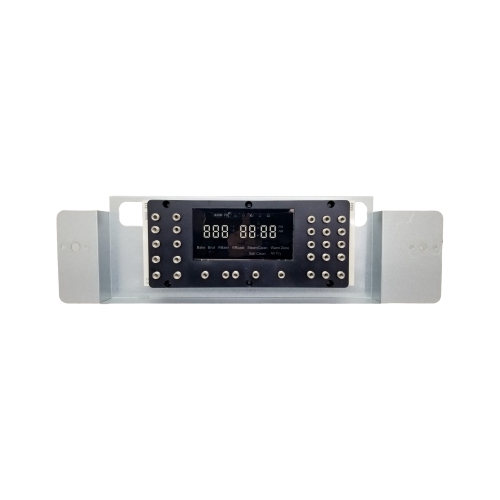
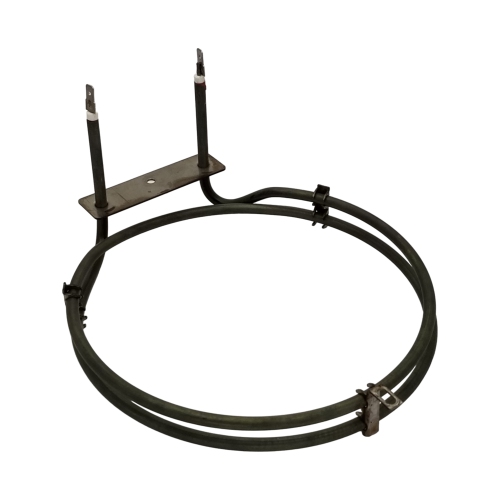
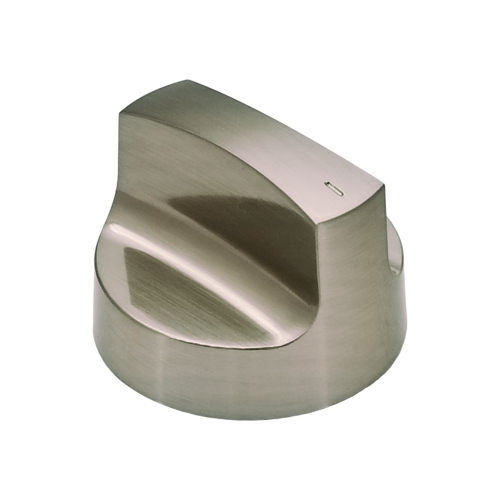
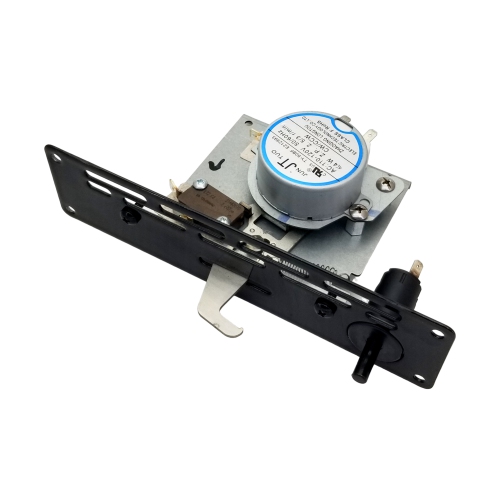
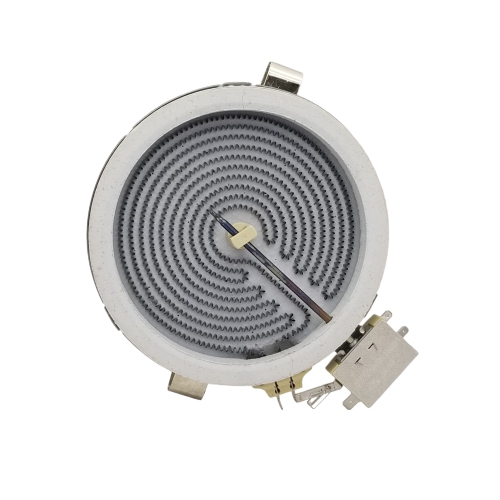
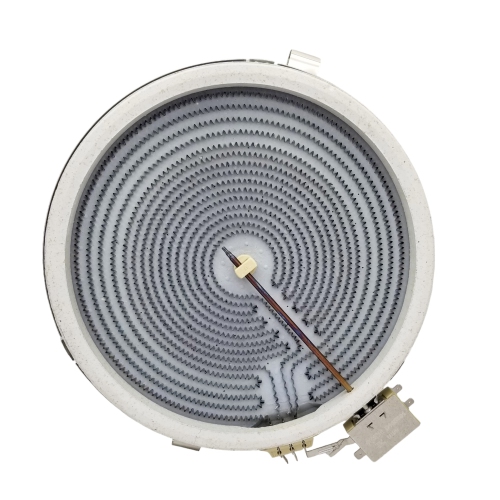
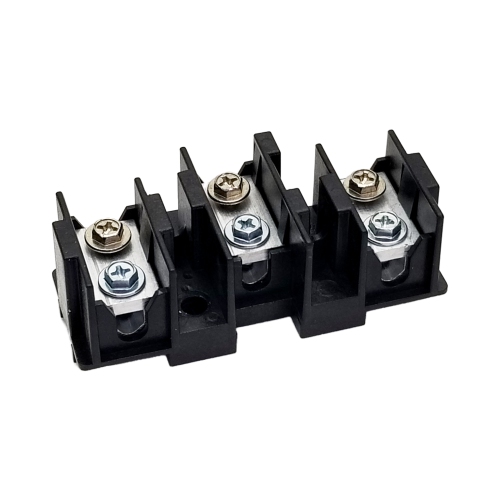
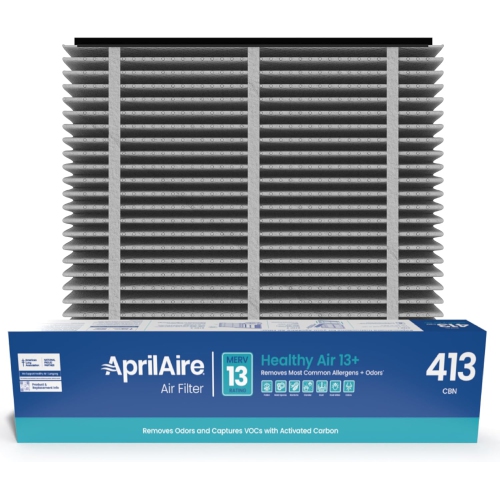
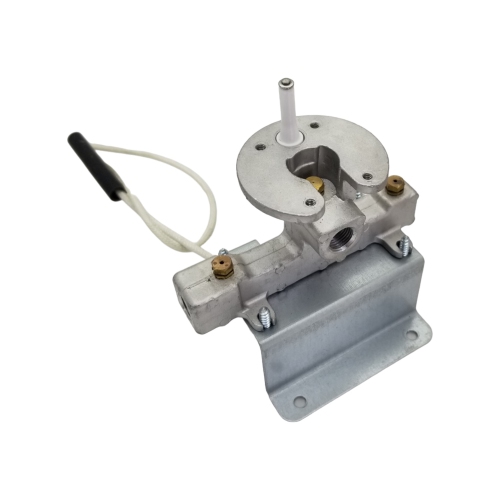
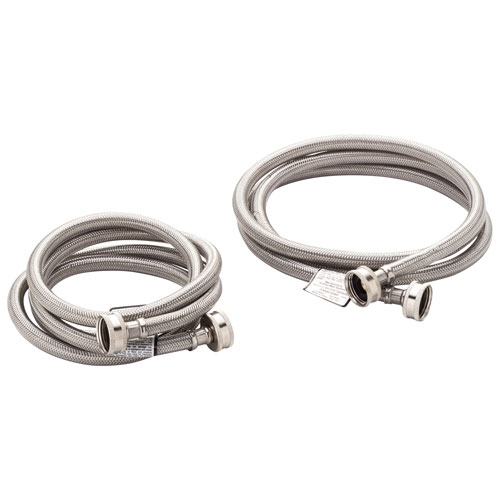
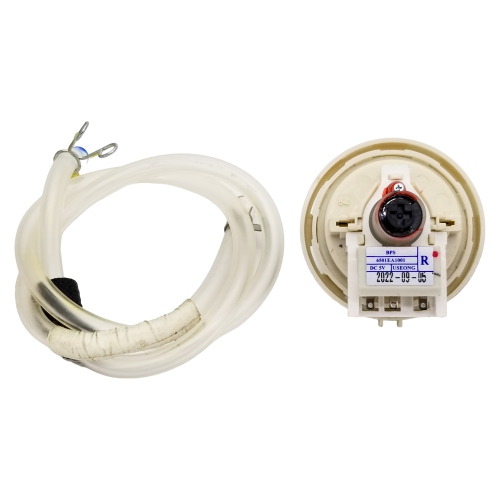
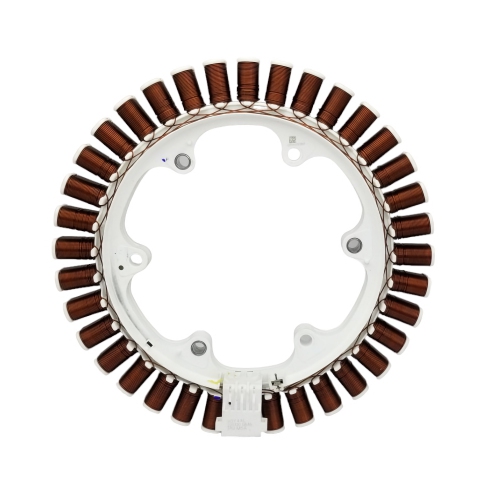
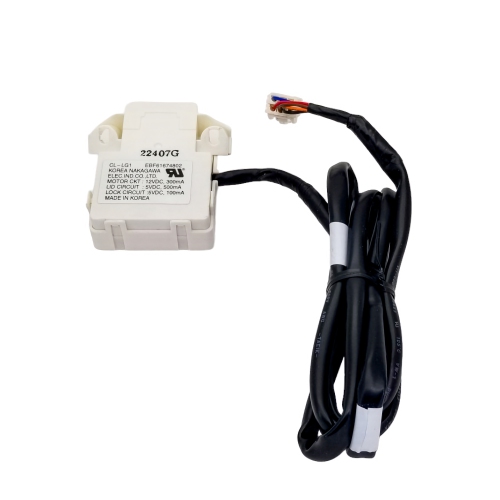
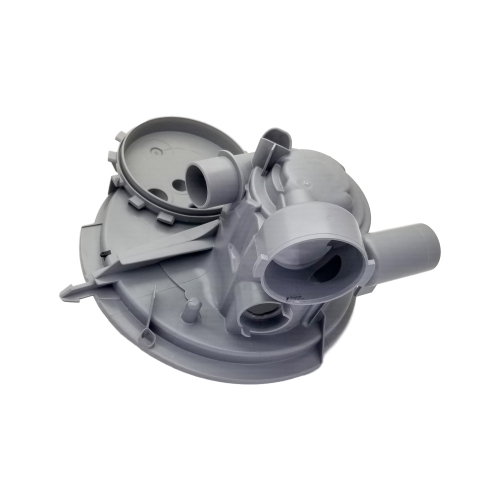
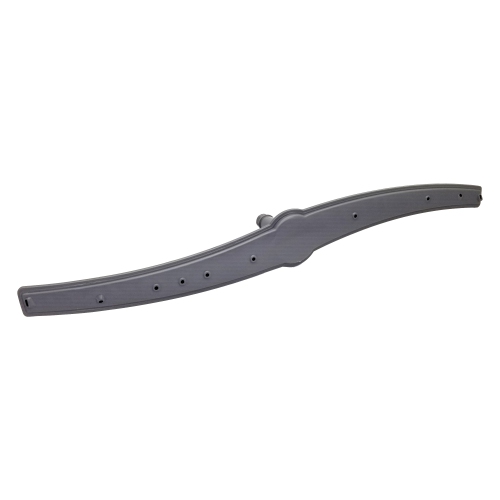
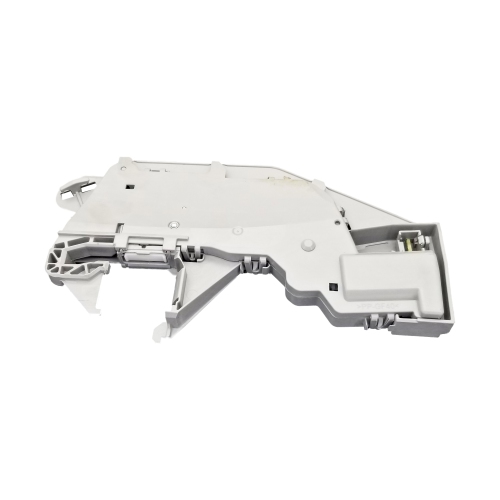
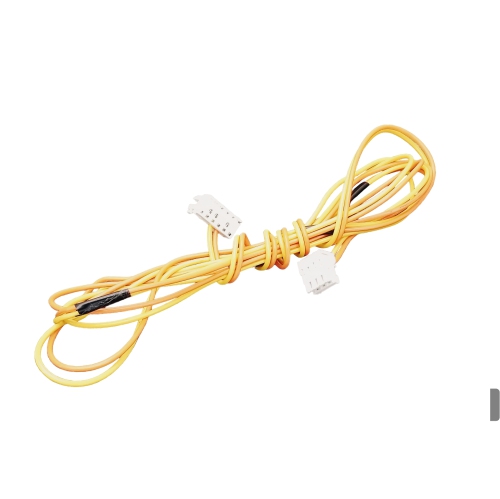
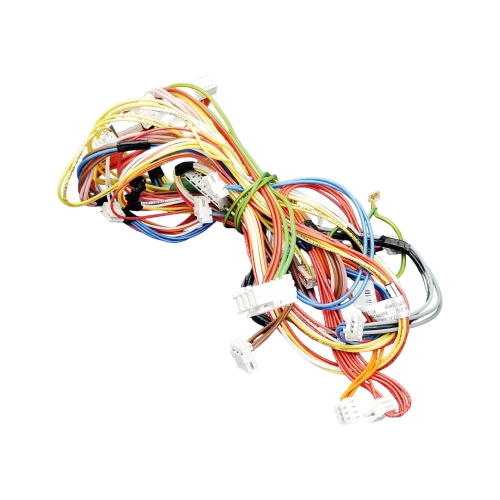
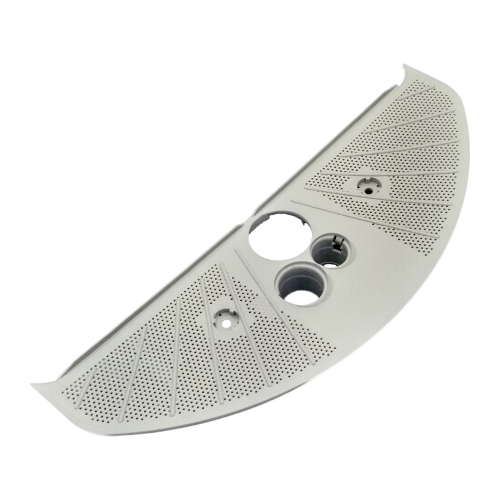
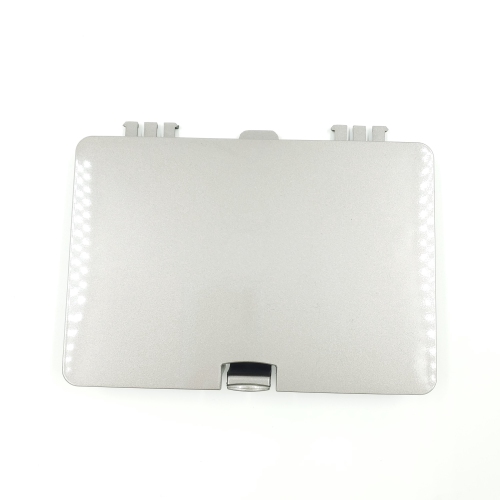
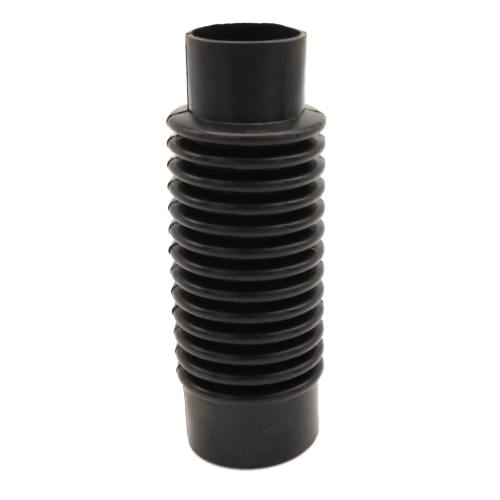
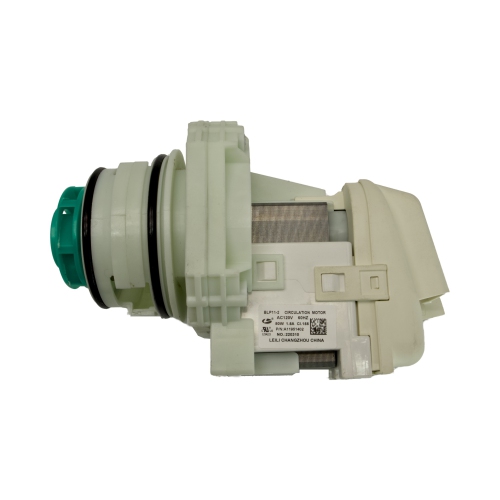
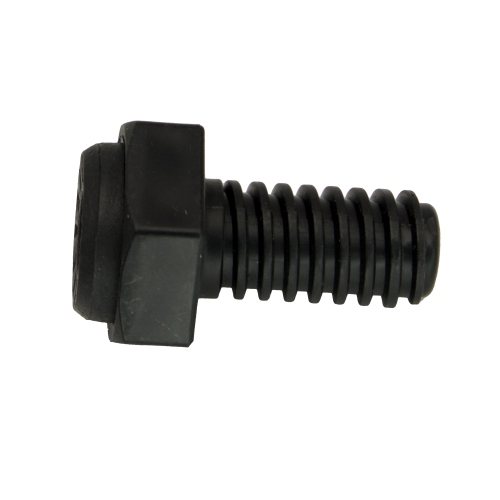


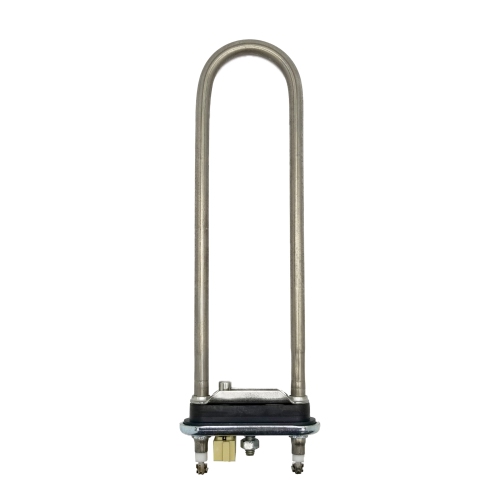
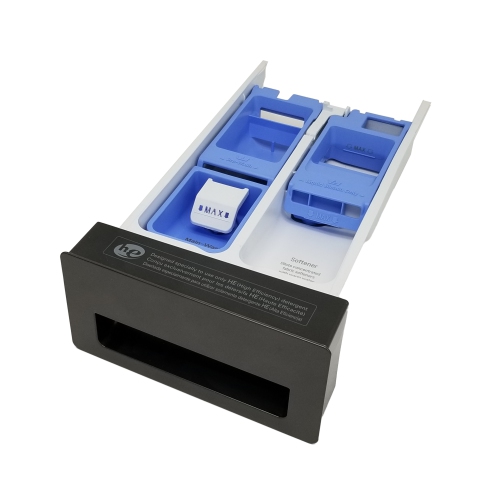
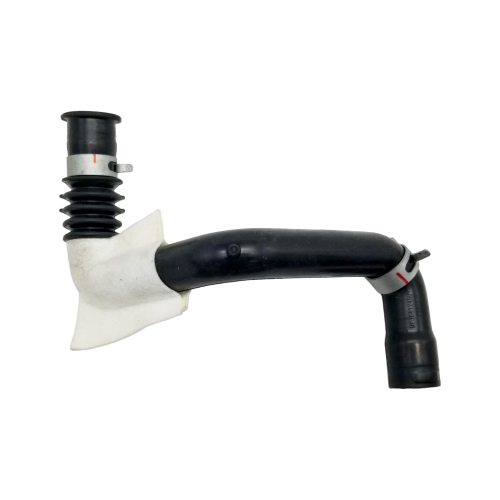
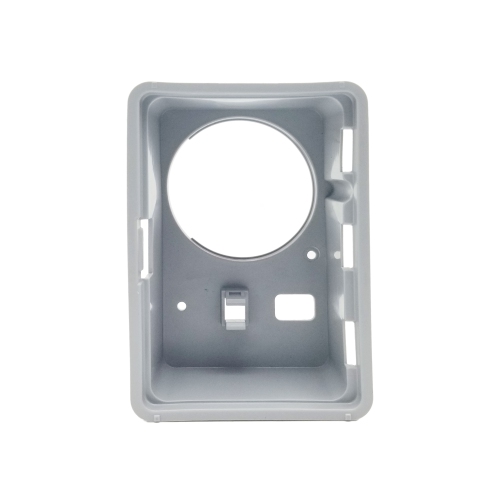
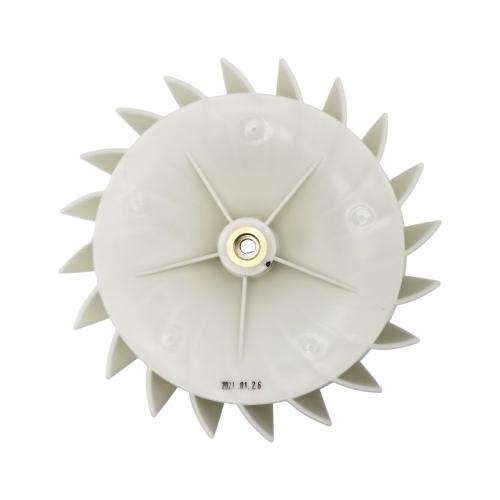
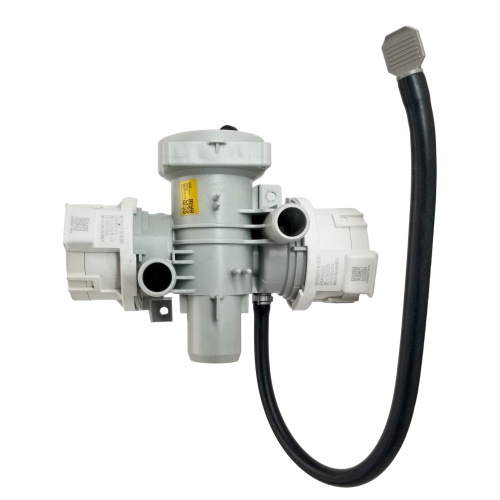
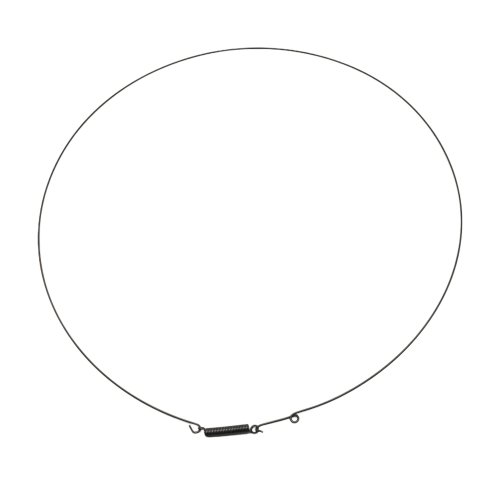
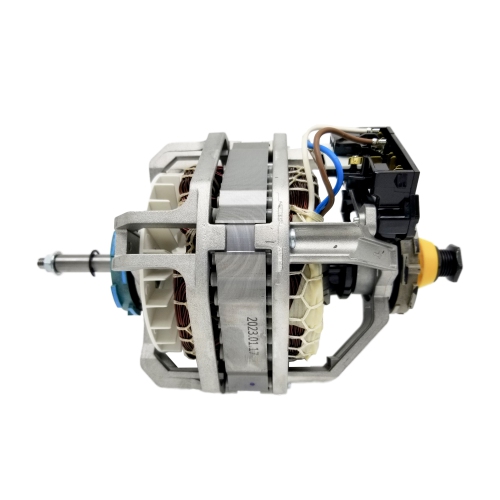

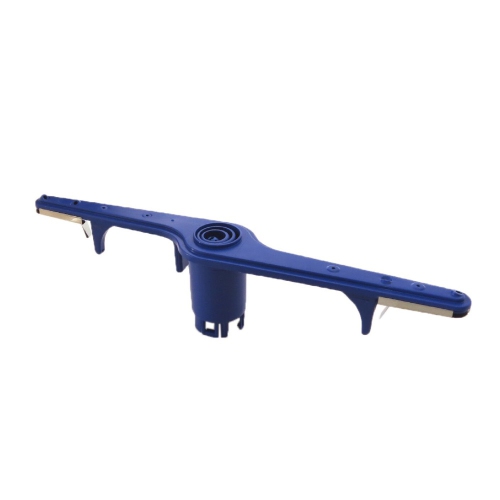
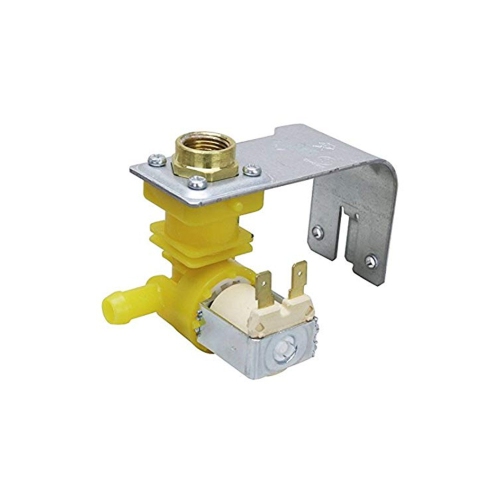
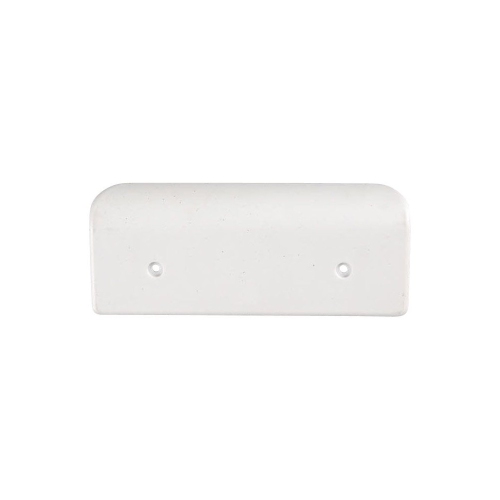
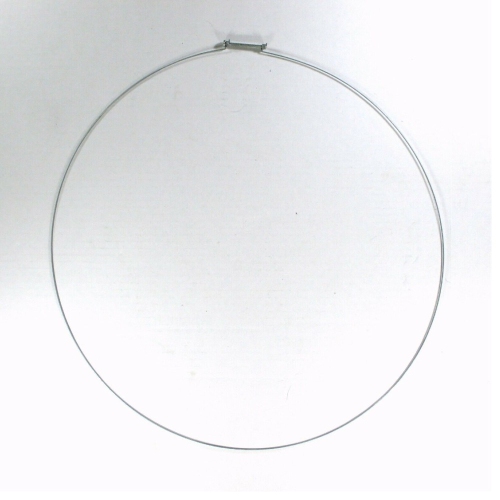
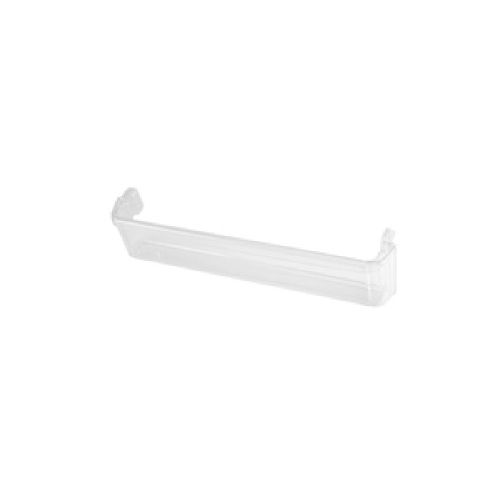
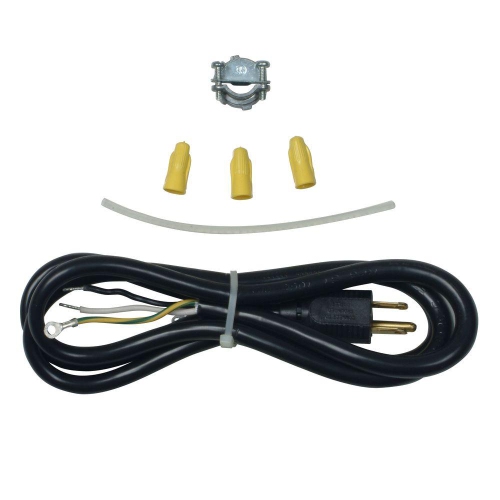
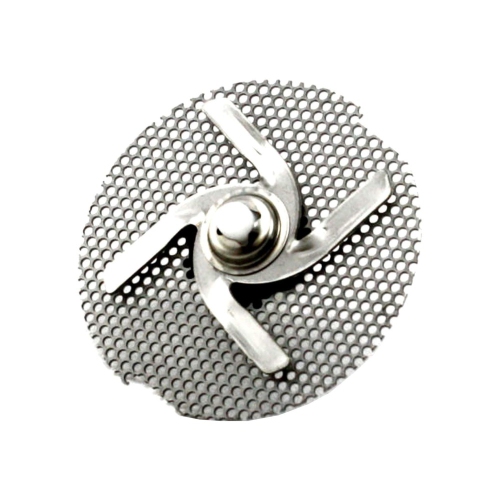

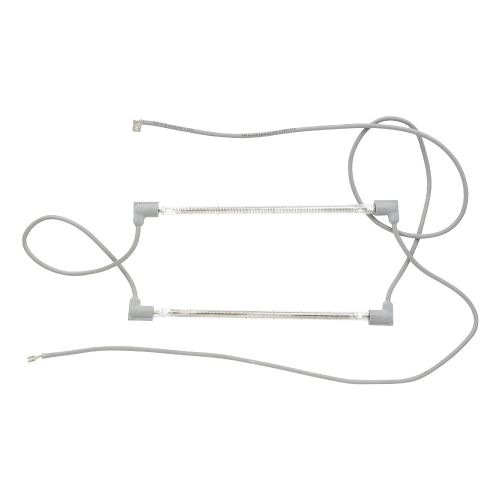



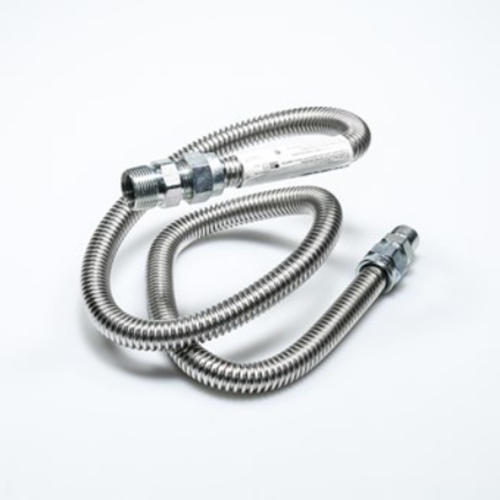




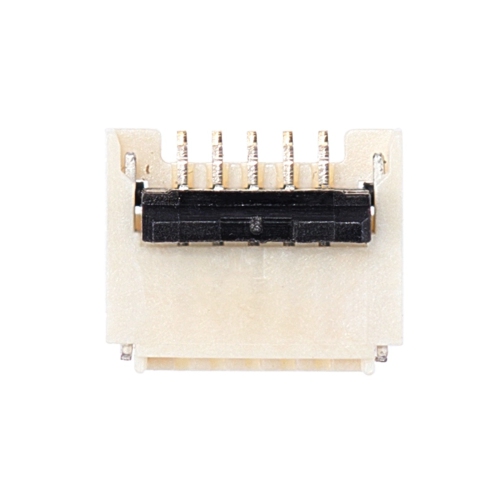
Why the right fit matters for appliance repairs
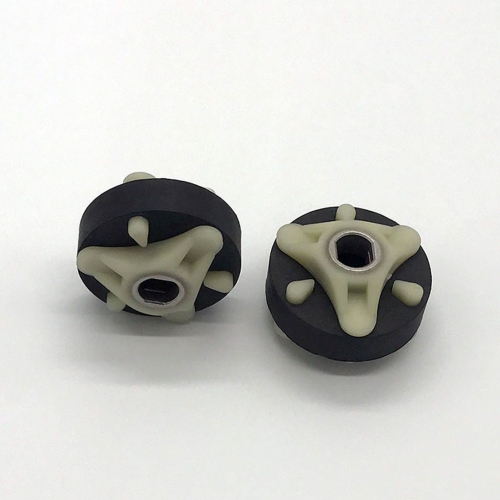
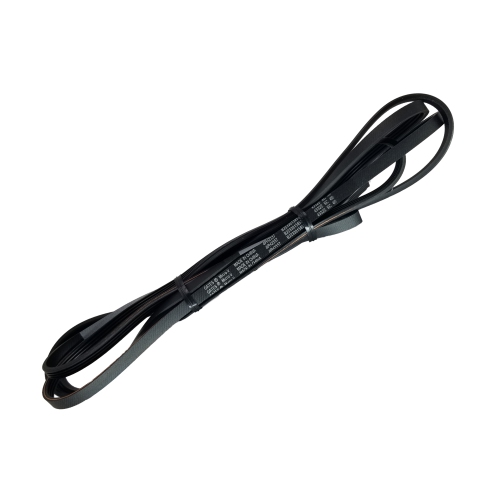
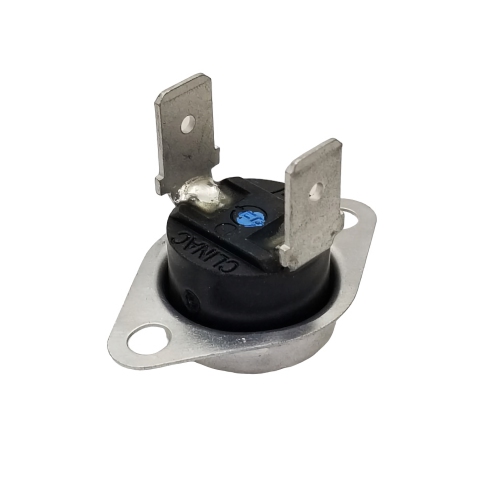
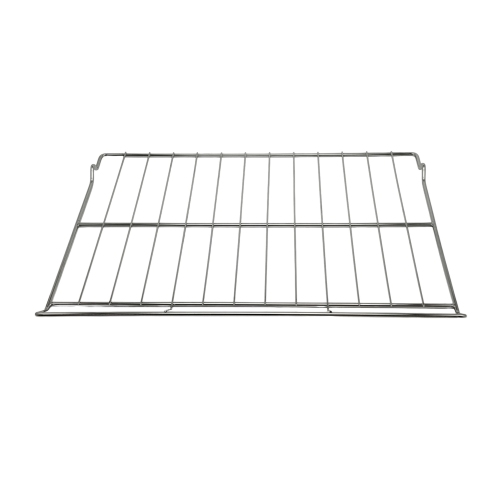
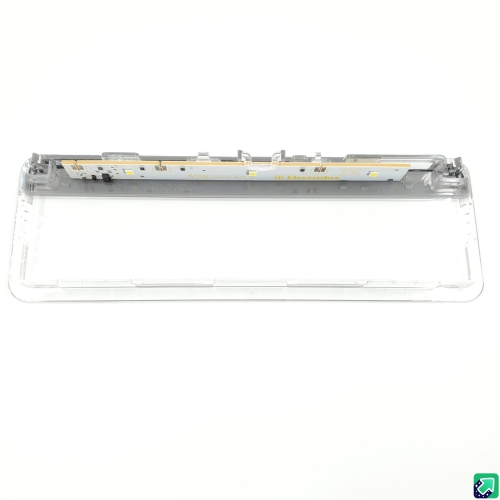
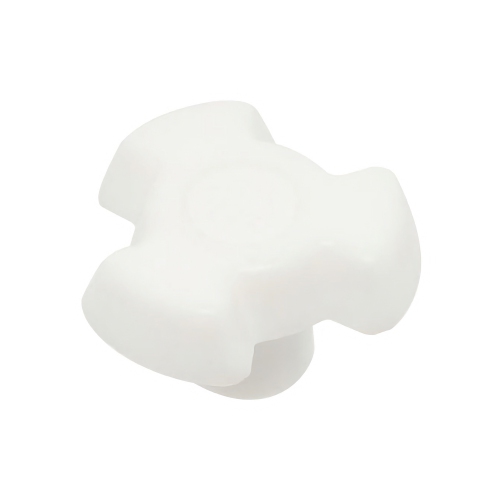
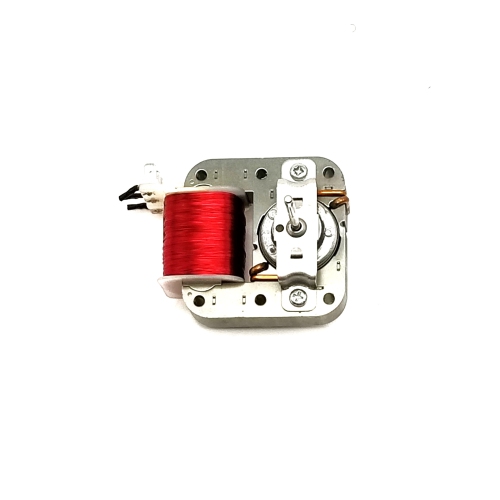
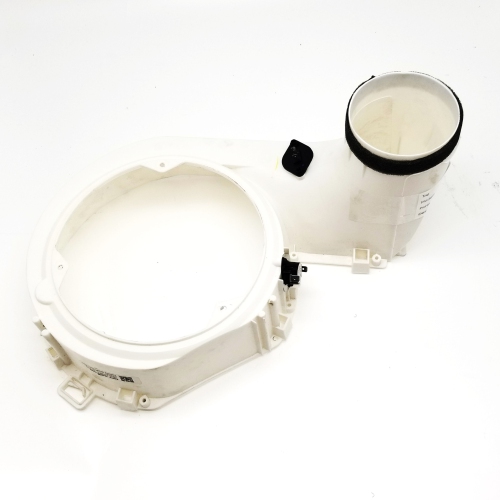
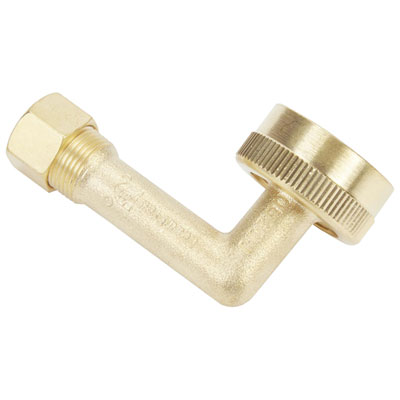
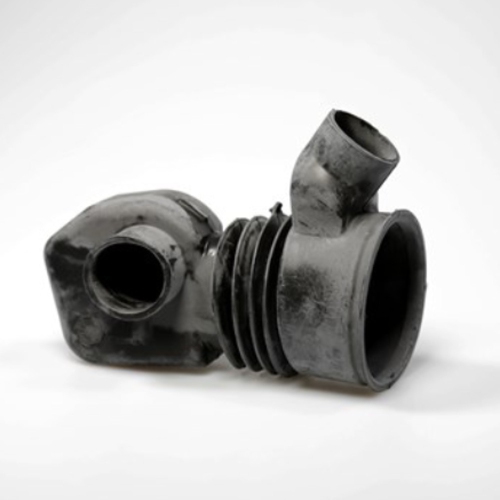
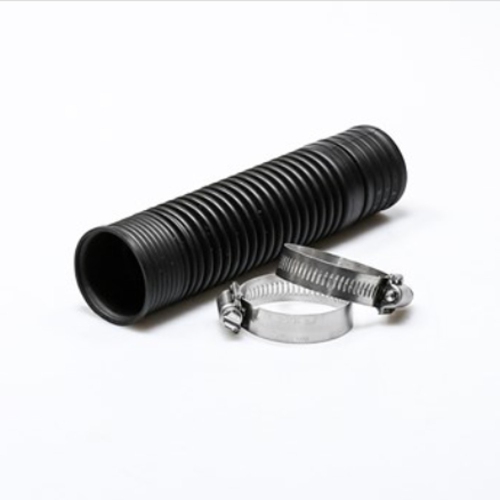
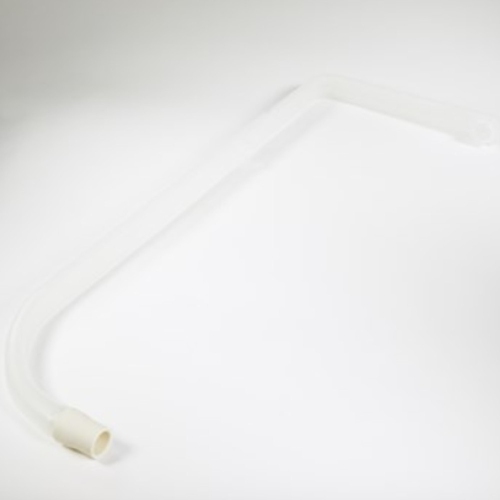
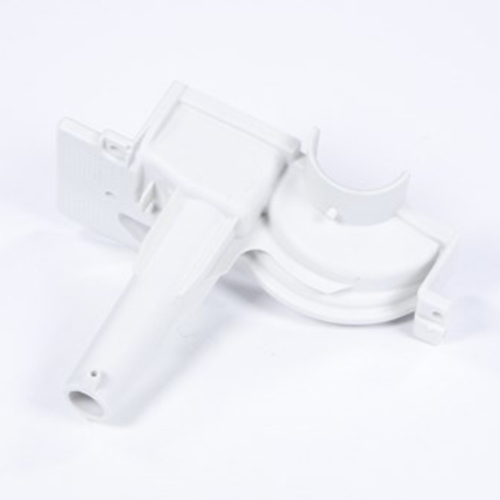
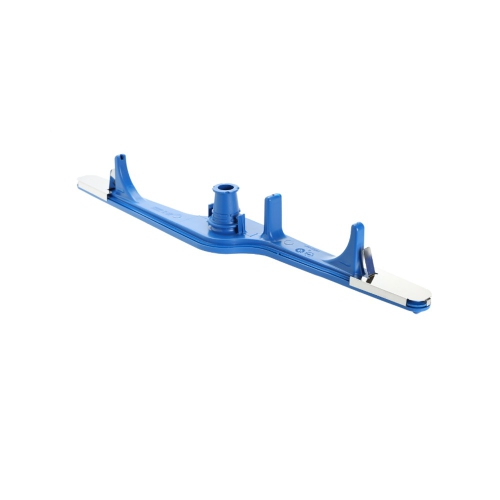
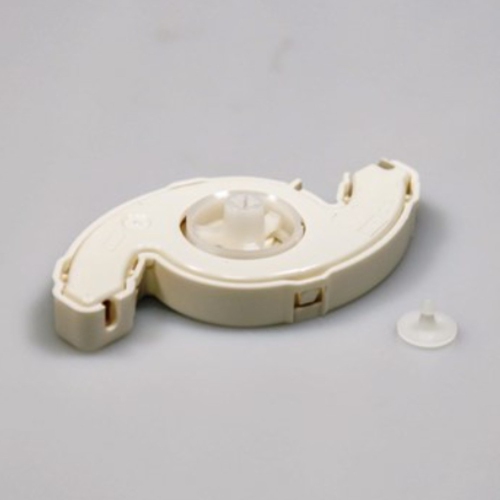
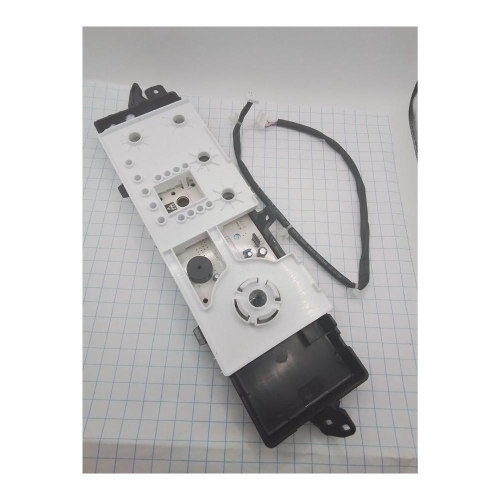
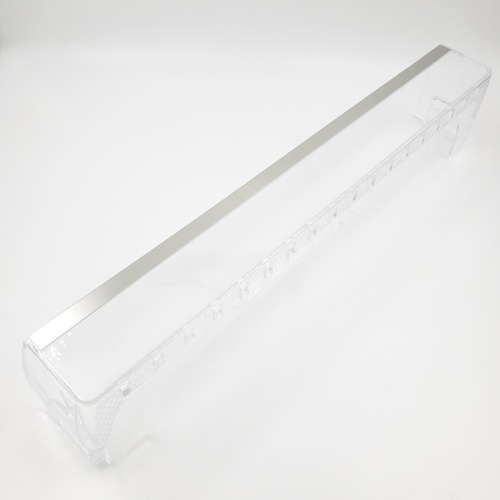
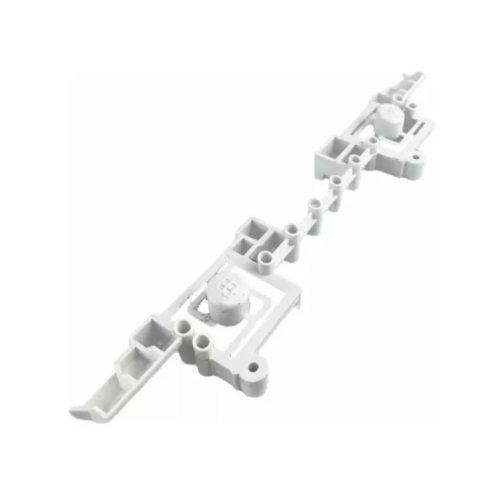
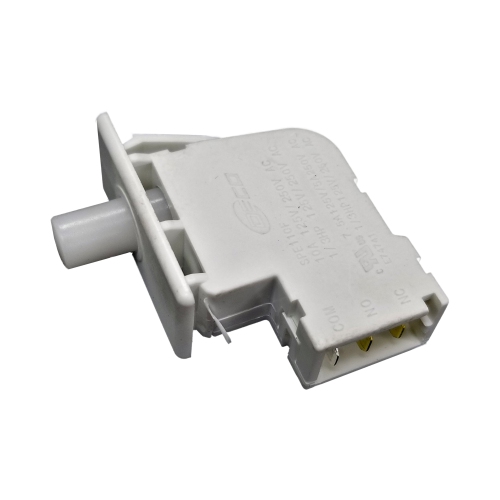
Home appliance parts are replacement components used to maintain or repair the household machines that handle cooking, food storage, dishwashing, and laundry. They range from everyday fittings, such as handles, shelves, and seals, to working components such as pumps, motors, valves, and electronic controls. Each serves a distinct purpose: a door gasket helps create a tight seal, a rack supports dishes through a wash cycle, and a control assembly manages an appliance’s functions. The right replacement can address a worn or damaged component without changing the familiar layout and operation of the whole appliance. For a household with a busy laundry routine, that may mean restoring a washer’s ability to drain properly; in a kitchen, it may mean replacing a cracked storage fitting that makes a refrigerator awkward to organize. Refrigerator parts, dishwasher parts, washer and dryer parts, and range and oven parts all fall within this broad category, but their requirements differ considerably. Components designed to hold food or dishes need suitable surfaces and load capacity, while moving parts need precise dimensions and connections to work with the surrounding mechanism. Homeowners, property managers, and repair professionals may use appliance replacement parts for routine upkeep, repairs, or the replacement of missing fittings. Renters generally need the property owner’s approval before making changes to an appliance supplied with the home. These components are practical purchases rather than typical gifts, and their value depends on matching a particular appliance and a clearly identified need. A missing shelf support, loose handle, or damaged basket can interfere with daily use even when the appliance’s main functions still work. Replacement parts can help restore those smaller conveniences as well as address mechanical faults, provided the cause of the problem has been confirmed. That distinction matters because an appliance that stops mid-cycle or leaves water behind may have more than one possible fault, and a visible symptom alone does not establish which component needs replacement.
Fit is central to choosing home appliance parts. An appliance’s full model number is usually more useful than its appearance, age, or general size because similar-looking machines can use different fittings and internal assemblies. The rating label or identification plate commonly provides the model and serial numbers, although its location varies by appliance. Those details, together with a manufacturer’s parts diagram or compatibility information, help distinguish between components that look almost identical. A shelf that appears to have the right width may still use a different support shape; a door seal may have the correct outline but the wrong attachment profile. Part numbers can make matching easier, but a replacement number may have changed, and the updated reference still needs to be confirmed for the appliance. Measurements are helpful supporting details rather than a substitute for verified compatibility. Width, depth, mounting points, connector shape, and clearance can all affect whether a part fits and functions as intended. Even the position of a small tab or opening can determine whether a fitting sits securely or interferes with a nearby moving section. Electrical ratings, water connections, and the intended installation location also matter for functional components. Original-manufacturer parts are designed for specified models, while compatible alternatives require equally careful checks against the stated application. Neither a familiar appearance nor a broad category description guarantees a match. Product information may also distinguish between an individual component and an assembly containing several connected pieces, which can affect what is needed for the repair. Fasteners, brackets, seals, or other fittings may be separate unless explicitly included. For shoppers comparing appliance repair parts, clear compatibility details are therefore more meaningful than a photograph alone. The best match is a component specified for the appliance’s model and intended function, with the appropriate connections and any required supporting hardware accounted for. Keeping the appliance information and confirmed part reference together can also make future maintenance easier, especially in homes or rental properties with several appliances to manage.
Materials and construction influence how a replacement part feels in use, how it should be cleaned, and how well it withstands its assigned task. Moulded plastic is common in lightweight storage fittings and housings, while metal may provide support or wear resistance in racks, brackets, and moving assemblies. Flexible rubber or silicone compounds may be used where a component needs to seal, cushion, or accommodate movement. These materials are not interchangeable simply because their shapes are similar: contact with food, water, detergent, grease, or heat creates different demands, and the manufacturer’s specifications remain important. A coated rack, for example, depends on an intact surface as well as a sound frame, while a flexible seal needs the correct profile and enough resilience to maintain contact when a door closes. Durability also depends on installation and everyday handling. An overloaded storage fitting, a forced latch, or a hose routed under strain can wear prematurely even when the replacement itself is appropriate. Care requirements vary, but gentle cleaning with approved methods generally helps protect surfaces and keeps residue from building up around joins and edges. Removable components are not automatically dishwasher-safe, and abrasive cleaners or unsuitable chemicals can damage coatings, plastics, and sealing materials. Manufacturer instructions should define which parts are user-replaceable and which require professional work. A removable shelf or external fitting presents a different task from an internal electrical assembly, gas connection, or sealed refrigeration component. Internal microwave repairs are particularly unsuitable for casual home repair because hazardous electrical charge can remain after the appliance is unplugged. For repairs beyond straightforward, manufacturer-approved maintenance, Home Appliance Services provides a relevant place to explore professional assistance. A repair assessment can also help separate a failed component from an installation issue or a fault elsewhere in the appliance. With a confirmed diagnosis, correct fit, and appropriate care, replacement appliance parts can support dependable daily use while preserving the features and setup a household already knows.
Fit is central to choosing home appliance parts. An appliance’s full model number is usually more useful than its appearance, age, or general size because similar-looking machines can use different fittings and internal assemblies. The rating label or identification plate commonly provides the model and serial numbers, although its location varies by appliance. Those details, together with a manufacturer’s parts diagram or compatibility information, help distinguish between components that look almost identical. A shelf that appears to have the right width may still use a different support shape; a door seal may have the correct outline but the wrong attachment profile. Part numbers can make matching easier, but a replacement number may have changed, and the updated reference still needs to be confirmed for the appliance. Measurements are helpful supporting details rather than a substitute for verified compatibility. Width, depth, mounting points, connector shape, and clearance can all affect whether a part fits and functions as intended. Even the position of a small tab or opening can determine whether a fitting sits securely or interferes with a nearby moving section. Electrical ratings, water connections, and the intended installation location also matter for functional components. Original-manufacturer parts are designed for specified models, while compatible alternatives require equally careful checks against the stated application. Neither a familiar appearance nor a broad category description guarantees a match. Product information may also distinguish between an individual component and an assembly containing several connected pieces, which can affect what is needed for the repair. Fasteners, brackets, seals, or other fittings may be separate unless explicitly included. For shoppers comparing appliance repair parts, clear compatibility details are therefore more meaningful than a photograph alone. The best match is a component specified for the appliance’s model and intended function, with the appropriate connections and any required supporting hardware accounted for. Keeping the appliance information and confirmed part reference together can also make future maintenance easier, especially in homes or rental properties with several appliances to manage.
Materials and construction influence how a replacement part feels in use, how it should be cleaned, and how well it withstands its assigned task. Moulded plastic is common in lightweight storage fittings and housings, while metal may provide support or wear resistance in racks, brackets, and moving assemblies. Flexible rubber or silicone compounds may be used where a component needs to seal, cushion, or accommodate movement. These materials are not interchangeable simply because their shapes are similar: contact with food, water, detergent, grease, or heat creates different demands, and the manufacturer’s specifications remain important. A coated rack, for example, depends on an intact surface as well as a sound frame, while a flexible seal needs the correct profile and enough resilience to maintain contact when a door closes. Durability also depends on installation and everyday handling. An overloaded storage fitting, a forced latch, or a hose routed under strain can wear prematurely even when the replacement itself is appropriate. Care requirements vary, but gentle cleaning with approved methods generally helps protect surfaces and keeps residue from building up around joins and edges. Removable components are not automatically dishwasher-safe, and abrasive cleaners or unsuitable chemicals can damage coatings, plastics, and sealing materials. Manufacturer instructions should define which parts are user-replaceable and which require professional work. A removable shelf or external fitting presents a different task from an internal electrical assembly, gas connection, or sealed refrigeration component. Internal microwave repairs are particularly unsuitable for casual home repair because hazardous electrical charge can remain after the appliance is unplugged. For repairs beyond straightforward, manufacturer-approved maintenance, Home Appliance Services provides a relevant place to explore professional assistance. A repair assessment can also help separate a failed component from an installation issue or a fault elsewhere in the appliance. With a confirmed diagnosis, correct fit, and appropriate care, replacement appliance parts can support dependable daily use while preserving the features and setup a household already knows.
Top selling and popular products
-
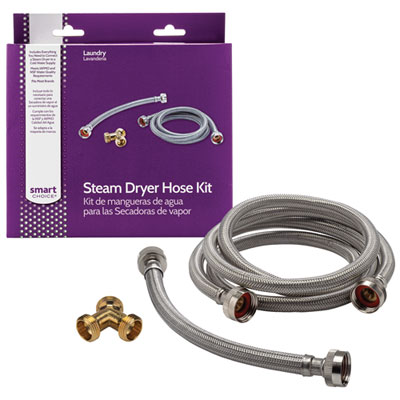 Your price for this item is $39.99
 -
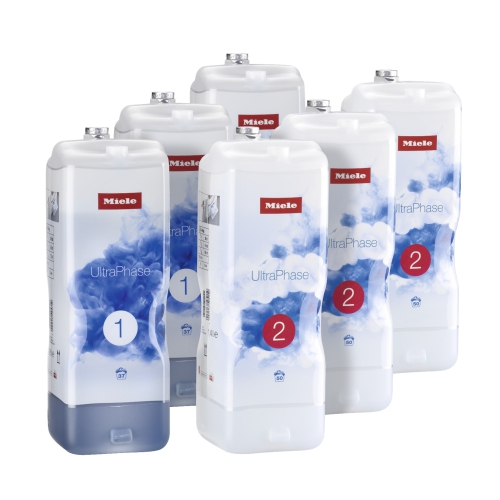 Your price for this item is $184.94
 -
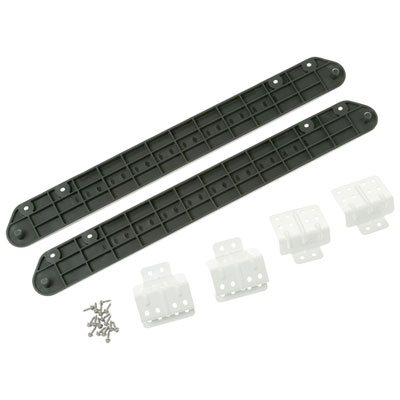 Your price for this item is $99.99
 -
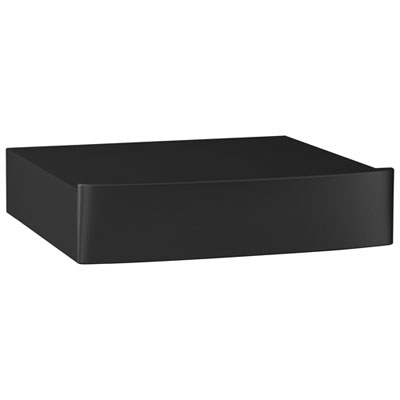 Your price for this item is $349.99
 -
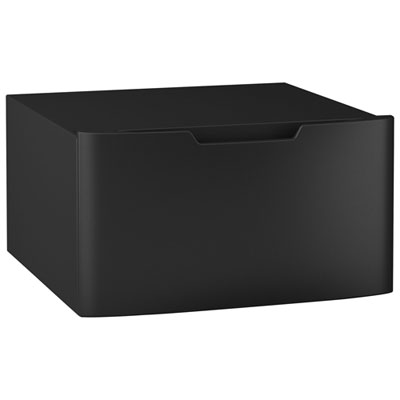 Your price for this item is $449.99
 -
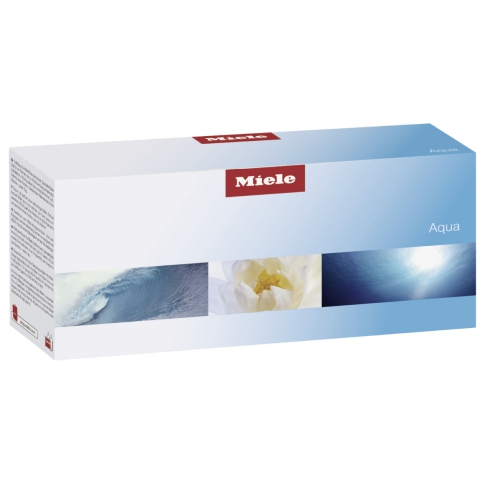 Your price for this item is $59.99
 -
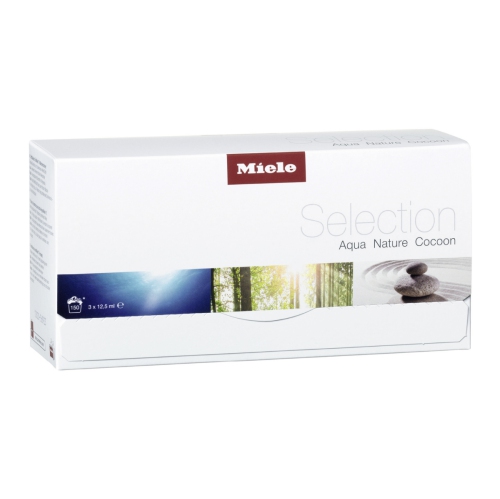 Your price for this item is $59.99
 -
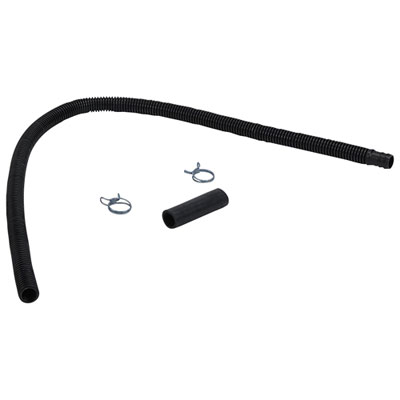 Your price for this item is $39.99
Discover more categories related to Home Appliance Parts

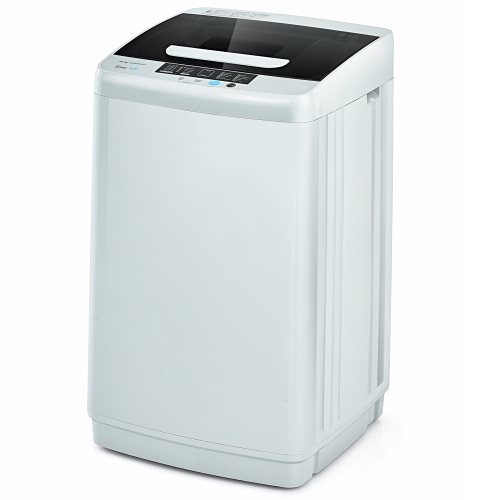
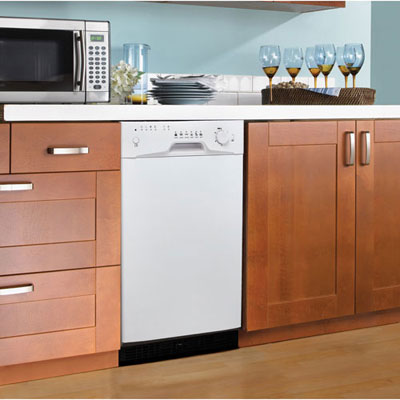
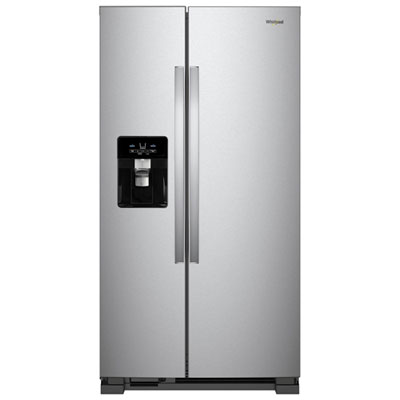
Top Collections:
Pokemon Centers, Kindle Devices, Best Budget Office Chairs, Apple iPhones 16, Best Laptops for Writers, iPhone 15 Apple, Canon G7X Cameras, Refurbished Apple Laptops, Alarm Clock, Motorola Razr Phones
Some products may be subject to Environmental Handling Fees
(EHF) depending on your province.
Learn more about EHFs.