Home Brewing Equipment
Brewing your own beer at home is a rewarding and creative hobby that allows you to craft unique and delicious brews right in your own kitchen or backyard. Whether you're a seasoned homebrewer or just starting out, having the right equipment is essential to ensuring a successful brewing process. From fermenters and kettles to bottling supplies and accessories, our selection of home brewing equipment has everything you need to take your beer-making skills to the next level.
Sort
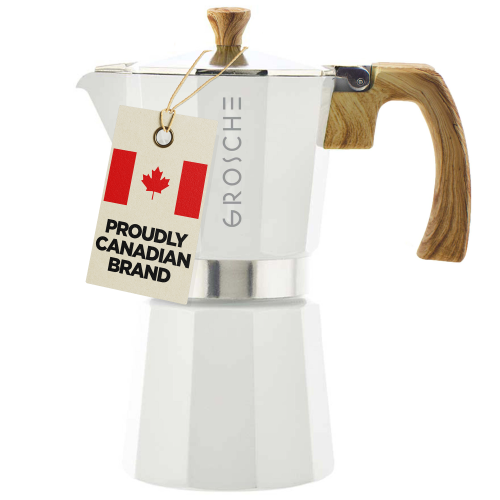
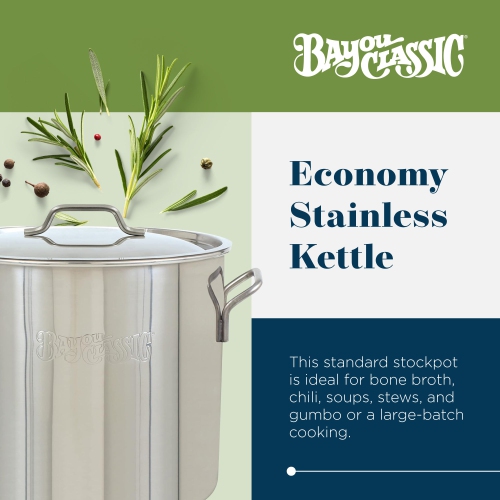
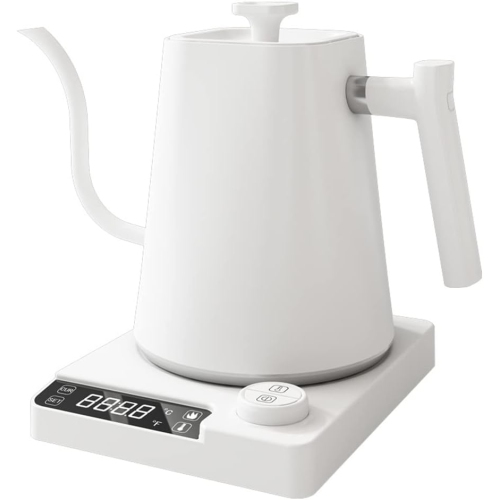
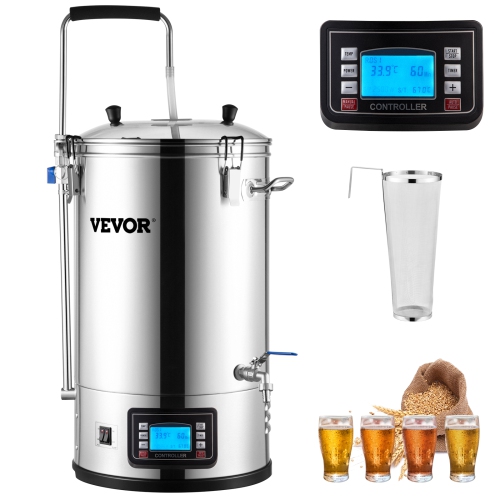
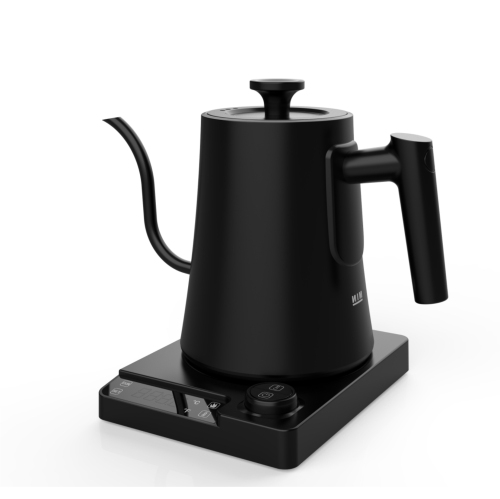
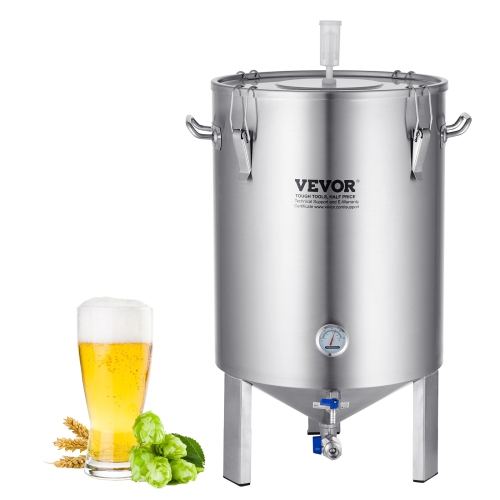
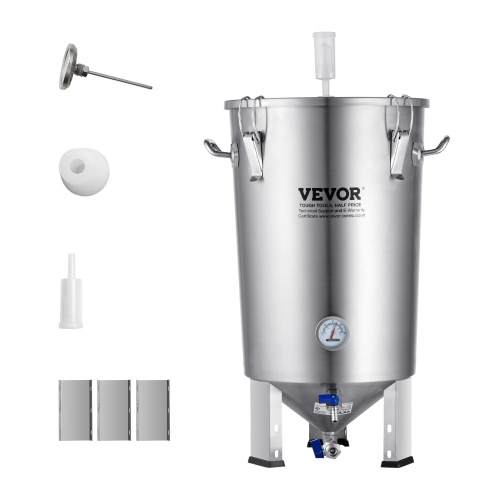
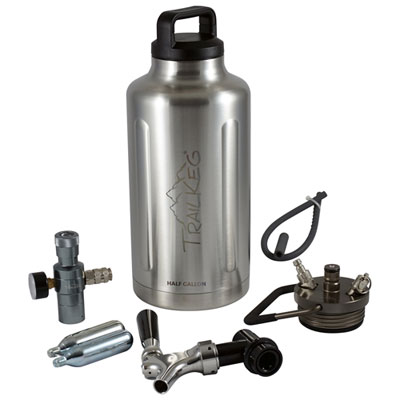
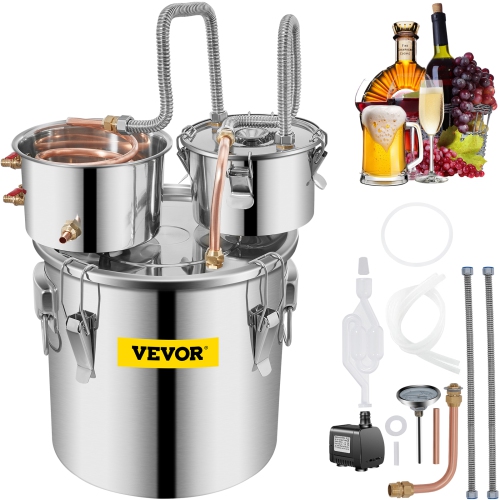
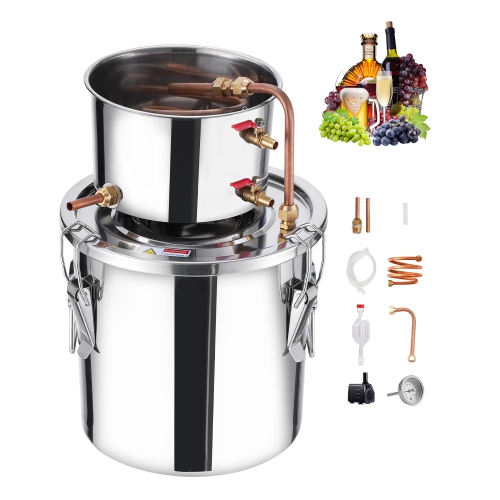
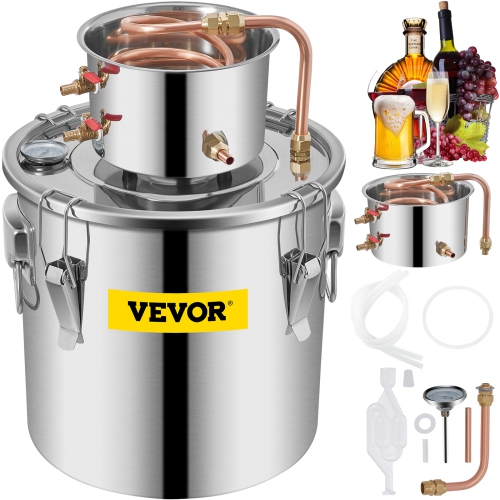
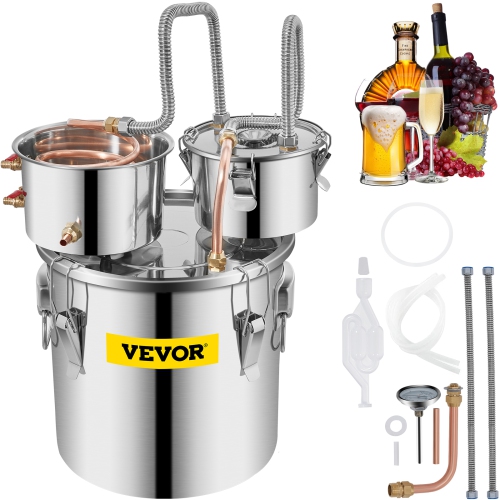
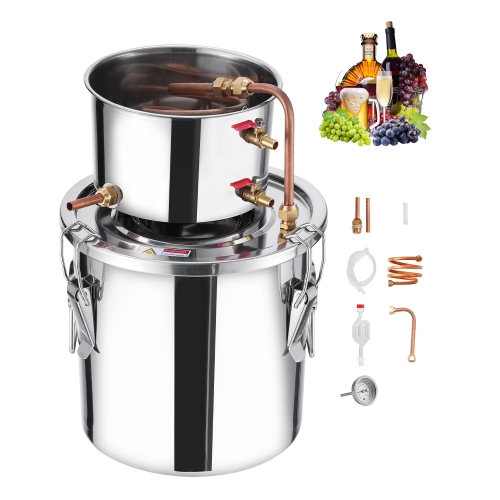
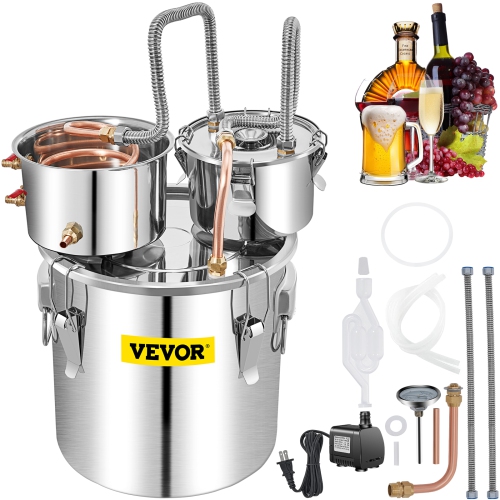
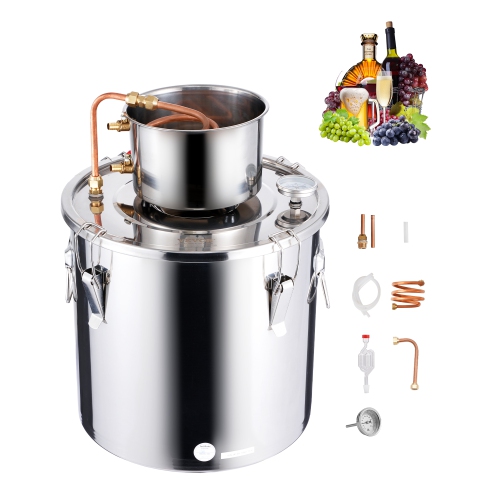
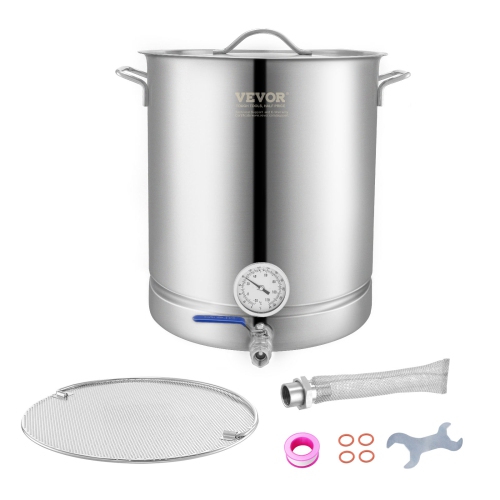
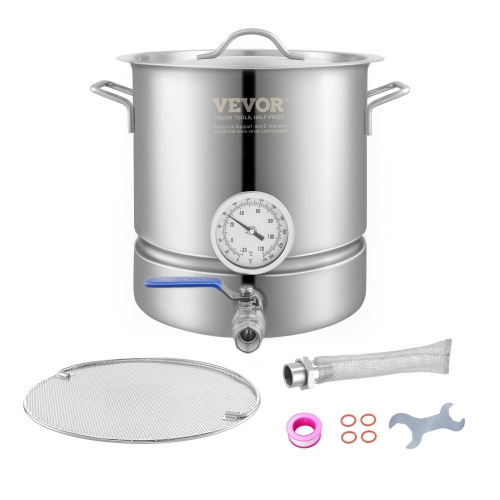
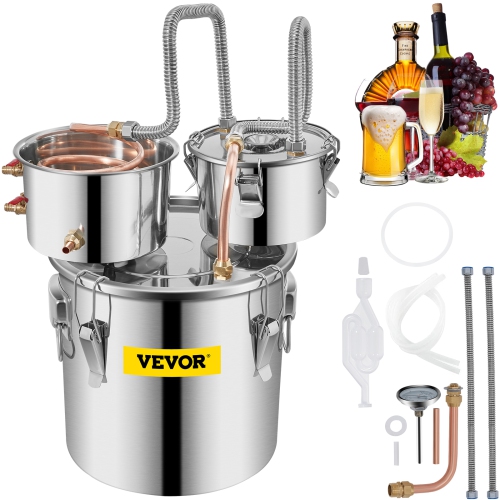
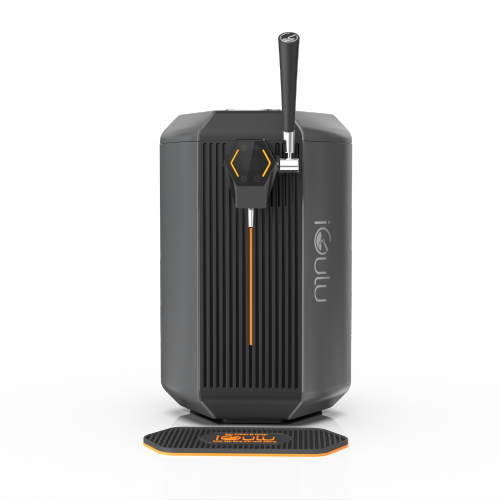
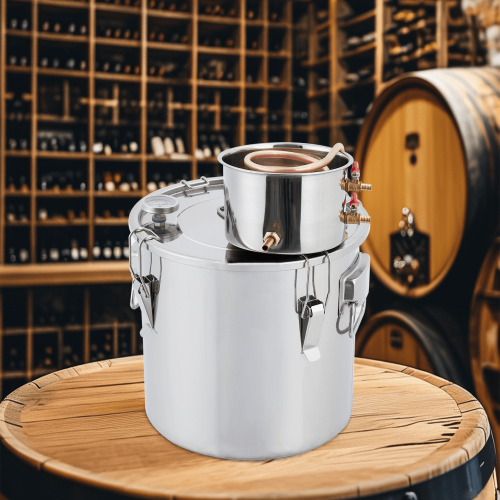
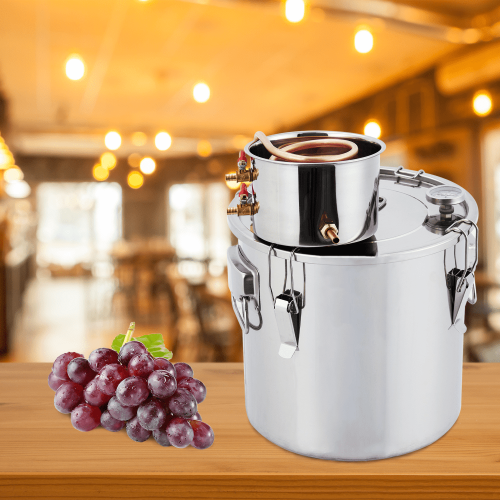
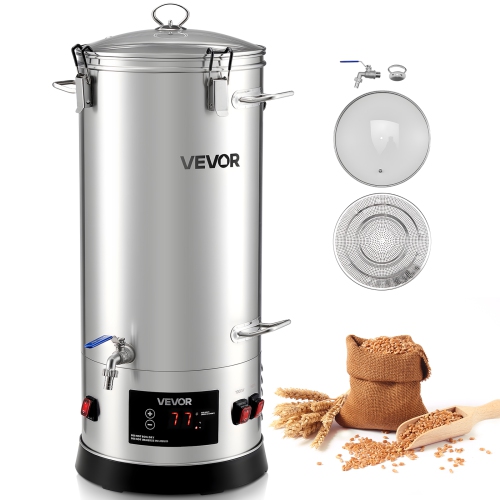
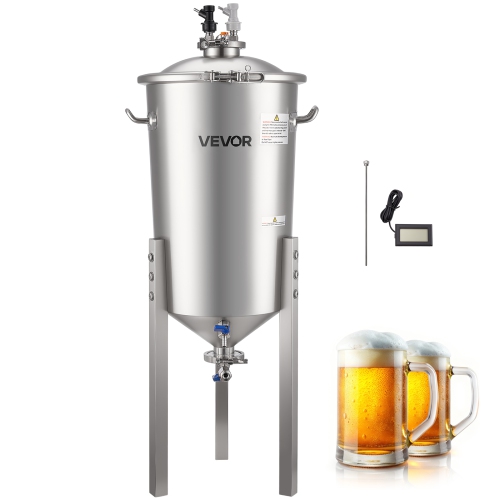
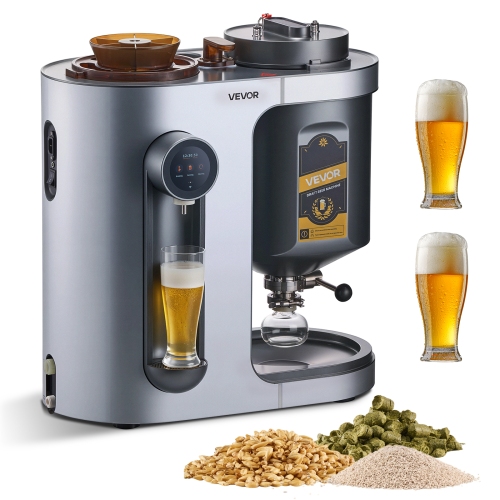
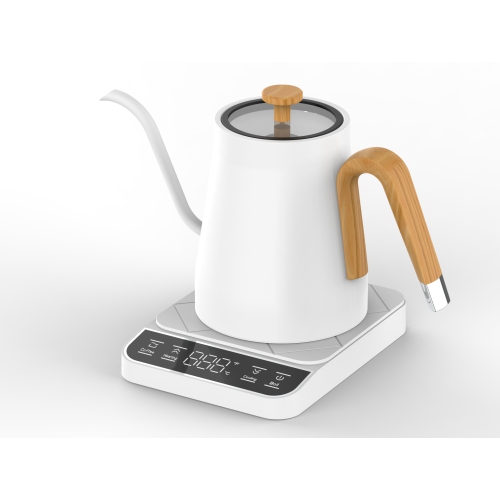

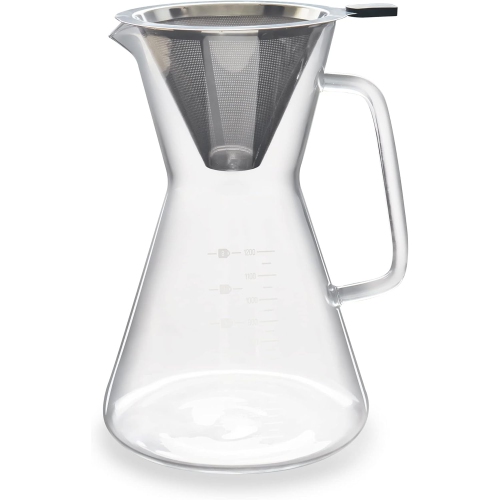
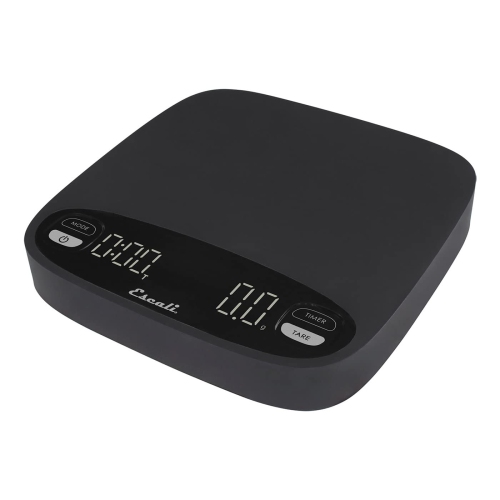
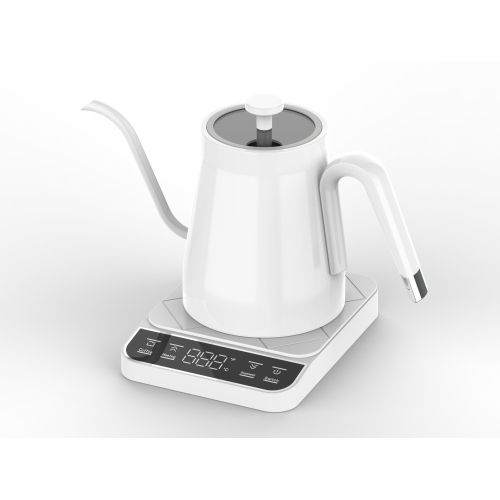
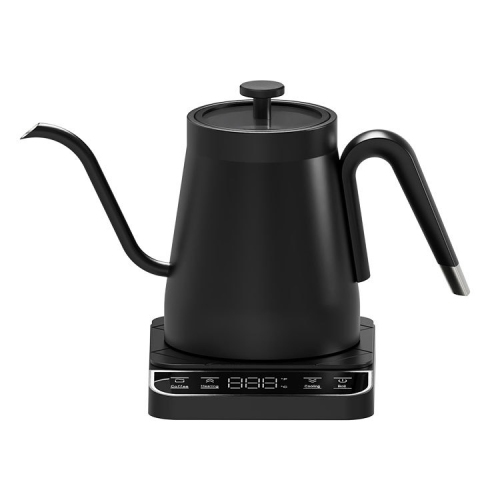
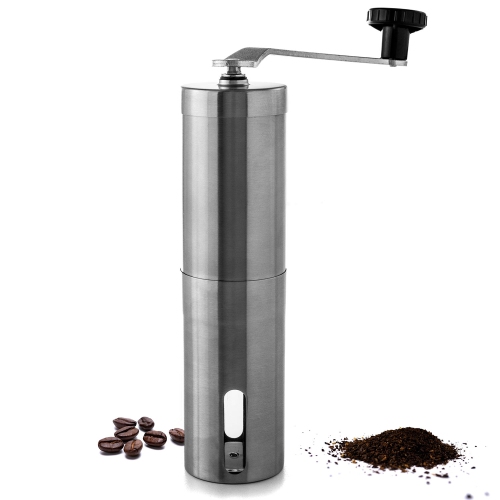
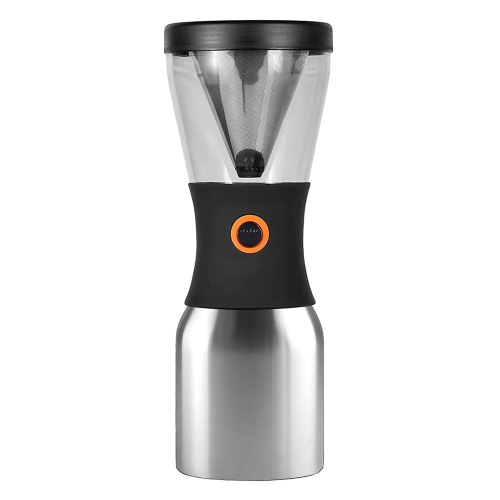
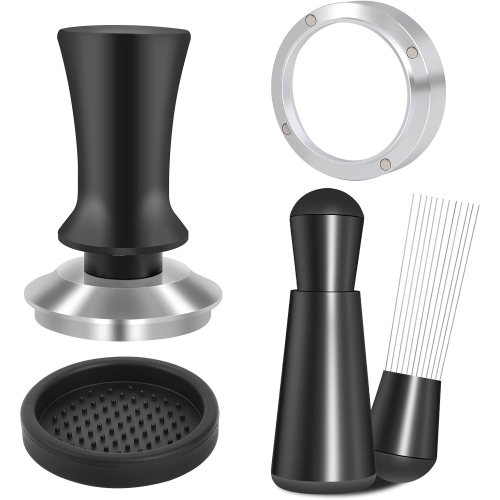

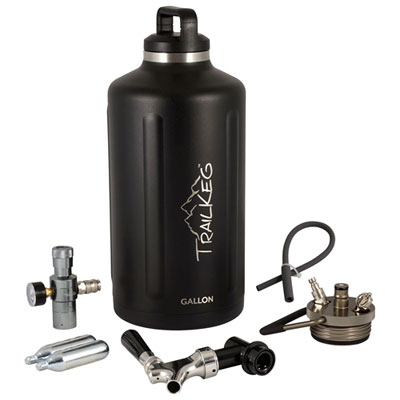
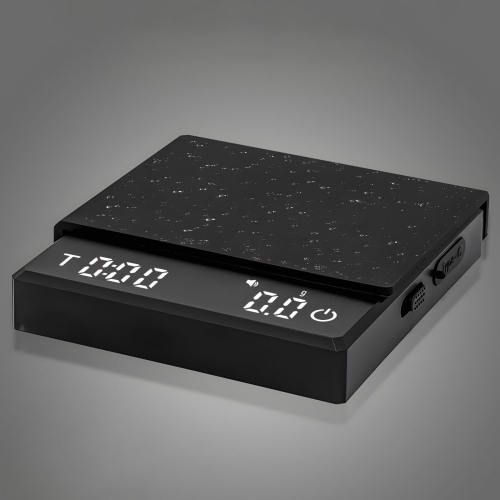
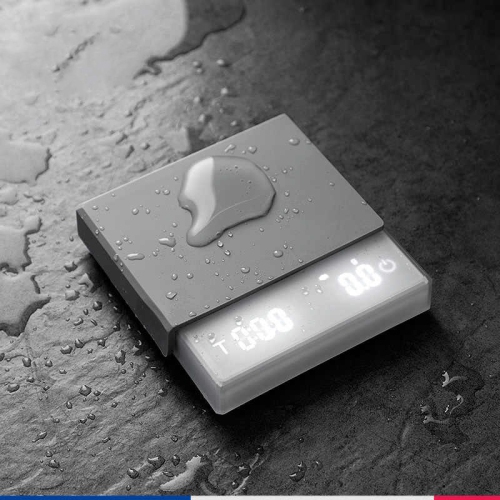
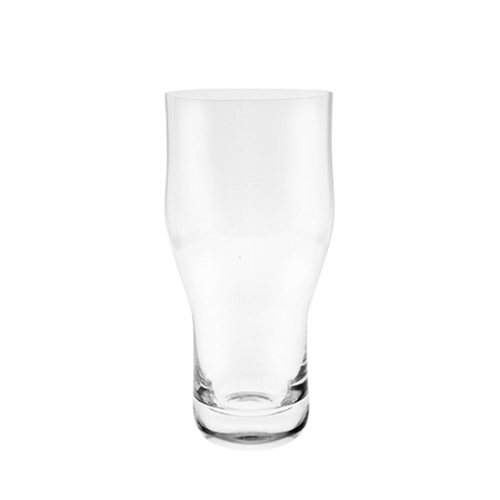
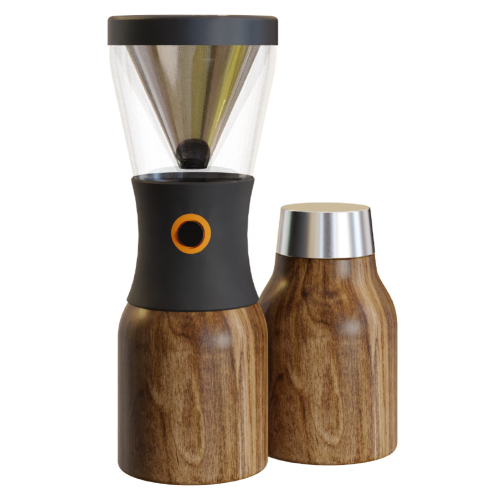
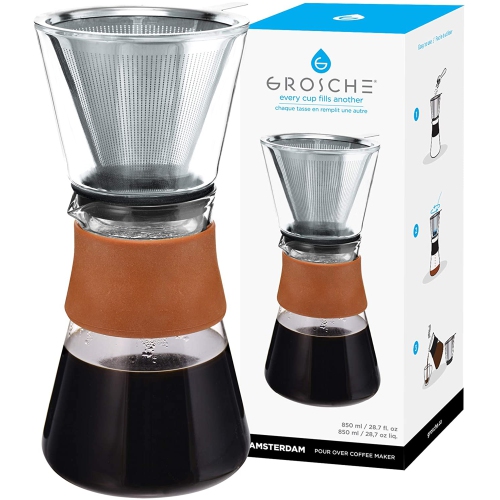
From boiling wort to pouring the finished brew
Home brewing equipment brings the main stages of making beer into one practical setup, from preparing water and malt to fermenting, bottling, kegging, and serving the finished brew. A typical home brewing arrangement begins with a brew pot or kettle large enough to heat water and boil wort, the liquid created when sugars are extracted from malt. A food-grade fermenter, such as a bucket or glass carboy, provides a controlled place for fermentation, while a lid, bung, and airlock help release carbon dioxide without leaving the beer exposed to unnecessary contaminants. Temperature control is one of the most important parts of the process, which makes a reliable thermometer useful when heating water, steeping ingredients, or cooling wort after the boil. Brewers who want to track the progress of fermentation may also use a hydrometer to measure sugar density before and after fermentation, helping estimate alcohol content and confirm when the beer is ready for the next stage. An auto-siphon and food-safe tubing can make transfers between vessels smoother and help reduce splashing, spills, and unwanted oxygen exposure. Cleaning and sanitizing supplies are just as essential as the brewing vessels themselves: cleaner removes residue from kettles, fermenters, tubing, bottles, and other equipment, while sanitizer prepares those surfaces for contact with the beer. A careful cleaning routine, followed by sanitizing immediately before use, supports more consistent results and helps protect the flavour of each batch. For anyone comparing home brewing equipment, consider the size of the batches you expect to make, the amount of storage space available, and how much hands-on control you want throughout the process. A compact setup may suit someone brewing occasionally in a kitchen or utility room, while a larger arrangement can be helpful for enthusiasts who regularly experiment with different recipes or host tastings at home.
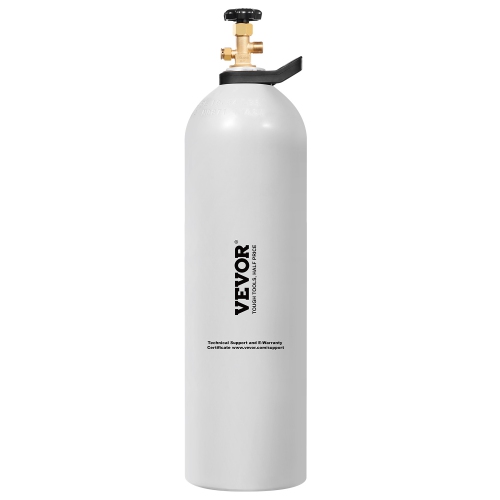
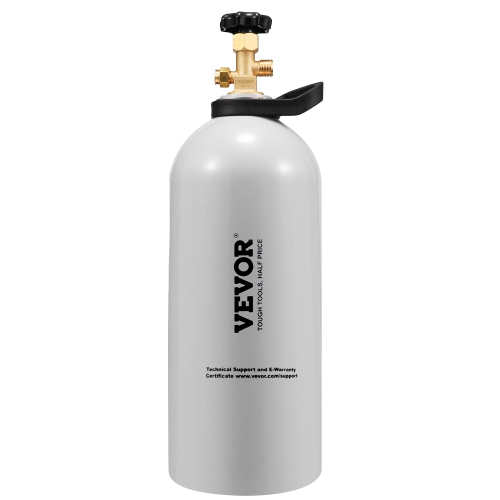
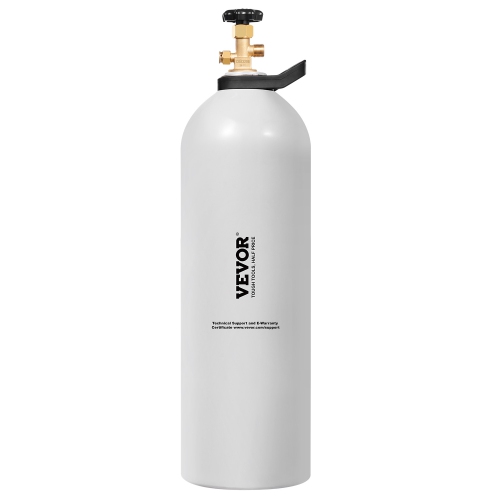
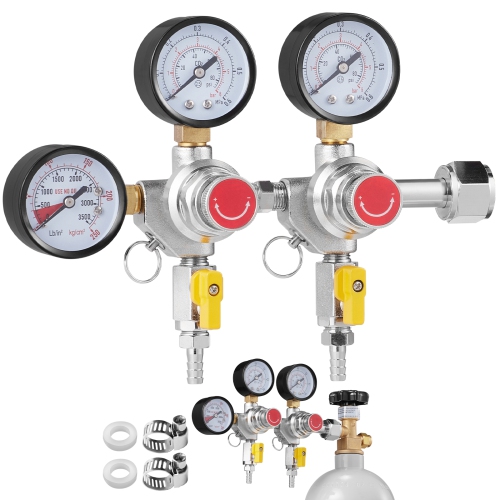
Cooling hot wort quickly is another important consideration, particularly for brewers working with larger volumes. A wort chiller uses a coil and running water to lower the temperature more efficiently than leaving the brew pot to cool on its own. Faster cooling can make the transition from boiling to fermentation more predictable and can free up the kettle for cleaning sooner. Brewers interested in an all-in-one approach may prefer an electric brewing system that combines mashing, boiling, temperature management, and, in some designs, recirculation in a single appliance. These systems can reduce the number of separate vessels needed and provide useful controls for repeatable batches, although traditional equipment may appeal to those who enjoy managing each step by hand. Bottling equipment is a practical choice for sharing beer, storing smaller portions, or preparing a mixed selection of home-brewed styles. A bottle filler wand, caps, and a manual capper can help make filling more orderly, while sturdy bottles designed for carbonated beverages are important for safe storage. Kegging equipment offers another serving method, especially for people who prefer draft beer and want to reduce the time spent filling individual bottles. A kegging setup generally includes a pressurized steel keg, carbon dioxide equipment, dispensing lines, and a compatible refrigerator or cooling cabinet. The right combination depends on available room, serving habits, and whether the brewer values easy pouring, portability, or the ability to carbonate and serve from one container. Accessories that support serving, storage, and entertaining can be explored alongside core brewing supplies in Beer Accessories. When selecting equipment, look for compatible fittings, food-safe materials, easy-to-clean surfaces, readable measurements, and replacement parts that are simple to find. Capacity deserves particular attention: a vessel that is too small may be difficult to manage during a vigorous boil or active fermentation, while a setup that is much larger than needed can take up valuable space and require more water, ingredients, and cleaning time.
Home brewing equipment can suit experienced brewers refining a favourite recipe, beginners building a first setup, and curious cooks who enjoy turning a weekend project into something they can share. It can also make a thoughtful gift for someone who enjoys craft beer, cooking, entertaining, or hands-on hobbies. A starter collection with a fermenter, airlock, thermometer, hydrometer, siphon, tubing, and cleaning supplies gives a new brewer the basic tools to learn the process, while an established hobbyist may appreciate an upgrade such as a larger kettle, a faster wort chiller, an all-in-one brewing system, or equipment for moving from bottles to kegs. During the cooler months, brewing can become a rewarding indoor project, with the aroma of warm malt and hops filling the kitchen or a dedicated workspace while a new batch takes shape. The process rewards patience: ingredients are prepared, wort is boiled, the liquid is cooled, yeast is added, and fermentation gradually transforms the brew over time. Once fermentation is complete, the beer can be bottled with priming sugar for natural carbonation or transferred to a keg for chilled draft service. Brewing equipment is also useful for people who enjoy comparing methods, adjusting water temperature, recording gravity readings, and learning how small changes affect colour, aroma, body, and bitterness. Before buying, measure counters, shelves, refrigerators, and storage areas to make sure vessels and accessories will fit comfortably, and check that hoses, connectors, taps, and gas lines match the selected system. Consider how much lifting and transferring will be involved, since full kettles and fermenters can be heavy, and choose equipment that feels manageable from heating through cleanup. With the right combination of capacity, control, sanitation tools, and serving accessories, a home brewing setup can support everything from occasional small batches to a more involved grain-to-glass routine, giving each stage a clear place in the process and making it easier to enjoy the finished beer with friends and family.
Cooling hot wort quickly is another important consideration, particularly for brewers working with larger volumes. A wort chiller uses a coil and running water to lower the temperature more efficiently than leaving the brew pot to cool on its own. Faster cooling can make the transition from boiling to fermentation more predictable and can free up the kettle for cleaning sooner. Brewers interested in an all-in-one approach may prefer an electric brewing system that combines mashing, boiling, temperature management, and, in some designs, recirculation in a single appliance. These systems can reduce the number of separate vessels needed and provide useful controls for repeatable batches, although traditional equipment may appeal to those who enjoy managing each step by hand. Bottling equipment is a practical choice for sharing beer, storing smaller portions, or preparing a mixed selection of home-brewed styles. A bottle filler wand, caps, and a manual capper can help make filling more orderly, while sturdy bottles designed for carbonated beverages are important for safe storage. Kegging equipment offers another serving method, especially for people who prefer draft beer and want to reduce the time spent filling individual bottles. A kegging setup generally includes a pressurized steel keg, carbon dioxide equipment, dispensing lines, and a compatible refrigerator or cooling cabinet. The right combination depends on available room, serving habits, and whether the brewer values easy pouring, portability, or the ability to carbonate and serve from one container. Accessories that support serving, storage, and entertaining can be explored alongside core brewing supplies in Beer Accessories. When selecting equipment, look for compatible fittings, food-safe materials, easy-to-clean surfaces, readable measurements, and replacement parts that are simple to find. Capacity deserves particular attention: a vessel that is too small may be difficult to manage during a vigorous boil or active fermentation, while a setup that is much larger than needed can take up valuable space and require more water, ingredients, and cleaning time.
Home brewing equipment can suit experienced brewers refining a favourite recipe, beginners building a first setup, and curious cooks who enjoy turning a weekend project into something they can share. It can also make a thoughtful gift for someone who enjoys craft beer, cooking, entertaining, or hands-on hobbies. A starter collection with a fermenter, airlock, thermometer, hydrometer, siphon, tubing, and cleaning supplies gives a new brewer the basic tools to learn the process, while an established hobbyist may appreciate an upgrade such as a larger kettle, a faster wort chiller, an all-in-one brewing system, or equipment for moving from bottles to kegs. During the cooler months, brewing can become a rewarding indoor project, with the aroma of warm malt and hops filling the kitchen or a dedicated workspace while a new batch takes shape. The process rewards patience: ingredients are prepared, wort is boiled, the liquid is cooled, yeast is added, and fermentation gradually transforms the brew over time. Once fermentation is complete, the beer can be bottled with priming sugar for natural carbonation or transferred to a keg for chilled draft service. Brewing equipment is also useful for people who enjoy comparing methods, adjusting water temperature, recording gravity readings, and learning how small changes affect colour, aroma, body, and bitterness. Before buying, measure counters, shelves, refrigerators, and storage areas to make sure vessels and accessories will fit comfortably, and check that hoses, connectors, taps, and gas lines match the selected system. Consider how much lifting and transferring will be involved, since full kettles and fermenters can be heavy, and choose equipment that feels manageable from heating through cleanup. With the right combination of capacity, control, sanitation tools, and serving accessories, a home brewing setup can support everything from occasional small batches to a more involved grain-to-glass routine, giving each stage a clear place in the process and making it easier to enjoy the finished beer with friends and family.
Top selling and popular products
-
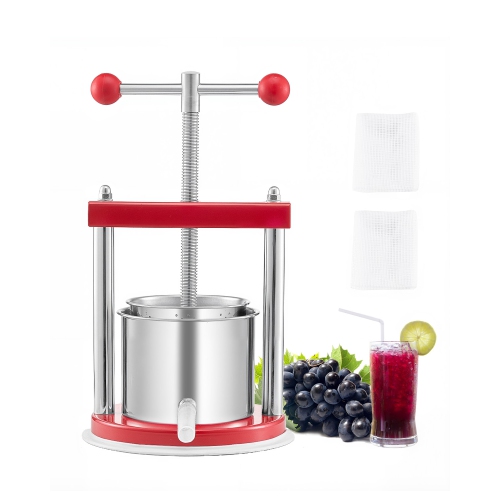 Your price for this item is $66.9
 -
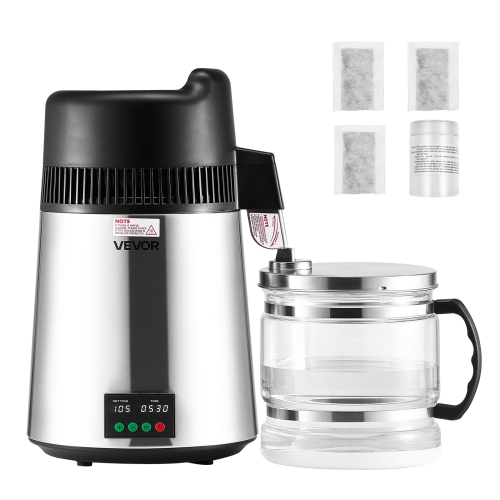 Your price for this item is $174.9
 -
 Your price for this item is $176.9
 -
 Your price for this item is $143.9
 -
 Your price for this item is $230.9
 -
 Your price for this item is $57.72
 -
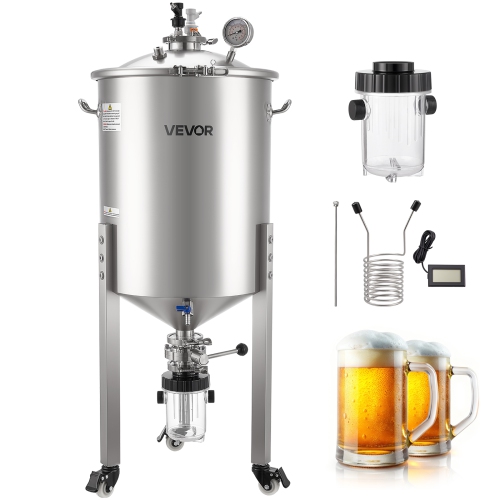 Your price for this item is $459.9
 -
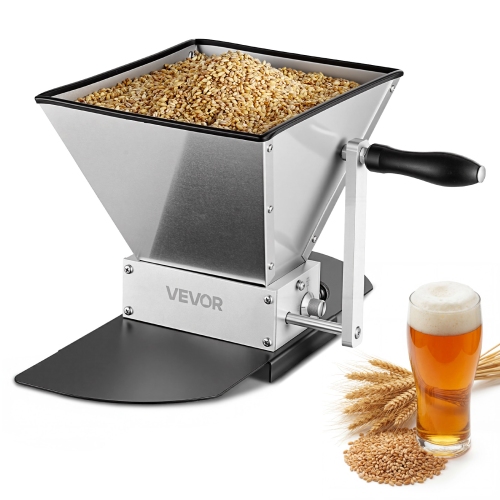 Your price for this item is $142.99
Discover more categories related to Home Brewing Equipment
Top Collections:
Pokemon Centers, Kindle Devices, Best Budget Office Chairs, Apple iPhones 16, Best Laptops for Writers, iPhone 15 Apple, Canon G7X Cameras, Refurbished Apple Laptops, Alarm Clock, Motorola Razr Phones
Some products may be subject to Environmental Handling Fees
(EHF) depending on your province.
Learn more about EHFs.