Home Food Steamers
Elevate your kitchen routine with a Home Food Steamer, the perfect addition for anyone looking to prepare delicious and wholesome meals with ease. Whether you're cooking vegetables, seafood, rice, or other favorites, a food steamer offers a convenient way to enjoy flavorful dishes at home. Explore a wide selection of options designed to fit any kitchen space and cooking style, making it simple to bring out the best in every meal. Find the ideal Home Food Steamer to suit your needs and discover how easy it is to create tasty recipes for family and friends.
Sort
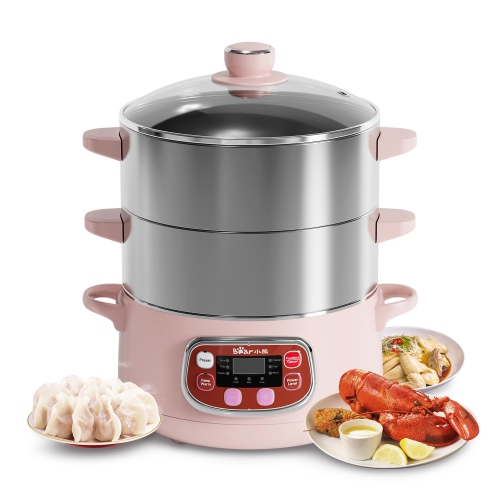
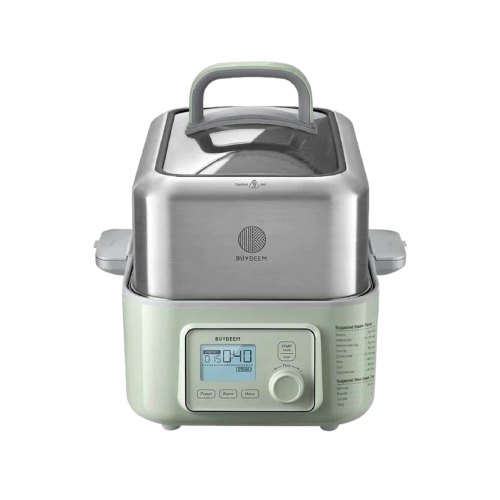
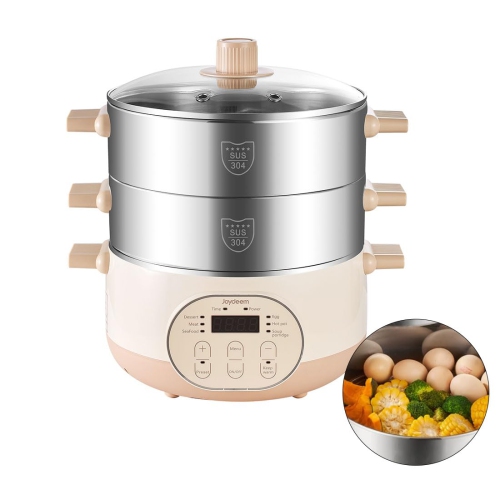
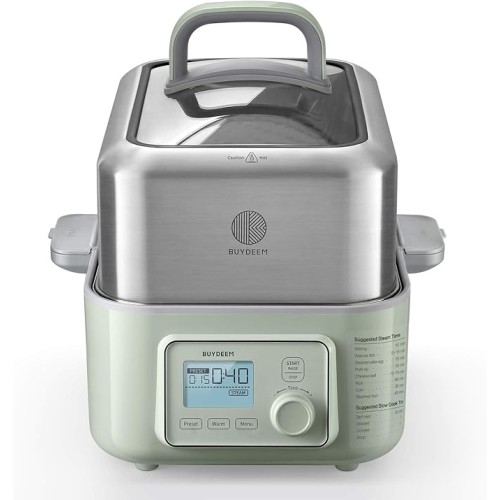

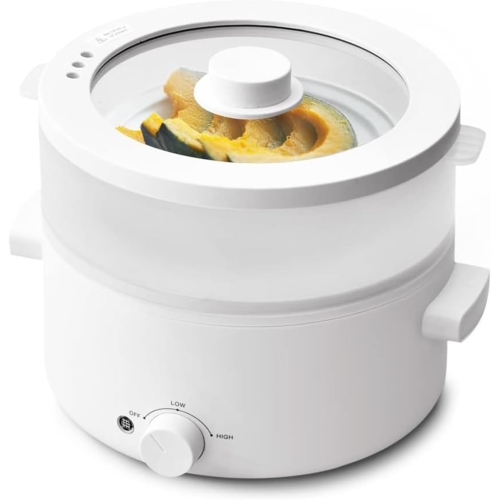

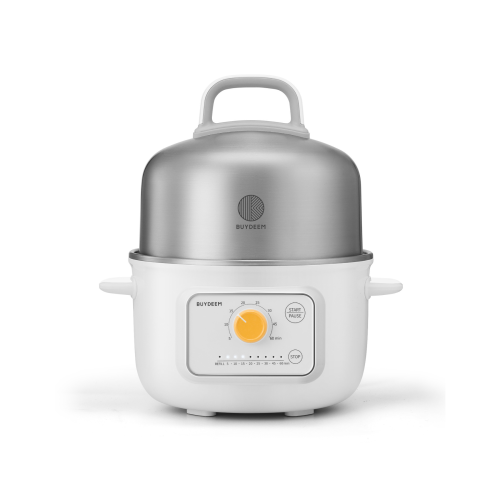
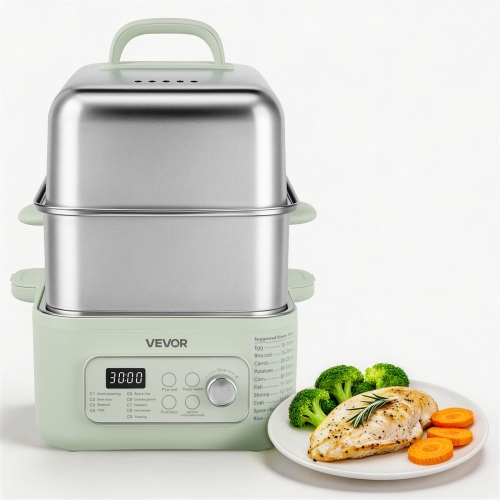
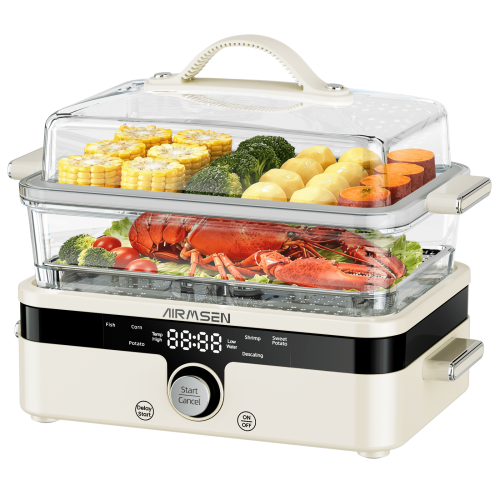
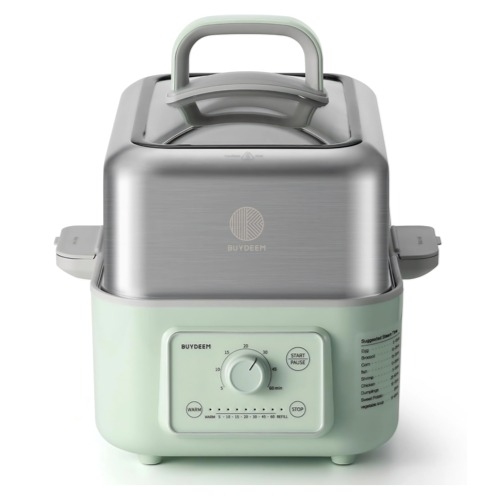
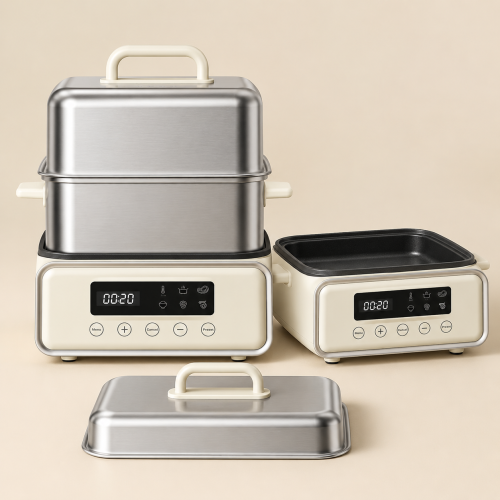
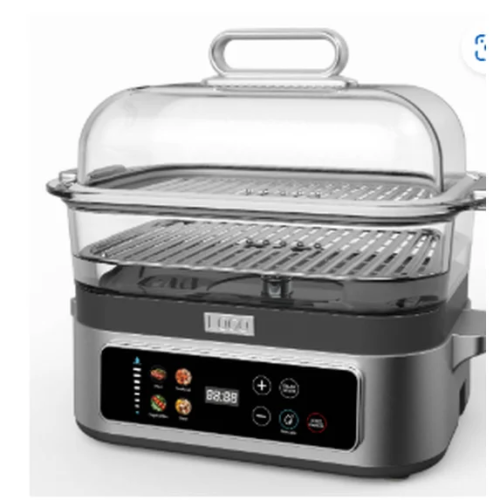
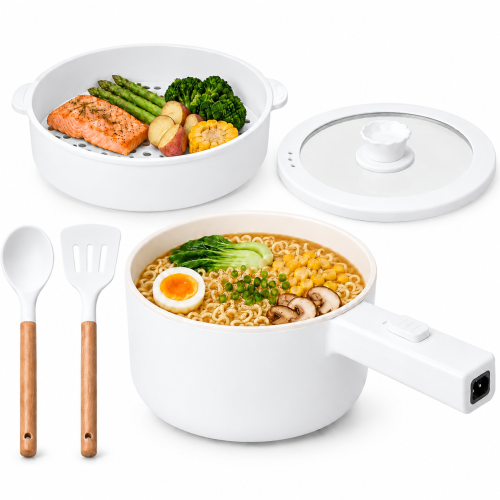
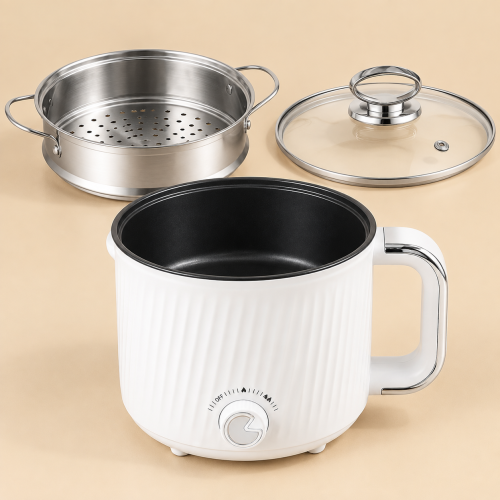
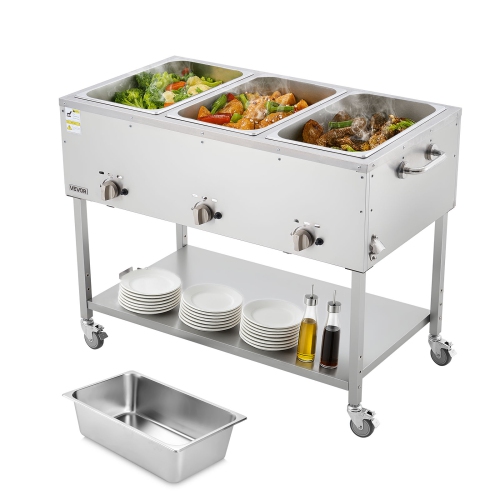
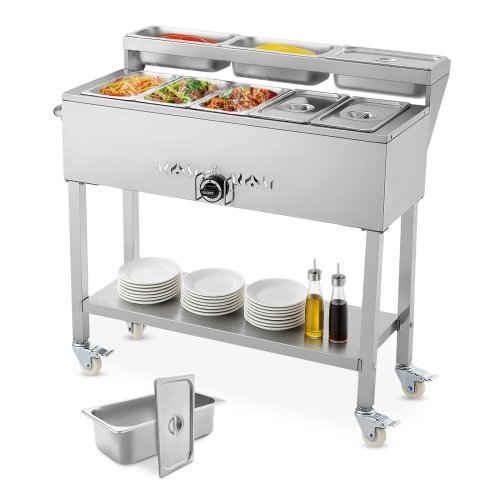
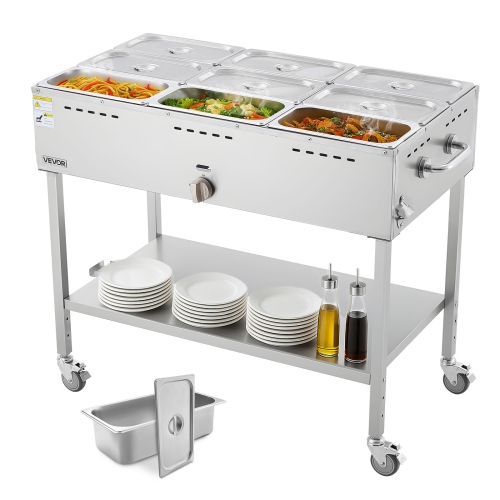
Gentle steam for tender vegetables and pillowy dumplings
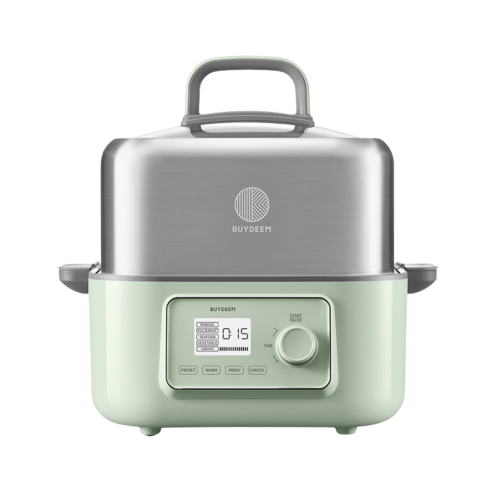
Home food steamers bring a gentle, moisture-rich cooking method to everyday meals, from tender broccoli and green beans to dumplings, fish fillets, and fluffy rice prepared in a suitable cooking bowl. Rather than immersing ingredients in boiling water or placing them directly against a hot pan, a steamer holds food above heated water so that steam circulates around it. The result can be vegetables with a pleasant bite, delicate proteins that stay moist when properly timed, and filled buns with soft, pillowy dough. Because steaming does not create the browned crust associated with roasting or frying, it suits meals where texture, freshness, and the flavour of the ingredients take centre stage. Garlic, ginger, citrus zest, and fresh herbs can add character, while a sauce or dressing served after cooking provides another layer of flavour. Home steamers range from baskets used inside compatible pots to dedicated countertop appliances with their own water reservoirs. For a self-contained setup, Electric Food Steamers offer a dedicated place to prepare steamed dishes without occupying a stovetop burner. Depending on the design, features may include stacked cooking tiers, a timer, visible water-level markings, or an opening for adding water during use. Those details matter when dinner involves several components: carrots may need more time than thin asparagus, while a portion of fish may require its own space and cooking schedule. Multiple tiers can help organize those ingredients, although they do not automatically finish everything at the same time. A single basket can be equally practical for someone who usually prepares one vegetable side dish. The most useful format is the one that fits the meals being made, whether that means dumplings alongside a dipping sauce, vegetables to accompany a main course, or small portions prepared for different members of a household. Steaming also leaves food ready for a variety of finishing touches, such as a squeeze of lemon, toasted sesame seeds, or a spoonful of herb butter, without requiring a separate frying step.
Capacity and fit deserve attention beyond the number of tiers or the overall dimensions. A wide basket can accommodate a fish fillet more comfortably than a narrow, deep one, while generous vertical clearance helps prevent filled buns from pressing against the lid as they expand. Food also needs room around it for steam to move, so tightly packing a basket can affect cooking consistency. For a stovetop steamer, the basket and lid need to work with the pot being used, leaving enough space for water below without submerging the food. With countertop designs, both the operating footprint and storage shape influence how easily the appliance fits into a kitchen routine. Stackable or nesting components can be helpful in a small cupboard, but tall assembled tiers still need adequate clearance during cooking. Materials contribute to the experience as well. Stainless steel is valued for its sturdy feel and resistance to rust when properly cared for; it can suit frequent use, though metal surfaces become hot. Clear heat-resistant plastic tiers make it easier to check food without lifting the lid, but they can pick up staining from strongly coloured ingredients and may be damaged by abrasive cleaning. Bamboo baskets offer a traditional setting for dumplings and buns, with porous surfaces that need careful washing and thorough drying. Glass lids provide visibility but add weight and require protection from impacts and sudden temperature changes. Removable trays, accessible corners, and well-fitting parts make routine cleaning less awkward, especially after cooking foods that leave juices or starch behind. Dishwasher suitability varies by component, so the care instructions remain important even when some parts appear similar. For electric units, the heating base should be cleaned as directed rather than immersed in water, and mineral deposits may need periodic removal according to the manufacturer’s instructions. Comfortable handles, stable feet, clearly marked controls, and a reservoir that is straightforward to fill can make a greater difference in daily use than a long list of extra settings.
A home food steamer can earn its place in kitchens with very different cooking habits. Someone making lunches ahead may appreciate space for several portions of vegetables, while a couple preparing dinner might prefer a compact setup that is easy to wash and put away. Households that enjoy dumplings, steamed buns, or fish dishes may place more importance on basket width, removable tiers, and lids that contain steam effectively. For parents preparing soft foods, steaming can provide a useful starting point before mashing or cutting ingredients to an age-appropriate texture, with careful cooling before serving. It can also be a thoughtful housewarming gift for someone who enjoys cooking, provided the format suits their kitchen space and the kinds of meals they like to make. Everyday results depend on a few practical details rather than complicated recipes. Similarly sized pieces tend to cook more evenly, and dense vegetables generally need longer than leafy greens. Rice and other small grains usually require a suitable solid container and the amount of liquid specified for that appliance or recipe; a perforated basket alone will not hold them. Frozen foods should be prepared according to their package directions where applicable. When combining foods, raw meat, poultry, and seafood need particular care so their juices cannot drip onto foods that are ready to eat. A food thermometer is useful for checking that proteins have reached the appropriate safe internal temperature, since appearance alone is not a dependable measure. Timers and automatic shut-off features can be convenient, but their operation varies, and the water supply still needs attention throughout cooking. Steam escaping from a lid or refill opening can cause burns, so handles and clear access around the appliance are important. Once the meal is finished, allowing components to cool, washing away residue, and drying everything before storage help keep the steamer ready for its next use. A design that feels manageable from filling to cleanup is more likely to become part of regular meal preparation.
Top selling and popular products
-
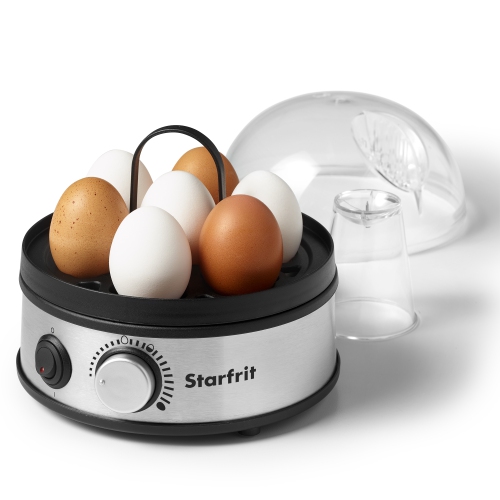 Your price for this item is $29.99
-
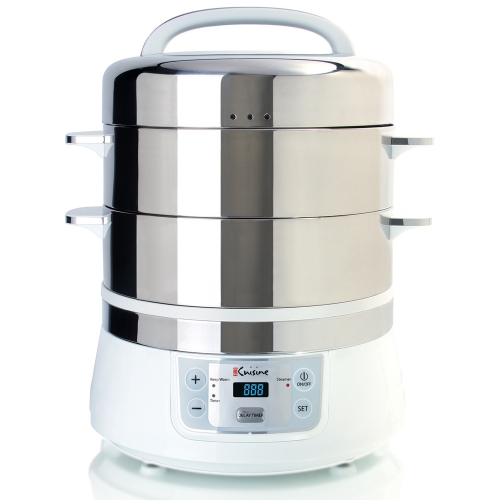 Your price for this item is $289.99
-
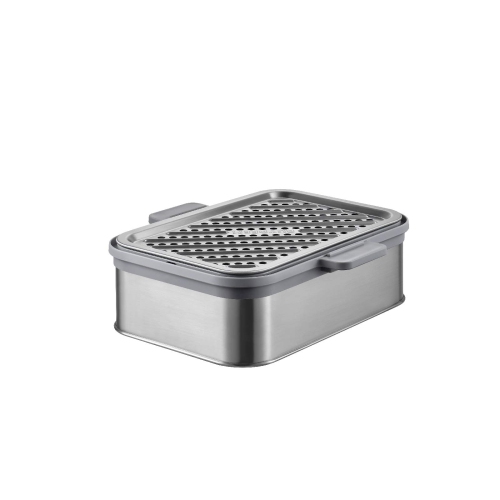 Your price for this item is $89.99
-
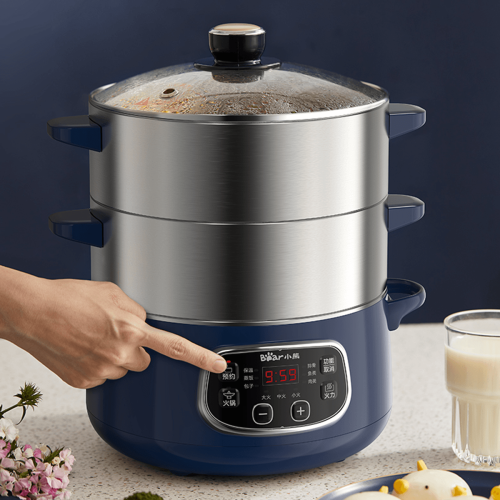 Your price for this item is $96.99
-
 Your price for this item is $899.99
-
 Your price for this item is $96.99
-
 Your price for this item is $169.99
-
 Your price for this item is $329.99
Discover more categories related to Home Food Steamers

Top Collections:
Best Black Friday Deals This Year, Best Black Friday Deals On Electronics, Kindle Devices, Pokemon Centers, Best Black Friday Deals On Apple Products, Best Cameras for Sports Photography, Dyson Airwrap, Pokémon 30th Celebration Cards, Apple iPhone 17 Pro, Canon G7X Cameras
Some products may be subject to Environmental Handling Fees
(EHF) depending on your province.
Learn more about EHFs.