Honeywell Humidifiers
Discover the perfect way to enhance your home's comfort with a humidifier. Ideal for creating a soothing atmosphere, humidifiers add essential moisture to the air, helping to alleviate dryness and improve air quality. Whether you're looking to maintain a cozy environment during the chilly winter months or seeking relief from dry skin and allergies, a humidifier is an excellent addition to any living space. Explore our selection of top-rated options designed to suit various room sizes and personal preferences, ensuring you find the right fit for your home needs.
Sort


How mist type and room size shape your choice
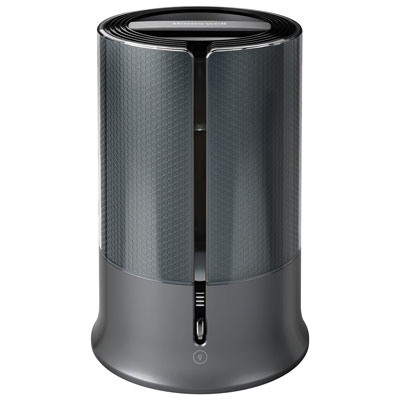
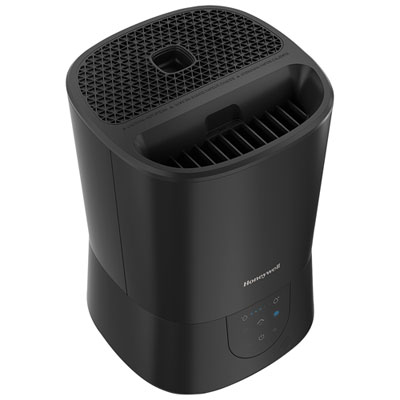
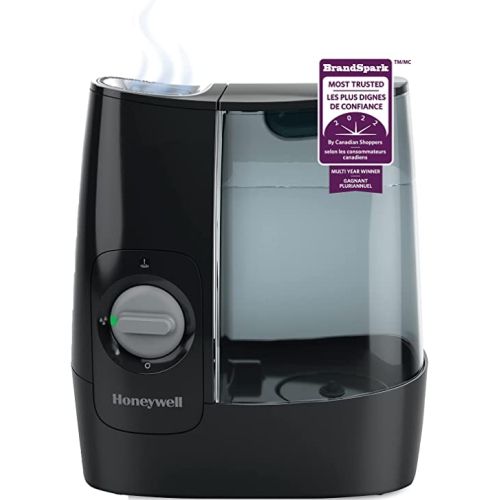
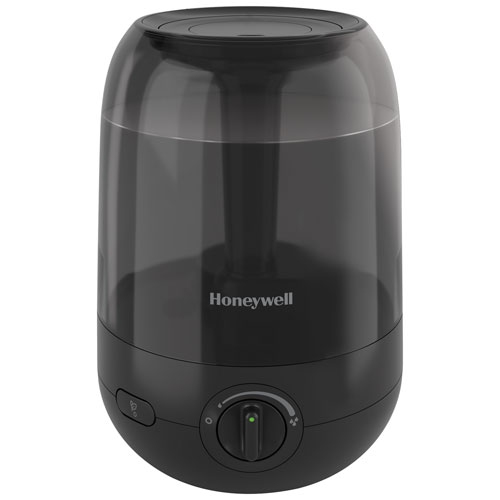
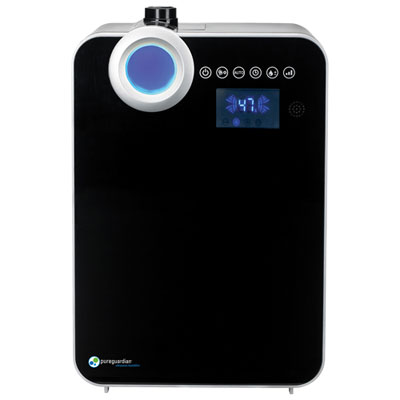
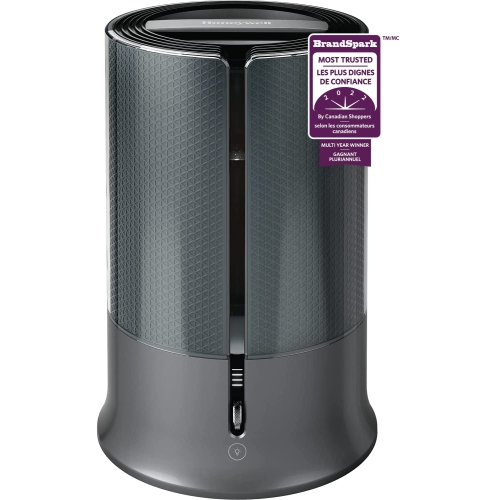
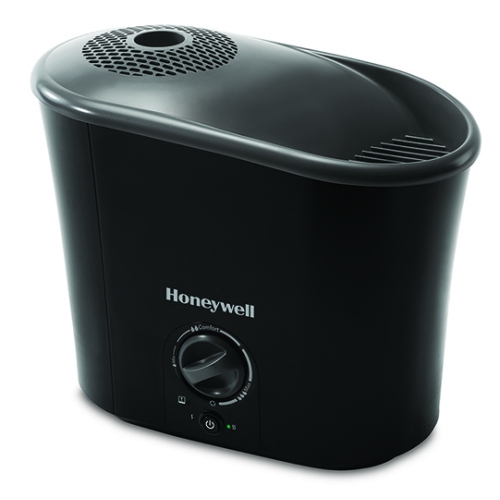
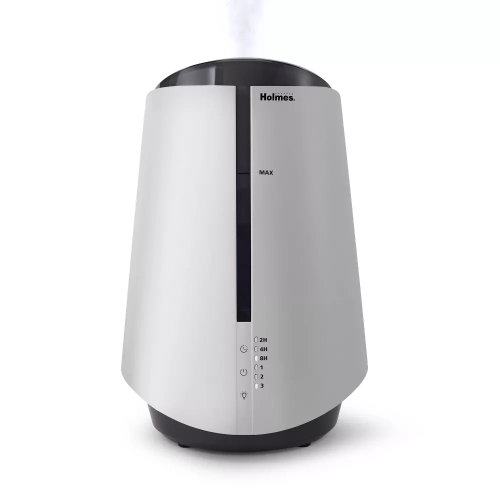
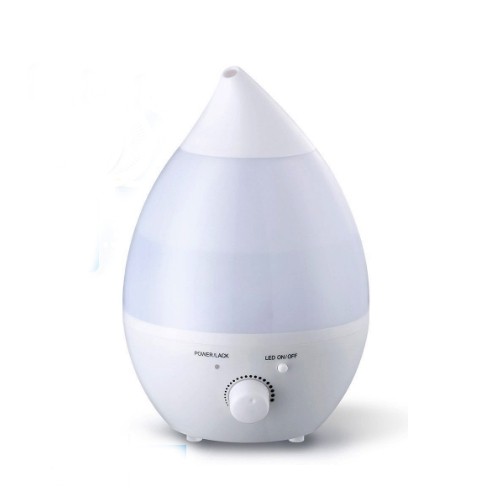
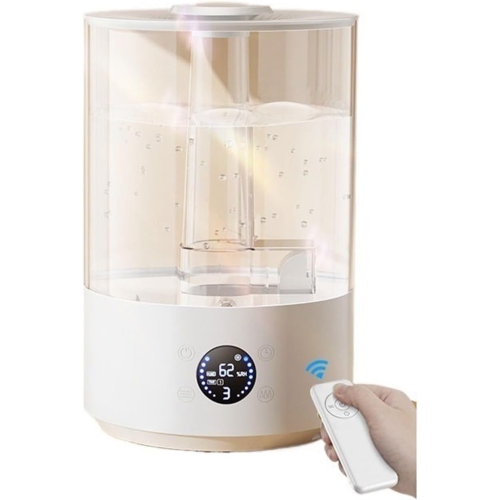
Humidifiers can make indoor spaces feel more comfortable when heated or air-conditioned air becomes dry, helping add moisture to the room where you sleep, work, relax, or care for a child. Honeywell humidifiers are available in several formats, so the right choice depends on the room, your preferred type of mist, and how much hands-on maintenance you are comfortable with. Cool mist humidifiers release moisture without heating the water and can be a practical option for bedrooms, nurseries, living rooms, and shared family spaces. Warm mist humidifiers heat water before releasing it as vapour, which some people prefer during the cooler months or when they enjoy a warmer, soothing atmosphere nearby. Ultrasonic humidifiers use high-frequency vibrations to create a fine mist and are often valued for quiet operation, making them well suited to light sleepers, home offices, and rooms where background noise is distracting. Some humidifiers are designed for larger areas, while compact models are easier to place on a bedside table, dresser, or desk. For broad coverage throughout a home, whole-home humidifiers can connect with an HVAC system rather than treating only one room. When comparing options, check the recommended room size, water-tank capacity, moisture output, and operating time. A larger tank may reduce the number of refills during the day, while a smaller tank can be easier to lift, empty, and clean. Features such as multiple mist settings, adjustable fan speeds, automatic shutoff, humidity controls, low-water indicators, and filter-change reminders can make everyday use more convenient. A built-in humidistat may help maintain a preferred humidity level by monitoring moisture in the air, rather than running continuously. If you are comparing several styles before choosing, the selection of Best Home Humidifiers can provide additional context on common features and room-size considerations.
The most suitable humidifier also depends on who will use it and where it will be placed. A quiet cool mist or ultrasonic unit can be helpful in a bedroom, especially when dry air makes the room feel uncomfortable overnight or causes static around bedding and clothing. Families may prefer a model with a substantial tank, easy controls, and a design that can be cleaned without awkward corners. For a nursery or child’s room, placement and safety are especially important: keep the humidifier on a stable, water-resistant surface out of reach, direct mist away from furniture and walls, and follow the manufacturer’s instructions for safe operation. Warm mist models should be positioned with extra care because heated water and vapour can cause burns if touched or spilled. A humidifier can also be a thoughtful housewarming, wedding, or new-parent gift, particularly for someone setting up a bedroom, home office, or family room. It is a practical choice for people who spend long hours indoors, musicians protecting wooden instruments from very dry conditions, or anyone who notices static electricity and a dry-feeling room during the heating season. Some models include UV treatment or other water-treatment features intended to reduce microorganisms in the reservoir, while others use wicking filters to capture minerals before moisture enters the air. These features do not replace regular cleaning, and they should be considered alongside tank design, replacement-filter availability, and the type of water recommended for the unit. If you have hard tap water, a filter-based model may help reduce mineral residue, while distilled or demineralized water may be recommended for certain ultrasonic and other filter-free designs. Always review the care instructions for the specific humidifier, as water requirements and cleaning methods vary between models.
Routine care is central to getting reliable performance from any humidifier. Empty leftover water regularly instead of allowing it to sit for long periods, rinse the tank as directed, and let removable parts dry thoroughly when the unit is not in use. Mineral deposits can collect around the tank, mist outlet, or internal components, particularly when tap water contains a high level of dissolved minerals. Follow the recommended cleaning schedule and use only approved cleaning agents; household chemicals or abrasive tools can damage surfaces and leave unwanted residue. Wicking filters should be inspected and replaced according to the instructions, while filter-free models still require attention to the water chamber and mist pathway. A replacement indicator can be useful for staying on top of filter care, but visual inspection remains worthwhile if output drops, odours develop, or residue appears. Place the humidifier on a level surface with space around the mist outlet, and avoid positioning it directly beside electronics, books, curtains, or wood furniture. A hygrometer can help you monitor indoor humidity independently, since excessive moisture may contribute to condensation on windows or damp surfaces. Use the lowest comfortable setting and adjust it according to the room, weather, and ventilation. During the warmer part of the year, air conditioning may leave certain spaces feeling dry, while cooler months can bring dry indoor air from regular heating. A suitable humidifier lets you respond to those changes without treating every room the same way. By matching mist type, coverage, tank size, sound level, controls, filtration, and cleaning requirements to your daily routine, you can choose an option that fits naturally into your home.
The most suitable humidifier also depends on who will use it and where it will be placed. A quiet cool mist or ultrasonic unit can be helpful in a bedroom, especially when dry air makes the room feel uncomfortable overnight or causes static around bedding and clothing. Families may prefer a model with a substantial tank, easy controls, and a design that can be cleaned without awkward corners. For a nursery or child’s room, placement and safety are especially important: keep the humidifier on a stable, water-resistant surface out of reach, direct mist away from furniture and walls, and follow the manufacturer’s instructions for safe operation. Warm mist models should be positioned with extra care because heated water and vapour can cause burns if touched or spilled. A humidifier can also be a thoughtful housewarming, wedding, or new-parent gift, particularly for someone setting up a bedroom, home office, or family room. It is a practical choice for people who spend long hours indoors, musicians protecting wooden instruments from very dry conditions, or anyone who notices static electricity and a dry-feeling room during the heating season. Some models include UV treatment or other water-treatment features intended to reduce microorganisms in the reservoir, while others use wicking filters to capture minerals before moisture enters the air. These features do not replace regular cleaning, and they should be considered alongside tank design, replacement-filter availability, and the type of water recommended for the unit. If you have hard tap water, a filter-based model may help reduce mineral residue, while distilled or demineralized water may be recommended for certain ultrasonic and other filter-free designs. Always review the care instructions for the specific humidifier, as water requirements and cleaning methods vary between models.
Routine care is central to getting reliable performance from any humidifier. Empty leftover water regularly instead of allowing it to sit for long periods, rinse the tank as directed, and let removable parts dry thoroughly when the unit is not in use. Mineral deposits can collect around the tank, mist outlet, or internal components, particularly when tap water contains a high level of dissolved minerals. Follow the recommended cleaning schedule and use only approved cleaning agents; household chemicals or abrasive tools can damage surfaces and leave unwanted residue. Wicking filters should be inspected and replaced according to the instructions, while filter-free models still require attention to the water chamber and mist pathway. A replacement indicator can be useful for staying on top of filter care, but visual inspection remains worthwhile if output drops, odours develop, or residue appears. Place the humidifier on a level surface with space around the mist outlet, and avoid positioning it directly beside electronics, books, curtains, or wood furniture. A hygrometer can help you monitor indoor humidity independently, since excessive moisture may contribute to condensation on windows or damp surfaces. Use the lowest comfortable setting and adjust it according to the room, weather, and ventilation. During the warmer part of the year, air conditioning may leave certain spaces feeling dry, while cooler months can bring dry indoor air from regular heating. A suitable humidifier lets you respond to those changes without treating every room the same way. By matching mist type, coverage, tank size, sound level, controls, filtration, and cleaning requirements to your daily routine, you can choose an option that fits naturally into your home.
Top selling and popular products
-
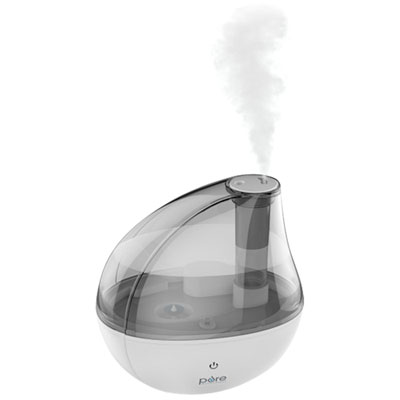 Your price for this item is $64.99
 -
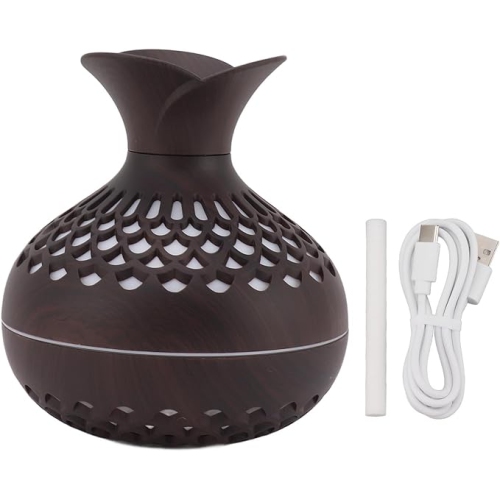 Your price for this item is $14.98
 -
 Your price for this item is $89.97
 -
 Your price for this item is $89.98
 -
 Your price for this item is $274.99
 -
 Your price for this item is $274.99
 -
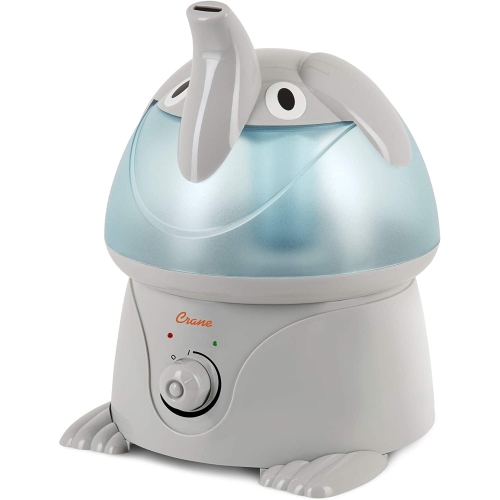 Your price for this item is $109.97
 -
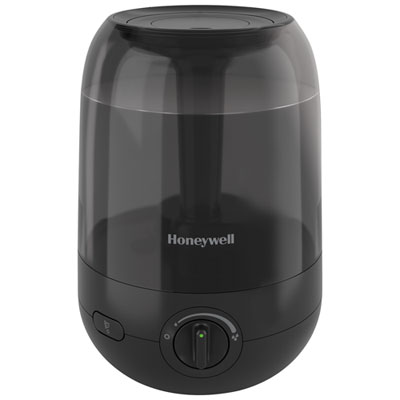 Your price for this item is $59.98
Discover more categories related to Honeywell Humidifiers
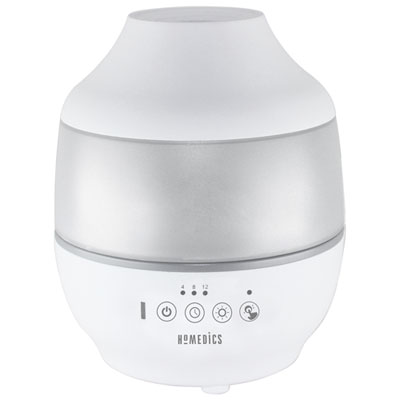
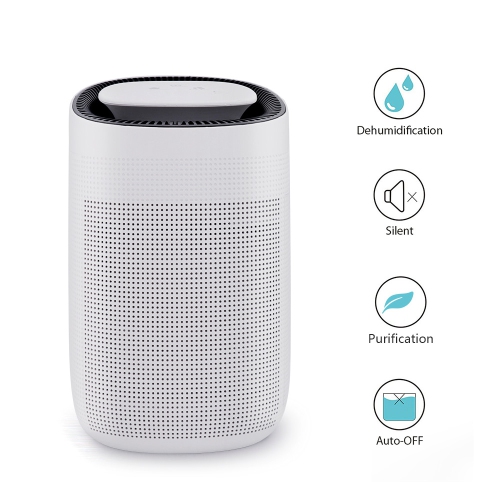

Top Collections:
Pokemon Centers, Kindle Devices, Best Budget Office Chairs, Apple iPhones 16, Best Laptops for Writers, iPhone 15 Apple, Canon G7X Cameras, Refurbished Apple Laptops, Alarm Clock, Motorola Razr Phones
Some products may be subject to Environmental Handling Fees
(EHF) depending on your province.
Learn more about EHFs.