Ice Slush Machines
Looking to beat the summer heat with refreshing and icy slushies? Look no further than our collection of ice slush machines. Whether you're hosting a backyard party, running a concession stand, or simply want to enjoy a frosty treat at home, these machines are designed to transform your favorite beverages into delicious slushies in a matter of minutes. With their sleek designs and user-friendly features, our ice slush machines make it easy to create the perfect slushy consistency every time. Explore our wide selection of ice slush machines and get ready to chill out with your favorite frozen concoctions.
Sort
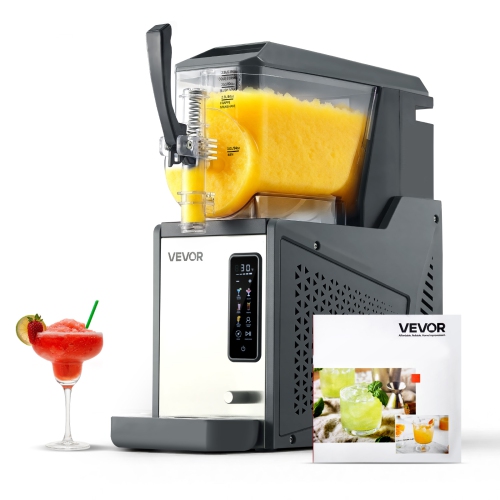
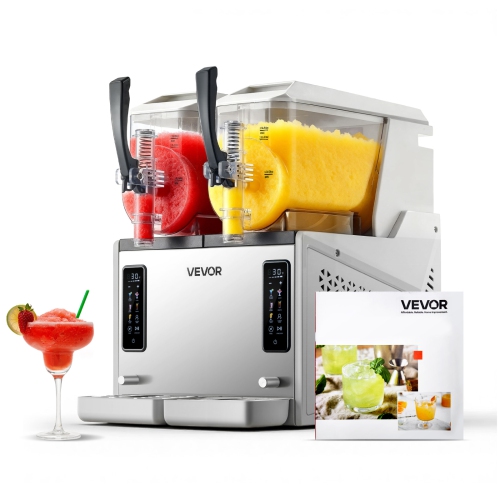
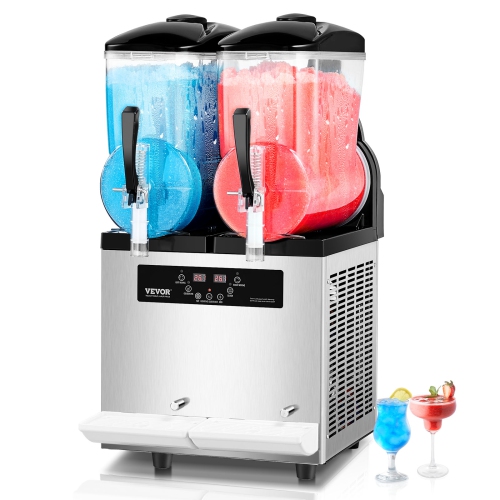
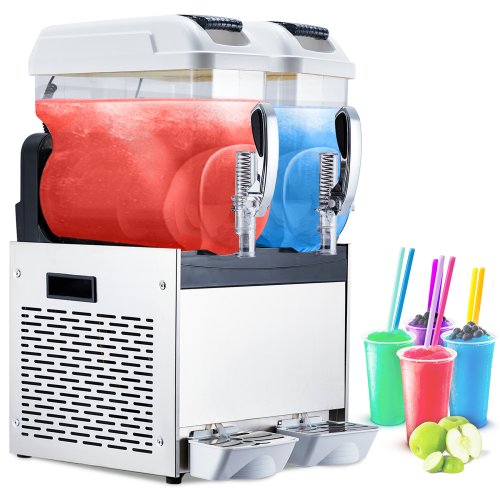
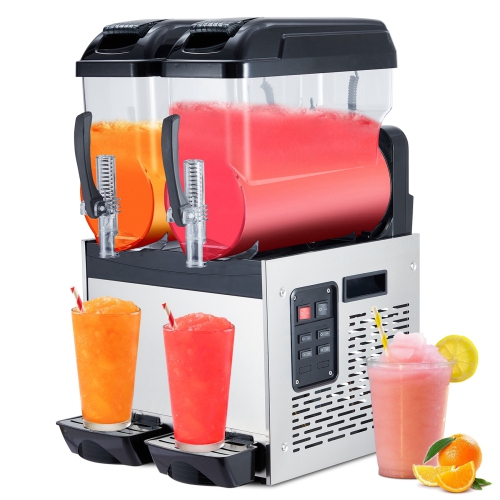
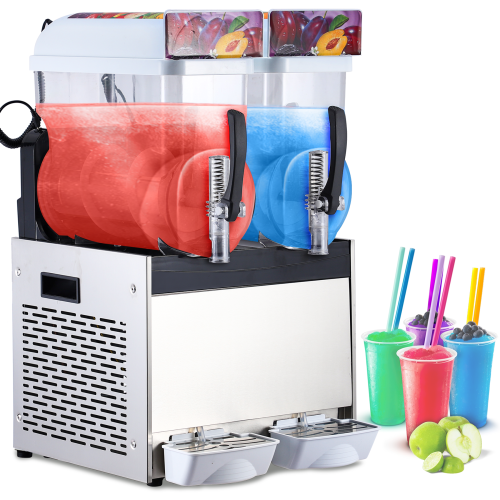
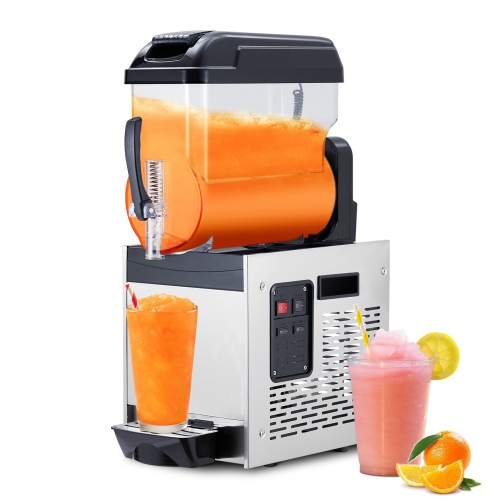
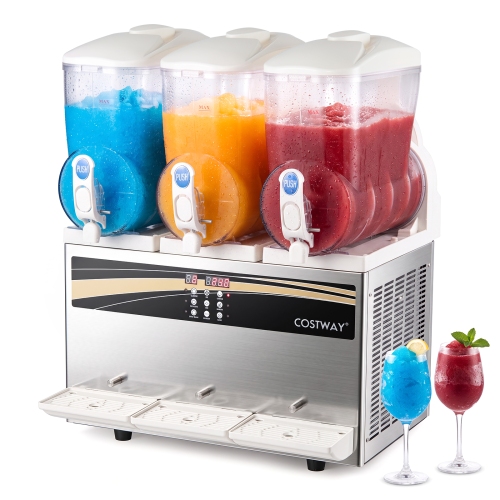
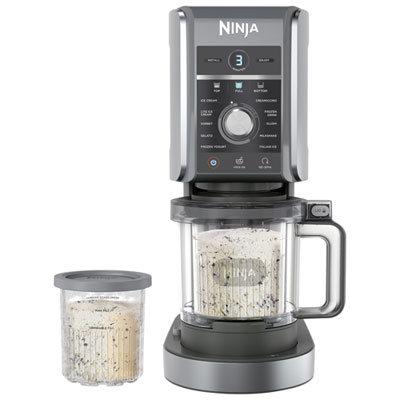
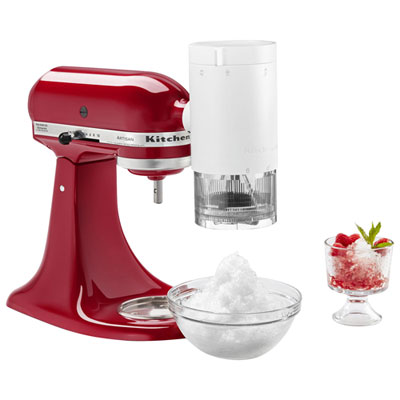
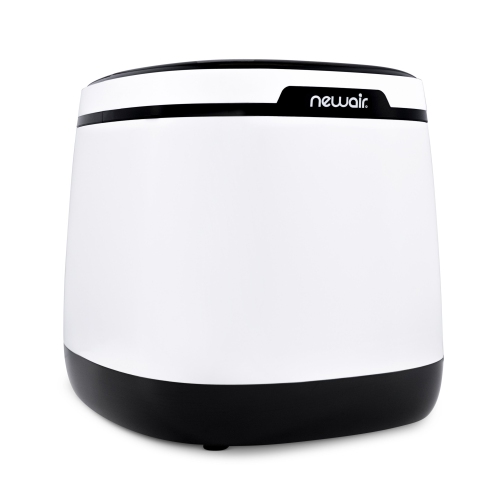
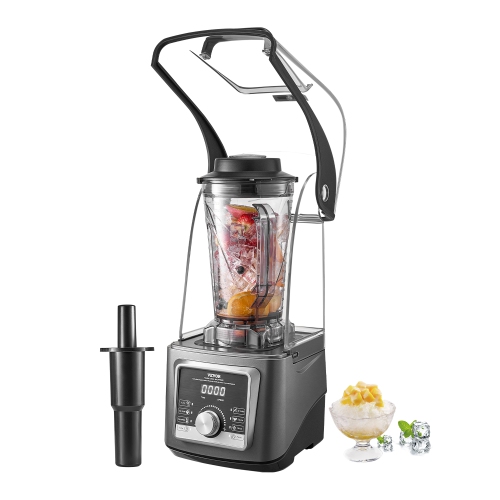
How cooling and movement turn drinks into slush
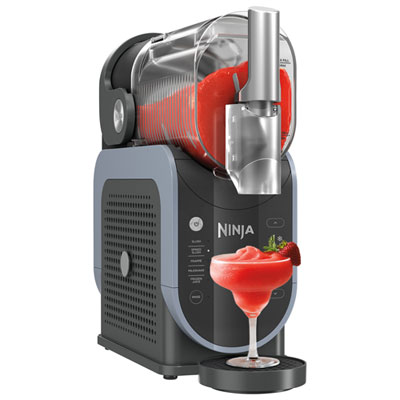
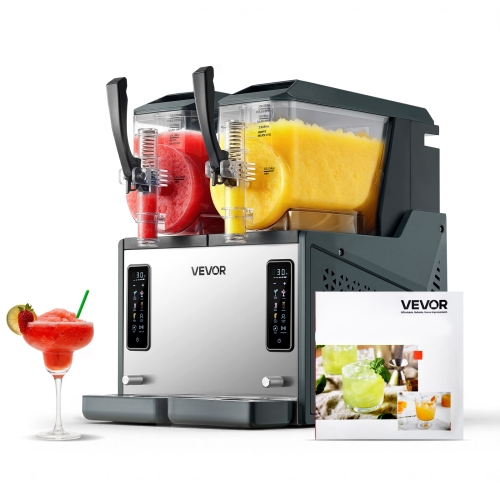
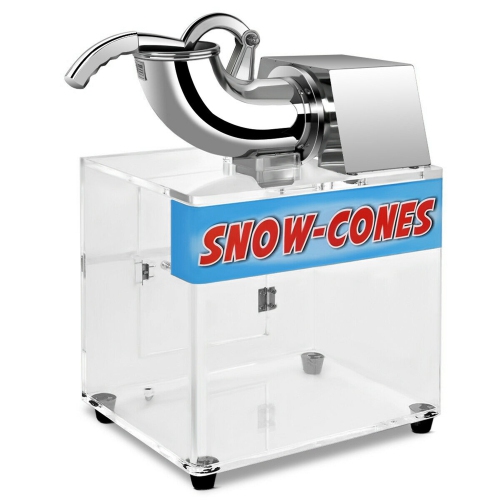
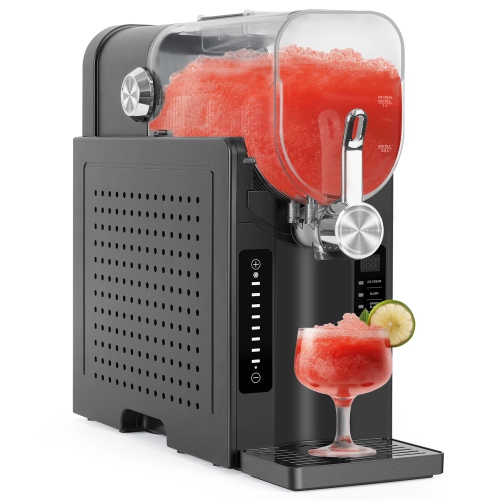
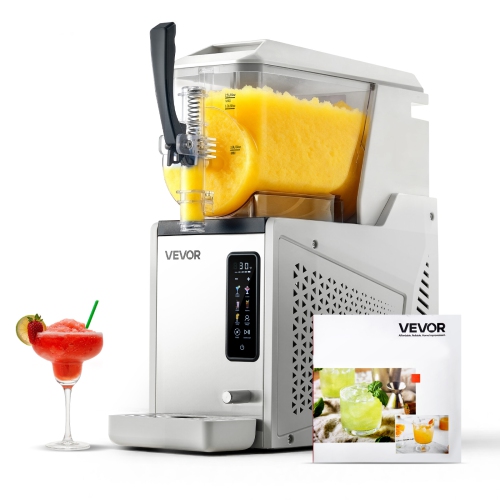
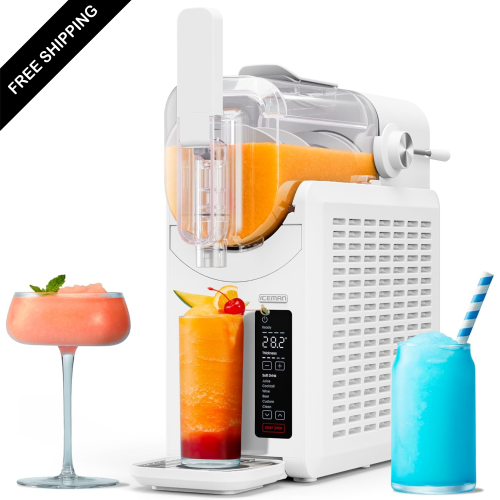
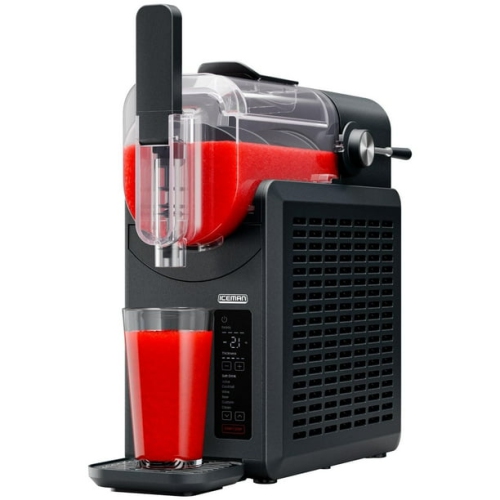
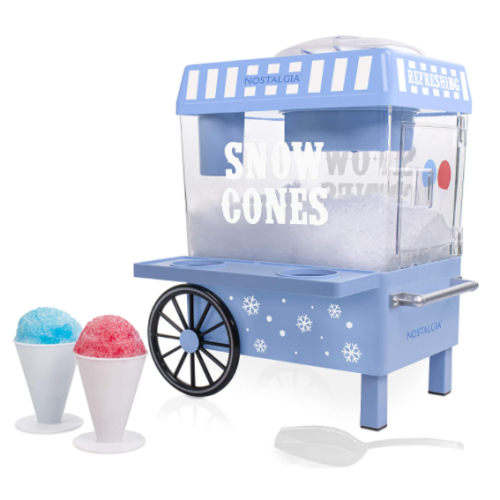
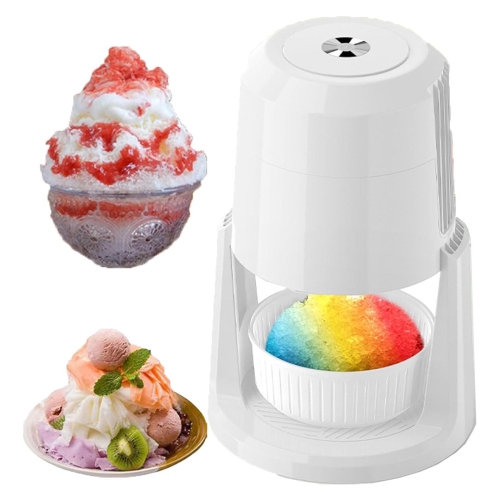
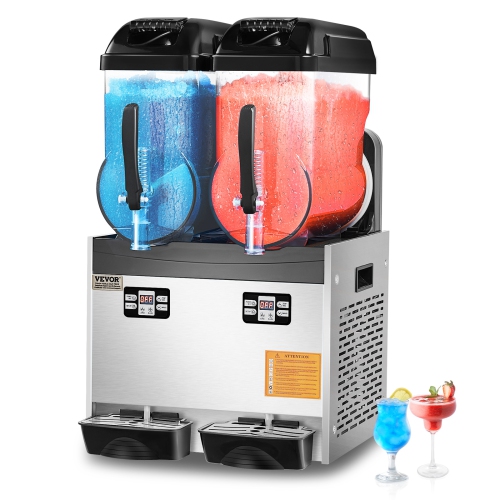
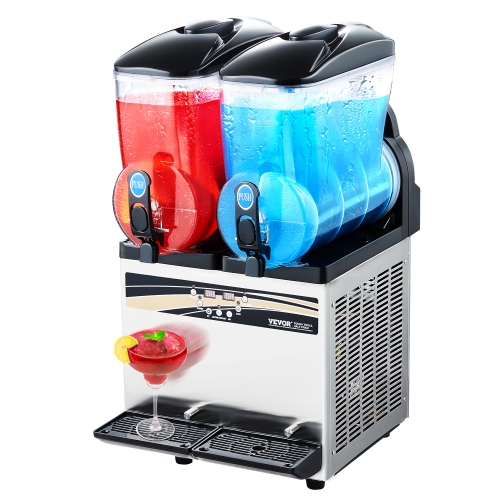
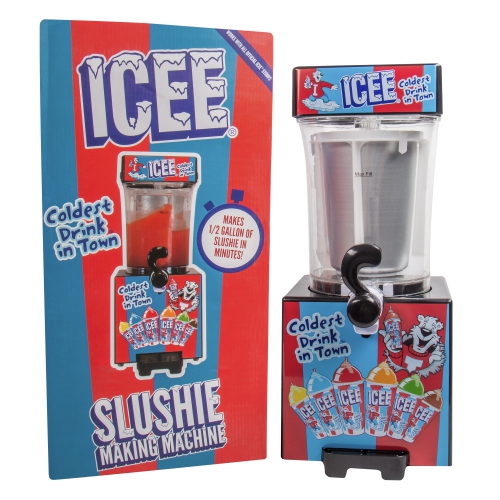
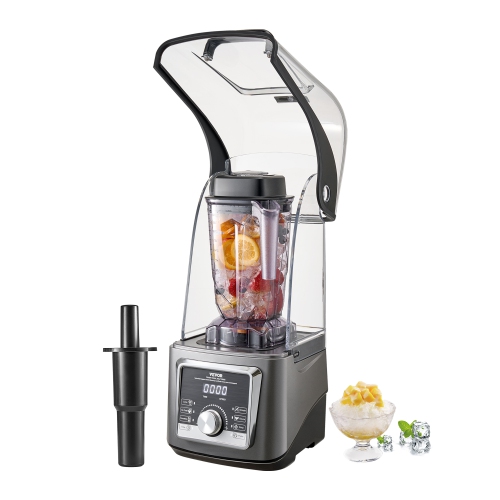
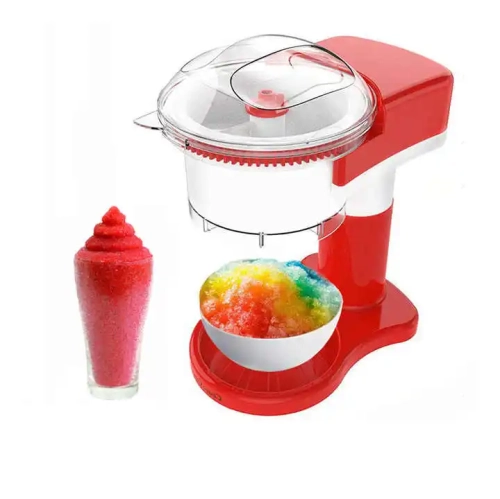
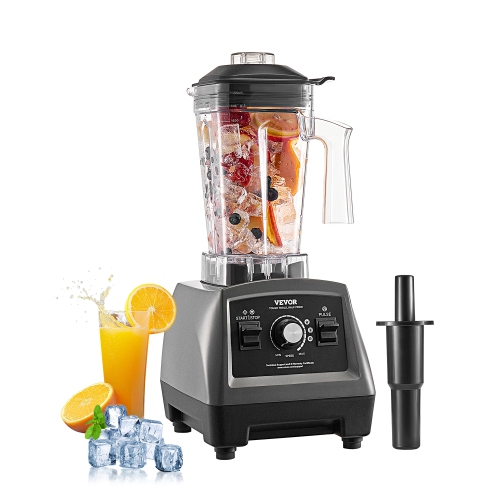
Ice slush machines turn suitable drink mixtures into chilled, spoonable or sippable refreshments, bringing the texture of a concession-stand slush to a kitchen counter, games room, or gathering space. Their defining feature is the combination of cooling and movement: in compressor-style machines, a refrigerated chamber chills the liquid while a rotating paddle or auger keeps it moving, helping small ice crystals form instead of allowing the mixture to freeze into a solid block. These machines generally work with a compatible liquid mixture rather than requiring ice, although the exact preparation method depends on the design. Ice-based frozen drink makers work differently, crushing or shaving added ice and combining it with flavouring. That distinction matters because a machine that freezes a drink directly can produce a different texture and concentration from one that blends a drink with ice. Neither type should be assumed to handle every recipe. Fruit drinks, lemonade-style mixtures, and other flavoured beverages may be suitable when they meet the machine’s ingredient requirements, while creamy drinks need a model specifically designed to process them. Sugar content can affect freezing performance, so plain water and sugar-free drinks are not automatically interchangeable with a prepared slush mixture. Likewise, adding alcohol changes the freezing point and is suitable only within the limits given by the manufacturer. Preparation time varies with the starting temperature, batch size, recipe, and cooling system; a colder mixture may reach serving consistency sooner than one poured in at room temperature. For shoppers exploring Slushie Maker Machines, these differences help explain why appliances with similar names can serve quite different purposes. A small household machine might prepare drinks for a movie night, while a larger dispensing unit may suit repeated servings at a staffed refreshment counter if it is rated for that setting. The appeal is straightforward: a familiar drink takes on a new texture, from a lightly frozen pour to a thicker slush that holds its shape briefly in the cup.
The right physical fit involves more than finding an empty patch of counter. Ice slush machines need a stable, level surface, access to an appropriate electrical outlet, and the ventilation clearance specified for their cooling system. Height is especially relevant beneath kitchen cupboards, where a lid may need room to lift or a vessel may need to be removed for washing. Depth also deserves attention because a dispensing spout and drip tray can extend beyond the main body, and a tall cup may require more clearance than a small tumbler. A compact footprint can be useful in a condo kitchen, but capacity still needs to match the way drinks will be served. A couple sharing an evening treat has different needs from a household filling several cups in quick succession. Stated vessel capacity is not always the same as usable batch capacity, and minimum fill levels matter just as much as maximum ones when preparing a smaller amount. Adding fresh mixture during serving may temporarily soften the slush or extend the time needed to restore its texture. Some machines have consistency controls or preset modes, while others offer a simpler operation with fewer adjustments. Clear vessels make it easier to see the mixture moving and judge how much remains; removable drip trays help contain sticky splashes around the serving area. Depending on the design, materials may include food-contact plastic vessels, metal freezing surfaces, silicone seals, and stainless steel exterior panels. Each plays a practical role, but a metal exterior alone does not establish how durable the whole appliance will be. Well-fitting seals, a secure lid, accessible controls, and sturdy removable components all contribute to everyday usability. Weight is another consideration for an appliance that will move between a cupboard and the counter. Compressor and motor sounds may be noticeable in an open-plan room, making placement worth considering when frozen drinks are part of a quiet film night rather than a lively party. Household and commercial machines also differ in their intended workload, so size alone is not a reliable indication of suitability for continuous service.
Care is part of owning an ice slush machine, particularly because sweet mixtures can leave residue around taps, seals, and moving parts. A design with removable food-contact components can make routine washing more manageable, but dishwasher compatibility varies, and some pieces require handwashing. The motor base and electrical components should not be immersed. Cleaning methods, water temperature limits, and approved cleaning products are specific to the appliance; abrasive pads and unsuitable chemicals can damage clear vessels or sealing surfaces. Any rinse or cleaning cycle is best understood in the context of the manufacturer’s directions, rather than assumed to replace disassembly and washing. Spouts and drip trays deserve particular attention after a busy afternoon of refills, when a few unnoticed drops can dry into a sticky film. Thorough drying before storage helps keep components ready for the next use, and checking seals for wear can help catch a developing leak before another batch is poured. Dairy-based mixtures require appropriate food handling, and a machine’s ability to keep drinks slushy does not mean leftovers can remain in it indefinitely. For everyday use, the most enjoyable setup is often a simple one: suitable ingredients chilled ahead of time, cups that fit comfortably beneath the spout, and enough space nearby to set down a drink without bumping the appliance. At a family gathering, adults can handle filling, dispensing, and cleaning while younger guests choose from suitable flavours. Frozen drinks can fit naturally into indoor celebrations during the cooler months, offering a refreshing contrast to warm snacks and a crowded living room. An ice slush machine may also make a thoughtful gift for someone who enjoys hosting, experimenting with compatible drink mixtures, or recreating a favourite cinema-style treat at home. Its usefulness depends on that person’s counter space, storage room, serving habits, and willingness to clean it after use. For frequent hosts, easy dispensing and sufficient batch capacity may matter most; for occasional treats, straightforward assembly and manageable storage can be more valuable than extra settings. Matching those everyday details to the intended use helps make the machine a practical part of serving drinks, rather than an appliance that only comes out once.
The right physical fit involves more than finding an empty patch of counter. Ice slush machines need a stable, level surface, access to an appropriate electrical outlet, and the ventilation clearance specified for their cooling system. Height is especially relevant beneath kitchen cupboards, where a lid may need room to lift or a vessel may need to be removed for washing. Depth also deserves attention because a dispensing spout and drip tray can extend beyond the main body, and a tall cup may require more clearance than a small tumbler. A compact footprint can be useful in a condo kitchen, but capacity still needs to match the way drinks will be served. A couple sharing an evening treat has different needs from a household filling several cups in quick succession. Stated vessel capacity is not always the same as usable batch capacity, and minimum fill levels matter just as much as maximum ones when preparing a smaller amount. Adding fresh mixture during serving may temporarily soften the slush or extend the time needed to restore its texture. Some machines have consistency controls or preset modes, while others offer a simpler operation with fewer adjustments. Clear vessels make it easier to see the mixture moving and judge how much remains; removable drip trays help contain sticky splashes around the serving area. Depending on the design, materials may include food-contact plastic vessels, metal freezing surfaces, silicone seals, and stainless steel exterior panels. Each plays a practical role, but a metal exterior alone does not establish how durable the whole appliance will be. Well-fitting seals, a secure lid, accessible controls, and sturdy removable components all contribute to everyday usability. Weight is another consideration for an appliance that will move between a cupboard and the counter. Compressor and motor sounds may be noticeable in an open-plan room, making placement worth considering when frozen drinks are part of a quiet film night rather than a lively party. Household and commercial machines also differ in their intended workload, so size alone is not a reliable indication of suitability for continuous service.
Care is part of owning an ice slush machine, particularly because sweet mixtures can leave residue around taps, seals, and moving parts. A design with removable food-contact components can make routine washing more manageable, but dishwasher compatibility varies, and some pieces require handwashing. The motor base and electrical components should not be immersed. Cleaning methods, water temperature limits, and approved cleaning products are specific to the appliance; abrasive pads and unsuitable chemicals can damage clear vessels or sealing surfaces. Any rinse or cleaning cycle is best understood in the context of the manufacturer’s directions, rather than assumed to replace disassembly and washing. Spouts and drip trays deserve particular attention after a busy afternoon of refills, when a few unnoticed drops can dry into a sticky film. Thorough drying before storage helps keep components ready for the next use, and checking seals for wear can help catch a developing leak before another batch is poured. Dairy-based mixtures require appropriate food handling, and a machine’s ability to keep drinks slushy does not mean leftovers can remain in it indefinitely. For everyday use, the most enjoyable setup is often a simple one: suitable ingredients chilled ahead of time, cups that fit comfortably beneath the spout, and enough space nearby to set down a drink without bumping the appliance. At a family gathering, adults can handle filling, dispensing, and cleaning while younger guests choose from suitable flavours. Frozen drinks can fit naturally into indoor celebrations during the cooler months, offering a refreshing contrast to warm snacks and a crowded living room. An ice slush machine may also make a thoughtful gift for someone who enjoys hosting, experimenting with compatible drink mixtures, or recreating a favourite cinema-style treat at home. Its usefulness depends on that person’s counter space, storage room, serving habits, and willingness to clean it after use. For frequent hosts, easy dispensing and sufficient batch capacity may matter most; for occasional treats, straightforward assembly and manageable storage can be more valuable than extra settings. Matching those everyday details to the intended use helps make the machine a practical part of serving drinks, rather than an appliance that only comes out once.
Top selling and popular products
-
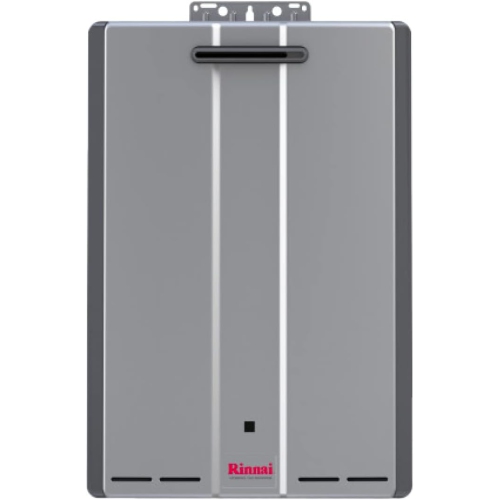 Your price for this item is $2545.05
 -
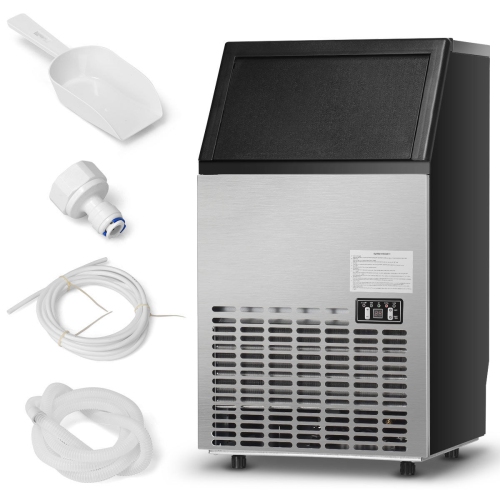 Your price for this item is $449.99
 -
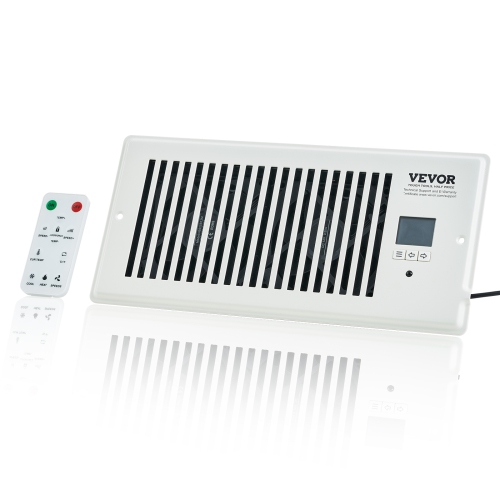 Your price for this item is $59.9
 -
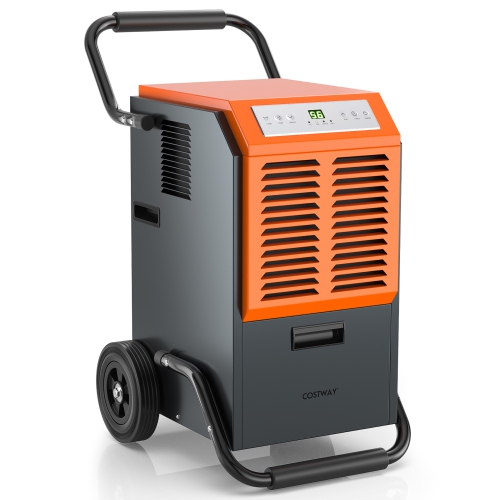 Your price for this item is $584.99
 -
 Your price for this item is $113.9
 -
 Your price for this item is $799.99
 -
 Your price for this item is $1899
 -
 Your price for this item is $1799.99
Discover more categories related to Ice Slush Machines
Top Collections:
Pokemon Centers, Kindle Devices, Best Budget Office Chairs, Apple iPhones 16, Best Laptops for Writers, iPhone 15 Apple, Canon G7X Cameras, Refurbished Apple Laptops, Alarm Clock, Motorola Razr Phones
Some products may be subject to Environmental Handling Fees
(EHF) depending on your province.
Learn more about EHFs.