Inexpensive Dishwashers
Inexpensive Dishwashers make it easy to keep your kitchen running smoothly without stretching your budget. Whether you’re outfitting a new home, upgrading an older appliance, or simply looking for a reliable cleaning solution, these affordable options offer great value for everyday needs. Discover a range of choices designed to help you tackle daily dishes with ease while saving both time and effort. Find the right fit for your space and enjoy the convenience that Inexpensive Dishwashers bring to any household.
Sort

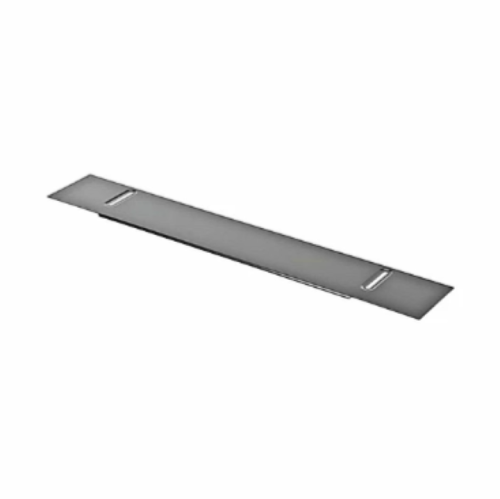
A dishwasher’s fit goes beyond its kitchen footprint
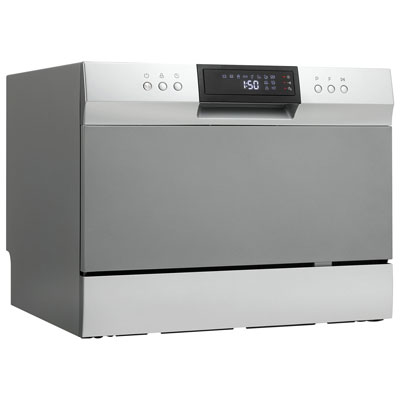
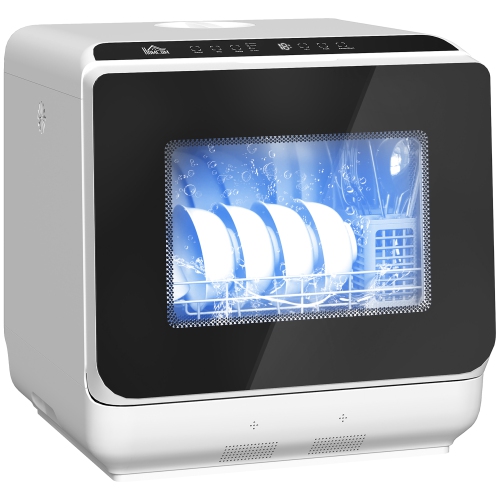
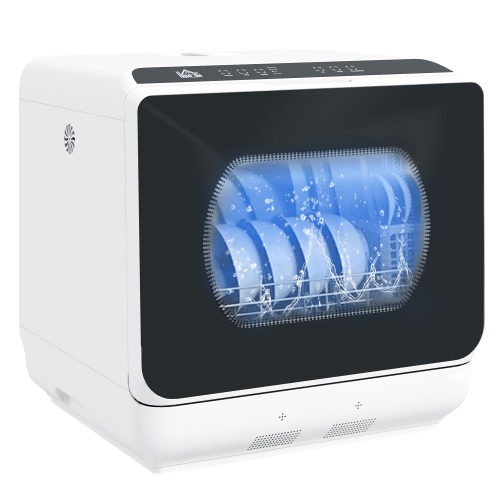
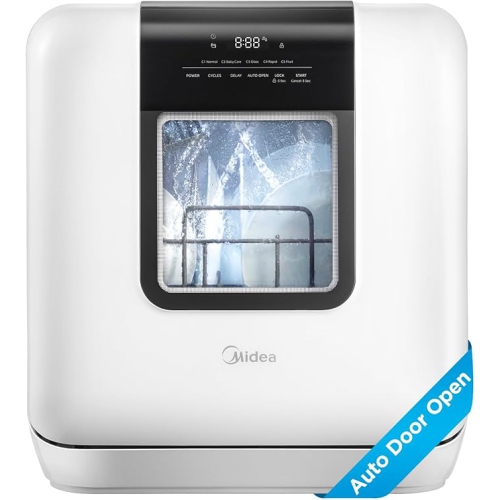
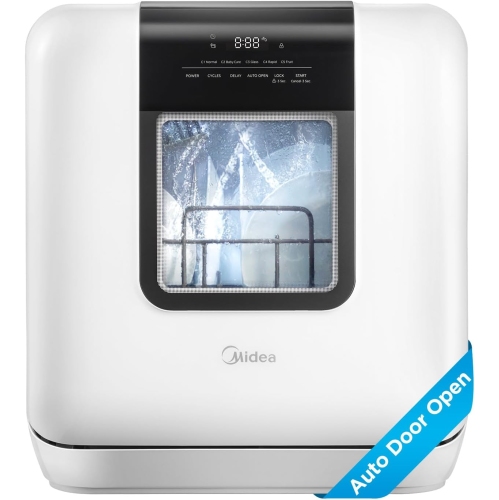
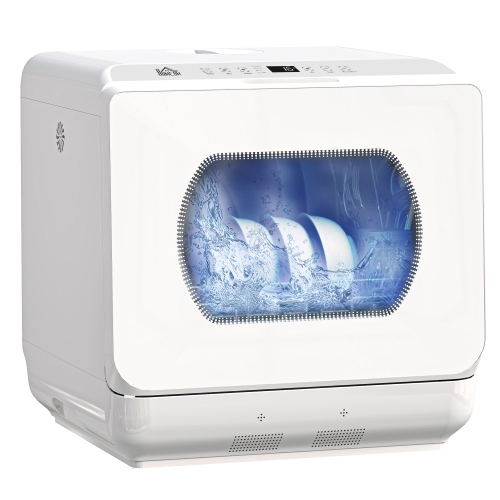
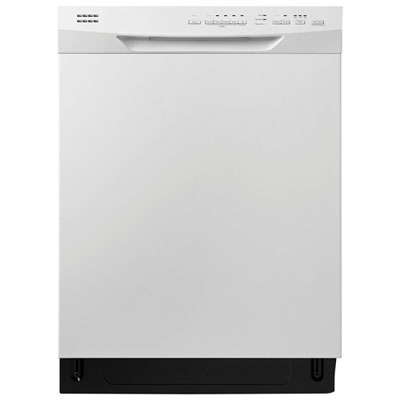
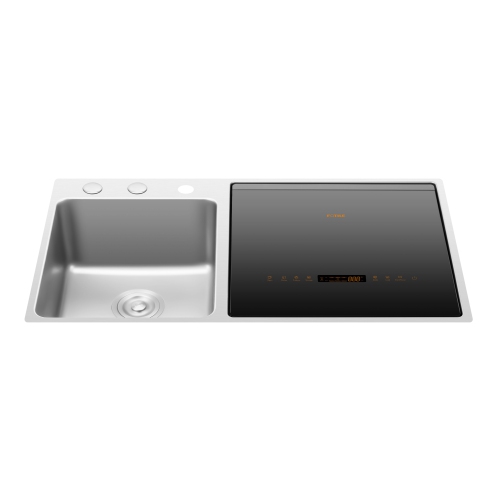
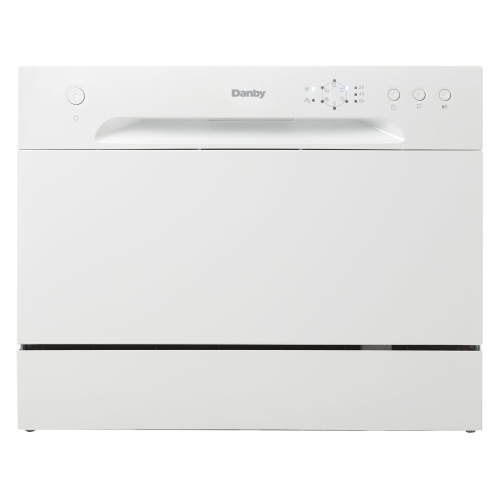
Inexpensive dishwashers include built-in, portable, and countertop designs, with the most suitable format depending on kitchen space, household size, and installation requirements. A built-in dishwasher sits beneath the countertop and connects to the kitchen’s plumbing, making it a familiar choice for everyday meal preparation and cleanup. Many full-size models are approximately 24 inches wide, while narrower models are often approximately 18 inches wide; exact appliance dimensions and required clearances vary. The opening’s height and depth matter just as much as its width, especially where flooring, pipes, or cabinetry could affect the fit. There also needs to be enough room for the door to open fully without blocking an adjacent cupboard or a busy walkway. Countertop dishwashers suit kitchens where a permanent installation is impractical and smaller loads are the norm. They occupy usable countertop space, so their footprint needs to work alongside food preparation areas and overhead cabinets. Many connect to a compatible faucet and drain into the sink, although connection methods differ, and some use a manually filled water tank. Pull-down faucets and other specialized fixtures may not accept a standard adapter. Floor-standing portable dishwashers provide another option when there is no dedicated cabinet opening. Models with casters can be moved into position for use, but their operating location still needs suitable connections and enough space to load dishes comfortably. Their storage footprint also matters in a small kitchen. For someone living alone, breakfast dishes, a few glasses, and a dinner setting may make up a typical load. A household that cooks several meals a day may need room for mixing bowls, lunch containers, and saucepans as well. For renters, any plumbing changes or permanent installation should have the property owner’s approval. Across these formats, the useful distinction is how well the dishwasher fits both the kitchen and the dishes it will handle, rather than how many features appear on its control panel.
Interior layout has a substantial effect on everyday usefulness. Place-setting capacity provides a general comparison, but it does not fully describe how a dishwasher accommodates deep cereal bowls, wide dinner plates, or the baking dish used most often. Rack spacing, tine arrangement, and utensil storage can make a smaller interior easier to use or leave awkward gaps around bulky cookware. Adjustable upper racks can create clearance for taller pieces, while folding tines can make room for serving bowls and dishwasher-safe pots. A cutlery basket keeps utensils together and may be removable for unloading; a separate cutlery tray changes how utensils are arranged and uses space at the top of the tub. Neither arrangement suits every household equally. Spray arms need an unobstructed path, so a long spatula hanging below a rack or a tall plate touching an upper spray arm can interfere with cleaning. Straightforward wash programs are often enough for routine kitchen use. A normal cycle handles typical everyday loads, while a heavy cycle is intended for more demanding soil when the dishes and cookware can tolerate it. A quick cycle can be useful for lightly soiled dishes, but its load limits and drying performance may differ from those of a normal cycle. Sound is another practical consideration, particularly in a condo or an open-plan home where the kitchen shares space with a dining table or television. Published sound ratings are expressed in decibels, and lower ratings generally indicate quieter operation under comparable testing conditions. Tub materials also differ. Stainless steel tubs resist staining and tolerate heat well, while plastic tubs have different heat-retention characteristics. An appliance’s exterior finish does not necessarily indicate its tub material. Front controls keep settings visible, whereas concealed top controls create a more uninterrupted appearance; clear labels, readable indicators, and comfortable door handles can matter more in daily use than a crowded menu of options.
Consistent care helps a dishwasher continue cleaning effectively and keeps small maintenance tasks manageable. Large food scraps belong in the bin before loading, while the manufacturer’s instructions provide the best direction on whether any further preparation is needed. Dishes should be positioned so water can reach their surfaces, with bowls angled to drain and glasses separated enough to avoid knocking together. Overlapping spoons and tightly nested containers can trap residue even when the wash cycle runs normally. Only detergent formulated for automatic dishwashers should go into the dispenser; ordinary dish soap can produce excessive suds. Rinse aid can help water run off dishes and support drying, with the dispenser setting adjusted according to the appliance instructions and local water conditions. Plastic containers often retain droplets because they hold less heat than glass or ceramic, so damp plastic does not necessarily mean the machine has failed to complete its cycle. Heated drying, condensation drying, and automatic door-opening features work differently, and not every model includes each option. Dishwasher-safe markings remain important for cookware, travel mugs, storage lids, and delicate pieces. Wood, certain metals, and some decorative finishes may require handwashing. For models with a removable filter, regular cleaning according to the manual helps prevent trapped food from affecting performance or causing odours. Spray-arm openings, door seals, and dispenser areas also benefit from periodic attention, using suitable cleaning methods rather than abrasive tools. Where mineral buildup occurs, a dishwasher cleaner or descaling treatment should be compatible with the appliance and used as directed. Durability depends on more than the tub material: sound installation, correct loading, routine care, and access to service all play a part. The Affordable Dishwashers Under $2500 collection provides another place to compare dishwasher formats and features. Whether the appliance handles a few place settings or the dishes from shared family meals, a good fit leaves room for familiar cookware, straightforward operation, and regular upkeep without complicating the kitchen routine.
Top selling and popular products
-
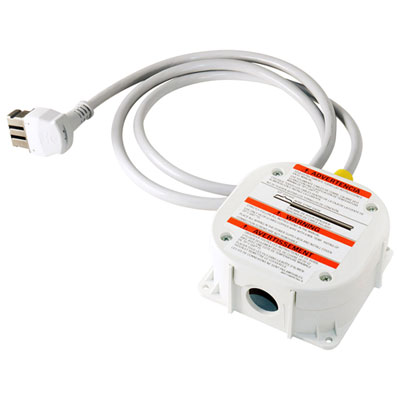 Your price for this item is $34.98
-
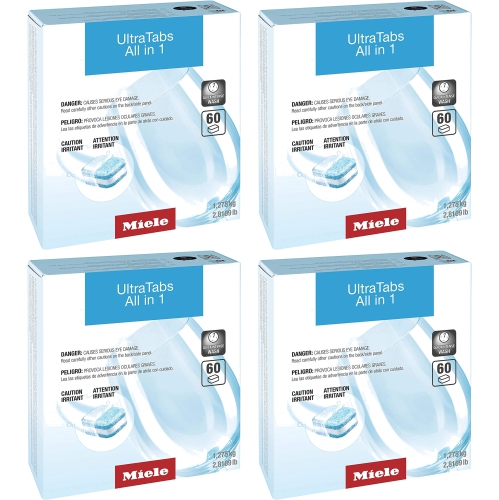 Your price for this item is $113.97
-
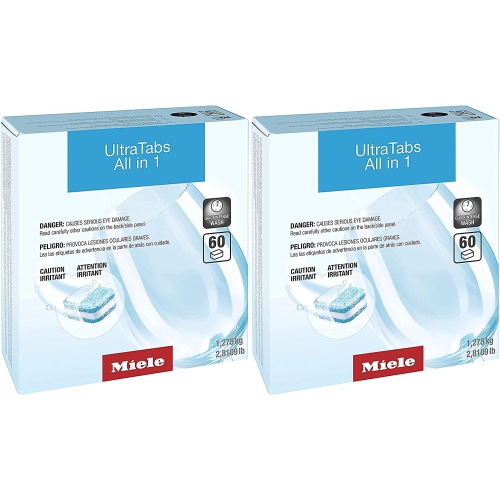 Your price for this item is $75.98
-
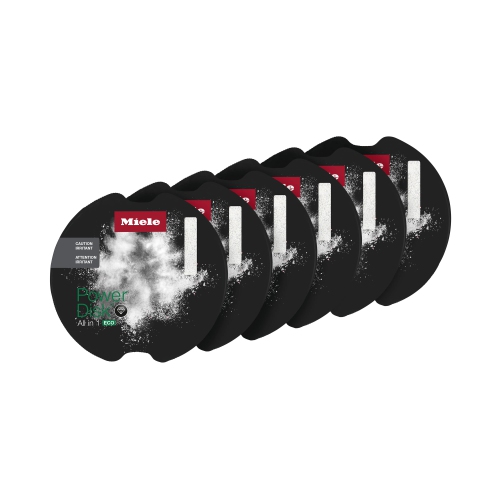 Your price for this item is $105.99
-
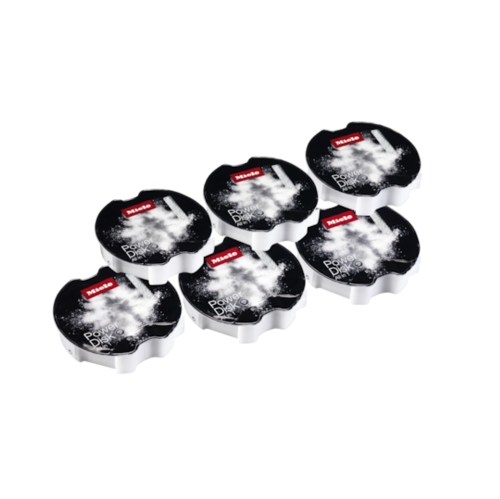 Your price for this item is $105.99
-
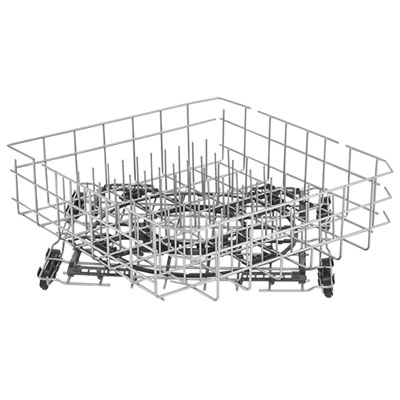 Your price for this item is $249.99
-
 Your price for this item is $269
-
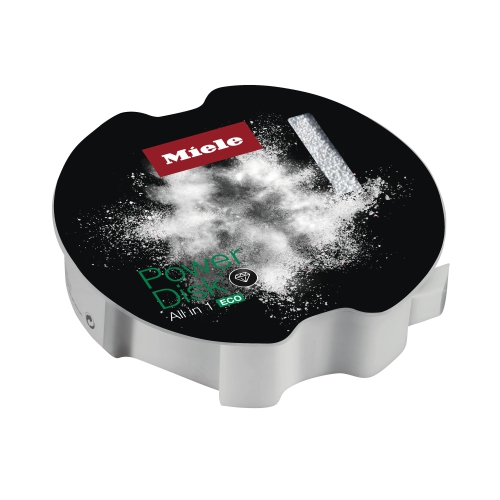 Your price for this item is $19.99
Discover more categories related to Inexpensive Dishwashers
Top Collections:
Best Black Friday Deals This Year, Best Black Friday Deals On Electronics, Kindle Devices, Pokemon Centers, Best Black Friday Deals On Apple Products, Best Cameras for Sports Photography, Dyson Airwrap, Pokémon 30th Celebration Cards, Apple iPhone 17 Pro, Canon G7X Cameras
Some products may be subject to Environmental Handling Fees
(EHF) depending on your province.
Learn more about EHFs.