Inverter Air Conditioners
If you're looking for a cost-effective and efficient way to cool your home, an inverter air conditioner might be the right choice for you. Inverter air conditioners are designed to save energy and reduce running costs, while still providing a comfortable environment. Here are some of the great options available on the market today.
Sort
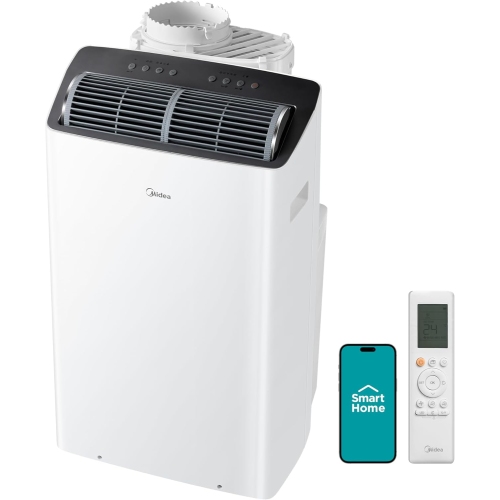
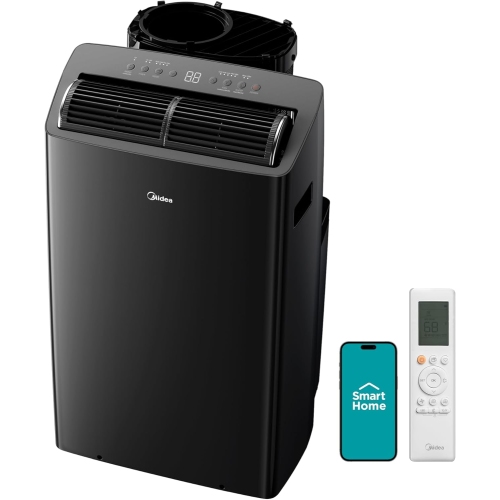
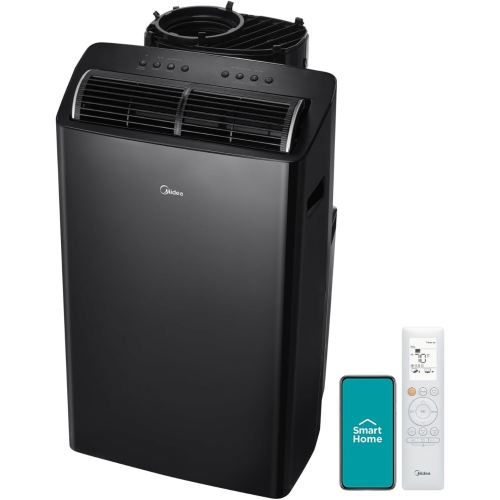
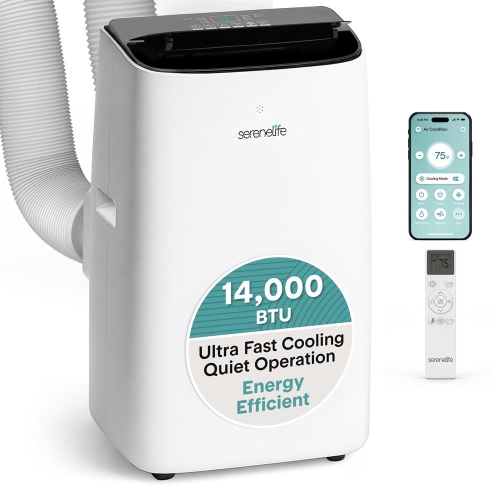
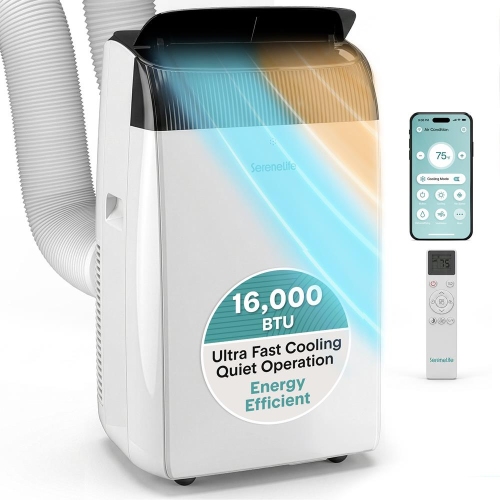
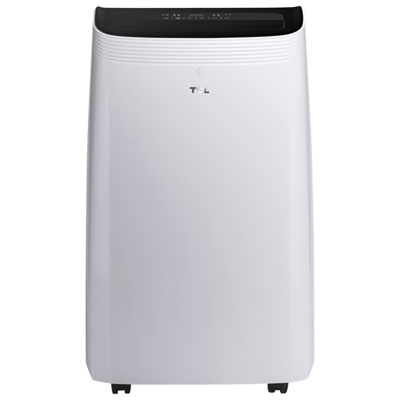
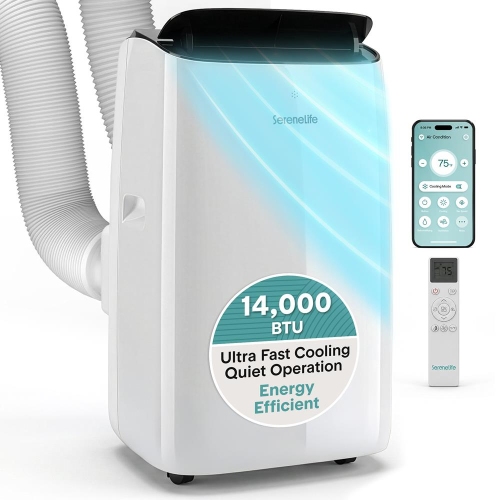
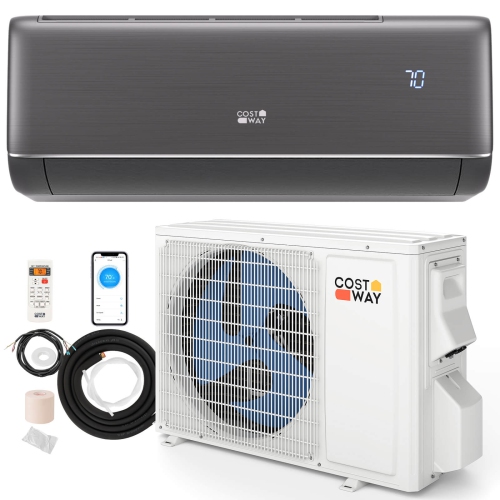
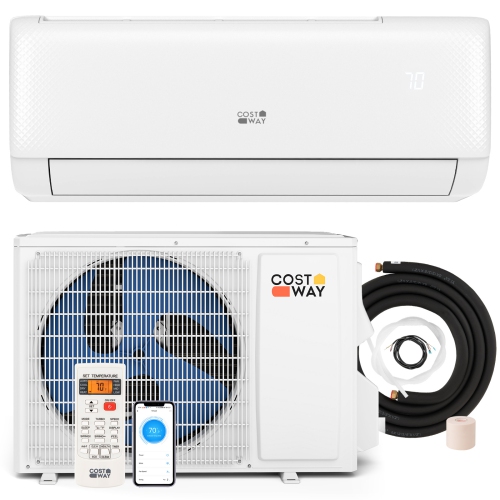
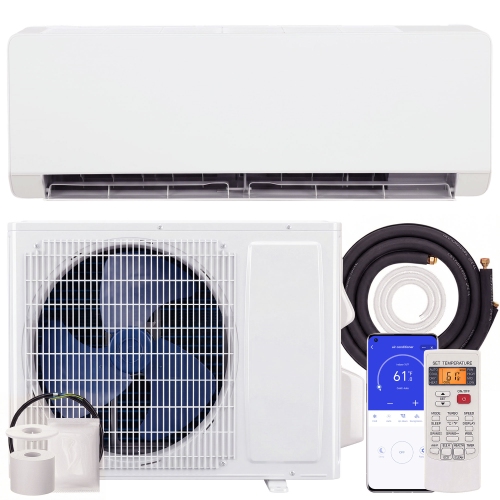
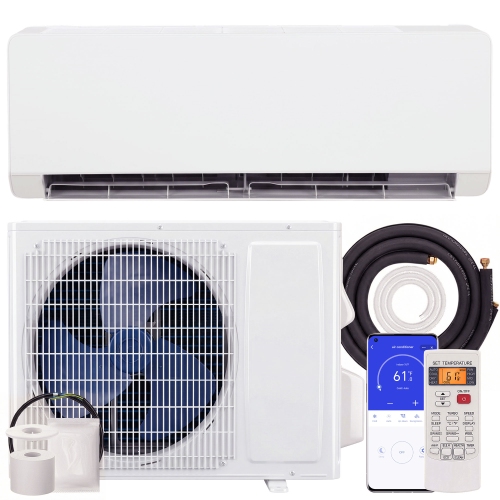
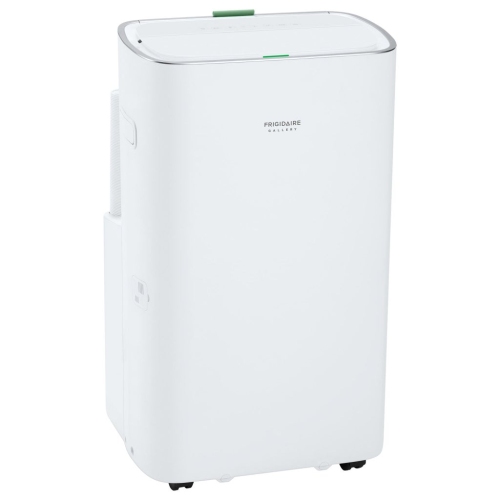
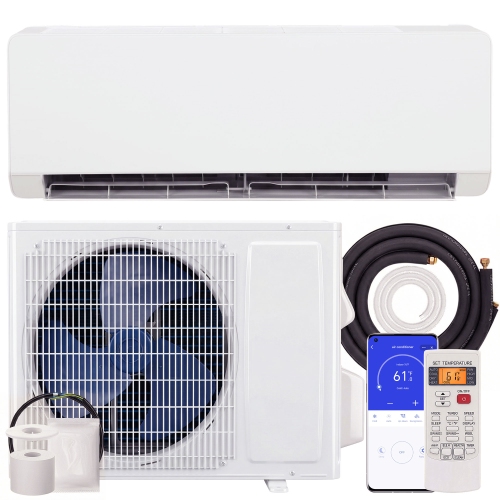
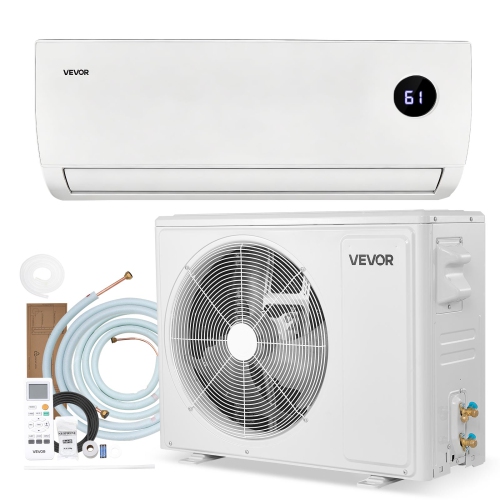
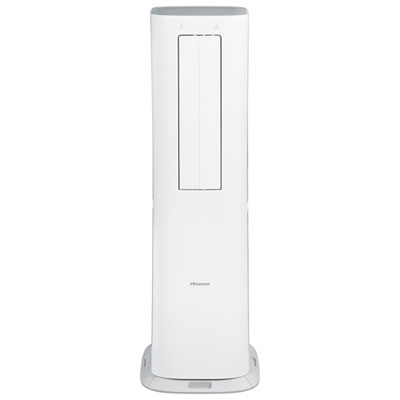
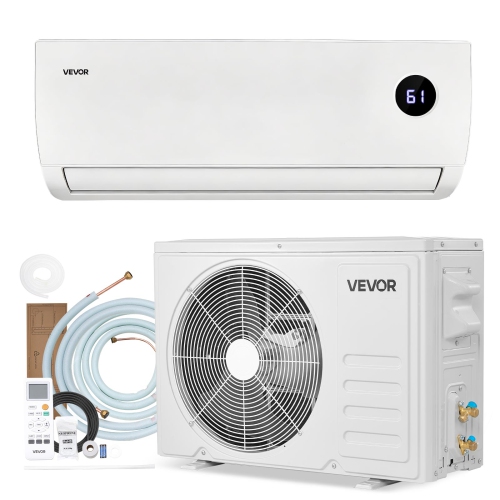
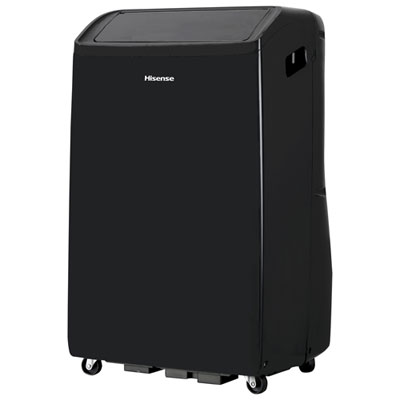
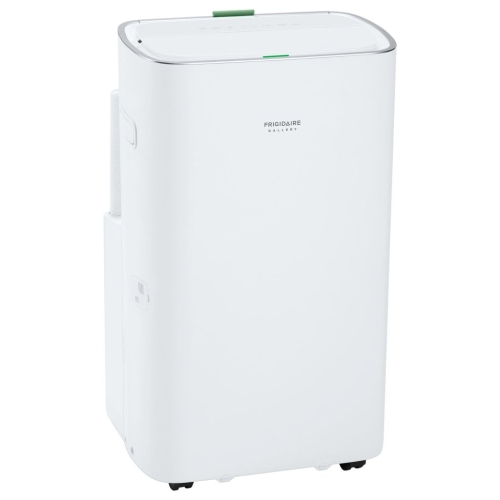
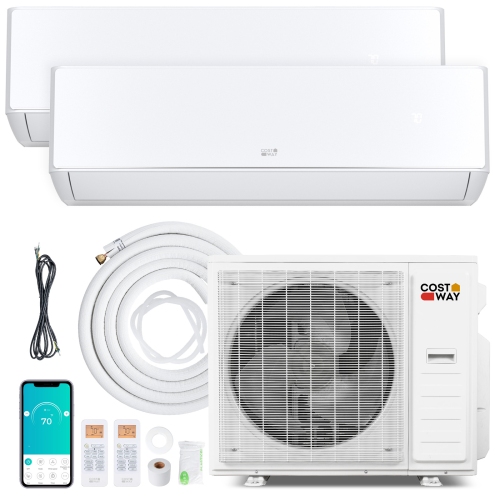
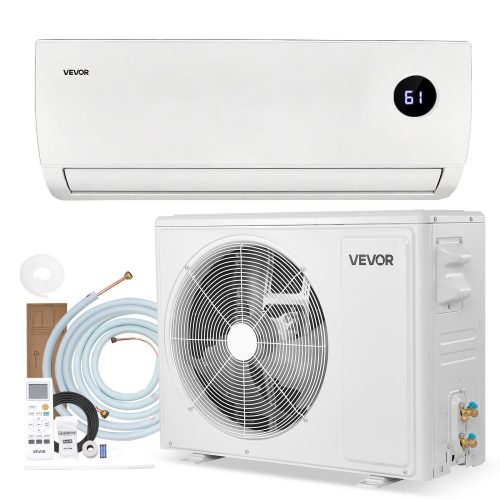
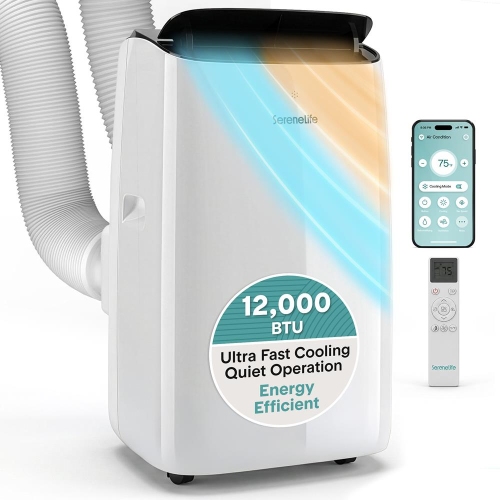
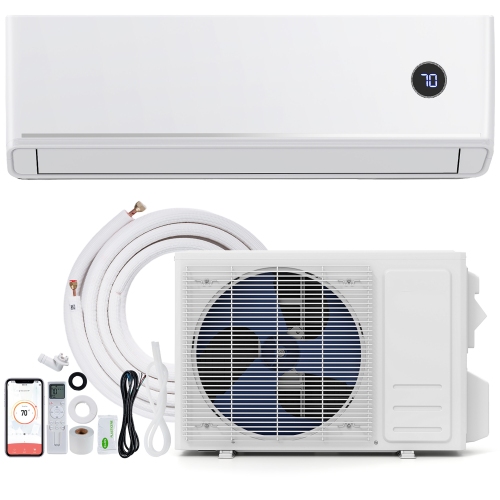
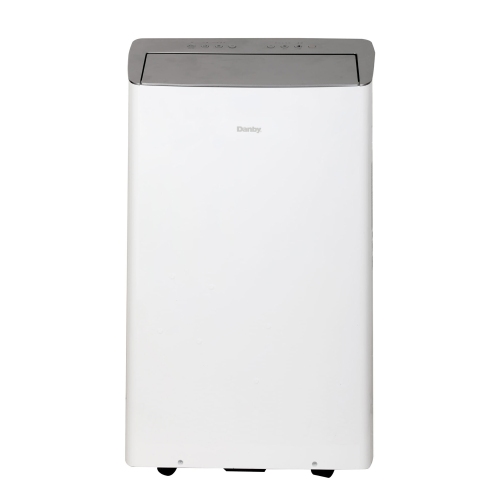
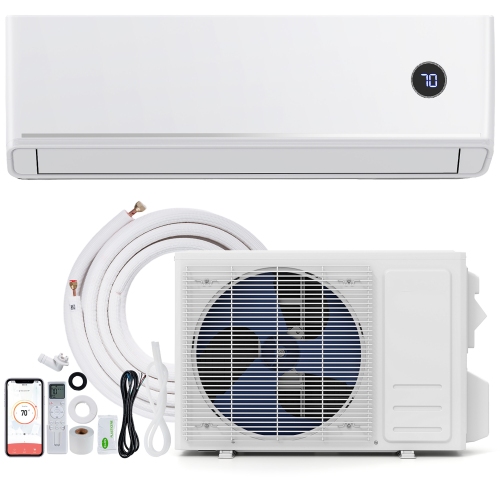
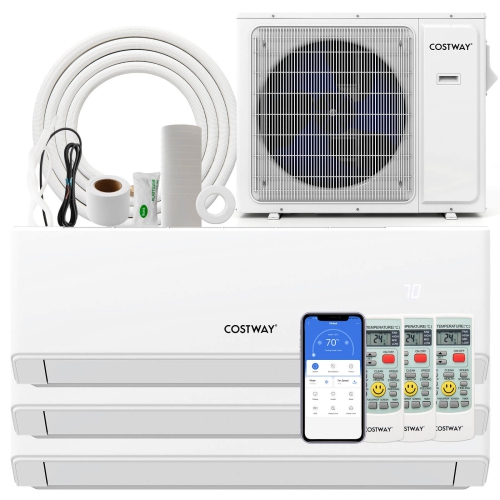
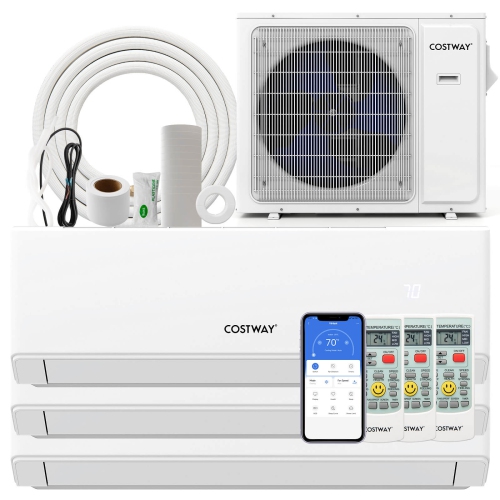
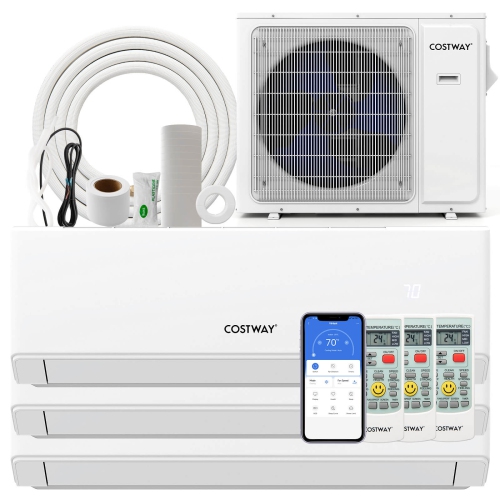
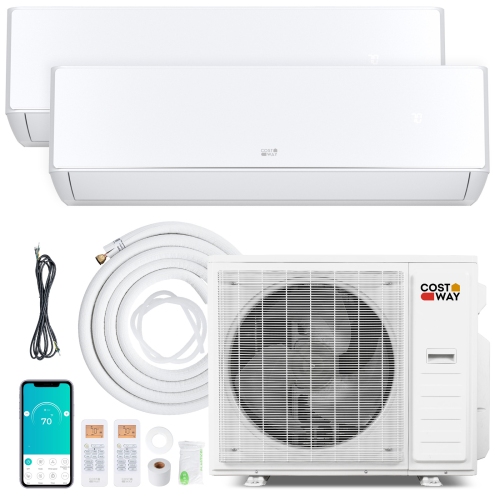
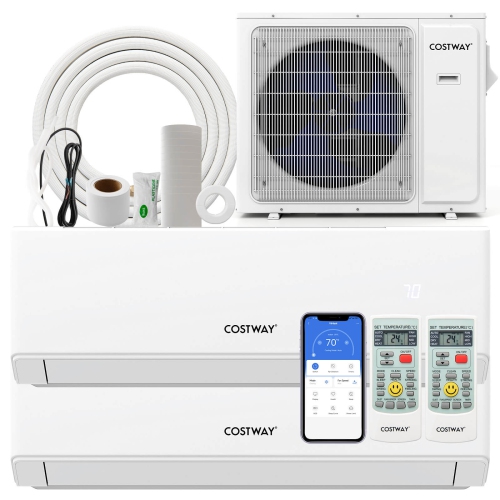
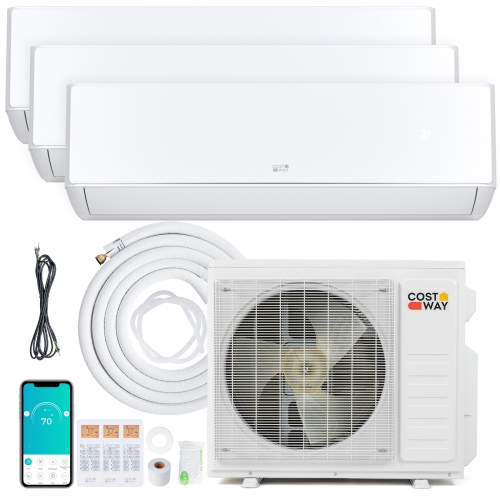
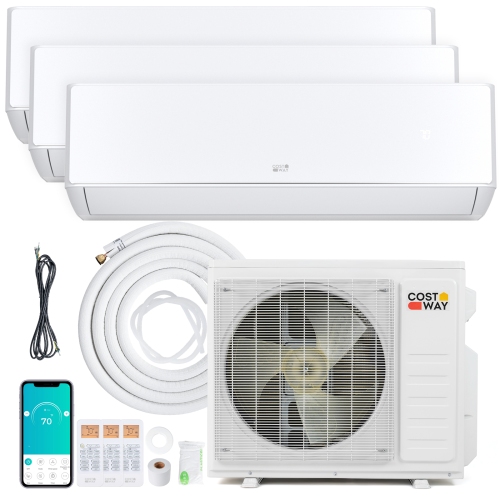

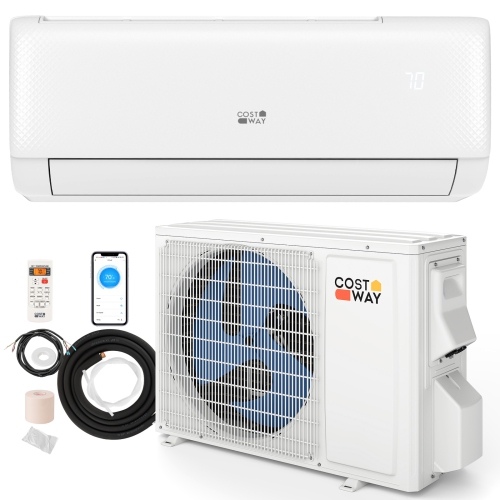
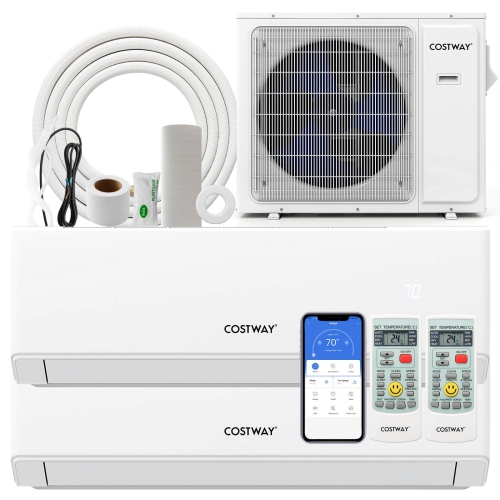
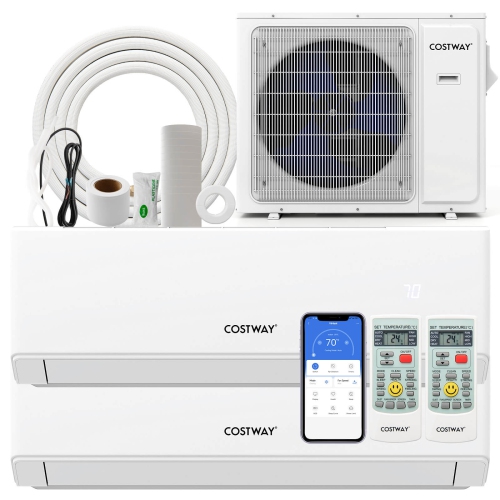
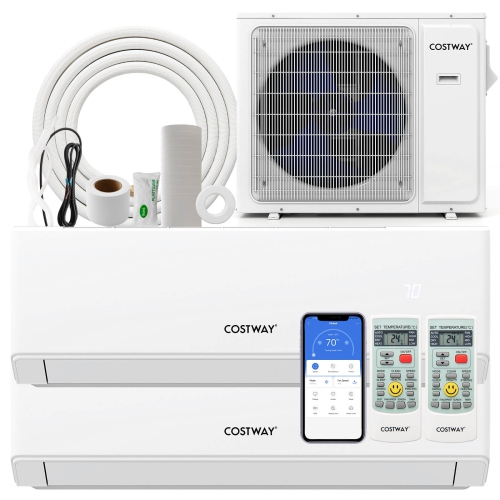
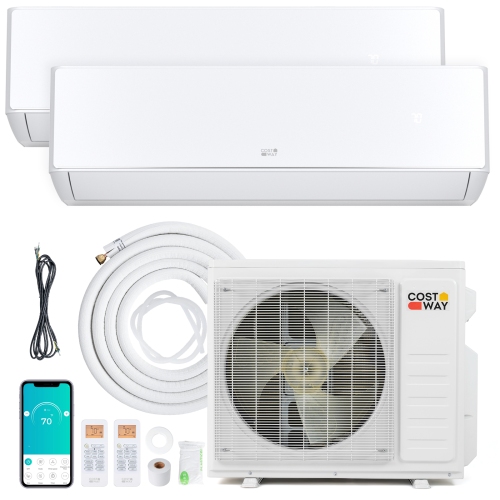
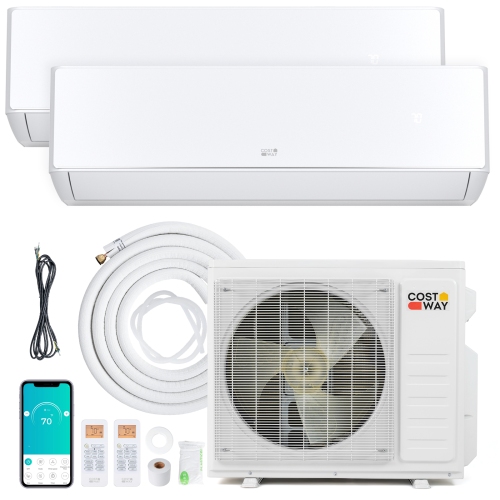
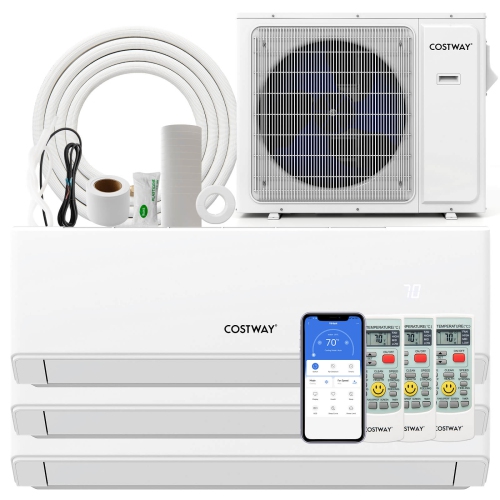
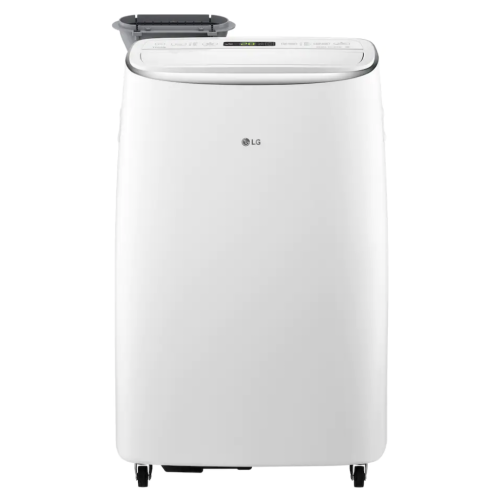
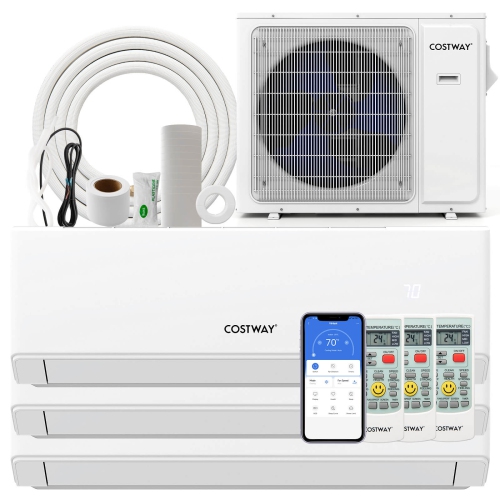

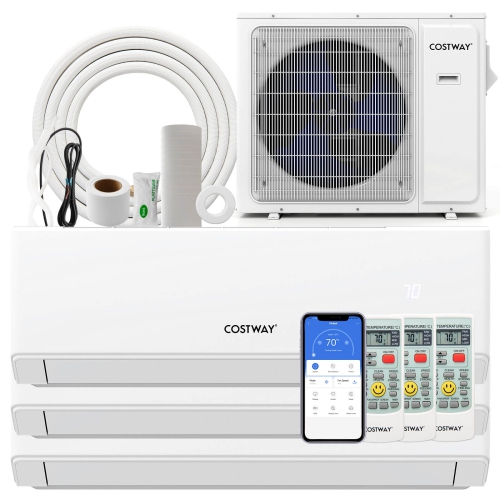
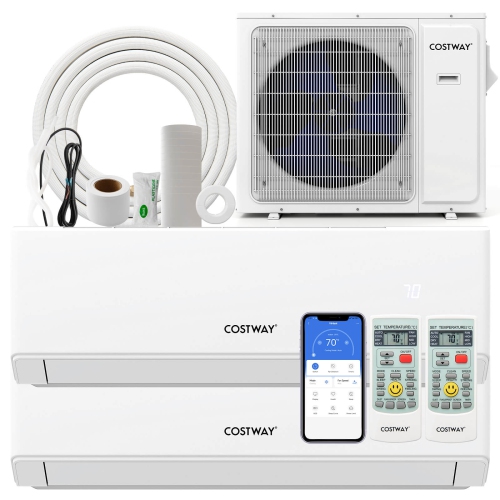


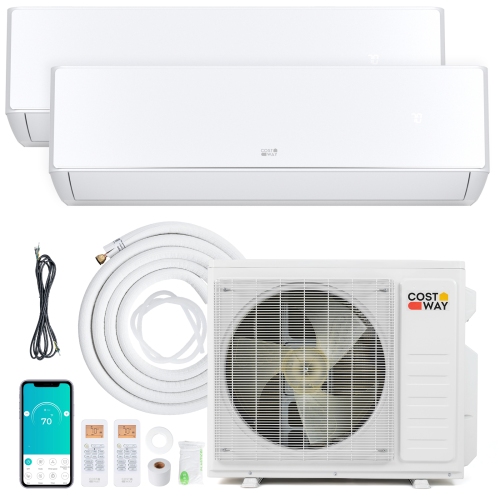
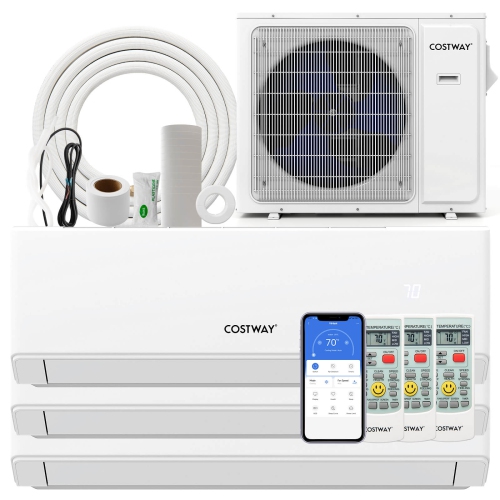
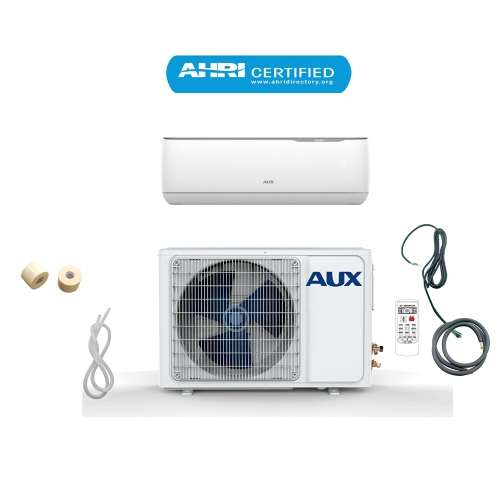
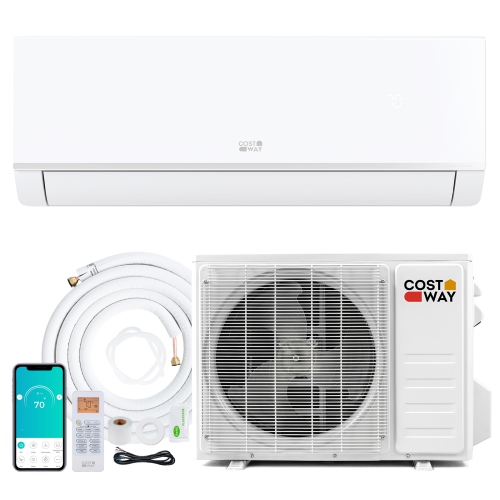
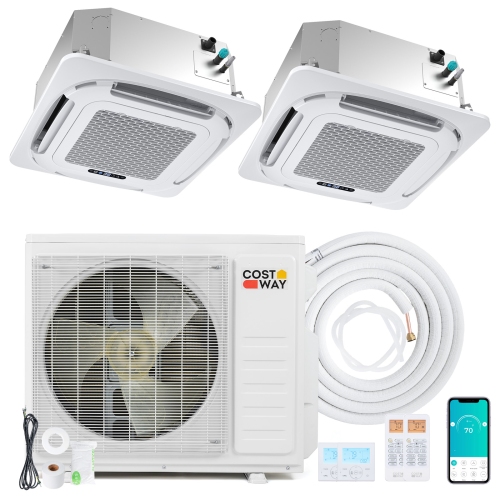
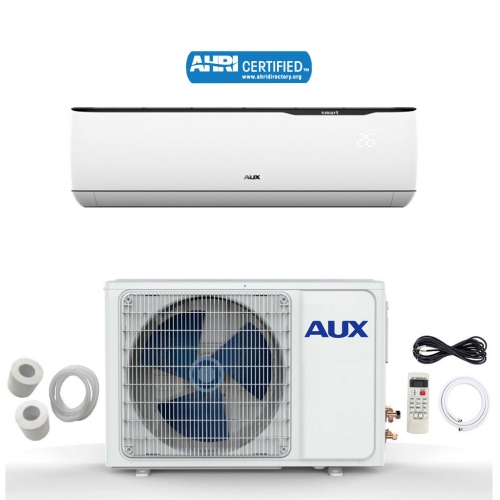
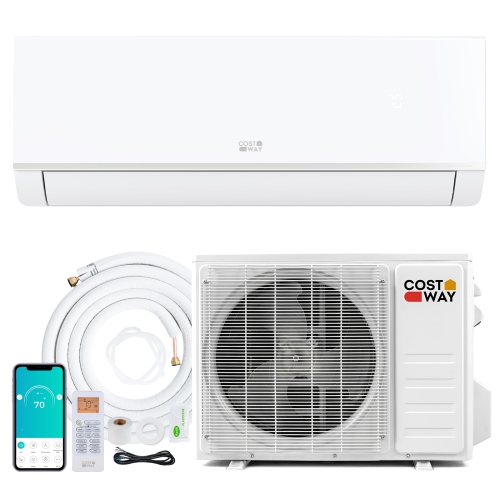
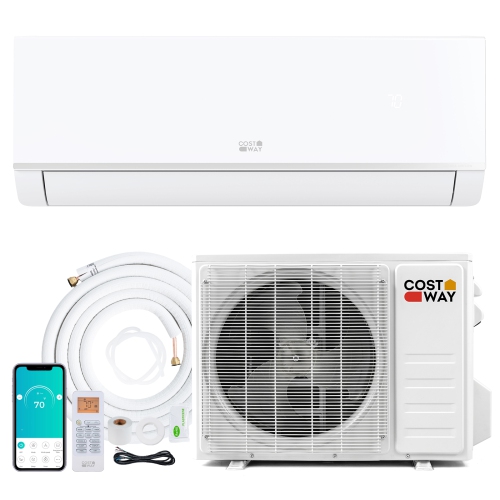
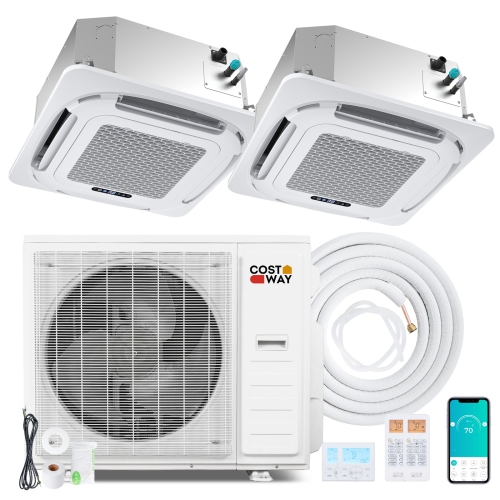
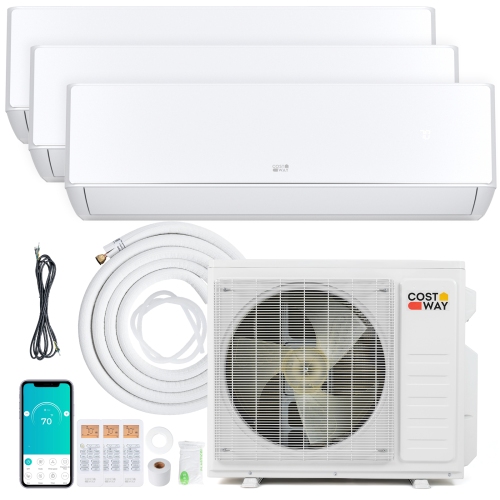
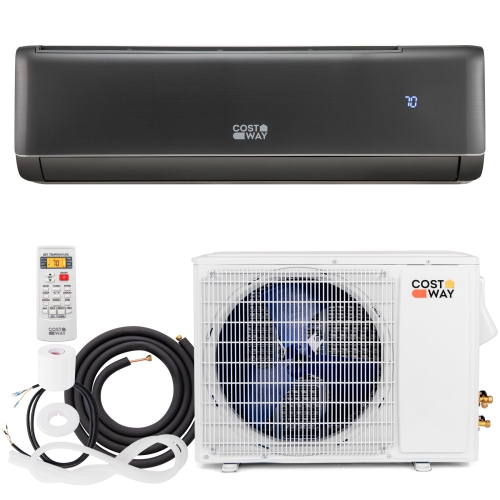

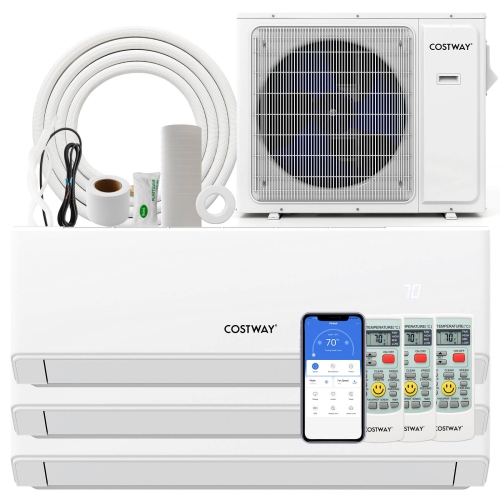
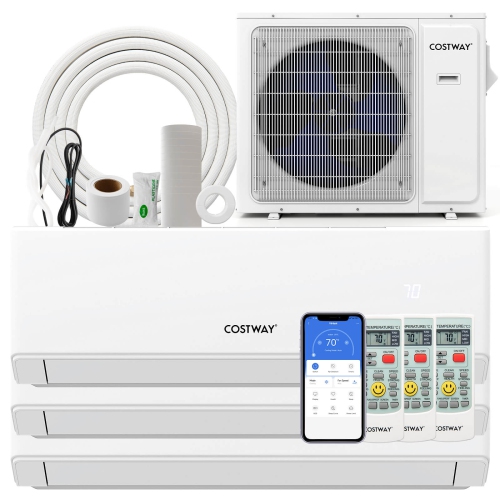

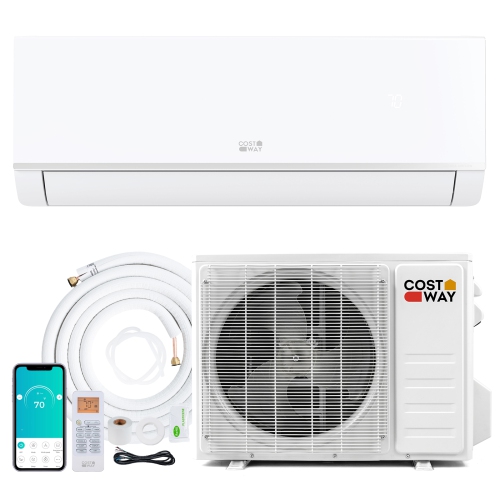

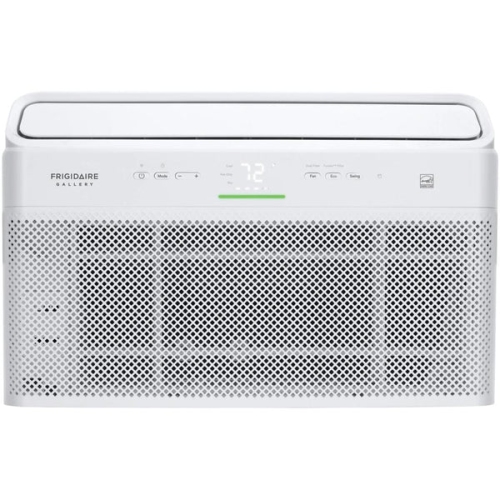
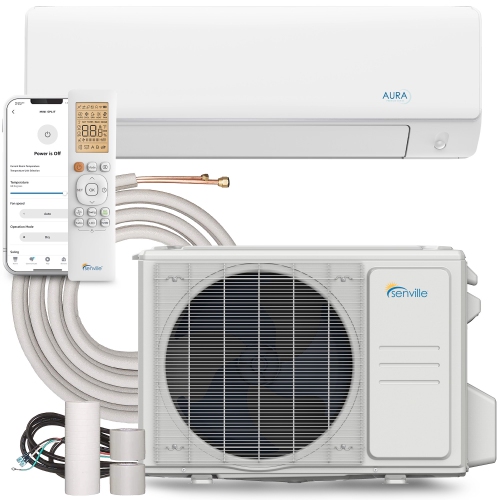
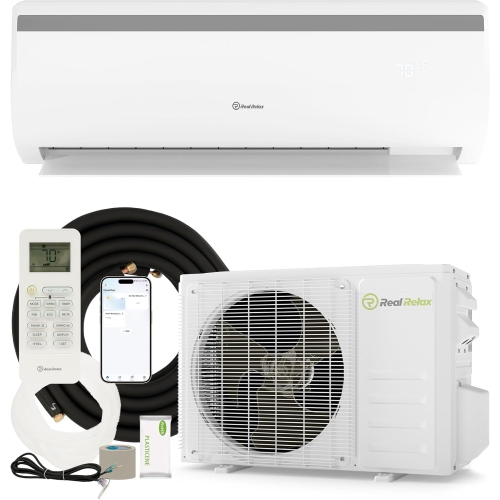

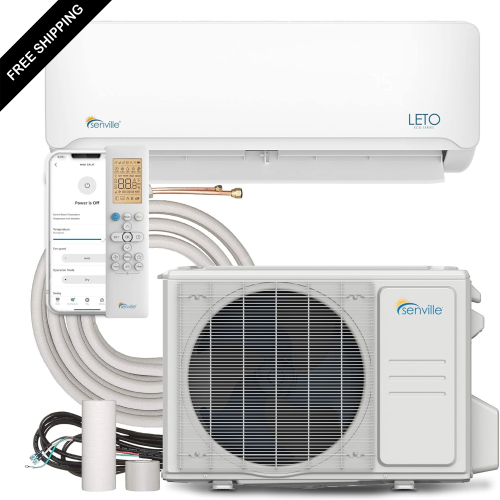

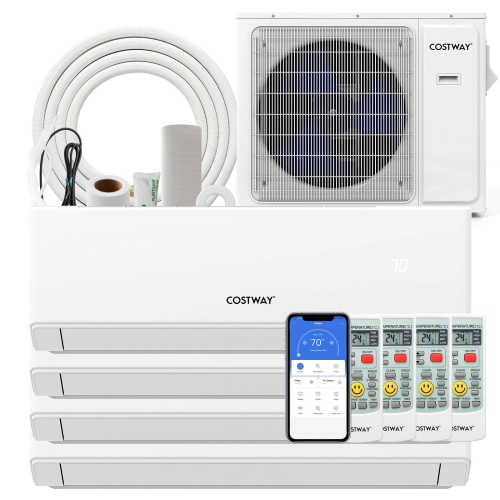
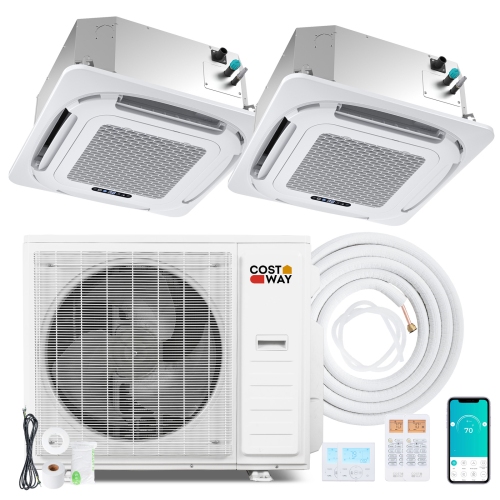

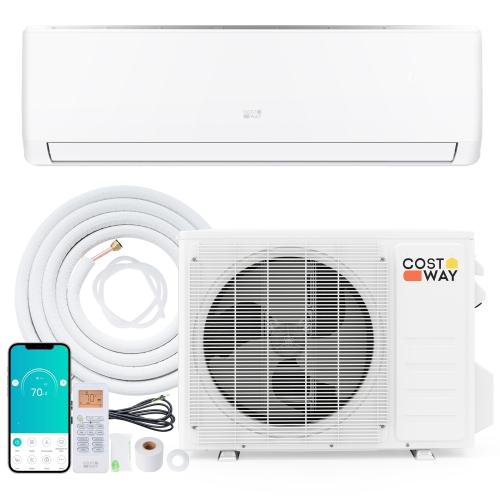
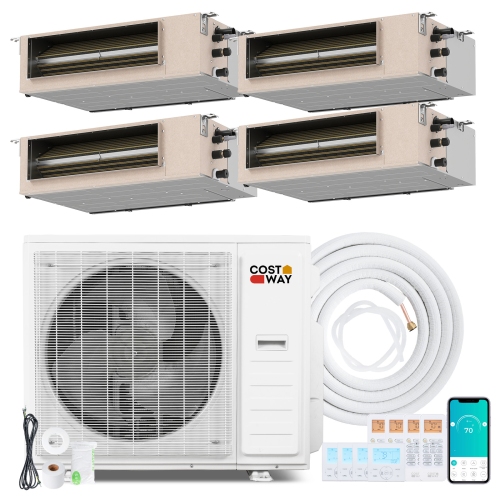
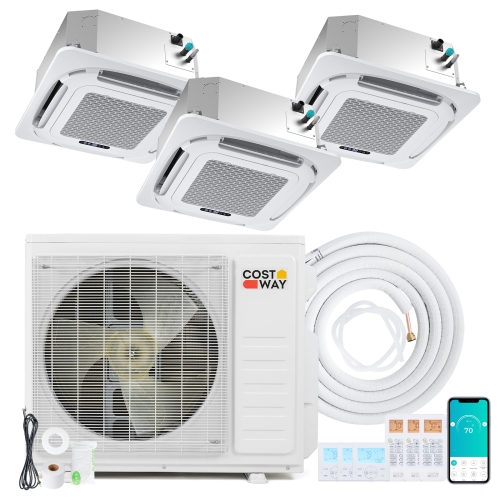
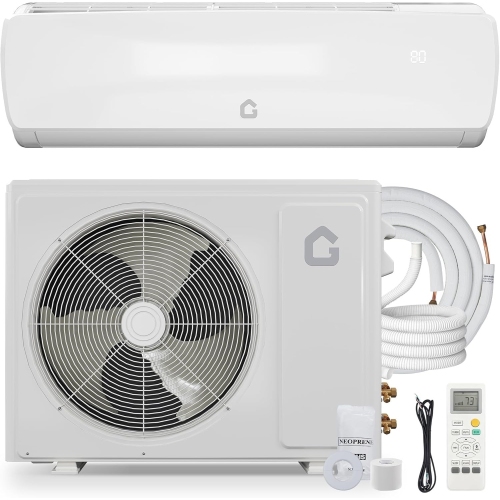
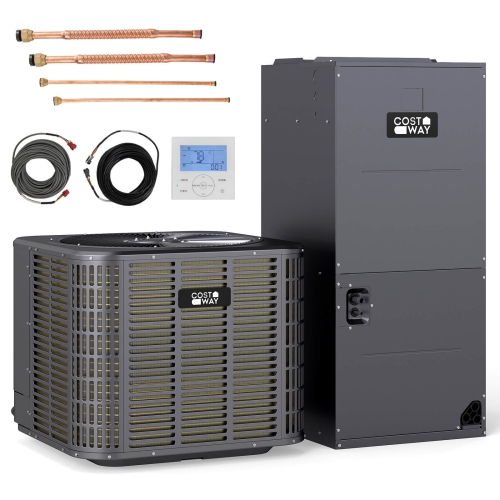
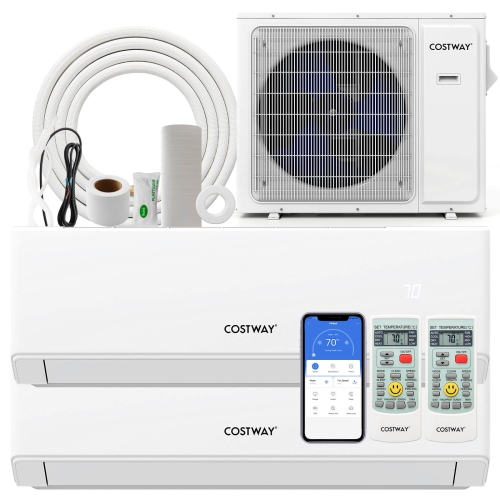

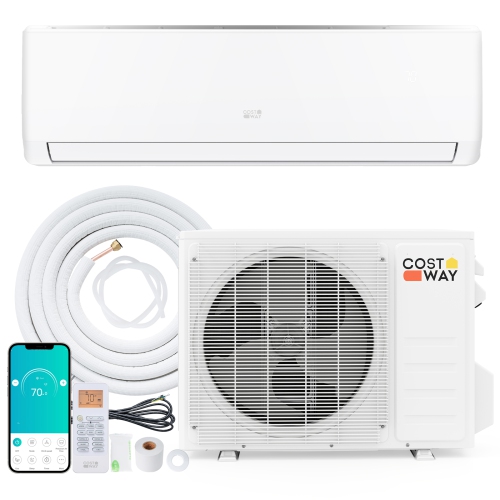
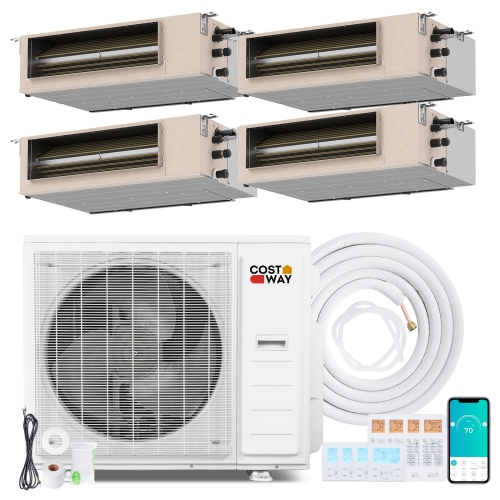
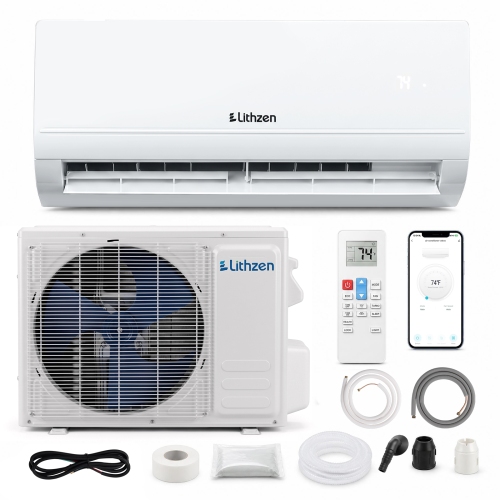
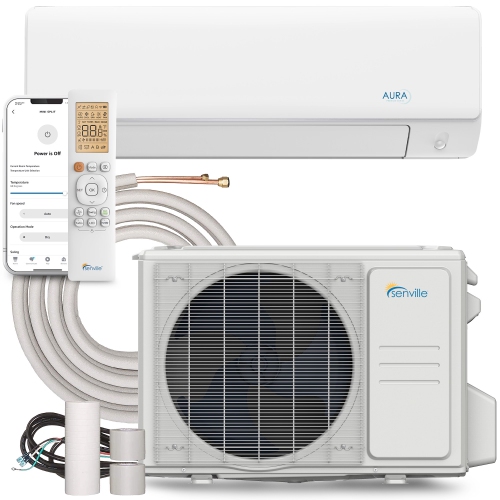
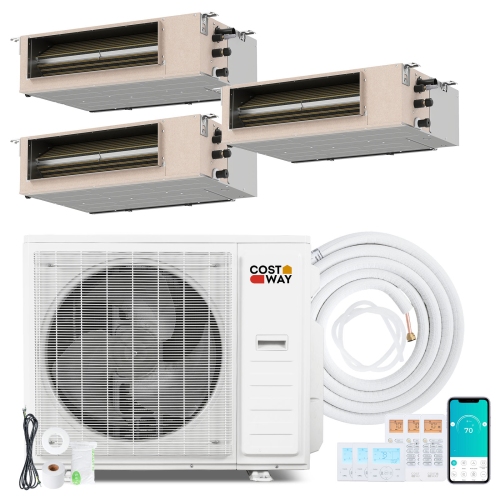
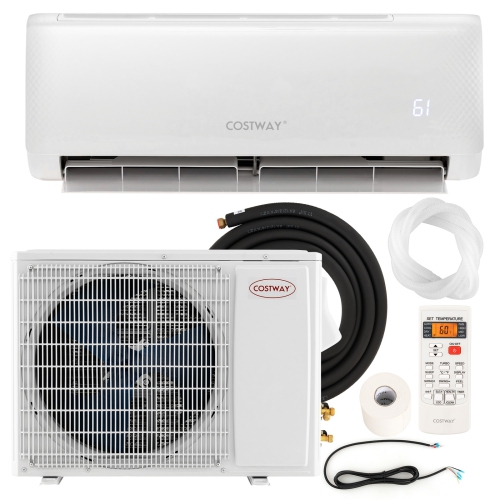
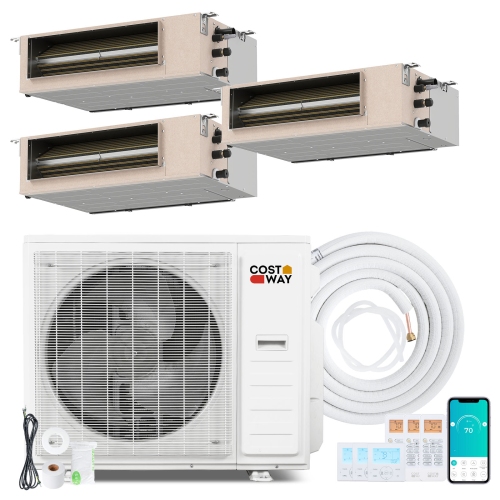
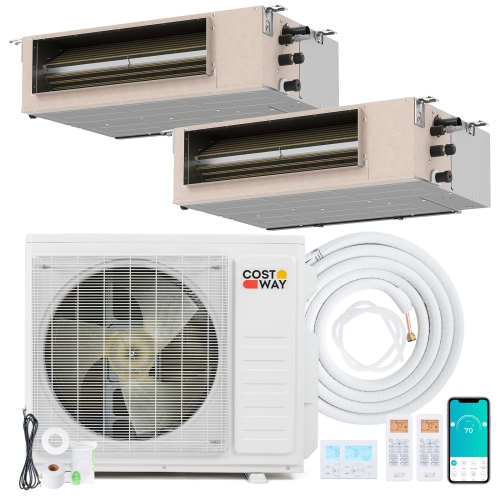
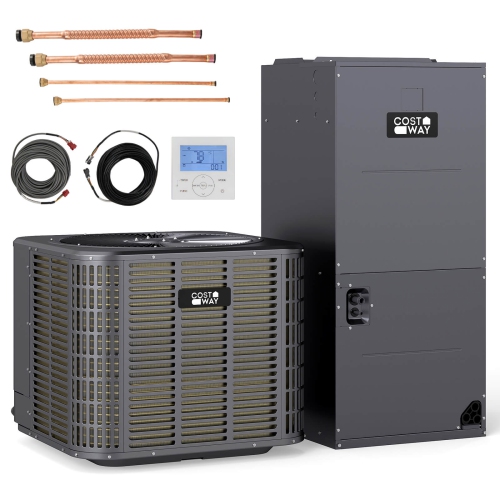
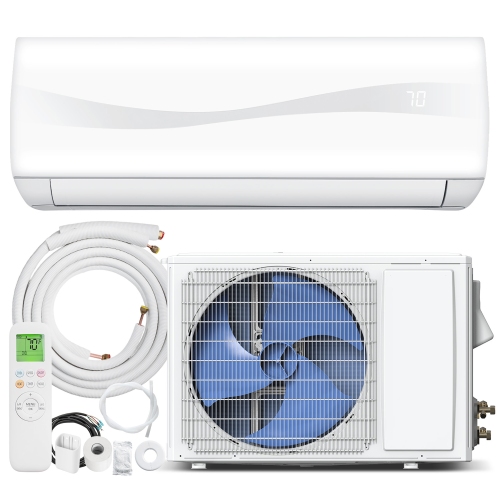
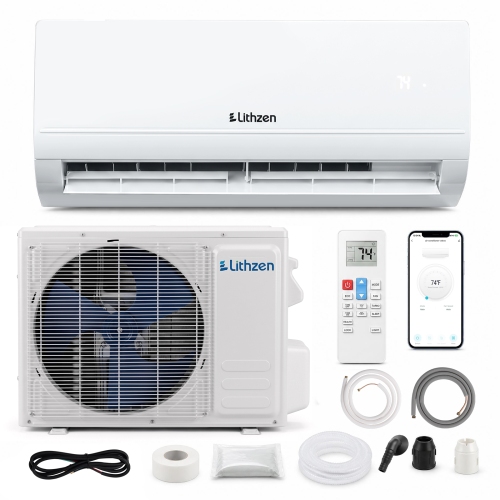
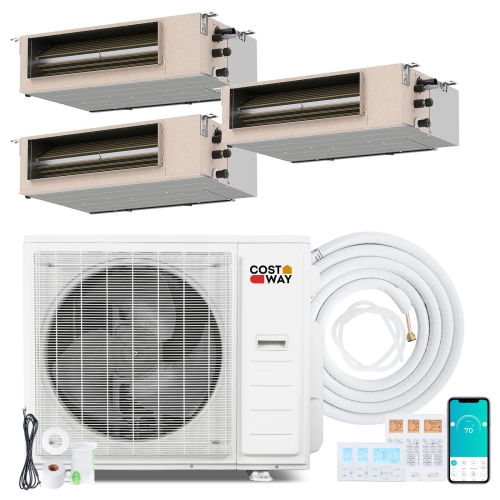
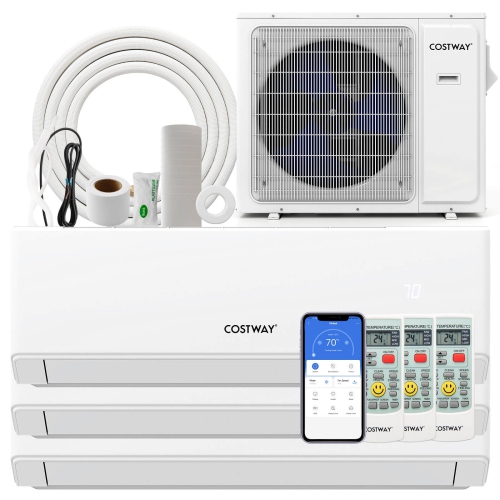
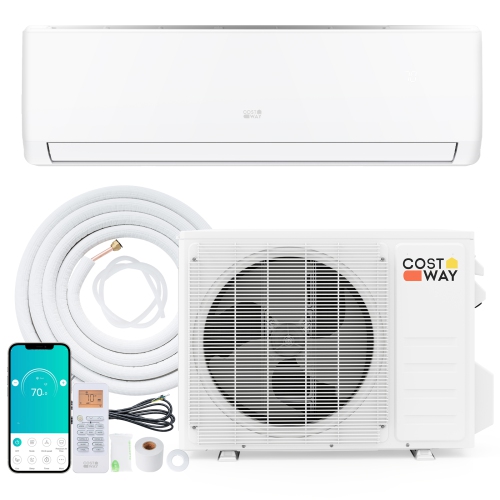
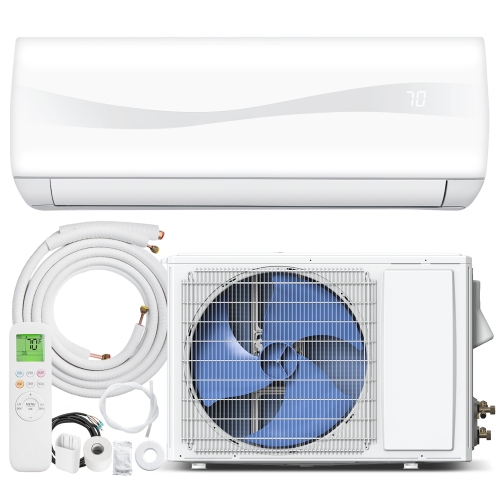
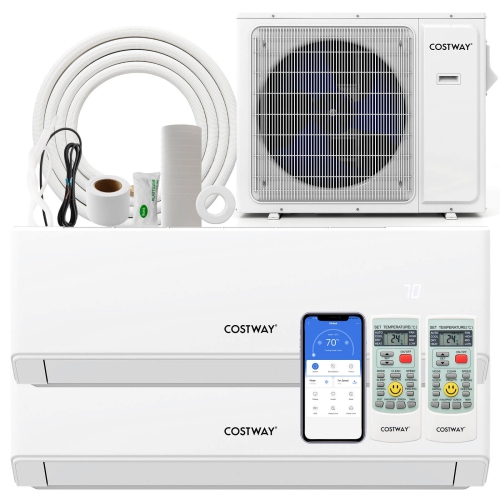

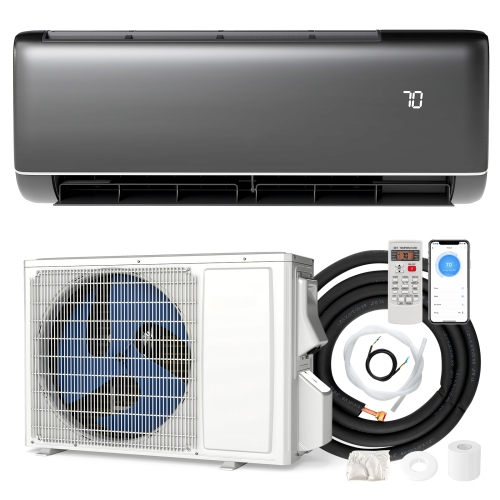
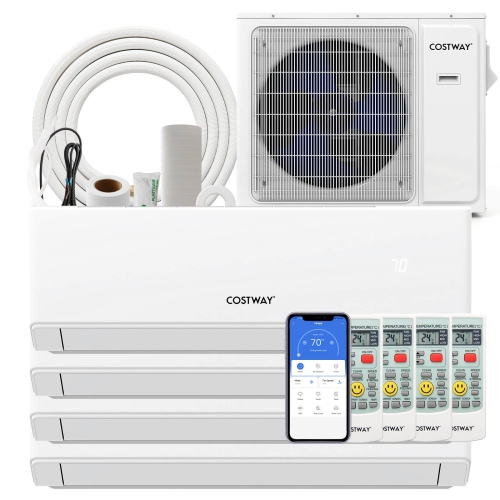
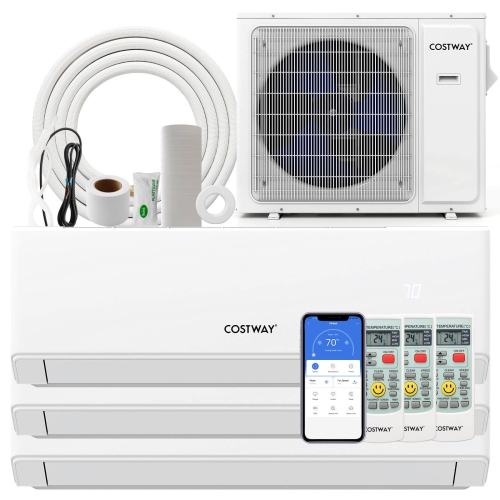
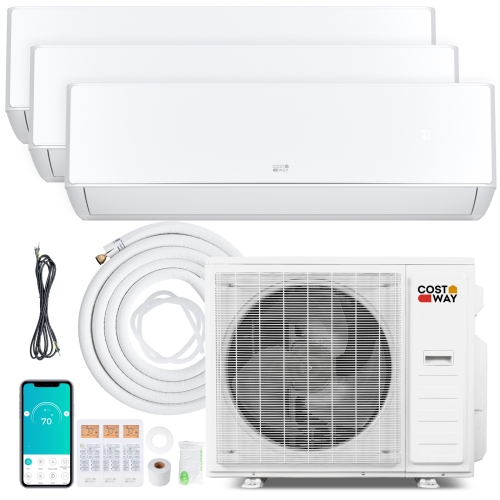

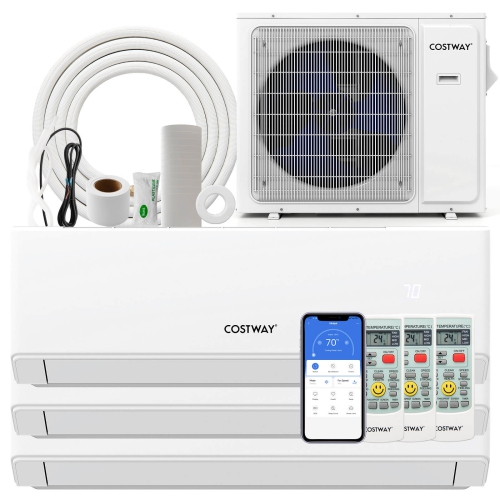
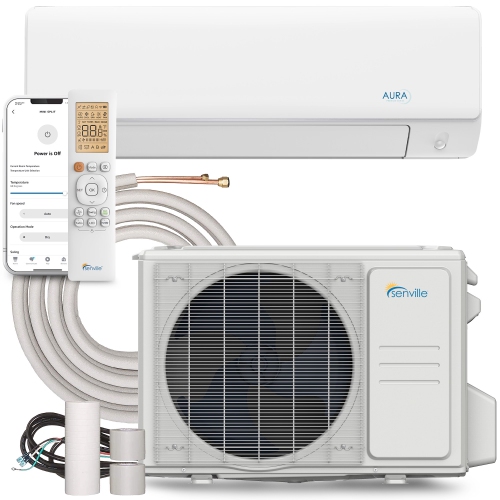
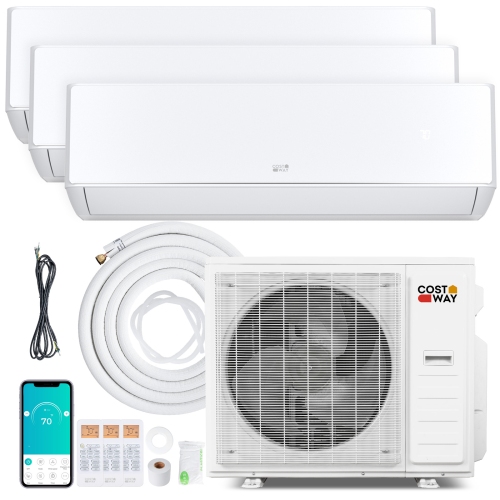
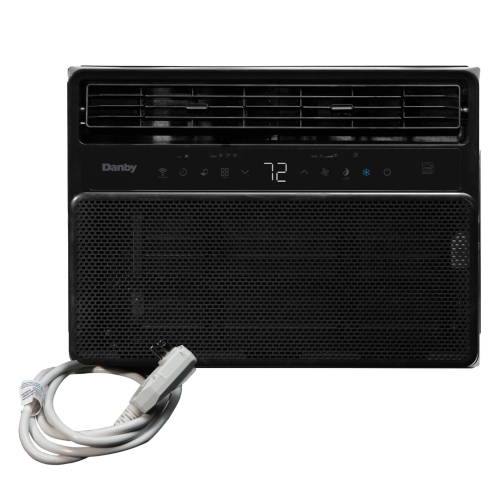
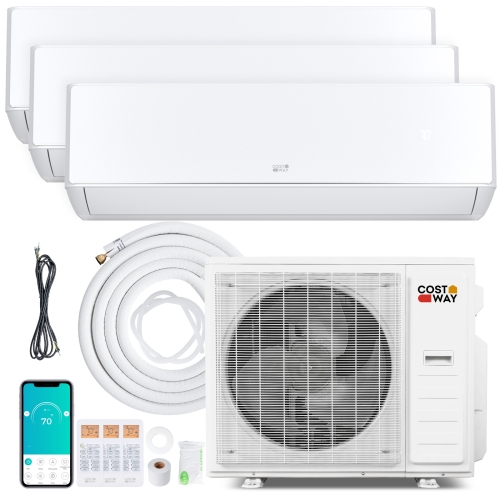
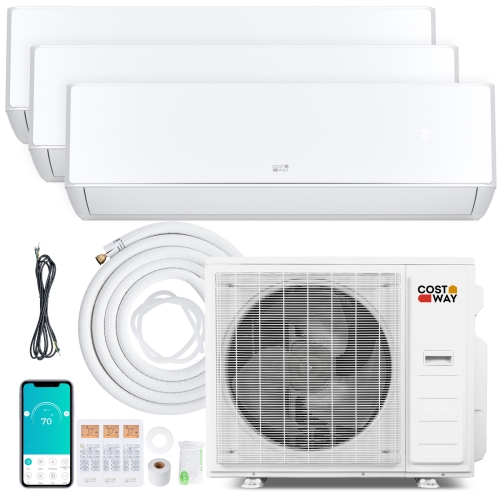
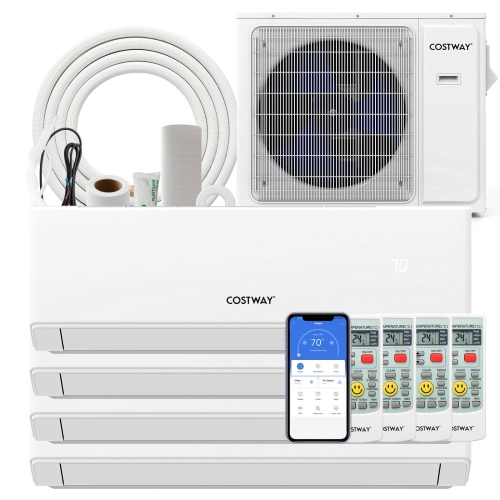
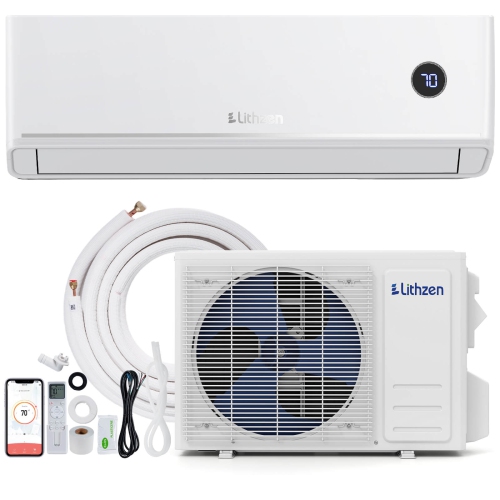
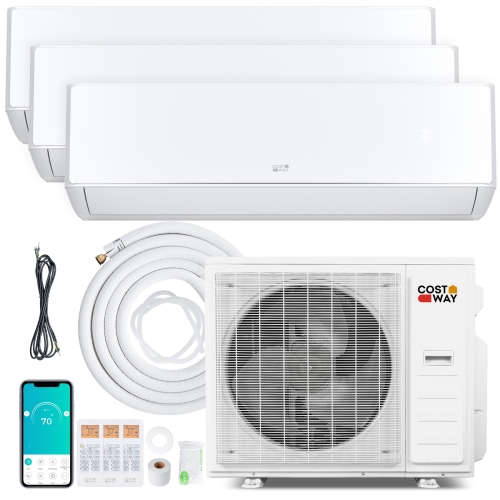
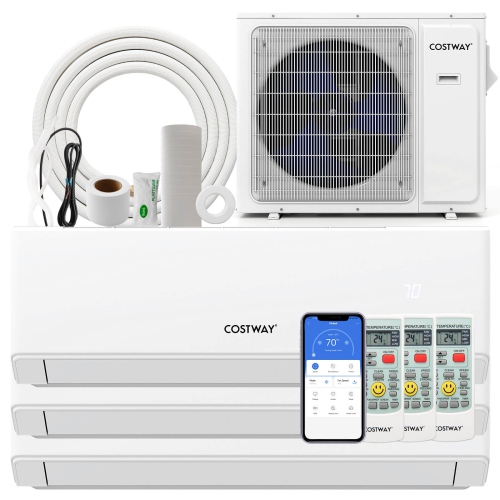
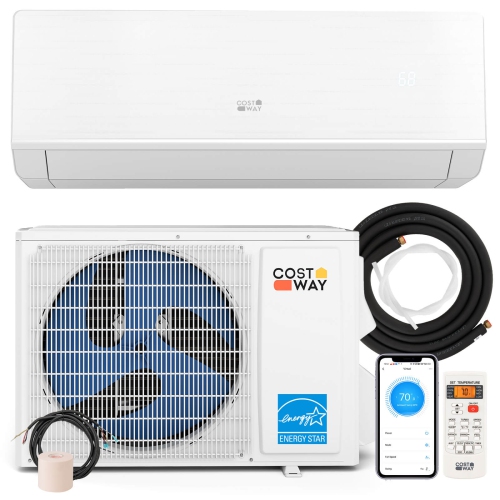
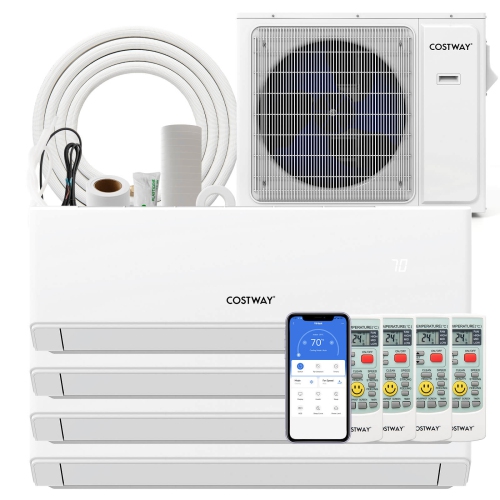
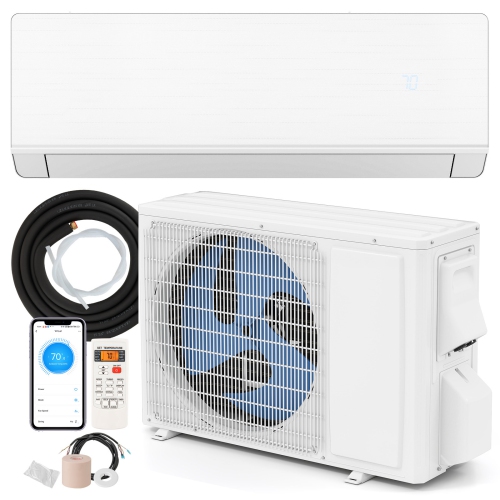
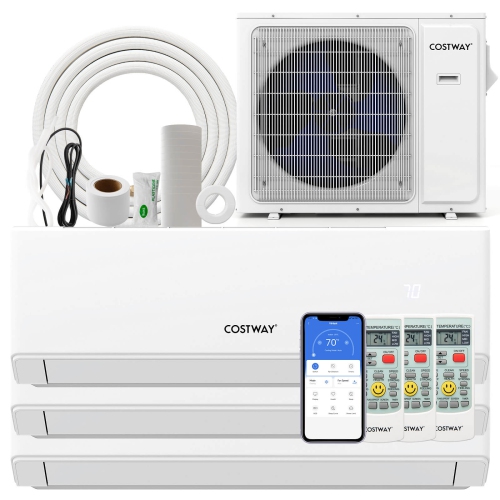
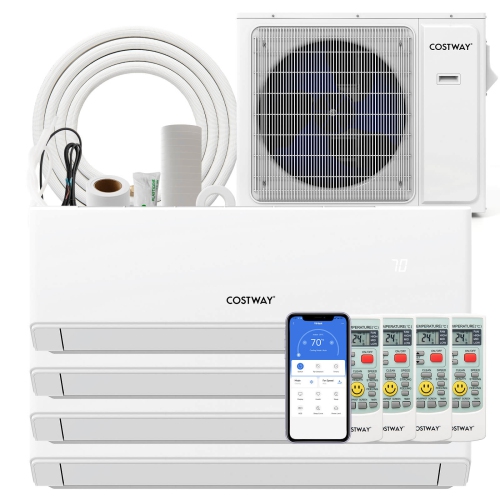

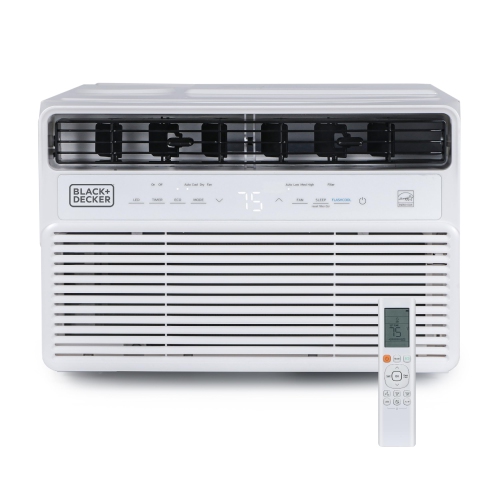
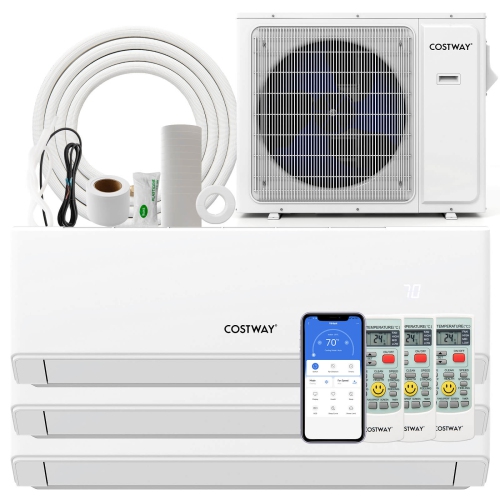
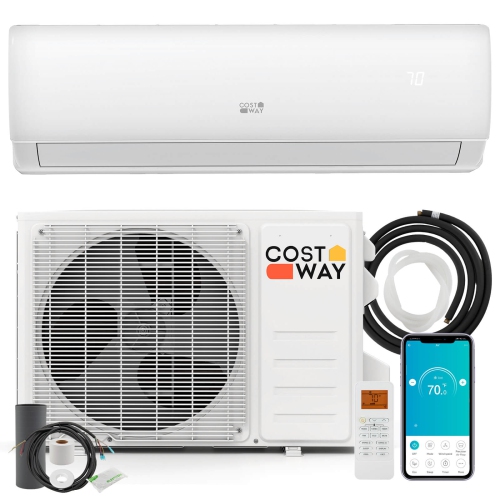
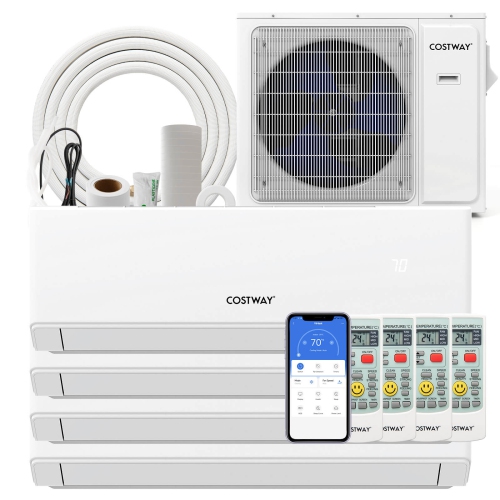
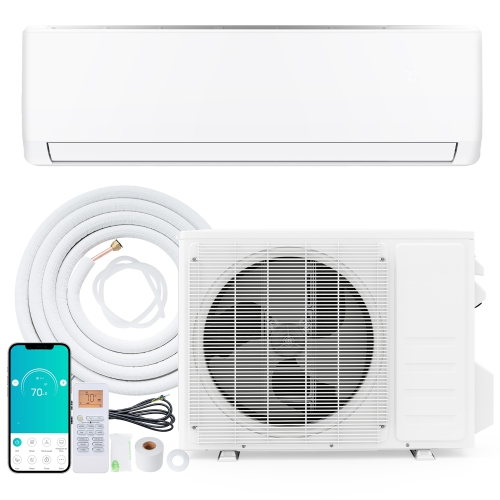
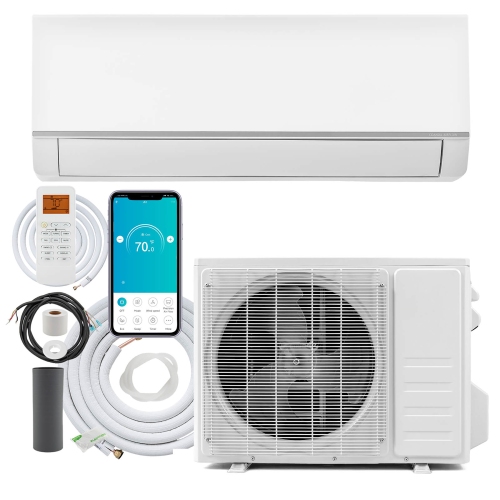
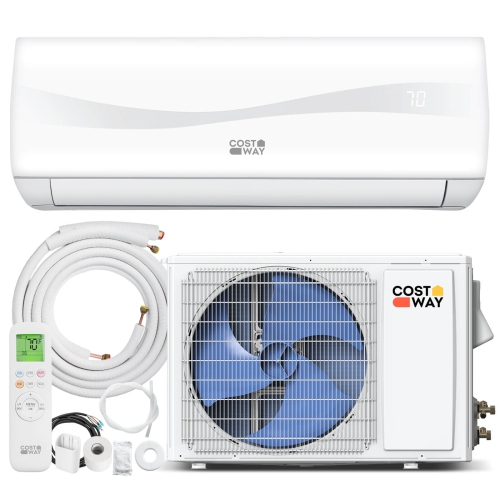
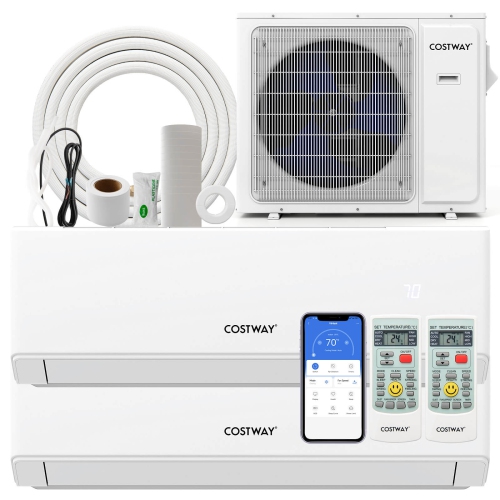
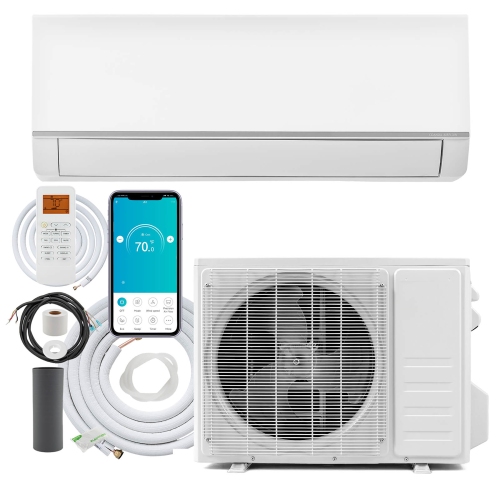
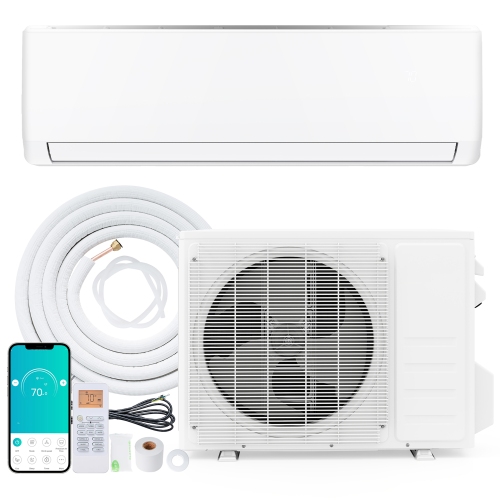
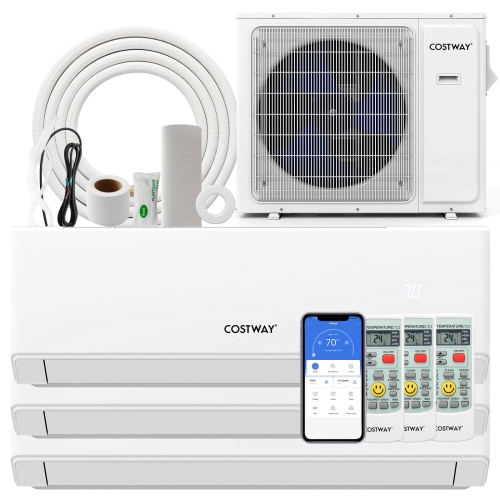
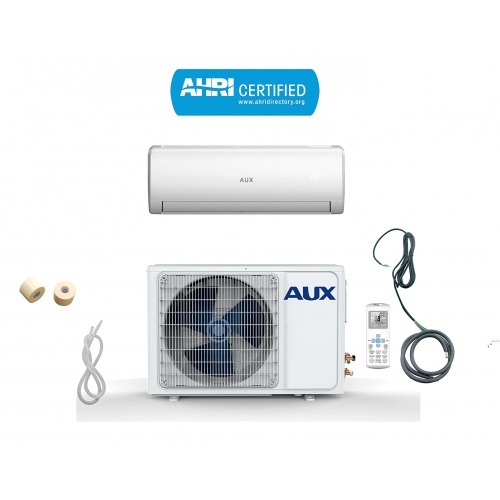
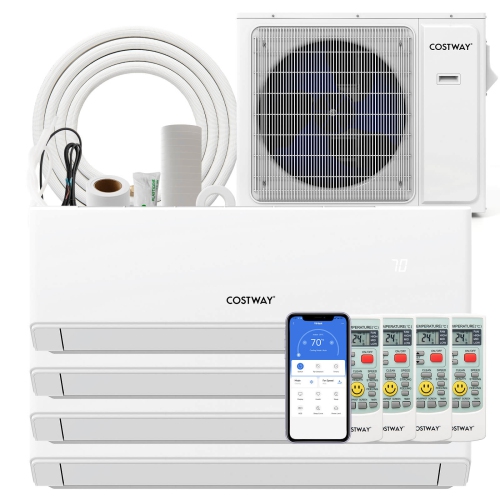
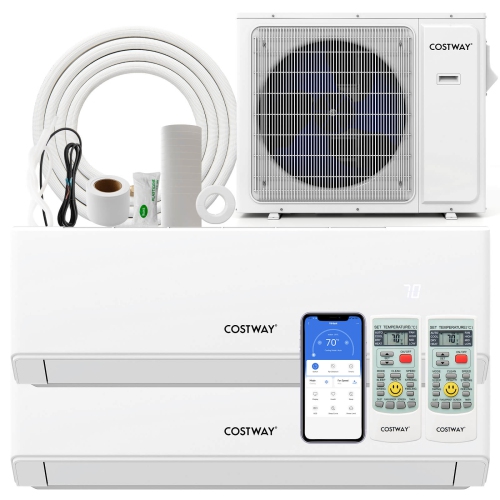
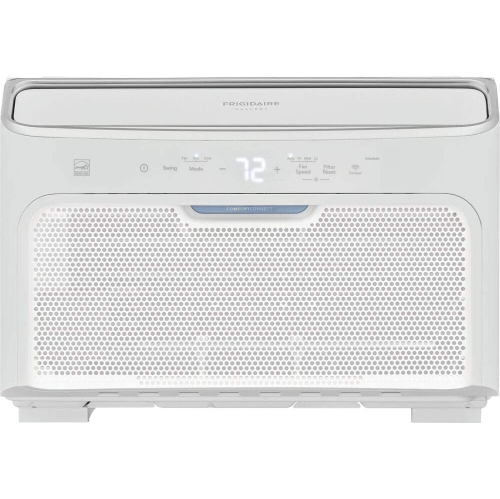
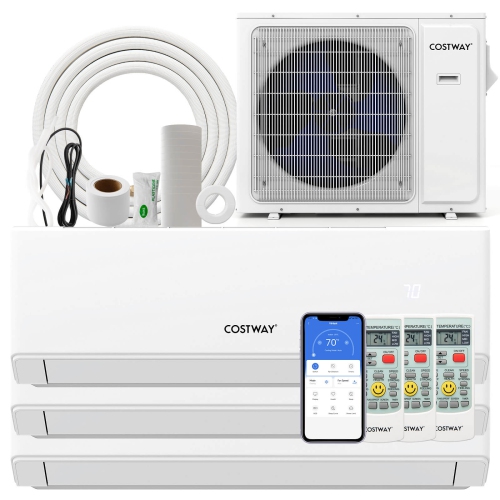
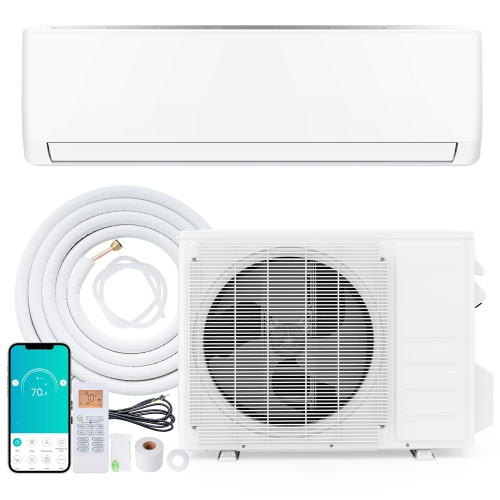
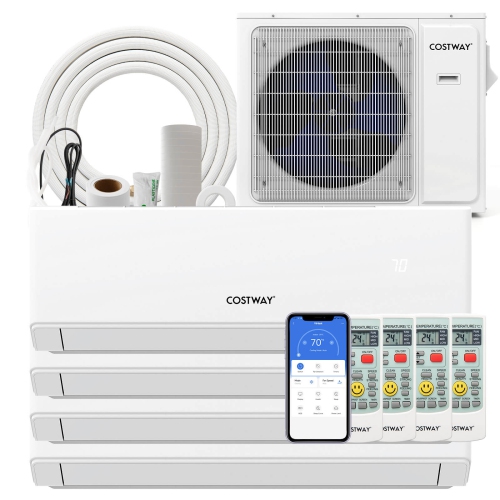
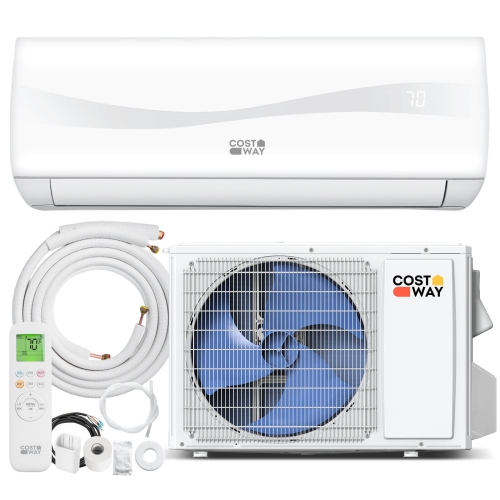
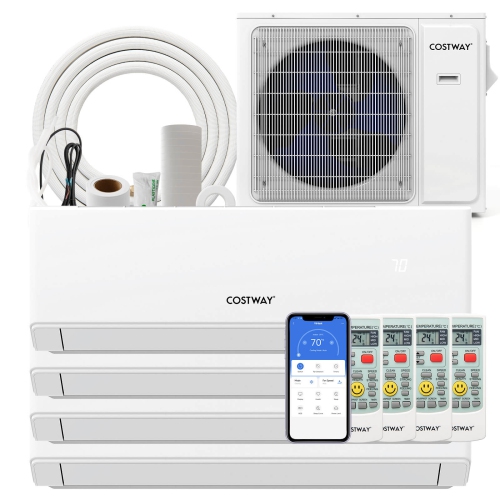

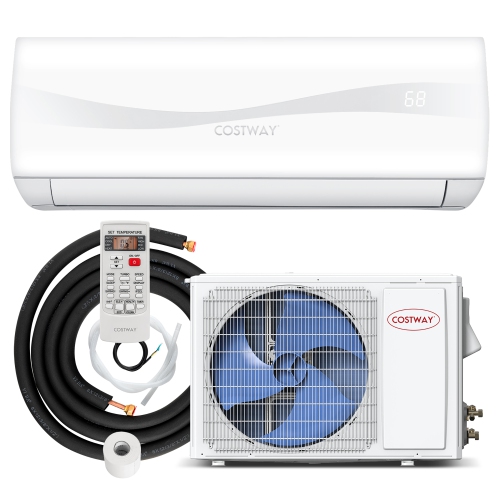
How variable-speed cooling helps maintain steadier room temperatures
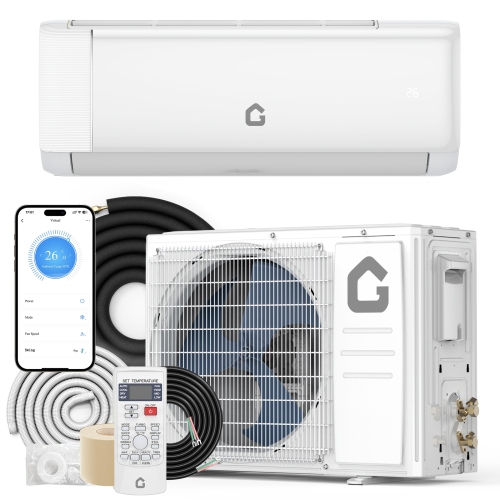
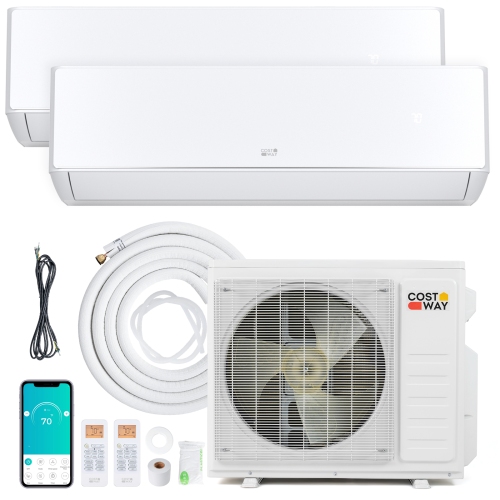
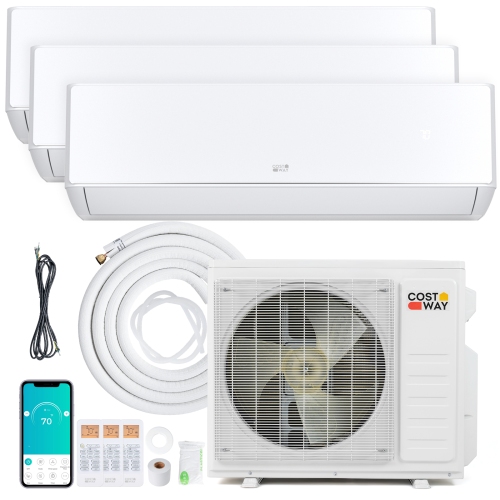
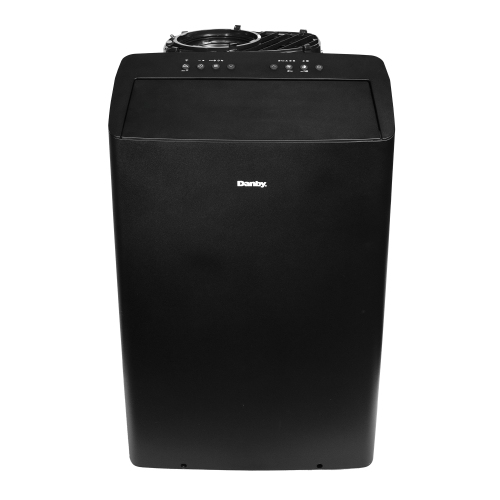
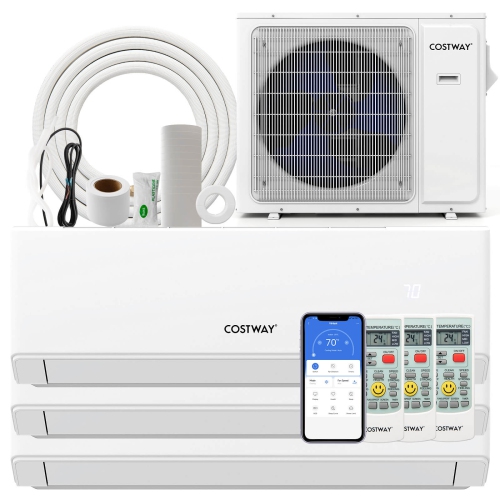
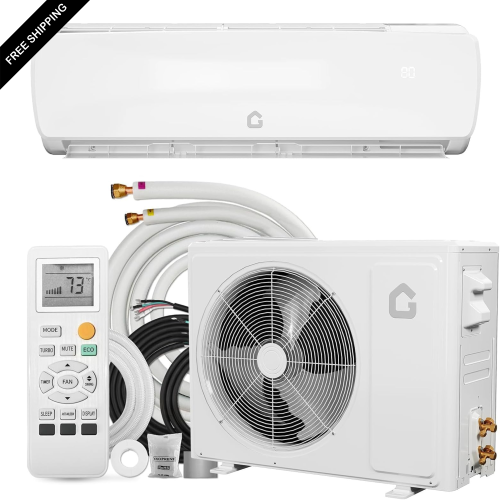
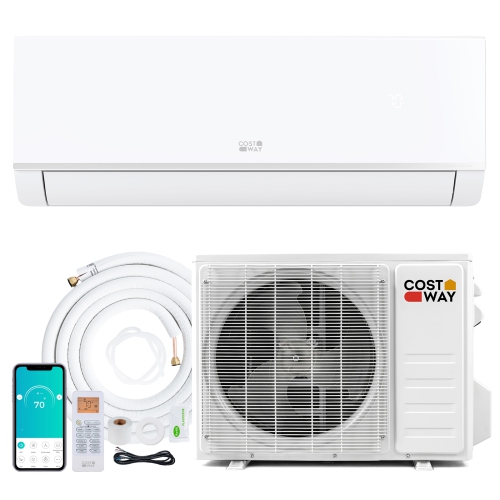
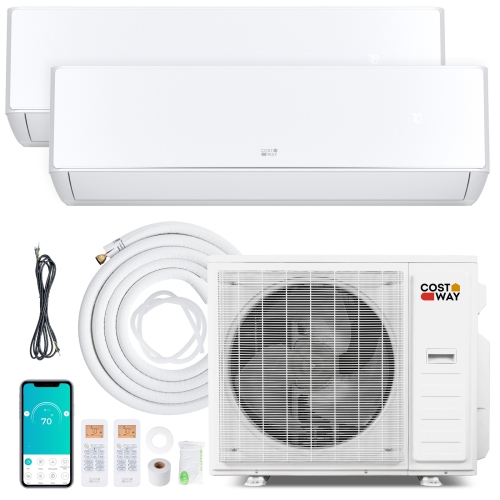
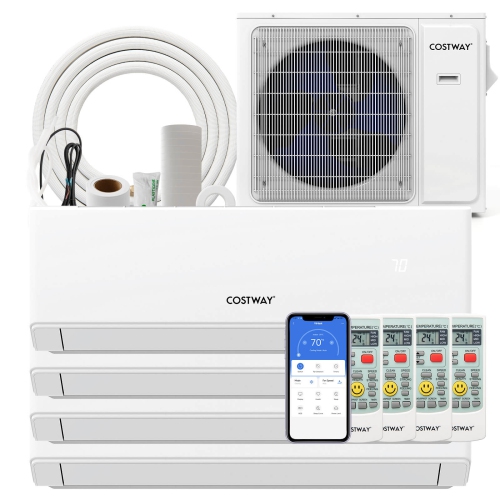
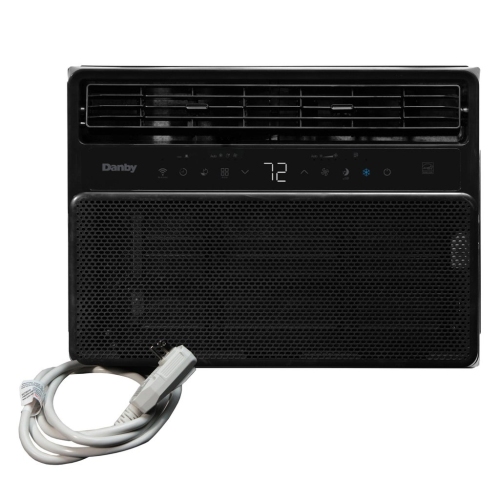
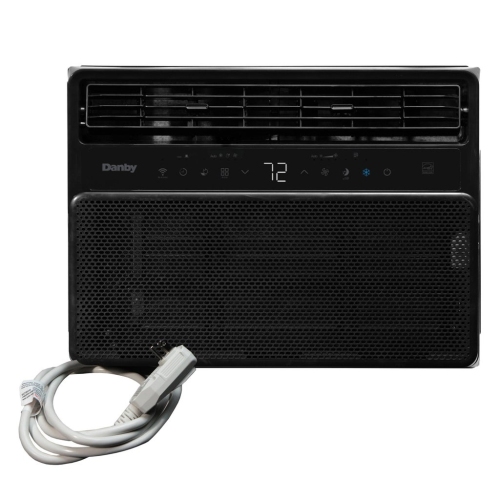
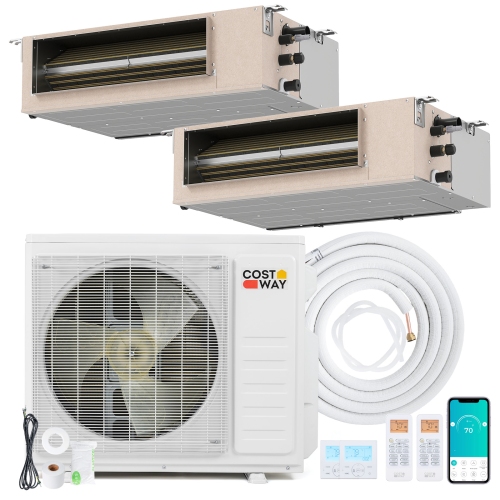
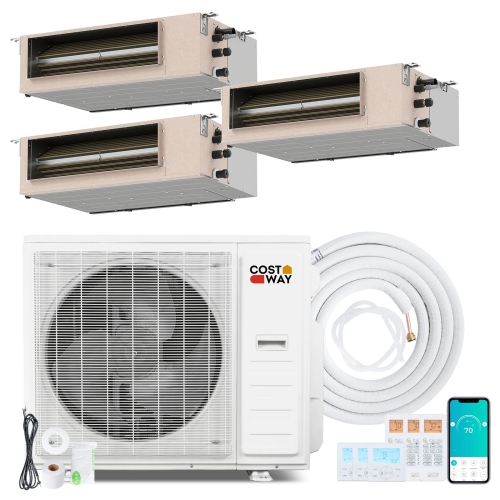
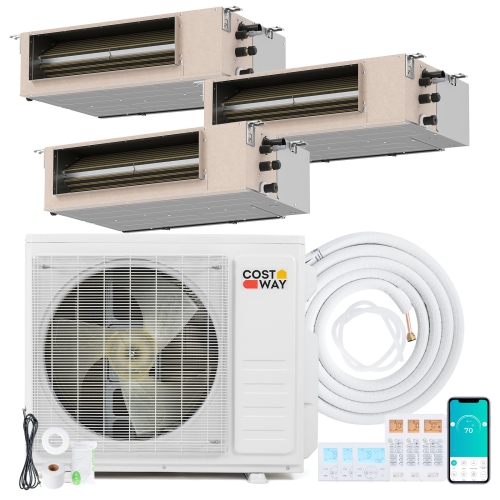
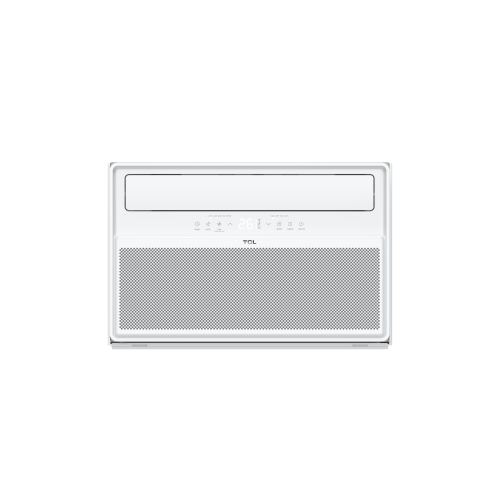
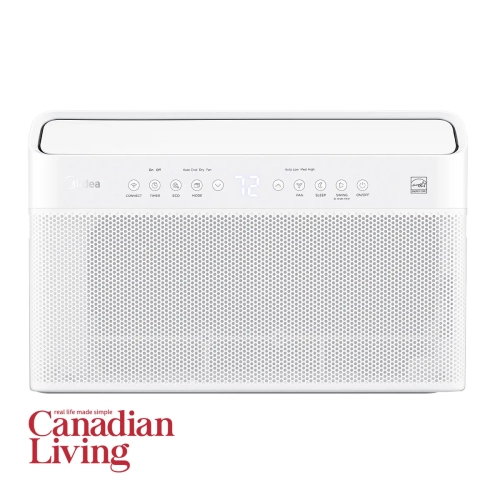
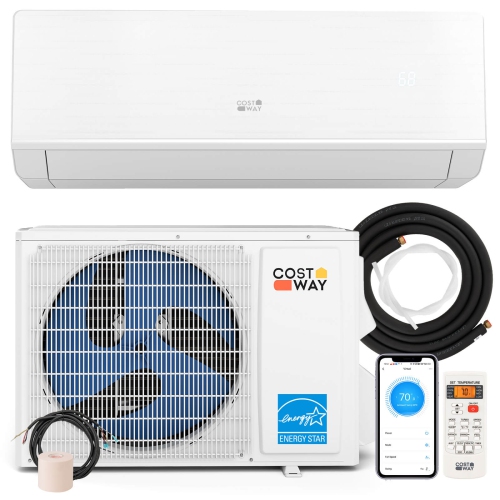
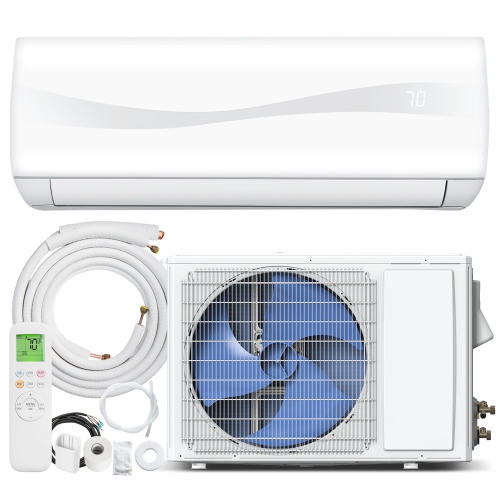
Inverter air conditioners use a variable-speed compressor to adjust cooling output as a room’s needs change. Rather than relying mainly on repeated full-power starts and stops, an inverter system can increase compressor speed when more cooling is needed and slow down as the room approaches the selected temperature. This helps maintain more consistent comfort and can reduce electricity consumption compared with a comparable fixed-speed air conditioner under suitable operating conditions. Actual performance depends on room size, insulation, outdoor conditions, installation, and temperature settings, so a single savings percentage does not apply to every home. The compressor may still stop when cooling demand is low; inverter technology does not mean it runs continuously at all times. For a bedroom, the practical difference can be fewer noticeable changes in temperature and sound after the initial cooldown. In a home office, it can mean steadier cooling through an afternoon of sunlight, computer use, and video calls. Inverter technology is found in several air conditioner formats, including window units, some portable units, and ductless split systems. The format determines how the equipment fits into the home, while the inverter describes how the compressor is controlled. A window air conditioner places much of its working equipment at the window opening, a portable model uses an exhaust hose to discharge heat outdoors, and a ductless system connects an indoor unit to an outdoor compressor unit. Some inverter systems also provide heat through heat pump operation, but heating capability and outdoor operating limits depend on the model. Cooling also removes some moisture as water condenses on the indoor coil. Longer operation at reduced output may support moisture removal, although humidity performance varies with system design and conditions. A dry mode can offer another way to manage a damp-feeling room, but it does not make every air conditioner a substitute for a dedicated dehumidifier.
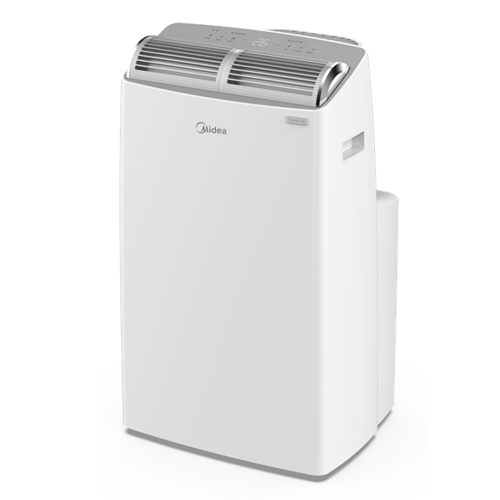
A suitable inverter air conditioner needs to match both the cooling load and the physical space. Cooling capacity is commonly expressed in British thermal units per hour, usually shortened to BTU/h. Floor area provides a starting point, but ceiling height, direct sunlight, insulation, occupancy, and heat from appliances also affect the capacity a room needs. A shaded bedroom with a door that stays closed presents a different cooling load from an open living area beside a frequently used kitchen. An oversized unit can cool the air too quickly without managing moisture well, while an undersized unit may struggle to reach the selected temperature. Variable-speed operation gives a system flexibility, but it does not remove the need for appropriate sizing. For portable air conditioners, the seasonally adjusted cooling capacity, often labelled SACC, accounts for operating factors that can make it more useful than a higher headline capacity when comparing portable models. Ratings are most meaningful when the same measurement method is used. Physical fit deserves equal attention: window opening dimensions, sash style, mounting requirements, hose reach, and clearance around air inlets all influence whether a unit can work as intended. A sliding or casement window may require a different installation arrangement from a vertical-opening window. Secure mounting and a well-sealed opening help limit vibration, drafts, and unwanted heat entering around the frame. Portable units need a suitable exhaust route, and keeping the hose within the manufacturer’s specified length and shape helps preserve airflow. A portable air conditioner still needs to vent outdoors, even though its cabinet sits inside the room. Ductless systems require professional planning for indoor placement, outdoor clearance, electrical connections, and refrigerant lines. Renters and condominium residents may also need approval before installation. Electrical requirements vary, so the outlet, circuit, and power supply must match the equipment instructions; extension cords and power bars are generally unsuitable for air conditioner loads unless the manufacturer explicitly permits them.
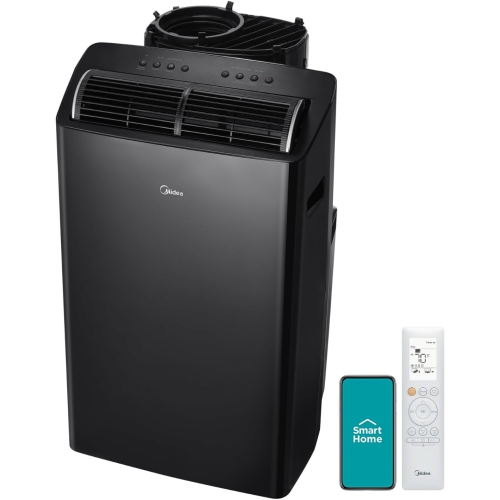
Everyday comfort depends on more than the temperature shown on the display. Fan settings, airflow direction, sound levels, controls, and maintenance all shape how an inverter air conditioner feels in use. Lower compressor speeds can make operation quieter once the room is comfortable, but fan noise, installation vibration, and the location of the compressor still matter. Published sound ratings are best compared at similar operating settings and measurement conditions rather than treating a lowest-speed figure as representative of every situation. In a bedroom, adjustable louvers can direct cooled air away from a pillow, while a dimmable display and sleep setting can reduce distractions. In a shared living room, a remote control or accessible onboard controls can make adjustments easier without interrupting an activity. Connected features available on Smart Air Conditioners may include app-based temperature adjustments, schedules, and compatibility with selected voice assistants. Inverter operation and smart connectivity are separate features, so neither should be assumed from the other. Wi-Fi requirements, account setup, and supported functions vary. Care is equally important for lasting performance. Washable filters need cleaning at the intervals specified in the manual, and they should be fully dry before being reinstalled. Blocked filters and obstructed coils can restrict airflow and affect cooling. Air conditioner filters are not automatically designed to provide the same fine-particle filtration as a dedicated air purifier. Condensate arrangements also differ: some units drain through a hose, some collect water in a reservoir, and others reuse part of that moisture during operation. Drainage instructions help prevent leaks and unexpected shutdowns. Durable cabinets, secure mounting hardware, accessible filters, and serviceable components are useful considerations, particularly where equipment will be moved or removed between periods of use. Metal surfaces and coils need protection from damage, while exterior panels are best cleaned only with methods approved by the manufacturer. Professional servicing is appropriate for refrigerant work or electrical faults. Together, suitable capacity, careful installation, practical controls, and regular care help an inverter air conditioner deliver dependable comfort in the space it serves.
Top selling and popular products
-
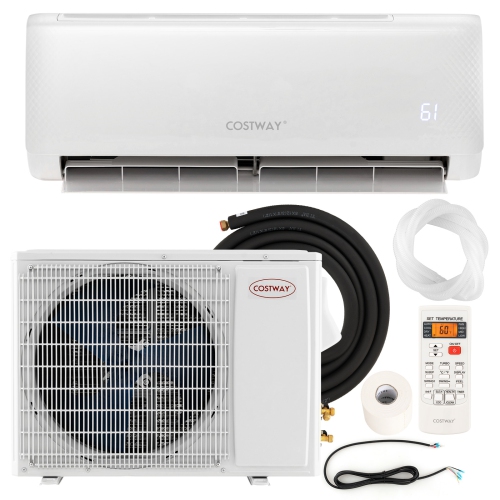 Your price for this item is $766.99
-
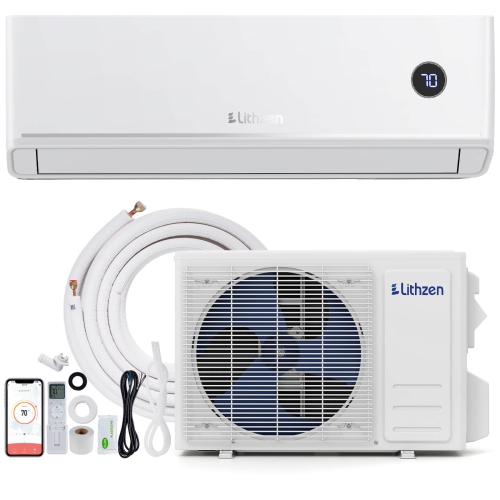 Your price for this item is $659.99
-
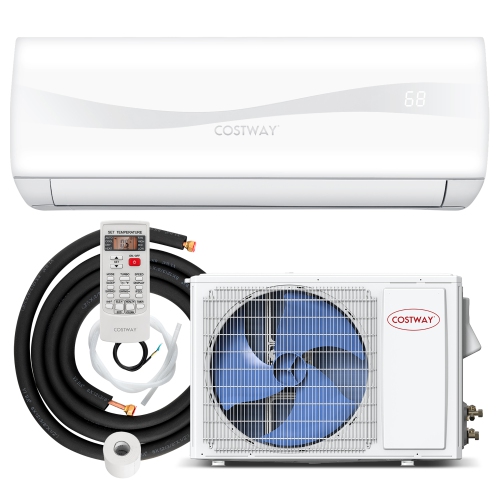 Your price for this item is $729.99
-
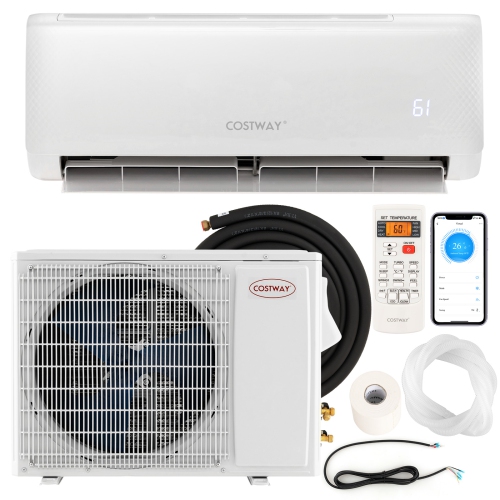 Your price for this item is $1495.99
-
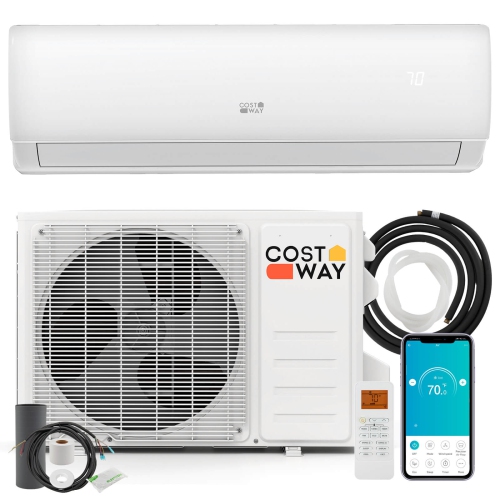 Your price for this item is $709.99
-
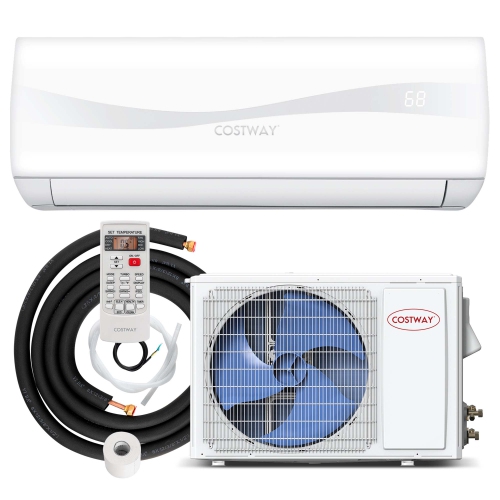 Your price for this item is $719.99
-
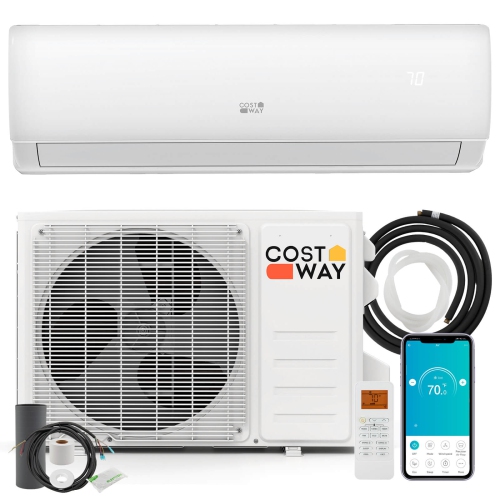 Your price for this item is $1029.99
-
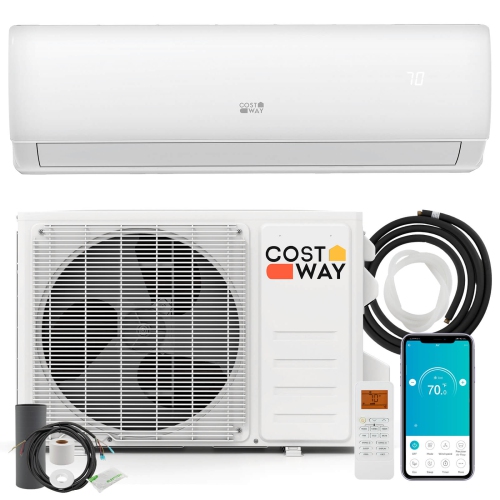 Your price for this item is $1369.99
Discover more categories related to Inverter Air Conditioners
Top Collections:
Best Black Friday Deals This Year, Best Black Friday Deals On Electronics, Kindle Devices, Pokemon Centers, Best Black Friday Deals On Apple Products, Best Cameras for Sports Photography, Dyson Airwrap, Pokémon 30th Celebration Cards, Apple iPhone 17 Pro, Canon G7X Cameras
Some products may be subject to Environmental Handling Fees
(EHF) depending on your province.
Learn more about EHFs.