Italian Espresso Machines
An Italian espresso machine is a classic. It's a workhorse of the coffee world, and for good reason: It makes a great shot of espresso, it's easy to use, and it's durable. If you're in the market for an Italian espresso machine, here are some great options.
Sort
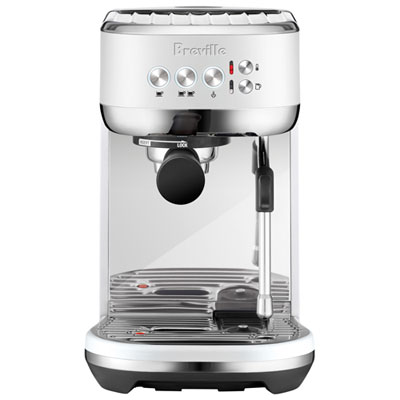
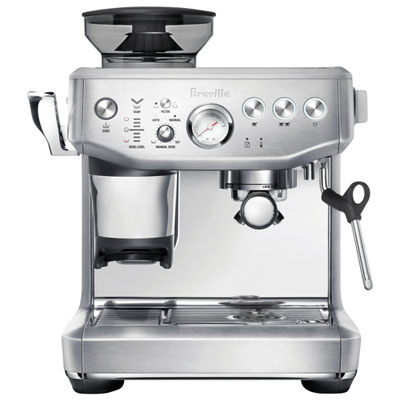
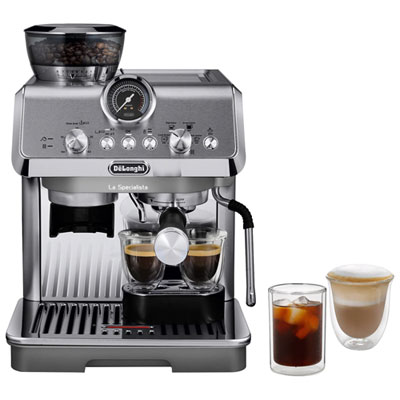
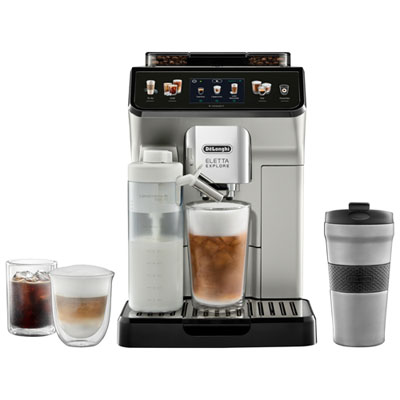
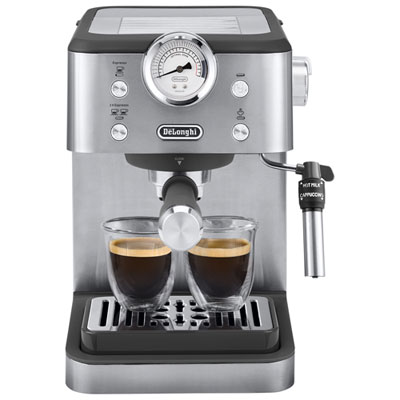
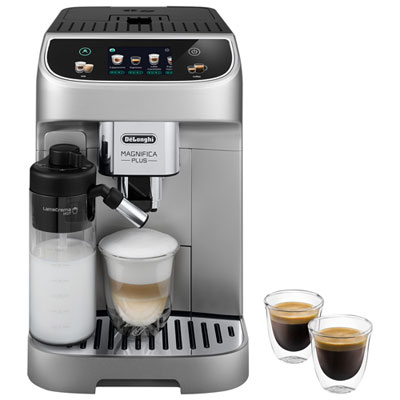
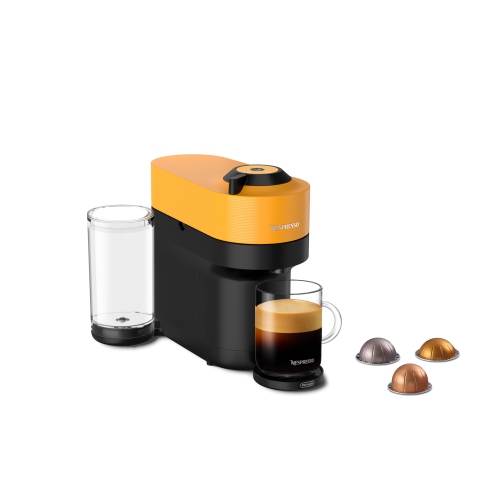
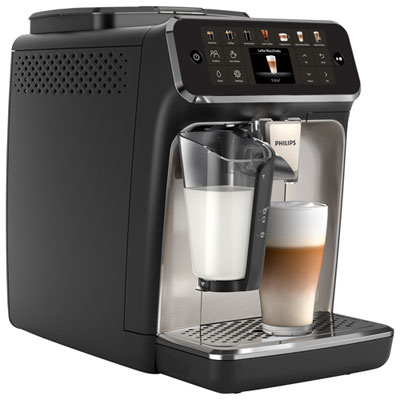
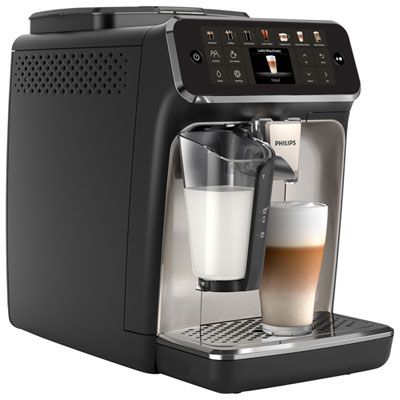
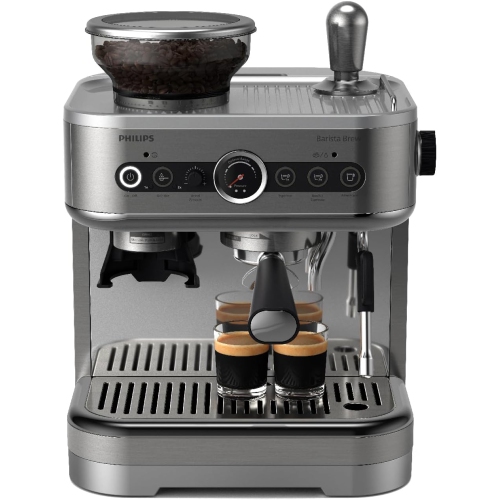
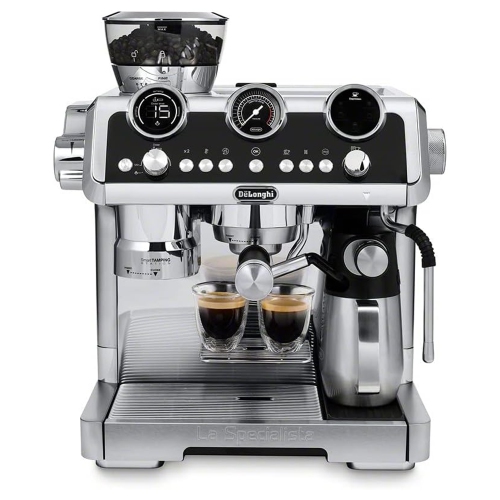
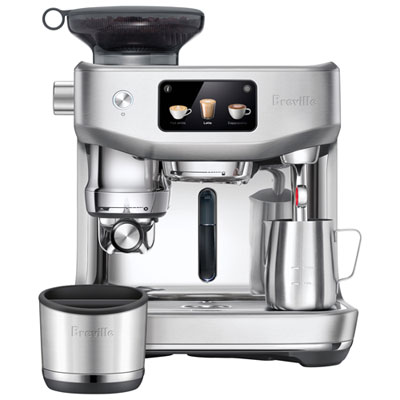
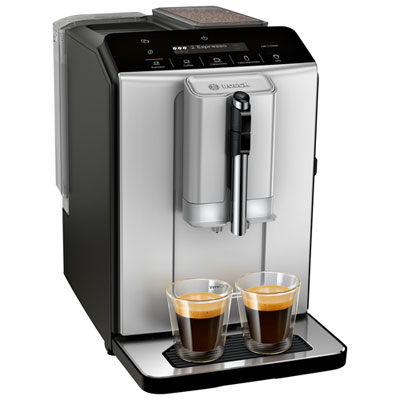
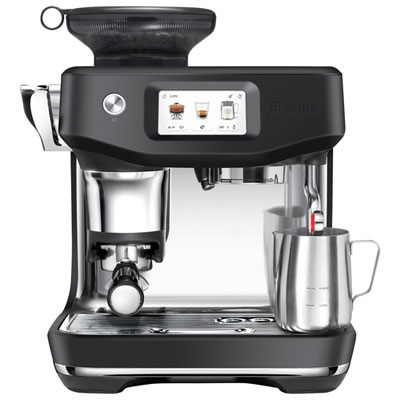
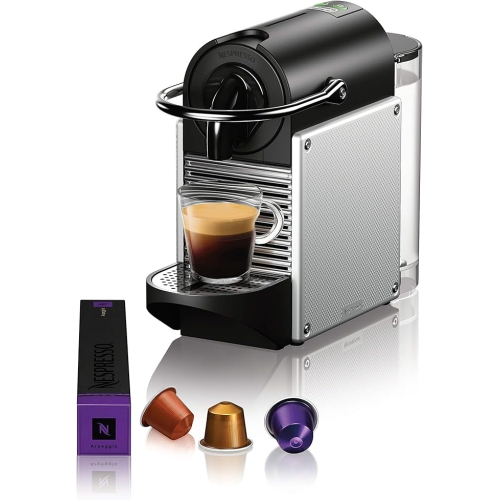
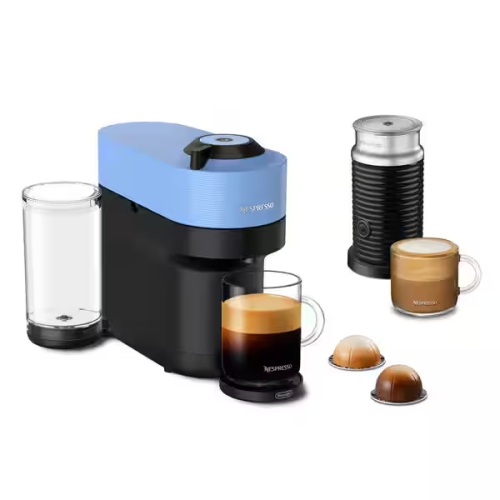
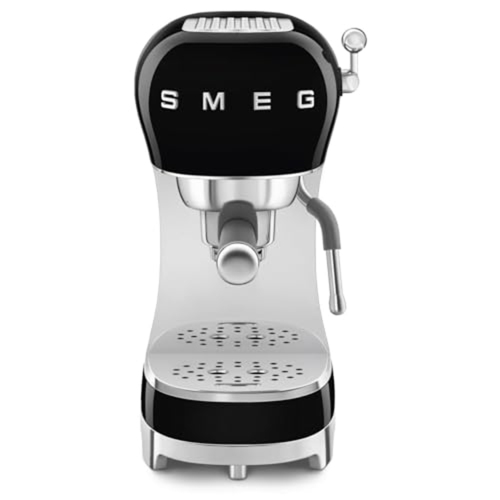
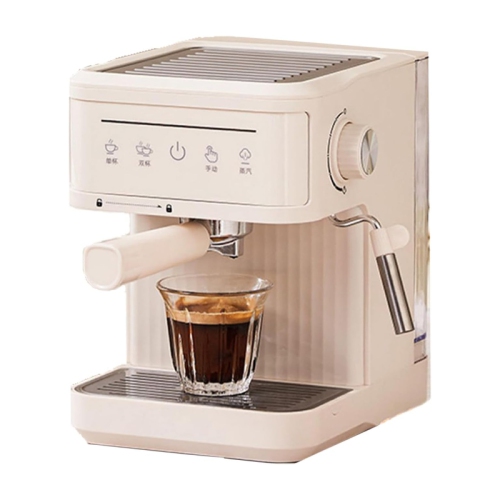
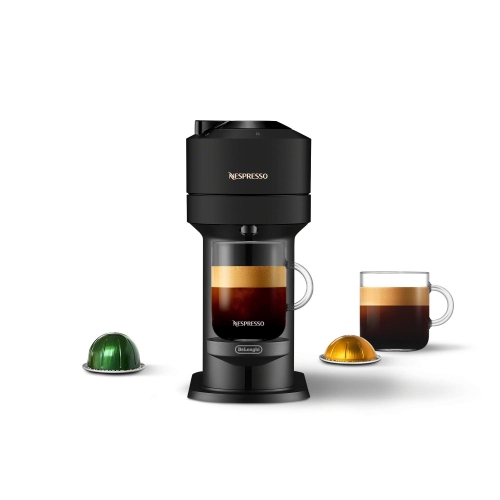
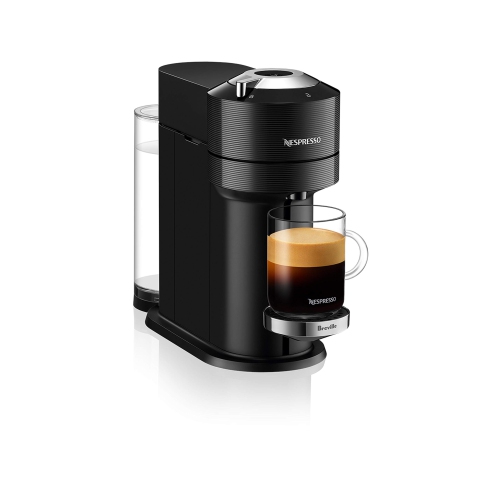
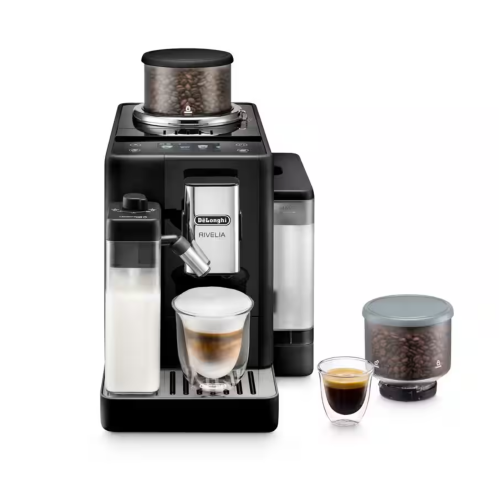
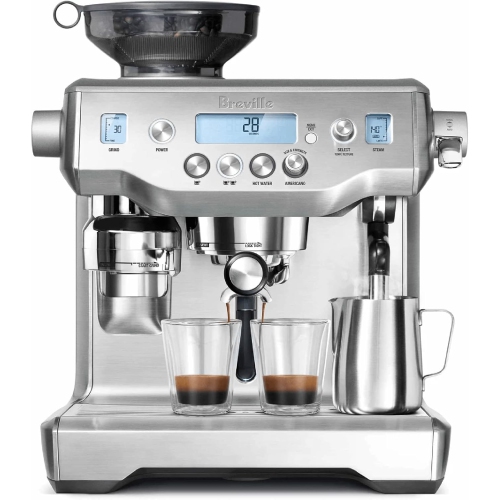
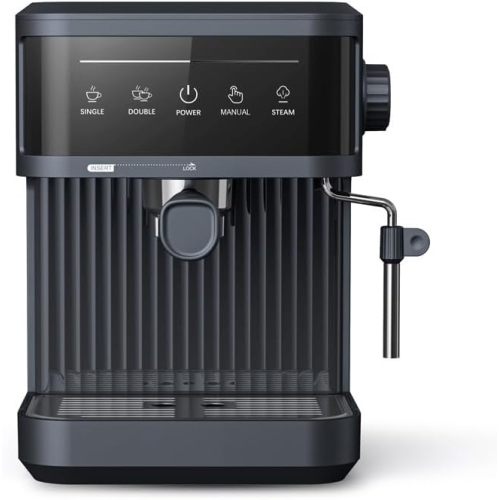
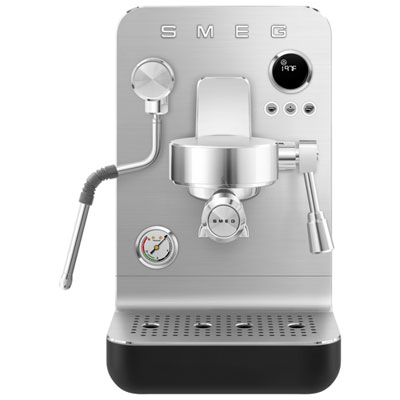
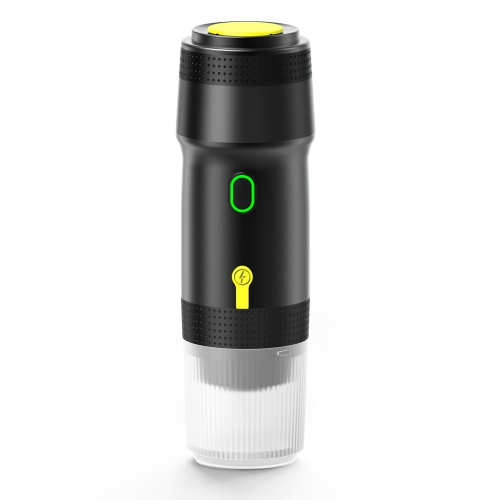
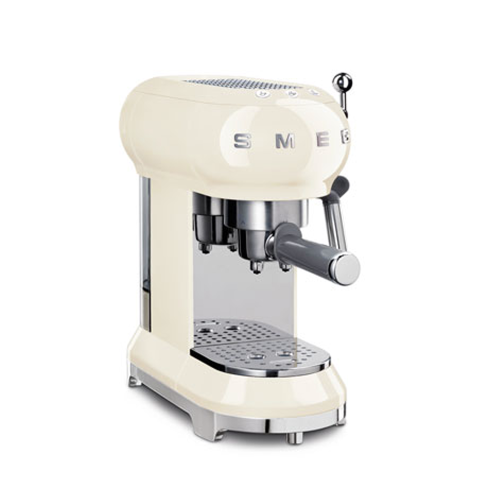
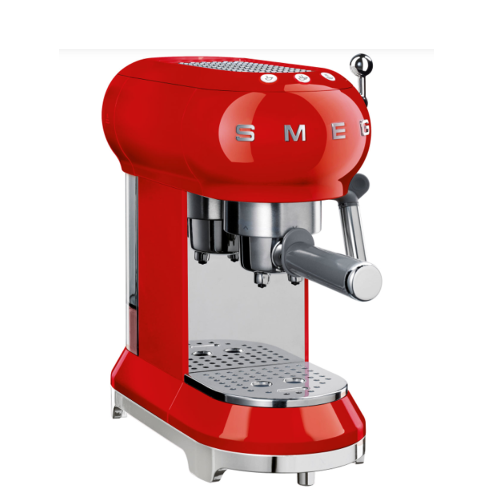
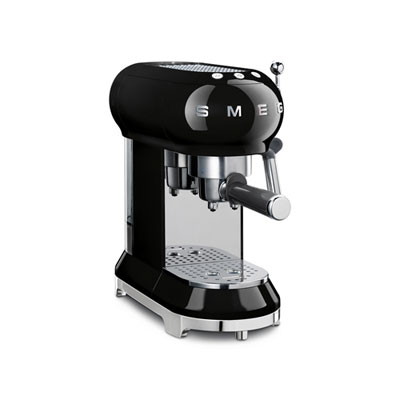

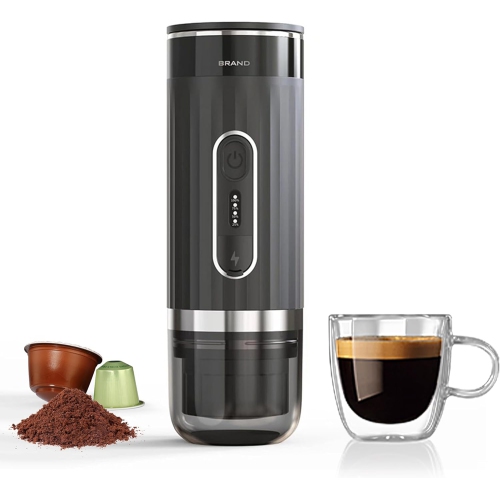
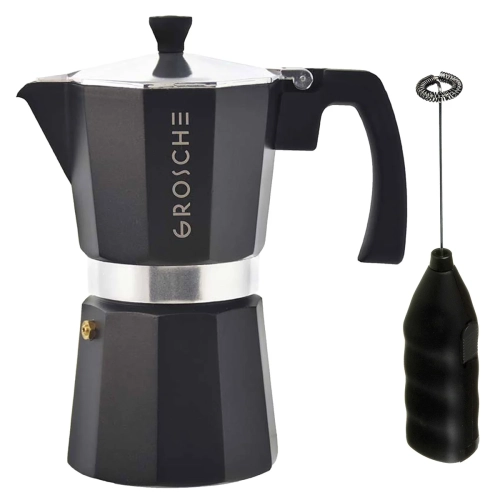
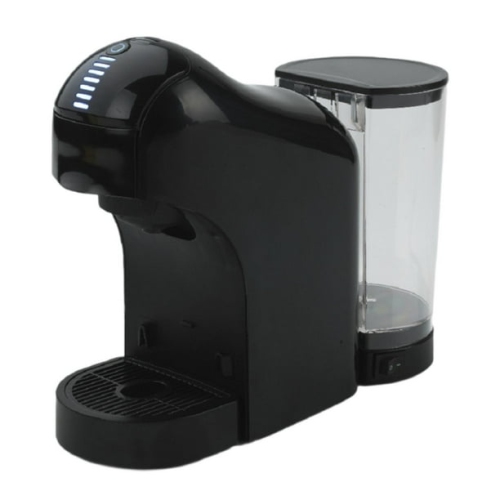
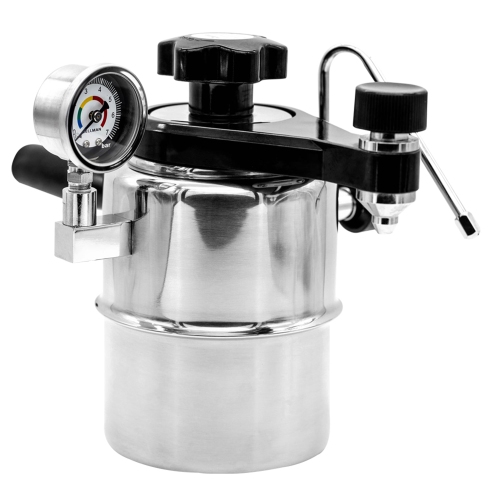
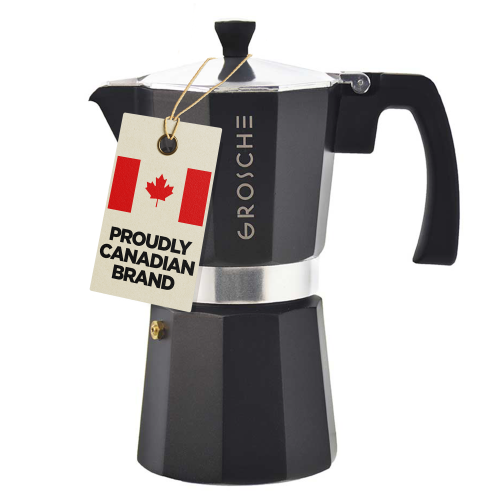
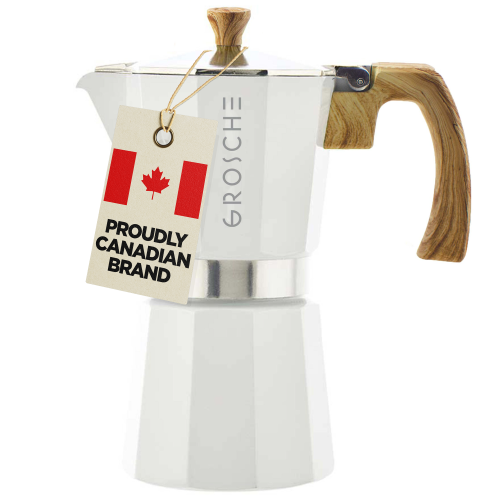
What sets espresso machines apart from moka pots
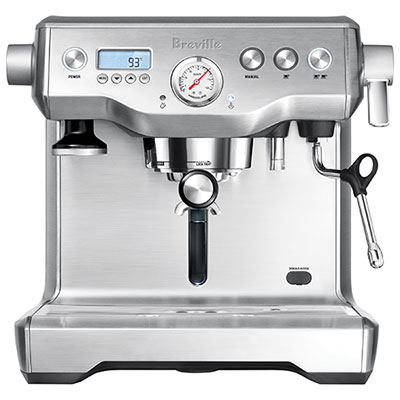
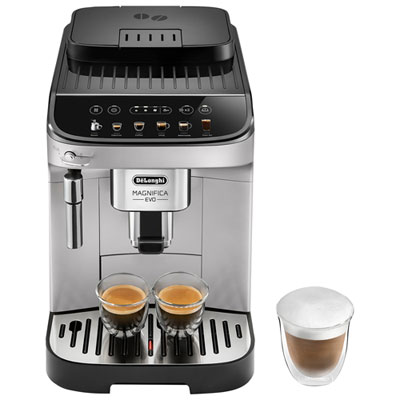
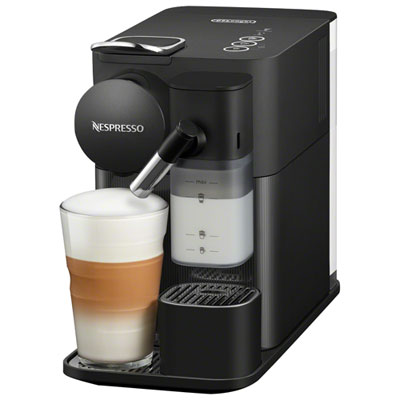
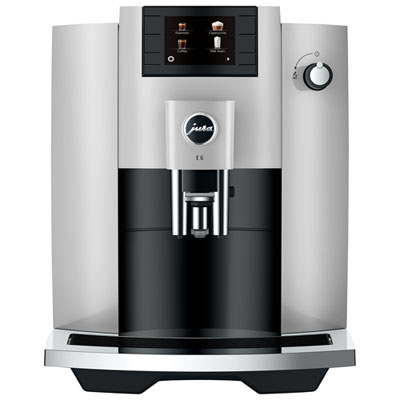
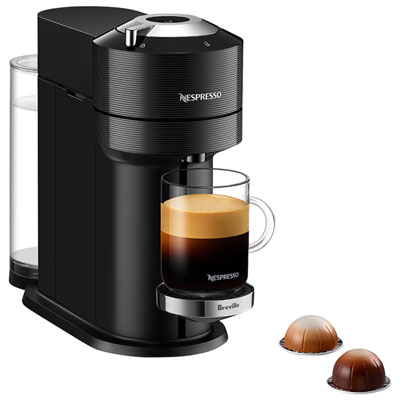
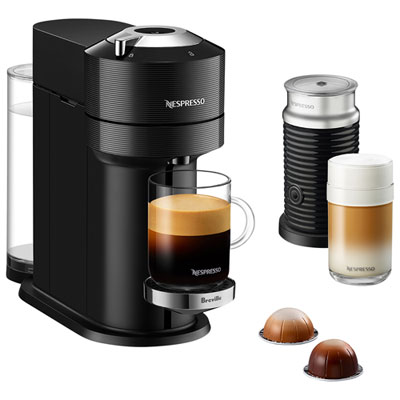
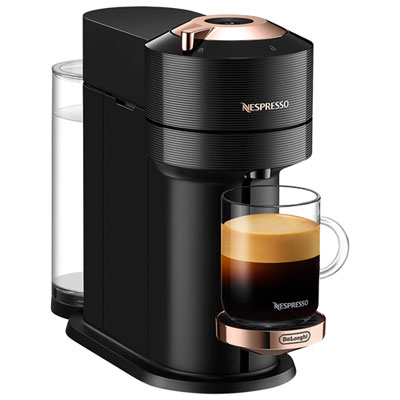
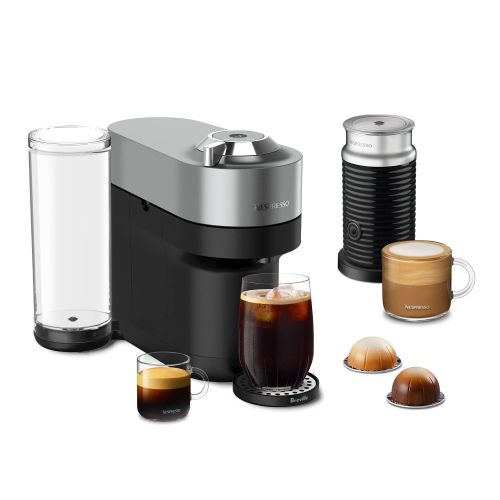
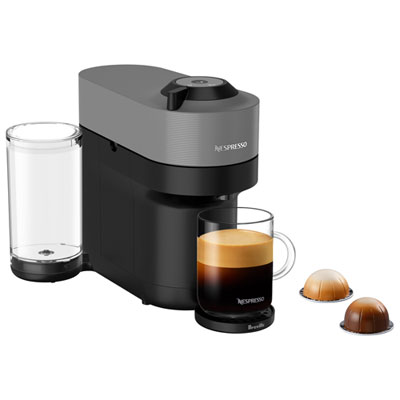
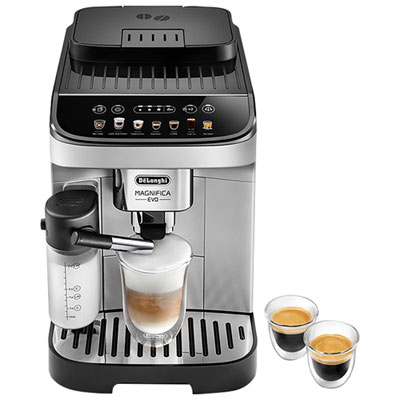
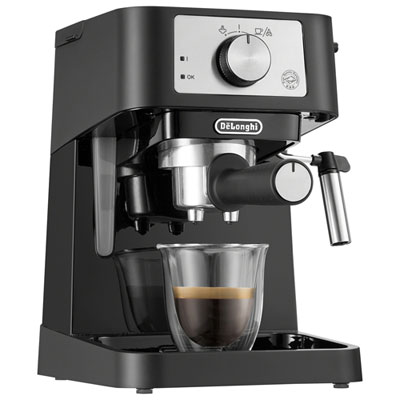
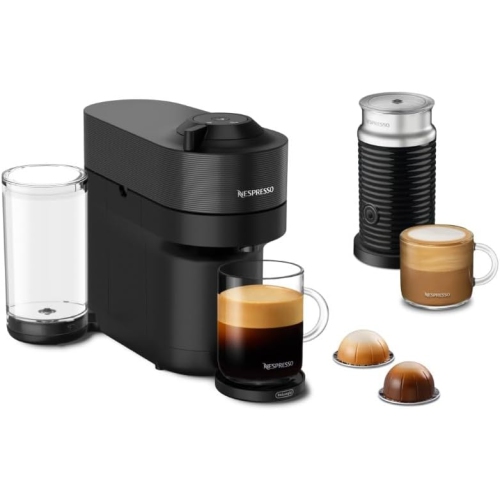
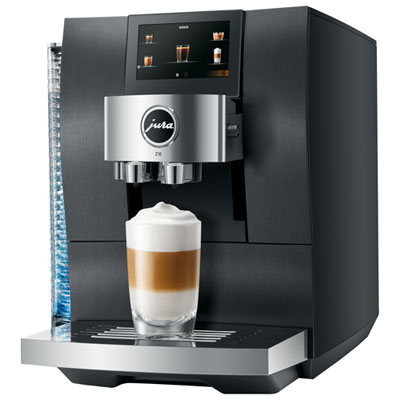
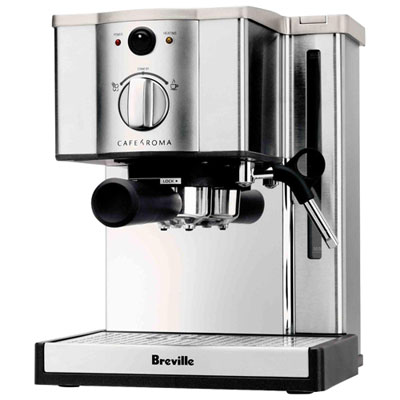
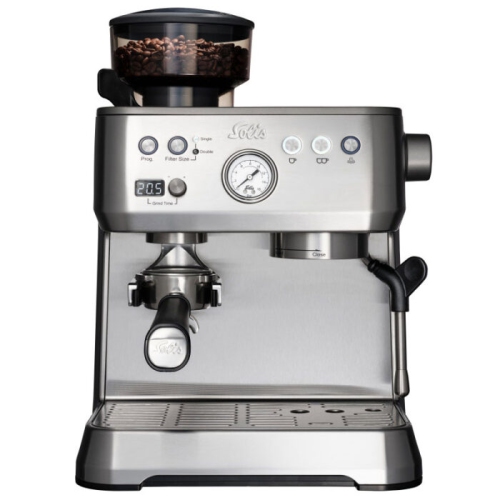
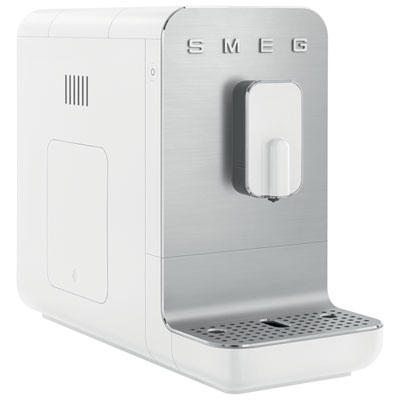
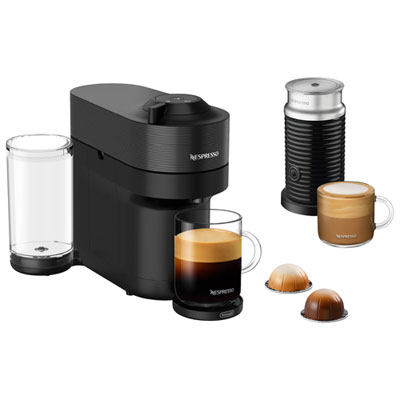
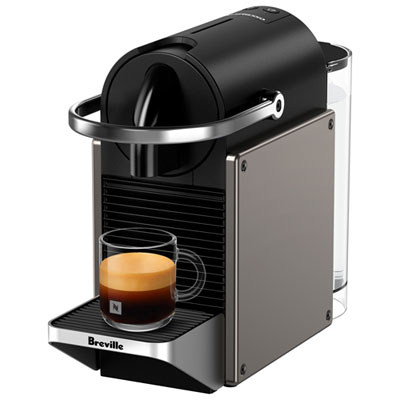
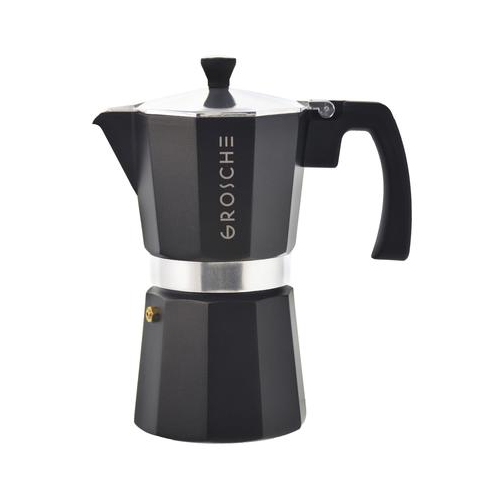
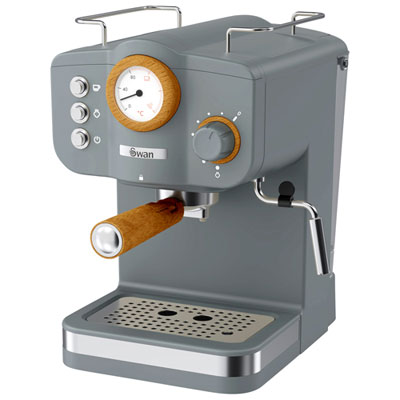
Italian espresso machines bring a distinctive coffee tradition into the home, from the concentrated shot served in a small porcelain cup to the silky milk and espresso balance of a cappuccino. The term can describe machines made in Italy, machines from Italian manufacturers, or equipment designed around Italian espresso preparation, so manufacturing origin and brewing style are separate details worth checking in the specifications. A true espresso machine forces hot water through finely ground, compacted coffee at high pressure, producing a small, concentrated drink with a layer of crema. A moka pot, also closely associated with Italian coffee culture, is a stovetop coffee maker that uses pressure generated as water heats in its lower chamber to move water through ground coffee into an upper chamber. It makes rich, full-bodied coffee, but it does not produce espresso at the pressure used by an espresso machine. That distinction matters when matching the equipment to the drink: a moka pot suits someone who enjoys strong coffee poured straight from the stove, while an espresso machine offers the extraction control needed for traditional espresso and, when equipped with a steam wand or milk system, café-style milk drinks. Neither method requires an Italian coffee blend, and roast level remains a matter of taste. Medium roasts can offer sweetness and a rounded balance; darker roasts often emphasize toasted, chocolate-like notes and a more pronounced bitterness. Freshness, grind consistency, and the proportion of coffee to water all influence the result. For someone who enjoys a brief, hands-on coffee ritual, measuring a dose and watching the first drops gather in the cup can be part of the appeal. For a household where several people want different drinks before leaving home, convenient controls, repeatable settings, and straightforward milk preparation may matter more than manual adjustments. Italian espresso equipment spans these different routines, with designs ranging from compact stovetop brewers to countertop machines built for regular espresso preparation.
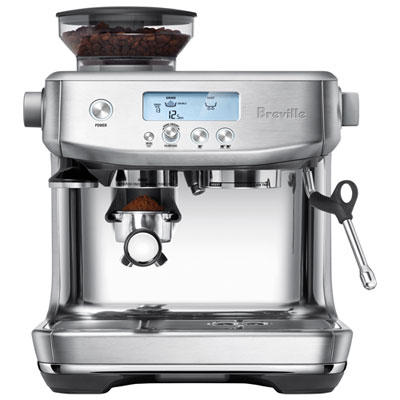
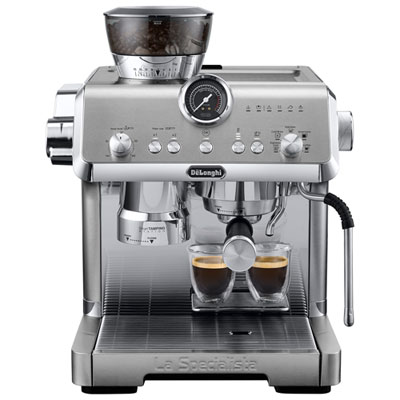
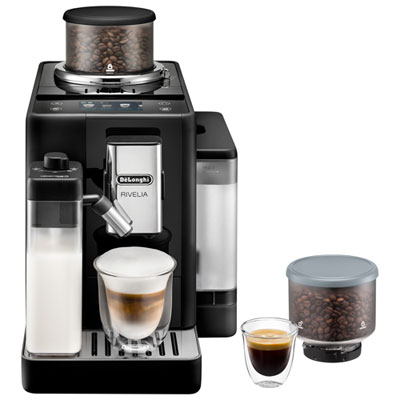
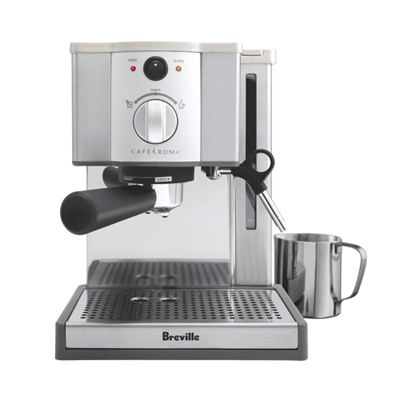
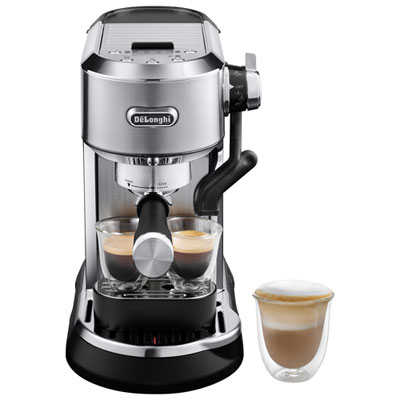
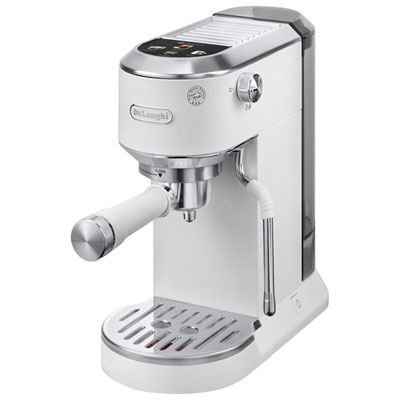
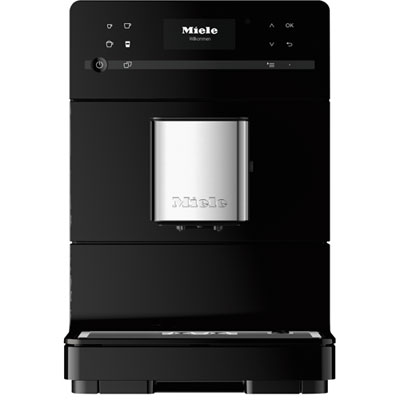
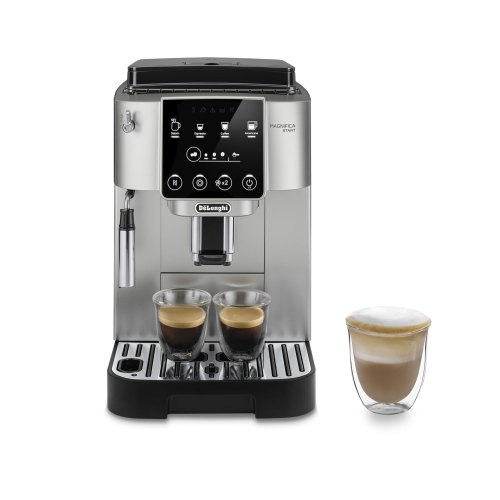
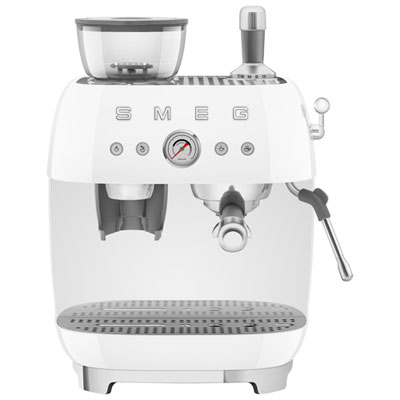
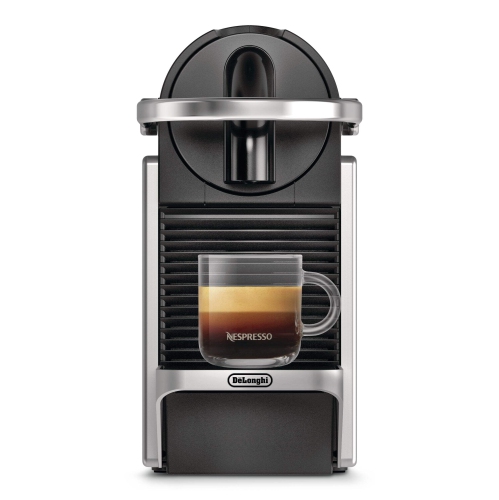
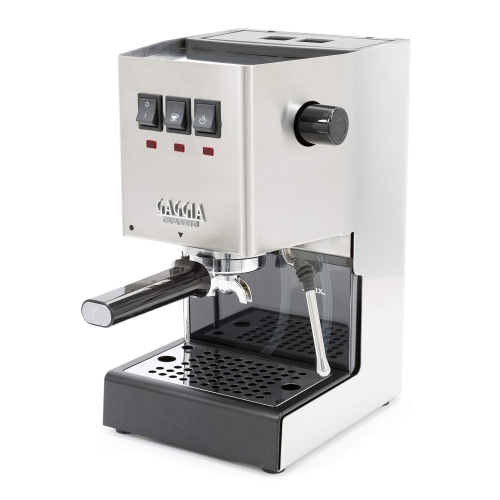
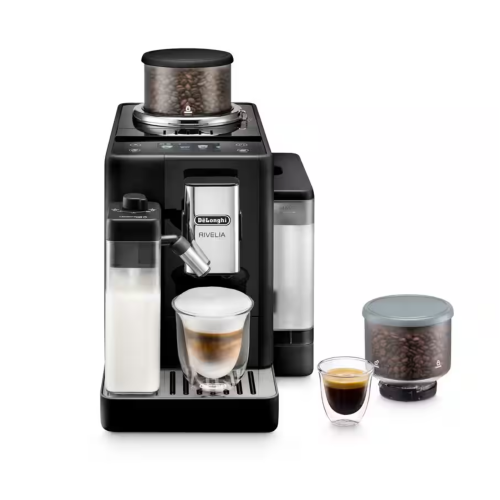
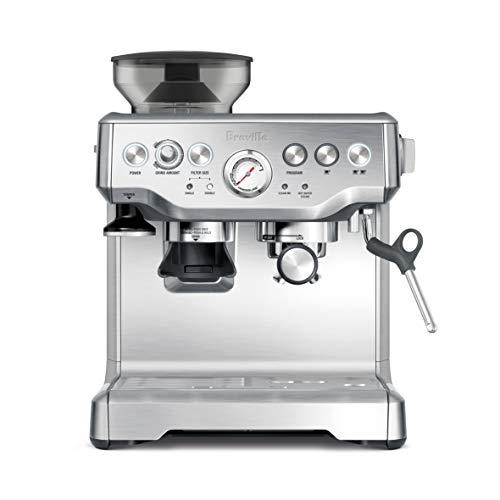
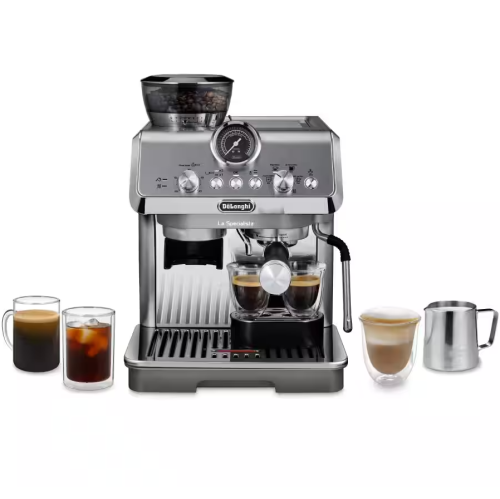
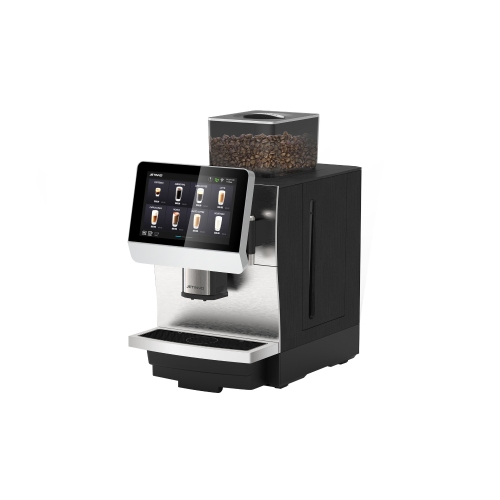
The main types of Italian espresso machines differ in how much of the brewing process they place in the user’s hands. Manual lever machines offer a tactile approach, with pressure controlled through a lever mechanism that varies by design. Semi-automatic machines use a pump for brewing while leaving tasks such as grinding, dosing, and tamping to the user; some also allow the shot to be stopped manually. Automatic machines can deliver a programmed amount of espresso, while super-automatic machines typically grind the beans and handle much of the brewing sequence internally. Milk preparation still varies, so a built-in grinder does not necessarily mean a machine also froths milk automatically. For cappuccinos and lattes, a steam wand provides direct control over milk texture, while an automatic milk system reduces the number of hands-on steps. Someone preparing two milk drinks together may appreciate a heating arrangement that allows brewing and steaming at the same time, whereas a single-boiler machine may require a pause between those tasks. A larger water reservoir can mean fewer refills, but it also needs to be easy to remove, fill, and clean. Countertop fit involves more than the machine’s width: overhead clearance for adding beans or lifting the water tank, room to move the steam wand, and access to the drip tray all affect everyday use. Cup clearance is another practical detail, especially for households that alternate between small espresso cups and taller mugs. Stainless steel panels can provide a sturdy, easy-to-wipe exterior, though the quality of internal components, seals, switches, and service support also contributes to durability. A substantial portafilter and a comfortable handle can make repeated preparation feel more secure. A separate espresso-capable burr grinder deserves space in the setup when grinding is not built in, since fine, consistent grounds and small grind adjustments are central to getting balanced extraction. Advertised maximum pump pressure alone is not a reliable measure of cup quality; stable brewing conditions and suitable coffee preparation matter more.
Stovetop moka pots offer a different combination of simplicity, size, and hands-on preparation within the broader Italian coffee tradition. Their familiar construction includes a lower water chamber, a funnel-shaped coffee basket, and an upper serving chamber joined by a threaded seal. Aluminium is a traditional material for these brewers, while stainless steel offers another option with different care requirements and cooktop compatibility. Induction use requires a compatible magnetic base, so a stainless steel description alone is not enough to confirm suitability. On gas cooktops, the flame should stay beneath the base rather than extending around the sides toward the handle. Moka pot capacity is usually expressed in small coffee servings rather than full-sized mugs; a six-cup designation generally does not mean six large cups of coffee. Choosing a capacity that matches the usual serving amount is useful because these brewers are designed around a particular water and coffee basket volume. Moka coffee uses a grind suited to the brewer and should not be tamped into the basket as espresso grounds are. The safety valve must remain clear, and water should be filled according to the manufacturer’s instructions. Care is equally important for countertop espresso machines: milk residue needs prompt attention, removable trays and baskets benefit from regular cleaning, and scale management should follow the appliance’s directions and local water conditions. Backflushing is appropriate only for machines designed for it, using the specified procedure and cleaning products. Moka pots should cool before being taken apart, then be cleaned as directed and dried thoroughly; dishwasher suitability varies, particularly with aluminium. Accessible replacement gaskets, filters, and other service parts can help keep either type of equipment useful over time. As a gift, an Italian espresso machine suits someone whose interest in coffee extends to the preparation itself, provided the machine fits their counter space and preferred level of involvement. A compact stovetop brewer may better suit a recipient who prefers fewer components and does not need integrated milk steaming. For a broader look at contemporary controls and brewing formats, Modern Espresso Machines offers a related selection. The most satisfying fit is equipment that makes the preferred drink comfortably and consistently, with maintenance that feels manageable as part of the daily routine.
The main types of Italian espresso machines differ in how much of the brewing process they place in the user’s hands. Manual lever machines offer a tactile approach, with pressure controlled through a lever mechanism that varies by design. Semi-automatic machines use a pump for brewing while leaving tasks such as grinding, dosing, and tamping to the user; some also allow the shot to be stopped manually. Automatic machines can deliver a programmed amount of espresso, while super-automatic machines typically grind the beans and handle much of the brewing sequence internally. Milk preparation still varies, so a built-in grinder does not necessarily mean a machine also froths milk automatically. For cappuccinos and lattes, a steam wand provides direct control over milk texture, while an automatic milk system reduces the number of hands-on steps. Someone preparing two milk drinks together may appreciate a heating arrangement that allows brewing and steaming at the same time, whereas a single-boiler machine may require a pause between those tasks. A larger water reservoir can mean fewer refills, but it also needs to be easy to remove, fill, and clean. Countertop fit involves more than the machine’s width: overhead clearance for adding beans or lifting the water tank, room to move the steam wand, and access to the drip tray all affect everyday use. Cup clearance is another practical detail, especially for households that alternate between small espresso cups and taller mugs. Stainless steel panels can provide a sturdy, easy-to-wipe exterior, though the quality of internal components, seals, switches, and service support also contributes to durability. A substantial portafilter and a comfortable handle can make repeated preparation feel more secure. A separate espresso-capable burr grinder deserves space in the setup when grinding is not built in, since fine, consistent grounds and small grind adjustments are central to getting balanced extraction. Advertised maximum pump pressure alone is not a reliable measure of cup quality; stable brewing conditions and suitable coffee preparation matter more.
Stovetop moka pots offer a different combination of simplicity, size, and hands-on preparation within the broader Italian coffee tradition. Their familiar construction includes a lower water chamber, a funnel-shaped coffee basket, and an upper serving chamber joined by a threaded seal. Aluminium is a traditional material for these brewers, while stainless steel offers another option with different care requirements and cooktop compatibility. Induction use requires a compatible magnetic base, so a stainless steel description alone is not enough to confirm suitability. On gas cooktops, the flame should stay beneath the base rather than extending around the sides toward the handle. Moka pot capacity is usually expressed in small coffee servings rather than full-sized mugs; a six-cup designation generally does not mean six large cups of coffee. Choosing a capacity that matches the usual serving amount is useful because these brewers are designed around a particular water and coffee basket volume. Moka coffee uses a grind suited to the brewer and should not be tamped into the basket as espresso grounds are. The safety valve must remain clear, and water should be filled according to the manufacturer’s instructions. Care is equally important for countertop espresso machines: milk residue needs prompt attention, removable trays and baskets benefit from regular cleaning, and scale management should follow the appliance’s directions and local water conditions. Backflushing is appropriate only for machines designed for it, using the specified procedure and cleaning products. Moka pots should cool before being taken apart, then be cleaned as directed and dried thoroughly; dishwasher suitability varies, particularly with aluminium. Accessible replacement gaskets, filters, and other service parts can help keep either type of equipment useful over time. As a gift, an Italian espresso machine suits someone whose interest in coffee extends to the preparation itself, provided the machine fits their counter space and preferred level of involvement. A compact stovetop brewer may better suit a recipient who prefers fewer components and does not need integrated milk steaming. For a broader look at contemporary controls and brewing formats, Modern Espresso Machines offers a related selection. The most satisfying fit is equipment that makes the preferred drink comfortably and consistently, with maintenance that feels manageable as part of the daily routine.
Top selling and popular products
-
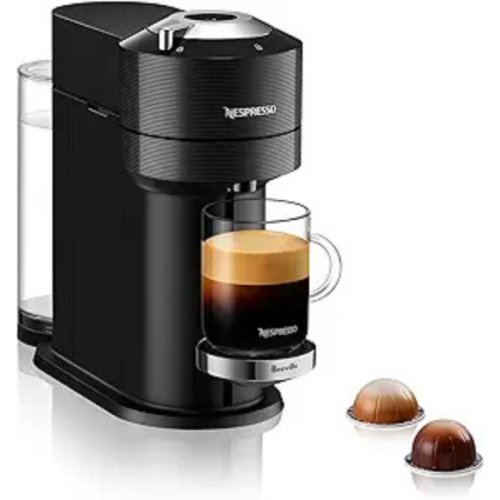 Your price for this item is $279
 -
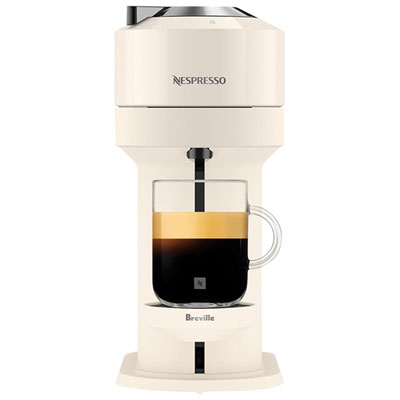 Your price for this item is $249.99
 -
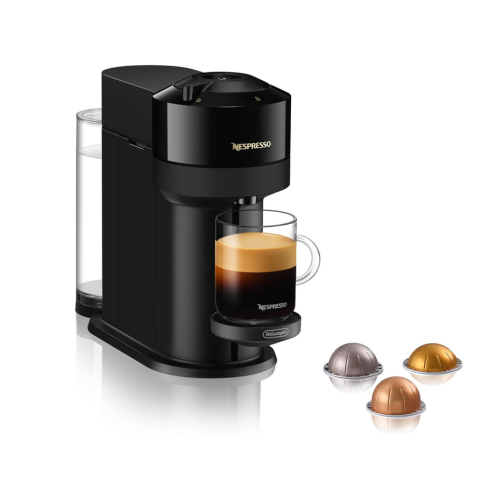 Your price for this item is $196
 -
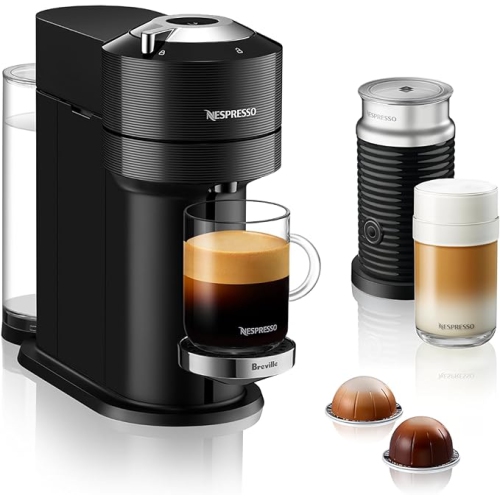 Your price for this item is $279.89
 -
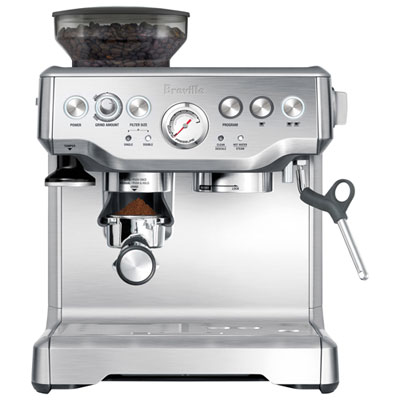 Your price for this item is $749.99
 -
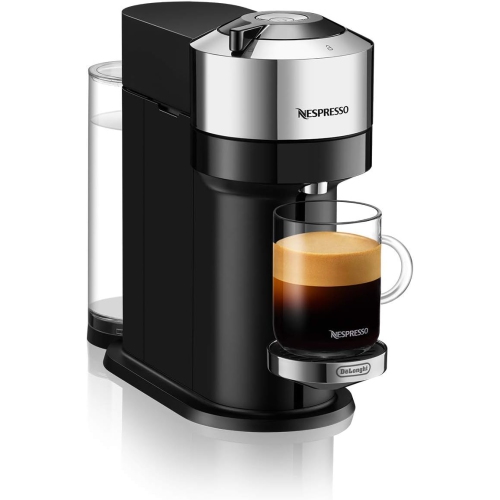 Your price for this item is $109.99
 -
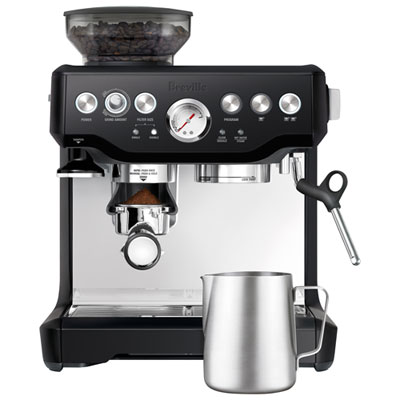 Your price for this item is $749.99
 -
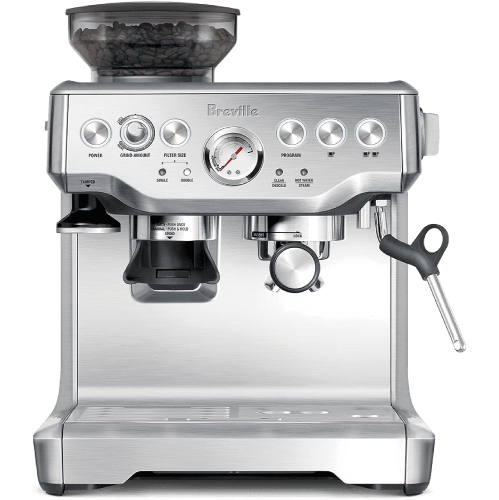 Your price for this item is $849
Discover more categories related to Italian Espresso Machines
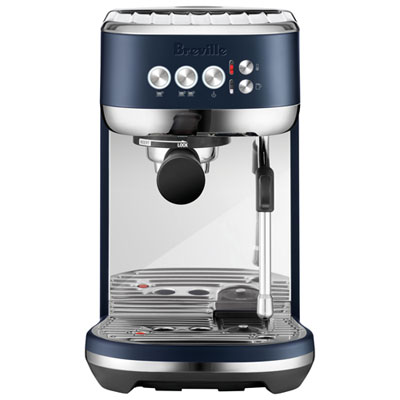
Top Collections:
Pokemon Centers, Kindle Devices, Best Budget Office Chairs, Apple iPhones 16, Best Laptops for Writers, iPhone 15 Apple, Canon G7X Cameras, Refurbished Apple Laptops, Alarm Clock, Motorola Razr Phones
Some products may be subject to Environmental Handling Fees
(EHF) depending on your province.
Learn more about EHFs.