Jerky Makers
Our selection of jerky makers offers the perfect solution for crafting your favorite protein-packed snack with ease. Whether you prefer beef, turkey, or even vegan jerky options, these appliances are designed to help you create flavorful and nutritious treats right in your own kitchen. Say goodbye to store-bought jerky filled with preservatives and additives, and say hello to homemade goodness that you can customize to your liking. Browse our range of jerky makers to find the perfect fit for your culinary adventures.
Sort


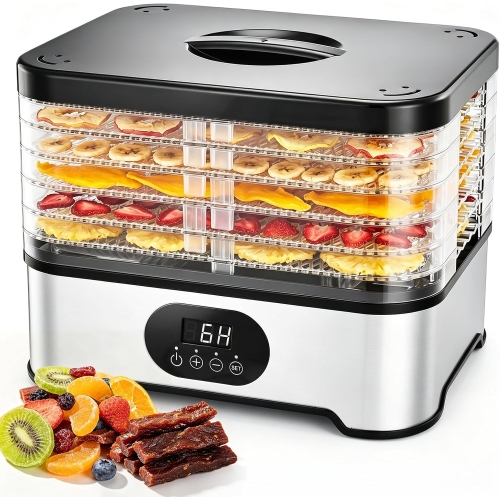

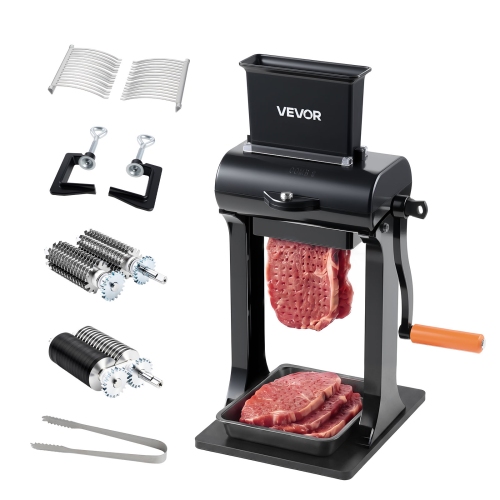

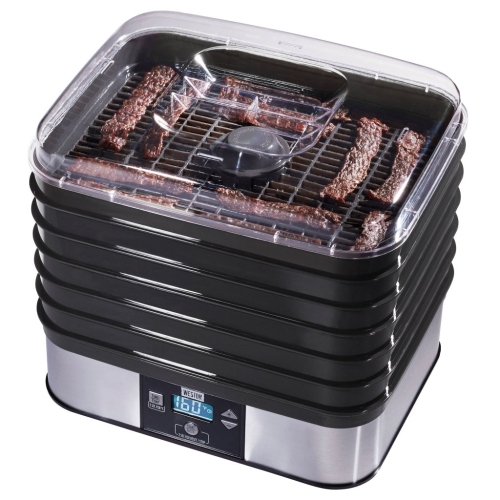

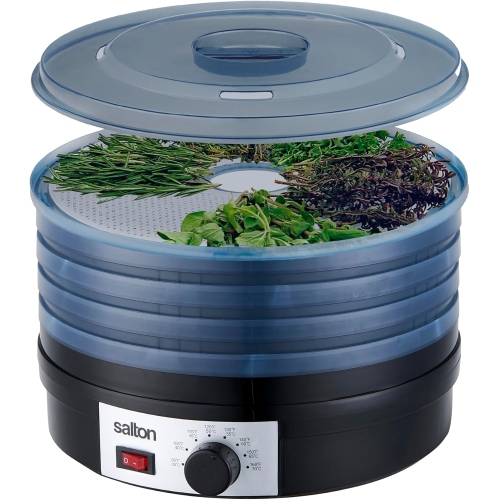


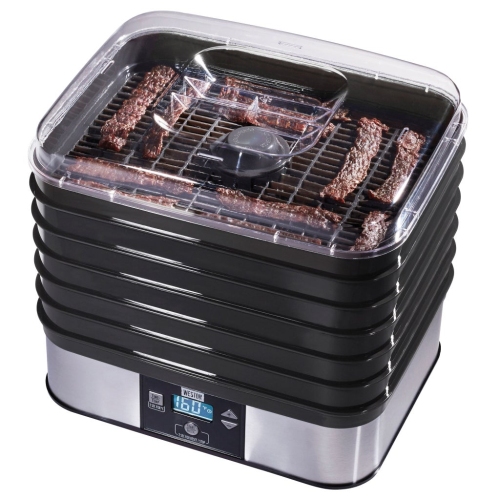


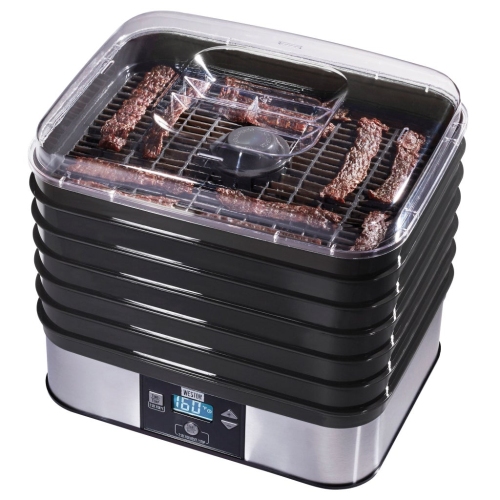

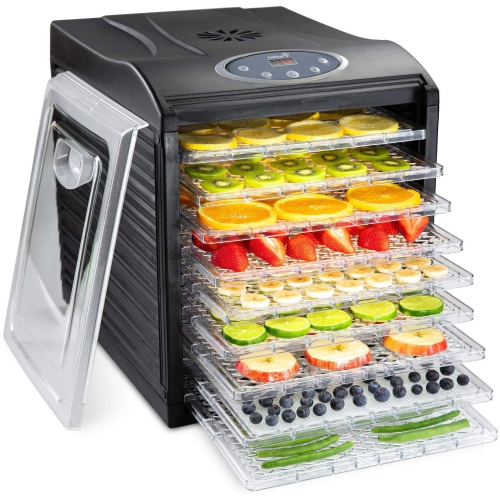


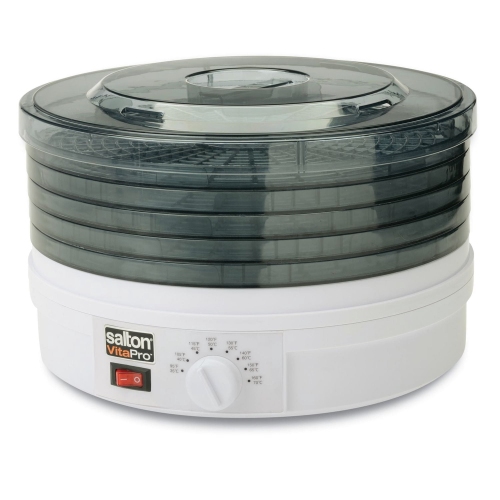
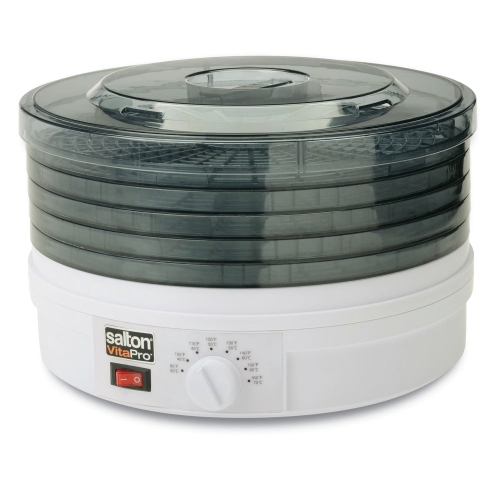
Homemade jerky starts with consistent portions and dependable drying
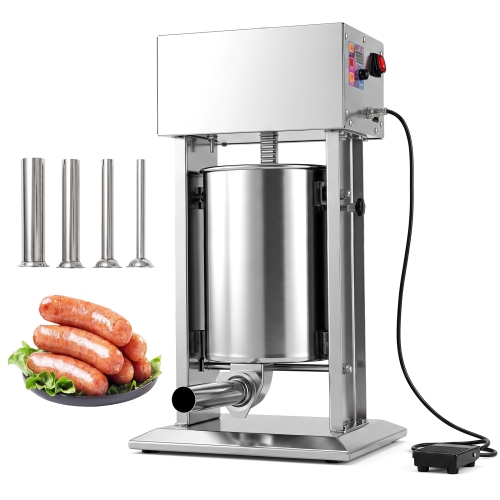
Jerky makers are appliances and preparation tools used to turn sliced or ground meat into seasoned, dried snacks. A typical setup combines a way to cut or shape the meat with a dehydrator that circulates heated air around it. For whole-muscle jerky, a sharp knife, slicing guide, or suitable meat slicer helps create strips of consistent thickness. For ground-meat jerky, a jerky gun presses a seasoned mixture through a nozzle to form flat strips or rounded sticks. The gun shapes the meat; it does not cook or dry it. A food dehydrator handles the drying stage, using trays, controlled heat, and airflow to remove moisture. Some smokers can also make jerky using a tested process, adding a smoky flavour while bringing their own space, ventilation, and operating requirements. These different approaches suit different preferences: sliced meat retains a more pronounced grain and chew, while ground meat can produce a more uniform texture and shape. Lean cuts are commonly used because excess fat can affect storage quality and leave a greasy finish. Homemade preparation also gives cooks control over portion size, seasoning, sweetness, and spice, whether the preference is a straightforward peppery strip or a more assertive garlic and chilli blend. Jerky-making equipment can appeal to people preparing snacks for work, packing food for outings, or experimenting with recipes for family and friends. Its usefulness depends as much on the amount prepared at once as on the style of jerky. A compact dehydrator may suit occasional small batches, while a larger drying area can accommodate more strips without crowding them together. Tray count alone does not tell the whole story: usable surface area, tray spacing, and the room needed around each piece all influence practical capacity. Equipment that matches the household’s usual batch size is generally easier to use than a setup that requires several rounds for every recipe.
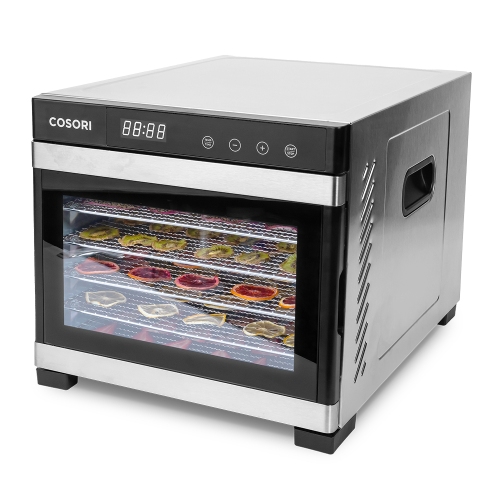
Construction and layout make a noticeable difference during preparation, drying, and cleanup. Stainless steel trays and barrels can provide a sturdy, easy-to-inspect surface, while food-contact plastic components may offer a lighter build and clear visibility. Smooth edges, secure fittings, and accessible corners matter when handling sticky marinades or seasoned ground meat. A jerky gun with a comfortable grip and a plunger that moves evenly can make repeated portions less tiring to form, particularly when the mixture is firm. Barrel capacity also affects handling: a larger chamber means fewer refills, but it can feel heavier when full. Interchangeable nozzles offer different shapes, although the attachment needs to fit securely and come apart readily for washing. For dehydrators, horizontal-airflow designs move air across the trays, while vertical-airflow designs move it through a stack; either layout benefits from spacing that leaves a clear path for circulation. Depending on the design and recipe, trays may need rotation to encourage even drying. Removable trays make loading and inspection simpler, and a door or lid that closes properly helps maintain the intended drying conditions. Adjustable temperature controls and a timer can make operation more convenient, but neither feature replaces food-safety checks. Meat must receive the heat treatment specified by a tested jerky recipe, and the dehydrator’s displayed air temperature is not the same as the meat’s internal temperature. A food thermometer is important for checking the required internal temperature, and some methods call for a separate heating stage before drying. Colour, chewiness, and a dry-looking surface cannot establish safety on their own. Countertop fit matters, too: the appliance needs a stable surface, the clearance specified by its manufacturer, and access that allows trays to slide out comfortably. Fan sound and drying time are also worth considering in an open kitchen or a shared living space.
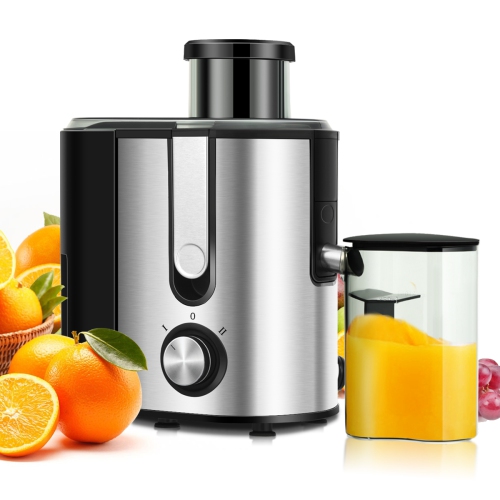
Care requirements are especially relevant for equipment that handles raw meat. Removable food-contact parts make it easier to reach seams, nozzle openings, tray grids, and other areas where residue can collect. Dishwasher suitability varies by component, so care instructions should determine which pieces can go into the machine and which need handwashing. Electrical bases, motors, and control panels generally require a different cleaning approach from removable trays or barrels. Thorough drying before storage helps keep parts ready for the next batch, while checking seals, tray supports, and threaded connections can reveal wear before it interferes with use. Separate utensils and clean preparation surfaces help prevent raw meat juices from reaching finished jerky or other ready-to-eat foods. Storage after drying deserves the same attention as preparation: homemade jerky should be cooled, packaged, and stored according to the tested recipe’s directions, including refrigeration where required. An airtight container or vacuum-sealed bag does not, by itself, make a batch safe for room-temperature storage. For regular users, practical details such as stackable trays, a manageable footprint, and a convenient place to keep nozzles or liners can matter more than a long list of settings. A jerky maker can also be a thoughtful gift for someone who already enjoys preparing savoury snacks, trying marinades, or making food to share, provided there is enough kitchen space and interest in the preparation and cleanup involved. For households that enjoy preparing drinks alongside snacks, Juice Makers offer another way to work with familiar ingredients at home. Within a jerky setup, the most useful combination is one that supports consistent portions, dependable drying, straightforward cleaning, and the quantity the household actually enjoys making. That balance helps the equipment become a practical part of everyday food preparation rather than something awkward to assemble, use, or put away.
Top selling and popular products
-
 Your price for this item is $323.99
-
 Your price for this item is $195.99
-
 Your price for this item is $52.99
-
 Your price for this item is $417.99
-
 Your price for this item is $199.99
-
 Your price for this item is $89.99
-
 Your price for this item is $99.99
-
 Your price for this item is $479.99
Discover more categories related to Jerky Makers

Top Collections:
Best Black Friday Deals This Year, Best Black Friday Deals On Electronics, Kindle Devices, Pokemon Centers, Best Black Friday Deals On Apple Products, Best Cameras for Sports Photography, Dyson Airwrap, Pokémon 30th Celebration Cards, Apple iPhone 17 Pro, Canon G7X Cameras
Some products may be subject to Environmental Handling Fees
(EHF) depending on your province.
Learn more about EHFs.