Kitchenaid Parts
Keep your kitchen running smoothly with a wide selection of KitchenAid parts designed to help maintain and enhance your favorite appliances. Whether you need replacements or upgrades, finding the right KitchenAid parts ensures your equipment continues to perform at its best. Explore options for mixers, blenders, food processors, and more to keep every culinary task on track. Shop confidently and find the components you need to keep your kitchen organized and efficient.
Sort
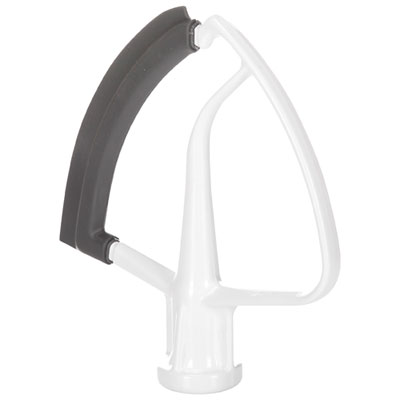

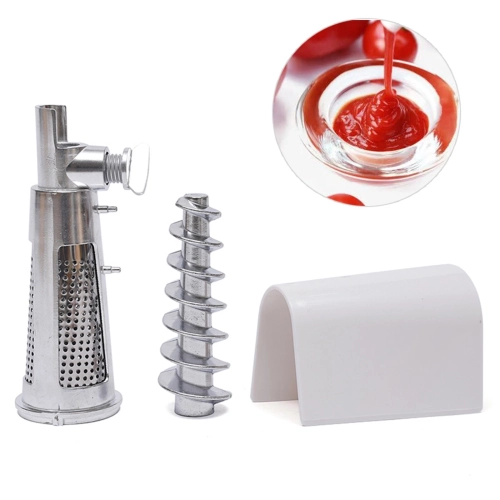

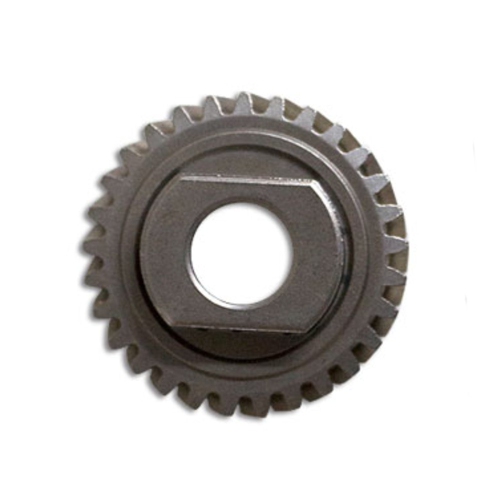
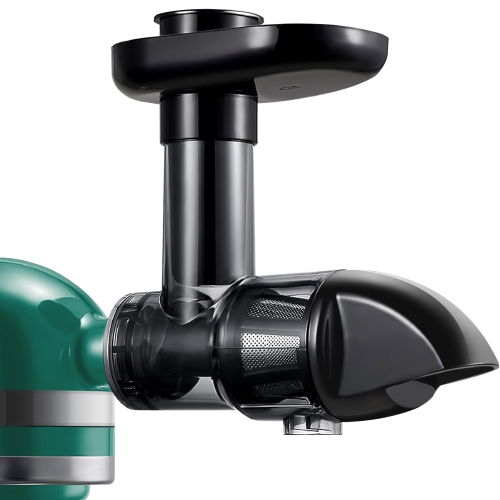





Why model numbers matter when replacing appliance parts
Replacement parts for kitchen appliances help restore everyday functions while keeping familiar equipment in use. The right match depends on the appliance’s complete model number and the replacement part’s documented compatibility, rather than appearance alone. A model number is generally found on an identification label or rating plate, though its location varies by appliance. On countertop equipment, it may be underneath the base; on larger appliances, it may be around a door opening or another location identified in the owner’s manual. The model number identifies the appliance design, while the serial number identifies the individual unit. Both can matter when a manufacturer has changed a component during production. A part number provides another useful reference, but any updated or superseding number needs a documented connection to the original. Two components that look identical in a photograph can have different mounting points, connector shapes, capacities, or operating requirements. Even appliances from the same product family may use different parts across sizes and generations. This is particularly relevant to stand mixers and other countertop food preparation equipment, where the relationship between the base, working components, and attachment connections affects fit and performance. For larger appliances, dimensions alone may not establish compatibility because internal fittings and electrical specifications can differ. Clear compatibility information is therefore more useful than a broad description such as universal fit. Descriptions such as genuine or factory-certified refer to a part’s stated origin or approval and should be supported by manufacturer documentation; they do not replace model-specific matching. A worn or damaged component also needs to be distinguished from a symptom caused elsewhere in the appliance. An unusual noise or interrupted function does not necessarily identify which part needs attention. Accurate appliance details and a confirmed replacement reference give a repair a firmer starting point, whether the work involves a straightforward removable component or something that requires professional service. They also help separate a necessary replacement from an accessory intended to add a new function.
Materials and construction influence how a replacement component performs through repeated use. Stainless steel, coated metal, rigid plastic, and flexible sealing materials each serve different purposes, and the appropriate choice depends on the original design. A component that works through dense dough faces different demands from one that supports a storage compartment or directs water inside a dishwasher. Strength, flexibility, surface finish, and resistance to the conditions inside the appliance all matter, but a heavier material is not automatically a better substitute. Changing the material or dimensions can alter how a component moves, seats, or interacts with neighbouring surfaces. Where food contact is involved, suitability should be established through the manufacturer’s specifications rather than inferred from appearance. Smooth, accessible surfaces can make routine cleaning easier, while joints, grooves, and recessed areas may need closer attention to prevent residue from collecting. Dishwasher suitability is specific to the component: a metal appearance does not guarantee that machine washing is appropriate, and some finishes or assemblies require handwashing. Care directions also determine whether soaking, abrasive cleaners, or particular cleaning solutions are suitable. For countertop mixing equipment, correct clearance matters as much as a secure connection; a poorly matched component may rub against another surface rather than move freely as designed. On larger appliances, a properly seated replacement can be important to smooth movement, sealing, or stable support. Small details such as the position of a mounting tab or the profile of an edge can make the difference between a correct fit and a component that merely seems close. Durability also depends on intended use and the condition of the appliance around the replacement. A new part cannot compensate for a damaged mounting point or an unresolved mechanical fault. Internal electrical work, gas connections, and sealed refrigeration systems are generally matters for a qualified service professional. Owner’s manuals and service documentation establish which components are intended for user replacement and which require specialist attention, helping preserve both safe operation and the appliance’s intended performance.
The value of a suitable replacement often becomes clear in ordinary kitchen routines: preparing several batches of dough, cleaning up after a family meal, or keeping frequently used storage spaces easy to access. Home bakers may be especially attentive to the fit and finish of components that work together during mixing, while busy households may place more emphasis on dependable movement, secure seating, and straightforward cleaning. Someone maintaining an appliance in a smaller kitchen may appreciate restoring a familiar setup without changing the counter layout or learning a different set of controls. Appearance can matter too, particularly when a replacement remains visible, but colour and finish are secondary to the correct dimensions and functional specifications. A close visual match does not establish that a component is suitable. Replacement parts and optional accessories also serve different needs: one restores an existing function, while the other may expand what a compatible appliance can do. That distinction is useful when choosing something for an enthusiastic cook or baker. A gift intended to add a capability needs the same careful compatibility check as a repair component, and the recipient’s preferred tasks matter more than a general interest in cooking. For households maintaining several types of equipment, Kitchen Appliance Parts brings the wider category into view alongside the particular appliance being maintained. Keeping the model details, care information, and replacement reference together makes later maintenance less dependent on memory. Original documentation can also clarify whether existing fittings are reused or whether a replacement has additional installation requirements. Parts kept for future use benefit from clean, dry storage that protects their shape and finish, especially where flexible edges or delicate connections are involved. Ultimately, a well-matched replacement supports the way the appliance was designed to work. Its usefulness comes from accurate fit, appropriate materials, and care suited to the component—not simply from looking similar to the piece it replaces.
Top selling and popular products
-
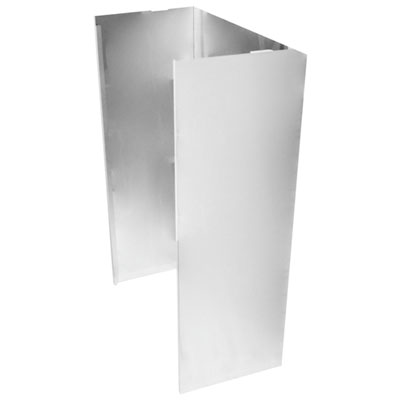 Your price for this item is $594.99
-
 Your price for this item is $492.99
-
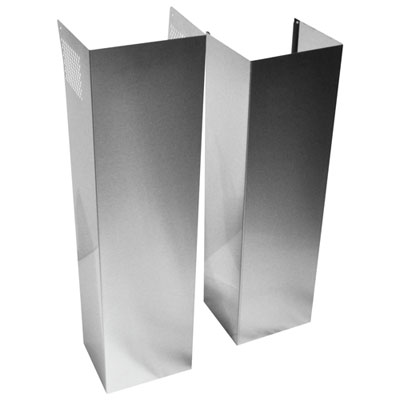 Your price for this item is $401.99
-
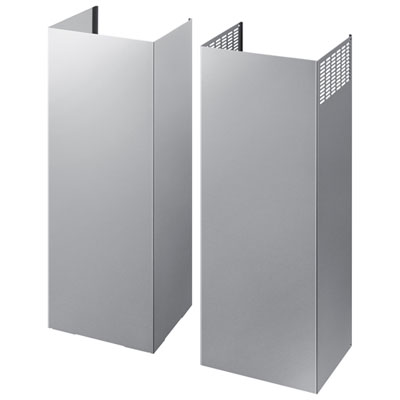 Your price for this item is $599.99
-
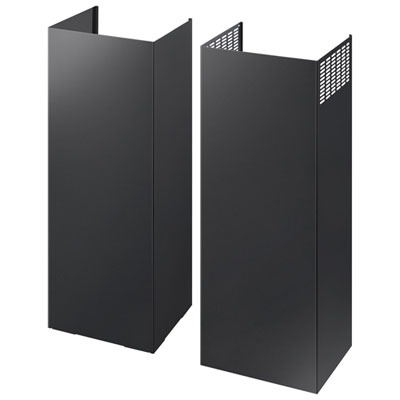 Your price for this item is $699.99
-
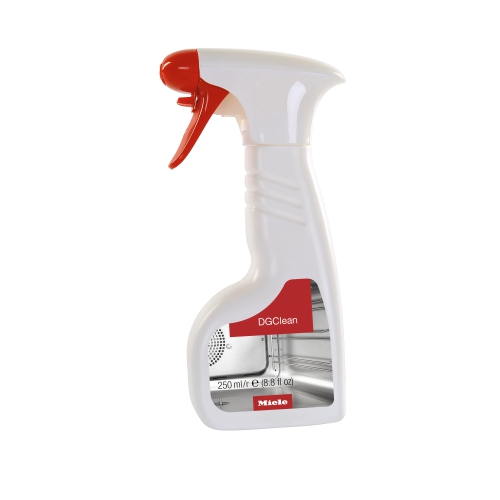 Your price for this item is $18.99
-
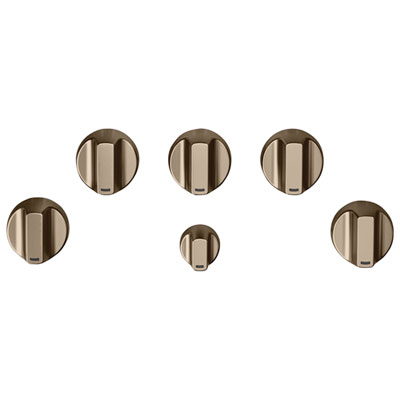 Your price for this item is $359.99
-
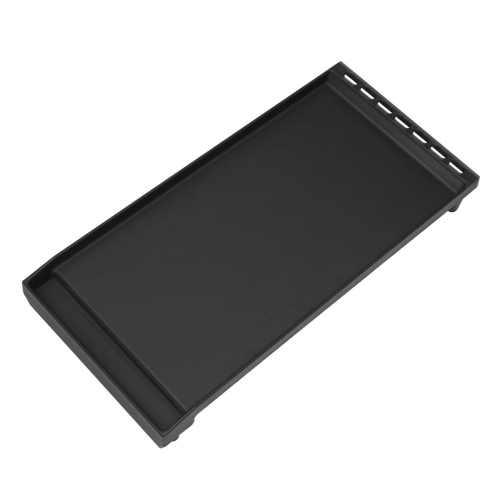 Your price for this item is $199
Discover more categories related to Kitchenaid Parts


Top Collections:
Best Black Friday Deals This Year, Best Black Friday Deals On Electronics, Kindle Devices, Pokemon Centers, Best Black Friday Deals On Apple Products, Best Cameras for Sports Photography, Dyson Airwrap, Pokémon 30th Celebration Cards, Apple iPhone 17 Pro, Canon G7X Cameras
Some products may be subject to Environmental Handling Fees
(EHF) depending on your province.
Learn more about EHFs.