Large Aluminum Pots
Elevate your culinary experience with large aluminum pots, the perfect addition to any kitchen for both amateur cooks and seasoned chefs. Known for their excellent heat conductivity and lightweight design, these pots ensure even cooking and easy handling. Whether you're simmering hearty stews, boiling pasta, or preparing large batches of soup, aluminum pots offer durability and versatility to meet all your cooking needs. Discover the benefits of investing in high-quality aluminum cookware that promises efficiency, longevity, and delicious results every time you step into the kitchen.
Sort
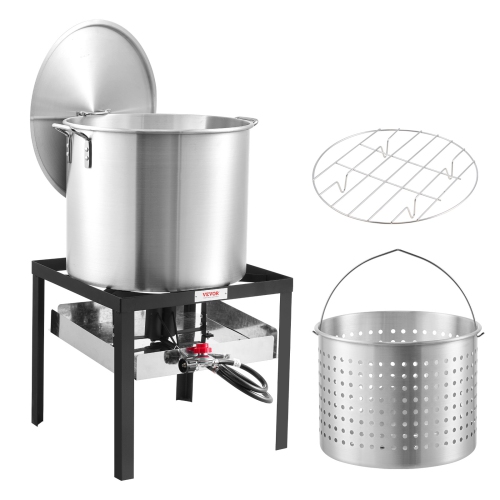
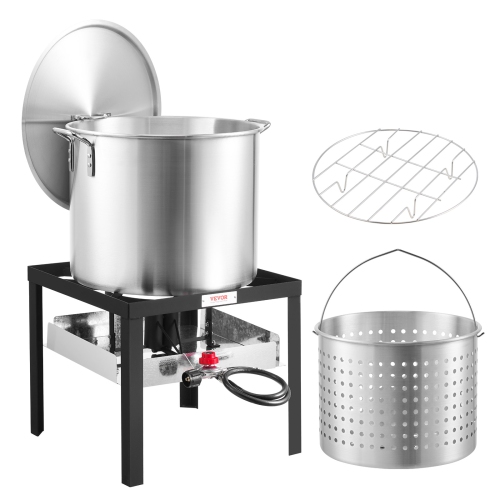
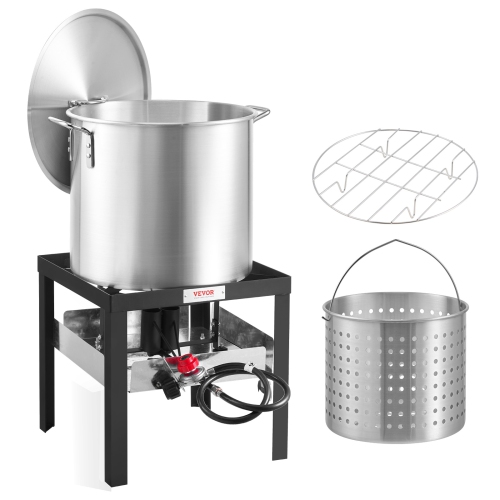
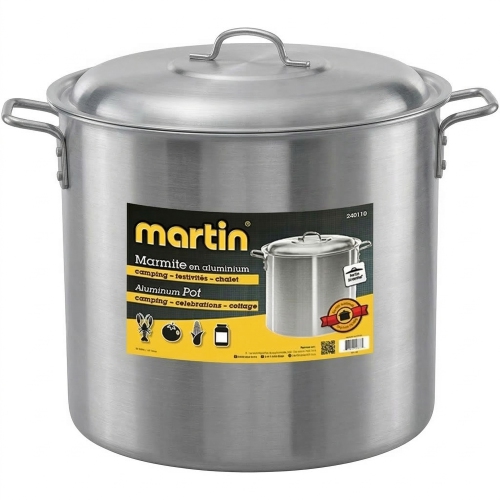
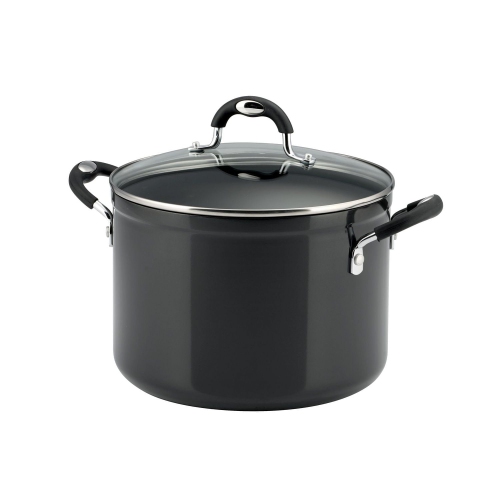
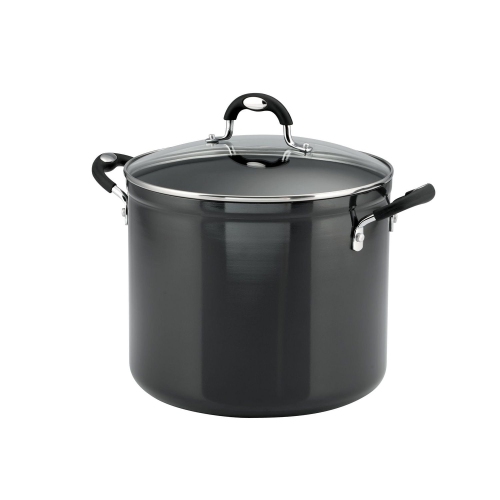
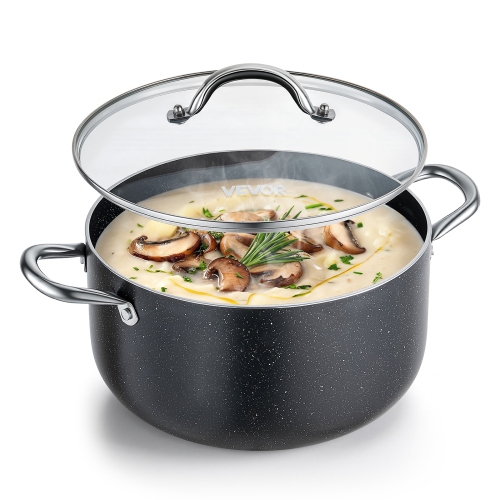
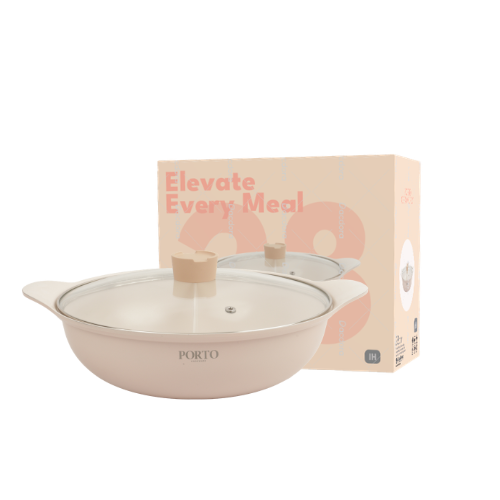
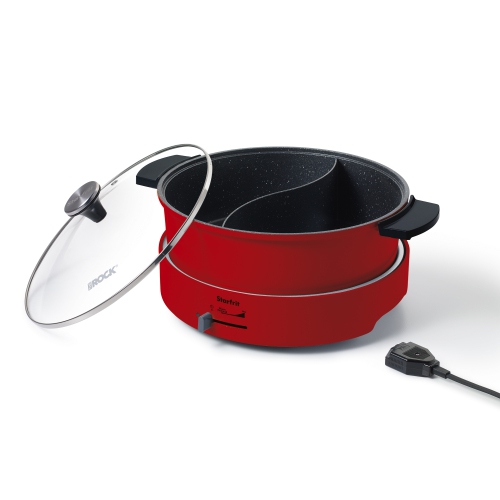
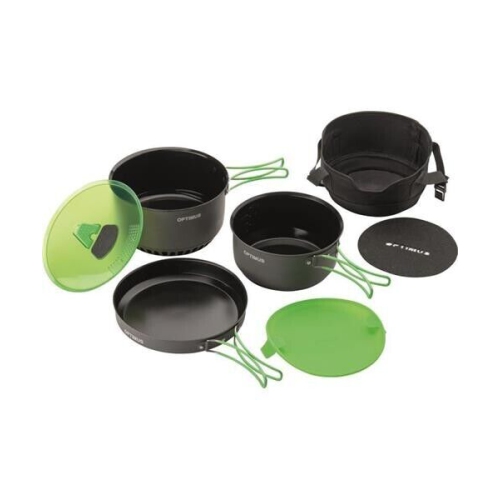
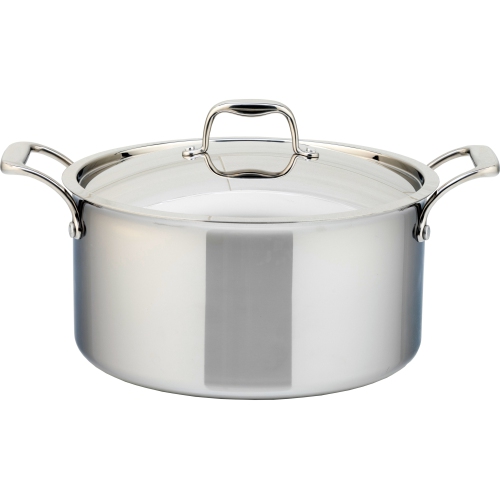

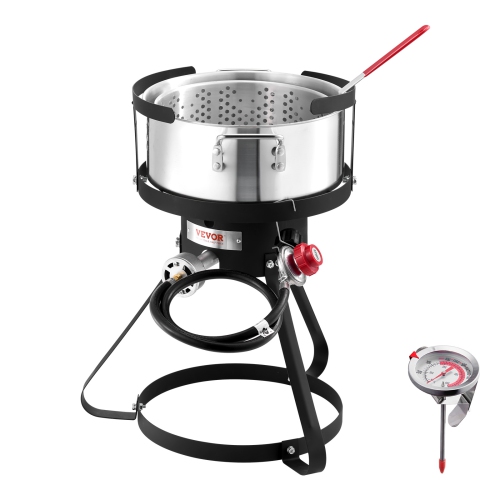
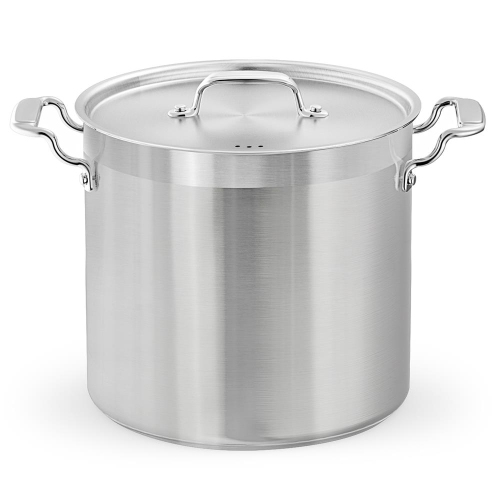
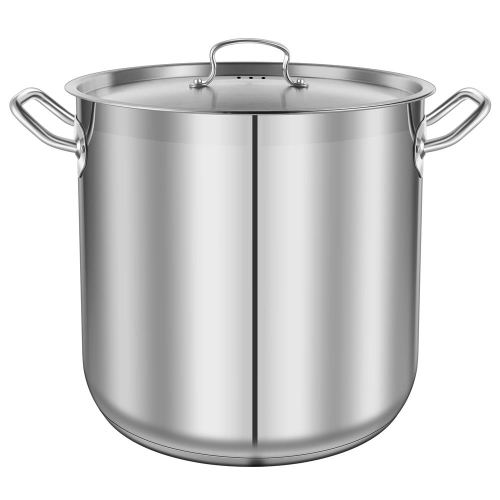
Room for big batches without crowding your kitchen
Large aluminum pots bring generous cooking capacity to kitchens where a small saucepan cannot keep up with the meal. Their roomy interiors suit batches of chicken stock, vegetable soup, pasta, corn on the cob, and seafood boils, with space for ingredients to move through the cooking liquid. Aluminum conducts heat readily, helping water heat efficiently and spreading warmth across the pot’s cooking surface. That responsiveness is useful when bringing a large batch to a boil and then reducing the heat to a gentle simmer, although results also depend on the pot’s thickness, burner size, and volume of food. Compared with a similarly sized stainless steel or cast iron vessel, an aluminum pot is generally lighter when empty, making it easier to lift onto a shelf or carry to the sink. Once filled, however, any large pot can be very heavy. Capacity is commonly listed in litres or quarts, and those measurements are not interchangeable, so the stated volume deserves a close look. Total capacity also differs from practical cooking capacity: pasta needs room to foam, soup needs space for stirring, and a basket of potatoes displaces water. Leaving headroom helps limit splashes and boilovers rather than filling the vessel to its rim. Tall, narrower shapes are well suited to simmering bones and vegetables under liquid, while broader shapes offer more access for stirring and handling bulky ingredients. A wide opening can be helpful when lifting cooked corn or shellfish out with a suitable strainer. For households that prepare meals in batches, host extended family, or cook generous portions during the cooler months, the right size balances useful volume with everyday handling. An oversized pot is not automatically more practical; a vessel that fits the usual recipe, heating surface, and storage space is more likely to earn a regular place in the kitchen.
The construction of a large aluminum pot affects how it feels in use and which recipes suit it best. Thicker walls and bases generally provide greater resistance to denting and distribute heat more evenly than very thin construction, though thick soups and starchy mixtures still need stirring to prevent scorching. Bare aluminum is useful for many boiling tasks, but prolonged contact with acidic foods such as tomatoes, vinegar, and citrus can cause discolouration or affect flavour. Anodized aluminum has a hardened surface that improves resistance to wear and reduces reactivity; coated or lined interiors have their own utensil and cleaning requirements. The cooking surface therefore matters as much as the outside material, especially for a pot intended to handle everything from plain pasta water to a long-simmered sauce. Cooktop fit is equally important. Aluminum itself is not magnetic, so an aluminum pot generally requires a compatible bonded magnetic base to work on an induction cooktop. Suitability for gas, electric coil, or glass cooking surfaces depends on the vessel’s design and the appliance manufacturer’s requirements. A flat, stable base and an appropriate match between the pot and heating zone help support reliable performance. Very wide pots may crowd adjacent burners, extend beyond the usable cooking area, or exceed an appliance’s recommended dimensions or loaded weight. Outdoor burner use also requires cookware and equipment specifically suited to that purpose, with fuel-burning outdoor equipment kept outdoors. Handles should offer enough clearance for a secure grip with dry oven mitts, since metal handles can become hot during cooking. Secure handle attachments, a well-fitting lid, and a stable base all contribute to manageable handling. A lid helps retain heat and limit evaporation, while a compatible perforated basket can simplify lifting food from boiling water. Basket dimensions, handle clearance, and safe lifting space matter particularly when working beneath a range hood or in a compact kitchen.
Everyday practicality continues after the cooking is finished. A large aluminum pot needs enough room in the sink for washing, clearance under the tap for filling, and a storage position that does not require awkward lifting. Checking both the overall width across the handles and the full height with the lid in place gives a more useful sense of fit than capacity alone. Among Metal Pots, aluminum offers a useful combination of heat conductivity and relatively low empty weight, but its finish benefits from care suited to the material. Handwashing with mild dish soap and a soft sponge is often appropriate, while dishwasher use should follow the manufacturer’s directions because some detergents can darken or damage aluminum surfaces. Letting a hot pot cool before washing helps avoid sudden temperature changes that may warp the base. For stuck-on food, soaking is generally gentler than scraping aggressively, and utensils should suit any coating or lining. Thorough drying helps prevent water marks, while a protective layer between nested vessels can reduce scratches. A change in surface colour does not necessarily mean the pot has stopped performing, but loose handles, a distorted base, or a damaged cooking surface warrant attention before further use. These practical details make large aluminum cookware especially relevant to home cooks who prepare freezer meals, families who serve shared dinners, and experienced hosts who regularly cook for a crowd. A roomy pot can also be a thoughtful gift for someone who already enjoys batch cooking, provided its size and cooktop compatibility match their kitchen. Picture a broad pot holding corn for a family gathering or a tall vessel gently simmering broth for several meals: the benefit is having room to cook comfortably without crowding ingredients. When preparing food ahead, dividing leftovers into shallow containers for prompt refrigeration is safer than leaving a full pot to cool slowly. Well-matched capacity, dependable construction, and manageable dimensions help make a large pot useful from preparation through cleanup.
The construction of a large aluminum pot affects how it feels in use and which recipes suit it best. Thicker walls and bases generally provide greater resistance to denting and distribute heat more evenly than very thin construction, though thick soups and starchy mixtures still need stirring to prevent scorching. Bare aluminum is useful for many boiling tasks, but prolonged contact with acidic foods such as tomatoes, vinegar, and citrus can cause discolouration or affect flavour. Anodized aluminum has a hardened surface that improves resistance to wear and reduces reactivity; coated or lined interiors have their own utensil and cleaning requirements. The cooking surface therefore matters as much as the outside material, especially for a pot intended to handle everything from plain pasta water to a long-simmered sauce. Cooktop fit is equally important. Aluminum itself is not magnetic, so an aluminum pot generally requires a compatible bonded magnetic base to work on an induction cooktop. Suitability for gas, electric coil, or glass cooking surfaces depends on the vessel’s design and the appliance manufacturer’s requirements. A flat, stable base and an appropriate match between the pot and heating zone help support reliable performance. Very wide pots may crowd adjacent burners, extend beyond the usable cooking area, or exceed an appliance’s recommended dimensions or loaded weight. Outdoor burner use also requires cookware and equipment specifically suited to that purpose, with fuel-burning outdoor equipment kept outdoors. Handles should offer enough clearance for a secure grip with dry oven mitts, since metal handles can become hot during cooking. Secure handle attachments, a well-fitting lid, and a stable base all contribute to manageable handling. A lid helps retain heat and limit evaporation, while a compatible perforated basket can simplify lifting food from boiling water. Basket dimensions, handle clearance, and safe lifting space matter particularly when working beneath a range hood or in a compact kitchen.
Everyday practicality continues after the cooking is finished. A large aluminum pot needs enough room in the sink for washing, clearance under the tap for filling, and a storage position that does not require awkward lifting. Checking both the overall width across the handles and the full height with the lid in place gives a more useful sense of fit than capacity alone. Among Metal Pots, aluminum offers a useful combination of heat conductivity and relatively low empty weight, but its finish benefits from care suited to the material. Handwashing with mild dish soap and a soft sponge is often appropriate, while dishwasher use should follow the manufacturer’s directions because some detergents can darken or damage aluminum surfaces. Letting a hot pot cool before washing helps avoid sudden temperature changes that may warp the base. For stuck-on food, soaking is generally gentler than scraping aggressively, and utensils should suit any coating or lining. Thorough drying helps prevent water marks, while a protective layer between nested vessels can reduce scratches. A change in surface colour does not necessarily mean the pot has stopped performing, but loose handles, a distorted base, or a damaged cooking surface warrant attention before further use. These practical details make large aluminum cookware especially relevant to home cooks who prepare freezer meals, families who serve shared dinners, and experienced hosts who regularly cook for a crowd. A roomy pot can also be a thoughtful gift for someone who already enjoys batch cooking, provided its size and cooktop compatibility match their kitchen. Picture a broad pot holding corn for a family gathering or a tall vessel gently simmering broth for several meals: the benefit is having room to cook comfortably without crowding ingredients. When preparing food ahead, dividing leftovers into shallow containers for prompt refrigeration is safer than leaving a full pot to cool slowly. Well-matched capacity, dependable construction, and manageable dimensions help make a large pot useful from preparation through cleanup.
Top selling and popular products
-
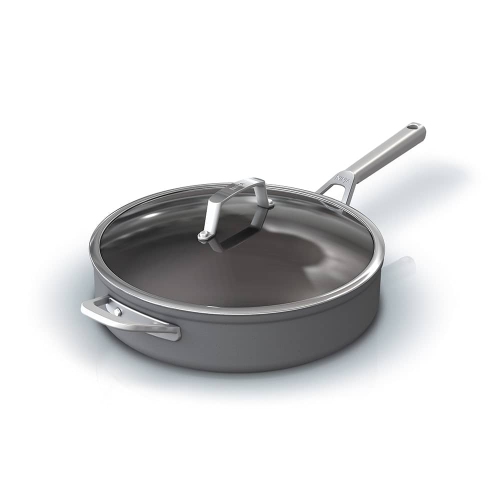 Your price for this item is $247.98
 -
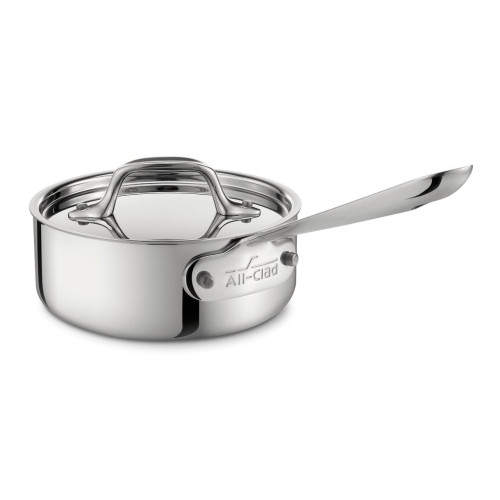 Your price for this item is $345.65
 -
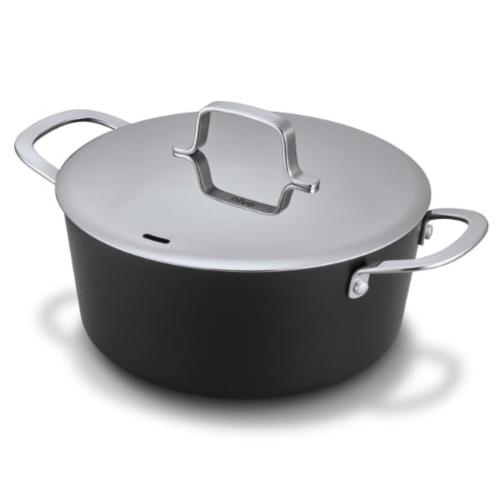 Your price for this item is $229
 -
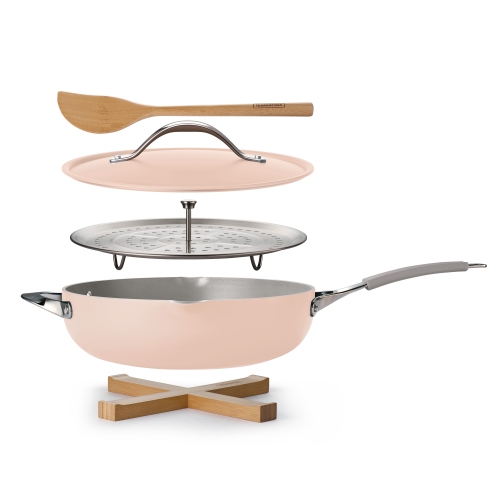 Your price for this item is $144.57
 -
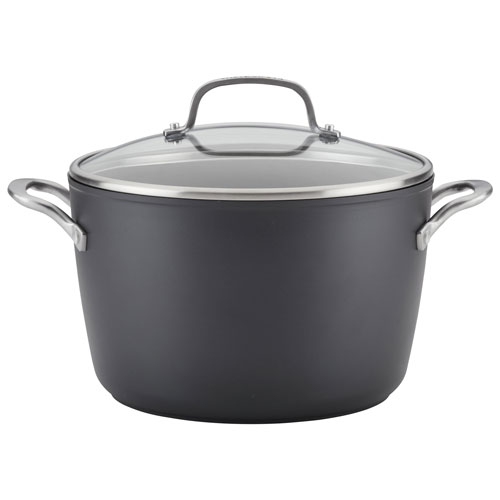 Your price for this item is $119.99
 -
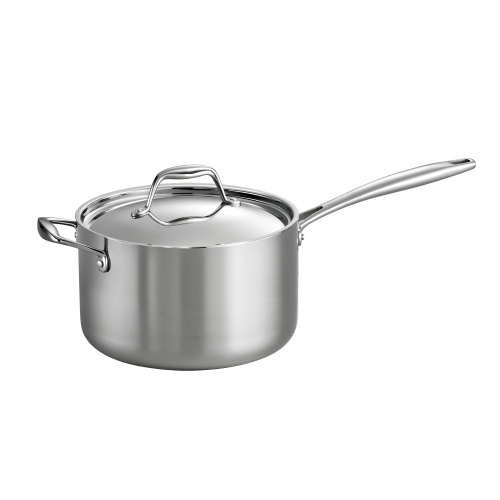 Your price for this item is $113.63
 -
 Your price for this item is $122.19
 -
 Your price for this item is $329
Discover more categories related to Large Aluminum Pots
Top Collections:
Pokemon Centers, Kindle Devices, Best Budget Office Chairs, Apple iPhones 16, Best Laptops for Writers, iPhone 15 Apple, Canon G7X Cameras, Refurbished Apple Laptops, Alarm Clock, Motorola Razr Phones
Some products may be subject to Environmental Handling Fees
(EHF) depending on your province.
Learn more about EHFs.