Large Stock Pots
Discover the perfect culinary companion with our wide selection of large stock pots, designed to meet all your cooking needs. Ideal for preparing hearty soups, stews, and broths or boiling pasta for a crowd, these versatile kitchen essentials are crafted from durable materials to ensure even heat distribution and long-lasting performance. Whether you're an amateur home cook or a seasoned chef, you'll find the right stock pot to elevate your cooking experience. Explore various sizes and features to find the one that fits seamlessly into your kitchen routine and makes every meal a masterpiece.
Sort




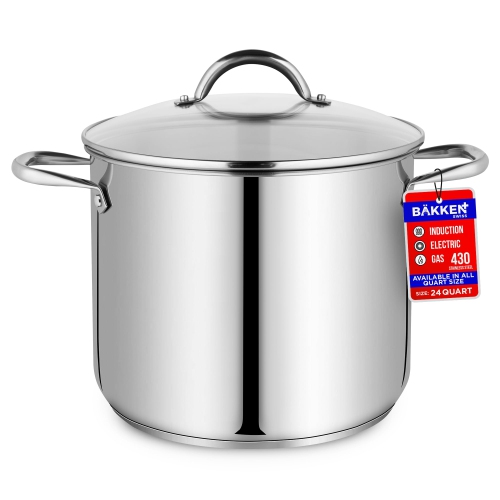
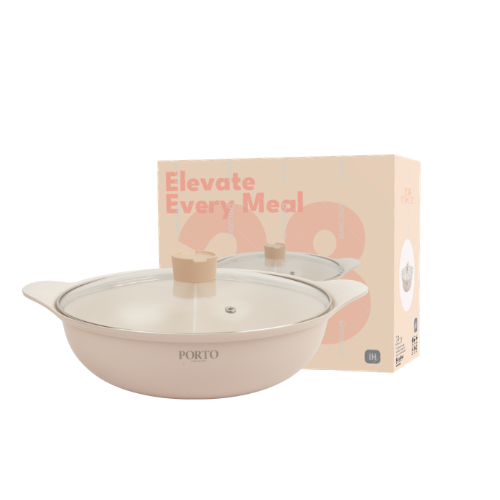
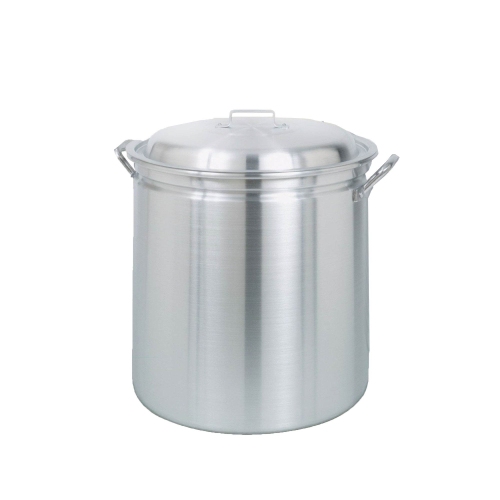
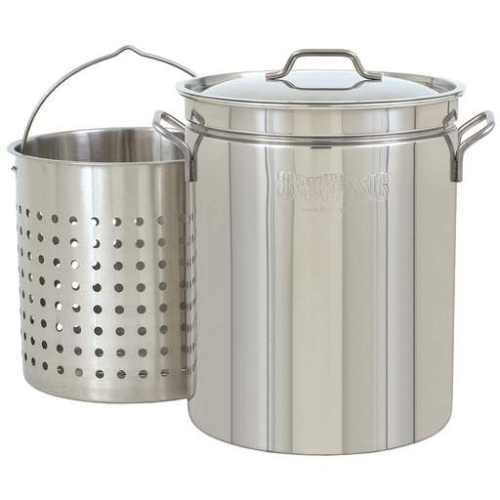
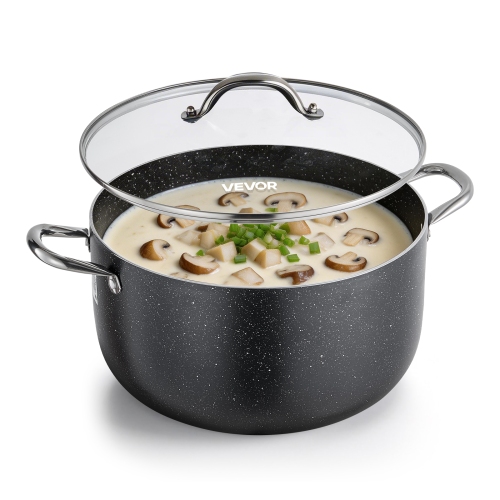
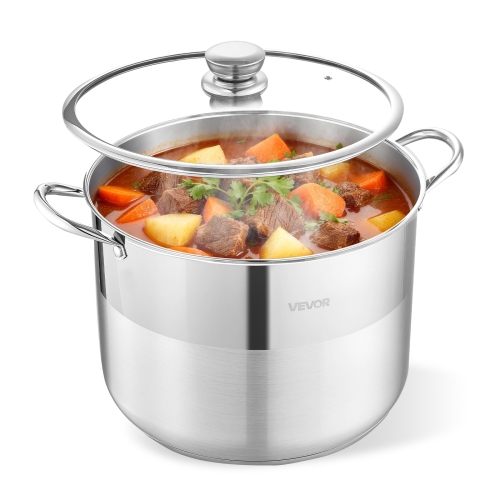
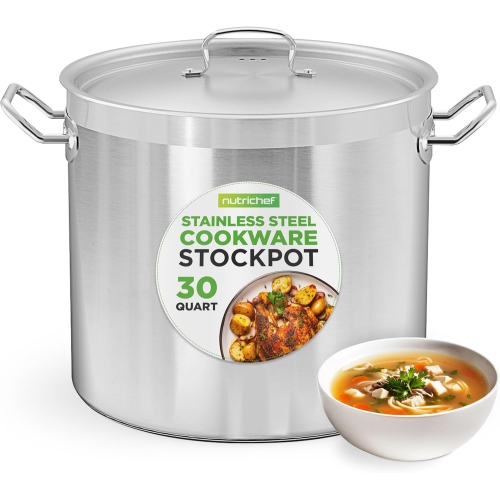
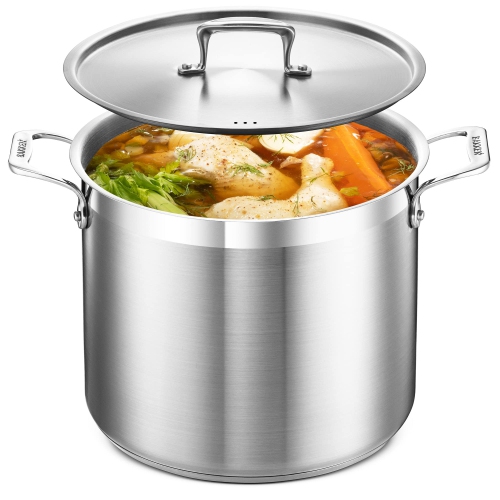
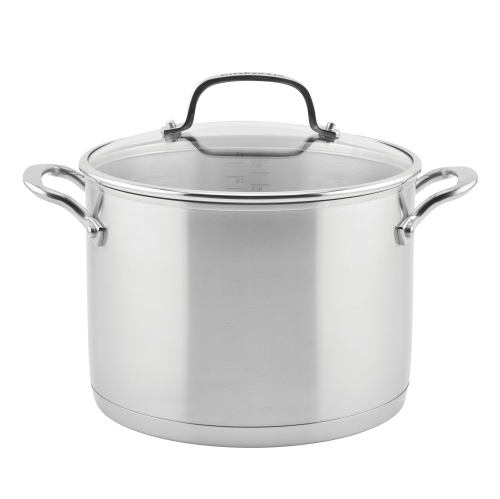
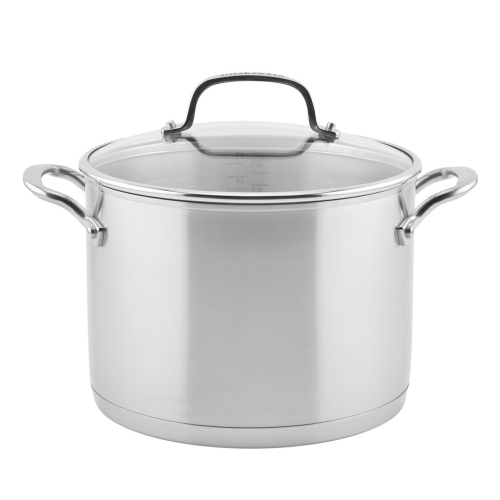
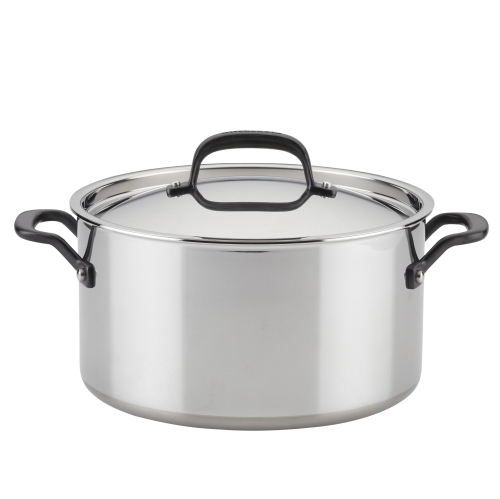
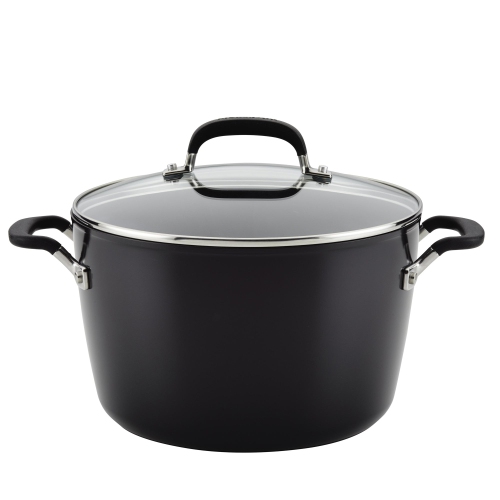
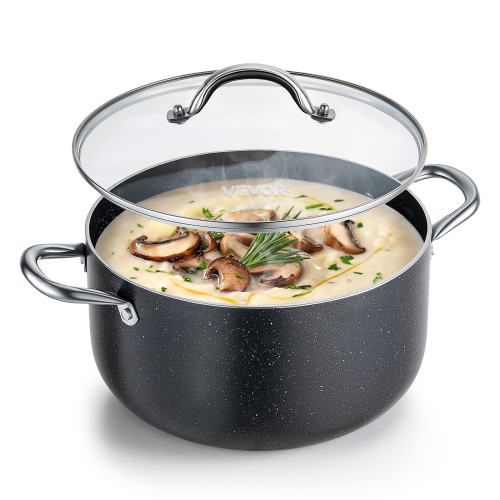
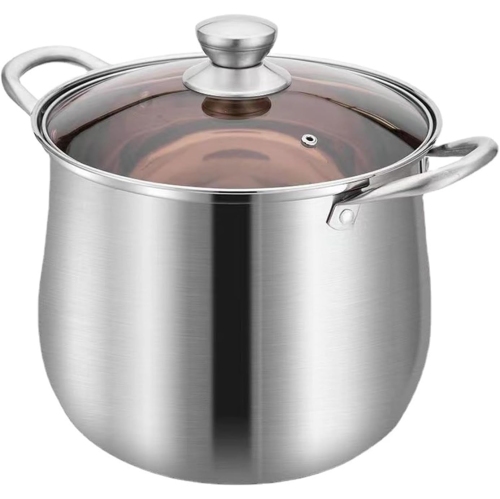
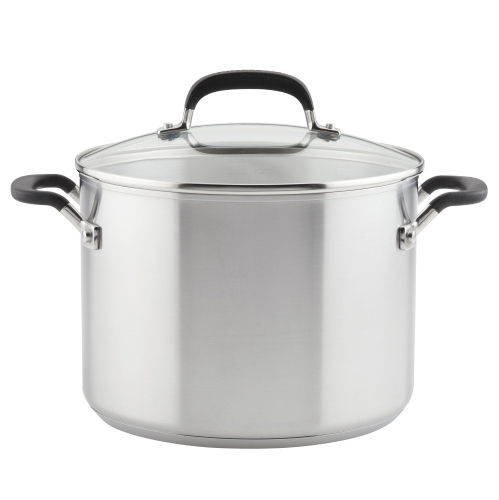
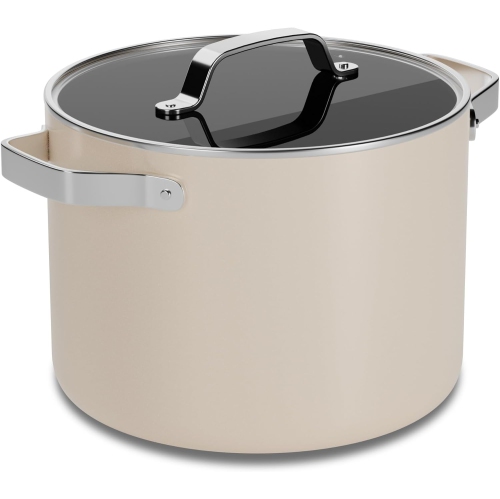
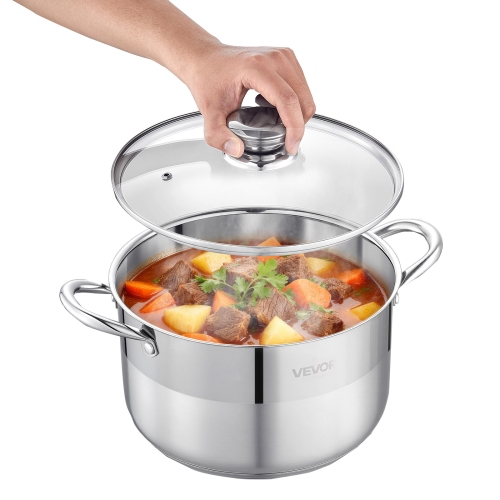
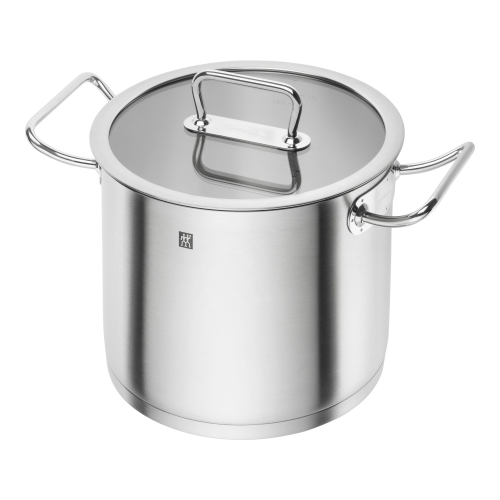
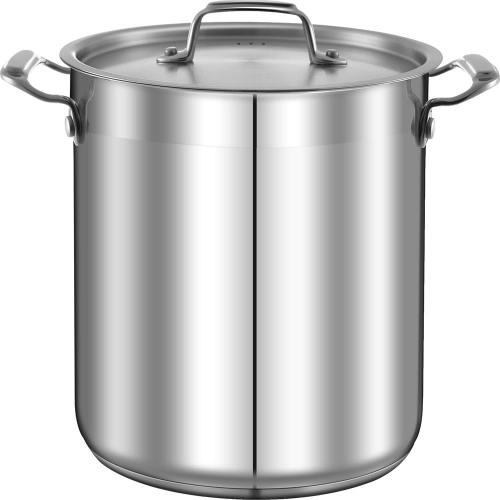
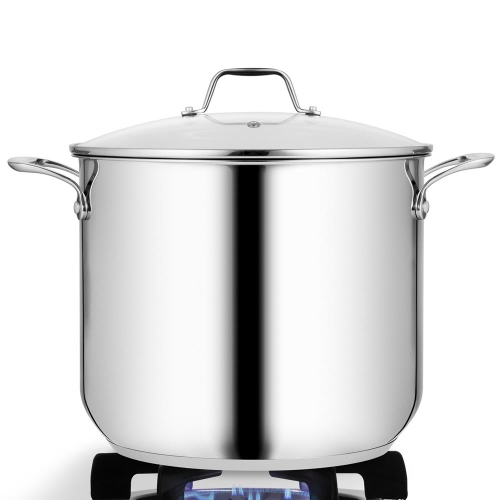
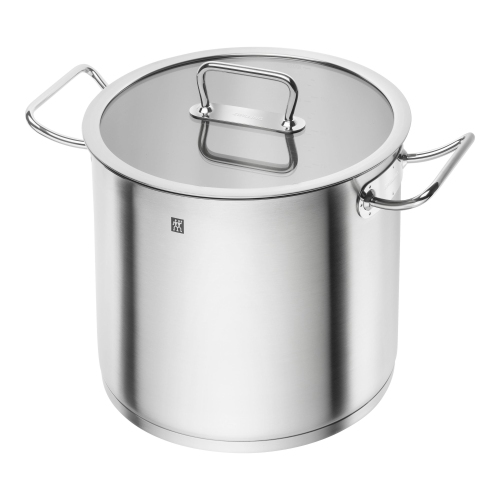
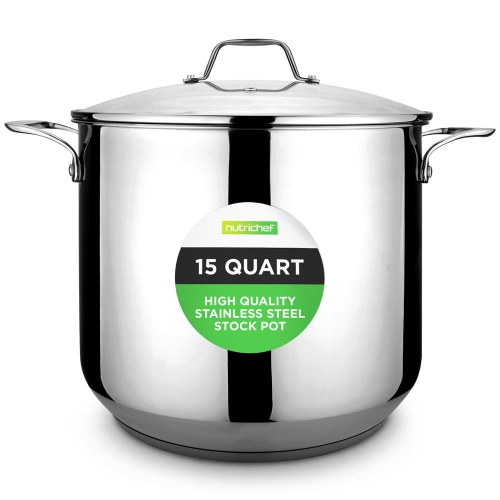
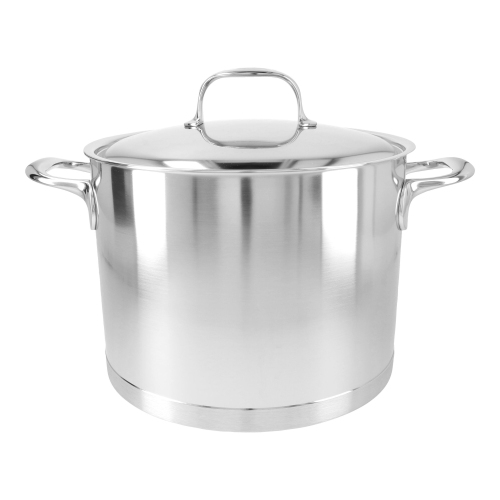

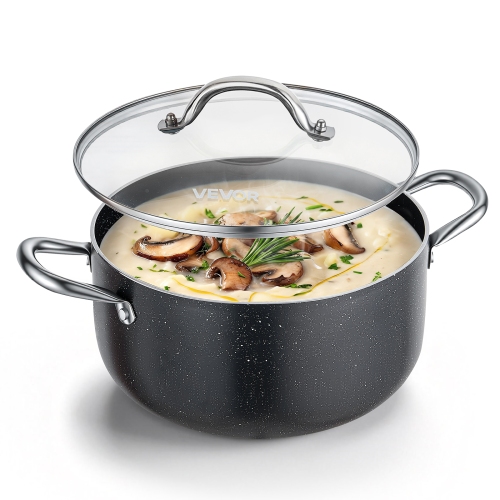

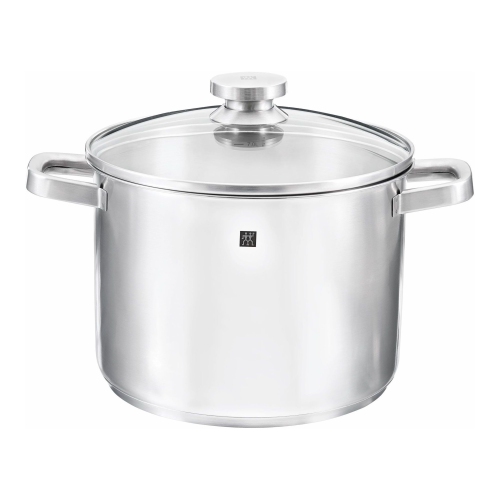

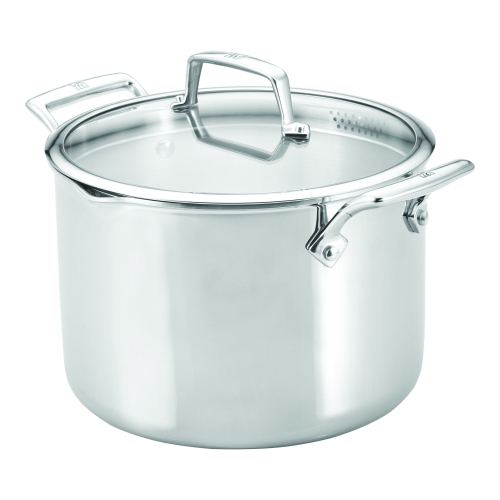
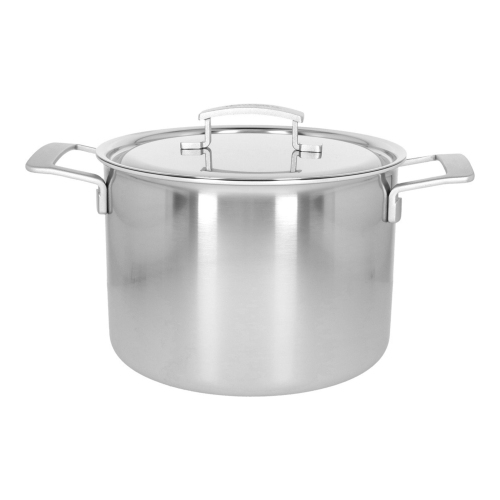
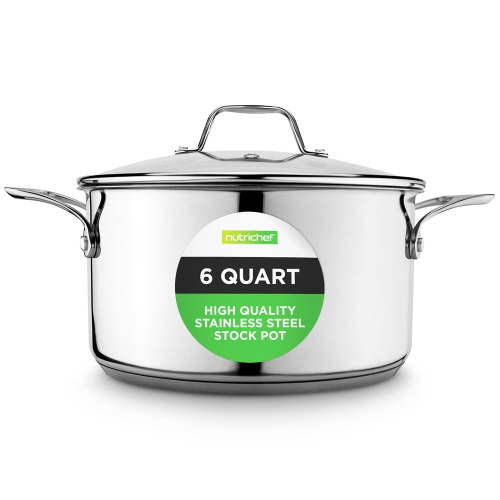


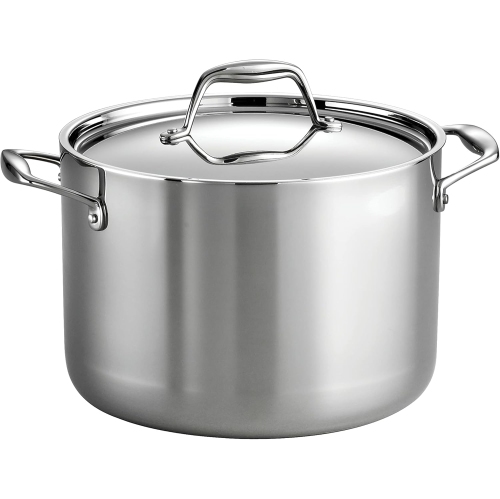


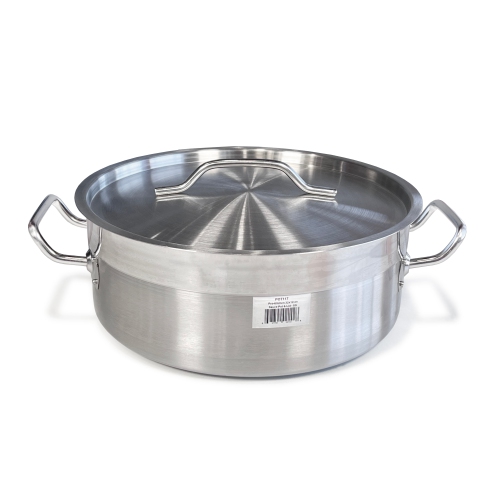
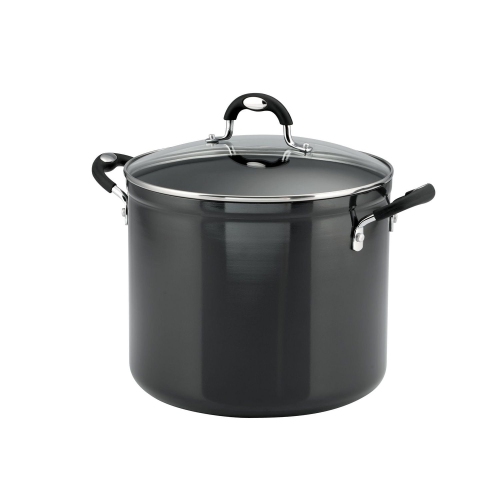
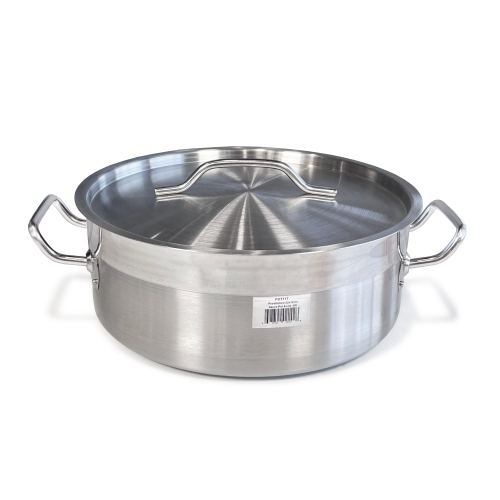
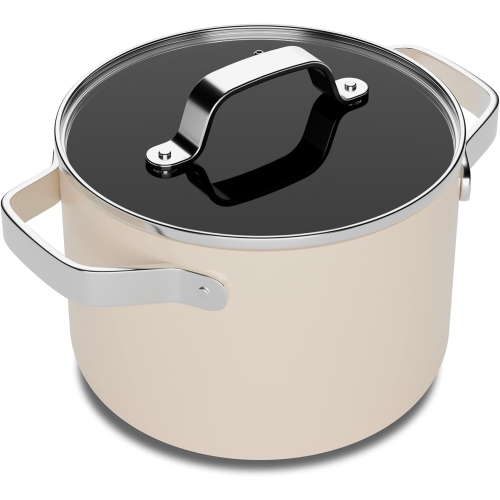
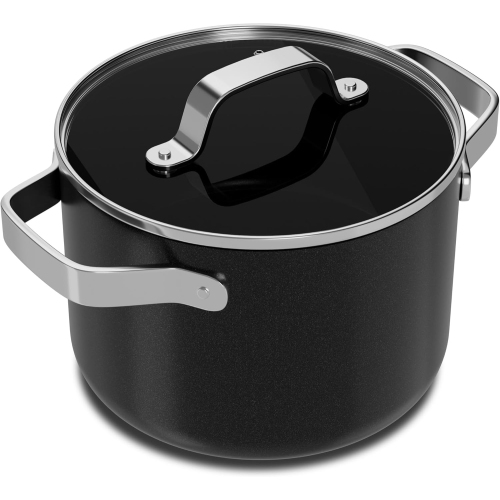
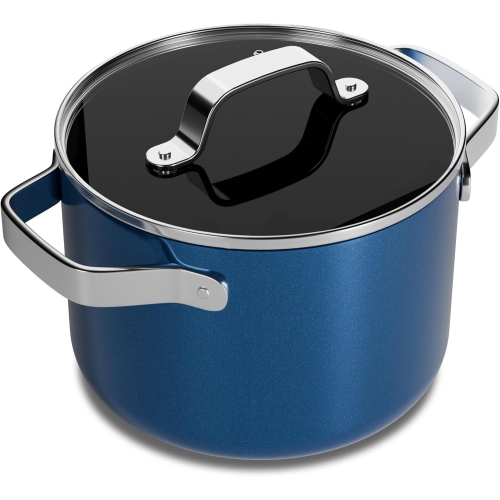
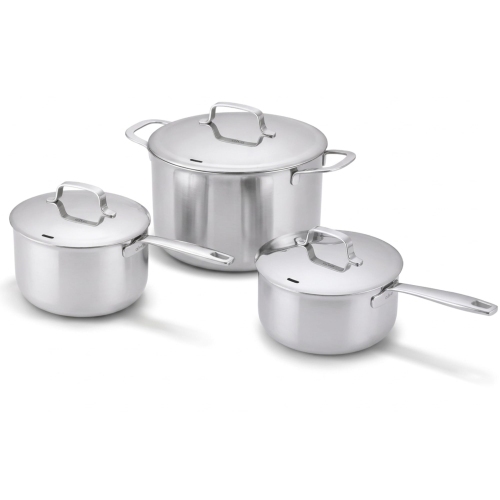
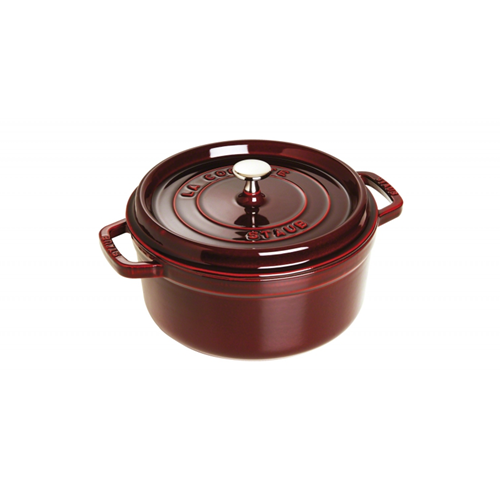
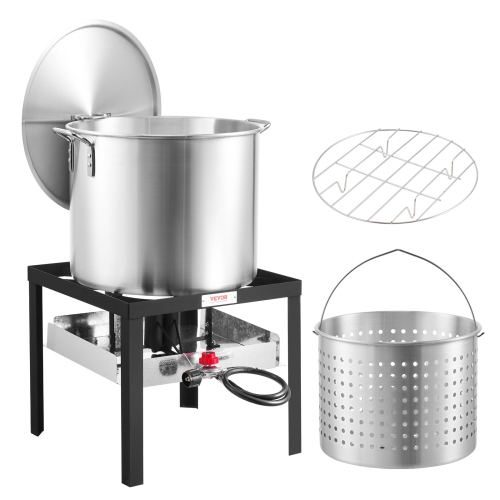
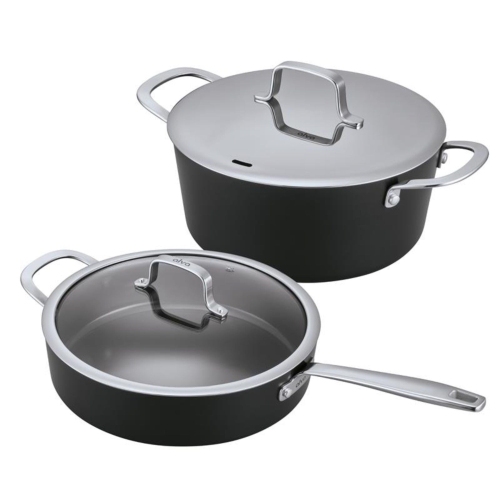
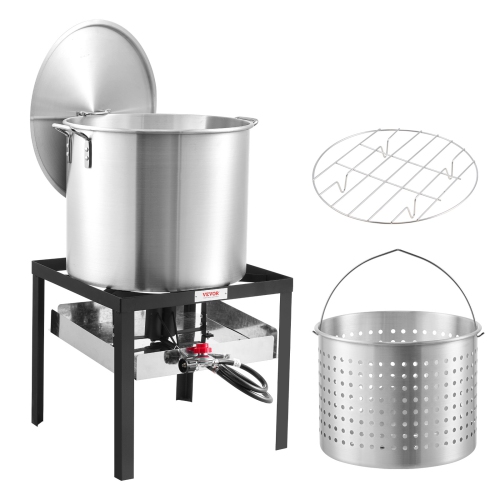
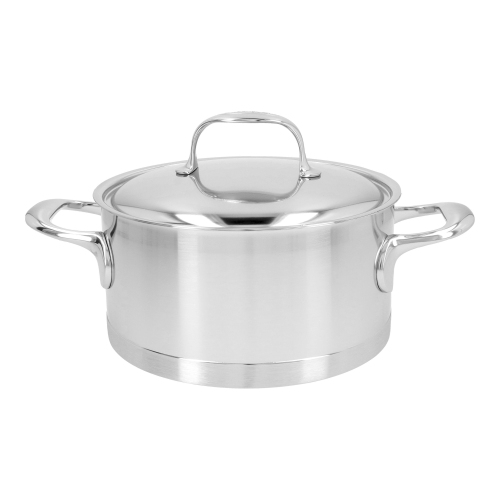
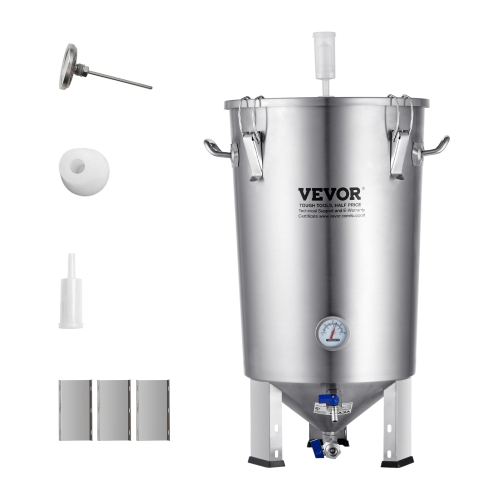
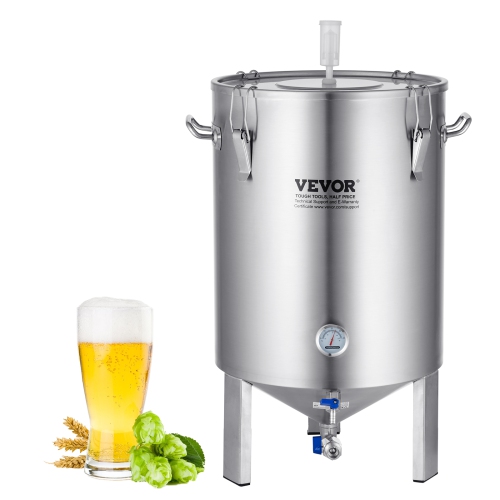
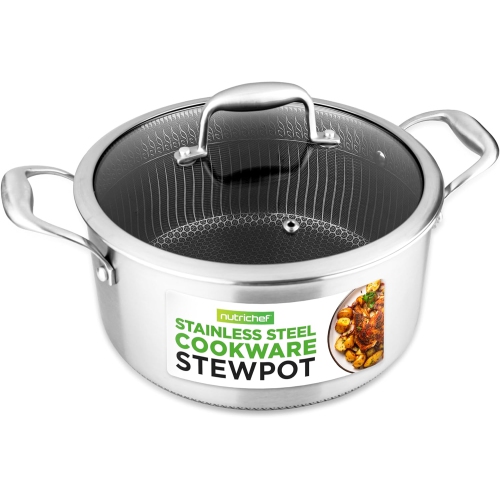
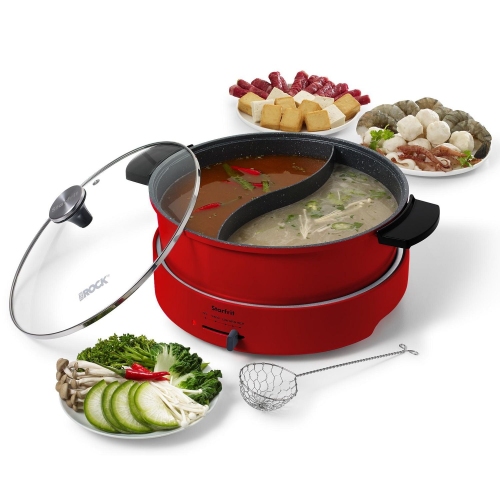
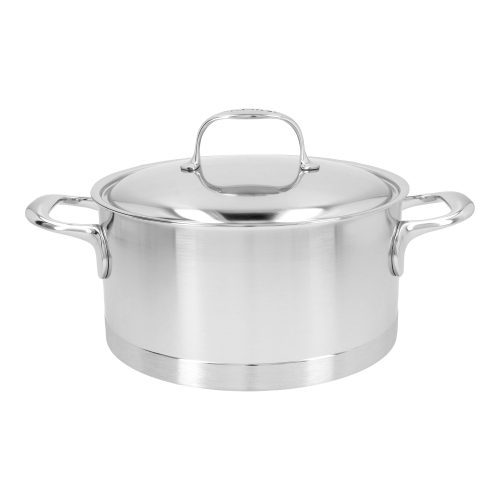
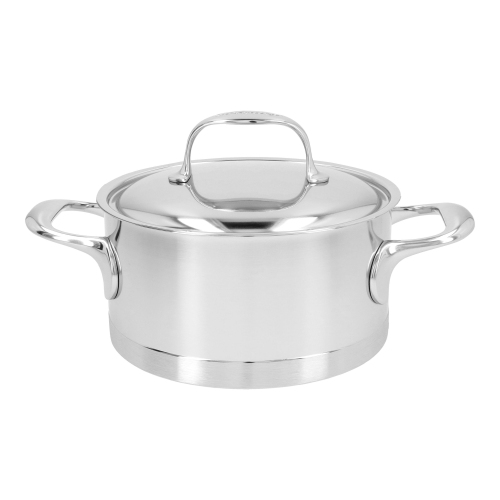
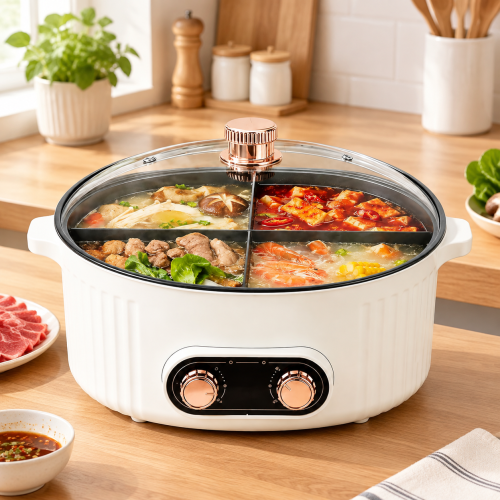
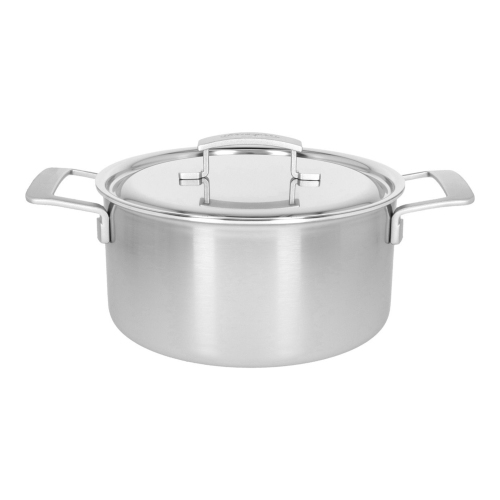

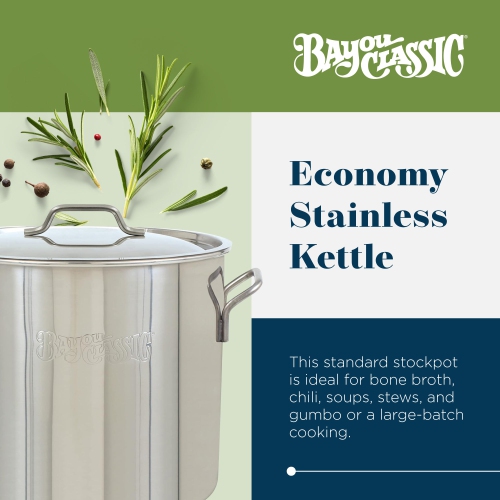
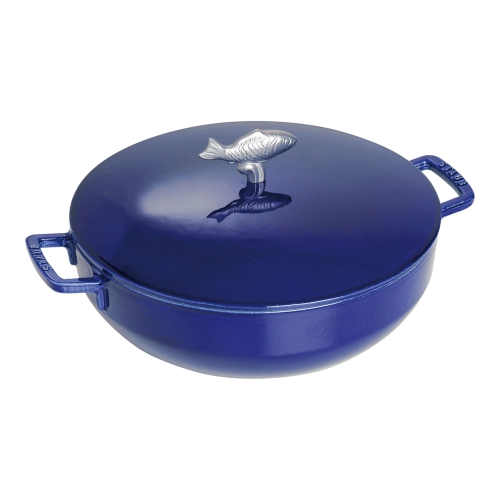
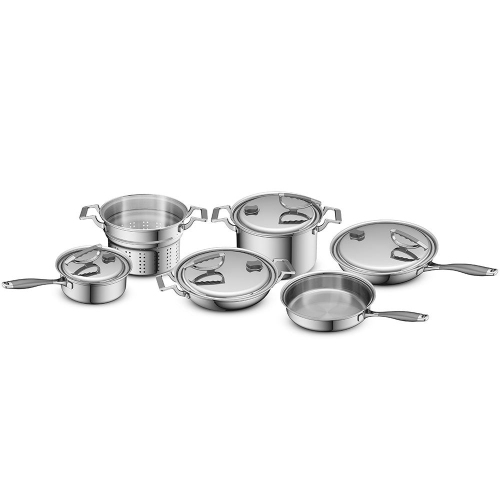
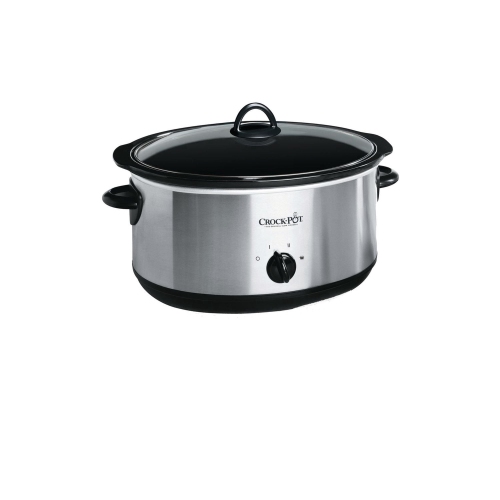
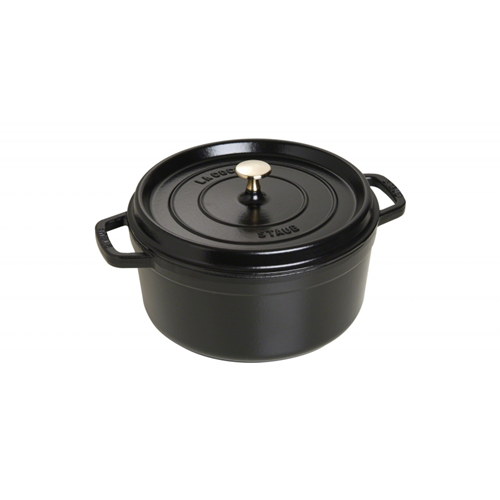
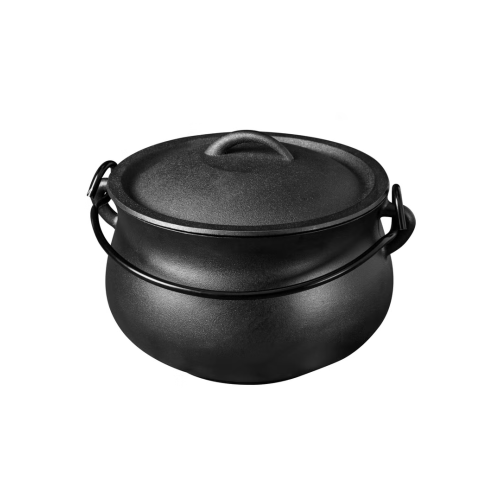

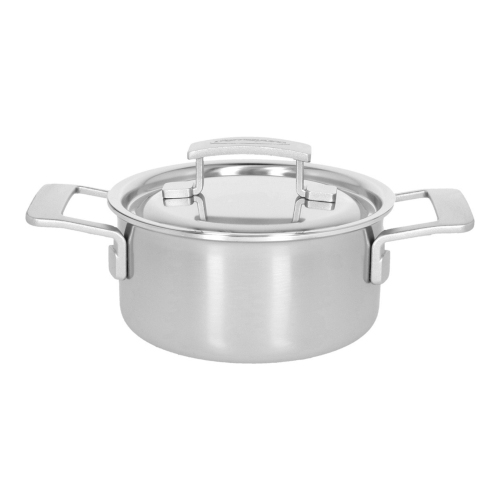
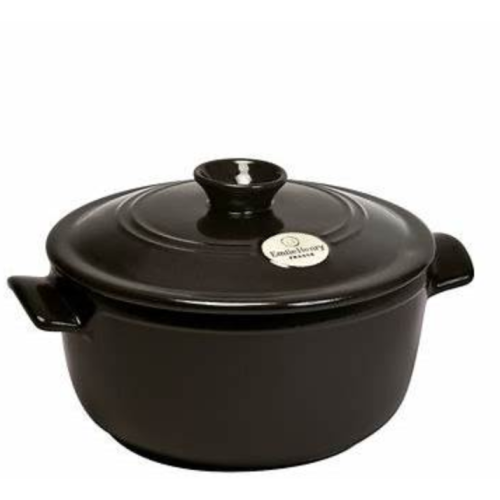
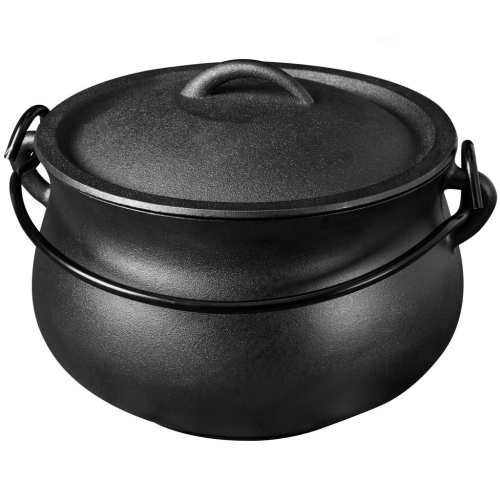
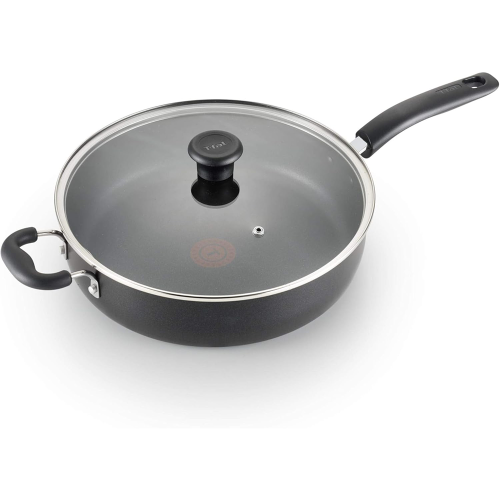
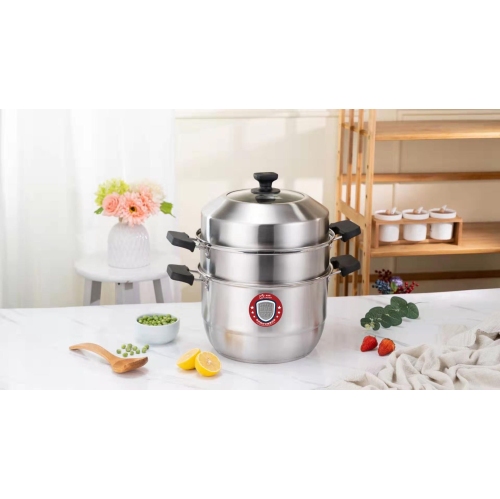
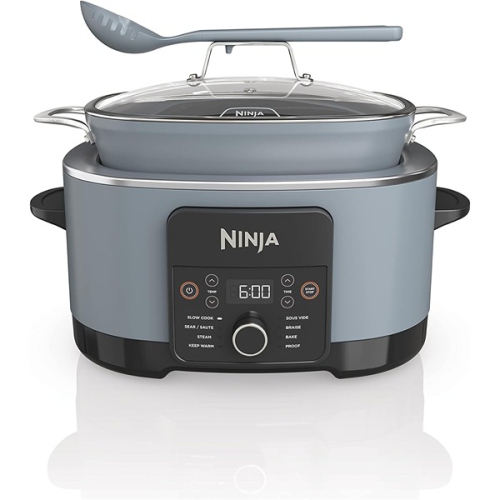
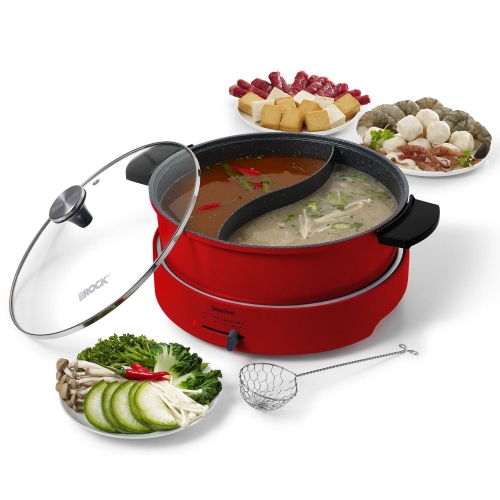
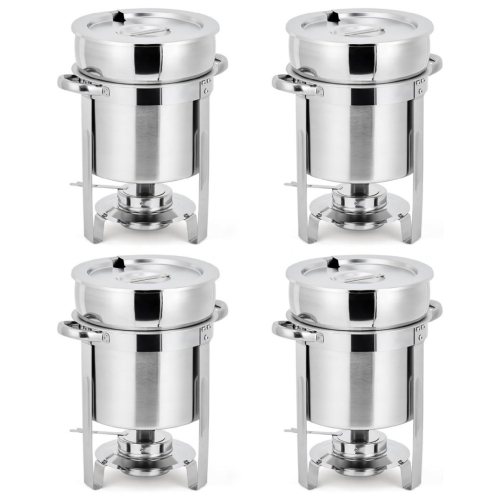
Bigger batches need more than extra pot capacity
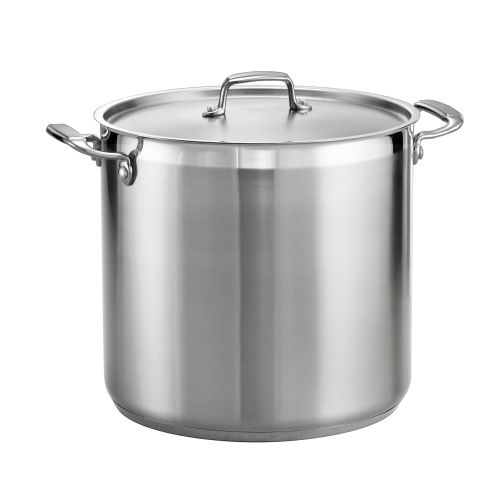
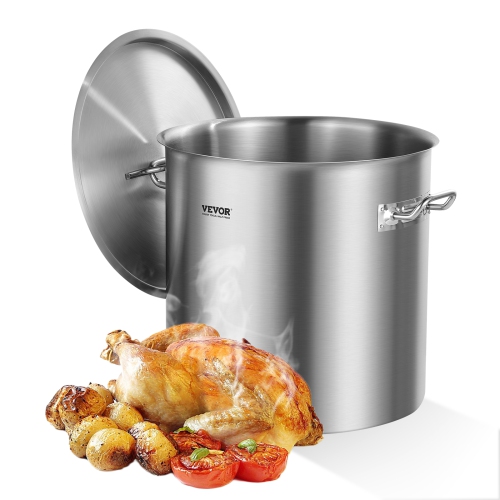
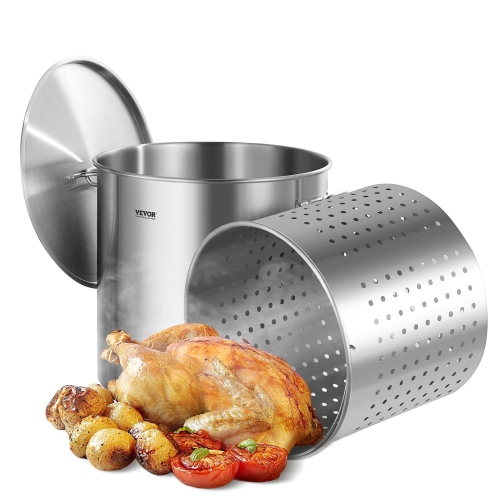
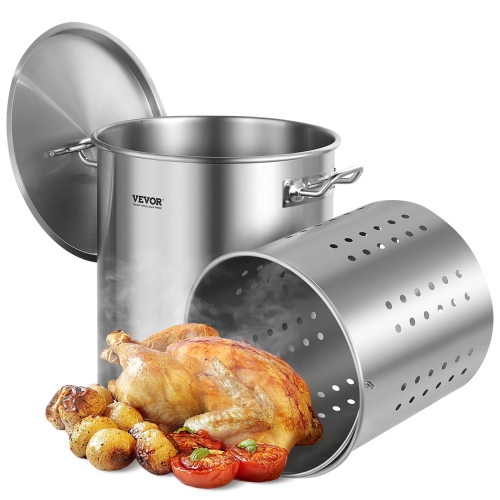
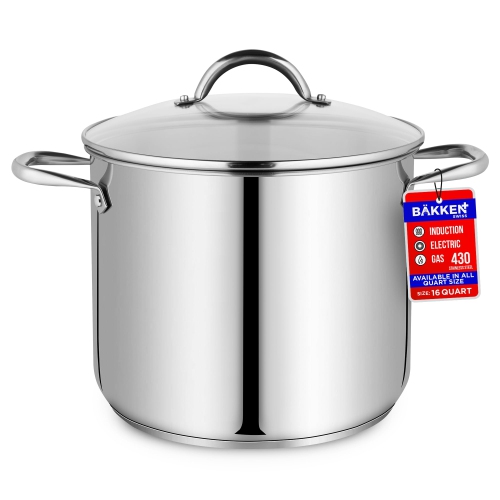
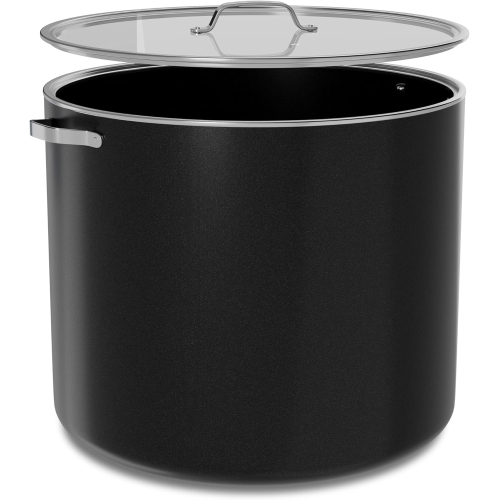
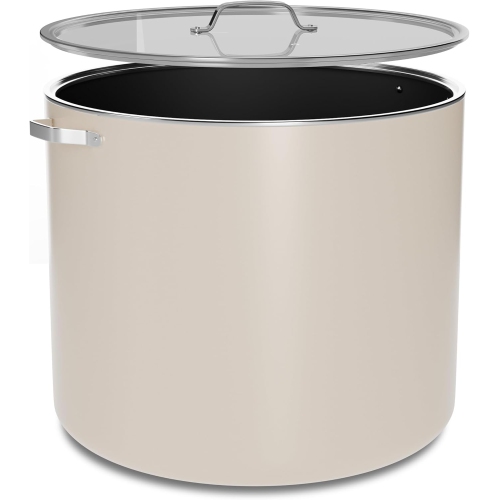
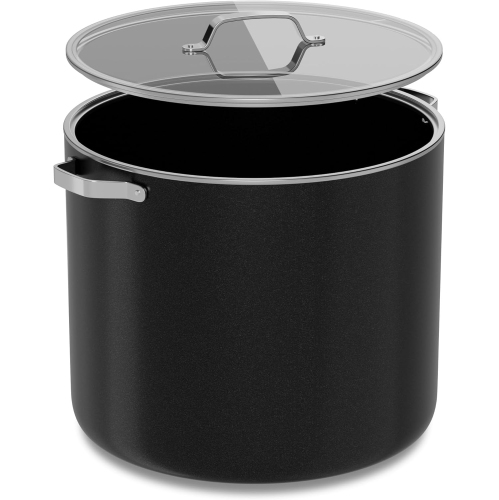
Large stock pots are deep, high-capacity cooking vessels designed for preparing generous batches of broth, soup, pasta, beans, and other foods that need plenty of liquid or room to move. Their tall sides make them useful for simmering a chicken carcass with vegetables, boiling corn on the cob, or preparing enough tomato sauce for several family meals. Capacities are usually expressed in litres, with larger household pots commonly holding around 8 to 20 litres or more. The stated capacity generally describes how much the vessel holds when full, rather than the amount that can be cooked comfortably without splashing or boiling over. Extra space above the ingredients matters, especially for starchy pasta water, foaming beans, and bulky vegetables that settle as they cook. A pot for weekly soup preparation may need less capacity than one intended for seafood boils or cooking for extended family gatherings. Shape also affects everyday use: a taller, narrower vessel can accommodate bones and vegetables without taking up as much stovetop space, while a wider design offers more room for stirring and browning ingredients before liquid is added. The best fit depends on the cooking surface as well as the recipe. Base diameter, clearance beneath a range hood or microwave, and space beside neighbouring cookware all become important as capacity increases. A large pot should sit securely on the burner or cooking zone without crowding controls or extending beyond the appliance’s permitted cookware dimensions. Weight deserves equal attention, since each litre of water adds approximately one kilogram before the pot and ingredients are counted. For cooks who regularly carry a filled pot from the sink to the stove, a manageable size and comfortable two-handed grip can be more useful than the largest possible capacity. Checking cupboard depth, shelf height, and sink space also helps distinguish a practical everyday vessel from one that is difficult to store or wash.
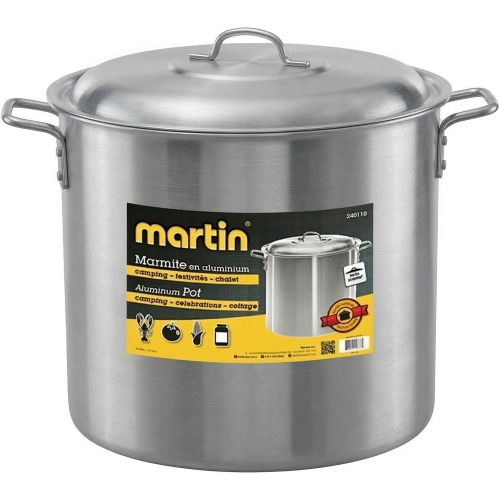
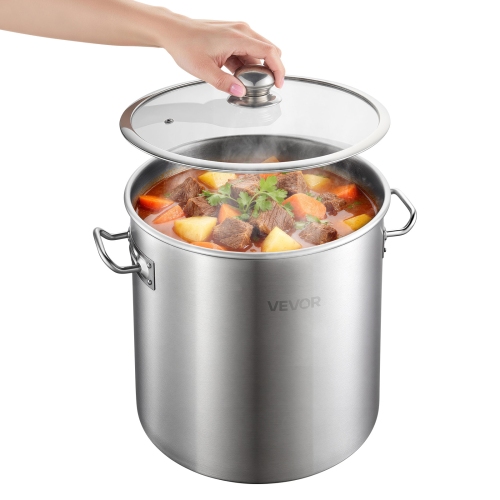
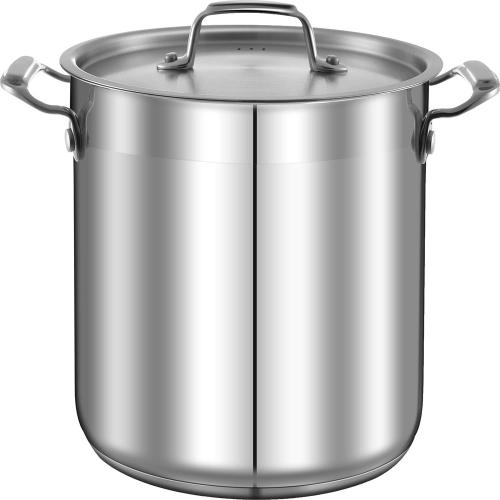
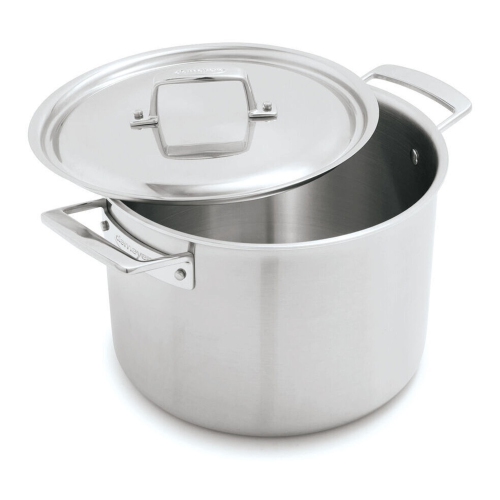
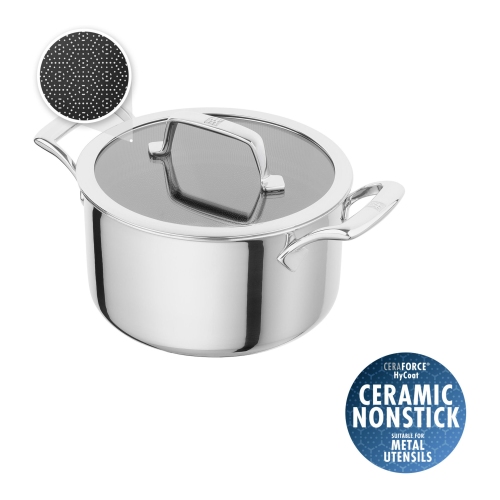
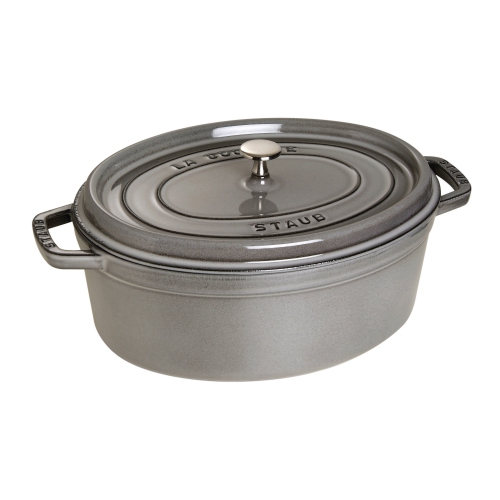
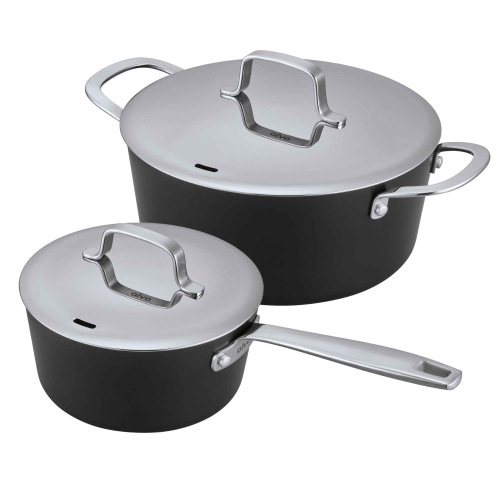
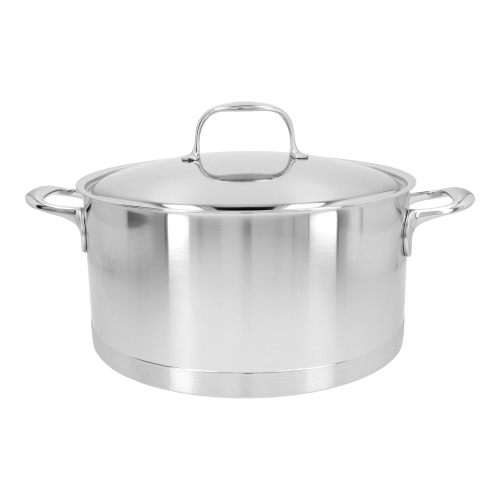
Materials and construction influence how a large stock pot heats, how much it weighs, and the kinds of cooking it suits. Stainless steel is durable, resists rust under normal care, and works well with a wide range of ingredients, including acidic tomato sauces. Because stainless steel alone does not distribute heat particularly well, many designs incorporate an aluminum core or a layered base to spread heat across the cooking surface. A bonded base concentrates that heat-spreading construction underneath the pot, while fully clad cookware carries its layered construction through the sides as well. For shoppers comparing this material, Stainless Steel Stock Pots offer a useful focus for durable, versatile cookware. Aluminum generally weighs less than stainless steel and conducts heat readily, which can make a substantial vessel easier to handle when empty. Bare aluminum can react with acidic ingredients, whereas anodized or coated surfaces have different care requirements and cooking characteristics. Enamelled designs provide another option, although their underlying material determines much of their weight and heating behaviour, and the enamel needs protection from chips. Compatibility should be confirmed for the intended cooktop: induction requires a suitable magnetic base, and aluminum cookware needs an induction-compatible layer to work on that surface. Flat, stable bases are particularly important on smooth glass cooking surfaces. Handle design is another meaningful difference, not just a finishing detail. Generous side handles provide room for oven mitts, while secure attachment helps support the vessel during lifting. Metal handles can become hot, so their appearance alone is not a reliable indication that they are safe to touch. A well-fitting lid helps retain heat and limit evaporation when appropriate for the recipe. Glass lids allow a view inside without lifting, while metal lids avoid the added weight and breakage considerations of glass. Oven suitability, including the limits of lids and handles, varies by construction and should be checked separately from stovetop compatibility.
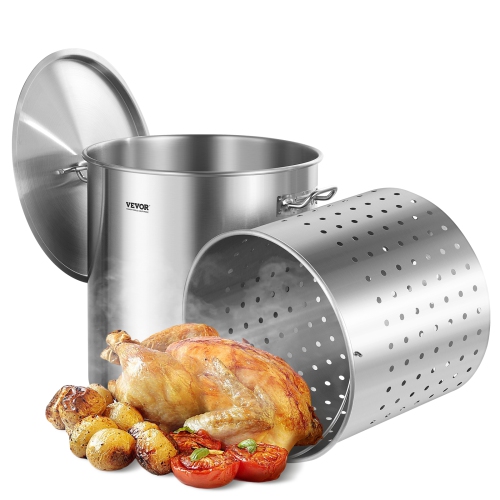
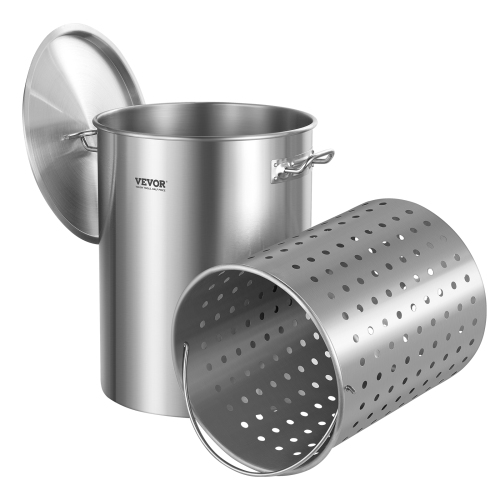
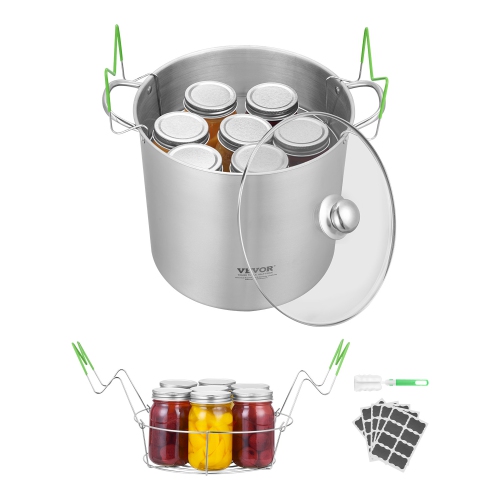
The most useful features are often the ones that make repeated cooking and cleaning less cumbersome. A smooth interior gives a spoon or ladle fewer places to catch, and clear capacity markings can help when measuring liquid for a familiar soup recipe. A sturdy rim and balanced handles matter when pouring, although draining a large quantity of boiling water still requires particular care. Pasta inserts or steamer baskets, when compatible with the vessel, can separate food from cooking liquid without requiring the entire pot to be tipped. They also occupy space, so usable capacity depends on the complete setup rather than the outer pot alone. Large stock pots can suit batch cooks filling freezer containers, households preparing meals for several people, and enthusiastic home cooks who prefer making broth from scratch. They can also make a thoughtful housewarming or wedding gift when the recipient’s kitchen space and cooking habits are known. For preserving, a sufficiently deep pot may serve as a boiling-water canner only when it accommodates a suitable rack and the required water coverage specified by a tested recipe. An ordinary stock pot is not a pressure canner and cannot replace one for foods that require pressure processing. Care requirements are similarly worth considering before choosing a material. Handwashing may be preferable or required, particularly for coated finishes and certain aluminum constructions; dishwasher suitability should never be assumed. Allowing cookware to cool before washing reduces the risk of thermal shock, while soaking loosened food residue can reduce the need for forceful scrubbing. Abrasive tools can scratch polished surfaces or damage coatings, and prolonged contact with salty or acidic food may affect some materials. Thorough drying helps prevent water marks and keeps rims, handles, and lid edges clean between uses. With a capacity that matches the household, construction suited to the cooktop, and handles that feel secure, a large stock pot can become a dependable part of everyday meal preparation rather than cookware reserved only for the biggest gatherings.
Top selling and popular products
-
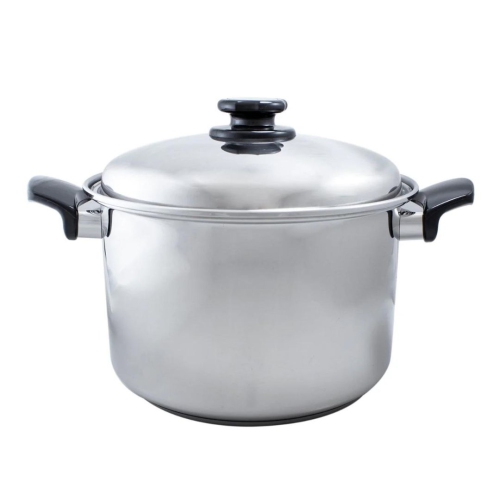 Your price for this item is $321.99
-
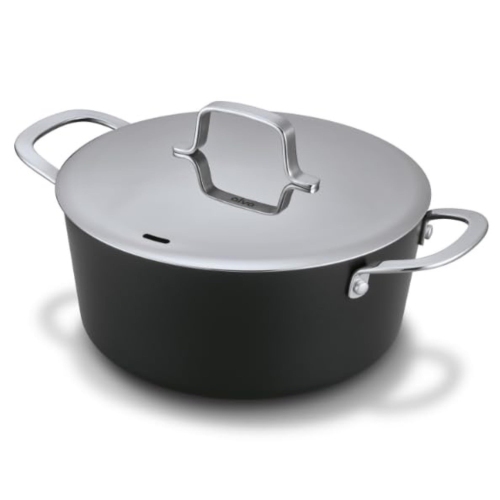 Your price for this item is $229
-
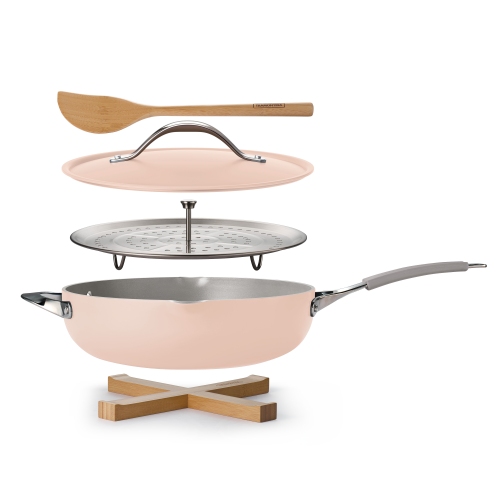 Your price for this item is $144.57
-
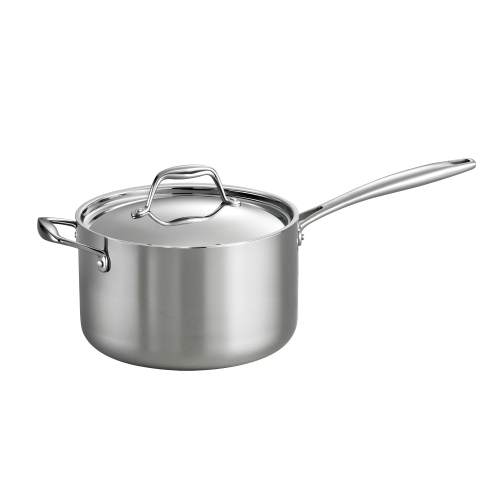 Your price for this item is $113.63
-
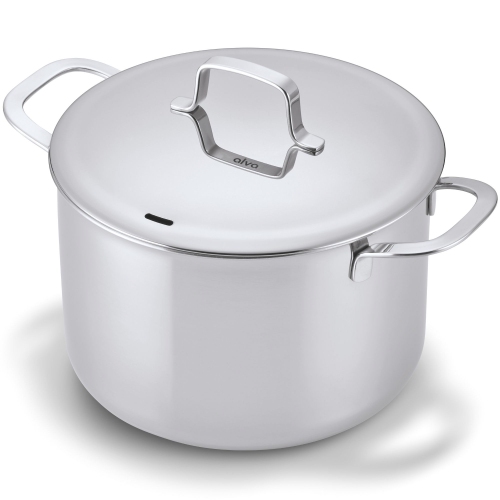 Your price for this item is $289
-
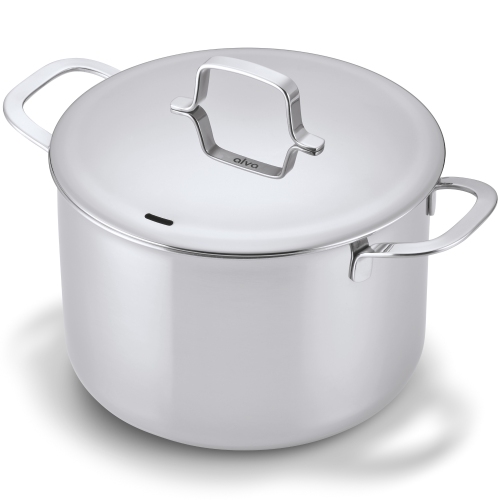 Your price for this item is $329
-
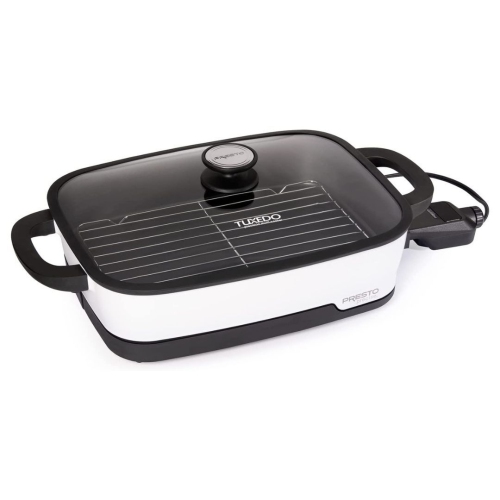 Your price for this item is $382.99
-
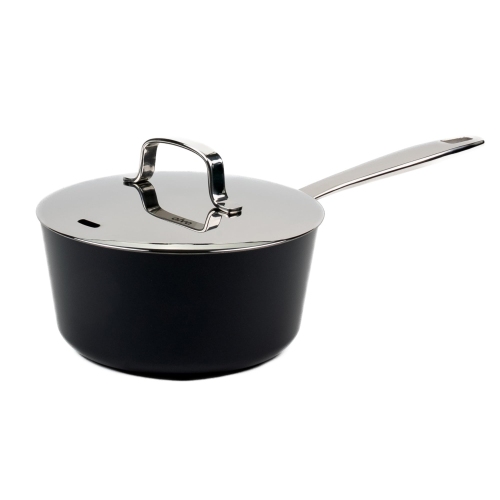 Your price for this item is $189
Discover more categories related to Large Stock Pots
Top Collections:
Best Black Friday Deals This Year, Best Black Friday Deals On Electronics, Kindle Devices, Dyson Airwrap, Best Cameras for Sports Photography, Best Black Friday Deals On Apple Products, PS5 Pro Consoles, Portable Snow Blowers, Canon G7X Cameras, Pokémon 30th Celebration Cards
Some products may be subject to Environmental Handling Fees
(EHF) depending on your province.
Learn more about EHFs.