LED Ceiling Fans With Remote
Upgrade your home’s comfort and style with an LED Ceiling Fan With Remote. Perfect for living rooms, bedrooms, or offices, these versatile fans offer a modern solution to cooling and lighting any space. The convenience of remote control operation makes it easy to adjust settings from anywhere in the room. Explore a wide selection of LED Ceiling Fan With Remote options designed to complement any décor while delivering efficient performance for year-round enjoyment.
Sort
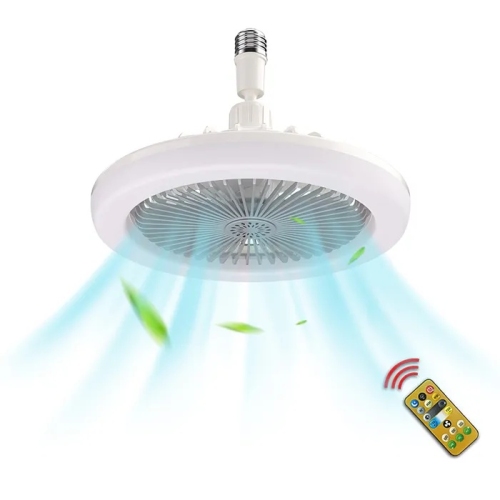
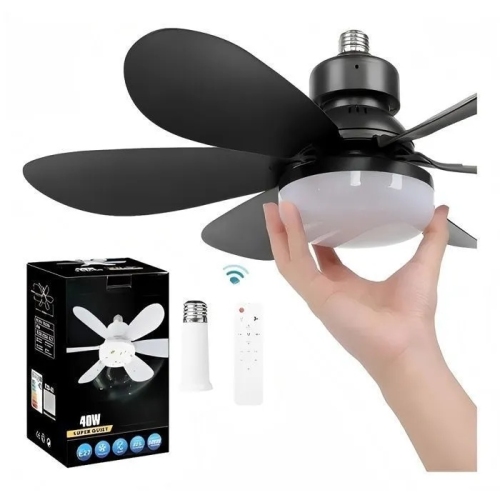

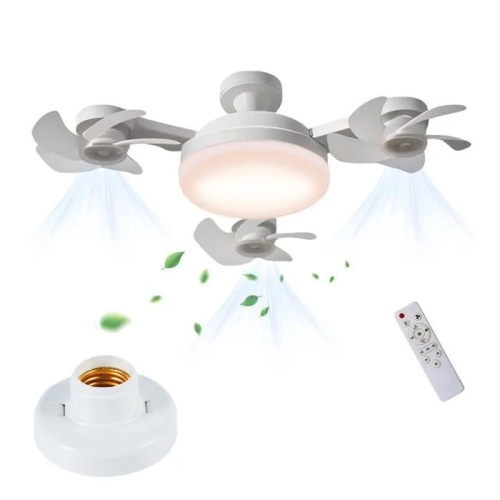

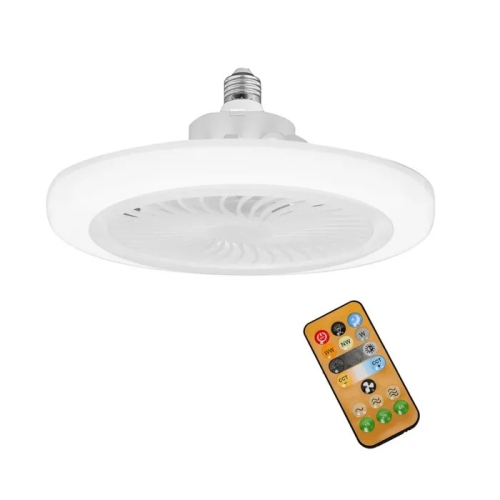
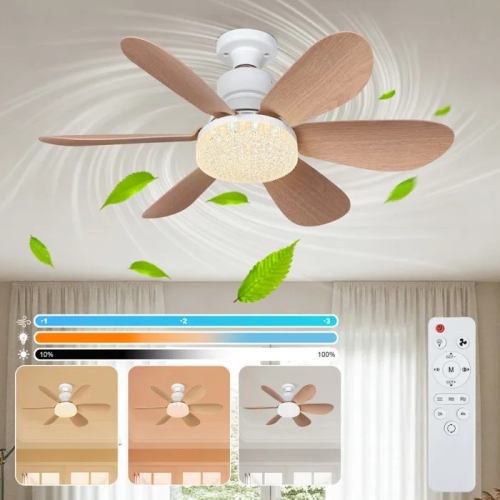
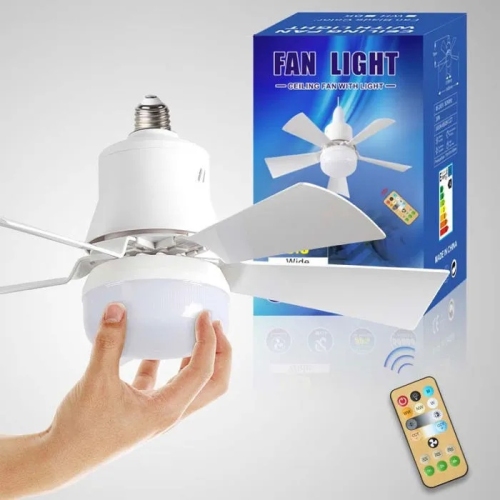
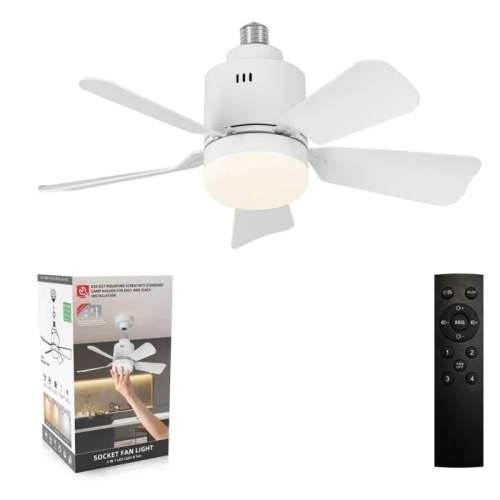

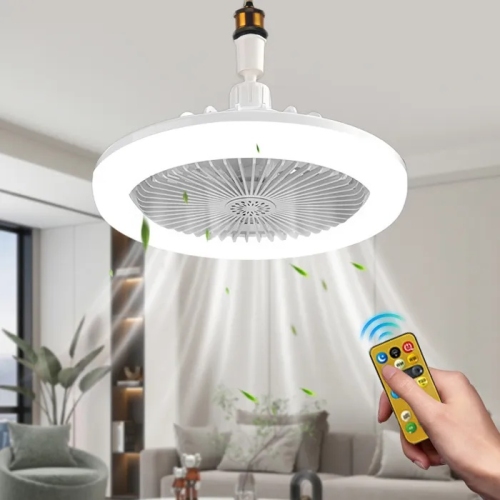
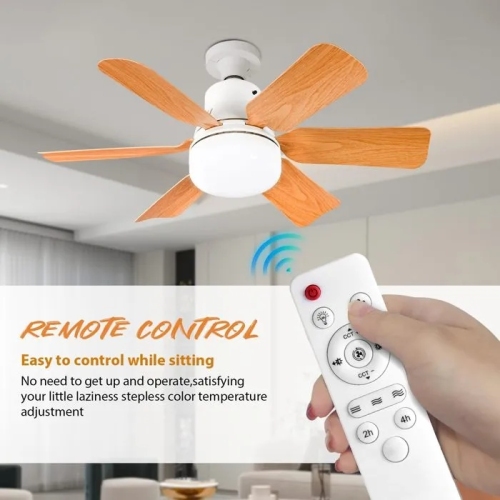
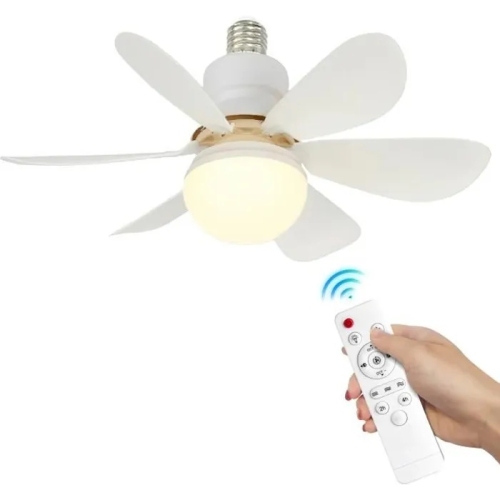
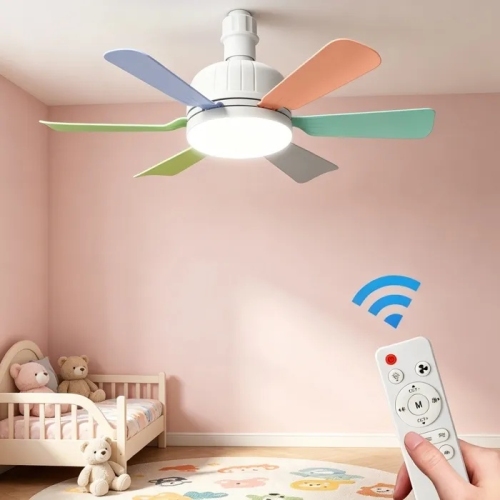
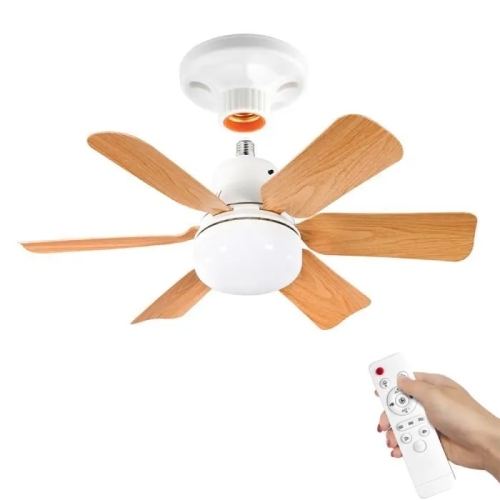
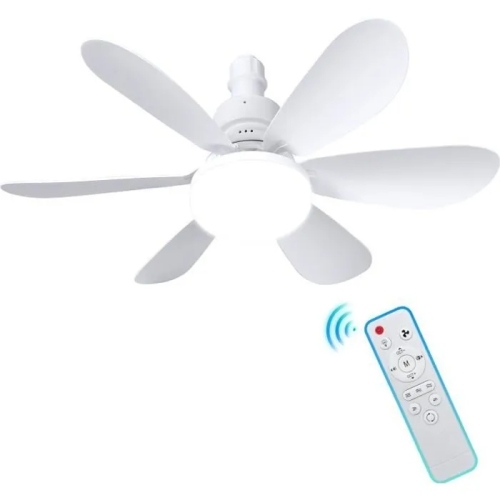
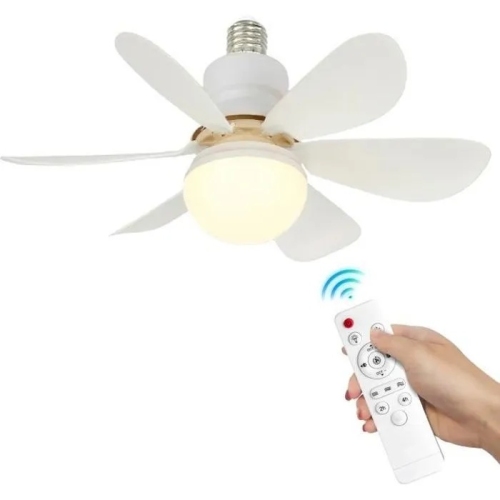
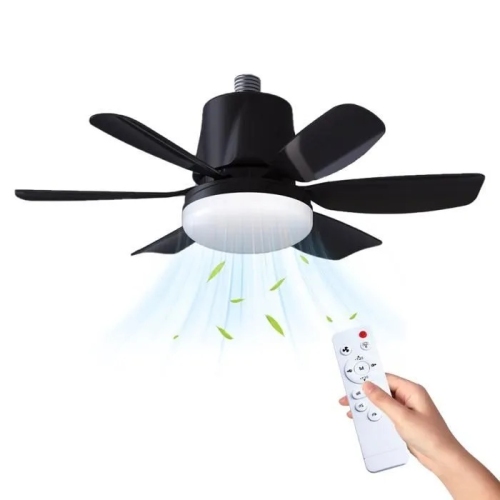
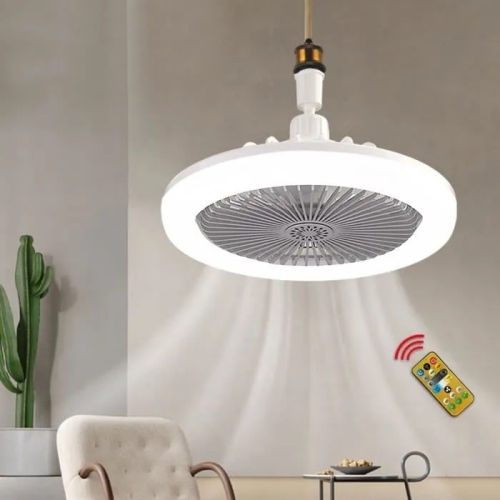
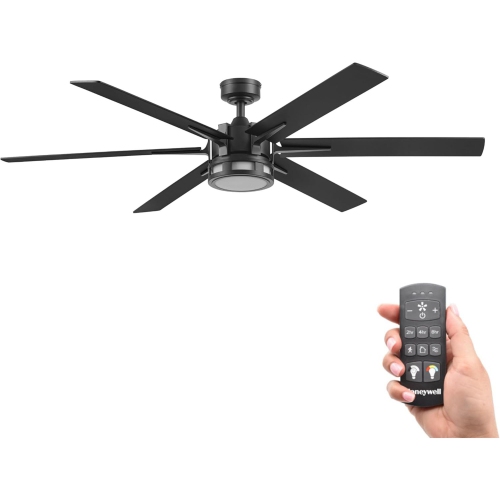
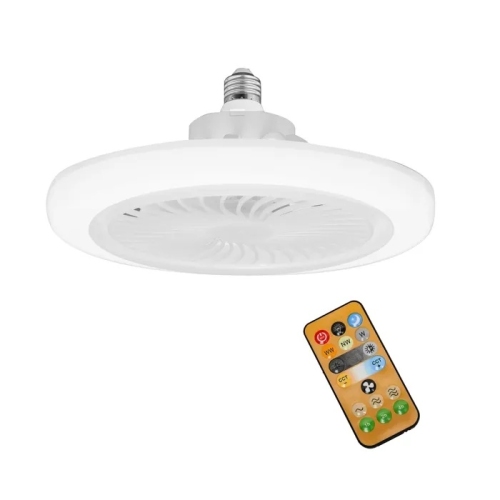

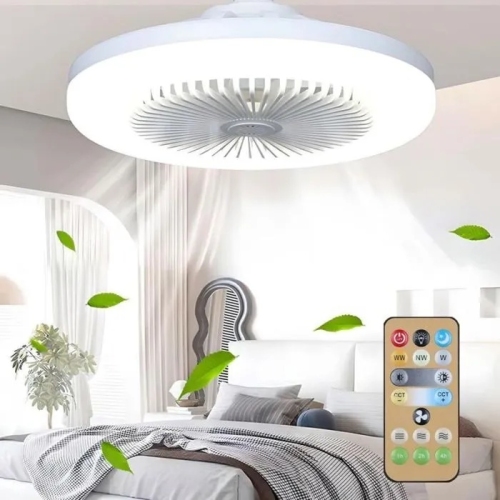
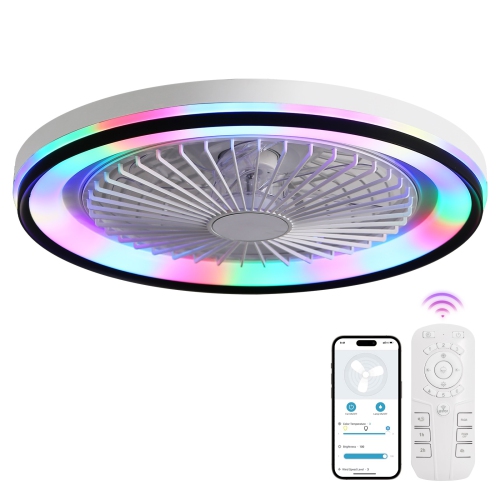
Light and airflow control from your favourite seat
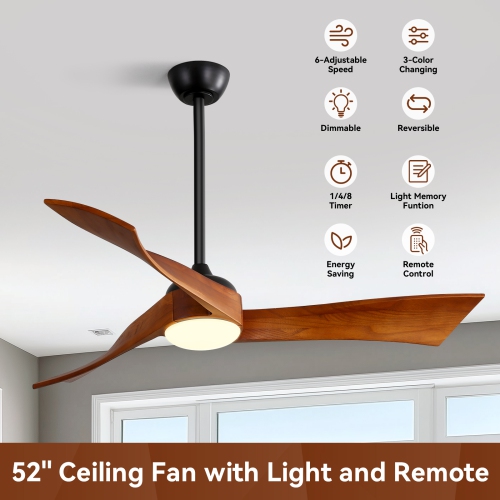
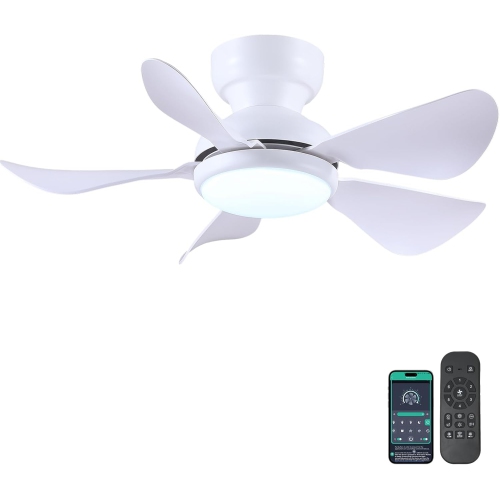
LED ceiling fans with a remote combine overhead air circulation, LED lighting, and wireless control in a single fixture. They suit rooms where both light and airflow are useful, especially when reaching a wall switch or pull chain is inconvenient. From a bedside table, sofa, or home office chair, a handheld remote can put everyday adjustments within easy reach. Depending on the design, those adjustments may include fan speed, light brightness, light colour, a timer, or the direction of blade rotation. Separate controls for the fan and light are particularly useful: a bedroom may need gentle airflow with the light off, while a dining area may need illumination without the blades turning. Lighting arrangements vary, with some fans using an integrated LED module and others accepting replaceable LED bulbs. An integrated light can create a neat, low-profile appearance, while a bulb-based design may offer more flexibility when replacing the light source. Brightness is best assessed through lumen output rather than wattage alone, and the shade or diffuser also affects how light spreads across the room. A broad diffuser can soften the appearance of the light, although a central ceiling fixture may still need support from a reading lamp or task light over a work surface. Where adjustable light colour is supported, a softer tone can complement a relaxed sitting area, while a more neutral tone may suit everyday activities. Dimming is another useful feature, but it needs to be supported by the fan’s lighting system and controls. Within the wider selection of LED Ceiling Fans, remote-equipped designs offer a practical way to manage these functions without adding a separate wall control, provided the chosen fixture supports the desired settings. They can be especially convenient in bedrooms, living rooms, and shared spaces where different activities call for different combinations of light and airflow throughout the day.
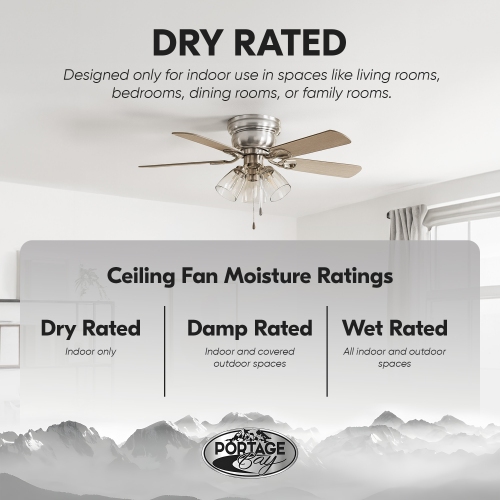
The right fit depends on more than the appearance of the fixture. Blade span, ceiling height, room layout, and mounting requirements all influence how well a ceiling fan works in its intended space. A compact fan may look balanced in a small bedroom, while a larger open living area may need a wider blade span and greater airflow capacity. Published room-size recommendations are a useful starting point, but the placement of walls, tall furniture, and other ceiling fixtures also matters. Blades need the clearances specified by the manufacturer, including enough space above the floor and away from nearby obstacles. Low-profile mounts can suit some lower ceilings, whereas higher ceilings may require a compatible downrod to position the fan appropriately. Sloped ceilings need particular attention because not every canopy or mounting system accommodates an angled surface. The electrical box and supporting structure must be rated for a ceiling fan; a box intended only for a light fixture may not provide the necessary support. A qualified electrician can assess the wiring, mounting location, and compatibility with existing switches before installation. Materials also affect appearance, upkeep, and suitability. Metal housings can provide a crisp, structured look, while wood or wood-look blades add texture beside upholstered furniture and cabinetry. Moulded plastic blades can offer smooth surfaces that are straightforward to wipe clean. Finish quality, secure hardware, and well-balanced blades matter more than weight alone when considering durability and steady operation. White finishes can blend into a pale ceiling, darker finishes create a stronger outline, and brushed metallic details can coordinate with nearby hardware. For a covered porch or another space exposed to moisture, the fan must carry the appropriate location rating; an indoor-only fixture is not a substitute. Even within the home, a room with persistent humidity calls for careful attention to the manufacturer’s stated use. Choosing around the actual room, rather than appearance alone, helps the fixture feel proportionate and keeps its installation requirements clear.
Daily usability often comes down to details that are easy to overlook in a photograph. A remote with clearly separated fan and light buttons can make adjustments simpler, particularly beside a bed where the controls may be used without bright overhead lighting. A wall cradle gives the handset a regular place to live, which can be helpful in a family room where it might otherwise disappear between sofa cushions. Timer settings can limit how long the fan runs, while a light memory function, when included, may restore a preferred setting after normal use. These behaviours differ between designs, so it is worth checking what happens after the wall switch is turned off and back on. A remote receiver generally needs electrical power to respond, and an ordinary wall dimmer should not be assumed compatible with the fan motor or LED lighting. Smart controls, app access, and voice control are separate features rather than automatic benefits of having a remote. For bedrooms and workspaces, consider the available speed range and any published sound information, not simply the number of speed settings. A gentle low setting may be more useful beside a desk than a powerful maximum setting, and no ceiling fan should be assumed completely silent. Routine care helps preserve smooth operation and a tidy appearance. With the power safely disconnected according to the manufacturer’s instructions, blades and accessible surfaces can usually be cleaned with a soft cloth using approved methods, without soaking the motor housing or light assembly. Dust buildup, loose fasteners, or damaged blades can contribute to uneven movement, so persistent wobbling or unusual noise deserves attention rather than continued use. For long-term ownership, check whether the LED module, remote, receiver, and other service parts can be replaced. LED lights can have a long rated life, but an integrated module is not necessarily user-replaceable. Clear care instructions and accessible replacement parts can make a well-chosen fan easier to maintain as part of an everyday living space.
Top selling and popular products
-
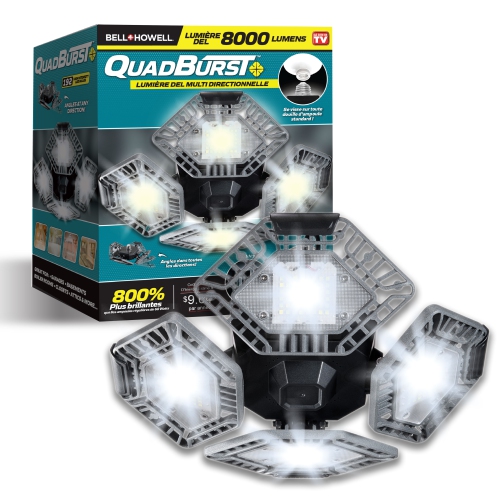 Your price for this item is $49.95
-
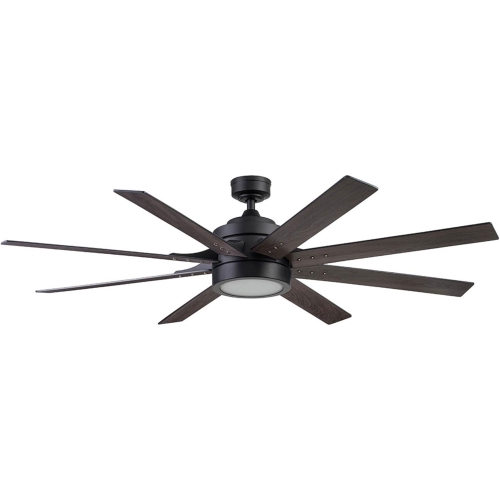 Your price for this item is $385.99
-
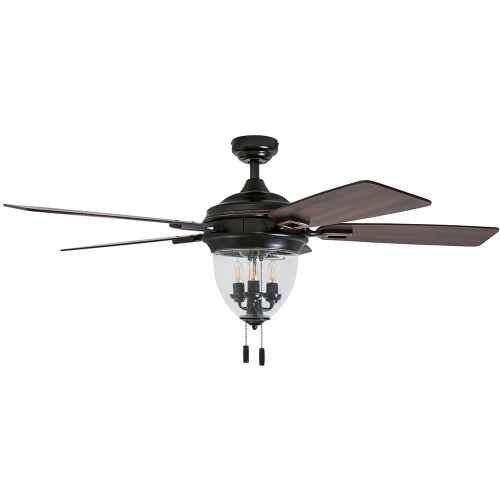 Your price for this item is $287.99
-
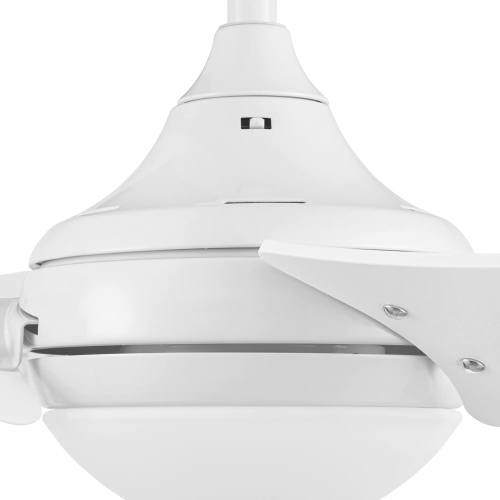 Your price for this item is $187.99
-
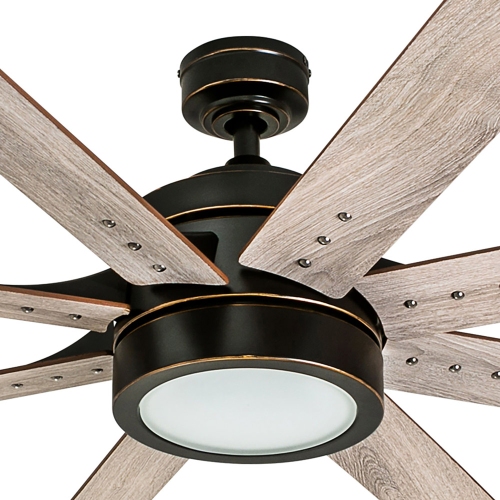
 Your price for this item is $174.99
-
 Your price for this item is $427.99
-
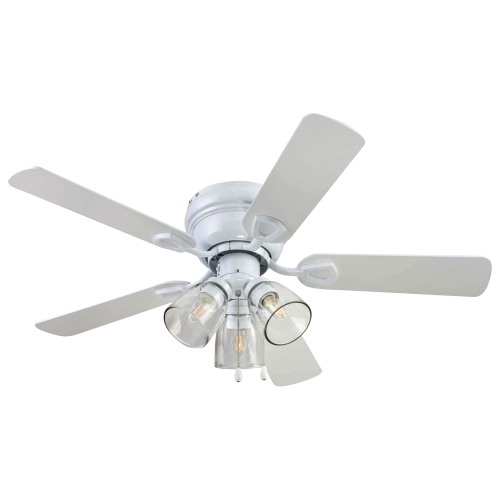
 Your price for this item is $299
-
 Your price for this item is $166.99
Discover more categories related to LED Ceiling Fans With Remote
Top Collections:
Pokemon Centers, Kindle Devices, Best Cameras for Sports Photography, Pokémon 30th Celebration Cards, Apple iPhones 16, Canon G7X Cameras, iPhone 15 Apple, Flip Phones, Samsung Galaxy Phones, Alarm Clock
Some products may be subject to Environmental Handling Fees
(EHF) depending on your province.
Learn more about EHFs.