Luxury Soap Dispensers
Elevate your bathroom or kitchen décor with our exquisite collection of luxury soap dispensers. Combining functionality with sophisticated design, these dispensers are perfect for adding a touch of elegance to any space. Crafted from high-quality materials and featuring sleek, modern aesthetics, our selection ensures that every pump delivers both style and convenience. Whether you're looking to complement a contemporary setting or add a chic accent to a traditional room, you'll find the ideal soap dispenser to suit your taste and enhance your home. Explore our range today and discover how a simple accessory can make a big impact on your daily routine.
Sort
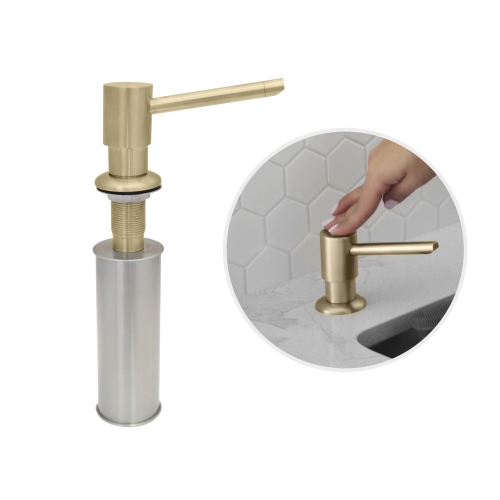
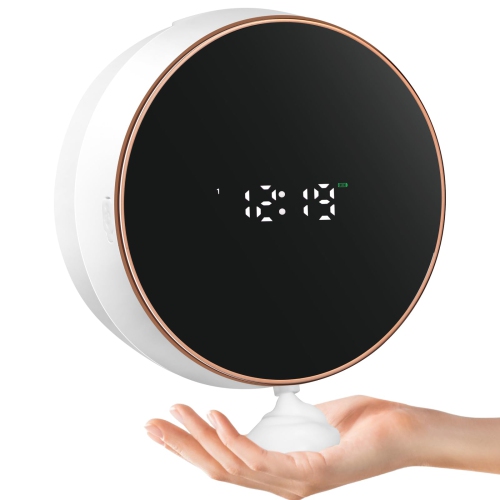
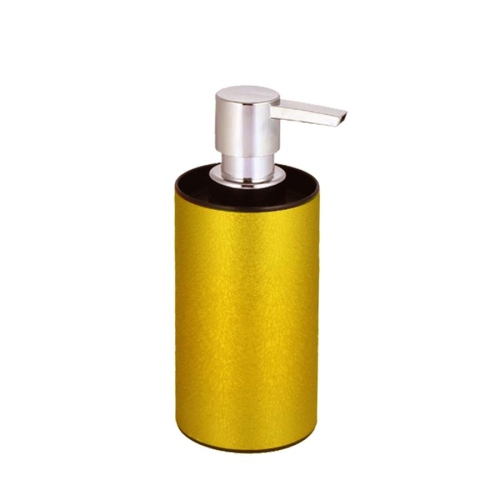
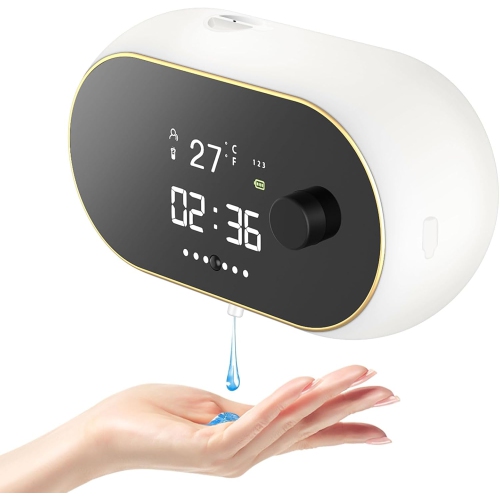


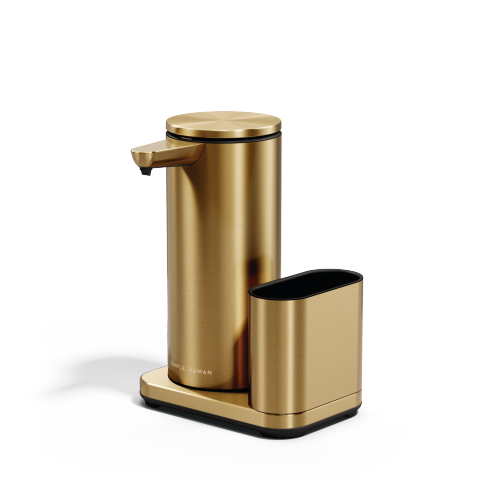
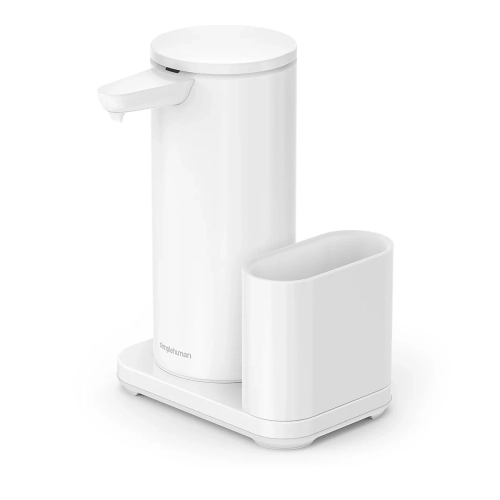
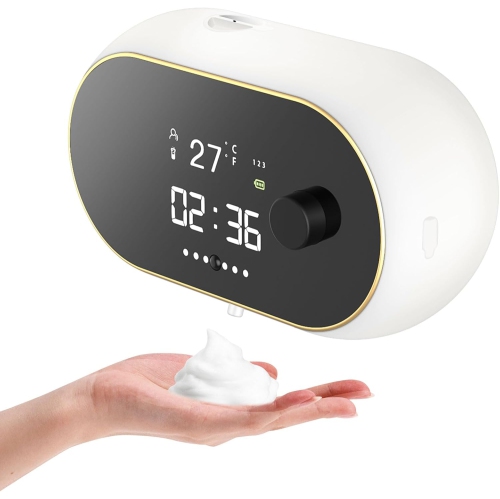


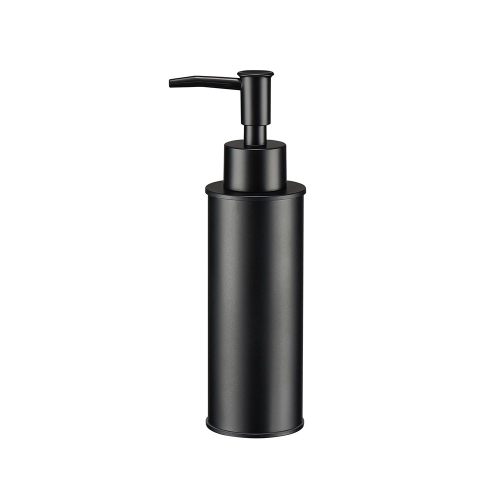


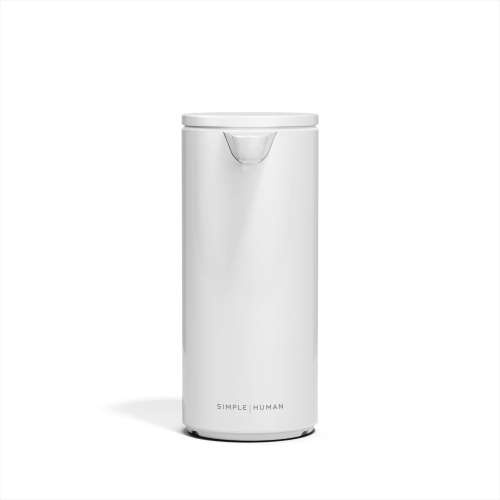
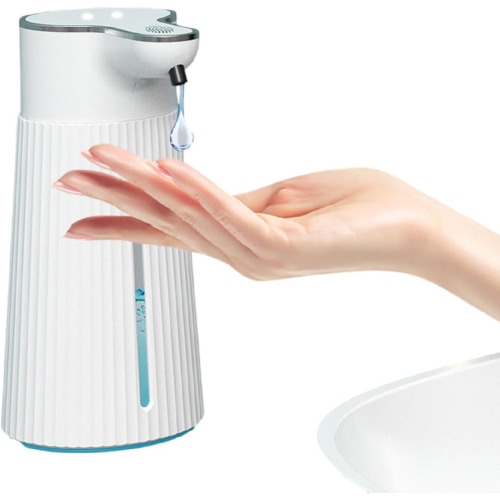
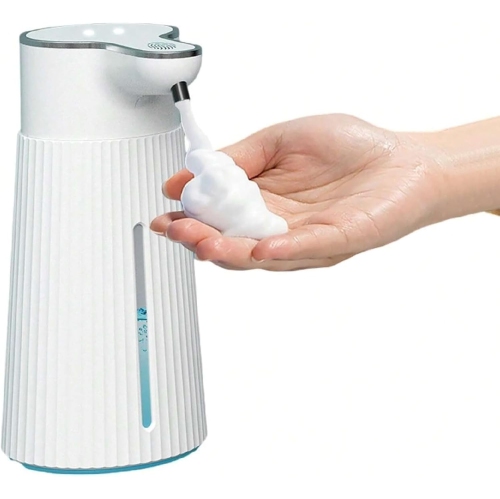
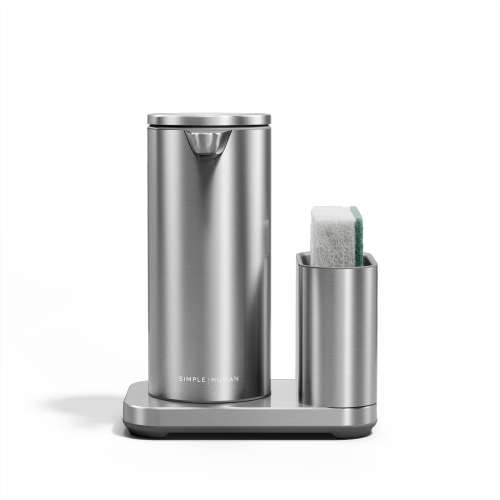
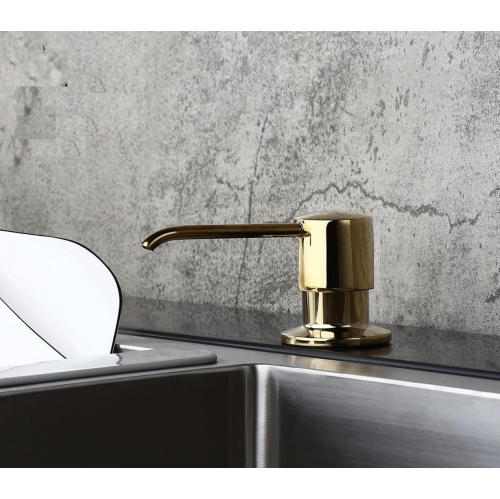
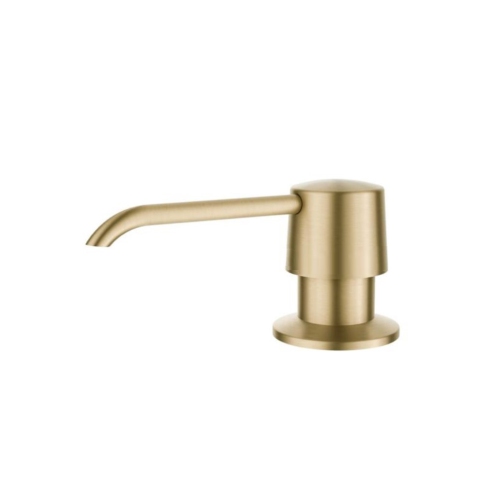
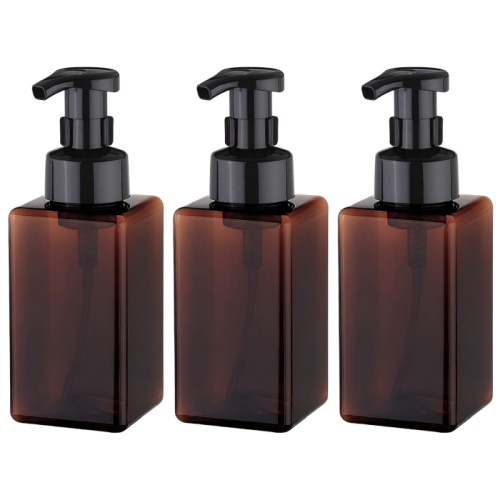
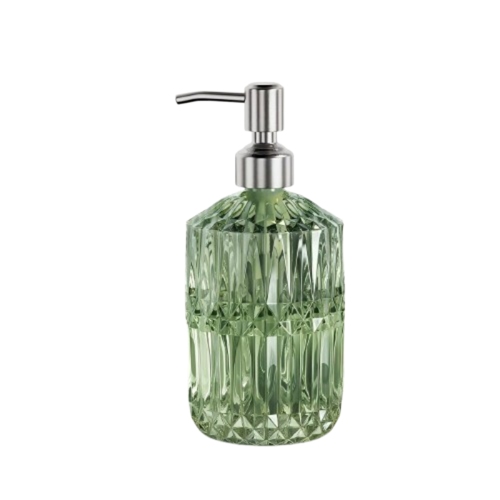




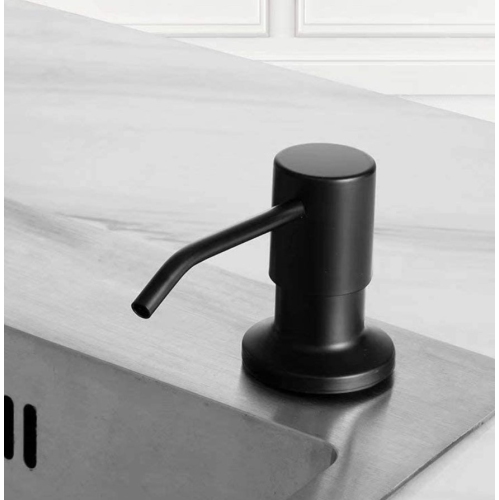
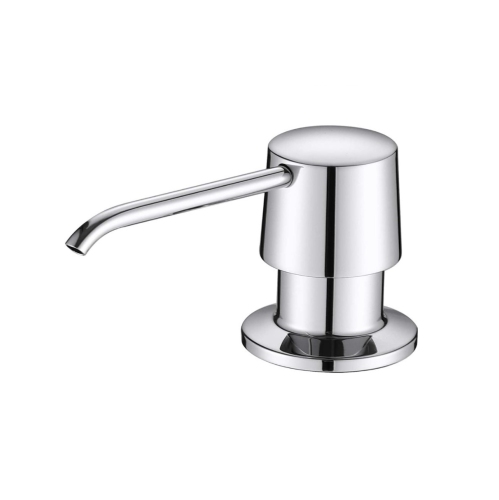
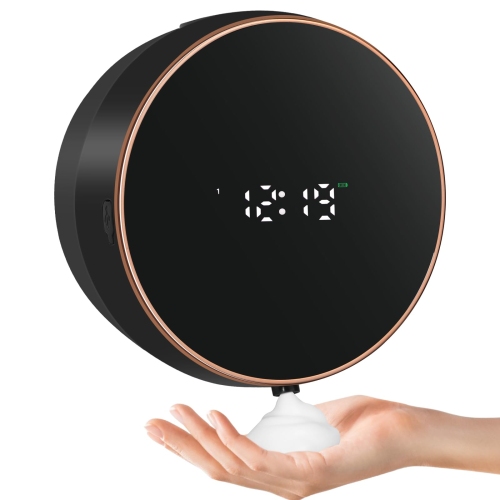

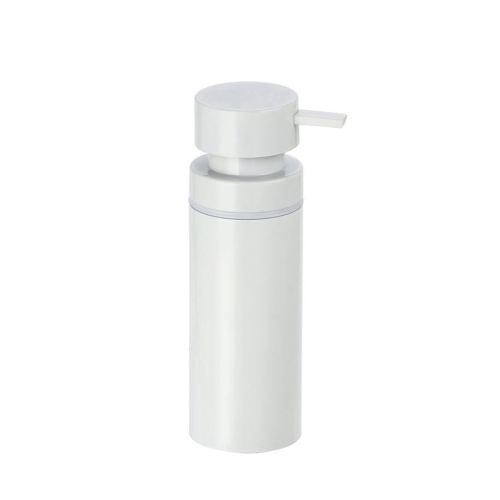









Fine materials are only part of a great dispenser
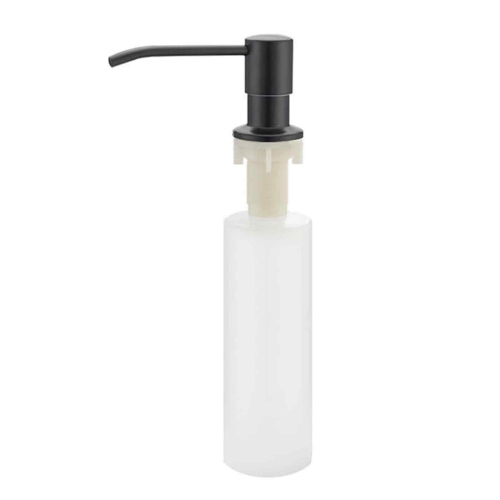
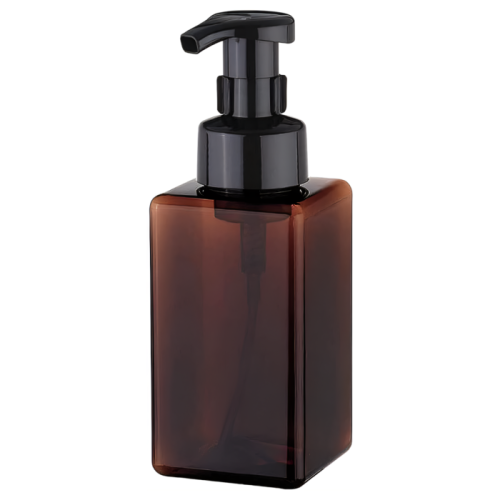
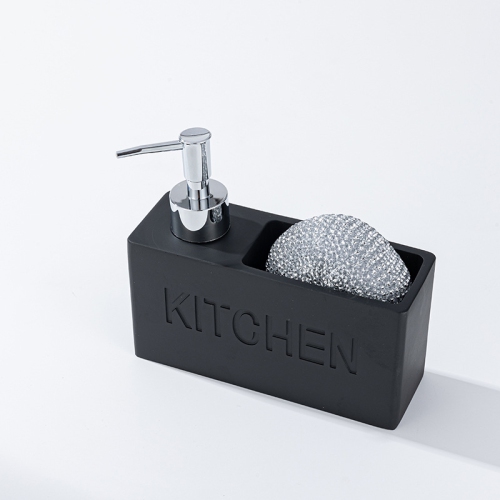
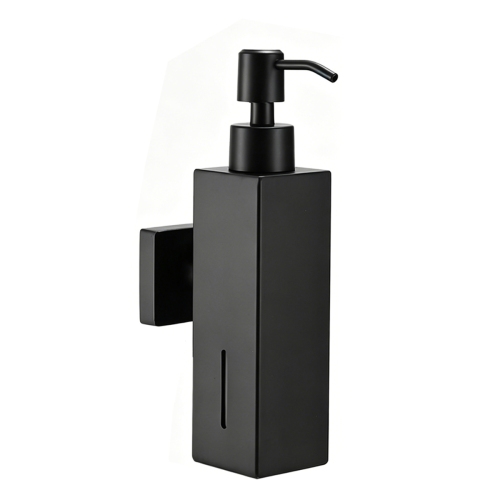
Luxury soap dispensers combine a reusable soap reservoir with a carefully finished pump and a body designed to complement a bathroom vanity, powder room basin, or kitchen sink. Their appeal lies in the details: the weight of stone, the clarity of thick glass, the smooth glaze of ceramic, or the contrast between a matte vessel and a polished metal spout. A well-chosen dispenser gives an everyday washing area a more considered appearance without requiring changes to the sink or cabinetry. Natural marble and onyx bring distinctive veining, so variation in colour and pattern is part of their character rather than a perfectly repeatable design. These materials can feel substantial on a countertop, although their surfaces may need protection from soap spills and acidic cleaners. Glass offers a different effect, from transparent bodies that make the fill level visible to amber, frosted, or textured finishes that soften the appearance of the contents. Glazed ceramic and porcelain suit both simple cylindrical shapes and more sculptural forms, while metal bodies can echo nearby taps, towel bars, and cabinet hardware. Material descriptions matter: a brass pump, a brass-coloured coating, and a solid brass dispenser describe different constructions, with different care needs. Visual coordination does not require an exact match throughout the room. A brushed pump can sit comfortably beside polished fixtures when the shapes and tones feel intentional, while a pale vessel can balance dark cabinetry or richly patterned stone. For a lighter palette, White Soap Dispensers offer a natural connection to porcelain basins, pale towels, and understated vanity accessories. Proportion also shapes the overall impression. A broad, low dispenser can anchor a spacious counter, whereas a slender body leaves more breathing room around a compact basin. In either setting, the most convincing sense of luxury comes from a dispenser that looks at home and feels comfortable to use, rather than from an elaborate finish alone.
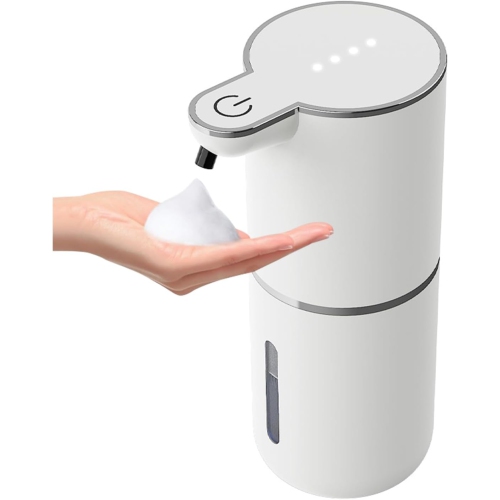
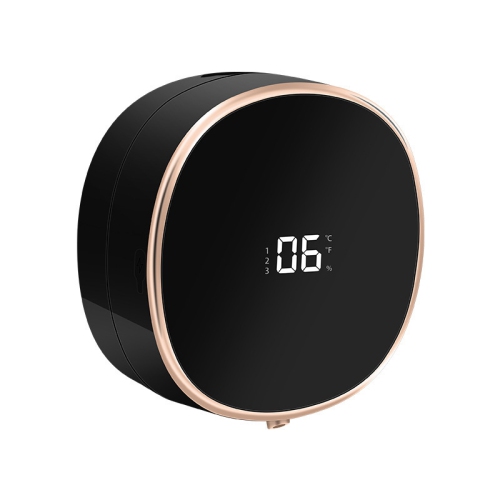
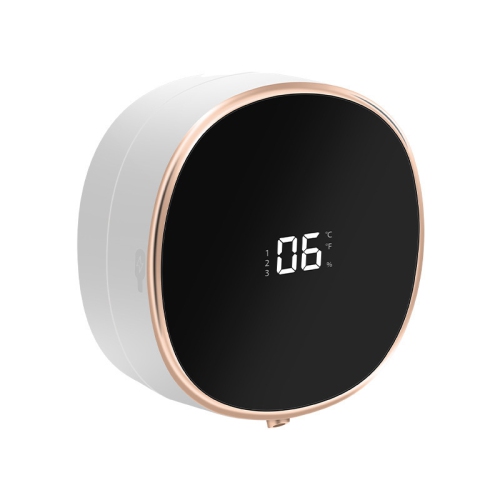
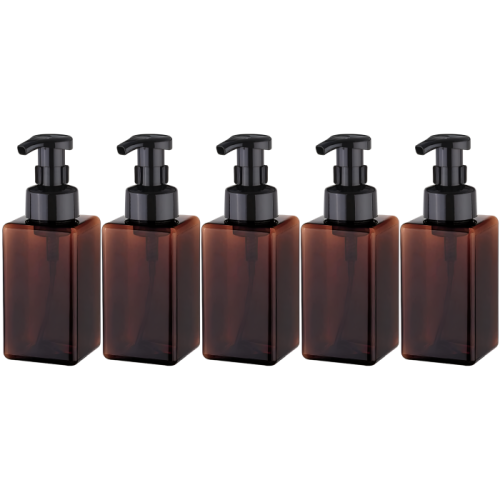
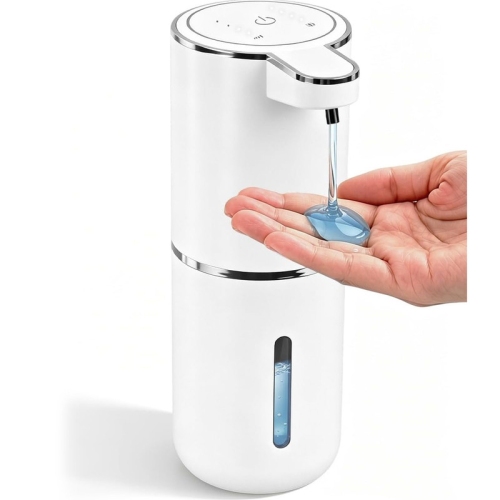
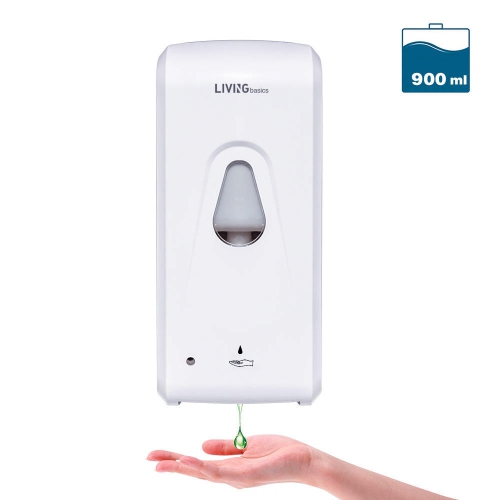
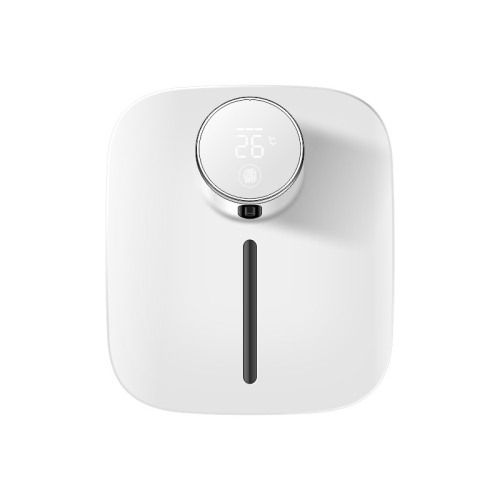
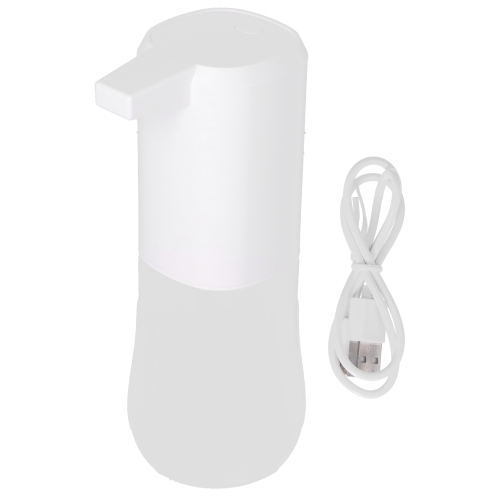
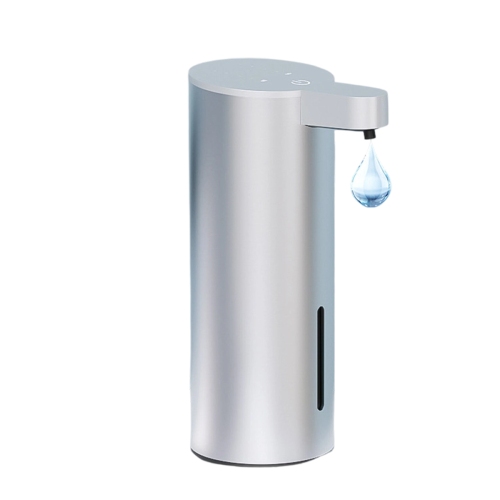
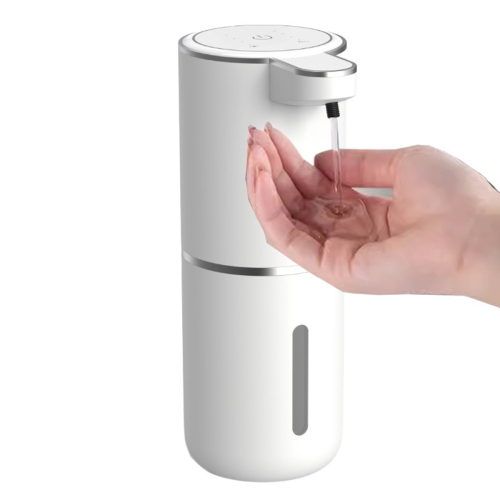
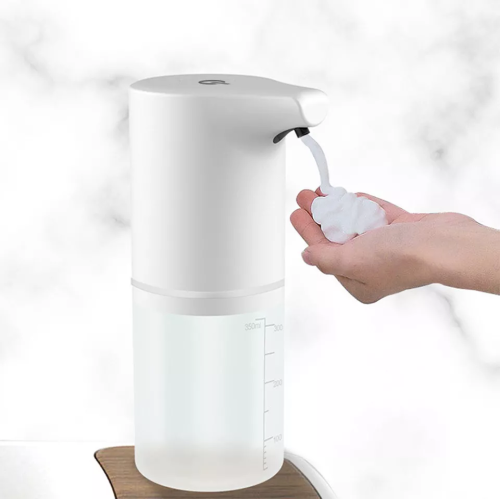
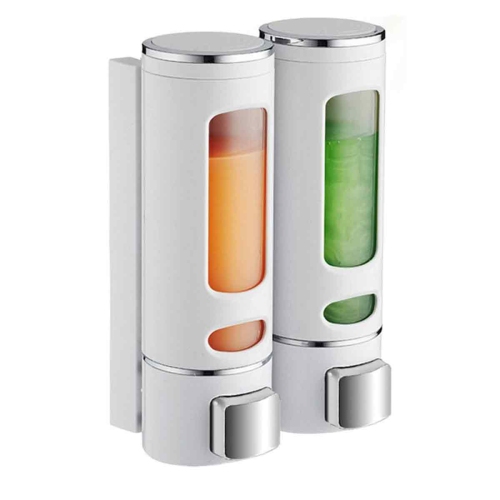
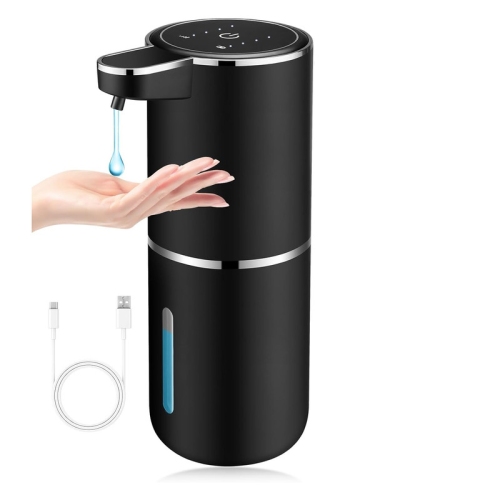
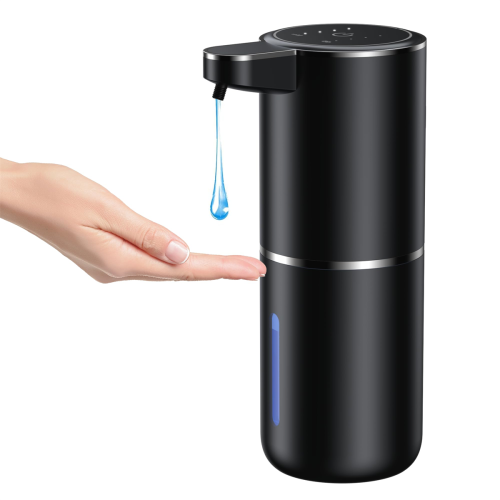
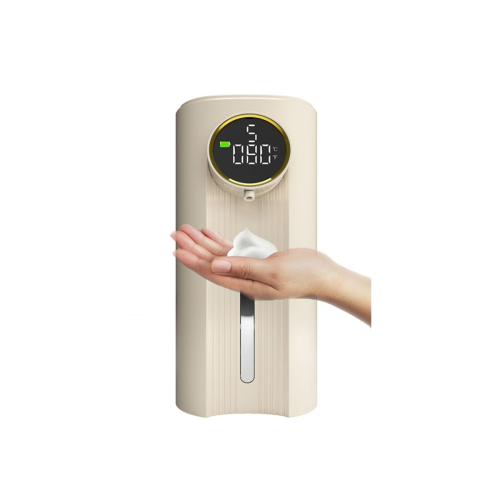
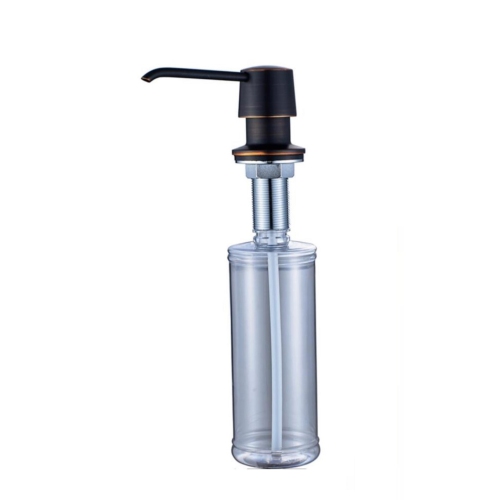
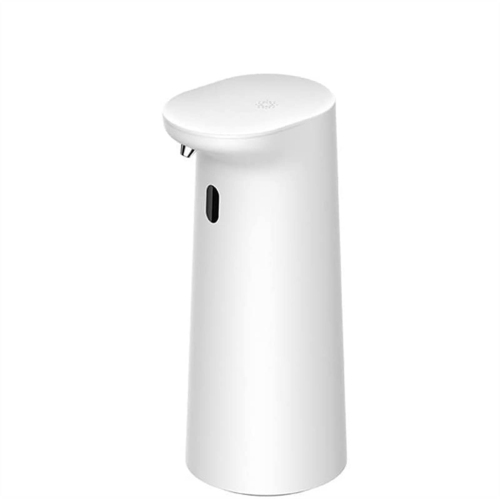
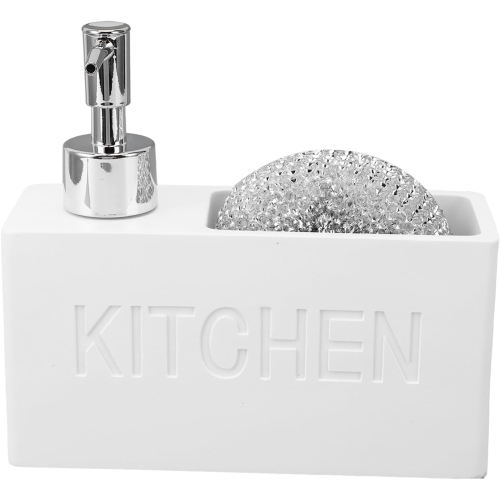
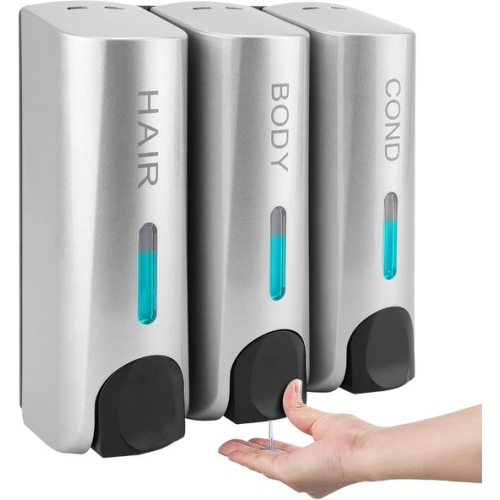
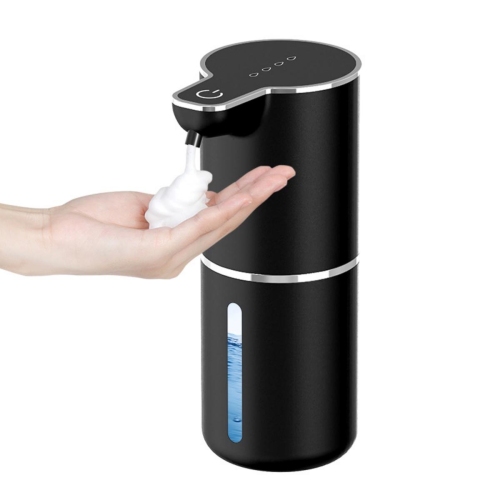
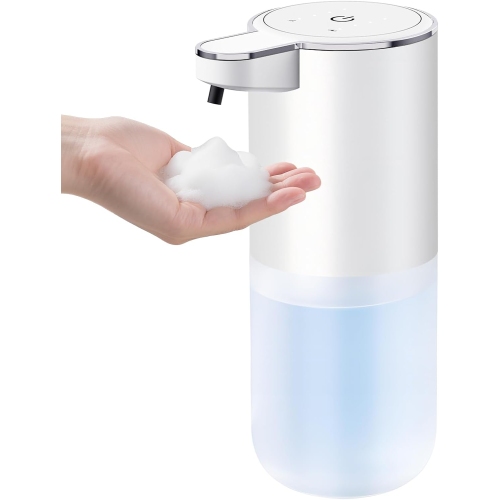
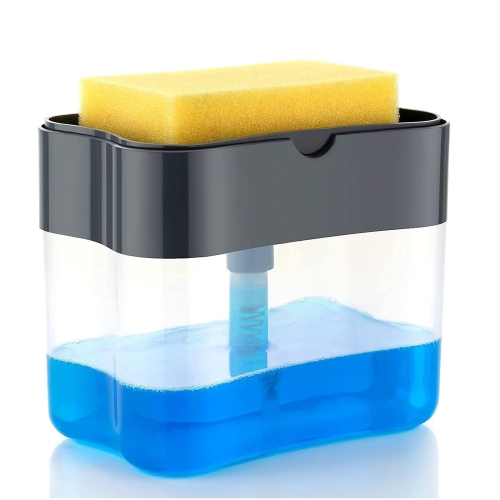
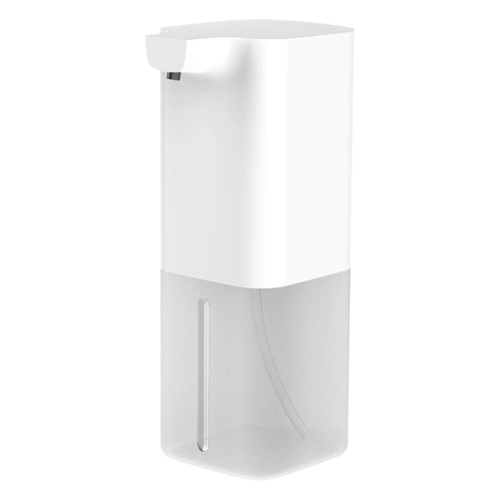
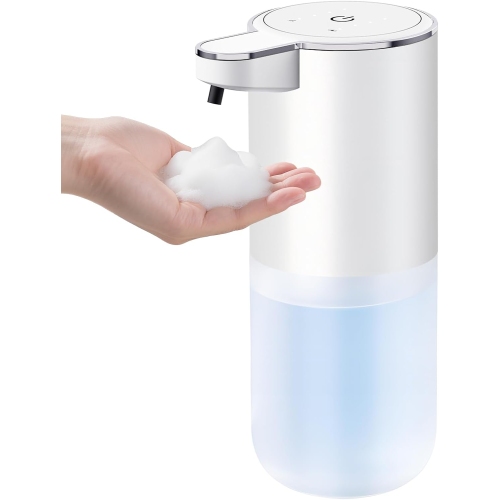
Daily performance depends as much on the dispensing mechanism as on the outer vessel. A manual soap pump should offer a comfortable pressing surface, return smoothly after each stroke, and direct soap into the hand rather than down the side of the bottle. The length and angle of the spout are worth considering alongside the body dimensions, especially when the dispenser sits close to a backsplash. A heavy base or non-slip underside can help limit movement during one-handed use, but weight alone does not guarantee stability; a narrow, tall vessel may still tip more readily than a wider design. Around a kitchen sink, where hands may be wet or occupied with washing up, an easy-to-reach pump and a wipeable exterior can matter more than intricate surface detail. In a guest bathroom, a clear dispensing action and an obvious place to press make the accessory intuitive to use. Touchless soap dispensers use a sensor to trigger dispensing without pressing a pump, and some designs provide adjustable portions, battery power, or rechargeable operation. Their suitability depends on sensor placement, access for charging or battery changes, and the clearance needed to place a hand beneath the nozzle. Touchless operation does not remove the need to clean the dispenser itself. Soap compatibility is equally important across both manual and automatic designs. Conventional liquid soap pumps and dedicated foaming dispensers use different mechanisms; foaming versions generally require a compatible low-viscosity formula that mixes with air during dispensing. Thick gels, exfoliating particles, and unsuitable liquids can interfere with flow, so the manufacturer's stated compatibility is more useful than the shape of the bottle when choosing a refill. Dishwashing liquid and hand lotion also require explicit compatibility rather than an assumption that any pump will handle them. Reservoir capacity affects the balance between refilling frequency and counter space. A larger dispenser may suit a frequently used family sink, while a smaller one can feel better proportioned in a powder room. A wide refill opening, a secure closure, and a visible fill indicator all make routine use less fussy.
Care and construction help determine how well a luxury soap dispenser keeps its appearance over time. Soap residue tends to collect beneath the spout, around the pump collar, and at the base where splashes settle. A soft, damp cloth followed by drying is often suitable for routine exterior cleaning, provided it agrees with the manufacturer's care directions. Abrasive pads, strong cleaners, and prolonged soaking can damage certain coatings, glazes, seals, or stone surfaces. Marble and other porous materials deserve particular attention because staining or etching may be difficult to reverse; any sealing requirements should follow the maker's recommendations. Plated metal finishes can also wear differently from solid metal, especially around moving parts and areas exposed to repeated moisture. Keeping the underside and the countertop dry helps prevent a persistent ring of moisture beneath the vessel. For a removable manual pump, flushing with clean, warm water may clear dried soap when the care instructions allow it, while powered dispensing heads should be cleaned according to their specific directions and kept out of water unless expressly designed for immersion. Refills are simplest when the reservoir can be emptied, cleaned as directed, and dried before adding fresh soap, rather than repeatedly mixing new liquid with old residue. A replaceable pump can be valuable if the vessel remains in good condition after the mechanism wears, though the neck size and fittings need to match. Household needs also influence the best material and placement. Glass and stone can be attractive on an adult bathroom vanity, while a lighter, shatter-resistant body may be a more practical choice within reach of young children. For someone with limited grip strength, a broad pump head or a suitably responsive sensor may make dispensing easier. As a housewarming or wedding gift, a soap dispenser is most personal when its finish and proportions reflect the recipient's space: quiet ceramic for a simple bathroom, textured glass for a layered vanity, or a restrained metal design beside contemporary kitchen fittings. The lasting appeal is a small daily ritual made more pleasant through balanced proportions, dependable dispensing, and surfaces that are straightforward to maintain.
Top selling and popular products
-
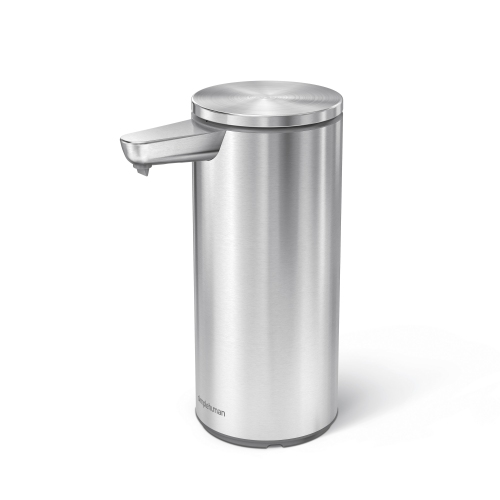 Your price for this item is $90
-
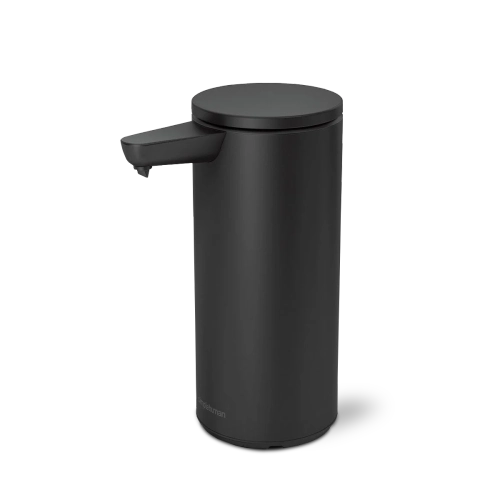 Your price for this item is $100
-
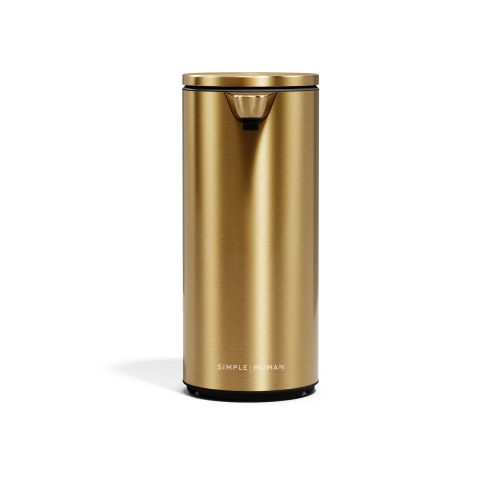 Your price for this item is $100
-
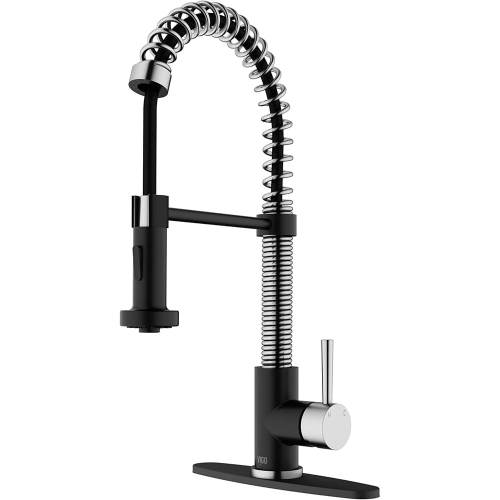 Your price for this item is $426.55
-
 Your price for this item is $300
-
 Your price for this item is $120
-
 Your price for this item is $160
-
 Your price for this item is $180
Discover more categories related to Luxury Soap Dispensers

Top Collections:
Best Black Friday Deals This Year, Best Black Friday Deals On Electronics, Kindle Devices, Pokemon Centers, Best Black Friday Deals On Apple Products, Best Cameras for Sports Photography, Dyson Airwrap, Pokémon 30th Celebration Cards, Apple iPhone 17 Pro, Canon G7X Cameras
Some products may be subject to Environmental Handling Fees
(EHF) depending on your province.
Learn more about EHFs.