Microwave Parts
Looking to fix or upgrade your microwave? Look no further! Our extensive collection of microwave parts has everything you need to keep your appliance running smoothly. From turntable motors to door switches, we have a wide range of high-quality parts that are compatible with various makes and models. Whether you're a DIY enthusiast or a professional technician, our selection of microwave parts will help you get the job done efficiently. Explore our inventory today and find the perfect replacement part for your microwave.
Sort




























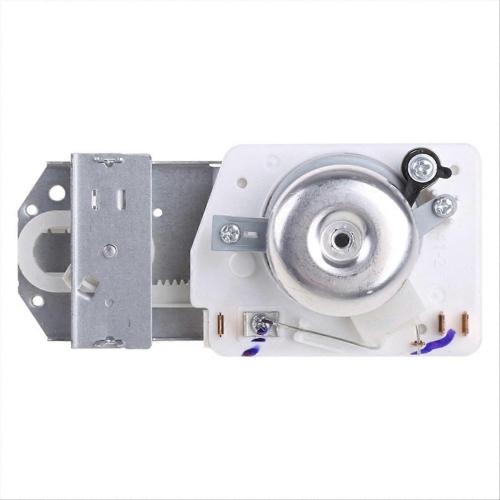
Why the right fit goes beyond turntable size
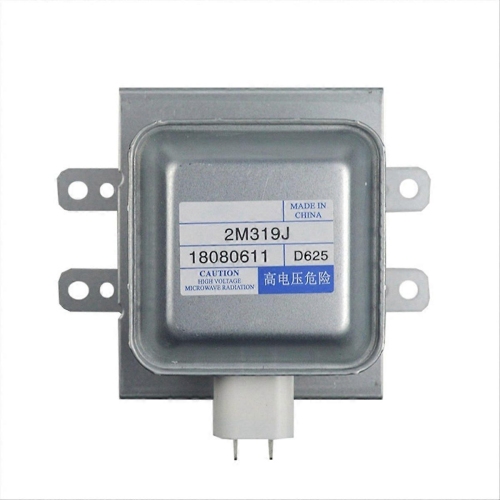
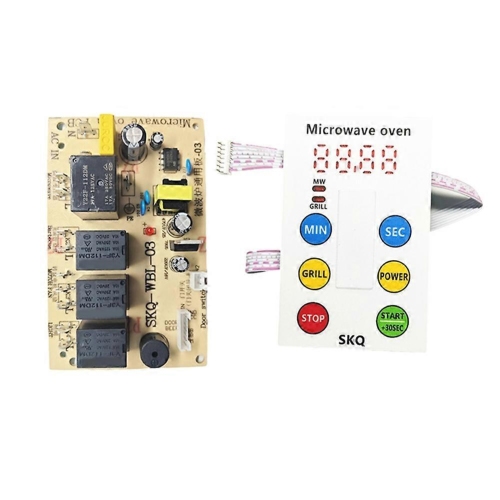
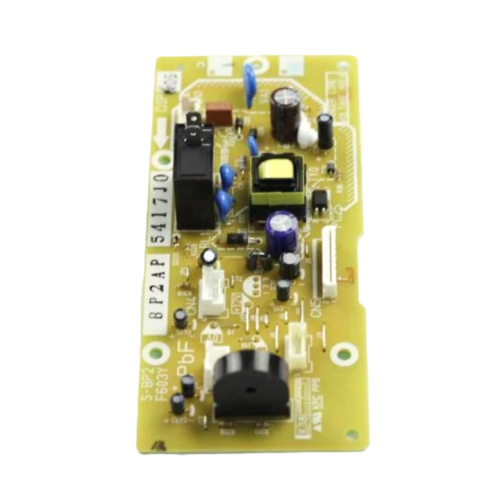
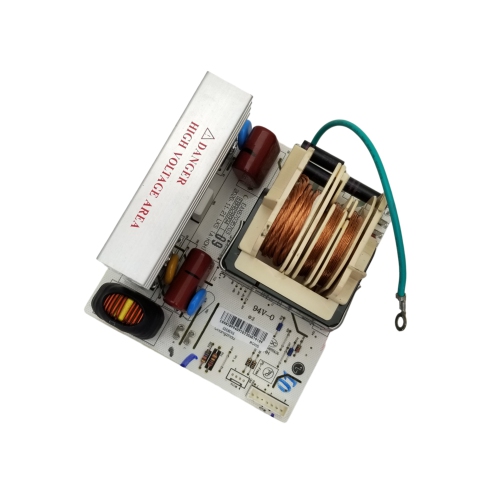
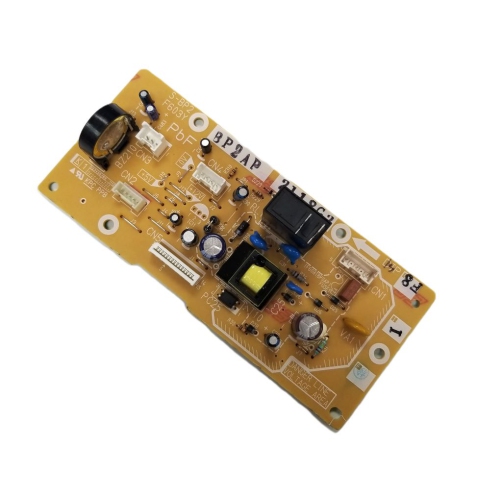
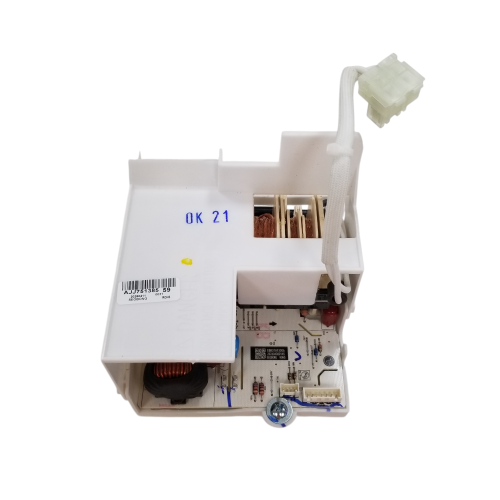
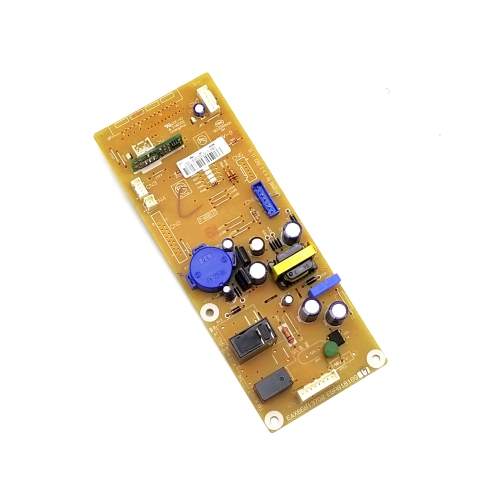
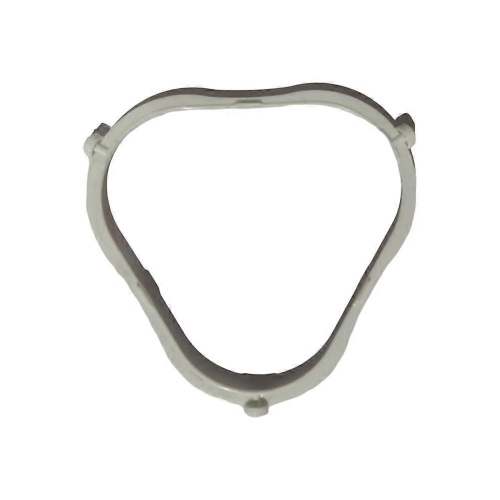
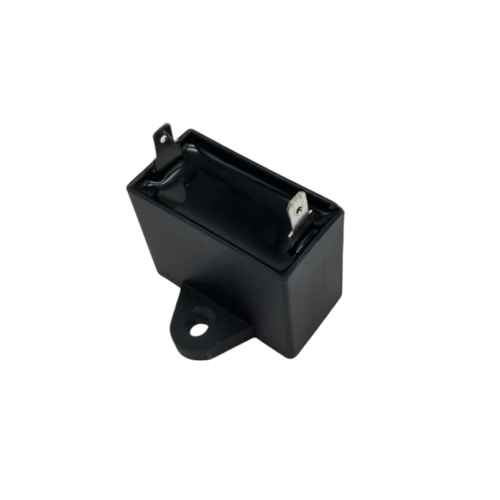
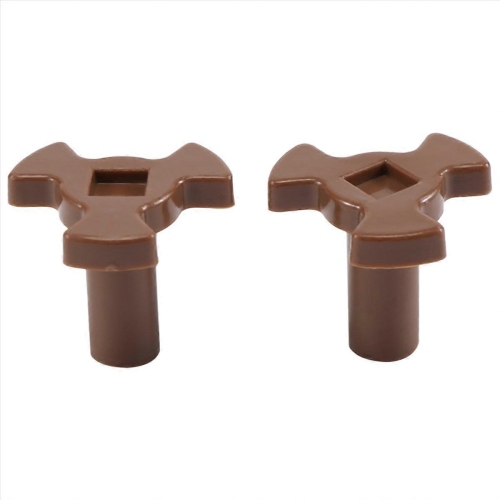
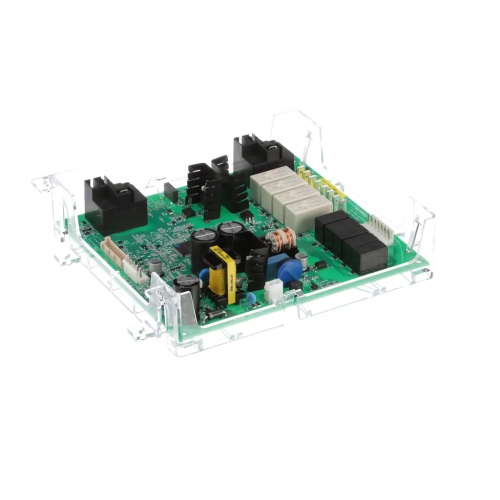
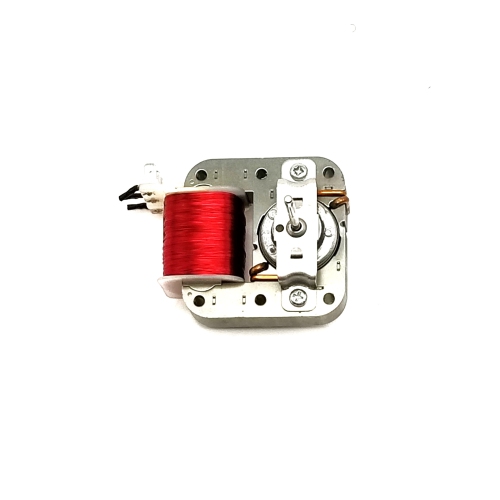
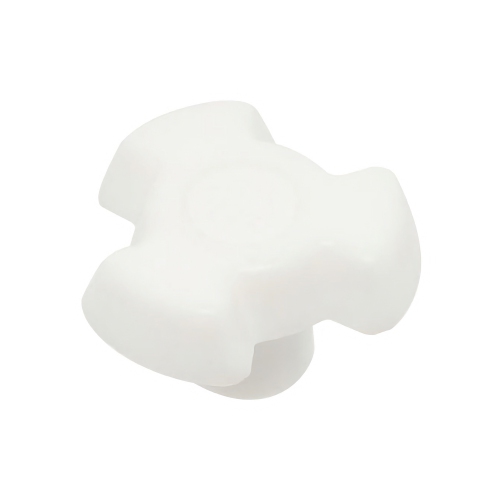
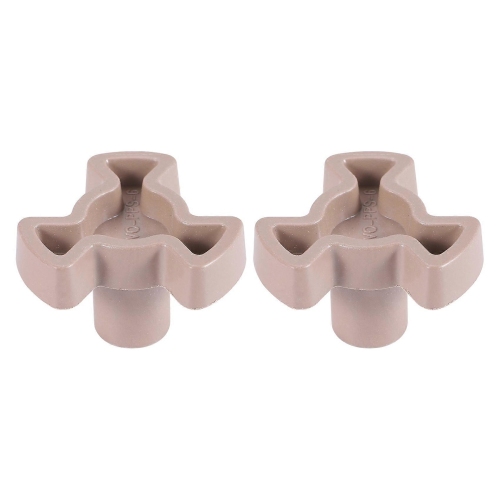
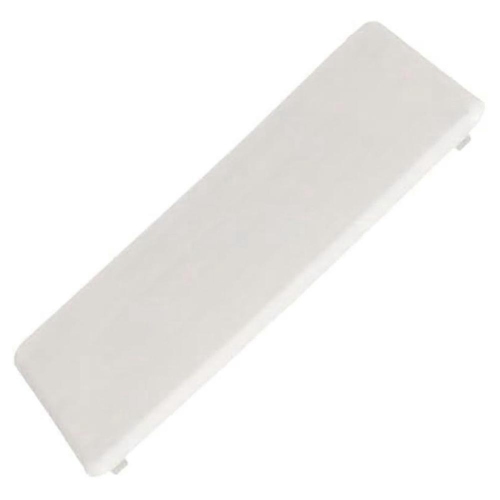
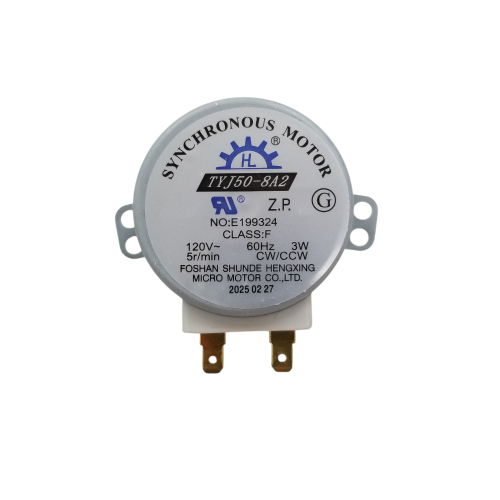
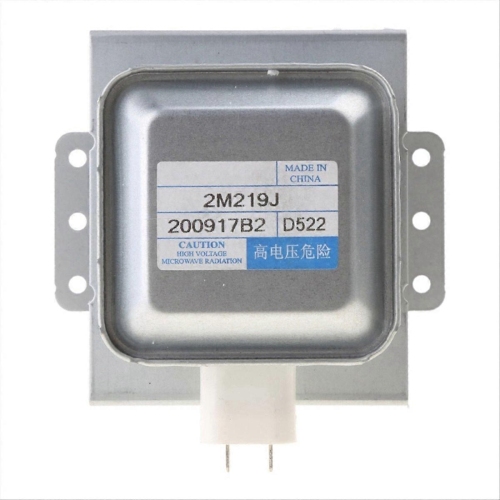
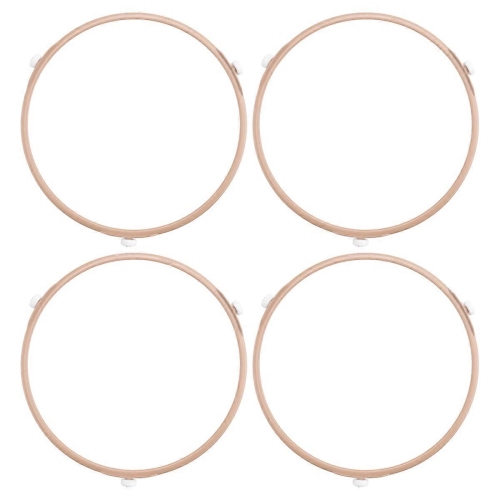
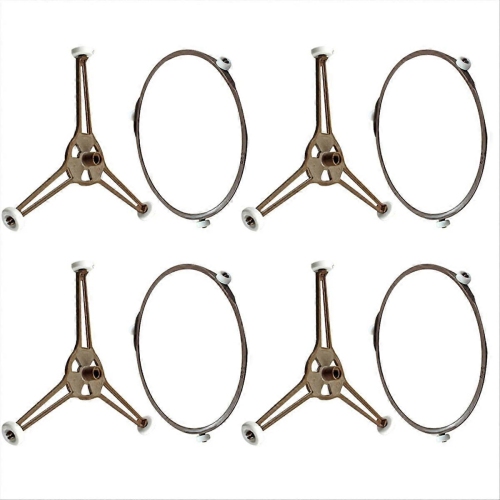
Microwave parts support the heating, movement, ventilation, and controls that make a microwave oven work. They range from removable glass trays and roller rings to internal electrical assemblies that require professional servicing. Each component has a distinct role, so a replacement needs to match both the appliance and the function being restored. The magnetron generates the microwave energy used to heat food, while a high-voltage transformer or inverter supplies the power it needs, depending on the appliance’s design. A waveguide directs that energy into the cooking cavity, and a waveguide cover helps keep food splashes and grease out of the opening. These covers are often made from mica or another material specified by the manufacturer; they are not interchangeable with ordinary cardboard or plastic. Inside the cooking cavity, a turntable tray, support ring, and drive coupling work together to rotate dishes on models designed with a rotating platform. The turntable motor provides that movement, while the ring supports the tray as it turns. Some microwaves use a different arrangement, so a round glass plate is not a universal requirement. Control panels and electronic boards manage settings such as cooking time and power level, while cooling fans help protect working components from excessive heat. Door handles, hinges, latches, and safety interlock switches serve different purposes: a handle provides a grip, hinges support alignment, and interlock switches are designed to interrupt cooking when the door opens. The viewing window’s metal shielding and the surrounding door structure also form part of the appliance’s protective design. Understanding these distinctions makes part descriptions more useful without treating a symptom as a diagnosis. A tray that stops turning, for example, does not automatically indicate a failed motor; the tray, support ring, coupling, or another component may be involved. Internal electrical parts, including high-voltage capacitors, belong in the hands of a qualified appliance technician because dangerous stored electrical charge can remain even after the microwave is unplugged.
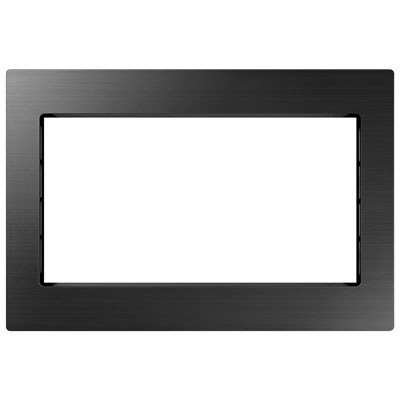
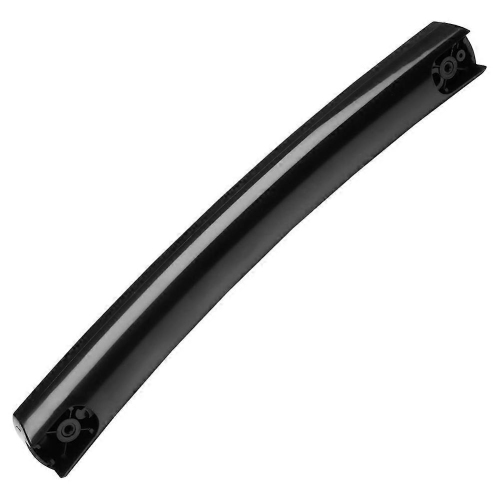
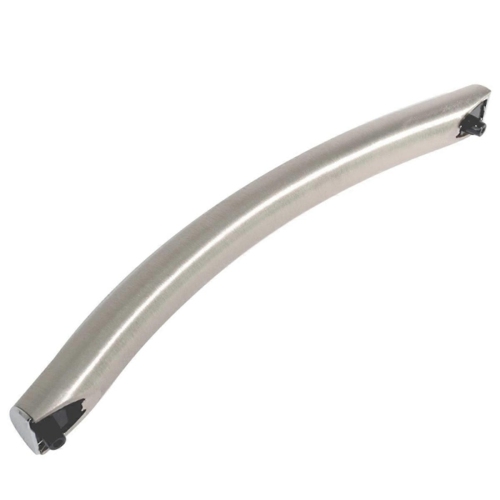
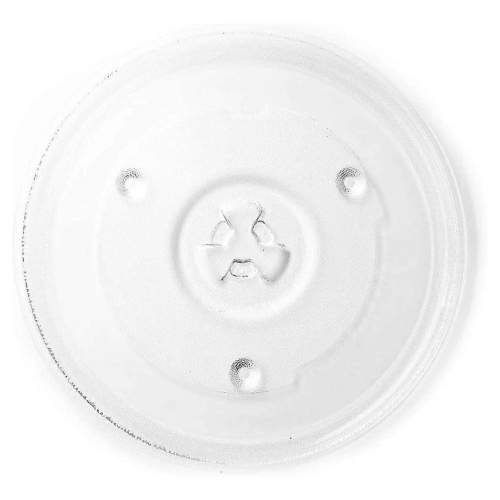
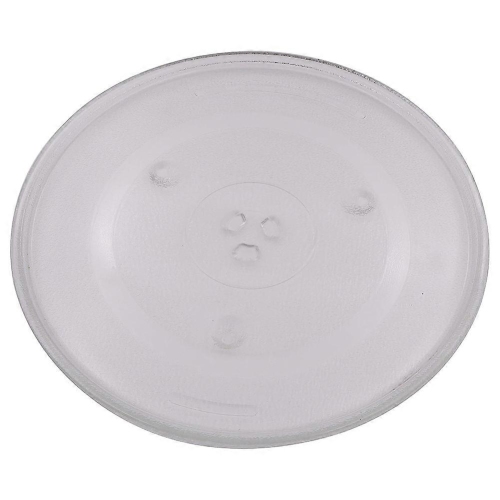
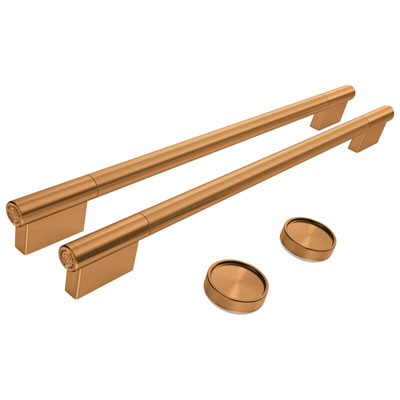
Correct fit is the most important consideration when comparing microwave replacement parts. Similar-looking appliances can use different mounting points, electrical connections, tray supports, and door assemblies, even within the same product family. The full model number on the appliance’s identification label is generally a better starting point than its appearance, stated capacity, or approximate age. Some part references also distinguish between production versions, making any additional compatibility details important. For a glass turntable, diameter alone does not establish a match: the underside pattern, centre connection, support arrangement, and clearance inside the cavity all affect how it sits and rotates. A plate that rests unevenly or catches against the wall can interfere with normal use, especially beneath a wide dinner plate or a heavy casserole dish. Roller rings likewise need the correct diameter, wheel height, and track alignment. Door handles and vent grilles depend on the right screw spacing, contours, and attachment tabs, not simply a similar colour. Material choice matters, but it must follow the appliance’s requirements rather than appearance alone. Microwave turntable glass is made for its intended cooking application; an ordinary serving plate is not a substitute for a damaged tray. Moulded plastic couplings and roller assemblies also need the specified shape and material suitability, while a waveguide cover needs the correct material and dimensions. For visible trim and hardware, the finish can help preserve a coordinated appearance, but secure attachment and proper clearance remain essential. Care requirements vary by component, so cleaning instructions should come from the appliance manual and the replacement part’s documentation. Removable trays and rings often benefit from regular washing to remove dried sauce and food residue, but dishwasher suitability should never be assumed. Letting a hot glass tray cool before washing helps avoid sudden temperature changes. A soft cloth and an appropriate cleaner can keep accessible surfaces tidy without scratching finishes or soaking control areas. Cracked glass, warped supports, and broken attachment points call for assessment rather than improvised adhesives, tape, or makeshift substitutes.
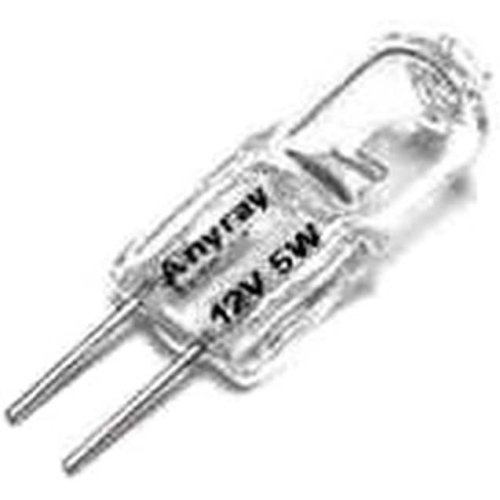
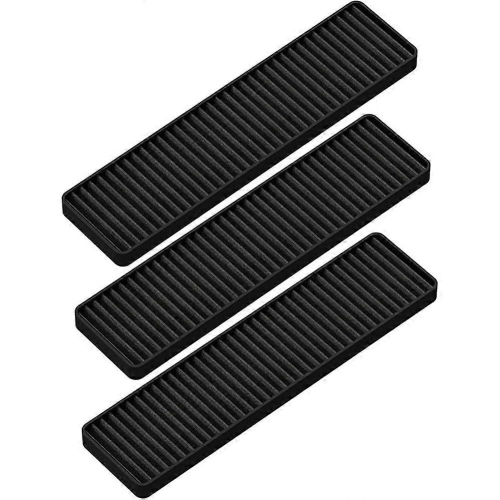
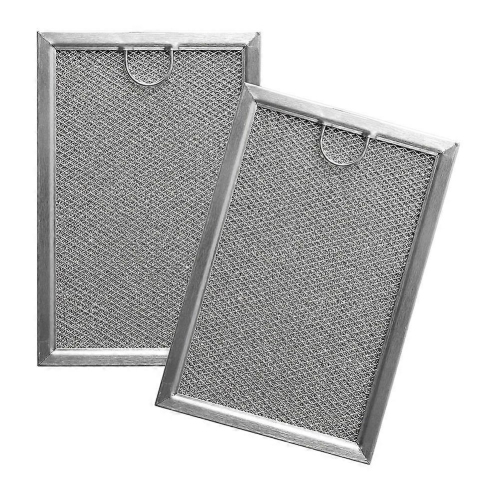
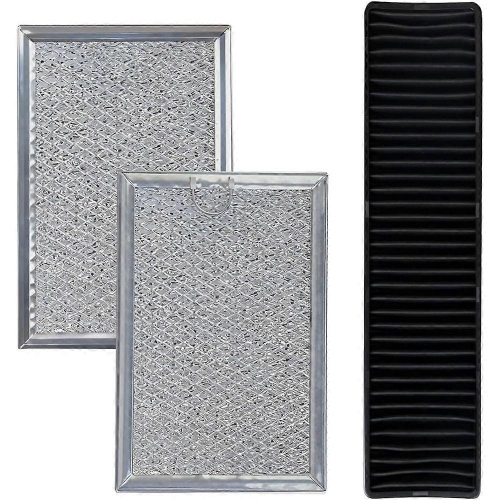
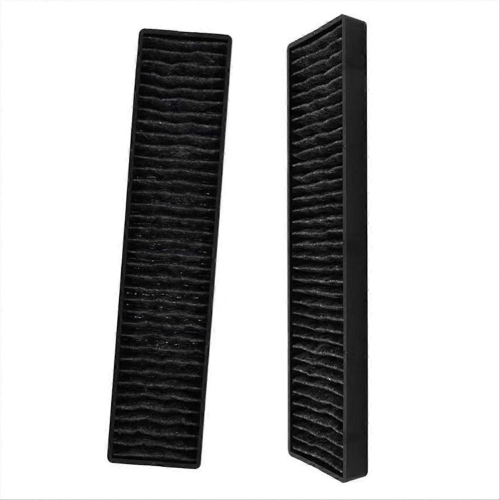
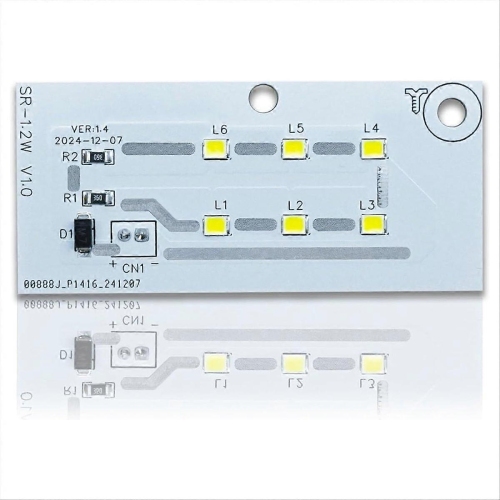
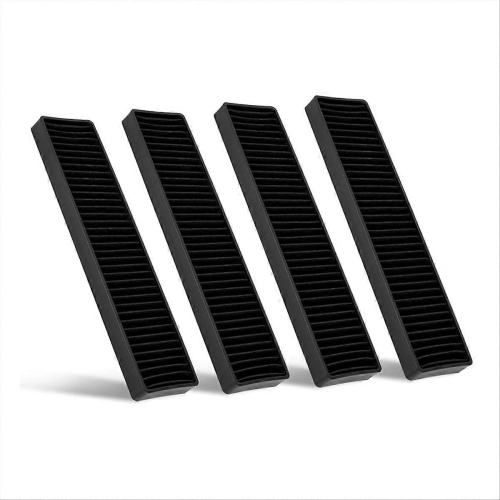
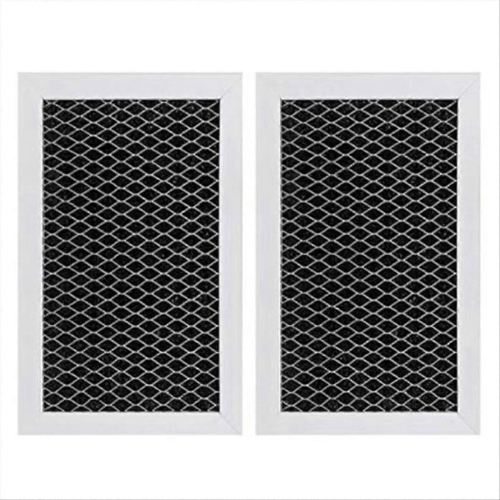
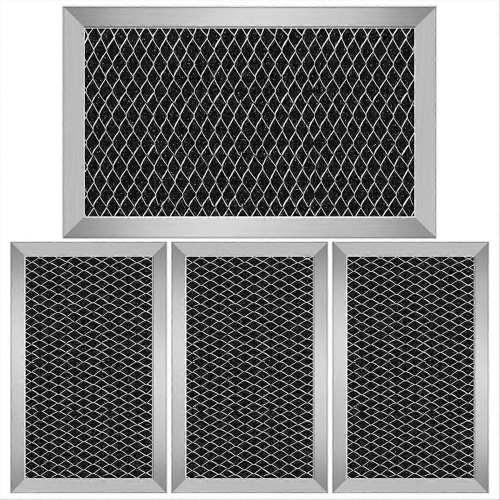
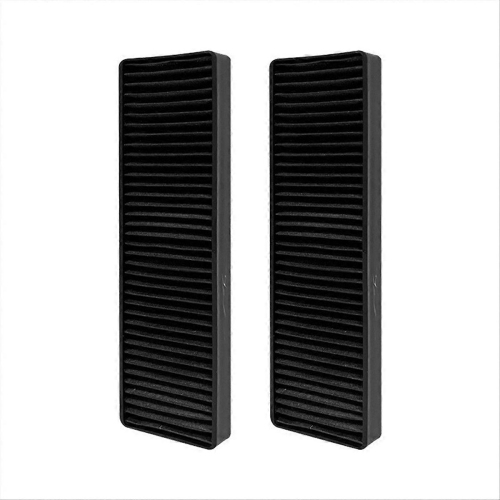
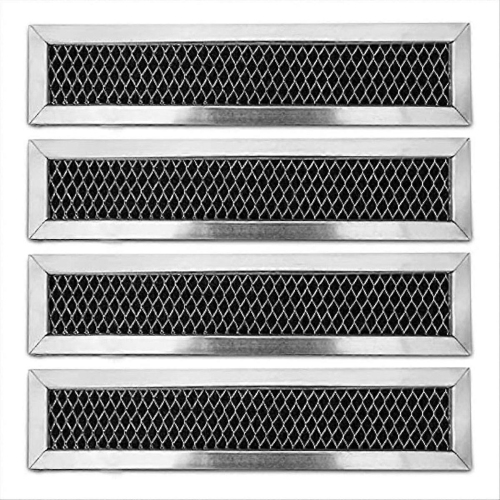
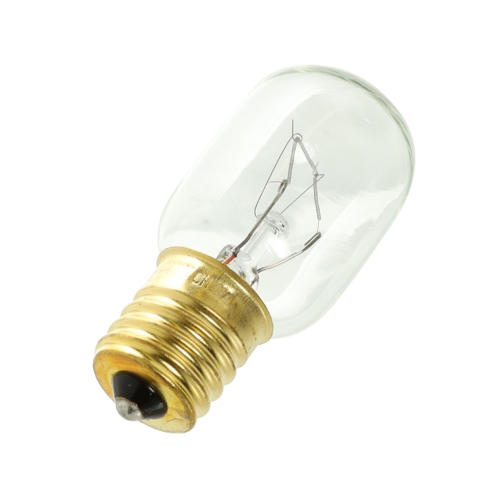
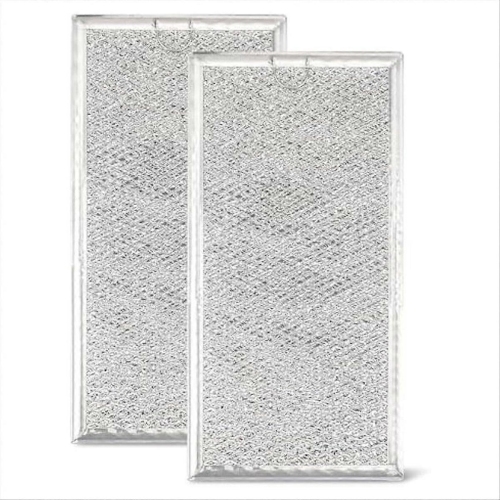
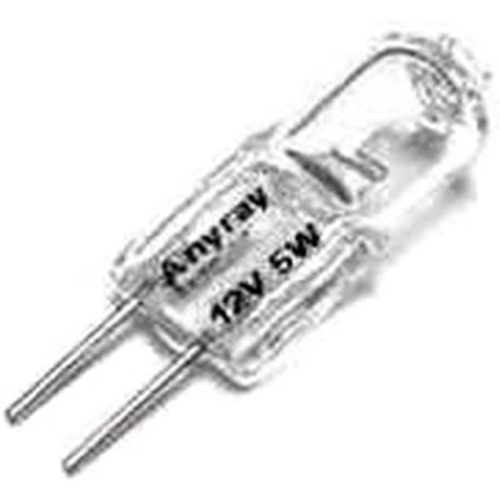
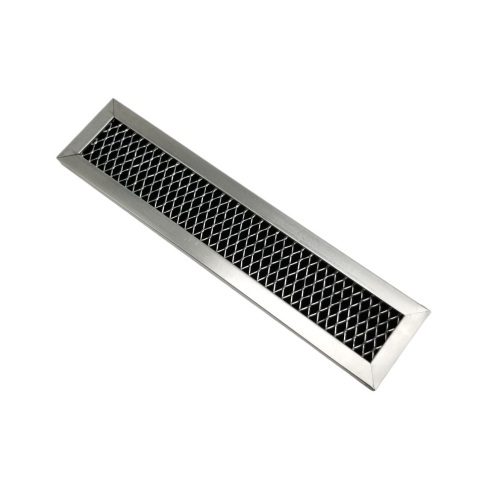
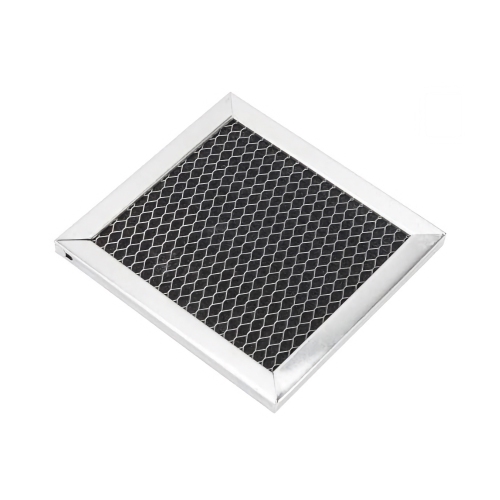
The parts that matter most also depend on where and how the microwave is used. In a busy household kitchen, the turntable assembly may carry everything from a mug of milk to a covered dish of leftovers, making stable support and smooth movement particularly noticeable. In a shared lunchroom, clear controls, a secure handle, and easy-to-clean removable components support repeated use throughout the day. Over-the-range models have additional ventilation needs that do not apply in the same way to a basic countertop appliance. Their grease filters capture airborne cooking grease from the cooktop below, while charcoal filters help reduce odours in models configured to recirculate air. These filters perform different jobs and are not substitutes for one another. Washable metal grease filters require care according to the manufacturer’s instructions, whereas charcoal filters are generally replaced rather than washed. The correct filter dimensions, frame, and attachment method are necessary for a proper fit. Lighting components may illuminate the cooking cavity or the surface beneath an over-the-range unit; replacement lamps must match the specified type, rating, and base, rather than simply fitting into the opening. Vent grilles and trim pieces also need their designed clearances so airflow is not obstructed. For homeowners arranging maintenance, renters reporting a fault, or property managers coordinating service, an accurate model reference and a clear description of the concern can help a technician identify the appropriate component. A door that will not close properly, visible damage around the door or cavity, repeated sparking, or a burning smell warrants stopping use and obtaining professional assessment. Removing the outer cabinet or attempting work on internal wiring is not a routine cleaning task. When damage is extensive or a technician recommends replacing the appliance, Electric Microwave Ovens provide a related option to consider alongside the existing kitchen layout, capacity needs, and installation requirements. For a repair, the right part is one that restores the intended function with the correct fit and installation, rather than merely resembling the original component.
Top selling and popular products
-
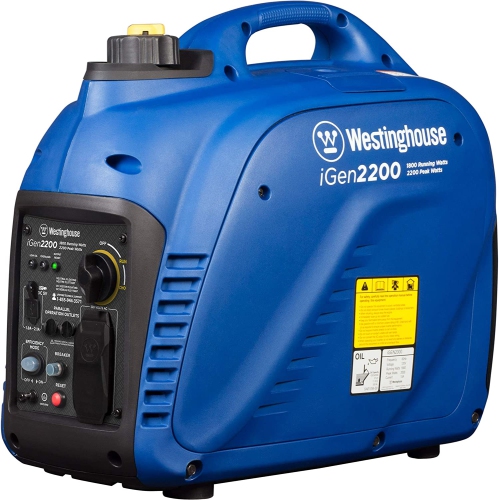 Your price for this item is $1699
-
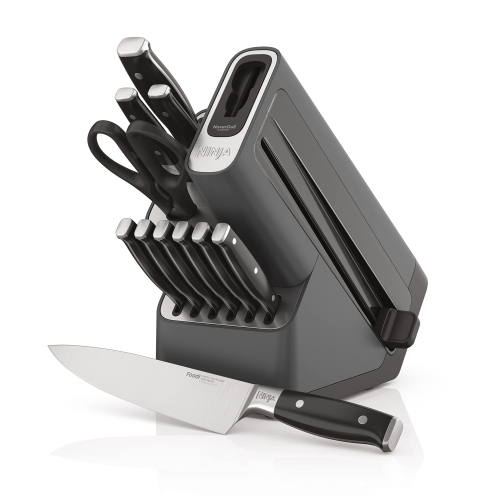 Your price for this item is $310
-
 Your price for this item is $91
-
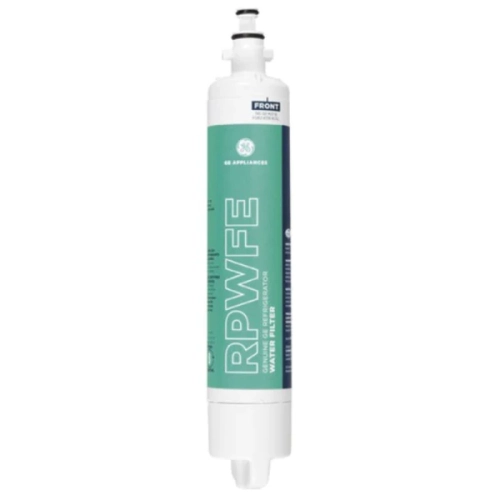 Your price for this item is $66.95
-
 Your price for this item is $128.99
-
 Your price for this item is $109.99
-
 Your price for this item is $224.07
-
 Your price for this item is $178.95
Discover more categories related to Microwave Parts

Top Collections:
Pokemon Centers, Best Cameras for Sports Photography, Kindle Devices, Samsung Galaxy Phones, Canon G7X Cameras, Pokémon 30th Celebration Cards, Refurbished Apple Laptops, iPhone 15 Apple, Laptops for Students, Budget Smartphones
Some products may be subject to Environmental Handling Fees
(EHF) depending on your province.
Learn more about EHFs.