Ninja Slushie
Ninja Slushie machines bring the fun of frozen drinks right to your kitchen, making it easy to enjoy refreshing treats any time. Whether you’re looking to create delicious slushies for family gatherings or cool off on a warm day, these appliances are designed to help you whip up icy beverages with ease. Explore a variety of Ninja Slushie options perfect for parties, after-school snacks, or simply satisfying your craving for something cold and flavorful. Find the best choice to match your needs and start blending up frosty favorites at home.
Sort



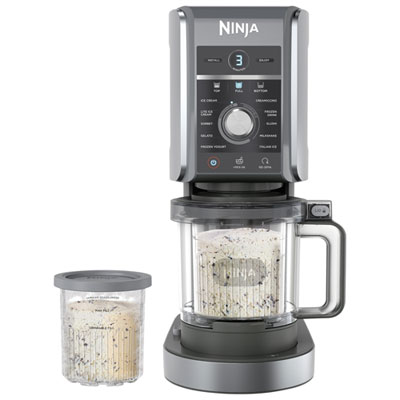

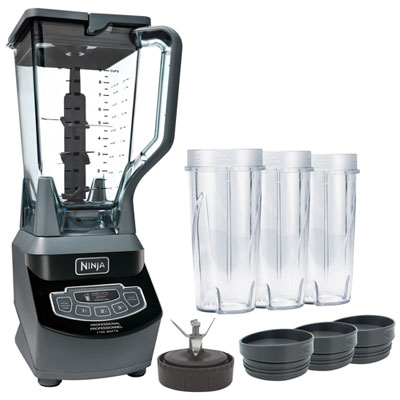
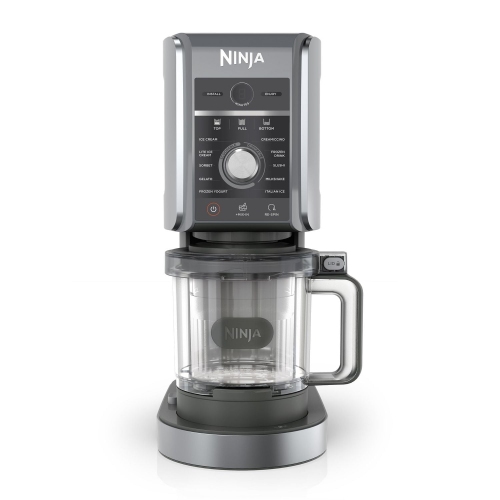
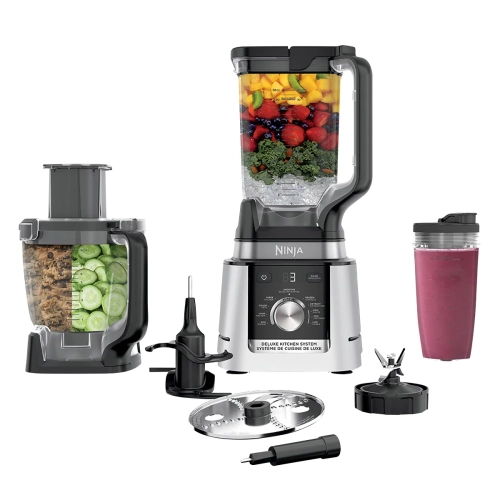


How slushie makers freeze drinks without added ice
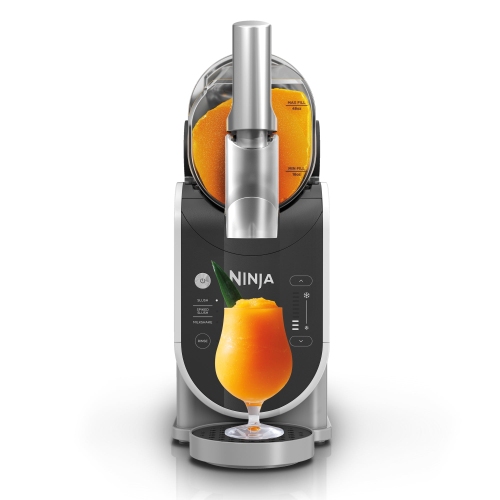
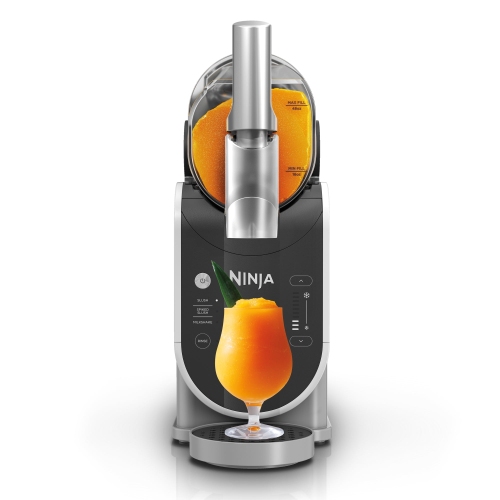
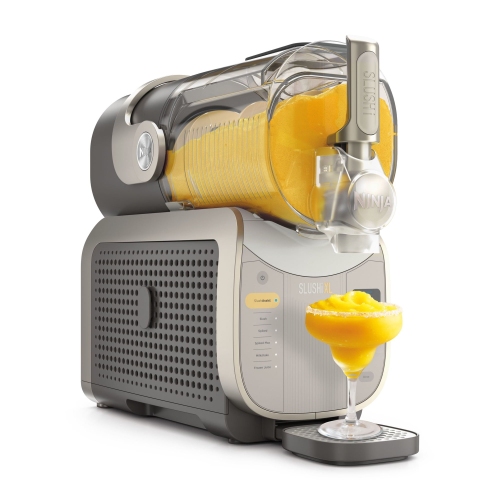
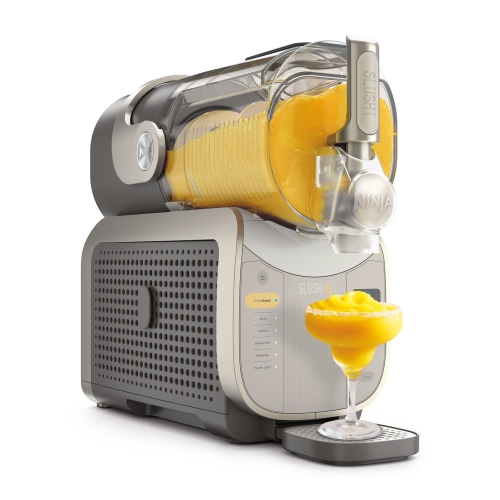
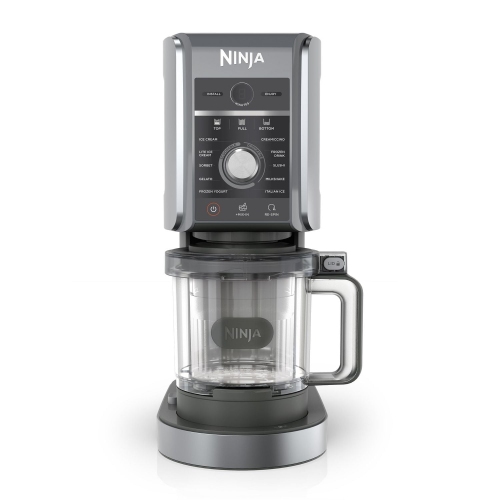
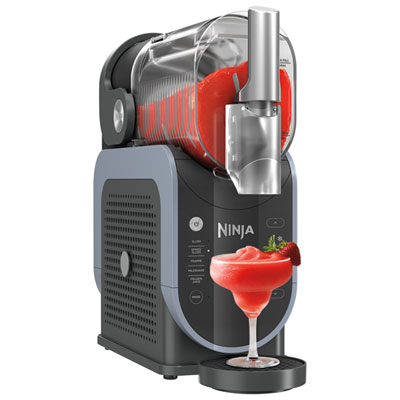
Ice-free slushie makers turn suitable liquid drinks into a smooth, pourable frozen texture using refrigeration and a rotating auger, rather than crushing ice. The cooling system draws heat from the drink while the auger keeps the mixture moving, helping small ice crystals form evenly throughout the vessel. That distinction matters for anyone who enjoys a consistent slush without adding ice that can dilute the flavour as it melts. Juice-based drinks, lemonade, sweetened coffee mixtures, and milk-based beverages can offer different possibilities, provided the appliance supports the recipe and its ingredients. The liquid itself plays an important role in the result: dissolved sugar affects how firmly a drink freezes, so a diet soft drink or unsweetened coffee is not automatically a suitable substitute for a sweetened recipe. Sugar-free alternatives should only be used where the manufacturer provides a compatible formulation. Alcohol also changes freezing behaviour, making the permitted proportion important for adult beverages; adding more can prevent the mixture from reaching the intended consistency. Smooth liquids are generally the starting point for this appliance category, rather than whole fruit, large pieces of ice, or other solid ingredients intended for a blender. For shoppers comparing Ninja Slushi Professional options, useful distinctions include usable capacity, supported drink types, texture adjustments, and the controls available on each model. Preset programmes can simplify preparation, but they do not make every combination of ingredients suitable. A coffee-based drink may need a different formulation from a fruit slush, even when both begin as liquids. Preparation time also varies with the recipe, starting liquid temperature, batch size, and selected consistency, so a frozen drink maker is better understood as a batch-preparation appliance than an instant dispenser. A smooth frozen lemonade for a family movie night and a creamy coffee drink for an afternoon gathering may call for different settings and preparation times. Matching those expectations to the appliance’s stated capabilities helps distinguish a dedicated slushie maker from a blender, ice crusher, or frozen dessert machine.
Capacity is most useful when considered alongside the way drinks will actually be served. A vessel’s stated size does not necessarily equal its maximum permitted liquid fill, and minimum-fill requirements matter just as much for someone preparing only a couple of glasses. A household that pours small servings throughout a game night may have different needs from someone setting out several large tumblers at once. Clear fill markings, an easily accessible dispensing handle, and enough space beneath the spout can make the serving process more comfortable. Tall glasses, wide mugs, and reusable cups do not all fit beneath the same opening, so the distance between the counter and dispensing point deserves attention. Countertop fit involves more than width alone: appliance height, depth, ventilation clearances, lid access, and room to remove the vessel all affect day-to-day use. A machine that fits neatly beneath a cupboard may still need to move forward for filling or cleaning. Its weight also matters if it will be carried from a storage cupboard before each use rather than left on the counter. Refrigeration and moving components produce operating sound, which can be noticeable in an open-plan kitchen or near a television. Materials and construction influence both practicality and durability. A clear food-contact vessel makes it easier to see the mixture and fill level, while accessible seals and securely fitting removable parts support regular care. Exterior finishes may be chosen to suit other countertop appliances, but the surfaces around the dispensing area also need to tolerate frequent wiping. Simple controls and legible indicators can be helpful in a shared household, particularly when several people use the machine. Where a model offers consistency adjustments or a holding function, the manufacturer’s description should explain what those settings do and which mixtures they support. These details often make a greater difference to everyday satisfaction than the number of drink names printed beside the controls.
Regular cleaning is especially important because sweetened drinks can leave sticky residue around the vessel, auger, seals, and dispensing spout. Milk-based mixtures also require careful handling and prompt cleaning according to the appliance instructions. Removable components can make these areas easier to reach, but dishwasher suitability should be confirmed for each part rather than assumed for the whole assembly. Gentle cleaning tools help protect clear surfaces and sealing edges from scratches, while the powered base should be cared for separately and never immersed unless the manufacturer explicitly permits it. A rinse programme, where provided, may help loosen residue, but it does not necessarily replace dismantling and washing the parts that contact the drink. Allowing cleaned components to dry thoroughly before storage helps keep the next batch free from lingering flavours. Switching between dairy-based drinks and fruit mixtures also calls for thorough cleaning, particularly in a household managing food allergies; separate recipes alone do not prevent contact through shared equipment. Beyond maintenance, the best fit comes down to how often the appliance will be enjoyed. Regular hosts may appreciate preparing a consistent batch for guests, while a coffee enthusiast may be more interested in creating a familiar café-style texture at home. Families can use suitable non-alcoholic recipes for birthday parties or relaxed evenings, with an adult handling setup, operation, and cleaning. For gatherings that include alcoholic drinks, keeping those mixtures clearly separate from family servings is essential. A frozen drink maker can also be a thoughtful housewarming, wedding, or birthday gift for someone who enjoys entertaining and has the counter space to use it comfortably. The practical side of that gift includes storage room, willingness to clean the components, and an interest in the drinks the appliance is designed to make. Recipe compatibility, manageable batch sizes, and straightforward care all contribute to a machine becoming a useful part of a kitchen rather than an appliance reserved for a single occasion.
Top selling and popular products
-
 Your price for this item is $359.98
-
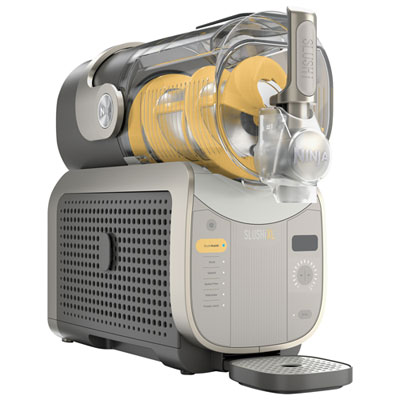 Your price for this item is $399.99
-
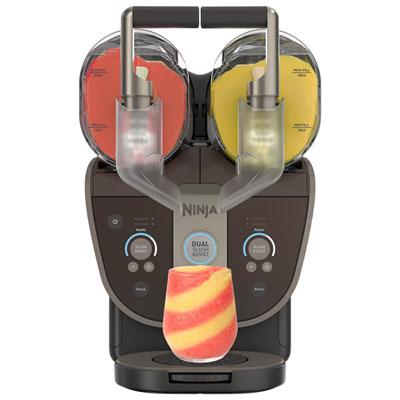 Your price for this item is $549.99
-
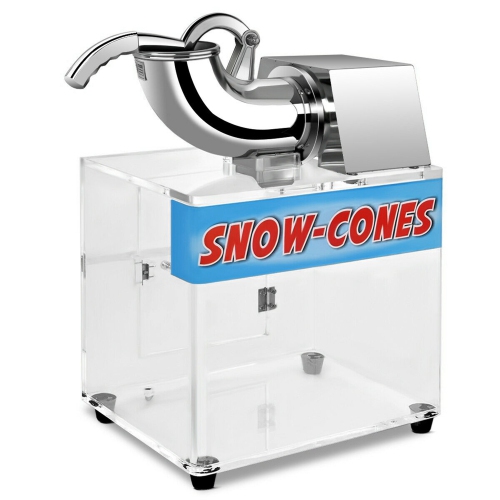 Your price for this item is $285.99
-
 Your price for this item is $53.9
-
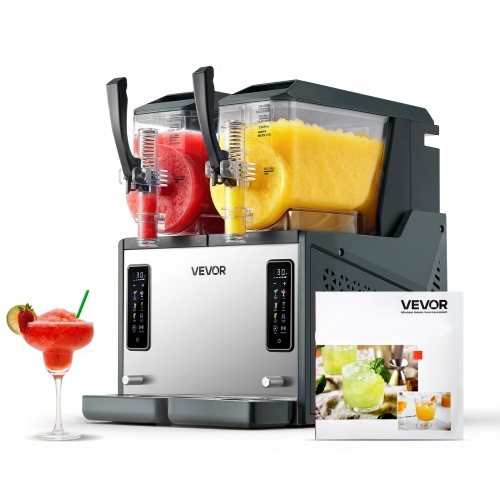 Your price for this item is $578.99
-
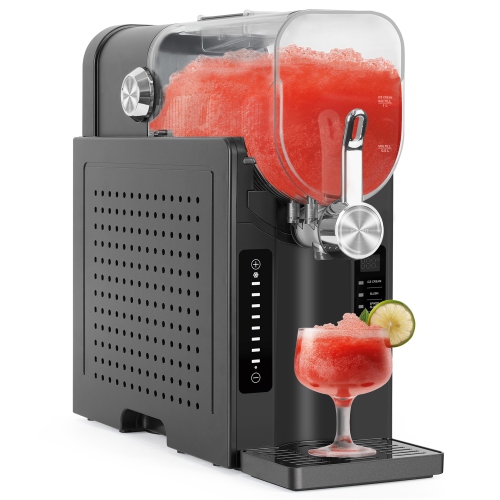 Your price for this item is $199.99
-
 Your price for this item is $37.41
Discover more categories related to Ninja Slushie
Top Collections:
Pokemon Centers, Best Cameras for Sports Photography, Kindle Devices, Samsung Galaxy Phones, Canon G7X Cameras, Pokémon 30th Celebration Cards, Refurbished Apple Laptops, iPhone 15 Apple, Laptops for Students, Budget Smartphones
Some products may be subject to Environmental Handling Fees
(EHF) depending on your province.
Learn more about EHFs.