Oil Heaters
Stay warm and cozy during the chilly winter months with our selection of oil heaters. Designed to efficiently heat up any room, these versatile appliances are a must-have for your home or office. Whether you're looking to supplement your central heating system or create a comfortable space in a drafty area, our oil heaters provide reliable warmth at the touch of a button. With their sleek designs and advanced features, these heaters not only keep you comfortable but also add a touch of style to any room. Shop from our range of oil heaters and find the perfect one to keep you snug all season long.
Sort











How sealed oil delivers steady warmth without refilling
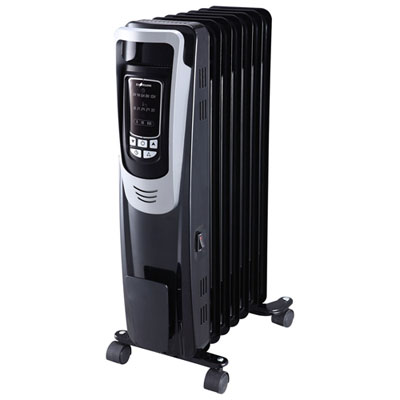
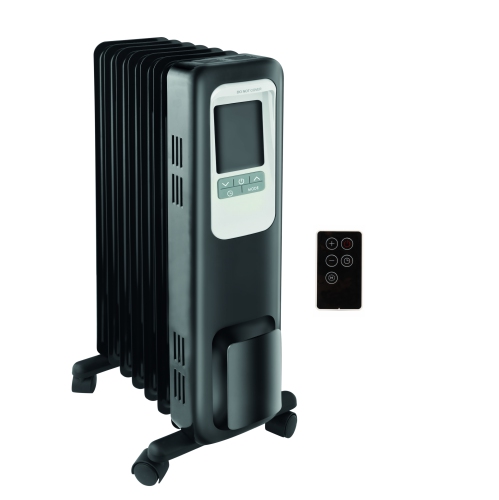
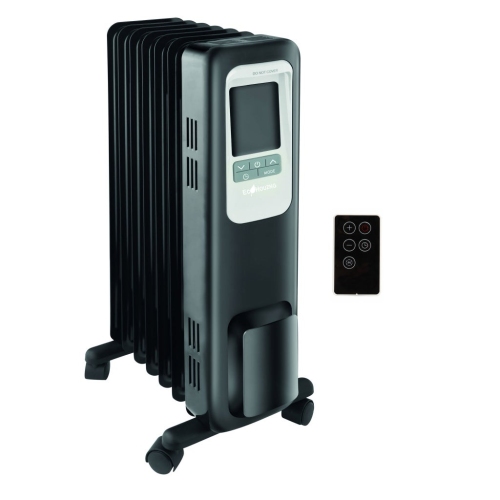
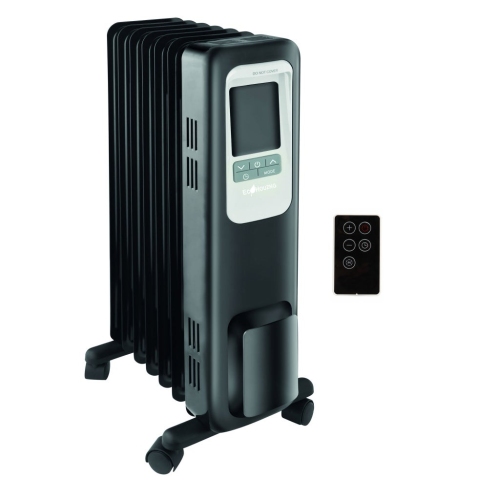
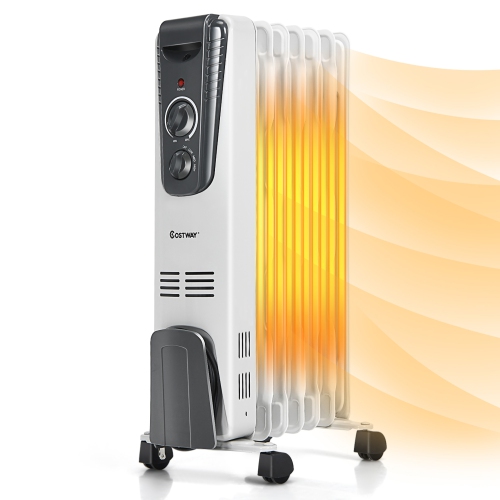
Oil heaters, also called oil-filled radiators, are portable electric heaters that provide gradual, steady warmth without burning oil. An internal electric element heats a sealed supply of thermal oil, which transfers heat to the metal body and fins. Those surfaces then warm the room through radiation and natural air circulation. The oil stays inside the heater and is not used up during normal operation, so routine refilling is not required. This makes an oil-filled heater quite different from a fuel-burning oil furnace or other combustion heater: it needs an electrical outlet, not a fuel supply or exhaust vent. Within the wider selection of Electric Heaters, oil-filled radiators suit spaces where a gentle, consistent source of supplemental warmth is more useful than an immediate blast of hot air. A home office with a chilly corner, a reading area beside a draughty window, or a living room that feels cooler than the rest of the home are familiar examples. Most oil-filled designs work without a fan, avoiding the continuous blower sound associated with fan-forced heaters, although thermostat clicks and occasional expansion noises may still be noticeable. They take time to warm up because both the oil and the metal body must heat before the room feels the full effect. Once switched off, the warmed oil and casing continue releasing stored heat as they cool; this residual warmth is not additional heat generated without electricity. Their appeal is a comfortable, unhurried heating pattern rather than instant spot heating. Like other room heaters, they do not add moisture to the air. They also do not directly remove moisture, although raising the room temperature can lower relative humidity. For someone working at a desk or settling into a favourite chair, that combination of low operating noise and steady warmth can be especially welcome.
The right oil-filled radiator needs to suit both the room and the way it will be used. Heating performance depends on more than floor area: ceiling height, insulation, window size, draughts, and an open doorway all affect how much warmth stays in the space. A compact, enclosed office presents different demands from an open-plan living area, and a portable heater is generally intended to supplement a home's main heating rather than replace it throughout the house. Wattage indicates electrical power input, while adjustable heat settings allow the heater to operate at different output levels. Many portable models use up to 1,500 watts on their highest setting, so the electrical requirements deserve attention alongside any stated room coverage. Lower settings can be useful when only modest additional warmth is needed. An adjustable thermostat cycles the heating element to help maintain a selected temperature, while a timer may offer added control over operating duration. These features serve different purposes: a thermostat responds to temperature, whereas a timer follows a schedule or countdown. Neither removes the need for safe placement and supervision. Mechanical dials offer straightforward adjustments, while digital controls may make temperature settings easier to read. Display brightness, button size, and the position of the controls can matter in everyday use, particularly beside a desk or in a shared living space. The physical design matters just as much. Metal fins provide heat-transfer surface area, and the number and shape of those fins influence the heater's overall dimensions. A narrow body may fit neatly beside furniture, but the required clearance must remain open around it. Castors and an integrated handle can help with moving a heavy radiator between rooms once it has cooled. A stable base, securely fitted wheels, and a practical cord length all contribute to easier placement without stretching a cord across a walkway. Where children or pets share the space, the hot casing and the possibility of accidental contact deserve particular consideration.
Oil heater care centres on keeping the appliance clean, upright, and in good condition. The sealed oil system is not a part that needs routine topping up or home servicing. A sound metal casing, an undamaged cord, secure supports, and controls that operate properly are more useful indicators of condition than appearance alone. Before cleaning or moving the heater, switch it off, unplug it, and allow it to cool completely. Dust can collect between the fins, so cleaning those spaces as directed by the manufacturer helps keep the surfaces clear. A soft, dry cloth is often suitable for routine wiping, but the appliance should never be immersed in water, and cleaning liquid should not enter the controls or electrical components. Oil leakage, significant casing damage, a frayed cord, or unusual operating behaviour calls for discontinuing use and following the manufacturer's service instructions. Placement is equally important to safe everyday use. The heater needs a stable, level surface approved in its instructions, with the specified clearance from curtains, bedding, upholstered furniture, and other combustible materials. It should never be covered or used to dry clothing, even when the fins look like a convenient place to hang a damp item. Plug it directly into a suitable wall outlet rather than an extension cord or power bar, and avoid sharing the circuit with other high-draw appliances. Tip-over switches and overheat protection are valuable features where included, but they do not make unattended operation safe. Follow the manufacturer's directions and turn portable heaters off before leaving the room or going to sleep. Bathrooms, laundry areas, and other locations where water could reach the appliance require particular caution; use is appropriate only where the heater is expressly rated for that location. Between uses, store it upright in a dry place, with the cord arranged as instructed rather than pulled tightly around the body. Thoughtful placement, sensible controls, and straightforward care help make an oil-filled radiator a practical source of supplemental warmth for everyday living spaces.
Top selling and popular products
-
 Your price for this item is $179.99
-
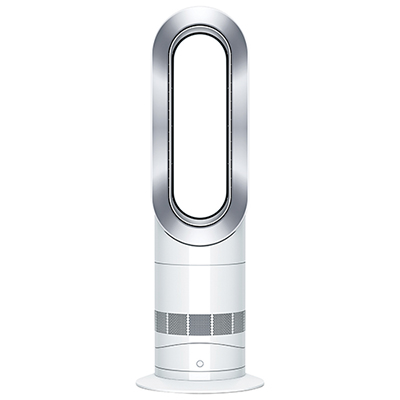 Your price for this item is $549.99
-
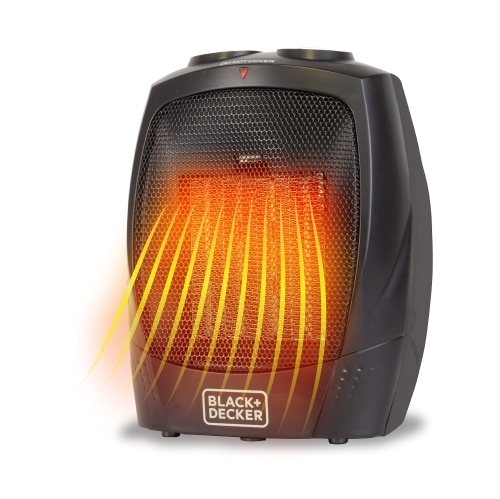 Your price for this item is $41.99
-
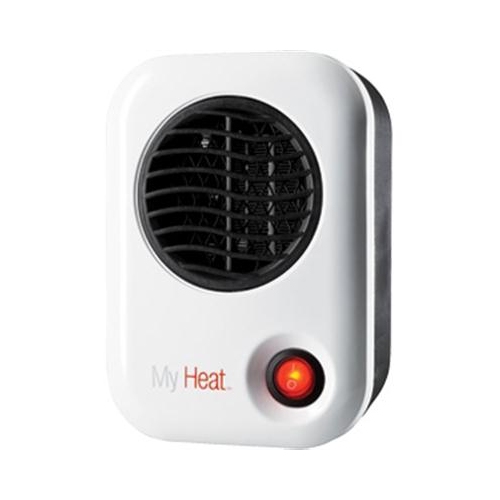 Your price for this item is $89.99
-
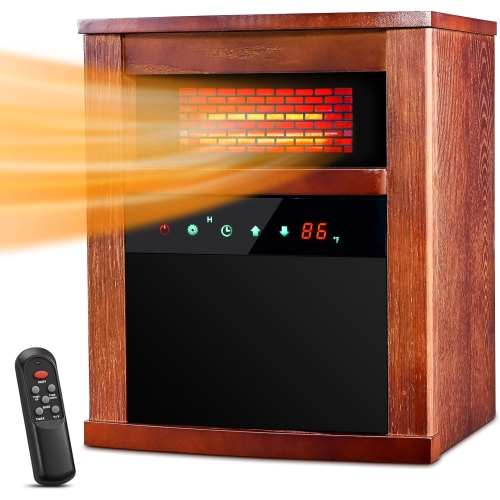 Your price for this item is $219.95
-
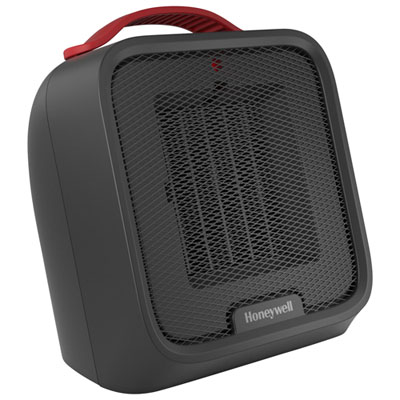 Your price for this item is $55.98
-
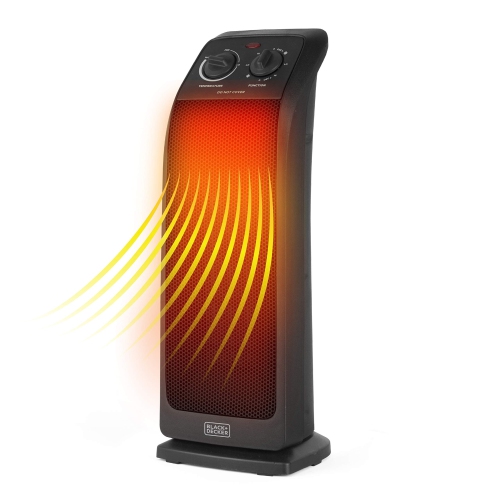 Your price for this item is $68.99
-
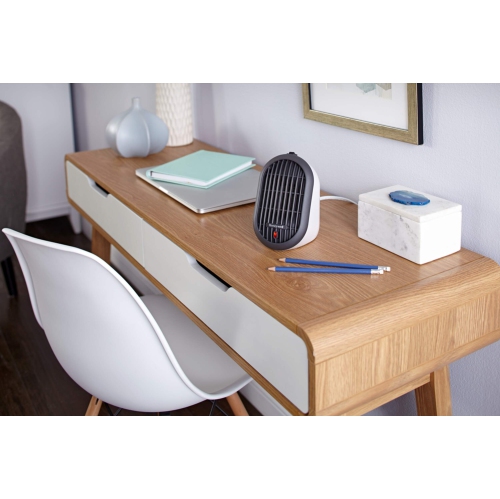 Your price for this item is $50
Discover more categories related to Oil Heaters


Top Collections:
Pokemon Centers, Best Budget Office Chairs, Kindle Devices, Best Cameras for Sports Photography, Pokémon 30th Celebration Cards, Best Laptops for Writers, Canon G7X Cameras, iPhone 15 Apple, Best Cell Phones Under $300, Apple iPhones 16
Some products may be subject to Environmental Handling Fees
(EHF) depending on your province.
Learn more about EHFs.