Portable Air Conditioners for Offices
Portable Air Conditioners for Offices offer a convenient way to maintain a comfortable workspace, even during the hottest days. Whether you’re outfitting a home office or a larger business environment, these versatile cooling solutions are designed to fit seamlessly into various office layouts. Discover options that help create an ideal temperature so you and your team can stay focused and productive throughout the workday. Explore a wide selection of Portable Air Conditioners for Offices to find the perfect match for your space and cooling needs.
Sort

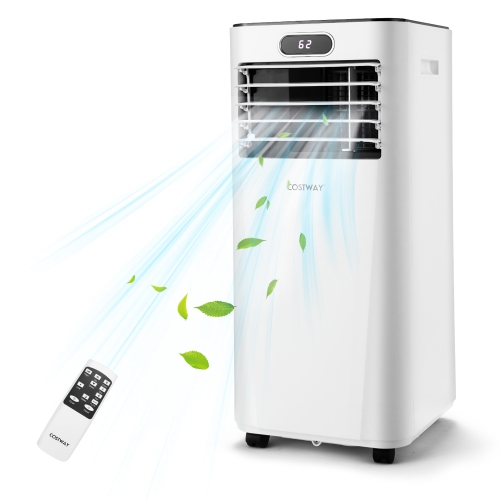
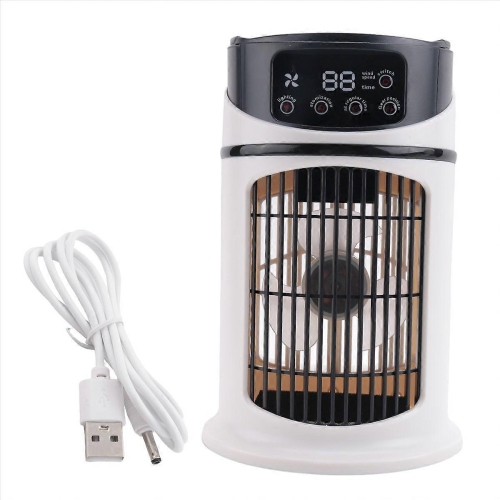
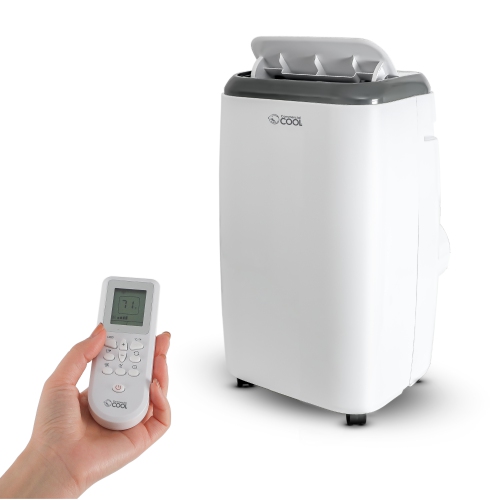
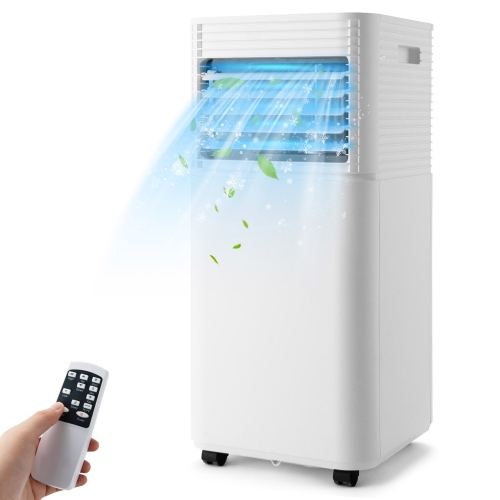
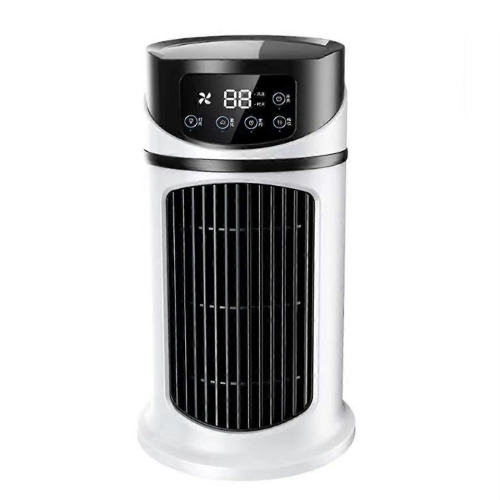
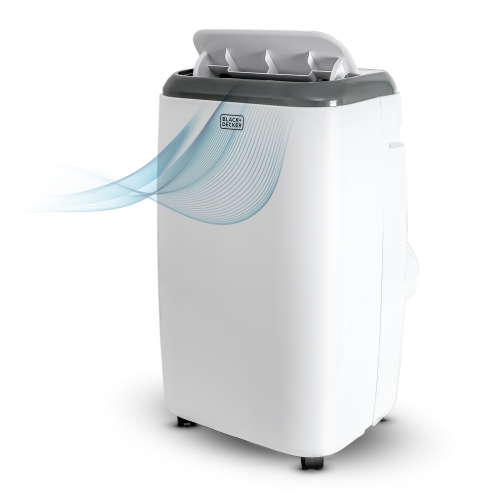
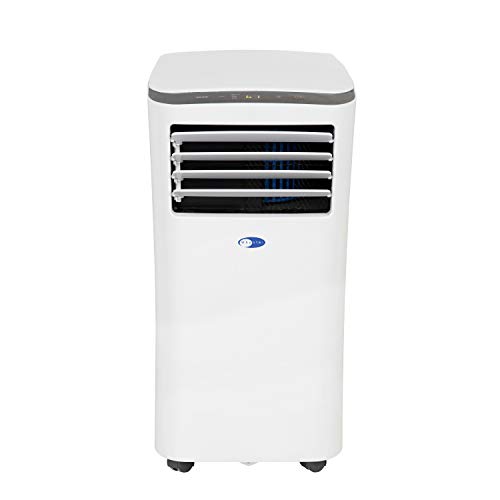
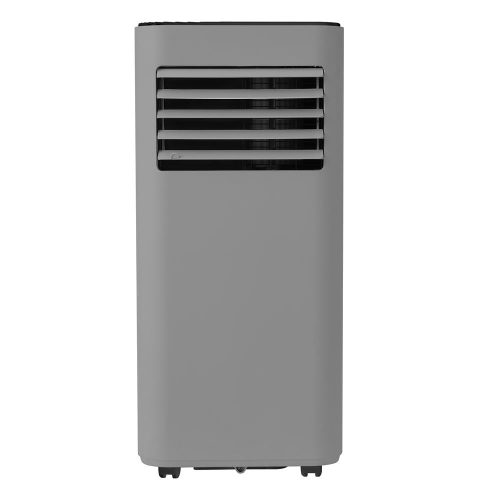

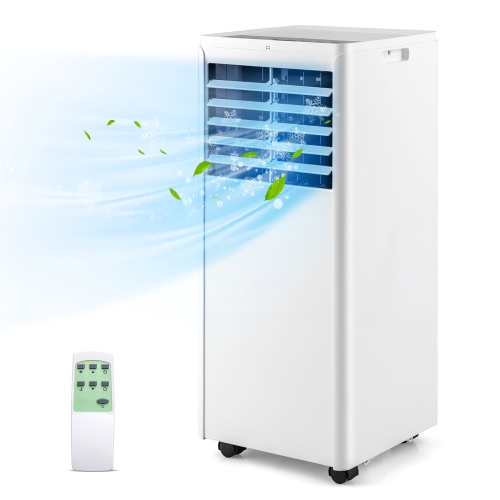

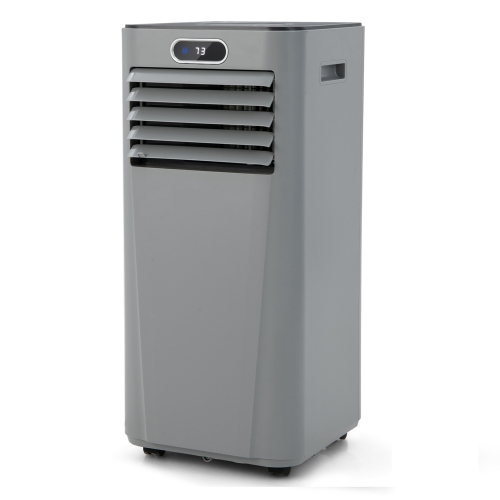

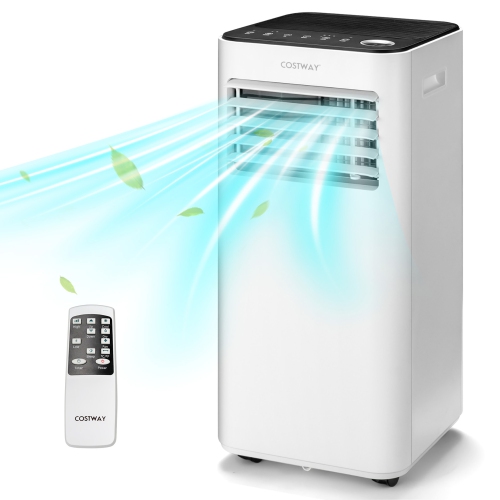

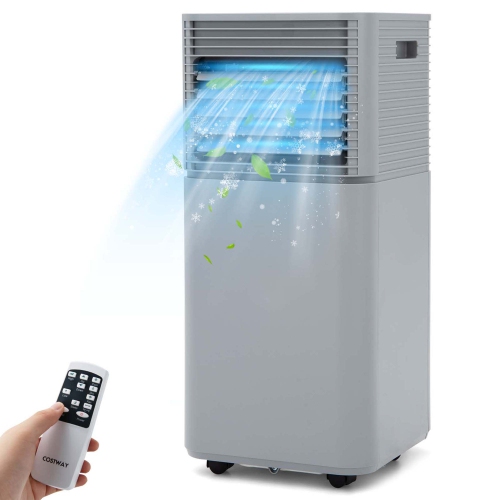
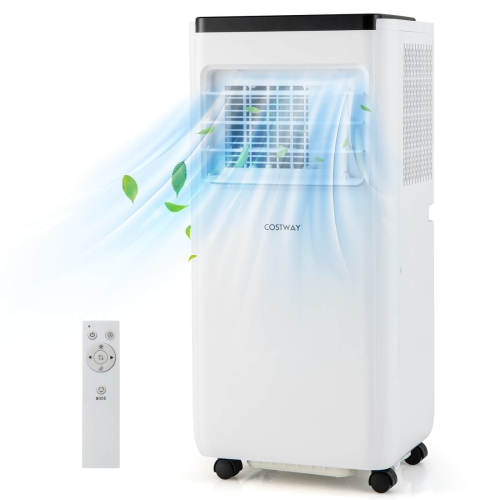
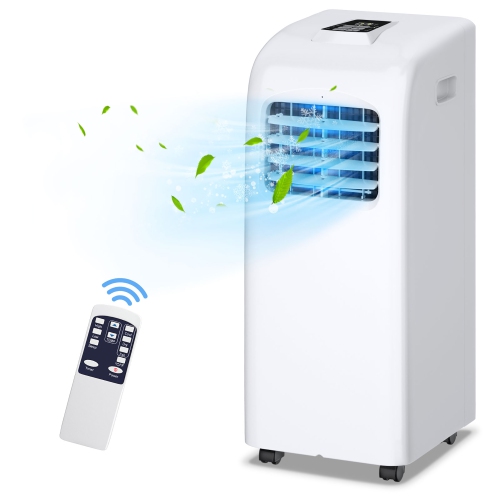
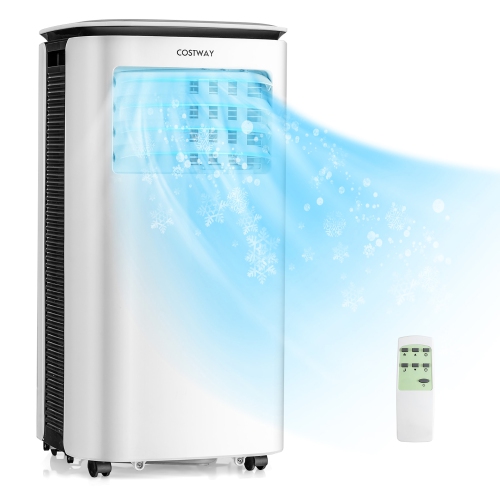
Office cooling depends on more than room size
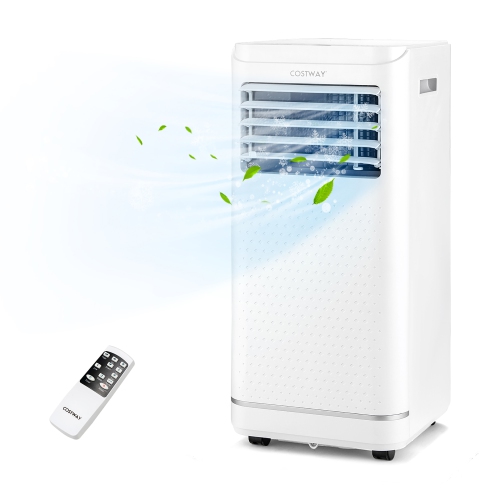
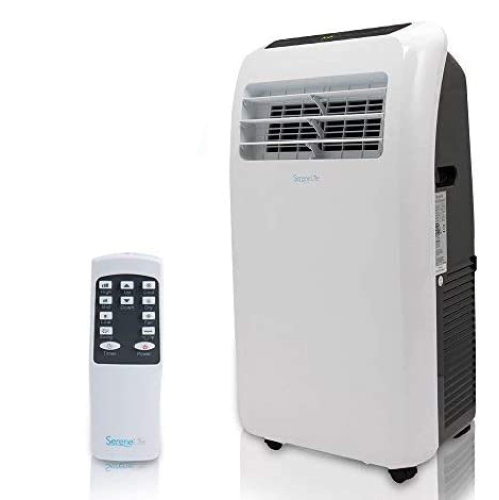
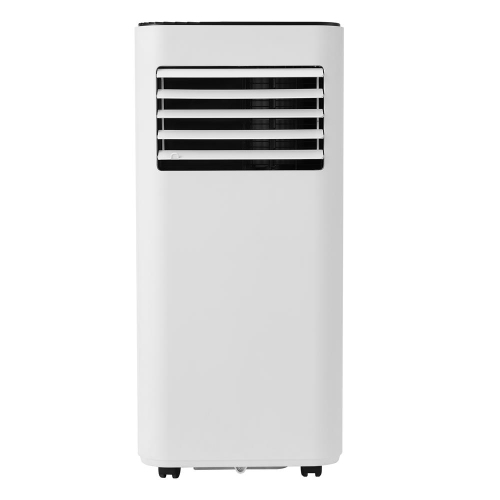
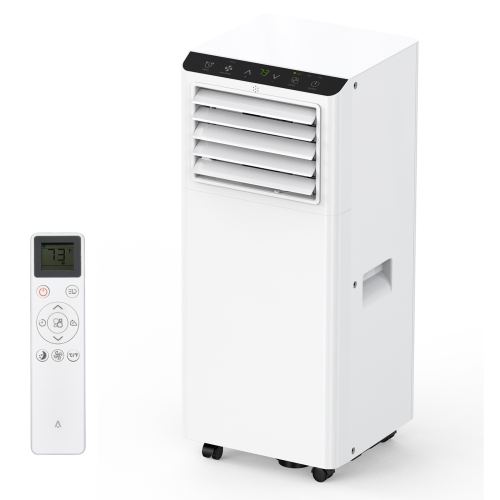
Portable air conditioners for offices provide cooling for enclosed workspaces where the building’s central system does not reach, cannot be adjusted locally, or leaves one room less comfortable than another. A private office with afternoon sun, a meeting room filled with people and laptops, or a home office with several monitors can have different cooling needs from the space around it. Unlike a fan, which circulates air, a portable air conditioner removes heat from the room and releases it outdoors through an exhaust hose. This makes access to a suitable venting location just as important as floor space. These appliances are generally better suited to a defined room than an open cubicle within a large shared floor, where cooled air can disperse beyond the intended area. Cooling capacity is expressed in British thermal units, or BTU, but the rating method matters: a traditional ASHRAE rating and a seasonally adjusted cooling capacity, often labelled SACC or DOE, are not directly interchangeable. Comparing capacity figures measured under the same standard gives a clearer picture of relative performance. The manufacturer’s recommended room coverage provides a starting point, while ceiling height, direct sunlight, occupancy, computers, and other heat-producing equipment help determine whether that coverage suits the office. A small room with a closed door and one workstation has different demands from a glass-fronted conference room used for back-to-back meetings. More capacity is not automatically better; an oversized unit may cycle frequently, while an undersized one may run continuously without reaching the selected temperature. Single-hose designs exhaust room air outdoors, which can draw replacement air in through gaps around doors and windows. Dual-hose designs use a separate outdoor-air intake for the condenser, helping reduce that pressure imbalance. Both designs still need proper installation, and neither replaces the fresh-air ventilation required for an occupied office.
The practical fit of an office portable air conditioner includes its cabinet, hose, window connection, and the space needed for airflow. A unit that fits neatly beside a filing cabinet may still be unsuitable if the exhaust hose must stretch across a walkway or the air intake sits against furniture. Manufacturer-specified clearances help keep air moving freely, while a short, unobstructed hose arrangement supports proper heat exhaust. Window kits also need to match the opening: a panel designed for a horizontal or vertical sliding window may not fit a crank-out casement window without a compatible adapter. Offices with sealed glazing may require an approved alternative venting arrangement, with permission from the building owner or facilities team. Exhaust should not simply be directed into a corridor, ceiling space, or another occupied room. For a desk nook or narrow private room, Compact Air Conditioners for Offices can help focus the search on smaller footprints, although hose routing and clearance requirements still count towards the total space needed. Sound is another important part of the fit. A steady fan beside a printer may be unobtrusive, yet the same sound close to a headset microphone can be noticeable throughout a video call. Published decibel ratings are most useful when their test conditions and operating modes are comparable; a low-speed fan rating does not necessarily describe full cooling operation. Variable-speed compressors can adjust their output rather than repeatedly switching between full operation and off, which may make changes in sound less abrupt. Sleep or quiet modes can reduce fan speed, but their effect on cooling output and compressor noise varies. Adjustable louvers help direct airflow away from papers, screens, and someone seated at a desk. Placement also depends on power access: the appliance should connect to a suitable grounded wall outlet according to its manual, rather than a power bar or an improvised extension-cord arrangement. A circuit already serving several office appliances may need assessment before another substantial electrical load is added.
Everyday usability matters when cooling needs to fit around calls, meetings, and focused work. Clear controls, an easy-to-read display, and a remote control make it simpler to adjust settings without moving furniture or reaching behind a desk. Programmable timers can match operation to working hours, while supported Wi-Fi features may allow adjustments through a compatible app, subject to the office’s network and device policies. Cooling, fan-only, and dehumidifying modes serve different purposes: fan mode moves air without active refrigeration, and dehumidifying operation can help manage moisture but may have particular drainage and exhaust requirements. Condensate handling deserves attention even when a unit is described as self-evaporating. Such systems can expel some collected moisture through the exhaust, but water may still accumulate under certain operating conditions. A full-tank alert, accessible drain connection, and a practical route for any permitted continuous-drain hose help keep routine care manageable. Durable moulded housings, sturdy handles, and well-supported castors are useful for occasional repositioning, although portable air conditioners can be heavy and are not necessarily easy to carry between floors. Castors also roll differently on carpet, hard flooring, and doorway thresholds, so mobility is best judged against the actual office layout. Filters should be checked and cleaned at the intervals specified in the manual, with washable components dried fully before refitting. Dust around intake grilles, a kinked exhaust hose, or a loose window seal can interfere with normal operation. Accessible filters and drain points make this upkeep less awkward in a furnished workspace. After transport, any required upright resting period should be followed before the unit is switched on. For shared offices, straightforward settings and an agreed temperature can prevent constant adjustments between occupants. The strongest match combines appropriate cooling capacity with workable venting, tolerable sound, safe placement, and maintenance that fits the room’s daily routine, whether that room serves one remote worker or a small team.
Top selling and popular products
-
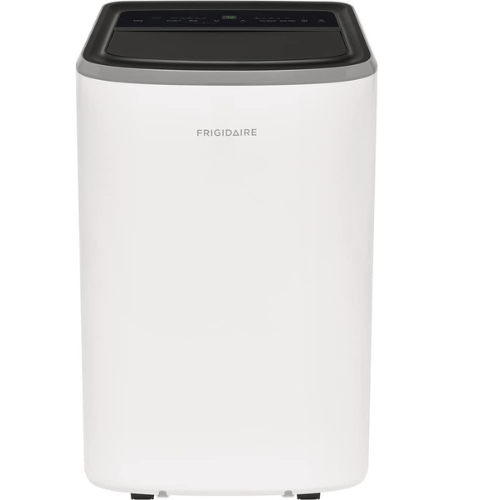 Your price for this item is $860
-
 Your price for this item is $599
-
 Your price for this item is $1000
-
 Your price for this item is $999
-
 Your price for this item is $1089
-
 Your price for this item is $839.68
-
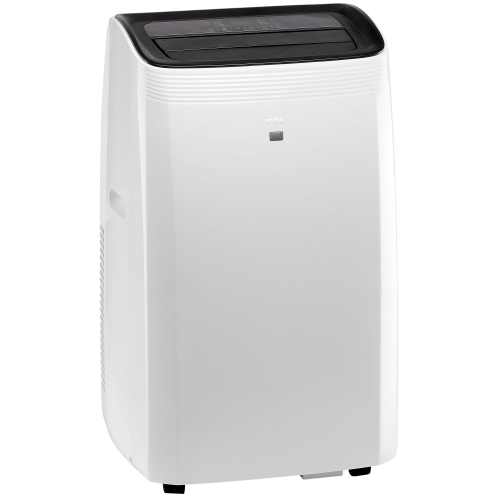 Your price for this item is $549.99
-
 Your price for this item is $519.99
Discover more categories related to Portable Air Conditioners for Offices
Top Collections:
Pokemon Centers, Best Cameras for Sports Photography, Kindle Devices, Samsung Galaxy Phones, Canon G7X Cameras, Pokémon 30th Celebration Cards, Refurbished Apple Laptops, iPhone 15 Apple, Laptops for Students, Budget Smartphones
Some products may be subject to Environmental Handling Fees
(EHF) depending on your province.
Learn more about EHFs.