Portable Air Conditioners for Small Rooms
Portable air conditioners for small rooms are a convenient solution when you need to keep a compact space cool and comfortable. Designed to fit easily into bedrooms, home offices, dorms, or studio apartments, these units offer flexibility and efficient cooling without the need for permanent installation. With a variety of sizes and styles available, it’s easy to find portable air conditioners for small rooms that match your needs and space requirements. Explore options that help you stay comfortable, even in limited spaces.
Sort
Why square footage tells only part of the cooling story
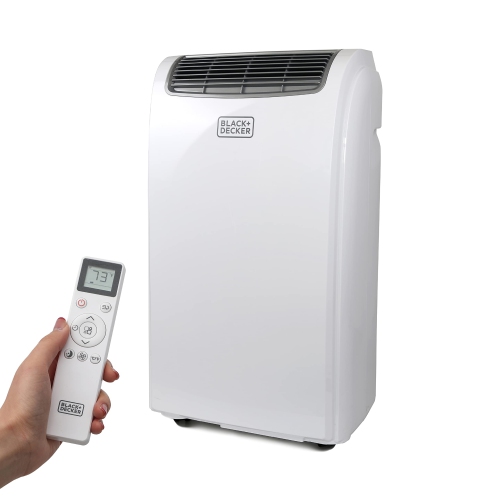
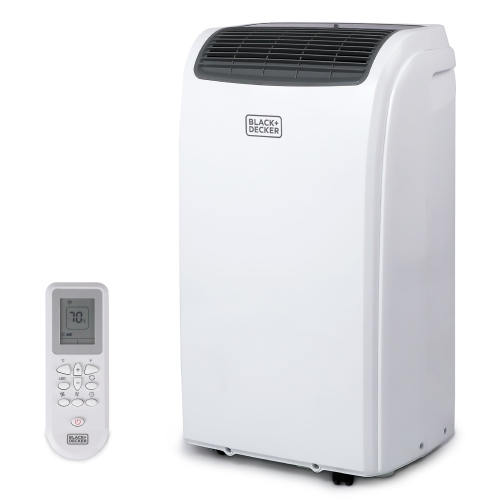
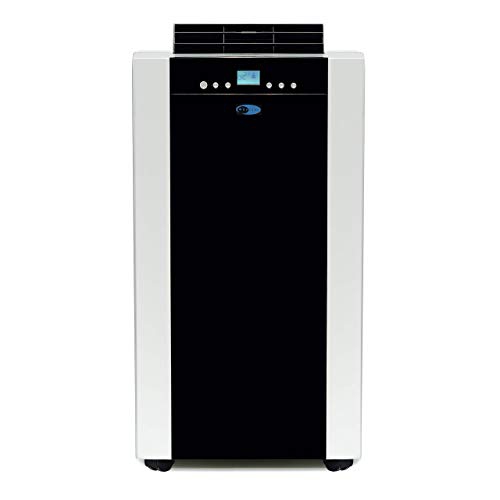
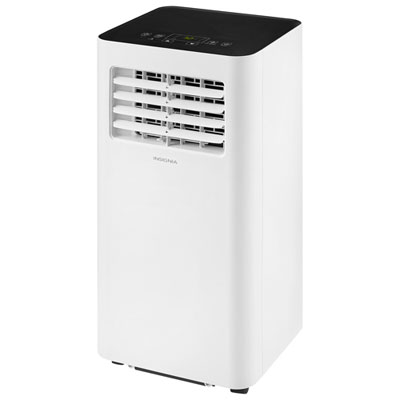
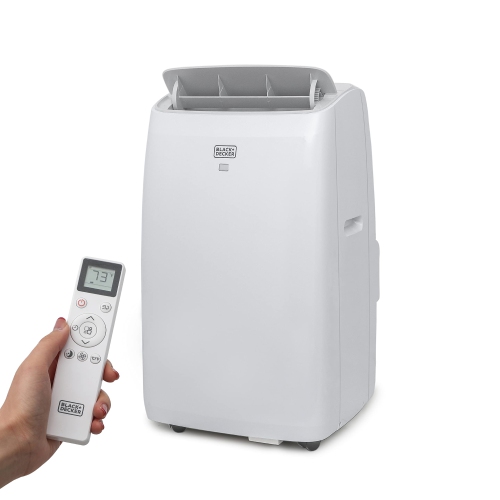
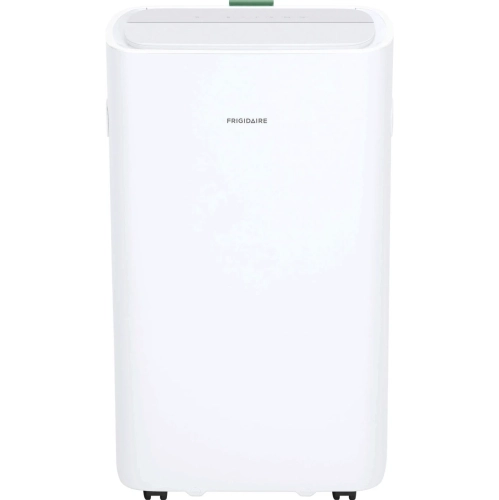
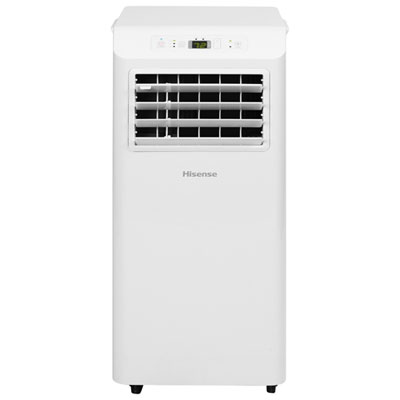
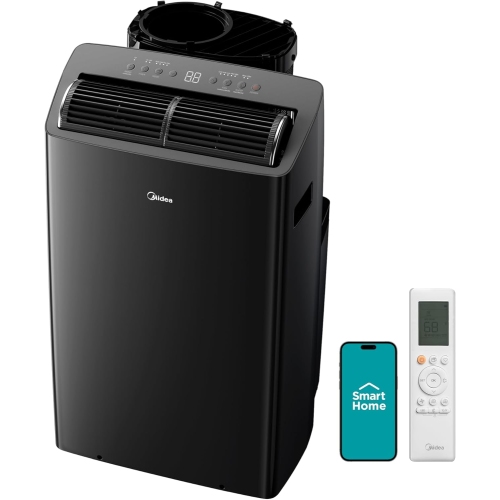
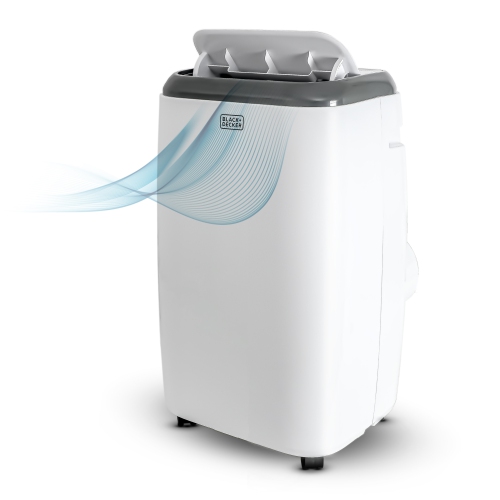
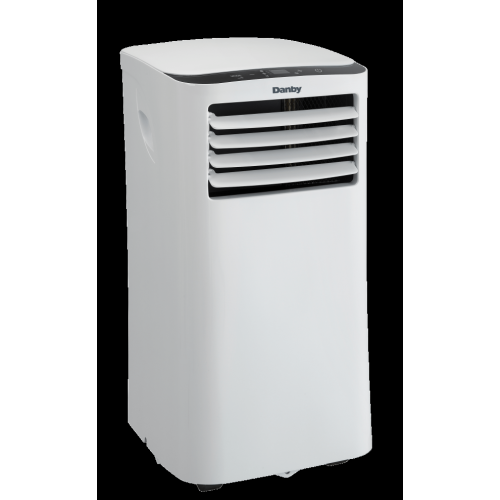
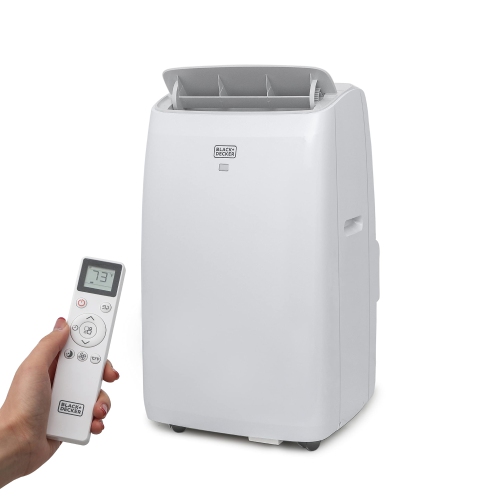
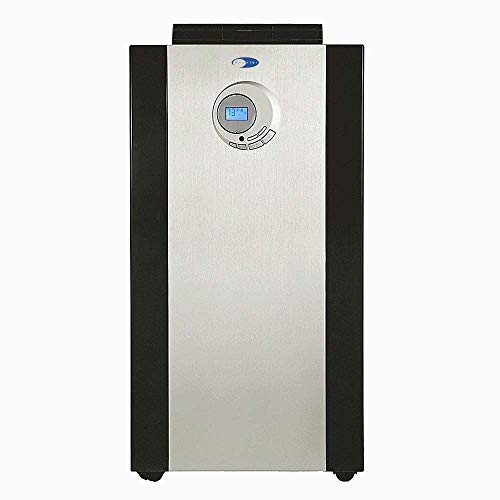
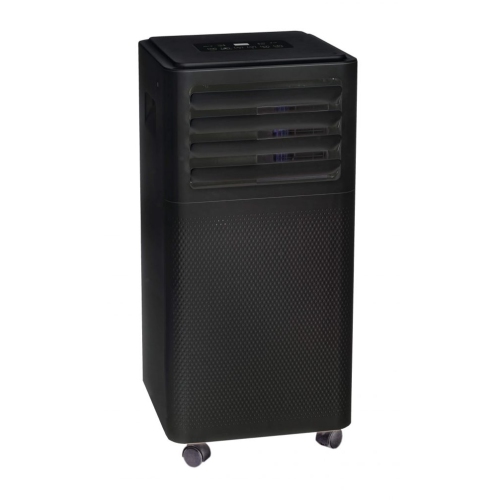
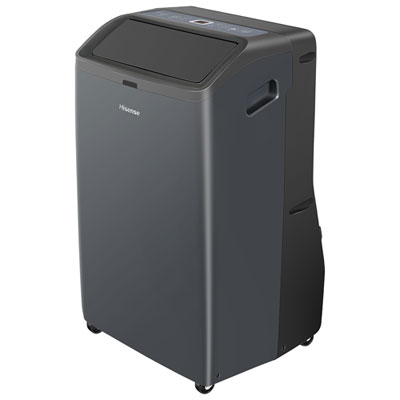
Portable air conditioners for small rooms are designed to cool a defined space, such as a bedroom, a home office or a studio with room for a floor-standing unit. Unlike a fan, a portable air conditioner uses a compressor to cool the air and an exhaust hose to move heat outdoors. It's a practical fit when one room needs cooling and a window-mounted unit isn't the right choice. Many compact models have cooling capacities in the range of 5,000 to 8,000 BTU/h using the seasonally adjusted cooling capacity (SACC) rating. Some listings also show a higher ASHRAE rating for the same unit. The two numbers come from different test methods, so comparing SACC with SACC gives a better sense of how two portable units stack up. Floor area is a useful starting point: a 10-by-12-foot bedroom is 120 square feet, while a 12-by-15-foot office is 180 square feet. The manufacturer's room-size rating helps put those measurements in context, but two rooms with the same footprint can have very different cooling needs. An office with a large west-facing window and a pair of monitors may gain more heat than a shaded bedroom of the same size. High ceilings also add to the volume of air, and an open doorway into a hall makes it harder to cool just the room where the unit sits. A higher capacity isn't automatically a better fit in a small, enclosed room. An oversized unit may reach its temperature setting quickly and shut off before it has run long enough to remove much moisture, leaving the room cool but still feeling damp. Beyond capacity, the layout can be the deciding factor: an air outlet with adjustable louvers can direct the breeze past a desk chair or across the foot of a bed instead of straight at the person using the room.
A portable air conditioner doesn't need to sit in the window, but it does need a way to vent outdoors in cooling mode. Most window kits use an adjustable panel to hold the exhaust hose in a raised sash or a sideways-sliding window. A crank-out casement or an inward-opening window may need a different adapter or seal. The measurement that matters is the clear opening where the panel will sit, not the width of the glass or the outside frame. In a narrow bedroom, the cabinet might fit neatly beside a dresser on paper, yet still leave too little room for the hose to curve up to the window or for air to reach the intake. Curtains should clear the vents, and the unit needs to sit close enough to a suitable wall outlet to plug in directly. A short, gently curved exhaust hose within the manufacturer's limits is a better fit than one stretched across a work surface or bent sharply behind furniture. A snug window seal also helps keep the hot exhaust from leaking back in. Single-hose models use some room air to carry heat out, which can draw warmer air in around doors and other gaps. Dual-hose designs typically draw outdoor air through one hose and discharge it through the other, reducing that effect, though the hoses or larger adapter can take up more space behind the cabinet. Casters make it easier to roll a unit between rooms on the same floor, but each room still needs a compatible vent setup; moving it isn't quite as simple as moving a fan. In a dorm or rental, building rules may also affect how a panel can be fitted to the window. For a broader look at cooling options for compact spaces, browse Air Conditioners For Small Rooms.
Sound, controls and upkeep can matter as much as capacity when the unit is only a few steps from a bed or desktop. Some compact models list sound levels around 50 to 55 dB, but a figure measured at the lowest fan speed doesn't necessarily describe what the unit sounds like when the compressor is running. A steady fan may fade into the background during a video call, while the change in sound when the compressor cycles on can be more noticeable in a quiet bedroom. A low fan setting can be useful at bedtime, and a display that dims can make a difference when the front panel faces the bed. A remote is handy when the controls are tucked beside a desk, and a timer can shut the unit off without anyone having to get up. Fan-only mode circulates air without actively cooling it, while a dehumidifier mode removes moisture and may have different drainage requirements from the cooling mode. Many units evaporate some of the collected water and expel it through the exhaust, but a self-evaporating design doesn't always eliminate draining. The collection tray may still fill under humid conditions, so it's worth leaving enough room to reach the drain port without pulling the cabinet away from the wall. Most portable units have a wipe-clean plastic housing, and many have a removable mesh filter. A filter that slides out without moving the cabinet is particularly convenient in a home with pets, where lint and fur can build up at the intake. Cleaning it as directed and letting a washable filter dry fully before reinstalling it helps keep air moving freely. If the unit will move often, sturdy casters, recessed grips and hose fittings that lock into place are more useful than a slim cabinet alone. When the unit is put away, draining it as directed and storing it upright in a dry spot helps protect the cabinet and fittings. For someone furnishing a first apartment or setting up a home office, the right fit is a unit that leaves space to walk, reaches a compatible window and can run comfortably while the room is in use.
Top selling and popular products
-
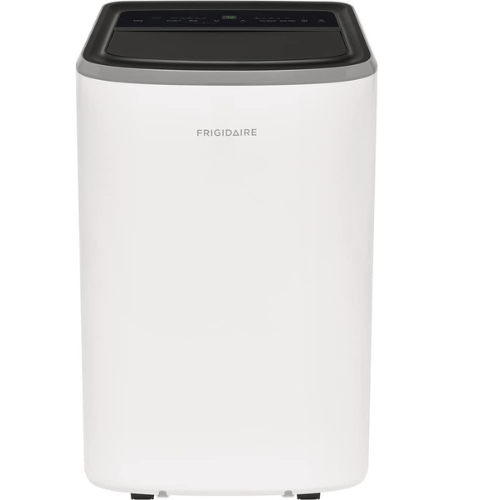 Your price for this item is $860
-
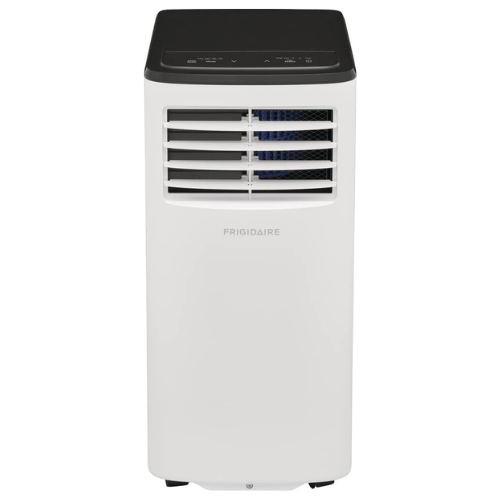 Your price for this item is $599
-
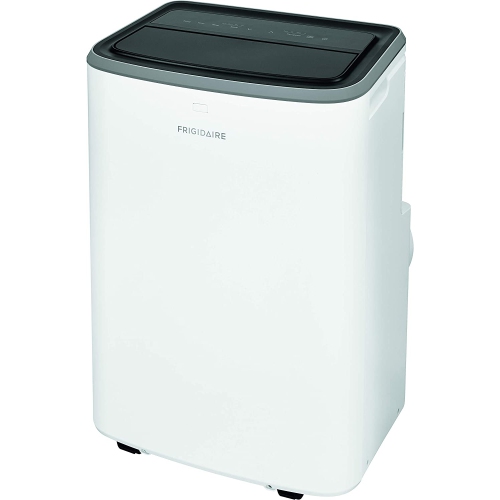 Your price for this item is $1000
-
 Your price for this item is $999
-
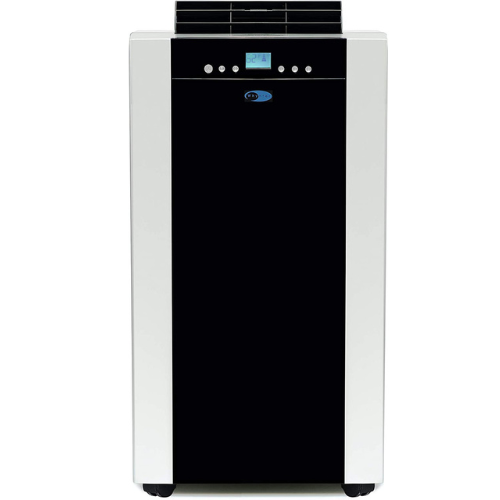 Your price for this item is $1089
-
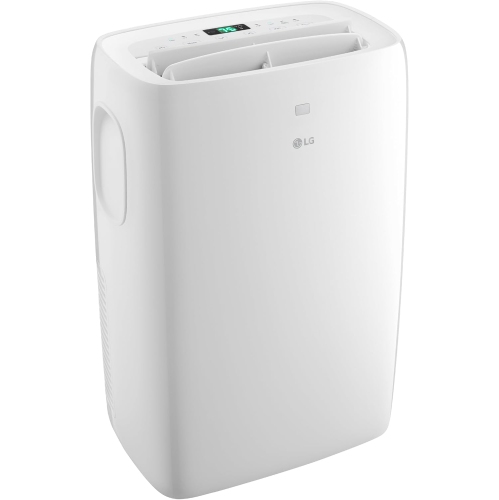 Your price for this item is $839.68
-
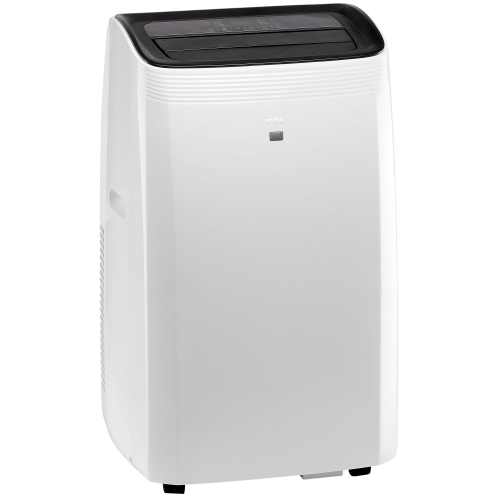 Your price for this item is $549.99
-
 Your price for this item is $519.99
Discover more categories related to Portable Air Conditioners for Small Rooms
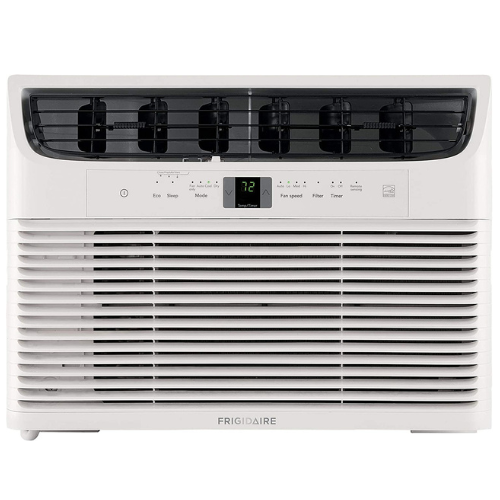
Top Collections:
Best Black Friday Deals This Year, Best Black Friday Deals On Electronics, Kindle Devices, Pokemon Centers, Best Black Friday Deals On Apple Products, Best Cameras for Sports Photography, Dyson Airwrap, Pokémon 30th Celebration Cards, Apple iPhone 17 Pro, Canon G7X Cameras
Some products may be subject to Environmental Handling Fees
(EHF) depending on your province.
Learn more about EHFs.