Portable Heaters for Rvs
Stay cozy on every adventure with portable heaters for RVs, designed to help you enjoy comfortable temperatures wherever the road takes you. Whether you're embarking on a cross-country journey or setting up camp in cooler climates, these compact heating solutions are easy to use and ideal for maximizing comfort in your mobile living space. Discover options that fit your RV lifestyle and keep your travels warm and inviting all year round.
Sort
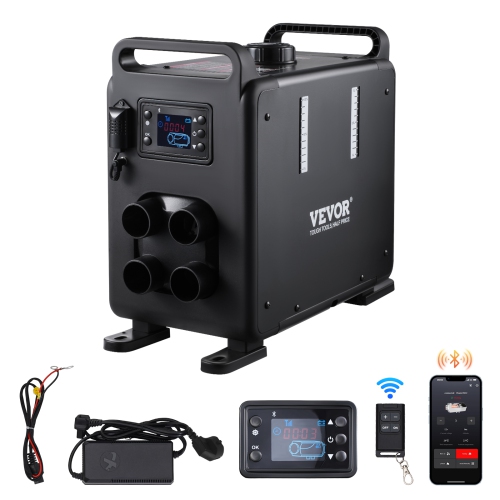
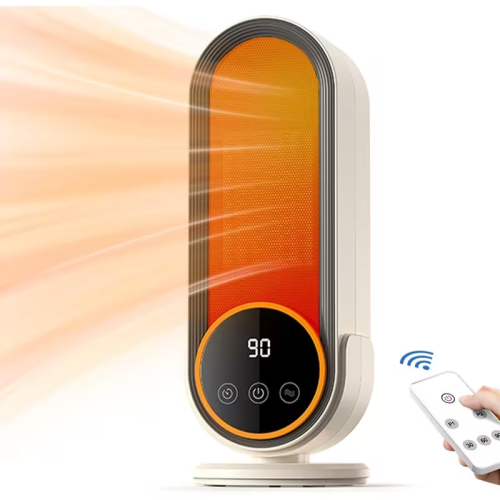
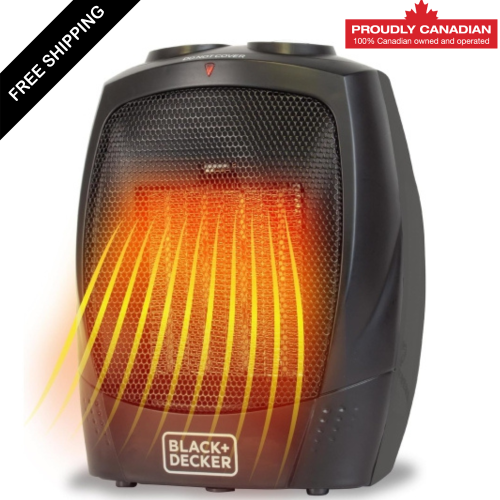
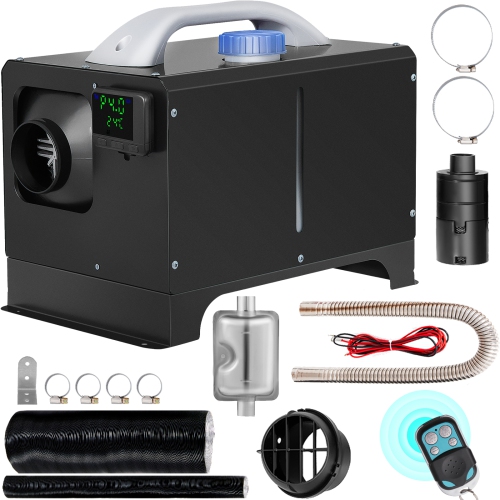
Power, placement and safety matter in RV heating
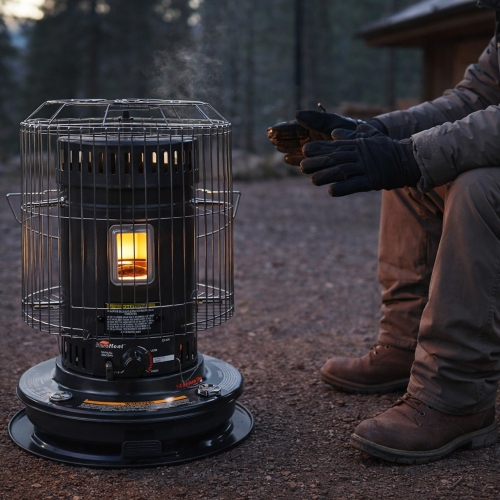
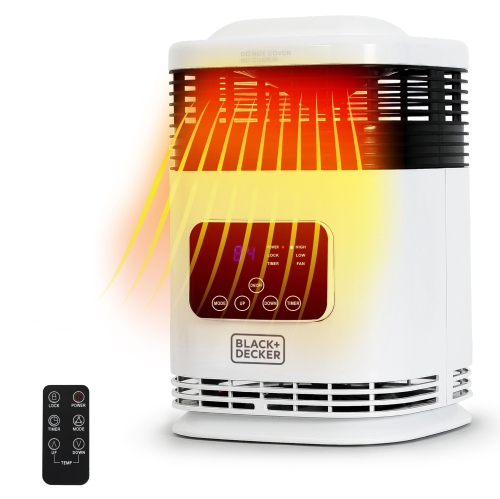
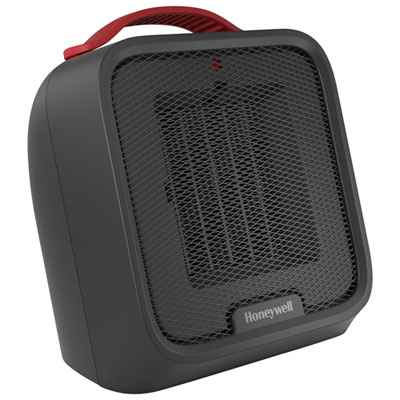
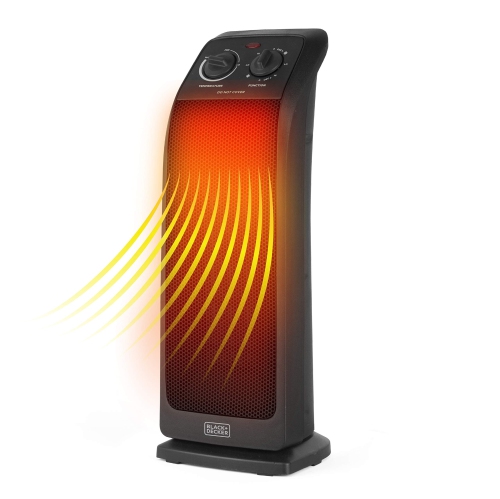
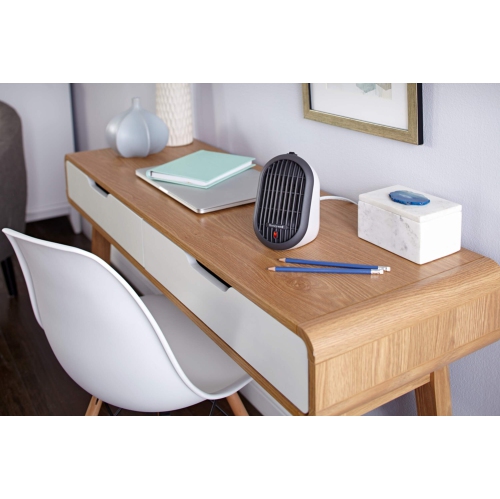
Portable heaters for RVs can make a noticeable difference when the temperature drops, whether you are spending a quiet evening in a travel trailer, getting ready for an early morning departure, or extending a camping trip into the cooler months. An RV has a much smaller interior than a house, but its compact layout, windows, slide-outs and hard surfaces can allow heat to disappear quickly. A portable heater offers flexible warmth without requiring changes to the RV’s built-in heating system, and it can be moved between the living area, bedroom or enclosed garage as needed. When comparing Portable Heaters, consider the size of your RV, the available power supply, the amount of storage space and the type of warmth you prefer. Compact ceramic fan heaters are popular for their quick start-up and small footprint, making them convenient for a table, countertop or stable section of floor. Many have adjustable heat settings, allowing you to use a lower wattage when the space only needs a gentle boost. Oil-filled radiators are generally quieter because they do not rely on a fan, and they provide steady background heat that can feel comfortable during meals, reading or relaxing indoors. They are usually heavier and take longer to warm up, so they may suit RV owners who have room to store them and prefer consistent, low-noise operation. Infrared heaters can warm people and nearby surfaces directly, which may be useful when you want focused warmth rather than heating every corner of a larger motorhome or travel trailer. Some portable heaters are designed for use with fuel rather than household-style electrical power, which may appeal to travellers who spend time away from electrical hook-ups, but these models require particularly careful attention to ventilation, approved placement and operating instructions.
Electrical capacity is one of the most important considerations when choosing a portable heater for an RV. A typical 1,500-watt heater draws about 12.5 amps on a 120-volt circuit, which can use most of the capacity of a standard 15-amp branch circuit before other appliances are added. An RV may have 30-amp or 50-amp service, but that does not mean every individual outlet or circuit can safely support the full amount available at the campground connection. Check the RV manual, electrical panel and heater specifications before use, and avoid running a heater at the same time as high-draw appliances such as a microwave, kettle, toaster, hair dryer or air conditioner on the same circuit. Lower heat settings, often in the range of 700 to 900 watts, can be more practical when several devices are operating. Plug the heater directly into a suitable wall outlet whenever possible rather than using an extension cord, power bar or adapter that is not rated for the load. Keep the unit on a level, solid, heat-resistant surface with clear space around the air intake and outlet, and never place clothing, bedding, towels or curtains over it. Automatic tip-over shutoff and overheat protection are valuable features for the close quarters of an RV, while a thermostat can help maintain a comfortable temperature without constant adjustment. A built-in timer may also be useful for short periods of supervised heating, although portable heaters should not be left operating while everyone is away or asleep unless the manufacturer specifically permits that use and all safety requirements are met.
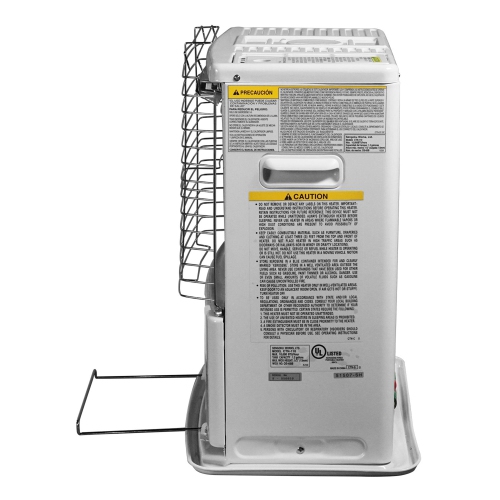
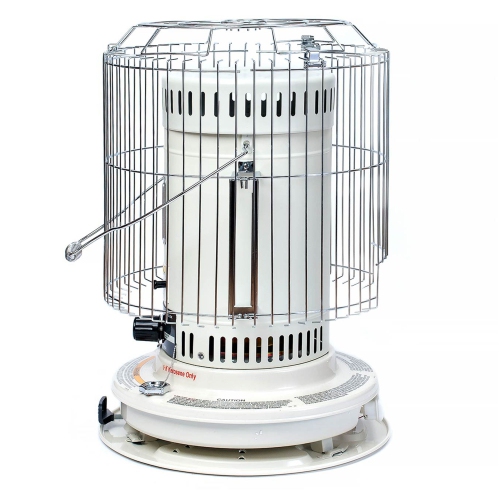
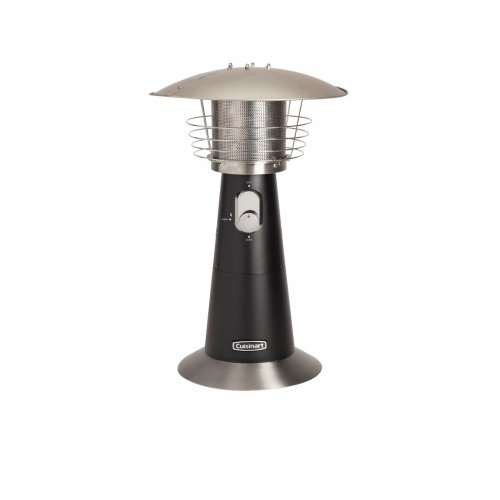
Fuel-based heaters can provide strong heat during off-grid travel, but they are not interchangeable with electric models and should be selected only for spaces and conditions approved by the manufacturer. Never use an unvented fuel-burning heater inside an RV while sleeping, and do not assume that opening a small window makes an unsuitable appliance safe. Combustion can produce carbon monoxide, an odourless and potentially dangerous gas, so keep a working carbon monoxide alarm and smoke alarm in the RV, follow all clearance and ventilation instructions, and ensure that any exhaust system is correctly installed and directed away from doors, windows and vents. Travellers who camp at serviced sites may appreciate the simplicity of an electric ceramic or oil-filled model, while those who frequently boondock may be more interested in a properly vented heating solution that does not depend on shore power. Storage is another practical detail: look for a compact shape, a carry handle or a cord-management feature if the heater will move between campsites, and plan a dry, secure storage spot when it is not in use. Portable heaters for RVs can also be thoughtful gifts for new RV owners, weekend campers or family members who enjoy autumn road trips, particularly when the heater matches the recipient’s RV size, electrical setup and camping habits. Whether used to take the chill off a small sleeping area or to create a warmer, more inviting living space after sunset, the right heater should balance comfortable performance with responsible operation, easy storage and a clear understanding of the RV’s power and ventilation requirements.
Electrical capacity is one of the most important considerations when choosing a portable heater for an RV. A typical 1,500-watt heater draws about 12.5 amps on a 120-volt circuit, which can use most of the capacity of a standard 15-amp branch circuit before other appliances are added. An RV may have 30-amp or 50-amp service, but that does not mean every individual outlet or circuit can safely support the full amount available at the campground connection. Check the RV manual, electrical panel and heater specifications before use, and avoid running a heater at the same time as high-draw appliances such as a microwave, kettle, toaster, hair dryer or air conditioner on the same circuit. Lower heat settings, often in the range of 700 to 900 watts, can be more practical when several devices are operating. Plug the heater directly into a suitable wall outlet whenever possible rather than using an extension cord, power bar or adapter that is not rated for the load. Keep the unit on a level, solid, heat-resistant surface with clear space around the air intake and outlet, and never place clothing, bedding, towels or curtains over it. Automatic tip-over shutoff and overheat protection are valuable features for the close quarters of an RV, while a thermostat can help maintain a comfortable temperature without constant adjustment. A built-in timer may also be useful for short periods of supervised heating, although portable heaters should not be left operating while everyone is away or asleep unless the manufacturer specifically permits that use and all safety requirements are met.
Fuel-based heaters can provide strong heat during off-grid travel, but they are not interchangeable with electric models and should be selected only for spaces and conditions approved by the manufacturer. Never use an unvented fuel-burning heater inside an RV while sleeping, and do not assume that opening a small window makes an unsuitable appliance safe. Combustion can produce carbon monoxide, an odourless and potentially dangerous gas, so keep a working carbon monoxide alarm and smoke alarm in the RV, follow all clearance and ventilation instructions, and ensure that any exhaust system is correctly installed and directed away from doors, windows and vents. Travellers who camp at serviced sites may appreciate the simplicity of an electric ceramic or oil-filled model, while those who frequently boondock may be more interested in a properly vented heating solution that does not depend on shore power. Storage is another practical detail: look for a compact shape, a carry handle or a cord-management feature if the heater will move between campsites, and plan a dry, secure storage spot when it is not in use. Portable heaters for RVs can also be thoughtful gifts for new RV owners, weekend campers or family members who enjoy autumn road trips, particularly when the heater matches the recipient’s RV size, electrical setup and camping habits. Whether used to take the chill off a small sleeping area or to create a warmer, more inviting living space after sunset, the right heater should balance comfortable performance with responsible operation, easy storage and a clear understanding of the RV’s power and ventilation requirements.
Top selling and popular products
-
 Your price for this item is $179.99
 -
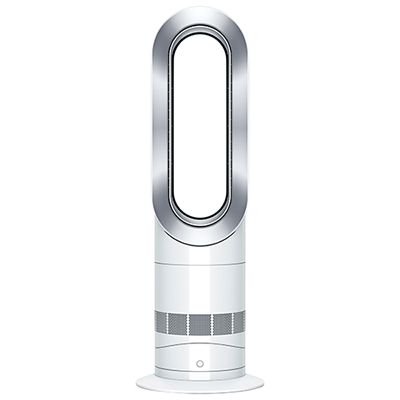 Your price for this item is $549.99
 -
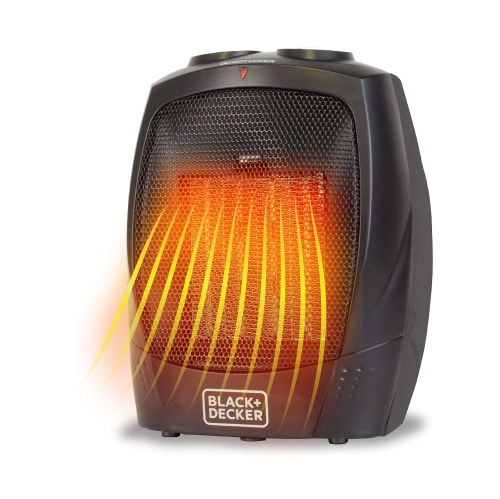 Your price for this item is $41.99
 -
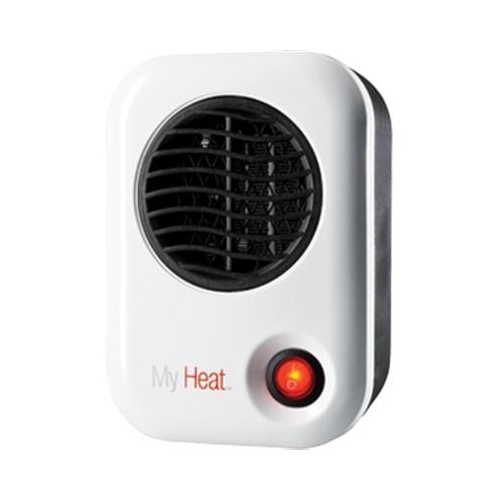 Your price for this item is $100.99
 -
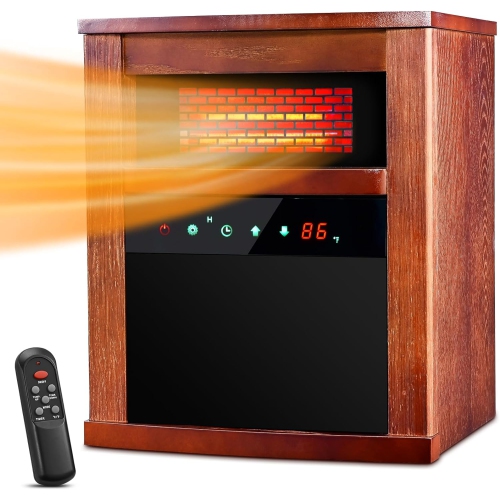 Your price for this item is $219.95
 -
 Your price for this item is $64.98
 -
 Your price for this item is $68.99
 -
 Your price for this item is $50
Discover more categories related to Portable Heaters for Rvs
Top Collections:
Pokemon Centers, Kindle Devices, Best Budget Office Chairs, Apple iPhones 16, Best Laptops for Writers, iPhone 15 Apple, Canon G7X Cameras, Refurbished Apple Laptops, Alarm Clock, Motorola Razr Phones
Some products may be subject to Environmental Handling Fees
(EHF) depending on your province.
Learn more about EHFs.