Portable Propane Heaters
Stay warm and cozy wherever you go with our collection of portable propane heaters. Whether you're heading out on a camping trip, tailgating at a sports event, or simply needing an extra heat source for your outdoor space, these versatile heaters are the perfect solution. Designed to provide efficient and reliable heat, our portable propane heaters are easy to use and offer excellent portability. With a range of sizes and styles to choose from, you'll find the ideal heater to suit your needs.
Sort
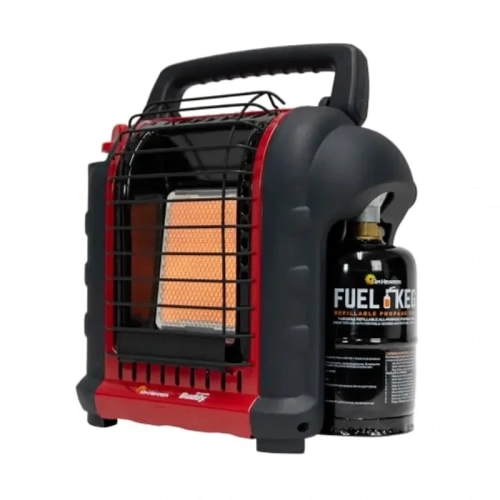
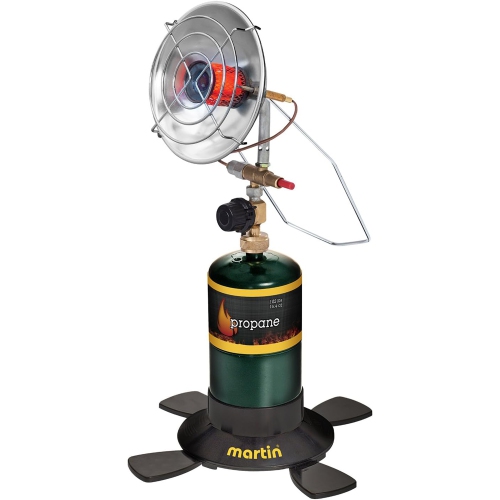
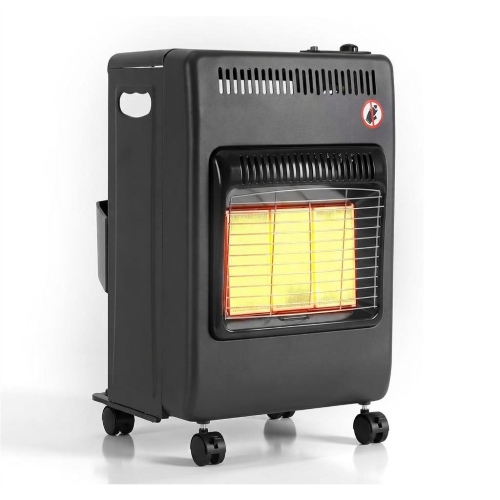


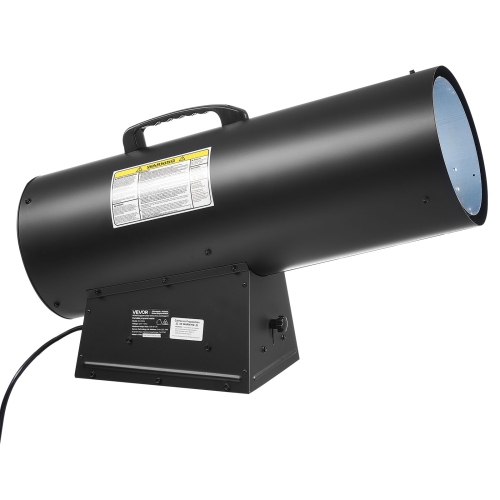
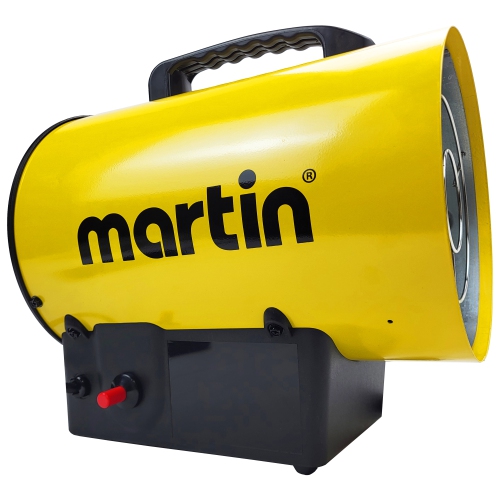
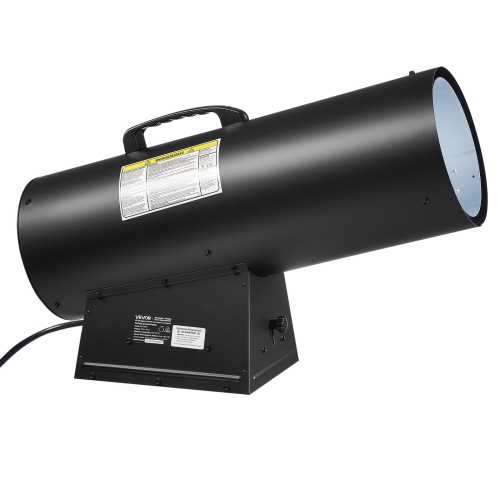
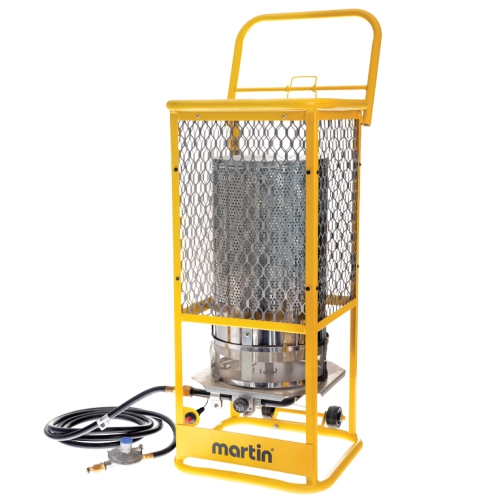
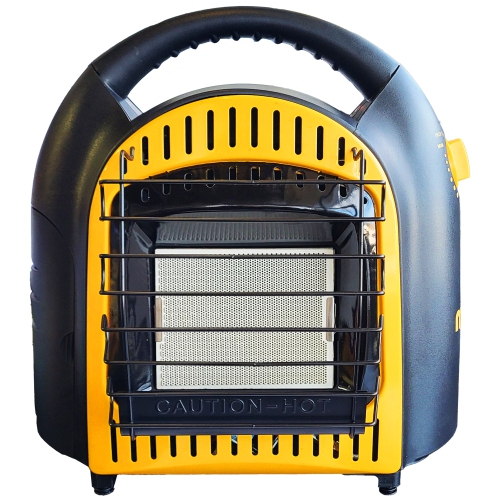
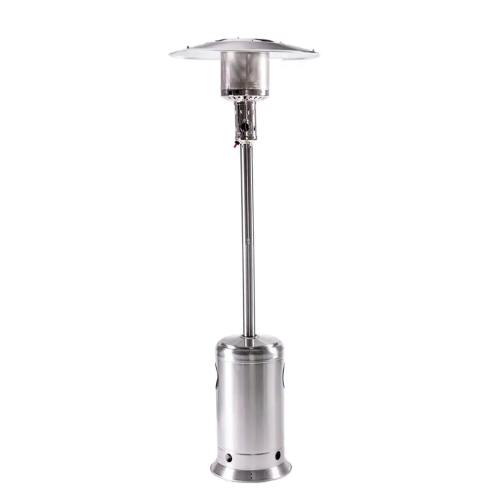
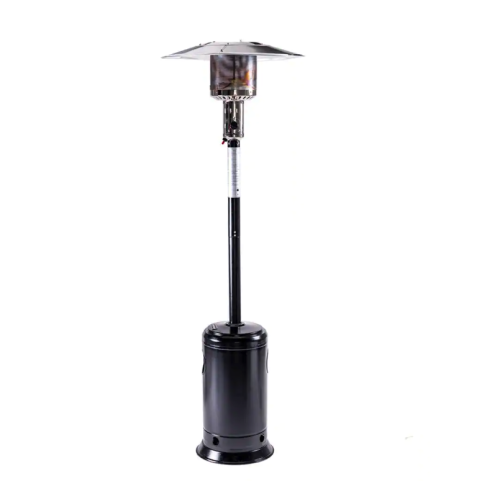
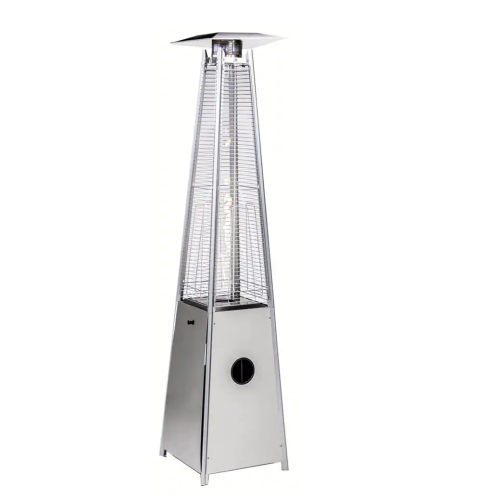
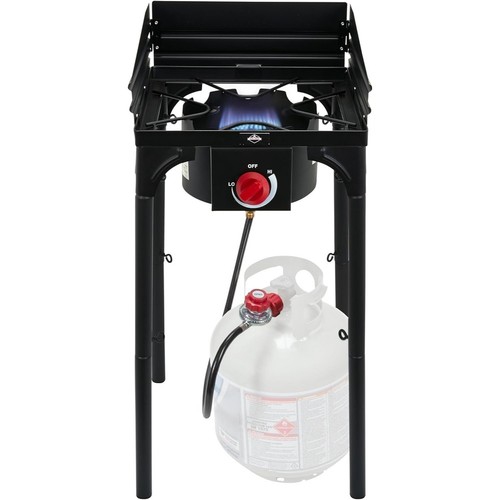



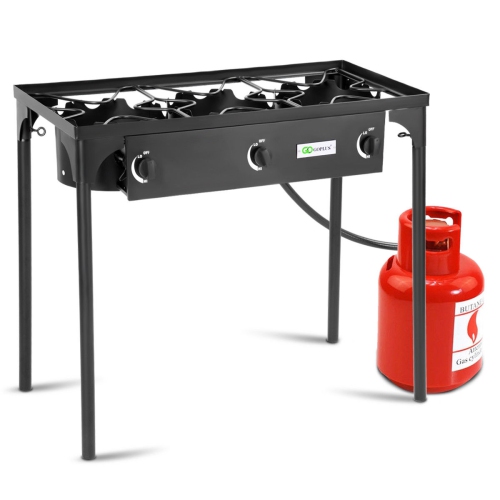
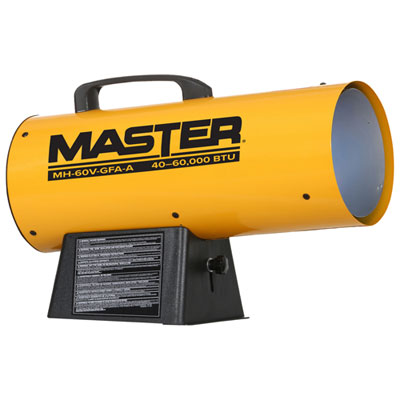
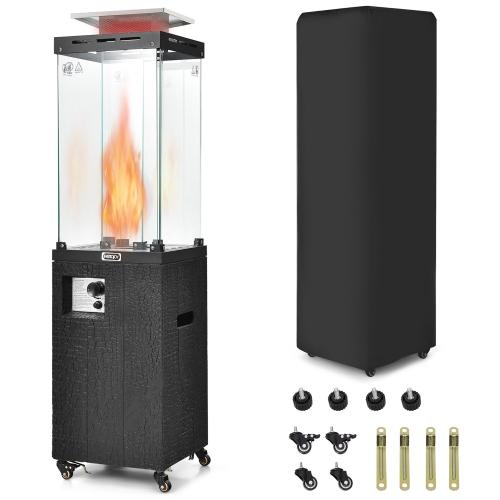
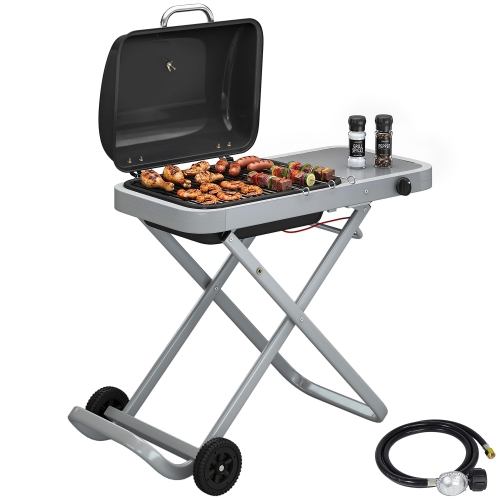
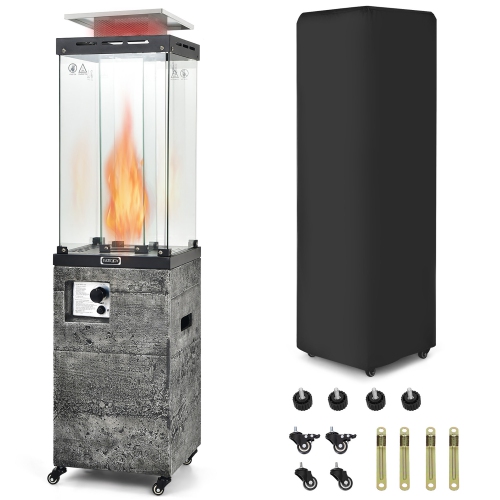
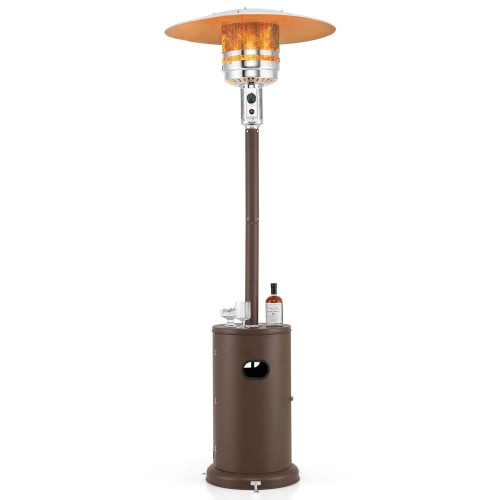
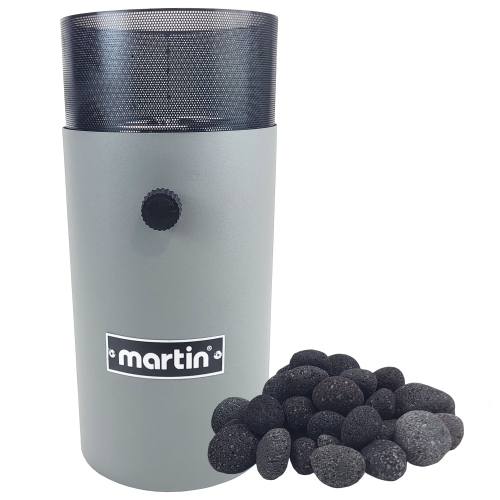
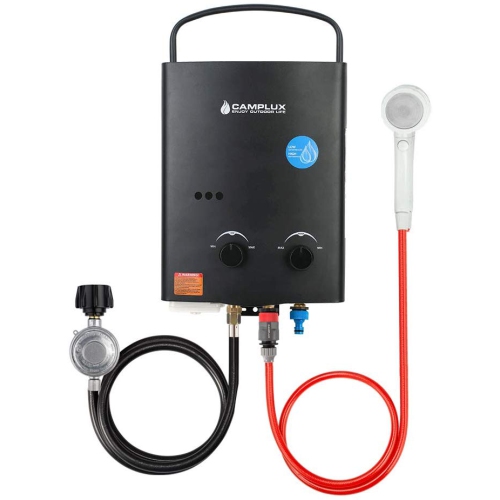
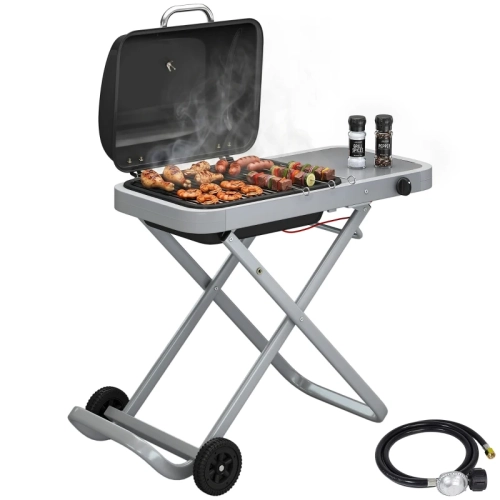
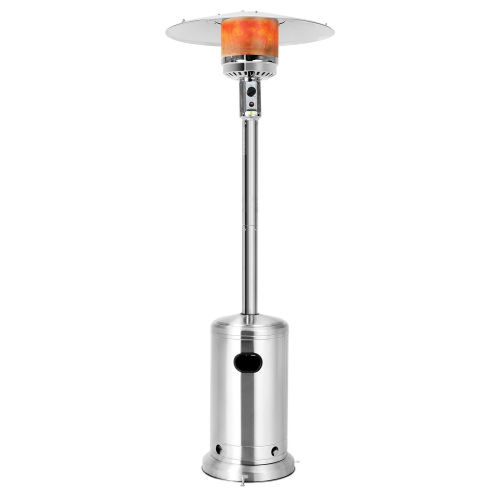
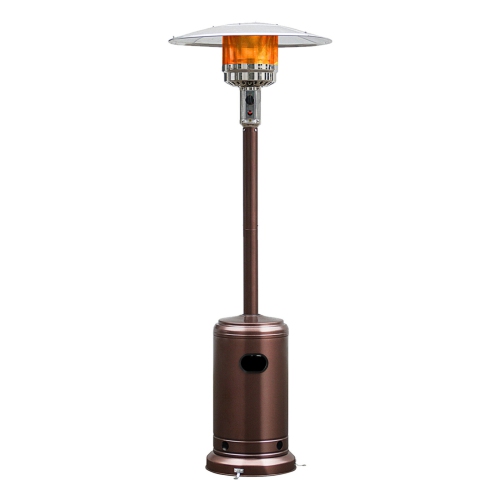
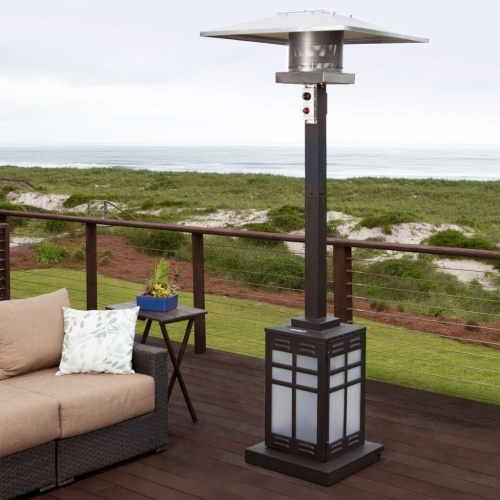
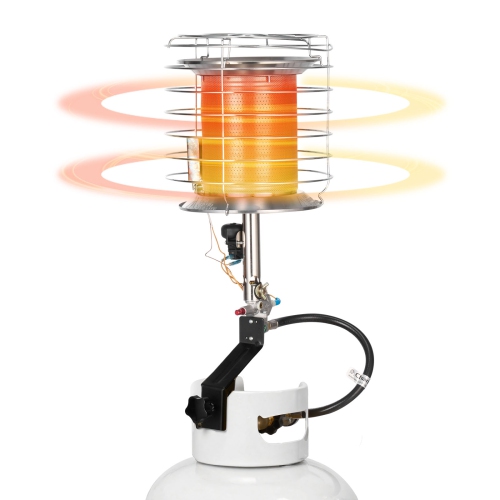


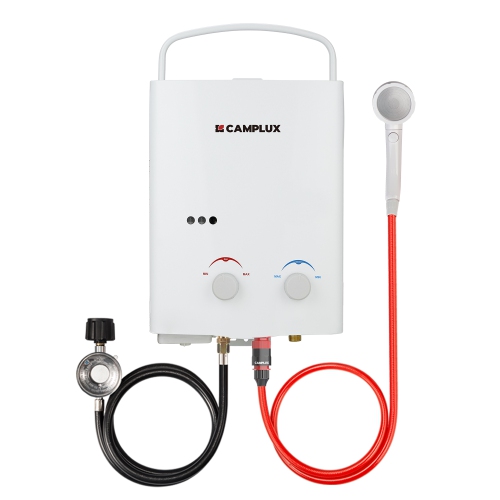
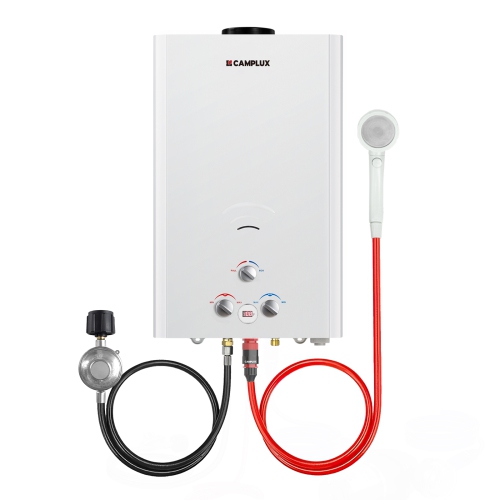
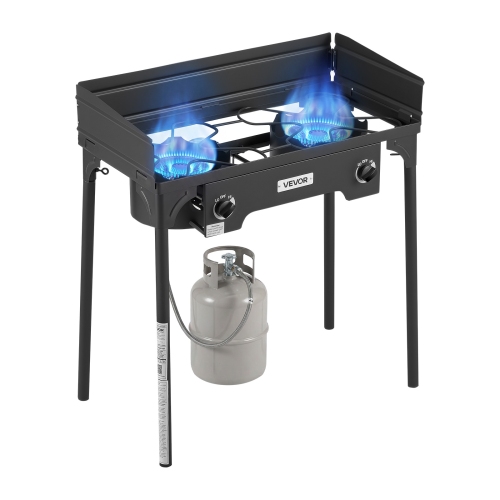

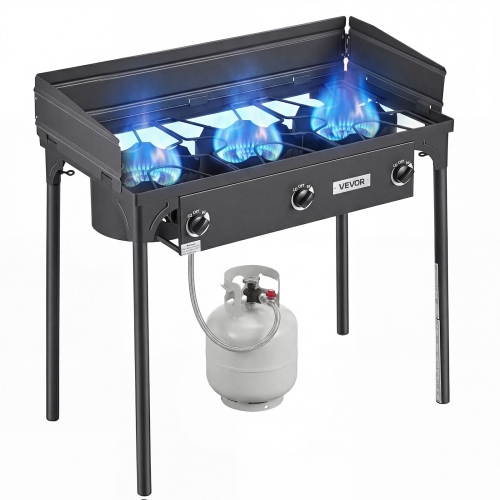
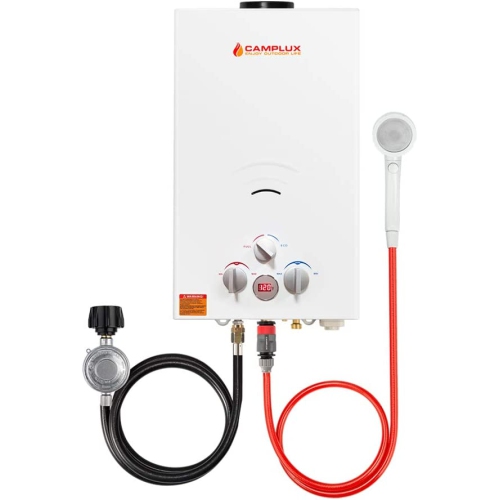
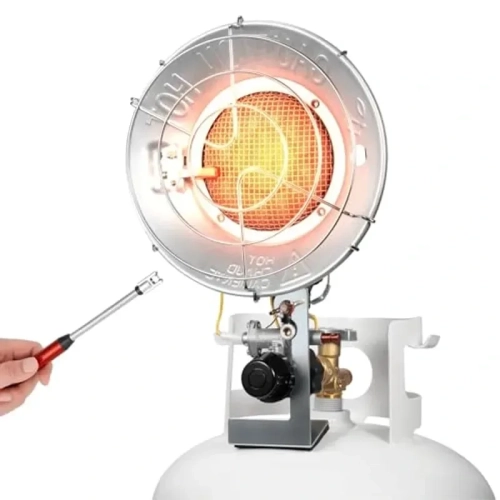

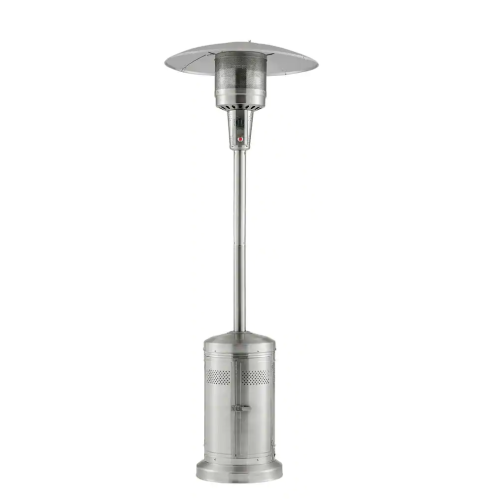
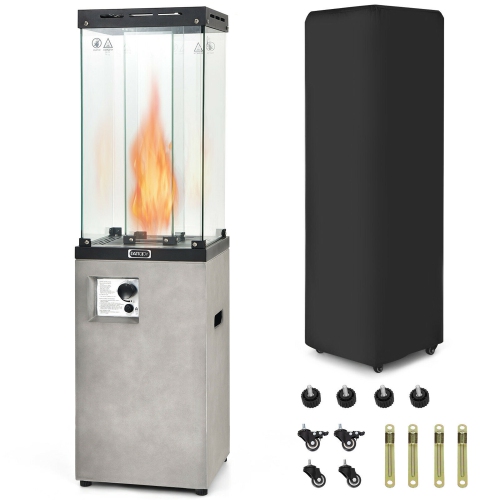


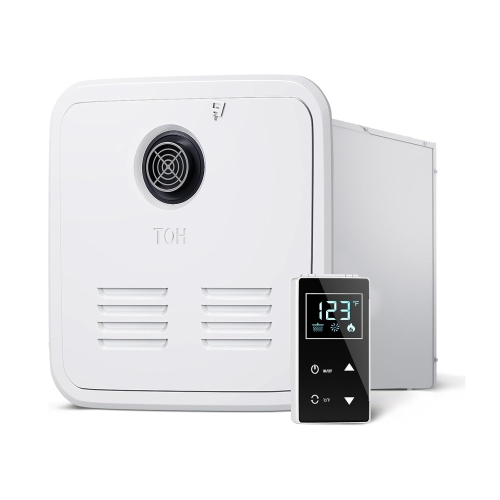
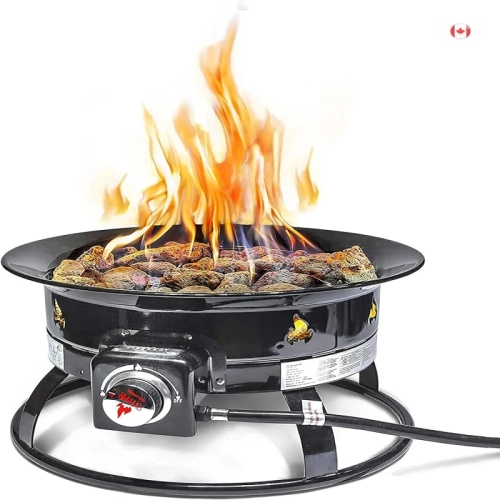
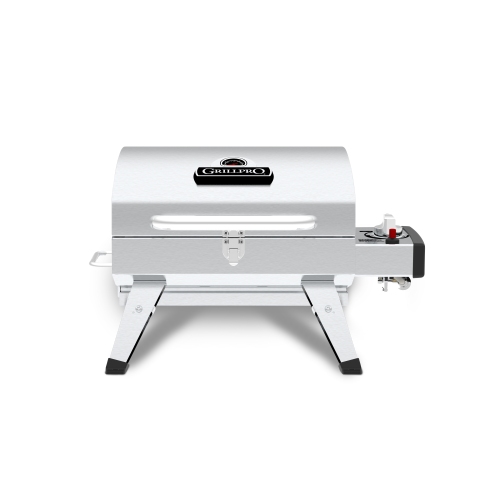


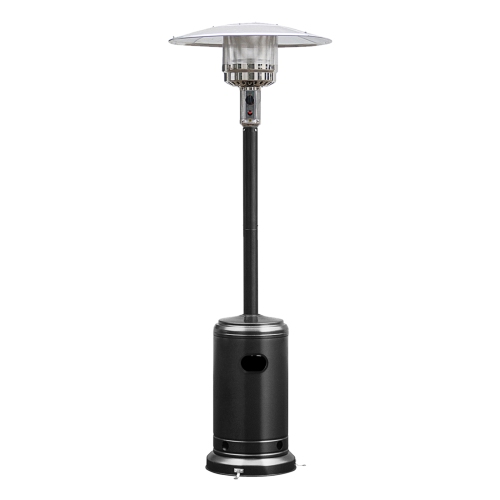
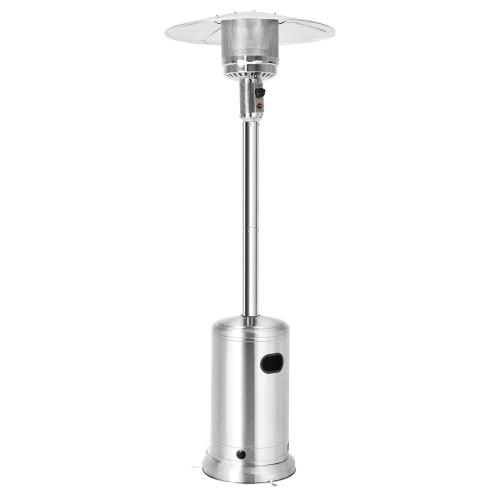

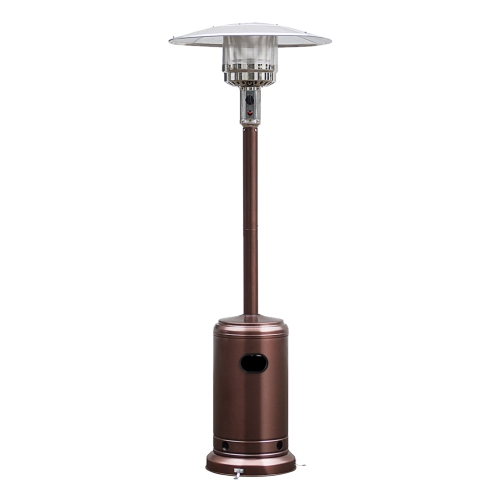

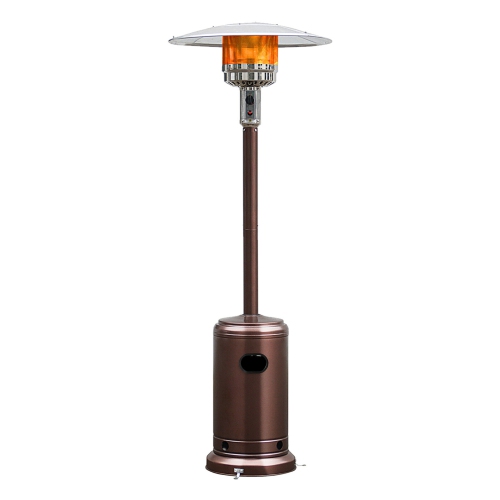
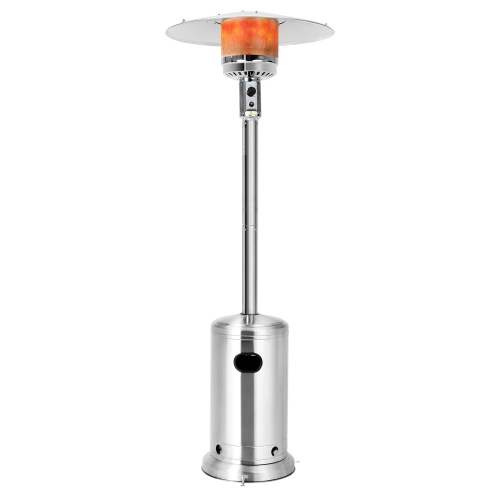
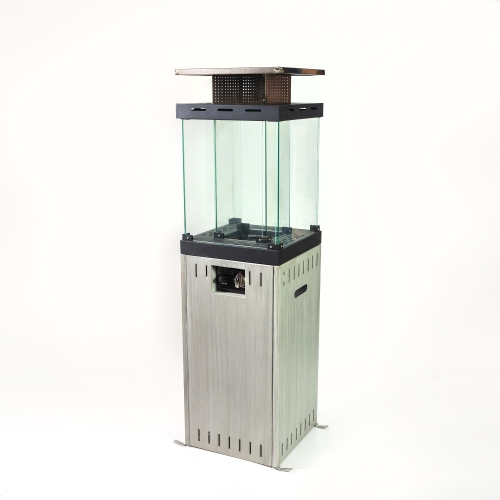
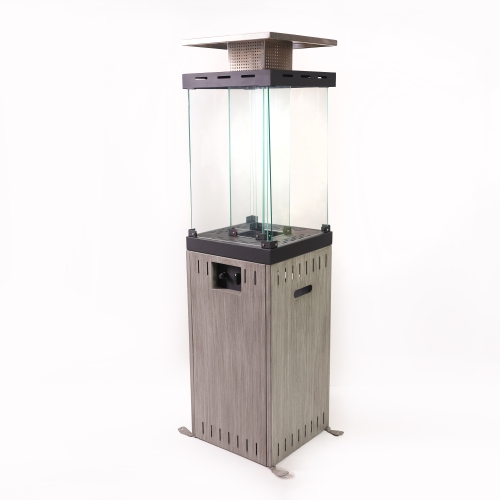


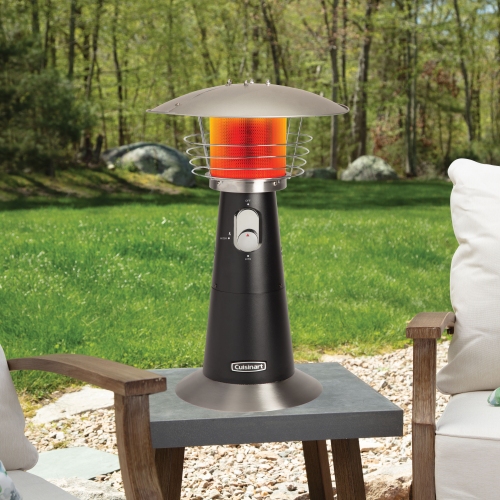
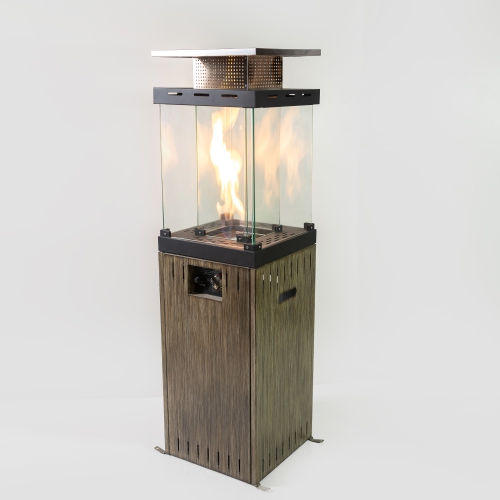
Outdoor warmth depends on more than heat output
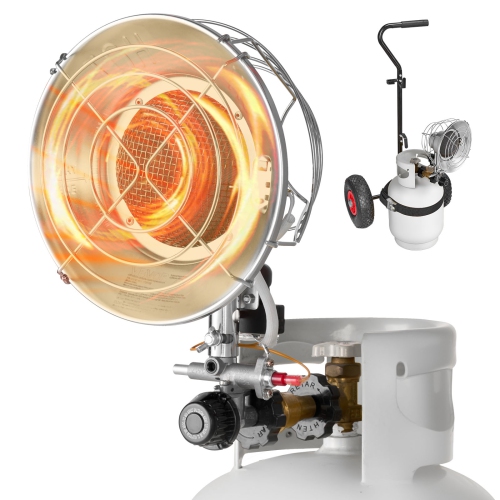
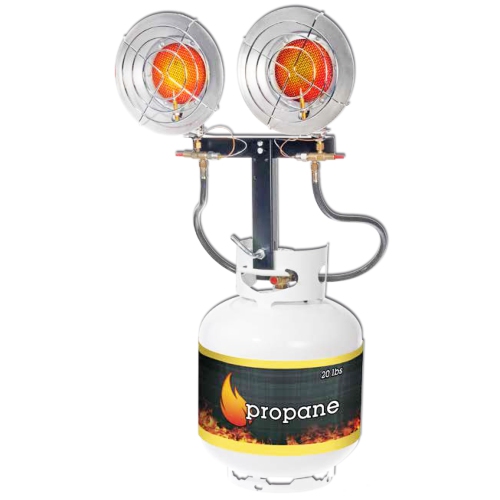
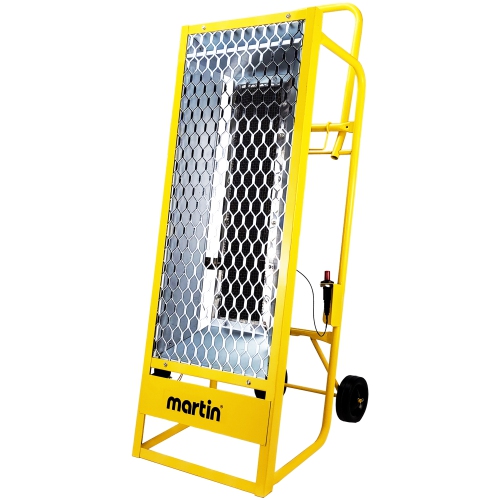
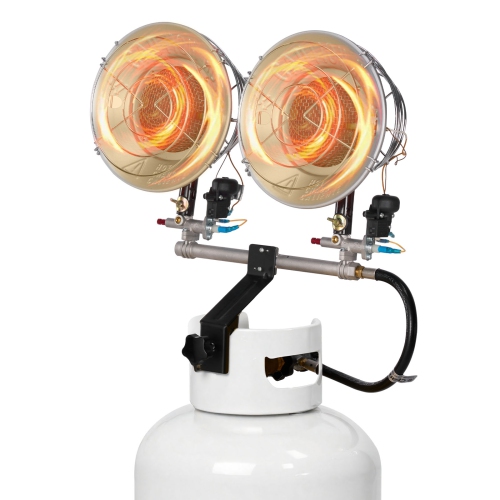
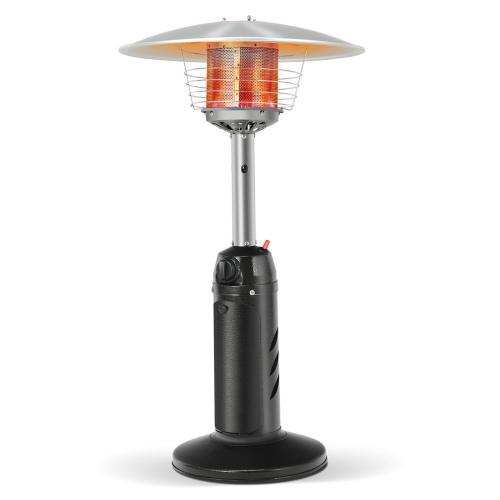
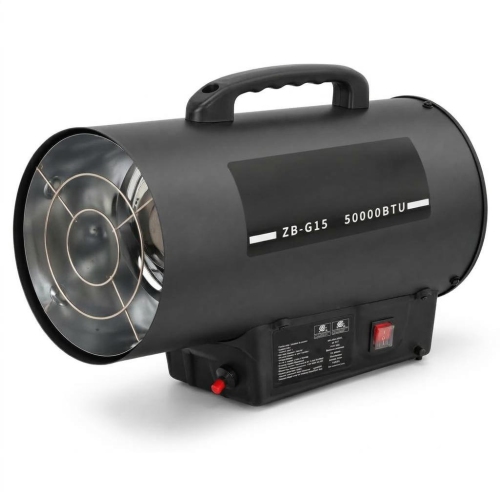
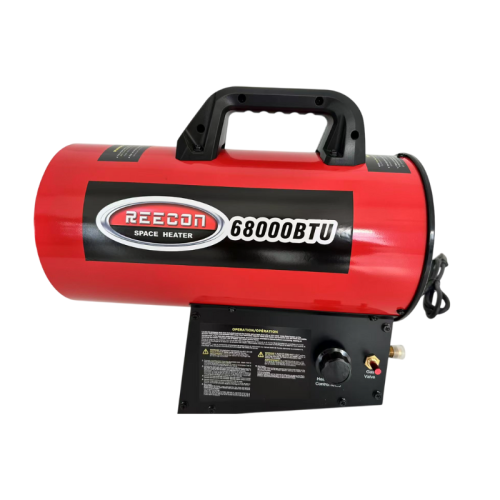
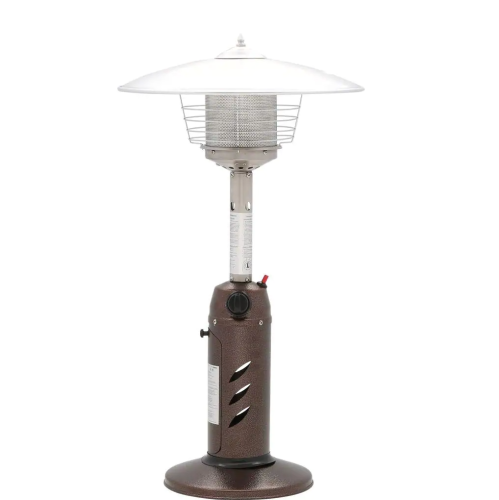
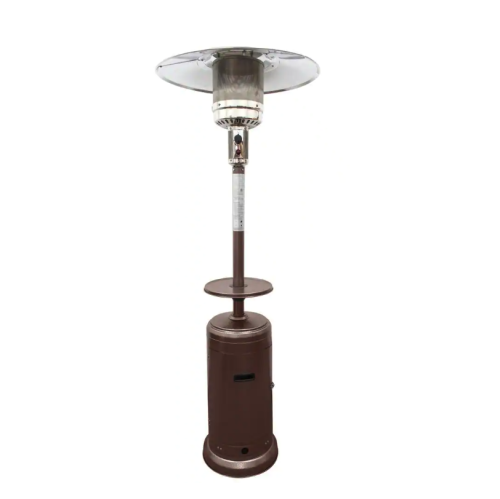
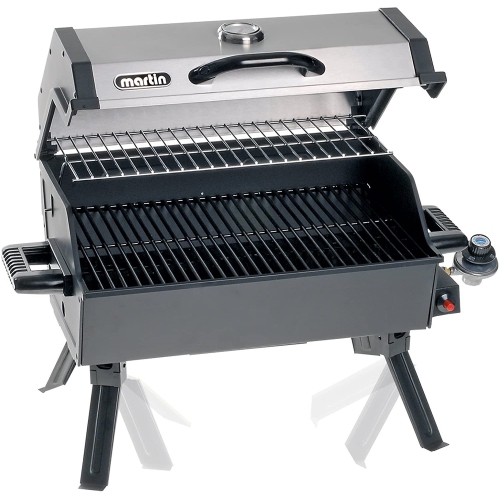
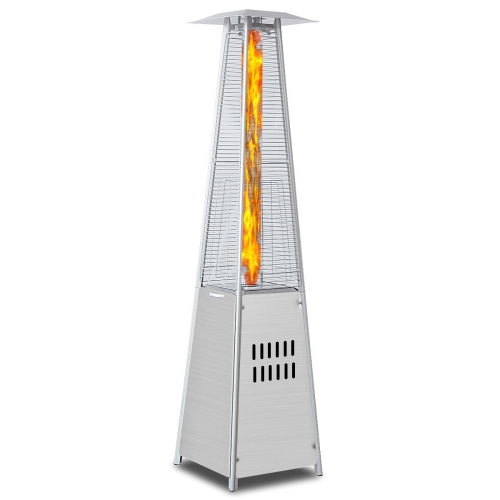
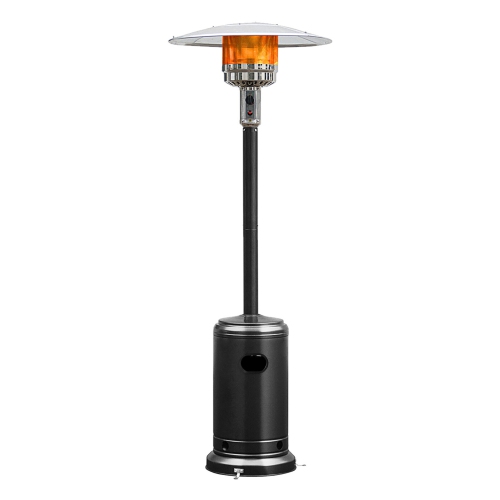
Portable propane heaters provide localized warmth by burning propane, making them useful for outdoor spaces where a fixed heating system or electrical outlet is impractical. They can suit an open patio seating area, an outdoor work station, or a campsite that permits fuel-burning appliances. Many radiant designs operate without electricity, although heaters with powered fans or other electrical components may need an additional power source. Radiant heaters direct heat towards nearby people and surfaces, while forced-air designs move heated air and generally serve different applications. A compact heater beside an outdoor seating area has a different job from a higher-output unit intended for an approved worksite, so heating style matters as much as size. Heat output is commonly expressed in British thermal units per hour, usually shortened to BTU/h. A higher rating indicates greater heat output, but it does not guarantee comfortable warmth across a particular area. Wind, placement, distance from the heater, and the openness of the space all affect how that heat feels. Advertised coverage figures are estimates based on particular conditions rather than a promise of performance on every patio or jobsite. Adjustable heat settings can be useful when people are sitting close together or when the heater needs to serve a smaller gathering without running at full output. Runtime also varies with the heat setting, cylinder capacity, and operating conditions; a low-setting runtime should not be assumed to apply at maximum output. The most useful comparison considers the intended setting, heating pattern, fuel connection, and carrying weight together. For a broader selection of outdoor heating formats, including taller freestanding styles, explore Portable Outdoor Gas Heaters. Portable designs are particularly practical when warmth is needed in one defined spot rather than across an entire outdoor space, provided the heater can stand safely with all required clearances.
Construction and handling details make a noticeable difference when a heater regularly travels between storage and an outdoor setup. Steel housings, protective grilles, sturdy handles, and broad bases are common features worth comparing, although their presence alone does not establish durability or safe placement. Powder-coated finishes can help protect exterior metal surfaces, while stainless steel components may offer greater resistance to corrosion; neither makes a heater suitable for exposure beyond its stated weather rating. A protective grille helps reduce accidental contact with the heating element, but the grille itself can become hot and should not be treated as a touch-safe surface. A wide footprint can improve stability on a suitable level surface, while a well-positioned handle makes a cooled heater easier to carry. For someone moving equipment from a storage area to an open driveway work station, the combined weight of the heater and its fuel supply matters more than the heater’s weight alone. Dimensions also deserve attention: enough room to transport a unit does not necessarily mean there is enough room to operate it safely. Manufacturer-specified clearance from furniture, clothing, overhead structures, and other combustible materials remains essential. Fuel arrangements vary across portable propane heaters. Some compact designs connect directly to a 1 lb cylinder, while other configurations use a separate propane tank through an approved hose and regulator. A heater designed for a small cylinder cannot automatically be connected to a larger tank; compatibility must be explicitly confirmed, including any required hose, regulator, or filter. A larger fuel supply may extend runtime, but it also adds weight and creates a separate placement consideration. Hoses need a route that avoids foot traffic, sharp edges, and hot surfaces. Easy-to-read controls, accessible shut-off valves, and straightforward ignition can make routine operation less awkward, especially when wearing work gloves. An adjustable heating head may help direct warmth, but adjustments must stay within the positions and procedures permitted by the manufacturer.
Intended use and safety features are central considerations for any portable propane heater. Many units sold for Canadian use are intended for outdoor use only. A garage, tent, shed, vehicle, or other enclosed space does not become an outdoor area simply because a door or window is open. Operate a heater only in locations explicitly permitted by its Canadian certification, labelling, and manufacturer’s instructions, and follow applicable local restrictions. These appliances consume oxygen and can produce carbon monoxide, an invisible, odourless gas that can cause serious injury or death. A portable outdoor heater is not a substitute for an approved indoor heating system during a power outage. Tip-over shut-off, flame-failure protection, and oxygen depletion sensors may be included on some designs, but these features do not make an outdoor-only heater safe indoors. An oxygen depletion sensor is not a carbon monoxide alarm, and neither device overrides restrictions on where a heater may operate. Keep children and pets away from hot surfaces, maintain all stated clearances, and never leave an operating heater unattended or use it while sleeping. Care also affects dependable operation over time. Before use, the housing, burner area, connections, and any hose should be checked as directed for damage, obstructions, or wear. Leak checks must follow the manufacturer’s procedure using an approved method, never a flame. Cleaning should take place only after the fuel supply is shut off and the heater has fully cooled, using the methods specified for its finish and components. Damaged hoses, fittings, or controls require appropriate servicing or approved replacement parts rather than makeshift repairs. Once cool, the heater should be stored as instructed, protected from moisture and impact. Propane cylinders need upright storage in a secure, ventilated outdoor location, away from heat and ignition sources, subject to local requirements. Non-refillable cylinders must not be refilled. For households that regularly use permitted outdoor spaces, a suitable portable propane heater can offer convenient spot heating, with lasting usefulness depending on correct sizing, compatible fuel equipment, careful handling, and a storage arrangement that fits the appliance.
Top selling and popular products
-
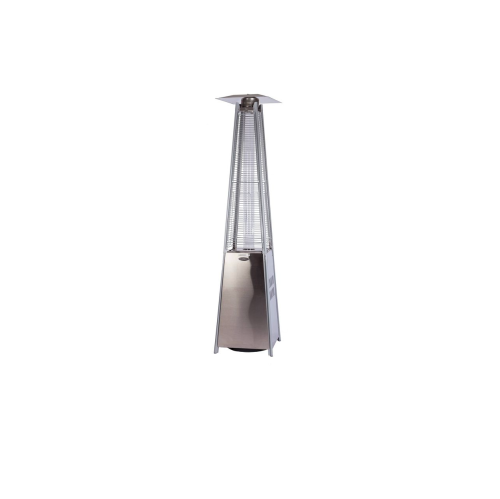 Your price for this item is $879.99
-
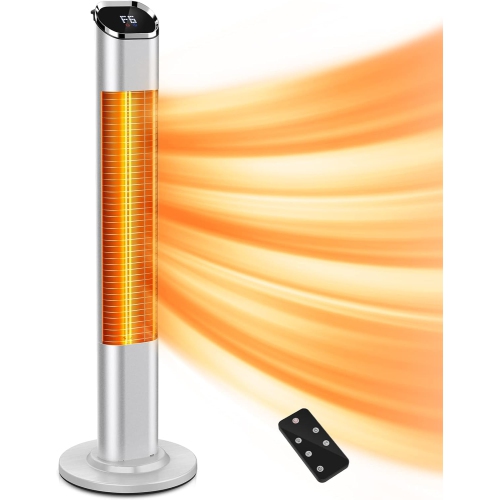 Your price for this item is $219.95
-
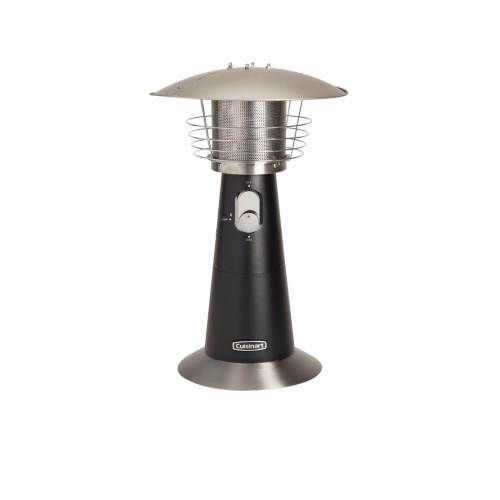 Your price for this item is $329.99
-
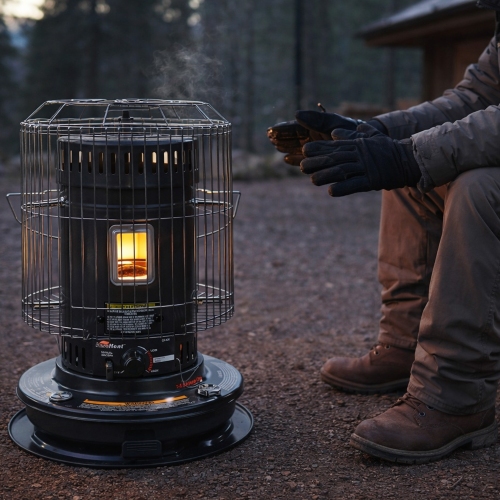 Your price for this item is $783.99
-
 Your price for this item is $318.99
-
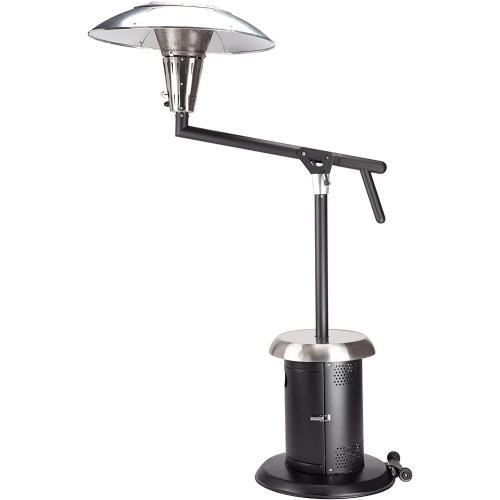 Your price for this item is $1199.99
-
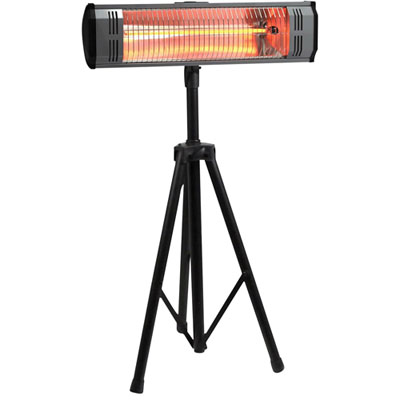 Your price for this item is $259.99
-
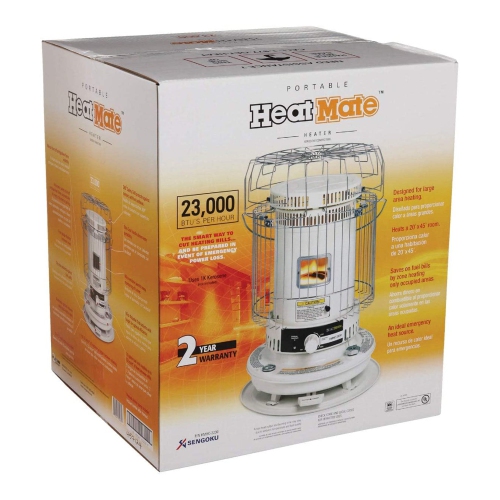 Your price for this item is $611.99
Discover more categories related to Portable Propane Heaters
Top Collections:
Best Black Friday Deals This Year, Best Black Friday Deals On Electronics, Kindle Devices, Pokemon Centers, Best Black Friday Deals On Apple Products, Best Cameras for Sports Photography, Dyson Airwrap, Pokémon 30th Celebration Cards, Apple iPhone 17 Pro, Canon G7X Cameras
Some products may be subject to Environmental Handling Fees
(EHF) depending on your province.
Learn more about EHFs.