Portable Washers
Portable washer solutions offer a convenient way to keep laundry fresh and clean, no matter the size of your living space. Perfect for apartments, dorm rooms, RVs, or anywhere traditional laundry appliances might not fit, a portable washer helps you manage laundry tasks with ease. Explore a range of options designed to fit seamlessly into your lifestyle and make laundry day more efficient. Find the right portable washer to suit your needs and enjoy flexibility in how and where you do your laundry.
Sort


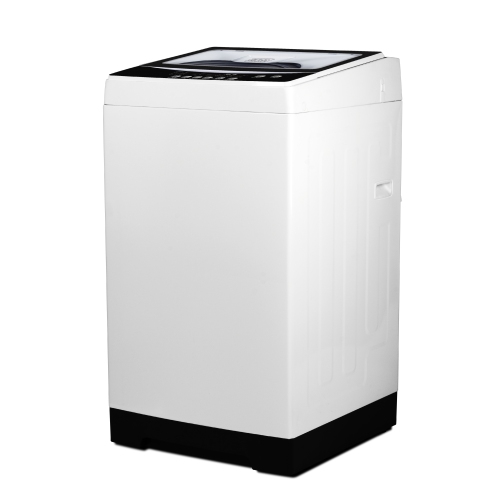
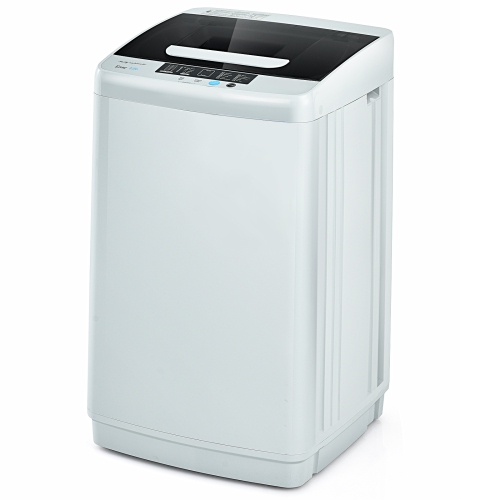
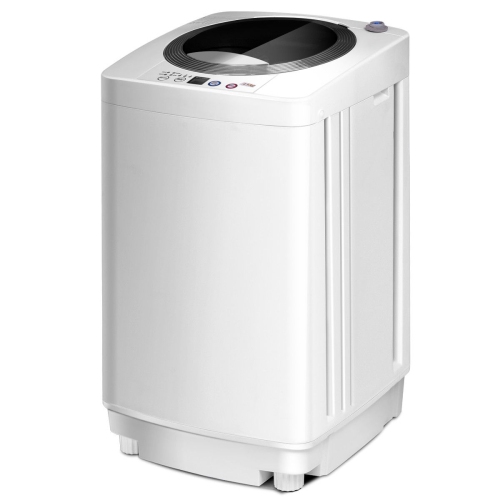
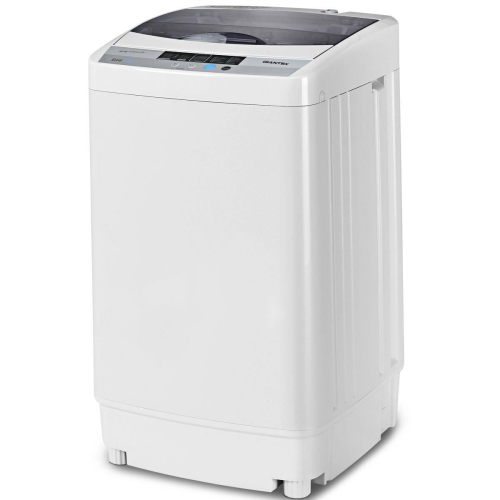
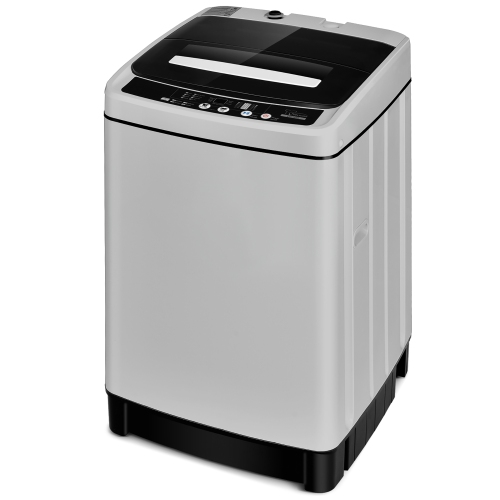
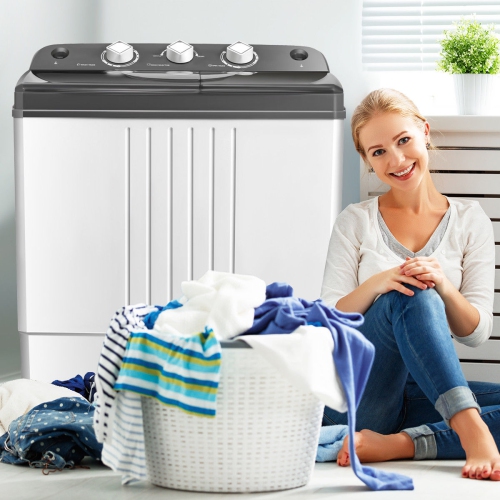
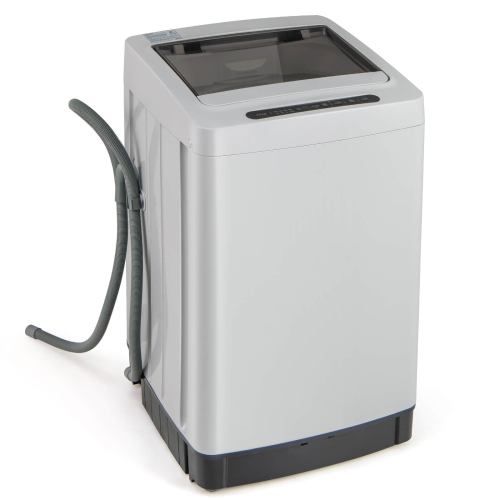
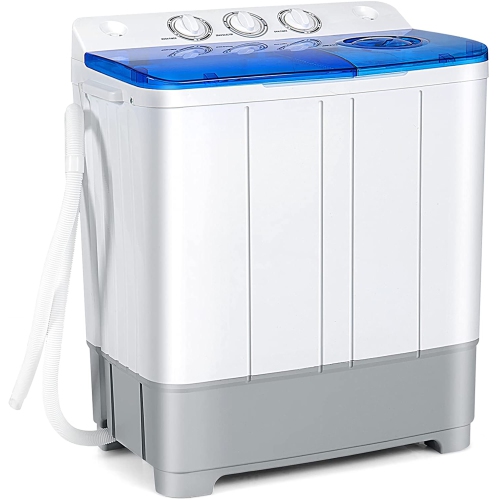
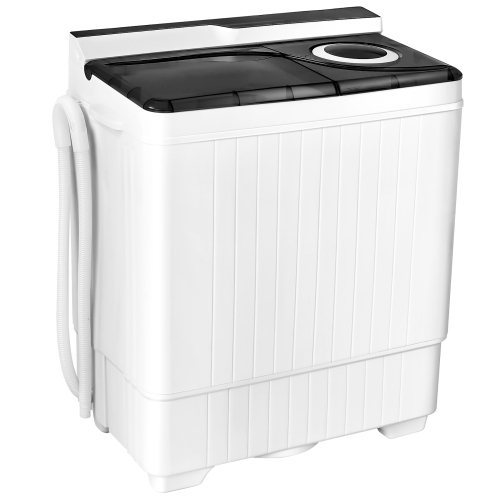
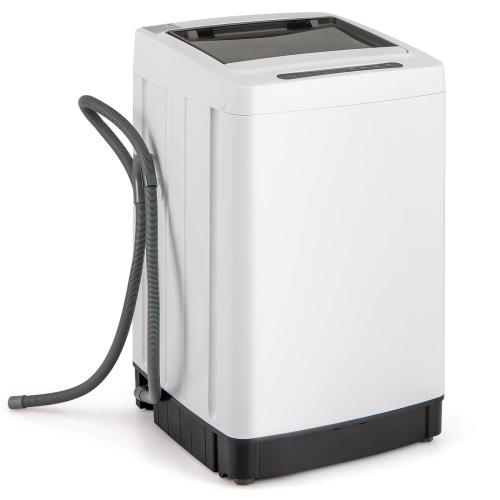
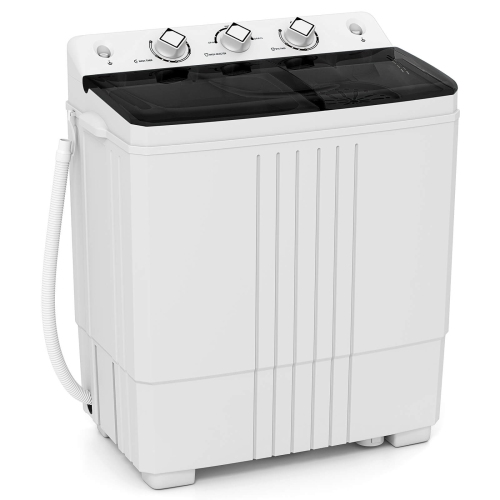
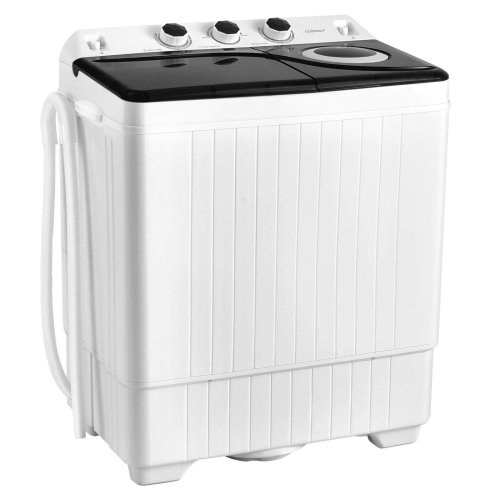
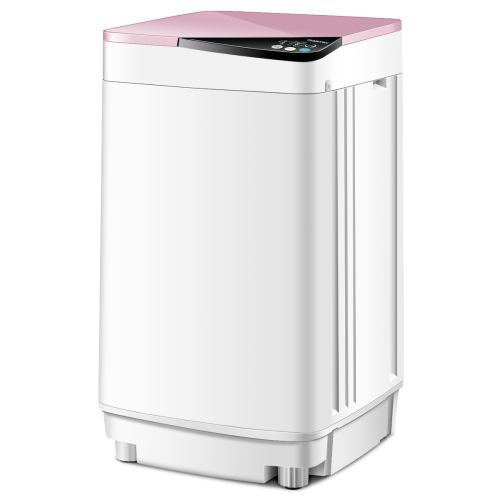
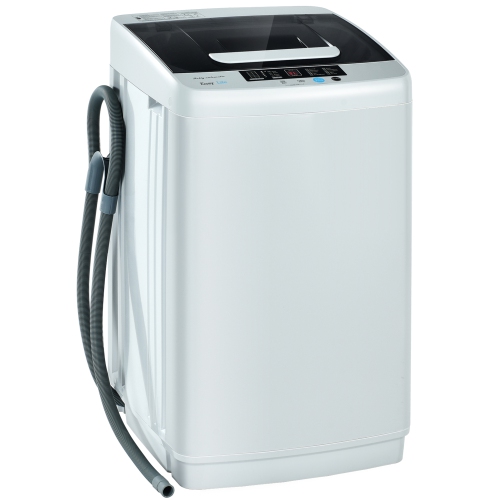
Small-space laundry depends on more than machine size
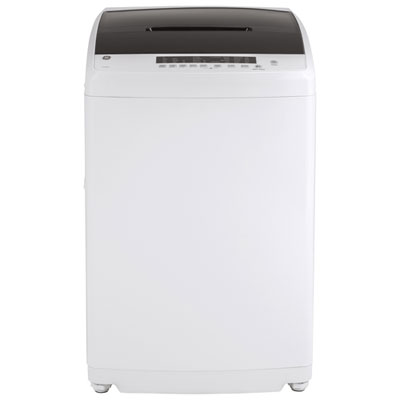
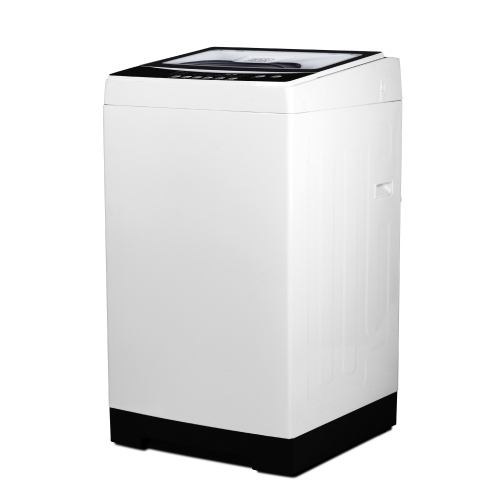
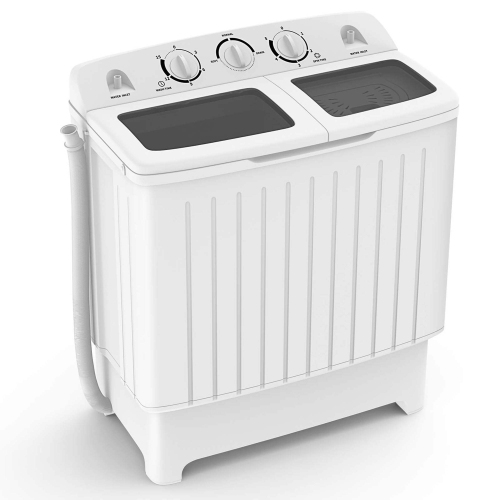
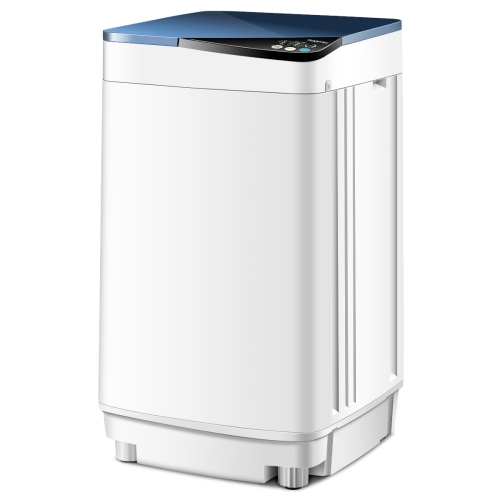
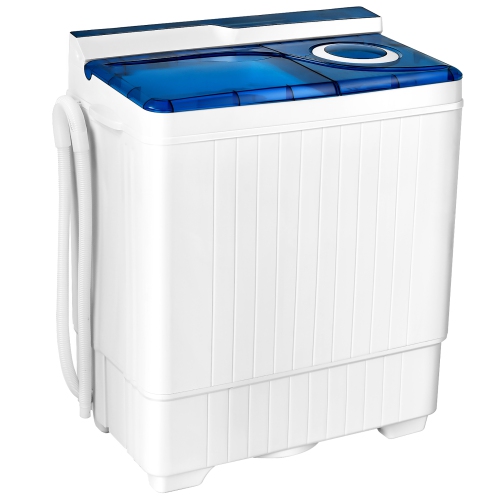
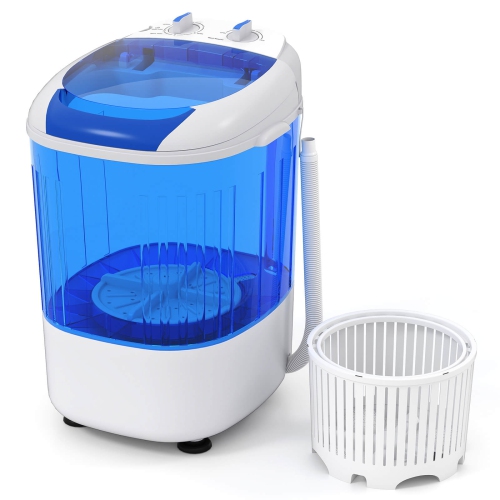
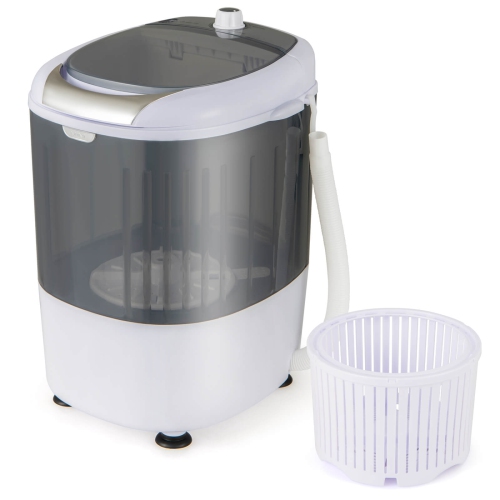
Portable washers are compact washing machines designed to handle smaller laundry loads in spaces where a full-size machine or permanent laundry hookups may not be practical. They can suit apartments, condos, permitted dorm rooms, cottages, and RVs, giving clothing, towels, and other washable essentials a dedicated place to be cleaned without taking over an entire room. Many connect temporarily to a compatible faucet and drain into a suitable sink, while others use manual filling or require a different water connection. The right fit depends as much on the plumbing and layout as it does on the machine’s dimensions. A washer that fits beside a bathroom vanity still needs enough room for its lid or door to open, its hoses to reach their connections without stretching, and its controls to remain accessible. Measuring the storage location and the route to the washing area helps account for narrow doorways, cabinet edges, and raised thresholds. Wheels and carrying handles can make repositioning easier, but a portable washing machine may still be substantial to move, particularly across carpet or between floors. For renters and people living in shared buildings, lease terms and building rules also matter, since some properties restrict washers connected to sinks. RV use calls for additional attention to water supply, drainage, electrical requirements, and secure storage during travel. Faucet compatibility deserves a close look: a supplied adapter may fit certain threaded taps but not a pull-out spray head or an unthreaded spout. Checking those details helps distinguish a convenient temporary setup from one that needs a different connection. For especially tight layouts, Mini Portable Washing Machines offer a smaller format worth considering for light loads and limited storage space. Across these sizes, the main appeal is straightforward: a compact washer can bring routine laundry closer to where it is used, provided the home has a suitable place to operate and drain it.
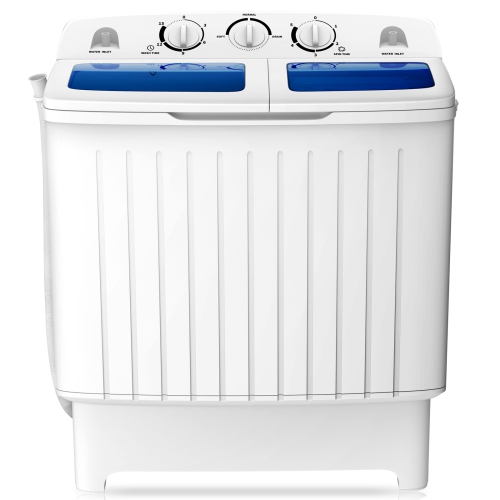
Portable washing machines vary in how much of the laundry process they handle automatically. Fully automatic designs generally wash, rinse, and spin in one tub once the required connections and settings are in place. Semi-automatic and twin-tub designs involve more hands-on steps, which may include filling the wash tub, draining it, and transferring wet clothing to a separate spin compartment. Manually operated designs take a different approach again, using physical effort rather than a powered wash mechanism. These differences affect the experience of doing laundry, especially for someone who wants to start a load and attend to another task nearby. Capacity is another important distinction, and a compact exterior does not tell the whole story. Depending on the machine, capacity may be stated by tub volume or dry laundry weight; a separate spin compartment can also hold less than the wash tub. A few T-shirts, socks, and lightweight trousers behave differently in the drum from a thick bath towel or a pair of jeans. Fabrics need room to move through the wash water, so packing the tub tightly can interfere with cleaning and rinsing. Small loads of everyday clothing are often a natural match, while bulky bedding, heavy blankets, and large household textiles may exceed a machine’s capacity or permitted uses. Fabric care labels remain important even when a washer offers a gentle setting. Water temperature options, wash programmes, adjustable water levels, and rinse settings can help accommodate different routines, but their usefulness depends on the garments being washed. Some machines accept only a cold-water connection, while others allow additional temperature options; a warm-wash setting should not be assumed to mean there is a built-in heater. Spin extraction also differs from drying. A spin cycle removes water, but clothing will usually still need an appropriate drying arrangement, whether that means a drying rack or a separate dryer. Someone washing office shirts in a small apartment may value simple controls and a useful gentle cycle, while a household managing frequent small loads may place more emphasis on capacity and automatic rinsing.
Materials, construction, and everyday care influence how well a portable washer fits into a lasting laundry routine. Stainless steel tubs can offer a smooth, durable washing surface, while plastic tubs keep some designs lighter and resist rust. Either material benefits from an interior free of sharp edges or damage that could catch fabric. A sturdy lid, secure hose fittings, accessible filters, and a stable base are practical details that become noticeable with repeated use. Noise and vibration matter in close quarters, too. A level, firm surface and a balanced load support proper operation, while a washer placed against cabinetry can transmit movement or create rattling. Published noise information, where provided, is most useful when considered alongside the intended location, particularly near a bedroom, shared wall, or work area. Setup and maintenance should follow the machine’s instructions, including its electrical requirements, hose placement, and permitted drain height. A gravity-drain design needs an appropriate downward drainage path, whereas a pumped drain has its own height and routing limits. Neither arrangement should be assumed to suit every sink or floor drain. During use, secure connections and an unobstructed drain help keep water where it belongs. Detergent type and quantity also deserve attention: a small wash tub needs a measured amount, and excess suds can make rinsing more difficult. If high-efficiency detergent is specified, that requirement still applies to a compact machine. Regularly removing lint and residue from accessible filters, wiping the tub and seals as directed, and allowing the interior to dry between uses help keep the washer clean. Before storage or transport, water should be drained and hoses managed according to the manufacturer’s directions. Taken together, these details make portability more than a matter of size. The most suitable washer matches the available connections, manageable load sizes, storage space, and level of hands-on effort, making everyday laundry easier to fit into a smaller home.
Top selling and popular products
-
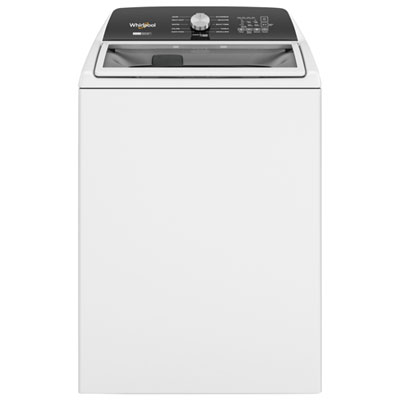 Your price for this item is $949.99
-
 Your price for this item is $474.99
-
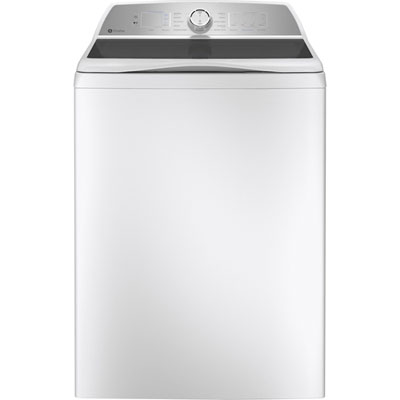 Your price for this item is $1149.99
-
 Your price for this item is $699.99
-
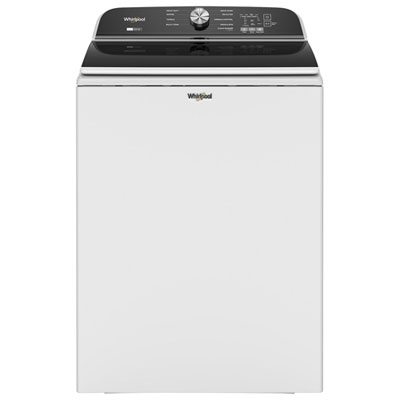 Your price for this item is $1099.99
-
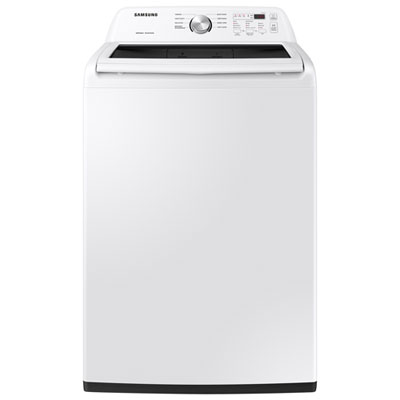 Your price for this item is $749.99
-
 Your price for this item is $849.99
-
 Your price for this item is $499.99
Discover more categories related to Portable Washers
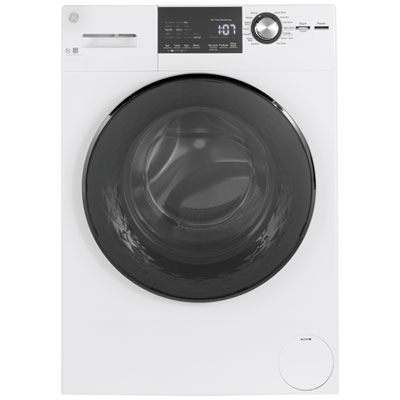
Top Collections:
Best Black Friday Deals This Year, Best Black Friday Deals On Electronics, Kindle Devices, Pokemon Centers, Best Black Friday Deals On Apple Products, Best Cameras for Sports Photography, Dyson Airwrap, Pokémon 30th Celebration Cards, Apple iPhone 17 Pro, Canon G7X Cameras
Some products may be subject to Environmental Handling Fees
(EHF) depending on your province.
Learn more about EHFs.